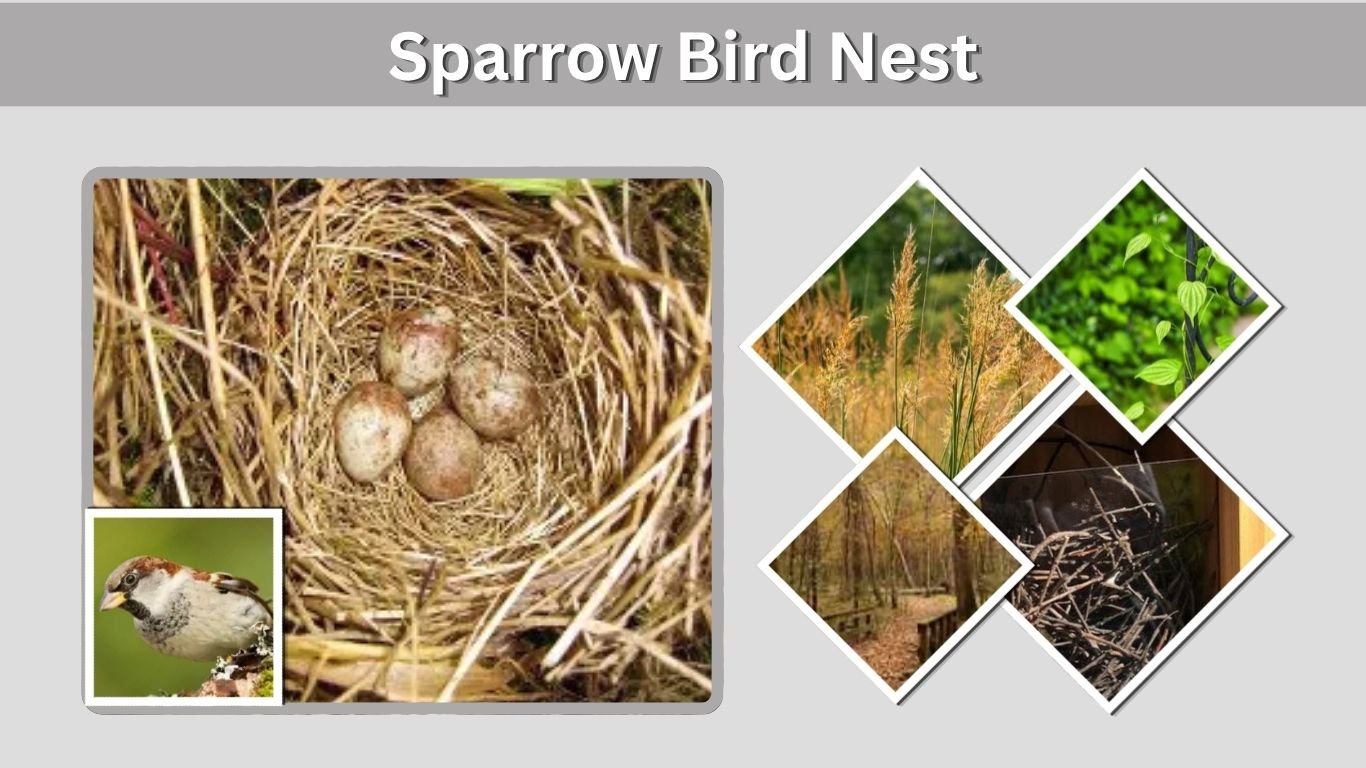
A sparrow bird nest may appear in a tree, dense shrub, building opening, roof cavity, or backyard nest box. Its exact appearance depends on the sparrow species and available nesting materials. Most sparrows construct compact nests from dry grass, plant stems, feathers, and other soft materials. Some species hide their nests near the ground, while House Sparrows frequently nest around homes. Understanding their nesting habits can help you identify the species, protect baby birds, and manage sparrows using birdhouses.
What Does a Sparrow Bird Nest Look Like?
Sparrow nests are usually small, rounded structures made from grass and other plant material. However, their shape varies depending on whether the nest is built in an open location or enclosed inside a cavity.
A nest in a shrub may look like a neat cup. One inside a roof opening or birdhouse may be bulky, loosely arranged, and almost completely enclosed.
Common Nest Features
A typical sparrow nest may contain:
- Dry grass and plant stems
- Fine roots and small twigs
- Leaves, moss, and plant fibers
- Animal hair or fur
- Feathers for insulation
- String, paper, or other human-made material
- A soft inner cup for eggs
House Sparrow nests are often messier than those of native sparrows. They may fill much of a cavity with grass, feathers, paper, and other debris, leaving only a small central chamber.
Sparrow Nest Size
Most sparrow nests are small enough to fit in one hand, although cavity nests can become much larger because birds continue adding material. The inner cup is generally deep enough to hold several eggs securely and protect them from rolling out.
Where Do Sparrows Build Their Nests?
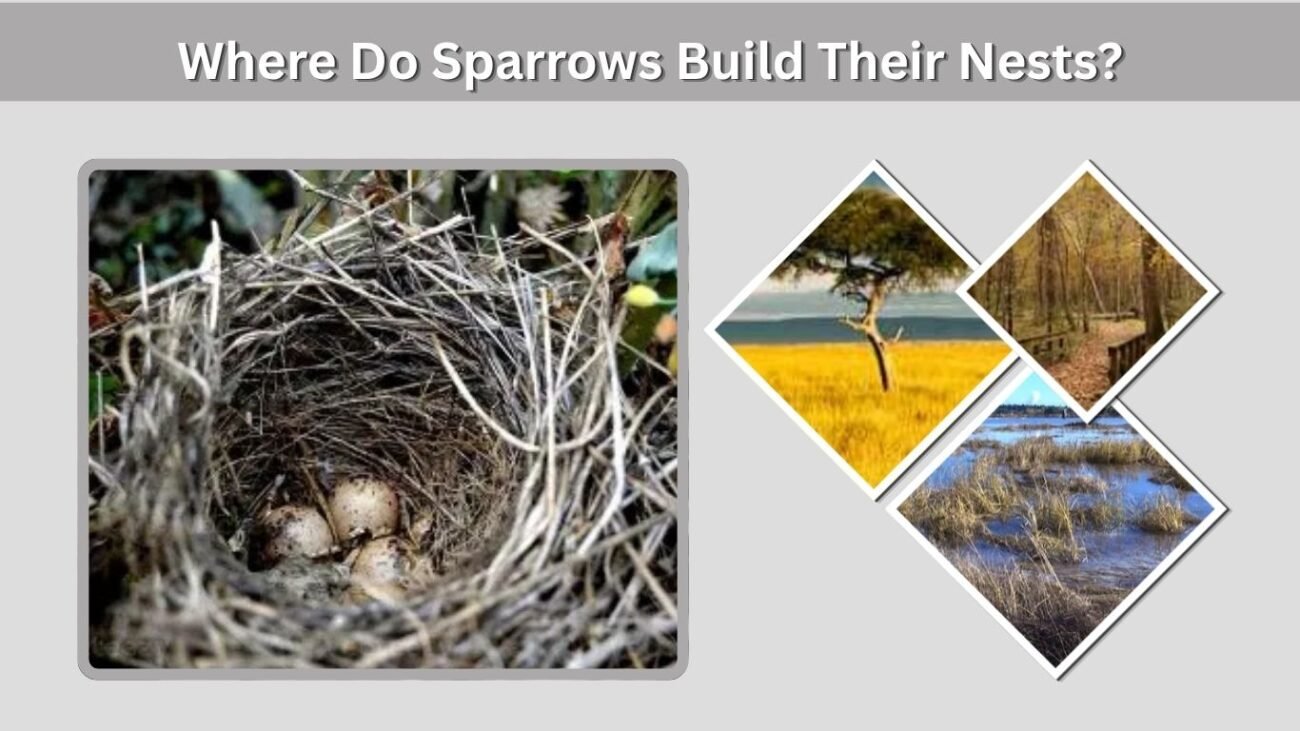
Sparrows occupy many habitats, including backyards, farms, grasslands, wetlands, woodlands, and cities. Their nesting locations depend heavily on the species.
Some build open cup nests in vegetation, while others prefer natural holes or artificial structures.
| Nesting location | Sparrow species commonly associated with it |
| Building cavities and roof spaces | House Sparrow |
| Nest boxes and birdhouses | House Sparrow, Eurasian Tree Sparrow |
| Low shrubs and dense vegetation | Song Sparrow, White-throated Sparrow |
| Small trees and evergreens | Chipping Sparrow |
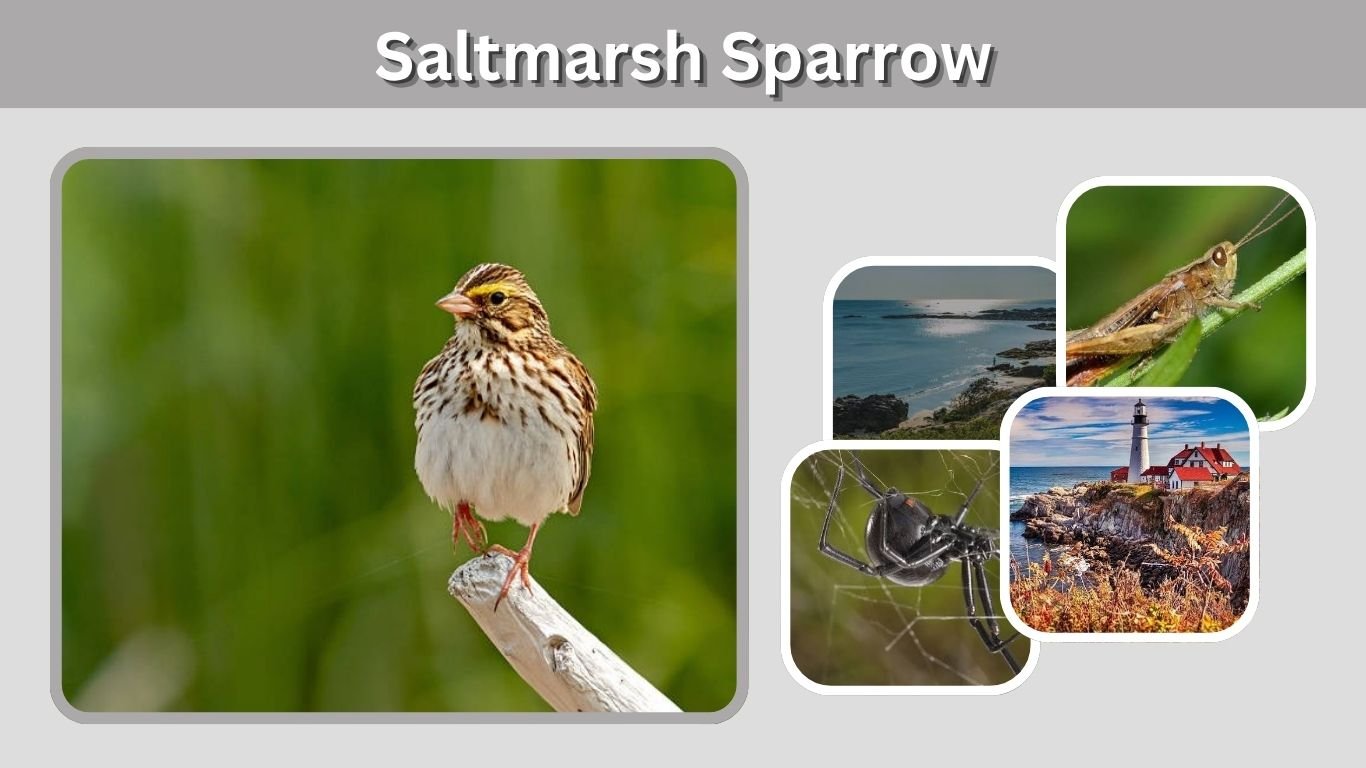
| Grass or vegetation near the ground | Savannah Sparrow, Song Sparrow |
| Ground beneath thick cover | Field Sparrow and several native species |
Nests Around Houses
House Sparrows commonly nest beneath roof tiles, inside vents, behind shutters, in signs, and within gaps under building eaves. They may return to the same general nesting location for several breeding seasons.
Before blocking an opening, make sure it does not contain an active nest. Trapping adult birds or nestlings inside can cause injury and create sanitation problems.
Ground-Nesting Sparrows
Several sparrow species build nests directly on or very close to the ground. The nest is normally hidden beneath grass, low plants, or fallen vegetation. Ground nests can be difficult to see and are vulnerable to lawn equipment, pets, flooding, and predators.
Sparrow Bird Nesting Habits
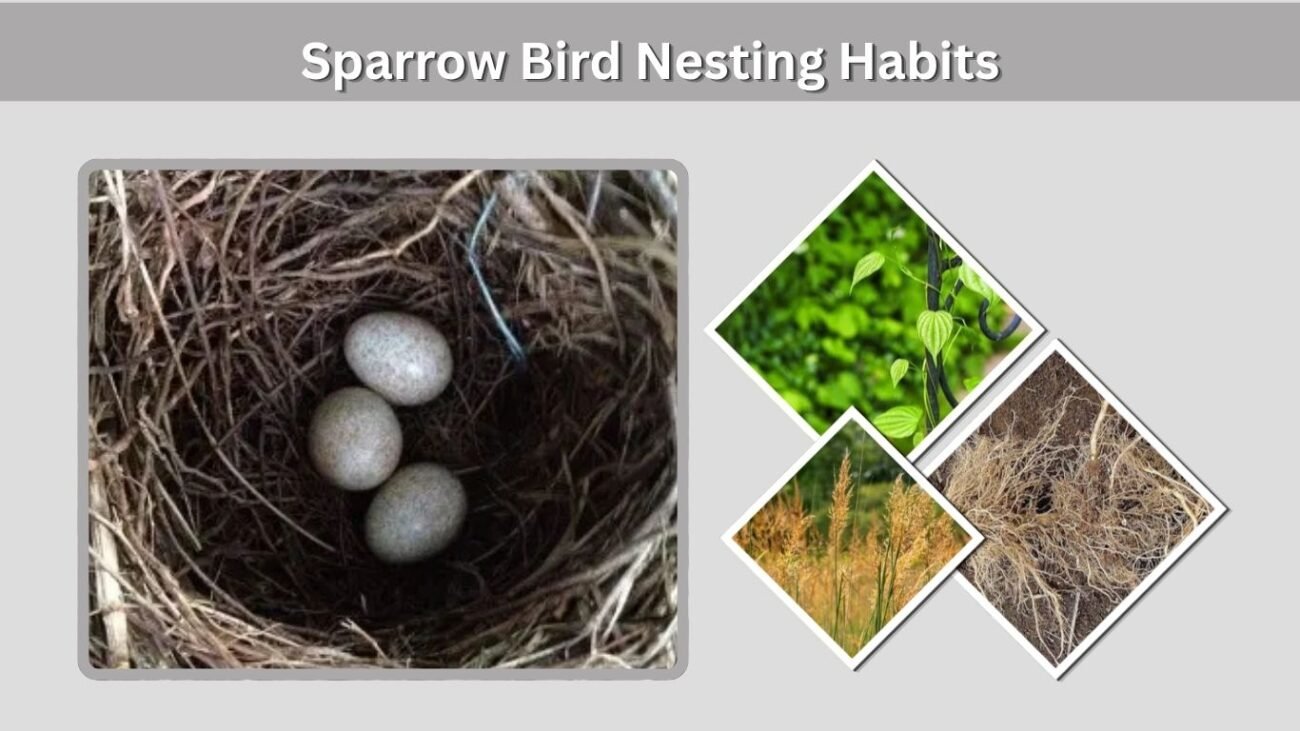
Sparrow nesting behavior begins with territory selection, courtship, and nest-site inspection. Depending on the species, one bird may select the location while both adults contribute nesting material.
The breeding season generally occurs during spring and summer, although timing varies by climate and geographic region.
Building the Nest
A pair may take several days or longer to complete a nest. Birds repeatedly carry small pieces of grass, stems, roots, and feathers to the chosen location.
House Sparrows sometimes reuse an existing nest or build over old nesting material. Open-nesting species are more likely to construct a fresh cup for each breeding attempt.
Egg Laying and Incubation
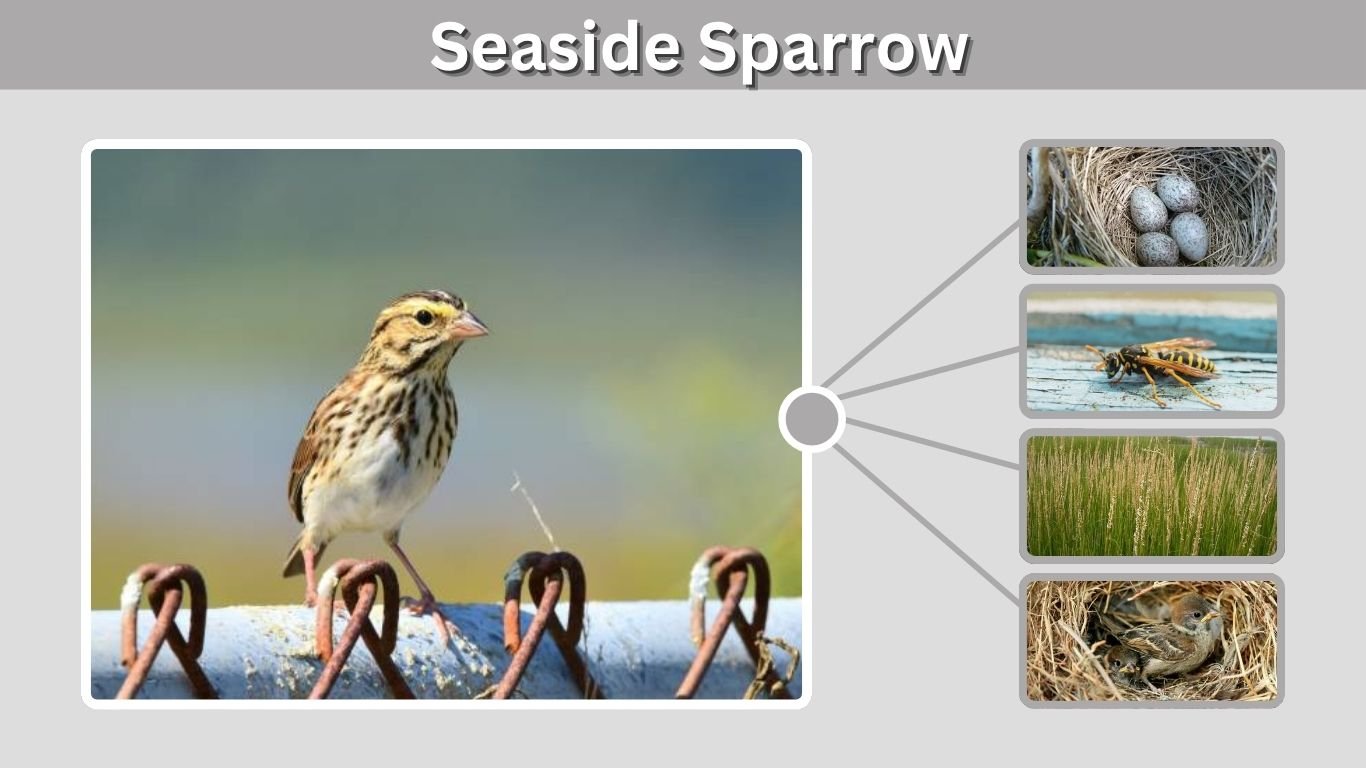
Most sparrows lay several eggs in one clutch. The eggs may be pale white, cream, bluish, greenish, or gray, often with brown or reddish speckles.
The female commonly performs most of the incubation, although the male may remain nearby, guard the territory, or bring food. Incubation generally lasts around two weeks, depending on the species and weather conditions.
Raising Baby Sparrows
Newly hatched sparrows are helpless, nearly featherless, and dependent on their parents. Both adults may bring insects and other protein-rich food to the nestlings.
As the chicks grow, their eyes open and their feathers develop rapidly. Parents make frequent feeding visits until the young birds are ready to leave.
How Long Do Baby Sparrows Stay in the Nest?
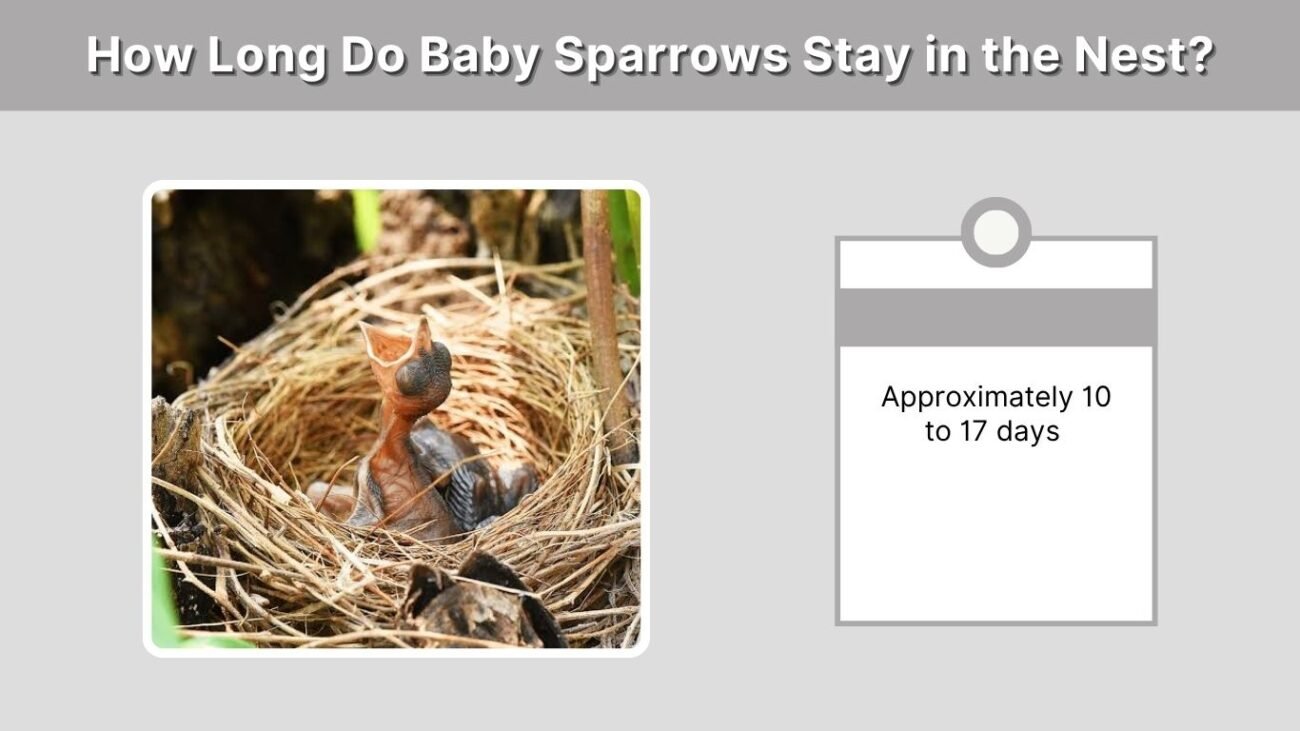
Baby sparrows usually remain in the nest for approximately 10 to 17 days after hatching, although the exact period differs among species. House Sparrow chicks commonly leave when they are around two weeks old.
Fledglings may look small, fluffy, and unable to fly well. This is a normal developmental stage.
Signs a Baby Sparrow Is Ready to Fledge
A young sparrow approaching fledging age usually has:
- Most of its body covered with feathers
- A short tail that is still developing
- Bright edges around the mouth
- The ability to stand, hop, and grip branches
- Frequent wing-flapping behavior
- Parents calling or carrying food nearby
Once fledglings leave the nest, their parents continue feeding and protecting them while they learn to fly and find food.
Do Sparrows Nest in Bird Boxes?
Yes, some sparrows readily use nest boxes. House Sparrows are particularly willing to occupy birdhouses placed near buildings, farms, gardens, and other human activity.
Native sparrow species are generally less likely to use traditional enclosed birdhouses because many build open nests in shrubs or on the ground.
Choosing a Sparrow Nest Box
A suitable box should include:
- Strong, weather-resistant construction
- Drainage holes in the floor
- Ventilation near the upper walls
- A secure roof that keeps out rain
- An entrance appropriate for the intended species
- A side or front panel that opens for cleaning
- No exterior perch beneath the entrance
The box should be mounted securely in a sheltered location. Avoid placing it where cats, squirrels, or other predators can reach the entrance easily.
Should You Add Nesting Material?
It is usually unnecessary to fill a birdhouse with nesting material. Sparrows prefer to collect and arrange their own materials.
A thin layer of untreated wood shavings may be appropriate for certain cavity-nesting birds, but avoid cotton, dryer lint, plastic fibers, or long pieces of string. These materials can become wet, wrap around birds, or create other hazards.
Do Sparrows Use or Take Over Other Birds’ Nests?
Some sparrows use abandoned nests, natural cavities, or nesting locations previously occupied by other birds. House Sparrows are especially competitive around birdhouses and building cavities.
They may claim an occupied site and remove nesting material, eggs, or chicks belonging to another bird. This behavior is one reason they can create problems for native cavity-nesting species.
Which Sparrows Commonly Take Over Nests?
House Sparrows are the species most strongly associated with aggressive nest takeover around homes. They may compete with bluebirds, swallows, wrens, and other birds for limited cavities.
Most native sparrows do not regularly invade nest boxes because they use shrubs, grasses, or ground-level vegetation instead.
Do Sparrows Lay Eggs in Other Birds’ Nests?
Sparrows are not widely known as obligate brood parasites like Brown-headed Cowbirds or cuckoos. However, a female House Sparrow may occasionally lay an egg in another House Sparrow’s nest.
Finding an unfamiliar egg does not automatically mean a sparrow placed it there. Egg color and markings vary, and some birds naturally produce eggs that look different within the same clutch.
House Sparrow Nest vs. Other Bird Nests
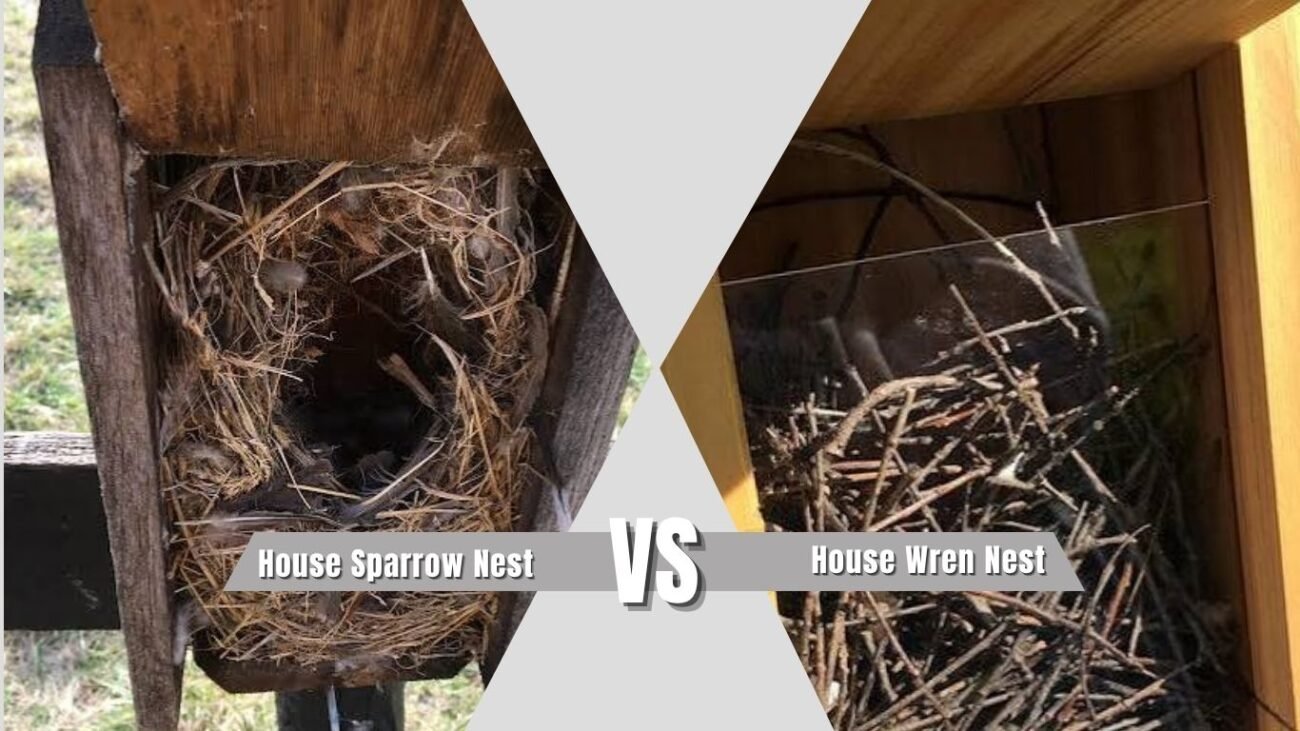
House Sparrow nests are often identified by their bulky and untidy construction. Comparing materials, location, and shape can help distinguish them from swallow, wren, or native sparrow nests.
| Bird | Nest appearance | Typical location |
| House Sparrow | Bulky grass nest, often lined with feathers and debris | Cavities, roofs, signs, nest boxes |
| Song Sparrow | Neat cup made from grass and plant fibers | Ground or low shrubs |
| Chipping Sparrow | Small, delicate cup lined with fine grass or hair | Trees and shrubs |
| House Wren | Cavity packed with small twigs | Birdhouse or natural hole |
| Barn Swallow | Open cup made primarily from mud | Beams, barns, porches |
| Tree Swallow | Grass-lined cavity nest with many feathers | Tree hole or nest box |
A mud nest attached to a wall or beam is probably the work of a swallow rather than a sparrow.
What to Do if a Baby Sparrow Falls From the Nest
First determine whether the bird is a nestling or a fledgling. A nestling has few feathers and cannot stand or hop normally. A fledgling is mostly feathered and may be found on the ground while its parents remain nearby.
Helping a Nestling
When the original nest is accessible and the chick appears uninjured, gently return it to the nest. Parent birds normally continue caring for a baby after a person has touched it.
If the nest has fallen, a small substitute container with drainage holes may sometimes be secured near the original location. Keep pets and people away while watching from a distance for returning parents.
Helping a Fledgling
A healthy fledgling usually does not need to be rescued. Move it only a short distance if it is in immediate danger from traffic, pets, or machinery.
Contact a licensed wildlife rehabilitator when the bird is injured, cold, weak, bleeding, or known to have been caught by a cat. Do not give it water or food unless a qualified professional provides instructions.
Cleaning Sparrow Nest Boxes
Clean a nest box only after the breeding attempt has ended and the birds are no longer using it. Wear gloves, remove old material, and clean the interior with appropriate precautions.
Never disturb eggs or young birds merely to inspect or photograph them. Nest disturbance can cause stress, expose the chicks to predators, or violate wildlife protection rules. Regulations differ by species and location, so check local guidance before removing any active nest.
FAQs
How can I identify a House Sparrow bird nest?
A House Sparrow nest is usually bulky, loose, and made from grass, straw, feathers, paper, and other available debris. It is commonly placed inside a building cavity, roof space, sign, vent, or birdhouse. The nesting material may fill most of the enclosed space.
When do sparrows build their nests?
Most sparrows begin nesting during spring as temperatures rise and food becomes more abundant. Nesting may continue through summer, and House Sparrows can raise multiple broods in one season. Exact dates depend on the species, local climate, latitude, and annual weather conditions.
Do sparrows return to the same nest every year?
House Sparrows may reuse the same cavity or nesting area, especially when it remains protected and successful. They often repair an old nest or place fresh material on top. Other sparrow species usually build a new nest, although they may return to the same territory.
Can I move a sparrow nest into a bird box?
Moving an active nest is risky because the parents may abandon it, and disturbing protected native birds may be illegal. A displaced nest should only be handled when necessary for the birds’ immediate safety and preferably under guidance from a wildlife rehabilitator or local wildlife authority.
How many eggs are normally in a sparrow nest?
A sparrow clutch commonly contains three to six eggs, although the number varies by species, age of the female, season, and food availability. House Sparrow eggs are usually pale and marked with gray or brown spots. The female generally lays approximately one egg per day.