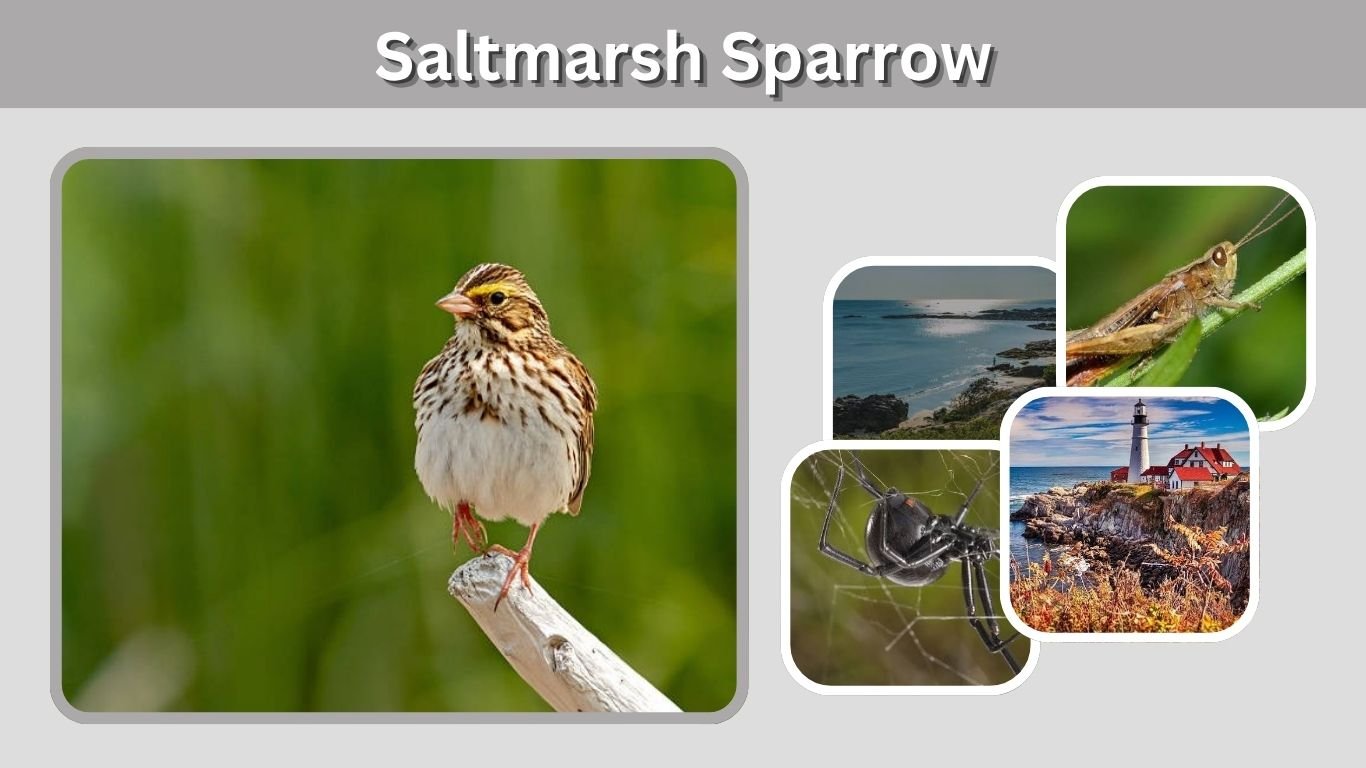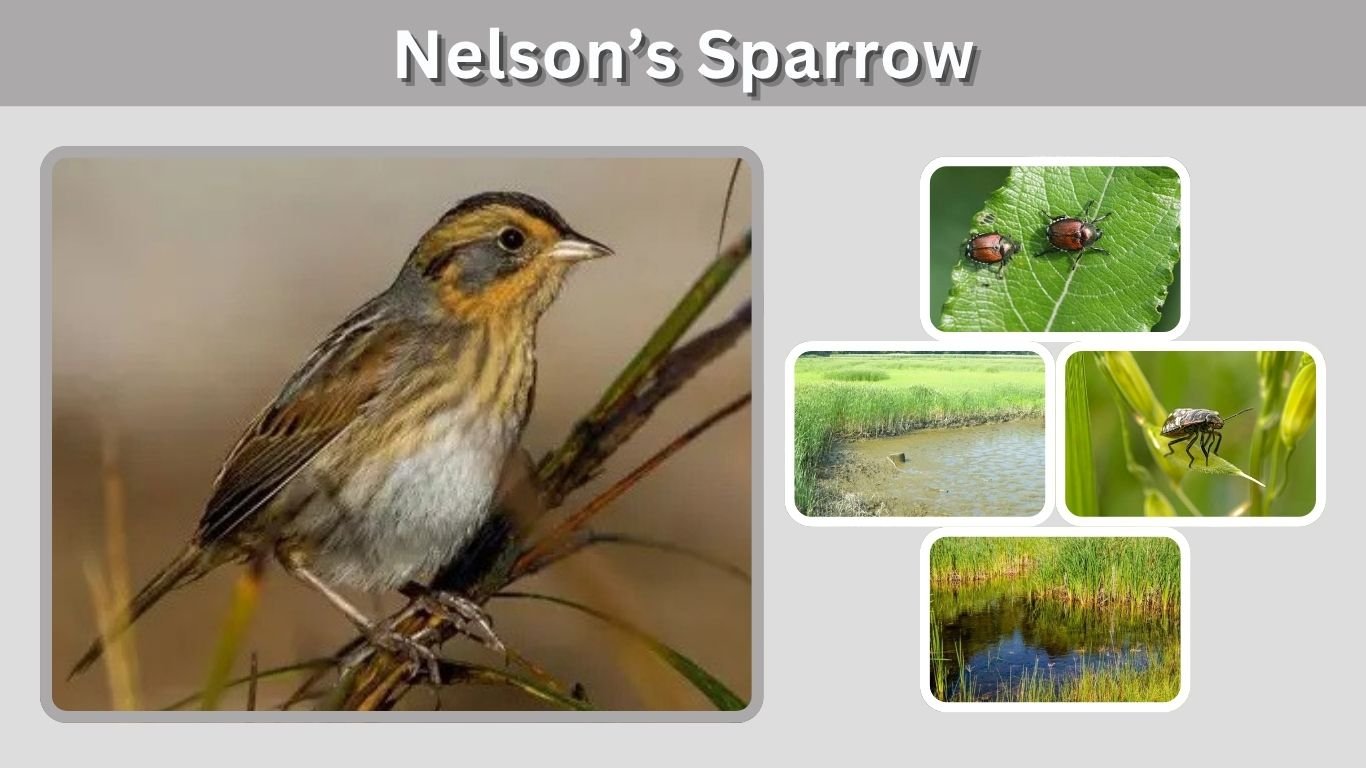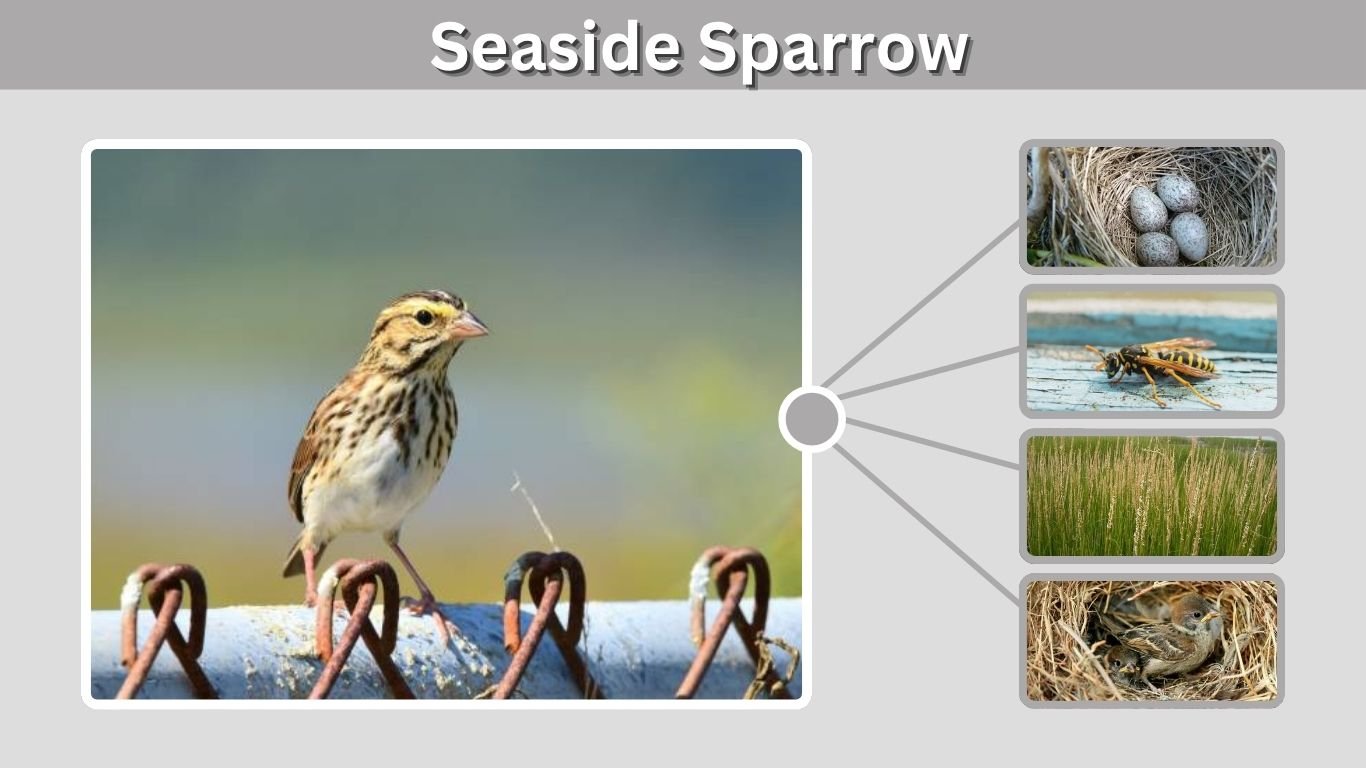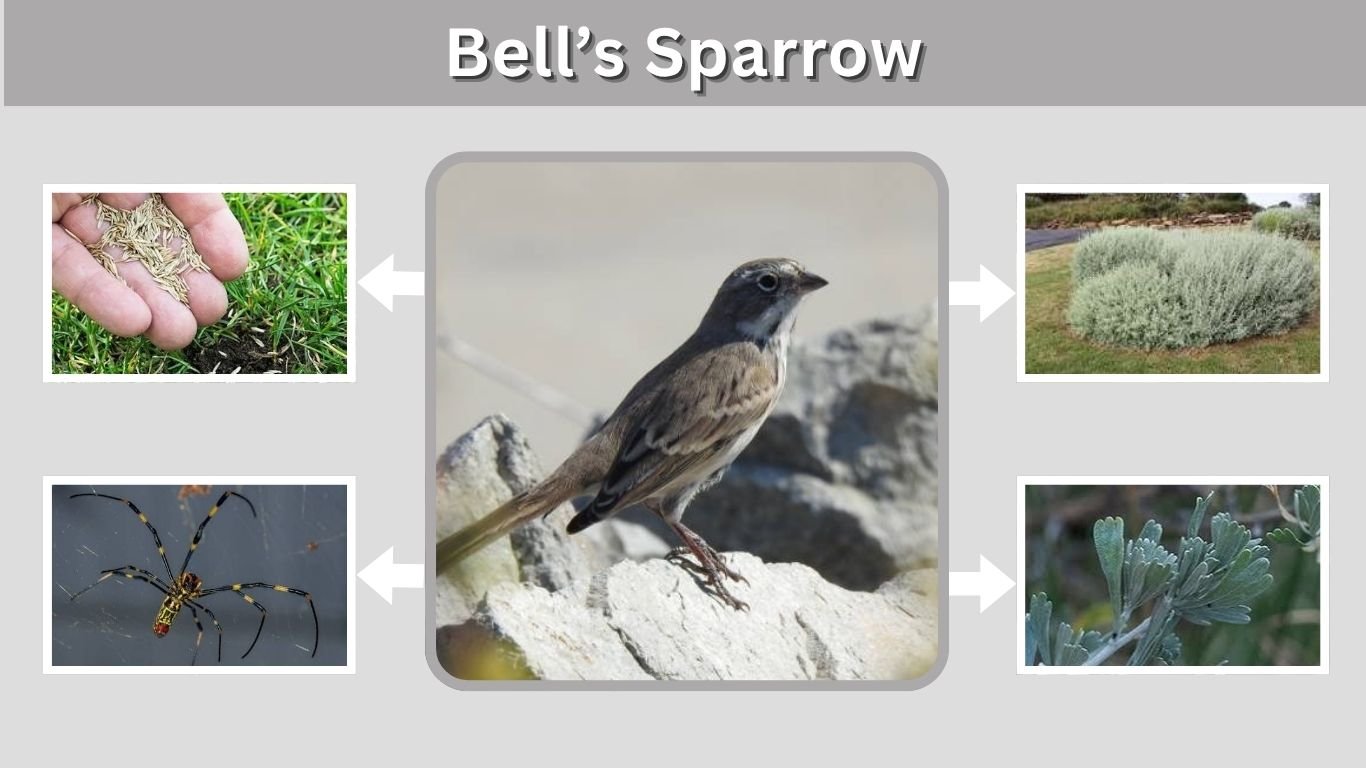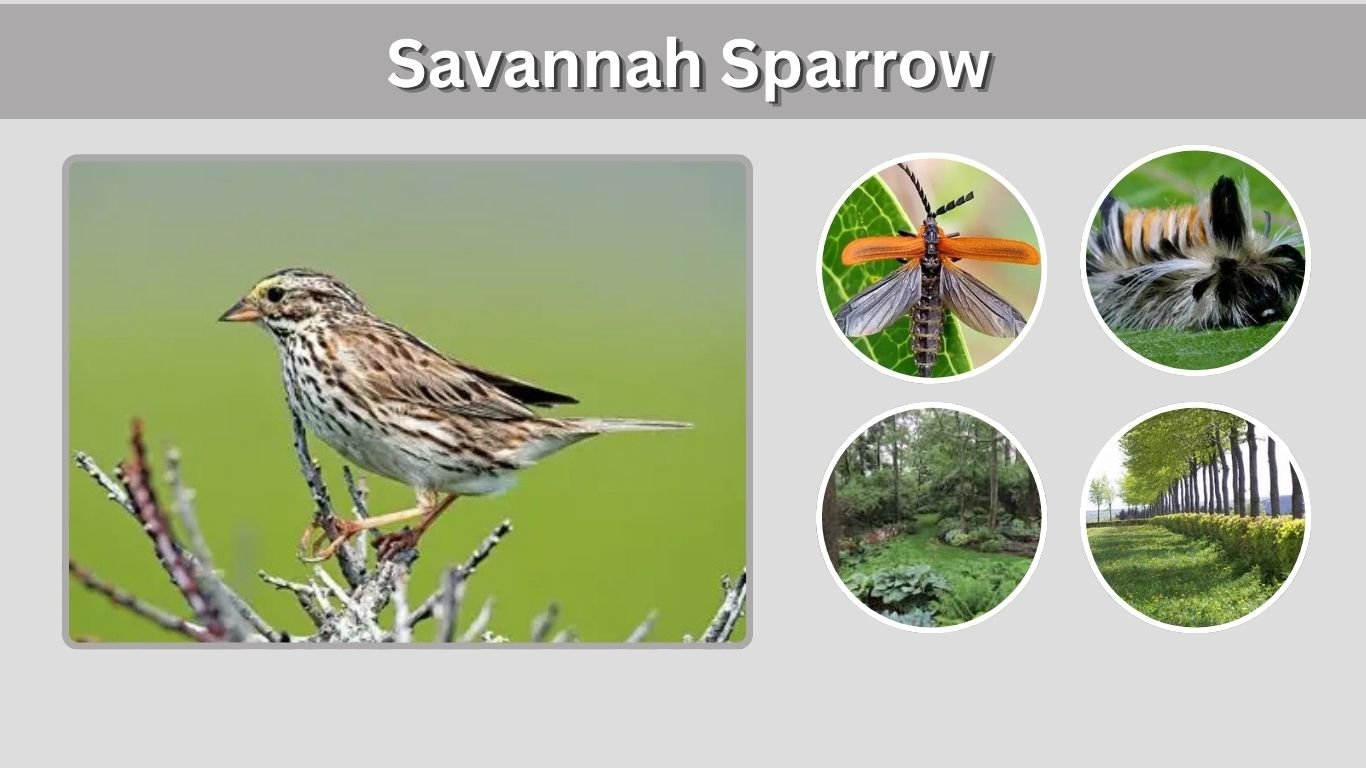
The Savannah Sparrow is a small, streaked North American songbird commonly found in grasslands, pastures, coastal marshes, and agricultural fields. Its crisp breast streaks, short tail, and yellowish patch near the eye are its most useful identification features. Although Savannah Sparrows can be difficult to distinguish from Song, Vesper, and other grassland sparrows, their appearance, habitat, and thin, buzzy song provide reliable clues. This guide covers their range, diet, nesting behavior, juveniles, subspecies, and closest look-alikes.
Savannah Sparrow Quick Facts
Savannah Sparrows are widespread but highly variable. Birds from different regions may differ noticeably in size, darkness, bill shape, and the amount of yellow on the face.
| Feature | Description |
| Scientific name | Passerculus sandwichensis |
| Length | About 4.3–6 inches |
| Appearance | Brown above and pale below with dark streaks |
| Key field mark | Yellowish patch in front of or above the eye |
| Bill | Small, pale, and cone-shaped |
| Tail | Short and usually notched |
| Habitat | Grasslands, fields, dunes, tundra, and salt marshes |
| Diet | Seeds, insects, spiders, and other invertebrates |
| Eggs | Usually 2–6 |
| Native range | Much of North America |
How to Identify a Savannah Sparrow
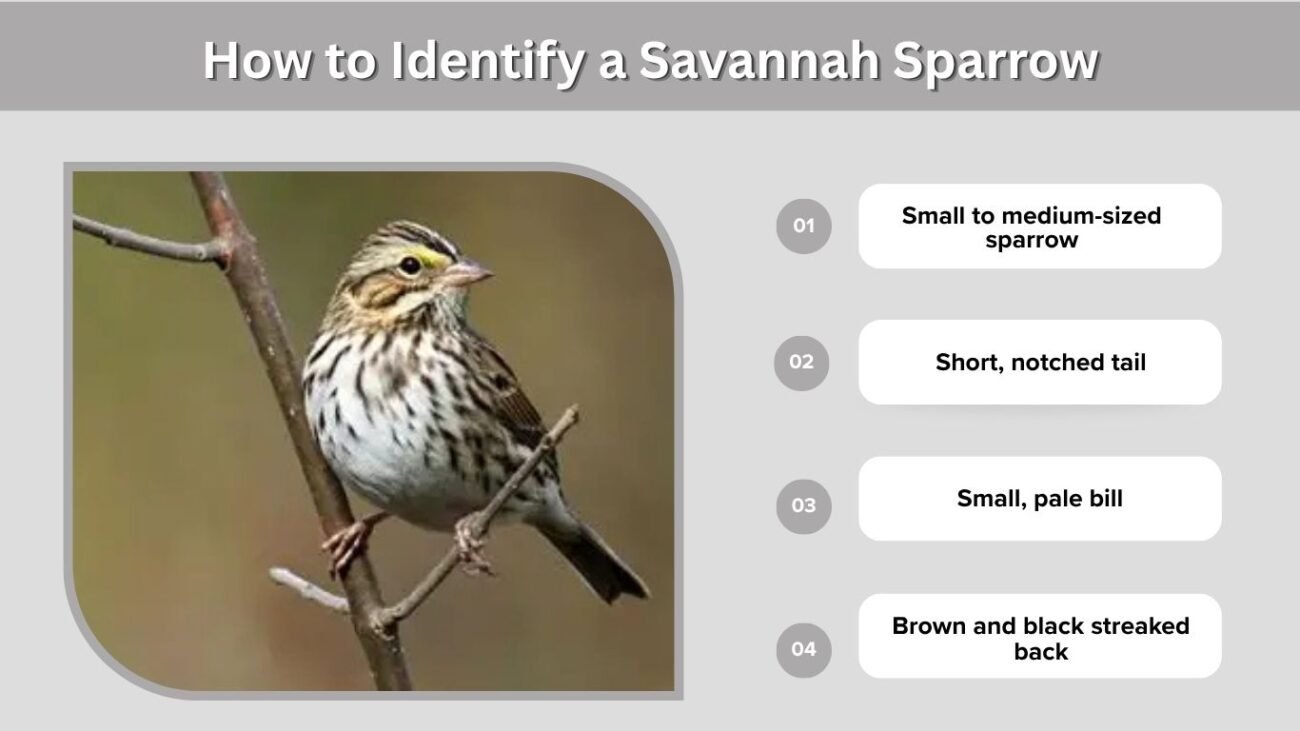
Savannah Sparrows have brown upperparts marked with black streaks and whitish underparts covered by narrow brown or black streaks. The breast streaks may remain separate or form a small central spot.
Key Identification Features
Look for this combination of characteristics:
- Small to medium-sized sparrow
- Short, notched tail
- Small, pale bill
- Brown and black streaked back
- White or buff-colored underside
- Crisp streaking across the breast and sides
- Pale central crown stripe
- Dark whisker or malar stripe
- Yellowish lores or eyebrow area
- Pinkish or flesh-colored legs
The small yellow patch between the bill and eye is especially helpful. However, it may be bright, faint, or nearly absent, depending on the bird and regional population. Savannah Sparrows also have a relatively strong facial pattern and shorter tail than many similar streaked sparrows.
Male vs. Female Savannah Sparrow
Male and female Savannah Sparrows look very similar. Both sexes have streaked breasts, brown backs, pale bills, and yellowish facial markings.
Behavior provides the best clue during the breeding season. Males frequently sing from fence posts, weed stalks, rocks, or other exposed perches. Females spend more time building nests, incubating eggs, and remaining concealed within grass.
Savannah Sparrow Song and Call
The Savannah Sparrow has a high, thin voice that can be difficult to hear in windy grasslands.
What Does the Song Sound Like?
The typical song begins with several short introductory notes, followed by a thin, insect-like buzz and a brief closing trill. It may be represented as:
“tsit-tsit-tsit, seeee-bzzzz-tsee.”
Individual birds and regional populations produce slightly different versions. Males sing repeatedly during spring and summer while perched above the surrounding grass.
Savannah Sparrow Call
The most common call is a thin, sharp “tsip” or “seep.” Birds use these contact notes while feeding, flying, or communicating with nearby flock members. Alarmed adults may produce quicker, more forceful chip notes.
Savannah Sparrow Habitat and Behavior
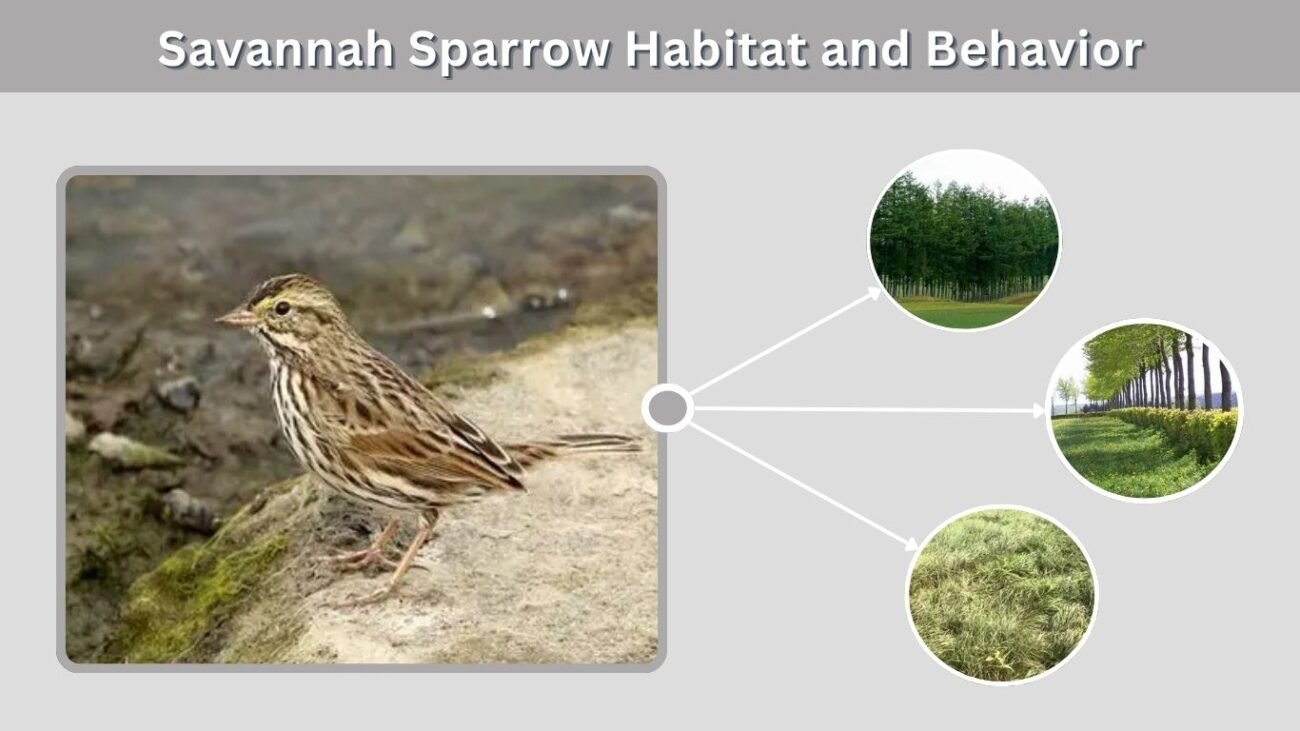
Savannah Sparrows are primarily birds of open country. They favor areas with low vegetation where they can forage on the ground while remaining close to grass for cover.
Common habitats include:
- Natural grasslands
- Grazed pastures
- Hayfields
- Agricultural fields
- Coastal dunes
- Salt marshes
- Freshwater marsh edges
- Arctic and alpine tundra
- Roadsides and airports
They usually walk or run through grass rather than hopping continuously. When disturbed, they may fly a short distance and land low in vegetation. Unlike some secretive grassland sparrows, they often perch openly on fences and weed stems.
Savannah Sparrow Range and Migration
The Savannah Sparrow has an extensive North American distribution. It breeds across Alaska, Canada, the northern United States, and localized areas farther south.
Northern populations are migratory. During fall, they move south through the United States, with many spending winter in the southern states, Mexico, and parts of Central America. Some coastal populations remain in the same general region throughout the year.
Savannah Sparrows may occur in northern states during winter, but they become much less common where prolonged snow covers their feeding habitat. Their presence in northern Michigan, for example, depends on local weather, available open ground, and the population involved.
What Do Savannah Sparrows Eat?
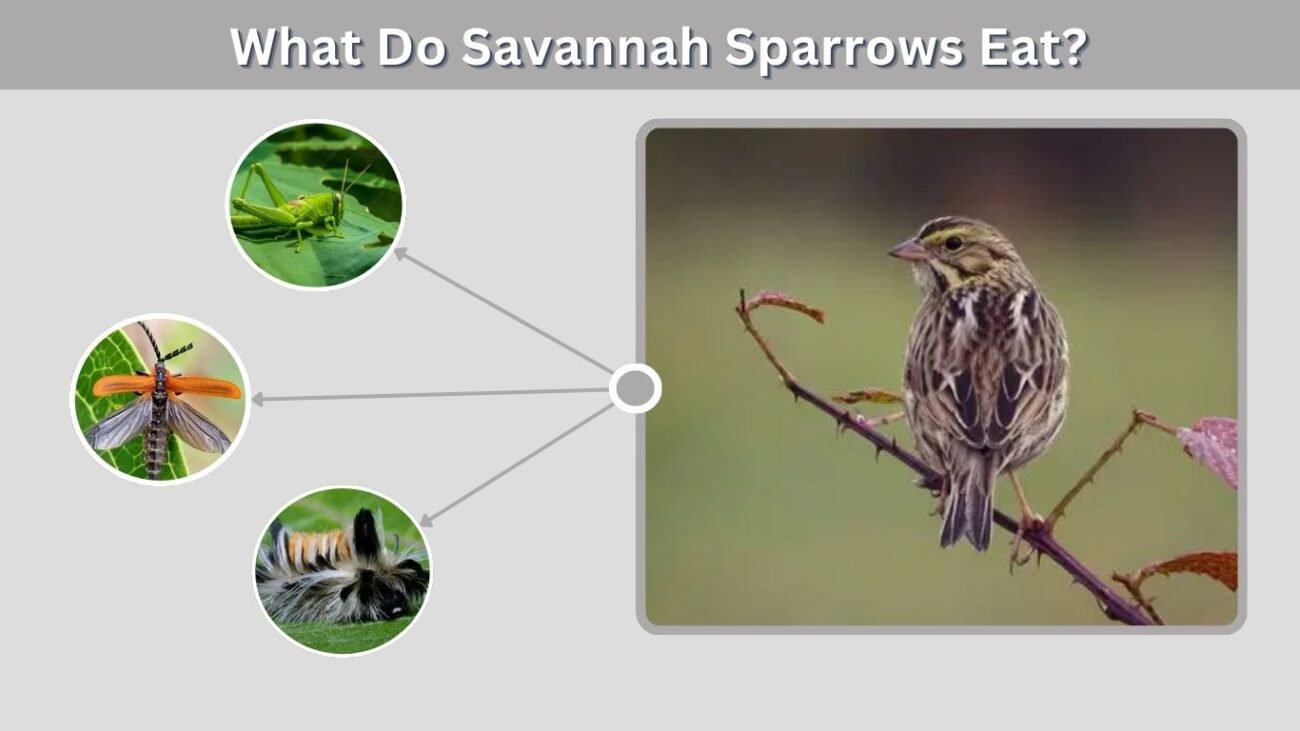
Savannah Sparrows forage mainly on the ground, picking food from soil, grasses, and low plants.
Seeds
Seeds dominate their diet during fall and winter. They eat seeds from grasses, sedges, weeds, and agricultural plants. Birds sometimes gather in loose flocks where suitable seed-producing vegetation remains standing.
Insects and Other Invertebrates
During spring and summer, they consume more animal prey, including:
- Beetles
- Caterpillars
- Grasshoppers
- Flies
- Spiders
- Small insect larvae
Adults feed many soft-bodied insects to their nestlings because young birds need protein for rapid growth.
Savannah Sparrow Nest and Eggs
Savannah Sparrows nest on or very close to the ground. The female selects a concealed location beneath overhanging grass, low plants, or dense marsh vegetation.
Nest Construction
The nest is a small cup made from:
- Dry grasses
- Fine stems
- Roots
- Moss
- Animal hair
- Other soft plant fibers
The female may create a short grass-covered pathway leading to the nest, helping conceal her movements from predators.
Eggs and Incubation
A typical clutch contains two to six eggs. Egg color varies considerably and may be pale greenish, bluish, tan, or white with brown, gray, or reddish speckles.
Incubation generally lasts about 12–13 days. Young remain in the nest for approximately 8–13 days before fledging. Depending on location and climate, a pair may raise more than one brood per season.
Juvenile Savannah Sparrow
A juvenile Savannah Sparrow resembles an adult but generally appears softer, browner, and less crisply patterned.
Young birds typically have:
- Heavy streaking across the breast
- A faint or absent yellow eyebrow patch
- Buffy facial markings
- Looser-looking feathers
- A short tail after leaving the nest
- Pale edges on the wing feathers
A Savannah Sparrow fledgling may leave the nest before becoming a strong flier. It usually hides in nearby grass while its parents continue bringing food. A fully feathered fledgling on the ground should normally be left alone unless it is visibly injured or in immediate danger.
Savannah Sparrow Subspecies
Savannah Sparrows include numerous geographically distinct forms. Their appearance varies more than that of many familiar sparrows.
Ipswich Savannah Sparrow
The Ipswich Sparrow is a large, pale form associated mainly with coastal dunes and beaches. It has sandy-colored plumage that helps it blend into light dune vegetation. It breeds principally on Sable Island in Nova Scotia and winters along the Atlantic Coast.
Belding’s Savannah Sparrow
Belding’s Savannah Sparrow, Passerculus sandwichensis beldingi, is a dark, heavily streaked subspecies associated with coastal salt marshes in Southern California and northwestern Baja California. It is darker than typical Savannah Sparrows and has a relatively small bill profile.
Belding’s Savannah Sparrows depend heavily on dense salt-marsh vegetation, including pickleweed, for nesting and shelter. Habitat loss, fragmentation, altered tidal movement, development, invasive plants, and disturbance threaten suitable marshes. The subspecies is protected, and conservation work focuses on preserving and restoring coastal wetland habitat.
Large-Billed Savannah Sparrow
The Large-billed Savannah Sparrow is a pale coastal form with a noticeably heavier bill. It occurs mainly around salt marshes and shorelines of the southwestern United States and northwestern Mexico. It can overlap geographically with darker Belding’s Savannah Sparrows.
Savannah Sparrow vs. Similar Sparrows
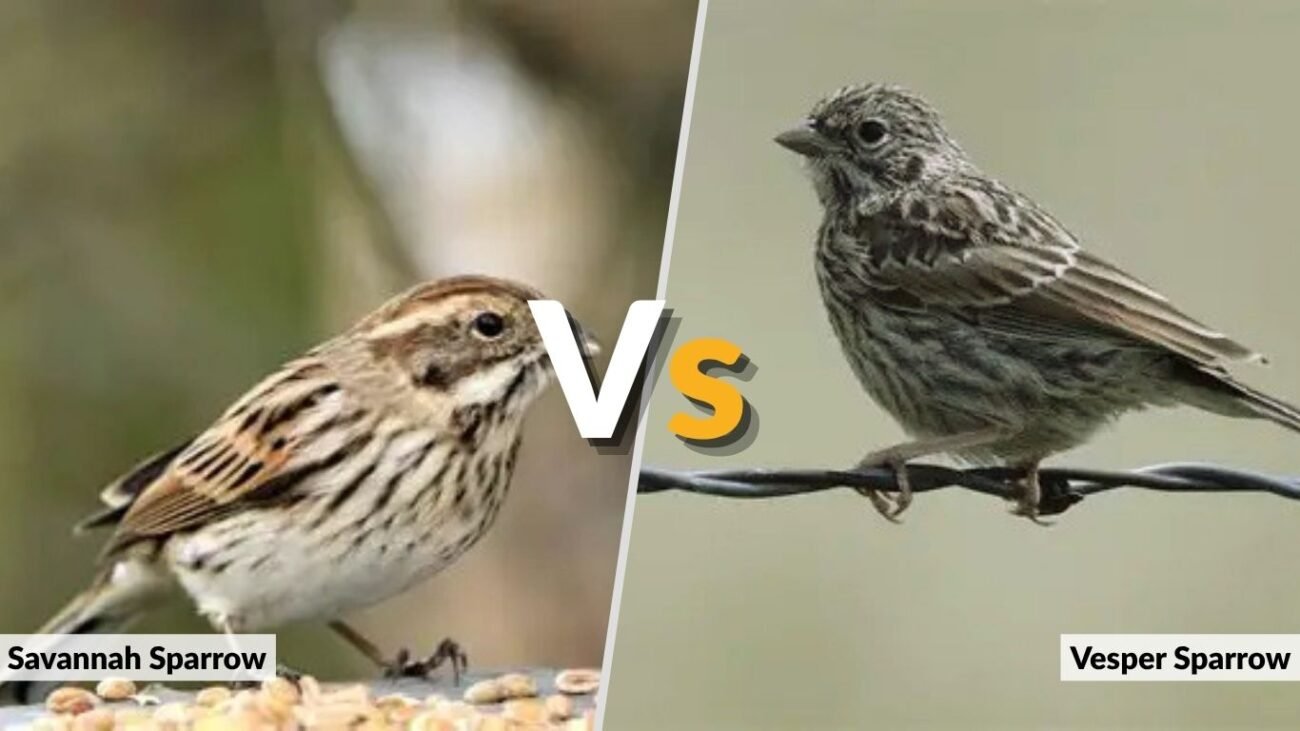
| Species | Main differences |
| Savannah Sparrow | Short tail, crisp streaking, yellow near the eye |
| Song Sparrow | Longer tail, heavier streaks, central breast spot |
| Vesper Sparrow | White eye ring and white outer tail feathers |
| Grasshopper Sparrow | Flatter head and mostly unstreaked breast |
| White-throated Sparrow | Bold striped head and white throat |
| Baird’s Sparrow | Buffy face, longer appearance, subtler breast pattern |
Savannah Sparrow vs. Song Sparrow
Song Sparrows are generally larger-looking and have longer, more rounded tails. Their breast streaks are heavier and often merge into a dark central spot.
Savannah Sparrows have shorter, notched tails, finer streaking, and usually some yellow near the eye. They are also more strongly associated with open grasslands, whereas Song Sparrows commonly inhabit brushy edges, wetlands, gardens, and thickets.
Vesper Sparrow vs. Savannah Sparrow
Vesper Sparrows have a conspicuous pale eye ring and white outer tail feathers that become visible in flight. They are also slightly larger and longer-tailed.
Savannah Sparrows lack the complete white eye ring and instead show yellowish lores or eyebrow markings. Their tails are shorter, and their breast streaking often appears finer.
Grasshopper Sparrow vs. Savannah Sparrow
Grasshopper Sparrows have large, relatively flat heads, short tails, and mostly plain buff-colored breasts. Their facial pattern may include yellow, but the breast lacks the strong streaking of a Savannah Sparrow.
FAQs
Are Savannah Sparrows rare?
Savannah Sparrows are common and widespread in suitable habitat, but their abundance varies by region and season. Specialized forms such as Belding’s Savannah Sparrow have much smaller distributions and face greater conservation concerns.
Why is it called a Savannah Sparrow?
The name refers to Savannah, Georgia, where an early specimen associated with the species was collected. It does not mean the bird lives only in tropical savannas or around the city.
Do Savannah Sparrows visit feeders?
They do not regularly use elevated feeders, but they may forage beneath them during winter. Millet and other small seeds scattered near grass or low cover have the best chance of attracting them.
How does a Savannah Sparrow protect itself?
Its streaked brown plumage provides camouflage in grass. When threatened, it may crouch, run through vegetation, give alarm calls, or fly low and quickly to another concealed location.
What is the Savannah Sparrow’s scientific name?
The accepted scientific name is Passerculus sandwichensis. Several geographically distinctive populations are recognized as subspecies within this variable North American sparrow.