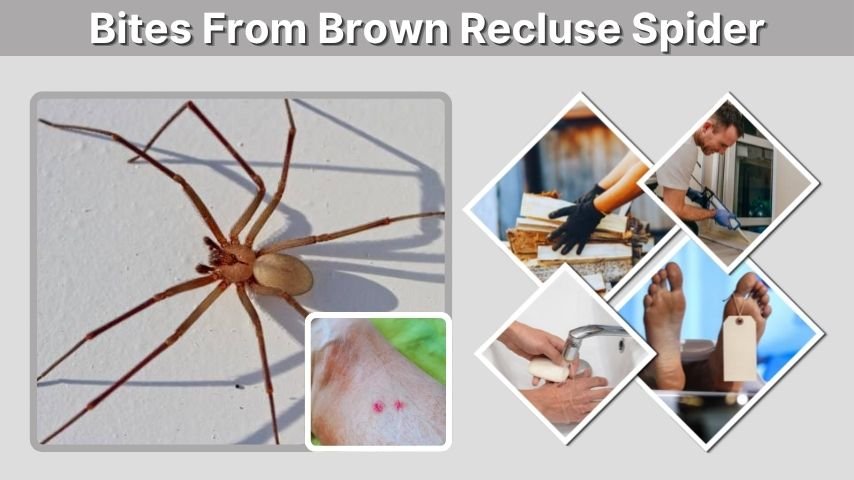
Bites from brown recluse spiders can be worrying because their venom may sometimes cause painful skin damage. However, not every suspected spider bite is truly from a brown recluse, and many bites heal with basic care. The most important steps are to clean the area, reduce swelling, watch for warning signs, and seek medical help if symptoms get worse. Understanding what to expect can help you respond safely without panic.
What Is a Brown Recluse Spider Bite?
A brown recluse spider bite happens when the spider’s venom enters the skin. These spiders are not aggressive and usually bite only when trapped against the body, such as inside clothing, shoes, bedding, or stored items. The bite may be mild at first, but symptoms can change over several hours.
Why Brown Recluse Bites Matter
Brown recluse venom can affect the skin and nearby tissue. In many cases, the bite causes only redness, itching, swelling, and mild pain. In more serious cases, the venom may damage tissue and create a slow-healing wound.
The bite is more concerning when the sore grows, becomes dark, forms a blister, or causes symptoms beyond the skin. Children, older adults, and people with weaker health may need extra caution because reactions can be harder on the body.
Are All Brown Spider Bites From Brown Recluses?
No. Many skin marks blamed on brown recluse spiders are caused by other insects, infections, allergic reactions, irritation, or unknown skin conditions. A true diagnosis is strongest when the spider is seen, safely captured, or clearly identified.
A brown recluse is usually small, plain brown, and has a dark violin-shaped marking on the front body section. It also has six eyes arranged in three pairs. Still, identification can be difficult, so worsening symptoms should be checked by a healthcare professional.
Brown Recluse Bite Symptoms
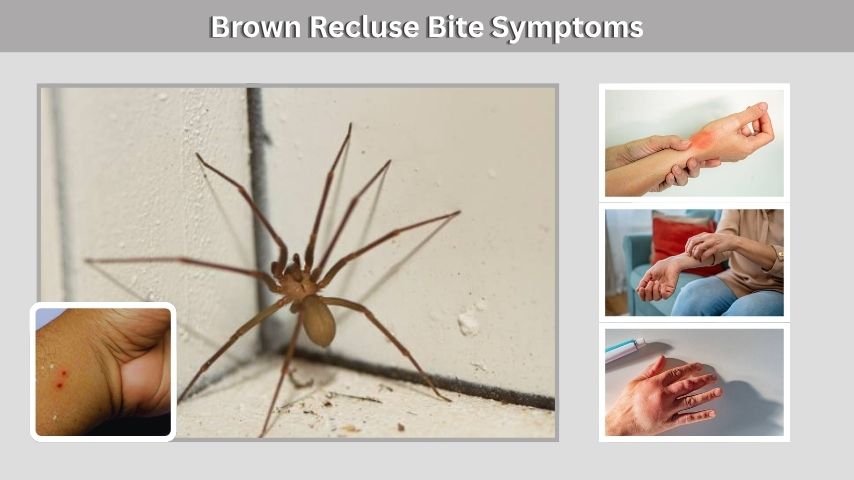
Symptoms may appear slowly. Some people do not feel the bite when it happens. Others may notice a mild sting, burning, or pinching feeling. The area can later become red, itchy, swollen, tender, or painful.
Common Early Symptoms
- Mild stinging or burning at the bite site.
- Redness around the bite area.
- Itching or tenderness.
- Swelling that may slowly increase.
- A small pale or white blister.
- Pain that becomes stronger after a few hours.
- Skin that feels firm or warm around the bite.
Early symptoms do not always prove a brown recluse bite. Many insect bites and skin infections can look similar at first. The pattern over time is important, especially if the wound grows or changes color.
Symptoms After Several Hours
Within several hours, the bite may become more painful or irritated. Some people notice a pale center, a red outer ring, or a bluish-purple area. A blister may form, and the skin may feel tight or sensitive.
In mild cases, symptoms may improve within a few days. In more serious cases, the center of the bite may darken as damaged tissue develops. This does not happen in every case, but it is one of the reasons brown recluse bites are treated seriously.
What Does a Brown Recluse Bite Look Like?
A brown recluse bite can look different from person to person. Some bites are small and heal without major problems. Others may develop a blister, open sore, or dark scab. The appearance depends on the amount of venom, bite location, immune response, and whether infection develops.
Possible Bite Appearance
At first, the bite may look like a small red bump. Later, it may become more swollen or painful. Some bites develop a pale center with surrounding redness. Others may turn purple, blue, or dark in the middle.
A serious bite may form an ulcer or open wound. This can take days to develop. If the skin breaks open, keeping the area clean and protected becomes very important.
What Can Be Mistaken for a Brown Recluse Bite?
Several conditions can look like a spider bite. These may include bacterial infections, cellulitis, allergic reactions, mosquito bites, flea bites, bed bug bites, tick bites, boils, fungal infections, or irritation from scratching.
Because of this, do not rely only on appearance. If the wound is spreading, painful, draining pus, or causing fever, it should be treated as a medical concern.
Brown Recluse Bite Stages
A bite may pass through several stages, but not every bite follows the same pattern. Some stay mild, while others worsen before healing. Watching the bite over time helps determine whether home care is enough or medical help is needed.
| Time After Bite | What May Happen |
| First few hours | Mild pain, redness, itching, or little noticeable reaction |
| 2–8 hours | Burning, swelling, tenderness, or blister may appear |
| 1–3 days | Pain may increase; center may become pale, purple, or dark |
| 1–2 weeks | Some serious bites may form an ulcer or open sore |
| Several weeks | Healing continues; deeper wounds may leave scarring |
Mild Bite Progression
A mild bite may stay small, red, and itchy for a short time. It may feel similar to other insect bites and gradually improve with cleaning, cold compresses, and monitoring. These cases often do not lead to severe tissue damage.
Even mild bites should not be scratched. Scratching can break the skin and increase the chance of infection.
Severe Bite Progression
A more serious bite may become increasingly painful. The center may darken, blister, or break down into an open wound. The surrounding area may feel firm, warm, and inflamed.
If the sore grows, becomes black, drains fluid, or causes severe pain, medical care is needed. Large wounds may take weeks to heal and may require professional wound care.
How to Treat a Bite From a Brown Recluse Spider
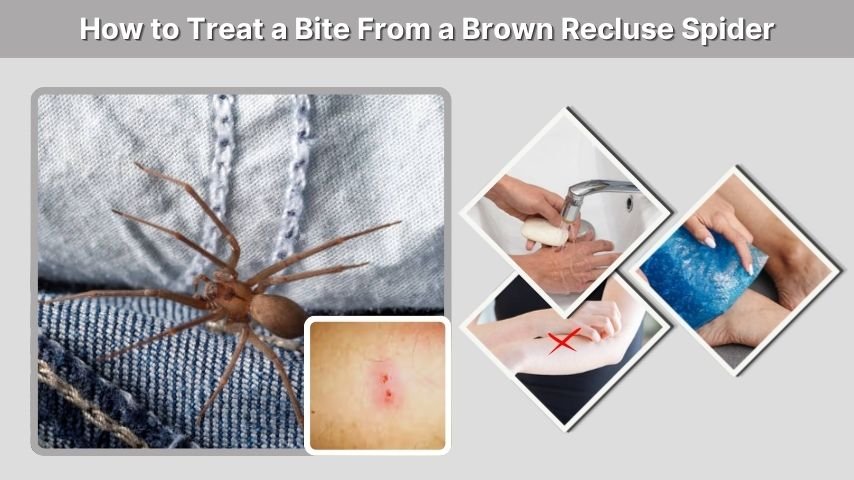
First aid should begin as soon as a brown recluse bite is suspected. The goal is to reduce swelling, prevent infection, and monitor for serious symptoms. Home care can help mild cases, but it does not replace medical care when symptoms are severe.
First Aid Steps
- Wash the bite gently with soap and water.
- Apply a cold compress or ice pack wrapped in cloth.
- Keep the bite area elevated if possible.
- Avoid scratching or squeezing the wound.
- Cover broken skin with a clean bandage.
- Use over-the-counter pain relief if suitable for you.
- Seek medical advice if symptoms worsen or the wound grows.
Do not cut the bite, try to suck out venom, or apply harsh chemicals. These methods can damage skin and make the wound worse.
What a Doctor May Do
A doctor may clean and examine the wound, check for infection, give pain-control advice, update tetanus protection if needed, or prescribe antibiotics if a bacterial infection develops. Antibiotics are not used for venom itself, but they may be needed if the skin becomes infected.
In severe cases, wound care may be required. Surgery is not usually the first step and may only be considered later if dead tissue or a serious wound needs treatment.
Infection From Brown Recluse Spider Bite
Infection can happen when bacteria enter damaged skin. This may occur after scratching, poor wound care, or skin breakdown. Infection can make a bite more painful and dangerous, so it should be watched carefully.
Signs of Infection
The bite may be infected if redness spreads, swelling increases, pus appears, warmth expands around the wound, or pain becomes worse instead of better. Red streaks moving away from the bite can also be a warning sign.
Fever, chills, weakness, or swollen lymph nodes may suggest the body is reacting more seriously. These symptoms need medical attention.
Cellulitis, Staph, and MRSA Concerns
Cellulitis is a bacterial skin infection that can cause redness, swelling, warmth, and tenderness. Staph infections, including MRSA, can also look like spider bites. In fact, some wounds blamed on brown recluse bites turn out to be bacterial infections.
Because these conditions can worsen without proper care, a spreading or draining wound should be evaluated by a healthcare provider.
Can You Die From a Brown Recluse Spider Bite?
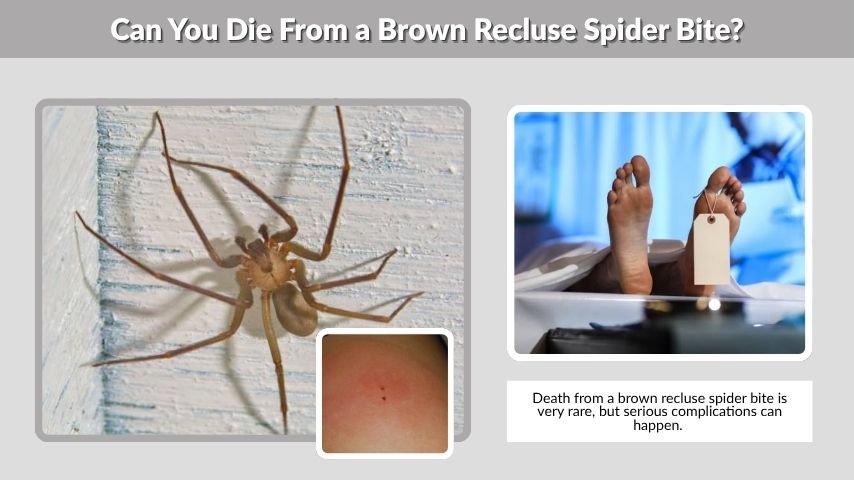
Death from a brown recluse spider bite is very rare, but serious complications can happen. Most people recover, especially with proper wound care and medical attention when needed. The risk is higher for vulnerable people, such as small children, older adults, or people with serious health problems.
Serious Side Effects
Some people may develop symptoms beyond the bite area. These can include fever, chills, nausea, vomiting, headache, muscle pain, weakness, or a general sick feeling. Rarely, more severe reactions can affect the blood or kidneys.
Any systemic symptoms after a suspected brown recluse bite should be taken seriously. Medical care is important if the person feels ill, the wound is worsening, or the bite involves a child.
When It Becomes an Emergency
Seek urgent medical care if there is trouble breathing, trouble swallowing, severe pain, a rapidly growing wound, spreading redness, red streaks, fever, fainting, confusion, or signs of severe allergic reaction.
A bite on the face, near the eye, on the hand, or in a sensitive area should also be checked carefully because swelling and tissue damage can cause more problems in these locations.
Recovery From Brown Recluse Spider Bite
Recovery depends on how severe the bite is. Mild bites may improve in a few days and heal without major scarring. More serious wounds can take weeks or longer, especially if tissue damage or infection occurs.
Healing Timeline
A mild bite may become less red and painful within several days. The skin may remain tender or discolored for a short time. If a blister or ulcer forms, healing can take longer.
A deep wound may require repeated bandage changes and medical follow-up. Scarring is possible when the skin breaks down significantly.
Long-Term Skin Damage
Some brown recluse bites can leave a scar, dark patch, or slightly sunken area after healing. Long-term damage is more likely when tissue death occurs or when infection delays recovery.
Good wound care helps reduce complications. Keeping the area clean, covered, and protected from scratching supports better healing.
What Not to Do After a Suspected Bite
A suspected brown recluse bite can cause anxiety, but poor treatment choices can make the injury worse. Simple, safe first aid is better than aggressive home remedies.
Avoid These Mistakes
Do not cut the wound, burn the skin, apply bleach, use strong chemicals, or try to drain the bite at home. Do not wrap ice directly against the skin for long periods because that can damage tissue.
Also avoid assuming every skin sore is a brown recluse bite. If the wound is spreading or producing pus, infection may be the real problem and may need different treatment.
Do Not Wait Too Long
If the wound is getting worse, do not wait several days hoping it will improve on its own. Early medical evaluation can help manage pain, prevent infection, and guide wound care.
This is especially important if the bite is on a child, an older adult, or someone with diabetes, immune problems, or poor circulation.
How to Prevent Brown Recluse Spider Bites
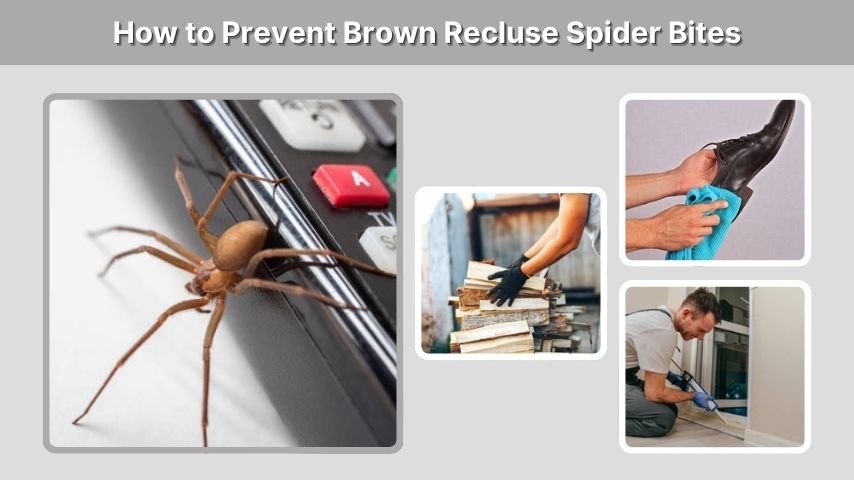
Brown recluse spiders prefer quiet, dark, undisturbed places. Preventing bites means reducing hiding spots and avoiding accidental contact with spiders in stored items.
Prevention Tips
Wear gloves when moving boxes, firewood, old clothing, or stored materials. Shake out shoes, towels, bedding, and clothing that have been left on the floor. Keep beds away from walls and avoid letting blankets touch the floor in areas where brown recluses are common.
Reduce clutter in closets, basements, attics, garages, and storage rooms. Seal cracks and gaps around doors, windows, baseboards, and utility openings.
Indoor Control
Sticky traps can help monitor spider activity in storage areas and along walls. Regular cleaning, vacuuming, and clutter removal can reduce hiding places. If brown recluse spiders are repeatedly found indoors, professional pest control may be needed.
The best prevention is avoiding direct contact. These spiders usually bite only when pressed against skin, so careful handling of stored items can lower risk.
FAQs
How do I know if a bite is from a brown recluse spider?
A brown recluse bite may cause redness, swelling, burning pain, a blister, or a dark center as it develops. However, many skin infections and insect bites can look similar. The only reliable way to confirm the spider is by seeing or safely capturing it for identification.
What should I do first after a brown recluse spider bite?
Wash the bite area with soap and water, then apply a cold compress wrapped in cloth. Keep the area elevated if possible and avoid scratching or squeezing it. Watch for spreading redness, worsening pain, fever, or skin darkening. Seek medical care if symptoms become worse.
Can a brown recluse spider bite heal on its own?
Some mild brown recluse bites can heal with basic care, such as cleaning, cold compresses, and protection from infection. However, more serious bites may form blisters, ulcers, or slow-healing wounds. If the bite grows, becomes very painful, or shows signs of infection, medical treatment is needed.
How long does it take to recover from a brown recluse bite?
Mild bites may improve within a few days, while more serious wounds can take several weeks to heal. If tissue damage or infection develops, recovery may take longer and could leave a scar. Proper wound care and early medical advice can help reduce complications.
When should I go to the doctor for a brown recluse bite?
See a doctor if the bite becomes more painful, spreads, turns dark, forms an open sore, drains pus, or causes fever, chills, nausea, weakness, or headache. Urgent care is needed for trouble breathing, severe allergic symptoms, rapid swelling, or a bite involving a child.