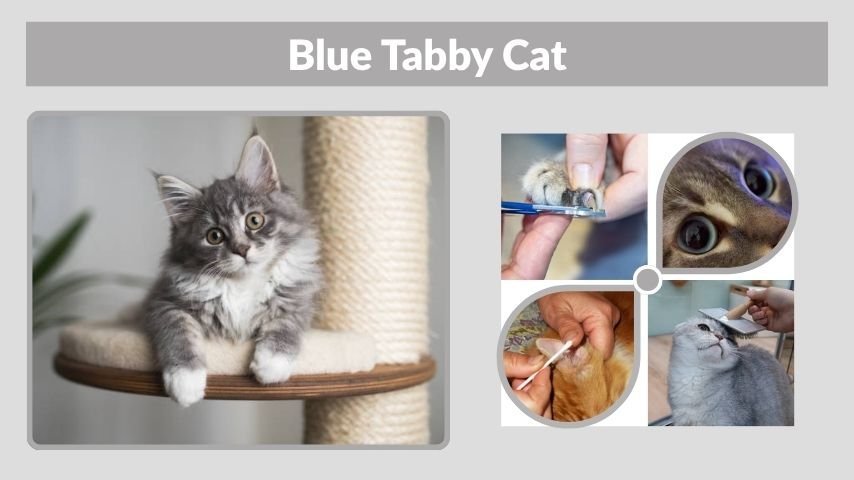
Blue tabby cats are admired for their soft blue-gray coats and beautiful tabby markings. Despite the name, these cats are not truly blue. Instead, they display a diluted gray coloration that creates a unique and elegant appearance. Blue tabbies can be found in several breeds, including Maine Coons, British Shorthairs, and Siberians. Their striking looks, combined with affectionate personalities and diverse coat patterns, make them popular among cat enthusiasts. Understanding their genetics, appearance, and breed variations helps explain their growing popularity worldwide.
What Is a Blue Tabby Cat?
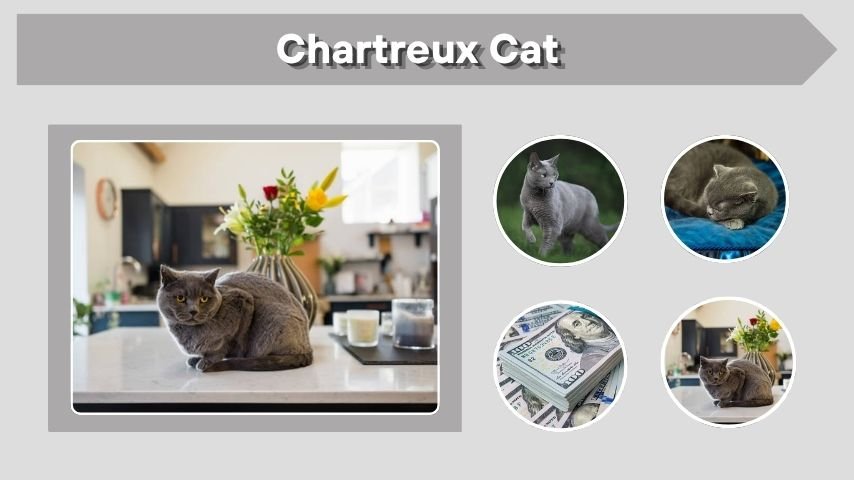
A blue tabby cat is a feline that combines a tabby pattern with a diluted coat color known as blue. In cat genetics, “blue” refers to a soft gray shade created when the dilution gene affects black pigment. The result is a coat that appears gray-blue rather than deep black.
Blue tabbies can occur in many breeds and mixed-breed cats. Their appearance varies depending on the tabby pattern they inherit, but they all share the characteristic blue-gray coloration.
Understanding Blue Tabby Coloration
The blue color develops when a cat inherits a dilution gene that lightens black pigment. Instead of producing a dark black coat, the pigment appears softer and grayish.
This diluted coloring gives blue tabbies their distinctive appearance while allowing traditional tabby markings to remain visible.
How Blue Tabby Cats Get Their Color
Several genetic factors contribute to blue tabby coloration:
- The dilution gene lightens black pigment
- Tabby genes create stripes, swirls, or spots
- Breed genetics influence coat texture
- Eye color may vary depending on lineage
- Coat shade ranges from light gray to deep blue-gray
These combined traits create the unique appearance associated with blue tabby cats.
Types of Blue Tabby Cat Patterns
Blue tabbies can display several tabby patterns. While the blue-gray coat remains consistent, the markings themselves can differ significantly. Understanding these patterns helps owners identify the specific type of blue tabby they have.
Blue Mackerel Tabby Cat
The blue mackerel tabby is characterized by narrow vertical stripes running along the body. These markings are often compared to tiger stripes because of their regular spacing and bold appearance.
This pattern is one of the most common tabby variations and creates a striking contrast against the blue-gray coat.
Blue Classic Tabby Cat
Classic tabbies feature broad swirling patterns on their sides. These markings often resemble marbling and create a dramatic appearance. The swirls are larger and more rounded than the stripes seen in mackerel tabbies.
Many cat lovers appreciate the classic pattern because it highlights the beauty of the blue coloration.
Other Blue Tabby Patterns
Additional blue tabby variations include:
- Blue spotted tabby cats
- Blue ticked tabby cats
- Blue point tabby cats
- Blue silver tabby cats
Each pattern offers a different visual style while maintaining the characteristic blue-gray coat color.
Can Tabby Cats Have Blue Eyes?
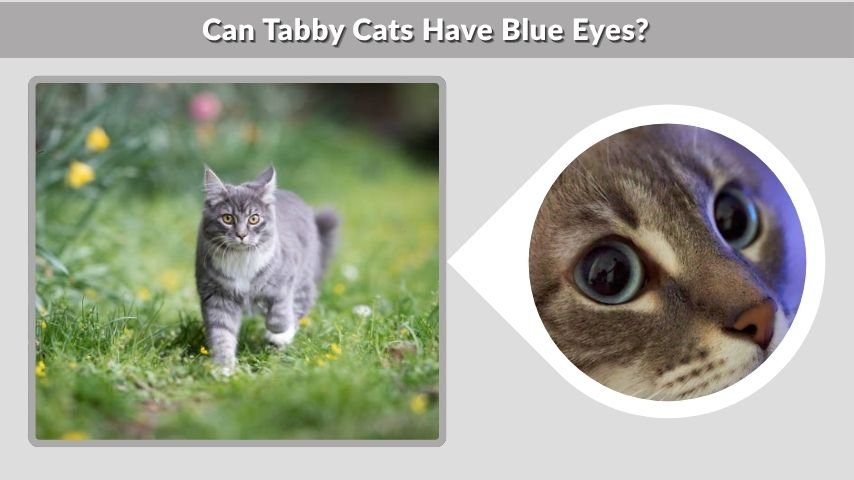
Blue eyes are one of the most searched features associated with tabby cats. While many kittens are born with blue eyes, the color often changes as they mature. However, some adult tabby cats retain blue eyes due to genetics or breed-specific traits.
The combination of blue eyes and tabby markings is uncommon, which makes these cats especially appealing to many owners.
Blue-Eyed Tabby Cats Explained
Adult blue-eyed tabby cats typically inherit genes associated with white spotting, color-point patterns, or specific breed characteristics. In some cases, blue eyes may also occur in cats with a high percentage of white fur.
Although uncommon, blue-eyed tabbies can be found in both purebred and mixed-breed populations.
Common Blue-Eyed Tabby Variations
Some of the most popular blue-eyed tabby combinations include:
- White tabby cats with blue eyes
- Silver tabby cats with blue eyes
- Orange tabby cats with blue eyes
- Gray tabby cats with blue eyes
- Blue tabby cats with blue eyes
These combinations are often highly sought after because of their unusual and attractive appearance.
Popular Blue Tabby Cat Breeds
Several cat breeds can display blue tabby coloration. Each breed combines the beautiful blue-gray coat with its own physical characteristics and personality traits. As a result, blue tabbies can vary greatly in size, coat length, and behavior.
Blue Tabby Maine Coon Cat
Maine Coons are among the largest domestic cat breeds and can display stunning blue tabby coats. Their long fur, tufted ears, and bushy tails enhance the appearance of the blue-gray coloration.
Blue tabby Maine Coons are especially admired because their thick coats make the tabby markings appear more dramatic and eye-catching.
Blue Tabby British Shorthair Cat
The British Shorthair is known for its dense plush coat and round facial features. When combined with blue tabby markings, these traits create a charming and distinctive appearance.
Many British Shorthair enthusiasts consider blue tabbies among the breed’s most attractive color variations because of their soft coloration and calm demeanor.
More Blue Tabby Cat Breeds
Blue tabby coloration appears in several other popular breeds besides Maine Coons and British Shorthairs. Each breed brings unique physical features and personality traits that influence how the blue tabby pattern appears.
Blue Tabby Siberian Cat
The Siberian is a strong, long-haired breed known for its thick triple coat. Blue tabby Siberians often display beautiful striped or classic tabby patterns that stand out against their soft blue-gray fur. Their dense coat gives them a majestic appearance and helps them thrive in colder climates.
Blue Tabby Norwegian Forest Cat
Norwegian Forest Cats can also inherit blue tabby coloration. Their long, water-resistant coats and muscular build make them impressive-looking cats. Blue tabby Norwegian Forest Cats are admired for their elegant appearance and friendly, independent personalities.
Blue Tabby Persian Cat
Persian cats with blue tabby markings have a luxurious appearance thanks to their long coats and distinctive facial features. The combination of soft blue-gray fur and tabby markings creates a striking look that many cat enthusiasts find appealing.
Russian Blue Tabby Mix Cats
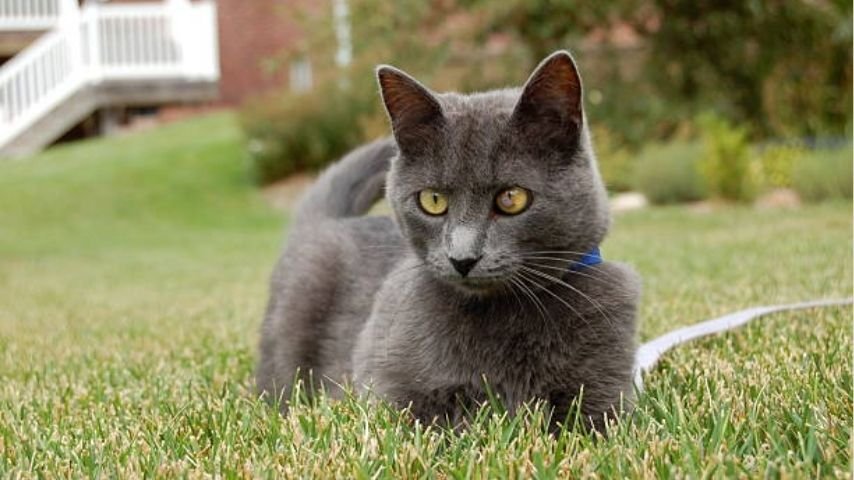
Many people search for Russian Blue tabby cats, but purebred Russian Blues do not naturally display tabby patterns. When a cat is described as a Russian Blue tabby, it is usually a mixed-breed cat that inherited traits from a Russian Blue and a tabby-patterned parent.
These mixed cats can vary greatly in appearance. Some resemble Russian Blues with faint tabby markings, while others display stronger tabby patterns combined with the blue-gray coloration.
What Is a Russian Blue Tabby Mix?
A Russian Blue tabby mix is a cat that combines characteristics from a Russian Blue lineage and a tabby-patterned cat. These cats often inherit the soft gray coat associated with Russian Blues while retaining visible stripes or swirls.
Appearance and Temperament
Russian Blue tabby mixes may inherit:
- Blue-gray coat coloration
- Green or yellow eyes
- Athletic body structure
- Intelligent behavior
- Strong bonds with family members
Because they are mixed-breed cats, their appearance and personality can vary significantly.
Blue Tabby Cat Personality
Blue tabby cats are often described as affectionate, intelligent, and adaptable companions. While coat color does not determine temperament, many blue tabbies belong to breeds known for friendly and engaging personalities.
These cats generally enjoy interaction with their owners and can adapt well to various living environments. Their behavior is influenced more by breed genetics and socialization than by coat color alone.
Intelligence and Curiosity
Many blue tabby cats are highly observant and enjoy exploring their surroundings. They often respond well to interactive toys, puzzle feeders, and climbing structures that provide mental stimulation.
Their curiosity can make them entertaining pets, as they frequently investigate new objects and activities within the home.
Living With Families and Other Pets
Blue tabbies often integrate well into family households. Many are patient with children and can coexist peacefully with other cats or cat-friendly dogs when properly introduced.
Their adaptable nature allows them to thrive in both active family homes and quieter living situations.
Are Blue Tabby Cats Rare?
Blue tabby cats are less common than traditional brown tabbies, but they are not considered extremely rare. Their availability depends on breed, genetics, and breeding practices. Some breeds produce blue tabbies more frequently than others, making certain varieties easier to find.
The attractive blue-gray coloration contributes to their popularity among cat lovers and breeders.
Genetics Behind Blue Coloring
The blue color results from a dilution gene that lightens black pigment. When combined with tabby pattern genes, the result is the distinctive blue tabby appearance.
Because both the dilution gene and tabby pattern must be inherited, blue tabbies occur less frequently than some other coat colors.
Popularity Among Cat Enthusiasts
Blue tabbies remain highly desirable because of their unique appearance. Their soft coloration and attractive markings help them stand out from more common tabby varieties, increasing their appeal among prospective cat owners.
Caring for a Blue Tabby Cat
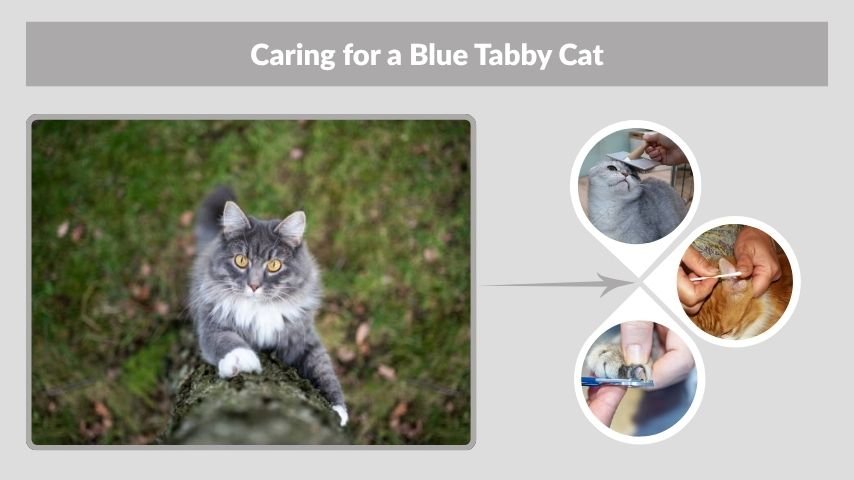
Blue tabby cats require the same general care as other domestic cats. Their coat color does not create special health concerns, but regular grooming and proper nutrition help maintain a healthy appearance.
Long-haired breeds may require more grooming than short-haired varieties, especially during seasonal shedding periods.
Grooming and Coat Care
Proper grooming helps keep the coat clean and healthy.
Important grooming practices include:
- Weekly brushing for short-haired cats
- More frequent brushing for long-haired breeds
- Regular nail trimming
- Ear cleaning when needed
- Monitoring seasonal shedding
Diet and Exercise
A balanced diet rich in high-quality protein supports healthy skin and fur. Regular exercise also helps maintain a healthy weight and prevents boredom.
Interactive toys, climbing trees, and daily play sessions are excellent ways to keep blue tabby cats mentally and physically active.
FAQs
What is a blue tabby cat?
A blue tabby cat is a cat with a blue-gray coat color combined with tabby markings such as stripes, swirls, spots, or ticking.
Are blue tabby cats rare?
They are less common than brown tabbies but are not considered extremely rare.
Can tabby cats have blue eyes?
Yes. Although uncommon in adults, some tabby cats retain blue eyes due to genetics, white spotting, or breed-specific traits.
What breeds can be blue tabbies?
Maine Coons, British Shorthairs, Siberians, Norwegian Forest Cats, Persians, and mixed-breed cats can all display blue tabby coloration.