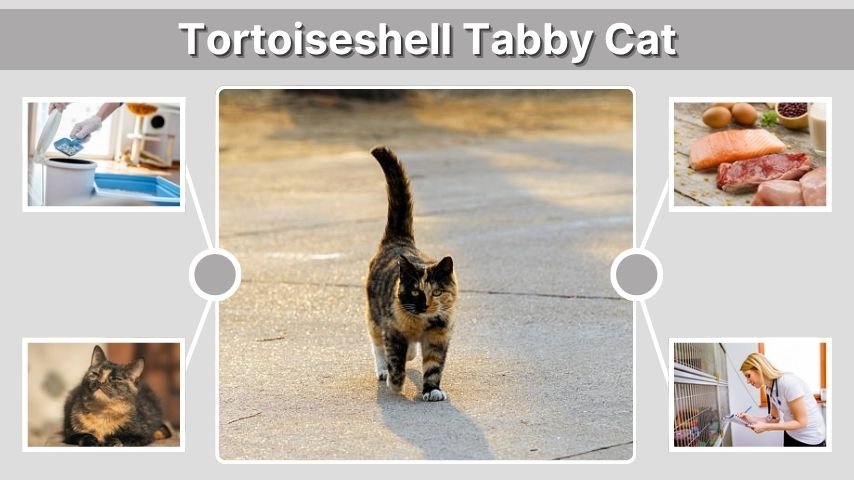
Tortoiseshell tabby cats, often called “torbies,” are among the most striking felines in the world. Their coats combine the colorful patches of a tortoiseshell cat with the distinctive stripes or patterns of a tabby, creating a truly unique appearance. Beyond their beauty, torbies are known for their intelligence, affection, and strong personalities. Whether you are considering adopting one or simply want to learn more about these fascinating cats, understanding their characteristics, genetics, and behavior can help you appreciate what makes them so special.
What Is a Tortoiseshell Tabby Cat?
A tortoiseshell tabby cat is a feline that displays both tortoiseshell coloring and tabby markings. This combination creates a coat pattern that is colorful, complex, and unlike that of most other cats. Commonly known as a “torbie,” this cat is not a specific breed but rather a unique coat pattern that can appear in many breeds and mixed-breed cats. Their distinctive appearance often makes them easy to recognize and highly sought after by cat lovers.
Understanding the Torbie Pattern
The tortie pattern combines two separate coat traits. The tortoiseshell pattern produces patches of black, orange, brown, or cream, while the tabby pattern adds stripes, swirls, or spots. When these characteristics occur together, the result is a cat with both vibrant color patches and visible tabby markings.
Why Are They Called Torbies?
The nickname “torbie” comes from combining the words “tortoiseshell” and “tabby.” Cat enthusiasts and breeders commonly use this term to describe cats that exhibit both patterns. While the name is informal, it is widely recognized among pet owners and feline organizations.
Physical Characteristics of a Tortoiseshell Tabby Cat
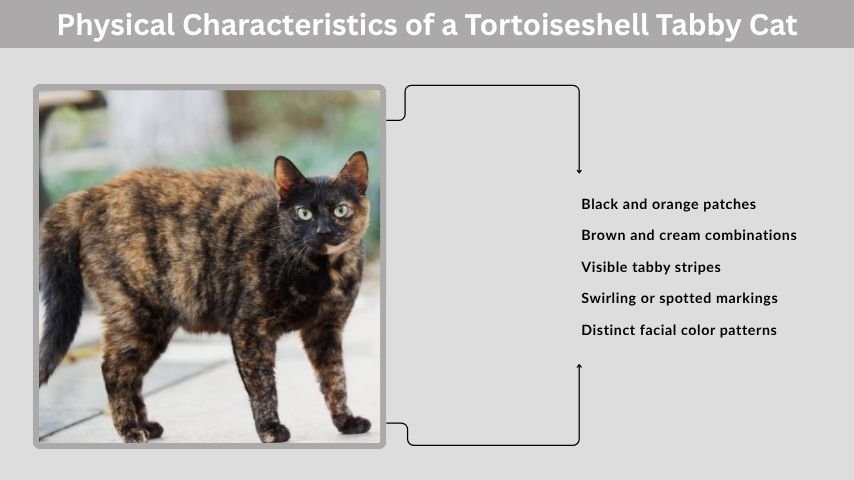
Tortoiseshell tabby cats are admired for their colorful coats and unique markings. No two torbies look exactly alike, which adds to their appeal. Their physical appearance can vary depending on breed, genetics, and coat length. However, most torbies share common features that distinguish them from other cats and make them one of the most visually interesting feline coat patterns.
Coat Colors and Markings
Torbies often display a mixture of colors and patterns, including:
- Black and orange patches
- Brown and cream combinations
- Visible tabby stripes
- Swirling or spotted markings
- Distinct facial color patterns
These variations ensure that every tortoiseshell tabby cat has a one-of-a-kind appearance.
Eye Colors
Many tortoiseshell tabby cats have eye colors that complement their colorful coats. Common eye shades include gold, amber, green, and copper. The eye color depends largely on genetics and can enhance the cat’s striking appearance.
Size and Build
The size of a torbie depends on its breed and genetic background. Some may be compact and lightweight, while others can have larger, more muscular bodies. Despite these differences, most maintain a balanced and healthy physique when properly cared for.
Tortoiseshell Tabby Cat Genetics
The unique appearance of a tortoiseshell tabby cat comes from a fascinating combination of genetic factors. Coat color inheritance in cats is complex, and torbies represent one of the most interesting examples. Understanding the genetics behind their coloration helps explain why these cats are so distinctive and why certain traits, such as gender distribution, are commonly associated with the pattern.
How the Tortoiseshell Pattern Develops
The tortoiseshell pattern is linked to genes located on the X chromosome. Different color genes interact to create patches of orange and black or their diluted variations. When tabby genes are also present, the cat develops visible stripes or other tabby markings throughout the coat.
Why Most Torbies Are Female
Because coat color genes responsible for tortoiseshell coloration are carried on the X chromosome, females are far more likely to inherit the combination needed to produce the pattern. Female cats possess two X chromosomes, allowing both color variations to be expressed in different areas of the coat.
Are Male Torbies Rare?
Male tortoiseshell tabby cats are extremely uncommon. They usually inherit an unusual chromosome combination that allows the tortoiseshell pattern to develop. As a result, male torbies are considered rare compared to their female counterparts.
Tortoiseshell Tabby Cat Personality
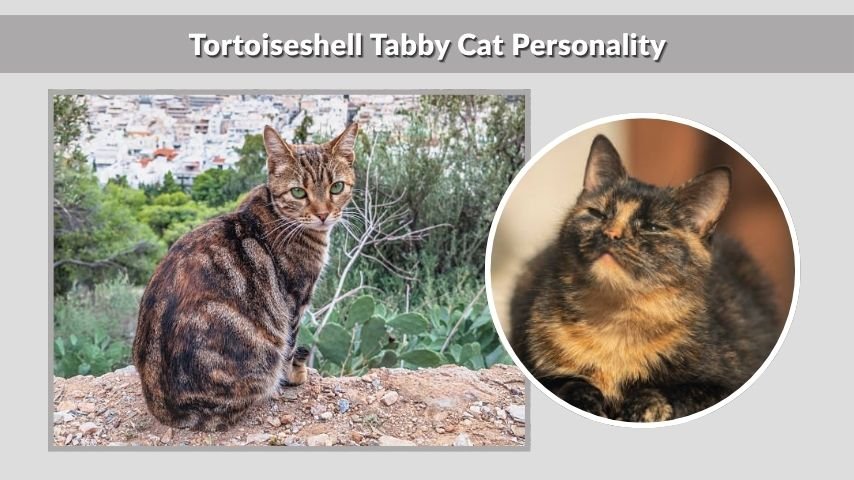
Many cat owners believe tortoiseshell tabby cats possess a unique attitude often referred to as “tortitude.” While personality is influenced by environment, socialization, and breed, torbies have earned a reputation for being confident, independent, and affectionate. Their combination of intelligence and charm makes them popular companions for individuals and families alike.
The Famous Tortitude
The term “tortitude” is commonly used to describe the bold and spirited personality often associated with tortoiseshell-patterned cats. Owners frequently report that torbies display strong opinions, confidence, and determination in their daily interactions.
Affection and Loyalty
Despite their independent streak, many tortoiseshell tabby cats develop close bonds with their owners. They often enjoy attention on their own terms and can become highly loyal companions.
Intelligence and Curiosity
Torbies are known for being alert and curious. They enjoy exploring their surroundings, observing household activities, and engaging with toys that challenge their minds. Their intelligence makes them quick learners and entertaining pets.
Common Breeds That Can Be Tortoiseshell Tabbies
Since tortoiseshell tabby describes a coat pattern rather than a breed, torbies can appear in a variety of cat breeds. Each breed contributes its own personality traits, body type, and coat characteristics while maintaining the distinctive torbie coloration that makes these cats so recognizable.
Popular Breeds
Several breeds commonly display tortoiseshell tabby patterns:
- American Shorthair
- Domestic Shorthair
- Maine Coon
- Persian
- British Shorthair
- Scottish Fold
- Norwegian Forest Cat
Breed Differences
Although the coat pattern remains similar, each breed offers unique characteristics. Maine Coons are known for their large size, Persians for their luxurious coats, and British Shorthairs for their calm temperament. Understanding these differences helps potential owners choose the right torbie companion for their lifestyle.
Are Tortoiseshell Tabby Cats Rare?
Many people wonder whether tortoiseshell tabby cats are considered rare because of their unusual appearance. While the torbie pattern is less common than standard tabby patterns, these cats are not exceptionally rare. Their unique combination of tortoiseshell coloration and tabby markings results from specific genetic factors. The availability of torbies often depends on breed, location, and breeding practices, but they can frequently be found through shelters, rescues, and reputable breeders.
Understanding Their Rarity
The torbie pattern requires a combination of genes responsible for both tortoiseshell coloration and tabby markings. Since multiple genetic traits must occur together, torbies appear less frequently than many other coat patterns.
Popularity Among Cat Owners
Tortoiseshell tabby cats have gained popularity because of their distinctive appearance and engaging personalities. Their colorful coats and unique markings often attract cat enthusiasts looking for a one-of-a-kind companion.
Tortoiseshell Tabby Kitten Development
Tortoiseshell tabby kittens experience several stages of growth before reaching adulthood. During this time, their coat colors, markings, and personalities continue to develop. Understanding these milestones helps owners provide appropriate care and support while enjoying the exciting process of watching a kitten mature into a healthy adult cat.
Early Growth Stages
Young torbie kittens may not immediately display their full coat pattern. As they grow, their colors often become richer and their tabby markings more visible.
Personality Development
Kittens begin developing social and behavioral traits during their first months of life. Positive interactions with people and other pets can help create a confident and well-adjusted adult cat.
Changes in Coat Appearance
The coat pattern of a torbie may become more defined as the cat matures. Color patches can deepen, and tabby markings may become easier to identify over time.
How to Care for a Tortoiseshell Tabby Cat
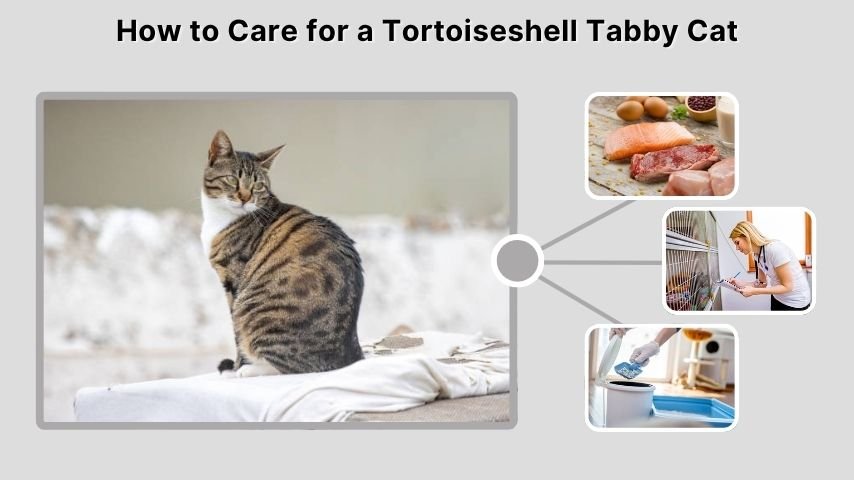
Proper care helps a tortoiseshell tabby cat stay healthy, active, and comfortable throughout its life. While care requirements vary slightly depending on breed and age, all cats benefit from quality nutrition, regular exercise, and preventive veterinary care. Establishing healthy routines early can contribute significantly to long-term well-being and quality of life.
Essential Care Tips
To keep a torbie healthy, focus on the following:
- Provide high-quality, protein-rich food
- Ensure constant access to fresh water
- Schedule routine veterinary examinations
- Maintain a clean litter box
- Offer daily play and exercise opportunities
Grooming Requirements
Short-haired torbies generally require minimal grooming, while long-haired varieties need more frequent brushing to prevent tangles and matting. Regular grooming also helps reduce shedding and allows owners to monitor skin and coat health.
Mental and Physical Enrichment
Interactive toys, climbing structures, and puzzle feeders can help keep a torbie mentally stimulated. Regular play sessions also support physical fitness and strengthen the bond between cat and owner.
Common Health Issues
Tortoiseshell tabby cats are generally healthy, but they may still develop common feline health conditions. Most potential health concerns are related to breed, lifestyle, or aging rather than coat pattern. Preventive healthcare and early intervention can significantly improve outcomes and help cats maintain a high quality of life.
Obesity
Weight gain can become a concern for indoor cats that receive too little exercise or consume excessive calories. Monitoring diet and encouraging daily activity are important preventive measures.
Dental Problems
Dental disease is common among cats and may lead to discomfort, infection, and tooth loss. Routine dental care and veterinary checkups can help maintain oral health.
Urinary Tract Conditions
Cats can experience urinary tract issues throughout their lives. Proper hydration, balanced nutrition, and prompt veterinary attention can reduce the risk of serious complications.
Tortoiseshell Tabby Cat Lifespan
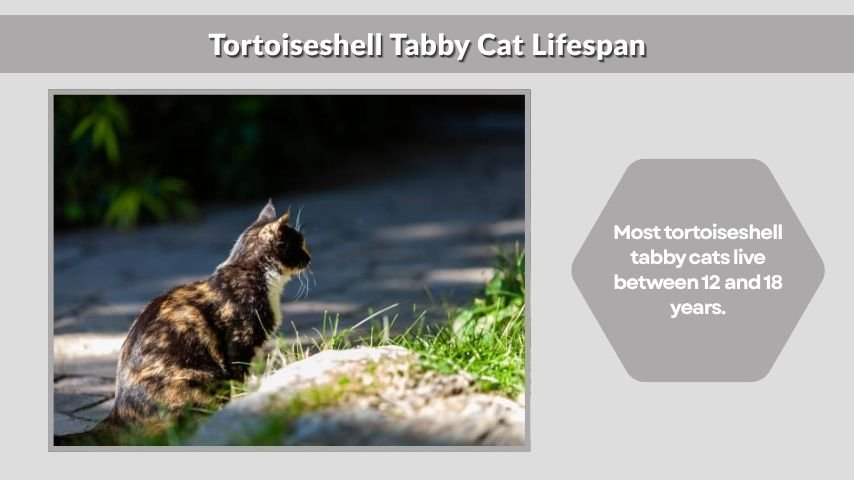
A tortoiseshell tabby cat’s lifespan depends on genetics, environment, diet, and healthcare. Cats that receive consistent veterinary care and live in safe indoor environments often enjoy longer lives. Responsible ownership plays a major role in supporting long-term health and helping cats remain active well into their senior years.
Average Life Expectancy
Most tortoiseshell tabby cats live between 12 and 18 years. With excellent care, some may live beyond 20 years, especially when health issues are identified and treated early.
Factors That Influence Longevity
Several factors contribute to a longer lifespan:
- Balanced nutrition
- Routine veterinary care
- Healthy body weight
- Indoor living conditions
- Regular mental stimulation
Tortoiseshell Tabby vs. Tortoiseshell Cat
Although these terms are often used interchangeably, tortoiseshell tabby cats and standard tortoiseshell cats are not identical. The primary distinction lies in the presence of tabby markings. Understanding these differences can help cat owners identify coat patterns more accurately and appreciate the unique characteristics of each type.
Key Differences
A standard tortoiseshell cat typically displays patches of color without obvious tabby markings. A tortoiseshell tabby, on the other hand, combines those colorful patches with stripes, swirls, or spots associated with tabby cats.
Similarities
Both coat patterns are genetically linked to tortoiseshell coloration and are predominantly found in female cats. They also share the reputation for having bold and memorable personalities.
FAQs
Can Male Tortoiseshell Tabby Cats Exist?
Yes, but they are extremely rare. Most tortoiseshell tabby cats are female because the genes responsible for tortoiseshell coloration are linked to the X chromosome. Male torbies typically have an unusual genetic condition that allows them to display the pattern.
Do Tortoiseshell Tabby Cats Have Unique Personalities?
Many owners believe torbies have a bold and spirited personality often called “tortitude.” While every cat is different, tortoiseshell tabby cats are frequently described as intelligent, confident, curious, and affectionate companions.
How Much Does a Tortoiseshell Tabby Cat Cost?
The cost varies depending on whether the cat is adopted or purchased from a breeder. Adoption fees are generally affordable, while pedigree torbies from reputable breeders may cost significantly more. Ongoing expenses such as food, veterinary care, and supplies should also be considered.
Do Tortoiseshell Tabby Cats Get Along With Other Pets?
Most tortoiseshell tabby cats can live peacefully with other cats and dogs when properly introduced. Early socialization and gradual introductions help create positive relationships and reduce stress between pets.
What Is the Difference Between a Torbie and a Calico Cat?
A torbie combines tortoiseshell coloring with tabby markings, resulting in stripes or swirls throughout the coat. A calico cat typically has distinct patches of white, black, and orange without the prominent tabby pattern seen in torbies.