











Fancy rats are intelligent, social, and affectionate pets that form strong bonds with their owners. Understanding their lifespan and lifecycle is essential for providing proper care at every stage of life. Unlike wild rats, fancy rats live in controlled environments, which significantly affects their longevity and health. From fragile newborns to slower-moving seniors, each phase comes with unique needs. Knowing what to expect helps owners improve quality of life, prevent health issues, and make informed care decisions.
Fancy Rat Lifespan Overview
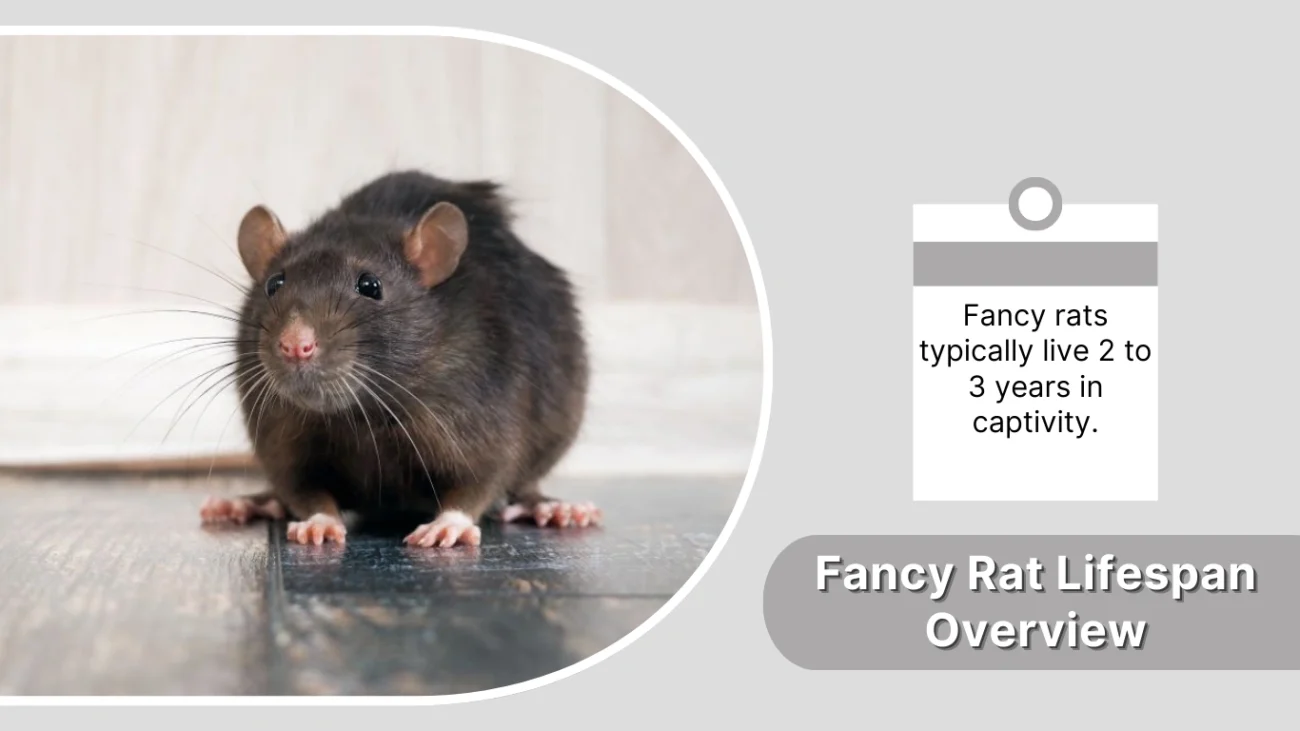
Fancy rats typically live 2 to 3 years in captivity. Some may pass away earlier due to illness, while well-bred and carefully cared-for individuals can occasionally live slightly longer. Compared to wild rats, which often survive less than one year due to predators and disease, fancy rats benefit greatly from proper nutrition, clean housing, and veterinary care.
Their relatively short lifespan is mainly due to fast metabolism, genetic predisposition to tumors, and rapid aging. This makes early bonding, preventive care, and enrichment especially important for owners.
Factors That Affect Fancy Rat Lifespan
Several key factors influence how long a fancy rat lives:
- Genetics: Rats from ethical breeders tend to live longer than pet-store rats
- Diet quality: Balanced lab blocks promote better long-term health
- Housing conditions: Clean, spacious cages reduce stress and illness
- Veterinary care: Early treatment improves survival outcomes
- Social environment: Loneliness can shorten lifespan and lower immunity
Poor nutrition, overcrowding, stress, and lack of stimulation often lead to earlier health decline.
Fancy Rat Lifecycle Stages
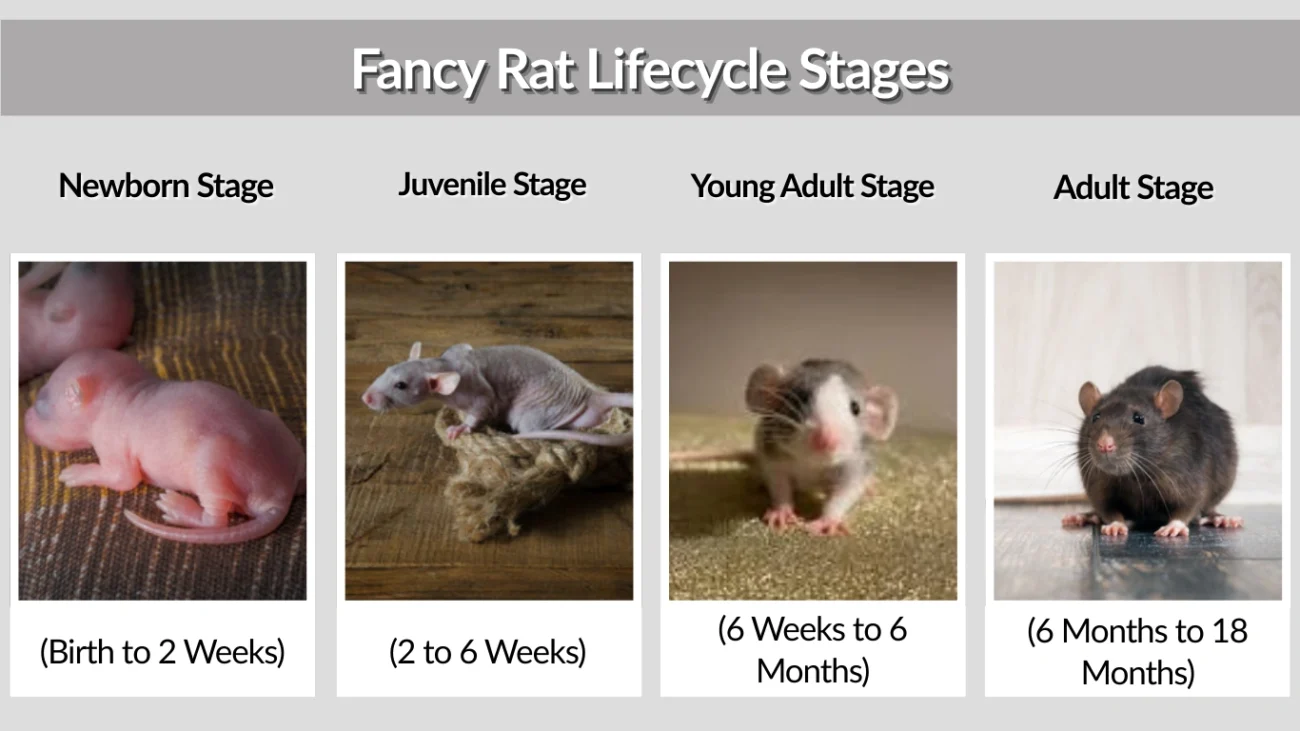
Fancy rats go through rapid and clearly defined life stages. Each stage requires different levels of care, handling, and monitoring.
Newborn Stage (Birth to 2 Weeks)
Newborn fancy rats are born hairless, blind, and deaf. They depend entirely on their mother for warmth, nutrition, and survival. During this stage, growth is extremely rapid, and pups should not be handled unless necessary. Disturbance can stress the mother and put pups at risk.
Key characteristics:
- Pink, fragile bodies
- No vision or hearing
- Constant nursing and sleeping
Juvenile Stage (2 to 6 Weeks)
By two weeks, pups open their eyes and begin developing fur. They start exploring their environment and interacting with siblings. Weaning typically begins around three to four weeks, and this stage is crucial for social learning.
Important developments:
- Teeth erupt and solid food begins
- Increased movement and curiosity
- Ideal time for gentle human handling
Separation by sex usually occurs around five weeks to prevent early breeding.
Young Adult Stage (6 Weeks to 6 Months)
This is the most energetic phase of a fancy rat’s life. Rats reach sexual maturity around 6–8 weeks, though emotional maturity develops later. Young adults are playful, curious, and highly receptive to training and bonding.
Common traits:
- High activity levels
- Strong learning ability
- Establishment of social hierarchy
Proper nutrition and enrichment during this stage lay the foundation for long-term health.
Adult Stage (6 Months to 18 Months)
Adult fancy rats are at their physical and behavioral peak. Energy levels stabilize, and personality traits become more predictable. This is often the healthiest and most enjoyable stage for owners.
Characteristics include:
- Balanced activity and rest
- Strong bonding behavior
- Lower risk of sudden illness compared to seniors
Routine health checks become more important as early signs of tumors or respiratory issues may appear.
Senior Stage (18 Months to 3 Years)
Senior fancy rats begin showing signs of aging, such as reduced mobility and increased sleep. Health problems become more common, especially tumors, arthritis, and respiratory disease.
Typical changes:
- Slower movement
- Weight loss or gain
- Reduced grooming
Senior rats require closer monitoring, softer bedding, and easier access to food and water.
Fancy Rat Housing and Cage Setup
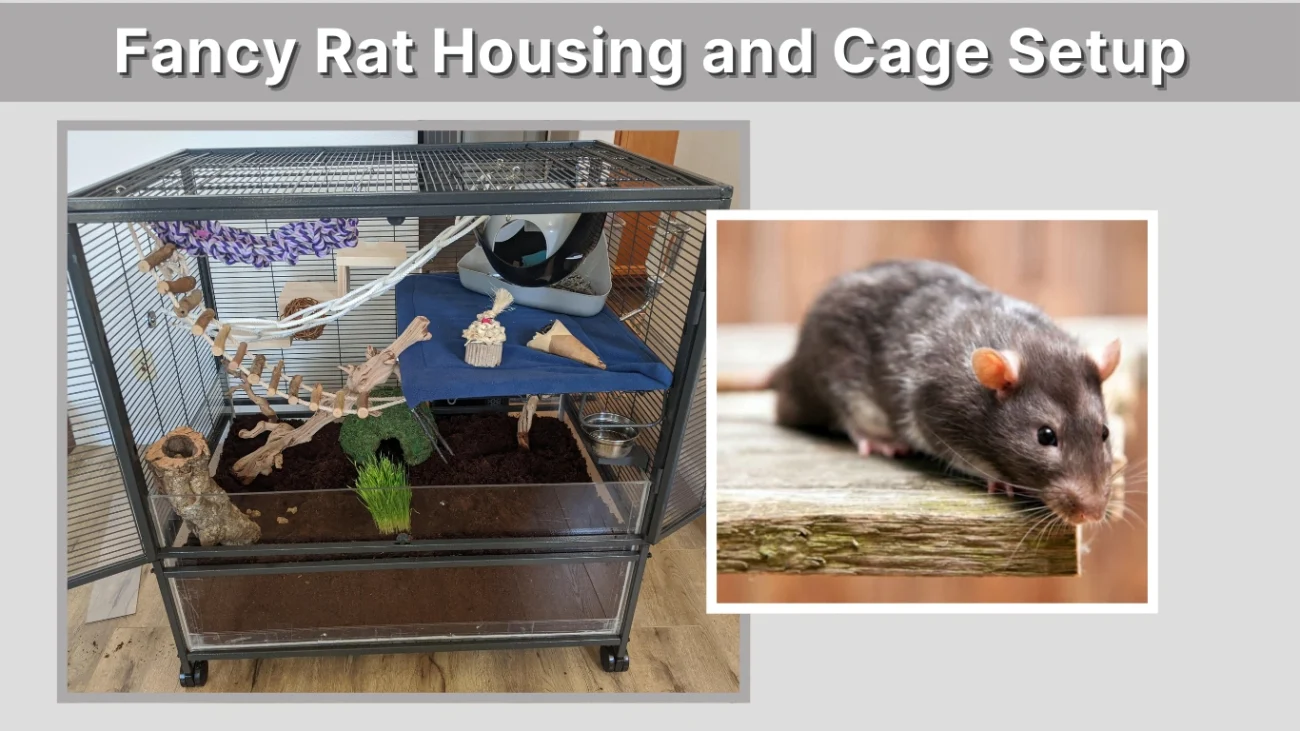
Proper housing plays a major role in a fancy rat’s lifespan and overall well-being. Rats are active climbers and explorers, so their cage must provide both space and enrichment.
Ideal Cage Size and Design
A single fancy rat needs adequate vertical and horizontal space, but rats should always be kept in pairs or groups.
Key housing requirements:
- Multi-level wire cage with solid platforms
- Minimum bar spacing of ½ inch to prevent escape
- Secure doors and sturdy construction
- Good ventilation without direct drafts
Larger cages are always better, especially for active young rats.
Bedding and Substrate Options
Safe bedding helps control odor and protects sensitive respiratory systems.
Recommended options:
- Paper-based bedding
- Aspen shavings
- Fleece liners (washed regularly)
Avoid cedar and pine bedding, as aromatic oils can cause respiratory illness. Spot cleaning should be done daily, with full cage cleaning once or twice a week.
Enrichment Inside the Cage
Mental stimulation is essential for preventing boredom and stress.
Common enrichment items include:
- Hammocks and fabric tunnels
- Chew toys and wooden blocks
- Ladders and climbing ropes
- Foraging toys and puzzle feeders
Regularly rotating toys keeps rats engaged and active.
Fancy Rat Diet and Nutrition

A balanced diet supports growth, immunity, and longevity throughout the lifecycle.
Staple Foods
High-quality lab blocks or rat pellets should make up the majority of the diet. These provide complete nutrition and prevent selective eating.
Fresh Foods and Treats
Fresh foods should be offered in moderation:
- Vegetables such as broccoli, peas, and carrots
- Fruits like apples and berries (small amounts)
- Occasional protein sources such as cooked eggs
Foods to avoid include chocolate, caffeine, alcohol, citrus for males, and sugary or salty snacks.
Social Needs and Behavior
Fancy rats are highly social animals and should never be kept alone. Living in pairs or small groups improves mental health and reduces stress.
Behavioral traits:
- Strong bonding with cage mates and humans
- Playful and curious nature
- Clear social hierarchies
Males tend to be calmer and more cuddly, while females are often more active and exploratory.
Common Health Issues Throughout the Lifecycle
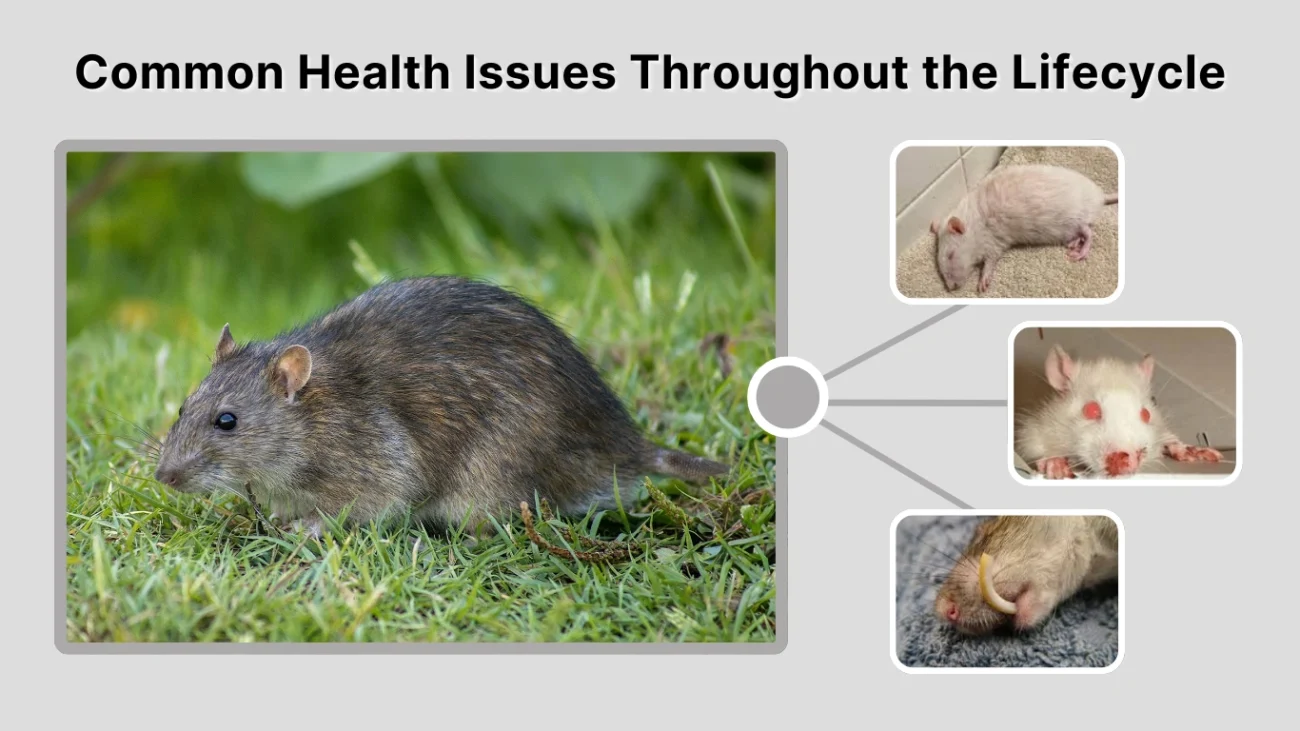
Health problems can arise at any age, but some are more common as rats grow older.
Frequent issues include:
- Respiratory infections
- Mammary and pituitary tumors
- Dental overgrowth
- Obesity or sudden weight loss
- Hind-leg degeneration in seniors
Early detection and prompt veterinary care greatly improve outcomes.
Veterinary Care and Preventive Health
Fancy rats benefit from regular health monitoring, even if routine vet visits are less frequent than with larger pets.
Signs that require vet attention:
- Labored breathing or wheezing
- Lumps or abnormal growths
- Sudden behavior changes
- Loss of appetite
Preventive care includes clean housing, proper diet, and stress reduction.
How to Extend a Fancy Rat’s Lifespan
While lifespan is limited, quality of life can be maximized through consistent care.
Key longevity tips:
- Feed a balanced, species-appropriate diet
- Maintain a clean and enriched environment
- Keep rats socially housed
- Monitor health changes daily
- Provide gentle care during old age
Fancy Rat Lifespan vs Other Small Pets
| Pet Type | Average Lifespan |
| Fancy Rat | 2–3 years |
| Hamster | 2–3 years |
| Gerbil | 3–4 years |
| Guinea Pig | 5–8 years |
FAQs
How long do fancy rats usually live?
Most fancy rats live between two and three years in captivity, depending on genetics, diet, housing, and health care.
Do male or female fancy rats live longer?
Females may live slightly longer on average, but they have a higher risk of mammary tumors. Individual care matters more than gender.
Can fancy rats live alone?
No. Fancy rats are social animals and can suffer from stress, depression, and health decline if housed alone.
What is the oldest a fancy rat can live?
While rare, some fancy rats may live slightly over three years with excellent genetics and care.
How do I know my fancy rat is aging?
Signs include reduced activity, increased sleep, weight changes, and mobility issues, typically appearing after 18 months.


