











Pet rats are curious, intelligent animals that enjoy a varied and balanced diet. Along with a high-quality rat food mix, offering safe human foods can provide enrichment, nutrition, and bonding opportunities. Fruits, vegetables, grains, and occasional protein treats can all be enjoyed when served correctly. Knowing which foods rats love—and how to offer them safely—helps support their health, happiness, and natural foraging behavior while preventing dietary issues.
1. Apples
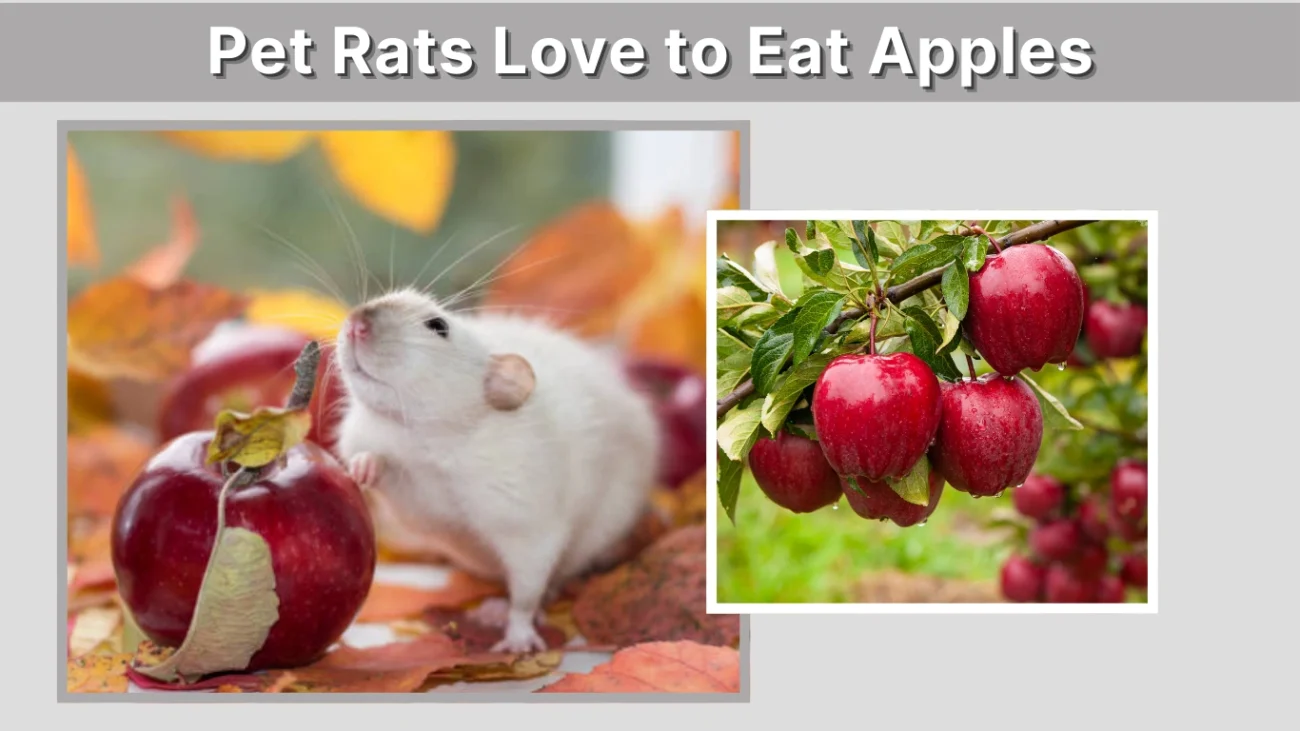
Apples are a popular and healthy treat for pet rats when given in moderation. They are naturally sweet, crunchy, and packed with hydration, making them enjoyable and beneficial as an occasional snack. Always prepare apples properly to keep your rats safe and healthy.
Benefits for Pet Rats
Apples provide vitamins like vitamin C and antioxidants that support overall health. Their crunch helps promote dental health by gently wearing down continuously growing teeth.
Feeding Process
Wash the apple thoroughly, remove the seeds, and cut it into small bite-sized pieces. Serve raw and fresh, without any added sugar or seasoning.
Safe Portion Size
Offer apples only as a treat, about one or two small pieces per rat, once or twice a week. Overfeeding can lead to excess sugar intake.
Safety Tips
Never feed apple seeds, as they contain compounds harmful to rats. Avoid dried or processed apples, and remove uneaten pieces to prevent spoilage.
2. Bananas

Bananas are a soft, sweet treat that most pet rats enjoy. They are easy to chew and digest, making them suitable for rats of all ages when offered occasionally and in small amounts.
Benefits for Pet Rats
Bananas are rich in potassium and provide quick energy. Their soft texture is gentle on teeth and helpful for rats that prefer less crunchy foods.
Feeding Process
Peel the banana and cut a small slice into tiny pieces. Serve it fresh and plain, without mixing with other foods.
Safe Portion Size
Feed only a pea-sized amount per rat once a week. Bananas are high in sugar and should never replace regular meals.
Safety Tips
Do not feed banana peels. Remove leftovers promptly, as bananas spoil quickly and can attract bacteria.
3. Blueberries

Blueberries are a nutritious, bite-sized fruit that makes an excellent occasional snack for pet rats. Their natural sweetness and soft skin make them easy to eat.
Benefits for Pet Rats
Blueberries are high in antioxidants, which support immune health. They also contain fiber that aids digestion when fed in moderation.
Feeding Process
Wash the blueberries thoroughly and serve them whole or cut in half for smaller rats. Offer them raw with no additives.
Safe Portion Size
One blueberry per rat is enough, once or twice a week. Too many can cause digestive upset.
Safety Tips
Always wash blueberries to remove pesticides. Remove uneaten berries after a few hours to prevent mold or spoilage.
4. Strawberries

Strawberries are a juicy and flavorful treat that many pet rats enjoy. Their high water content makes them refreshing, especially when offered as an occasional snack.
Benefits for Pet Rats
Strawberries contain vitamin C, antioxidants, and fiber that support immune health and digestion. Their soft texture is easy for rats to chew.
Feeding Process
Wash the strawberry thoroughly, remove the leafy top, and cut it into small pieces. Serve fresh and plain.
Safe Portion Size
Offer one small piece per rat once a week. Strawberries contain natural sugars and should be given in moderation.
Safety Tips
Avoid feeding strawberry leaves or unwashed fruit. Remove leftovers quickly to prevent spoilage and sticky messes.
5. Grapes

Grapes are a sweet, hydrating snack that most pet rats love. They are soft and easy to eat, making them a popular occasional treat.
Benefits for Pet Rats
Grapes provide hydration and contain antioxidants that support overall health. Their softness makes them suitable for older rats as well.
Feeding Process
Wash grapes thoroughly and cut them into halves or quarters to prevent choking. Serve raw only.
Safe Portion Size
Give one small grape piece per rat, no more than once a week, due to high sugar content.
Safety Tips
Always cut grapes to reduce choking risk. Remove uneaten pieces promptly, and never feed spoiled or fermented grapes.
6. Carrots

Carrots are a crunchy and nutritious vegetable that pet rats enjoy both raw and cooked. They make a healthy, low-fat snack when offered in moderation.
Benefits for Pet Rats
Carrots are rich in beta-carotene, which supports eye health and immunity. Their crunchy texture also helps keep teeth naturally worn down.
Feeding Process
Wash the carrot well and cut it into thin slices or small sticks. Serve raw for crunch or lightly cooked with no seasoning.
Safe Portion Size
Offer a few small pieces per rat once or twice a week. Carrots contain natural sugars, so moderation is important.
Safety Tips
Avoid feeding seasoned or canned carrots. Remove uneaten pieces to prevent drying out or contamination.
7. Broccoli
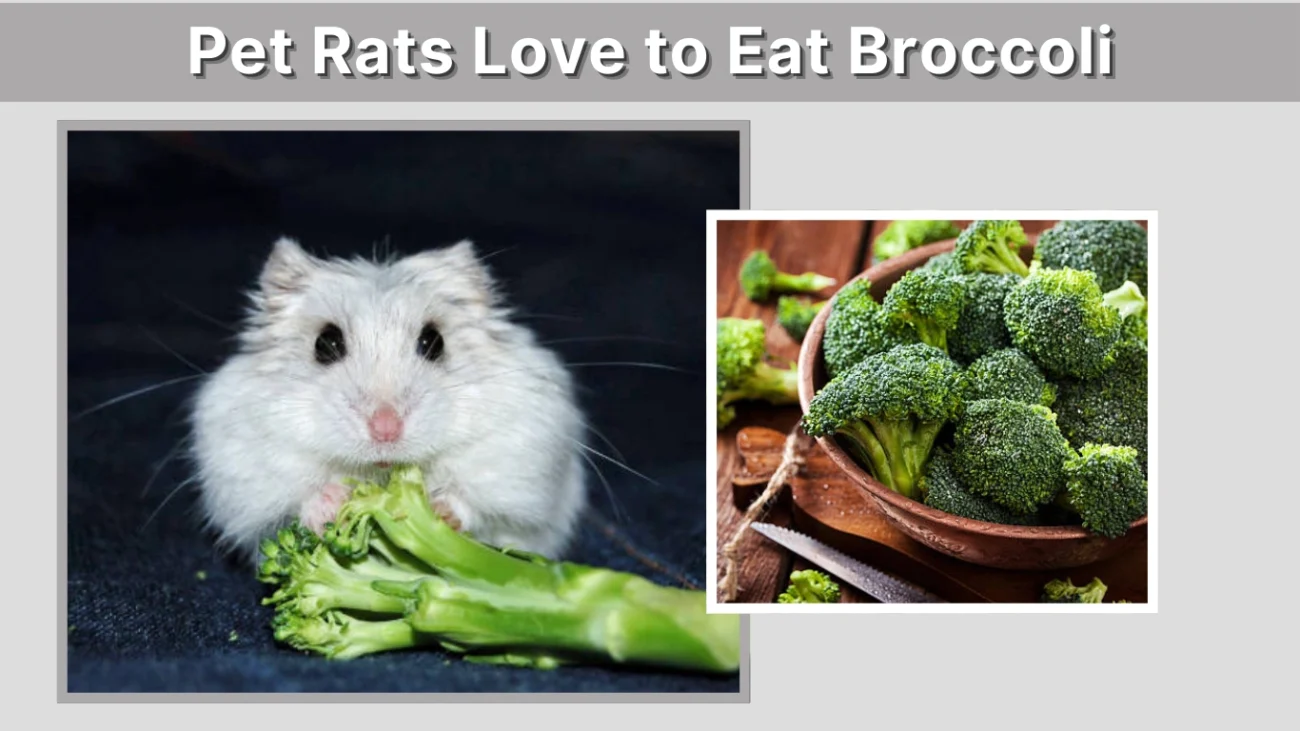
Broccoli is a nutrient-dense vegetable that can be a healthy addition to a pet rat’s diet when fed occasionally. Rats enjoy both the florets and stems.
Benefits for Pet Rats
Broccoli provides vitamins C and K, fiber, and antioxidants that support digestion and immune health.
Feeding Process
Wash thoroughly and cut into small bite-sized pieces. Serve raw or lightly steamed without salt or spices.
Safe Portion Size
Feed one or two small pieces per rat once a week to avoid gas or digestive discomfort.
Safety Tips
Do not overfeed broccoli, as it may cause bloating. Always remove leftovers after feeding time.
8. Peas
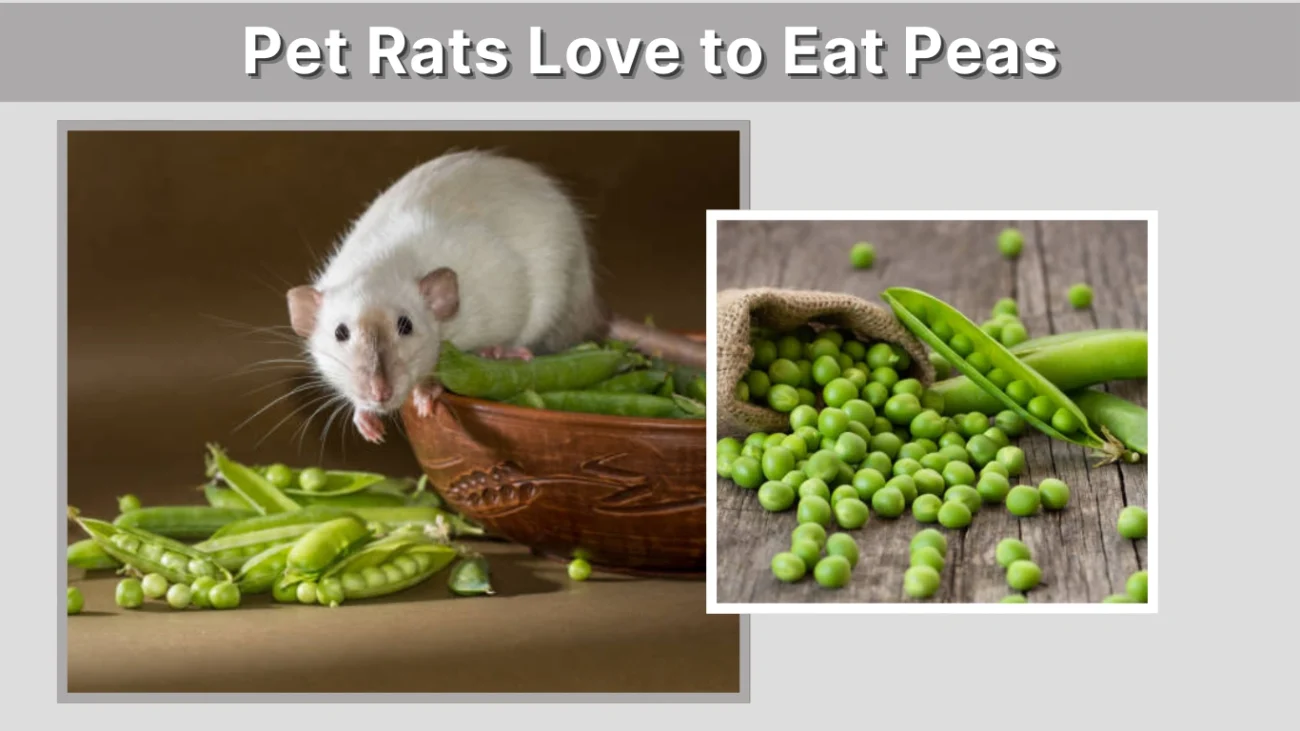
Peas are a small, soft, and nutritious food that pet rats often enjoy. Their size makes them easy to handle and eat, whether served fresh or cooked.
Benefits for Pet Rats
Peas provide plant-based protein, fiber, and essential vitamins that support muscle health and digestion.
Feeding Process
Use fresh or frozen peas that have been thawed. Serve plain, either raw or lightly cooked, with no seasoning.
Safe Portion Size
Offer one or two peas per rat once or twice a week as part of a balanced diet.
Safety Tips
Avoid canned peas due to added salt. Remove uneaten peas to prevent spoilage.
9. Sweet Potatoes

Sweet potatoes are a naturally sweet and filling treat that rats enjoy when prepared correctly. They should always be cooked before feeding.
Benefits for Pet Rats
Sweet potatoes are rich in fiber, vitamin A, and antioxidants that support immune and digestive health.
Feeding Process
Peel and cook the sweet potato by boiling or steaming. Let it cool, then cut into small pieces before serving.
Safe Portion Size
Feed a small cube per rat once a week, as sweet potatoes are high in carbohydrates.
Safety Tips
Never feed raw sweet potatoes. Avoid adding butter, salt, or spices, and discard leftovers promptly.
10. Cooked Brown Rice

Cooked brown rice is a simple, filling food that pet rats enjoy as an occasional treat. It is easy to digest and works well as part of a varied diet.
Benefits for Pet Rats
Brown rice provides complex carbohydrates and fiber, supporting steady energy levels and healthy digestion.
Feeding Process
Cook the rice in plain water with no salt or seasoning. Allow it to cool completely before offering small amounts.
Safe Portion Size
Give one or two small spoonfuls per rat once a week. Too much rice can lead to weight gain.
Safety Tips
Never feed uncooked rice. Remove leftovers after a few hours to prevent drying out or bacterial growth.
11. Cooked Pasta

Cooked pasta is a soft and satisfying treat that many pet rats love. It should always be served plain and fully cooked.
Benefits for Pet Rats
Pasta provides carbohydrates for energy and is gentle on the digestive system when fed occasionally.
Feeding Process
Cook pasta until soft using plain water. Let it cool, then cut into small pieces suitable for rats.
Safe Portion Size
Offer one or two small pasta pieces per rat once a week as a treat.
Safety Tips
Avoid pasta with sauce, salt, or seasoning. Do not feed raw or flavored pasta, and remove uneaten pieces promptly.
12. Oats
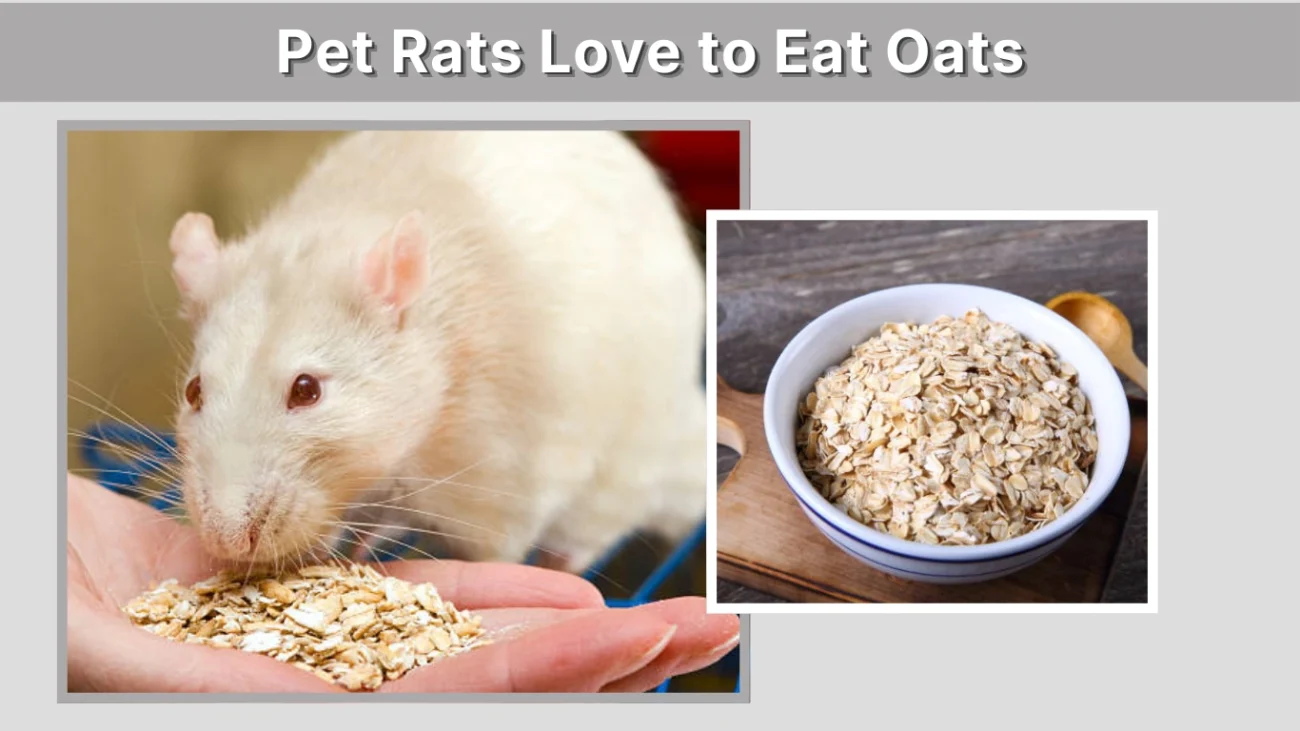
Oats are a wholesome and comforting food that pet rats enjoy, especially when offered plain. They are nutritious and suitable as an occasional treat or supplement.
Benefits for Pet Rats
Oats provide fiber, complex carbohydrates, and small amounts of protein, helping support digestion and steady energy.
Feeding Process
Use plain rolled or steel-cut oats. Serve dry or lightly soaked in water, with no sugar or flavoring.
Safe Portion Size
Give a small pinch per rat once or twice a week to avoid excess calorie intake.
Safety Tips
Avoid instant or flavored oats. Remove uneaten soaked oats to prevent spoilage.
13. Whole-Grain Bread

Whole-grain bread is a familiar and enjoyable treat for pet rats when fed sparingly. It should always be plain and free from additives.
Benefits for Pet Rats
Whole-grain bread offers fiber and carbohydrates that support digestion and provide quick energy.
Feeding Process
Tear the bread into small, soft pieces. Serve plain, either fresh or lightly dried.
Safe Portion Size
Offer a small bite-sized piece per rat once a week.
Safety Tips
Avoid white bread, sugary breads, or those with seeds and nuts. Never feed moldy or heavily processed bread.
14. Plain Cooked Chicken

Plain cooked chicken is a high-protein treat that pet rats enjoy, especially during growth or recovery periods. It should be offered only occasionally.
Benefits for Pet Rats
Chicken provides lean protein that supports muscle development, tissue repair, and overall strength.
Feeding Process
Boil or bake the chicken without salt, oil, or seasoning. Shred it into very small, soft pieces before serving.
Safe Portion Size
Offer a few tiny shreds per rat once a week. Too much animal protein can be unhealthy.
Safety Tips
Never feed raw or seasoned chicken. Remove uneaten pieces quickly to prevent spoilage.
15. Scrambled Eggs
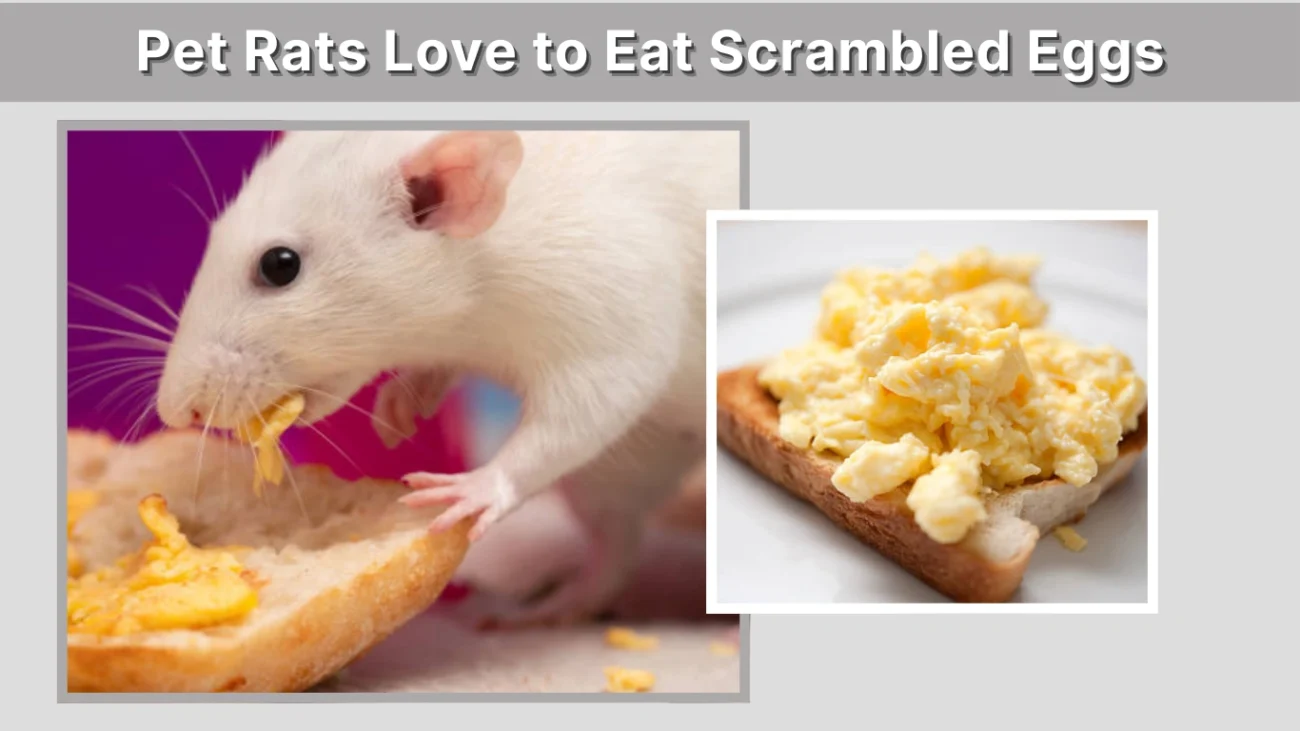
Scrambled eggs are a soft, protein-rich food that many pet rats find irresistible. They should always be fully cooked and served plain.
Benefits for Pet Rats
Eggs provide high-quality protein, healthy fats, and essential vitamins that support coat health and energy.
Feeding Process
Cook the egg thoroughly in a non-stick pan without oil, butter, salt, or milk. Let it cool, then break into small pieces.
Safe Portion Size
Feed a small bite per rat once a week or less, as eggs are rich and filling.
Safety Tips
Never feed raw eggs. Remove leftovers promptly, and avoid adding any seasoning or dairy products.


