











Rats are among the most common household pests, often entering homes in search of food, water, and shelter. Different rat types vary in size, color, behavior, and nesting habits, which is why proper identification is important for effective control. Some prefer basements and sewers, while others live in roofs, walls, or storage areas. Below are some of the most well-known types of rats that are commonly found in or around houses worldwide.
1. Norway Rat (Brown Rat)

The Norway rat is the most common house-invading rat species worldwide. It prefers living close to humans, often nesting in basements, sewers, wall voids, and ground-level areas. Strong, adaptable, and fast-breeding, this rat is responsible for most household rat infestations.
Identification
- Stocky, heavy-bodied rat with a blunt nose
- Brown or grayish-brown fur with a lighter belly
- Short ears and a tail shorter than the head and body
- Adults usually 7–10 inches long (not including tail)
- Weighs between 200–500 grams
- Leaves greasy rub marks along walls
Habitat
Norway rats usually live in burrows, crawl spaces, basements, garbage areas, and sewers. Inside houses, they stay near food and water sources, especially kitchens, storerooms, and drains. They prefer lower floors rather than roofs.
Behavior
These rats are mostly nocturnal and are excellent diggers and swimmers. They are aggressive when threatened and often travel the same paths every night. Norway rats are highly social and usually live in colonies.
Diet
Norway rats are omnivores. In homes, they eat grains, meat scraps, pet food, fruits, and vegetables. They can chew through plastic, wood, and even soft metals to reach food.
2. Roof Rat (Black Rat)

The roof rat is a slender, agile rat species that often invades houses, especially in warm regions. Unlike ground-dwelling rats, it prefers elevated places such as ceilings, roofs, attics, and upper floors. Excellent climbers, roof rats commonly enter homes through trees, wires, and roof gaps.
Identification
- Slim body with a pointed nose
- Black, dark brown, or gray fur
- Large ears and prominent eyes
- Tail longer than the head and body
- Adults usually 6–8 inches long (not including tail)
- Very agile climber and jumper
Habitat
Roof rats live in attics, false ceilings, wall cavities, roof spaces, and upper levels of buildings. Outdoors, they nest in trees, palms, and dense vegetation. They are especially common in coastal and tropical areas.
Behavior
These rats are nocturnal, shy, and fast-moving. They prefer to stay above ground and often travel along cables, rafters, and beams. Roof rats are less aggressive than Norway rats but are very cautious and alert.
Diet
Roof rats mainly eat fruits, nuts, seeds, and grains. Inside houses, they feed on stored food, pet food, and kitchen waste. They prefer fresh foods and often gnaw electrical wires and wooden structures.
3. House Rat (Asian House Rat / House Rat)
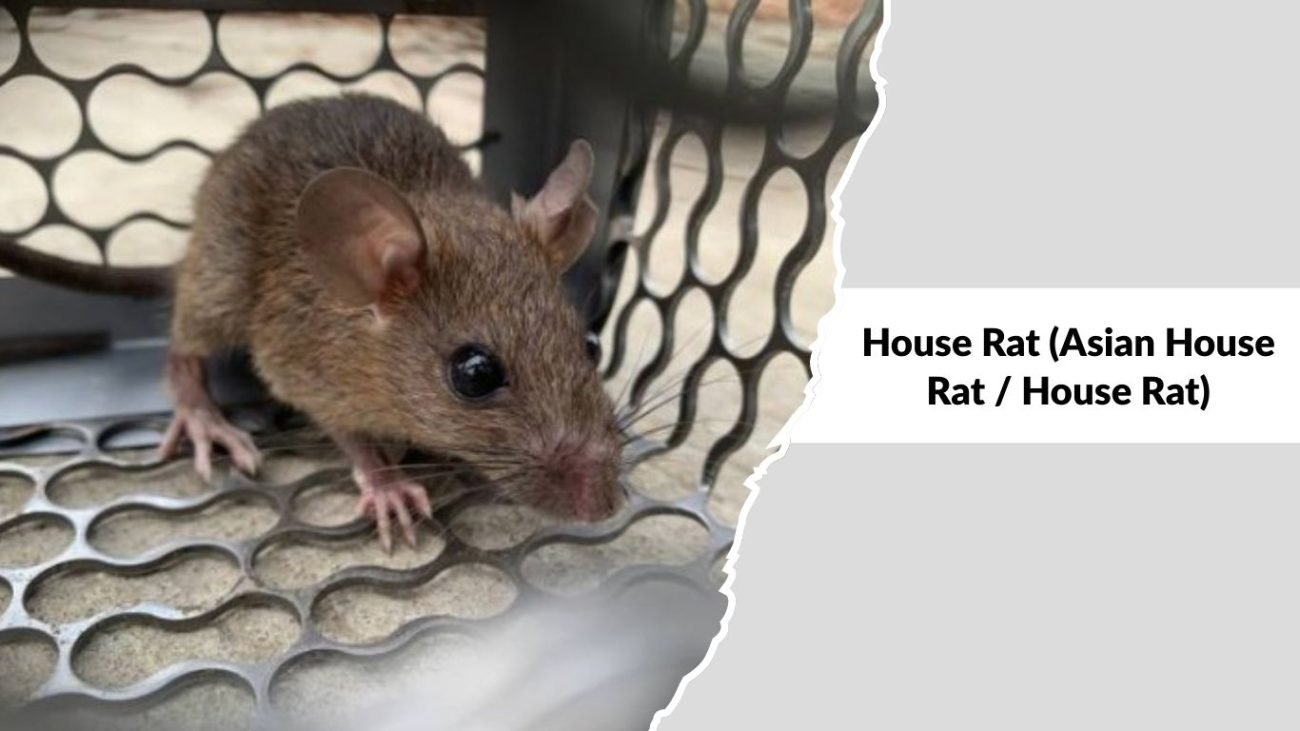
The house rat is a common indoor-dwelling rat found across South and Southeast Asia, Africa, and many tropical regions. It lives very close to humans and frequently nests inside walls, cupboards, store rooms, and roofs. This species is extremely adaptable and thrives in crowded residential areas.
Identification
- Medium-sized, slender body
- Gray, brown, or dark brown fur
- Pointed snout with large ears
- Tail usually longer than the head and body
- Adults typically 6–9 inches long (not including tail)
- Fast runner and skilled climber
Habitat
House rats live inside homes, markets, warehouses, food shops, and apartment buildings. They commonly nest in wall voids, ceilings, behind appliances, and in stored goods. Outdoors, they are found around human settlements.
Behavior
These rats are mainly nocturnal and very cautious. They move quickly along walls, pipes, and wires and often build multiple nests. House rats are social and reproduce rapidly, causing infestations to spread fast.
Diet
House rats eat grains, rice, fruits, vegetables, leftovers, and pet food. In houses, they contaminate stored food and chew through bags, cardboard, wood, and soft plastic to reach food sources.
4. Black Rat (Ship Rat)

The black rat is an old and widespread house-invading rat, historically known for spreading diseases and traveling with ships. It is lighter and more agile than the Norway rat and commonly infests homes, shops, and warehouses, especially in warm and coastal regions.
Identification
- Slender body with a pointed snout
- Black, dark brown, or gray fur
- Large ears and prominent eyes
- Tail longer than the head and body
- Adults usually 5–8 inches long (not including tail)
- Excellent climber and jumper
Habitat
Black rats prefer upper parts of buildings such as roofs, attics, wall voids, and ceiling spaces. Outdoors, they nest in trees, palms, and thick vegetation. They often enter houses through wires, pipes, and roof openings.
Behavior
They are mostly nocturnal, shy, and quick-moving. Black rats avoid open spaces and follow the same travel routes along beams and cables. They are less aggressive but very alert and difficult to trap.
Diet
Black rats mainly feed on fruits, seeds, nuts, and grains. Inside homes, they eat stored food, bread, vegetables, and pet food, and often gnaw wires, wood, and packaging materials.
5. Brown Rat (Common Rat)
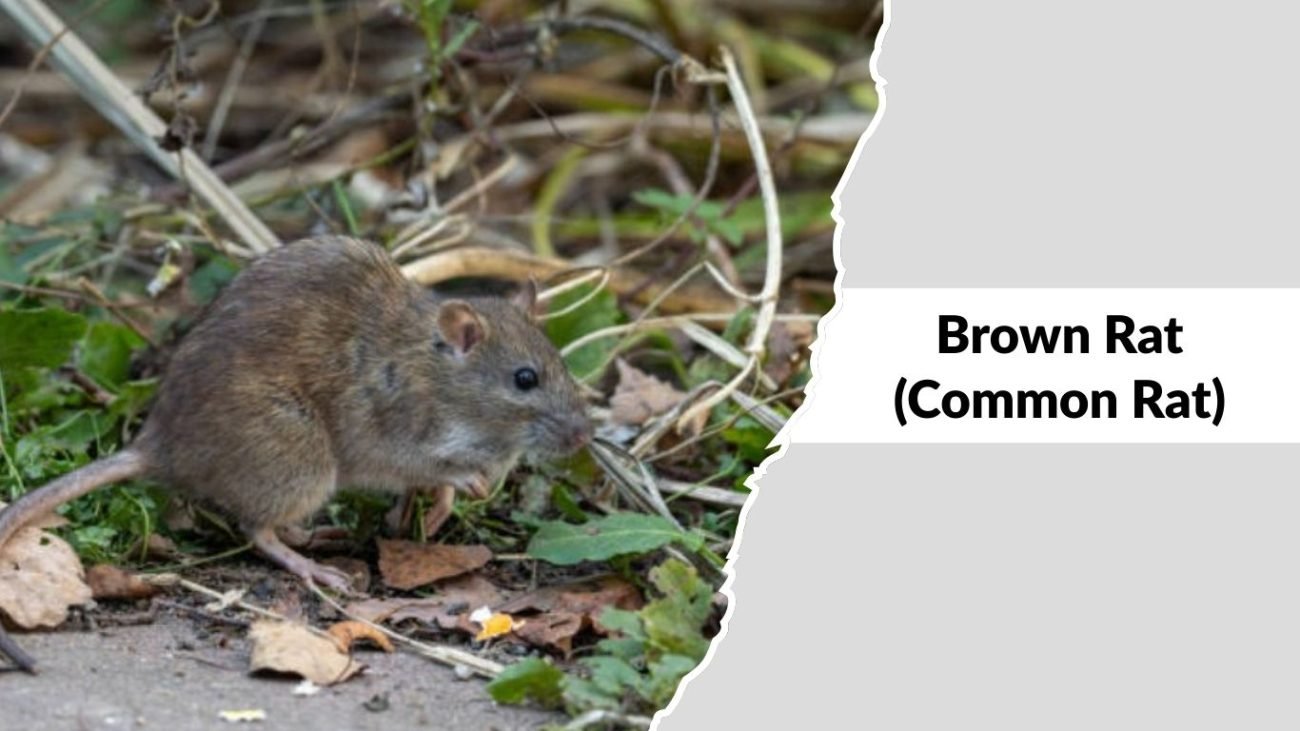
The brown rat is one of the most common rats found in and around houses worldwide. It is extremely adaptable and can survive in basements, drains, kitchens, storerooms, and garbage areas. Because of its strength and fast breeding, it is a major household pest.
Identification
- Thick, heavy body with a blunt nose
- Brown, gray-brown, or dark gray fur
- Small ears compared to head size
- Tail shorter than the head and body
- Adults usually 7–10 inches long (not including tail)
- Strong teeth and powerful jaws
Habitat
Brown rats live in sewers, basements, crawl spaces, wall voids, and ground-level rooms. They often dig burrows under floors, near foundations, and around trash areas. Indoors, they stay close to food and water.
Behavior
They are nocturnal and cautious but aggressive when cornered. Brown rats are excellent swimmers and diggers and usually move along walls. They form colonies and can cause serious damage in a short time.
Diet
Brown rats eat almost anything, including grains, meat, fruits, vegetables, pet food, and garbage. In houses, they chew furniture, wires, pipes, and food containers to access food.
6. White Rat (Albino Rat)
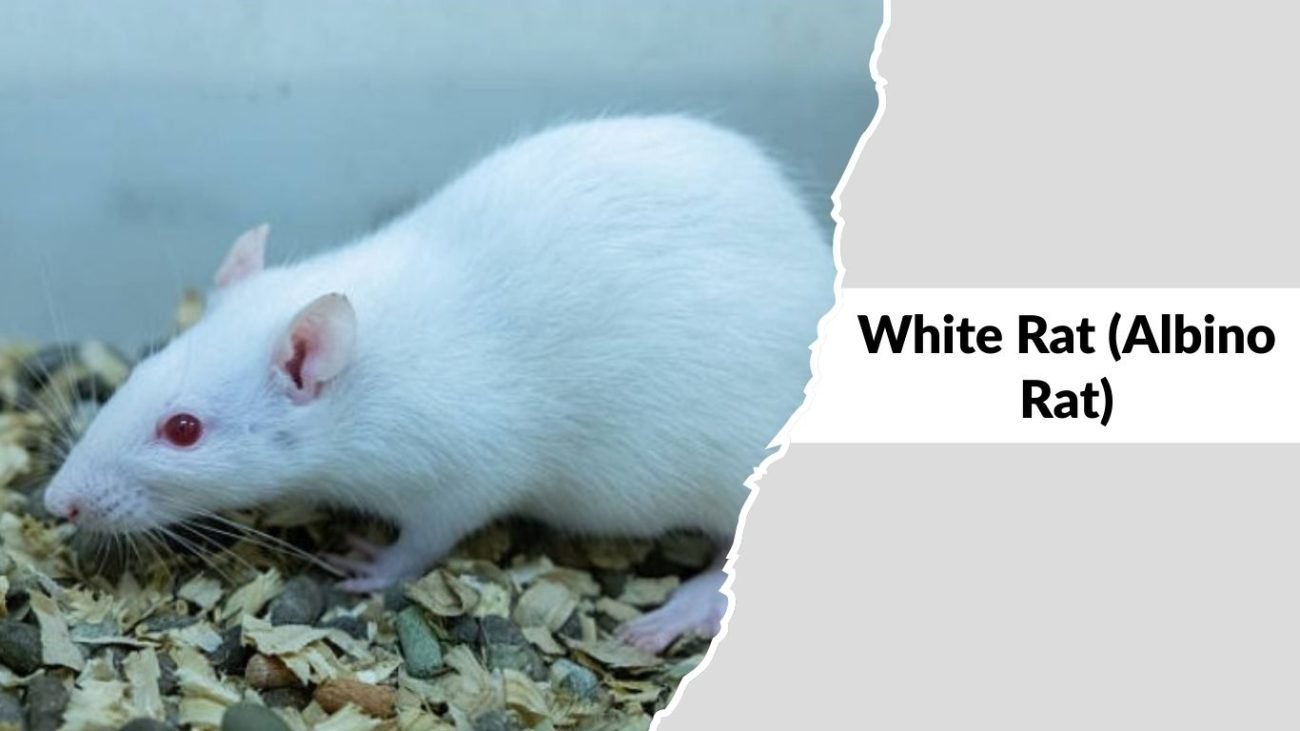
The white rat, often called the albino rat, is usually a domestic or laboratory strain but can sometimes be found in houses after escaping or mixing with wild populations. In some areas, they survive in buildings, markets, and storage facilities where food is easily available.
Identification
- Pure white or cream-colored fur
- Pink or red eyes due to albinism
- Long pink tail and pale ears
- Slender to medium body size
- Adults usually 6–9 inches long (not including tail)
- Very noticeable color compared to wild rats
Habitat
White rats may live in houses, shops, warehouses, barns, and food storage areas. They hide in walls, ceilings, cages, boxes, and dark sheltered spaces. They depend heavily on human environments for survival.
Behavior
They are mostly nocturnal and less aggressive than wild brown rats. White rats are intelligent, social, and curious. When living feral, they behave like wild rats, nesting close to food and water.
Diet
White rats eat grains, vegetables, fruits, meat scraps, and packaged food. In houses, they feed on stored food, kitchen waste, and pet food and will gnaw soft materials to reach food sources.
7. Gray Rat

The gray rat is a general term often used for gray-colored house rats, commonly referring to gray-coated Norway rats or house rats found in homes and buildings. These rats are frequent indoor pests and are well adapted to living close to humans.
Identification
- Gray to dark gray fur with lighter underside
- Stocky or medium-built body
- Blunt or slightly pointed nose
- Tail slightly shorter or equal to body length
- Adults usually 7–10 inches long (not including tail)
- Often leaves dark droppings and greasy marks
Habitat
Gray rats live in basements, kitchens, wall voids, drains, garbage areas, and storerooms. Outdoors, they stay near buildings, gardens, and sewers. They prefer areas with constant food and water sources.
Behavior
They are nocturnal and cautious. Gray rats follow regular travel routes along walls and pipes. They are good swimmers and diggers and usually live in groups.
Diet
Gray rats are omnivores. They eat grains, leftovers, fruits, meat scraps, pet food, and garbage. In houses, they contaminate stored food and chew furniture, wiring, and packaging.
8. Pack Rat (Woodrat)
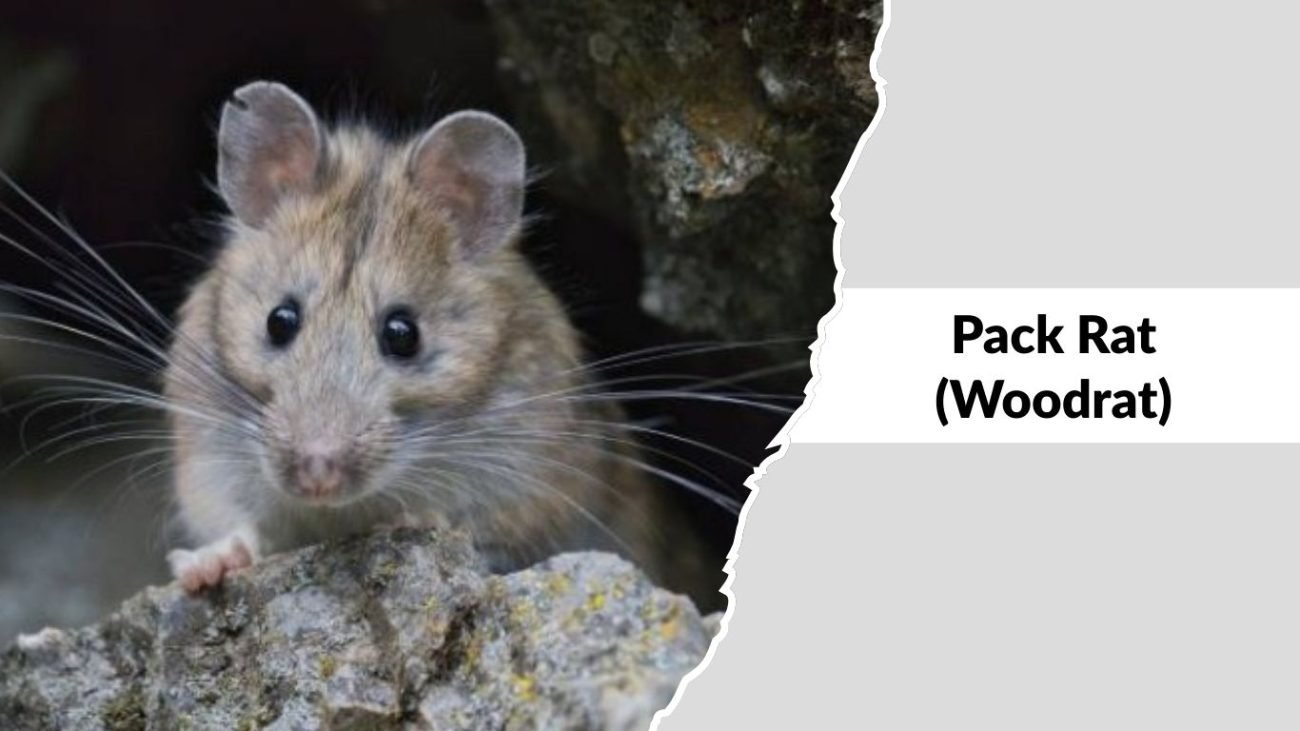
Pack rats, also known as woodrats, are medium-sized rodents that sometimes enter houses, garages, sheds, and cabins, especially in rural and semi-rural areas. They are famous for collecting and storing objects, often building large nests inside walls and stored materials.
Identification
- Large eyes and ears
- Soft gray or brown fur with a pale belly
- Hairy tail (unlike most rats)
- Medium-sized, slender body
- Adults usually 6–8 inches long (not including tail)
- Often leave piles of sticks and debris near nests
Habitat
Pack rats live in wall voids, attics, garages, woodpiles, barns, and storage areas. Outdoors, they build bulky nests from sticks, leaves, and debris. They often move into houses in colder or drier seasons.
Behavior
They are nocturnal and shy. Pack rats are well known for carrying and hoarding objects such as paper, cloth, bones, and shiny items. They usually live alone or in small family groups.
Diet
Pack rats feed mainly on seeds, fruits, nuts, leaves, and bark. In houses, they eat stored food, pet food, and plant materials and may chew cardboard, wiring, and insulation.
9. Cotton Rat
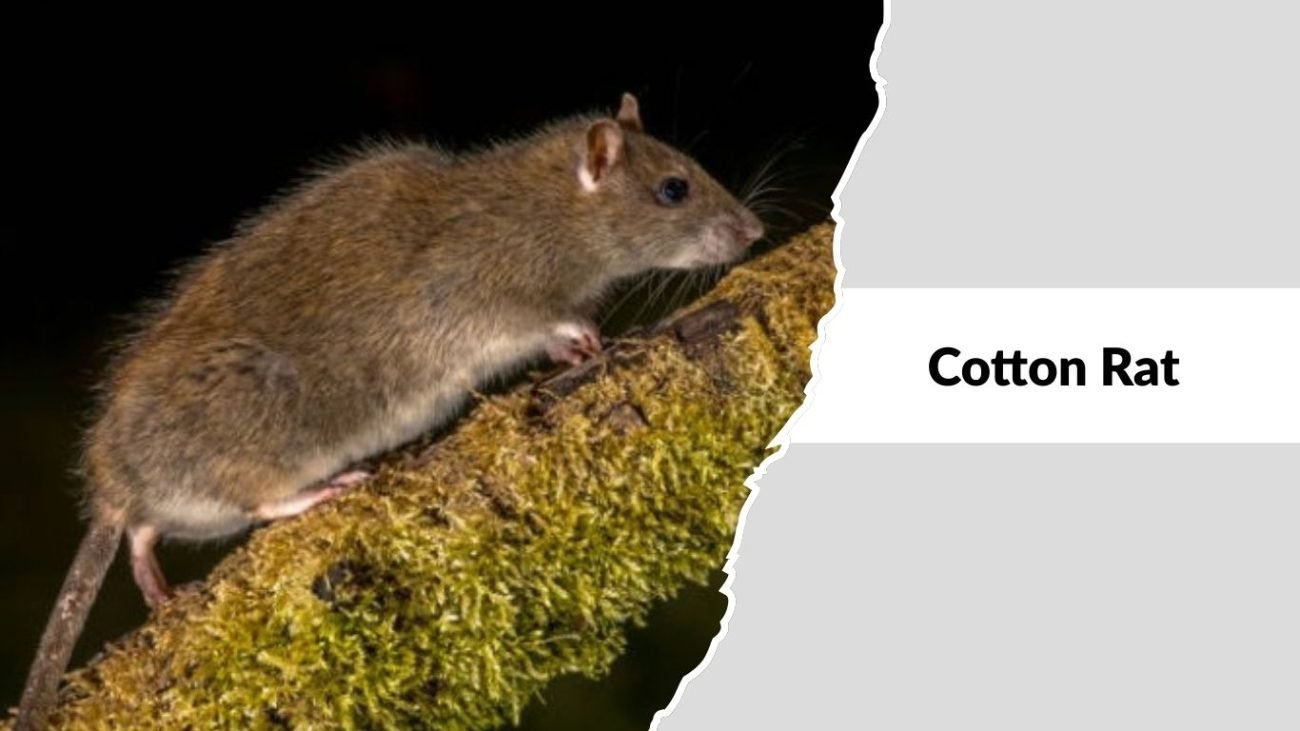
The cotton rat is a robust rodent that mainly lives outdoors but can invade houses, barns, and storage buildings, especially in rural and agricultural areas. It is known for building runways through grass and can become a serious household and crop pest.
Identification
- Heavy, muscular body
- Coarse gray-brown fur with a darker back
- Short ears and blunt snout
- Tail shorter than the head and body
- Adults usually 5–7 inches long (not including tail)
- Thick body compared to other house rats
Habitat
Cotton rats live in fields, gardens, barns, sheds, and sometimes inside houses. Indoors, they nest in wall voids, under floors, and in storerooms. They are most common near farmlands and grassy areas.
Behavior
They are active both day and night but mostly nocturnal near homes. Cotton rats are aggressive when threatened and can bite. They make narrow runways and nests from grass and soft materials.
Diet
Cotton rats eat grasses, seeds, grains, fruits, vegetables, and occasionally insects. In houses, they feed on stored crops, pet food, and kitchen waste and may damage furniture and insulation.
10. Rice Rat
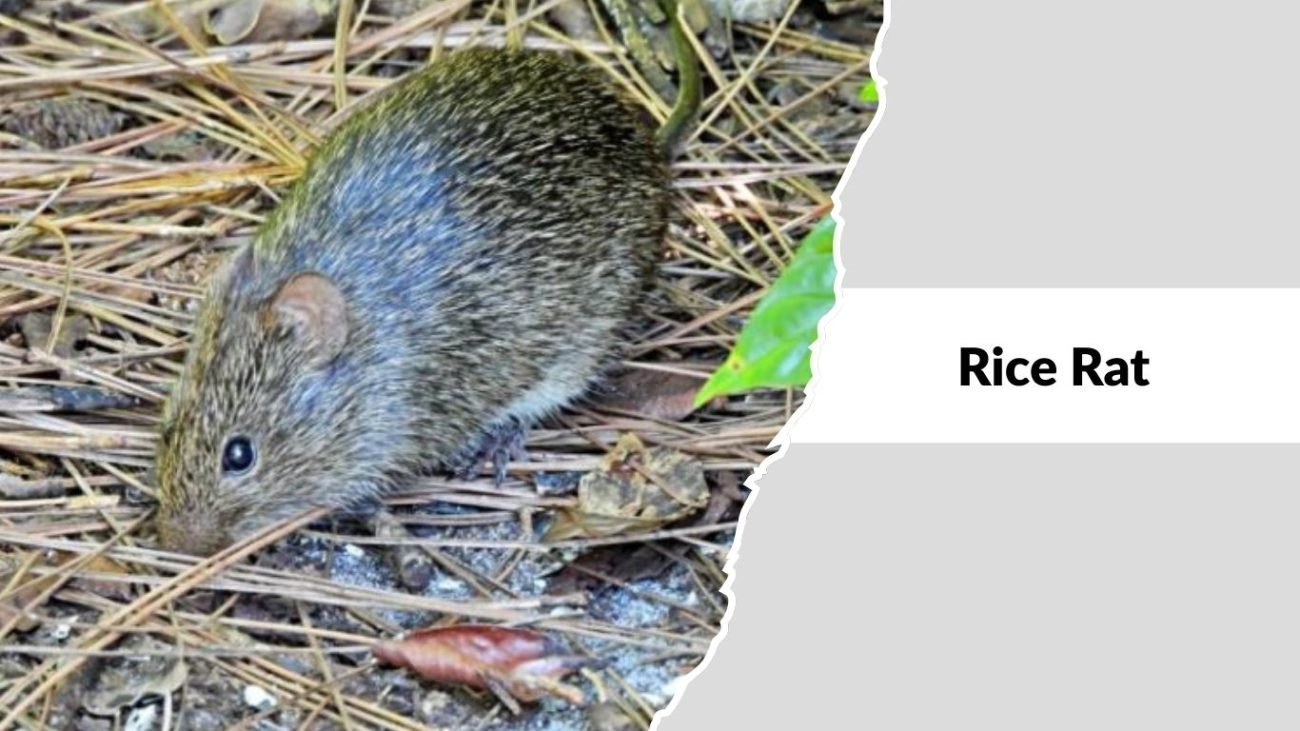
The rice rat is a semi-aquatic rat species that mainly lives near wetlands and farms but can enter houses, food stores, and barns, especially in flood-prone or rural areas. It is often attracted to stored grains and moist environments.
Identification
- Medium-sized, slender body
- Gray-brown fur with lighter underside
- Pointed snout and small ears
- Tail about the same length as head and body
- Adults usually 5–8 inches long (not including tail)
- Slightly water-adapted body shape
Habitat
Rice rats live near rivers, ponds, rice fields, drainage systems, and marshy land. They may enter houses, grain stores, and warehouses located close to water sources. Indoors, they hide in basements, wall spaces, and storage rooms.
Behavior
They are mostly nocturnal and are strong swimmers. Rice rats move quietly and often follow pipes and drainage lines. They build nests from grass, paper, and soft materials.
Diet
Rice rats eat rice, grains, seeds, fruits, insects, and small aquatic animals. In houses, they feed on stored grain, pet food, and food scraps and may chew bags, wood, and wiring.
11. Polynesian Rat
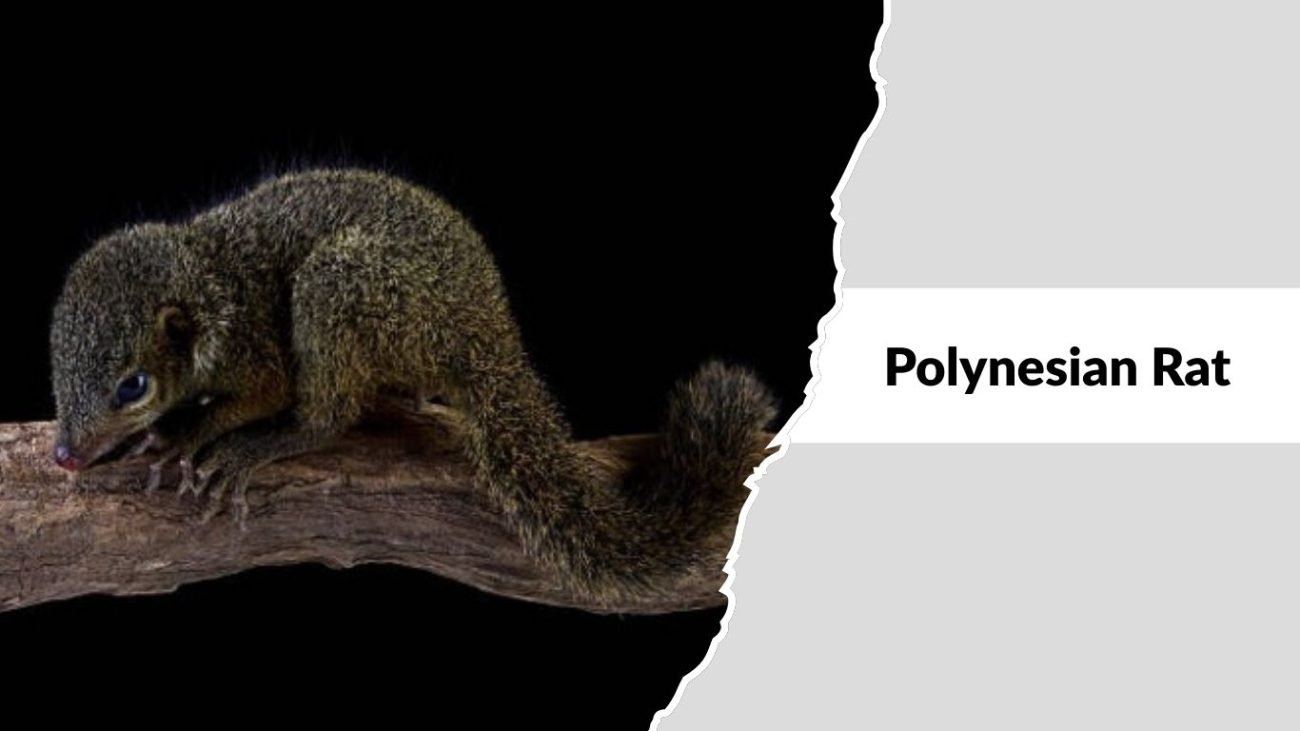
The Polynesian rat is a small, fast-moving rat species that commonly lives around human settlements and often enters houses, huts, food stores, and warehouses. It is widespread across Southeast Asia and many tropical islands and is one of the most common rats found near homes in coastal and rural regions.
Identification
- Small, slender body
- Brown to dark brown fur with lighter belly
- Pointed nose with relatively small ears
- Tail about the same length as head and body
- Adults usually 4–6 inches long (not including tail)
- More compact than Norway or roof rats
Habitat
Polynesian rats live in houses, markets, farms, gardens, and storage buildings. They nest in walls, roofs, piles of materials, and thick vegetation. They are especially common near food storage areas and crops.
Behavior
They are mostly nocturnal and very active. Polynesian rats are good climbers and quick runners. They reproduce rapidly and often live close to people without being easily noticed.
Diet
They feed on grains, rice, fruits, seeds, insects, and kitchen waste. Inside houses, they contaminate stored food and chew bags, cardboard, and soft materials to reach food.
12. Sewer Rat
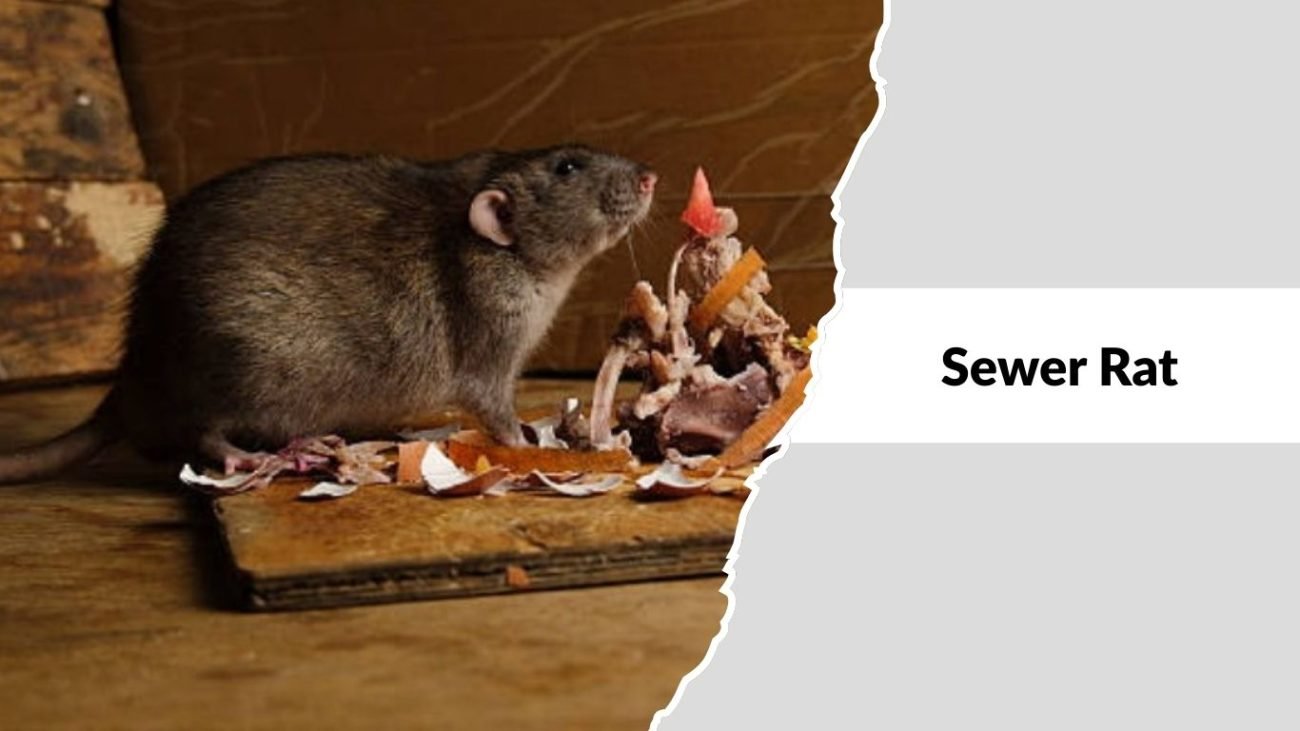
The sewer rat is a common name usually used for large Norway rats that live in sewer systems and frequently enter houses through drains and pipes. These rats are among the most problematic indoor pests because they are strong, aggressive, and highly adaptable to urban environments.
Identification
- Large, thick-bodied rat
- Dark brown or gray fur
- Blunt nose with small ears
- Tail shorter than the head and body
- Adults usually 8–11 inches long (not including tail)
- Often leaves large droppings and greasy smears
Habitat
Sewer rats live in underground sewer systems, drains, basements, crawl spaces, and garbage areas. They often enter homes through broken pipes, toilets, and foundation gaps, especially in cities.
Behavior
They are mostly nocturnal and are excellent swimmers. Sewer rats are territorial and aggressive when threatened. They follow fixed routes and can travel long distances through pipes and walls.
Diet
Sewer rats eat almost anything, including food waste, meat, grains, pet food, and garbage. In houses, they damage plumbing, wiring, furniture, and food supplies.


