










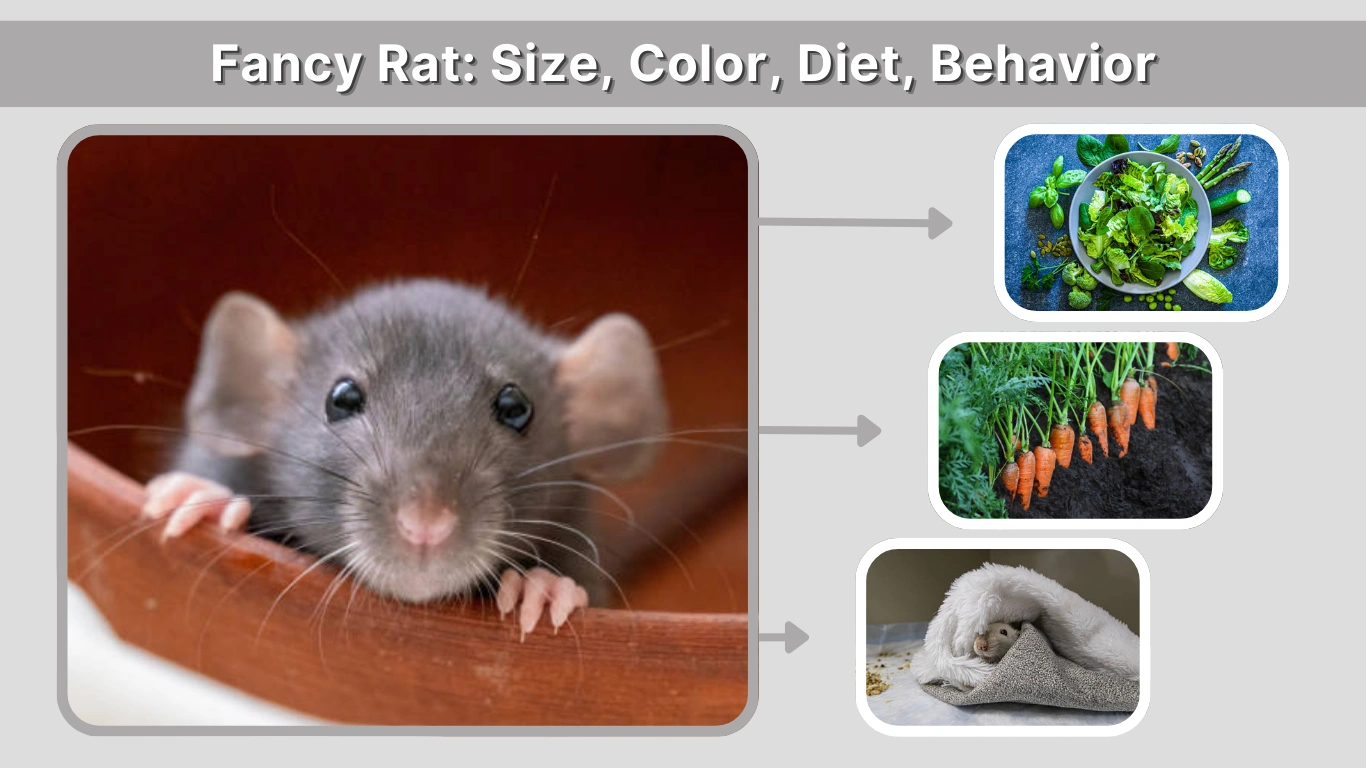
Fancy rats are intelligent, social, and affectionate pets that have become increasingly popular among small-animal lovers. Unlike wild rats, fancy rats are domesticated, bred for temperament and appearance, and thrive in human care. Their playful nature, ability to bond with owners, and manageable size make them suitable for beginners and experienced pet keepers alike. Understanding their size, colors, behavior, and dietary needs is essential before bringing one home.
What Is a Fancy Rat?
A fancy rat is a domesticated form of the brown rat (Rattus norvegicus). The term “fancy” comes from animal fancying, a hobby focused on breeding animals for specific traits such as color, coat type, and temperament.
Fancy rats are commonly bred as pets, show animals, and companions. Unlike wild rats, they are calmer, more sociable, and accustomed to handling. Over generations, selective breeding has reduced aggression and increased friendliness toward humans.
Because of their intelligence and adaptability, fancy rats are often compared to dogs in miniature form. They can recognize their owners, learn routines, and even respond to their names.
Fancy Rat Identification and Physical Traits

Fancy rats have a compact yet muscular body with a long, hairless tail that helps with balance and temperature regulation. Their whiskers are highly sensitive and play an important role in navigation.
Common physical features include:
- Rounded ears positioned high or low depending on breed
- Bright, expressive eyes
- Strong incisors that grow continuously
- Soft fur that varies in texture and length
Coat types range from smooth and sleek to curly or even hairless, depending on genetics. These physical differences are one reason fancy rats are so diverse and appealing as pets.
Fancy Rat Size and Weight
Fancy rats are medium-sized rodents, larger than mice and hamsters but smaller than guinea pigs.
- Average body length: 8–10 inches
- Tail length: 6–8 inches
- Adult weight:
- Males: 450–650 grams
- Females: 250–450 grams
- Males: 450–650 grams
Males are usually bulkier with broader heads, while females are slimmer and more active. Rats grow rapidly during the first few months and typically reach full size by six months of age.
Fancy Rat Colors and Markings

One of the most attractive features of fancy rats is their wide variety of colors and patterns. Selective breeding has produced dozens of recognized variations.
Common Fancy Rat Colors
- White
- Black
- Brown (agouti)
- Gray / blue
- Beige or champagne
Popular Markings and Patterns
- Hooded (colored head with white body)
- Capped (color only on the head)
- Masked (color around the eyes)
- Blaze (white stripe on the face)
Eye color can range from black and ruby to pink, especially in lighter-colored rats. Coat color and markings do not affect personality, but they do influence popularity and pricing.
Fancy Rat Lifespan
Fancy rats have a relatively short lifespan compared to other pets, which is an important consideration for owners.
Most fancy rats live 2 to 3 years in captivity. Some may live slightly longer with excellent genetics, diet, and veterinary care.
Factors that affect lifespan include:
- Quality of nutrition
- Clean living conditions
- Genetics
- Early detection of illness
As rats age, they may slow down, sleep more, and become less agile, which is completely normal.
Fancy Rat Behavior and Temperament
Fancy rats are known for their friendly and curious nature. They are highly intelligent and enjoy interacting with both humans and other rats.
Key Behavioral Traits
- Strong social bonding
- Playful and energetic
- Curious and exploratory
- Capable of learning tricks
Rats often enjoy shoulder rides, gentle play, and puzzle toys. They can become bored or depressed if left alone for long periods, making daily interaction essential.
Because they are social animals, fancy rats should never be kept alone unless absolutely necessary.
Fancy Rat Diet and Nutrition

A balanced diet is critical for maintaining a fancy rat’s health, energy levels, and lifespan.
Staple Foods
The foundation of a fancy rat’s diet should be:
- High-quality commercial rat pellets or lab blocks
- Balanced protein, fat, and fiber content
Pellets prevent selective eating and ensure consistent nutrition.
Fresh Foods
In moderation, fancy rats can enjoy:
- Leafy greens
- Carrots, peas, and squash
- Apples, bananas, and berries
- Cooked rice or pasta
Fresh foods should be washed thoroughly and introduced slowly to avoid digestive upset.
Fancy Rat Habitat and Housing
Creating a proper habitat is essential for a fancy rat’s physical and mental well-being. Rats are active climbers and explorers, so their enclosure must provide enough space and enrichment to prevent boredom and stress.
A single fancy rat requires a spacious cage, but because rats are social animals, housing at least two together is strongly recommended. Vertical space is just as important as floor space, allowing rats to climb and move naturally.
Wire cages with solid bases are ideal, as they provide ventilation while preventing escape. Glass tanks should be avoided because they trap heat and moisture, increasing the risk of respiratory problems.
Proper placement of the cage also matters. It should be kept in a quiet, well-ventilated room away from direct sunlight, drafts, and loud noises.
Cage Requirements
- Minimum cage size: 24 × 12 × 24 inches for a pair
- Bar spacing no wider than ½ inch
- Multiple levels or platforms
- Secure doors and locks
Bedding and Nesting Materials
- Paper-based bedding
- Aspen shavings (kiln-dried)
- Shredded paper for nesting
Avoid pine and cedar bedding, as their oils can cause respiratory issues.
Fancy Rat Care as a Pet

Caring for a fancy rat requires daily attention, but their affectionate nature makes the effort rewarding. Consistent care helps build trust and keeps rats healthy and active.
Daily care includes feeding, refreshing water, and spending time interacting with them. Rats enjoy human companionship and quickly recognize their owners. Gentle handling from a young age encourages confidence and friendliness.
Weekly care focuses on cleanliness. Cages should be spot-cleaned daily and thoroughly cleaned once or twice a week to prevent odor and bacterial buildup.
With proper care, fancy rats remain playful and affectionate throughout most of their lives.
Daily Care Tasks
- Refill fresh water
- Provide food and remove leftovers
- Social interaction and playtime
Weekly Care Tasks
- Clean cage and accessories
- Replace bedding
- Check teeth, nails, and coat
Grooming and Hygiene
Fancy rats are naturally clean animals and groom themselves frequently. In most cases, they require minimal grooming assistance from their owners.
Brushing is usually unnecessary except for rats with curly or long coats. Nail trimming may be needed occasionally, especially for older or less active rats whose nails do not wear down naturally.
Bathing should only be done if absolutely necessary, such as when a rat becomes covered in a sticky or harmful substance. Overbathing can cause stress and skin issues.
Providing rough surfaces and chew toys helps maintain nail length and dental health naturally.
Common Health Issues in Fancy Rats
Fancy rats are prone to certain health conditions, particularly as they age. Early detection and prompt veterinary care significantly improve outcomes.
Respiratory infections are among the most common issues and are often caused by poor ventilation, dusty bedding, or stress. Tumors, especially mammary tumors in females, are also common in older rats.
Other health concerns include dental overgrowth, parasites, and obesity. Regular observation helps owners notice subtle changes in behavior or appearance.
Signs of illness may include sneezing, lethargy, weight loss, labored breathing, or changes in appetite. Any of these symptoms should be evaluated by a veterinarian experienced with small animals.
Fancy Rat Social Needs
Fancy rats are highly social and should always be kept in pairs or small groups. A lone rat can become lonely, stressed, and depressed, even with regular human interaction.
Rats communicate through body language, vocalizations, and scent marking. Living with other rats allows them to express natural behaviors such as grooming, playing, and sleeping together.
When introducing new rats, gradual introductions in neutral territory are important to prevent aggression. Most fancy rats adapt well when introductions are done properly.
Human interaction is still essential, but it should complement—not replace—rat companionship.
Pros and Cons of Fancy Rats as Pets
Understanding both the advantages and disadvantages helps potential owners make informed decisions.
Advantages
- Intelligent and trainable
- Affectionate and social
- Compact and easy to house
- Entertaining personalities
Disadvantages
- Short lifespan
- Prone to health issues
- Require daily interaction
- Veterinary care can be specialized
Are Fancy Rats Good Pets for Beginners?
Fancy rats are excellent pets for beginners who are willing to invest time and attention. Their friendly nature and manageable care requirements make them less intimidating than some exotic pets.
However, beginners must be prepared for their short lifespan and potential medical expenses. Rats thrive in environments where owners can interact with them daily and maintain proper hygiene.
For families, individuals, or small-space living situations, fancy rats can be a rewarding and engaging pet choice when cared for responsibly.


