











Pet rats are intelligent, social, and surprisingly affectionate animals that make excellent companions for animal lovers. Over the years, selective breeding has produced many different types of pet rats, each with unique physical traits, coat styles, and personalities. From smooth-coated favorites to rare and eye-catching varieties, understanding the different types of pet rats can help you choose the perfect one for your lifestyle, care preferences, and experience level.
1. Fancy Rat

The Fancy Rat is the most common and popular type of pet rat, widely kept for its intelligence, friendly nature, and adaptability. Bred specifically for companionship rather than laboratories, fancy rats come in many colors, patterns, and coat types, making them a favorite choice for beginners and experienced owners alike.
Identification
- Medium-sized body with a long, smooth tail
- Variety of coat colors and patterns
- Sleek or slightly coarse fur texture
- Bright eyes and pointed nose
Temperament and Behavior
Fancy rats are highly social, intelligent, and affectionate animals. They enjoy interacting with humans and often form strong bonds with their owners. These rats are curious by nature, quick learners, and can be trained to respond to names, perform simple tricks, and use litter boxes.
How to Care
Caring for a fancy rat involves providing a spacious cage, social companionship, and mental stimulation. They thrive in pairs or small groups, need a balanced diet of lab blocks with fresh foods, and benefit from toys, tunnels, and daily out-of-cage playtime.
Health and Lifespan
Fancy rats generally live 2–3 years. Common health concerns include respiratory infections and tumors, especially in older rats. Regular cage cleaning, proper nutrition, and routine observation help keep them healthy and comfortable throughout their lives.
2. Dumbo Rat

The Dumbo Rat is a popular pet rat variety known for its oversized, low-set ears and gentle appearance. Loved for its calm temperament and cute, rounded face, this rat is a favorite among pet owners looking for a friendly and social companion.
Identification
- Large, round ears set lower on the sides of the head
- Broader head shape compared to standard rats
- Medium-sized body with a long tail
- Comes in many coat colors and patterns
Temperament and Behavior
Dumbo rats are typically calm, affectionate, and people-oriented. They enjoy being handled and are less skittish than some other rat types. Their social nature makes them excellent companions, especially when kept with other rats.
How to Care
Dumbo rats require the same care as other pet rats, including a roomy cage, soft bedding, and regular cleaning. They should be kept in pairs or groups, fed a balanced rat diet, and given toys and climbing structures to stay mentally and physically active.
Health and Lifespan
With proper care, Dumbo rats usually live between 2 and 3 years. They are prone to common rat health issues such as respiratory infections and age-related tumors. Regular health checks and a clean environment help promote a longer, healthier life.
3. Standard Rat

The Standard Rat is the traditional body and ear type seen in most domestic rats. Known for its balanced proportions and adaptability, this rat type is commonly found in pet stores and breeding programs and makes a dependable, friendly pet.
Identification
- Medium-sized ears set high on the head
- Proportionate, streamlined body shape
- Long, smooth tail
- Wide range of coat colors and markings
Temperament and Behavior
Standard rats are intelligent, curious, and social animals. They bond well with humans and enjoy interactive play and exploration. When properly socialized, they are confident, gentle, and easy to handle.
How to Care
These rats need a spacious, well-ventilated cage with climbing opportunities and hiding spots. A nutritious diet, fresh water, and daily interaction are essential. Keeping them with other rats helps prevent loneliness and stress.
Health and Lifespan
Standard rats typically live 2–3 years. They may develop respiratory issues or tumors as they age. Clean housing, quality food, and prompt veterinary care can significantly improve their quality of life.
4. Rex Rat

The Rex Rat is easily recognized by its unique curly coat and slightly crinkled whiskers. This variety is popular among pet owners who enjoy distinctive-looking rats with the same friendly and intelligent nature as other domestic rats.
Identification
- Curly, wavy, or crimped fur
- Twisted or curled whiskers
- Medium-sized body with standard proportions
- Fur may appear dense or slightly uneven
Temperament and Behavior
Rex rats are social, playful, and affectionate. Their coat type does not affect their personality, and they enjoy human interaction just as much as other pet rats. They are curious explorers and adapt well to handling when socialized early.
How to Care
Rex rats need gentle handling to protect their delicate coat and skin. Provide a clean, spacious cage with soft bedding, balanced nutrition, and enrichment toys. Regular interaction and companionship from other rats are essential for their well-being.
Health and Lifespan
The average lifespan of a Rex rat is 2–3 years. Their fur can be thinner in some areas, making them slightly more sensitive to cold. Maintaining a warm environment and monitoring skin health helps keep them comfortable and healthy.
5. Double Rex Rat

The Double Rex Rat is known for its patchy coat and frequent shedding, giving it a distinctive and sometimes hairless appearance. This unique look comes from inheriting the rex gene from both parents, making it a favorite among enthusiasts of unusual pet rats.
Identification
- Patchy fur with areas of hair loss
- Curly or sparse whiskers
- Soft, exposed skin in some areas
- Medium-sized body structure
Temperament and Behavior
Double Rex rats are just as friendly, social, and intelligent as other pet rats. They enjoy human interaction, gentle handling, and playtime outside the cage. Their appearance does not affect their affectionate and curious personality.
How to Care
Extra care is needed to protect their sensitive skin. Provide soft bedding, avoid rough cage accessories, and maintain a warm environment. A balanced diet, clean housing, and social companionship are essential for their overall health.
Health and Lifespan
Double Rex rats typically live 2–3 years. Due to exposed skin, they may be more prone to scratches and temperature sensitivity. Regular health checks and a clean, safe habitat help ensure a comfortable life.
6. Hairless Rat

The Hairless Rat is a distinctive pet rat variety that lacks fur or has very minimal hair, giving it a smooth, wrinkled appearance. Despite its unusual look, this rat is affectionate, intelligent, and makes a loving companion when properly cared for.
Identification
- Little to no fur covering the body
- Visible skin folds and wrinkles
- Curly or missing whiskers
- Medium-sized body with prominent features
Temperament and Behavior
Hairless rats are friendly, social, and enjoy close contact with their owners, often seeking warmth and attention. They are playful, curious, and bond strongly with both humans and other rats when kept in groups.
How to Care
These rats require extra warmth due to the lack of fur. Provide soft bedding, a draft-free environment, and gentle cage accessories. A high-quality diet and regular handling help maintain skin health and overall comfort.
Health and Lifespan
Hairless rats usually live around 2–3 years. They can be more prone to skin issues and temperature sensitivity. Keeping their living space clean and warm and monitoring skin condition are key to their well-being.
7. Satin Rat
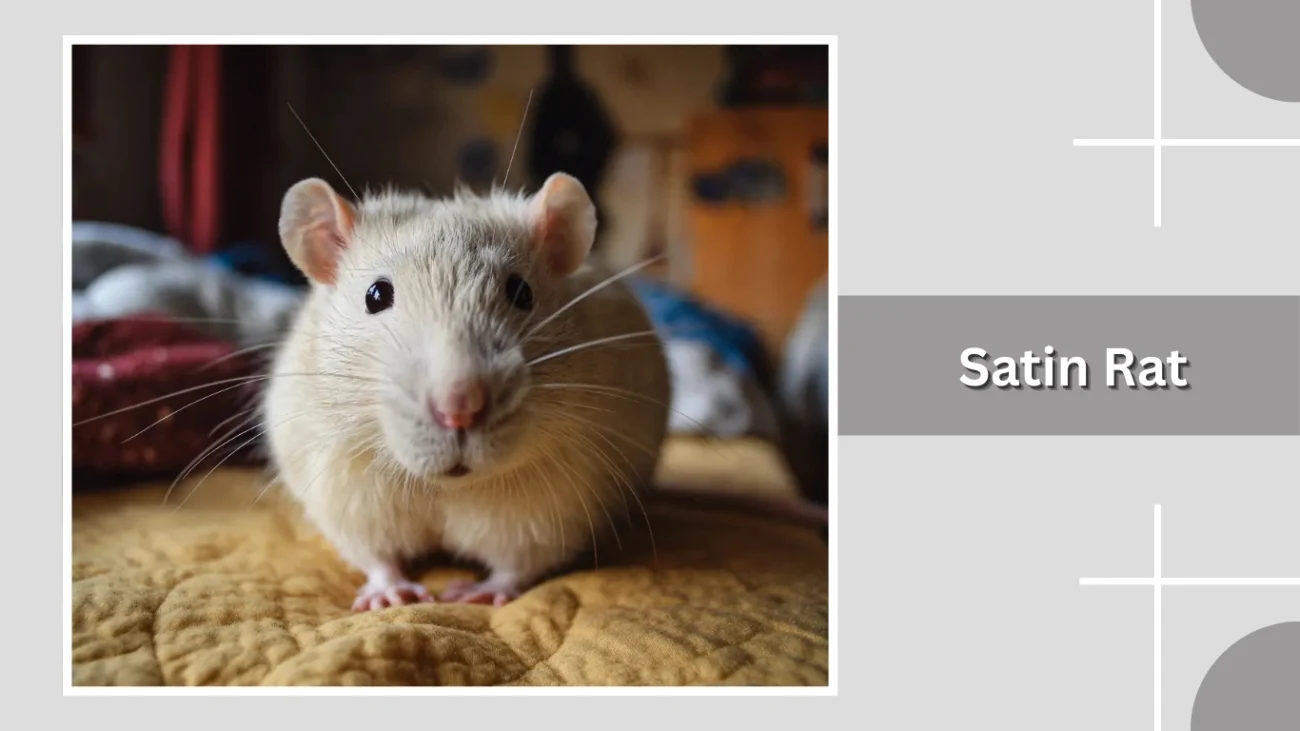
The Satin Rat is admired for its sleek, glossy coat that appears shiny under light. This beautiful fur is caused by a hollow hair shaft, giving the rat a smooth and elegant appearance while maintaining the same friendly nature as other pet rats.
Identification
- Shiny, glossy coat with a satin-like finish
- Smooth fur lying close to the body
- Standard body shape and tail length
- Found in many colors and patterns
Temperament and Behavior
Satin rats are social, intelligent, and affectionate. They enjoy human interaction, exploration, and playtime. Their calm and curious nature makes them suitable for both new and experienced rat owners.
How to Care
Caring for a satin rat is similar to caring for other pet rats. Provide a spacious cage, nutritious diet, and enrichment activities. Regular gentle handling and social housing help keep them mentally and emotionally healthy.
Health and Lifespan
Satin rats typically live 2–3 years. Their coat requires minimal special care, but regular observation for common rat health issues such as respiratory problems is important for long-term wellness.
8. Bristle Coat Rat

The Bristle Coat Rat is a rare and unusual variety characterized by its rough, coarse fur texture. This distinctive coat gives the rat a scruffy appearance, making it stand out among other pet rat types while still retaining a friendly and social personality.
Identification
- Coarse, stiff, bristly fur
- Uneven or rough coat texture
- Standard body size and shape
- Whiskers may appear crinkled or irregular
Temperament and Behavior
Bristle coat rats are affectionate, curious, and social, much like other domestic rats. They enjoy interacting with humans and other rats and adapt well to regular handling and playtime.
How to Care
These rats require standard rat care, including a clean, spacious cage and balanced nutrition. Gentle handling is recommended due to their coarse fur. Enrichment toys and social companionship help keep them active and content.
Health and Lifespan
Bristle coat rats usually live 2–3 years. Their coat does not typically cause health problems, but routine health monitoring and a clean environment are essential for maintaining overall well-being.
9. Harley Rat

The Harley Rat is a rare and striking pet rat variety known for its long, silky fur that flows away from the body. This elegant coat gives the rat a unique appearance, making it highly sought after by enthusiasts and breeders.
Identification
- Long, fine, silky fur
- Coat stands out from the body rather than lying flat
- Medium-sized body with standard proportions
- Whiskers are usually straight or slightly wavy
Temperament and Behavior
Harley rats are gentle, friendly, and social. They enjoy human interaction and tend to have calm, affectionate personalities. Like other rats, they are intelligent and thrive on companionship and mental stimulation.
How to Care
Harley rats require extra grooming to prevent tangles and matting. Provide a clean cage, soft bedding, and a nutritious diet. Regular handling and social interaction help maintain their emotional well-being.
Health and Lifespan
Harley rats typically live 2–3 years. Their long coat may make them more sensitive to heat, so proper ventilation and hygiene are important to keep them healthy and comfortable.
10. Fuzzy Rat

The Fuzzy Rat is most commonly seen as a young rat with partial hair coverage that may change as it matures. This variety has a soft, uneven coat and is often associated with certain genetic traits that affect fur growth.
Identification
- Patchy or thin fur coverage
- Soft, fuzzy coat texture
- Curly or irregular whiskers
- Small to medium body size
Temperament and Behavior
Fuzzy rats are playful, curious, and affectionate. They behave much like other pet rats, enjoying social interaction, exploration, and bonding time with their owners and cage mates.
How to Care
Provide a warm, clean environment with soft bedding to protect sensitive skin. A balanced diet, spacious cage, and regular interaction are essential. These rats benefit greatly from social housing and mental enrichment.
Health and Lifespan
Fuzzy rats generally live around 2–3 years. Due to inconsistent fur growth, they may be sensitive to temperature changes. Regular health checks and a comfortable habitat help ensure a good quality of life.
11. Patchwork Rat

The Patchwork Rat is known for its constantly changing coat pattern, where fur grows, falls out, and regrows in different areas over time. This gives each rat a unique and ever-changing appearance that many owners find fascinating.
Identification
- Irregular patches of fur and bare skin
- Coat pattern changes frequently
- Soft or curly whiskers
- Medium-sized body with standard shape
Temperament and Behavior
Patchwork rats are friendly, social, and intelligent. Their unusual coat does not affect their personality, and they enjoy human interaction, playtime, and companionship with other rats.
How to Care
Extra attention should be given to skin protection. Use soft bedding, avoid sharp cage items, and keep the environment warm. Provide a nutritious diet and enrichment activities to support overall health.
Health and Lifespan
Patchwork rats typically live 2–3 years. Because of fluctuating fur coverage, they may be more sensitive to temperature and skin irritation. Regular monitoring helps maintain comfort and health.
12. Tailless Rat

The Tailless Rat is a rare and controversial pet rat variety characterized by the partial or complete absence of a tail. While visually distinctive, this trait can be associated with spinal and balance issues, making responsible care especially important.
Identification
- Partially or completely missing tail
- Rounded rear body structure
- Standard coat types and colors
- Slightly altered posture in some individuals
Temperament and Behavior
Tailless rats are typically social, intelligent, and affectionate, similar to other pet rats. They enjoy interaction with humans and other rats, though some may be less agile due to balance differences.
How to Care
These rats require careful handling and a safe, low-risk cage setup. Avoid high platforms or steep climbing areas. Provide companionship, mental stimulation, and a nutritious diet to support overall well-being.
Health and Lifespan
Tailless rats usually live around 2–3 years. They may be prone to spinal or balance-related issues. Regular veterinary checkups and a carefully designed habitat are essential for maintaining quality of life.


