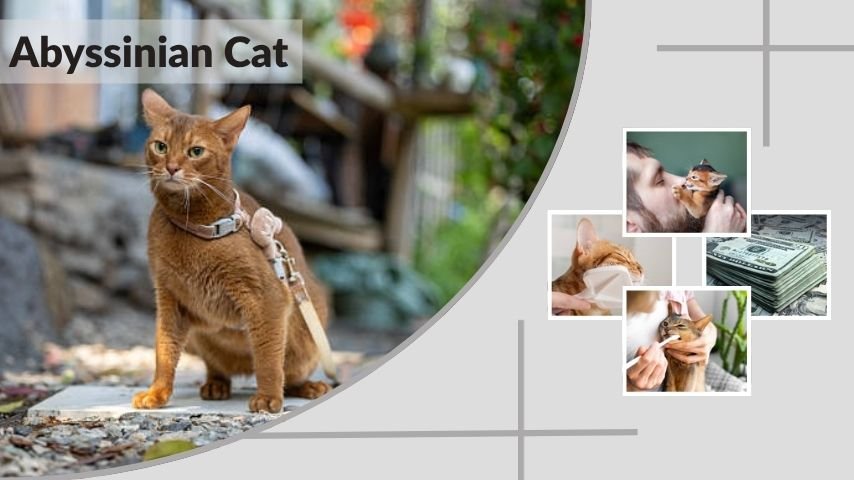
The Abyssinian cat is one of the oldest and most admired cat breeds in the world. Known for its sleek body, large ears, and distinctive ticked coat, this breed combines beauty with intelligence and energy. Abyssinians are highly active, curious, and affectionate companions that thrive in interactive environments. Their playful nature and strong bond with humans make them popular among cat enthusiasts. Whether you’re considering adopting an Abyssinian kitten or researching the breed, understanding its characteristics and care requirements is essential.
Abyssinian Cat Breed Overview
The Abyssinian cat is a medium-sized breed recognized for its athletic build, graceful appearance, and lively personality. Unlike more laid-back breeds, Abyssinians are constantly exploring, climbing, and engaging with their surroundings. Their elegant appearance and energetic temperament have helped them remain one of the most popular purebred cats worldwide.
History and Origin
Although the exact origin of the Abyssinian cat remains debated, many experts believe the breed has ancient roots connected to cats resembling those depicted in Egyptian artwork. Modern Abyssinians were developed through selective breeding programs that emphasized their distinctive ticked coats and active personalities.
Abyssinian Cat Characteristics
Abyssinians have lean muscular bodies, almond-shaped eyes, and large alert ears. Their short coat features a unique ticking pattern where individual hairs display multiple bands of color. This characteristic creates the breed’s signature warm and shimmering appearance.
Abyssinian Cat Size
Most Abyssinian cats are medium-sized and well-proportioned. They are agile, athletic, and surprisingly strong for their size. Their streamlined body structure allows them to excel at climbing, jumping, and exploring elevated spaces throughout the home.
Abyssinian Cat Personality
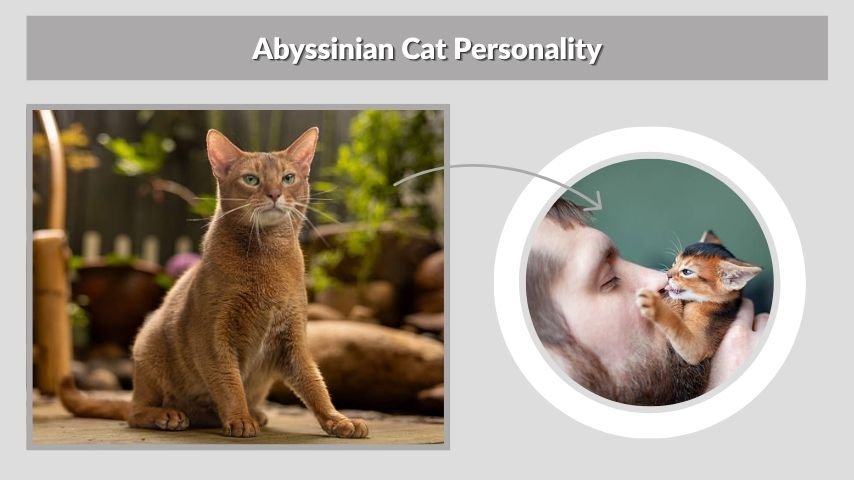
Abyssinians are known for their intelligence, curiosity, and playful behavior. Unlike some breeds that prefer lounging for long periods, Abyssinians remain active and engaged throughout much of their lives. They enjoy interaction and often seek opportunities to participate in household activities.
Personality Traits
The breed is admired for several positive personality characteristics.
- Highly intelligent
- Extremely curious
- Energetic and playful
- Affectionate with family
- Social and interactive
These traits make Abyssinians excellent companions for owners who enjoy spending time actively engaging with their pets.
Are Abyssinian Cats Good Family Pets?
Abyssinians generally adapt well to family environments. Their friendly and outgoing personalities allow them to form strong bonds with adults and children alike. Because of their active nature, they typically thrive in homes where they receive plenty of attention and stimulation.
Abyssinian Cats With Other Pets
Many Abyssinians get along well with other cats and cat-friendly dogs. Their social nature often helps them integrate successfully into multi-pet households when introductions are handled properly.
Abyssinian Cat Colors
One of the most fascinating aspects of the breed is its variety of beautiful coat colors. While all Abyssinians share the breed’s distinctive ticking pattern, different color variations create unique appearances that appeal to a wide range of cat lovers.
Common Abyssinian Cat Colors
Popular color varieties include:
- Ruddy Abyssinian Cat
- Blue Abyssinian Cat
- Fawn Abyssinian Cat
- Red Abyssinian Cat
- Silver Abyssinian Cat
These colors are recognized by various cat registries and remain highly sought after among breeders and enthusiasts.
Rare Color Variations
Some Abyssinian colors are less common and attract particular interest.
- Chocolate Abyssinian Cat
- Cinnamon Abyssinian Cat
- White Abyssinian Cat
- Black Abyssinian Cat
- Brown Abyssinian Cat
Rare coat colors may be more difficult to find and can influence purchase prices depending on breeder availability.
Abyssinian Cat Lifespan and Health
Like all cat breeds, Abyssinians benefit from responsible breeding, proper nutrition, and preventive healthcare. Understanding potential health concerns can help owners support long-term wellbeing and identify problems early when treatment is most effective.
Average Abyssinian Cat Lifespan
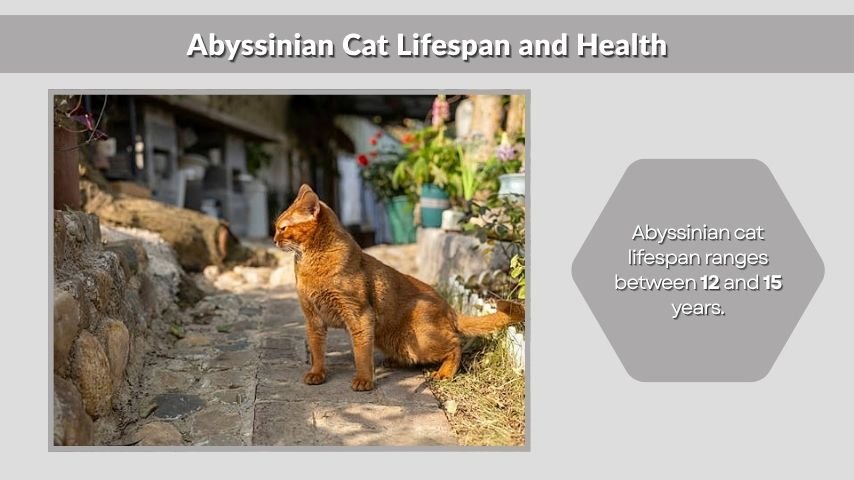
The average Abyssinian cat lifespan ranges between 12 and 15 years. Many cats live longer when provided with a nutritious diet, regular veterinary care, and a safe indoor environment. Early detection of health conditions can significantly improve both quality of life and longevity.
Common Health Problems
Several health conditions may affect Abyssinian cats:
- Progressive retinal atrophy
- Dental disease
- Kidney disorders
- Obesity
- Joint-related issues
Responsible breeders often screen breeding cats for hereditary conditions to help reduce genetic health risks.
How to Improve Longevity
Maintaining a healthy weight, providing regular exercise, scheduling routine veterinary checkups, and offering a balanced diet can help Abyssinians enjoy longer and healthier lives. Mental stimulation and environmental enrichment are equally important for supporting overall wellbeing.
Abyssinian Cat Care Guide
Abyssinians are relatively easy to care for compared to some long-haired breeds, but their high energy levels require attention and engagement. Proper care involves meeting both their physical and mental needs while providing opportunities for exercise and exploration.
Exercise and Activity Needs
Abyssinians require more daily activity than many other cat breeds. Their natural curiosity encourages them to climb, investigate, and play throughout the day. Interactive toys, climbing trees, and puzzle feeders can help satisfy their need for stimulation and prevent boredom.
Abyssinian Cat Grooming Requirements
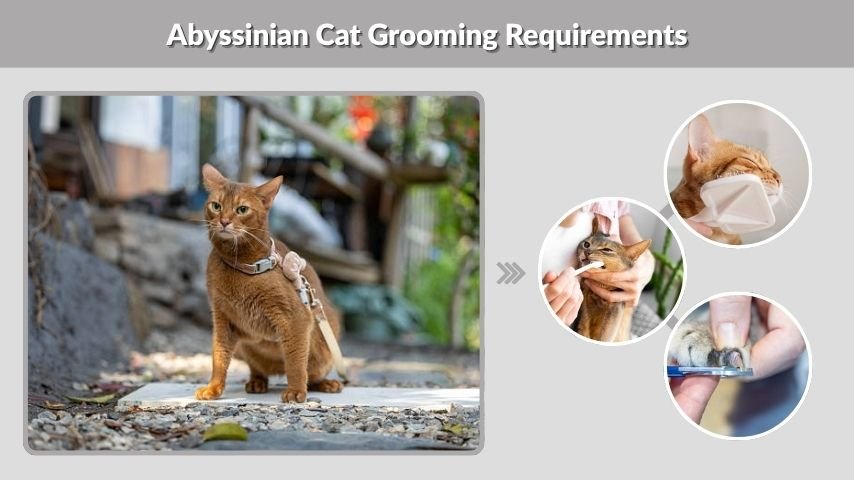
Abyssinian cats are relatively low-maintenance when it comes to grooming. Their short, fine coat requires less attention than that of long-haired breeds. However, regular grooming still helps maintain coat health, reduce shedding, and strengthen the bond between cat and owner.
Coat Care
The Abyssinian’s short coat rarely mats or tangles. Weekly brushing is usually enough to remove loose hair and keep the coat looking shiny and healthy. Many owners find that grooming sessions are quick and enjoyable because of the breed’s social nature.
Basic Grooming Routine
A complete grooming routine should include:
- Weekly brushing
- Regular nail trimming
- Ear inspections and cleaning
- Dental care and teeth brushing
- Occasional bathing if needed
Consistent grooming supports overall health and helps identify potential issues early.
Keeping an Abyssinian Active
Mental and physical stimulation are important parts of care. Interactive play sessions and climbing opportunities help prevent boredom and encourage healthy exercise habits.
Best Food for Abyssinian Cats
Proper nutrition is essential for supporting the Abyssinian’s active lifestyle. Because these cats are energetic and athletic, they benefit from high-quality diets that provide balanced nutrients and sufficient protein.
Nutritional Requirements
Abyssinians require diets rich in animal protein, healthy fats, vitamins, and minerals. Proper nutrition supports muscle development, immune function, and overall wellbeing throughout every stage of life.
Recommended Food Choices
When selecting food for an Abyssinian cat, consider:
- High-protein wet food
- Premium dry food formulas
- Foods rich in omega fatty acids
- Age-specific nutrition
- Veterinary-approved diets
A balanced diet combined with proper portion control helps maintain a healthy weight and reduces the risk of obesity.
Foods to Avoid
Certain foods can be dangerous for cats and should never be offered. Chocolate, onions, garlic, alcohol, and foods containing artificial sweeteners should be avoided at all times.
Abyssinian Cat Price and Ownership Costs
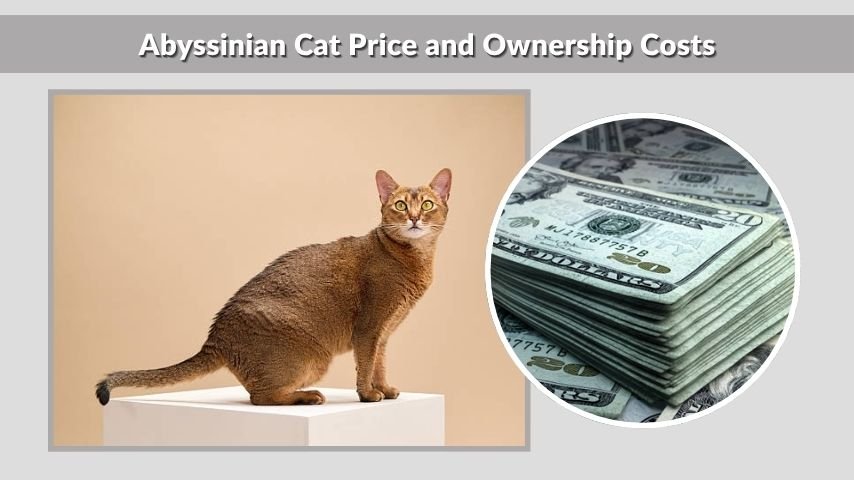
Before purchasing an Abyssinian cat, it is important to understand the financial commitment involved. Costs vary depending on breeder reputation, bloodline quality, location, and availability.
How Much Does an Abyssinian Cat Cost?
Abyssinian cats are generally considered premium purebred cats. Pet-quality kittens typically cost less than show-quality or breeding-quality animals. Cats from champion bloodlines often command higher prices due to their pedigree and breeding history.
Ongoing Ownership Expenses
Owners should budget for several recurring costs:
- Premium cat food
- Veterinary care
- Vaccinations
- Pet insurance
- Toys and enrichment products
- Emergency medical expenses
Understanding these expenses helps prospective owners prepare for long-term responsibility.
Why Are Abyssinian Cats Expensive?
Responsible breeders invest significant resources into health testing, vaccinations, socialization, and ethical breeding practices. These investments contribute to the overall cost of a healthy, well-bred kitten.
Abyssinian Cat Breeders and Adoption
Choosing a reputable breeder or adoption organization is one of the most important steps when bringing home an Abyssinian cat. A trustworthy source can greatly influence your cat’s health, temperament, and long-term wellbeing.
Finding a Reputable Breeder
A quality breeder should provide health records, vaccination documentation, and information about the kitten’s parents. They should also be transparent about breeding practices and willing to answer questions from prospective owners.
Adoption and Rescue Options
Many rescue organizations and shelters occasionally have Abyssinian cats available for adoption. Adoption offers a rewarding opportunity to provide a loving home to a cat in need while potentially reducing initial acquisition costs.
Questions to Ask Before Buying
Before committing to a kitten, consider asking:
- Has the kitten received vaccinations?
- Were the parents health tested?
- Is registration documentation available?
- What diet is the kitten currently eating?
- Does the breeder offer a health guarantee?
Abyssinian Cat Mixes and Related Breeds
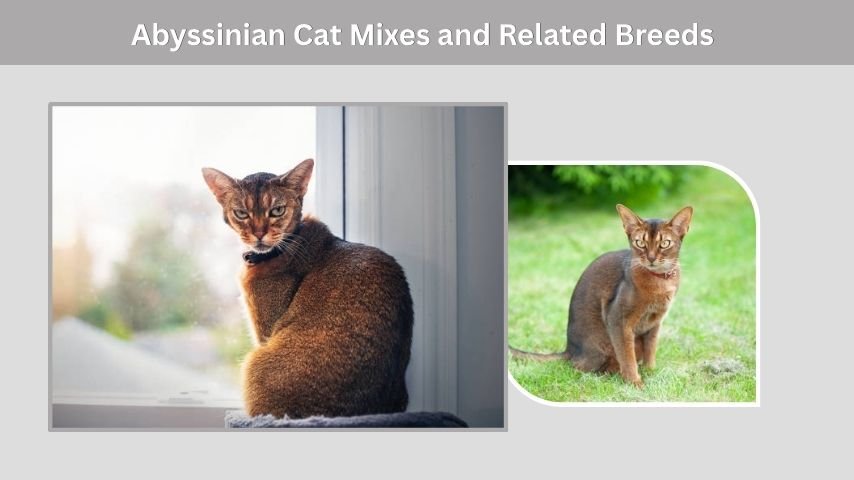
Several mixed-breed cats share characteristics with the Abyssinian. These cats may inherit physical traits, energy levels, or personality features associated with the breed while also displaying qualities from other breeds.
Abyssinian Tabby Mix
Abyssinian Tabby mixes often combine the Abyssinian’s athletic build with distinctive tabby markings. These cats are typically active, intelligent, and curious.
Abyssinian Bengal Mix
The Abyssinian Bengal mix is known for its striking appearance and high energy level. Owners should be prepared to provide extensive mental stimulation and exercise opportunities.
Somali Cat vs Abyssinian Cat
The Somali cat is often described as the long-haired version of the Abyssinian. Both breeds share similar personalities, intelligence, and activity levels, though the Somali requires additional coat maintenance.
Are Abyssinian Cats Hypoallergenic?
Many potential owners wonder whether Abyssinian cats are hypoallergenic. While they may produce fewer allergens than some heavily shedding breeds, no cat is truly hypoallergenic.
Understanding Cat Allergies
Most cat allergies are triggered by proteins found in saliva, dander, and skin cells rather than the fur itself. As a result, even short-haired breeds can cause allergic reactions.
Managing Allergies Around Abyssinians
Regular grooming, household cleaning, and air filtration can help reduce allergen levels. Individuals with allergies should spend time around the breed before making a long-term commitment.
FAQs
How long do Abyssinian cats live?
Abyssinian cats typically live between 12 and 15 years, although some can live longer with proper care and regular veterinary checkups.
How much does an Abyssinian cat cost?
The price varies depending on pedigree, breeder reputation, and location. Show-quality cats generally cost more than pet-quality kittens.
Are Abyssinian cats hypoallergenic?
No cat is completely hypoallergenic. Abyssinians may produce fewer allergens than some breeds, but they can still trigger allergies.
Are Abyssinian cats good family pets?
Yes. Abyssinians are social, intelligent, and affectionate cats that often do well with children and other pets.
Do Abyssinian cats require a lot of exercise?
Yes. Abyssinians are highly active cats that benefit from daily play, climbing opportunities, and mental stimulation.