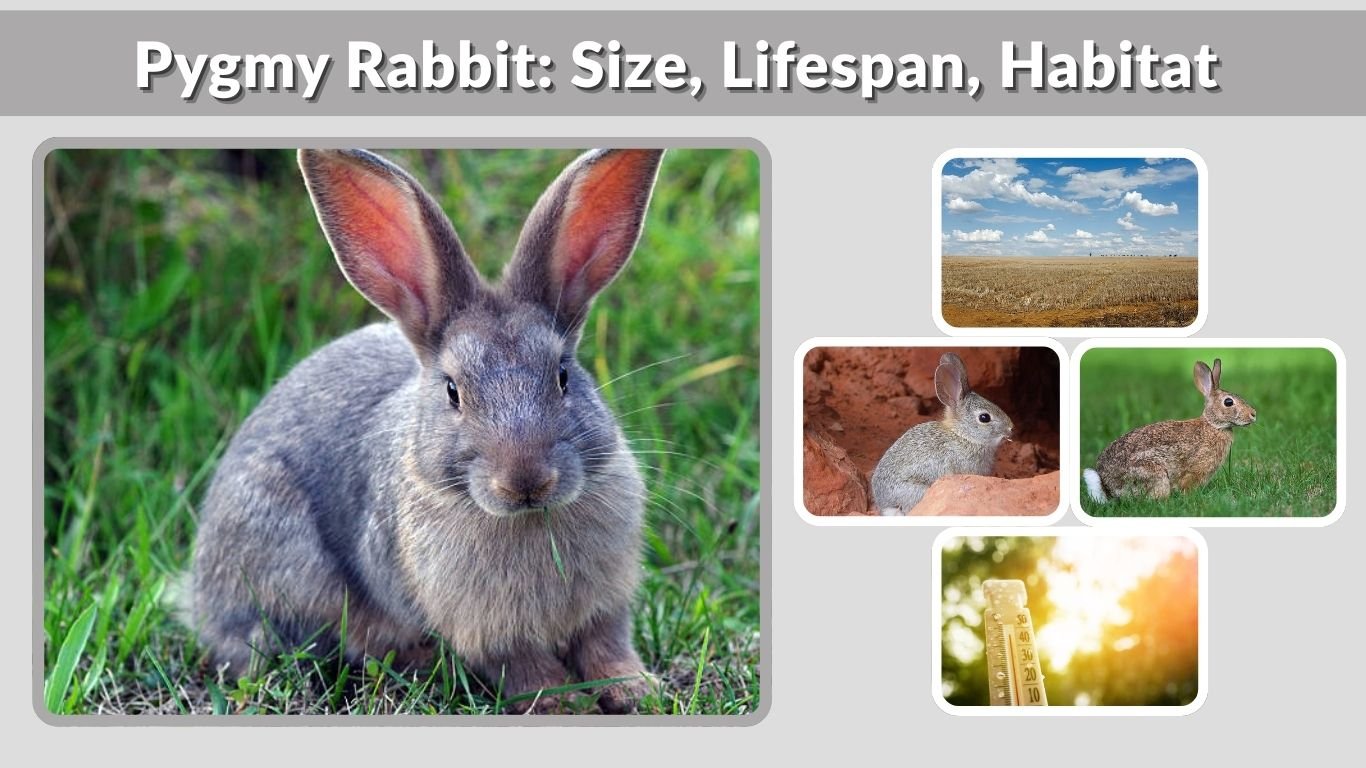
The pygmy rabbit is one of the most unique and fascinating rabbit species in North America. Known for its tiny size and shy nature, this rabbit is very different from common pet breeds. Many people search for information about pygmy rabbit size, lifespan, and whether they can be kept as pets. In this guide, you’ll learn everything about pygmy rabbits, including their habitat, behavior, and key differences from other rabbits.
What Is a Pygmy Rabbit?
The pygmy rabbit (Brachylagus idahoensis) is the smallest rabbit species in North America. Unlike domestic rabbits, pygmy rabbits are wild animals with very specific environmental needs.
They are native to the western United States and are closely tied to sagebrush ecosystems. One of their most unique traits is that they are among the only rabbit species that dig their own burrows, rather than using burrows made by other animals.
Because of their small size and specialized habitat, pygmy rabbits are rarely seen in the wild and are considered a sensitive species in some regions.
Pygmy Rabbit Size and Physical Characteristics
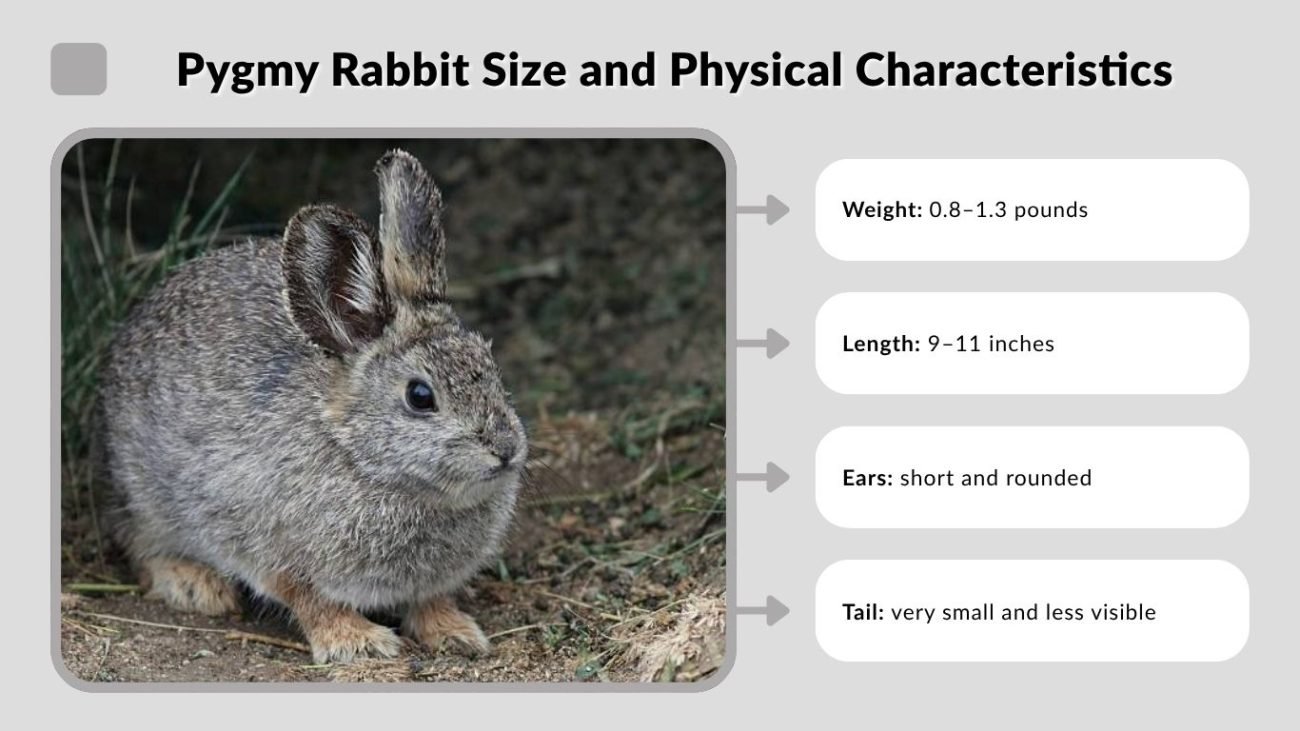
Pygmy rabbits are extremely small compared to other rabbits, which is why they attract so much attention.
- Weight: 0.8–1.3 pounds (350–600 grams)
- Length: 9–11 inches (23–28 cm)
- Ears: short and rounded
- Tail: very small and less visible
Their compact body and short legs make them appear even smaller than they actually are. Unlike many domestic rabbits, pygmy rabbits have less prominent tails and a more subtle appearance.
Their small ears help reduce heat loss, which is useful in their natural environment. Overall, their body is perfectly adapted for survival in dry, shrub-dominated landscapes.
Pygmy Rabbit Colors and Appearance
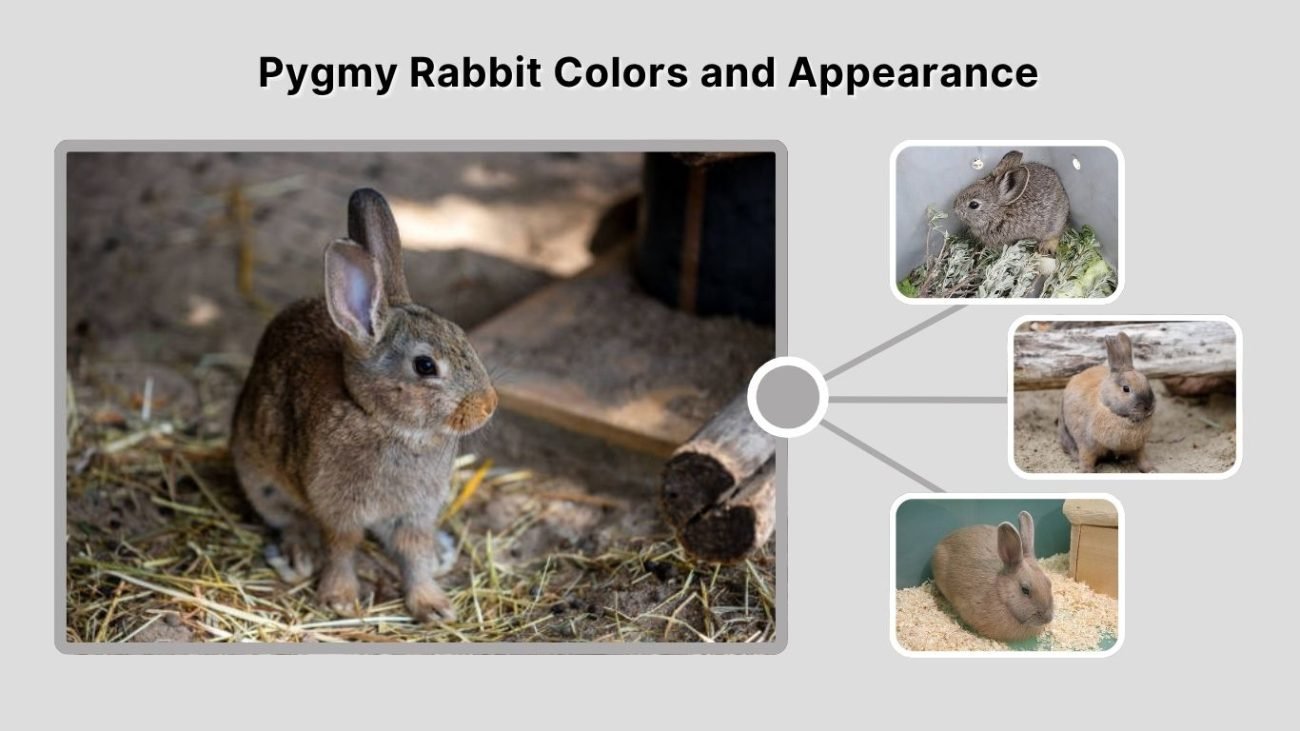
Pygmy rabbits have natural coloring that helps them blend into their surroundings.
Their fur is usually a mix of:
- Gray
- Brown
- Light buff tones
This coloration provides excellent camouflage against predators. Their coat may also change slightly with the seasons, becoming thicker during colder months.
Unlike domestic rabbits, pygmy rabbits do not come in a wide range of colors. Their limited color variation is due to their need for survival in the wild rather than selective breeding.
Pygmy Rabbit Habitat and Range
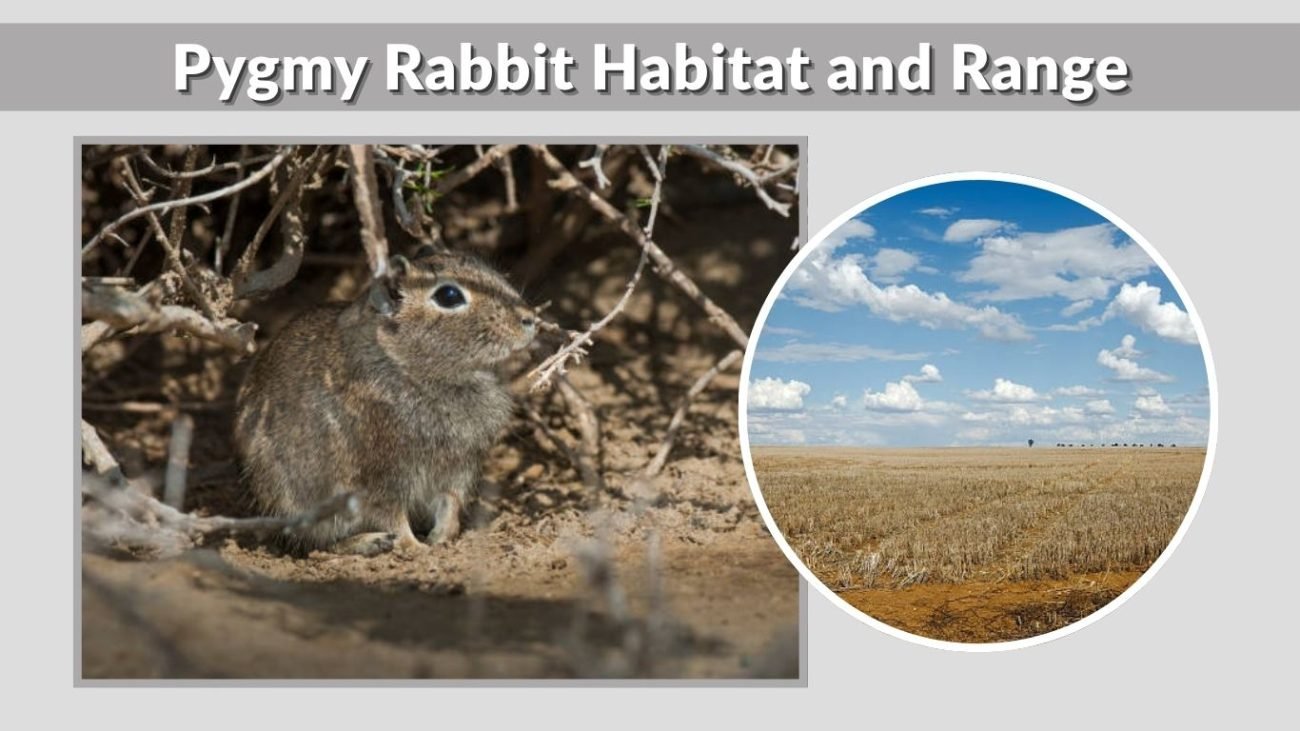
Pygmy rabbits are found mainly in the western United States, including states like Idaho, Nevada, Utah, and parts of Washington.
They rely heavily on sagebrush habitats, which provide both food and shelter. These environments are essential for their survival.
Key habitat features include:
- Dense sagebrush for cover
- Soft soil for burrowing
- Dry, open landscapes
Pygmy rabbits dig complex burrow systems where they rest, hide from predators, and raise their young. This behavior sets them apart from many other rabbit species.
Because their habitat is so specific, any loss of sagebrush ecosystems can have a serious impact on their population.
Columbia Basin Pygmy Rabbit
One of the most well-known populations is the Columbia Basin pygmy rabbit, which is native to Washington State.
This population became critically endangered due to habitat loss and other environmental pressures. At one point, it was nearly extinct in the wild.
Conservation efforts, including captive breeding and habitat restoration, have helped increase their numbers. However, they are still considered one of the rarest rabbit populations in North America.
This highlights how fragile pygmy rabbit populations can be when their natural habitat is disrupted.
Pygmy Rabbit Behavior and Lifestyle
Pygmy rabbits are very different from domestic rabbits in terms of behavior. They are naturally shy, quiet, and solitary animals.
They are most active during dawn and dusk, which helps them avoid predators. During the day, they often stay hidden in their burrows or under dense vegetation.
Unlike many other rabbits, pygmy rabbits rely heavily on sagebrush as their main food source, especially during winter months. They may also eat grasses and other plants when available.
Because of their small size and cautious nature, pygmy rabbits are rarely seen in the wild. They depend on camouflage and quick movement to stay safe.
Pygmy Rabbit Lifespan
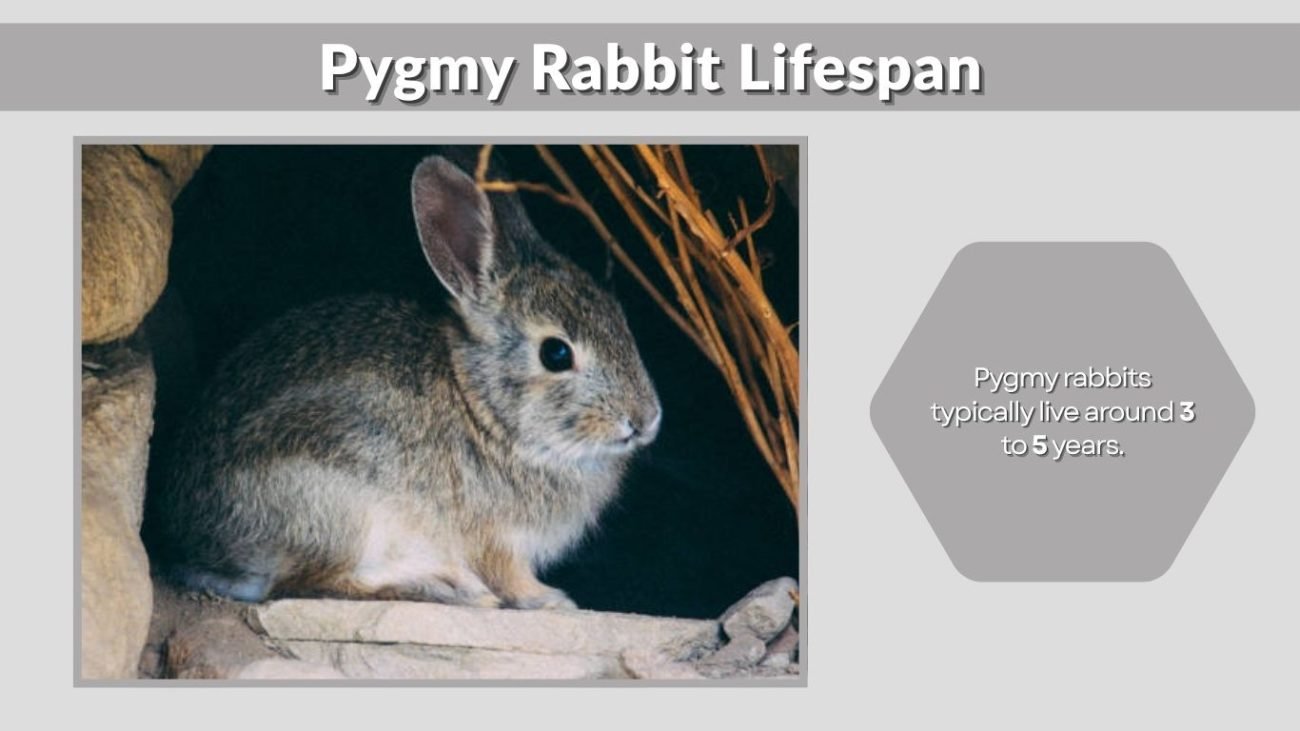
The lifespan of a pygmy rabbit depends largely on its environment and survival conditions.
In the wild, pygmy rabbits typically live around 3 to 5 years. This relatively short lifespan is due to several factors, including predators, habitat loss, and environmental challenges.
Common threats include:
- Predators such as hawks, foxes, and coyotes
- Harsh weather conditions
- Limited food availability
In captivity, pygmy rabbits may live slightly longer, but they are rarely kept in captivity due to their specialized needs and protected status.
Pygmy Rabbit vs Cottontail
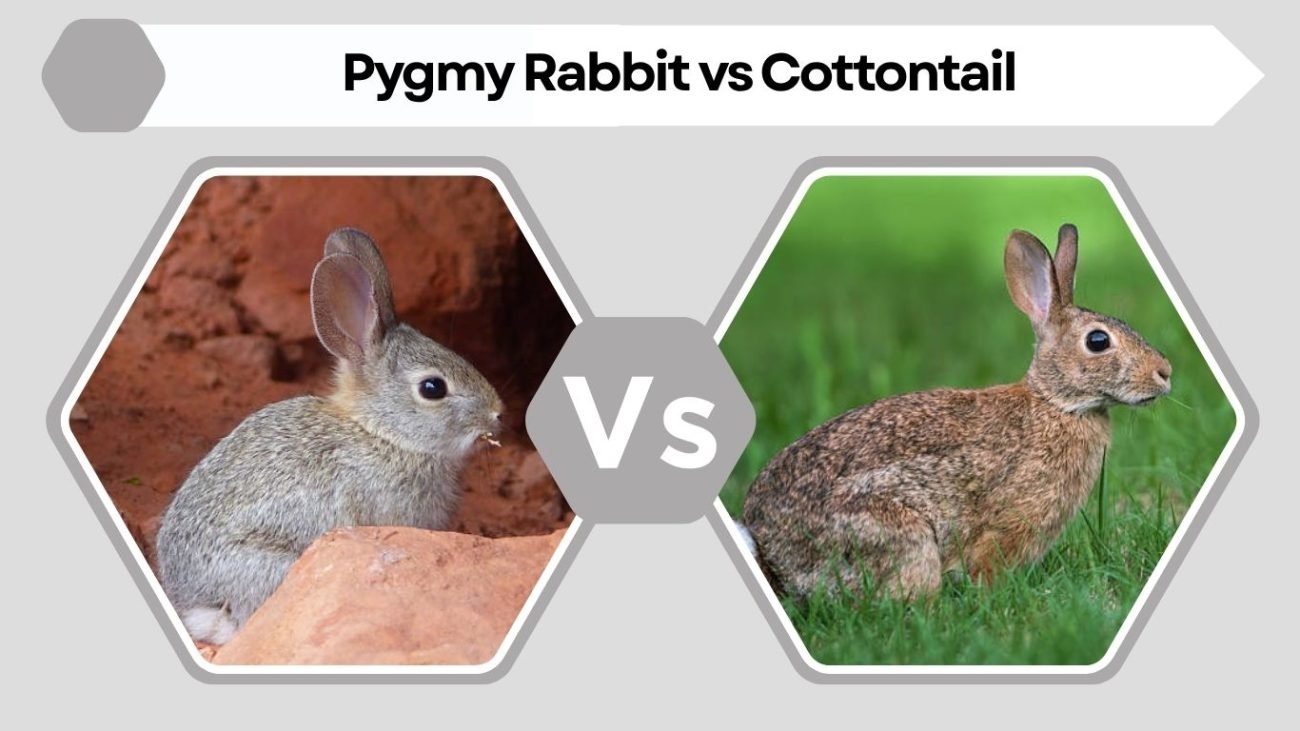
Pygmy rabbits are often confused with cottontail rabbits, but they are quite different in several important ways.
- Size: Pygmy rabbits are much smaller, usually under 1.5 pounds, while cottontails are larger and more robust
- Burrowing: Pygmy rabbits dig their own burrows, whereas cottontails typically use shallow nests or existing shelters
- Habitat: Pygmy rabbits depend on sagebrush ecosystems, while cottontails live in a wider range of environments
- Appearance: Cottontails have longer ears and a more visible white tail
These differences make pygmy rabbits more specialized and less adaptable compared to cottontails.
Can You Keep a Pygmy Rabbit as a Pet?
Many people wonder if pygmy rabbits can be kept as pets due to their small size and cute appearance. However, the answer is generally no.
Pygmy rabbits are wild animals with very specific habitat and dietary needs. They do not adapt well to domestic environments and can become stressed in captivity.
Key reasons they are not suitable as pets:
- Difficult to domesticate
- Require specialized habitat conditions
- Highly sensitive to stress
- Often protected by wildlife laws
If you are looking for a small pet rabbit, domestic dwarf breeds are a much better option.
Pygmy Rabbit for Sale: What You Should Know
Searches for “pygmy rabbit for sale” are common, but true pygmy rabbits are rarely available legally.
In many cases, rabbits marketed as pygmy rabbits are actually domestic dwarf breeds, such as Netherland Dwarfs or small mixed breeds.
Important points to consider:
- True pygmy rabbits are wild and often protected
- Selling them may be illegal in some regions
- Ethical concerns around removing them from the wild
- Mislabeling is very common in pet markets
Always research carefully before purchasing any rabbit, and ensure it comes from a responsible and legal source.
Threats and Conservation Status
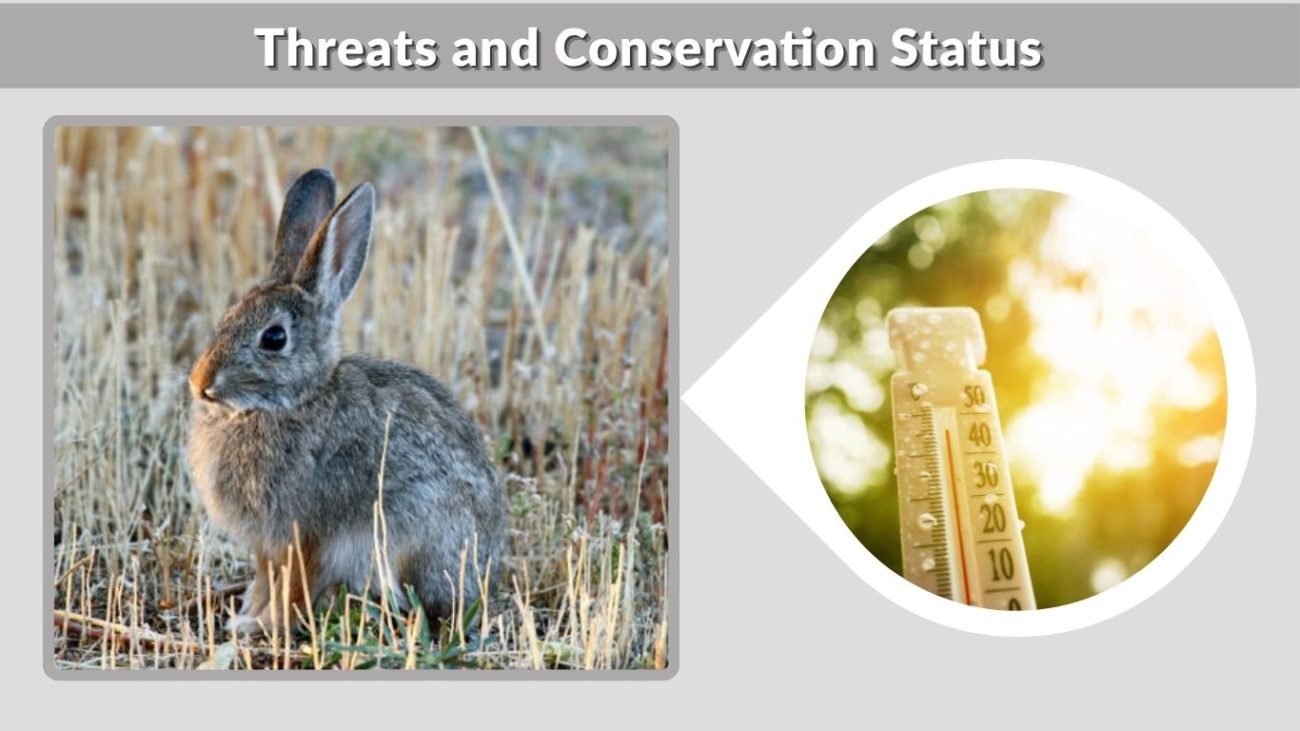
Pygmy rabbits face several serious threats that affect their survival in the wild.
- Habitat Loss: Destruction of sagebrush ecosystems is the biggest threat
- Climate Change: Alters vegetation and habitat conditions
- Predators: Natural predators remain a constant risk
- Human Activity: Land development and agriculture reduce their living space
Conservation programs have been introduced in some areas, especially for the Columbia Basin pygmy rabbit. These efforts include habitat restoration and controlled breeding programs.
Protecting their natural habitat is the most important step in ensuring their long-term survival.
Fun Facts About Pygmy Rabbits
Pygmy rabbits have some unique and interesting traits that set them apart from other rabbits.
- They are the smallest rabbit species in North America
- One of the few rabbits that dig their own burrows
- They rely heavily on sagebrush for food year-round
- They are extremely quiet and rarely seen in the wild
These features make pygmy rabbits both fascinating and highly specialized animals.
FAQ
What is a pygmy rabbit?
A pygmy rabbit is the smallest rabbit species in North America. It lives in sagebrush habitats in the western United States and is known for its small size, burrowing behavior, and shy nature.
How big do pygmy rabbits get?
Pygmy rabbits grow to about 9–11 inches in length and usually weigh between 0.8 and 1.3 pounds. Their tiny size makes them much smaller than most domestic rabbit breeds.
Can pygmy rabbits be kept as pets?
No, pygmy rabbits are not suitable as pets. They are wild animals with specialized needs and are often protected by law. Domestic dwarf rabbits are a better alternative for pet owners.
Where do pygmy rabbits live?
Pygmy rabbits live in sagebrush ecosystems in the western United States. They depend on this habitat for both food and shelter, making them highly sensitive to environmental changes.