The Birman cat is a beautiful and affectionate breed known for its striking blue eyes, silky coat, and distinctive white-gloved paws. Often called the “Sacred Cat of Burma,” the Birman has earned a reputation as a loyal companion with a gentle and friendly personality. These cats are popular among families and individuals because they combine elegance with an easygoing temperament. Whether you are considering adopting a Birman or simply want to learn more about the breed, understanding its characteristics and care needs is essential.
What Is a Birman Cat?
The Birman cat is a medium-to-large breed admired for its calm nature and beautiful appearance. Known for forming strong bonds with its owners, the Birman thrives in households where it receives regular attention and companionship. Its affectionate personality and adaptability make it one of the most popular pedigree cat breeds in many parts of the world.
Origin and History
The Birman’s origins are surrounded by legend, with stories linking the breed to sacred temples in Burma. While the exact history remains uncertain, modern Birman cats were developed and recognized in Europe before becoming popular internationally.
Breed Recognition
Today, major cat associations worldwide recognize the Birman as an official breed. It is highly regarded for its unique appearance and balanced temperament.
Why Birman Cats Are Unique
Several characteristics set the Birman apart from other breeds:
- Deep blue eyes
- White-gloved paws
- Color-point coat pattern
- Gentle temperament
- Strong attachment to owners
These distinctive traits contribute to the breed’s popularity among cat enthusiasts.
Physical Characteristics of the Birman Cat
The Birman cat possesses an elegant appearance that combines strength with grace. Its semi-long coat, muscular body, and expressive eyes create a striking overall impression. Although the breed appears luxurious, its coat is generally easier to maintain than many other long-haired cats.
Size and Weight
Adult Birmans typically weigh between 8 and 15 pounds. Males are usually larger than females, though both sexes display a well-balanced and sturdy build.
Coat and Appearance
The Birman’s coat is soft, silky, and semi-long in length. Unlike some long-haired breeds, it lacks a dense undercoat, which helps reduce matting and simplifies grooming.
Distinctive Features
One of the breed’s most recognizable characteristics is the contrast between its color-point markings and bright white paws. Combined with vivid blue eyes, these features create the classic Birman appearance.
Birman Cat Colors and Patterns
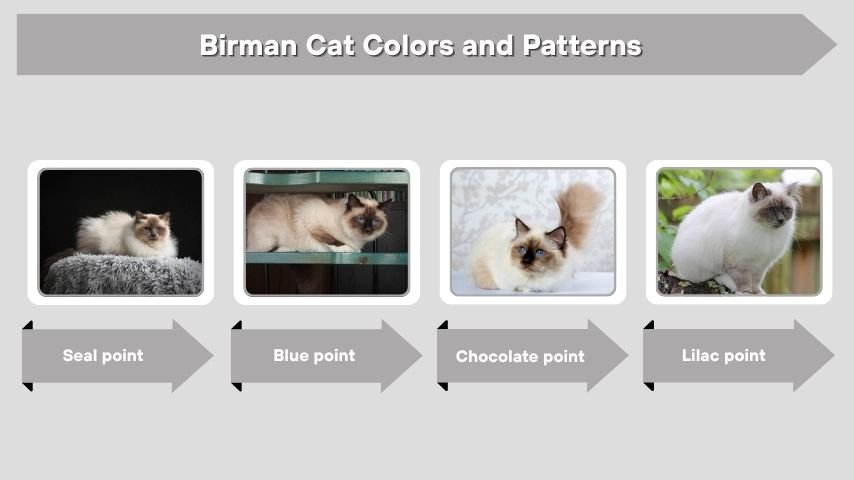
The Birman breed is available in several attractive color variations. While all Birmans share the same general color-point pattern, the shades and markings can vary significantly.
Seal Point Birman
Seal point is the most common and traditional Birman coloration. It features dark brown points contrasted against a lighter cream-colored body.
Blue Point Birman
Blue point Birmans display soft gray-blue markings that give them an elegant and refined appearance.
Chocolate and Lilac Point Birman
These lighter color variations are highly admired for their unique appearance and subtle contrast.
Popular Birman Colors
Commonly recognized Birman colors include:
- Seal point
- Blue point
- Chocolate point
- Lilac point
- Red point
- Cream point
Each color variety maintains the breed’s signature blue eyes and white-gloved paws.
Birman Cat Personality
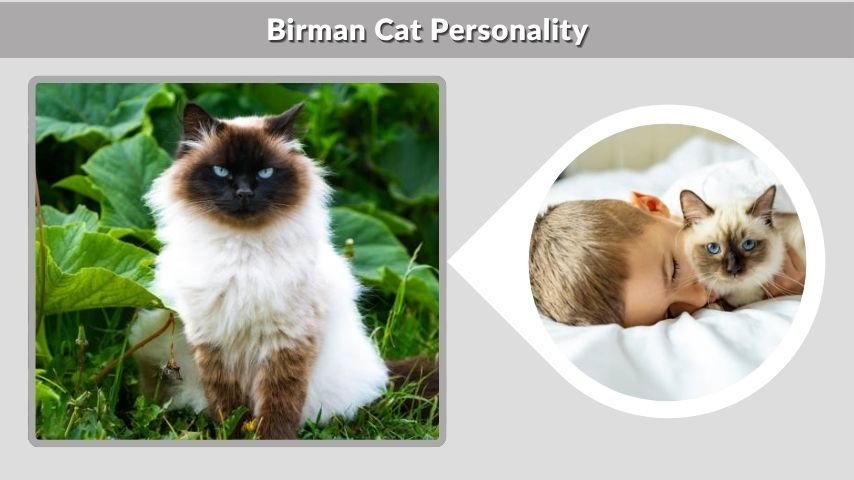
The Birman cat is widely appreciated for its affectionate and sociable temperament. Unlike some independent breeds, Birmans enjoy interacting with people and often seek companionship throughout the day.
Affectionate and Loyal Nature
Birmans form strong emotional connections with their families. They enjoy sitting beside their owners, following them around the home, and participating in daily activities.
Intelligence and Playfulness
Although calm and relaxed, Birman cats are also intelligent and curious. They enjoy interactive toys, puzzle feeders, and games that provide mental stimulation.
Social Behavior
The breed is known for being friendly toward visitors and adapting well to household routines. Birmans generally enjoy social interaction without being overly demanding.
Family Compatibility
Birman cats are often an excellent choice for:
- Families with children
- Senior pet owners
- Single individuals
- Apartment residents
- Multi-pet households
Their adaptable and gentle nature allows them to fit comfortably into a variety of living situations.
Birman Cat Lifespan and Health

Understanding the health needs of a Birman cat is important for providing proper long-term care. While generally healthy, the breed benefits from regular veterinary attention and a healthy lifestyle.
Average Lifespan
Most Birman cats live between 12 and 16 years, although many can exceed this range with proper care and nutrition.
Common Health Concerns
Like many pedigree breeds, Birmans may occasionally experience inherited health conditions. Responsible breeding practices help reduce the likelihood of genetic issues.
Preventive Care
Regular veterinary examinations, vaccinations, dental care, and balanced nutrition play essential roles in maintaining the health and wellbeing of Birman cats throughout their lives.
Birman Cat Diet and Nutrition

A balanced diet is essential for keeping a Birman cat healthy, active, and maintaining its beautiful coat. Because Birmans are moderately active cats, they benefit from high-quality nutrition that supports muscle development, immune function, and overall wellbeing. Proper feeding habits can also help prevent obesity and other health concerns.
Nutritional Requirements
Birman cats require a diet rich in animal-based protein, healthy fats, vitamins, and minerals. Quality cat food provides the nutrients needed for healthy growth and long-term health.
Recommended Foods
Premium wet food, dry food, or a combination of both can meet a Birman’s dietary needs. Fresh water should always be available to support hydration and kidney health.
Foods to Avoid
Certain foods can be harmful to Birman cats, including:
- Chocolate
- Onions
- Garlic
- Alcohol
- Caffeine
- Grapes and raisins
Grooming and Maintenance
Although the Birman has a semi-long coat, grooming requirements are generally manageable. Regular maintenance helps keep the coat clean, prevents tangles, and supports overall health. Grooming sessions also provide an opportunity to check for skin issues or other health concerns.
Coat Care
Birman’s silky coat benefits from brushing several times per week. Because the breed lacks a dense undercoat, matting is less common than in some long-haired breeds.
Nail Trimming
Routine nail trimming helps prevent overgrowth and protects furniture. Introducing nail care early can make the process easier and less stressful.
Dental Hygiene
Regular dental care is important for preventing plaque buildup and gum disease. Brushing the cat’s teeth or using veterinarian-approved dental products can improve oral health.
Birman Cat Price
The price of a Birman cat can vary depending on factors such as pedigree, breeder reputation, age, and location. Prospective owners should consider both the initial purchase cost and ongoing care expenses when planning for ownership.
Average Cost
Birman kittens from reputable breeders are typically more expensive than adopted cats. Show-quality kittens and cats from champion bloodlines often command higher prices.
Birman Cat Price in India
Prices in India may vary based on availability, breeder reputation, and the kitten’s pedigree. Imported bloodlines generally increase the overall cost.
Factors Affecting Price
Several factors influence the cost of a Birman cat:
- Pedigree quality
- Breeder reputation
- Age of the cat
- Health certifications
- Geographic location
Birman Cats for Sale and Adoption
People interested in owning a Birman cat can choose between purchasing from a breeder or adopting through a rescue organization. Each option offers unique advantages depending on individual preferences and circumstances.
Buying From a Breeder
Reputable breeders provide health records, pedigree information, and guidance regarding the breed. Buyers should research breeders carefully and prioritize ethical breeding practices.
Adoption Benefits
Adoption gives cats a second chance at finding a loving home. It is often less expensive than purchasing from a breeder and supports animal welfare efforts.
Choosing a Reputable Source
Whether buying or adopting, it is important to select organizations that prioritize health, transparency, and responsible pet placement. Proper research helps ensure a positive ownership experience.
Birman Cat vs Ragdoll
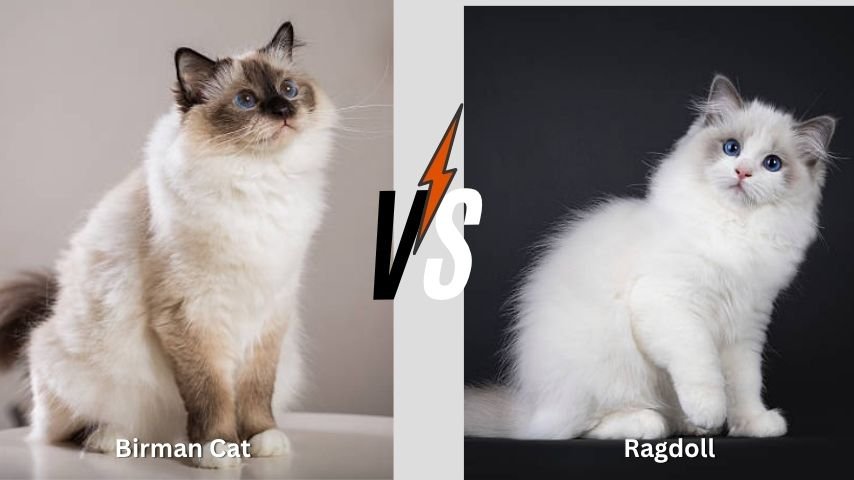
The Birman and Ragdoll are frequently compared because both breeds are affectionate, family-friendly, and visually striking. However, there are several differences that potential owners should consider.
Appearance Comparison
Ragdolls are generally larger than Birmans and often have a heavier body structure. Birmans are slightly more compact while maintaining an elegant appearance.
Personality Differences
Both breeds are affectionate, but Birmans tend to be slightly more curious and active. Ragdolls are often known for their exceptionally relaxed temperament.
Grooming Needs
Both breeds require regular brushing, although the Birman’s coat is typically easier to maintain due to its reduced tendency to mat.
Which Breed Is Right for You?
The ideal choice depends on lifestyle and personal preferences. Individuals seeking a moderately active companion may prefer the Birman, while those wanting an exceptionally relaxed cat may favor the Ragdoll.
Pros and Cons of Owning a Birman Cat
Understanding both the benefits and challenges of Birman ownership helps prospective owners make informed decisions.
Advantages
Birman cats offer several appealing qualities:
- Affectionate personality
- Beautiful blue eyes
- Good with children
- Adaptable to apartment living
- Friendly with other pets
Disadvantages
Potential challenges include:
- Requires regular grooming
- Can dislike long periods alone
- Purchase price may be high
- Needs mental stimulation
- May develop hereditary health conditions
FAQs
How Much Does a Birman Cat Cost?
The cost varies based on pedigree, breeder reputation, location, and health certifications. Show-quality kittens are usually more expensive than pet-quality cats.
Are Birman Cats Good Pets?
Yes. Birman cats are known for being affectionate, gentle, intelligent, and highly adaptable to family life.
How Long Do Birman Cats Live?
Most Birman cats live between 12 and 16 years, although some may live longer with excellent care.
Do Birman Cats Shed a Lot?
Birmans shed moderately. Regular brushing helps manage loose hair and keeps the coat healthy.
What Is the Difference Between a Birman and a Ragdoll?
Ragdolls are generally larger and more laid-back, while Birmans tend to be slightly more active and curious while still maintaining a gentle personality.