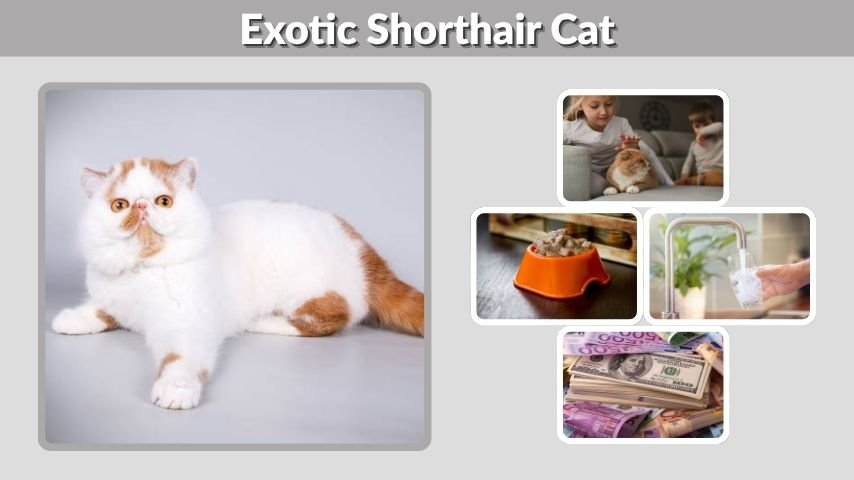
The Exotic Shorthair cat is a charming breed known for its round face, plush coat, and affectionate personality. Often described as the short-haired version of the Persian cat, this breed combines a sweet temperament with easier grooming requirements. Exotic Shorthairs are popular among cat lovers because they are calm, friendly, and adaptable to various living environments. Their adorable appearance and loving nature make them excellent companions for families, singles, and seniors seeking a loyal indoor pet.
What Is an Exotic Shorthair Cat?
The Exotic Shorthair is a popular cat breed developed by crossing Persian cats with American Shorthairs and other short-haired breeds. The goal was to create a cat with the Persian’s appearance but with a coat that requires less maintenance. Today, the breed is recognized worldwide and remains one of the most beloved companion cats.
Origin and History
The breed was developed in the United States during the 1950s and 1960s. Breeders sought to preserve the Persian’s distinctive look while reducing the grooming demands associated with long fur.
Breed Recognition
Major cat associations recognize the Exotic Shorthair as a distinct breed. Over the years, it has gained popularity due to its appealing appearance and easygoing personality.
Why Exotic Shorthairs Are Unique
Unlike many other cat breeds, Exotic Shorthairs offer a combination of beauty and convenience. Their plush coats, expressive eyes, and calm demeanor make them attractive to owners who want a Persian-like cat without extensive grooming responsibilities.
Physical Characteristics of the Exotic Shorthair Cat
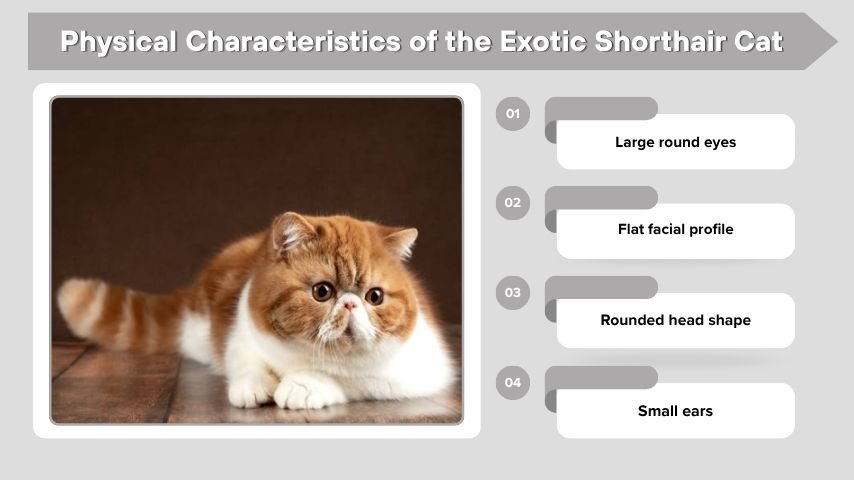
The Exotic Shorthair is known for its compact body, rounded features, and dense coat. Although it appears soft and cuddly, the breed possesses a sturdy and muscular build. Its distinctive appearance contributes significantly to its popularity among cat enthusiasts.
Size and Weight
Adult Exotic Shorthairs typically weigh between 7 and 14 pounds. Males are usually larger than females, although both sexes maintain a balanced and proportionate body structure.
Coat and Appearance
The breed’s short, dense coat gives it a plush, teddy bear-like appearance. Unlike long-haired Persians, the coat is easier to maintain while still retaining a luxurious texture.
Facial Features
Several traits make the Exotic Shorthair instantly recognizable:
- Large round eyes
- Flat facial profile
- Rounded head shape
- Small ears
- Broad chest and sturdy body
These features contribute to the breed’s sweet and expressive appearance.
Exotic Shorthair Cat Colors and Patterns
One of the most appealing aspects of the Exotic Shorthair is the wide variety of coat colors and patterns available. Breed standards recognize numerous color combinations, giving prospective owners many options to choose from.
Solid Colors
Solid-colored Exotic Shorthairs are admired for their uniform appearance. Popular shades include white, black, blue, cream, and red.
Pattern Variations
Many Exotic Shorthairs display attractive patterns that add uniqueness to their appearance. Common patterns include tabby, bicolor, calico, and smoke.
Rare Color Combinations
Some color combinations are less common and may be more highly valued by breeders and enthusiasts. These rare variations often attract additional attention because of their distinctive beauty.
Exotic Shorthair Cat Personality
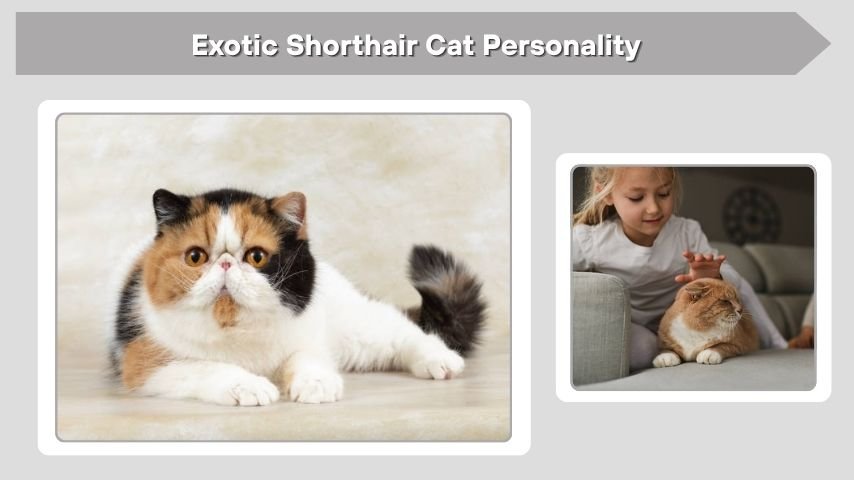
The Exotic Shorthair is celebrated for its gentle and affectionate temperament. While playful and curious, it is generally calmer than many active cat breeds. This balanced personality makes the breed suitable for a variety of households.
Affectionate Nature
Exotic Shorthairs enjoy spending time with their owners and often seek companionship throughout the day. They are known for forming strong bonds with family members while remaining friendly toward visitors.
Calm and Gentle Temperament
Unlike highly energetic breeds, Exotic Shorthairs tend to be relaxed and easygoing. They enjoy play sessions but also appreciate quiet moments spent resting near their owners.
Intelligence and Playfulness
The breed is intelligent enough to learn routines and enjoy interactive toys. Although not overly demanding, Exotic Shorthairs benefit from mental stimulation and occasional enrichment activities.
Compatibility With Families
Exotic Shorthairs adapt well to many living situations and are often compatible with:
- Children
- Seniors
- Singles
- Apartment residents
- Multi-pet households
Their adaptable and patient nature makes them a popular choice for first-time cat owners.
Exotic Shorthair Cat Lifespan and Health
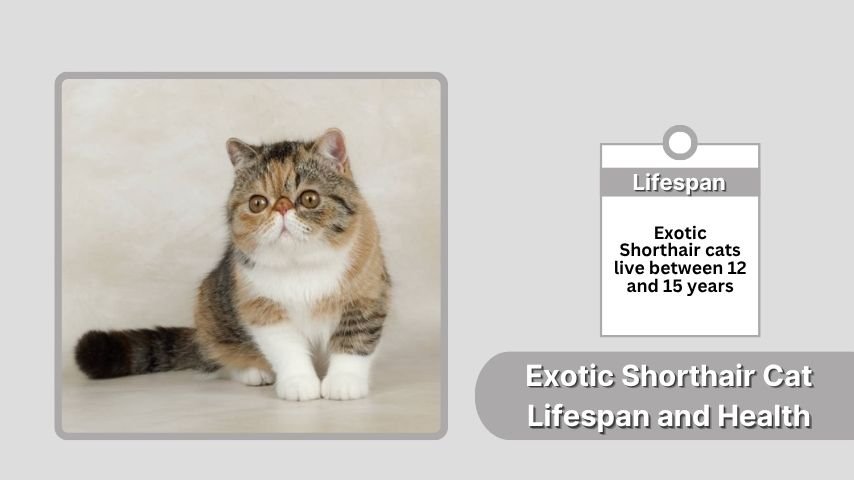
Like all breeds, Exotic Shorthairs require proper care to maintain long-term health. Understanding common health concerns and lifespan expectations helps owners provide appropriate care throughout the cat’s life.
Average Lifespan
Most Exotic Shorthair cats live between 12 and 15 years, although many can exceed this range with excellent care, nutrition, and regular veterinary attention.
Common Health Problems
Due to their flat facial structure, Exotic Shorthairs may experience certain health challenges. Breathing difficulties, eye drainage issues, and dental concerns can occur more frequently than in some other breeds.
Preventive Care
Routine veterinary checkups, balanced nutrition, proper dental care, and maintaining a healthy weight are important factors in supporting the overall wellbeing of an Exotic Shorthair cat.
Exotic Shorthair Cat Diet and Nutrition
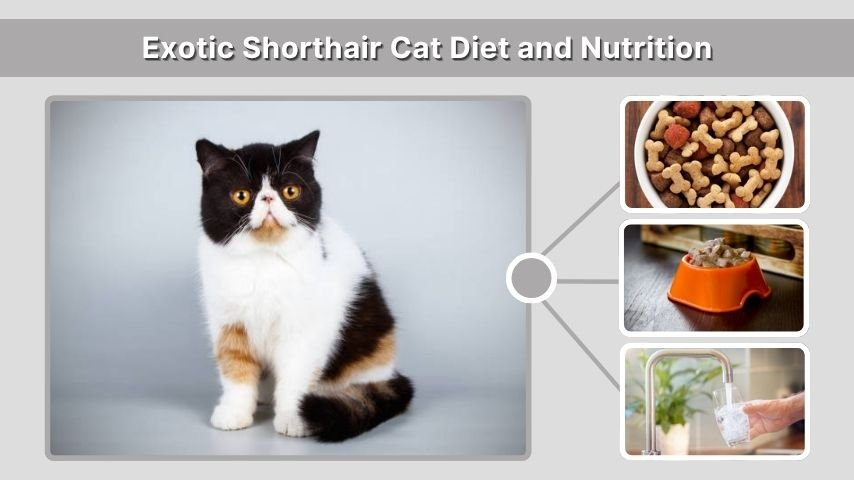
Proper nutrition plays a major role in maintaining the Exotic Shorthair’s health, weight, and energy levels. Because this breed tends to live indoors and enjoys a relaxed lifestyle, owners should provide a balanced diet that supports healthy growth while preventing obesity. High-quality cat food and portion control are important for long-term wellbeing.
Nutritional Requirements
Exotic Shorthairs require a diet rich in animal-based protein, healthy fats, vitamins, and minerals. Proper nutrition supports muscle development, immune function, and coat quality.
Recommended Foods
Premium wet food, dry food, or a combination of both can meet the breed’s dietary needs. Fresh water should always be available to ensure proper hydration.
Foods to Avoid
Certain foods can be harmful to Exotic Shorthair cats, including:
- Chocolate
- Onions
- Garlic
- Alcohol
- Caffeine
- Grapes and raisins
Grooming and Maintenance
Although the Exotic Shorthair has a shorter coat than the Persian cat, regular grooming remains important. Routine care helps maintain cleanliness, prevent health issues, and strengthen the bond between the cat and its owner.
Coat Care
The breed’s dense coat benefits from weekly brushing to remove loose hair and reduce shedding. Regular brushing also helps distribute natural oils and maintain a healthy appearance.
Eye Cleaning
Due to their flat facial structure, Exotic Shorthairs may experience tear staining or eye discharge. Gentle cleaning around the eyes can help prevent irritation and maintain comfort.
Nail Trimming and Dental Care
Routine nail trimming and dental hygiene should be part of a regular care schedule. Healthy teeth and properly maintained nails contribute to overall health and wellbeing.
Exotic Shorthair Cat Price
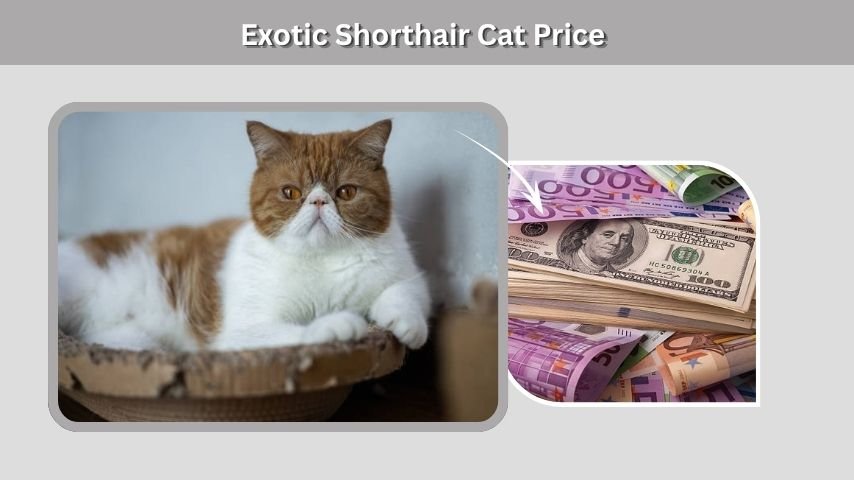
The price of an Exotic Shorthair cat varies depending on factors such as pedigree, breeder reputation, location, and health certifications. Prospective owners should consider both the initial purchase cost and ongoing care expenses.
Average Price Range
Exotic Shorthair kittens from reputable breeders generally cost more than adopted cats. Prices may increase for cats with exceptional bloodlines or show-quality characteristics.
Exotic Shorthair Cat Price in India
Prices in India can vary significantly based on breeder quality, availability, and lineage. Imported bloodlines may command higher prices than locally bred cats.
Exotic Shorthair Cat Price in the Philippines
The cost of an Exotic Shorthair in the Philippines depends on factors such as registration status, breeder reputation, and the kitten’s overall quality.
Factors Affecting Cost
Several elements influence pricing:
- Pedigree quality
- Breeder reputation
- Age of the cat
- Coat color and markings
- Health certifications
Exotic Shorthair Cat Adoption and Rescue
Adoption provides an alternative option for individuals who want an Exotic Shorthair without purchasing directly from a breeder. Rescue organizations occasionally have Exotic Shorthairs or breed mixes available for adoption.
Benefits of Adoption
Adopting a cat often costs less than purchasing from a breeder and gives an animal the opportunity to find a permanent home.
Adoption vs Buying
Buying from a breeder may provide more information about lineage and health history, while adoption focuses on providing homes for cats in need.
Finding Reputable Rescue Organizations
Prospective adopters should research shelters and rescue groups carefully. Reputable organizations prioritize animal welfare, health screening, and responsible placement practices.
Exotic Shorthair vs Persian Cat
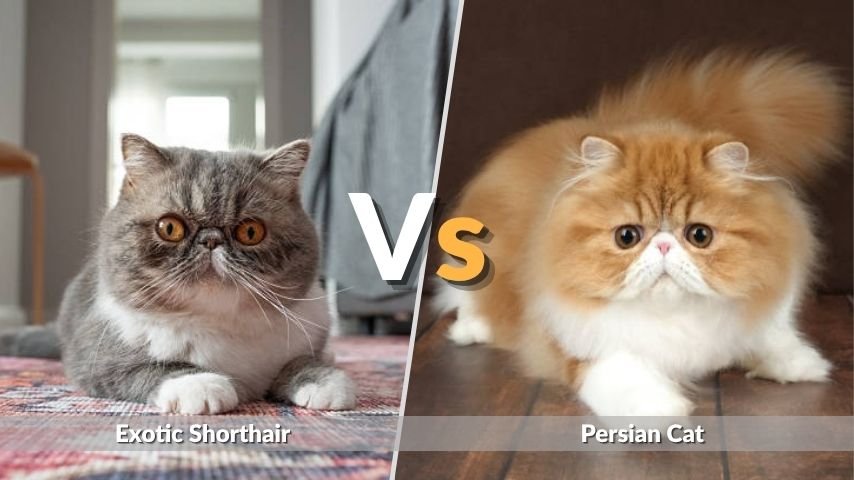
Many people compare Exotic Shorthairs and Persians because of their similar appearance. While the two breeds share many characteristics, there are important differences that may influence an owner’s choice.
Appearance Differences
The most noticeable difference is coat length. Persians have long, flowing coats, while Exotic Shorthairs possess dense, plush short coats.
Grooming Requirements
Exotic Shorthairs generally require less grooming than Persians. This reduced maintenance is one of the primary reasons the breed was developed.
Personality Comparison
Both breeds are affectionate and gentle, but Exotic Shorthairs are often considered slightly more playful and active than Persians.
Which Breed Is Better for You?
The answer depends on personal preferences. Individuals seeking a Persian-like appearance with easier grooming often prefer the Exotic Shorthair.
Pros and Cons of Owning an Exotic Shorthair
Before bringing an Exotic Shorthair home, it is helpful to understand both the advantages and challenges associated with the breed.
Advantages
Exotic Shorthairs offer several benefits:
- Friendly and affectionate personality
- Low-maintenance coat compared to Persians
- Adaptable to indoor living
- Good with families and seniors
- Calm and gentle temperament
Disadvantages
Potential drawbacks include:
- Breathing issues in some cats
- Regular eye cleaning requirements
- Higher purchase costs
- Potential hereditary health concerns
- Need for indoor living conditions
FAQs
How Long Do Exotic Shorthair Cats Live?
Most Exotic Shorthair cats live between 12 and 15 years, though many reach older ages with excellent care.
Are Exotic Shorthair Cats Good Pets?
Yes. They are affectionate, calm, and adaptable, making them excellent companions for many households.
Do Exotic Shorthair Cats Shed?
Yes, but their short coats generally require less maintenance than long-haired breeds such as Persians.
Are Exotic Shorthair Cats Hypoallergenic?
No cat breed is completely hypoallergenic. Exotic Shorthairs still produce allergens that may affect sensitive individuals.
What Is the Difference Between an Exotic Shorthair and a Persian?
The primary difference is coat length. Exotic Shorthairs have short, dense coats, while Persians have long, flowing fur.