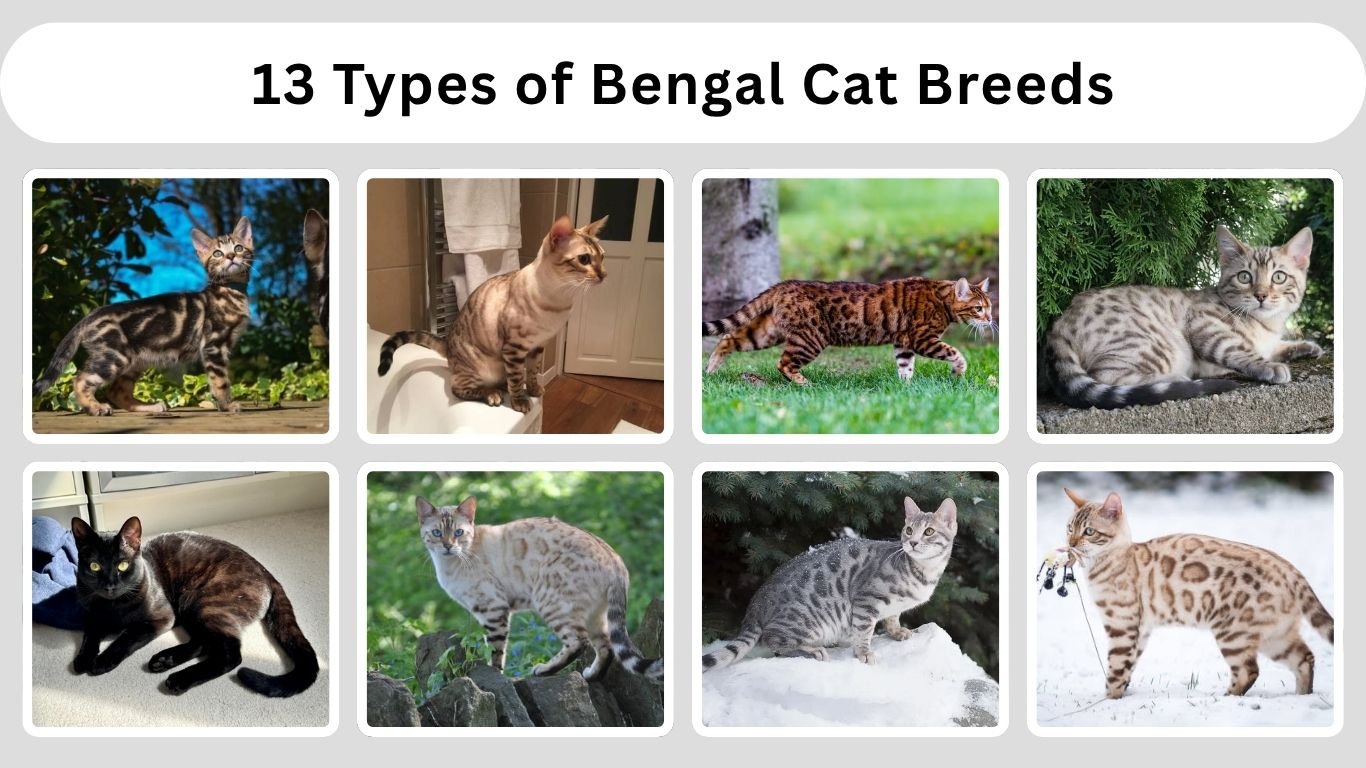
Bengal cats are known for their wild, leopard-like appearance and energetic personality. With a variety of colors and patterns, each type of Bengal offers unique features in appearance, size, temperament, and care needs. From bold spotted coats to elegant marble patterns, these cats combine exotic beauty with intelligence and playfulness, making them a popular choice for active pet owners.
1. Brown Bengal
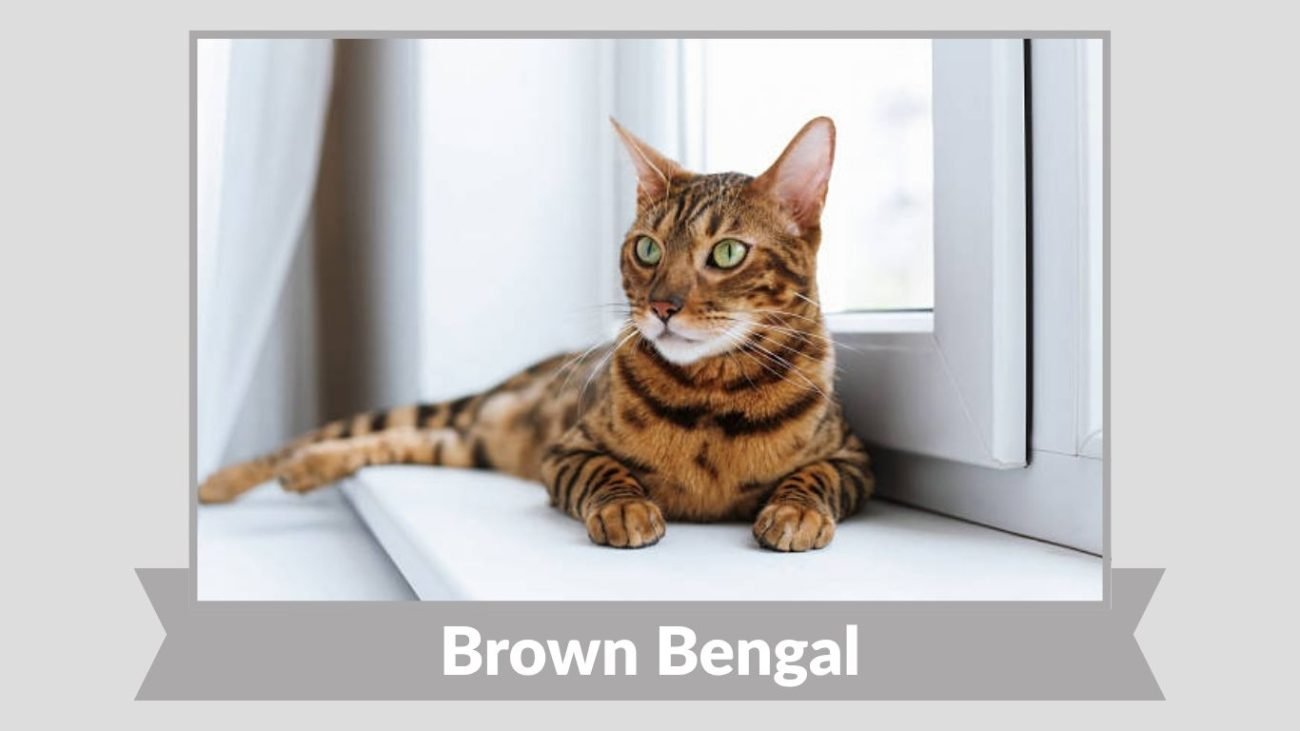
The Brown Bengal is the most common and recognizable type of Bengal cat, known for its wild, leopard-like appearance and striking coat patterns. It combines exotic beauty with a friendly and energetic personality.
Identification
- Rich brown coat with black or dark brown spots or rosettes
- White or lighter-colored belly
- Strong, muscular body with an athletic build
- Medium to large size with a sleek appearance
- Bright green or golden eyes
Size
Brown Bengals are medium to large cats. Males typically weigh between 10 to 15 pounds, while females range from 8 to 12 pounds. Their muscular frame gives them a powerful and agile look.
Personality
This breed is highly active, intelligent, and playful. Brown Bengals love climbing, exploring, and interactive games. They are affectionate but also independent, making them ideal for owners who can provide stimulation and attention.
Habitat & Diet
Brown Bengals thrive in indoor environments with plenty of space to play and climb. A high-protein diet is essential to support their energy levels, along with balanced nutrition to maintain their strong, healthy body.
2. Snow Bengal
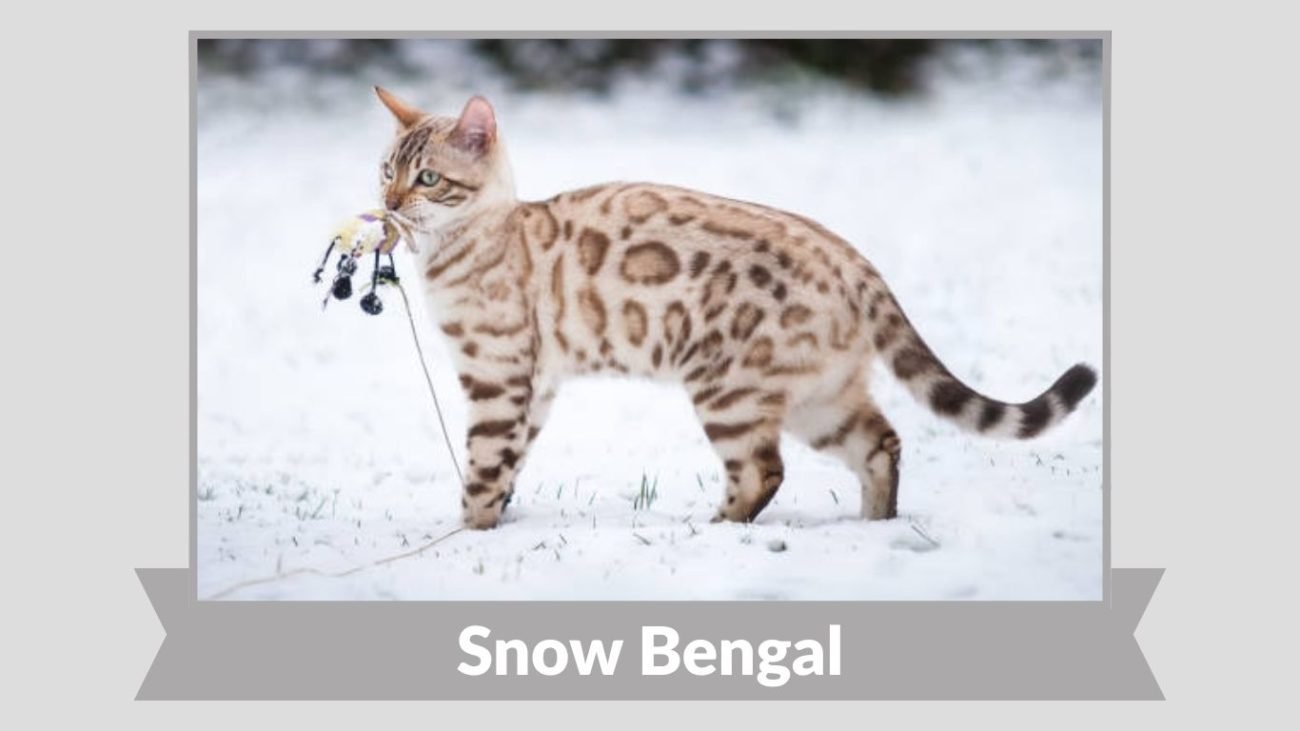
The Snow Bengal is a lighter-colored variation of the Bengal cat, known for its soft, creamy coat and striking blue or green eyes. It carries the same wild look with a more subtle, elegant appearance.
Identification
- Cream, ivory, or light beige coat with darker markings
- Blue or aqua eyes (depending on type)
- Rosetted or spotted pattern similar to a leopard
- Muscular, athletic body
- Pink nose and light facial markings
Size
Snow Bengals are medium to large cats. Males usually weigh between 10 to 15 pounds, while females range from 8 to 12 pounds. They maintain a strong and agile body structure.
Personality
Snow Bengals are active, intelligent, and curious. They enjoy interactive play and form strong bonds with their owners. They are social cats that thrive on attention and mental stimulation.
Habitat & Diet
They do best in indoor environments with space to climb and explore. A protein-rich diet supports their high energy levels, along with balanced nutrition to maintain their overall health.
3. Silver Bengal
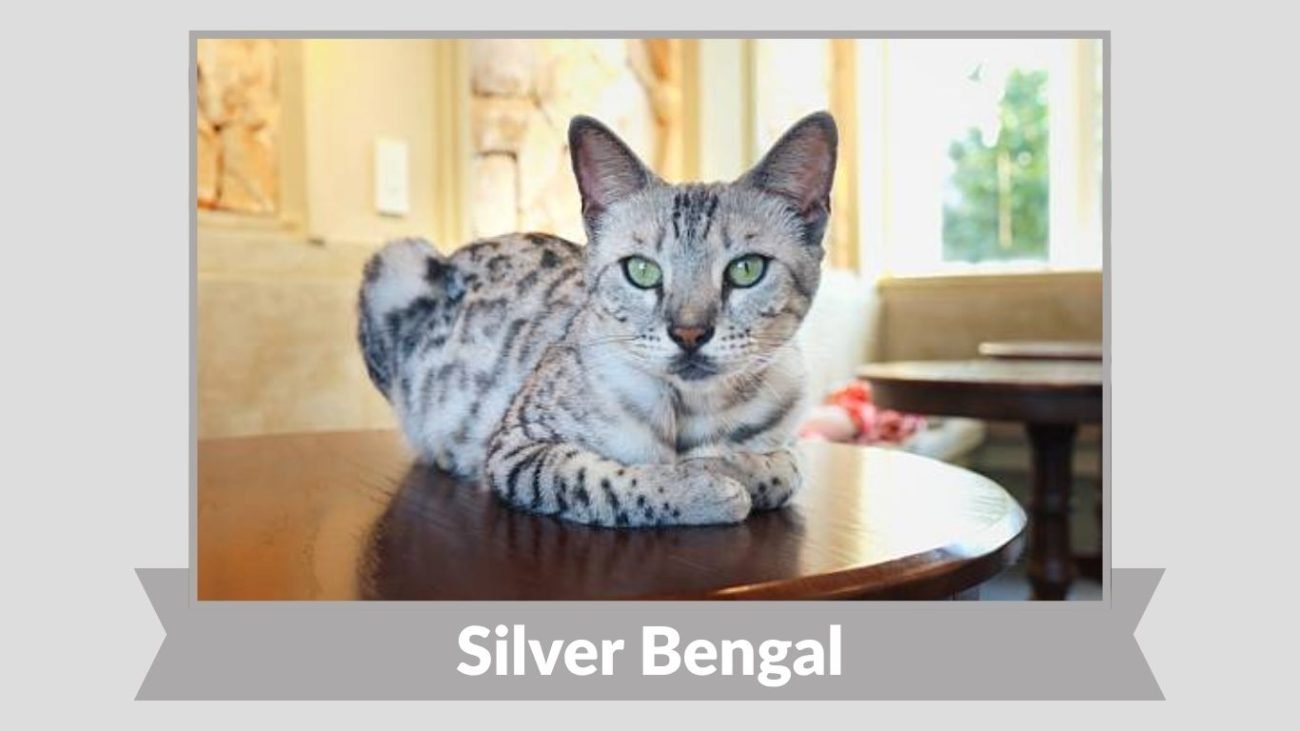
The Silver Bengal is a stunning variation with a cool-toned coat that gives it a sleek, modern look. Its high-contrast markings make it one of the most visually striking Bengal types.
Identification
- Silver or gray base coat with black or dark gray markings
- High-contrast spots or rosettes
- White or pale underside
- Lean, muscular body
- Green or golden eyes
Size
Silver Bengals are medium to large in size. Males typically weigh between 10 to 15 pounds, while females range from 8 to 12 pounds. They have a strong and athletic build.
Personality
This breed is energetic, playful, and highly intelligent. Silver Bengals love interactive activities and require mental stimulation. They are affectionate but can be quite active and demanding of attention.
Habitat & Diet
They thrive in indoor settings with enrichment like climbing trees and toys. A high-quality, protein-rich diet is essential to support their active lifestyle and maintain their sleek, muscular body.
4. Blue Bengal
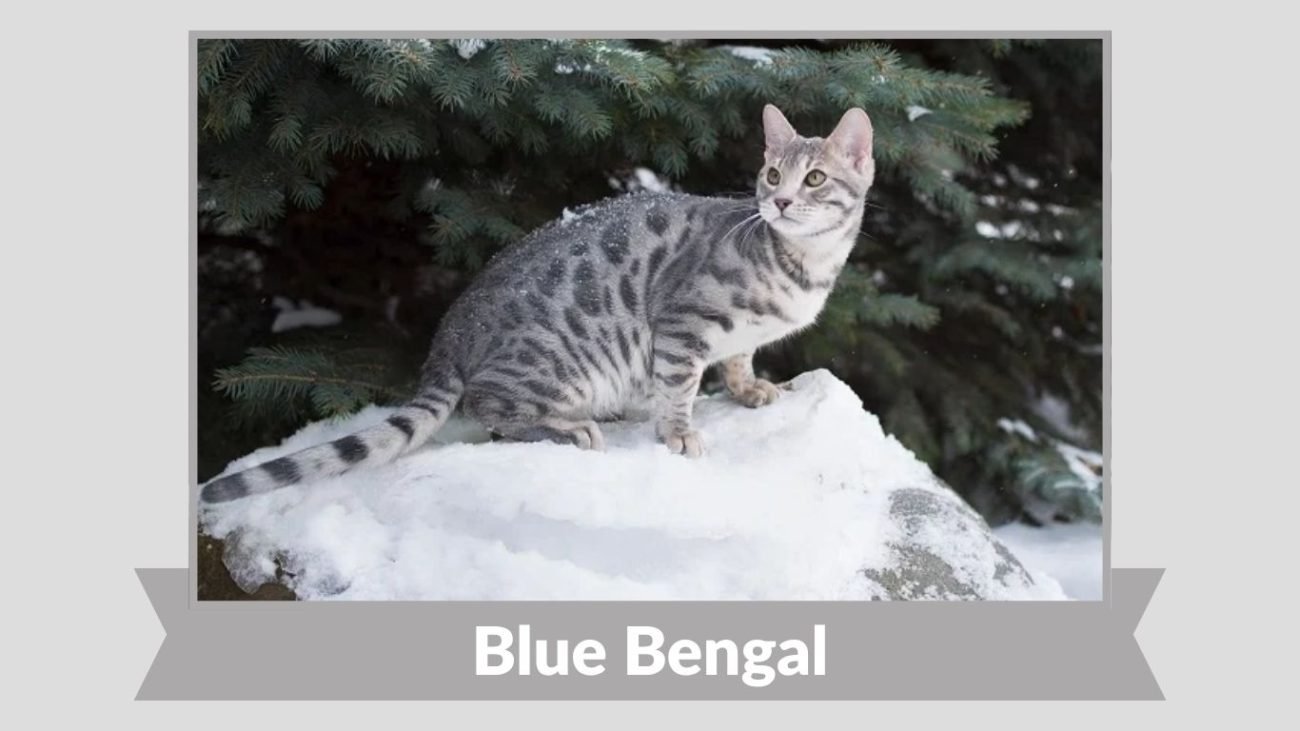
The Blue Bengal is a rare and unique variation known for its soft bluish-gray coat and subtle markings. It offers a gentler, muted version of the typical Bengal’s wild appearance.
Identification
- Bluish-gray coat with darker gray or charcoal markings
- Rosetted or spotted pattern with soft contrast
- Light-colored belly and chest
- Muscular, sleek body
- Golden, green, or hazel eyes
Size
Blue Bengals are medium to large cats. Males typically weigh between 10 to 15 pounds, while females range from 8 to 12 pounds. They have a well-built, athletic body.
Personality
This breed is energetic, curious, and intelligent. Blue Bengals enjoy climbing, exploring, and interactive play. They are affectionate with their owners but still maintain a playful independence.
Habitat & Diet
They thrive in indoor environments with plenty of enrichment. A high-protein, balanced diet supports their energy needs and helps maintain their lean, muscular structure.
5. Charcoal Bengal
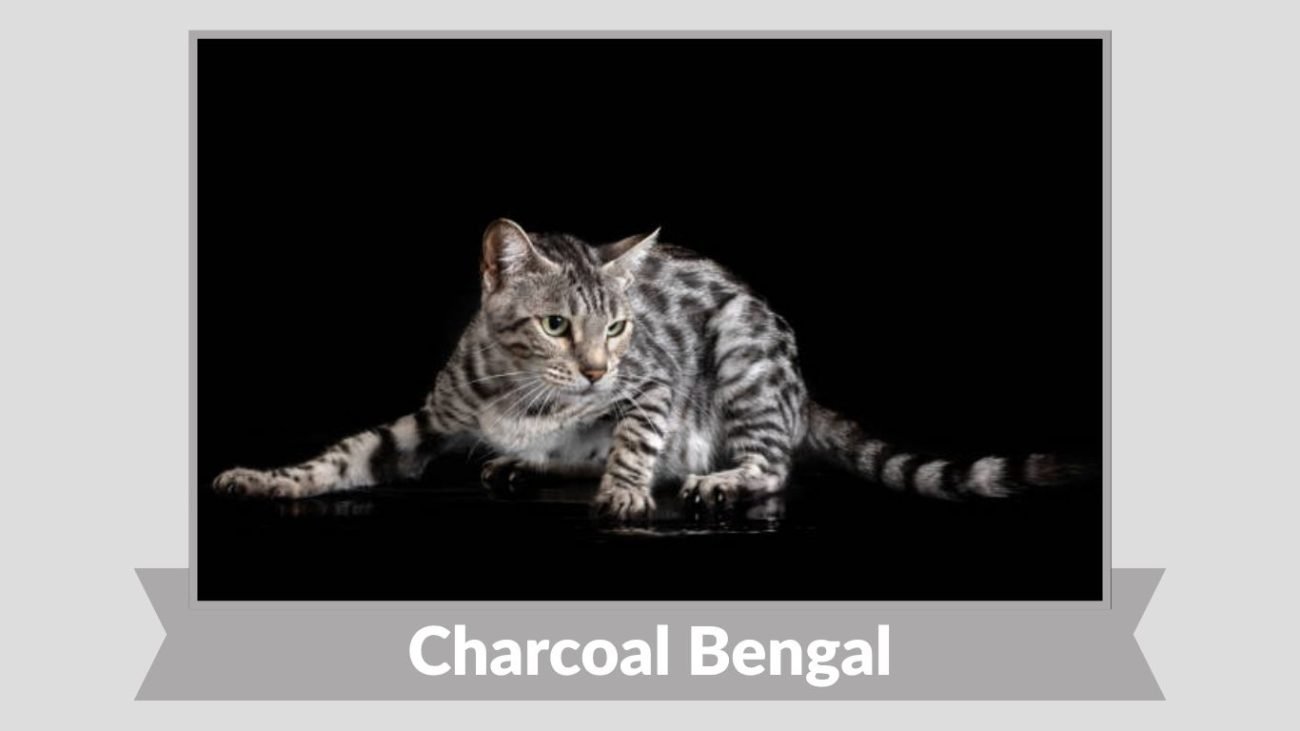
The Charcoal Bengal is a striking variation with darker, dramatic markings and a unique facial pattern. It has a more intense, wild look compared to other Bengal types.
Identification
- Dark gray or brown base coat with bold black markings
- Distinct “mask” or facial pattern with dark lines
- Thick dorsal stripe along the back
- Rosetted or spotted coat with strong contrast
- Muscular and athletic body
Size
Charcoal Bengals are medium to large in size. Males usually weigh between 10 to 15 pounds, while females range from 8 to 12 pounds. They maintain a strong and agile physique.
Personality
Charcoal Bengals are active, intelligent, and highly playful. They need regular interaction and mental stimulation. They are loyal and affectionate but can become bored without enough activity.
Habitat & Diet
They do best in indoor homes with space to climb and explore. A protein-rich diet is essential to fuel their energy and support their strong, athletic build.
6. Black (Melanistic) Bengal
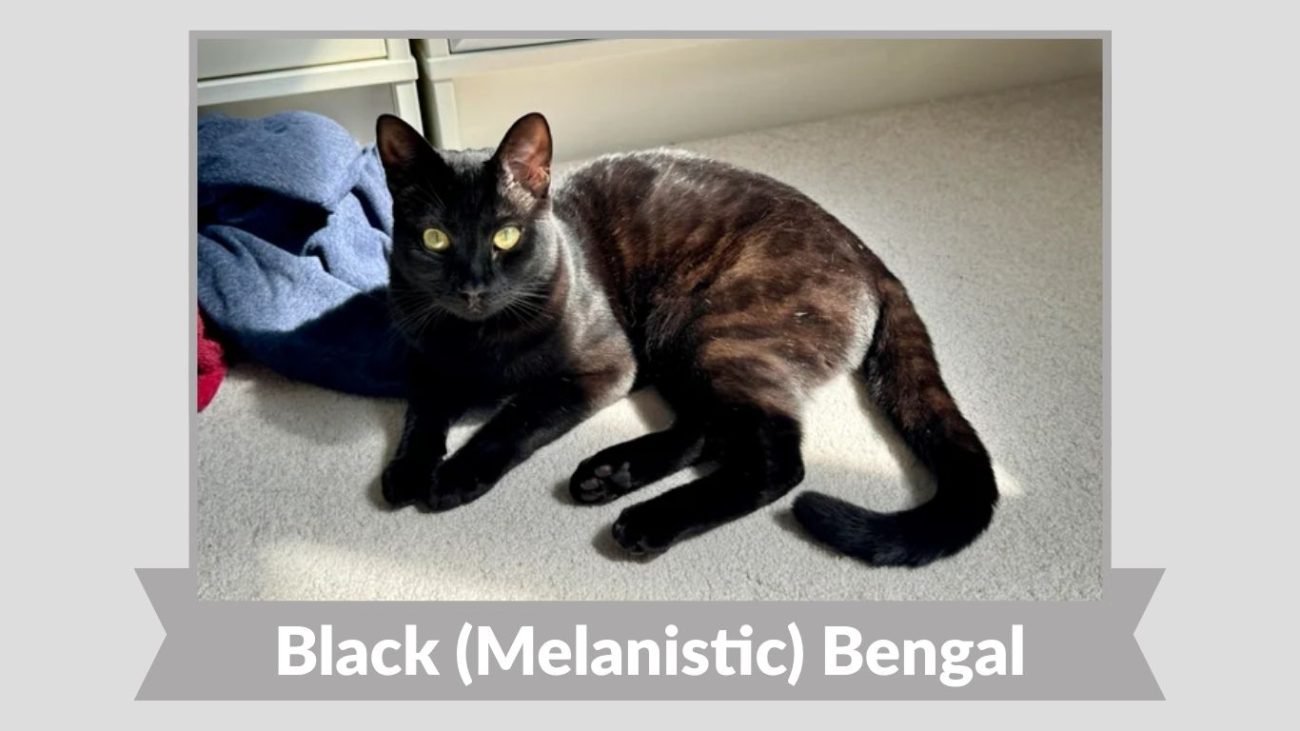
The Black (Melanistic) Bengal has a dark, almost solid coat that hides its signature pattern beneath the surface. In certain lighting, the ghost-like spots or rosettes become visible, giving it a mysterious look.
Identification
- Solid black or very dark coat with hidden (ghost) markings
- Rosettes or spots visible under light
- Sleek, muscular body
- Black nose and paw pads
- Golden or green eyes
Size
Melanistic Bengals are medium to large cats. Males typically weigh between 10 to 15 pounds, while females range from 8 to 12 pounds. They maintain a strong, athletic build.
Personality
This type is energetic, intelligent, and playful. Like other Bengals, they enjoy climbing and interactive activities. They are affectionate but require attention and stimulation to stay happy.
Habitat & Diet
They thrive indoors with plenty of space and enrichment. A high-protein diet supports their active lifestyle and helps maintain their muscular body and overall health.
7. Seal Lynx Point Bengal
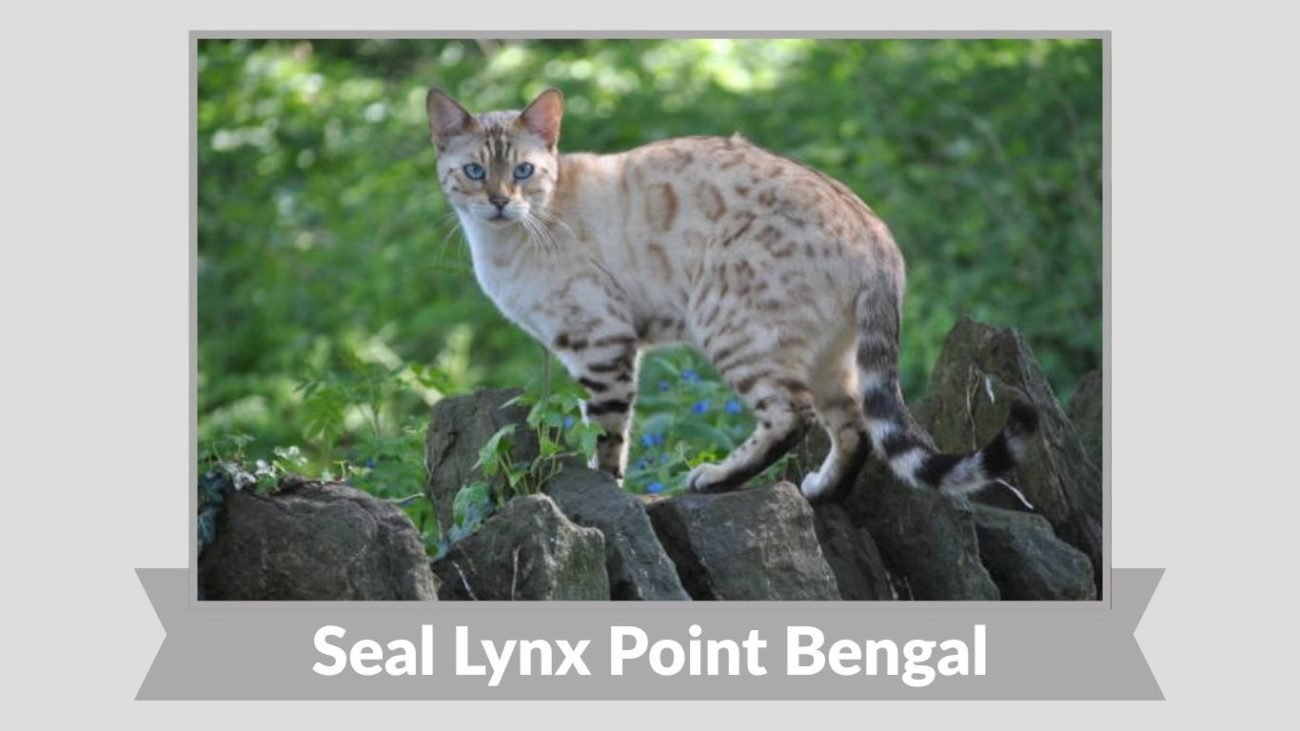
The Seal Lynx Point Bengal is a beautiful and light-colored variation, known for its striking blue eyes and soft contrast markings that develop over time.
Identification
- Pale cream or white coat with faint to moderate markings
- Blue eyes, a key distinguishing feature
- Darker points on ears, face, tail, and legs
- Rosetted or spotted pattern that becomes clearer with age
- Pink nose and light paw pads
Size
Seal Lynx Point Bengals are medium to large. Males usually weigh between 10 to 15 pounds, while females range from 8 to 12 pounds. They have a lean and muscular frame.
Personality
This breed is active, curious, and highly social. They enjoy interaction and form strong bonds with their owners. They are playful and require mental stimulation to stay engaged.
Habitat & Diet
They do best in indoor environments with room to explore and play. A balanced, protein-rich diet is essential to support their energy levels and maintain their healthy, athletic build.
8. Seal Mink Bengal
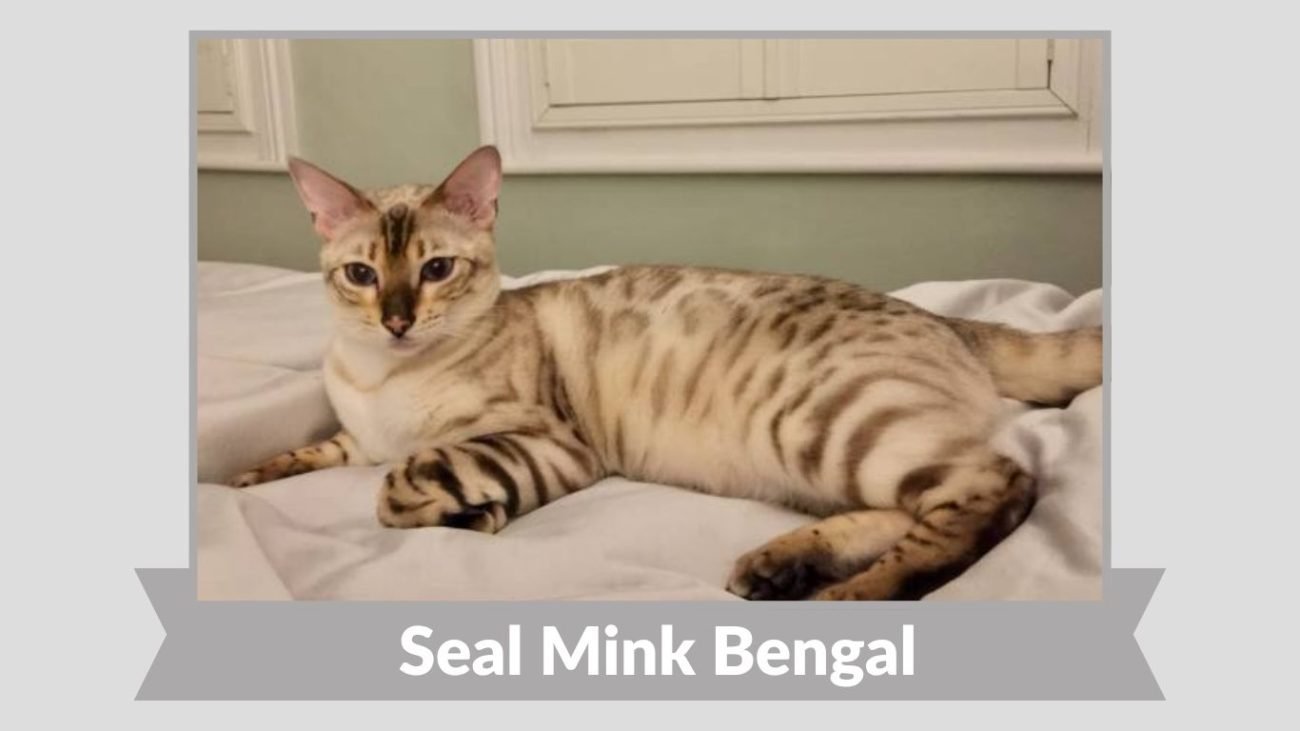
The Seal Mink Bengal is a beautiful variation that falls between the Lynx Point and Sepia types. It has a soft, warm-toned coat with more visible markings and striking aqua-colored eyes.
Identification
- Light brown or beige coat with darker markings
- Aqua or blue-green eyes
- Rosetted or spotted pattern with moderate contrast
- Muscular, sleek body
- Slightly darker points on face, legs, and tail
Size
Seal Mink Bengals are medium to large cats. Males typically weigh between 10 to 15 pounds, while females range from 8 to 12 pounds. They have a balanced, athletic build.
Personality
This breed is energetic, intelligent, and playful. Seal Mink Bengals enjoy climbing, exploring, and interactive games. They are affectionate and social, often seeking attention from their owners.
Habitat & Diet
They thrive in indoor environments with plenty of activity space. A protein-rich diet is essential to support their energy levels and maintain their strong, healthy body.
9. Seal Sepia Bengal
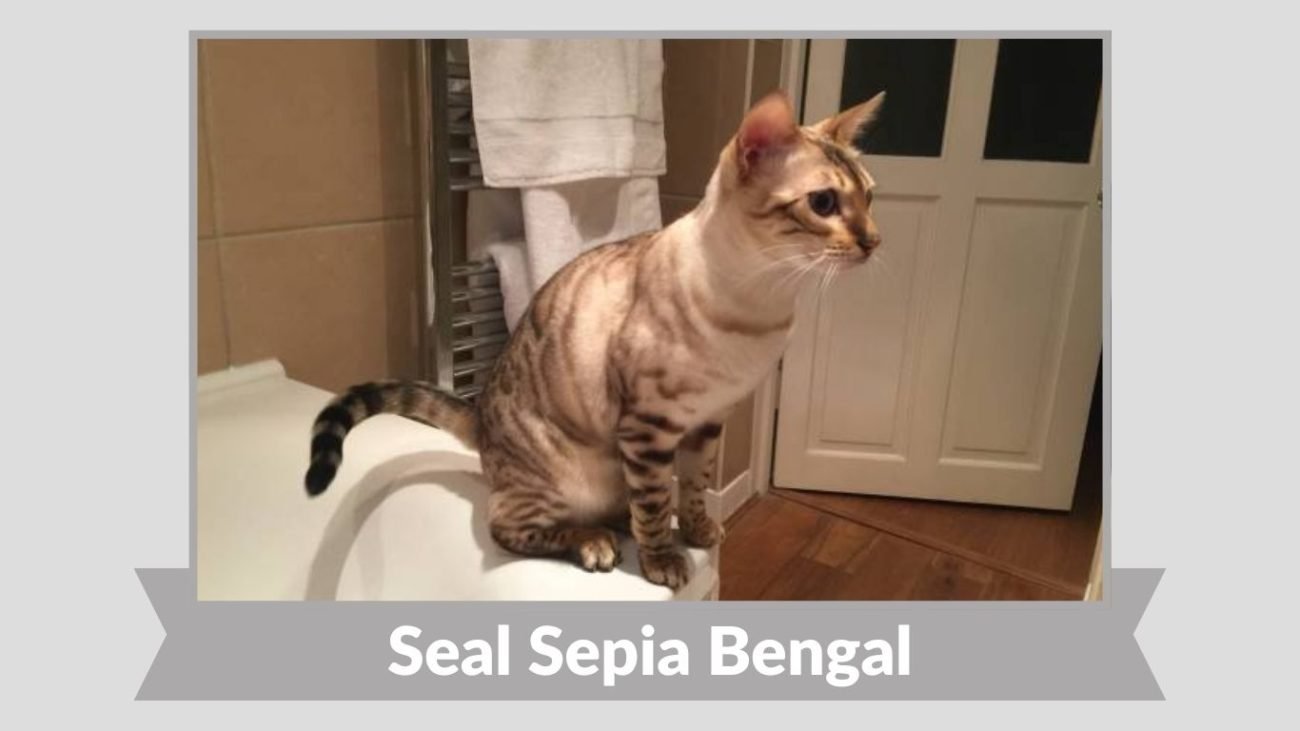
The Seal Sepia Bengal has a richer, darker coat compared to other snow variations. Its warm tones and bold markings give it a striking and exotic appearance.
Identification
- Warm brown or tan coat with dark brown markings
- Green or golden eyes
- High-contrast rosettes or spots
- Muscular, well-defined body
- Darker face and tail with consistent pattern
Size
Seal Sepia Bengals are medium to large. Males usually weigh between 10 to 15 pounds, while females range from 8 to 12 pounds. They have a strong and athletic physique.
Personality
This type is active, curious, and highly intelligent. Seal Sepia Bengals love interactive play and mental challenges. They are affectionate but require regular engagement to stay happy.
Habitat & Diet
They do best in indoor homes with space to move and explore. A high-quality, protein-rich diet helps maintain their energy, muscle tone, and overall health.
10. Red Bengal
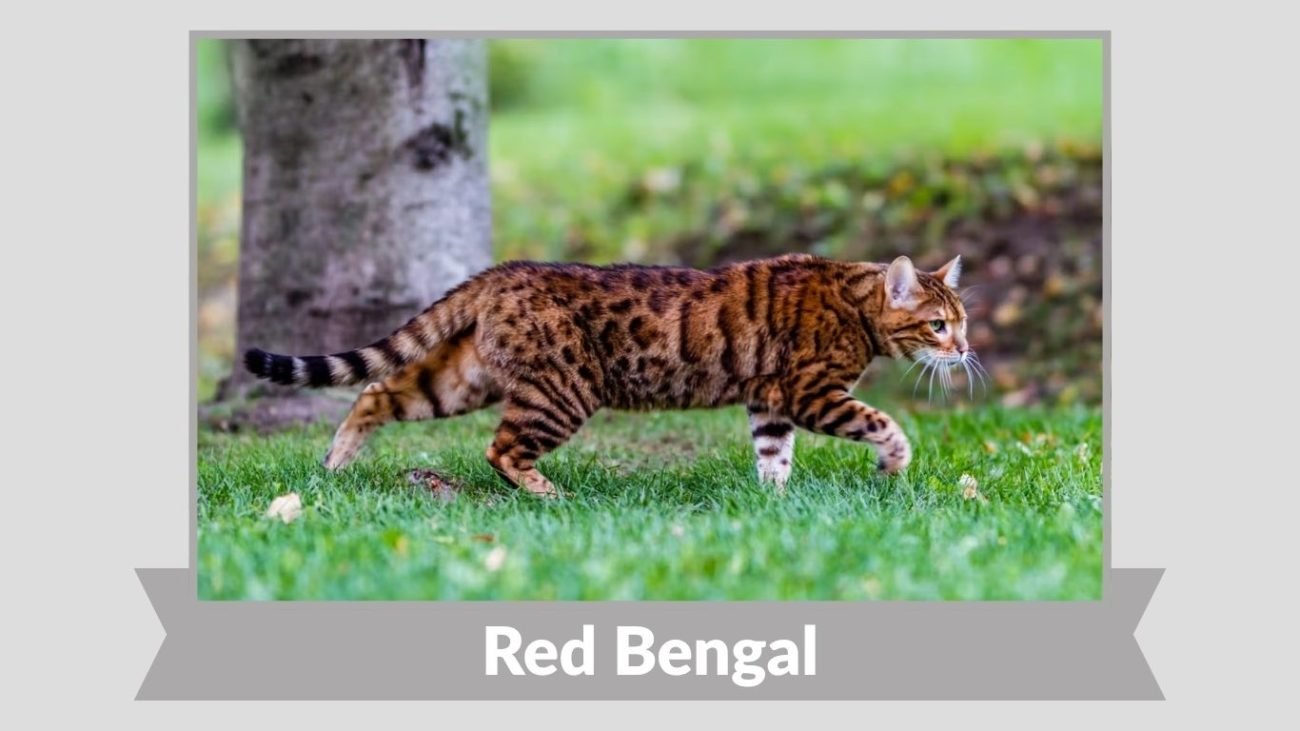
The Red Bengal is a rare and visually striking variation with warm reddish tones in its coat. It maintains the classic Bengal pattern while offering a unique and vibrant appearance.
Identification
- Reddish or rust-colored coat with darker markings
- Rosetted or spotted pattern with strong contrast
- Lighter underside and chest
- Muscular, athletic body
- Golden or amber eyes
Size
Red Bengals are medium to large cats. Males typically weigh between 10 to 15 pounds, while females range from 8 to 12 pounds. They have a strong and agile physique.
Personality
This breed is energetic, intelligent, and playful. Red Bengals enjoy active play, climbing, and exploring. They are affectionate but require attention and mental stimulation to stay engaged.
Habitat & Diet
They thrive in indoor environments with plenty of space and enrichment. A protein-rich diet is essential to support their high energy levels and maintain their muscular body.
11. Cream Bengal
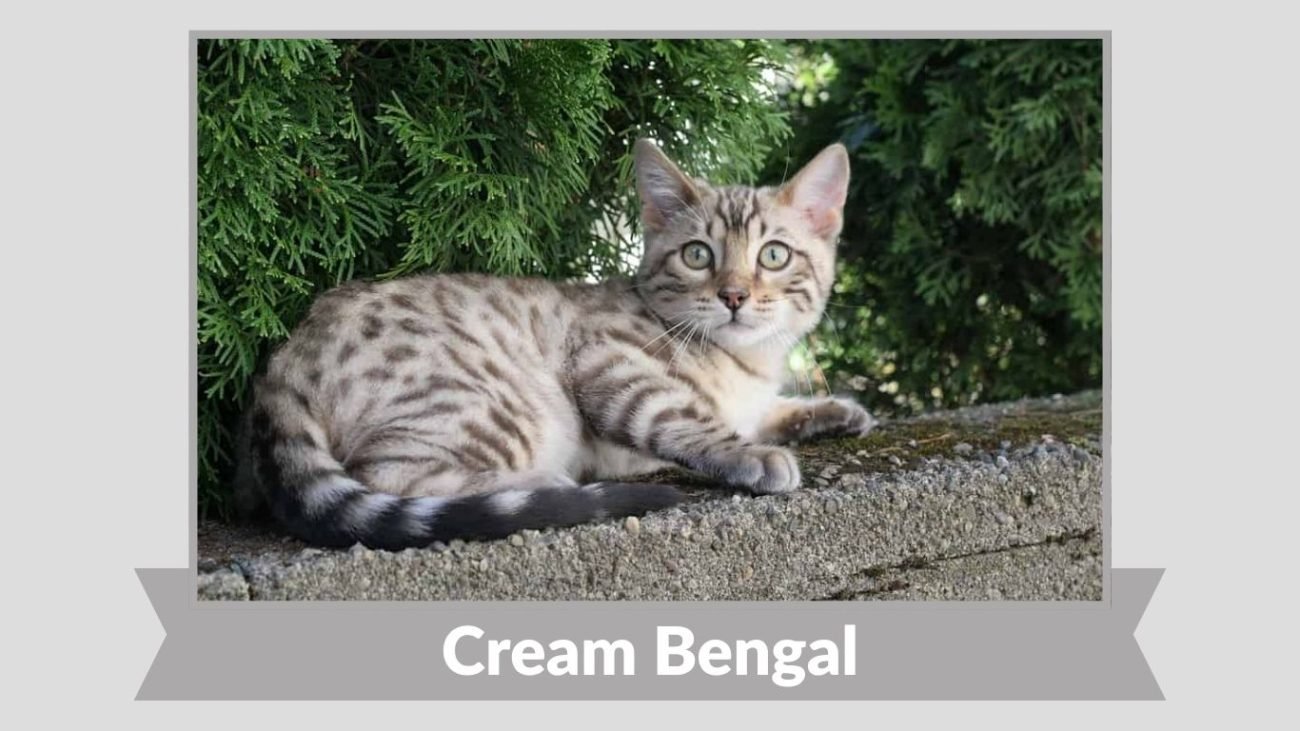
The Cream Bengal is a softer, lighter variation with a pale coat and subtle markings. It offers a gentle and elegant look while retaining the Bengal’s wild charm.
Identification
- Pale cream or light beige coat
- Soft, low-contrast markings
- Rosetted or spotted pattern, often faint
- Slim, muscular body
- Light-colored eyes, usually green or gold
Size
Cream Bengals are medium to large in size. Males usually weigh between 10 to 15 pounds, while females range from 8 to 12 pounds. They maintain a lean and athletic build.
Personality
Cream Bengals are active, curious, and intelligent. They enjoy interactive play and exploring their surroundings. They are social and affectionate, often forming strong bonds with their owners.
Habitat & Diet
They do best in indoor settings with space to move and climb. A balanced, protein-rich diet supports their energy levels and helps maintain their healthy, agile body.
12. Spotted Bengal
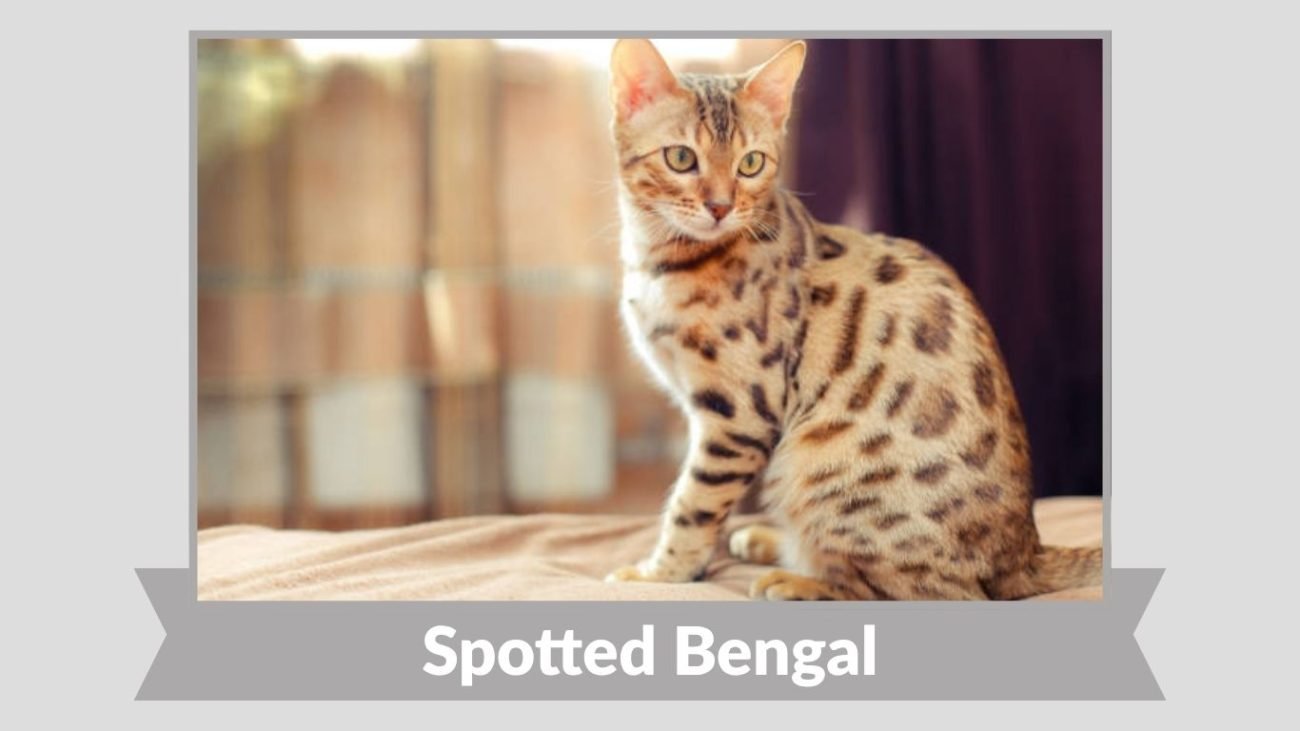
The Spotted Bengal is one of the most classic and recognizable types, featuring distinct spots across its coat. This pattern closely resembles wild cats, giving it a truly exotic appearance.
Identification
- Light to dark base coat with solid or outlined spots
- High-contrast markings across the body
- White or lighter belly
- Muscular, athletic frame
- Green or golden eyes
Size
Spotted Bengals are medium to large cats. Males typically weigh between 10 to 15 pounds, while females range from 8 to 12 pounds. Their body is strong, agile, and well-balanced.
Personality
This type is highly energetic, playful, and intelligent. Spotted Bengals love climbing and interactive activities. They require mental stimulation and regular engagement to stay happy and active.
Habitat & Diet
They thrive in indoor environments with space to explore and climb. A high-protein diet supports their active lifestyle and helps maintain their muscular, healthy body.
13. Marble Bengal
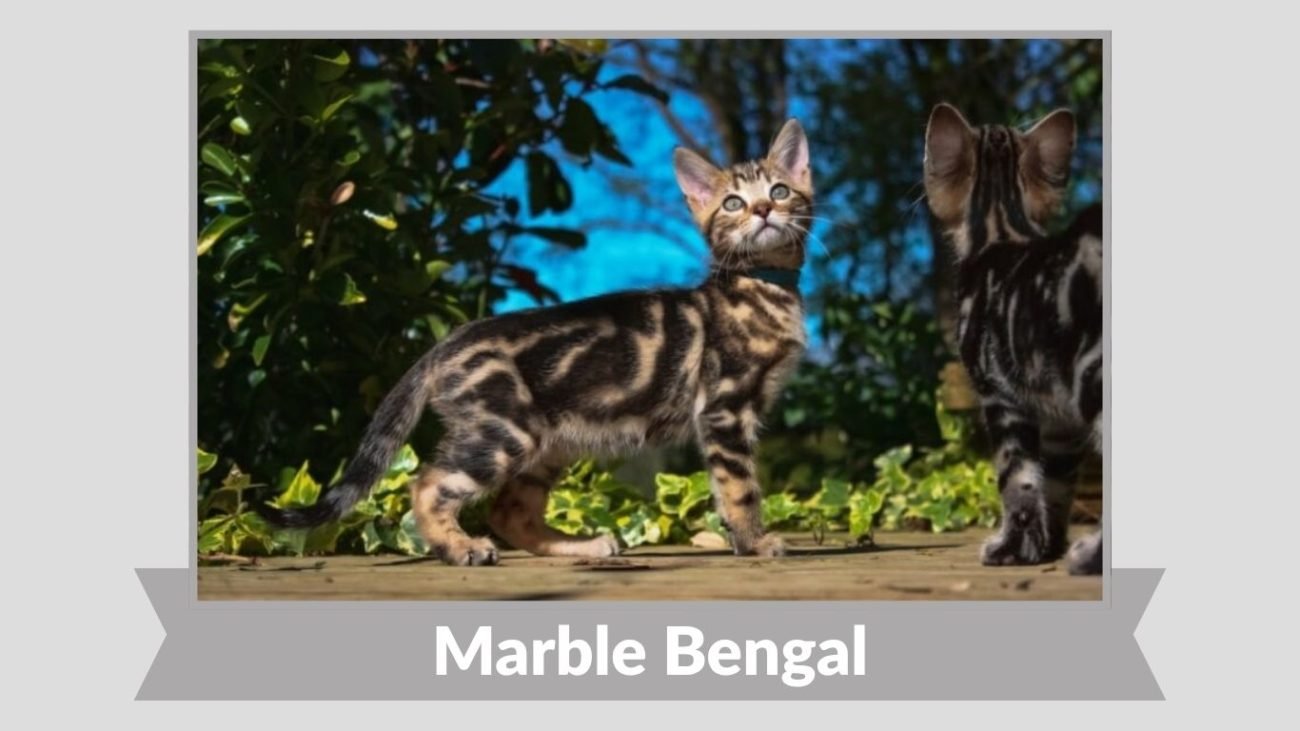
The Marble Bengal is known for its unique swirling patterns instead of spots, giving it a dramatic and flowing appearance. It offers a different but equally stunning take on the Bengal look.
Identification
- Swirling, marble-like patterns instead of spots
- High-contrast coat with flowing markings
- Broad, muscular body
- Thick tail and strong legs
- Green or gold eyes
Size
Marble Bengals are medium to large in size. Males usually weigh between 10 to 15 pounds, while females range from 8 to 12 pounds. They have a solid, athletic build.
Personality
Marble Bengals are active, curious, and intelligent. They enjoy exploring and interactive play. Like other Bengals, they are affectionate but need attention and stimulation to prevent boredom.
Habitat & Diet
They adapt well to indoor living with enough space for activity. A protein-rich, balanced diet is essential to support their energy levels and maintain their strong, muscular physique.
FAQs
What makes Bengal cats different from other breeds?
Bengal cats stand out due to their wild appearance, featuring leopard-like spots or marble patterns. They are also more active and intelligent than many domestic cats, requiring regular mental and physical stimulation to stay happy and healthy.
Are Bengal cats good for families?
Yes, Bengal cats can be great for families, especially those with active lifestyles. They are playful, social, and enjoy interaction. However, they need attention and engagement, making them better suited for owners who can spend time with them daily.
Do Bengal cats need special diets?
Bengal cats benefit from a high-protein diet to support their energy levels and muscular build. Quality cat food, whether dry, wet, or raw (if properly managed), helps maintain their health and keeps their coat in good condition.
Are Bengal cats easy to maintain?
Bengal cats are relatively low-maintenance in grooming due to their short coat. However, they require regular playtime, mental stimulation, and a stimulating environment, which can make them more demanding than less active breeds.
Can Bengal cats live indoors?
Yes, Bengal cats can live indoors very well, provided they have enough space and enrichment. Cat trees, toys, and interactive play are important to keep them active and prevent boredom in an indoor setting.