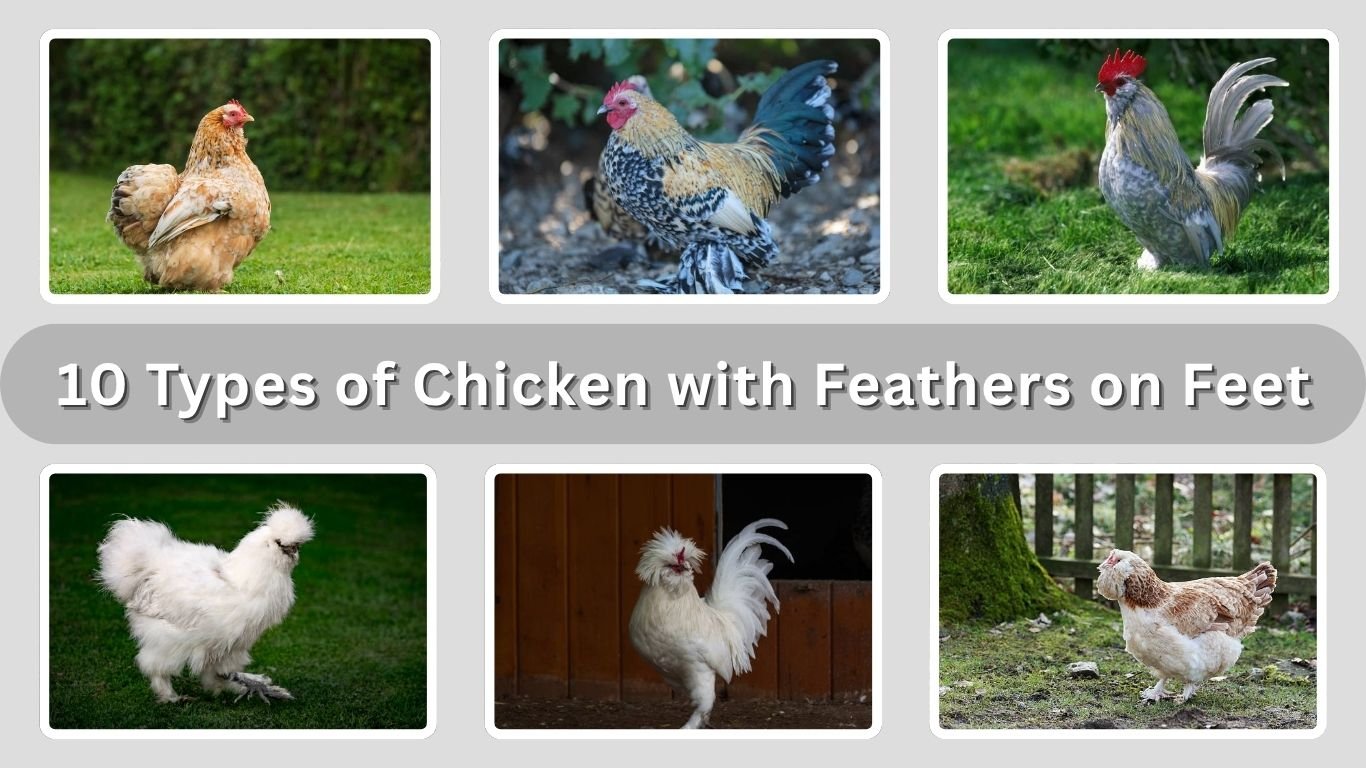
Chickens with feathered feet are among the most unique and eye-catching breeds in the poultry world. Their fluffy leg feathers not only add to their beauty but also help them adapt to colder climates. These breeds are often kept for ornamental purposes, though some also provide eggs and meat. However, their feathered feet require extra care, especially in wet or muddy conditions. In this guide, you’ll explore 10 popular chicken types with feathered feet, helping you choose the right breed for your backyard or farm.
1. Brahma
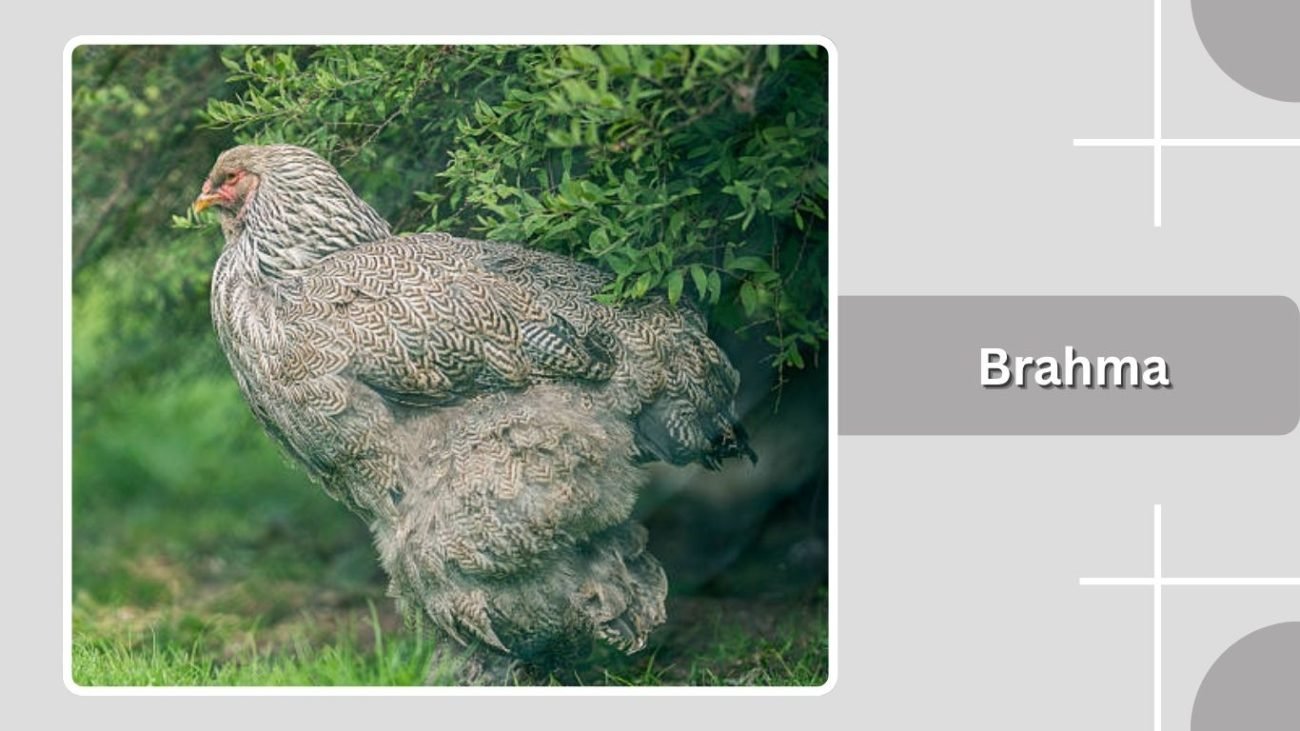
Brahma chickens are one of the largest and most distinctive chicken breeds, well known for their feathered legs and feet. Often called the “gentle giants” of the poultry world, they are valued for their calm temperament, cold tolerance, and dual-purpose use for both meat and eggs. Their thick plumage not only adds to their impressive appearance but also helps them thrive in cooler climates, making them a popular choice for backyard farmers and poultry enthusiasts.
Identification
- Very large body with a tall, broad, and muscular frame
- Fully feathered legs and feet, giving a fluffy appearance
- Small pea comb that resists frostbite
- Thick, dense feathers covering the entire body
- Common color varieties include light, dark, and buff
Habitat
Brahma chickens adapt well to different environments but are especially suited for colder regions due to their heavy feathering. They can be raised in both free-range systems and enclosed coops, as long as they have enough space to move comfortably. Because of their feathered feet, it is important to keep their living area dry and clean to prevent mud buildup and potential health issues. They do well in backyard settings where they can roam freely but also tolerate confinement if properly managed.
Behavior
Brahmas are known for their calm, gentle, and friendly nature. They are easy to handle, making them ideal for beginners and families with children. Despite their large size, they are rarely aggressive and usually get along well with other breeds. They are slow movers and not very flighty, which makes them easier to manage in a mixed flock.
Diet
Brahma chickens require a well-balanced diet consisting of high-quality poultry feed, grains, and fresh greens. Due to their large size, they consume more food than smaller breeds, so consistent feeding is essential. They also benefit from access to insects and natural forage when free-ranging. Clean water should always be available, and occasional supplements like calcium can support strong eggshell production.
2. Cochin
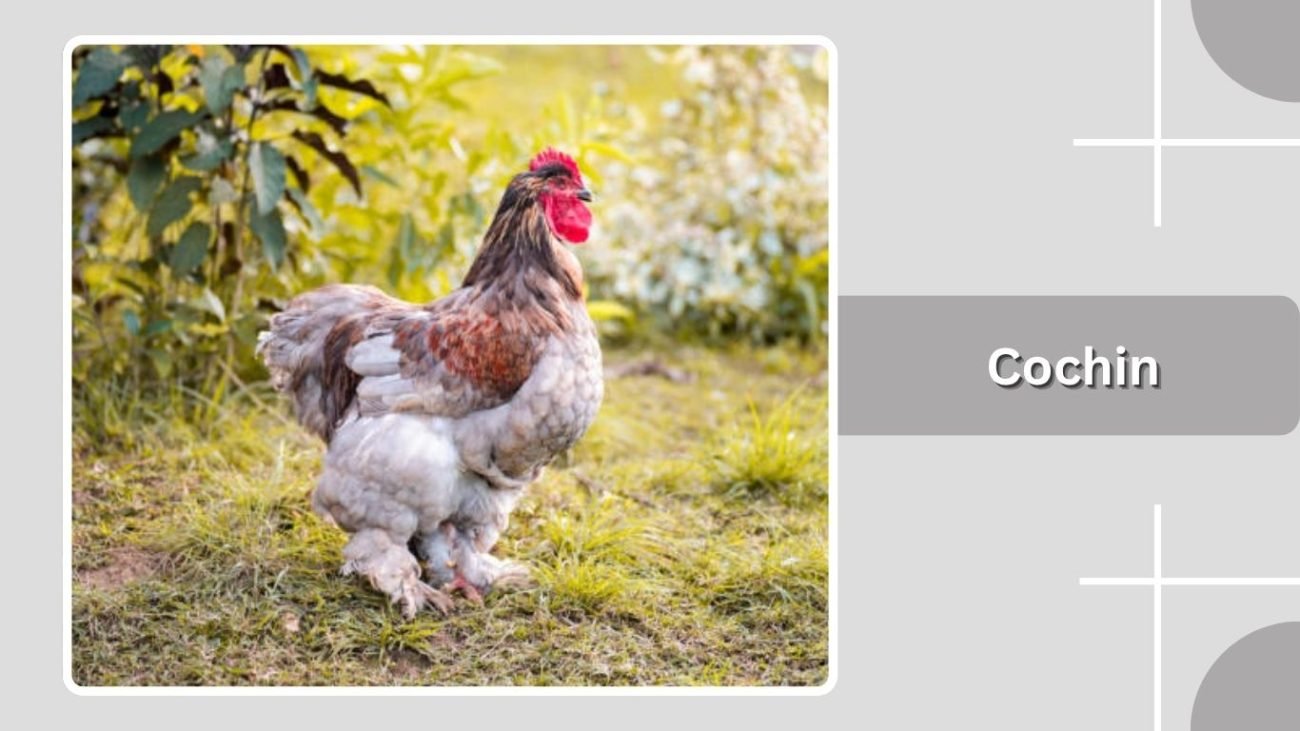
Cochin chickens are large, fluffy birds famous for their heavily feathered legs and feet, giving them a soft and rounded appearance. They are mainly kept for ornamental purposes but are also valued for their gentle temperament and brooding ability. Their thick plumage makes them especially suited for cooler climates.
Identification
- Large, round body with very fluffy feathers
- Fully feathered legs and feet
- Small single comb
- Soft and dense plumage
- Common colors include buff, black, white, and partridge
Habitat
Cochins adapt well to backyard environments and are comfortable in both free-range and confined systems. Due to their heavy feathering, they prefer dry and clean living conditions. Wet or muddy areas can cause dirt buildup on their feathered feet, so proper coop maintenance is important. They handle cold weather well but may struggle in extreme heat.
Behavior
Cochins are extremely calm, friendly, and docile. They are easy to handle and are often kept as pets because of their gentle nature. They are not very active and tend to move slowly, making them less likely to roam far. They are also excellent brooders and often used to hatch eggs of other breeds.
Diet
Cochins require a balanced diet of quality poultry feed, grains, and greens. Since they are less active, overfeeding should be avoided to prevent obesity. Providing access to fresh water, occasional protein sources like insects, and calcium supplements helps maintain their health and supports egg production.
3. Silkie
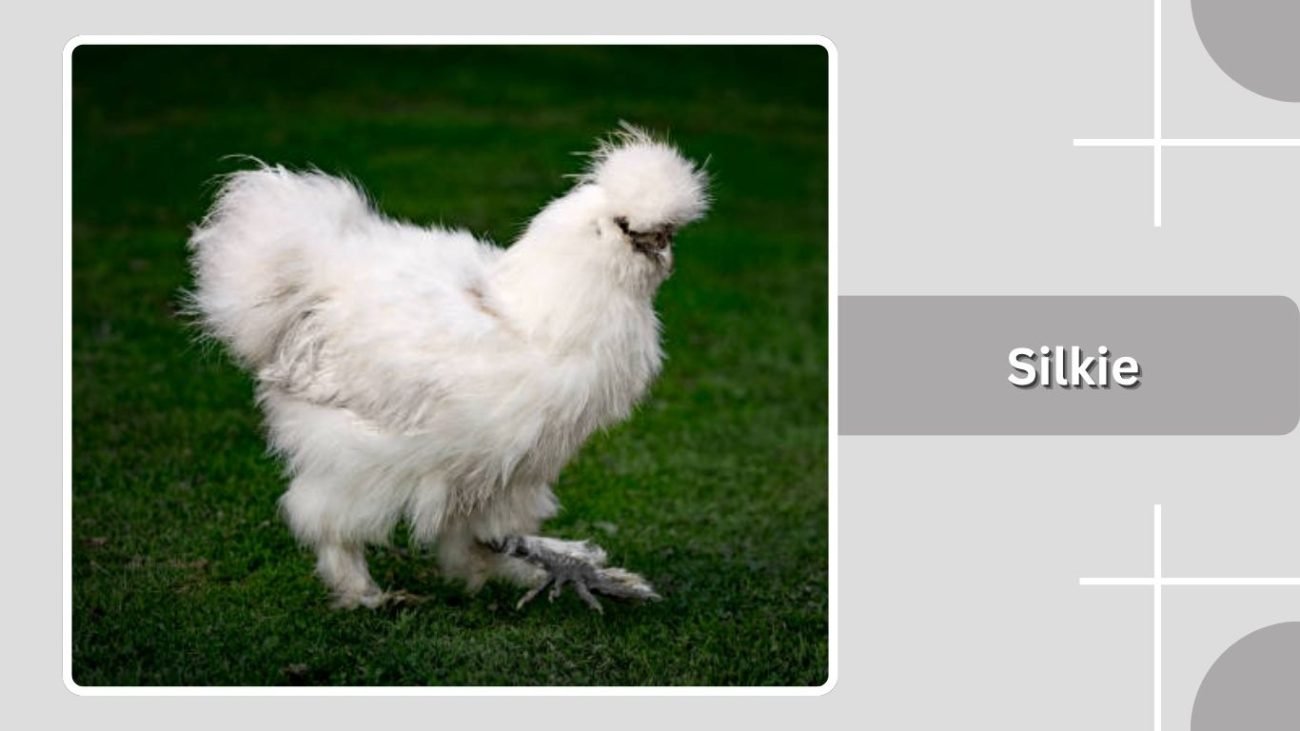
Silkie chickens are one of the most unique breeds, easily recognized by their soft, fur-like feathers and fully feathered legs and feet. They are primarily kept as ornamental birds and pets due to their gentle personality, though they are also valued for their strong brooding ability.
Identification
- Small body covered in soft, fluffy, hair-like feathers
- Feathered legs and feet
- Black skin, bones, and dark-colored face
- Crest of feathers on the head
- Five toes instead of the usual four
Habitat
Silkies do best in clean, dry environments because their feathers are not waterproof like other chickens. They are well-suited for small backyard coops and enclosed spaces rather than free-ranging in wet conditions. Due to their delicate plumage, they need protection from rain, mud, and extreme weather.
Behavior
Silkies are extremely calm, friendly, and affectionate. They are easy to handle and often enjoy human interaction, making them excellent pets for families. They are not aggressive and get along well with other gentle breeds. Silkies are also known for their strong brooding instinct and are often used to hatch eggs.
Diet
Silkies require a balanced diet of quality poultry feed along with fresh greens and occasional protein sources like insects. Because of their small size, they eat less than larger breeds but still need proper nutrition. Clean water and calcium supplements are important for maintaining overall health and egg production.
4. Faverolle
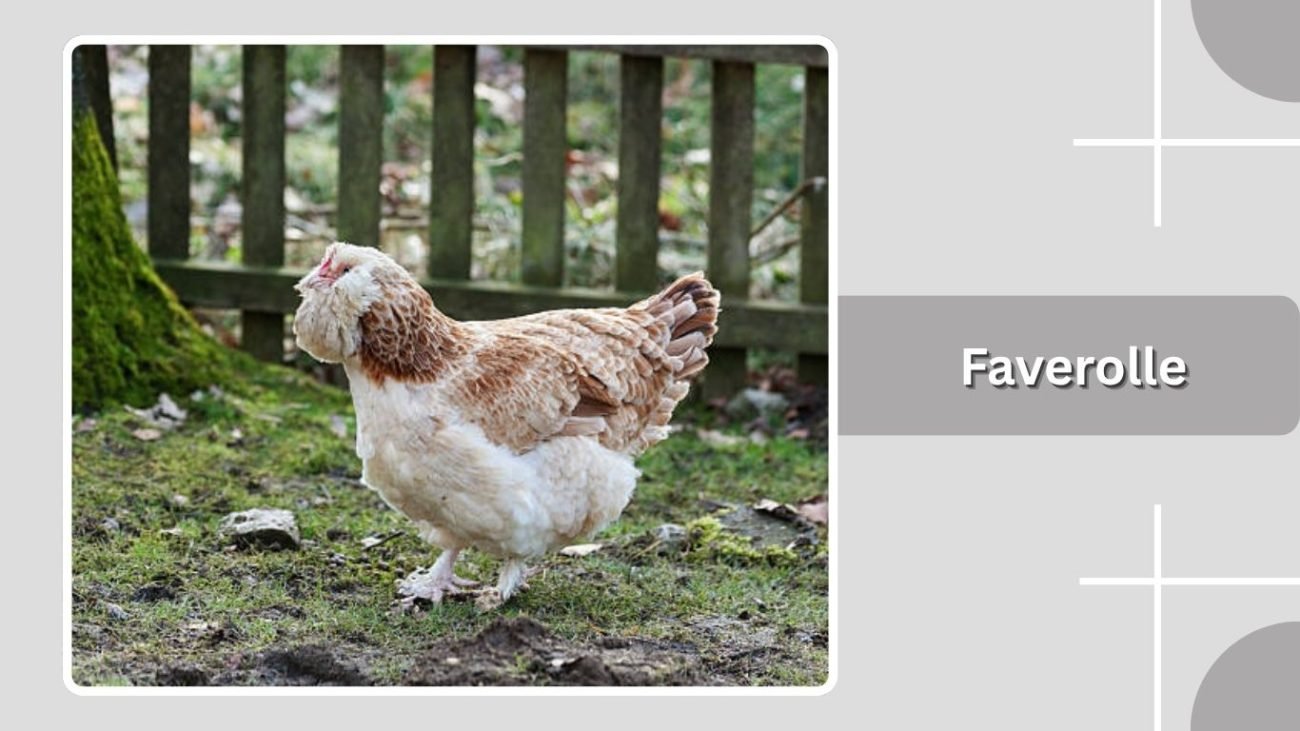
Faverolle chickens are a unique and attractive breed known for their feathered legs and feet, along with their friendly personality. They are often kept for both egg production and ornamental purposes, making them a great addition to backyard flocks.
Identification
- Medium to large body with a full and fluffy appearance
- Feathered legs and feet
- Distinct beard and muffs (facial feathers)
- Five toes instead of four
- Common color includes salmon (most popular variety)
Habitat
Faverolles adapt well to backyard environments and do best in clean, dry coops with enough space to move around. They can handle colder climates well due to their thick feathers but should be protected from excessive moisture, which can affect their feathered feet. They do well in both free-range and confined systems.
Behavior
These chickens are known for being very friendly, calm, and gentle. They are easy to handle and often enjoy human interaction, making them ideal for families and beginners. Faverolles are less aggressive and tend to be quieter compared to many other breeds.
Diet
Faverolles require a balanced diet that includes quality poultry feed, grains, and fresh greens. They benefit from occasional protein sources like insects when free-ranging. Clean water and calcium supplements are important to support egg production and overall health.
5. Langshan
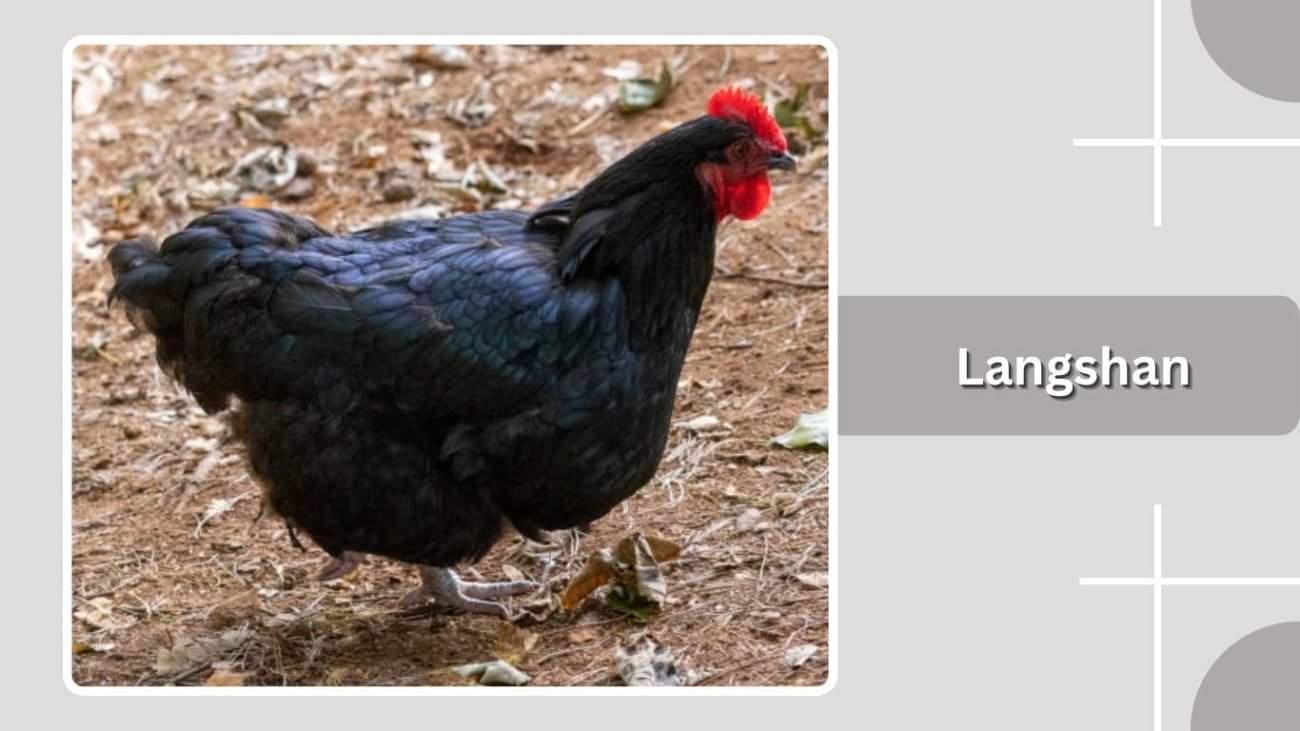
Langshan chickens are a tall and elegant breed known for their feathered legs and feet, along with their good egg-laying ability. They are valued for both meat and egg production and are especially appreciated for their adaptability and strong build.
Identification
- Medium to large body with a tall, upright stance
- Feathered legs and outer toes
- Glossy black feathers with a greenish sheen (most common)
- Small single comb
- Long legs giving a graceful appearance
Habitat
Langshans adapt well to various environments but prefer dry and clean conditions due to their feathered feet. They do well in both free-range and confined systems, as long as they have enough space to move comfortably. They tolerate cold weather better than heat because of their dense plumage.
Behavior
Langshans are generally calm, quiet, and easy to manage. They are less aggressive and tend to get along well with other breeds, making them suitable for mixed flocks. While they are not overly active, they enjoy moderate foraging when given space.
Diet
Langshans require a balanced diet consisting of quality poultry feed, grains, and greens. They benefit from protein sources like insects when free-ranging. Clean water is essential, and calcium supplements help support strong eggshell production and overall health.
6. Sultan
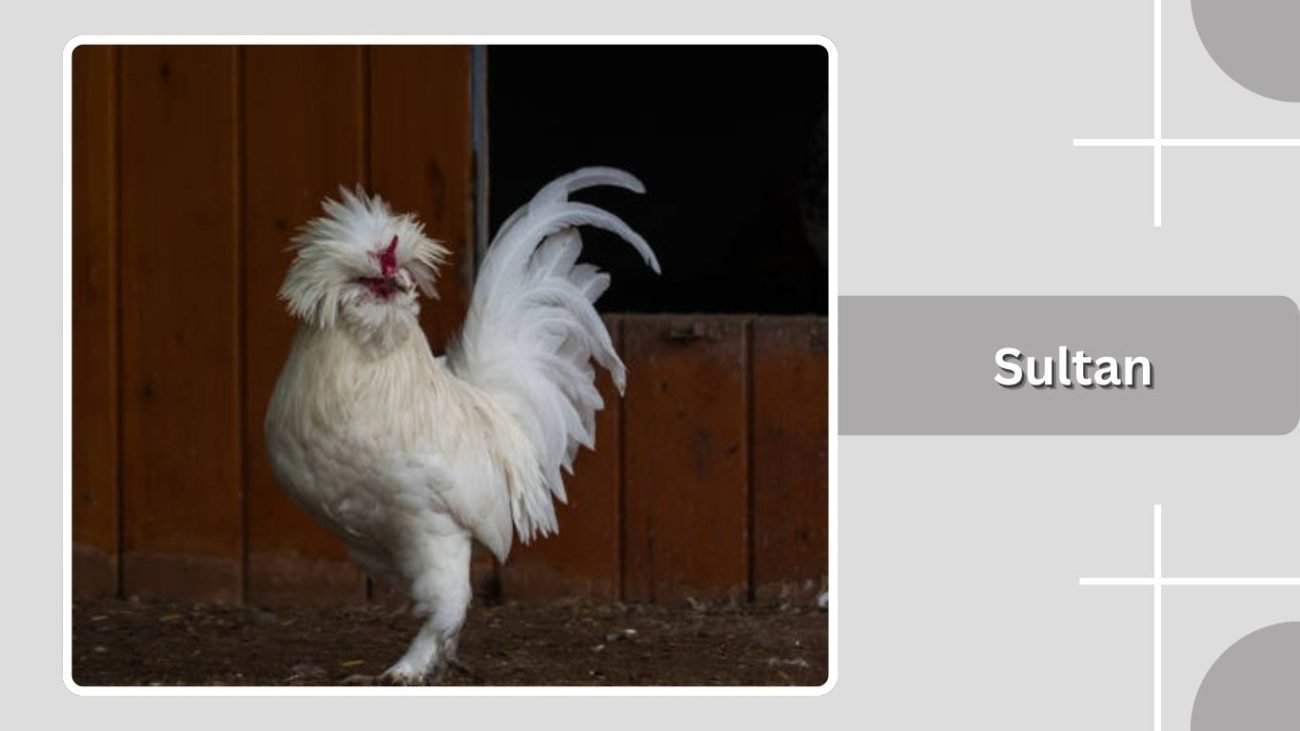
Sultan chickens are a rare and ornamental breed known for their fully feathered legs and feet, along with their elegant and unique appearance. They are mostly kept for decorative purposes rather than egg or meat production.
Identification
- Small to medium-sized body with a soft, fluffy look
- Fully feathered legs and feet
- Large crest of feathers on the head
- Beard and muffs around the face
- Five toes instead of four, with white plumage
Habitat
Sultans thrive best in clean, dry, and protected environments. Due to their heavy feathering, especially on their feet, they are sensitive to mud and wet conditions. They are better suited for enclosed coops or well-maintained backyard spaces rather than rough free-range areas.
Behavior
Sultan chickens are very gentle, calm, and friendly. They are easy to handle and often enjoy human interaction, making them ideal as ornamental pets. They are not aggressive and tend to do well in peaceful flocks with other docile breeds.
Diet
Sultans require a balanced diet of high-quality poultry feed along with fresh greens and occasional protein sources like insects. Since they are not highly active, proper portion control is important. Clean water and calcium supplements help maintain their health and support light egg production.
7. Belgian d’Uccle
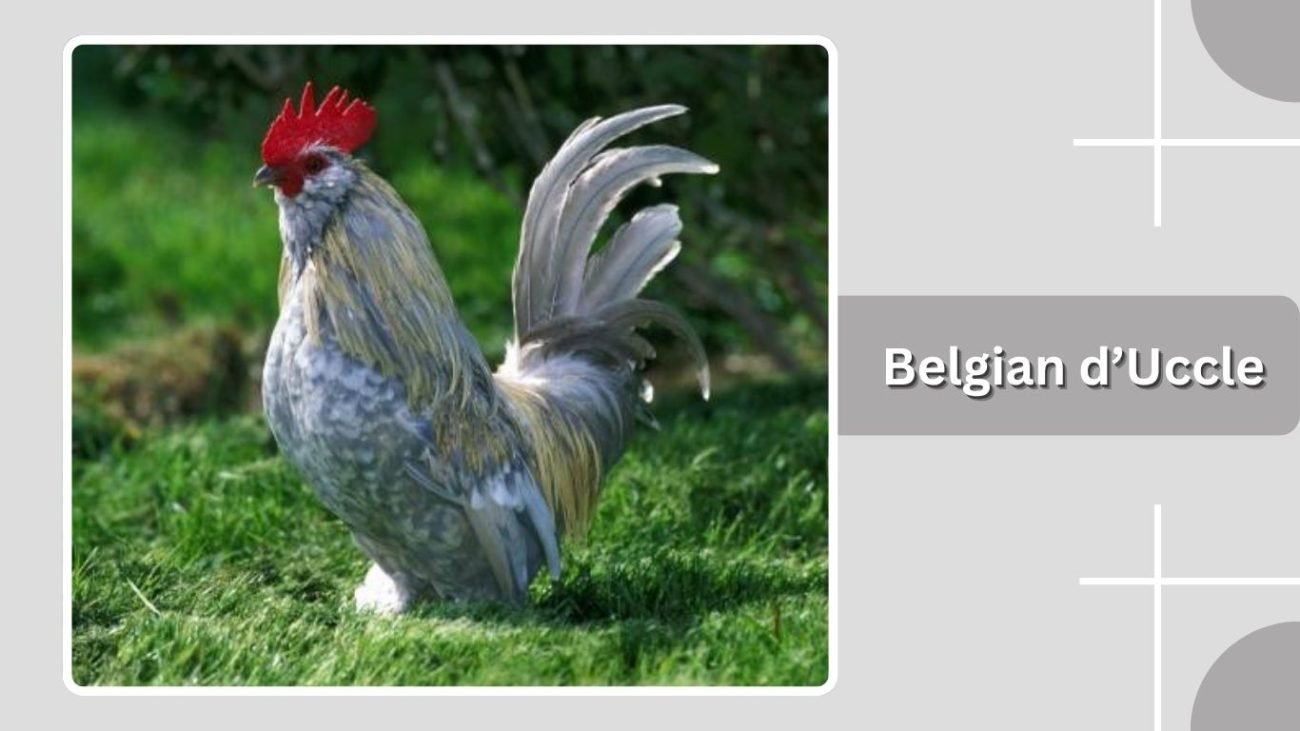
Belgian d’Uccle chickens are small, ornamental bantam birds known for their heavily feathered legs and feet, as well as their charming and friendly personality. They are especially popular among backyard keepers who want a decorative and easy-to-manage breed.
Identification
- Small bantam-sized body with a compact build
- Heavily feathered legs and feet
- Full beard and muffs around the face
- Short tail held upright
- Common colors include mille fleur, porcelain, and black
Habitat
Belgian d’Uccles do best in clean, dry environments where their feathered feet can stay free from mud and dirt. They are ideal for small backyards or enclosed coops due to their small size. While they can free-range, they should be protected from wet and harsh conditions.
Behavior
These chickens are very friendly, calm, and affectionate. They are easy to tame and often enjoy human interaction, making them excellent pets for families and beginners. Belgian d’Uccles are not aggressive and mix well with other gentle breeds.
Diet
They require a balanced diet of quality poultry feed, along with small grains and fresh greens. Due to their small size, they eat less than standard chickens but still need proper nutrition. Clean water should always be available, and occasional protein sources like insects can support their overall health.
8. Booted Bantam
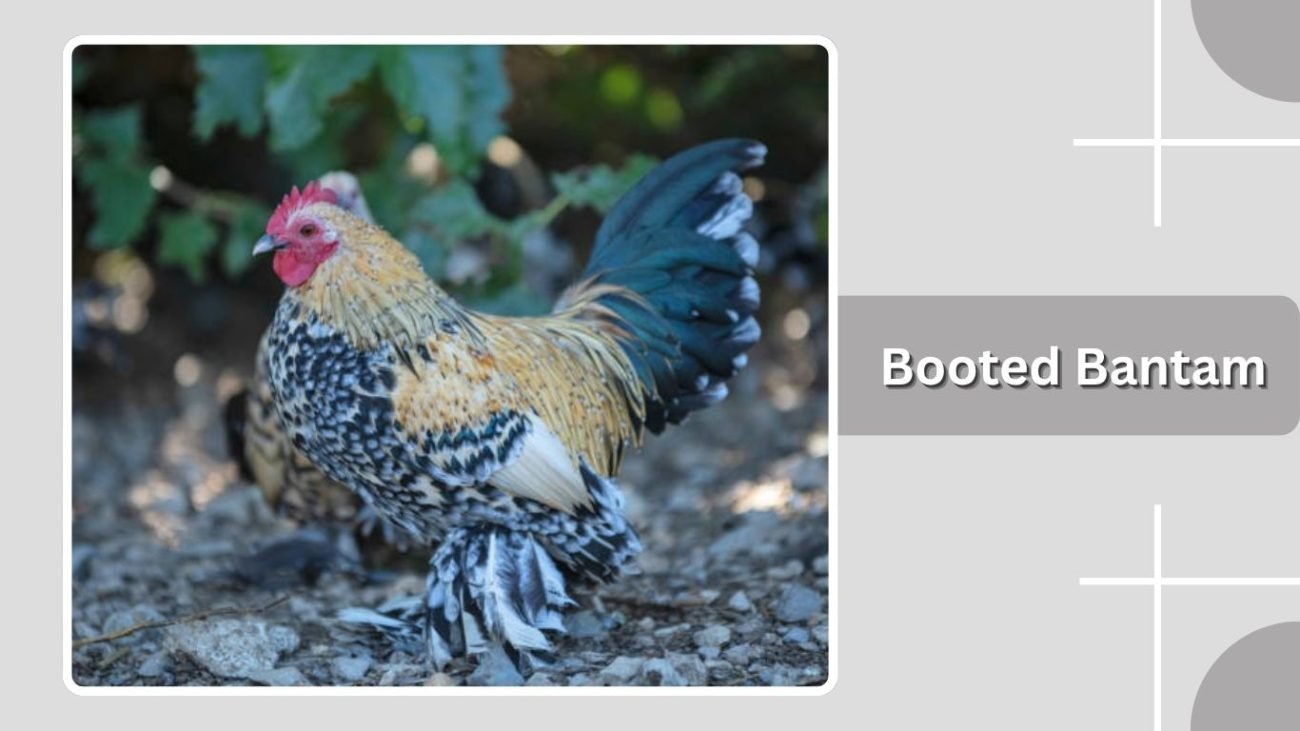
Booted Bantam chickens are small ornamental birds known for their elegant appearance and lightly feathered legs and feet. They are popular among poultry enthusiasts for their beauty, compact size, and suitability for small backyard spaces.
Identification
- Small bantam-sized body with a slim and upright posture
- Light feathering on legs and feet (boots)
- Prominent upright tail
- Single comb
- Various color varieties such as white, black, and mille fleur
Habitat
Booted Bantams are well-suited for small coops and backyard environments. They prefer clean and dry conditions to keep their leg feathers in good condition. Due to their small size, they are more vulnerable to predators, so secure housing is important. They can free-range in safe areas but do best in protected spaces.
Behavior
These chickens are active, alert, and generally friendly. They are not aggressive and can get along with other small or calm breeds. Booted Bantams are lively birds that enjoy exploring their surroundings but remain manageable due to their size.
Diet
Booted Bantams require a balanced diet of high-quality poultry feed, supplemented with small grains and fresh greens. Because of their small size, they consume less feed but still need proper nutrition. Access to clean water and occasional protein sources like insects helps maintain their health.
9. Pekin Bantam
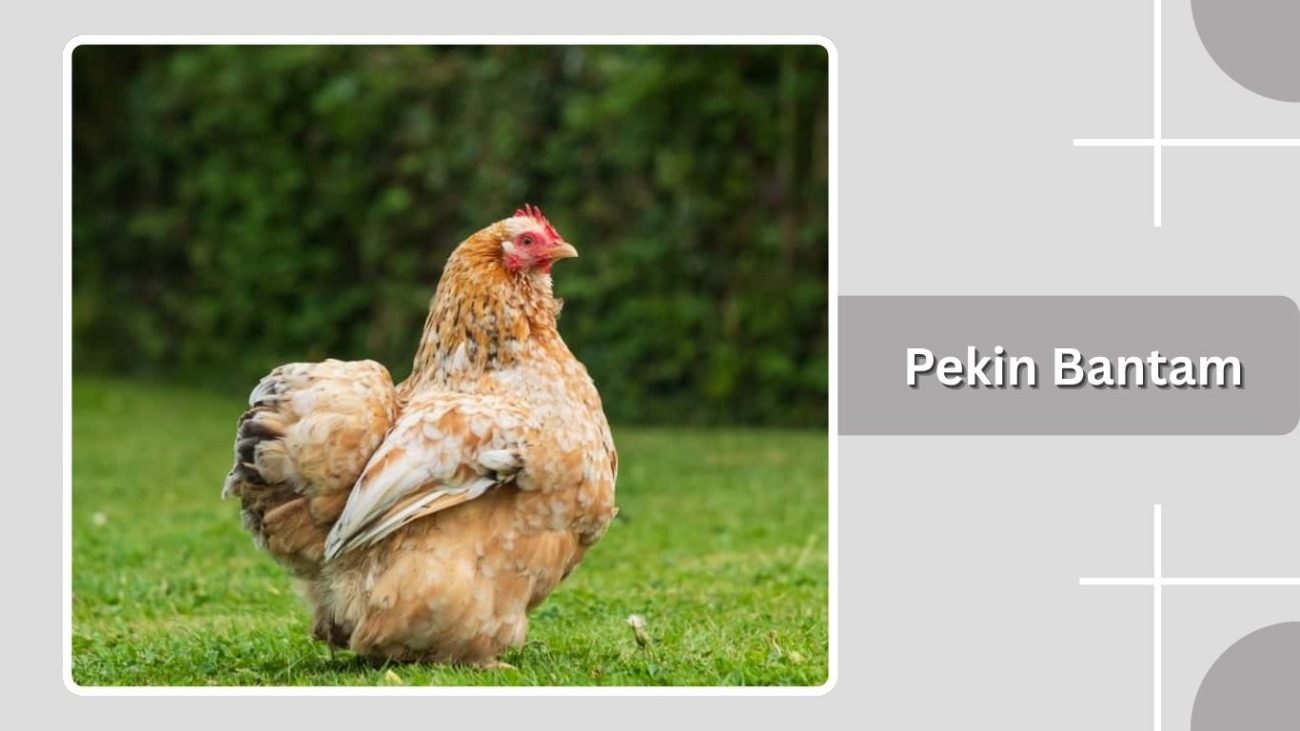
Pekin Bantam chickens are small, fluffy ornamental birds known for their heavily feathered legs and feet and their round, soft appearance. They are very popular in backyard flocks due to their gentle nature and suitability for small spaces.
Identification
- Small bantam body with a very round and fluffy shape
- Heavily feathered legs and feet
- Short legs and low stance
- Small single comb
- Common colors include buff, white, black, and mottled
Habitat
Pekin Bantams do best in clean, dry environments where their feathered feet can stay free from mud and moisture. They are ideal for small backyards and enclosed coops. Due to their low body and heavy feathering, wet conditions can easily affect their health, so proper housing is essential.
Behavior
These chickens are very calm, friendly, and easy to handle. They are excellent for beginners and families because of their gentle personality. Pekin Bantams are not very active and prefer staying close to their coop, making them easy to manage in small spaces.
Diet
They require a balanced diet of quality poultry feed, along with grains and fresh greens. Due to their small size, they eat less than larger breeds but still need proper nutrition. Clean water should always be available, and occasional protein sources like insects help support overall health.
10. Marans
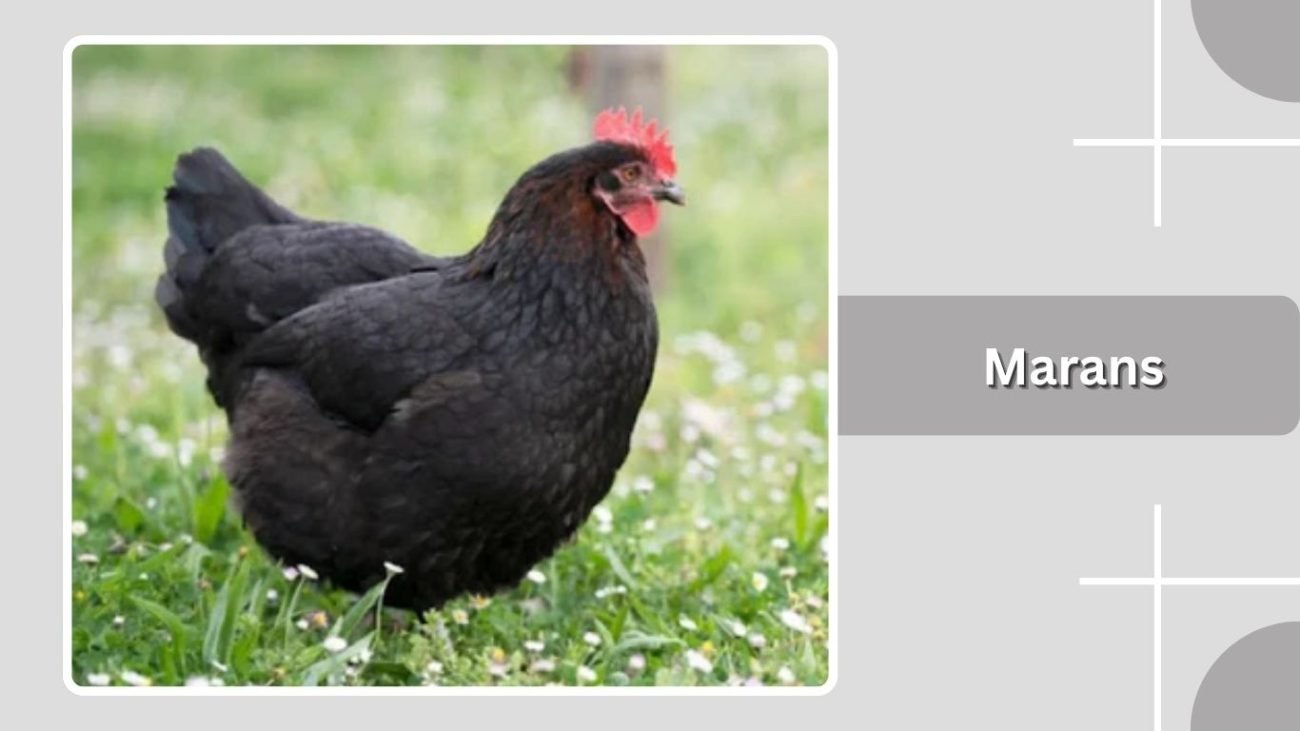
Marans chickens are a well-known breed valued for both their egg production and their lightly feathered legs and feet. They are especially famous for laying dark brown eggs and are a popular choice among backyard farmers and poultry enthusiasts.
Identification
- Medium to large body with a strong, solid build
- Light feathering on legs and outer toes (in most varieties)
- Red comb and wattles
- Common colors include black copper, cuckoo, and wheaten
- Upright and sturdy posture
Habitat
Marans adapt well to a variety of environments, including both free-range and confined systems. They prefer clean and dry living conditions, especially because of their feathered legs. While they tolerate cooler climates well, proper shelter is needed to protect them from extreme weather and damp ground.
Behavior
Marans are generally calm, friendly, and easy to manage. They are less aggressive and mix well with other breeds, making them suitable for mixed flocks. They enjoy foraging when given space but are not overly active or flighty.
Diet
Marans require a balanced diet of quality poultry feed, along with grains and fresh greens. They benefit from natural foraging, including insects, which provide extra protein. Clean water is essential, and calcium supplements help support their strong eggshell production and overall health.
FAQs
Which chickens have feathers on their feet?
Breeds like Brahma, Cochin, Silkie, Faverolle, and Pekin Bantam are well-known for having feathered legs and feet. These feathers give them a unique appearance but also require extra care to keep clean and dry.
Do feather-footed chickens need special care?
Yes, they need slightly more care than regular chickens. Their feathered feet can collect mud and dirt, so it’s important to keep their living area clean and dry to prevent infections and discomfort.
Are feather-footed chickens good for beginners?
Many of them, such as Brahma, Cochin, and Silkie, are very beginner-friendly due to their calm and gentle nature. However, beginners should be prepared for a bit of extra maintenance.
Can feather-footed chickens live in wet climates?
They can live in wet climates, but they require proper shelter. Wet and muddy conditions can damage their foot feathers and lead to health issues, so dry housing is essential.
Do feather-footed chickens lay many eggs?
Most feather-footed breeds are not top egg layers compared to commercial breeds. However, some like Brahma and Marans still provide a moderate and reliable number of eggs annually.