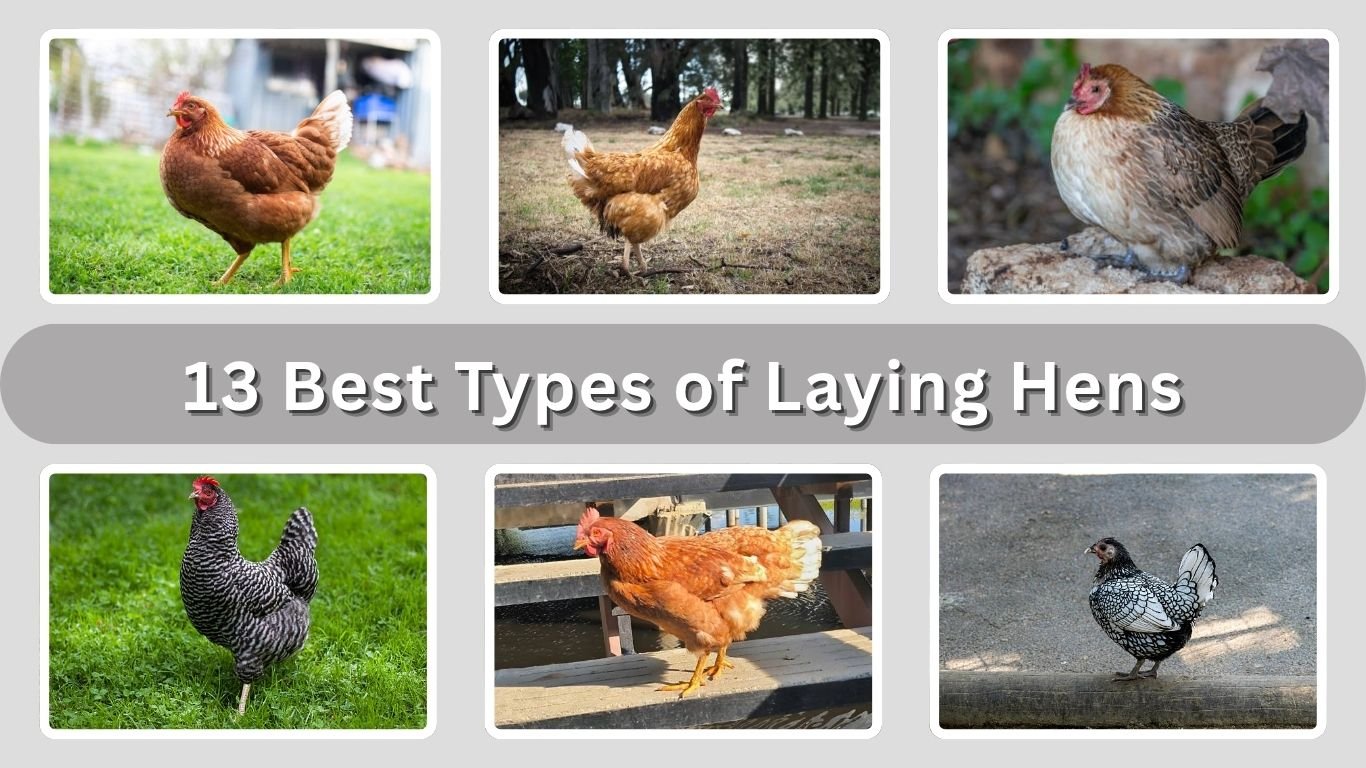
Choosing the right laying hen is essential for maximizing egg production and maintaining a productive poultry setup. Different breeds vary in egg output, temperament, and adaptability to climates, making it important to select wisely based on your needs. Some hens are known for producing large quantities of eggs, while others offer consistency and hardiness. In this guide, you’ll discover 13 of the best laying hen types, helping you find the ideal breed for backyard farming or commercial egg production.
1. Leghorn
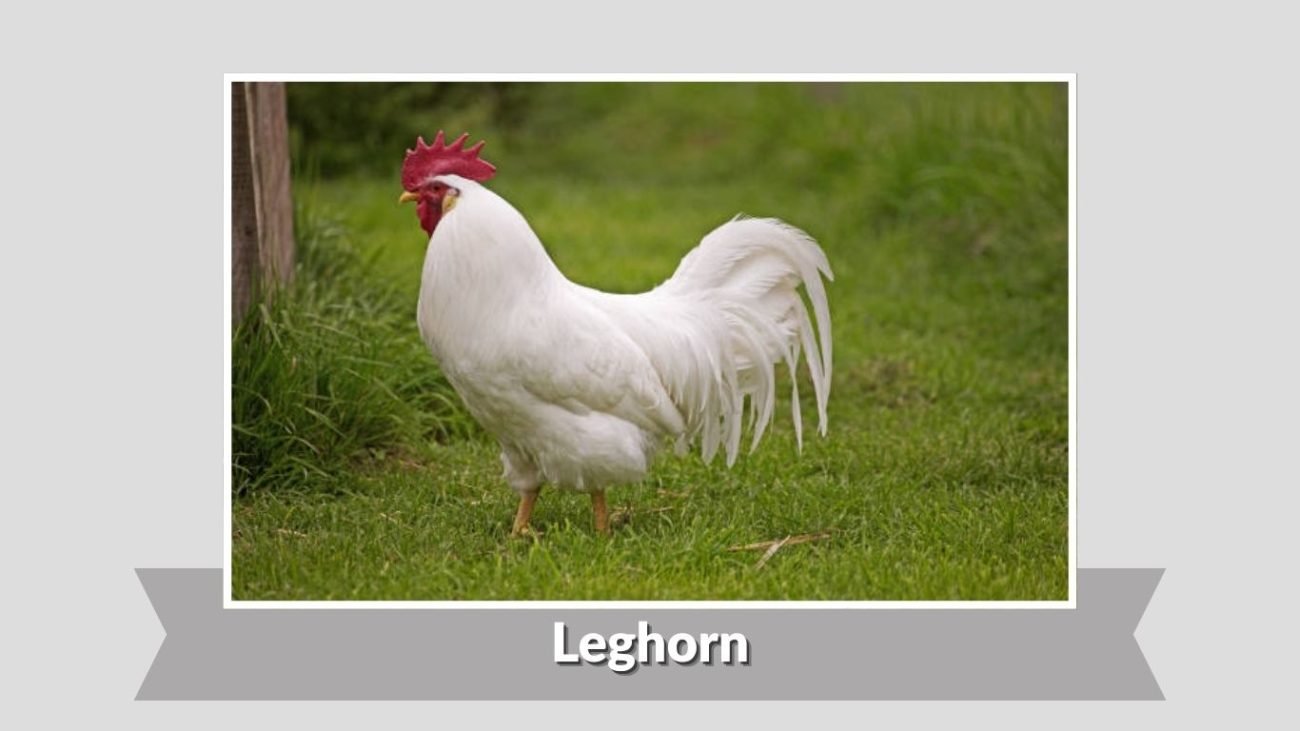
Leghorn chickens are one of the best-known egg-laying breeds in the world, famous for their high productivity and efficiency. They are widely used in commercial egg farming due to their ability to produce a large number of white eggs while requiring relatively low feed.
Identification
- Medium-sized body with a light, slender build
- Large single comb, often upright in males and floppy in females
- Mostly white feathers, though other varieties exist
- Yellow legs and beak
- Active and alert posture
Origin and History
Leghorns originated in Italy and were later developed in the United States and England to improve their egg-laying performance. Over time, they became one of the most important breeds in commercial poultry farming worldwide.
Egg Production
Leghorn hens are exceptional layers, producing around 280 to 320 white eggs per year. They start laying early and maintain consistent production, making them a top choice for farmers focused on egg output.
Behavior and Care
Leghorns are active, independent, and prefer free-range environments. They are not very docile but are hardy and adaptable. Due to their efficiency, they require less feed compared to heavier breeds, making them cost-effective to raise.
2. Rhode Island Red
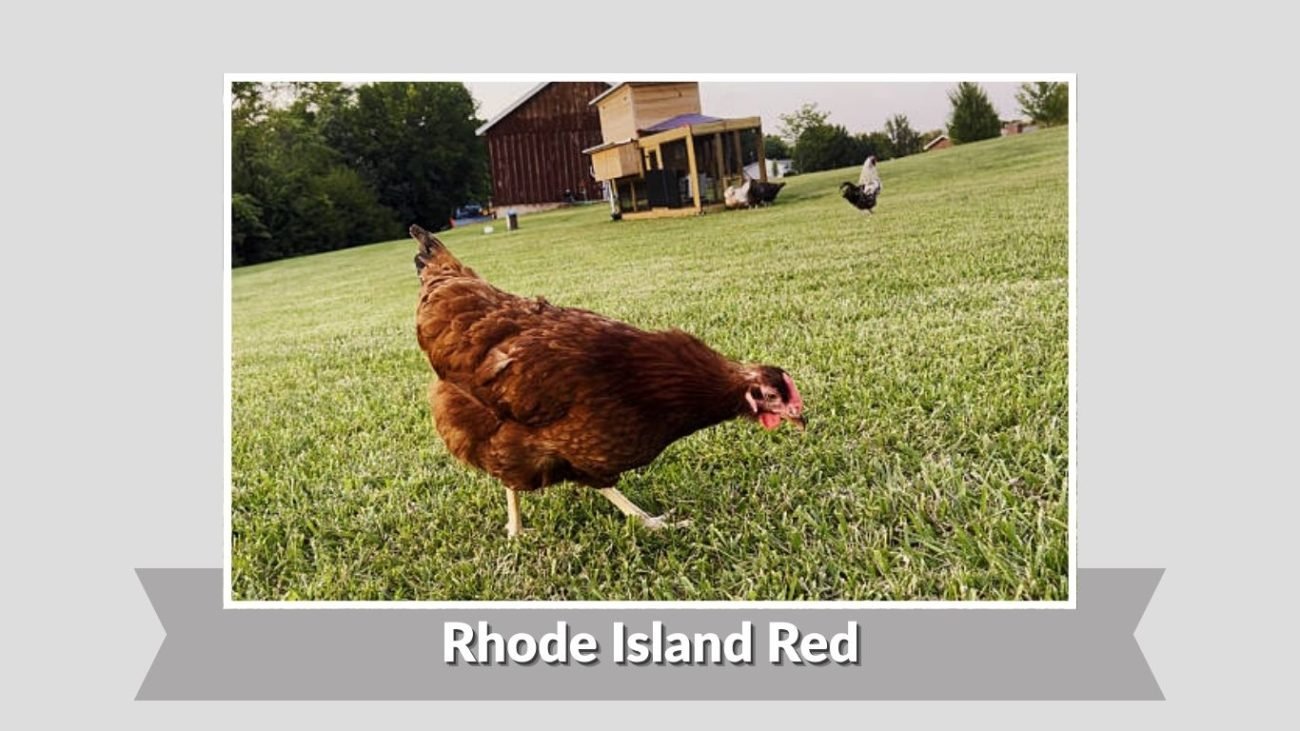
Rhode Island Red chickens are one of the most popular laying hens, known for their hardiness and consistent egg production. They are widely kept in both backyard and commercial farms due to their adaptability and reliable performance.
Identification
- Medium to large body with a strong, rectangular shape
- Deep reddish-brown feathers
- Yellow legs and beak
- Single or rose comb
- Sturdy and robust appearance
Origin and History
This breed was developed in the United States, specifically in Rhode Island and Massachusetts, during the late 19th century. It was created by crossing local birds with imported breeds to improve egg production and durability.
Egg Production
Rhode Island Red hens produce around 250 to 300 brown eggs per year. They are known for laying consistently even in varying conditions, making them a dependable choice for egg farming.
Behavior and Care
They are generally calm but can sometimes be assertive. These chickens are easy to manage, adapt well to different climates, and perform well in both confined and free-range systems, making them suitable for beginners and experienced keepers alike.
3. Australorp
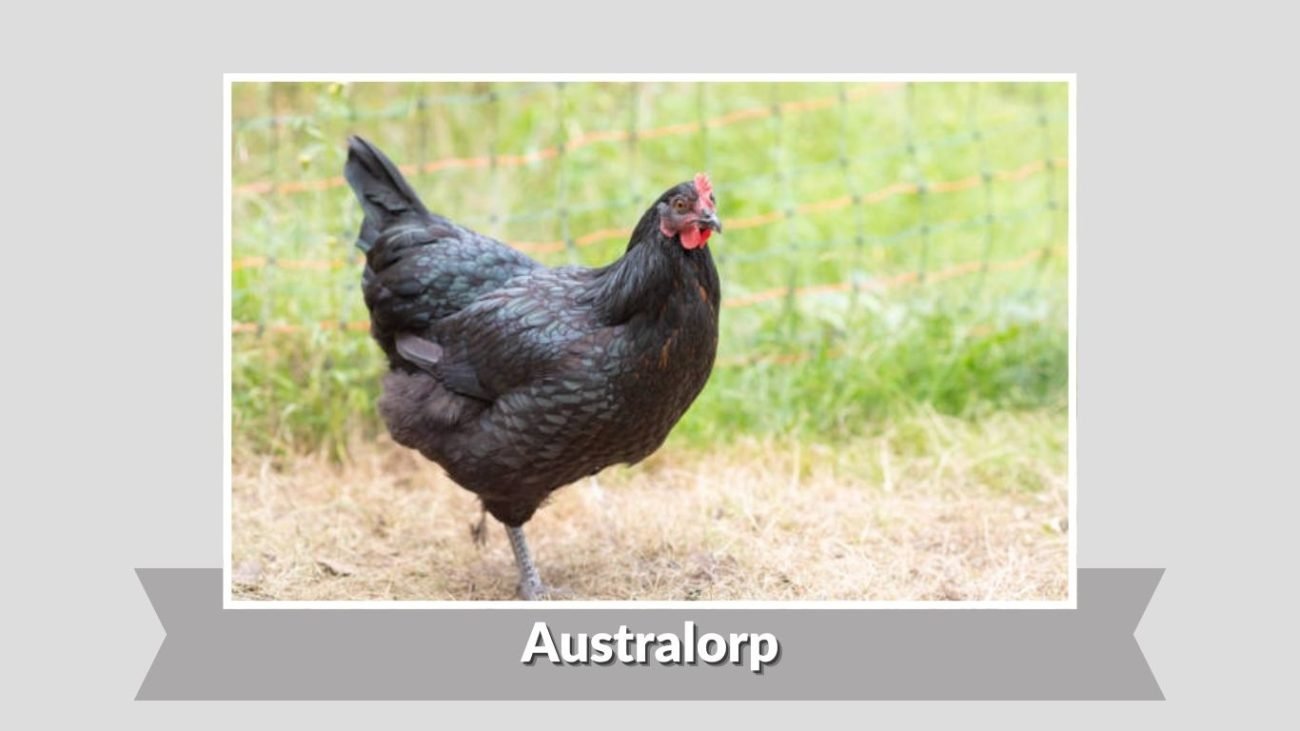
Australorp chickens are among the best egg-laying breeds, famous for their outstanding productivity and calm nature. They are widely kept by both commercial farmers and backyard poultry keepers due to their ability to produce a high number of eggs consistently.
Identification
- Medium to large body with a deep, rounded shape
- Glossy black feathers with a greenish shine
- Red comb and wattles
- Dark eyes with slate-colored legs
- Upright and well-balanced posture
Origin and History
Australorps were developed in Australia from Black Orpington chickens in the early 20th century. They gained worldwide recognition after setting records for egg production, making them one of the most efficient laying breeds.
Egg Production
Australorp hens can produce around 250 to 300 light brown eggs per year. Under ideal conditions, some have laid even more, making them one of the top choices for high egg production.
Behavior and Care
They are calm, friendly, and easy to handle, making them ideal for beginners. Australorps adapt well to both confinement and free-range systems and are hardy birds that perform well in different climates with basic care.
4. Sussex
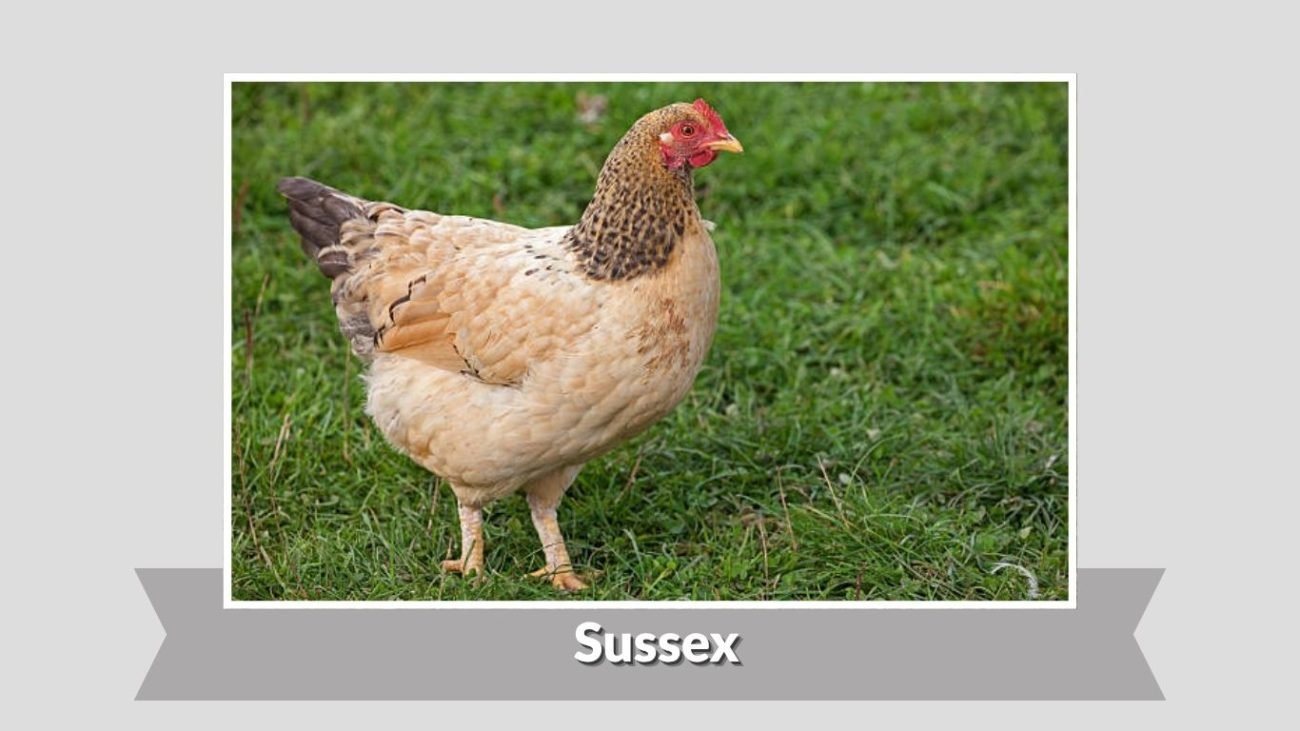
Sussex chickens are excellent laying hens known for their reliability and adaptability. They are a popular choice for backyard farmers because of their friendly nature and ability to produce eggs consistently throughout the year.
Identification
- Medium to large body with a broad and deep shape
- Commonly white with black neck and tail (Light Sussex)
- Red comb and wattles
- White skin with pale legs
- Calm and approachable appearance
Origin and History
The Sussex breed originated in England and has been raised for centuries. It became widely known for its dual-purpose qualities, offering both good meat and steady egg production.
Egg Production
Sussex hens produce around 250 to 280 light brown eggs per year. They are known for laying even during colder months, which makes them very valuable for consistent egg supply.
Behavior and Care
They are docile, friendly, and easy to manage. Sussex chickens enjoy free-ranging but also adapt well to confined spaces. They are hardy birds that require simple care and are suitable for beginners.
5. Plymouth Rock
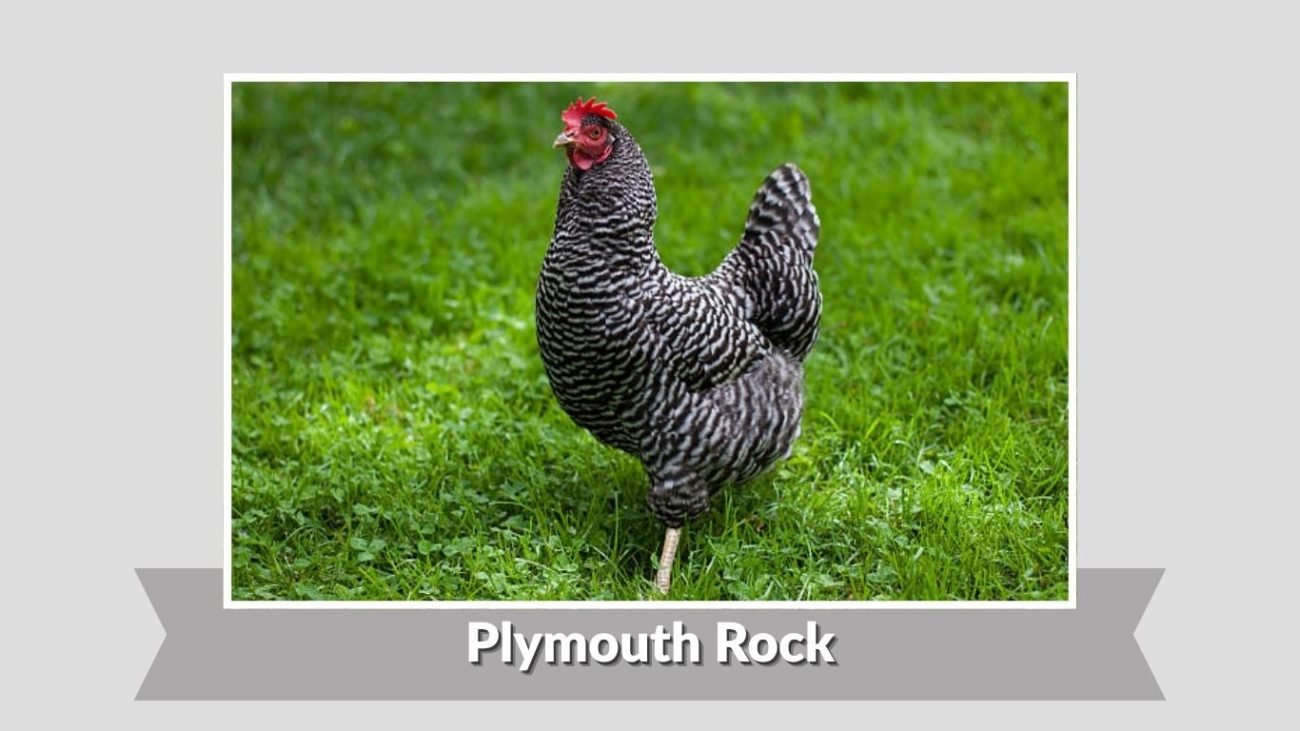
Plymouth Rock chickens are reliable laying hens known for their consistent egg production and friendly nature. They are a popular choice for backyard flocks due to their hardiness and ability to adapt to different environments.
Identification
- Medium to large body with a broad, rounded shape
- Barred black and white striped feathers (most common variety)
- Yellow legs and beak
- Single comb
- Calm and balanced posture
Origin and History
Plymouth Rock chickens were developed in the United States in the 19th century. They quickly became popular for their dual-purpose qualities, providing both good meat and steady egg production.
Egg Production
Plymouth Rock hens produce around 200 to 250 brown eggs per year. They are dependable layers and continue to produce well throughout different seasons.
Behavior and Care
These chickens are known for their friendly and docile temperament, making them easy to handle. They adapt well to both free-range and confined systems and are hardy birds that require minimal care, making them ideal for beginners.
6. Ancona
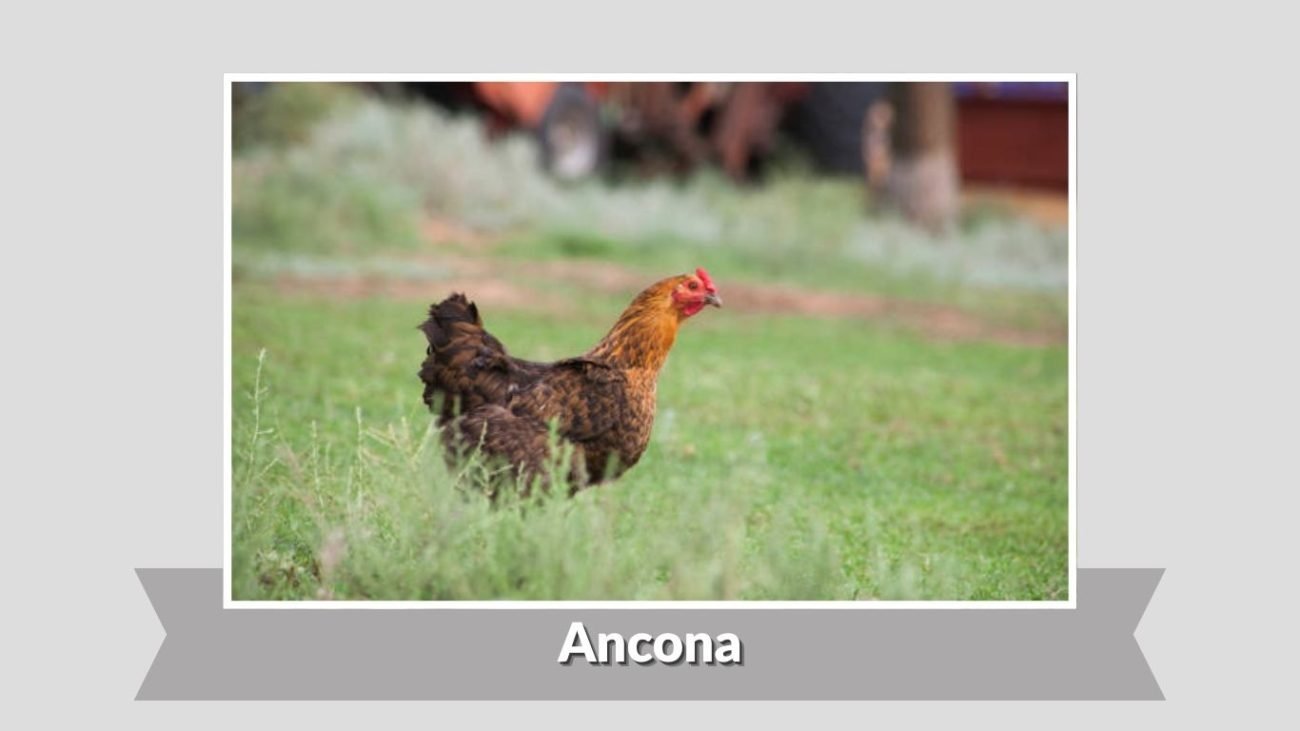
Ancona chickens are highly productive laying hens known for their energy, efficiency, and strong egg-laying ability. They are especially suitable for farmers looking for a hardy breed that performs well with minimal care.
Identification
- Medium-sized body with a slim and lightweight build
- Black feathers with distinct white mottling
- Large single comb (rose comb variety also exists)
- Yellow legs with dark spots
- Very active and alert posture
Origin and History
Ancona chickens originated in Italy and were later improved in England. They belong to the Mediterranean class of chickens, which are known for their excellent egg-laying ability and active nature.
Egg Production
Ancona hens produce around 220 to 280 white eggs per year. They are consistent and efficient layers, often continuing to lay well even in less controlled environments. Their productivity makes them a strong alternative to Leghorns.
Behavior and Care
Anconas are very active and prefer free-range conditions where they can forage. They can be flighty and less friendly compared to heavier breeds. However, they are extremely hardy, disease-resistant, and require low maintenance, making them ideal for experienced poultry keepers.
7. Hamburg
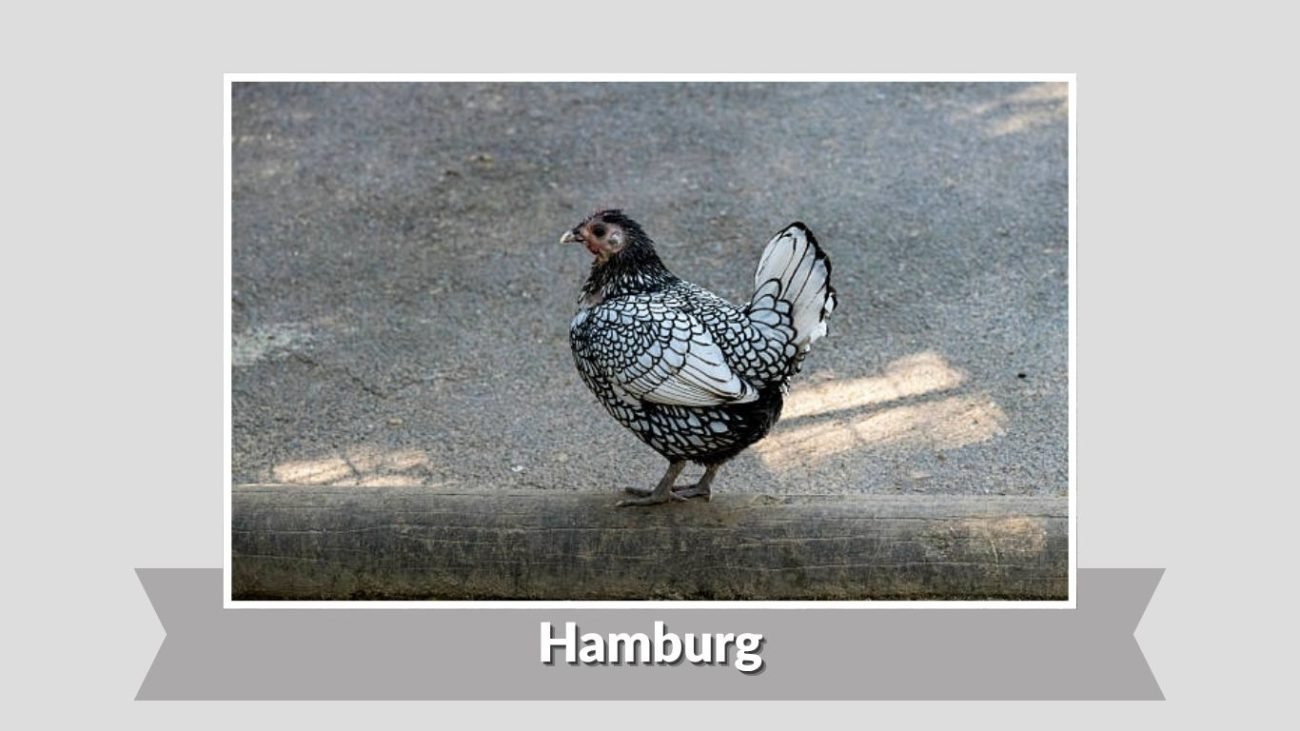
Hamburg chickens are active and efficient laying hens, valued for their consistent egg production and striking appearance. They are a great choice for farmers who prefer hardy birds that can forage well and thrive in free-range systems.
Identification
- Small to medium-sized body with a slender build
- Rose comb with a flat, neat shape
- Attractive spangled or penciled feather patterns
- White earlobes and slate-blue legs
- Alert and energetic posture
Origin and History
Hamburg chickens are one of the oldest known breeds, believed to have originated in the Netherlands and later developed in Germany and England. They have long been prized for their beauty and egg-laying efficiency.
Egg Production
Hamburg hens lay around 200 to 250 small white eggs per year. They begin laying early and maintain steady production, making them reliable layers for small farms.
Behavior and Care
These chickens are very active and independent. They prefer free-range environments and are excellent foragers. Hamburgs can be flighty and less tame, but they are hardy birds that require minimal care and adapt well to different climates.
8. Minorca
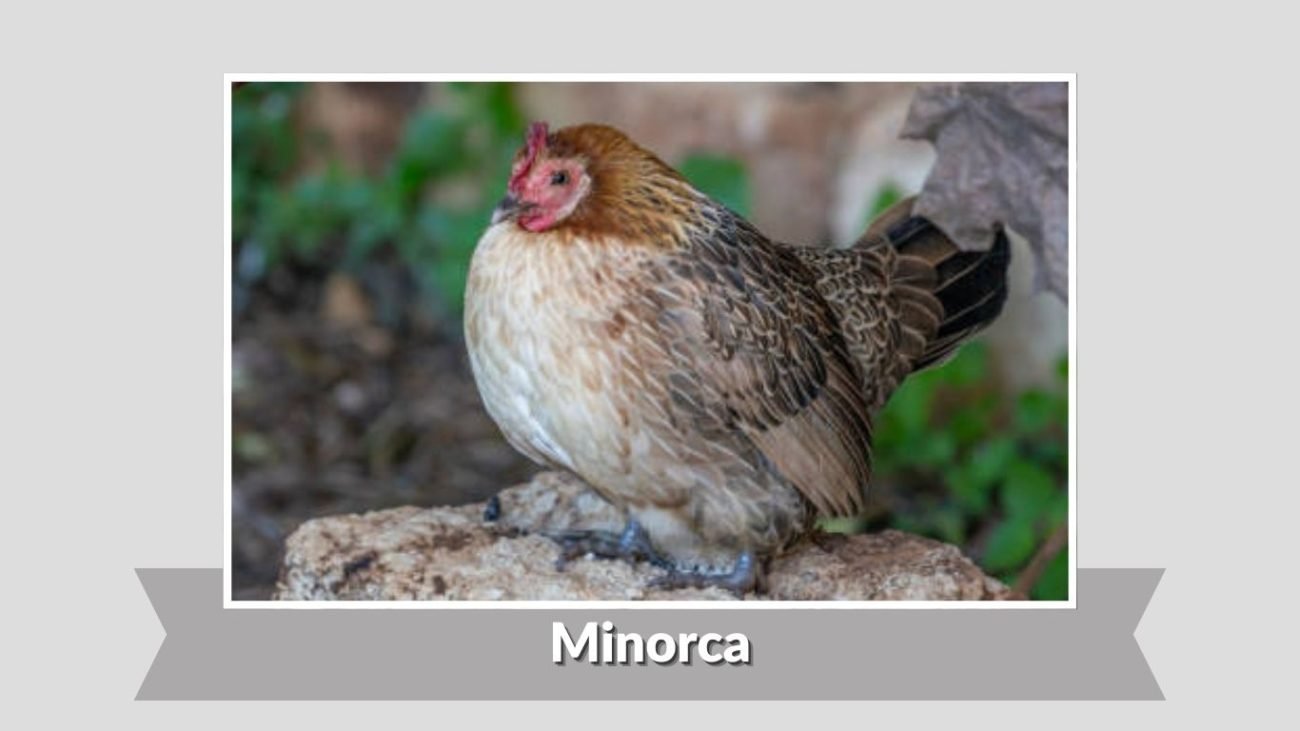
Minorca chickens are among the best Mediterranean laying breeds, known for producing large white eggs and thriving in warm climates. They are elegant birds with strong productivity, making them a valuable choice for egg-focused poultry farming.
Identification
- Medium to large body with a long, slender frame
- Glossy black feathers (most common variety)
- Very large single comb, especially in males
- White earlobes and dark facial features
- Long legs with a graceful, upright stance
Origin and History
Minorca chickens originated from the island of Minorca in Spain. They were later improved in England, where breeders focused on increasing their size and egg-laying capacity. Over time, they became well-known across Europe for their large eggs.
Egg Production
Minorca hens are excellent layers, producing around 200 to 280 large white eggs annually. Their eggs are notably bigger than many other breeds, which increases their market value. They also tend to lay consistently in warm conditions.
Behavior and Care
Minorca chickens are active and somewhat shy, preferring space to move freely. They do best in warm climates, as their large combs are sensitive to cold and frost. Proper shelter, ventilation, and protection from extreme weather are important for maintaining their health and productivity.
9. Ameraucana
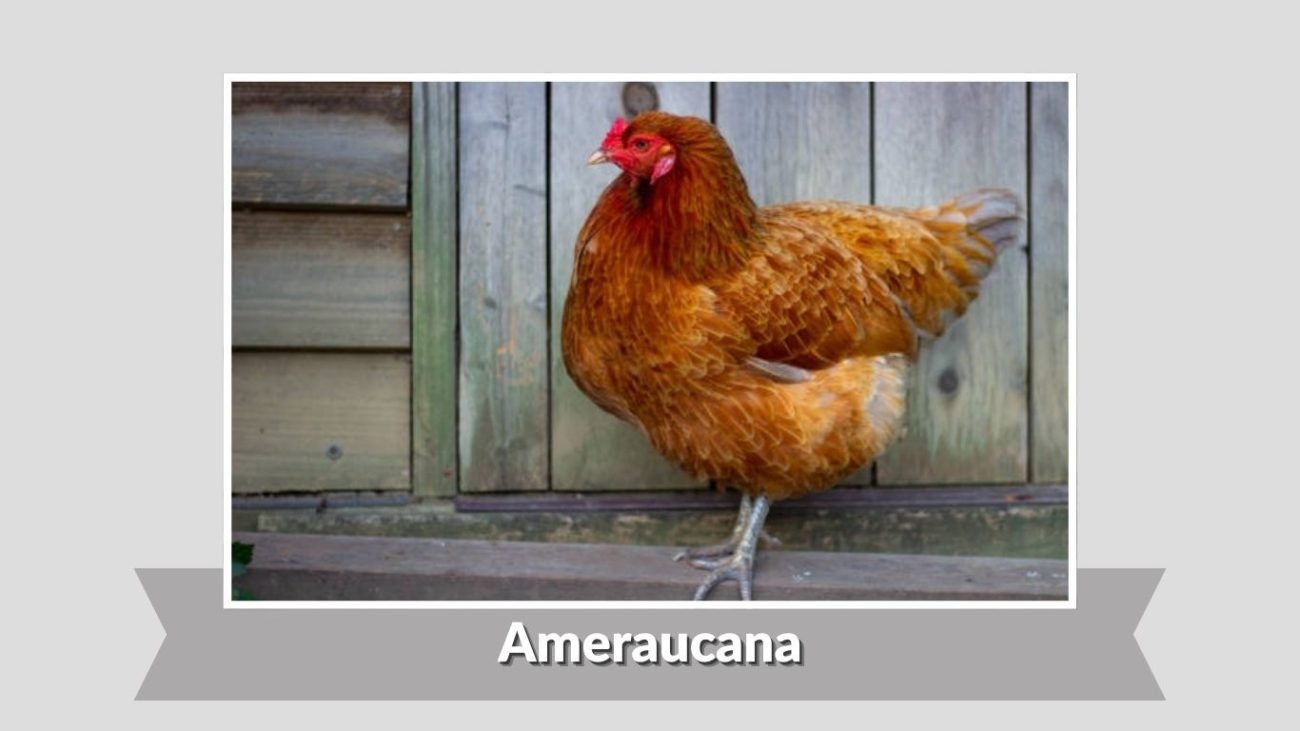
Ameraucana chickens are popular laying hens known for their unique blue eggs and friendly temperament. They are a great choice for backyard poultry keepers who want both steady egg production and visually distinctive eggs.
Identification
- Medium-sized body with a well-balanced shape
- Beard and muffs (fluffy feathers around the face)
- Small pea comb
- Slate or dark-colored legs
- Variety of feather colors such as black, blue, and wheaten
Origin and History
Ameraucanas were developed in the United States from South American blue egg–laying chickens. Breeders worked to create a stable and healthy breed by removing the genetic issues found in Araucanas, resulting in a standardized and reliable chicken.
Egg Production
Ameraucana hens lay around 180 to 250 blue eggs per year. Their egg color makes them highly desirable in local markets. They are consistent layers and begin producing at a relatively young age.
Behavior and Care
These chickens are calm, friendly, and easy to manage, making them ideal for beginners. They adapt well to both free-range and confined environments. Ameraucanas are hardy birds that require standard care and perform well in various climates.
10. Golden Comet
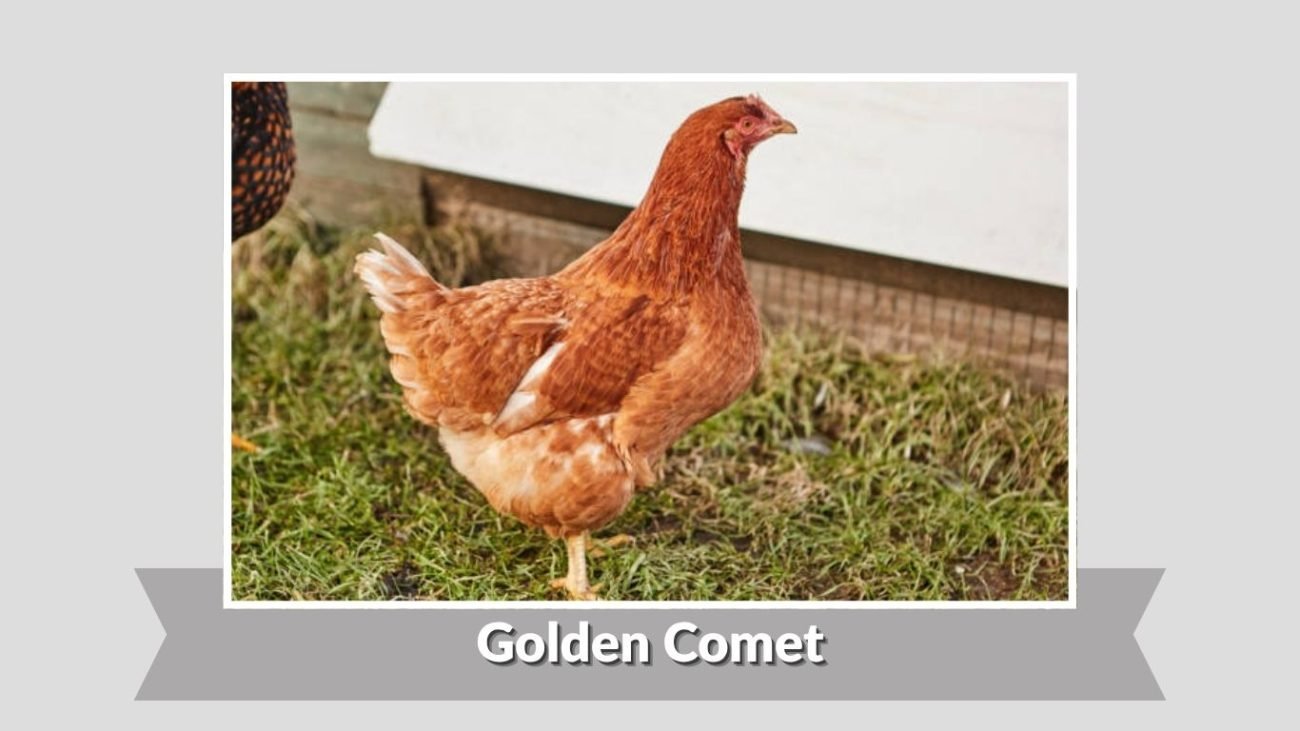
Golden Comet chickens are highly productive hybrid laying hens, known for their excellent egg production and early maturity. They are a top choice for farmers who want a steady supply of eggs with minimal management.
Identification
- Medium-sized body with a compact and sturdy build
- Golden to reddish-brown feathers
- Lighter colored tail feathers
- Yellow legs and beak
- Bright and active appearance
Origin and History
Golden Comets are a hybrid breed developed by crossing Rhode Island Reds with White Leghorns. They were specifically bred to maximize egg production and efficiency, making them popular in both commercial and backyard farming.
Egg Production
Golden Comet hens are outstanding layers, producing around 250 to 320 brown eggs per year. They start laying at a young age and maintain high productivity, especially during their first couple of years.
Behavior and Care
They are calm, friendly, and easy to handle, making them suitable for beginners. Golden Comets adapt well to different environments, including cages and free-range systems. They require standard care and are known for being low-maintenance and highly efficient birds.
11. Red Star
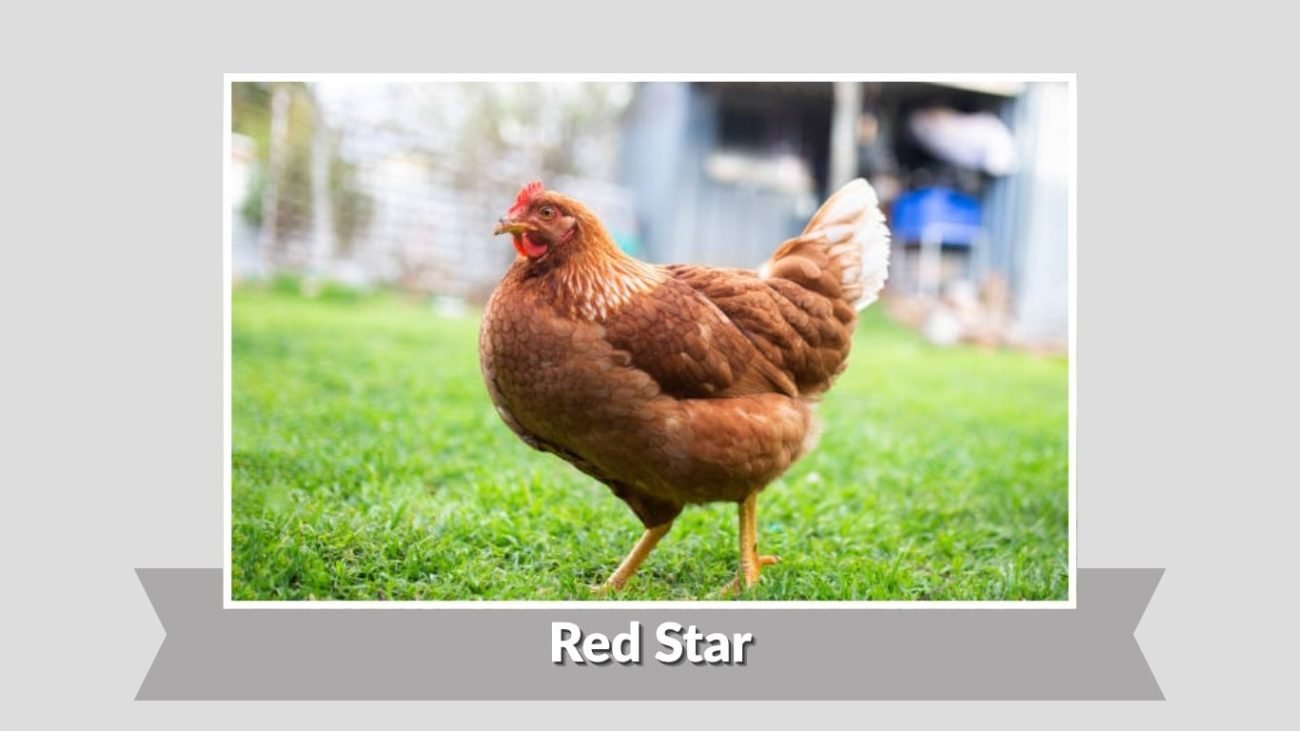
Red Star chickens are a popular hybrid laying breed known for their high egg production and strong adaptability. They are widely kept in both small farms and backyard settings due to their efficiency and easy management.
Identification
- Medium-sized body with a solid and sturdy build
- Reddish-brown feathers, often with lighter shades
- Yellow legs and beak
- Single comb
- Practical and active appearance
Origin and History
Red Stars are hybrid chickens developed by crossing selected breeds like Rhode Island Reds and White Leghorns. They were specifically bred to improve egg-laying performance and adaptability in different farming systems.
Egg Production
Red Star hens produce around 250 to 300 brown eggs per year. They begin laying early and maintain a high level of productivity, especially during their peak laying period.
Behavior and Care
They are friendly, calm, and easy to handle, making them ideal for beginners. Red Stars adapt well to both free-range and confined systems. They are hardy birds that require simple care and provide consistent results.
12. ISA Brown
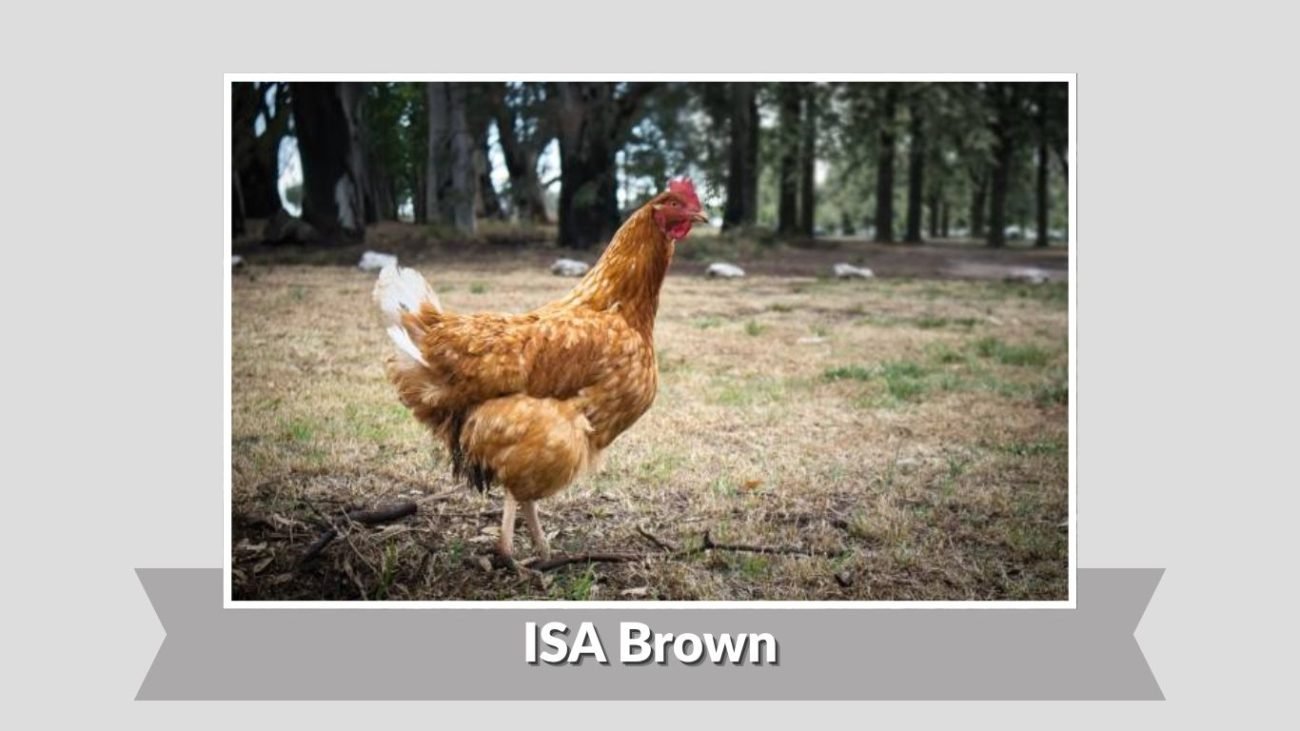
ISA Brown chickens are one of the most popular commercial laying hens in the world, known for their exceptional egg production and gentle temperament. They are widely used in both large-scale farms and backyard setups due to their reliability.
Identification
- Medium-sized body with a compact build
- Light to medium brown feathers
- White feathering around the neck and tail in some birds
- Yellow legs and beak
- Bright and active appearance
Origin and History
ISA Browns are a hybrid breed developed in France by the Institut de Sélection Animale (ISA). They were specifically bred for high egg production, efficiency, and adaptability in commercial environments.
Egg Production
ISA Brown hens are outstanding layers, producing around 300 to 320 brown eggs per year. They start laying early and maintain high production levels, making them one of the most efficient egg-laying breeds.
Behavior and Care
They are very calm, friendly, and easy to manage, making them ideal for beginners. ISA Browns adapt well to different systems, including cages and free-range setups. They require basic care and are known for their consistent performance and low maintenance.
13. Lohmann Brown
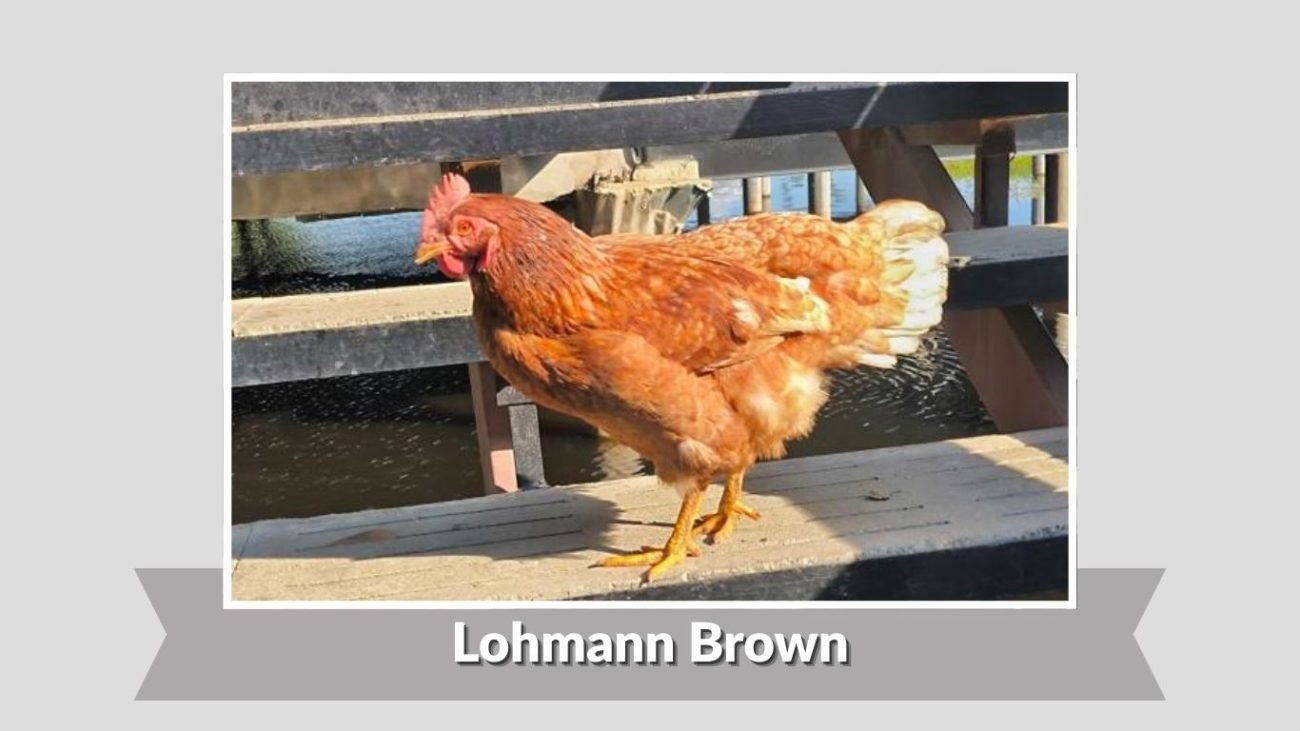
Lohmann Brown chickens are one of the most efficient commercial laying hens, widely recognized for their high egg production and adaptability. They are a top choice for farmers seeking consistent performance and excellent feed-to-egg conversion.
Identification
- Medium-sized body with a well-proportioned build
- Light to dark brown feathers
- Yellow legs and beak
- Single comb
- Active and healthy appearance
Origin and History
Lohmann Brown is a hybrid breed developed in Germany by Lohmann Tierzucht. It was specifically bred for commercial egg production, focusing on high yield, strong health, and adaptability to various farming systems.
Egg Production
Lohmann Brown hens produce around 300 to 320 brown eggs per year. They begin laying early and maintain a high level of productivity over a long period, making them one of the most reliable egg-laying breeds.
Behavior and Care
They are calm, friendly, and easy to handle. Lohmann Browns adapt well to both cage systems and free-range environments. They are hardy birds that require standard care and are ideal for both beginners and commercial farmers.
FAQs
Which hen breed lays the most eggs?
Leghorn, ISA Brown, and Lohmann Brown are among the top egg-laying hens. These breeds can produce around 300 or more eggs per year under proper care, making them ideal for commercial egg production and high-efficiency farming systems.
Which laying hens are best for beginners?
Rhode Island Red, Sussex, and Plymouth Rock are great for beginners. They are hardy, easy to manage, and adapt well to different environments, making them perfect for small farms or backyard poultry keeping.
Do all laying hens produce eggs year-round?
Most laying hens produce eggs consistently, but production may decrease during winter or molting periods. Some breeds like Sussex and Rhode Island Red are better at laying in colder months compared to others.
Which hens lay colored eggs?
Ameraucana hens are well-known for laying blue eggs. Some other related breeds can produce green or tinted eggs, which are popular in local markets due to their unique appearance.
How long do laying hens produce eggs?
Laying hens typically produce the most eggs during their first 1 to 2 years. After that, egg production gradually declines, but they can continue laying at a lower rate for several more years with proper care.