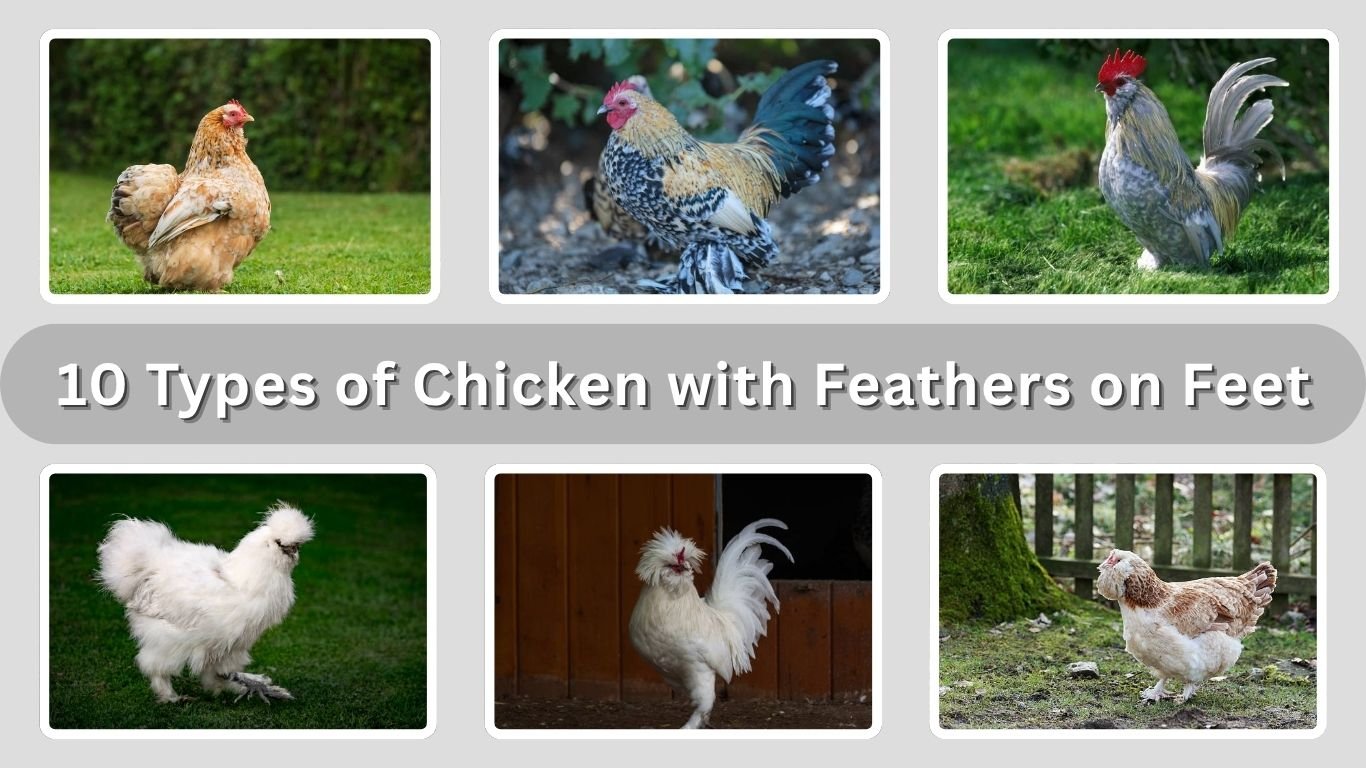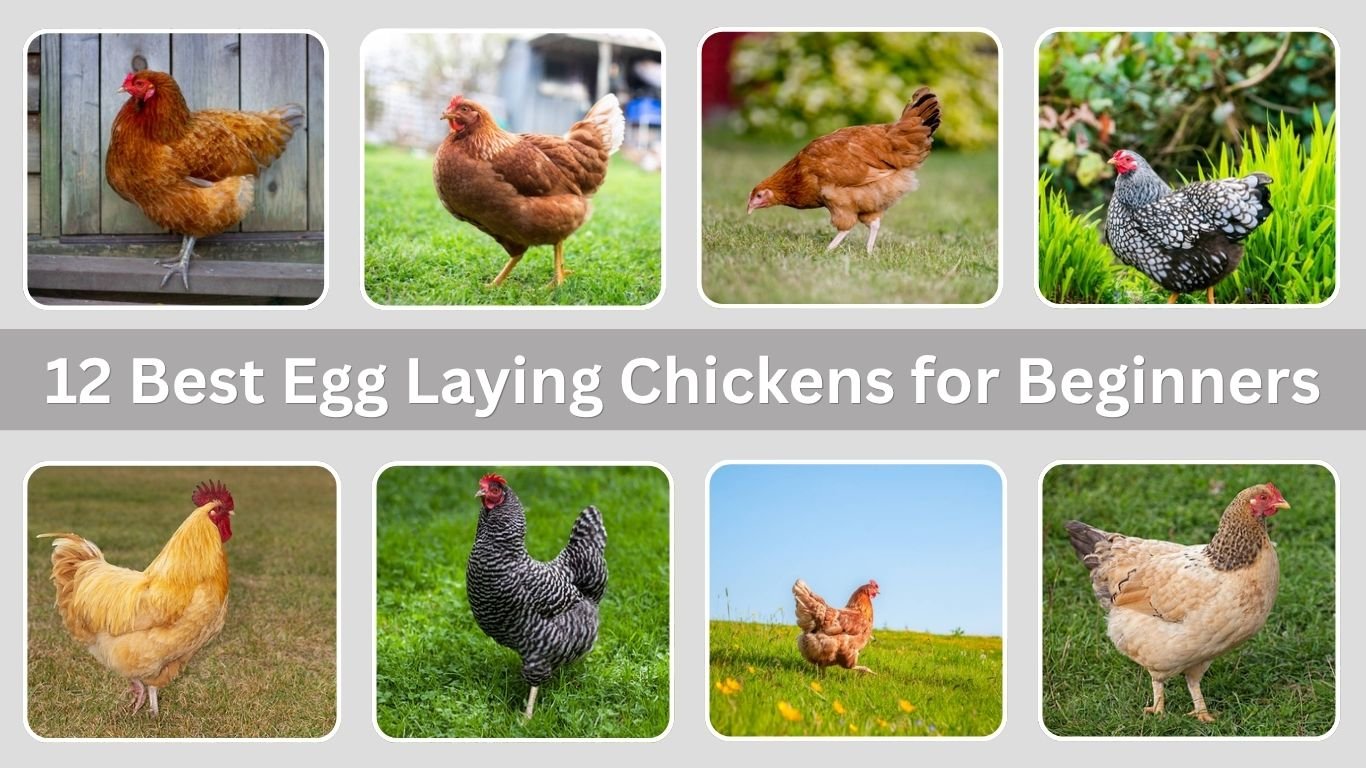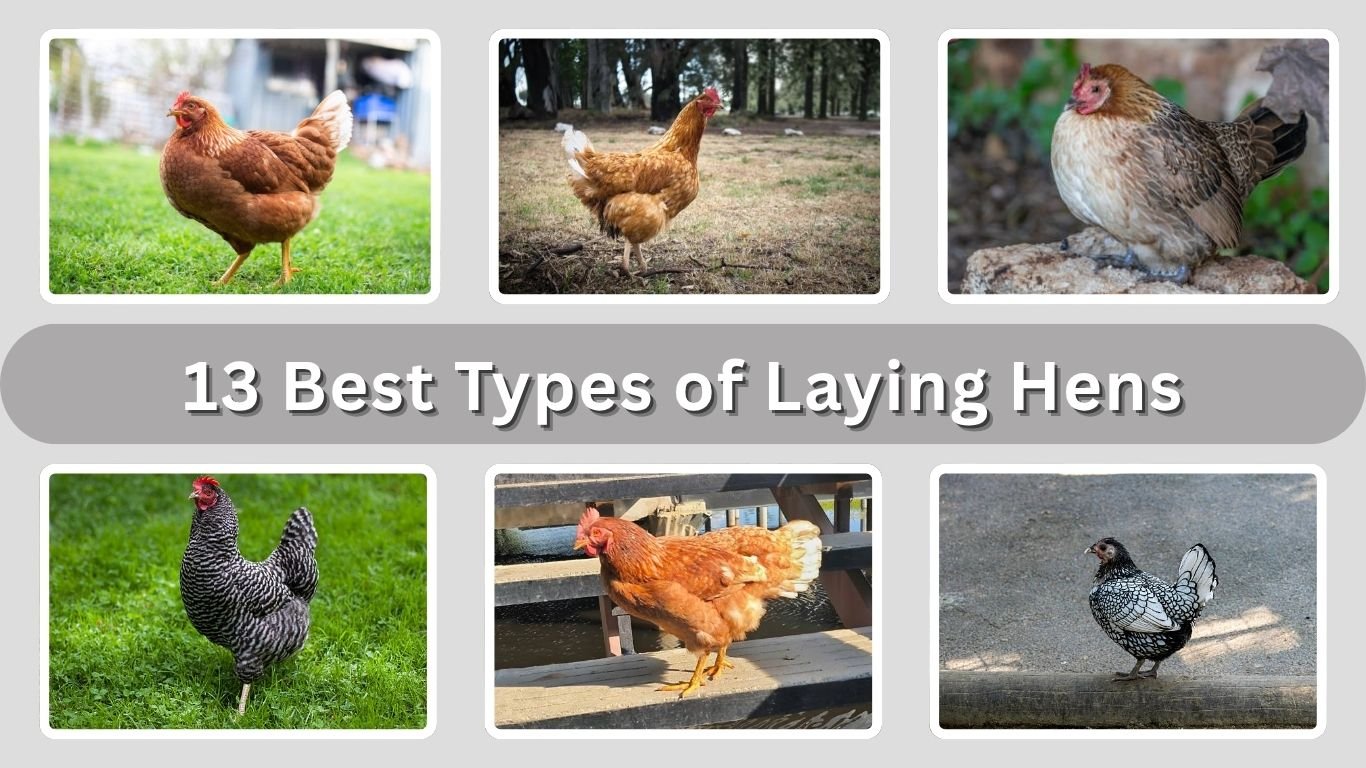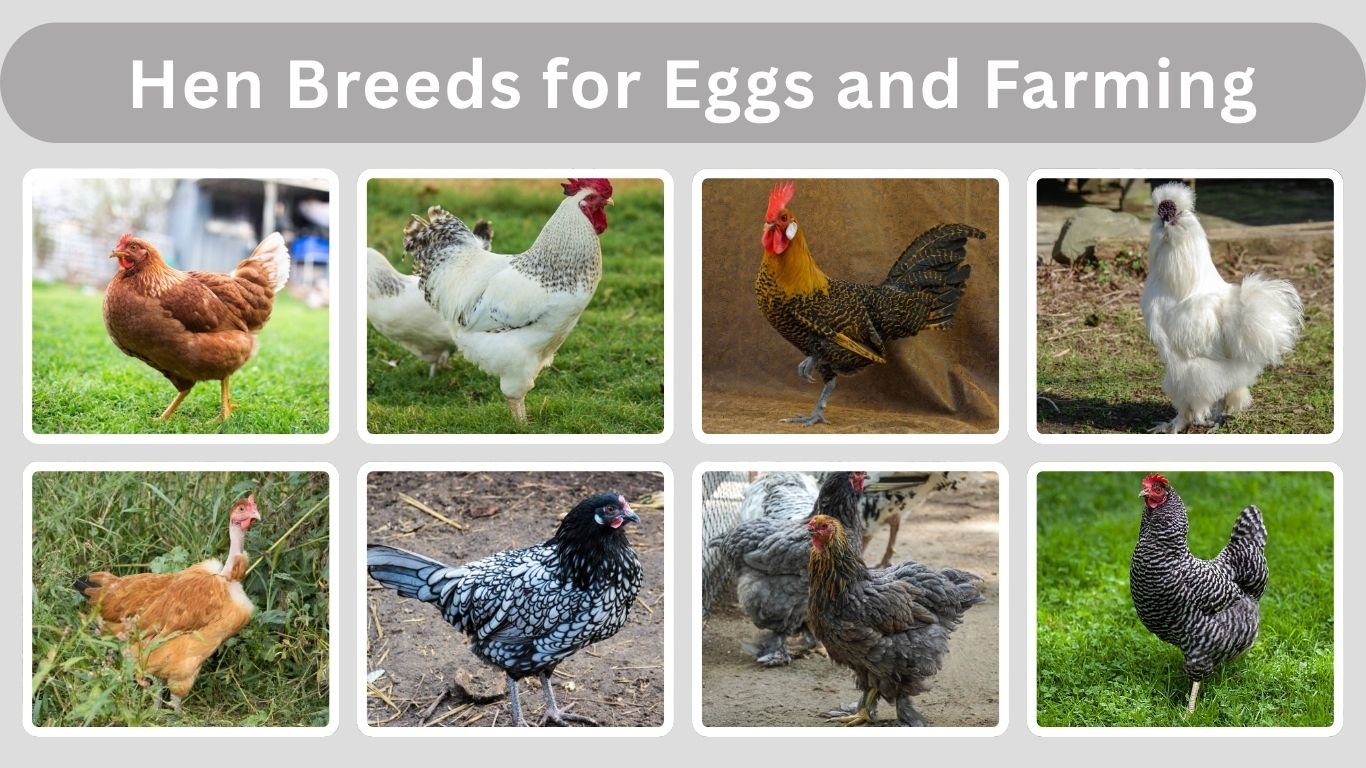
Choosing the right hen breed is essential for successful poultry farming or backyard chicken keeping. Different breeds offer unique benefits, from high egg production to meat quality and adaptability to various climates. Some hens are excellent layers, while others are valued for their calm temperament or ornamental beauty.
In this guide, you’ll find 25 popular hen breeds, each with distinct characteristics, helping you understand which type best suits your needs—whether for eggs, meat, or simple backyard enjoyment.
1. Leghorn Chicken
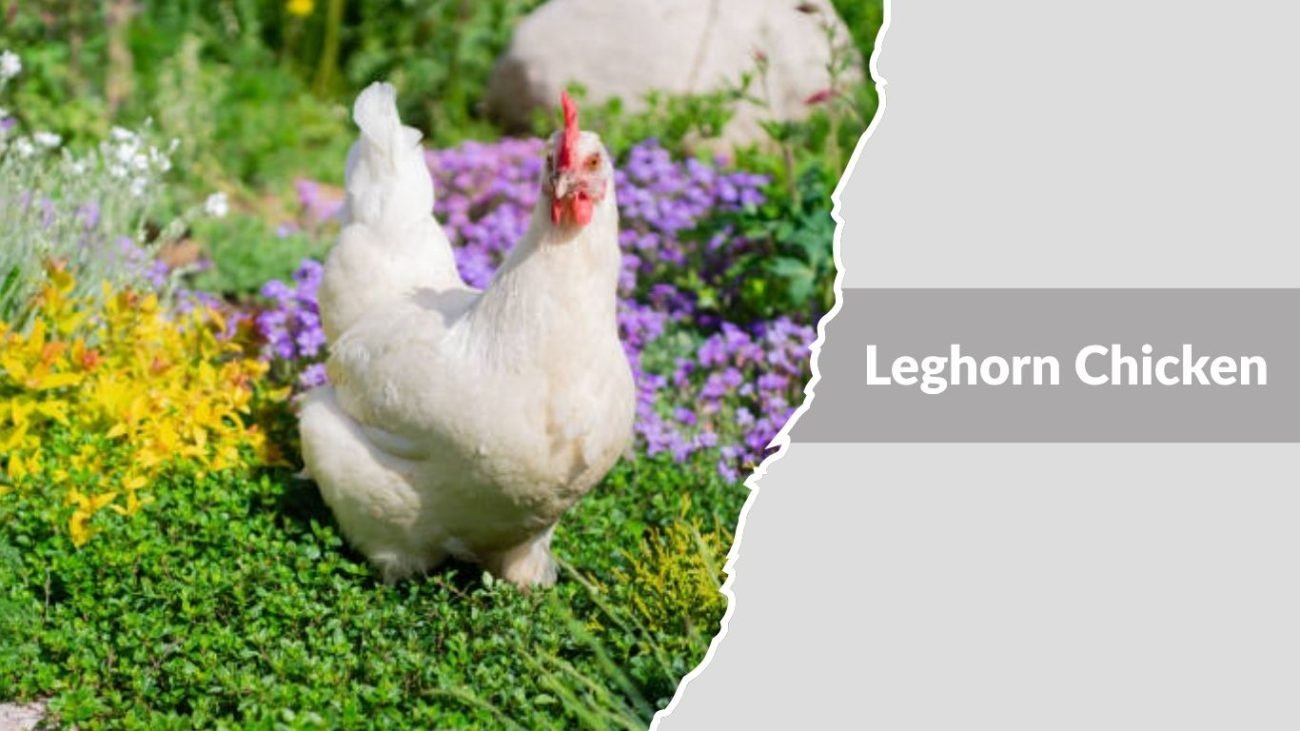
Leghorn chickens are one of the most popular egg-laying breeds in the world, known for their high productivity and adaptability. Originating from Italy, they are especially valued for producing a large number of white eggs and thriving in various climates with minimal care.
Identification
- Medium-sized body with a sleek and lightweight build
- Prominent single comb, often large and upright (may flop in females)
- White feathers are most common, though other color varieties exist
- Yellow legs and beak
- Active, alert, and energetic posture
Origin and History
Leghorns were first developed in Italy and later refined in the United States and the United Kingdom. They gained popularity in the 19th century due to their exceptional egg-laying ability. Over time, selective breeding improved their productivity, making them a staple in commercial poultry farming worldwide.
Egg Production
Leghorn hens are excellent layers, capable of producing around 280 to 320 white eggs per year. They mature early and begin laying at a young age. Their efficiency and consistency make them one of the top choices for farmers focused on egg production.
Behavior and Care
These chickens are active, independent, and sometimes a bit nervous. They prefer free-ranging environments where they can forage. Leghorns require less feed compared to heavier breeds, but they may not be as friendly or docile as others, making them better suited for experienced poultry keepers.
2. Rhode Island Red
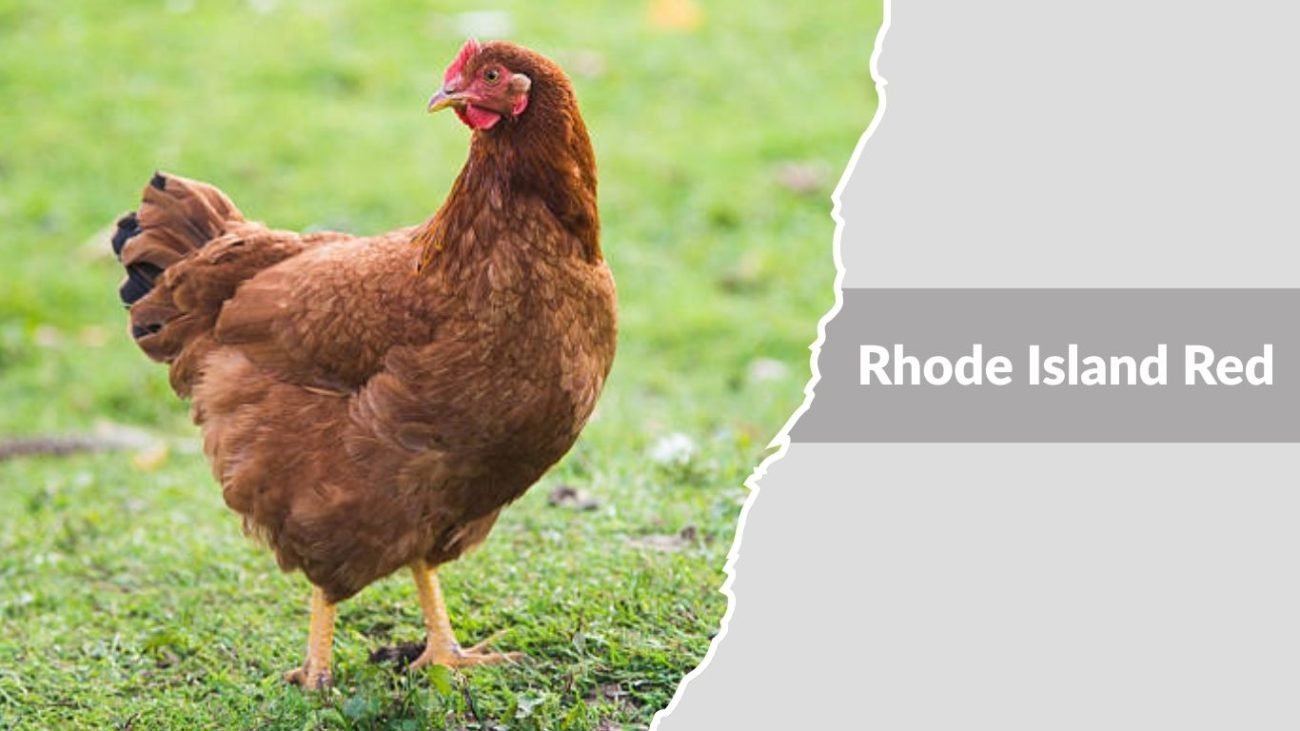
Rhode Island Red chickens are a hardy and versatile breed, widely known for both egg production and meat quality. Originating in the United States, they are popular among backyard farmers due to their adaptability and reliable performance in various environments.
Identification
- Medium to large body with a rectangular shape
- Deep reddish-brown feathers
- Yellow legs and beak
- Single or rose comb
- Strong and sturdy appearance
Origin and History
This breed was developed in Rhode Island and Massachusetts in the late 19th century. It was created by crossing local chickens with imported breeds to improve egg production and durability. Rhode Island Reds quickly became a foundation breed for many modern hybrids.
Egg Production
Rhode Island Red hens are dependable layers, producing around 250 to 300 brown eggs annually. They are known for laying consistently even in less-than-ideal conditions, making them a favorite for small-scale and commercial farming.
Behavior and Care
They are generally calm but can sometimes show assertive behavior, especially in mixed flocks. These chickens are easy to care for, tolerate different climates well, and do well in both confined and free-range systems.
3. Plymouth Rock
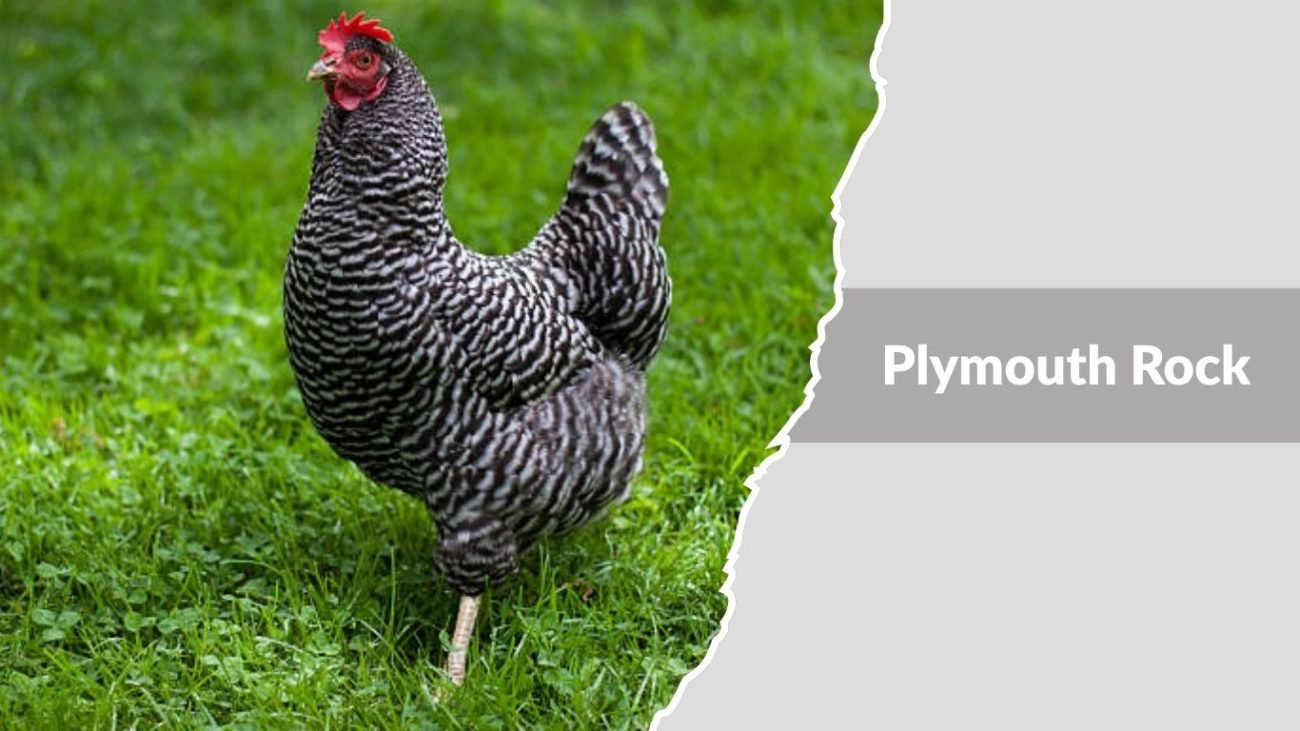
Plymouth Rock chickens are a dual-purpose breed valued for both meat and egg production. Known for their distinctive striped appearance, they are friendly, hardy, and well-suited for backyard farming.
Identification
- Medium to large body with a broad and rounded shape
- Barred (black and white striped) feathers are most common
- Yellow skin, legs, and beak
- Single comb
- Calm and balanced posture
Origin and History
The Plymouth Rock breed originated in the United States in the 19th century. It was developed by crossing several breeds to create a bird that could provide both quality meat and good egg production. It quickly gained popularity across farms.
Egg Production
Plymouth Rock hens produce about 200 to 250 brown eggs per year. While not as prolific as specialized layers, they are consistent and reliable, making them suitable for family farms.
Behavior and Care
These chickens are known for their friendly and docile nature, making them easy to handle. They adapt well to confinement or free-range systems and are generally low-maintenance, making them ideal for beginners.
4. Sussex
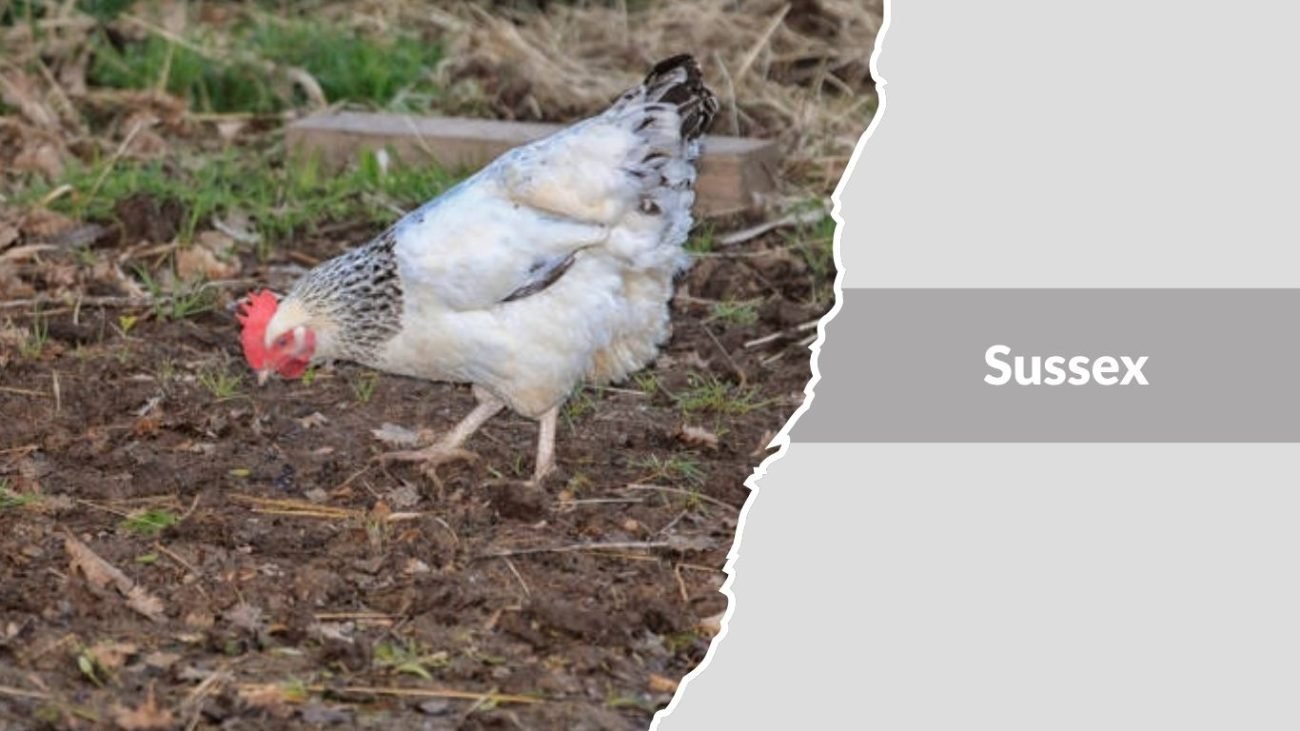
Sussex chickens are a well-known dual-purpose breed valued for both meat and egg production. They are hardy, adaptable, and especially popular among backyard poultry keepers due to their friendly nature and consistent laying ability.
Identification
- Medium to large body with a broad and deep shape
- Commonly white with black neck and tail (Light Sussex)
- Red comb and wattles
- White skin with pinkish legs
- Calm and approachable appearance
Origin and History
The Sussex breed originated in England, where it has been raised for centuries. It became especially popular during the early poultry industry for its ability to produce both quality meat and a steady supply of eggs. Over time, several color varieties were developed.
Egg Production
Sussex hens are reliable layers, producing around 250 to 280 light brown eggs annually. They are known for laying consistently throughout the year, including during colder months, which adds to their value for small farmers.
Behavior and Care
These chickens are docile, friendly, and easy to manage, making them great for beginners. They enjoy free-ranging but also adapt well to confinement. Sussex birds are hardy and require standard care, thriving in various climates.
5. Orpington
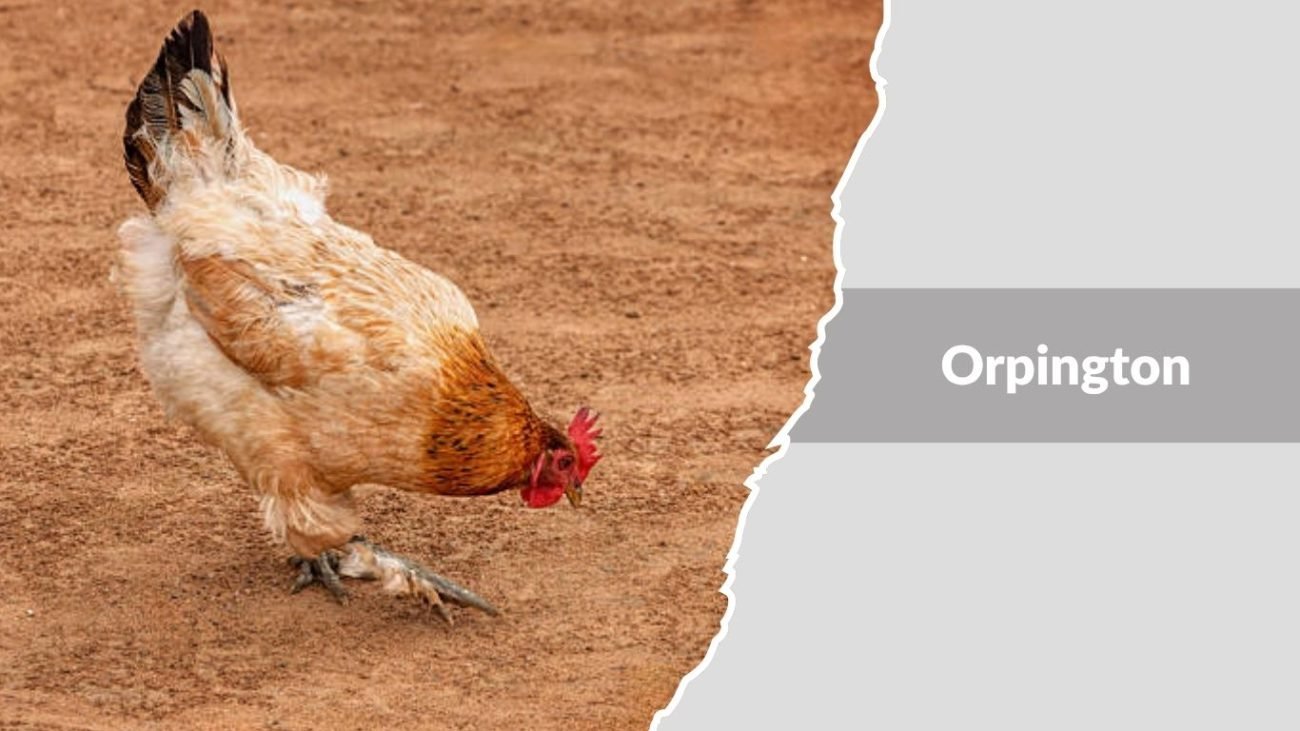
Orpington chickens are a popular dual-purpose breed known for their large size, soft feathering, and gentle temperament. They are ideal for backyard flocks due to their calm behavior and good productivity.
Identification
- Large, heavy body with a rounded and fluffy appearance
- Soft, dense feathers, commonly buff (golden-yellow) in color
- Small single comb
- Pinkish-white legs
- Broad and low-set stance
Origin and History
The Orpington breed was developed in England by William Cook in the late 19th century. It was bred to create a chicken suitable for both meat and egg production, with an attractive appearance and calm nature for easy handling.
Egg Production
Orpington hens produce around 180 to 220 brown eggs per year. While not the highest producers, they are consistent layers and also known for going broody, making them good mothers for hatching chicks.
Behavior and Care
Orpingtons are very gentle, friendly, and easy to tame, making them excellent for families. They tolerate confinement well but also enjoy free-ranging. Due to their heavy feathering, they may need extra care in hot climates.
6. Australorp
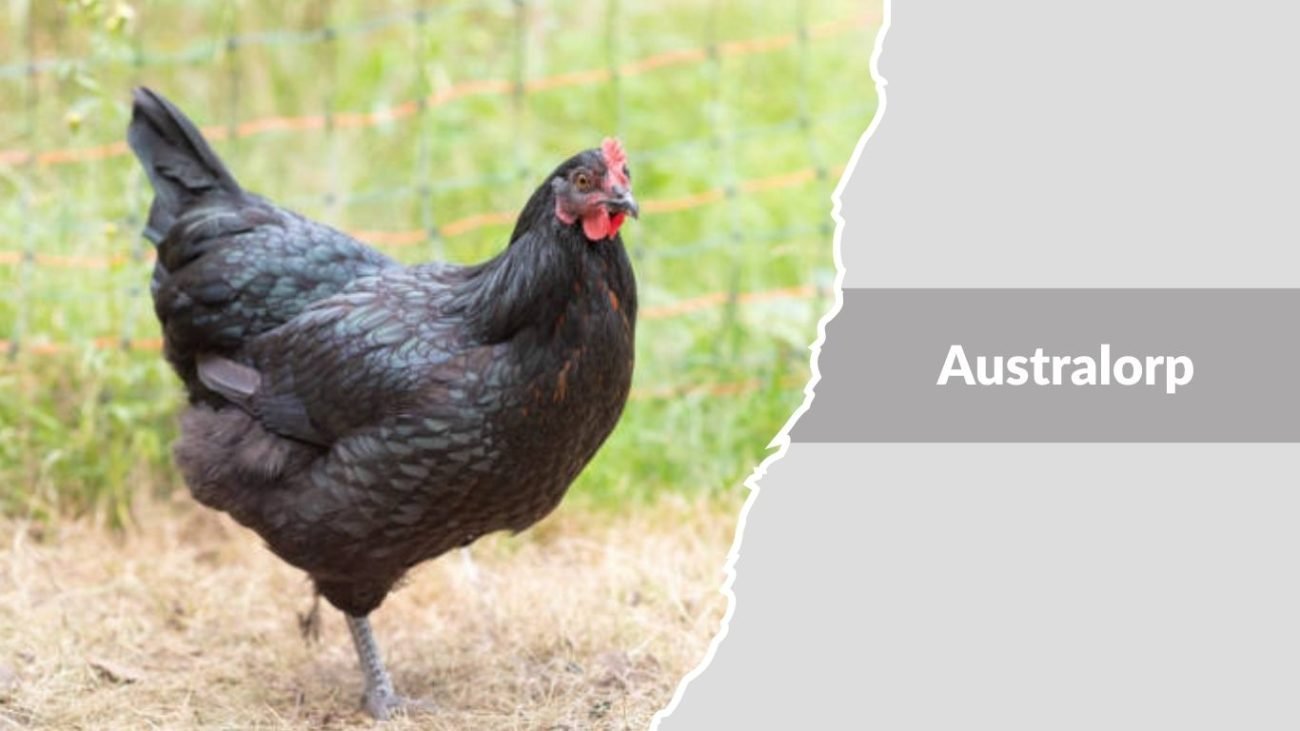
Australorp chickens are famous for their exceptional egg-laying ability and calm temperament. Originating from Australia, they are widely kept for both commercial and backyard farming due to their productivity and ease of care.
Identification
- Medium to large body with a deep, rounded shape
- Glossy black feathers with a greenish sheen
- Red comb and wattles
- Dark eyes and slate-colored legs
- Upright and balanced posture
Origin and History
Australorps were developed in Australia from Black Orpington stock in the early 20th century. The breed quickly gained global recognition after setting world records for egg production, making it one of the most efficient laying breeds.
Egg Production
Australorp hens are excellent layers, producing around 250 to 300 light brown eggs per year. Under ideal conditions, some have even exceeded this number, making them highly valued for consistent egg supply.
Behavior and Care
They are known for their quiet, friendly, and docile nature. Australorps adapt well to confinement but also enjoy free-ranging. They are hardy birds that perform well in different climates with basic care.
7. Brahma
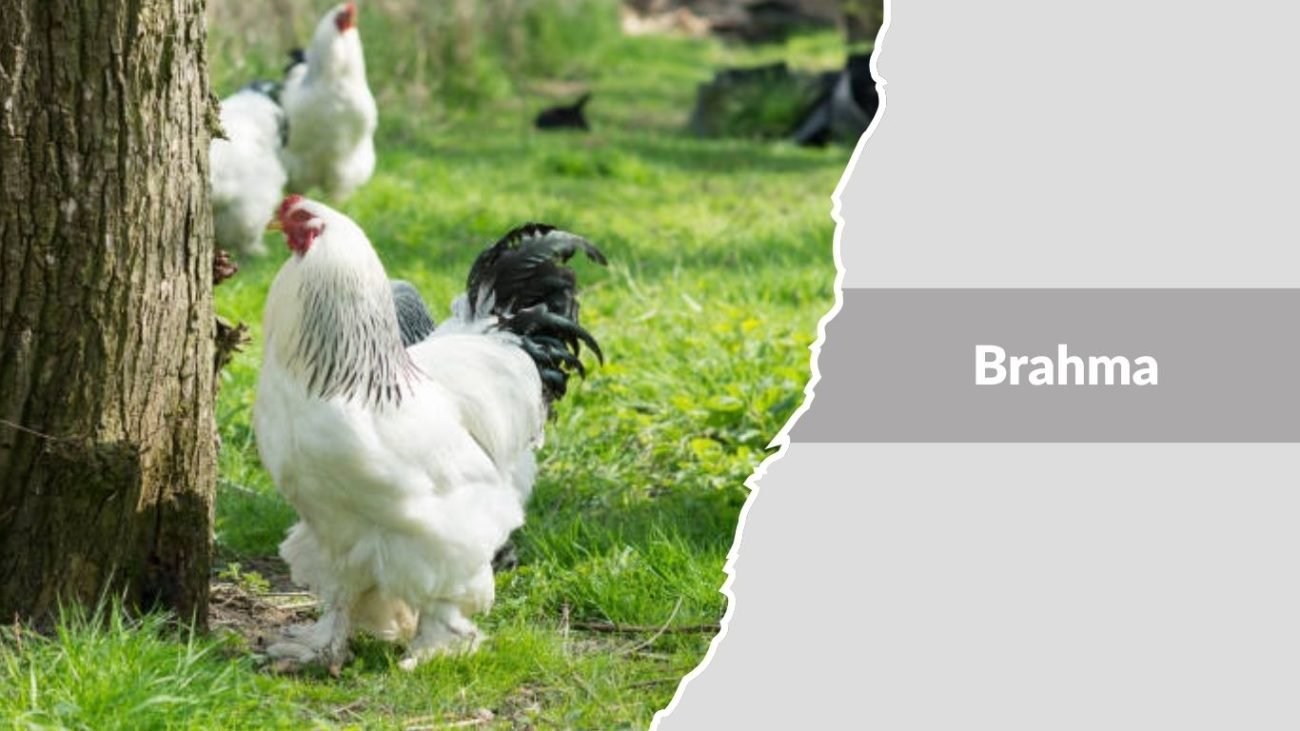
Brahma chickens are a large and majestic breed known for their impressive size and calm personality. They are often kept for both meat and ornamental purposes and are well-suited for colder climates.
Identification
- Very large body with a tall and broad frame
- Feathered legs and feet
- Small pea comb
- Common colors include light, dark, and buff
- Thick feathering giving a fluffy appearance
Origin and History
The Brahma breed was developed in the United States from birds originally imported from Asia. It became extremely popular in the 19th century as a meat bird due to its large size and ability to thrive in cold weather.
Egg Production
Brahma hens produce around 150 to 200 brown eggs per year. They are known for laying well during winter months when many other breeds reduce production.
Behavior and Care
Brahmas are gentle giants, known for their calm and friendly nature. They are easy to handle and suitable for families. Due to their feathered feet, they require clean, dry living conditions to prevent health issues.
8. Cochin
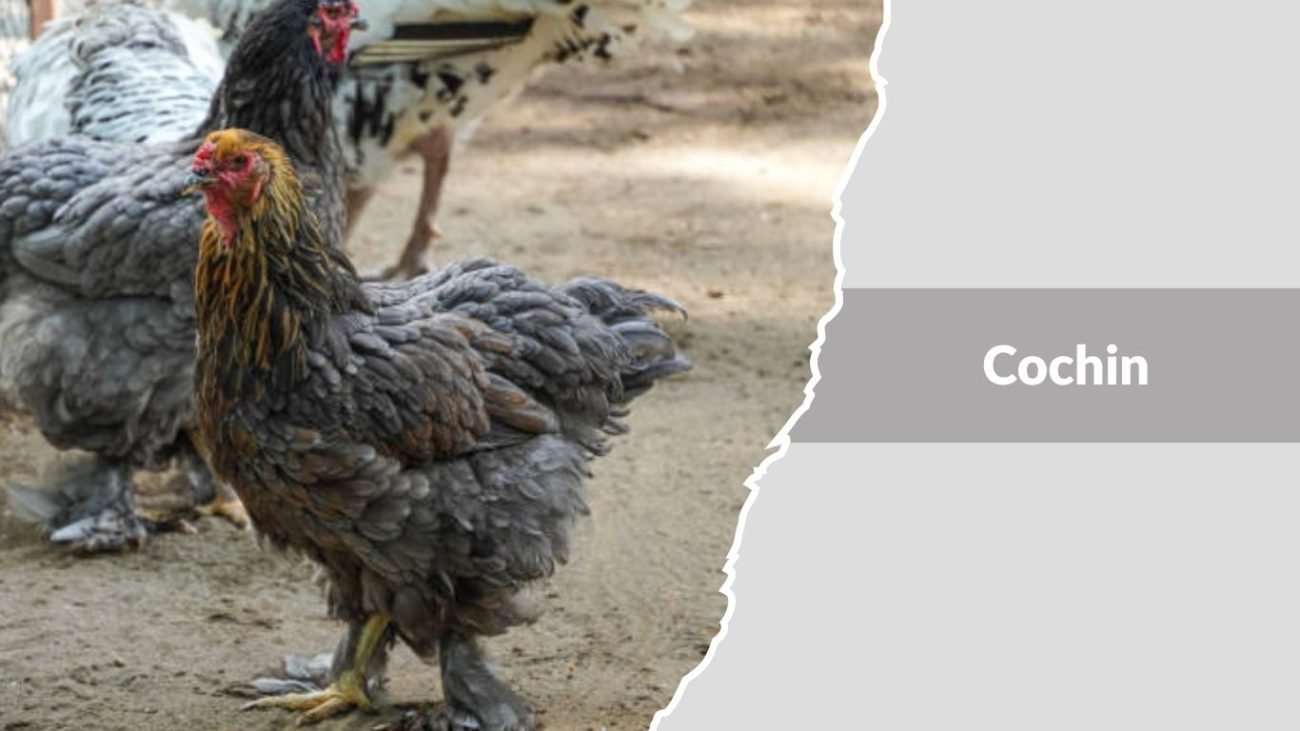
Cochin chickens are large, fluffy birds known for their ornamental beauty and gentle temperament. They are not the best egg layers but are highly valued for their appearance and calm nature, making them popular in backyard flocks.
Identification
- Large, round body with very fluffy feathers
- Feathered legs and feet
- Small single comb
- Common colors include buff, black, white, and partridge
- Soft, full appearance due to heavy plumage
Origin and History
Cochins originated in China and were introduced to the Western world in the 19th century. They quickly became popular among poultry enthusiasts and played a major role in the “Hen Fever” craze in Europe and America.
Egg Production
Cochin hens produce around 150 to 180 brown eggs per year. While not highly productive, they are known for their strong brooding instinct, making them excellent for hatching eggs.
Behavior and Care
These chickens are extremely docile, friendly, and easy to handle. They tolerate confinement well and are ideal for small spaces. Due to their heavy feathers, they require dry and clean housing to avoid health issues.
9. Wyandotte
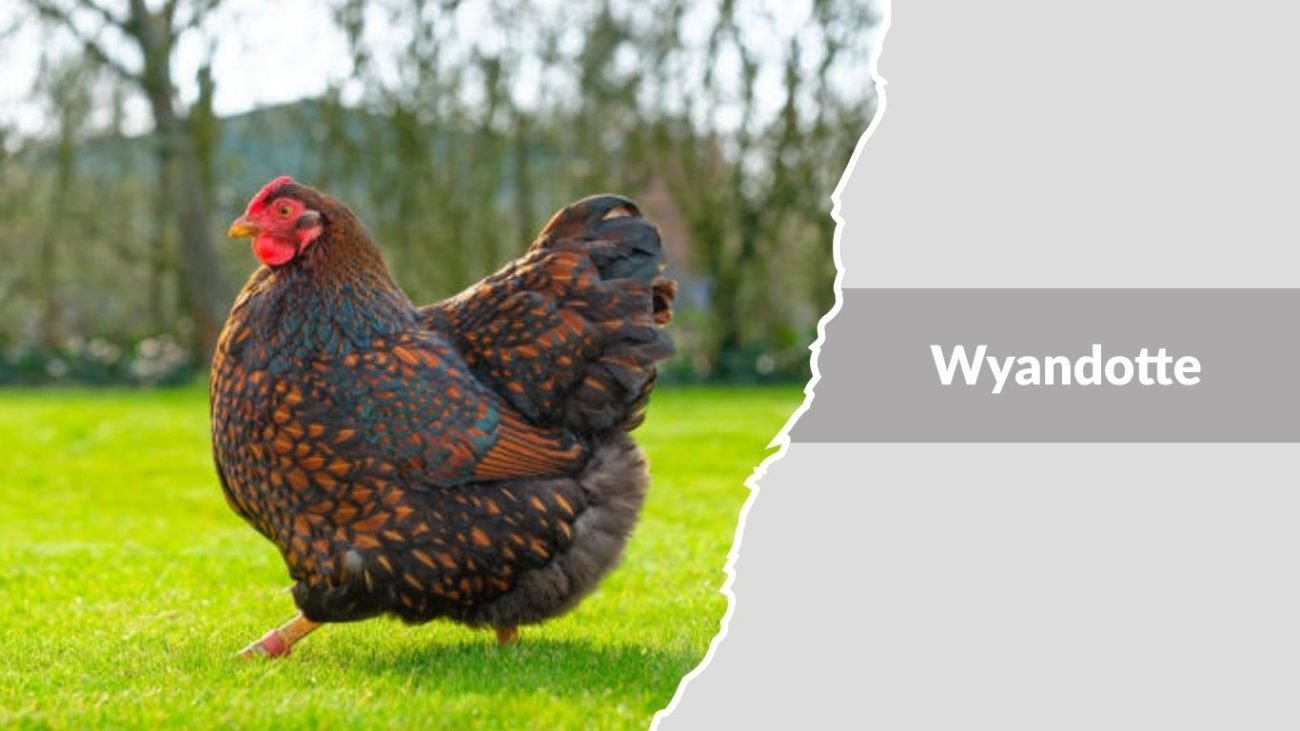
Wyandotte chickens are a hardy and attractive dual-purpose breed, valued for both egg production and meat. They are especially popular for their beautiful feather patterns and adaptability to different climates.
Identification
- Medium to large body with a broad and rounded shape
- Rose comb, which is low and close to the head
- Distinctive laced feather patterns (silver laced is most common)
- Yellow legs and skin
- Strong and compact build
Origin and History
Wyandottes were developed in the United States in the late 19th century. They were bred to create a hardy, productive bird with attractive plumage. The breed quickly became popular among farmers for its versatility.
Egg Production
Wyandotte hens lay around 200 to 240 brown eggs annually. They are consistent layers and perform well even in colder climates due to their rose comb, which is less prone to frostbite.
Behavior and Care
Wyandottes are generally calm and independent. They adapt well to both confinement and free-range systems. These chickens are hardy, low-maintenance, and suitable for beginners as well as experienced poultry keepers.
10. Cornish
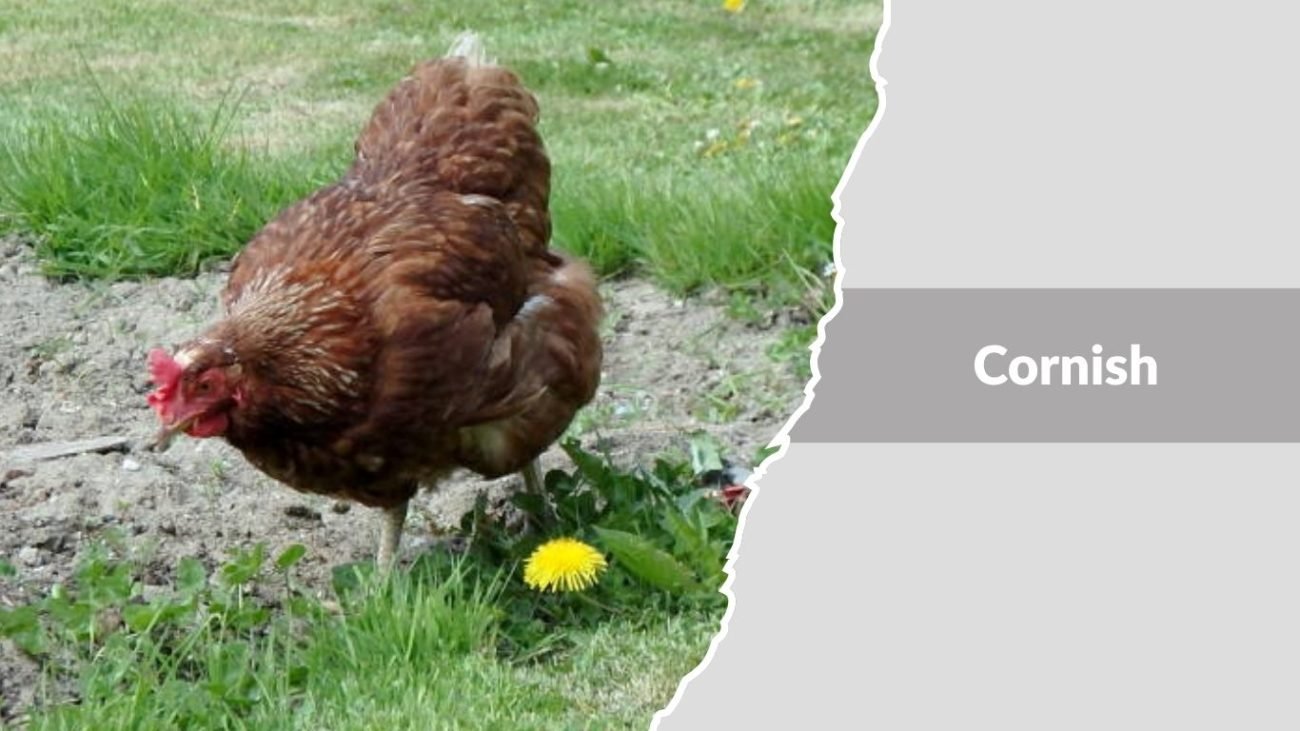
Cornish chickens are a heavy-bodied breed primarily known for meat production. They are widely used in the poultry industry due to their fast growth and muscular build, making them the foundation of many commercial broiler chickens.
Identification
- Compact, muscular body with a broad chest
- Short legs set wide apart
- Small pea comb
- Tight, smooth feathers
- Common colors include dark, white, and red
Origin and History
The Cornish breed originated in England, developed by crossing local chickens with game birds. Initially bred for fighting, they later became popular for meat production due to their strong, meaty body structure.
Egg Production
Cornish hens are not prolific layers, producing around 150 to 180 brown eggs per year. Their primary value lies in meat production rather than egg-laying ability.
Behavior and Care
They are generally quiet but can be less active compared to other breeds. Cornish chickens require good nutrition to support their rapid growth. They do best in well-managed environments with proper space and ventilation.
11. Ancona
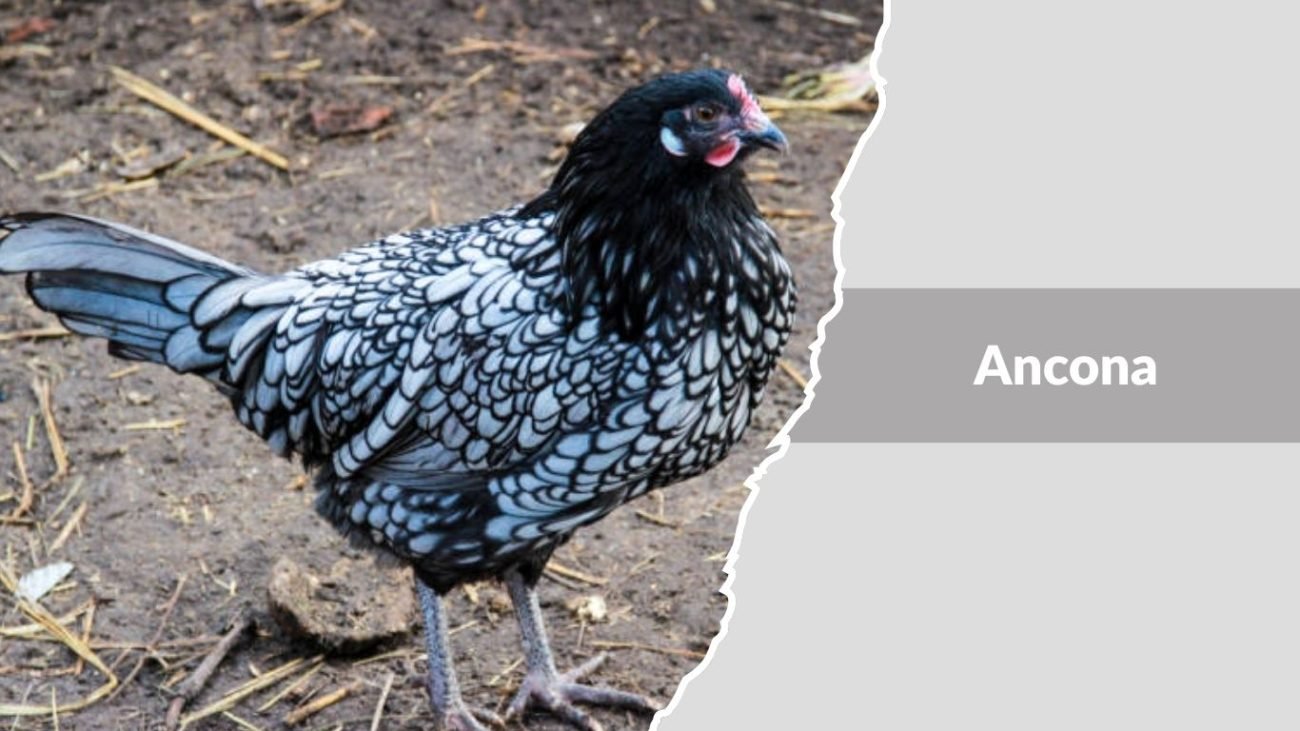
Ancona chickens are an active and hardy Mediterranean breed known for their excellent egg-laying ability and striking appearance. They are especially valued for their efficiency and adaptability.
Identification
- Medium-sized body with a slender build
- Black feathers with white mottled spots
- Large single comb (rose comb also exists)
- Yellow legs with black mottling
- Alert and energetic posture
Origin and History
Ancona chickens originated in Italy and were later developed in England. They are closely related to Leghorns and share many of their productive traits, especially in egg-laying performance.
Egg Production
Ancona hens are strong layers, producing around 220 to 280 white eggs per year. They are consistent and efficient, making them a good choice for egg-focused farming.
Behavior and Care
These chickens are very active and prefer free-ranging environments. They can be somewhat flighty and less tame than other breeds. Anconas are hardy birds that require minimal care but benefit from space to roam.
12. Hamburg
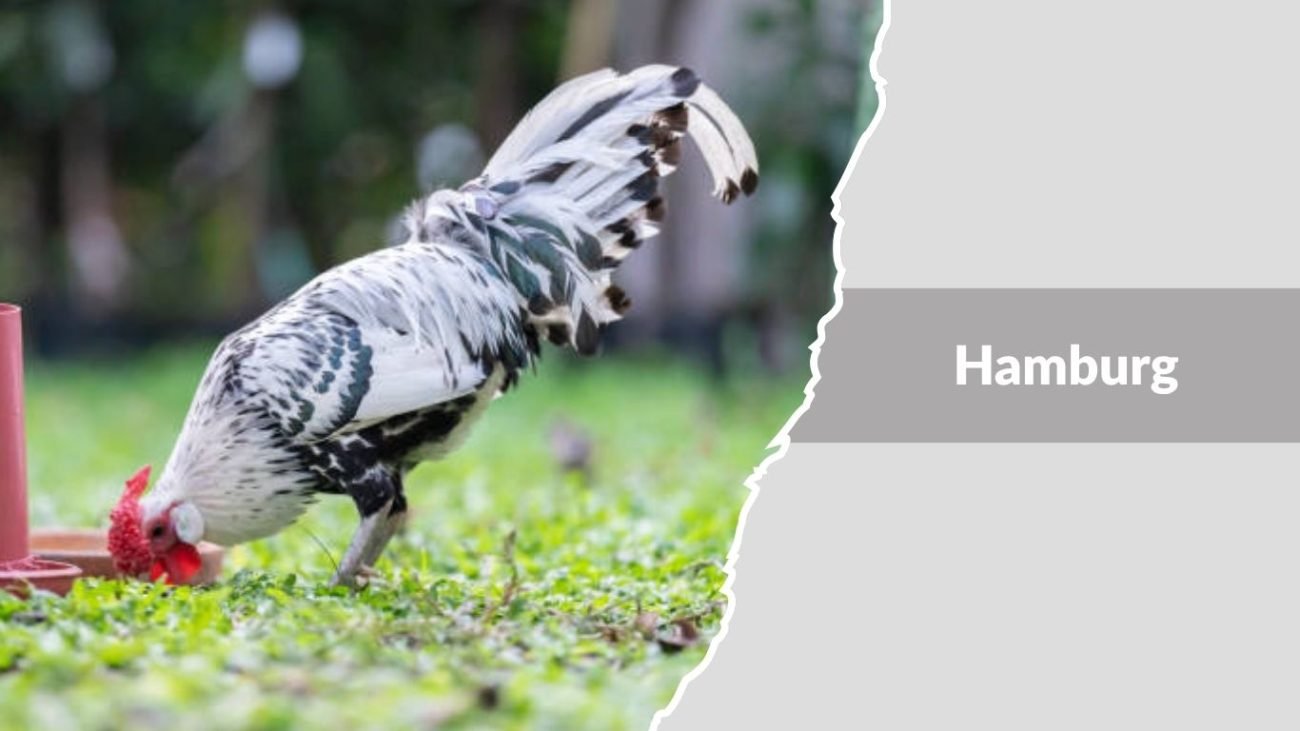
Hamburg chickens are a small, active breed known for their excellent egg production and striking feather patterns. They are popular among poultry enthusiasts for both their productivity and ornamental value.
Identification
- Small to medium-sized body with a slim build
- Rose comb with a neat, flat shape
- Distinctive spangled or penciled feather patterns
- White earlobes and slate-blue legs
- Alert and lively appearance
Origin and History
Hamburg chickens are believed to have originated in the Netherlands and were later developed in Germany and England. They are one of the oldest known chicken breeds and have long been valued for their beauty and efficiency.
Egg Production
Hamburg hens are good layers, producing around 200 to 250 small white eggs per year. They are consistent producers and start laying relatively early in life.
Behavior and Care
These birds are very active and prefer free-range environments. They are independent and can be somewhat flighty, making them less ideal as pets. Hamburgs are hardy and require minimal maintenance.
13. Minorca
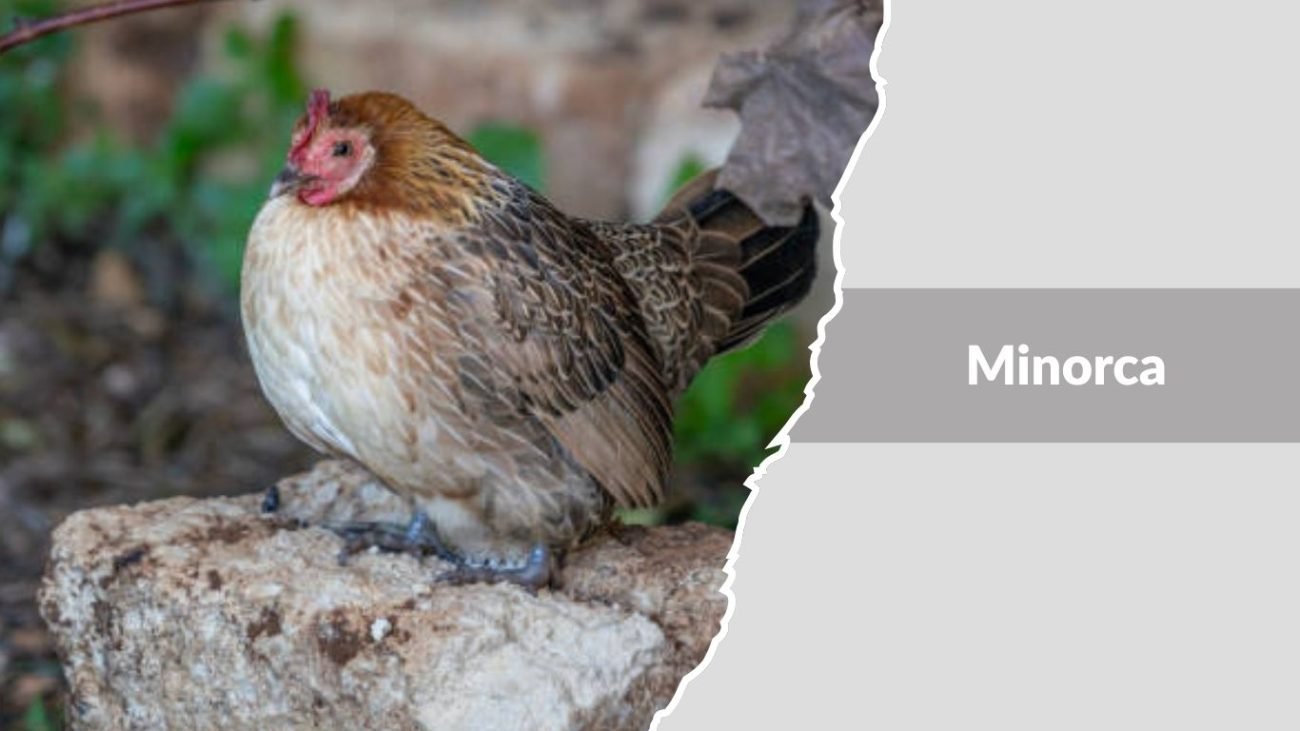
Minorca chickens are a Mediterranean breed known for their large white eggs and elegant appearance. They are valued mainly for egg production and their ability to perform well in warm climates.
Identification
- Medium to large body with a long, elegant shape
- Glossy black feathers (most common variety)
- Very large single comb
- White earlobes
- Dark legs and striking facial features
Origin and History
Minorca chickens originated on the island of Minorca in Spain. They were later refined in England, where breeders improved their size and egg-laying capabilities, making them popular across Europe.
Egg Production
Minorca hens are excellent layers of large white eggs, producing around 200 to 280 eggs per year. Their eggs are known for their size and quality.
Behavior and Care
They are active and somewhat shy birds that prefer space to roam. Minorcas are best suited to warm climates, as their large combs can be sensitive to cold weather. Proper shelter and care help maintain their health and productivity.
14. Marans
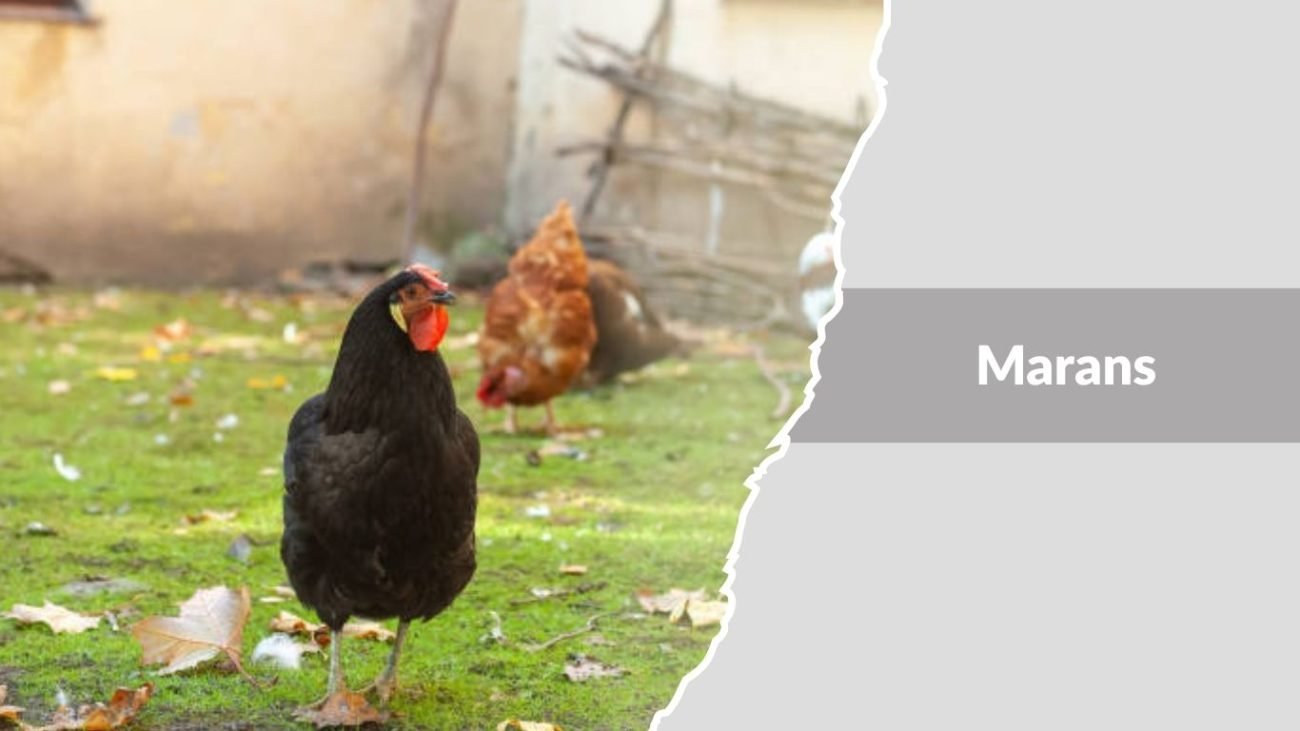
Marans chickens are well-known for producing some of the darkest brown eggs among all chicken breeds. They are a dual-purpose breed valued for both egg quality and meat, with a calm and hardy nature.
Identification
- Medium to large body with a solid, well-built frame
- Feathered or clean legs depending on variety
- Common colors include black copper, cuckoo, and wheaten
- Red comb and wattles
- Dark eyes with a strong posture
Origin and History
Marans originated in France, particularly in the town of Marans. They were developed by crossing local birds with imported breeds, gaining popularity for their unique dark eggs and adaptability.
Egg Production
Marans hens produce around 180 to 220 dark brown eggs per year. Their eggs are highly valued for their rich color and strong shells, making them popular in specialty markets.
Behavior and Care
They are generally calm, friendly, and easy to manage. Marans adapt well to both free-range and confined environments. They are hardy birds that perform well in different climates with proper care.
15. Araucana
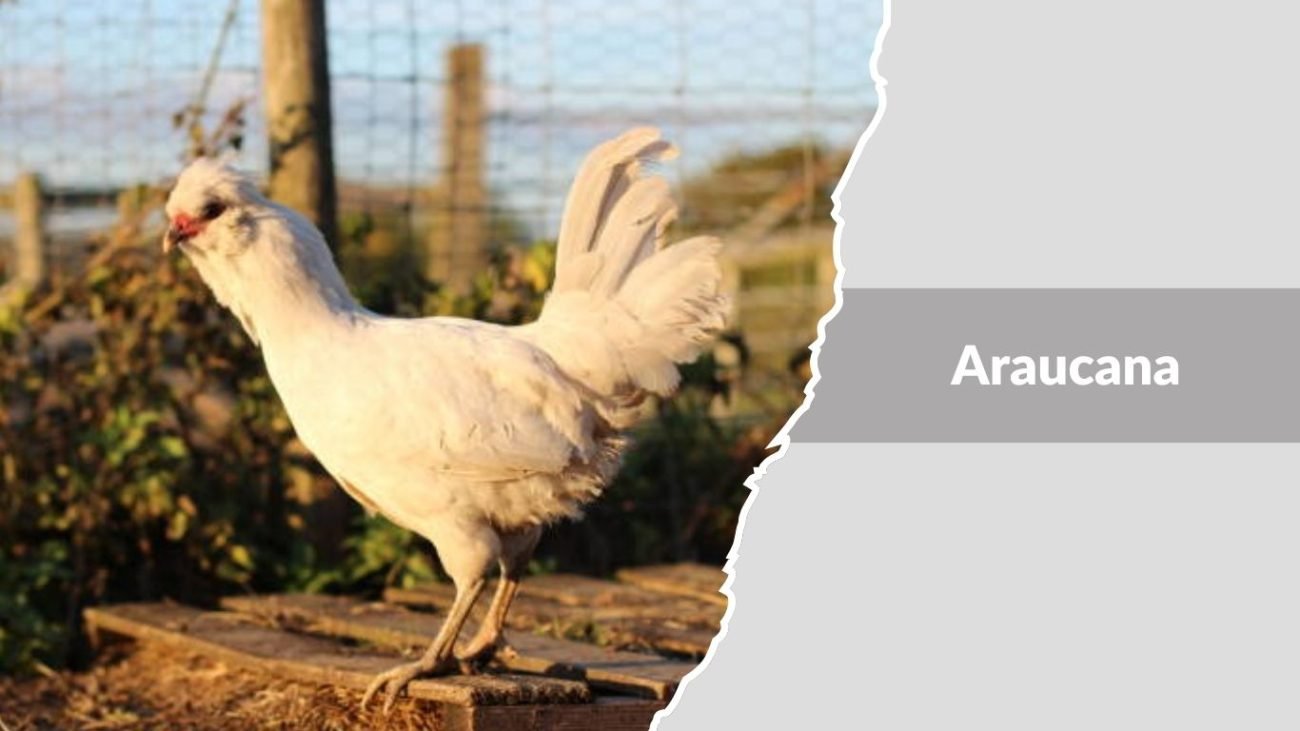
Araucana chickens are a unique breed famous for laying blue-colored eggs. They are also known for their unusual appearance, including ear tufts and the absence of a tail in many birds.
Identification
- Medium-sized body with a compact build
- Often tailless (rumpless)
- Distinctive ear tufts on the sides of the head
- Pea comb
- Various feather colors
Origin and History
Araucana chickens originated in Chile and were developed by indigenous people. They gained international attention due to their rare blue eggs and unusual physical traits, making them popular worldwide.
Egg Production
Araucana hens lay around 150 to 200 blue eggs annually. While not the highest producers, their unique egg color makes them highly desirable among poultry keepers.
Behavior and Care
They are active and somewhat independent birds. Araucanas do well in free-range systems and require space to roam. Due to their genetics, careful breeding is needed, especially because the ear tuft trait can be associated with health challenges.
16. Ameraucana
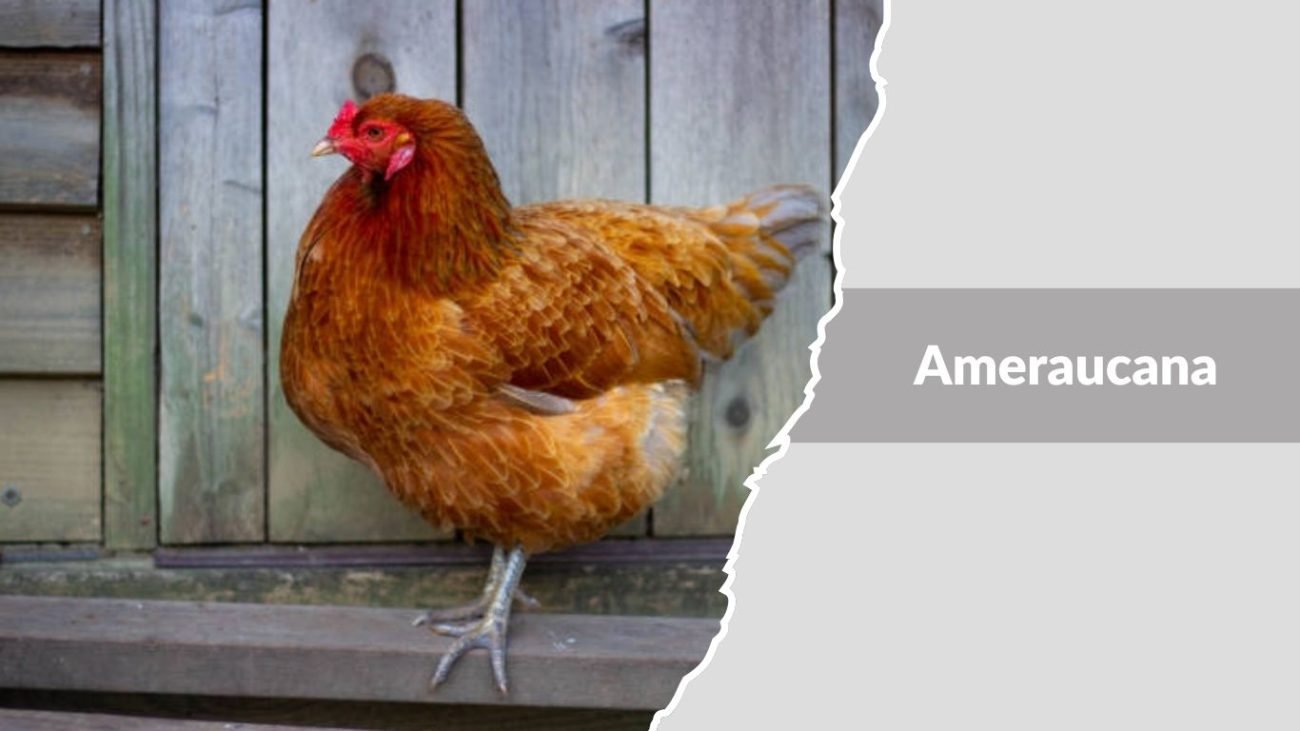
Ameraucana chickens are a popular breed known for their blue eggs and friendly temperament. They are often confused with Araucanas but are a separate, standardized breed with more consistent traits and better adaptability.
Identification
- Medium-sized body with a well-balanced shape
- Beard and muffs (fluffy facial feathers)
- Pea comb
- Slate or dark-colored legs
- Various recognized color varieties
Origin and History
Ameraucanas were developed in the United States by refining blue egg–laying chickens from South America. Breeders worked to remove genetic issues found in Araucanas, resulting in a healthier and more stable breed.
Egg Production
Ameraucana hens lay around 180 to 250 blue eggs per year. Their consistent production and unique egg color make them a favorite among backyard poultry keepers.
Behavior and Care
They are generally calm, friendly, and easy to handle. Ameraucanas adapt well to different environments and do well in both confinement and free-range systems, making them suitable for beginners.
17. Fayoumi
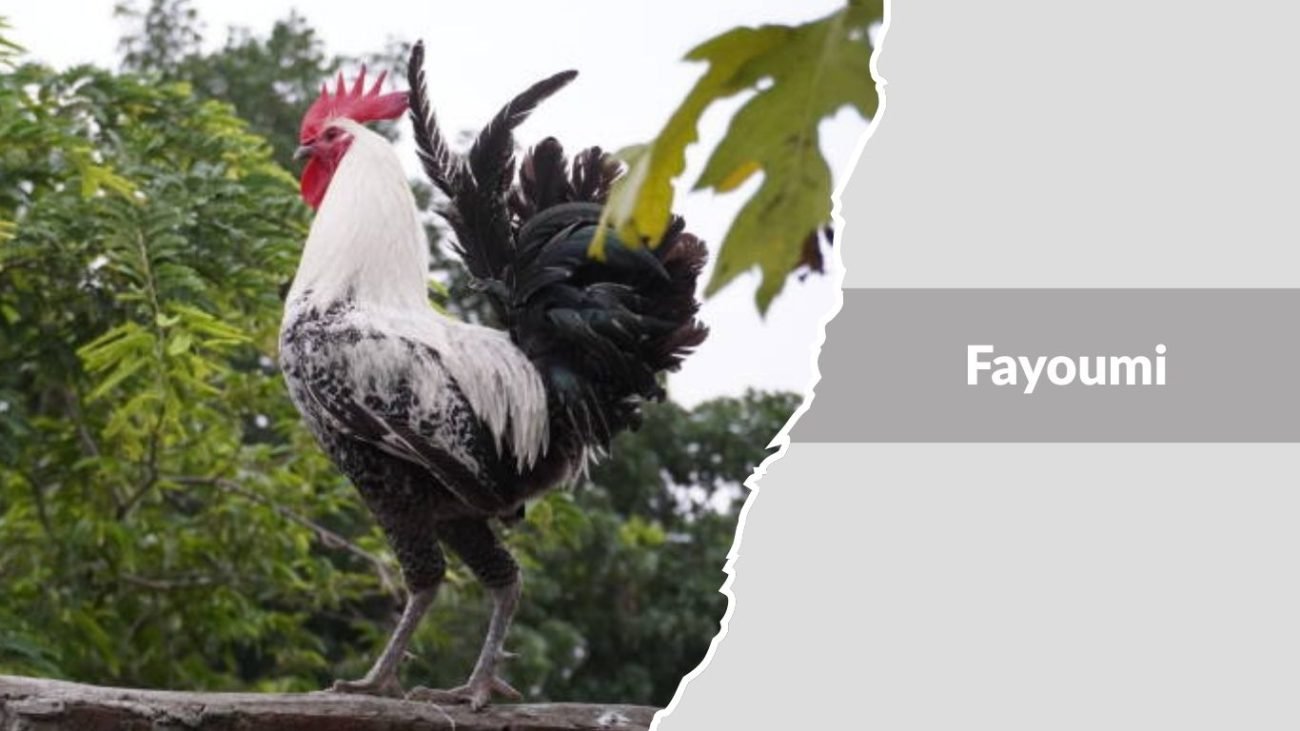
Fayoumi chickens are an ancient and hardy breed known for their disease resistance and adaptability to hot climates. They are excellent foragers and are valued for their survival ability rather than high egg production.
Identification
- Small to medium-sized body with a slim build
- Silver or white feathers with black barring
- Upright tail and alert posture
- Single comb
- Strong and active appearance
Origin and History
Fayoumi chickens originated in Egypt and are considered one of the oldest domesticated chicken breeds. They have been raised for centuries in harsh environments, which contributed to their strong immunity and resilience.
Egg Production
Fayoumi hens produce around 150 to 200 small white eggs per year. They begin laying early and are consistent, though their egg size is usually smaller than other breeds.
Behavior and Care
These chickens are very active, alert, and sometimes flighty. They prefer free-range conditions where they can forage. Fayoumis require minimal care and are highly resistant to diseases, making them ideal for low-maintenance farming.
18. Naked Neck (Turken)
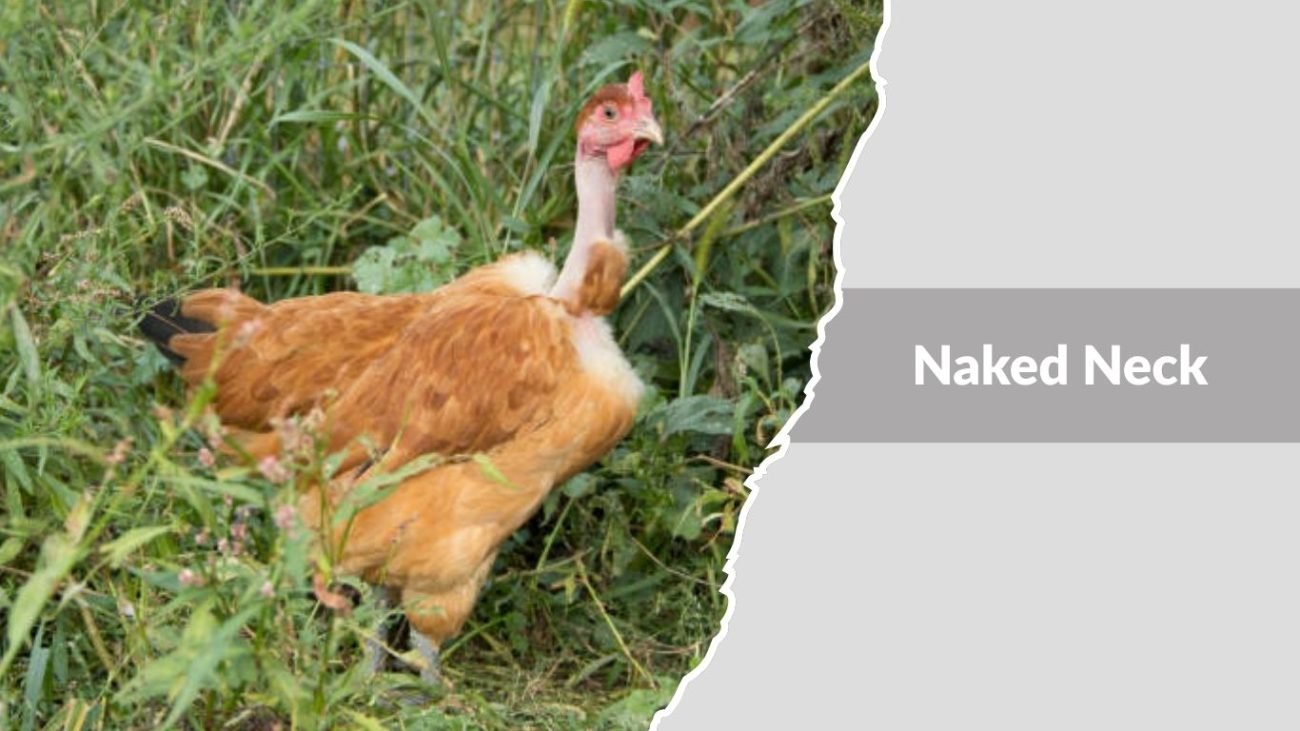
Naked Neck chickens, also known as Turken, are easily recognized by their featherless neck. Despite their unusual appearance, they are hardy, productive, and well-suited for hot climates.
Identification
- Medium-sized body with a normal feathered body but bare neck
- Red skin visible on the neck area
- Single comb
- Various feather colors
- Strong and upright posture
Origin and History
The Naked Neck breed is believed to have originated in Eastern Europe, particularly in Romania. It later spread to other parts of the world due to its adaptability and heat tolerance.
Egg Production
Naked Neck hens produce around 180 to 220 light brown eggs per year. They are consistent layers and also valued for meat due to their easier feather processing.
Behavior and Care
These chickens are hardy and adaptable, especially in hot climates. They are generally calm and easy to manage. Due to less feather coverage, they handle heat well but may need protection in colder environments.
19. Silkie
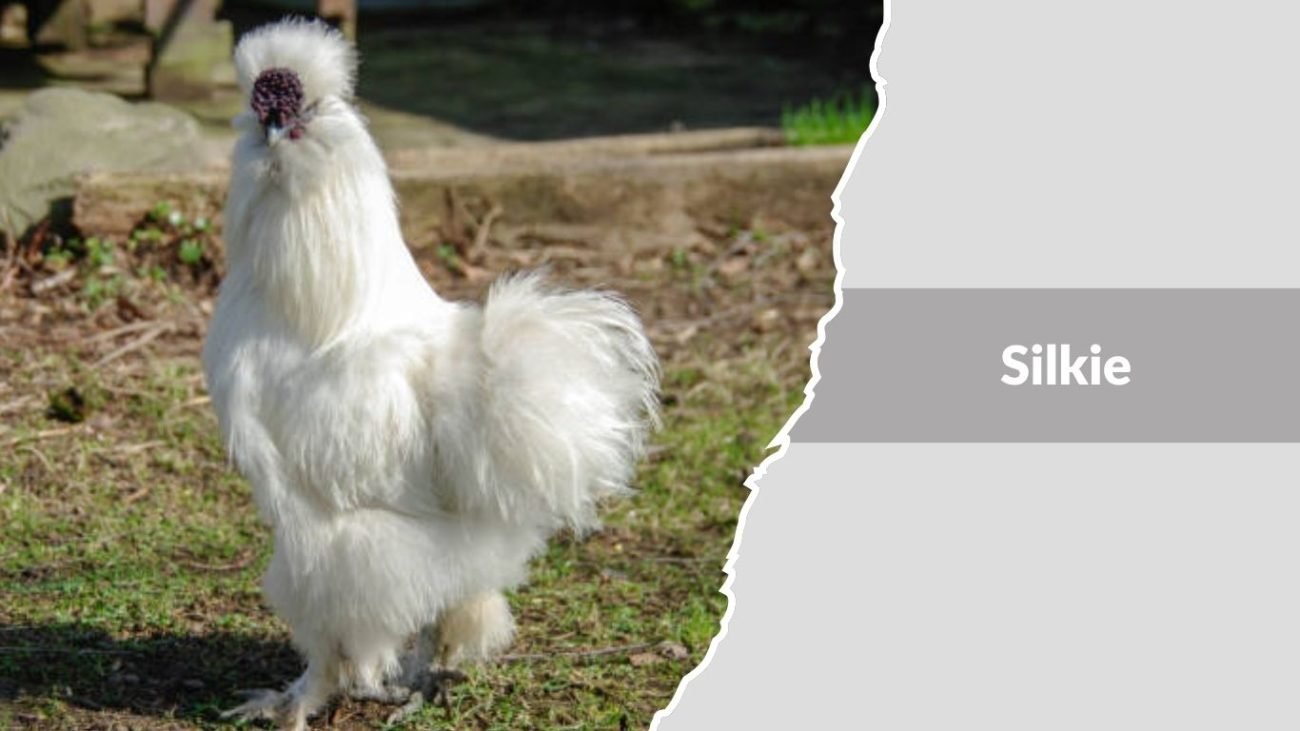
Silkie chickens are a unique ornamental breed known for their soft, fur-like feathers and gentle nature. They are popular as pets and for brooding eggs rather than for high egg production.
Identification
- Small body covered in soft, fluffy feathers
- Black skin, bones, and bluish earlobes
- Feathered legs and feet
- Crest of feathers on the head
- Five toes instead of the usual four
Origin and History
Silkies originated in Asia, most likely China, and have been known for centuries. They were admired for their unusual appearance and were even believed to have magical qualities in ancient times.
Egg Production
Silkie hens lay around 100 to 120 small cream-colored eggs per year. They are not prolific layers but are excellent brooders and often used to hatch eggs of other breeds.
Behavior and Care
Silkies are extremely gentle, friendly, and easy to handle, making them great for families. They require extra care to keep their feathers clean and dry, as their plumage is not water-resistant.
20. Polish
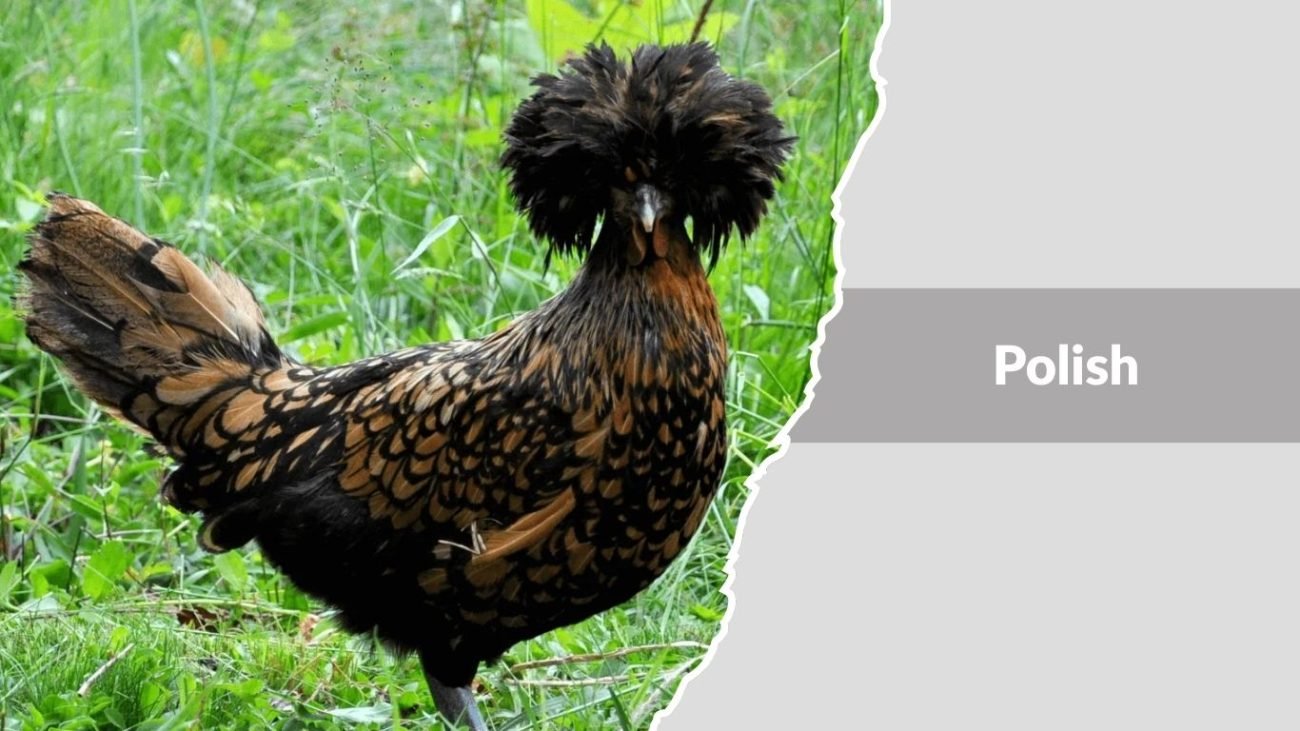
Polish chickens are an ornamental breed best known for their large, fluffy crest of feathers on the head. They are popular for their unique appearance and calm nature, making them a favorite among backyard poultry keepers.
Identification
- Medium-sized body with a slender build
- Large, round crest of feathers covering the head
- V-shaped comb (often hidden by crest)
- Various color patterns such as white crested black and golden
- Elegant and upright posture
Origin and History
Polish chickens are believed to have originated in Europe, though their exact history is unclear. They became popular in ornamental poultry breeding due to their striking appearance and were widely kept by enthusiasts.
Egg Production
Polish hens produce around 150 to 200 white eggs per year. While not top egg layers, they provide a steady supply and are mainly valued for their decorative qualities.
Behavior and Care
They are gentle and friendly but can be easily startled due to limited vision from their crest. Regular trimming around the eyes may be needed. They adapt well to confinement and require protection from wet conditions.
21. Jersey Giant
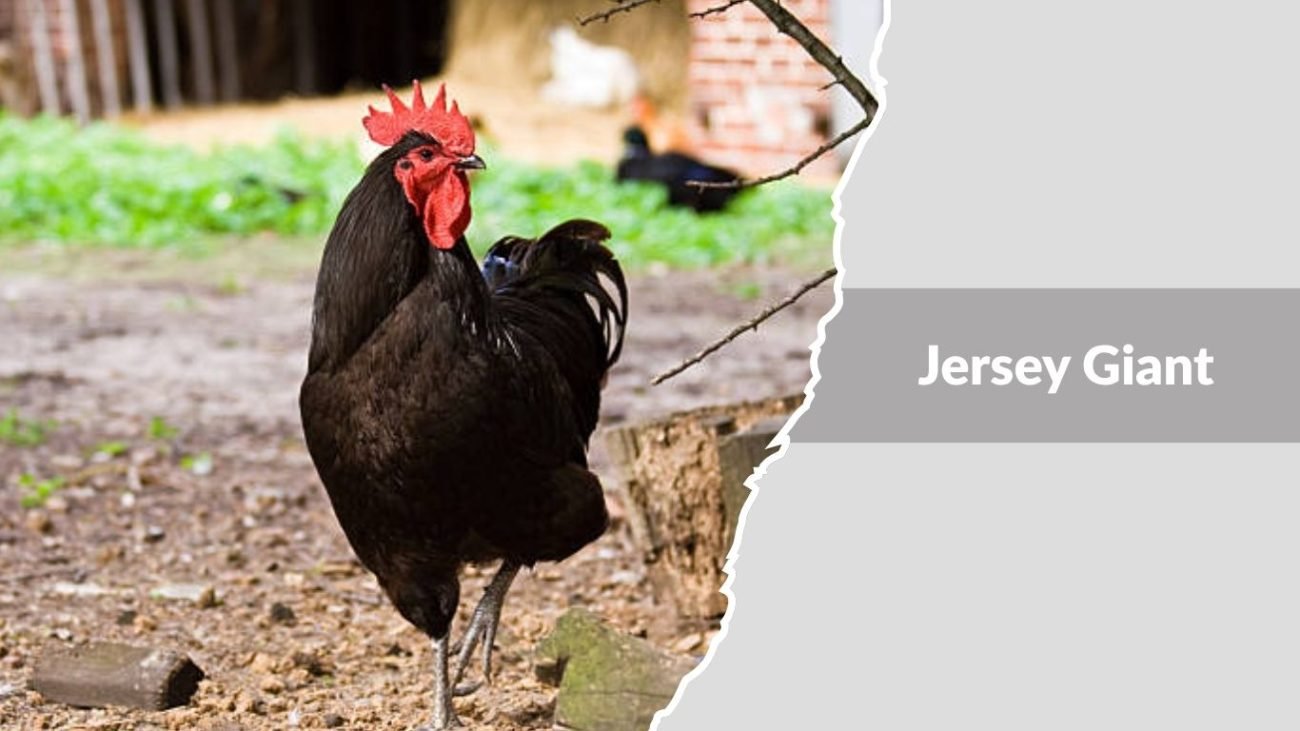
Jersey Giant chickens are one of the largest chicken breeds in the world, developed mainly for meat production. Despite their size, they are known for their calm and friendly nature.
Identification
- Very large and heavy body
- Broad chest with a deep frame
- Black, white, or blue feather varieties
- Single comb
- Strong legs supporting their weight
Origin and History
Jersey Giants were developed in the United States in New Jersey during the late 19th century. They were bred to replace turkeys as a primary meat bird due to their impressive size.
Egg Production
Jersey Giant hens lay around 150 to 200 brown eggs per year. They start laying later than smaller breeds but produce consistently once mature.
Behavior and Care
They are calm, gentle, and easy to manage despite their size. These chickens require more space and feed due to their large body. They adapt well to different environments but need sturdy housing.
22. Delaware
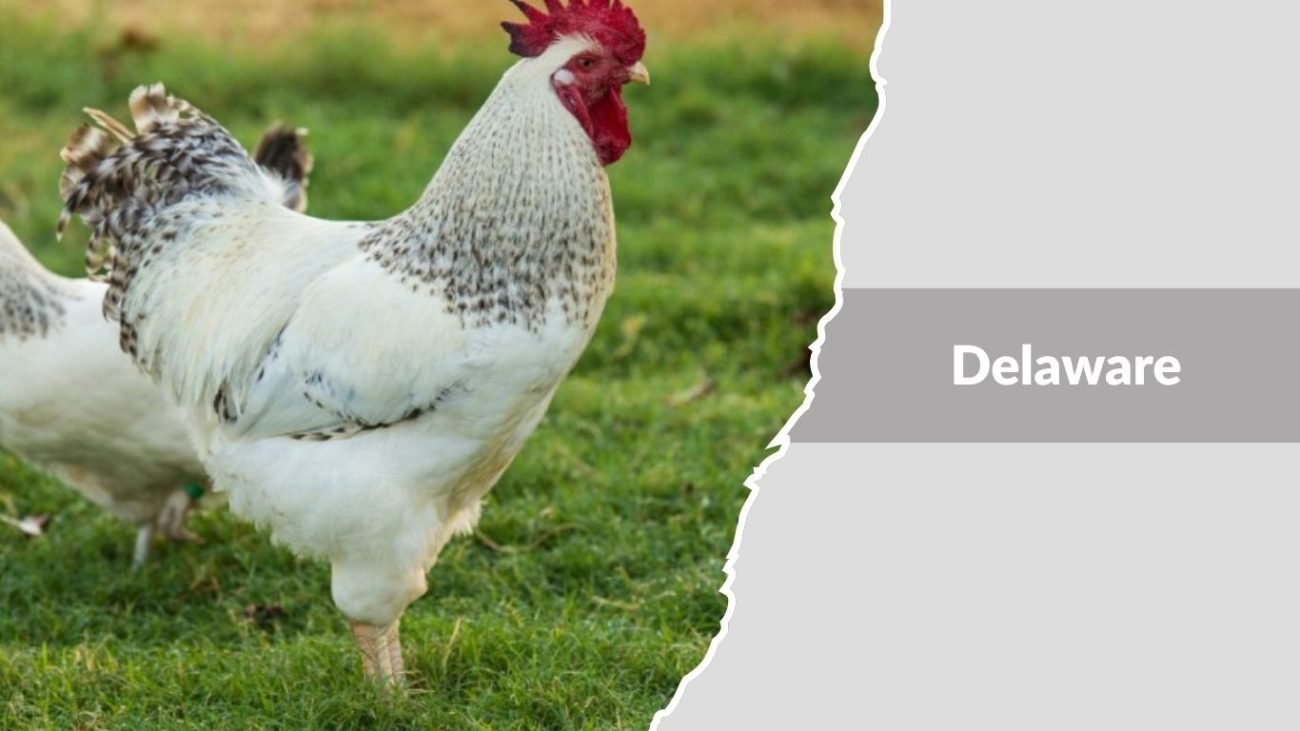
Delaware chickens are a dual-purpose breed valued for both meat and egg production. They are hardy, fast-growing, and known for their calm temperament, making them a great choice for backyard farmers.
Identification
- Medium to large body with a broad frame
- White feathers with black markings on neck and tail
- Yellow legs and beak
- Single comb
- Strong and well-balanced appearance
Origin and History
The Delaware breed was developed in the United States in the 1940s. It was created by crossing Barred Plymouth Rocks with New Hampshires to produce a fast-growing, productive bird suitable for meat and eggs.
Egg Production
Delaware hens lay around 200 to 280 brown eggs per year. They are reliable layers and also grow quickly, making them useful for both egg and meat production.
Behavior and Care
They are calm, friendly, and easy to handle. Delawares adapt well to both free-range and confined systems. They are hardy birds that require standard care and are suitable for beginners.
23. Campine
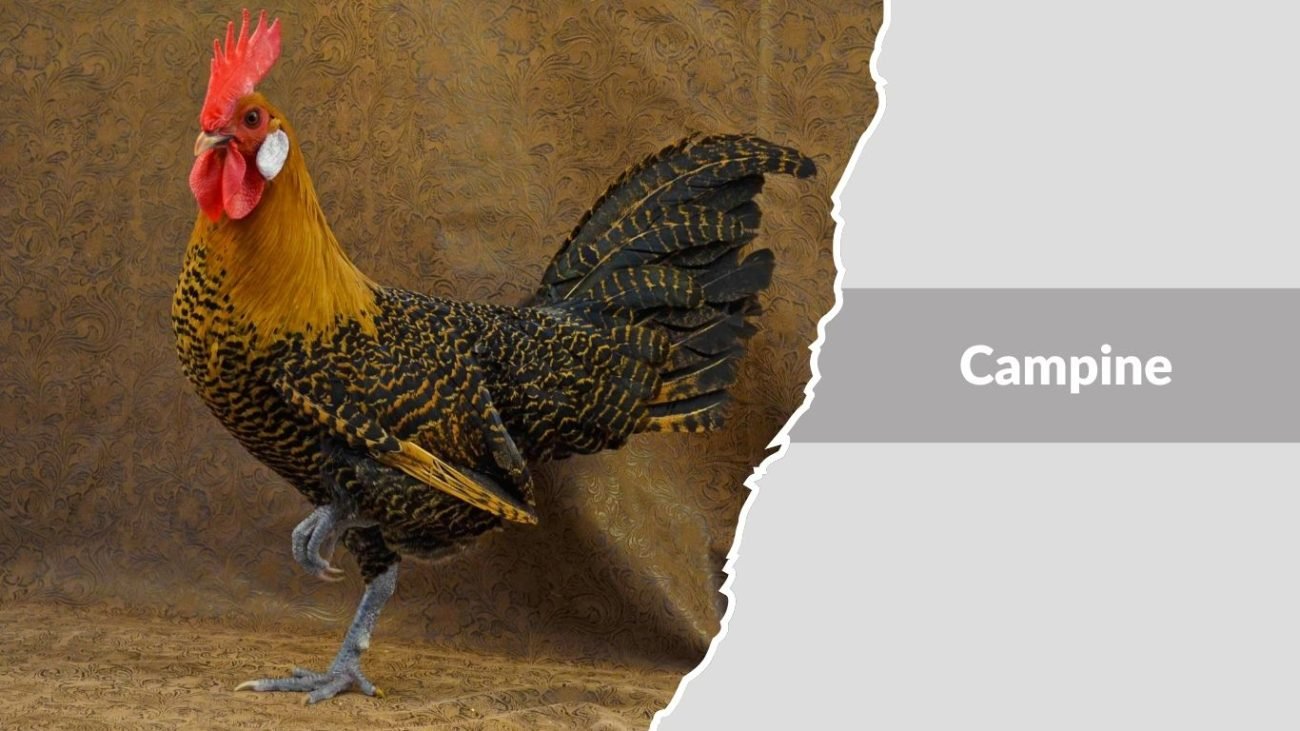
Campine chickens are an active and lightweight breed known for their excellent foraging ability and attractive feather patterns. They are primarily kept for egg production and ornamental purposes.
Identification
- Small to medium-sized body with a slim build
- Golden or silver feather patterns with black barring
- Single comb
- White earlobes
- Active and alert posture
Origin and History
Campine chickens originated in Belgium and are closely related to the Brakel breed. They have been raised for centuries and are valued for their efficiency and adaptability.
Egg Production
Campine hens produce around 180 to 220 white eggs per year. They are consistent layers and perform well when allowed to forage freely.
Behavior and Care
These chickens are very active and prefer free-range environments. They can be flighty and less tame than other breeds. Campines are hardy and require minimal care but need space to roam for best performance.
24. Lakenvelder
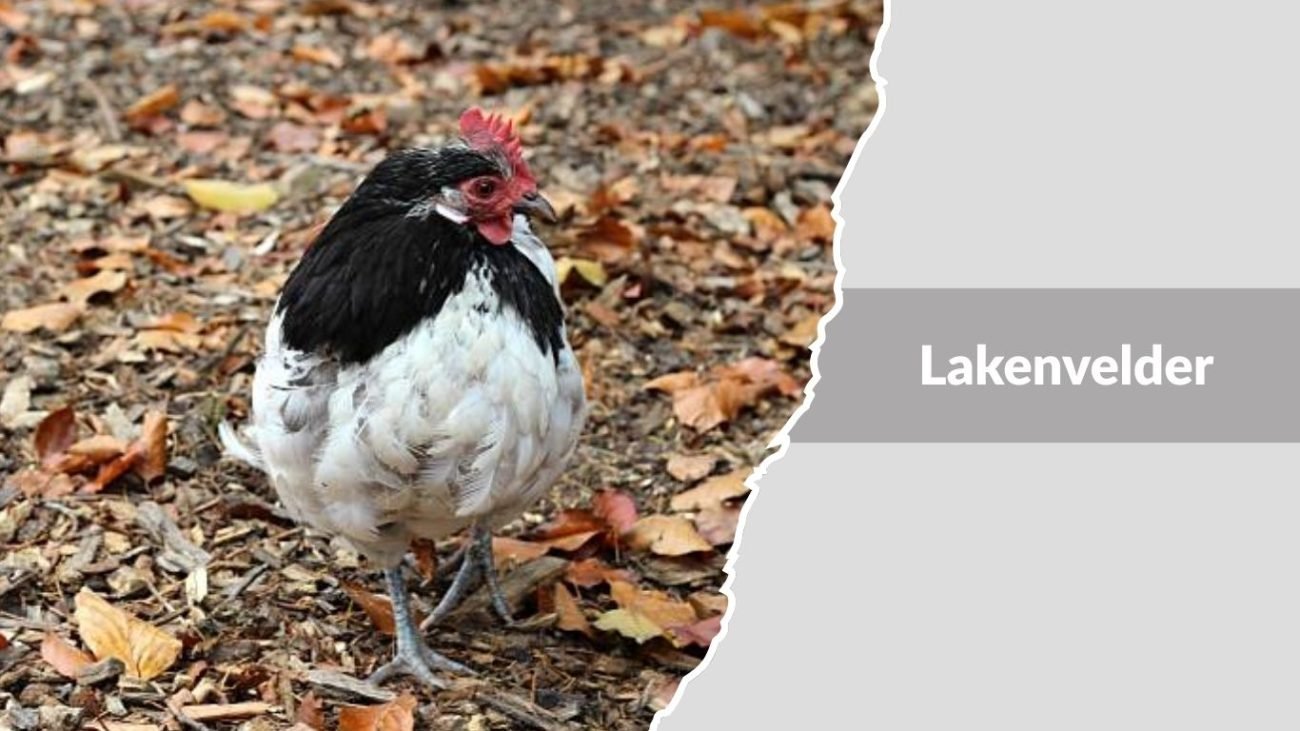
Lakenvelder chickens are a rare and attractive breed known for their striking black-and-white coloration. They are active birds valued mainly for egg production and ornamental purposes.
Identification
- Small to medium-sized body with a slim build
- White body with black head, neck, and tail
- Single comb
- White earlobes
- Alert and elegant posture
Origin and History
Lakenvelders originated in Germany and the Netherlands. They have been bred for centuries and were once popular for their reliable egg production and unique appearance, though they are now considered a rare breed.
Egg Production
Lakenvelder hens lay around 180 to 220 white eggs per year. They are consistent layers and can perform well in suitable conditions.
Behavior and Care
These chickens are active, alert, and prefer free-ranging environments. They can be somewhat shy and flighty. Lakenvelders are hardy but require space to move and forage for best health.
25. Red Star
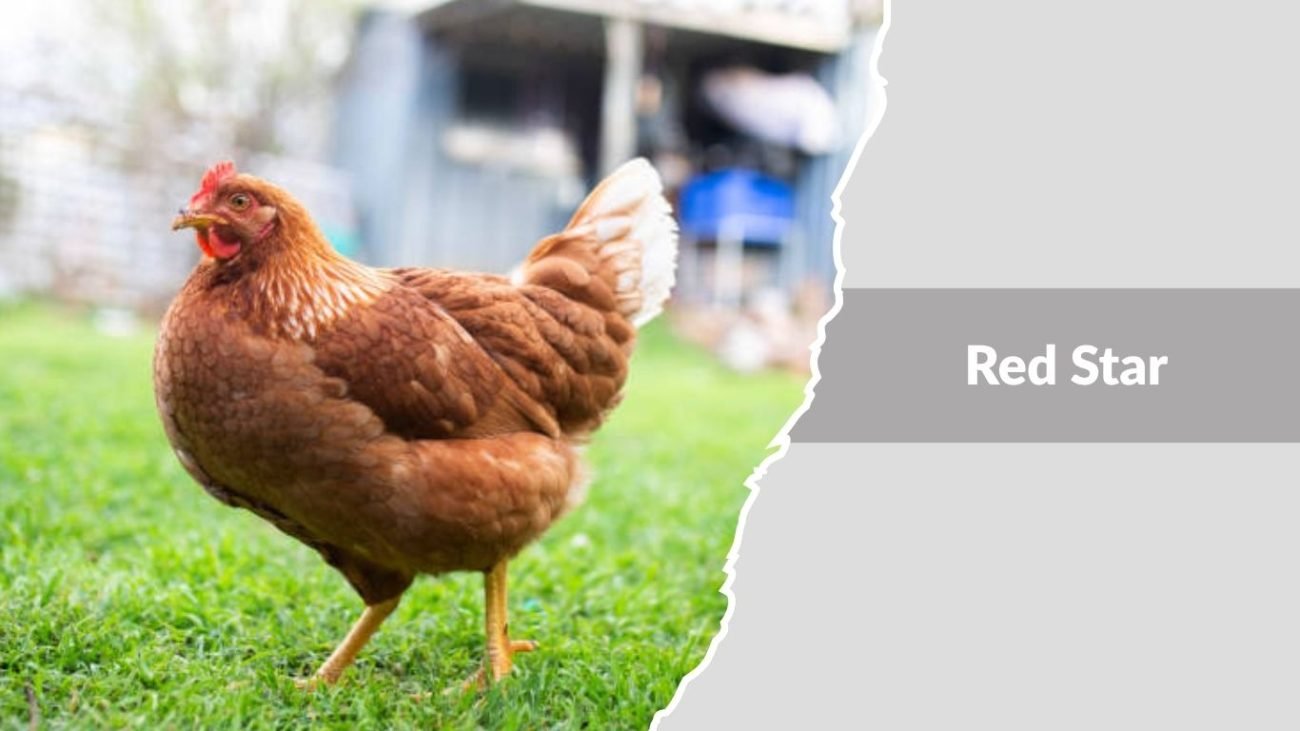
Red Star chickens are a hybrid breed known for their excellent egg-laying ability and hardy nature. They are commonly raised in backyard farms due to their productivity and ease of care.
Identification
- Medium-sized body with a sturdy build
- Reddish-brown feathers, often with lighter highlights
- Yellow legs and beak
- Single comb
- Strong and practical appearance
Origin and History
Red Star chickens are a modern hybrid developed by crossing specific breeds to maximize egg production. They are widely used in commercial and small-scale farming due to their efficiency.
Egg Production
Red Star hens are highly productive, laying around 250 to 300 brown eggs per year. They begin laying early and maintain consistent production over time.
Behavior and Care
They are friendly, docile, and easy to manage. Red Stars adapt well to different environments, including confinement and free-range systems. They are low-maintenance and ideal for beginners seeking high egg output.