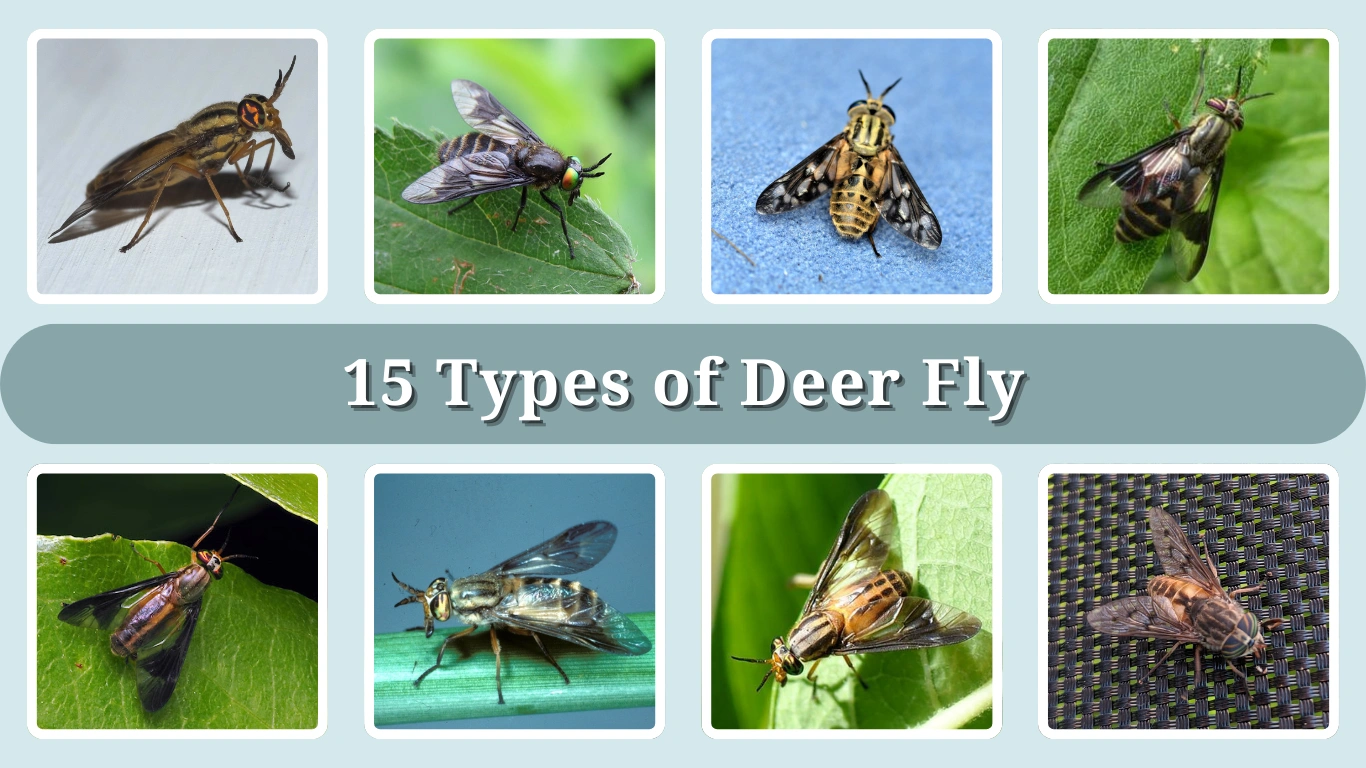
Deer flies (genus Chrysops) are notorious biting insects found across wetlands, forests, and meadows worldwide. Known for their painful bites and persistent swarming, they play an important role in both ecosystems and human-animal interactions. This guide explores 15 notable species, covering their unique identification traits, preferred habitats, behavioral patterns, and lifecycles. Understanding these flies helps in recognizing their ecological roles while also managing their nuisance in affected regions.
1. Chrysops callidus
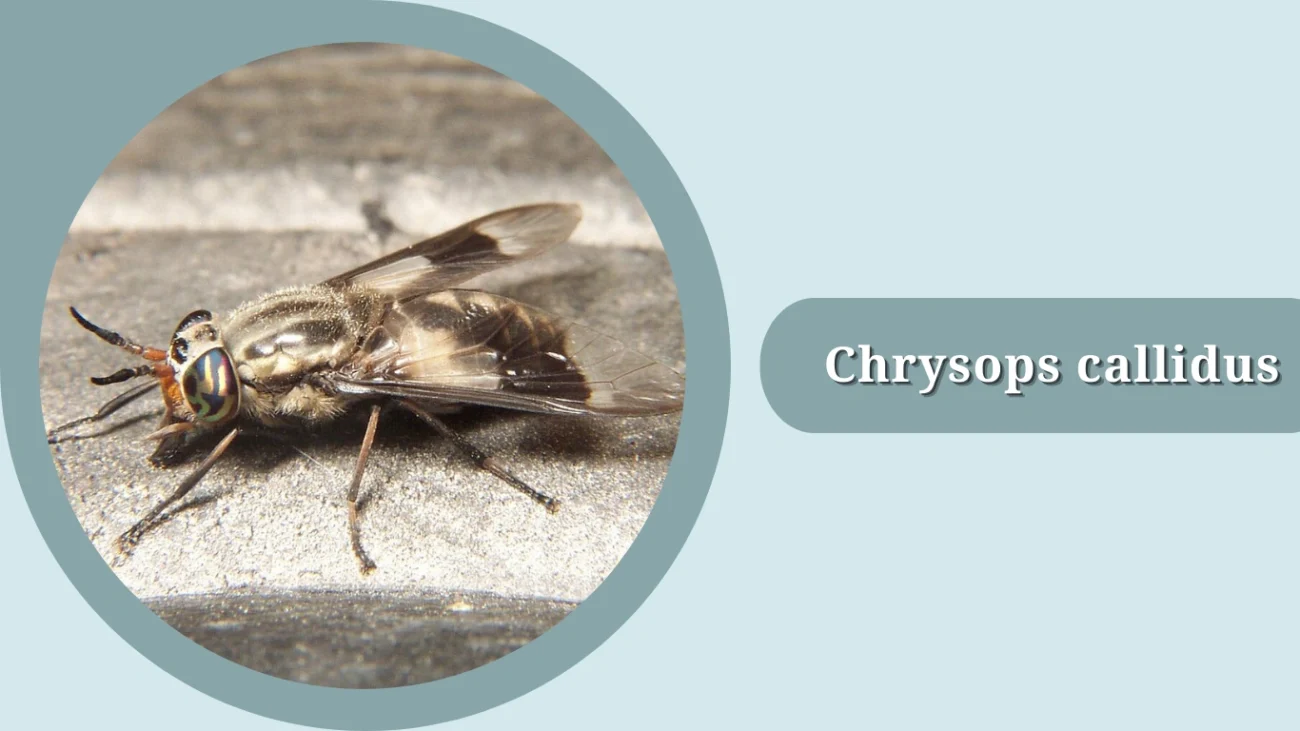
Chrysops callidus is a common species of deer fly found across North America. Known for its painful bite and persistence around humans and livestock, it plays a role in the ecosystem as both a pollinator and a blood-feeding insect.
Identification
- Medium-sized fly with patterned wings
- Large, brightly colored eyes with bands
- Yellowish-brown body with darker stripes
Habitat
Chrysops callidus is typically found near wetlands, forests, and grassy areas where water sources are abundant. They prefer humid environments that support both their breeding and feeding needs.
Behavior
These flies are highly active during the day, especially in warm summer months. They are strong fliers and often target humans, livestock, and other mammals for blood meals. Their bites are painful and can cause irritation.
Lifecycle
The life cycle includes egg, larval, pupal, and adult stages. Females lay eggs near water or damp soil. Larvae develop in wet environments, feeding on organic matter. Pupation occurs in the soil, after which adults emerge in late spring or summer.
2. Chrysops vittatus
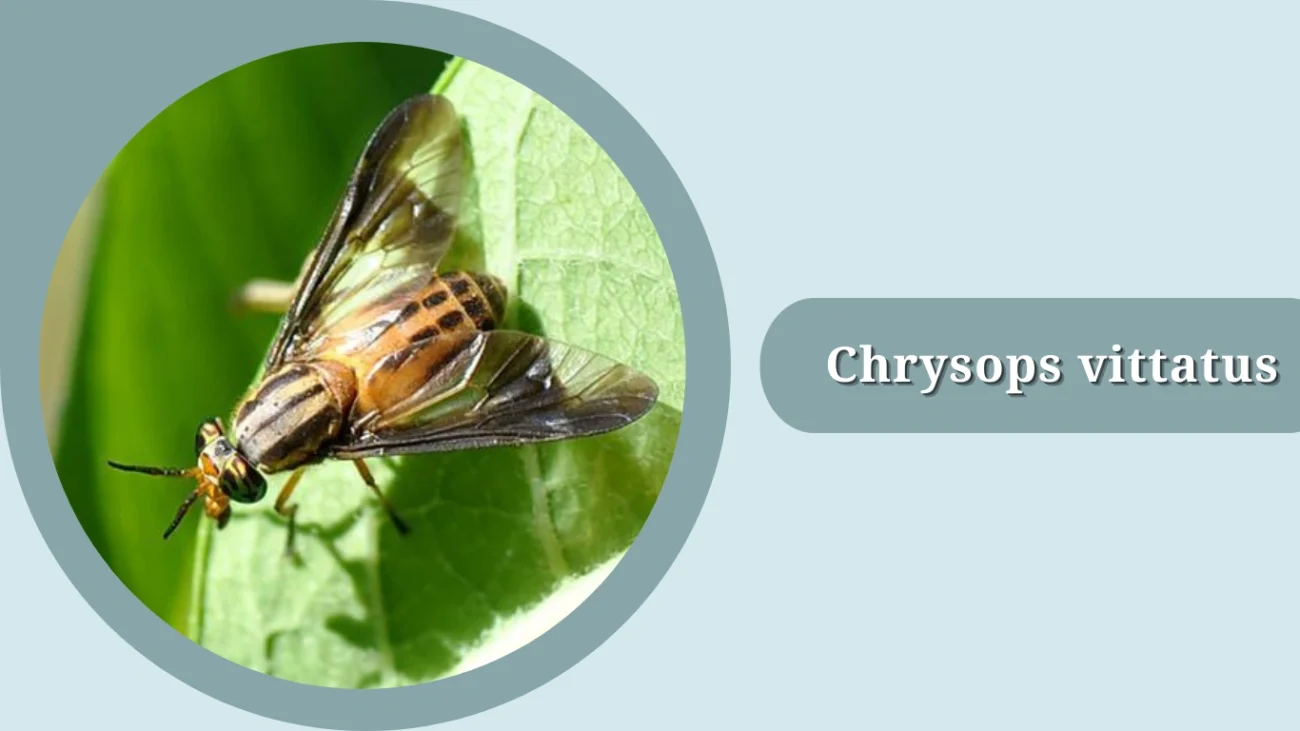
Chrysops vittatus is a widespread deer fly species notable for its striped abdomen and aggressive biting behavior. It is one of the most recognized species in the genus due to its distinctive markings and persistence in pursuing hosts.
Identification
- Medium-sized fly with a striped yellow-and-black abdomen
- Transparent wings with dark banding
- Bright compound eyes with iridescent patterns
Habitat
This species thrives in marshes, woodlands, and areas near streams or ponds. They are especially common in regions with abundant vegetation and standing water, which provide ideal breeding grounds.
Behavior
Chrysops vittatus is a strong daytime biter, often targeting mammals, including humans. Females feed on blood to reproduce, while males primarily feed on nectar. Their bites are painful, and they are known to swarm persistently around their targets.
Lifecycle
Eggs are laid in masses on vegetation near water. The larvae develop in moist soil or shallow water, feeding on organic material and small invertebrates. Pupation occurs in the soil before adults emerge in the summer, continuing the cycle.
3. Chrysops fuliginosus
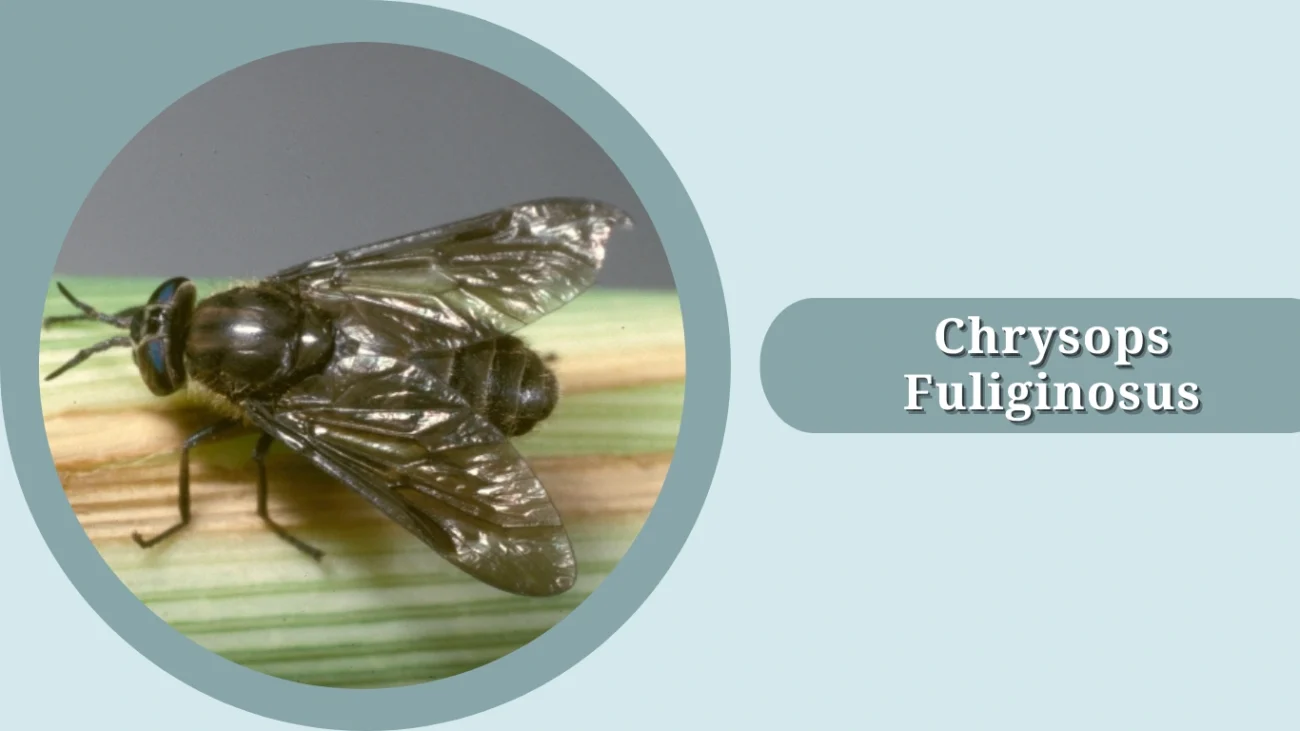
Chrysops fuliginosus is a deer fly species recognized for its darker coloration compared to many of its relatives. Though less brightly patterned, it is still a persistent biter and often encountered near wetlands and shaded areas.
Identification
- Medium-sized fly with a dark brown to black body
- Wings often appear smoky or dusky in color
- Eyes may show subtle banding or metallic sheen
Habitat
This species is most commonly found in swampy or marshy areas, as well as near forest edges. They prefer humid zones with standing water that support larval development.
Behavior
Chrysops fuliginosus is highly active during the day and is known to attack mammals for blood meals. While females bite for reproduction, males generally feed on nectar. Their preference for shaded, damp habitats makes them frequent pests in wooded wetlands.
Lifecycle
Eggs are deposited on vegetation close to water. Larvae grow in moist soil or mud, feeding on decaying matter and small organisms. Pupation takes place in drier ground before the emergence of adults in late spring or early summer.
4. Chrysops niger
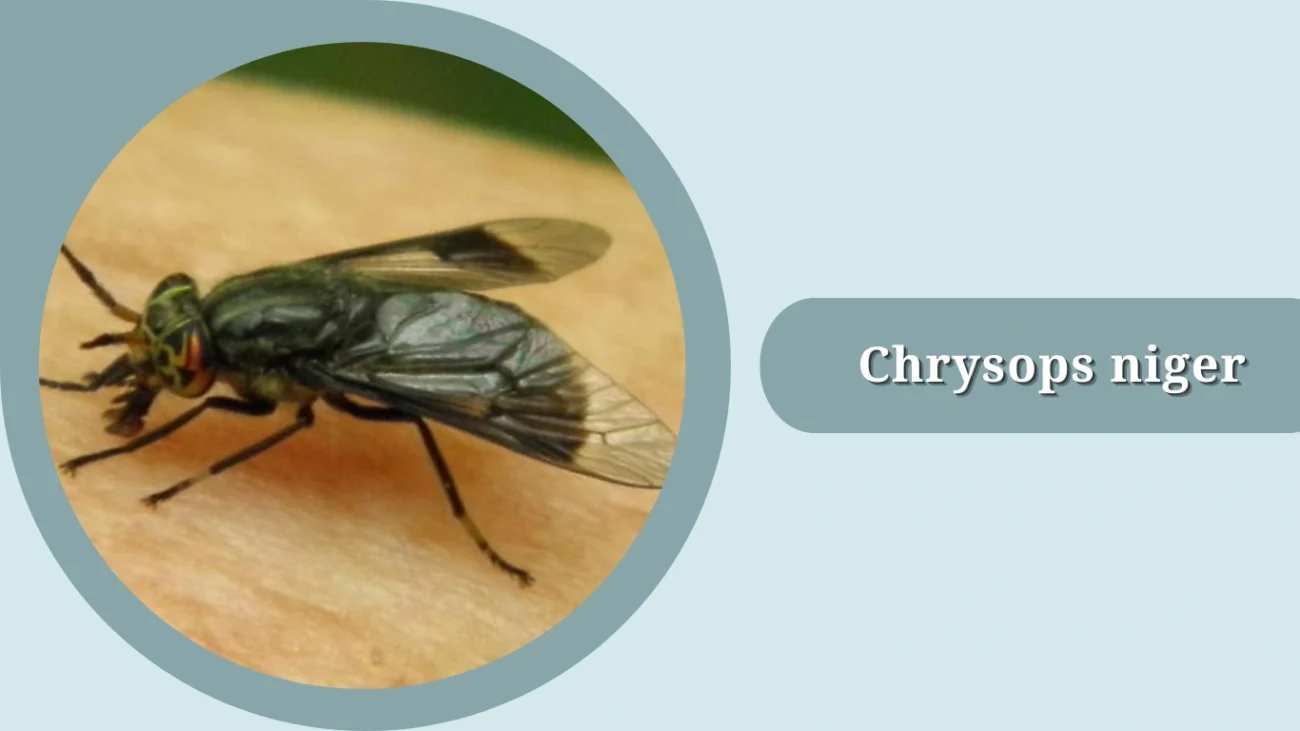
Chrysops niger is a distinctive deer fly species recognized for its dark body coloration. Unlike some other members of its genus with brighter markings, this species has a more uniform appearance, yet it remains a persistent blood feeder.
Identification
- Small to medium-sized fly with a black or very dark brown body
- Clear wings with faint banding or shading
- Eyes often dark with less noticeable iridescent bands
Habitat
Chrysops niger is typically found in moist environments such as marshlands, wetlands, and forested regions with nearby water sources. They prefer shaded areas that provide cover and breeding grounds.
Behavior
This species is a diurnal biter, actively pursuing hosts in the daytime. Females target mammals, including humans, for blood meals needed for egg production, while males feed primarily on nectar. Their dark coloration may help them blend into shaded habitats.
Lifecycle
Eggs are laid on plants near water. The larvae develop in damp soils or muddy areas, feeding on organic debris and small aquatic organisms. Pupation occurs in drier ground, with adults emerging during the warm months of the year.
5. Chrysops atlanticus
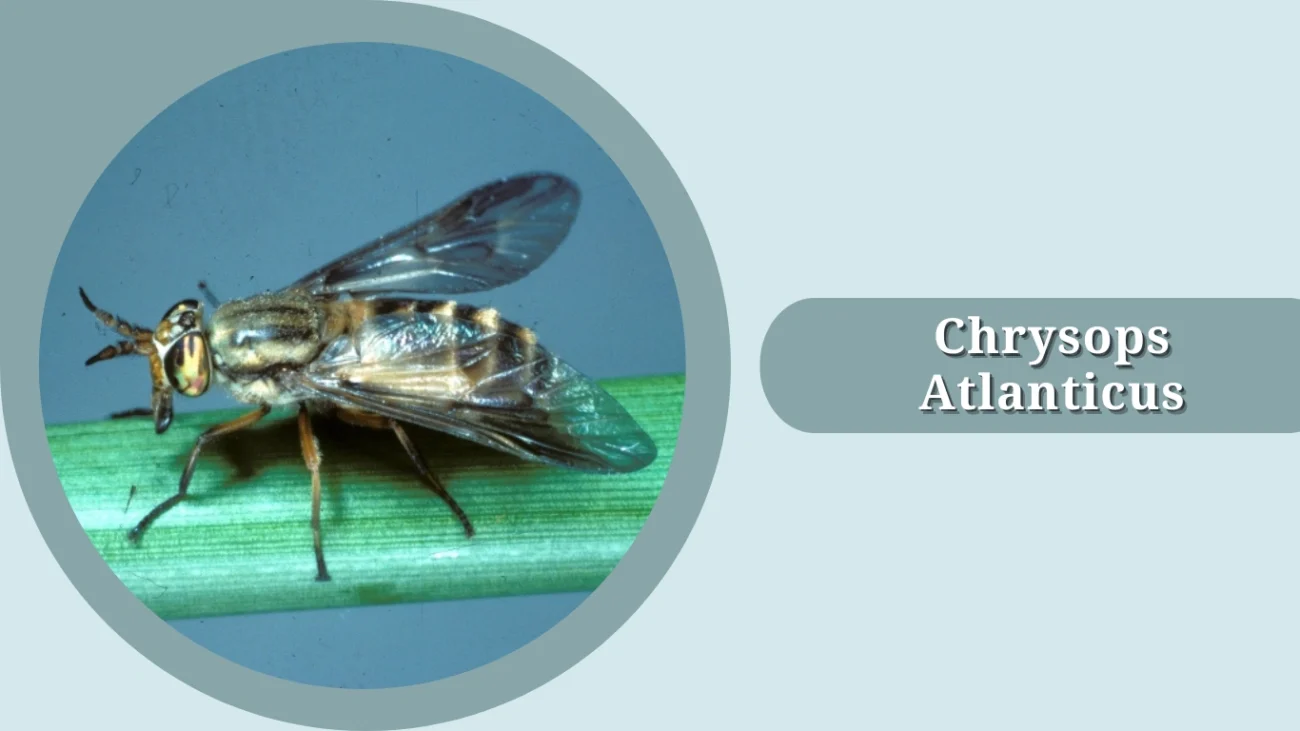
Chrysops atlanticus is a deer fly species commonly found along coastal regions and wetland habitats. It is known for its persistence around humans and animals, often becoming a nuisance during warmer months.
Identification
- Medium-sized fly with yellowish-brown body
- Wings marked with distinct dark crossbands
- Eyes display colorful bands, often with green or gold hues
Habitat
This species thrives in coastal wetlands, marshes, and areas with standing water. It is frequently observed in environments where both humans and livestock are present, making it a common pest in rural and semi-coastal communities.
Behavior
Chrysops atlanticus is diurnal, actively biting during daylight hours. Females seek blood meals from mammals, including humans, while males feed on nectar. They are fast fliers and known for their persistence in swarming around their targets.
Lifecycle
Eggs are deposited near water sources, typically on vegetation. Larvae develop in moist soils, feeding on decaying material and small organisms. After pupation in drier ground, adults emerge in summer, when their activity peaks.
6. Chrysops flavidus
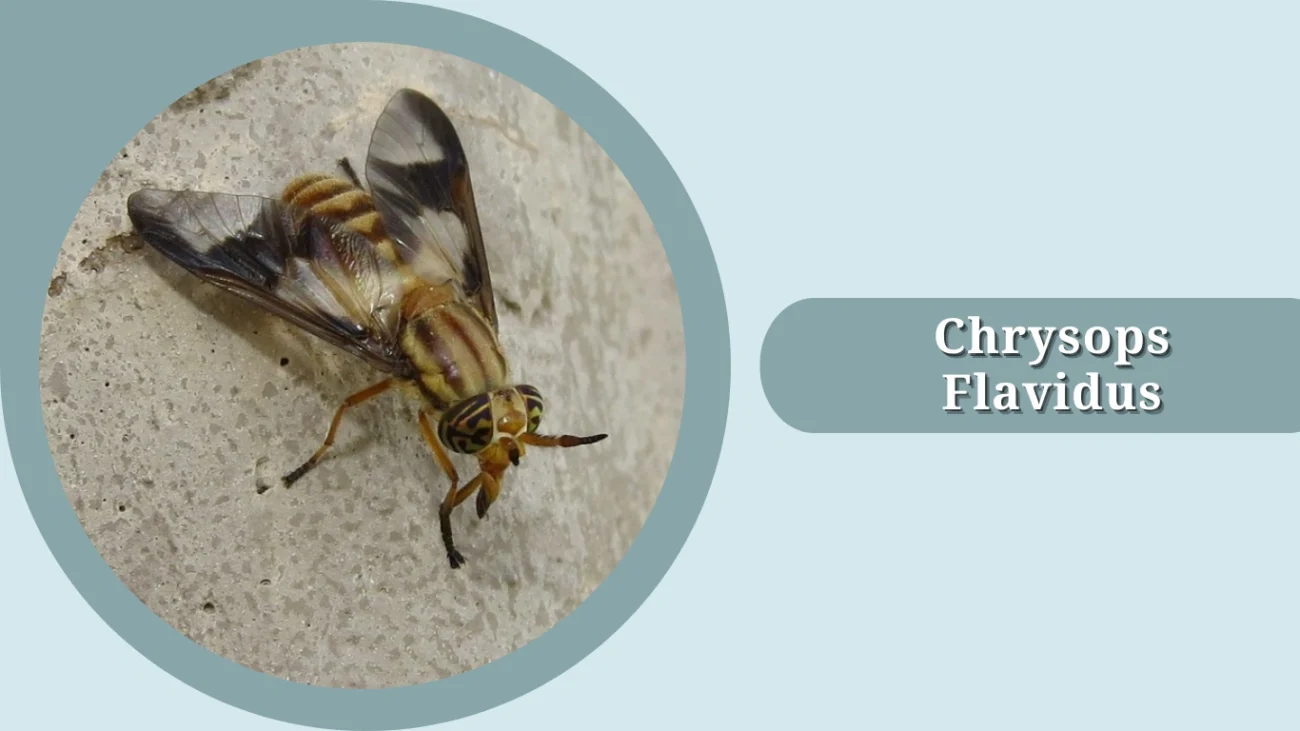
Chrysops flavidus is a distinctive deer fly species easily recognized by its yellowish coloration. It is less common than some other Chrysops species but still notable for its aggressive biting behavior in areas where it occurs.
Identification
- Medium-sized fly with a pale yellow to golden-brown body
- Clear wings with patterned dark bands
- Brightly colored eyes with iridescent stripes
Habitat
This species inhabits wetlands, grassy meadows, and areas near rivers or ponds. It favors regions with high humidity and vegetation that provide both shelter and breeding conditions.
Behavior
Chrysops flavidus is an active daytime biter, especially in warm summer months. Females feed on blood from mammals, while males consume nectar. Their light coloration may help them blend into grassy or sunlit habitats, making them less noticeable until they bite.
Lifecycle
Eggs are laid near aquatic environments, typically on plant stems. Larvae develop in moist soils or shallow water, feeding on decaying organic matter. Pupation occurs in drier areas before adults emerge, usually in late spring or early summer.
7. Chrysops excitans
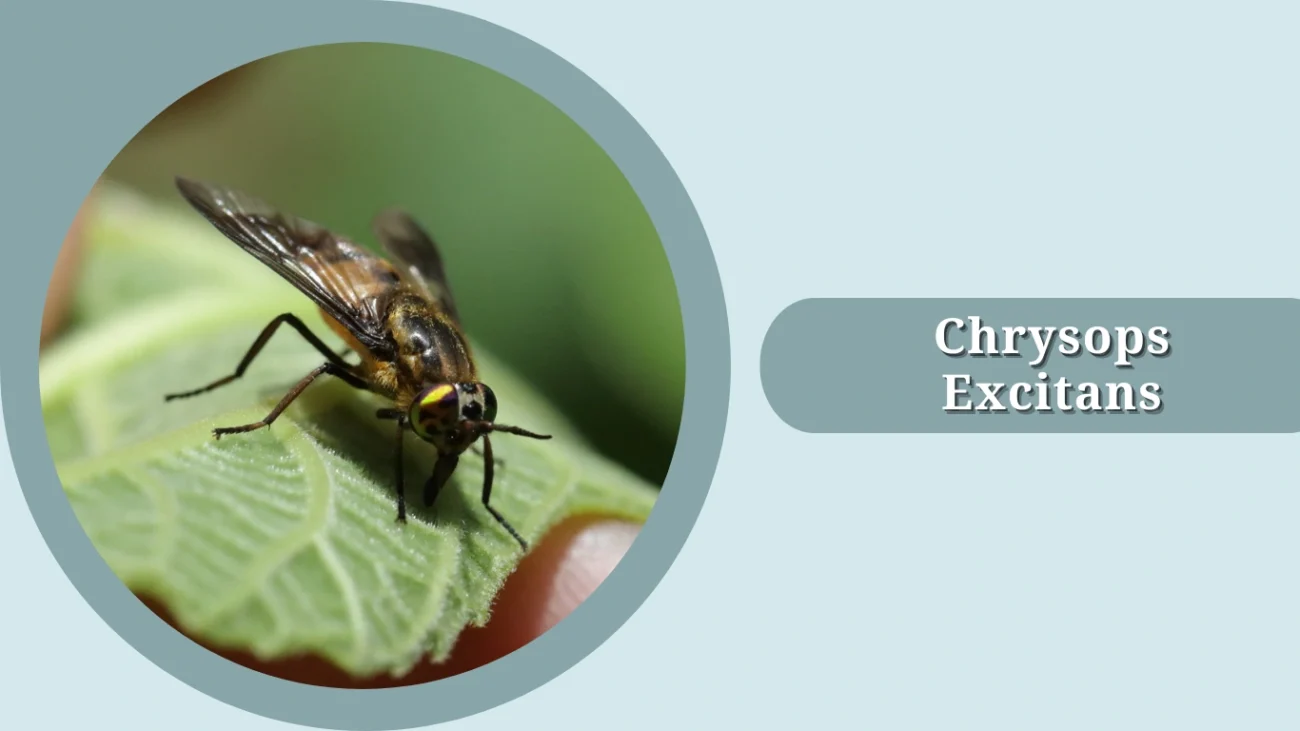
Chrysops excitans is a widespread deer fly species known for its aggressive feeding behavior and striking appearance. It is often encountered by humans and livestock in summer months, making it one of the more problematic species.
Identification
- Medium-sized fly with a yellowish-brown body
- Distinctive dark wing bands forming a cross pattern
- Large iridescent eyes with horizontal stripes
Habitat
This species is commonly found in wetlands, riverbanks, and forested areas with nearby water sources. It thrives in warm, humid environments that provide suitable conditions for larval development.
Behavior
Chrysops excitans is a strong flier and highly persistent when pursuing hosts. Females aggressively seek blood meals from mammals, including humans, while males primarily feed on nectar. Their bites are painful and can cause swelling or irritation.
Lifecycle
Eggs are deposited on vegetation near water. The larvae grow in moist soils, feeding on decaying matter and small aquatic organisms. After pupation in slightly drier ground, adults emerge in early summer, with activity peaking in warm months.
8. Chrysops carbonarius
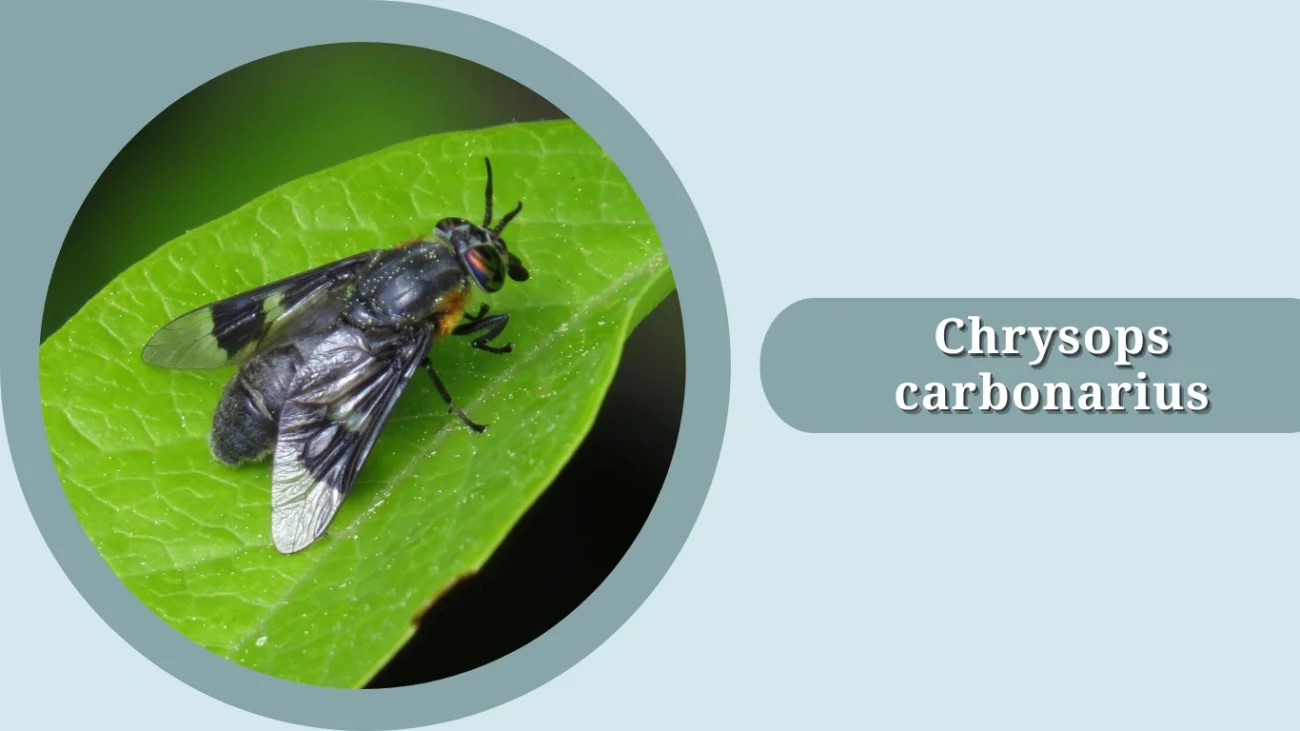
Chrysops carbonarius is a darker species of deer fly that stands out for its almost entirely black appearance. While less vividly patterned than some of its relatives, it is still an aggressive biter and can be quite troublesome in its habitats.
Identification
- Medium-sized fly with a black or charcoal-colored body
- Wings appear smoky with faint banding
- Eyes usually dark with minimal iridescent striping
Habitat
This species prefers swampy areas, wet meadows, and wooded wetlands. It is frequently found in regions with heavy vegetation and nearby sources of standing water that support its larval stages.
Behavior
Chrysops carbonarius is an active daytime biter and often seeks blood meals from large mammals, including humans. Females are persistent and can swarm hosts, while males restrict their diet to nectar. Their darker coloration may aid in absorbing heat and blending into shaded areas.
Lifecycle
Eggs are laid in clusters on vegetation near water. Larvae develop in moist soils or mud, feeding on decaying matter and tiny invertebrates. After pupation in drier ground, adults emerge during the warmer months, with activity peaking in summer.
9. Chrysops indus
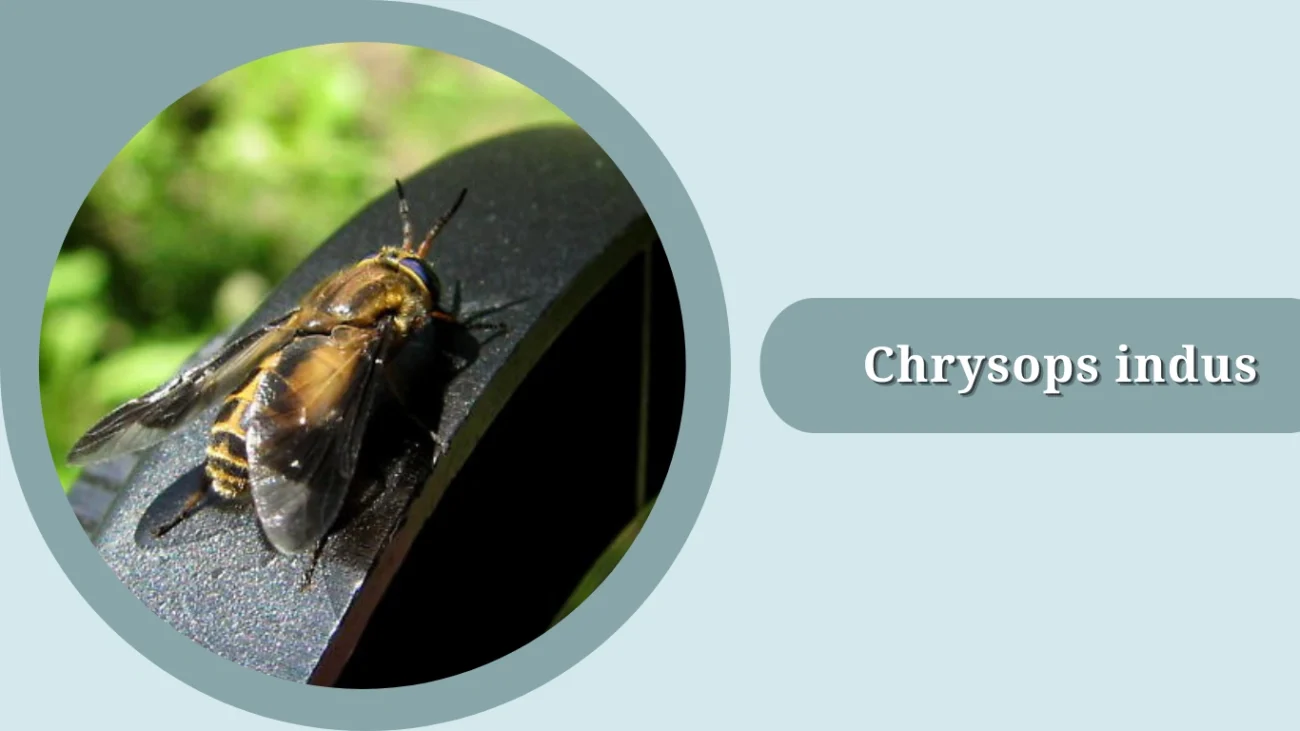
Chrysops indus is a deer fly species recognized for its patterned wings and medium size. It is a persistent blood-feeder, particularly around wetland areas, and is well adapted to warm, humid environments.
Identification
- Medium-sized fly with a brownish body
- Wings marked with dark crossbands
- Eyes show metallic reflections with horizontal bands
Habitat
This species is typically found in wetlands, riverbanks, and areas with tall grasses or shrubs near water. It favors warm regions with abundant moisture that support its reproductive cycle.
Behavior
Chrysops indus is diurnal, with females actively seeking blood meals from mammals during the day. Their bites are painful, and they often hover around humans and livestock. Males, in contrast, feed mainly on nectar and plant juices.
Lifecycle
Eggs are laid on vegetation close to water sources. Larvae develop in moist soils or shallow water, consuming organic debris and small aquatic organisms. Pupation occurs in drier ground, followed by adult emergence in late spring or early summer.
10. Chrysops macquarti

Chrysops macquarti is a deer fly species notable for its distinct wing markings and aggressive biting habits. Like many members of its genus, it is frequently encountered in wetland areas where it thrives during the summer months.
Identification
- Medium-sized fly with a brownish-yellow body
- Wings patterned with bold dark bands
- Eyes often iridescent with colorful horizontal stripes
Habitat
This species prefers wetlands, grassy meadows, and forest edges near streams or ponds. It is especially abundant in regions with high humidity and dense vegetation.
Behavior
Chrysops macquarti is a strong daytime flier and an aggressive blood-seeker. Females bite humans and animals for blood meals necessary for egg production, while males feed exclusively on nectar. They are known to swarm persistently around their hosts.
Lifecycle
Eggs are laid in clusters on plants near water. Larvae develop in moist soil or mud, feeding on decaying matter and small organisms. Pupation occurs in slightly drier soil before adults emerge in the warmer months of late spring and summer.
11. Chrysops discalis
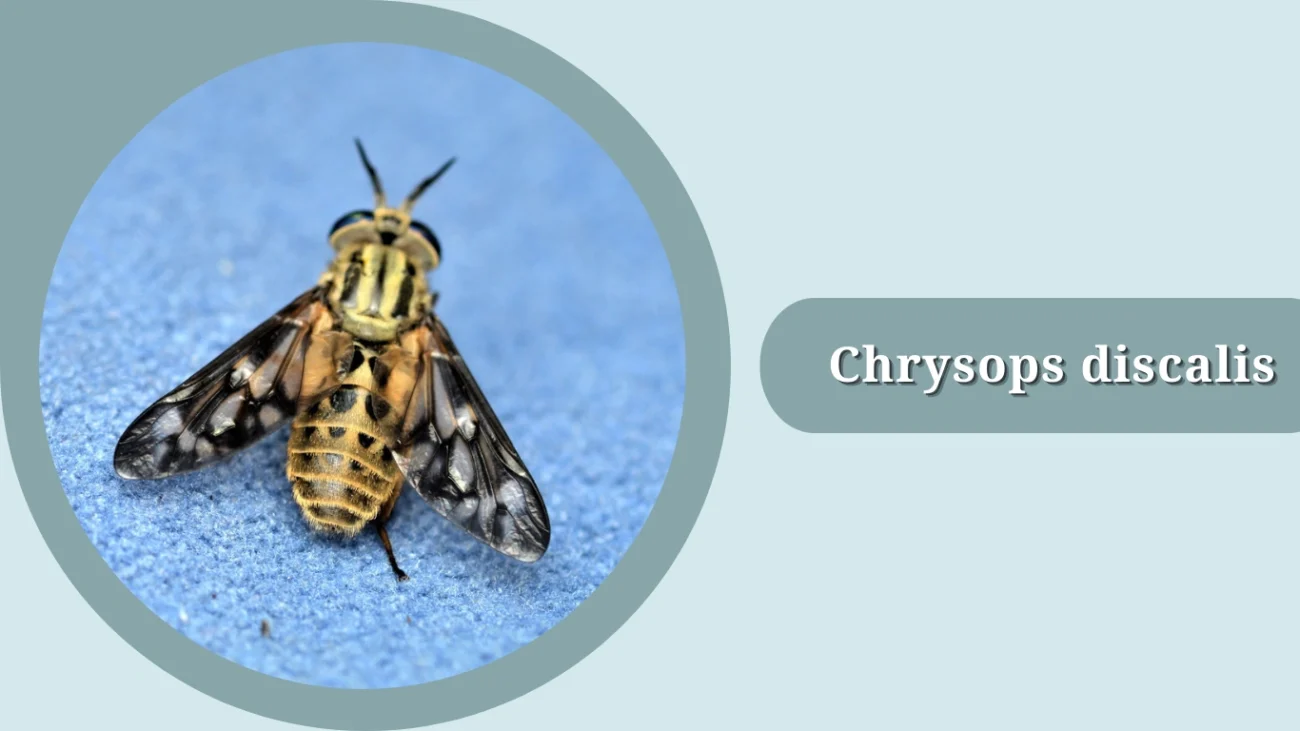
Chrysops discalis is a deer fly species recognized for its distinctive wing patterns and its persistence in wetland regions. It is a common species in North America and is frequently encountered by both humans and animals during summer.
Identification
- Medium-sized fly with a yellow-brown body
- Wings with sharply defined dark crossbands
- Eyes often show metallic or iridescent bands
Habitat
This species is found in wetlands, marshes, and along streams or rivers. It thrives in moist environments with plenty of vegetation that supports breeding and larval development.
Behavior
Chrysops discalis is a diurnal biter, most active on warm sunny days. Females aggressively seek blood meals from mammals, while males feed on nectar. They are known for their persistence in circling hosts and delivering painful bites.
Lifecycle
Eggs are deposited on vegetation near water sources. The larvae develop in wet soils or mud, feeding on decaying organic matter and small aquatic creatures. Pupation takes place in drier ground before adults emerge in late spring or early summer.
12. Chrysops sackeni
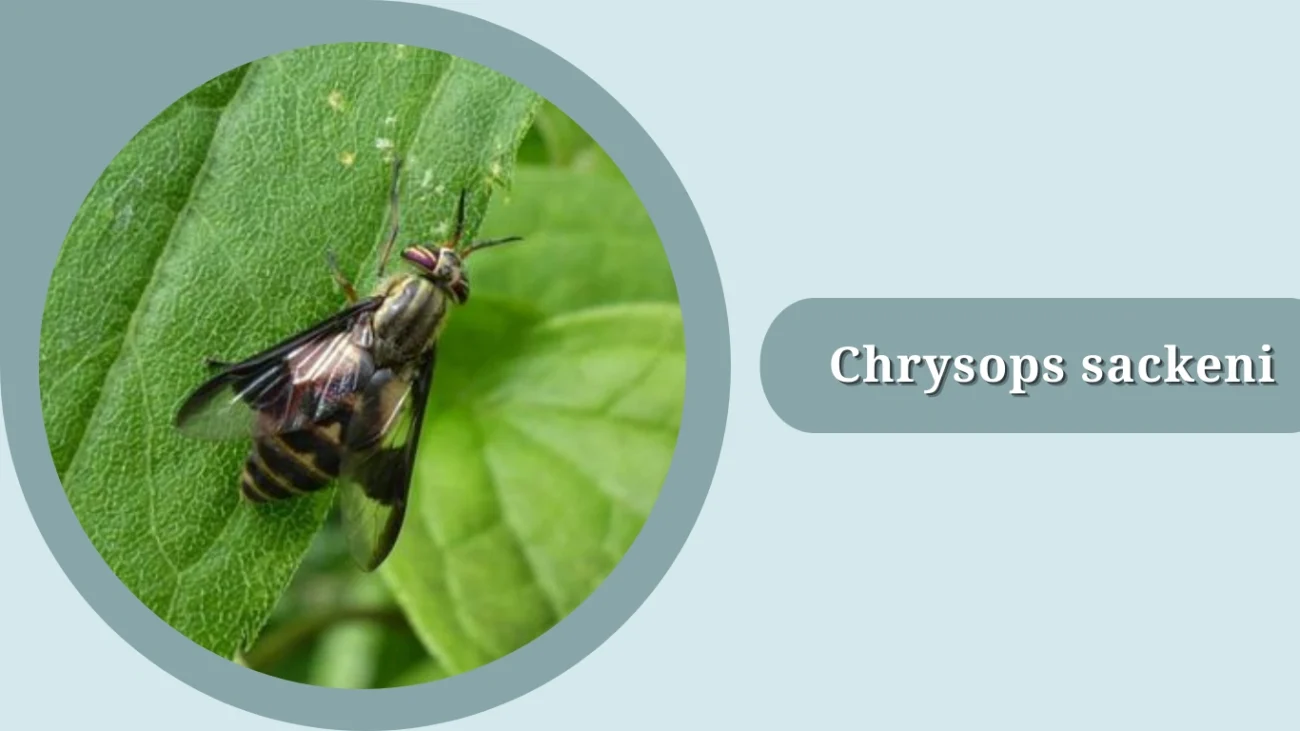
Chrysops sackeni is a relatively well-distributed deer fly species known for its striking eye patterns and aggressive biting behavior. It is often observed during warm months in habitats close to water.
Identification
- Medium-sized fly with a slender brownish body
- Wings with distinct dark markings forming bands
- Eyes brightly iridescent, often with green or purple stripes
Habitat
This species inhabits wetlands, marshes, and wooded areas near streams or ponds. It prefers humid environments that provide ideal breeding conditions for its larvae.
Behavior
Chrysops sackeni is highly active during the daytime and is a determined blood feeder. Females are persistent in pursuing humans and animals for blood meals, while males feed primarily on nectar. Their bites are painful and irritating.
Lifecycle
Eggs are laid in masses on plants close to water sources. Larvae develop in moist or muddy soils, feeding on decaying matter and small invertebrates. Pupation occurs in drier ground, with adults emerging in the summer months.
13. Chrysops sepulcralis
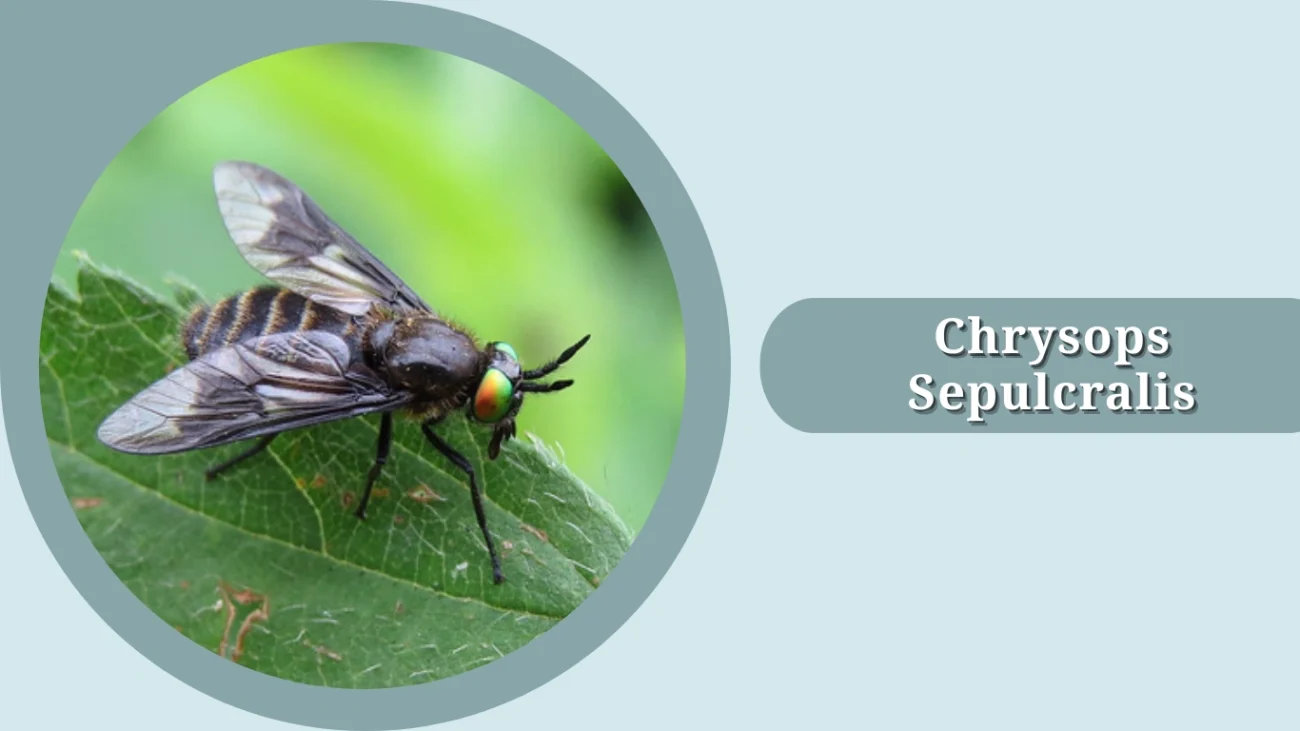
Chrysops sepulcralis is a deer fly species with a striking wing pattern and a reputation for being an aggressive biter. It is often found in wetland habitats where it thrives during warm seasons.
Identification
- Medium-sized fly with a dark brown to black body
- Wings with bold crossbands that form distinctive patterns
- Eyes brightly iridescent, often showing green or gold bands
Habitat
This species is found in marshes, swamps, and moist woodland areas. It prefers locations with standing water and dense vegetation that provide breeding conditions and cover.
Behavior
Chrysops sepulcralis is active during the day and particularly aggressive in pursuing blood meals. Females target mammals, including humans, while males feed on nectar. Their persistence and painful bites make them a notable pest in their habitats.
Lifecycle
Eggs are laid in masses on vegetation close to water. Larvae develop in moist or muddy soils, feeding on organic matter and small aquatic invertebrates. Pupation occurs in drier ground before adults emerge in late spring or summer.
14. Chrysops frigidus
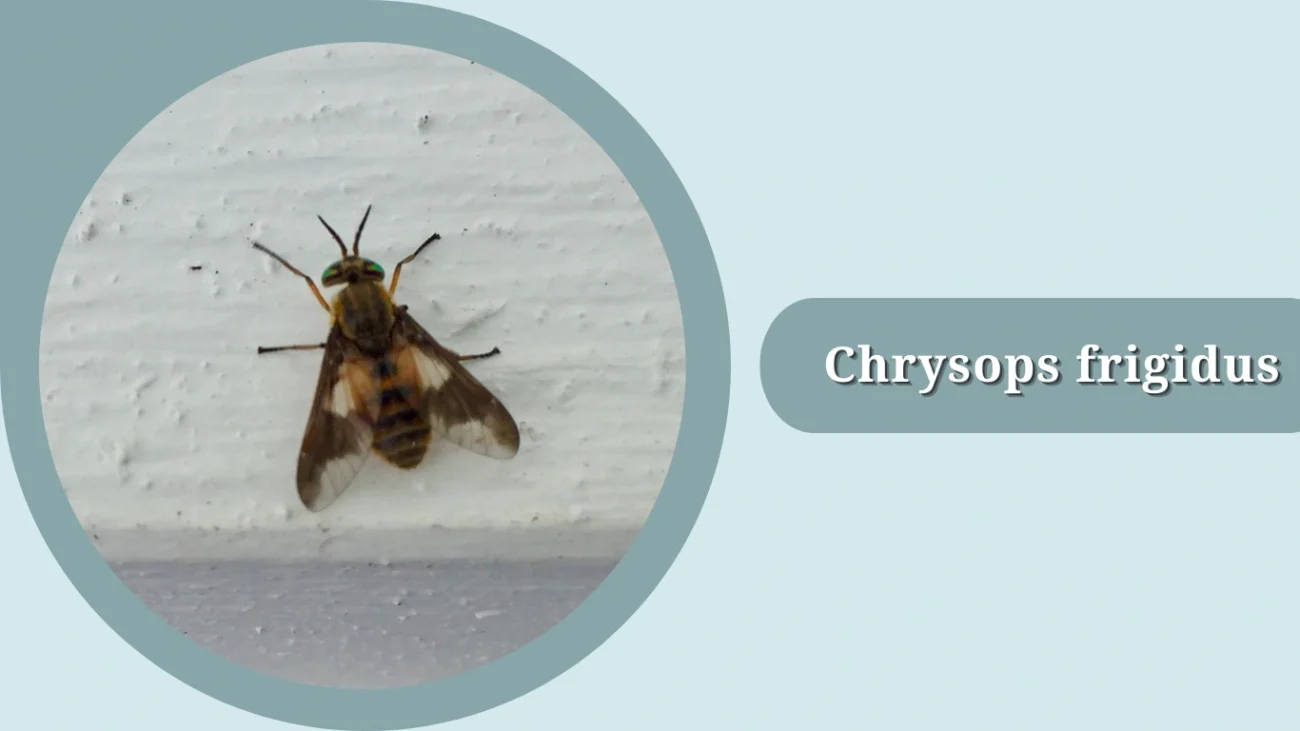
Chrysops frigidus is a deer fly species that tends to occur in cooler northern regions, distinguishing it from many of its relatives that prefer warmer climates. Despite its limited range, it is still an aggressive blood feeder during its active season.
Identification
- Medium-sized fly with a dark brown to blackish body
- Wings often smoky with subtle banding
- Eyes iridescent with faint horizontal striping
Habitat
This species is commonly found in cooler wetlands, bogs, and marshes. It is especially associated with northern latitudes and higher elevations, where temperatures are lower but moisture is abundant.
Behavior
Chrysops frigidus is diurnal, active mainly on sunny days in summer. Females seek blood meals from mammals, including humans, while males survive on nectar. Their activity period is shorter due to the cooler climates they inhabit.
Lifecycle
Eggs are laid on plants close to water sources. Larvae develop in damp soils and boggy areas, feeding on organic material and small aquatic organisms. After pupation in slightly drier ground, adults emerge in summer, though for a shorter seasonal window compared to more southern species.
15. Chrysops aberrans

Chrysops aberrans is a lesser-known species of deer fly, recognized for its distinct wing markings and typical biting habits common within the genus. Though not as widely studied as some species, it still poses a nuisance to humans and animals in its range.
Identification
- Medium-sized fly with a brownish body
- Wings patterned with noticeable dark bands
- Eyes iridescent, often displaying green or gold stripes
Habitat
This species inhabits wetlands, marshes, and areas near rivers or streams. It thrives in humid, vegetated environments that support both adult activity and larval development.
Behavior
Chrysops aberrans is diurnal and actively bites during the day. Females require blood meals for egg production and are persistent in pursuing mammals, while males feed on nectar. Their bites are painful and can cause localized irritation.
Lifecycle
Eggs are laid on vegetation near water. Larvae grow in moist soils or mud, feeding on organic matter and tiny invertebrates. After pupation in drier soil, adults emerge during summer, completing the life cycle.