











Frogs in Florida are diverse, colorful, and commonly found across a wide range of habitats. From wetlands and forests to backyard gardens, these amphibians thrive in the state’s warm and humid climate. Each species has unique features, calls, and behaviors, making them interesting to observe in the wild. They also play an important role in the ecosystem by controlling insect populations and serving as indicators of environmental health.
1. American Green Tree Frog

The American Green Tree Frog is one of the most common and recognizable frogs in Florida. Known for its bright green color and gentle nature, it is often found near water sources and vegetation. This species is also the official state amphibian of Florida and is popular for its soft, pleasant calls during warm evenings.
Identification
- Bright green body with smooth skin
- White or cream-colored stripe along each side
- Slender body with long legs
- Large eyes with horizontal pupils
- Sticky toe pads for climbing
Habitat
American Green Tree Frogs are commonly found in wetlands, ponds, marshes, and lakes throughout Florida. They prefer areas with plenty of vegetation, such as grasses and shrubs near water. They are also frequently seen around homes, especially near lights where insects gather.
Behaviors
These frogs are mostly nocturnal and become active at night. They are excellent climbers and often rest on plants during the day. Males are known for their soft, musical calls, especially during the breeding season after rain.
Diet and Lifecycle
Their diet mainly consists of insects such as flies, mosquitoes, and crickets. They help control insect populations naturally. The lifecycle begins as eggs laid in water, which hatch into tadpoles. These tadpoles gradually develop into adult frogs. They typically live around 3 to 6 years in the wild.
2. Cuban Tree Frog

The Cuban Tree Frog is a large and invasive species commonly found in Florida. Originally from the Caribbean, it has spread widely and adapted well to urban environments. It is known for its strong climbing ability and loud calls. While interesting to observe, it can negatively impact native frog species.
Identification
- Large body with warty or rough skin
- Color varies from gray, brown, to green
- Bulging eyes with a golden or bronze iris
- Very large toe pads for climbing
- Sticky skin that may feel slightly slimy
Habitat
Cuban Tree Frogs are highly adaptable and found in a wide range of habitats, including gardens, buildings, wetlands, and forests. They are often seen around homes, especially near lights where insects gather.
Behaviors
This species is nocturnal and very active at night. It is an excellent climber and often hides during the day in cool, damp places like pipes or tree holes. Its call is loud and raspy, especially during the breeding season.
Diet and Lifecycle
They are aggressive feeders, eating insects, small frogs, lizards, and even other tree frogs. Eggs are laid in water, where they hatch into tadpoles before becoming adults. Cuban Tree Frogs can live around 5 to 10 years in the wild.
3. Squirrel Tree Frog

The Squirrel Tree Frog is a small and highly adaptable species commonly found throughout Florida. It is known for its variable color and energetic behavior. This frog is often seen around homes, gardens, and wetlands, making it one of the more noticeable tree frogs in the region.
Identification
- Color varies from green, brown, or gray
- Smooth skin with a slightly shiny appearance
- Slender body with long legs
- Large toe pads for climbing
- White or pale underside
Habitat
Squirrel Tree Frogs live in a wide range of habitats, including wetlands, forests, gardens, and urban areas. They are often found near water but can also survive in drier locations. They commonly hide in plants, tree holes, or man-made structures.
Behaviors
These frogs are active and agile, especially at night. They are excellent climbers and often gather around lights to catch insects. Their call is a rapid, chattering sound, especially during the breeding season.
Diet and Lifecycle
They mainly eat insects such as flies, mosquitoes, and small beetles. Eggs are laid in shallow water, where tadpoles develop before transforming into adult frogs. Their lifespan is typically around 3 to 5 years in the wild.
4. Pine Woods Tree Frog

The Pine Woods Tree Frog is a small and slender species commonly found in Florida’s pine forests and wetlands. It is known for its high-pitched calls and preference for natural, undisturbed habitats. Although not always easy to spot, it becomes more noticeable during the breeding season when males call near water.
Identification
- Slender body with smooth skin
- Brown, gray, or green coloration
- Dark stripe running from nose through the eye
- Light underside with subtle markings
- Small toe pads for climbing
Habitat
This species prefers pine flatwoods, wetlands, and forest edges. It is often found near temporary ponds, ditches, and marshy areas where it breeds. It relies on moist environments with plenty of vegetation for shelter.
Behaviors
The Pine Woods Tree Frog is mostly nocturnal and becomes active at night. Males produce a high-pitched, whistling call during the breeding season. They are good climbers and often stay hidden in vegetation during the day.
Diet and Lifecycle
Their diet consists mainly of small insects such as ants, flies, and beetles. Eggs are laid in shallow water, where tadpoles develop before becoming adult frogs. They typically live around 2 to 4 years in the wild.
5. Barking Tree Frog
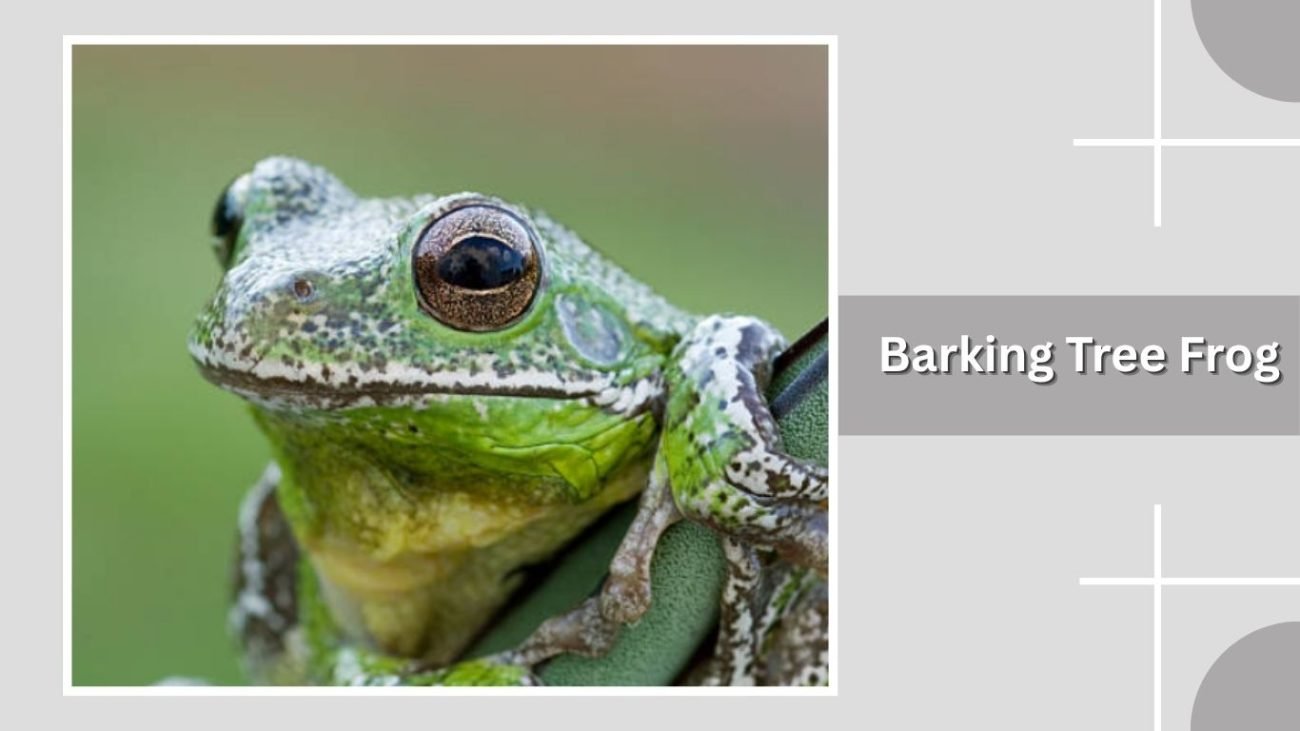
The Barking Tree Frog is one of the larger tree frogs found in Florida and is known for its deep, dog-like call. It is less commonly seen than other species but can be heard during warm, humid nights. This frog prefers natural habitats and is often associated with wooded areas near water.
Identification
- Large body with slightly rough, warty skin
- Color ranges from green to gray or brown
- Dark spots or blotches on the back
- Yellow or orange patches on the inner thighs
- Large toe pads for climbing
Habitat
Barking Tree Frogs are typically found in forests, swamps, and wooded wetlands. They prefer areas with trees and nearby water sources such as ponds or marshes. They often stay hidden in tree holes or dense vegetation during the day.
Behaviors
This species is mostly nocturnal and becomes active at night. Its call sounds like a dog barking, which is how it gets its name. It is a strong climber and spends much of its time in trees, descending mainly during breeding periods.
Diet and Lifecycle
They feed on insects such as beetles, crickets, and moths. Breeding occurs in water, where females lay eggs that hatch into tadpoles. These tadpoles eventually transform into adult frogs. The Barking Tree Frog typically lives around 5 to 7 years in the wild.
6. Southern Leopard Frog
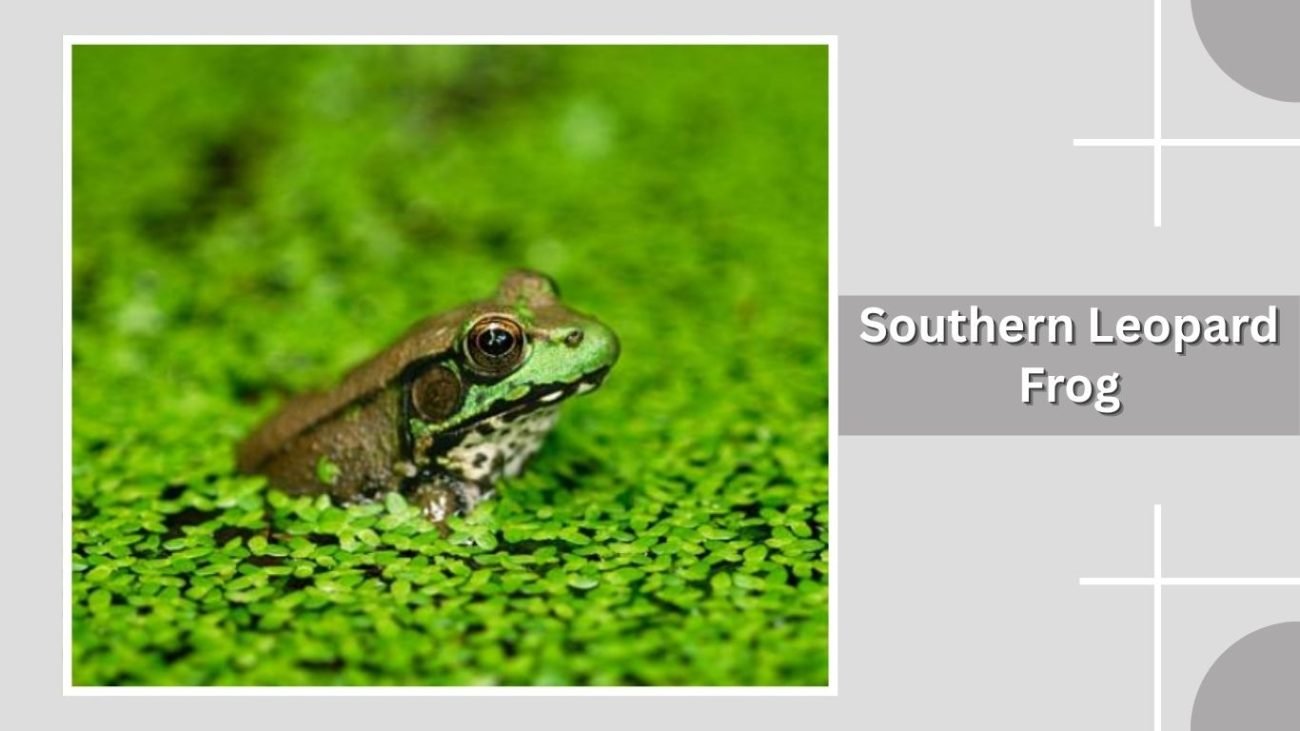
The Southern Leopard Frog is a common and easily recognizable species found throughout Florida. It is known for its spotted pattern and strong jumping ability. This frog is often seen near water bodies and is active both day and night, making it one of the more noticeable frogs in the region.
Identification
- Green or brown body with distinct dark round spots
- Light-colored underside
- Smooth skin with a slightly glossy appearance
- Long, powerful hind legs
- Prominent ridges running along the back
Habitat
Southern Leopard Frogs are commonly found in ponds, marshes, ditches, and lakes. They prefer areas with shallow water and vegetation. This species can also be found in grassy fields near water sources.
Behaviors
These frogs are active and alert, often making quick leaps to escape predators. They are known for their chuckling or snore-like calls, especially during the breeding season. They may be active during both day and night, depending on conditions.
Diet and Lifecycle
Their diet mainly consists of insects such as beetles, flies, and ants. They also eat other small invertebrates. Eggs are laid in water, where tadpoles develop before transforming into adults. Their lifespan is typically around 3 to 6 years in the wild.
7. Pig Frog
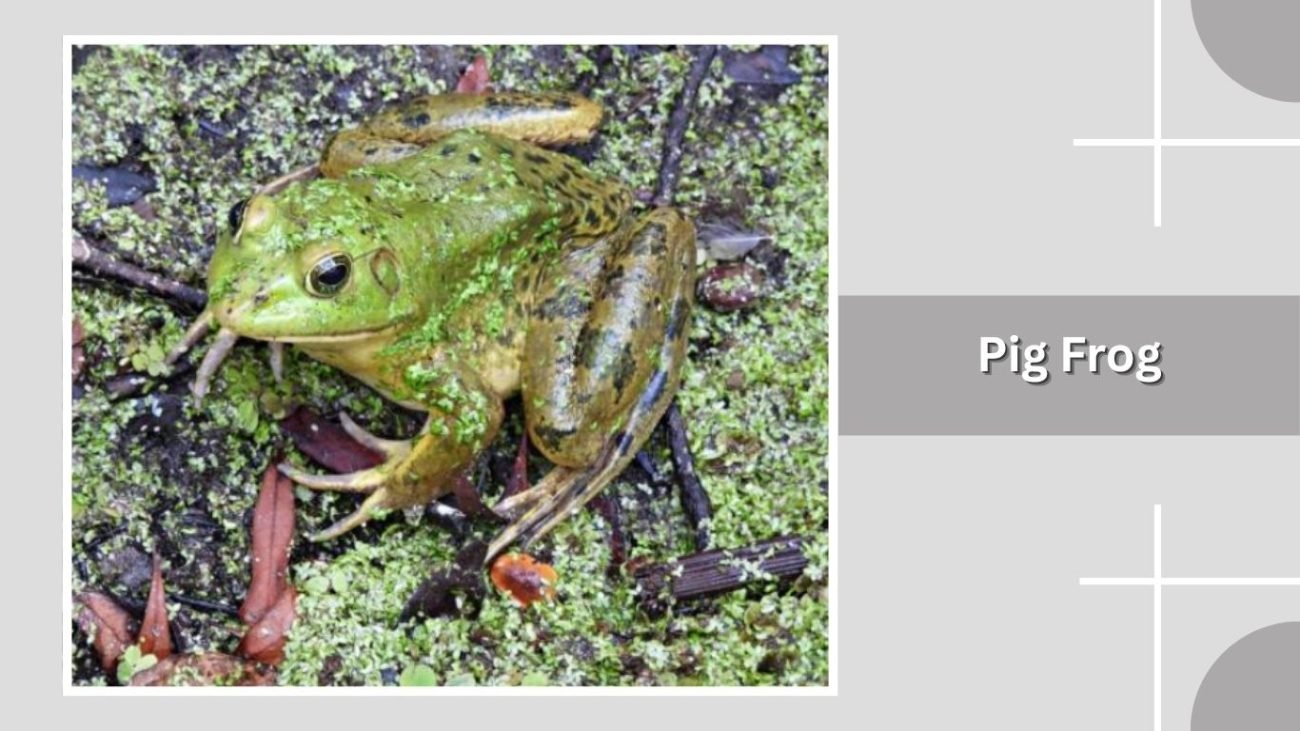
The Pig Frog is a large aquatic frog commonly found in Florida’s wetlands. It gets its name from its deep, grunting call that sounds similar to a pig. This species is often heard more than seen and is usually found in permanent water bodies with thick vegetation.
Identification
- Large, bulky body with smooth skin
- Green to brown coloration with irregular spots
- Pale underside
- Large head with wide mouth
- Strong hind legs adapted for swimming
Habitat
Pig Frogs live in ponds, lakes, marshes, and slow-moving rivers. They prefer areas with dense aquatic vegetation where they can hide and hunt. They are almost always found near or in water.
Behaviors
This species is mostly nocturnal and very aquatic, rarely moving far from water. Its deep, grunting call is commonly heard at night, especially during the breeding season. It is a strong swimmer and spends much of its time floating near the surface.
Diet and Lifecycle
Pig Frogs feed on insects, fish, smaller frogs, and other aquatic animals. They are opportunistic predators. Eggs are laid in water, where tadpoles develop before becoming adults. They typically live around 6 to 10 years in the wild.
8. Bullfrog
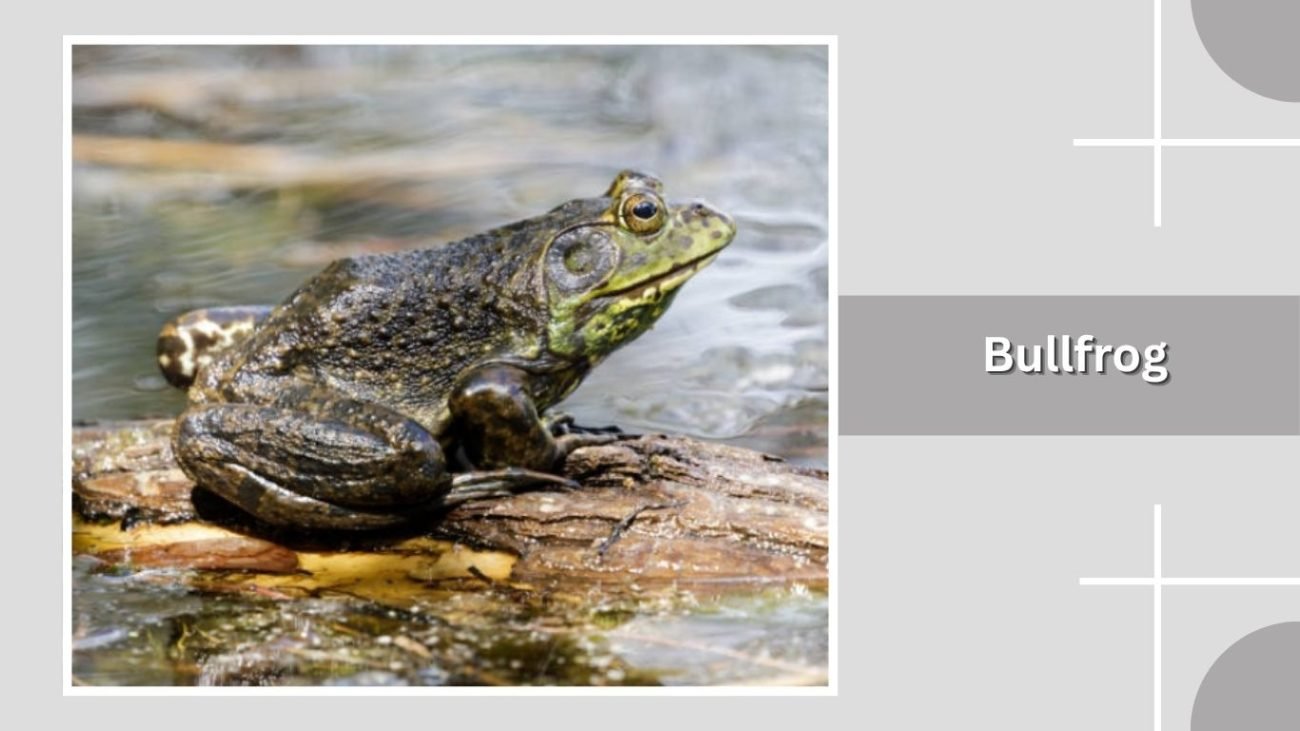
The Bullfrog is the largest frog species found in Florida and is well known for its deep, booming call. It is highly adaptable and can live in a variety of aquatic environments. Due to its size and appetite, it is a dominant predator in many ecosystems.
Identification
- Very large, heavy-bodied frog
- Green or olive coloration, sometimes with brown tones
- Smooth skin with a lighter underside
- Large head with a wide mouth
- Prominent eardrum (tympanum) behind the eye
Habitat
Bullfrogs are found in ponds, lakes, marshes, and slow-moving rivers. They prefer permanent water sources with plenty of vegetation. This species can also adapt to man-made water bodies such as canals and reservoirs.
Behaviors
Bullfrogs are mostly active at night but may also be seen during the day. Their loud, deep call is often compared to a low rumble or bellow. They are strong swimmers and usually stay close to water, quickly diving in when threatened.
Diet and Lifecycle
They are opportunistic feeders, eating insects, fish, birds, and even other frogs. Eggs are laid in water, where tadpoles develop over time before becoming adults. Bullfrogs can live around 7 to 10 years in the wild.
9. Cricket Frog
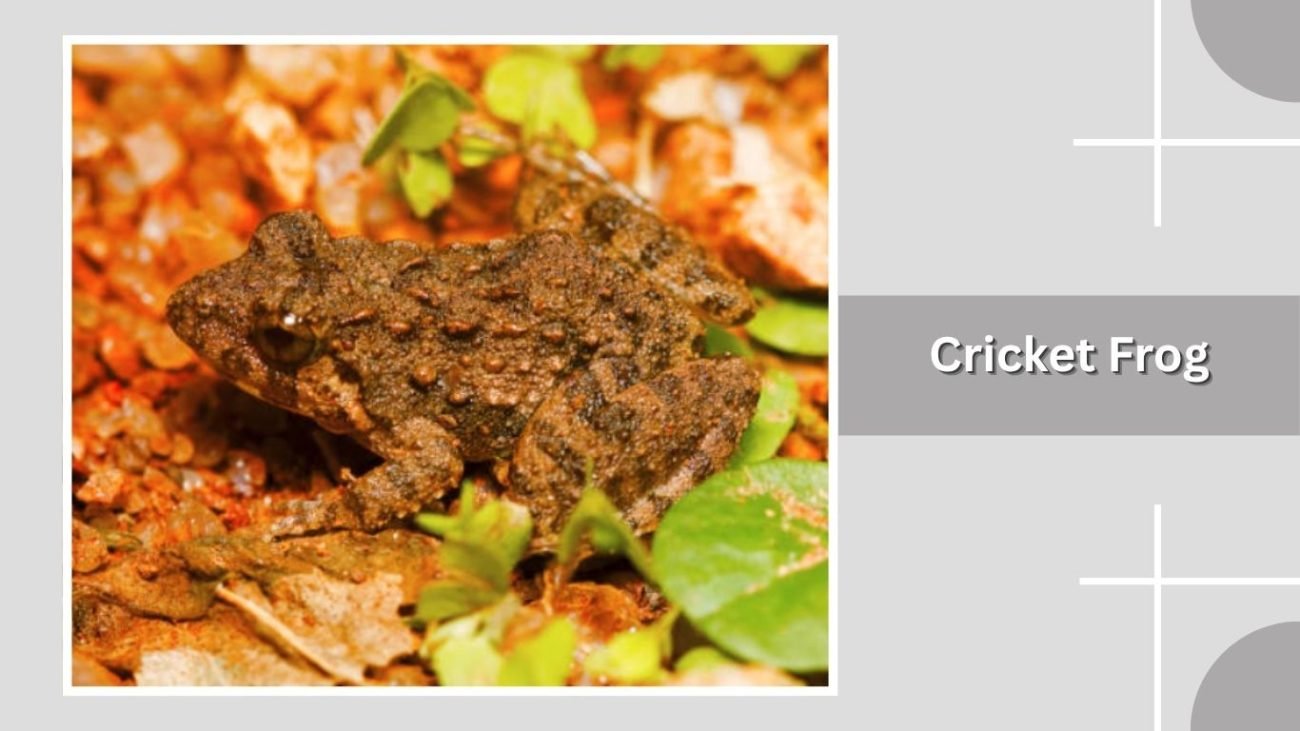
The Cricket Frog is a very small and active species found in Florida. It gets its name from its sharp, clicking call that sounds like crickets. Despite its tiny size, it is quick and alert, often making sudden jumps to escape predators. It is commonly seen near water edges.
Identification
- Very small, slender body
- Color varies from gray, brown, to green with patterns
- Slightly rough or warty skin
- Dark triangular mark between the eyes
- Long hind legs for strong jumping
Habitat
Cricket Frogs are usually found near ponds, lakes, marshes, and streams. They prefer shallow water edges with plenty of vegetation. They are often seen on muddy banks or floating plants.
Behaviors
These frogs are highly active and nervous, quickly jumping away when disturbed. Their call is a rapid clicking sound, especially during the breeding season. They are mostly active during warm weather.
Diet and Lifecycle
They feed on small insects such as flies, ants, and tiny beetles. Eggs are laid in water, where tadpoles develop before transforming into adults. Their lifespan is usually around 2 to 4 years in the wild.
10. Eastern Narrow-mouthed Toad
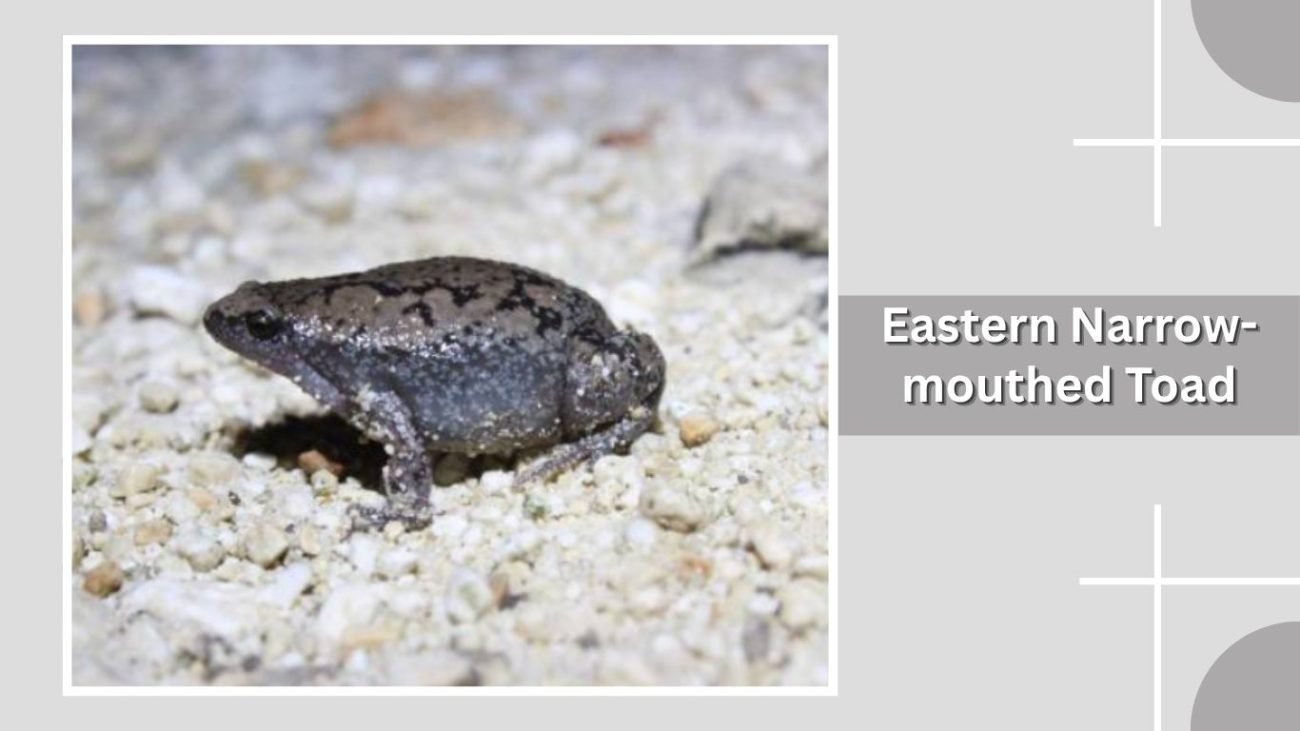
The Eastern Narrow-mouthed Toad is a small, secretive amphibian commonly found in Florida. Despite its name, it is not a true toad but belongs to a different group of frogs. It is known for its pointed snout and unique, nasal call. This species is often hidden under logs or debris and becomes more visible after rain.
Identification
- Small, rounded body with smooth, moist skin
- Gray or brown coloration, sometimes with mottled patterns
- Narrow, pointed snout
- Small head with a short mouth
- Light stripe or marking along the back in some individuals
Habitat
This species prefers moist environments such as forests, wetlands, and grassy areas. It is often found under logs, leaf litter, or other ground cover. It becomes more active during rainy conditions and near temporary water bodies.
Behaviors
The Eastern Narrow-mouthed Toad is mostly nocturnal and spends much of its time hidden. Its call is a high-pitched, nasal sound that resembles a sheep bleating. It often emerges after rain to feed and breed.
Diet and Lifecycle
It mainly feeds on small insects, especially ants and termites. Eggs are laid in shallow water, where tadpoles quickly develop into frogs. Its lifespan is relatively short, typically around 2 to 3 years in the wild.
11. Oak Toad
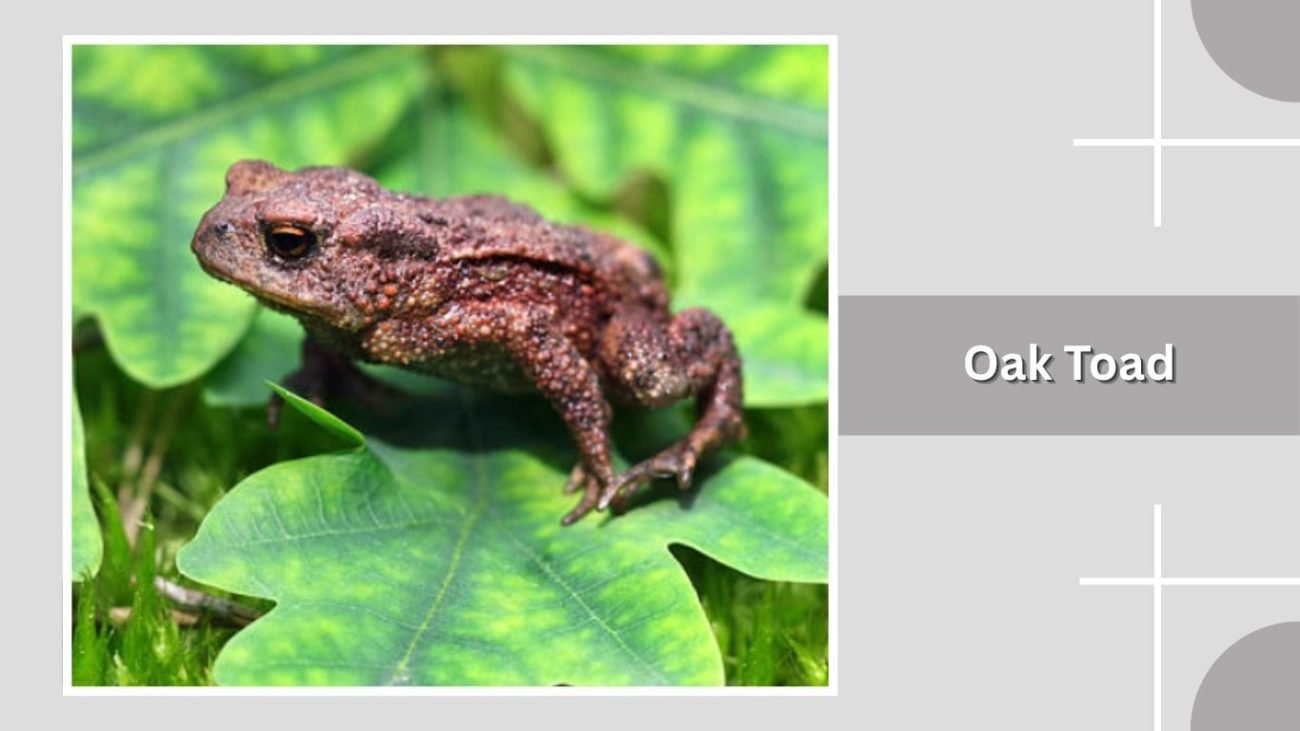
The Oak Toad is the smallest true toad in North America and is commonly found in Florida. It is easily recognized by its tiny size and distinctive light stripe down its back. This species is active during the day, which makes it easier to spot compared to many other frogs.
Identification
- Very small body with slightly rough, warty skin
- Gray to black coloration
- Distinct white or light stripe running down the back
- Short legs and a rounded body
- Dark patch on the chest
Habitat
Oak Toads prefer sandy, open areas such as pine flatwoods, grasslands, and fields. They are often found in areas with low vegetation and loose soil where they can burrow. They also stay close to shallow water sources for breeding.
Behaviors
Unlike many frogs, Oak Toads are diurnal and active during the day. They are often seen hopping along the ground searching for food. Their call is a short, high-pitched chirp, especially during the breeding season.
Diet and Lifecycle
They mainly feed on small insects such as ants, beetles, and spiders. Eggs are laid in shallow water, where tadpoles develop quickly before becoming adults. Oak Toads typically live around 2 to 4 years in the wild.
12. Southern Toad
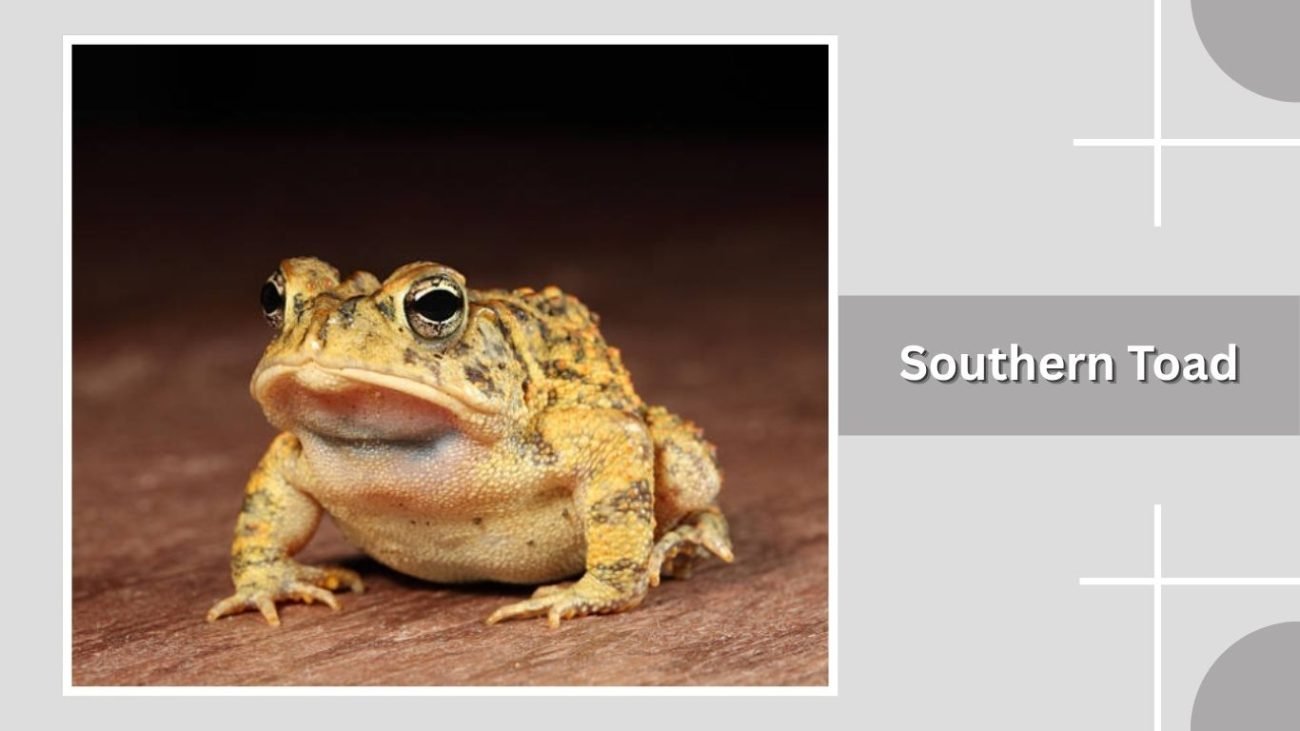
The Southern Toad is a common amphibian found throughout Florida. It is known for its rough, warty skin and distinctive ridges on its head. This species is often seen in gardens, forests, and near homes, especially after rain. It is hardy and adaptable, making it one of the most familiar toads in the region.
Identification
- Brown, reddish, or gray body with rough, warty skin
- Prominent ridges (crests) on the head
- Large parotoid glands behind the eyes
- Light underside with some dark spots
- Stocky body with short legs
Habitat
Southern Toads live in a variety of environments, including forests, grasslands, gardens, and urban areas. They prefer moist places and often hide under logs, rocks, or debris during the day. They stay close to water sources for breeding.
Behaviors
This species is mostly nocturnal and becomes active at night. It moves slowly compared to frogs and often hops short distances. Its call is a long, high-pitched trill that can last several seconds, especially during the breeding season.
Diet and Lifecycle
Southern Toads feed on insects such as ants, beetles, and worms. They help control pest populations in gardens. Eggs are laid in long strings in water, where tadpoles develop before becoming adults. They typically live around 3 to 6 years in the wild.
FAQs
Are frogs in Florida dangerous to humans?
Most frogs in Florida are harmless to humans. They do not bite or attack. However, some species like the Cuban Tree Frog can secrete mild toxins that may irritate the skin or eyes, so it’s best to avoid handling them directly.
What do frogs in Florida eat?
Frogs in Florida mainly eat insects such as mosquitoes, flies, beetles, and ants. Larger species like Bullfrogs may also eat small fish, other frogs, and even small animals. They play an important role in controlling pest populations.
When are frogs most active in Florida?
Most frogs in Florida are nocturnal, meaning they are active at night. They are especially active during warm, humid conditions and after rainfall, which is also when you can hear their calls the most.
Where can you find frogs in Florida?
Frogs are commonly found near water sources like ponds, lakes, marshes, and wetlands. Some species also live in gardens, forests, and urban areas, especially where there is moisture and vegetation.
Why do frogs make loud noises at night?
Frogs call mainly to attract mates during the breeding season. Male frogs produce sounds to signal females and establish territory. These calls are more frequent at night when the environment is cooler and safer from predators.

