











Small pet frogs are a great choice for beginners due to their simple care needs and fascinating behavior. These tiny amphibians come in a variety of colors, patterns, and lifestyles, from tree-climbing species to fully aquatic ones. They do not require large spaces, making them ideal for small homes or apartments. With the right setup and basic care, beginner-friendly frogs can thrive in captivity and provide an enjoyable and low-maintenance pet experience for new owners.
1. White’s Tree Frog

White’s Tree Frog is one of the most popular pet frogs for beginners due to its calm nature and easy care requirements. Native to Australia and New Guinea, it is known for its friendly appearance and tolerance of handling compared to many other frog species. Its hardy nature makes it a great choice for first-time amphibian owners.
Identification
- Plump body with smooth, waxy skin
- Color ranges from green to bluish-green, sometimes with white spots
- Large, expressive eyes with a horizontal pupil
- Sticky toe pads for climbing
- Slightly chubby appearance compared to other tree frogs
Habitat
White’s Tree Frogs thrive in a tropical terrarium that mimics their natural environment. They need a warm, humid enclosure with plenty of vertical space for climbing. Adding branches, plants, and hiding spots helps create a comfortable habitat. A shallow water dish is also important for soaking and hydration.
Size
These frogs are relatively small to medium in size, typically growing to about 7–11 cm (3–4.5 inches) in length. Their sturdy build and rounded body make them appear larger than slimmer frog species.
Diet and Care
White’s Tree Frogs mainly eat live insects such as crickets, mealworms, and roaches. They should be fed a balanced diet with proper supplements like calcium and vitamins. Care is simple, requiring regular misting to maintain humidity and cleaning the enclosure. With proper care, they can live 10 to 15 years, making them a long-term pet.
2. Pacman Frog
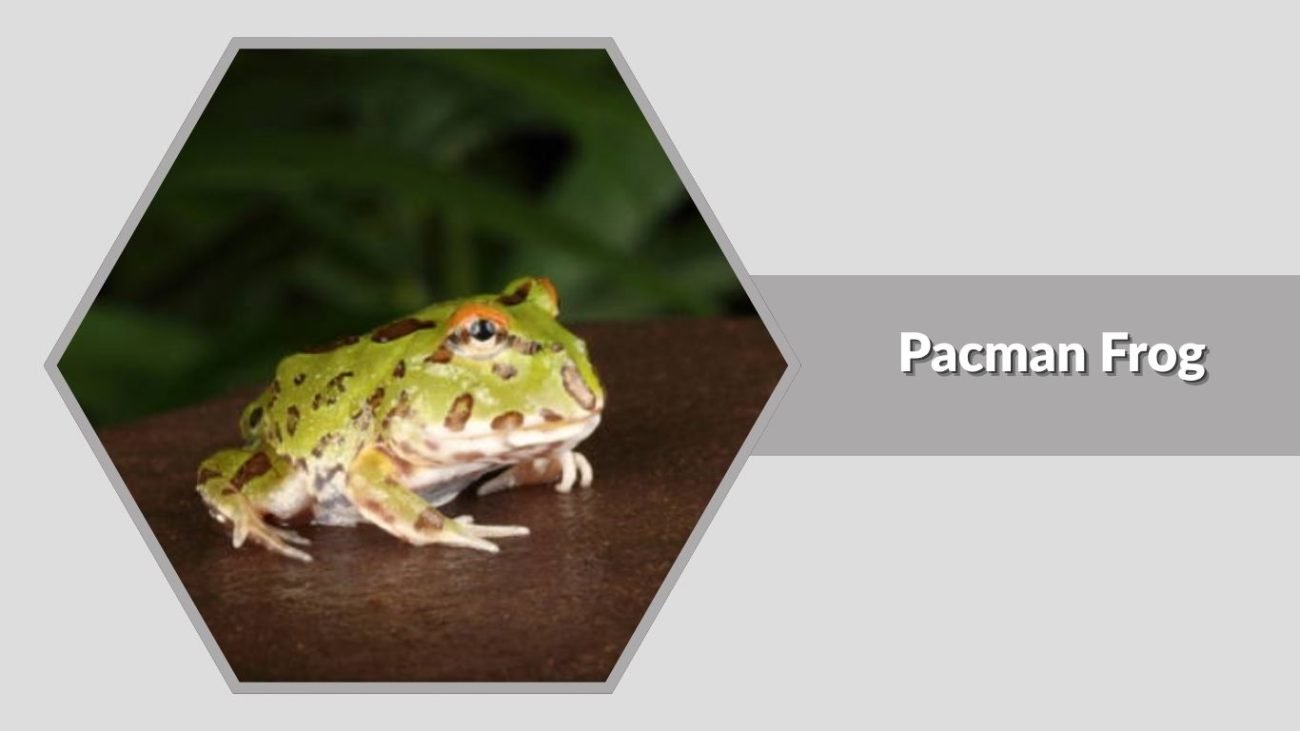
The Pacman Frog is a popular beginner pet known for its round body and large mouth, resembling the classic video game character. Native to South America, it is easy to care for and does not require a large enclosure. Its low activity level and simple feeding habits make it a great choice for new frog owners.
Identification
- Round, chunky body with a very large mouth
- Bright colors such as green, brown, or yellow with patterns
- Short legs and a wide head
- Smooth skin with slight texture
- Eyes positioned on top of the head
Habitat
Pacman Frogs prefer a simple, ground-level enclosure with moist substrate. They need a warm and humid environment with hiding spots like plants or bark. Since they are not climbers, a low tank works well. A shallow water dish should be provided for soaking.
Size
They grow to about 10–15 cm (4–6 inches) in length. Females are usually larger than males, and their round shape makes them appear even bigger.
Diet and Care
Their diet includes crickets, worms, and occasionally small mice. They have a strong appetite and should not be overfed. Care is simple, requiring proper humidity, temperature control, and regular cleaning. With good care, they can live around 8 to 10 years.
3. American Green Tree Frog
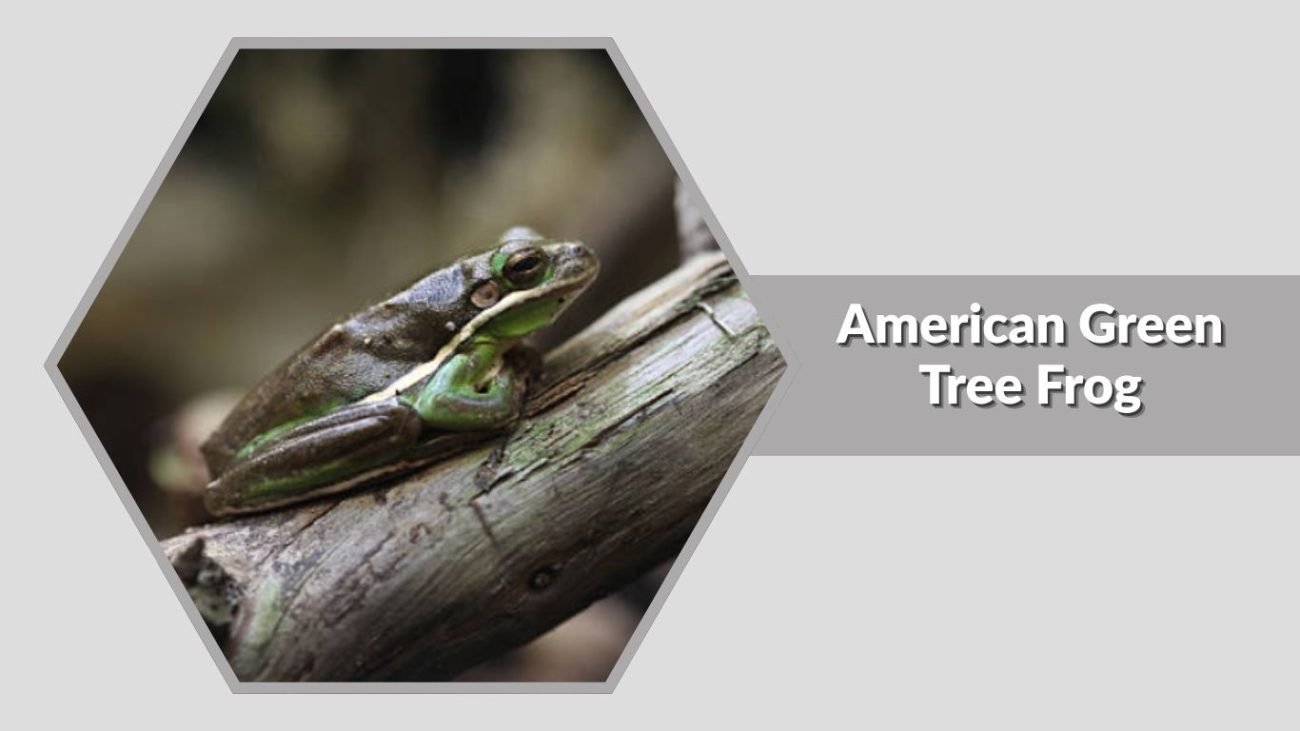
The American Green Tree Frog is a small, bright-colored species that is perfect for beginners. Native to the southeastern United States, it is known for its vibrant green color and gentle nature. It is easy to care for and adapts well to captivity, making it a popular choice for first-time frog owners.
Identification
- Bright green body with a smooth texture
- White or cream-colored stripe along the side
- Slender body with long legs
- Large eyes with a horizontal pupil
- Sticky toe pads for climbing
Habitat
This frog thrives in a vertical terrarium with plenty of plants and branches for climbing. It prefers a warm, humid environment similar to its natural habitat. A shallow water dish and regular misting help maintain proper moisture levels.
Size
The American Green Tree Frog is small, typically growing to about 3–6 cm (1.2–2.5 inches) in length. Its slim body and long legs make it appear agile and lightweight.
Diet and Care
It feeds mainly on small insects like crickets, flies, and moths. Feeding should be regular, with proper vitamin and calcium supplements. Care is simple, requiring humidity control, a clean enclosure, and minimal handling. With proper care, it can live around 3 to 6 years.
4. Fire-Bellied Toad
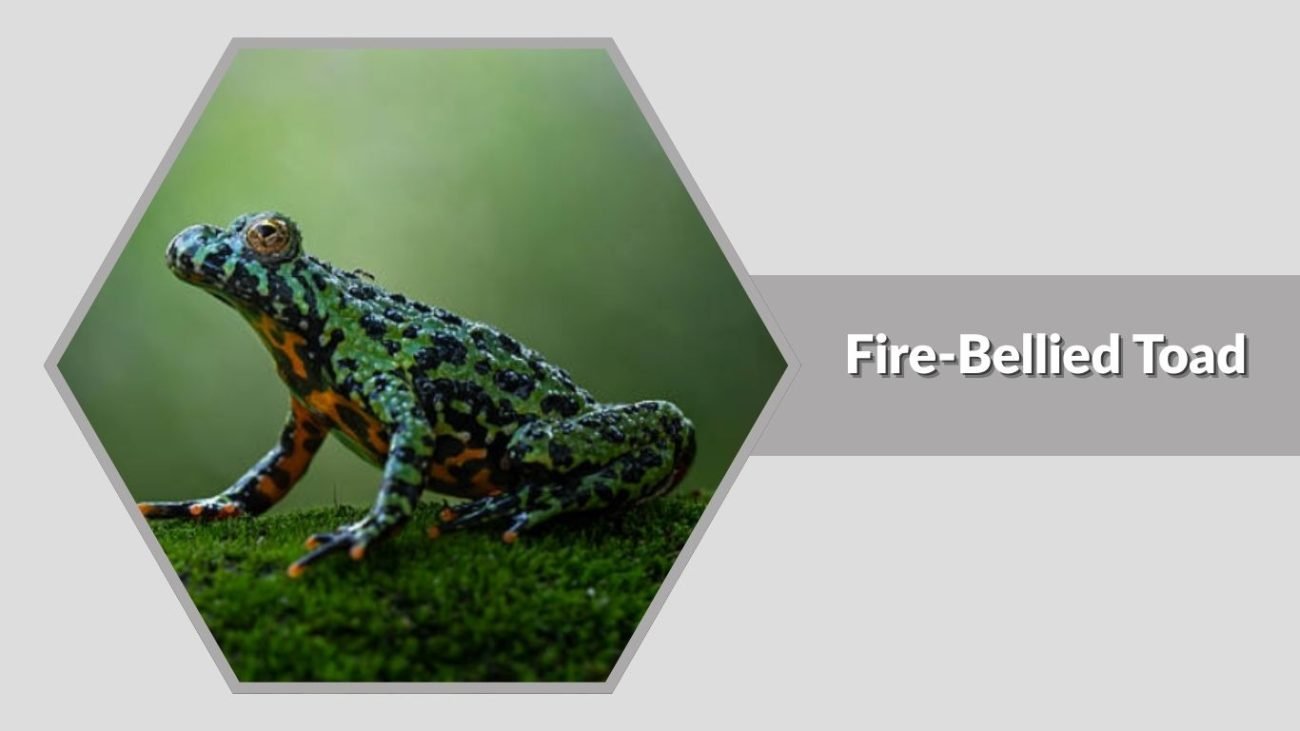
The Fire-Bellied Toad is a colorful and active amphibian that is excellent for beginners. It is known for its bright underside, which displays vivid orange or red patterns as a warning to predators. Native to Asia and parts of Europe, this species is hardy and easy to maintain, making it a popular choice for new frog keepers.
Identification
- Green or brown upper body with dark spots
- Bright orange or red belly with black markings
- Slightly bumpy skin texture
- Small, rounded body shape
- Eyes positioned on top of the head
Habitat
Fire-Bellied Toads prefer a semi-aquatic setup with both land and water areas. Their enclosure should include shallow water for swimming and dry spots for resting. They thrive in moderate humidity and do well with plants, rocks, and hiding places.
Size
These toads are small, typically growing to about 4–6 cm (1.5–2.5 inches) in length. Their compact size and active nature make them easy to observe in a home enclosure.
Diet and Care
They mainly eat small insects such as crickets, worms, and flies. Feeding should be regular with proper supplements. Care is relatively simple, requiring clean water, moderate humidity, and a balanced environment. They can live around 8 to 12 years with proper care.
5. Gray Tree Frog
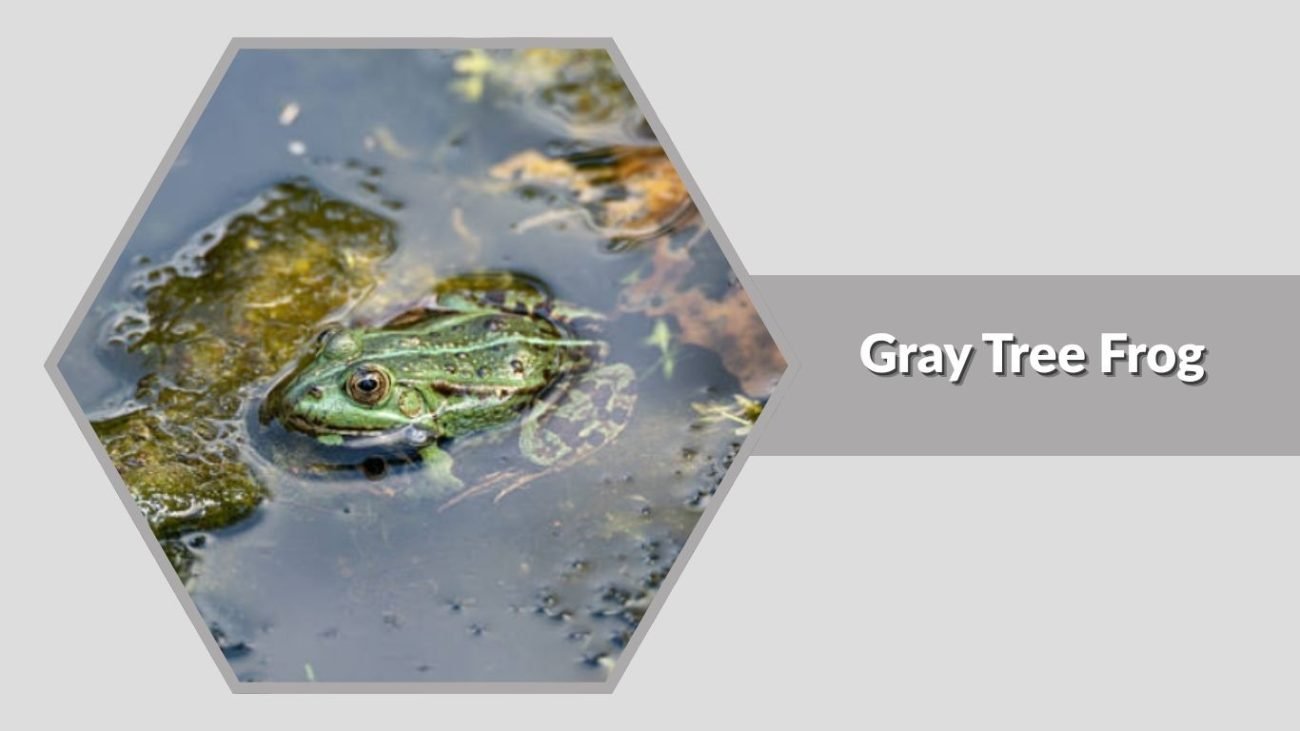
The Gray Tree Frog is a small and adaptable species known for its ability to change color to match its surroundings. Native to North America, it is a great option for beginners due to its simple care needs and hardy nature. Its soft calls and climbing ability make it an interesting and enjoyable pet to observe.
Identification
- Gray or greenish-gray body that can change color
- Dark blotches or spots on the back
- White underside with rough, slightly bumpy skin
- Bright yellow or orange coloration on the inner thighs
- Large toe pads for climbing
Habitat
Gray Tree Frogs thrive in a vertical terrarium with branches, plants, and hiding spots. They prefer a humid environment with moderate temperatures. Regular misting and a shallow water dish help maintain proper moisture levels.
Size
They are small frogs, typically growing to about 3–5 cm (1.2–2 inches) in length. Their compact size and excellent climbing ability make them well-suited for terrarium life.
Diet and Care
Their diet mainly includes small insects such as crickets, flies, and moths. They should be fed regularly with added calcium and vitamin supplements. Care is easy, requiring proper humidity, a clean enclosure, and minimal handling. With good care, they can live around 5 to 8 years.
6. Tomato Frog
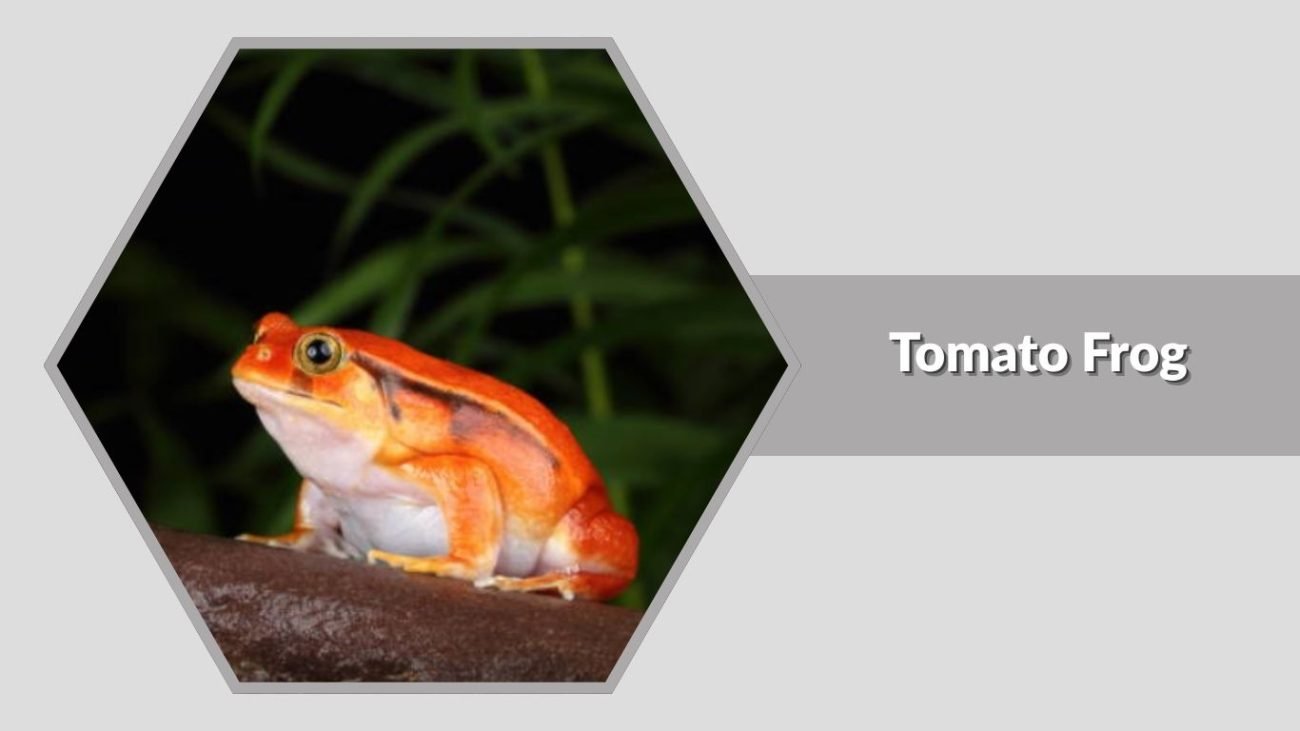
The Tomato Frog is a bright and eye-catching species known for its vivid red or orange color. Native to Madagascar, it is a hardy and low-maintenance frog, making it a good choice for beginners. It is mostly ground-dwelling and prefers a simple setup, which makes care easier for new pet owners.
Identification
- Bright red, orange, or reddish-brown body
- Smooth skin with a slightly shiny appearance
- Rounded, plump body shape
- Short legs and a wide head
- Females are usually larger and more brightly colored
Habitat
Tomato Frogs prefer a terrestrial enclosure with moist substrate for burrowing. They need a warm and humid environment with hiding spots like plants, bark, or moss. A shallow water dish should be provided for soaking, but they do not require deep water.
Size
They typically grow to about 6–10 cm (2.5–4 inches) in length. Females are noticeably larger than males, and their round body gives them a chunky appearance.
Diet and Care
Their diet mainly consists of insects such as crickets, worms, and roaches. They have a strong appetite but should not be overfed. Care is simple, requiring regular misting, proper humidity, and a clean enclosure. With good care, Tomato Frogs can live around 6 to 8 years.
7. African Dwarf Frog
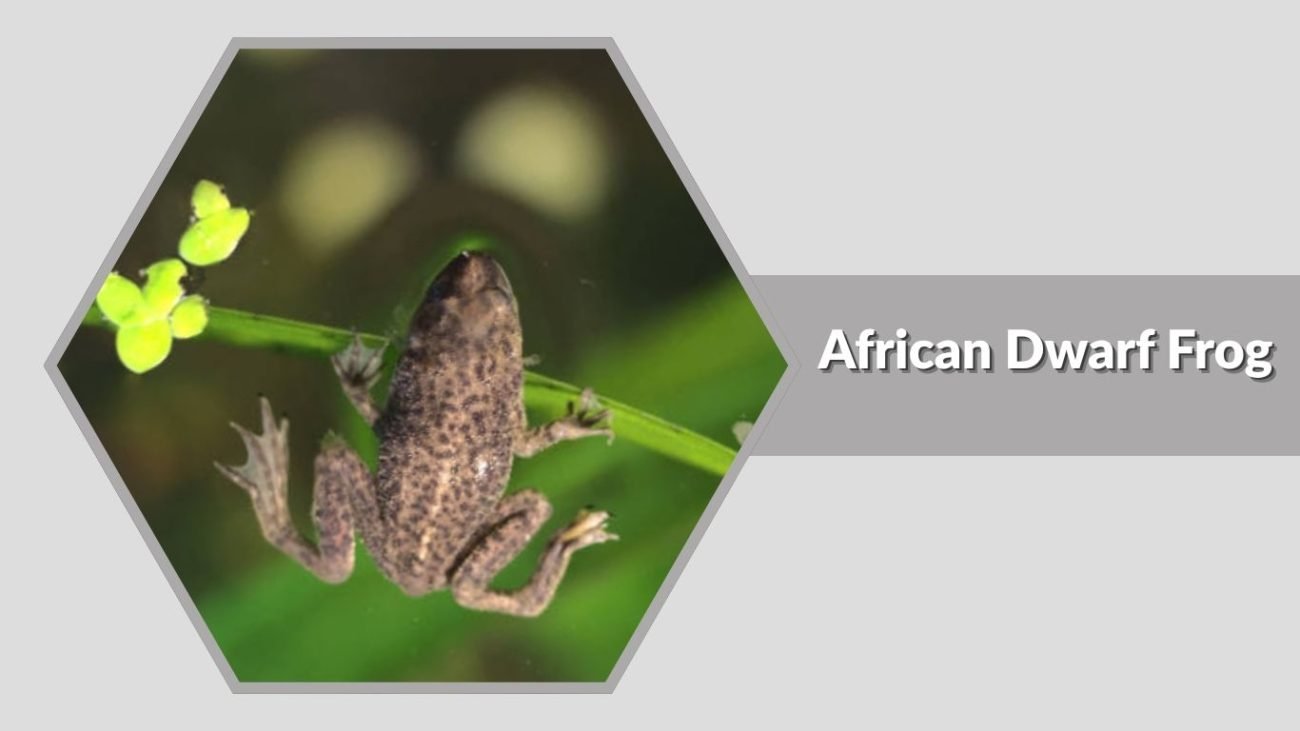
The African Dwarf Frog is a small, fully aquatic species that is ideal for beginners due to its simple care requirements and peaceful nature. Native to central Africa, it is often kept in small aquariums and is known for its playful swimming behavior. Its low maintenance and compatibility with certain fish make it a popular choice for new pet owners.
Identification
- Small, slender body with smooth skin
- Gray to olive coloration with darker spots
- Fully webbed feet for swimming
- Flat head with eyes positioned on the sides
- Lacks a tongue and uses suction to eat
Habitat
African Dwarf Frogs require an aquatic setup with clean, dechlorinated water. A small aquarium with gentle filtration works best. They prefer a warm environment with hiding spots like plants, rocks, or decorations. Since they surface to breathe air, the water level should not be too deep.
Size
They are very small, typically growing to about 4–5 cm (1.5–2 inches) in length. Their compact size makes them suitable for small tanks.
Diet and Care
They feed on small aquatic foods such as bloodworms, brine shrimp, and frog pellets. Feeding should be regular, as they are slow eaters. Care is easy, requiring clean water, proper temperature, and minimal disturbance. With good care, they can live around 5 to 7 years.
8. Bumblebee Toad
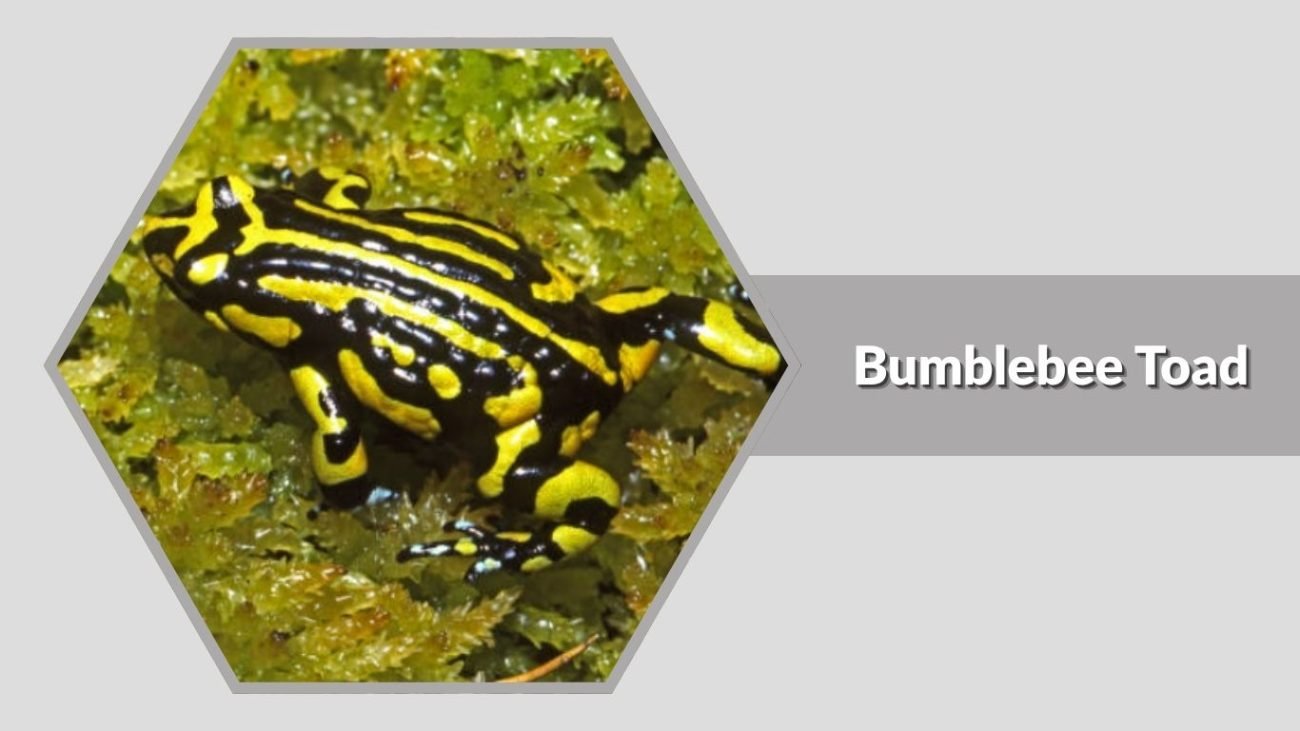
The Bumblebee Toad is a small and colorful amphibian known for its striking black and yellow pattern. Native to Southeast Asia, it is popular among beginners due to its manageable size and relatively simple care. Although slightly more sensitive than some other beginner frogs, it is still a rewarding species to keep with proper attention.
Identification
- Black body with bright yellow or orange bands
- Smooth skin with a slightly glossy look
- Small, compact body shape
- Short legs compared to tree frogs
- Distinctive warning coloration
Habitat
Bumblebee Toads prefer a humid, terrestrial setup with plenty of moss, plants, and hiding spots. They thrive in environments with high humidity and moderate temperatures. A shallow water dish should be included, but they do not require deep water.
Size
They are very small, usually growing to about 2–4 cm (0.8–1.5 inches) in length. Their tiny size makes them suitable for smaller enclosures.
Diet and Care
Their diet consists of small insects such as fruit flies, pinhead crickets, and tiny worms. Regular feeding with supplements is important. Care requires maintaining high humidity and a clean enclosure. With proper care, they can live around 5 to 8 years.
9. Reed Frog
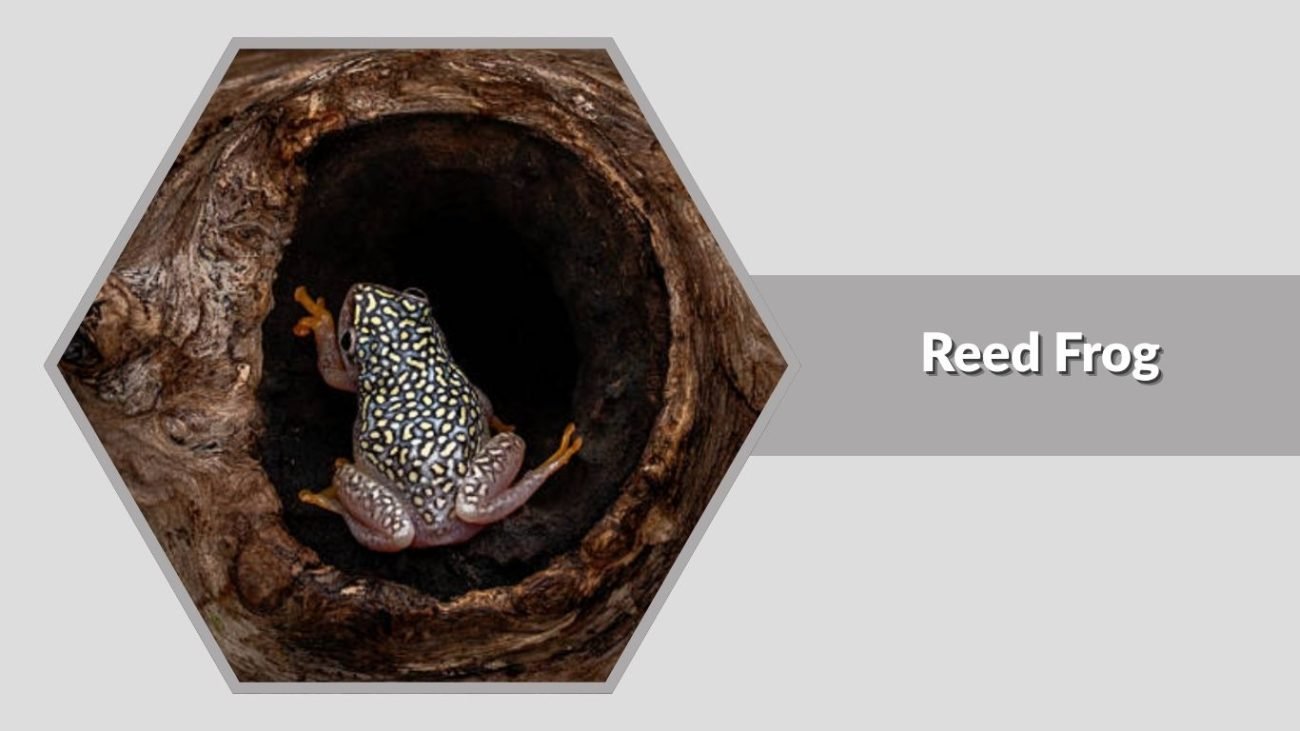
The Reed Frog is a small, colorful frog commonly found in Africa. It is popular among beginners because of its bright patterns and relatively easy care requirements. These frogs are active and interesting to watch, especially during the evening when they are most active.
Identification
- Small, slender body with smooth skin
- Bright colors such as green, yellow, or brown with patterns
- Dark stripe running along the body in many species
- Large eyes with horizontal pupils
- Sticky toe pads for climbing
Habitat
Reed Frogs prefer a humid, semi-arboreal enclosure with plants and branches. They need a warm environment with regular misting to maintain humidity. A shallow water area or dish is important for hydration and comfort.
Size
They are very small, typically growing to about 2–4 cm (0.8–1.5 inches) in length. Their lightweight body allows them to move easily among plants.
Diet and Care
Their diet mainly includes tiny insects such as fruit flies, small crickets, and other micro prey. Feeding should be regular with proper supplements. Care is simple, requiring humidity control, a clean enclosure, and minimal handling. With proper care, they can live around 4 to 6 years.
10. Wood Frog
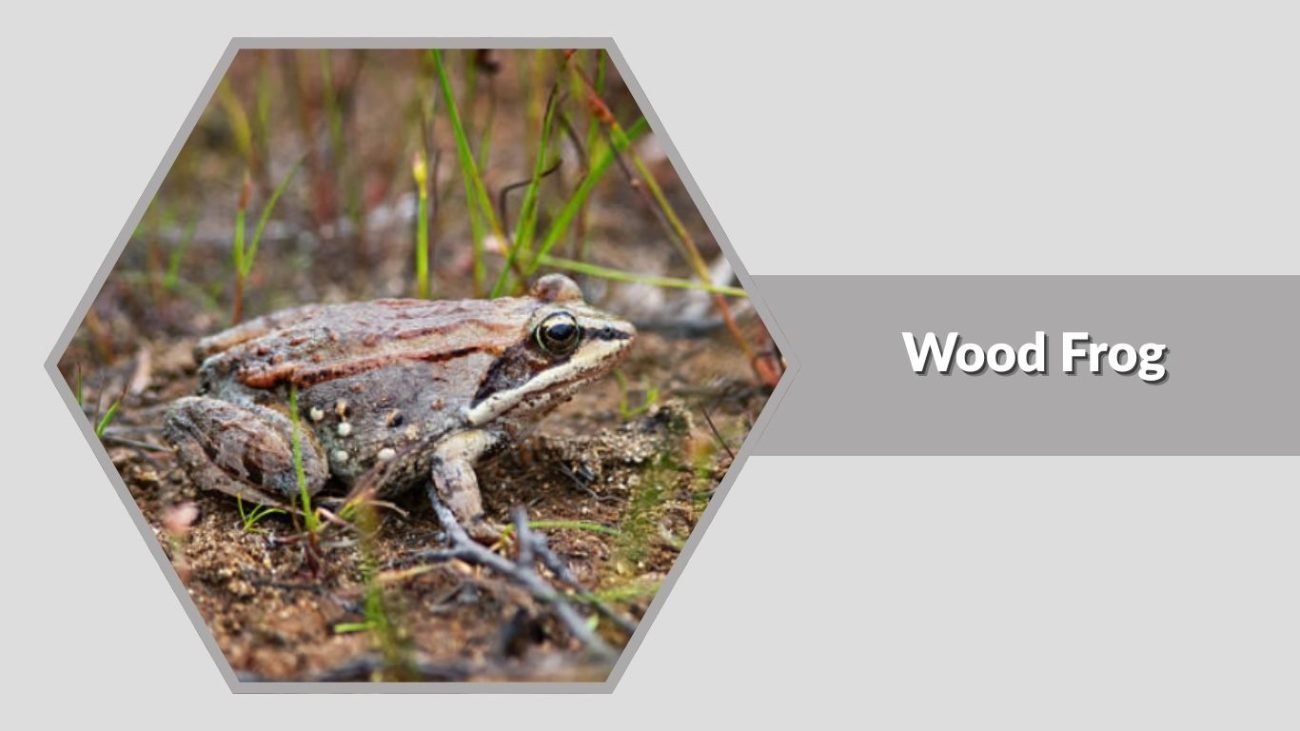
The Wood Frog is a hardy and adaptable species known for its ability to survive in cold climates. Native to North America, it is famous for its unique ability to tolerate freezing temperatures during winter. This resilience makes it an interesting and beginner-friendly frog, especially for those interested in naturalistic setups.
Identification
- Brown, tan, or reddish body color
- Dark “mask” marking across the eyes
- Smooth skin with a slightly moist appearance
- Light-colored stripe along the upper lip
- Medium, compact body shape
Habitat
Wood Frogs prefer a terrestrial setup with moist substrate, leaf litter, and hiding spots. They thrive in cool to moderate temperatures and require a humid environment. A shallow water dish is necessary, especially during breeding periods.
Size
They typically grow to about 5–7 cm (2–2.8 inches) in length. Their medium size and sturdy body make them easy to manage in captivity.
Diet and Care
Their diet mainly includes insects such as crickets, worms, and small invertebrates. Regular feeding with calcium supplements is important. Care is simple, focusing on proper humidity, cooler temperatures, and a clean enclosure. With good care, they can live around 3 to 5 years.
11. Cricket Frog
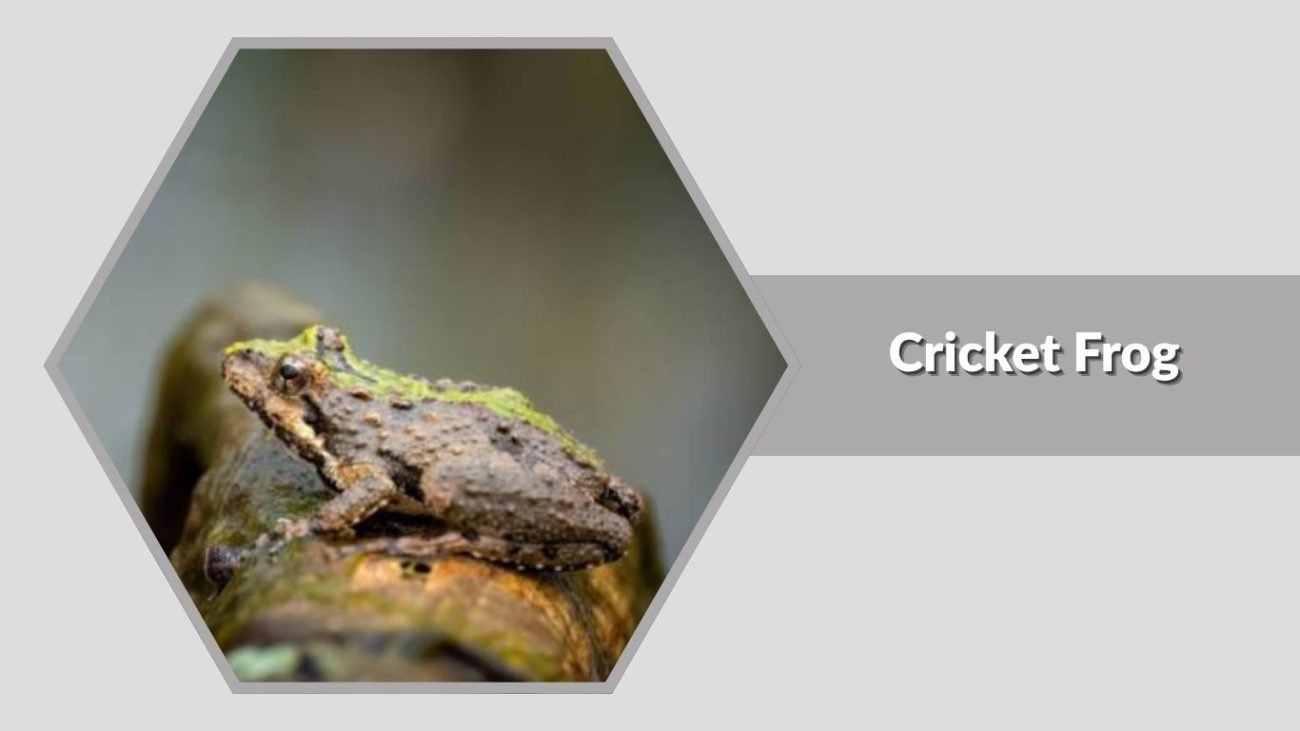
The Cricket Frog is a small and active species known for its quick movements and chirping sounds that resemble crickets. Native to North America, it is a hardy frog that can adapt to different environments, making it suitable for beginners who want an energetic and interesting pet.
Identification
- Small, slender body with slightly rough skin
- Color varies from gray, brown, to green with patterns
- Dark triangular mark between the eyes
- Long hind legs for jumping
- Smooth underside with lighter coloration
Habitat
Cricket Frogs prefer a semi-aquatic setup with both land and shallow water areas. They thrive in warm, humid environments with plenty of hiding spots like plants and rocks. Clean water is essential for their health.
Size
They are very small, usually growing to about 2–4 cm (0.8–1.5 inches) in length. Their tiny size and strong legs make them excellent jumpers.
Diet and Care
Their diet consists of small insects such as flies, crickets, and other tiny invertebrates. Feeding should be regular with proper supplements. Care is simple, requiring clean water, humidity control, and a secure enclosure. With proper care, they can live around 3 to 5 years.
12. Mossy Frog
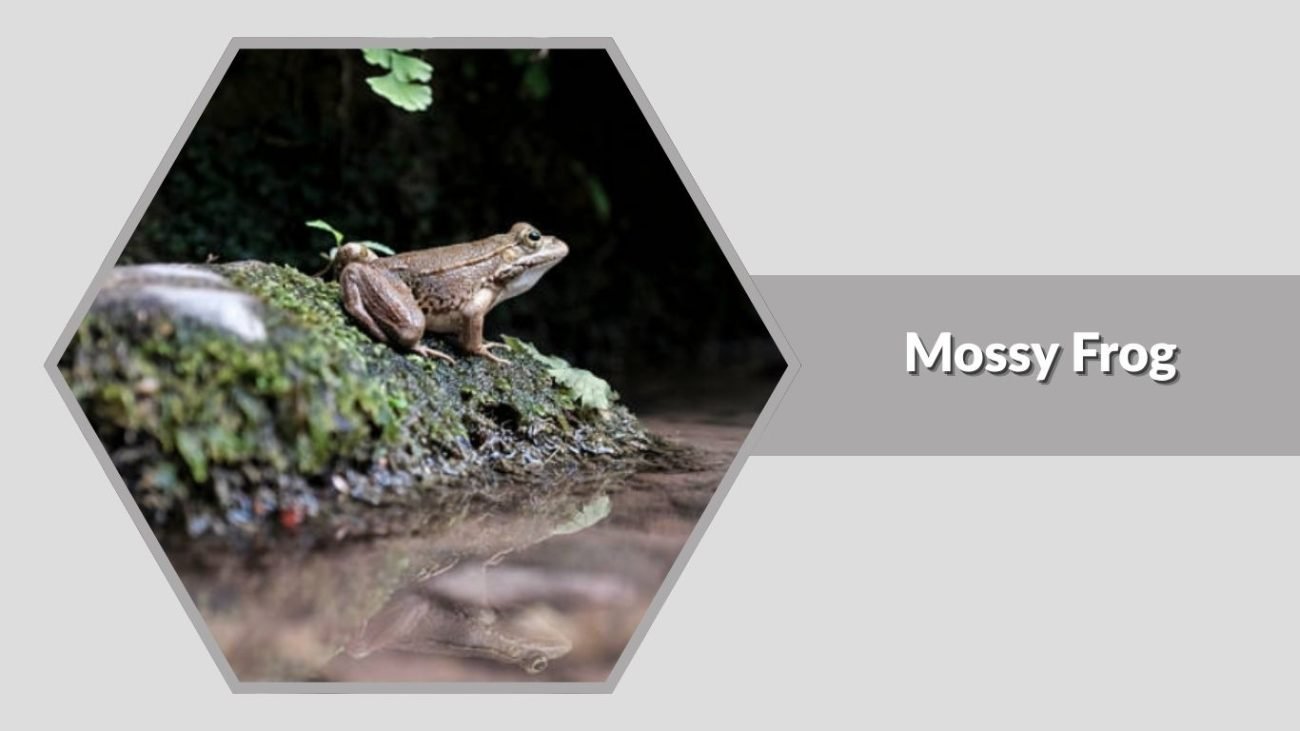
The Mossy Frog is a unique and visually striking species known for its moss-like appearance, which helps it blend perfectly into its surroundings. Native to Vietnam, it is popular among beginners who want an unusual-looking pet. Its camouflage and calm behavior make it fascinating to observe in a well-designed terrarium.
Identification
- Green and black mottled skin resembling moss
- Rough, bumpy texture that mimics natural surfaces
- Large eyes with a dark coloration
- Stout body with strong limbs
- Excellent camouflage when resting on plants or rocks
Habitat
Mossy Frogs prefer a semi-aquatic enclosure with high humidity. They thrive in setups with water features, plants, rocks, and hiding spots. A cool to moderate temperature with regular misting helps recreate their natural forest habitat.
Size
They typically grow to about 7–9 cm (2.7–3.5 inches) in length. Their sturdy body and textured skin make them appear slightly larger.
Diet and Care
Their diet mainly includes insects such as crickets, worms, and roaches. Feeding should be consistent with proper supplements. Care involves maintaining clean water, high humidity, and a well-structured enclosure. With proper care, they can live around 8 to 10 years.
13. Clawed Frog
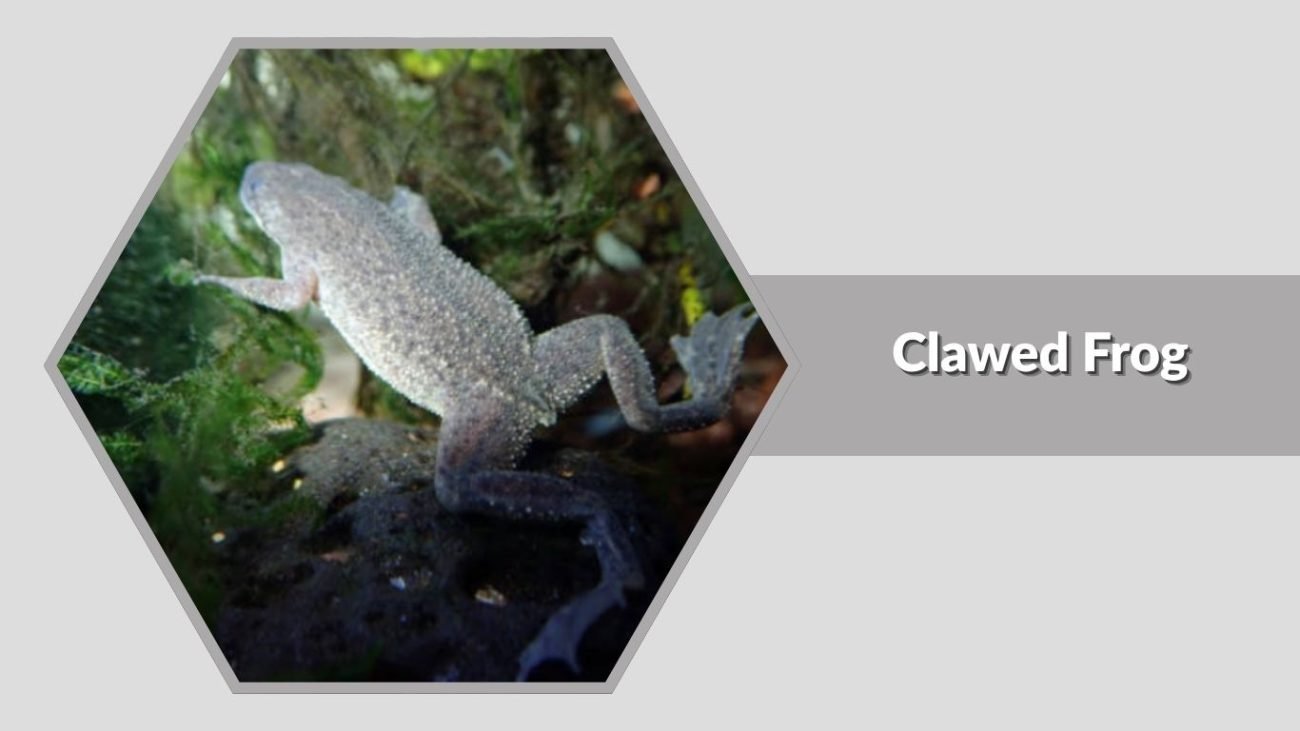
The Clawed Frog, often known as the African Clawed Frog, is a fully aquatic species that is popular among beginners due to its hardy nature and simple care needs. Native to Africa, it is known for its strong legs and unique feeding behavior. It is an active swimmer and adapts well to aquarium life, making it a convenient pet for those new to amphibians.
Identification
- Smooth, slippery skin with gray, olive, or brown coloration
- Flattened body with a broad head
- Strong hind legs with visible claws
- No tongue; uses suction to eat
- Eyes positioned on top of the head
Habitat
Clawed Frogs require an aquatic setup with clean, dechlorinated water. A spacious aquarium with gentle filtration works best. They do not need land areas but benefit from hiding spots like rocks or plants. Water temperature should be kept stable and moderately warm.
Size
They can grow to about 8–13 cm (3–5 inches) in length. Their body is sturdy and muscular, especially in the hind legs, which are used for swimming and digging.
Diet and Care
Their diet includes worms, small fish, insects, and specially formulated frog pellets. They are strong feeders and should be given appropriate portions. Care is easy, requiring regular water changes and proper filtration. With good care, they can live around 10 to 15 years.
FAQs
Are frogs good pets for beginners?
Yes, many small frog species are excellent for beginners because they are low-maintenance and do not require complex care. Species like White’s Tree Frog and African Dwarf Frog are especially beginner-friendly due to their adaptability and simple habitat needs.
Do pet frogs need a lot of space?
Most small pet frogs do not need large enclosures. However, they do require a properly set up habitat with enough space to move, climb, or swim depending on the species. Vertical tanks are ideal for tree frogs, while aquatic frogs need suitable water space.
What do pet frogs eat?
Pet frogs mainly eat live insects such as crickets, worms, and flies. Some aquatic species also eat pellets or frozen foods. A balanced diet with calcium and vitamin supplements is important for their health and growth.
How often should you feed a pet frog?
Feeding depends on the species and age. Young frogs usually eat daily, while adult frogs can be fed every 2–3 days. It is important not to overfeed and to provide the right portion size for the frog.
Do frogs need special care or equipment?
Frogs require basic equipment such as a proper enclosure, controlled temperature, humidity, and clean water. Some species need misting, lighting, or filtration systems. With the right setup, their care is simple and manageable for beginners.

