Scarab beetles are a diverse and fascinating group, known for their distinctive features and important roles in ecosystems. From the majestic Hercules Beetle to the industrious dung beetles, these creatures are not only captivating in appearance but also play vital roles in decomposing organic matter, pollination, and nutrient recycling. In this guide, we’ll explore 12 types of scarab beetles, highlighting their unique characteristics and behaviors.
1. Hercules Beetle
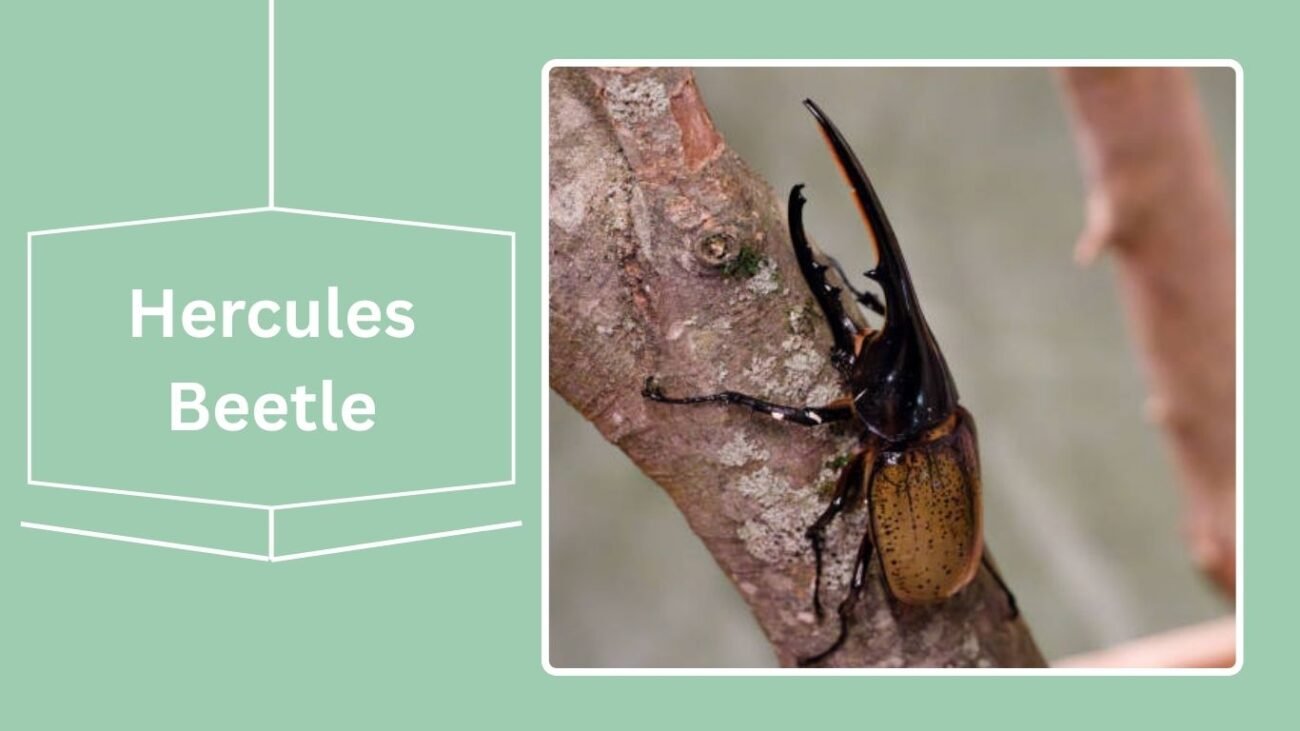
The Hercules Beetle (Dynastes hercules) is one of the largest and most impressive species of scarab beetles, known for its distinctive appearance and large size. Found primarily in tropical regions of Central and South America, it is especially famous for the males’ impressive horns, which they use to fight each other for dominance.
Identification
- Size: Males can reach up to 7 inches (18 cm) in length, making them one of the largest beetles in the world.
- Color: Typically dark brown or black, with a glossy finish. Some may have a greenish or golden sheen.
- Horns: Males have two long, curved horns that extend from the head and thorax. Females do not have horns.
- Body Shape: Stocky and robust with a thick exoskeleton.
- Legs: Strong and equipped with spines, aiding in gripping surfaces.
Behavior and Habitat
The Hercules Beetle is mainly nocturnal, emerging at night to feed on decaying wood, fruits, and tree sap. During the day, it remains hidden in the forests or under fallen logs to avoid predators. The species plays an important role in the ecosystem by helping to break down organic matter.
Diet
The Hercules Beetle is primarily herbivorous, feeding on decaying wood, fruits, and tree sap. Its larvae feed on rotting wood, helping to decompose and recycle organic matter back into the ecosystem.
2. Dung Beetle
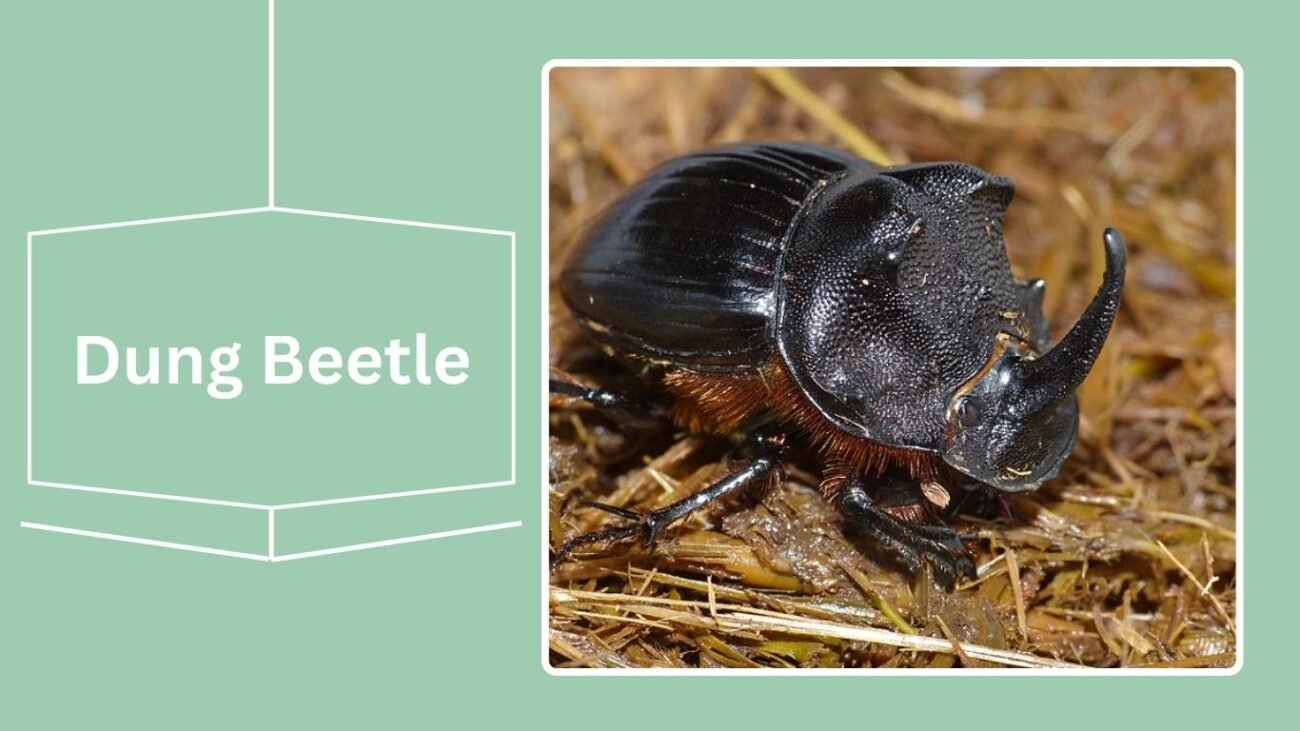
Dung beetles (Scarabaeidae family) are well-known for their role in nature as recyclers. They are famous for rolling balls of dung and burying them underground to use as food for their larvae. These beetles are found in various regions across the globe and are crucial in maintaining the balance of ecosystems by breaking down animal waste.
Identification
- Size: Varies by species; typically between 1 to 2 inches (2.5 to 5 cm) long.
- Color: Often black or dark brown, but can also have metallic hues.
- Body Shape: Rounded or oval, with a robust body structure that helps them roll dung efficiently.
- Legs: Strong hind legs designed for rolling balls of dung.
- Antennae: Often have a noticeable club shape at the tips, used for detecting smells.
Behavior and Habitat
Dung beetles are often found in grassy or forested areas, where they can easily access the dung of herbivores. They use the dung for food and to lay their eggs, which hatch into larvae that feed on the dung as it decomposes.
Diet
Dung beetles are detritivores, feeding primarily on the dung of herbivorous animals like cows, horses, and elephants. Some species also consume decomposing plant matter. Their diet is crucial for the breakdown and recycling of organic waste into the ecosystem.
3. Rainbow Scarab

The Rainbow Scarab (Phanaeus vindex) is a strikingly beautiful beetle that exhibits vibrant, metallic colors. Native to North America, this species is known for its iridescent green, blue, and purple hues, making it a popular specimen among insect enthusiasts and researchers.
Identification
- Size: Generally 1 to 1.5 inches (2.5 to 3.8 cm) long.
- Color: Bright metallic colors, including green, blue, purple, and gold, which change depending on the angle of light.
- Body Shape: Oval and flattened, which aids in burrowing into the ground.
- Legs: Strong, with spiny structures on the legs to help in digging and rolling dung.
- Horn: Males possess a prominent horn on the head, which is used in fights for mating rights.
Behavior and Habitat
Rainbow Scarabs are typically found in woodlands, grasslands, and other areas where large herbivores live. They are primarily nocturnal and spend their nights rolling and burying dung to feed and to create a safe environment for their eggs.
Diet
Like many other scarab beetles, the Rainbow Scarab is a dung feeder. It uses dung from herbivores for both food and as a nesting site for its larvae. The beetle plays a significant role in nutrient recycling in the ecosystem by breaking down organic waste.
4. Tumbling Flower Beetle
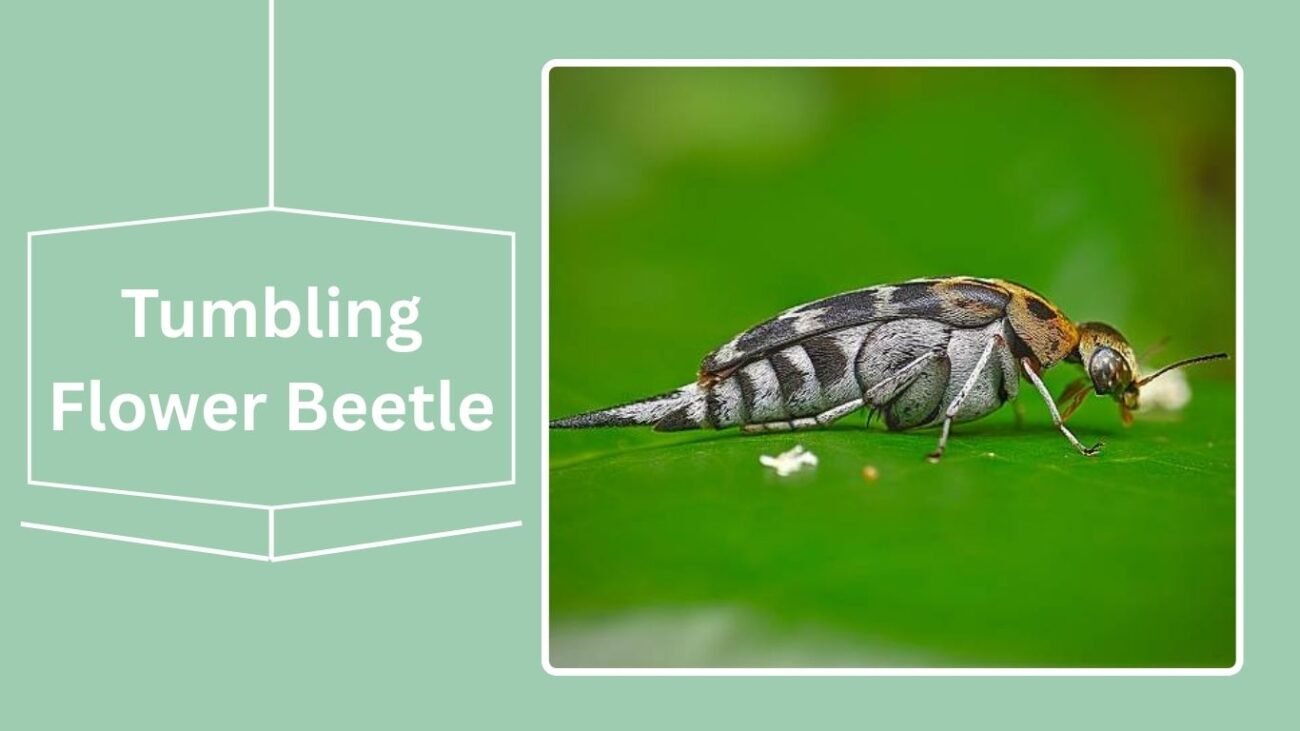
The Tumbling Flower Beetle (Anthelephila viridissima) is a unique and fascinating species of scarab beetle, known for its distinctive behavior of tumbling or rolling when disturbed. Found primarily in North America, these beetles have a bright green metallic sheen and are often seen around flowers.
Identification
- Size: Small to medium-sized, ranging from 0.5 to 1 inch (1.2 to 2.5 cm) long.
- Color: Metallic green or gold, with a shiny appearance.
- Body Shape: Oval and somewhat flattened, helping them navigate through flowers and plants.
- Legs: Adapted for quick movement across flower surfaces.
- Antennae: Short and clubbed at the tips, often hidden beneath the body.
Behavior and Habitat
The Tumbling Flower Beetle is often found in gardens, meadows, and areas with abundant flowering plants. It has a unique defense mechanism, which involves tumbling or flipping itself when it feels threatened, making it difficult for predators to capture.
Diet
These beetles are primarily herbivorous and feed on pollen, nectar, and other floral parts. They are often found on flowers, where they help pollinate plants in the process. Their feeding habits make them important contributors to the pollination cycle in their habitats.
5. Japanese Black Beetle
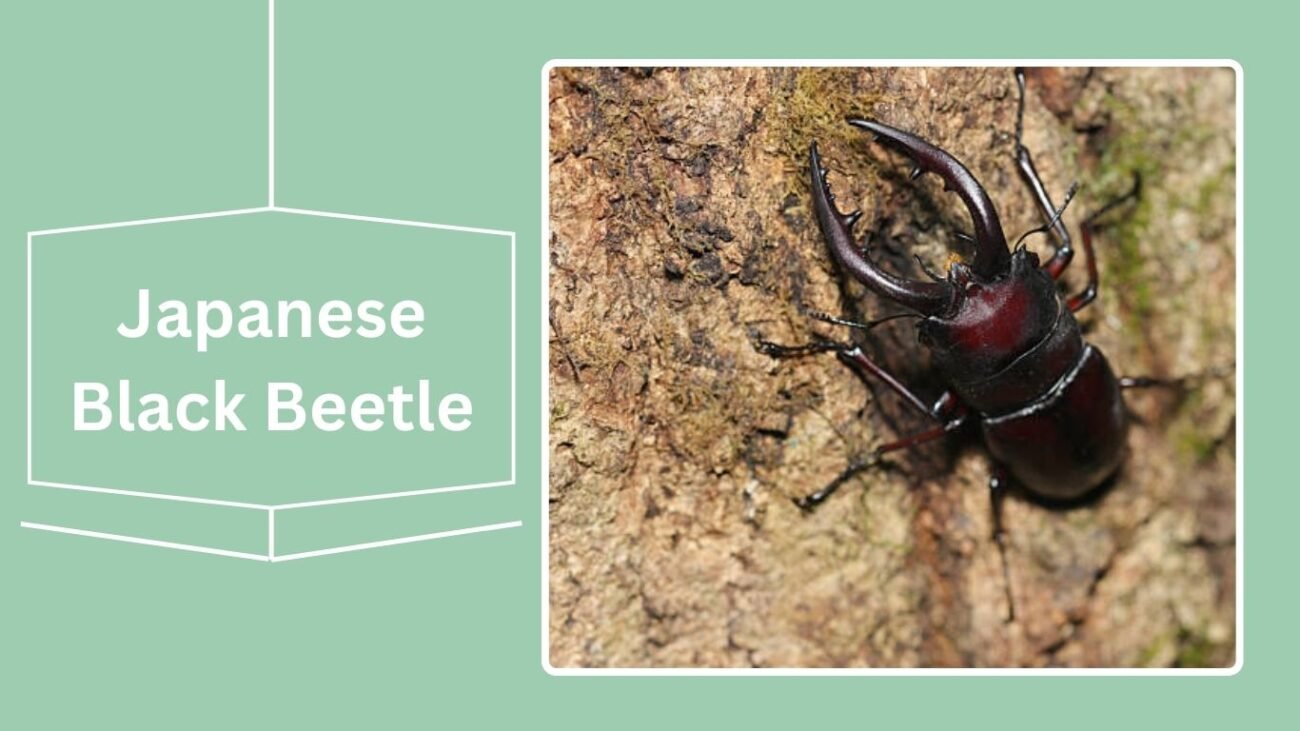
The Japanese Black Beetle (Popillia japonica) is an invasive species known for its destructive feeding habits. Native to Japan, it has spread to various parts of the world, particularly North America, where it damages crops and ornamental plants. These beetles are easily recognizable by their dark, shiny appearance and their aggressive feeding behavior.
Identification
- Size: Approximately 0.5 to 0.7 inches (1.2 to 1.8 cm) in length.
- Color: Shiny, dark black with a metallic sheen.
- Body Shape: Oval, with a smooth exoskeleton that gives it a sleek appearance.
- Legs: Strong, adapted for crawling on plants and the ground.
- Antennae: Short, with a slightly clubbed end.
Behavior and Habitat
The Japanese Black Beetle is commonly found in fields, gardens, and crops. They are primarily active during the warmer months and are known to cause significant damage to plants, especially in agricultural areas. The beetles are particularly destructive to grass, and larvae feed on plant roots.
Diet
The adult beetles feed on a wide variety of plants, including grasses, fruits, and ornamental flowers. Their larvae feed on the roots of plants, weakening and sometimes killing them. The beetles are notorious for damaging lawns and crops, making them a significant pest in many regions.
6. Goliath Beetle
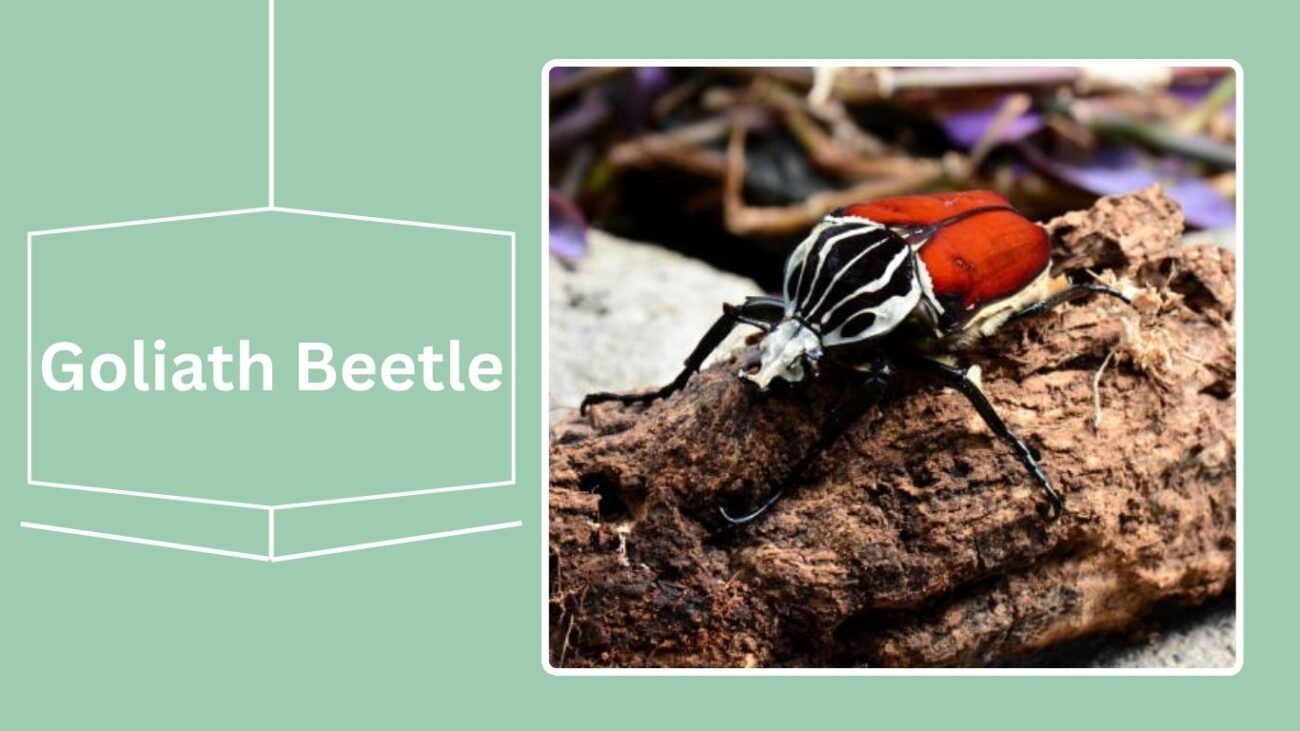
The Goliath Beetle (Goliathus species) is one of the largest beetles in the world, known for its immense size and striking appearance. Native to Africa, particularly the rainforests of Central and West Africa, these beetles are often considered a symbol of strength due to their massive size and powerful appearance.
Identification
- Size: Males can reach up to 4.5 inches (11.5 cm) in length, and they can weigh up to 3.5 ounces (100 grams).
- Color: Typically white or cream with black markings, though some species have brown or golden hues.
- Body Shape: Massive and robust, with a thick exoskeleton.
- Horns: Males have prominent horns on their thorax and head, which they use during fights.
- Legs: Strong and powerful, enabling them to climb trees and other surfaces.
Behavior and Habitat
Goliath Beetles are primarily nocturnal and are found in the rainforests of Central and West Africa, where they feed on tree sap, fruit, and decaying plant material. During the day, they often hide in the forest canopy to avoid predators, emerging at night to feed and mate.
Diet
These beetles are primarily herbivorous, feeding on tree sap, fruit, and other decaying organic matter. The larvae also feed on the roots of plants, contributing to the decomposition process in their habitat.
7. Atlas Beetle
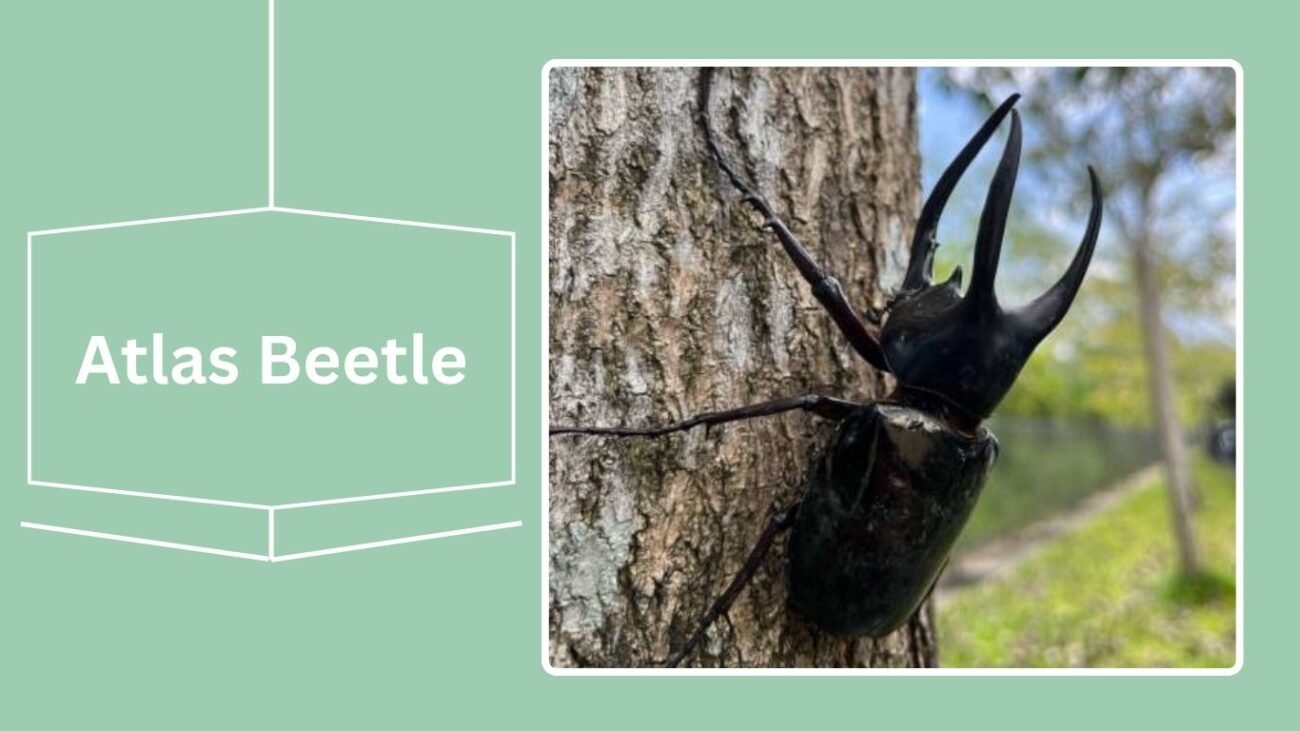
The Atlas Beetle (Chalcosoma atlas) is a large and visually impressive species native to Southeast Asia. Renowned for its striking horns and substantial size, the Atlas Beetle is one of the largest beetles in the world and is often admired for its unique appearance and strength.
Identification
- Size: Males can reach up to 4 inches (10 cm) in length, with some specimens growing even larger.
- Color: Dark brown to black, with a shiny, almost metallic sheen.
- Horns: Males have large, curved horns on their head and thorax, which are used in battles with other males during mating season.
- Body Shape: Broad and robust, with a thick exoskeleton that offers protection.
- Legs: Strong, equipped with spines to help them climb and burrow.
Behavior and Habitat
The Atlas Beetle is native to tropical regions, especially in Southeast Asia, where it is commonly found in rainforests. These beetles are nocturnal and spend most of their time in the forest floor, feeding on decomposing organic matter, such as rotting wood and fruits. During the day, they remain hidden to avoid predators.
Diet
Atlas Beetles are primarily scavengers, feeding on decaying plant matter, including rotting wood, sap, and fruits. Their larvae also feed on decomposing wood, helping to break down organic matter in their environment.
8. June Bug
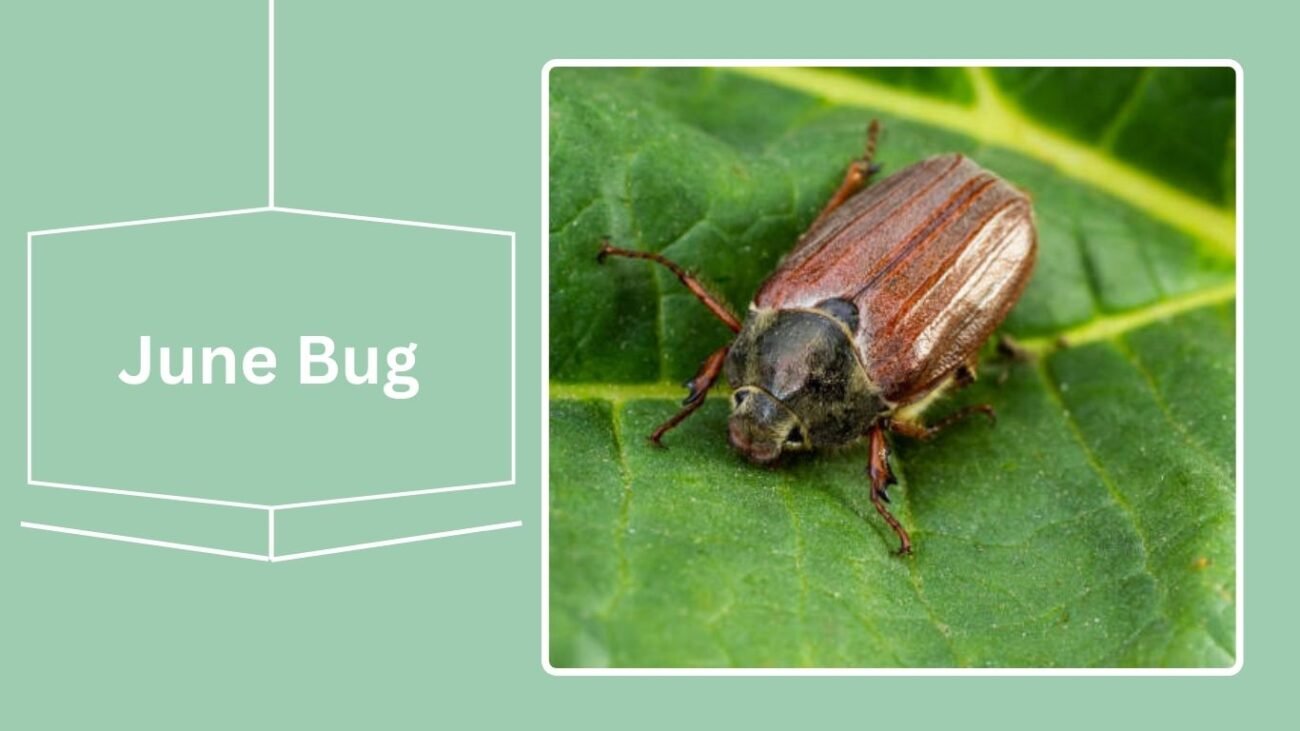
The June Bug (Phyllophaga species) is a common beetle in North America, known for its nocturnal behavior and its tendency to appear in large numbers during the summer months, particularly in June. These beetles are often attracted to lights at night and are typically considered pests due to their feeding habits.
Identification
- Size: Approximately 1 to 1.5 inches (2.5 to 3.8 cm) in length.
- Color: Reddish-brown or dark brown with a smooth, shiny exoskeleton.
- Body Shape: Oval and somewhat flat, designed to blend in with the environment.
- Wings: The June Bug has hard elytra (wing covers) that protect its delicate wings, which it uses for flying.
- Antennae: Feathery, which help detect pheromones for mating.
Behavior and Habitat
June Bugs are often seen flying around porch lights and street lamps during summer evenings. They are typically found in gardens, lawns, and wooded areas, where they lay their eggs in the soil. Their larvae, known as grubs, are notorious for damaging roots of plants and grasses.
Diet
Adult June Bugs feed on leaves, flowers, and fruit from trees and shrubs, while the larvae feed on the roots of grasses and other plants, often causing significant damage to lawns and gardens.
9. Bess Beetle
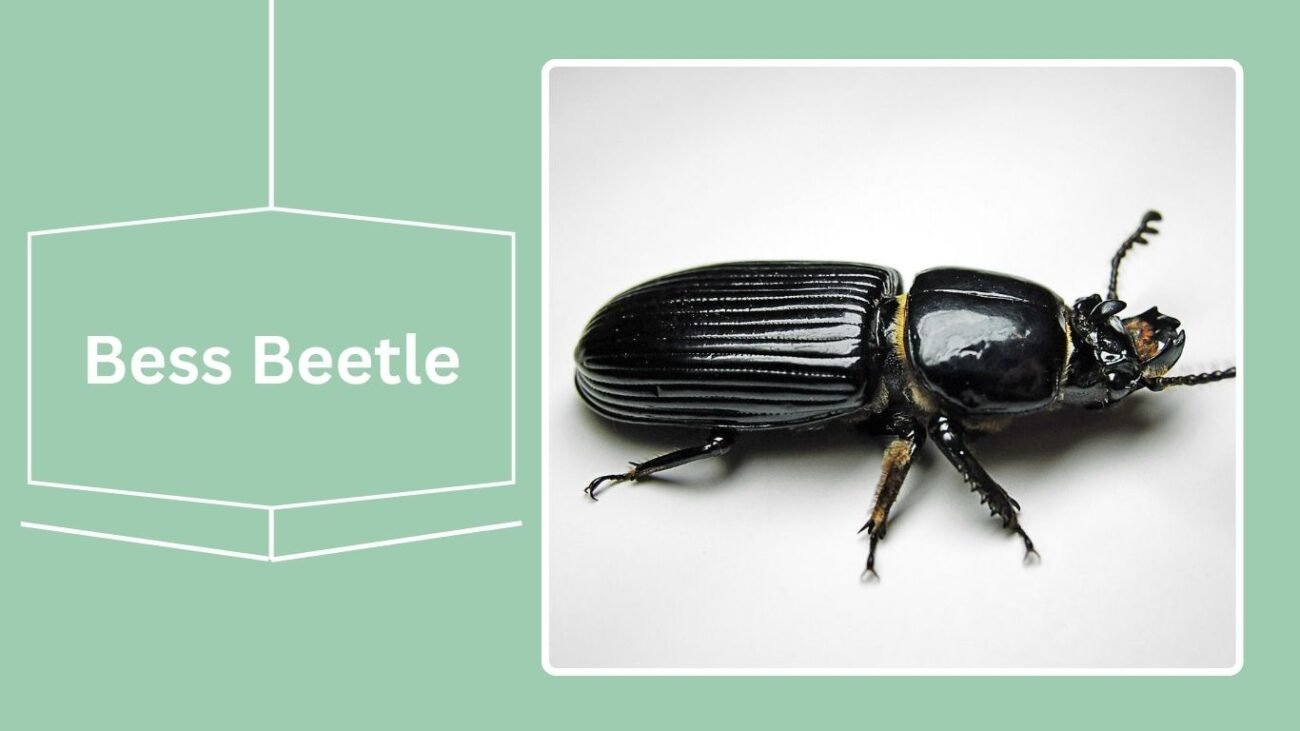
The Bess Beetle (Odontotaenius disjunctus) is a species of beetle found in North America, particularly in woodlands and forests. Known for its dark, shiny body and unique behavior, the Bess Beetle is often observed in decaying logs, where it plays an important role in decomposing organic matter.
Identification
- Size: Typically 1 to 1.5 inches (2.5 to 3.8 cm) long.
- Color: Dark black or brown with a glossy, smooth exoskeleton.
- Body Shape: Oval and somewhat flattened, designed for living under logs or in the soil.
- Antennae: Short and clubbed at the tips.
- Legs: Strong and capable of digging and moving through the soil and decaying wood.
Behavior and Habitat
The Bess Beetle is primarily nocturnal and is often found in decaying wood, such as fallen logs and stumps. It is known for its ability to communicate using sounds produced by rubbing parts of its body together, which helps in mating and defense. The beetle is also known to engage in cooperative behavior with other beetles in the same log.
Diet
Bess Beetles feed on decaying wood, breaking it down and recycling nutrients back into the ecosystem. The larvae feed on the same material, helping in the decomposition process. This makes them important contributors to nutrient cycling in forest ecosystems.
10. Figeater Beetle
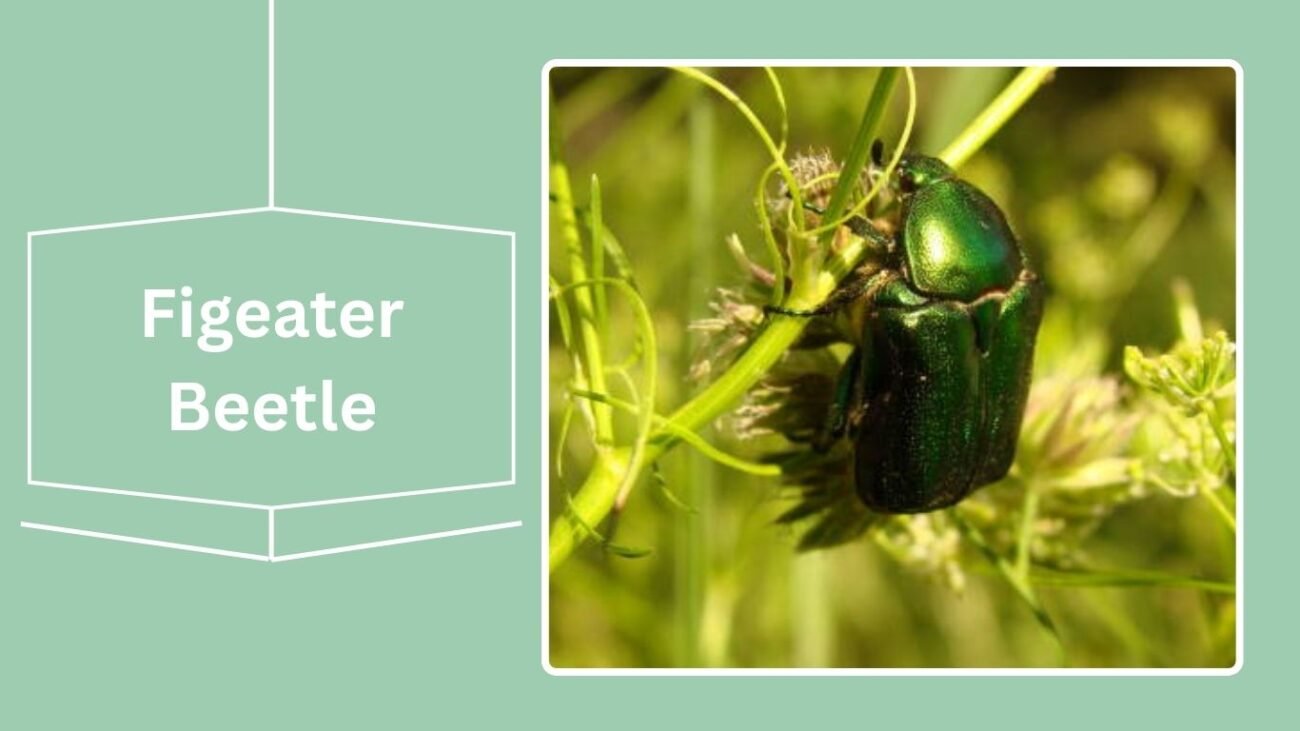
The Figeater Beetle (Cotinis mutabilis) is a strikingly colorful beetle native to the southwestern United States and parts of Mexico. It is named for its fondness for figs, though it also feeds on a variety of fruits and flowers. Its bright green and gold appearance makes it one of the more visually appealing species of scarab beetles.
Identification
- Size: About 1.25 inches (3.2 cm) in length.
- Color: Metallic green with gold and copper highlights.
- Body Shape: Oval and slightly flattened with a smooth exoskeleton.
- Legs: Strong, enabling the beetle to crawl on plants and fruits.
- Antennae: Clubbed and relatively short.
Behavior and Habitat
Figeater Beetles are typically found in gardens, orchards, and areas with abundant fruit-bearing plants. They are attracted to ripened fruit and often feed on figs, grapes, and other sweet fruits. These beetles are also drawn to the scent of fermenting fruit, which plays a role in their feeding behavior.
Diet
The Figeater Beetle is primarily frugivorous, feeding on ripe fruits such as figs, peaches, and grapes. It also feeds on other parts of plants, including flowers and leaves, which contributes to their role in pollination and plant interaction.
11. Stag Beetle
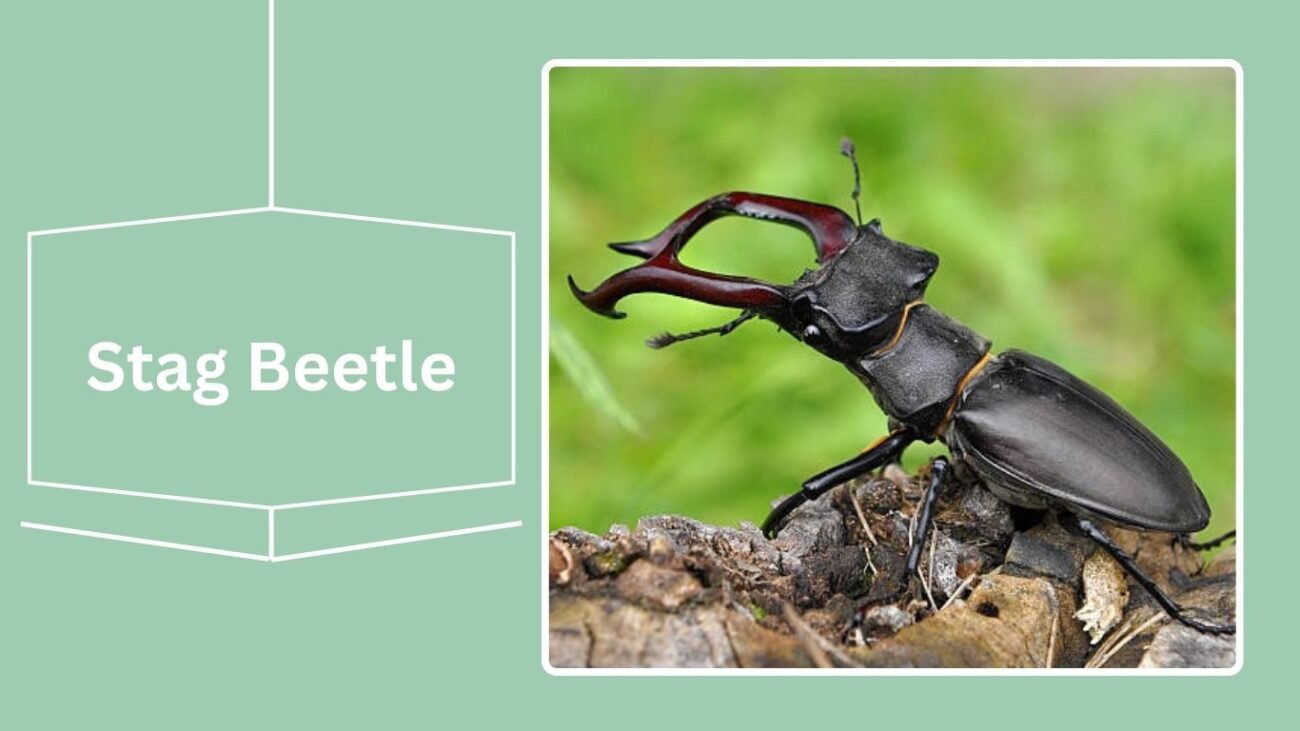
The Stag Beetle (Lucanus species) is one of the most recognizable and largest beetles, known for the impressive, antler-like horns of the males. Found in woodlands and forested areas across Europe, Asia, and parts of North America, these beetles are often admired for their size and striking appearance.
Identification
- Size: Males can grow up to 2.5 inches (6.4 cm) in length, while females are typically smaller.
- Color: Dark brown to black with a shiny exoskeleton.
- Horns: Males have large, antler-like horns that are used in combat with other males during mating season.
- Body Shape: Oval and robust, with strong legs and a large thorax.
- Antennae: Large, with a feathery appearance in males.
Behavior and Habitat
Stag Beetles are typically found in forests, woodlands, and areas with abundant decaying wood, where their larvae feed on rotting wood. The adult beetles are usually active at night and are often found on tree trunks or around decaying logs. They are not particularly aggressive, despite their large size, and primarily focus on mating and feeding.
Diet
The adult Stag Beetle feeds on tree sap and rotting fruit, while the larvae consume decaying wood. Their role in breaking down organic matter is important for the health of forest ecosystems. The larvae may take several years to mature, feeding on the rotting wood before emerging as adults.
12. Dung Roller Beetle
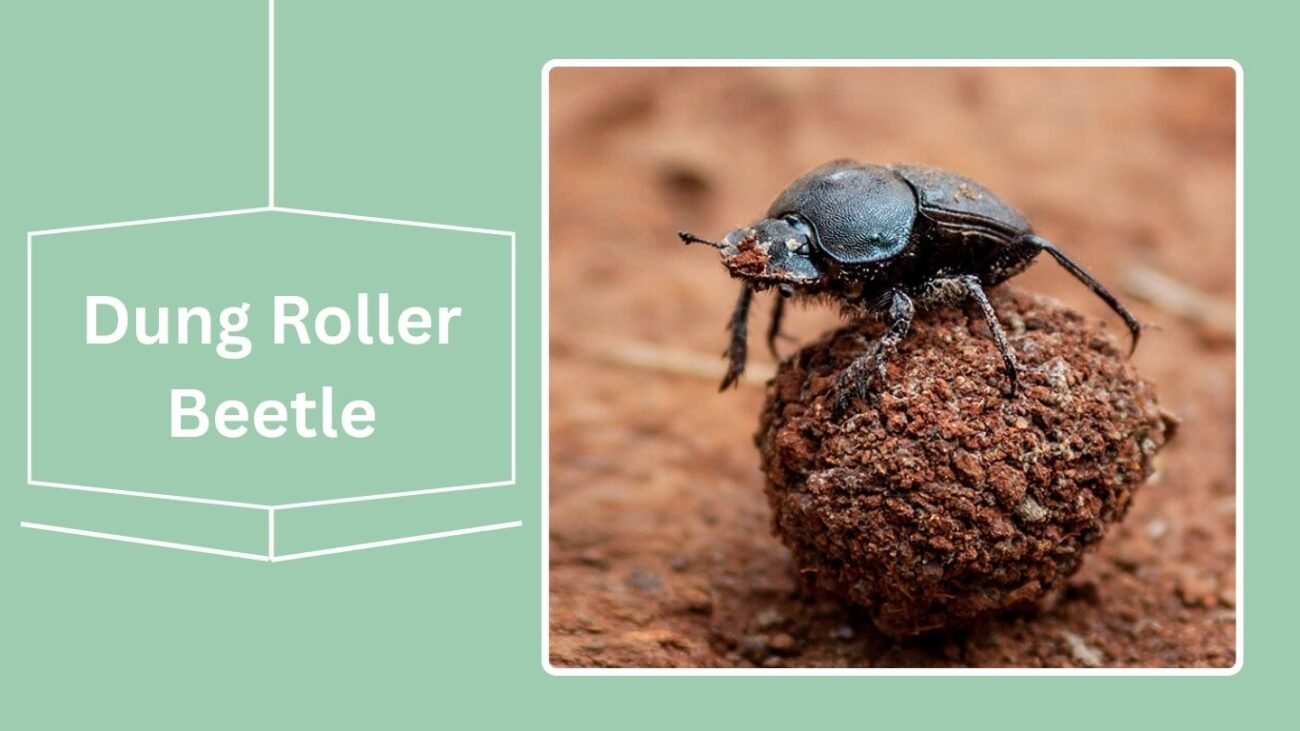
The Dung Roller Beetle (Canthon species) is a member of the dung beetle family and is known for its fascinating behavior of rolling balls of dung to use as both food and a place to lay eggs. These beetles are found in various regions across the world, particularly in Africa, Asia, and the Americas.
Identification
- Size: Typically around 0.5 to 1 inch (1.3 to 2.5 cm) long.
- Color: Dark brown to black, with a glossy appearance.
- Body Shape: Round and compact, with strong legs designed for rolling dung.
- Legs: Powerful hind legs that help them roll dung efficiently.
- Antennae: Short, with a clubbed tip, used for detecting smells.
Behavior and Habitat
Dung Roller Beetles are often found in grassy areas, forests, and savannas where herbivores are abundant. These beetles are known for their ability to roll balls of dung, which they transport back to their burrows. The dung serves as a food source for the beetles’ larvae, as well as a safe environment for them to develop.
Diet
Dung Roller Beetles are primarily detritivores, feeding on the dung of herbivores. They roll the dung into balls, which they either consume or bury in the soil to feed their larvae. The larvae feed on the dung, and the process of dung burial helps recycle nutrients back into the soil, benefiting the ecosystem.