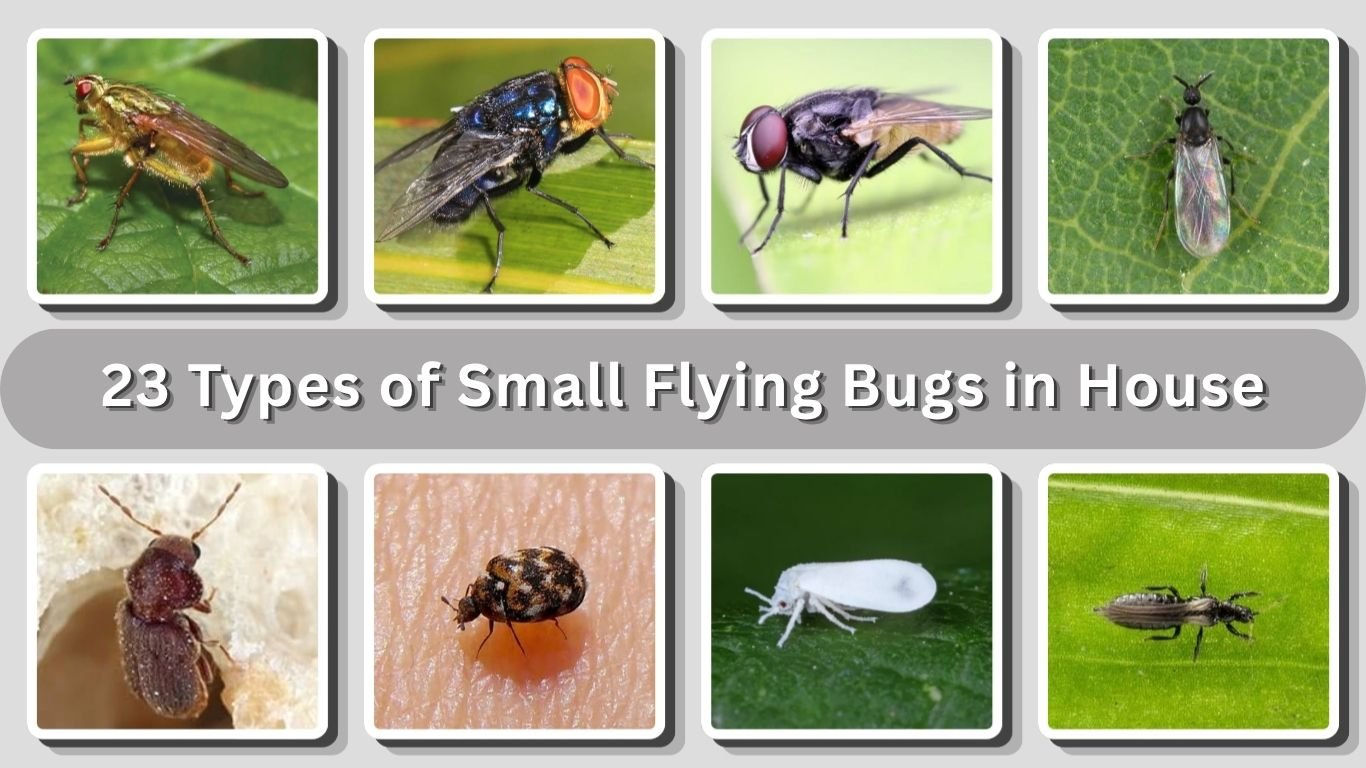
Small flying bugs in the house can appear around kitchens, bedrooms, bathrooms, windows, trash cans, or indoor plants. Some are harmless nuisance pests, while others may bite, damage stored food, or infest fabrics and houseplants. Common examples include fungus gnats, fruit flies, drain flies, mosquitoes, flying ants, pantry moths, and carpet beetles. This guide covers 23 types of small flying bugs in house, with simple identification tips, common hiding places, reasons they appear, and practical ways to get rid of them.
1. Fungus Gnats
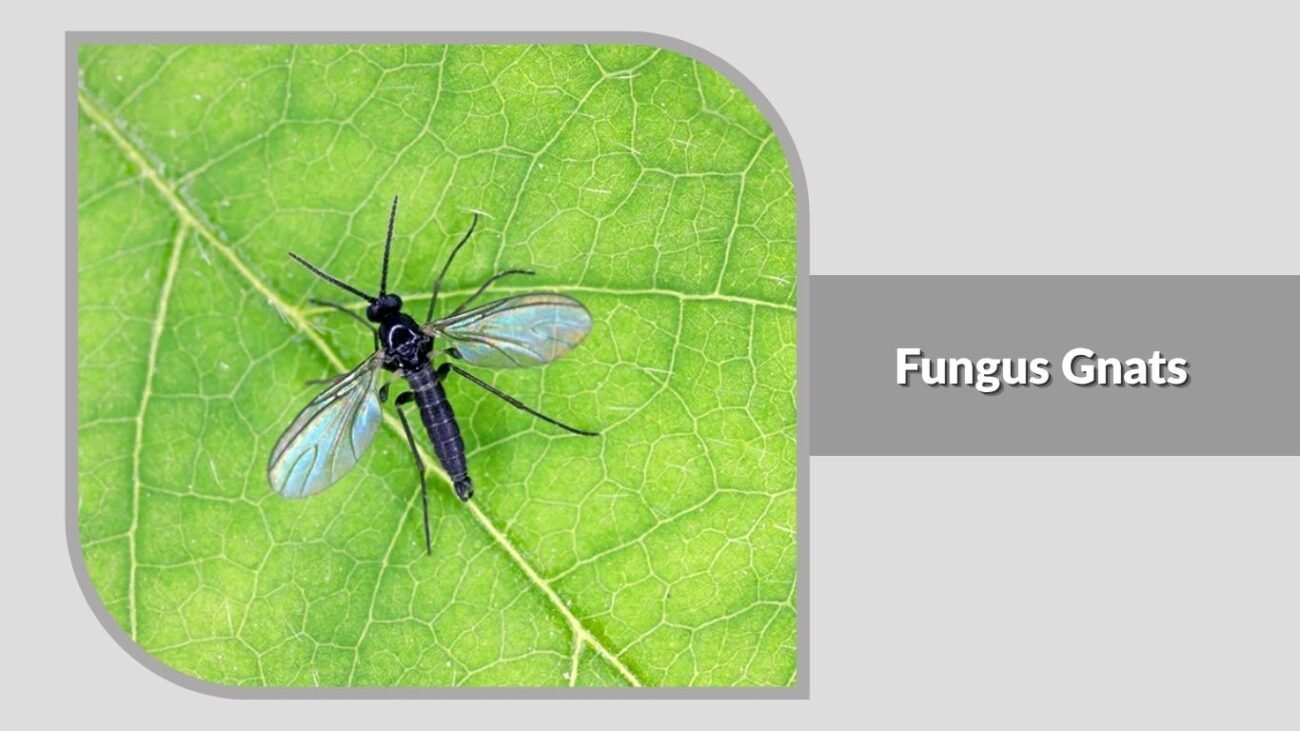
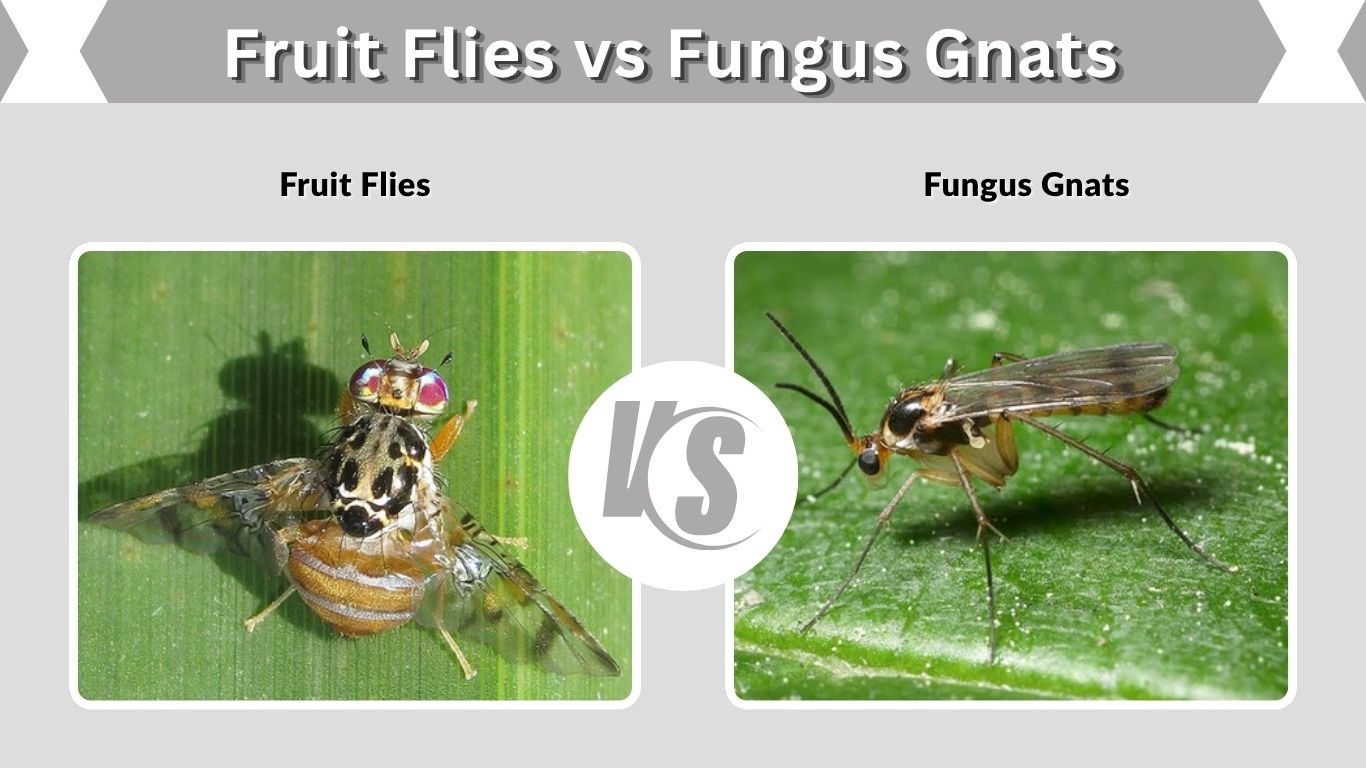
Fungus gnats are among the most common very small flying bugs in house plants, especially when indoor potting soil stays damp. Adults are weak fliers and often hover around windows, plant pots, lamps, and bedrooms. Although they can suddenly appear in large numbers, they are generally more annoying than dangerous.
Identification
- Usually about 1/8 inch long
- Dark gray to black body
- Long, thin legs and antennae
- Clear or slightly smoky wings
- Resemble extremely tiny mosquitoes
- Often seen crawling or flying around plant soil
Where Fungus Gnats Come From
The main source is moist organic material. Houseplant soil that remains wet for long periods creates excellent conditions for fungus gnat larvae. The larvae feed mainly on fungi, algae, and decaying plant matter in the soil. Overwatering plants is therefore one of the most common reasons fungus gnats suddenly become noticeable indoors.
These bugs may also develop around damp compost, drainage areas, or other places where organic material remains consistently moist.
Why They Appear in Bedrooms
Finding fungus gnats or other bedroom small flying bugs in house areas often means there are potted plants nearby. Adult gnats are also attracted to light, which explains why they may gather around bedroom windows, lamps, computer screens, or ceiling lights.
They do not normally bite people, although their mosquito-like appearance can cause concern.
How to Get Rid of Fungus Gnats
Allowing the top layer of potting soil to dry between watering is one of the most effective control methods. Yellow sticky traps can capture adults and help reduce breeding populations. Removing dead leaves and improving drainage also makes plant pots less attractive.
For persistent infestations, treating the soil is more important than simply killing the flying adults because larvae continue developing beneath the surface.
2. Fruit Flies
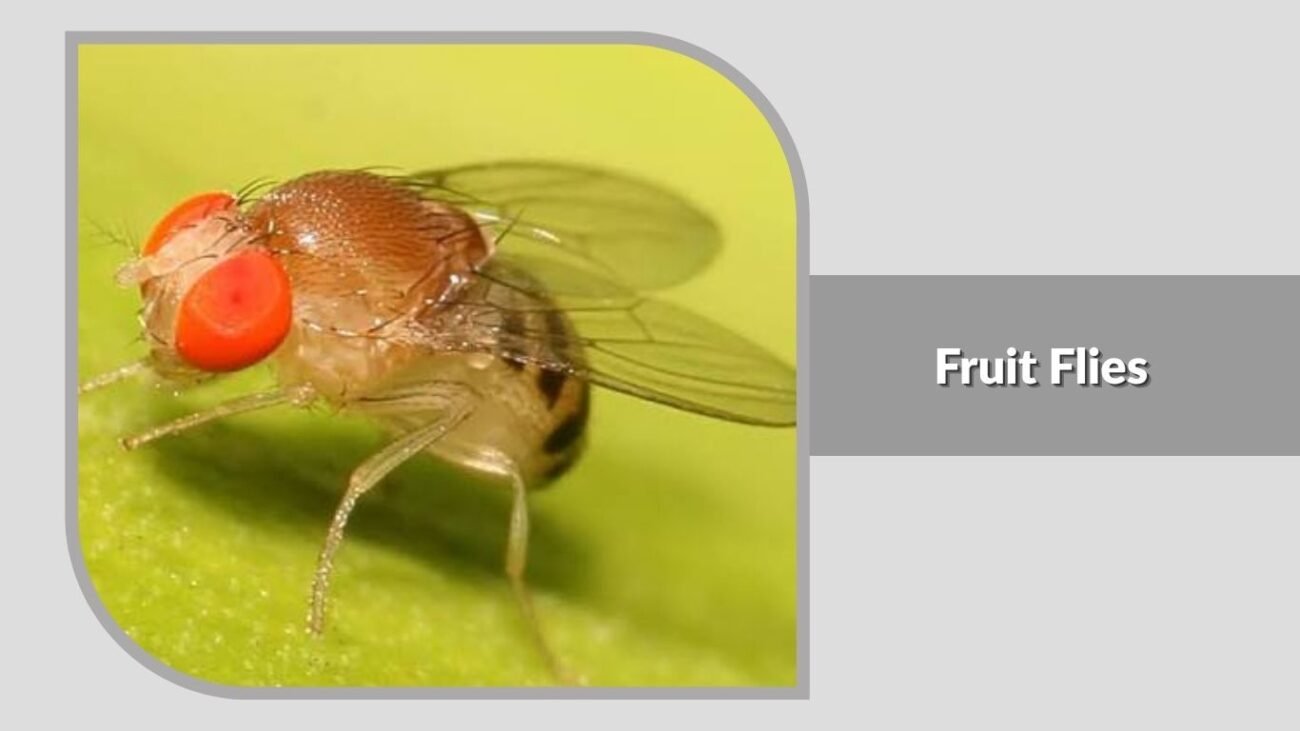
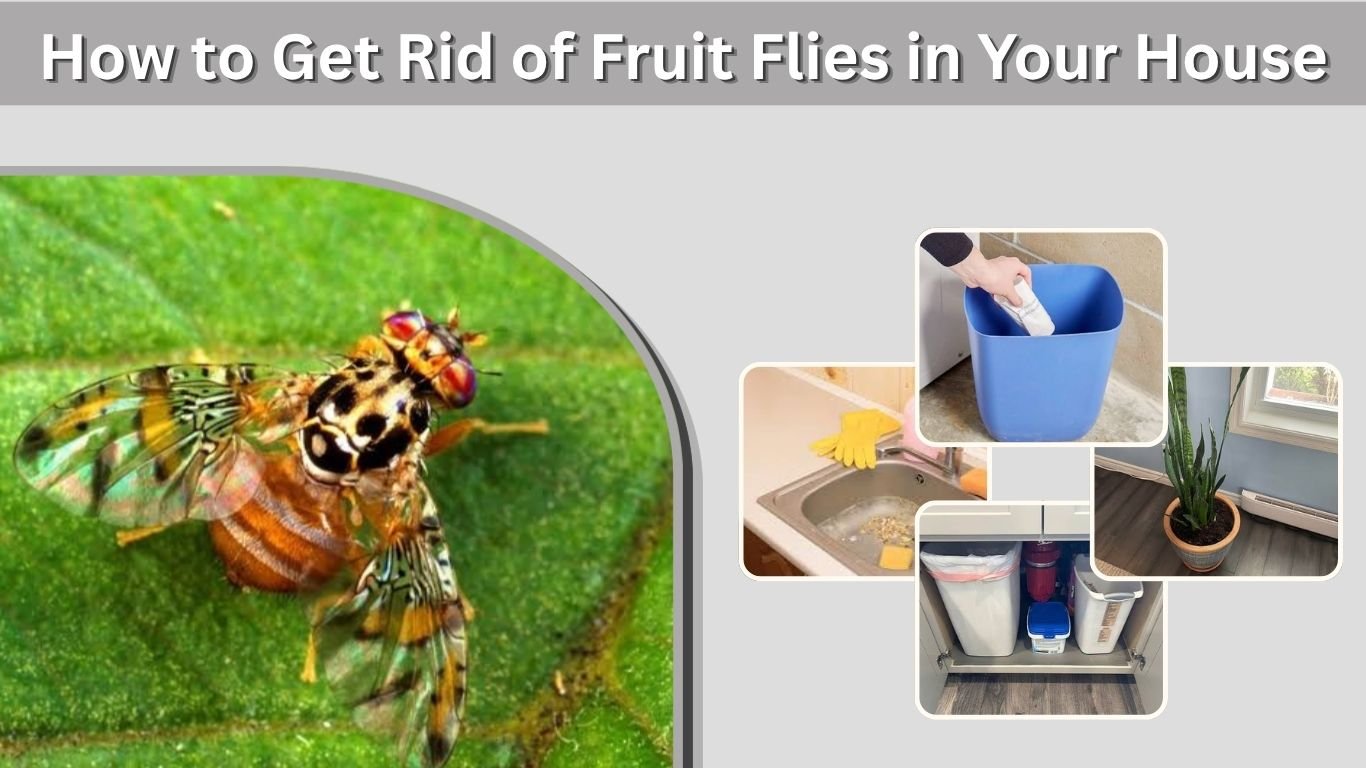
Fruit flies are tiny flying insects frequently found in kitchens, especially around overripe fruit, vegetables, recycling containers, and trash cans. They reproduce quickly, so only a small amount of fermenting organic material can create what seems like a sudden infestation of small flying bugs in house areas.
Identification
- About 1/8 inch long
- Tan, yellowish, or light brown body
- Often have noticeable red eyes
- Rounded body shape
- Small transparent wings
- Frequently hover around fruit or food waste
Where Fruit Flies Come From
Fruit flies are strongly attracted to fermenting sugars. Bananas, apples, tomatoes, onions, potatoes, spilled juice, wine, beer, and food residue can provide breeding sites. Females lay their eggs directly on moist fermenting material, where larvae can immediately begin feeding.
Because their life cycle is fast, populations can increase noticeably within days.
Why They Gather Around the Kitchen
If kitchen small flying bugs in house areas are concentrated around fruit bowls or countertops, fruit flies are a likely possibility. They are also common around garbage disposals, recycling bins, empty beverage containers, and trash cans.
Their attraction to sweet and fermented substances makes kitchens particularly suitable for them. They may also move into nearby rooms once their population grows.
How to Control Fruit Flies
Removing their breeding source is the most important step. Discard overripe produce, wipe up spills, rinse bottles and cans, and empty trash frequently. Produce that ripens quickly can be stored in the refrigerator.
Simple traps may catch adults, but traps alone will not solve the problem if fermenting material remains available. Cleaning drains and overlooked food residue can help prevent another generation from developing.
3. Drain Flies
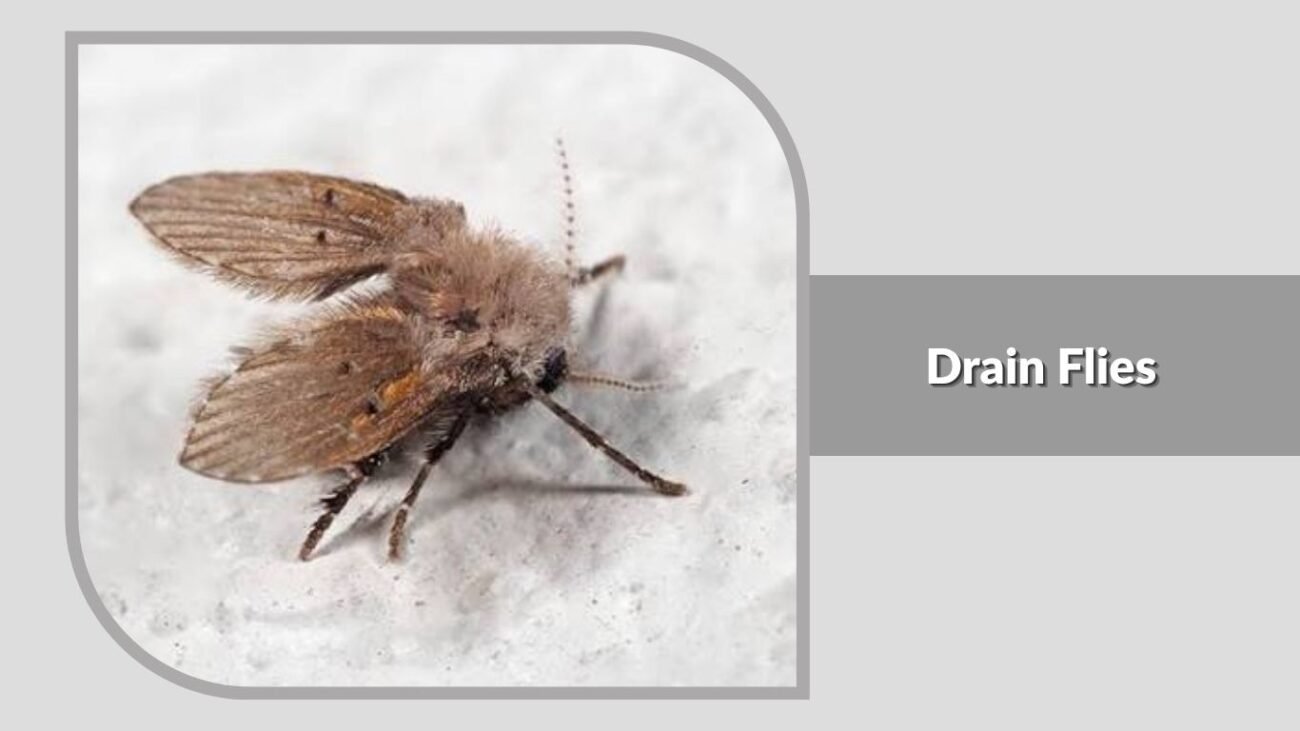
Drain flies are small, fuzzy flying insects commonly noticed around sinks, bathrooms, showers, and floor drains. Their moth-like appearance makes them relatively easy to distinguish from many other tiny small flying bugs in house environments.
Identification
- Usually 1/8 inch or smaller
- Gray, brown, or dark-colored body
- Broad wings covered with fine hairs
- Wings often held roof-like over the body
- Resemble miniature moths
- Weak, short-distance fliers
Where Drain Flies Live
Drain fly larvae develop in the slimy organic film that forms inside drains, pipes, and other consistently wet locations. Bathrooms and kitchens are common problem areas, but they can also breed in floor drains, sewage leaks, dirty garbage containers, and stagnant water.
Adults typically rest on nearby walls rather than flying continuously.
Why They Suddenly Appear Indoors
When drain flies seem to appear all of a sudden, a hidden buildup of organic material may have become suitable for breeding. Several adults emerging at roughly the same time can make the infestation appear sudden even though larvae have been developing inside the drain for days.
Their presence may sometimes point to plumbing areas that need cleaning.
How to Get Rid of Drain Flies
Cleaning the inside of the affected drain is more effective than simply spraying adults. A stiff drain brush can remove the organic film where larvae live. Regular flushing and proper drain maintenance can then help prevent new buildup.
Leaks, standing water, and rarely used drains should also be inspected. Once the breeding material is removed, the number of adult drain flies usually decreases as the remaining insects complete their short life cycle.
4. Phorid Flies
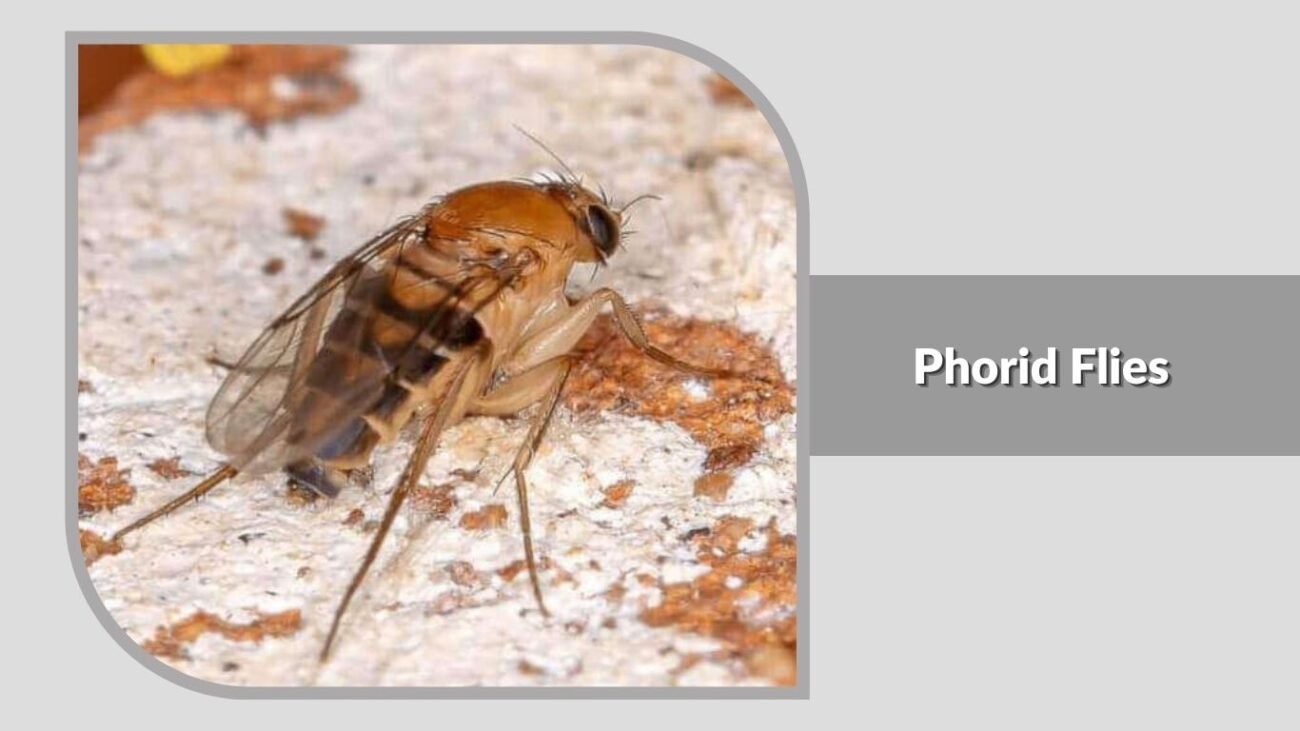
Phorid flies are tiny flies that can easily be confused with fruit flies or fungus gnats. They are sometimes called scuttle flies because they frequently run rapidly across surfaces instead of immediately flying away. Indoors, their presence can indicate decaying organic material hidden somewhere nearby.
Identification
- Approximately 1/16 to 1/8 inch long
- Usually tan, brown, or black
- Distinctive hump-backed appearance
- Small head compared with the thorax
- Run quickly across counters and walls
- Short, erratic flight pattern
Where Phorid Flies Come From
These flies breed in moist decomposing organic matter. Potential sources include trash containers, spoiled foods, clogged drains, damaged sewage pipes, dead insects, decaying plant material, and occasionally animal remains hidden in walls or other inaccessible areas.
Because they can use many breeding materials, locating the exact source may require careful inspection.
Why They Are Often Confused With Other Small Flies
People searching for small flying bugs in house not fruit flies may actually be dealing with phorid flies. Their small size and preference for kitchens and drains can make them difficult to distinguish.
One useful clue is their characteristic running behavior. Fruit flies tend to hover around food, while phorid flies commonly scuttle rapidly across surfaces before taking flight.
How to Remove Phorid Flies
Sanitation and source removal are essential. Clean drains, remove spoiled food, wash trash containers, and inspect damp organic debris. Persistent infestations around plumbing may justify checking for leaking or damaged pipes.
Killing adults provides temporary relief, but populations can return as long as larvae continue developing in hidden organic material.
5. Shore Flies
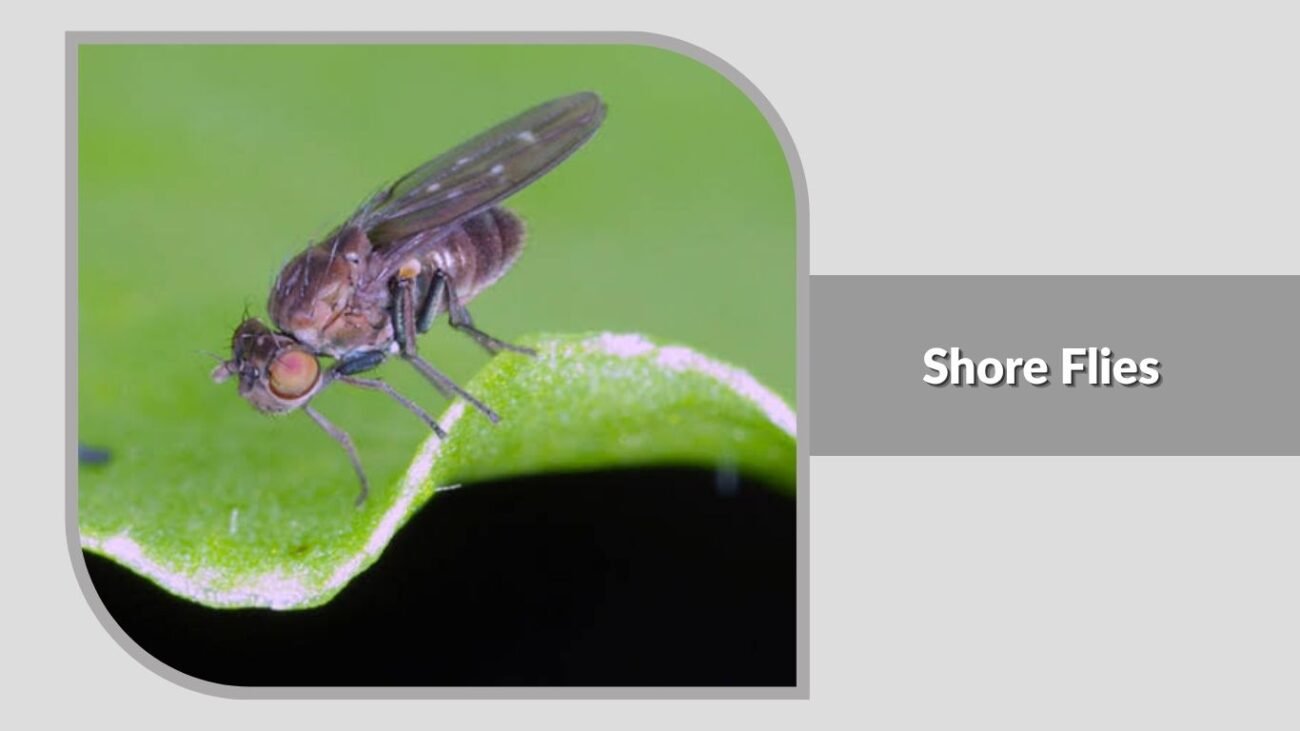
Shore flies are small dark insects most commonly associated with greenhouses and areas containing wet soil or algae. Indoors, they may appear around houseplants and can easily be mistaken for fungus gnats. They are generally harmless to people and healthy plants.
Identification
- About 1/8 inch long
- Dark gray or black body
- Short antennae
- Clear wings, often with small dark spots
- More robust body than fungus gnats
- Commonly rest near wet plant soil
Where Shore Flies Develop
Shore fly larvae feed primarily on algae and microorganisms growing in wet environments. Continually damp potting soil, plant saucers, greenhouse benches, and standing water can provide suitable breeding areas.
Their presence often indicates that soil or surrounding surfaces remain excessively wet.
Shore Flies vs. Fungus Gnats
Both insects can occur around small flying bugs in house plants, but there are noticeable differences. Fungus gnats have slender mosquito-like bodies, long legs, and long antennae. Shore flies tend to look more like tiny house flies and have shorter legs and antennae.
Shore flies are also stronger fliers and frequently move quickly when disturbed. Unlike fungus gnat larvae, shore fly larvae primarily consume algae rather than plant roots.
How to Control Shore Flies
Reducing excessive moisture is the main solution. Avoid leaving water in plant saucers, improve drainage, and allow the soil surface to dry appropriately. Removing visible algae from pots and surrounding surfaces can eliminate an important food source.
Sticky traps can reduce adult populations, but correcting moisture conditions is necessary for long-term control. Once wet breeding environments disappear, shore fly numbers generally decline.
6. Biting Midges
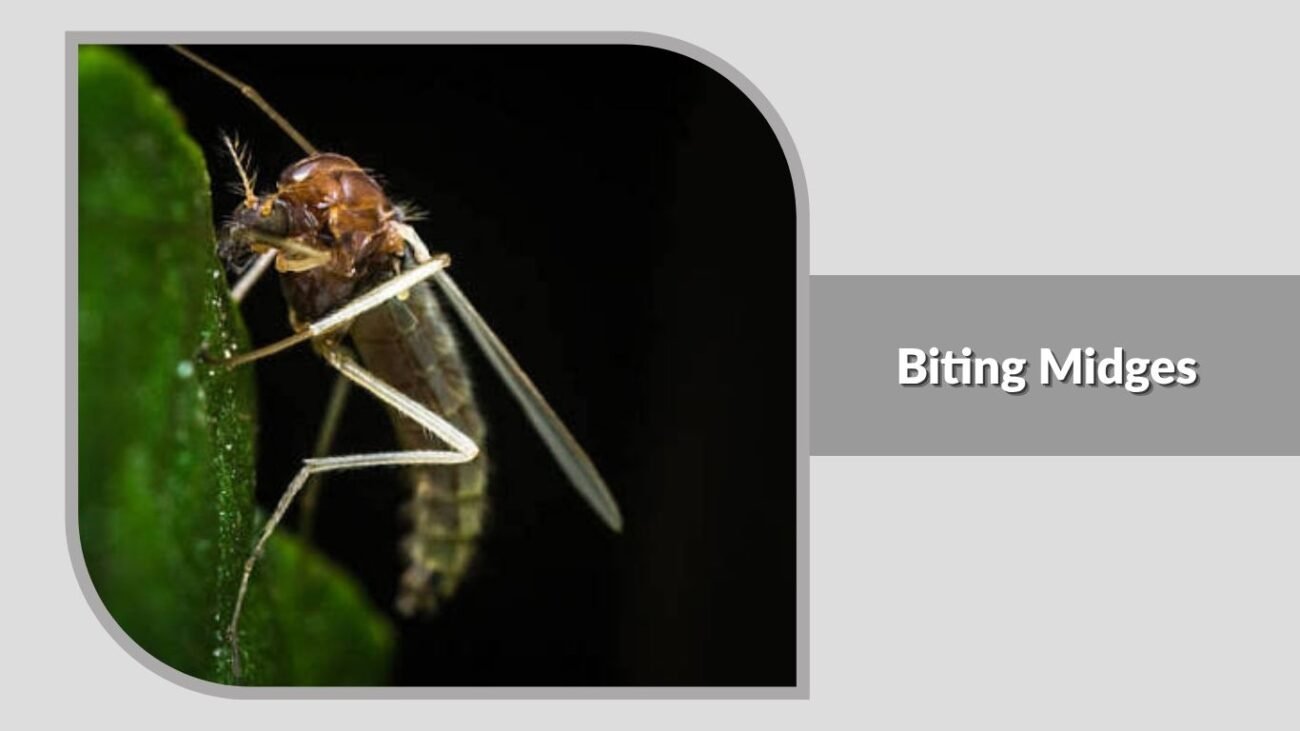
Biting midges are extremely small flying insects sometimes called no-see-ums because they can be difficult to see even when they are biting. Most infestations originate outdoors, but adults may enter homes through screens, open windows, and small gaps.
Identification
- Often only 1/32 to 1/8 inch long
- Gray or dark-colored body
- Very small delicate wings
- Short legs compared with mosquitoes
- Difficult to notice individually
- Females of some species can bite
Where Biting Midges Come From
Biting midges usually develop outdoors in wet soil, marshes, muddy shorelines, decaying vegetation, tree holes, and other moist habitats. Homes near wetlands, ponds, or heavily irrigated landscapes may experience more activity.
Because of their tiny size, some species can pass through ordinary window screens.
Do These Small Flying Bugs Bite?
When people notice small flying bugs in houses that bite, biting midges are one possible explanation. Females require blood meals for egg production and may bite exposed skin.
The bites can cause small red, itchy bumps, although reactions vary between individuals. Unlike mosquitoes, the insects may be so small that the bite is noticed before the bug itself is seen.
How to Keep Biting Midges Out
Keeping windows and doors closed during periods of heavy activity can reduce indoor entry. Fine-mesh screening is more effective than standard screens against particularly tiny species.
Outdoor standing water and excessively wet areas should also be minimized when practical. Fans can provide additional protection because biting midges are weak fliers and have difficulty flying through strong air currents.
7. Non-Biting Midges
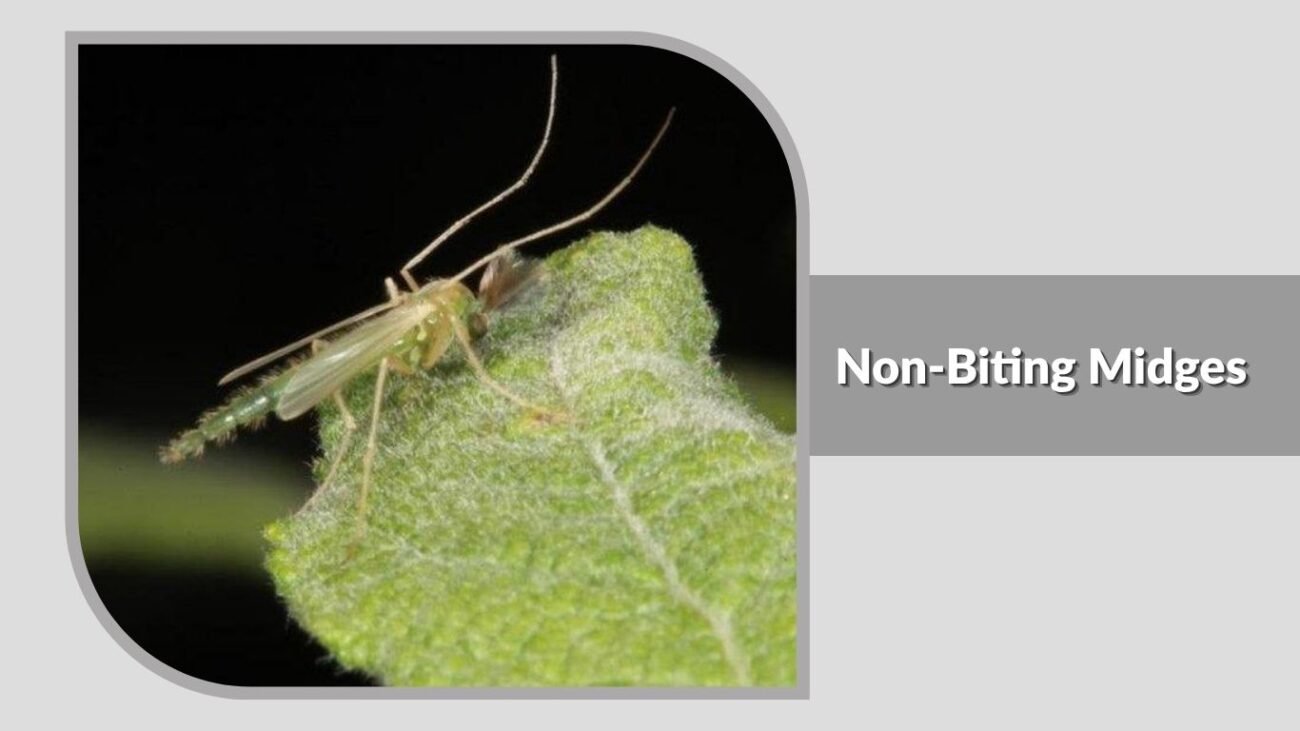
Non-biting midges resemble mosquitoes but do not bite people or pets. They usually develop in ponds, lakes, drainage areas, and other bodies of water before adults gather around lights. Large numbers can occasionally enter homes, particularly during warm weather.
Identification
- Usually 1/8 to 1/2 inch long
- Slender mosquito-like body
- Long legs
- Narrow transparent wings
- Males may have feathery antennae
- Do not have a biting mosquito-like proboscis
Where Non-Biting Midges Come From
Their larvae live primarily in aquatic environments containing organic material. Ponds, lakes, stormwater systems, drainage ditches, and slow-moving water can support large populations.
After emerging as adults, they may fly considerable distances from the breeding location and gather around buildings.
Why They Are Attracted to Light
People commonly notice small flying bugs in house attracted to light around windows, porch lights, lamps, and other illuminated areas at night. Non-biting midges have a strong attraction to artificial lighting, especially shortly after emerging.
This behavior can lead to dozens or even hundreds gathering around windows even when there is no breeding source inside the house.
How to Reduce Non-Biting Midges
Because their breeding sites are generally outdoors, indoor treatments offer limited long-term benefit. Keeping doors and windows screened and reducing unnecessary exterior lighting can help.
Switching off lights near open windows at night may also reduce entry. Outdoor water management can sometimes lower populations, although controlling large natural ponds or lakes is usually impractical.
The good news is that non-biting midges are primarily a nuisance. They do not feed on people, damage furniture, infest stored foods, or establish typical indoor breeding colonies.
8. Mosquitoes
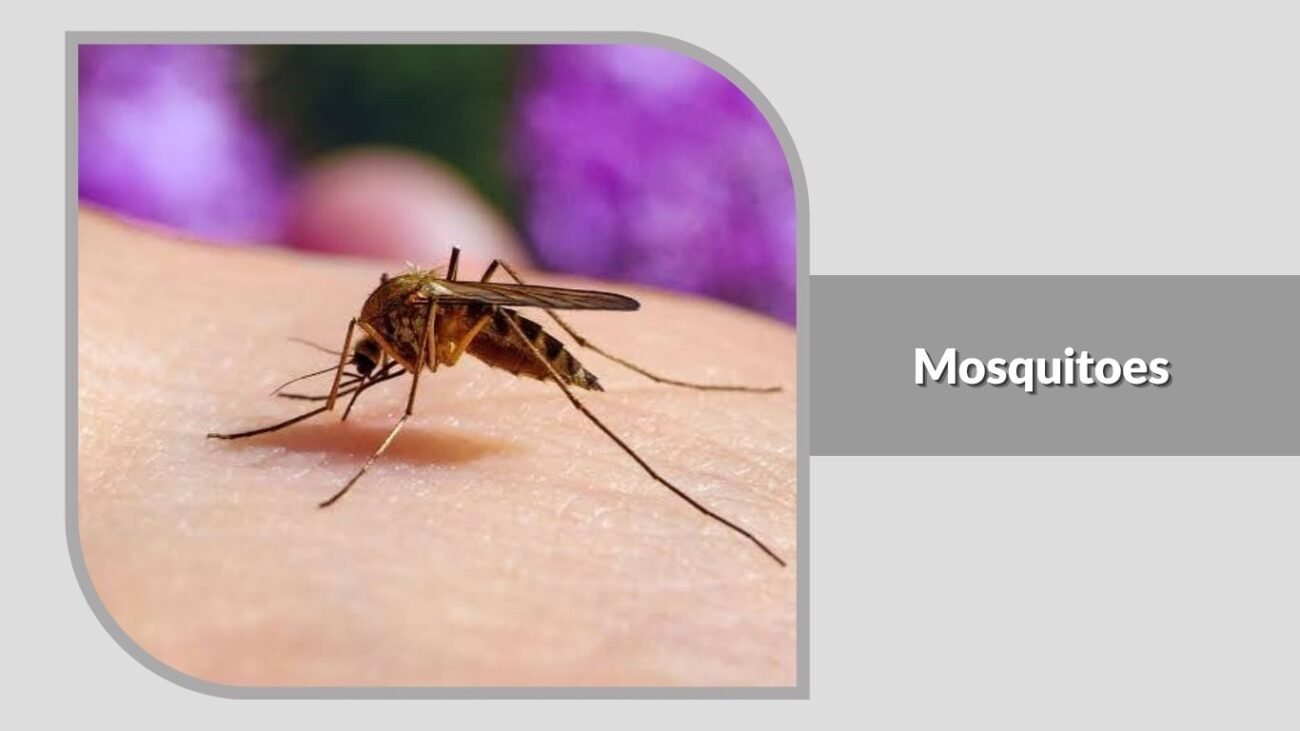
Mosquitoes are among the most familiar flying insects that enter homes, especially during warm and humid weather. They may appear in bedrooms, bathrooms, kitchens, and other rooms where they can rest during the day. Unlike many other small flying bugs in the house, female mosquitoes can bite and may become a persistent nuisance.
Identification
- Slender body with long legs
- Usually 1/8 to 3/8 inch long
- Narrow wings covered with tiny scales
- Long needle-like mouthpart
- Gray, brown, or black coloration
- Some species have white markings on the legs or body
Why Mosquitoes Enter the House
Mosquitoes usually enter through open doors, unscreened windows, damaged screens, or small gaps around the home. They are especially active around dusk and at night, although some species also bite during the day.
Indoor standing water can occasionally provide breeding sites. Flowerpot saucers, buckets, clogged drains, pet water dishes, and containers holding water may support mosquito larvae if left undisturbed.
Why They Are Common in Bedrooms
Mosquitoes are attracted to carbon dioxide, body heat, and human odors. This is why they often become noticeable in bedrooms at night. Their buzzing sound may be heard before the insect is actually seen.
If you have small flying bugs in the house at night that bite, mosquitoes are one of the most likely possibilities.
How to Get Rid of Mosquitoes Indoors
Repair window screens and keep doors closed whenever possible. Empty standing water around the home and change water in containers regularly.
Fans can also make it difficult for mosquitoes to fly near people. For individual mosquitoes indoors, vacuuming or using appropriate indoor insect-control methods can help. Long-term prevention depends largely on reducing entry points and nearby breeding water.
9. Whiteflies
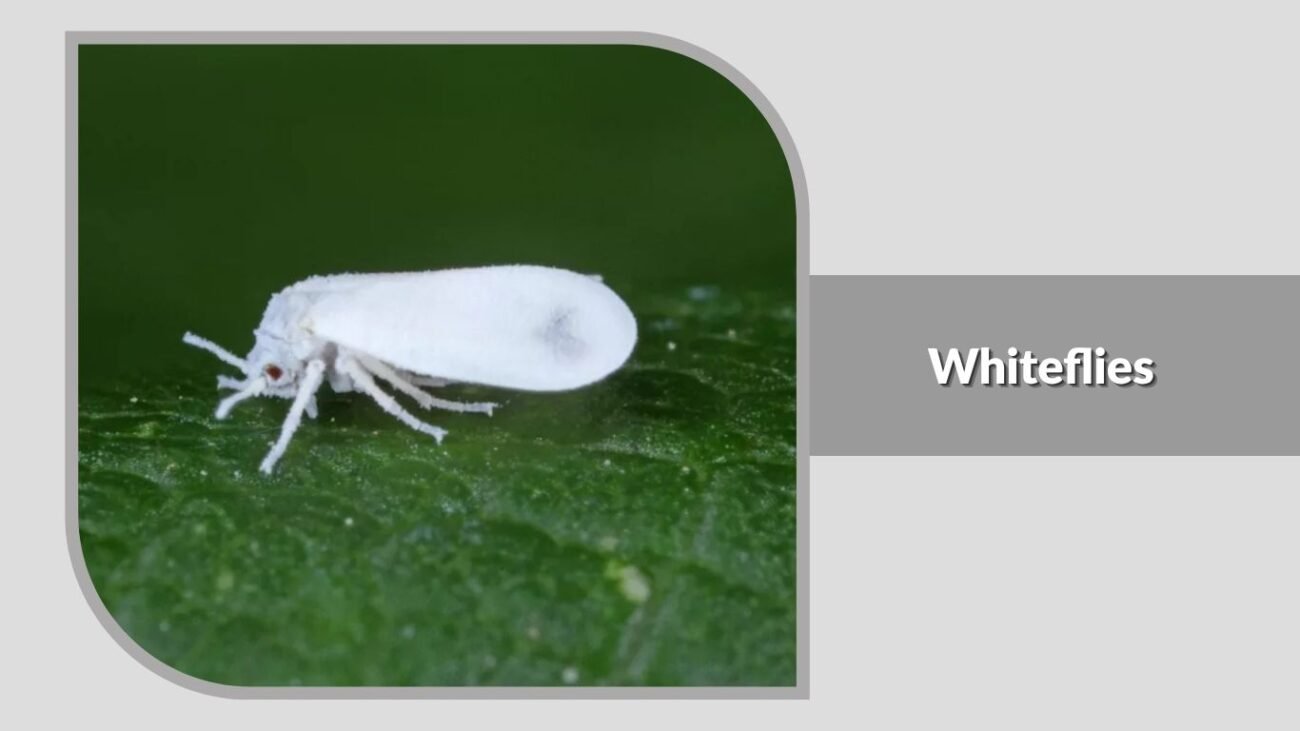
Whiteflies are tiny, pale insects commonly found around indoor plants. Despite their name, they are not true flies. They are closely related to aphids and scale insects and feed by sucking plant juices. When disturbed, large numbers may suddenly flutter around leaves like tiny white moths.
Identification
- Usually around 1/16 inch long
- White or pale yellow appearance
- Powdery white wings
- Often gather beneath leaves
- Fly up when plants are disturbed
- Resemble tiny white moths
Where Whiteflies Come From
Whiteflies usually enter a home on infested plants. Houseplants purchased from nurseries, garden centers, or moved indoors from outside can carry adults, eggs, or immature stages.
Females lay eggs on the undersides of leaves. Young whiteflies remain attached to the plant while feeding, which can make an infestation difficult to notice until adults begin flying.
Signs of Whiteflies on Houseplants
If small flying bugs in house plants are white and rise from the leaves when touched, whiteflies are a strong possibility. Infested leaves may become yellow, weak, or distorted.
Whiteflies also produce sticky honeydew while feeding. This substance may coat leaves and sometimes encourage black sooty mold to develop.
How to Control Whiteflies
Inspect the undersides of leaves carefully and isolate heavily infested plants. Washing leaves can remove some adults and immature insects.
Yellow sticky traps may capture flying adults, while repeated treatment with insecticidal soap or horticultural products labeled for indoor plants can help manage larger infestations. Because eggs and immature stages remain on the plant, treatment usually needs to be repeated rather than performed only once.
10. Thrips
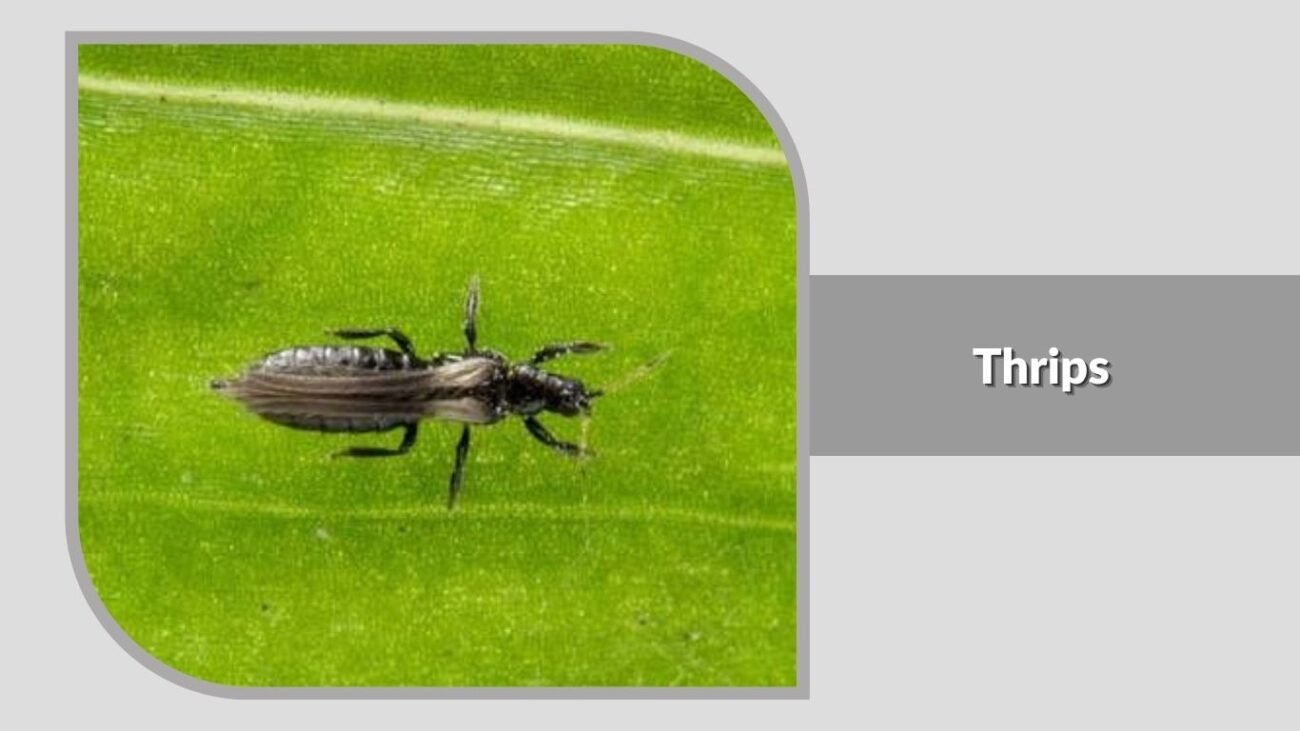
Thrips are extremely tiny insects that can infest indoor plants and occasionally fly around windows, lights, and furniture. Their narrow bodies make them look more like tiny moving lines than typical insects. They are especially common when infested outdoor or nursery plants are brought inside.
Identification
- Usually 1/25 to 1/8 inch long
- Very narrow, elongated body
- Yellow, tan, brown, or black
- Thin wings with fringed edges
- Move quickly across leaves
- May appear as tiny dark slivers
Where Thrips Live Indoors
Thrips typically live on flowers, leaves, buds, and tender plant growth. They pierce plant tissue and feed on the contents of individual cells.
Many infestations begin when a new plant is introduced into the home. Others may enter through windows from gardens or nearby vegetation.
Signs of Thrips Damage
Houseplants with thrips may develop silvery patches, pale streaks, distorted leaves, or tiny black specks of waste. Flowers can become damaged or fail to open normally.
When people report super small flying bugs in house that are hard to identify, thrips may be responsible because their narrow bodies are much smaller than typical flies or gnats.
How to Get Rid of Thrips
Isolate affected plants to prevent the insects from spreading. Remove badly damaged leaves and wash plants thoroughly.
Sticky traps can help monitor adults, while insecticidal soap or other products labeled for thrips may be used according to directions. Repeated inspections are important because eggs can remain hidden inside plant tissue.
Keeping new plants separate for a short period before placing them with existing houseplants can reduce future infestations.
11. Winged Ants
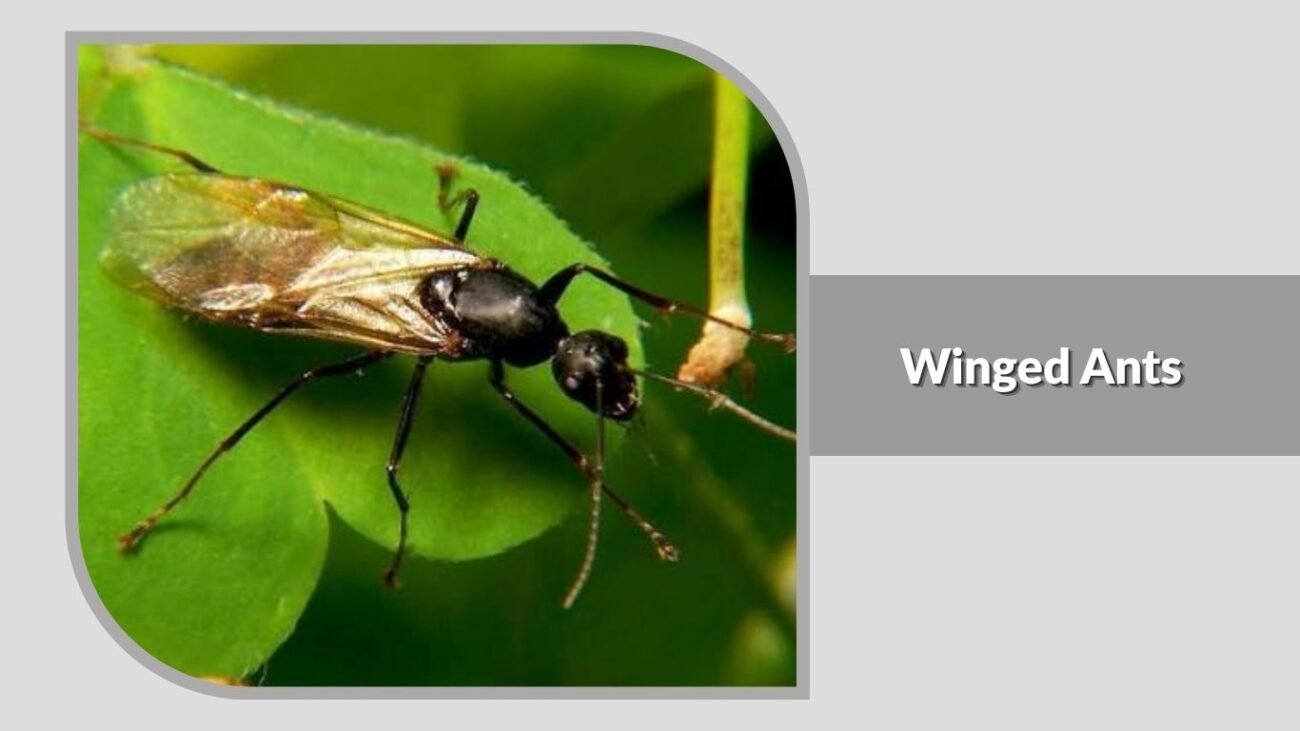
Winged ants are reproductive ants that leave established colonies to mate and create new colonies. They may suddenly appear around windows, doors, walls, or lights in large numbers. Finding only a few may indicate insects entering from outdoors, while repeated indoor appearances can point to a colony within the building.
Identification
- Narrow, pinched waist
- Bent or elbowed antennae
- Two pairs of wings
- Front wings larger than rear wings
- Black, brown, reddish, or yellowish body
- Usually larger than worker ants
Why Winged Ants Suddenly Appear
Mature ant colonies release winged males and females during specific weather conditions. Warm temperatures, humidity, and recent rain often trigger these swarming events.
This can explain small flying bugs in house all of a sudden, particularly when dozens appear near windows on the same day.
Winged Ants vs. Flying Termites
Winged ants and termites are commonly confused. Ants have a clearly pinched waist, bent antennae, and unequal wing lengths. Termites generally have straight antennae, broad waists, and four wings of roughly equal size.
Correct identification matters because termites may indicate structural damage, while many ant species are mainly nuisance pests.
How to Control Winged Ants
Vacuum visible insects and inspect where they are emerging. Seal cracks around doors, windows, foundations, and utility openings.
If winged ants repeatedly emerge from walls, baseboards, or ceilings, an indoor colony may be present. In such situations, controlling the colony is more effective than killing individual swarmers.
Ant baits can be useful for some species because workers carry the active ingredient back to the colony.
12. Flying Termites
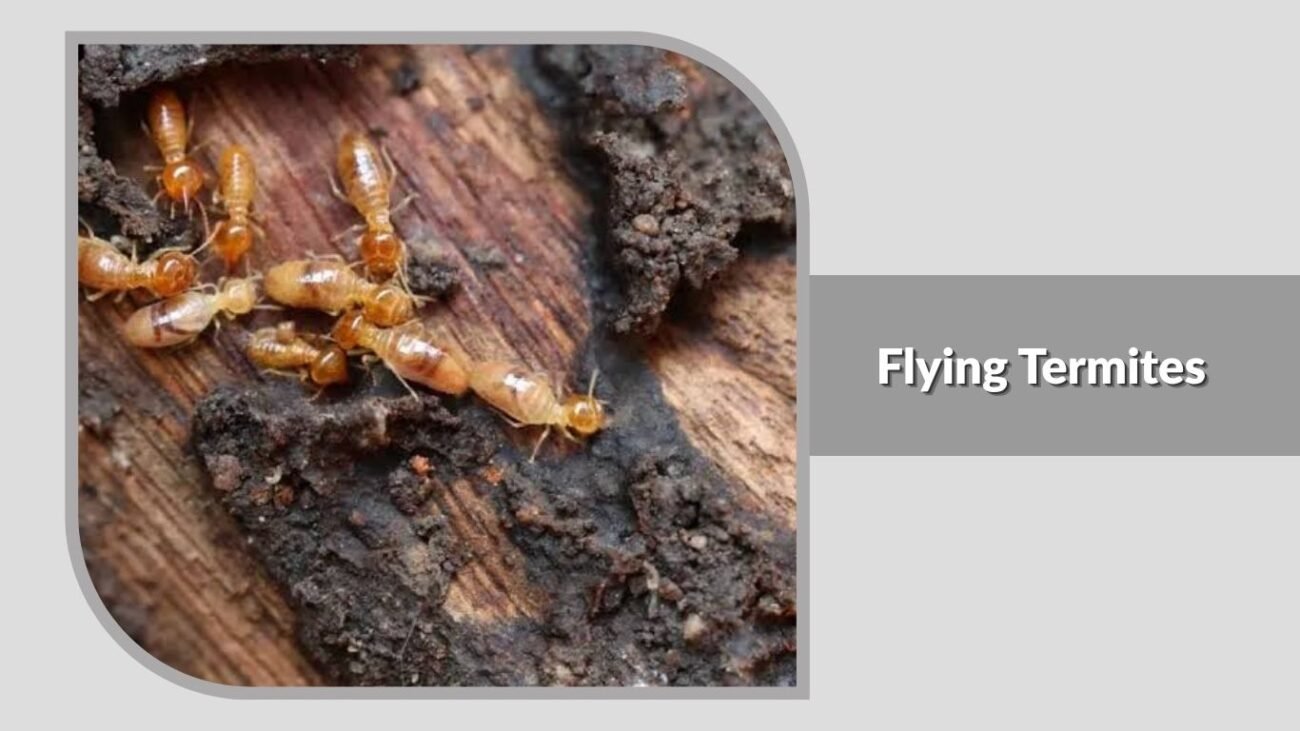
Flying termites, also called termite swarmers or alates, are reproductive termites that leave mature colonies to establish new ones. They may suddenly gather near windows and lights, making them look like ordinary small flying insects. However, indoor termite swarmers deserve attention because they can indicate an established colony nearby.
Identification
- Straight, bead-like antennae
- Broad waist without a narrow pinch
- Four wings of nearly equal length
- Wings extend beyond the body
- Usually brown, dark brown, or black
- Shed wings may collect near windows
Why Flying Termites Appear Indoors
Termite colonies release swarmers when environmental conditions are suitable, often during warm, humid weather or after rain. Swarming may last only a short time.
If termites are entering through an open window, the colony may be outside. However, swarmers repeatedly emerging from walls, flooring, or trim can indicate termite activity within the structure.
Flying Termites vs. Flying Ants
People trying to identify very small flying bugs in house often confuse these two insects. Termites have straight antennae, a thick waist, and wings of similar size. Flying ants have elbowed antennae, a narrow waist, and larger front wings.
Discarded wings are another important clue because termite swarmers often shed them soon after landing.
What to Do About Flying Termites
Vacuum visible swarmers, but do not assume that removing the adults solves the problem. The colony remains hidden elsewhere.
Inspect window sills for piles of shed wings and look for mud tubes, damaged wood, or hollow-sounding timber. If swarmers appear to be originating inside the building, a professional termite inspection is usually the most appropriate next step.
13. Indianmeal Moths
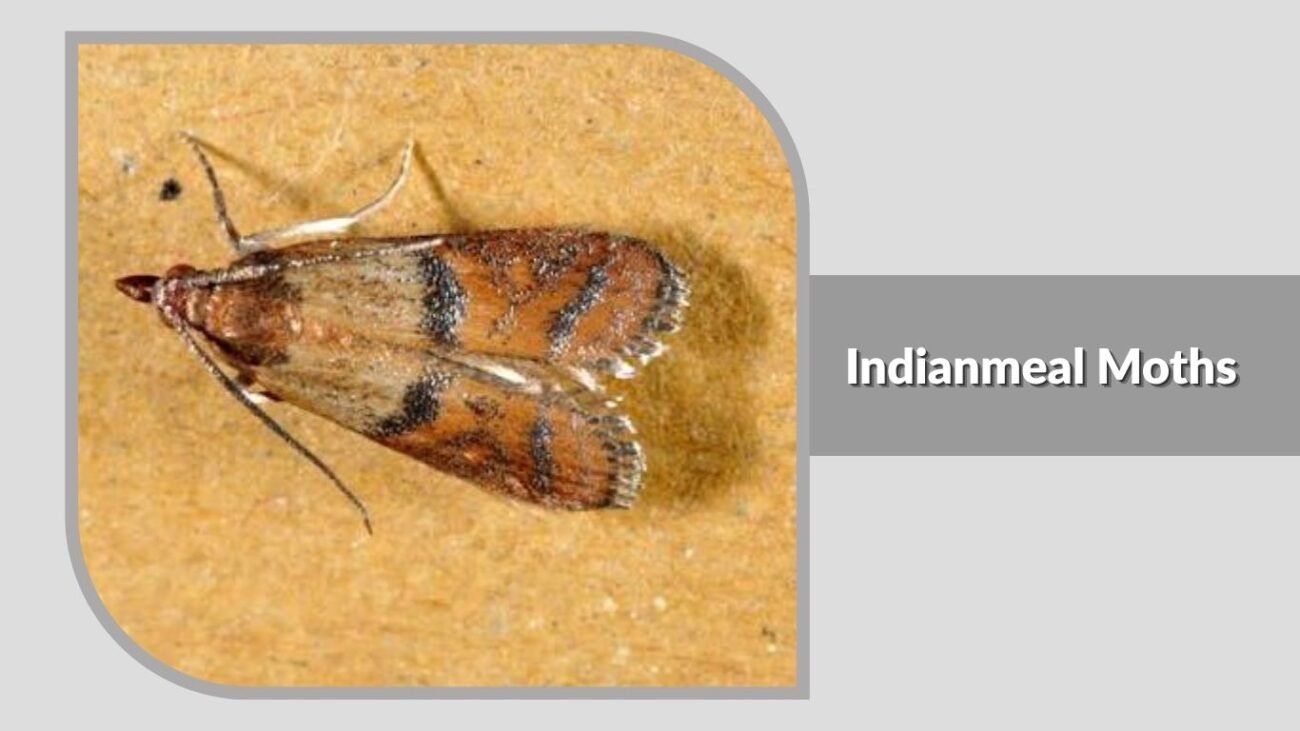
Indianmeal moths are one of the most common pantry pests found inside homes. The adults are small moths that fly around kitchens, cupboards, ceilings, and nearby rooms. Their larvae infest a wide range of dry foods, making source removal essential for successful control.
Identification
- About 1/2 inch long when resting
- Wingspan around 5/8 inch
- Front wings are two-toned
- Inner wing section is pale gray
- Outer section is reddish-brown or coppery
- Larvae are cream-colored caterpillars
Where Indianmeal Moths Come From
Infestations typically begin in stored food. Common sources include cereal, flour, rice, nuts, dried fruit, birdseed, pet food, powdered milk, chocolate, and other dry products.
The insects may already be present in packaged food when it enters the home. Larvae can also crawl away from food before pupating, so cocoons may appear on walls or ceilings.
Why They Fly Around the House
Adult moths may travel beyond the kitchen, which sometimes causes homeowners to assume the infestation is coming from another room. They are frequently active in the evening and may be attracted to light.
Finding these brown small flying bugs in house areas along with webbing in dry foods strongly suggests a pantry moth problem.
How to Get Rid of Indianmeal Moths
Inspect all dry food products carefully. Discard infested packages and vacuum shelves, corners, cracks, and cupboard joints.
Store remaining foods in tightly sealed containers made from sturdy plastic or glass. Pantry moth pheromone traps can help monitor adult activity, but they should be combined with source removal.
Once all infested food is removed, the population should gradually disappear.
14. Clothes Moths
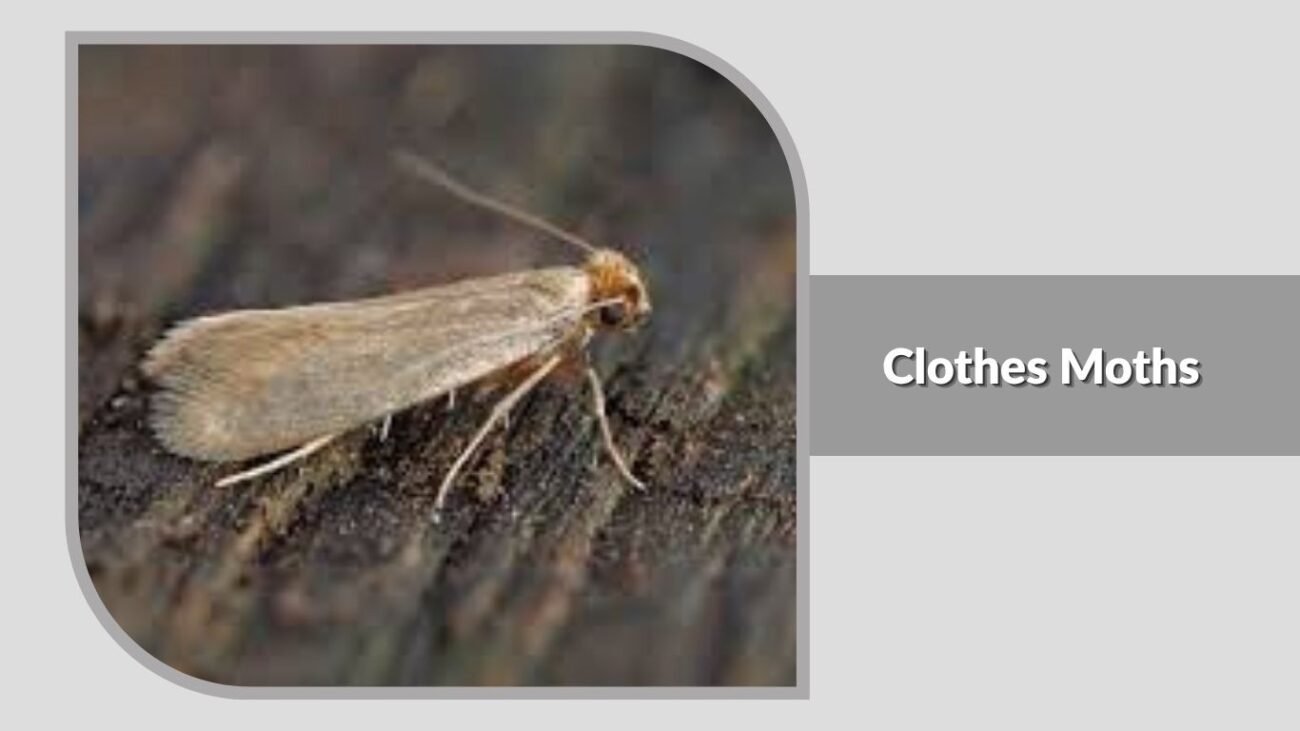
Clothes moths are small indoor moths whose larvae can damage wool, fur, feathers, rugs, and other animal-based materials. Unlike many flying insects, adult clothes moths tend to avoid bright light and prefer dark, quiet areas such as closets and storage spaces.
Identification
- Approximately 1/4 to 1/2 inch long
- Pale golden, beige, or buff-colored wings
- Narrow body
- Wings held close to the body when resting
- Often run or flutter rather than fly strongly
- Larvae are small cream-colored caterpillars
Where Clothes Moths Hide
Adults often remain in closets, drawers, under furniture, and other undisturbed areas. Females lay eggs near materials that can feed the larvae.
Larvae do the actual damage. They feed on keratin-containing materials such as wool, cashmere, fur, feathers, felt, and sometimes fabrics contaminated with sweat or food residue.
Signs of a Clothes Moth Infestation
Small holes in sweaters, blankets, carpets, or stored fabrics may indicate clothes moth activity. Silken webbing, cases, shed skins, and tiny larvae can also be found around damaged areas.
Unlike small flying bugs in house attracted to light, clothes moths generally prefer darker areas. Seeing small pale moths consistently around closets is therefore a useful identification clue.
How to Get Rid of Clothes Moths
Inspect vulnerable clothing and fabrics closely. Wash, dry-clean, or otherwise appropriately treat affected items before returning them to storage.
Vacuum closet floors, edges, shelves, furniture, and carpeted areas thoroughly. Clean woolen clothing before long-term storage and keep it in sealed containers or garment bags.
Pheromone traps can help detect adult male moths and monitor whether activity continues.
15. Pantry Moths
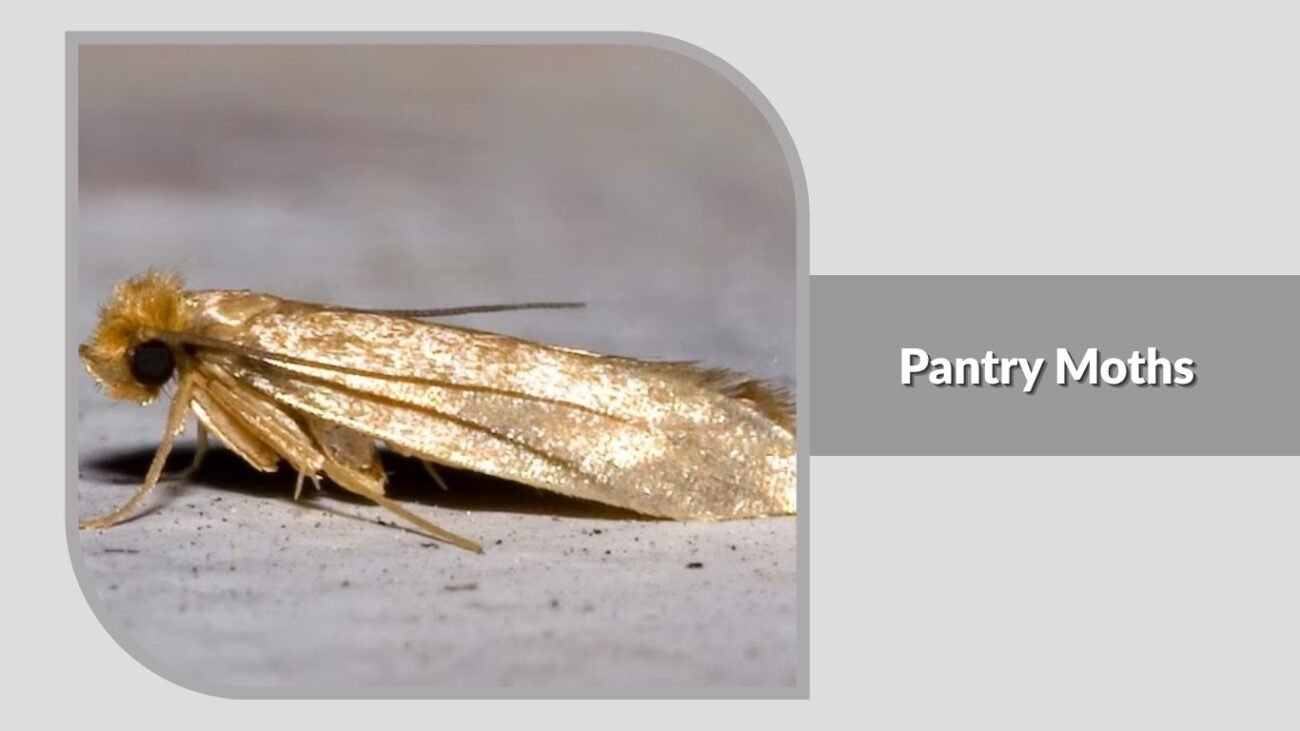
The term pantry moth is commonly used for moth species whose larvae infest stored dry foods. Indianmeal moths are the best-known example, but other stored-product moths can create similar problems. Adults may fly throughout the kitchen and other rooms while the larvae remain hidden inside food packages.
Identification
- Usually small, narrow-bodied moths
- Gray, tan, brown, or copper-colored wings
- Often less than 1 inch across
- Adults may fly in a zigzag pattern
- Larvae resemble small pale caterpillars
- Webbing may appear inside food packages
What Attracts Pantry Moths
Pantry moth larvae feed on dry food products such as flour, grains, cereal, rice, nuts, seeds, spices, dried fruit, pet food, and birdseed.
Even unopened cardboard or thin plastic packages may become infested because tiny larvae can enter through small gaps or imperfections.
Why Pantry Moths Keep Coming Back
An infestation often continues because one forgotten package remains contaminated. Old bags of flour, nuts stored in a cupboard, pet treats, or birdseed can support larvae for weeks.
Adult moths may also travel into bedrooms or living areas, so finding bedroom small flying bugs in the house does not always mean the breeding source is located in the bedroom.
How to Eliminate Pantry Moths
Empty the affected cupboard and inspect every dry food package. Discard anything containing larvae, webbing, clumps, or unusual debris.
Vacuum shelf edges, cracks, peg holes, and corners before wiping the area clean. Store replacement foods in airtight glass or heavy plastic containers.
Pheromone traps can help track remaining adult moths, but sanitation and removal of infested food are the most important steps for preventing another generation.
16. Carpet Beetles
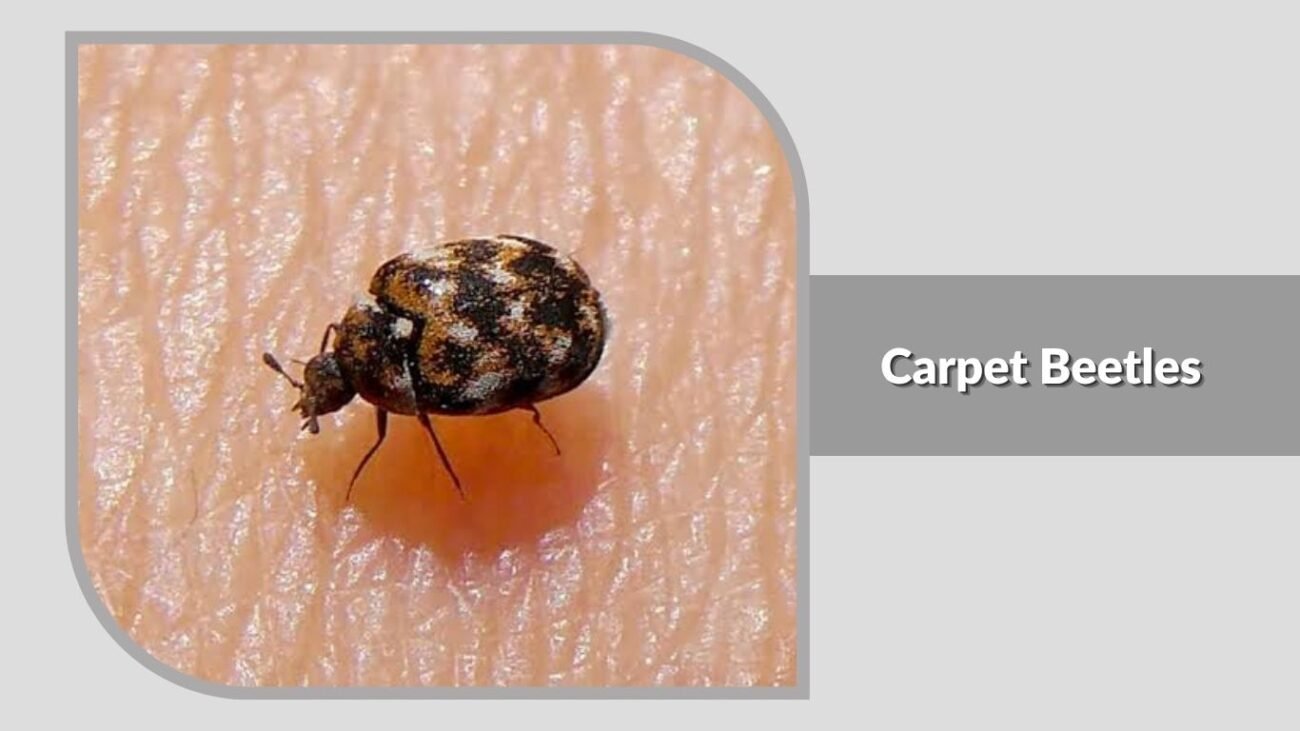
Carpet beetles are small household insects that may be noticed flying around windows, curtains, or lights. Adult carpet beetles usually enter homes from outdoors, while their larvae live indoors and feed on natural fibers and animal-based materials. If you notice black small flying bugs in house, carpet beetles are one possible identification.
Identification
- Adults are usually 1/8 to 1/4 inch long
- Round or oval body
- Black, brown, or mottled coloration
- Some species have white and yellow scales
- Adults can fly well
- Larvae are brown and covered with tiny hairs
Why Carpet Beetles Appear Indoors
Adult carpet beetles may enter through open windows and doors, especially during spring and summer. They can also be brought inside on flowers, fabrics, furniture, or other materials.
Once indoors, females may lay eggs in dark, undisturbed areas where larvae can find food. Common locations include closets, carpet edges, air vents, furniture, and storage boxes.
What Damage Can They Cause?
Adult carpet beetles generally feed on pollen and do not damage household belongings. The larvae, however, may feed on wool, fur, feathers, leather, silk, pet hair, and dead insects.
Small irregular holes in natural-fiber clothing or rugs can be a sign of an infestation. Shed larval skins may also accumulate in hidden spaces.
How to Get Rid of Carpet Beetles
Vacuum carpets, baseboards, closets, vents, and underneath furniture thoroughly. Wash or dry-clean vulnerable clothing and remove accumulations of lint or pet hair.
Sealing cracks around windows can reduce adult entry. Regular cleaning is particularly important because carpet beetle larvae can survive on small amounts of organic debris that remain unnoticed for long periods.
17. Cigarette Beetles
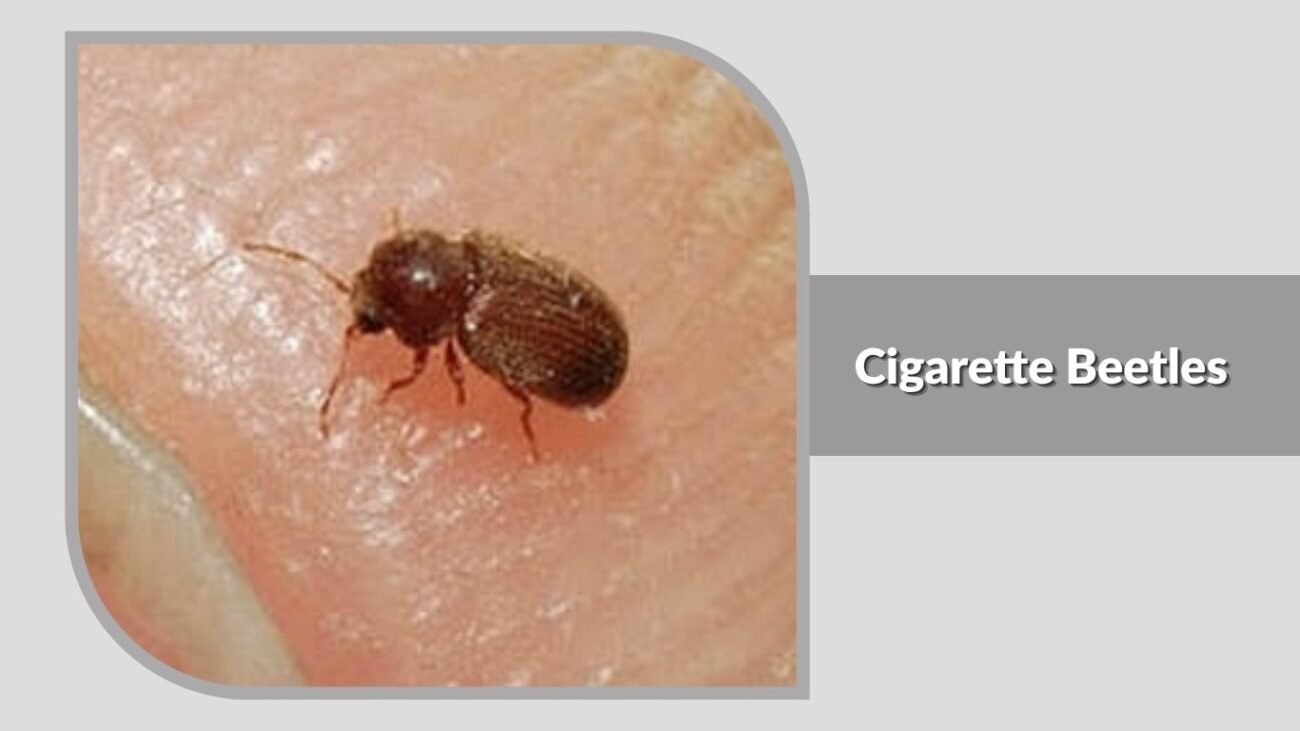
Cigarette beetles are tiny reddish-brown insects that infest many stored products. Although they are commonly associated with tobacco, they can also appear in kitchens and pantries. Adults are capable of flying and may gather around lights, leading homeowners to mistake them for tiny flies.
Identification
- About 1/10 inch long
- Oval and rounded body
- Light brown to reddish-brown color
- Head appears tucked beneath the thorax
- Smooth wing covers
- Adults can fly, particularly in warm conditions
Where Cigarette Beetles Come From
Cigarette beetles can infest spices, flour, cereals, dried herbs, pet food, seeds, nuts, dried flowers, and many other stored materials.
An infestation can begin when a contaminated food package is brought into the home. Adults may then leave the source and fly into kitchens, bedrooms, or living areas.
Why They Are Found Around Lights
Adult cigarette beetles are attracted to light. This behavior often causes them to appear near windows, lamps, and ceiling fixtures.
If you are identifying small flying bugs in house attracted to light, check nearby pantry products rather than assuming the insects are breeding around the light itself.
How to Control Cigarette Beetles
Inspect dry food and stored products for small holes, larvae, powdery debris, or adult beetles. Dispose of infested items in sealed bags.
Vacuum pantry shelves and cracks carefully before returning food. Store grains, spices, and pet food in airtight containers.
Killing flying adults alone will not solve the infestation. The hidden source must be found and removed to prevent additional beetles from emerging.
18. Drugstore Beetles
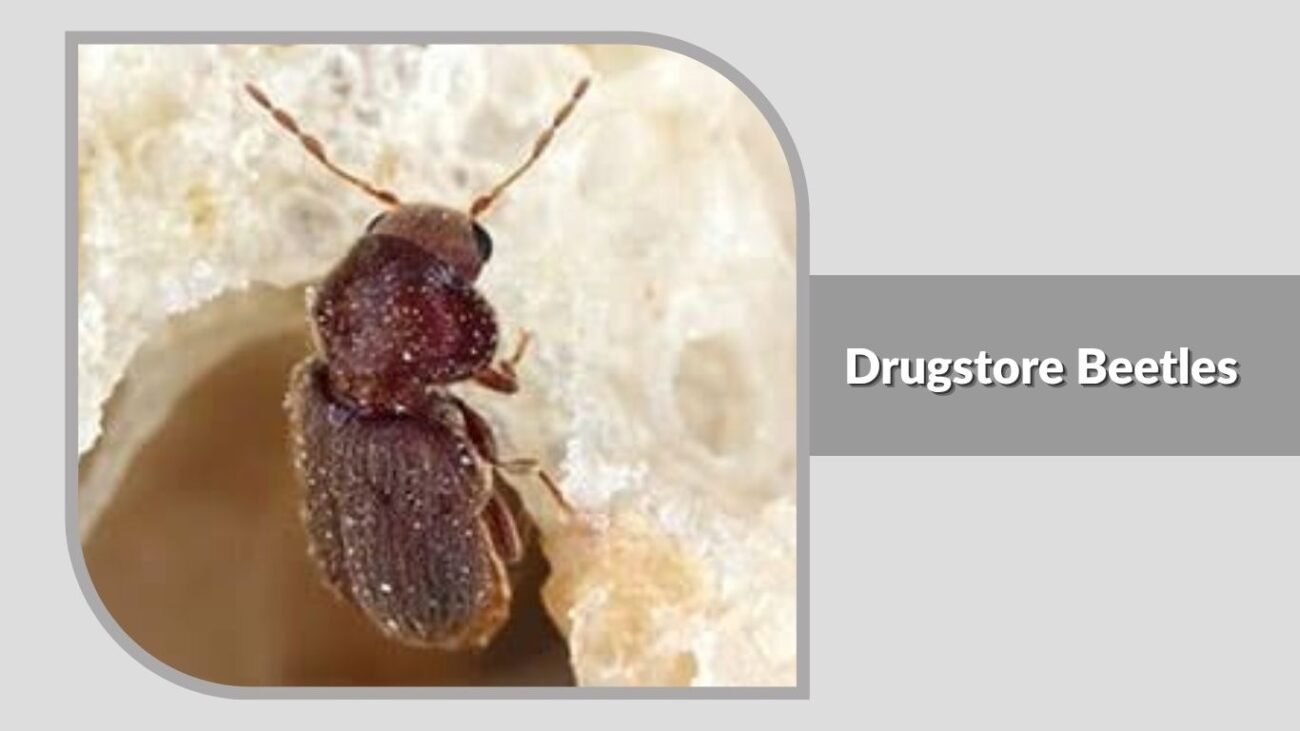
Drugstore beetles are tiny brown pantry pests closely related to cigarette beetles. They can infest an unusually wide variety of dried products and may fly throughout the home. Their small size makes them one of the more difficult very small flying bugs in house to identify accurately.
Identification
- Approximately 1/10 inch long
- Cylindrical or oval body
- Reddish-brown coloration
- Head hidden beneath the thorax
- Fine grooves visible on wing covers
- Strong fliers in warm environments
What Attracts Drugstore Beetles?
Drugstore beetles feed on flour, bread, cereal, spices, pet food, powdered products, dried herbs, seeds, and other stored materials.
They have also been found in non-food materials such as books, leather, and dried plant collections. This broad diet means the source of an infestation is not always obvious.
Drugstore Beetles vs. Cigarette Beetles
The two insects look extremely similar. One useful difference is the appearance of the wing covers. Drugstore beetles have visible longitudinal grooves, while cigarette beetle wing covers appear smoother.
Their antennae also differ, although these details may require magnification to see clearly.
How to Get Rid of Drugstore Beetles
Start by inspecting all dry pantry products, including items that have not been used recently. Look inside opened packages and check cardboard containers for tiny holes.
Discard contaminated products and vacuum shelving thoroughly. Wiping shelves alone may not remove insects hidden inside cracks.
Food should then be stored in tightly sealed containers. Continued sightings usually mean that another infested product remains somewhere in the home.
19. House Flies
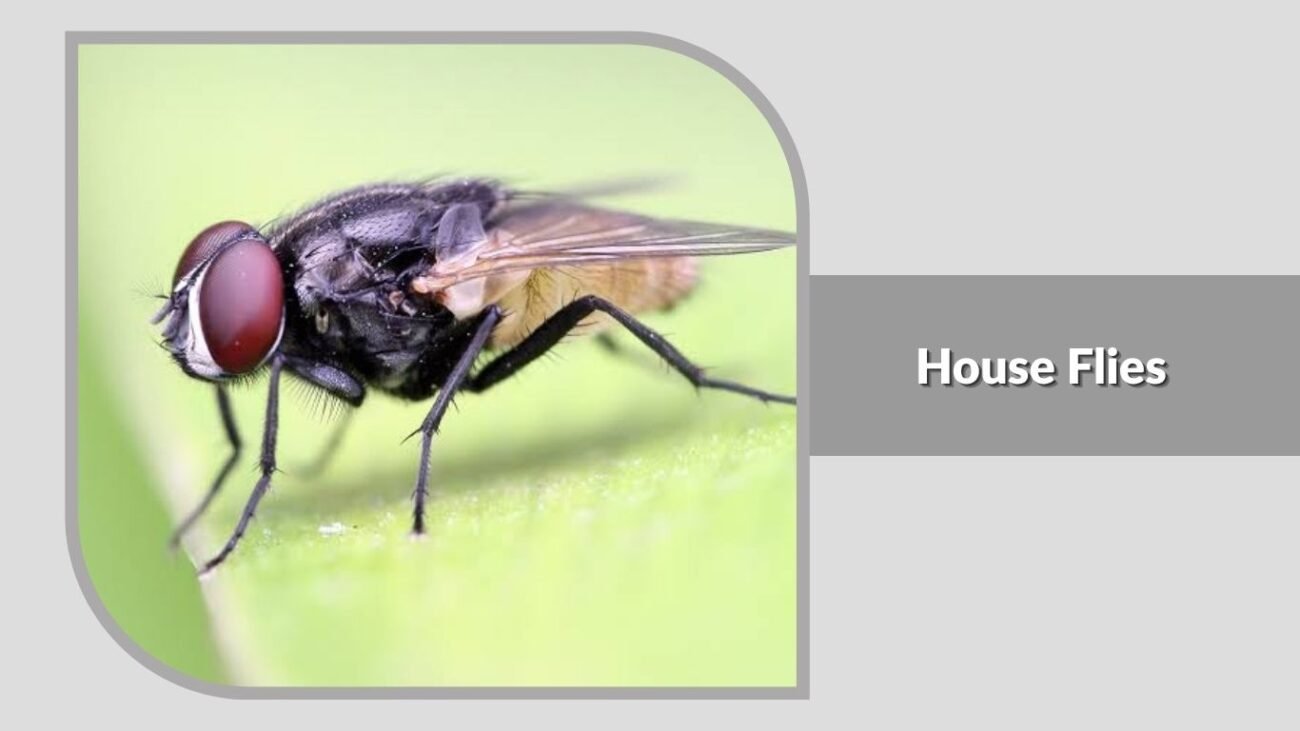
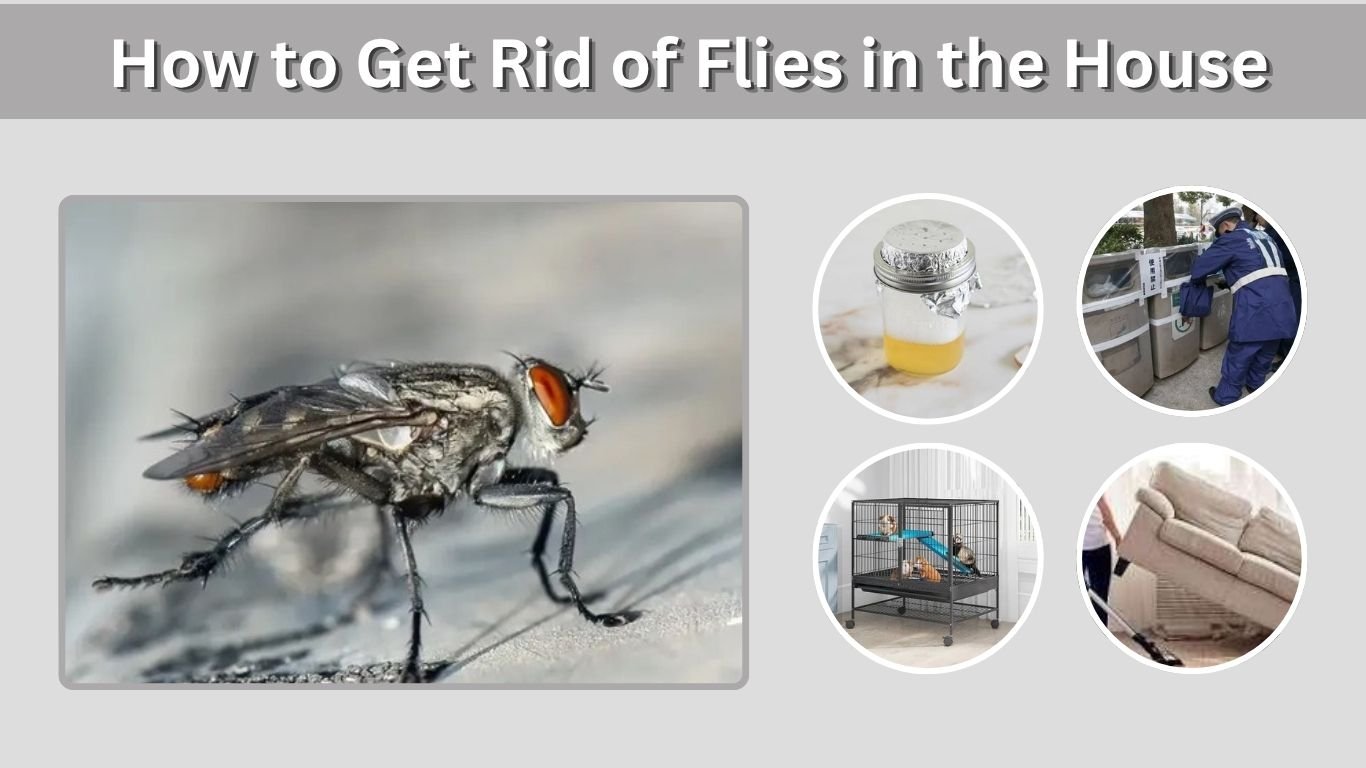
House flies are larger than many of the tiny insects commonly found indoors, but smaller individuals may still be described as small flying bugs in house. They are especially common around kitchens, trash cans, pet waste, and open doors during warm weather.
Identification
- Usually about 1/4 inch long
- Gray body
- Four dark stripes on the thorax
- Large reddish compound eyes
- One pair of transparent wings
- Quick and active flight
Why House Flies Enter Homes
House flies are attracted to food odors, garbage, animal waste, and other decomposing organic materials. They commonly enter through open doors, windows, damaged screens, or gaps around buildings.
During summer, outdoor populations may become large enough that flies repeatedly enter whenever doors are opened.
Are House Flies Dangerous?
House flies do not normally bite, but they can pick up microorganisms from garbage, feces, and decaying materials. Because they frequently land on food and preparation surfaces, sanitation is important when they are present.
A sudden increase in flies may indicate accessible garbage, animal waste, or decaying organic material nearby.
How to Reduce House Flies
Keep trash cans covered and clean up food spills promptly. Pet waste should be removed regularly, especially outdoors near doors or windows.
Repair damaged screens and seal obvious entry points. Fly traps can reduce adults, but sanitation provides better long-term control.
If large numbers continue appearing despite good sanitation, inspect hidden spaces for a possible dead animal or another source of decaying material.
20. Cluster Flies
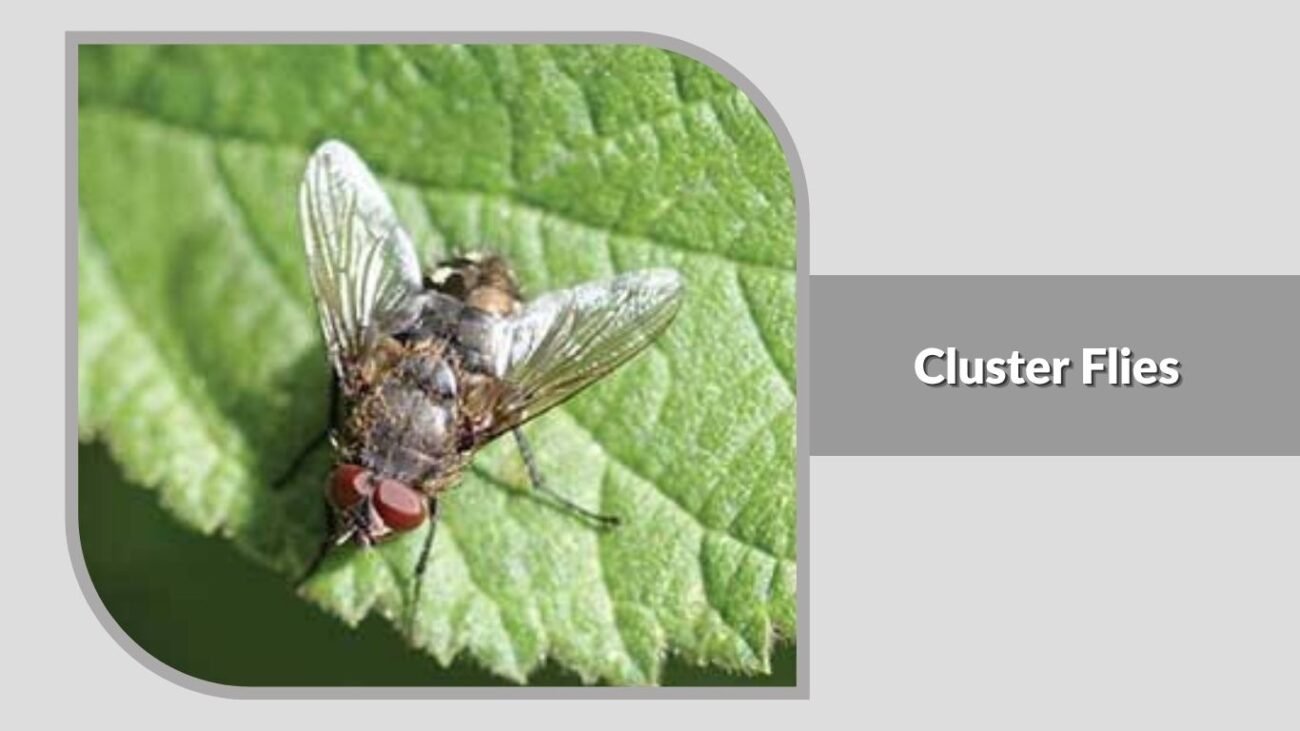
Cluster flies are slow-moving flies that often enter buildings in large numbers before winter. They hide inside wall voids, attics, and other protected spaces, then may emerge indoors on warm winter days. They are particularly noticeable around sunny windows.
Identification
- About 1/4 to 3/8 inch long
- Dark gray body
- Golden hairs may cover the thorax
- Wings overlap when resting
- Slow, sluggish movement
- Often gather in groups near windows
Why Cluster Flies Enter Houses
Unlike house flies, cluster flies do not breed in garbage or food inside the home. Their larvae develop outdoors as parasites of earthworms.
Adults enter buildings during fall while searching for protected places to spend the winter. Small openings around roofs, siding, vents, and windows provide easy entry.
Why They Appear in Winter
If you notice small flying bugs in house in winter, cluster flies are a common possibility. Warm indoor temperatures or sunlight can awaken overwintering adults.
They may then emerge from wall spaces and move toward windows because they are attracted to light.
How to Get Rid of Cluster Flies
Visible flies can be removed with a vacuum. Because they may be hiding inside walls, killing the insects you see will not always stop additional flies from appearing.
Prevention works best before autumn. Seal cracks around windows, roofing, siding, vents, and utility openings.
Cluster flies do not typically reproduce indoors or damage household materials, so the main issue is the nuisance caused by repeated seasonal appearances.
21. Blow Flies
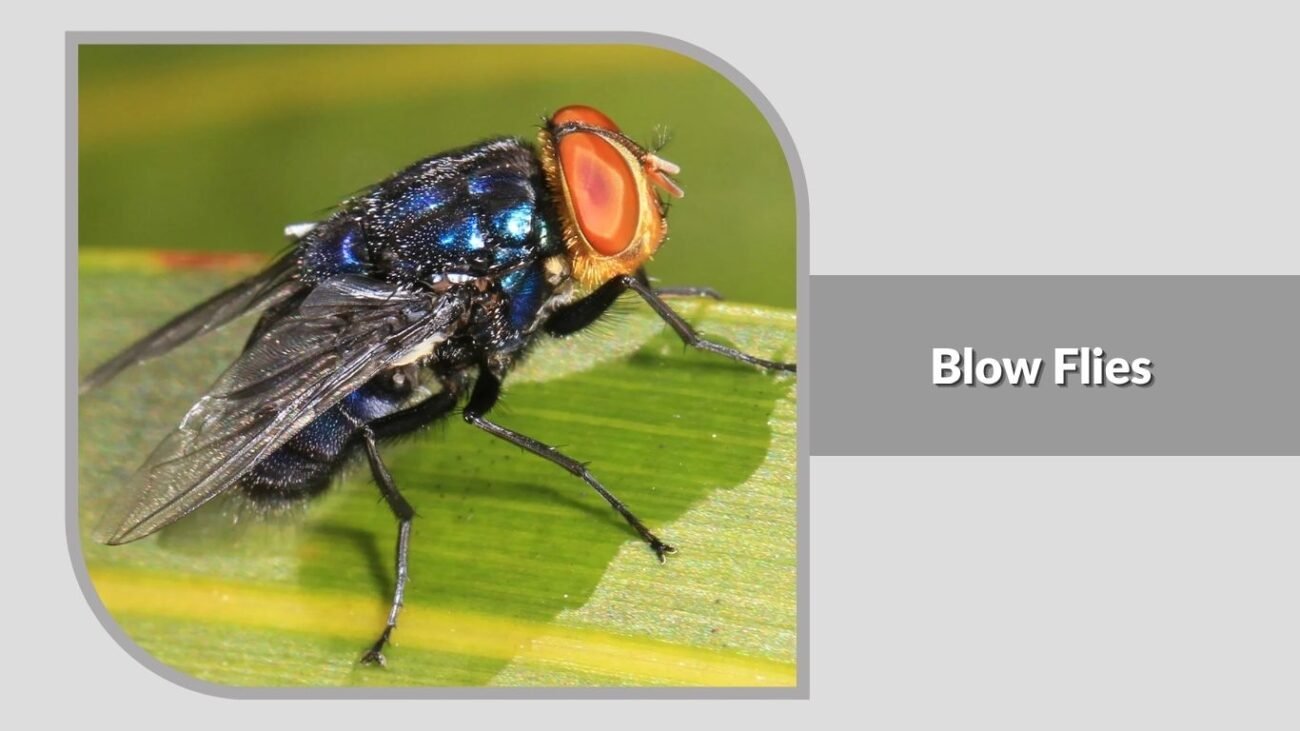
Blow flies are shiny, fast-flying insects that may suddenly appear indoors when decaying organic material is present. They are often metallic blue, green, or bronze and are typically larger than fruit flies or gnats. Finding several indoors at once can sometimes indicate a hidden dead animal.
Identification
- Usually 1/4 to 1/2 inch long
- Metallic blue, green, bronze, or black body
- Large reddish eyes
- Strong, rapid flight
- Noticeably shiny appearance
- Often louder than smaller household flies
Where Blow Flies Come From
Blow flies are attracted to animal carcasses, garbage, meat scraps, pet waste, and other decomposing material. Females lay eggs directly on suitable food sources for their larvae.
A dead mouse, bird, or other small animal inside an attic, chimney, wall void, or crawl space can sometimes produce multiple adult flies indoors.
Why They May Appear Suddenly
When small flying bugs in house all of a sudden appear in noticeable numbers, the insects may have recently completed development from a concealed source.
This can occur even when the home appears clean because the breeding material may be hidden behind walls or in another inaccessible space.
How to Control Blow Flies
Remove accessible garbage and inspect for spoiled food, pet waste, or other organic material. If activity is concentrated around one room, look for odors or signs of a dead animal nearby.
Vacuuming adults provides immediate relief, but eliminating the source is essential.
Once the breeding material has been removed or naturally dries out, the remaining adult flies should gradually disappear.
22. Small Dung Flies
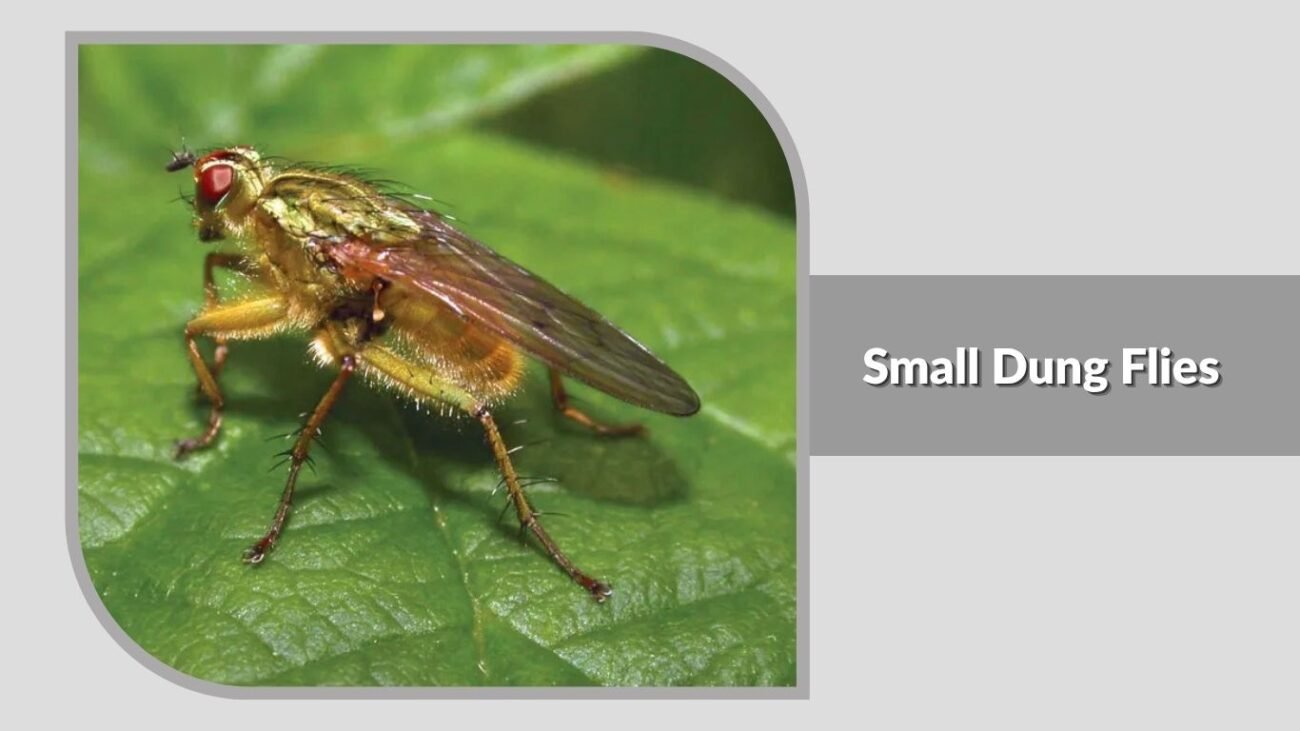
Small dung flies are tiny flies generally associated with animal waste and decaying organic material outdoors. They are not among the most common indoor pests, but they may enter houses located near farms, livestock, compost, or areas where animal waste accumulates.
Identification
- Small to medium-sized flies
- Usually yellow, brown, gray, or black
- Soft-looking body
- Clear wings
- Some species have noticeable body hairs
- Often resemble tiny house flies
Why Small Dung Flies Enter Homes
These flies usually develop in manure, animal feces, compost, and decaying vegetation. Adult flies may wander inside through open windows or doors.
Homes near livestock facilities, dog runs, barns, or heavily used compost areas may experience more frequent indoor sightings.
Are They Breeding Inside?
Most small dung flies found indoors have simply entered from outside. However, accessible pet waste or decaying organic matter can sometimes create suitable conditions nearby.
If flies repeatedly appear around one door or window, an outdoor breeding source may be located close to that part of the building.
How to Reduce Small Dung Flies
Remove animal waste frequently and keep outdoor garbage or compost containers properly managed. Clean pet areas and avoid allowing moist organic debris to accumulate near the foundation.
Screens should fit tightly over doors and windows. Weather stripping can help close additional gaps.
Indoor adults can usually be removed with a vacuum or simple fly traps. Reducing outdoor breeding material is the most effective strategy when the flies continue returning.
23. Minute Black Scavenger Flies
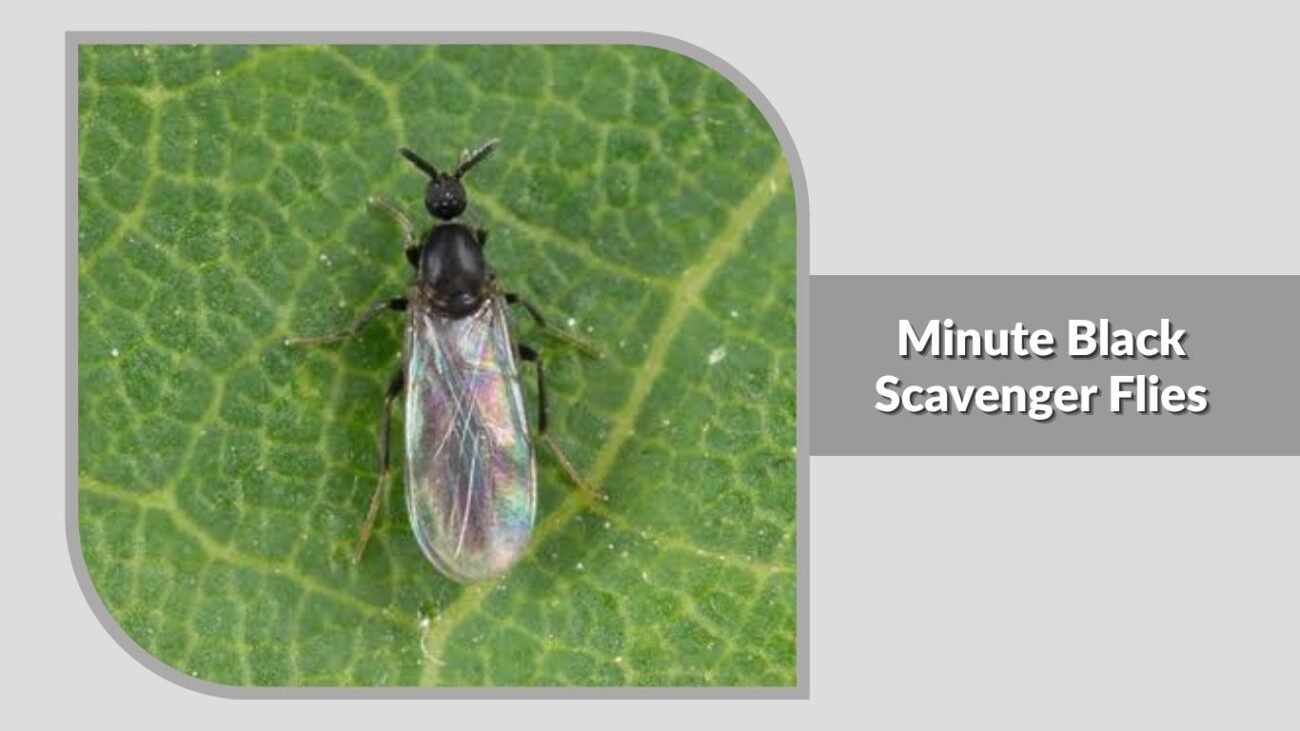
Minute black scavenger flies are extremely small dark flies that can appear around moist organic material. Their tiny size means they may be described as super small flying bugs in house or mistaken for fungus gnats, phorid flies, or fruit flies.
Identification
- Usually only 1/16 to 1/8 inch long
- Black or very dark brown body
- Small transparent wings
- Compact appearance
- Often found near damp organic matter
- May fly around windows and lights
Where Minute Black Scavenger Flies Live
These flies commonly develop in wet environments containing decaying plant material, algae, fungi, or other microorganisms. Outdoors, they may occur around compost, mud, vegetation, and wet soil.
Indoors, consistently moist areas can occasionally support them, particularly around houseplants, drains, or decaying organic debris.
Why They Can Be Difficult to Identify
Several household fly species are extremely small and dark. Fungus gnats tend to have long legs and mosquito-like bodies, while phorid flies often have a noticeably hump-backed appearance.
Minute black scavenger flies may look more compact, making close observation helpful when trying to determine what are small flying bugs in house.
How to Get Rid of Minute Black Scavenger Flies
Start by locating excess moisture. Check plant soil, drains, leaking pipes, trash containers, and areas where organic debris has accumulated.
Reduce watering where appropriate, repair leaks, and clean damp surfaces thoroughly. Decaying leaves or plant debris should be removed.
Sticky traps can help catch adults and indicate where activity is greatest. However, correcting moisture and sanitation problems is the most reliable way to stop repeated emergence.
FAQs
1. What are the most common small flying bugs in the house?
The most common small flying bugs in houses include fungus gnats, fruit flies, drain flies, phorid flies, mosquitoes, pantry moths, flying ants, whiteflies, and carpet beetles. Their location and appearance usually provide the best clues for identification.
2. Why do I suddenly have very small flying bugs in my house?
Small flying bugs may appear suddenly when indoor conditions become suitable for breeding. Moist plant soil, overripe fruit, dirty drains, stored food, garbage, standing water, or changing seasonal conditions can all cause populations to increase quickly.
3. How do I get rid of small flying bugs in the house?
First identify where the insects are coming from. Remove spoiled food, clean drains, empty trash, reduce excess moisture, inspect houseplants, and store dry foods in airtight containers. Sticky traps can catch adults, but eliminating the breeding source is usually the most effective solution.
4. What are the small flying bugs in my house attracted to light?
Flying termites, winged ants, midges, mosquitoes, cigarette beetles, cluster flies, and several other insects may gather near lamps or windows. If small flying bugs in house are attracted to light, inspect their body shape and nearby breeding sources to determine the species.
5. What are the small flying bugs in the house that bite?
Mosquitoes and biting midges are among the most likely small flying bugs in house that bite. Most common indoor gnats, fruit flies, drain flies, pantry moths, and carpet beetles do not bite people. If bites continue, carefully inspect the insects because other pests may also be responsible.