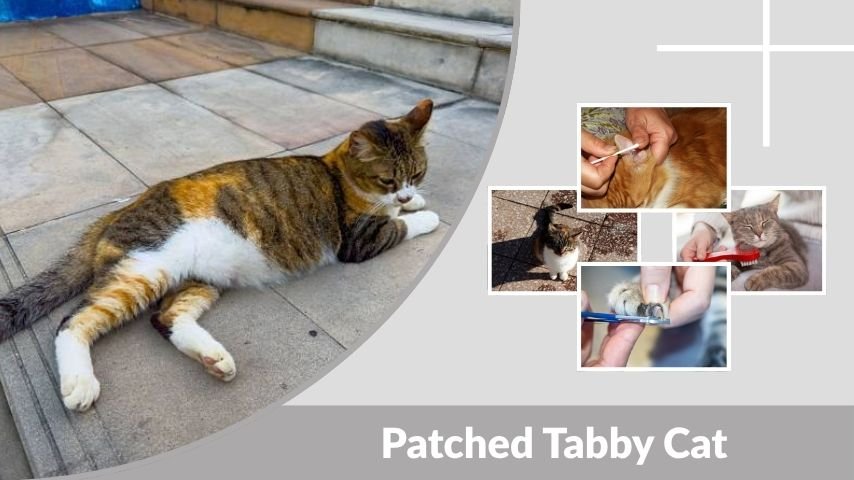
Patched tabby cats are beautiful felines that combine classic tabby markings with patches of different colors throughout their coats. Their striking appearance often causes confusion with calico and tortoiseshell cats, yet patched tabbies have unique characteristics that set them apart. These cats can display a wide range of colors, from orange and brown to silver and blue, making every individual look distinctive. Understanding their coat patterns, genetics, and temperament can help cat lovers appreciate why patched tabby cats remain popular among pet owners and breeders.
What Is a Patched Tabby Cat?
Patched tabby cats are known for their unique combination of tabby markings and colored patches. Unlike standard tabby cats that display a single tabby pattern throughout their coat, patched tabbies feature multiple colors mixed with visible tabby striping. This creates a distinctive appearance that can vary greatly from one cat to another.
Definition of a Patched Tabby
A patched tabby is a cat whose coat contains both tabby markings and patches of another color, often orange or cream. The patches may appear on the face, body, legs, or tail while retaining the familiar tabby stripes or swirls within the colored areas.
These cats are frequently mistaken for tortoiseshell or calico cats because all three patterns involve multiple colors. However, patched tabbies are distinguished by their visible tabby markings.
Understanding the Genetics
The patched appearance results from a combination of coat color genes and tabby pattern genes. In many cases, the cat inherits genes responsible for both orange and non-orange coloration. This genetic combination produces the colorful patches that make patched tabbies so recognizable.
Because of these genetic factors, female cats are much more likely to display patched tabby patterns than males.
How to Identify a Patched Tabby Cat
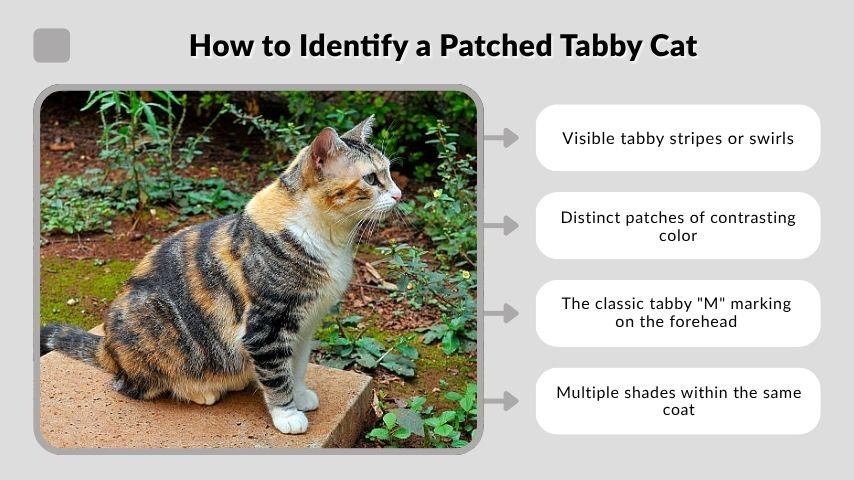
Patched tabby cats come in many color combinations, but they share several visual traits that make identification easier. Looking closely at the coat can reveal the unique mixture of patches and tabby markings that define this pattern.
Common Identification Features
Most patched tabby cats display:
- Visible tabby stripes or swirls
- Distinct patches of contrasting color
- The classic tabby “M” marking on the forehead
- Multiple shades within the same coat
- Color variation on the face, legs, and tail
These features help distinguish patched tabbies from solid-colored cats and other multi-colored coat patterns.
Patched Tabby vs Calico
While patched tabbies and calico cats may look similar at first glance, important differences exist. Calico cats typically have large patches of white, black, and orange without visible tabby striping throughout the colored areas. Patched tabbies, on the other hand, retain recognizable tabby markings within their colored patches.
The presence of stripes, swirls, or other tabby patterns is usually the easiest way to tell them apart.
Popular Patched Tabby Color Variations
Patched tabbies are admired for their incredible variety of color combinations. Some variations are commonly seen in domestic cats, while others are considered rare and highly desirable among breeders and cat enthusiasts.
Brown Patched Tabby Cat
Brown patched tabbies often feature rich brown tabby markings mixed with orange or cream-colored patches. The warm tones create a natural appearance that highlights the cat’s tabby pattern.
Blue Patched Tabby Cat
Blue patched tabbies display soft gray-blue coloring combined with cream or lighter-colored patches. Their coats often appear elegant and refined, making them favorites among cat lovers who appreciate unusual color combinations.
Silver and Red Patched Tabby Cats
Several other color variations are frequently encountered, including:
- Silver patched tabby cats
- Red patch tabby cats
- Cream patched tabby cats
- Amber patched tabby cats
- White patched tabby cats
Each variation creates a unique appearance while maintaining the characteristic combination of patches and tabby markings.
White Cats With Tabby Patches Explained
White cats with tabby patches are among the most searched coat variations because of their striking contrast. The combination of a predominantly white coat and colorful tabby patches creates an eye-catching appearance that many people find especially attractive.
These cats can occur in various breeds and mixed-breed populations. The amount of white fur varies considerably, with some cats displaying only a few patches while others have large areas of tabby coloration.
What Is a White Cat With Orange Tabby Patches Called?
A white cat with orange tabby patches is often referred to as a patched tabby and white cat. Depending on the amount of white present and the overall pattern, some people may mistakenly call the cat a calico.
However, if the orange areas clearly display tabby stripes or swirls, the patched tabby description is usually more accurate.
White Cats With Brown or Gray Tabby Patches
Other common combinations include white cats with brown tabby patches and white cats with gray tabby patches. These color patterns are particularly popular because the contrast makes the tabby markings stand out more clearly.
The exact appearance varies from cat to cat, ensuring that no two patched tabbies look exactly alike.
Patched Tabby Cat Personality
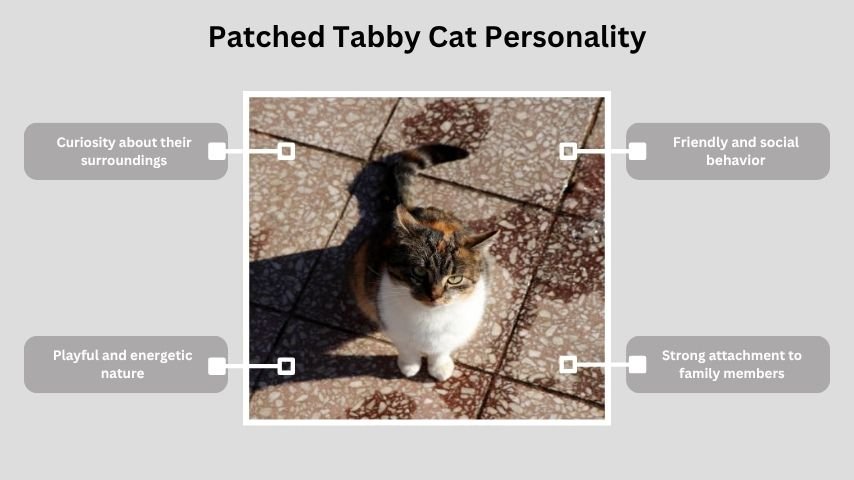
Patched tabby cats are often described as affectionate, intelligent, and adaptable companions. While coat color does not directly determine temperament, many owners report that these cats are friendly and highly interactive. Their personalities are influenced by factors such as breed, environment, and socialization, but patched tabbies are generally known for fitting well into a variety of households.
Common Personality Traits
Many patched tabby cats display the following characteristics:
- Friendly and social behavior
- Strong attachment to family members
- Curiosity about their surroundings
- Playful and energetic nature
- Adaptability to different living situations
These traits make patched tabbies excellent companions for both individuals and families.
Compatibility With Children and Other Pets
Patched tabby cats often adjust well to homes with children and other animals when introduced properly. Their playful nature can make them enjoyable companions for active households. Many also get along with other cats and cat-friendly dogs, especially when socialized at an early age.
Because each cat has its own personality, patience and gradual introductions remain important when bringing a new pet into the home.
Cat Breeds That Can Have Patched Tabby Patterns
The patched tabby pattern is not limited to a single breed. Several purebred and mixed-breed cats can display this attractive coat combination. Depending on the breed, the pattern may appear with different colors, coat lengths, and body types.
Norwegian Forest Cats
Norwegian Forest Cats occasionally display patched tabby patterns combined with their thick, water-resistant coats. The long fur often softens the appearance of the patches while creating a striking overall look.
Siberian Cats
Siberian Cats can also exhibit patched tabby coloring. Their dense coats and strong build make the pattern particularly eye-catching. Brown patched tabby and white Siberian cats are especially admired by breed enthusiasts.
Oriental and Domestic Cats
Other cats that may display patched tabby patterns include:
- Oriental Shorthairs
- Domestic Shorthairs
- Domestic Longhairs
- Mixed-breed cats
- Certain Asian cat breeds
Because the pattern is genetically based rather than breed-specific, it can appear in many feline populations.
Are Patched Tabby Cats Rare?
Patched tabby cats are not extremely rare, but they are less common than standard tabby cats. Their unique combination of colors and markings makes them stand out, which contributes to their popularity among cat lovers.
The genetics responsible for patched tabby coloration are more complex than those responsible for simple tabby patterns. This is one reason why these cats are seen less frequently than traditional brown or gray tabbies.
Why Most Patched Tabbies Are Female
The genes responsible for orange and black coloration are linked to the X chromosome. Female cats possess two X chromosomes, allowing them to inherit both color variations and display the patchwork appearance associated with patched tabbies.
Male patched tabbies can occur, but they are significantly less common because males typically possess only one X chromosome.
Popularity Among Cat Enthusiasts
Patched tabbies attract attention because of their distinctive appearance. Their colorful coats, combined with visible tabby markings, create a unique look that many cat owners find appealing. As a result, these cats are often featured in photographs, social media posts, and breed showcases.
Caring for a Patched Tabby Cat
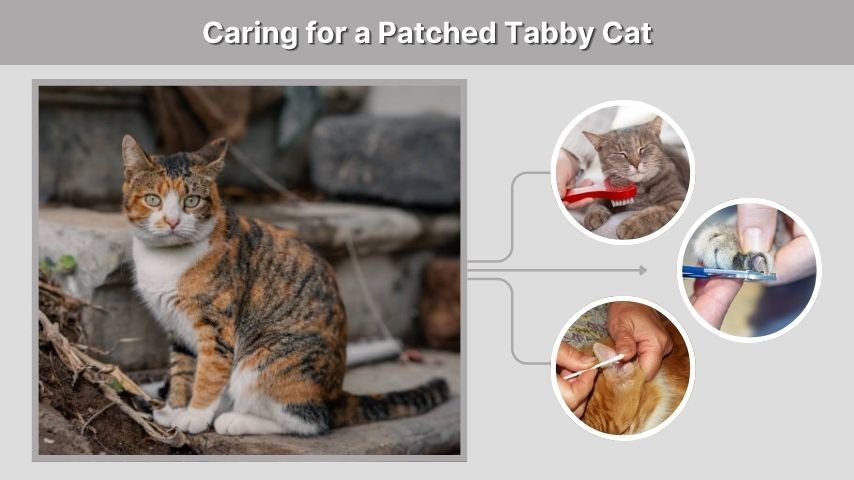
Patched tabby cats require the same basic care as other domestic cats. Their coat pattern does not create any special health concerns, but proper nutrition, grooming, and veterinary care are essential for maintaining overall well-being.
A healthy lifestyle helps keep their coats vibrant while supporting long-term physical and mental health.
Grooming Tips
Regular grooming helps remove loose hair and keeps the coat looking its best.
Important grooming practices include:
- Weekly brushing sessions
- Checking for skin irritation
- Trimming nails as needed
- Cleaning ears regularly
- Monitoring seasonal shedding
Long-haired patched tabbies may require more frequent brushing than short-haired varieties.
Nutrition and Exercise
A balanced diet and regular activity contribute significantly to a cat’s health. High-quality protein supports muscle development and helps maintain a shiny coat.
Interactive toys, climbing structures, and daily play sessions can help prevent boredom while encouraging healthy exercise habits.
FAQs
What is a patched tabby cat?
A patched tabby cat is a feline that displays tabby markings along with patches of additional colors, such as orange, cream, or gray.
Is a patched tabby the same as a calico?
No. Although they can look similar, patched tabbies retain visible tabby striping within their colored patches, while calico cats generally do not.
Are patched tabby cats rare?
They are less common than standard tabby cats but are not considered extremely rare.
What breeds can have patched tabby markings?
The pattern can appear in Norwegian Forest Cats, Siberian Cats, Oriental Shorthairs, Domestic Shorthairs, Domestic Longhairs, and mixed-breed cats.