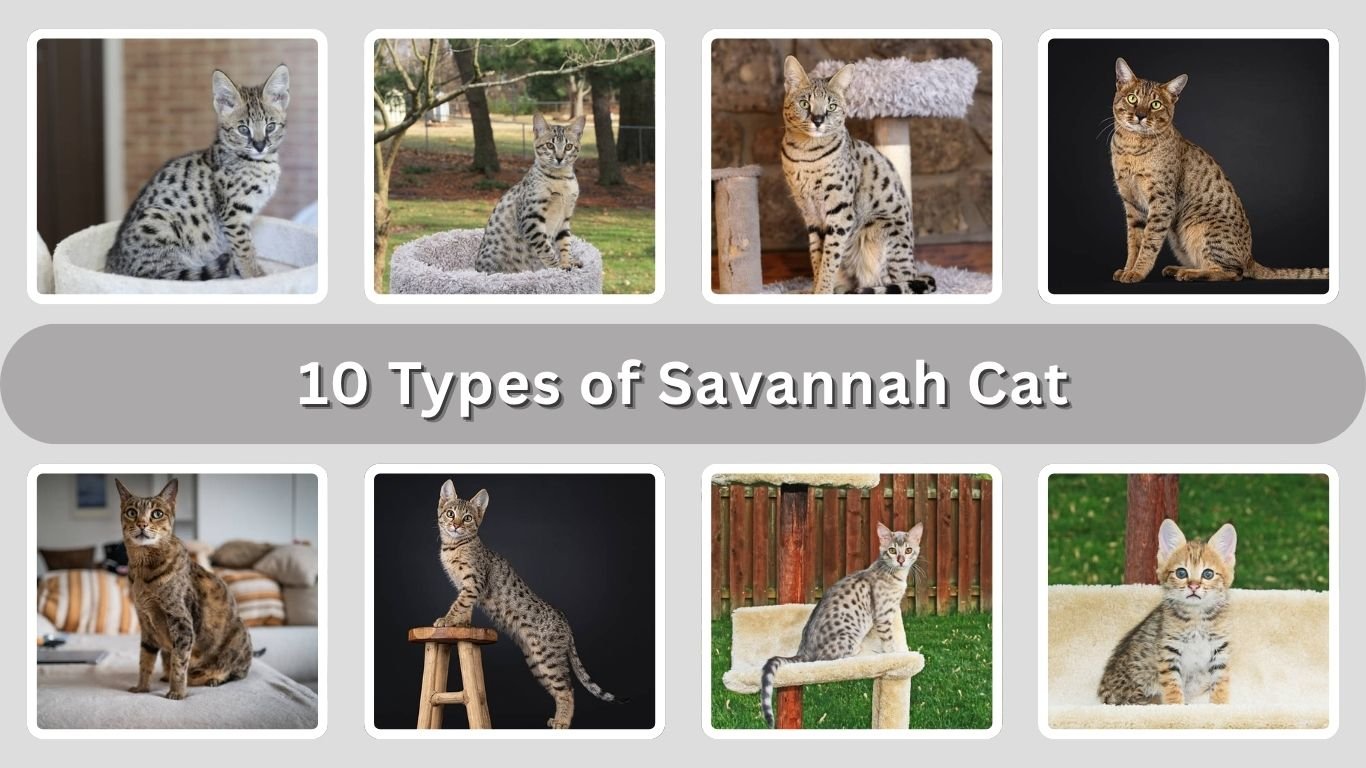
Savannah cats are exotic-looking hybrids known for their tall bodies, spotted coats, and wild ancestry from the African serval. They are classified into different types based on generations (F1–F7) and quality standards. Each type varies in size, personality, care needs, and adaptability, ranging from highly energetic and wild-like to more relaxed and domestic-friendly companions.
1. F1 Savannah
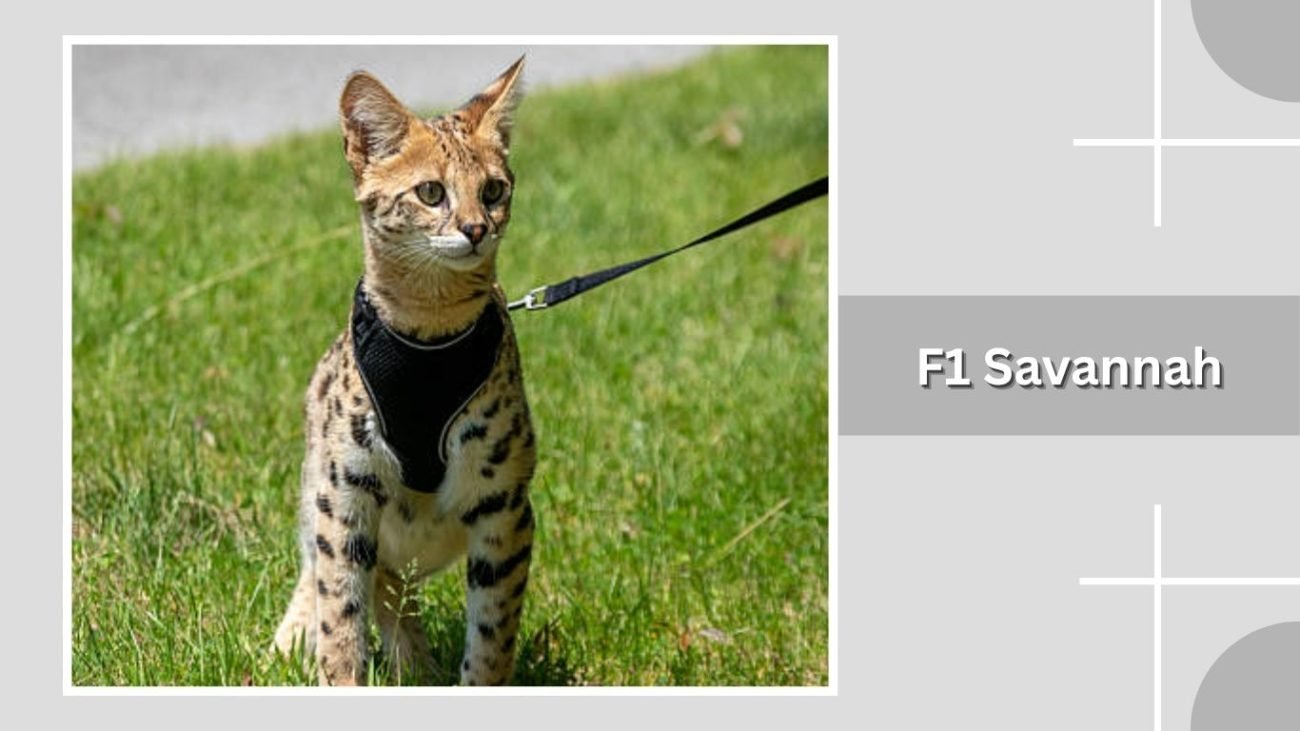
The F1 Savannah is the first-generation Savannah cat, created by crossing an African serval with a domestic cat. It is the largest, rarest, and most exotic-looking type, known for its tall body, bold spots, and highly energetic nature.
Identification
- Tall, long-legged body with a slim but muscular build
- Large, upright ears set high on the head
- Golden, tan, or light brown coat with bold black spots
- Short tail with dark rings
- Wild-looking face with dark tear marks near the eyes
Size
F1 Savannah cats are the largest among all Savannah types. Males typically weigh between 12 to 25 pounds, while females are slightly smaller. Their long legs and tall frame make them appear even bigger than their actual weight.
Personality
This type is highly intelligent, active, and confident. F1 Savannahs form strong bonds with their owners but are often more independent than typical domestic cats. They need regular interaction, mental stimulation, and plenty of physical activity to stay happy.
Habitat
F1 Savannahs need spacious indoor environments with room to climb, jump, and explore. They are not well-suited to small spaces. Secure outdoor enclosures can also work well, as long as they are safe and escape-proof.
Diet
A high-protein diet is very important for F1 Savannah cats. They do best on premium-quality cat food, often with a strong meat-based formula to support their muscular body, energy level, and overall health.
Care Needs
This cat requires more attention than many other breeds. Regular play, climbing structures, puzzle toys, and social interaction are essential. Early training and socialization also help manage their strong personality and high energy.
2. F2 Savannah
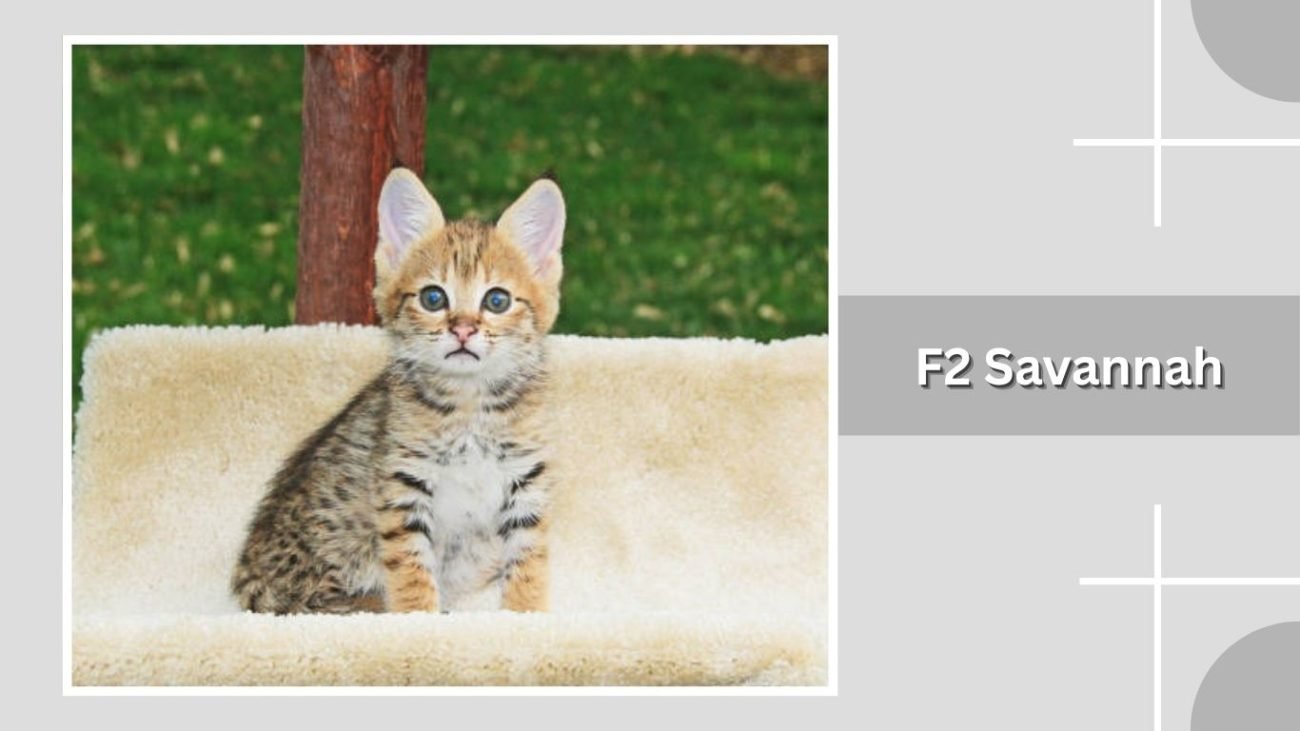
The F2 Savannah is the second-generation Savannah cat, bred from an F1 Savannah and a domestic cat. It still retains a strong wild appearance but is generally more manageable and adaptable than the F1 generation.
Identification
- Tall, lean body with long legs
- Large, upright ears with a wide base
- Spotted coat in gold, brown, or silver tones
- Short to medium-length tail with dark rings
- Distinct facial markings with tear lines
Size
F2 Savannah cats are slightly smaller than F1s but still quite large. Males typically weigh between 12 to 20 pounds, while females range from 10 to 15 pounds. They maintain a tall and athletic frame.
Personality
F2 Savannahs are energetic, intelligent, and social. They are more affectionate and easier to handle than F1s but still require active engagement. They enjoy interactive play and often bond closely with their owners.
Habitat
They do best in spacious indoor environments with plenty of vertical space like cat trees and shelves. They can adapt better to home life than F1s but still need room to stay active and stimulated.
Diet
A high-protein, meat-based diet is essential for F2 Savannahs. Quality nutrition supports their energy levels, muscle development, and overall health, especially due to their active lifestyle.
Care Needs
F2 Savannahs require regular playtime, mental stimulation, and social interaction. Providing toys, climbing areas, and consistent engagement helps prevent boredom and supports their physical and mental well-being.
3. F3 Savannah
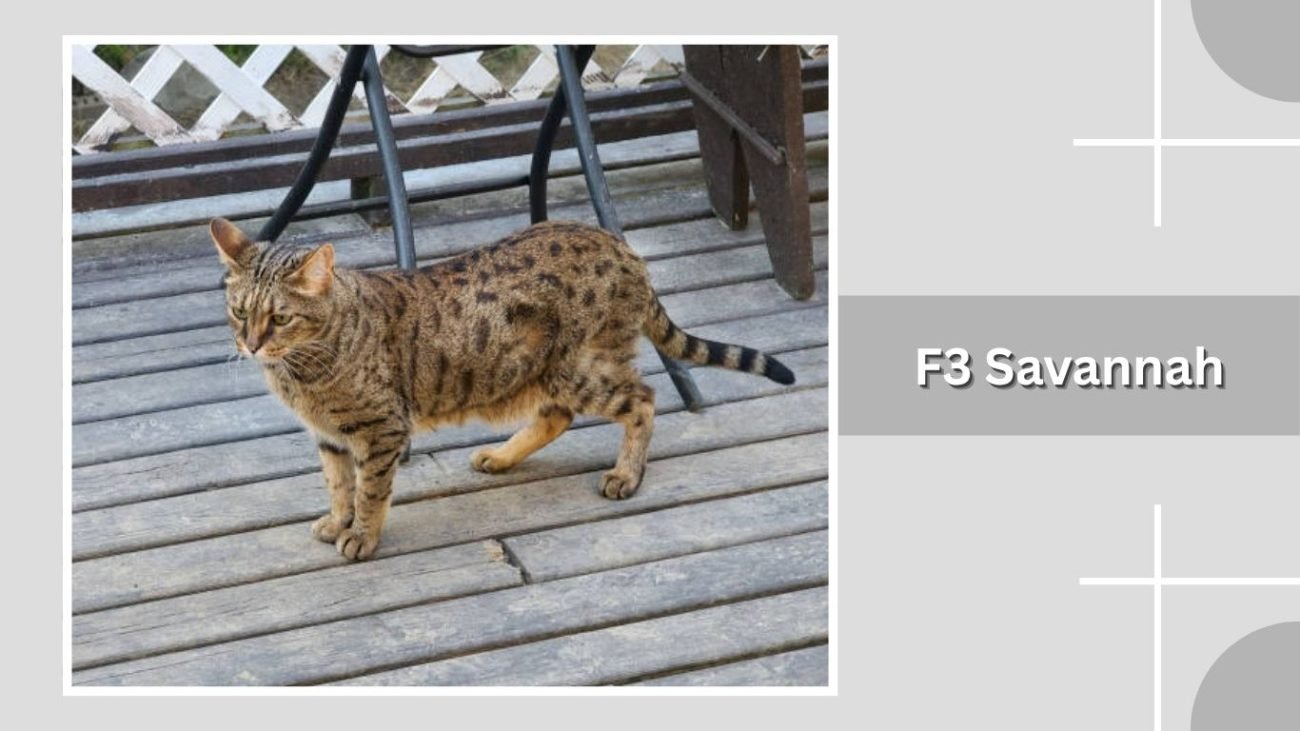
The F3 Savannah is the third-generation Savannah cat, offering a balanced mix of wild appearance and domestic temperament. It is more adaptable and easier to care for than earlier generations.
Identification
- Slender, athletic body with long legs
- Medium to large ears, slightly less prominent than F1/F2
- Spotted coat in brown, gold, or silver tones
- Short to medium-length tail with dark bands
- Defined facial markings with a softer wild look
Size
F3 Savannah cats are medium to large. Males typically weigh between 10 to 18 pounds, while females range from 8 to 13 pounds. They still appear tall and graceful, though less extreme than earlier generations.
Personality
F3 Savannahs are friendly, playful, and highly intelligent. They are more social and affectionate than F1 and F2 types, making them better suited for family environments. They still enjoy activity and interaction but are easier to manage.
Habitat
They adapt well to indoor living, especially in homes with enough space to move and climb. Providing cat trees, toys, and interactive areas helps keep them engaged and active.
Diet
A protein-rich, balanced diet is important to support their energy and maintain their lean, muscular body. High-quality cat food with real meat content is recommended for overall health.
Care Needs
F3 Savannahs require regular play, mental stimulation, and companionship. They are easier to train and socialize, making them a great choice for owners who want an active yet manageable exotic-looking cat.
4. F4 Savannah
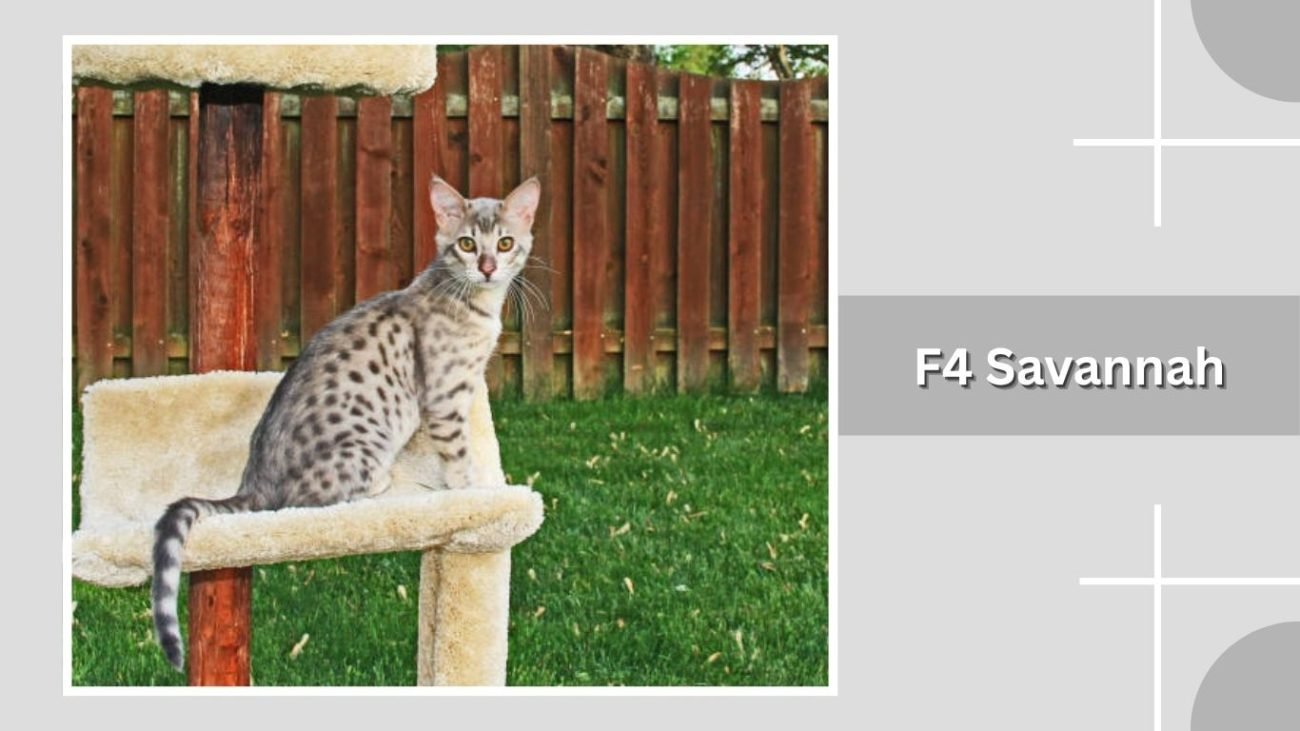
The F4 Savannah is a fourth-generation Savannah cat, known for its more domestic temperament while still retaining the exotic spotted look. It is easier to manage and well-suited for typical households.
Identification
- Medium-sized, athletic body
- Moderately large ears with a wide base
- Spotted coat in brown, gold, or silver shades
- Short to medium tail with dark rings
- Softer wild facial features compared to earlier generations
Size
F4 Savannah cats are medium to large. Males typically weigh between 10 to 16 pounds, while females range from 8 to 12 pounds. They have a balanced, lean, and graceful body.
Personality
F4 Savannahs are friendly, social, and more relaxed than earlier generations. They enjoy play and interaction but are less demanding. They are affectionate and adapt well to family life and other pets.
Habitat
They thrive in indoor environments and adjust well to regular homes. Providing climbing structures, toys, and space to explore helps keep them active and mentally stimulated.
Diet
A high-quality, protein-rich diet is important for maintaining their energy and lean body. Balanced nutrition supports their overall health and keeps their coat in good condition.
Care Needs
F4 Savannahs require moderate care with regular playtime and interaction. They are easier to train and manage, making them a good choice for owners who want an exotic-looking but more domestic-friendly cat.
5. F5 Savannah
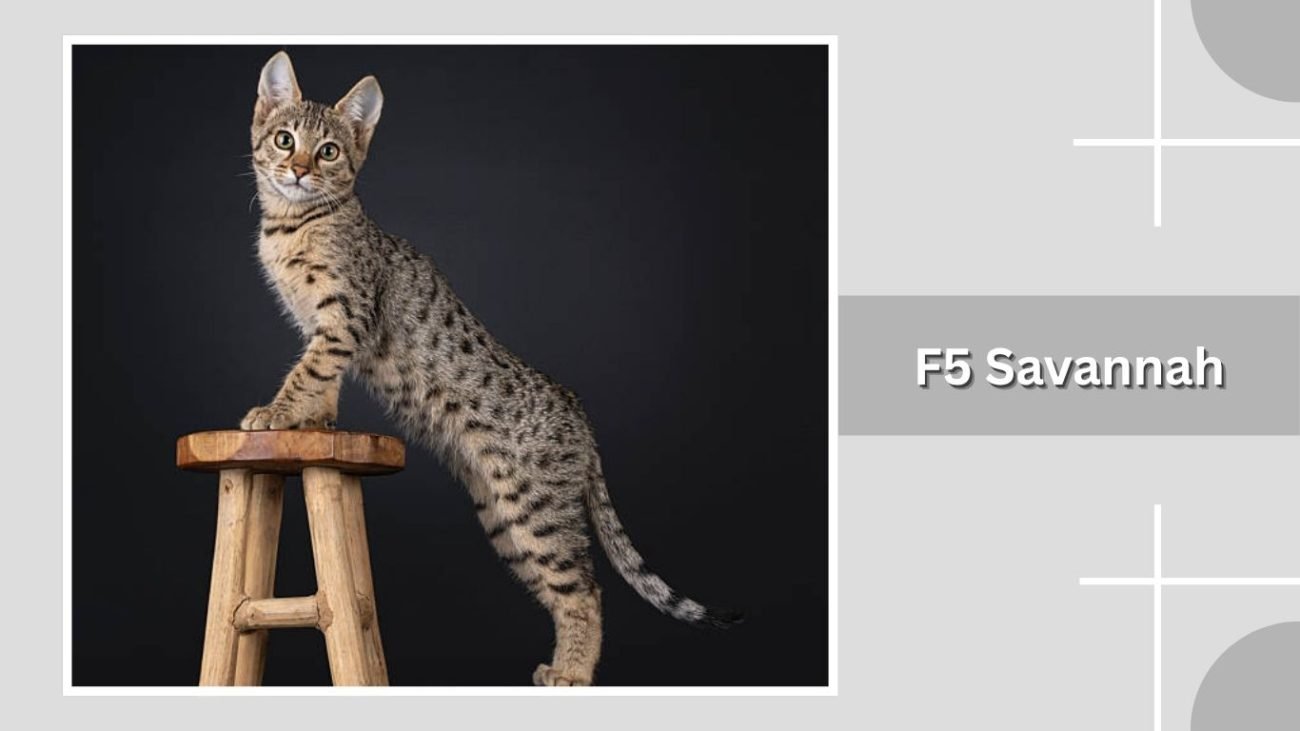
The F5 Savannah is a fifth-generation Savannah cat, showing a strong domestic temperament while still maintaining the breed’s signature spotted coat and elegant appearance. It is one of the most popular generations for pet owners.
Identification
- Medium-sized, lean and athletic body
- Moderately large ears with a natural shape
- Spotted coat in brown, gold, or silver tones
- Short to medium-length tail with subtle rings
- Softer, more domestic facial features
Size
F5 Savannah cats are medium-sized. Males typically weigh between 9 to 15 pounds, while females range from 7 to 11 pounds. They have a balanced and graceful body structure.
Personality
F5 Savannahs are friendly, social, and playful. They are more relaxed and easier to handle compared to earlier generations. They enjoy human interaction, making them excellent companions for families and individuals.
Habitat
They adapt very well to indoor living and can thrive in apartments or houses. Providing toys, scratching posts, and climbing areas helps keep them active and engaged.
Diet
A balanced, protein-rich diet supports their energy and overall health. High-quality cat food with real meat helps maintain their lean body and keeps their coat healthy.
Care Needs
F5 Savannahs are relatively easy to care for. Regular playtime, basic grooming, and social interaction are enough to keep them happy, making them a great choice for most cat owners.
6. F6 Savannah
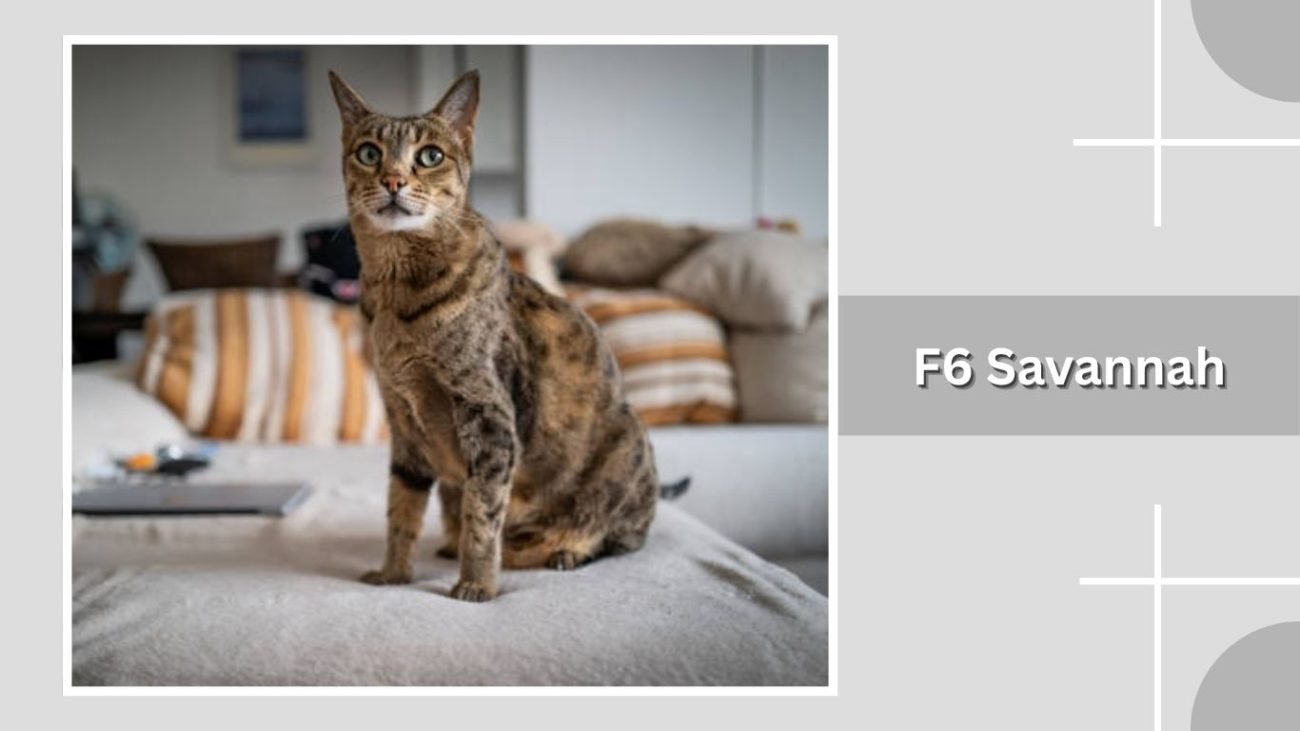
The F6 Savannah is a later-generation Savannah cat that closely resembles a domestic cat in behavior while still retaining the breed’s exotic spotted appearance. It is highly adaptable and easy to care for.
Identification
- Medium-sized, lean and well-proportioned body
- Moderately large ears, less prominent than earlier generations
- Spotted coat in brown, gold, or silver shades
- Short to medium-length tail
- Softer facial features with a domestic look
Size
F6 Savannah cats are medium-sized. Males typically weigh between 8 to 14 pounds, while females range from 6 to 10 pounds. Their build is balanced and less extreme than earlier generations.
Personality
F6 Savannahs are friendly, calm, and social. They are much more domestic in nature, making them easier to handle and suitable for first-time Savannah owners. They still enjoy play but are less demanding.
Habitat
They adapt very well to indoor environments, including apartments. Basic enrichment like toys and scratching posts is enough to keep them entertained and active.
Diet
A balanced, high-quality diet with good protein content supports their health and energy. Regular feeding routines help maintain their ideal weight and overall well-being.
Care Needs
F6 Savannahs require low to moderate care. Regular playtime, occasional grooming, and social interaction are sufficient, making them one of the easiest Savannah types to manage.
7. F7 Savannah
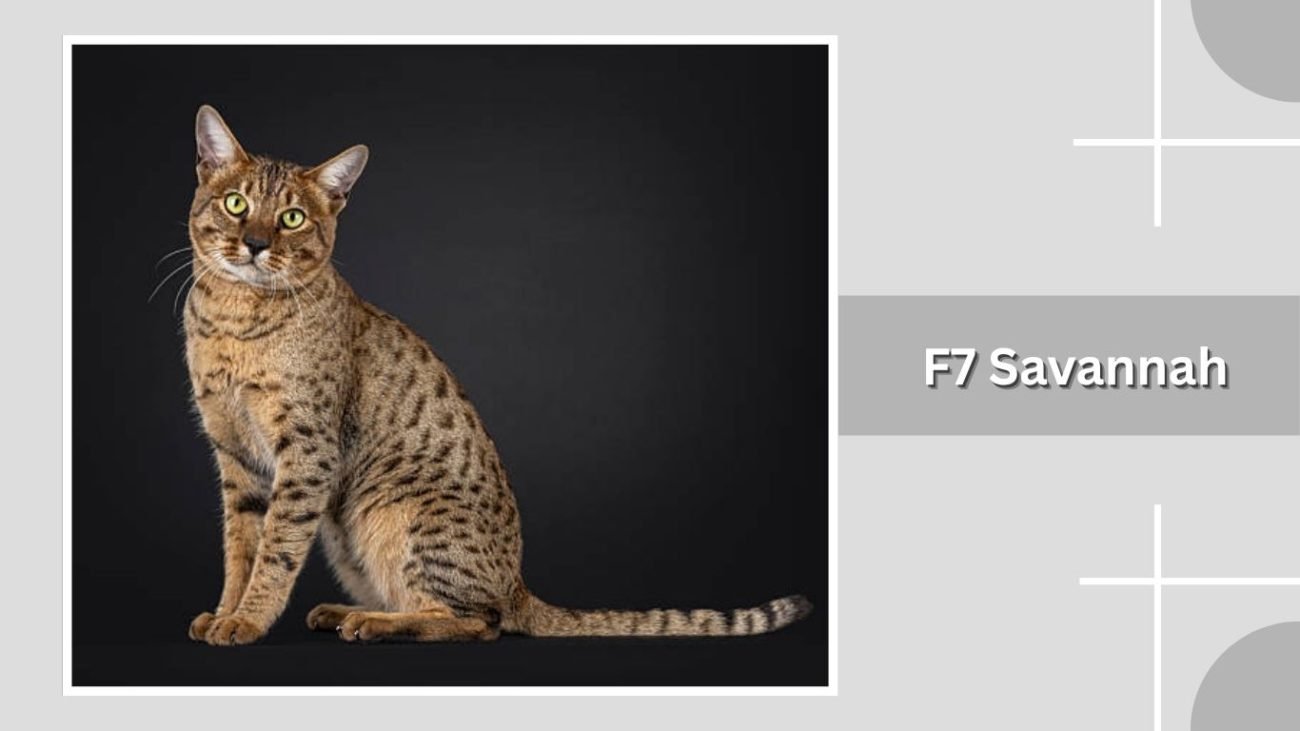
The F7 Savannah is a later-generation Savannah cat that is very close to domestic cats in behavior while still maintaining some of the breed’s exotic spotted appearance. It is highly suitable for typical pet homes.
Identification
- Medium-sized, well-balanced body
- Moderately sized ears with a natural shape
- Spotted coat in brown, gold, or silver tones
- Short to medium-length tail
- More domestic facial features with a softer look
Size
F7 Savannah cats are medium-sized. Males typically weigh between 8 to 13 pounds, while females range from 6 to 10 pounds. Their build is more moderate and less wild-looking than earlier generations.
Personality
F7 Savannahs are calm, friendly, and affectionate. They are much more relaxed compared to earlier generations and enjoy companionship. They are playful but not overly demanding, making them easy to manage.
Habitat
They adapt extremely well to indoor living, including apartments and smaller homes. Basic enrichment like toys and scratching posts is enough to keep them comfortable and engaged.
Diet
A balanced diet with quality protein supports their health and energy levels. Regular feeding with nutritious cat food helps maintain their weight and overall well-being.
Care Needs
F7 Savannahs are low-maintenance. They require basic grooming, regular playtime, and social interaction, making them an excellent choice for first-time or casual cat owners.
8. Standard Savannah
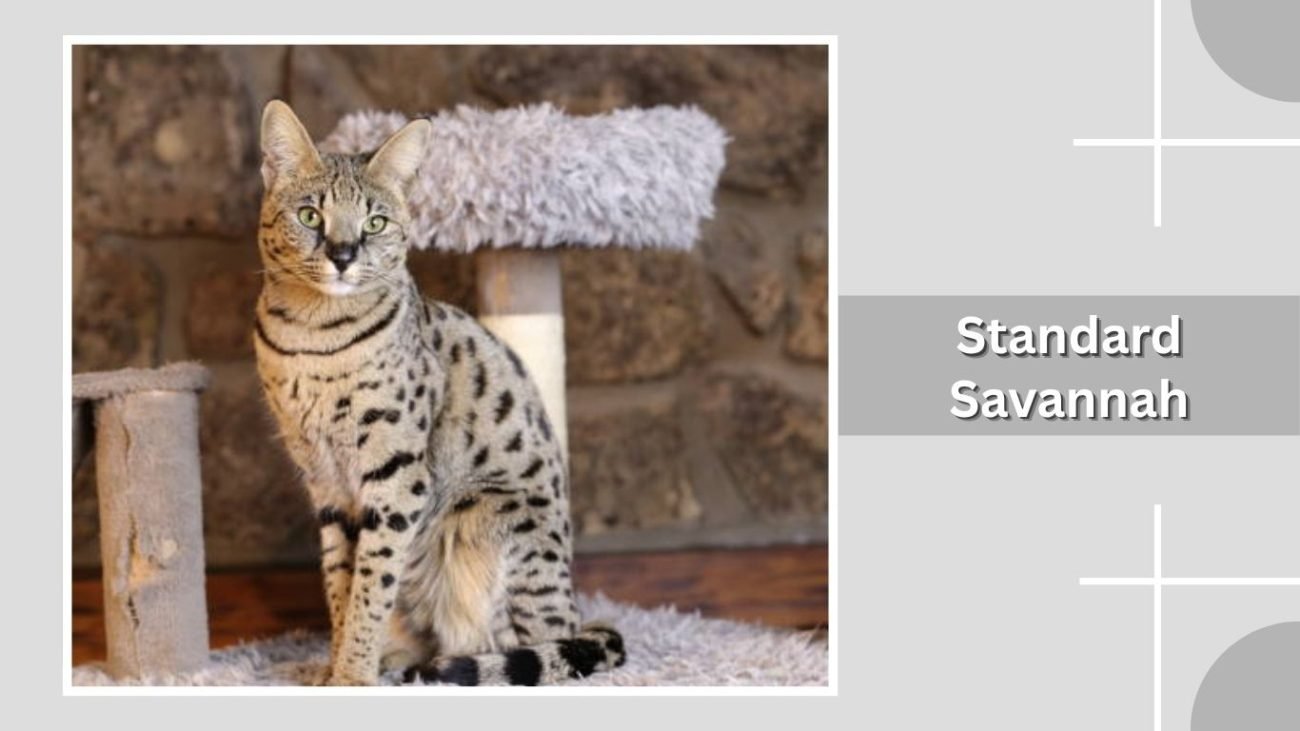
The Standard Savannah represents the typical breed standard, focusing on the ideal look, coat pattern, and balanced temperament. It combines exotic beauty with a more manageable domestic personality.
Identification
- Lean, athletic body with long legs
- Large, upright ears set high on the head
- Bold spotted coat in brown, silver, or gold tones
- Short tail with dark rings
- Distinct facial markings with a wild appearance
Size
Standard Savannah cats vary in size depending on generation but are generally medium to large. Males typically weigh between 10 to 18 pounds, while females range from 8 to 14 pounds.
Personality
They are intelligent, active, and social. Standard Savannahs enjoy interactive play and bonding with their owners. They are curious and alert but usually more balanced than early-generation Savannahs.
Habitat
They thrive in indoor environments with plenty of space to move and climb. Cat trees, shelves, and toys are important to keep them physically active and mentally stimulated.
Diet
A high-quality, protein-rich diet is essential to support their energy and lean body. Proper nutrition helps maintain their coat, muscle tone, and overall health.
Care Needs
Standard Savannahs require moderate care, including regular playtime, mental stimulation, and social interaction. They are easier to manage than early generations while still being active and engaging pets.
9. Show Quality Savannah
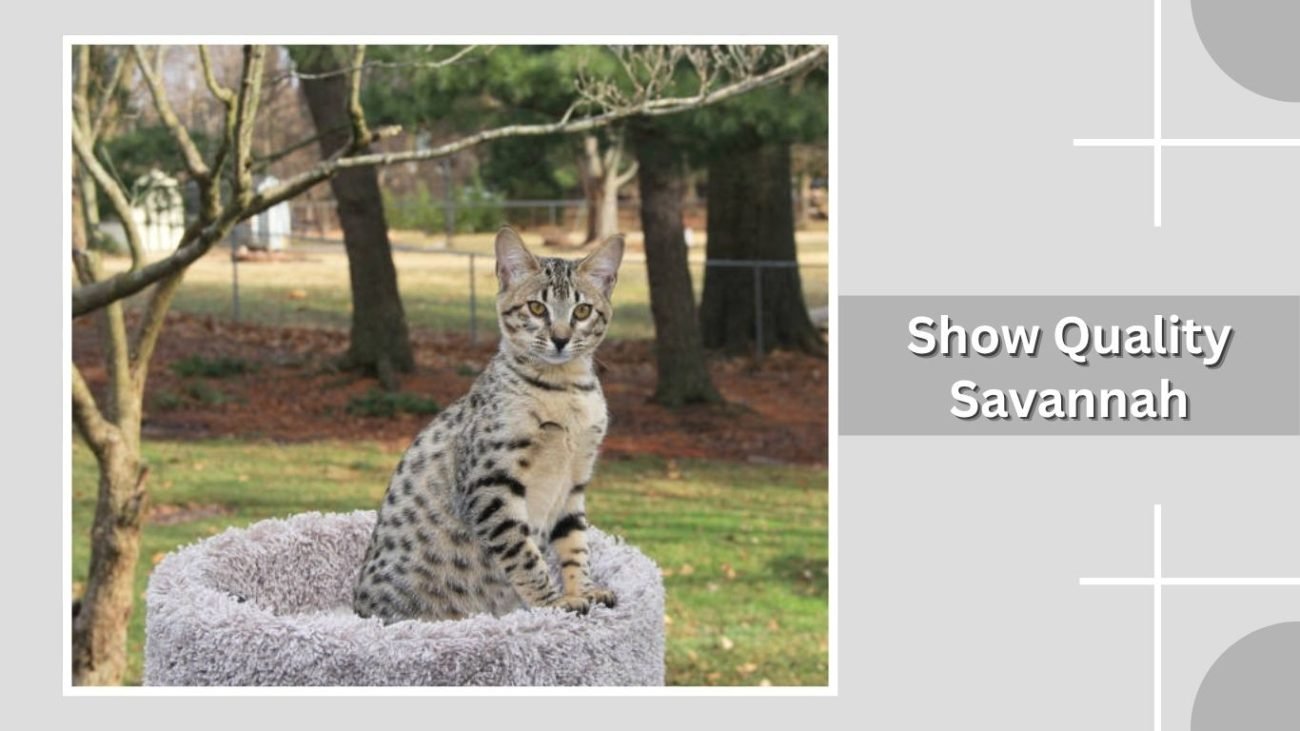
The Show Quality Savannah is bred to meet strict breed standards for competitions. These cats display ideal physical traits, including perfect spotting, body structure, and overall appearance.
Identification
- Well-defined spotted coat with high contrast
- Long, lean, and athletic body
- Large, upright ears placed high on the head
- Short tail with clear dark rings
- Strong facial markings with a wild look
Size
Show Quality Savannah cats are medium to large, depending on their generation. Males typically weigh between 10 to 18 pounds, while females range from 8 to 14 pounds. Their body is well-proportioned and elegant.
Personality
They are confident, intelligent, and well-socialized. Show Quality Savannahs are usually accustomed to human interaction and tend to be friendly and adaptable, while still maintaining an active and playful nature.
Habitat
They thrive in indoor environments with enough space for movement and activity. A structured and calm setting helps maintain their condition and overall well-being.
Diet
A high-quality, protein-rich diet is essential to support their muscle tone and coat quality. Proper nutrition plays a key role in maintaining their show-standard appearance.
Care Needs
They require consistent grooming, regular exercise, and proper care to maintain their appearance. Attention to diet, cleanliness, and overall health is important, especially for maintaining show quality standards.
10. Pet Quality Savannah
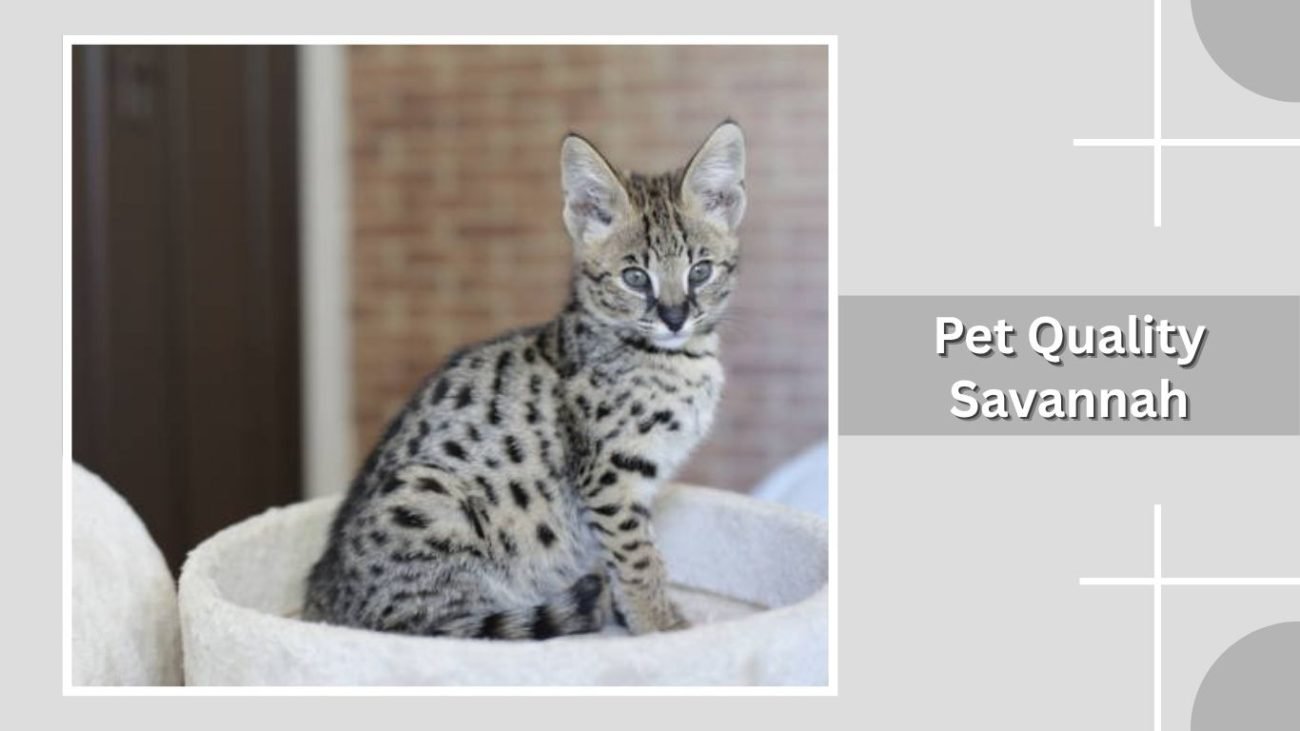
Pet Quality Savannah cats may not meet strict show standards, but they still have the beautiful spotted coat and friendly personality of the breed. They are ideal companions for everyday pet owners.
Identification
- Spotted coat, though markings may be less defined
- Medium to large, lean body
- Moderately large ears
- Short to medium tail with lighter patterning
- Slightly softer overall appearance
Size
Pet Quality Savannah cats are medium to large. Males typically weigh between 10 to 18 pounds, while females range from 8 to 14 pounds. Their size varies depending on their generation.
Personality
They are friendly, social, and adaptable. Pet Quality Savannahs enjoy companionship and are generally easier to manage than early generations. They are playful but more relaxed, making them great family pets.
Habitat
They adapt well to indoor living and can thrive in both houses and apartments. Providing toys, scratching posts, and some climbing space helps keep them active and happy.
Diet
A balanced, protein-rich diet supports their energy and overall health. High-quality cat food helps maintain their coat condition and body structure.
Care Needs
Pet Quality Savannahs require basic care, including regular playtime, grooming, and social interaction. They are low to moderate maintenance, making them suitable for most households.
FAQs
What do F1, F2, and F3 mean in Savannah cats?
These labels refer to generations from the African serval ancestor. F1 is the closest to the serval, while F2, F3, and later generations become more domesticated in behavior, size, and care needs.
Are Savannah cats legal to own everywhere?
No, Savannah cat ownership is restricted or regulated in some countries and regions, especially early generations like F1 and F2. It’s important to check local laws before getting one.
Are Savannah cats good pets for beginners?
Later generations like F4 to F7 are better suited for beginners because they are more domesticated and easier to manage. Early generations require experienced owners due to their high energy and wild traits.
Do Savannah cats need a special diet?
Savannah cats benefit from a high-protein diet to support their active lifestyle and muscular build. High-quality cat food with real meat is recommended for maintaining their health and energy.
How active are Savannah cats?
Savannah cats are very active and intelligent. They require regular play, climbing space, and mental stimulation. Without enough activity, they can become bored and develop unwanted behaviors.