Pigeons are more than just city birds—there are dozens of stunning, unusual, and highly specialized breeds around the world. From the acrobatic Roller to the regal Fantail and powerful Giant Runt, each type has its own story, look, and purpose. Whether you’re into bird shows, racing, or simply curious, this guide reveals 25 of the most fascinating pigeon breeds you’ll want to explore.
1. Rock Pigeon
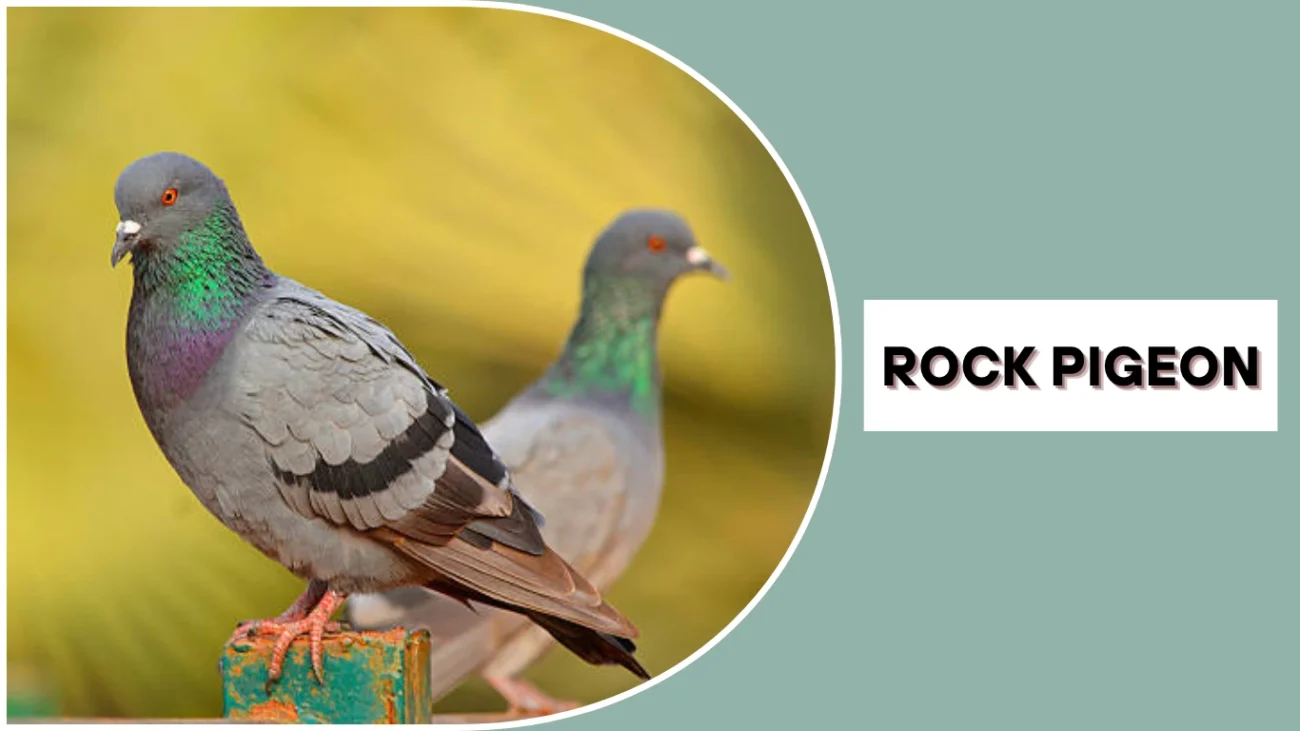
The Rock Pigeon, also known as the common city pigeon, is the most widespread pigeon species globally. Originally native to Europe, North Africa, and parts of Asia, it has adapted extremely well to urban environments and is now found on every continent except Antarctica.
Identification
- Plump body with short legs and a small head
- Standard coloration is bluish-gray with two black wing bars
- Iridescent green and purple sheen on the neck
- Red or orange eyes with pale skin around them
- Size: about 12–14 inches long
Habitat
Rock Pigeons inhabit cities, towns, farmlands, and cliffs. They commonly roost and nest on building ledges, bridges, and other urban structures that mimic natural cliffside habitats.
Behavior
They are highly social and often found in large flocks. Rock Pigeons forage on the ground, feeding on seeds, grains, and human food scraps. Their flight is strong and direct, and they are known for their homing instincts.
Color Pattern
While gray with black wing bars is the typical coloration, Rock Pigeons show wide color variation including white, reddish-brown, and nearly black forms, especially in urban areas due to crossbreeding with domesticated varieties.
2. Homing Pigeon

The Homing Pigeon is a selectively bred variety of the Rock Pigeon, famous for its remarkable ability to find its way home over long distances. These pigeons have been used for centuries in message delivery, racing, and ceremonial releases.
Identification
- Similar in size and structure to the Rock Pigeon
- Plumage varies widely: gray, white, blue, or mixed tones
- Streamlined body and powerful wings for endurance flight
- Bright eyes and a strong, broad chest
- Size: about 12–14 inches long
Habitat
Homing Pigeons are domesticated and typically kept in lofts or aviaries. When released, they can return from distances up to hundreds of miles using natural navigation instincts.
Behavior
They are known for their strong homing ability, intelligence, and trainability. Homing pigeons are used in pigeon racing and were historically used to carry messages during wartime. They are social and can form strong bonds with handlers.
Color Pattern
Homing Pigeons come in various colors, with blue-gray being most common. White, pied, and speckled varieties are also popular, especially for ceremonial releases at weddings and events.
3. Racing Homer

The Racing Homer is a specialized breed of Homing Pigeon developed specifically for the sport of pigeon racing. It combines strong homing instincts with speed, endurance, and intelligence, making it a top performer in competitive events.
Identification
- Sleek, muscular body built for long-distance flight
- Broad chest and long, powerful wings
- Bright, alert eyes with a streamlined head
- Varies in color: commonly blue-bar, checkered, white, or red
- Size: about 12–13 inches long
Habitat
Racing Homers are kept in lofts and trained by breeders. They are released from distant locations and timed on their return home, often over hundreds of miles.
Behavior
Highly athletic and intelligent, Racing Homers are trained to navigate from unfamiliar places using magnetic fields, sun positioning, and visual landmarks. They are social in the loft but intensely focused when flying.
Color Pattern
Available in various colors and patterns, but blue-bar and checkered forms are most common. Breeders often select for both appearance and aerodynamic performance.
4. Fantail Pigeon

The Fantail Pigeon is one of the most visually striking pigeon breeds, known for its dramatic, fanned tail that can have up to 40 feathers—far more than typical pigeons. This breed is primarily ornamental and often displayed in bird shows.
Identification
- Small to medium-sized body
- Large, upright fan-shaped tail
- Arched neck and downward-tilted head posture
- Smooth or feathered feet depending on variety
- Size: about 11–13 inches long
Habitat
Fantails are domesticated birds kept in aviaries, lofts, or as pets. They prefer calm environments and are not suited for wild or competitive flight.
Behavior
These pigeons are gentle, social, and often kept for exhibition. They are poor fliers due to their heavy feathering but can be trained for short flights. Males display their tails during courtship by puffing up and strutting.
Color Pattern
Fantails come in many colors including white, black, brown, silver, and pied varieties. The white Fantail is particularly popular for ceremonial releases and decorative displays.
5. Lahore Pigeon

The Lahore Pigeon is an ornamental breed originally from Lahore, Pakistan, prized for its beautiful color contrast and gentle nature. It is a large, majestic bird often showcased in exhibitions and pigeon fancier clubs.
Identification
- Large, broad body with a full chest
- Distinctive head with a short beak
- Pure white body with a contrasting colored neck, wings, and tail
- Feathered feet (muffs)
- Size: about 13–14 inches long
Habitat
Lahore Pigeons are domesticated and typically kept in lofts or aviaries. They require clean, spacious housing and are not bred for flight or racing but for show and companionship.
Behavior
Known for their calm and friendly personality, Lahores are easy to handle and often bond with their keepers. They are quiet and non-aggressive, making them ideal for aviary collections.
Color Pattern
The body is usually white with colored markings in shades such as black, blue, brown, or red. The colored area covers the neck, wings, and sometimes the back, creating a striking contrast with the clean white base.
6. Jacobin Pigeon

The Jacobin Pigeon is an exotic and highly decorative breed best known for its distinctive feathered hood, which encircles the head like a fluffy collar. This breed has been admired for centuries and is often featured in competitive pigeon shows.
Identification
- Medium-sized body
- Fully feathered hood that covers the head and neck
- Slim posture with an upright stance
- Clean or slightly feathered legs depending on the variety
- Size: about 12–13 inches long
Habitat
Jacobin Pigeons are kept entirely in captivity in aviaries or lofts. They are not good flyers and require special care due to limited vision from their feathered hood.
Behavior
These pigeons are gentle but more reserved than other breeds due to their limited field of vision. They are bred mainly for appearance and require protection from more dominant birds in mixed aviaries.
Color Pattern
Jacobin Pigeons come in a wide variety of colors including black, white, yellow, blue, red, and pied. Their unique feather hood gives them an elegant and aristocratic appearance, making them a favorite among breeders.
7. Archangel Pigeon

The Archangel Pigeon is a stunning ornamental breed known for its metallic, glossy plumage. Originating in Eastern Europe, it is highly prized for its unique feather sheen and elegant form, making it a favorite in exhibition circles.
Identification
- Slender, upright body
- Small head with a narrow beak
- Long neck and smooth, tight feathering
- Distinct metallic sheen on body
- Size: about 11–12 inches long
Habitat
Archangel Pigeons are kept in well-maintained lofts or aviaries, usually by breeders or collectors. They are not bred for flight but are raised for display and breeding.
Behavior
These pigeons are alert, active, and fairly social with other doves. While not known for tameness, they can adapt well to human interaction when raised in calm environments.
Color Pattern
The breed is famous for its striking metallic feathering—commonly bronze, gold, or copper on the body, combined with contrasting wings in black, white, or blue. The shimmering effect of the plumage is its most defining feature.
8. English Carrier

The English Carrier is one of the oldest pigeon breeds, historically used for message carrying before being surpassed by the faster Homing Pigeon. Today, it is bred mainly for its unusual appearance, including its long neck and distinctive wattles.
Identification
- Tall, upright stance with a long neck
- Large, bulbous wattles around the beak and eyes
- Prominent beak
- Broad chest and long wings
- Size: about 14–15 inches long
Habitat
Now kept primarily by breeders and pigeon fanciers, English Carriers are housed in lofts or large enclosures. They are too heavy and specialized for competitive flying.
Behavior
English Carriers are intelligent and observant. Though originally used for long-distance message delivery, they are now valued for their historical significance and dramatic appearance.
Color Pattern
They come in a variety of solid and pied colors, including black, white, blue, dun, and red. Their wattles become more pronounced with age, adding to their bold, sculptural look.
9. Indian Fantail

The Indian Fantail is a decorative pigeon breed known for its large, upright fan-shaped tail and puffed chest. Unlike the regular Fantail, the Indian variety has a more pronounced stance and feathered feet, making it a favorite among show pigeon enthusiasts.
Identification
- Medium to large body with full chest
- Tail held erect like a fan, with 30–40 feathers
- Feathered legs (muffs)
- Upright posture with slightly backward-leaning head
- Size: about 13–14 inches long
Habitat
Indian Fantails are kept in lofts or aviaries and are purely ornamental. They are not suited for flight due to their heavy feathering and are typically housed in calm, clean environments.
Behavior
Calm, friendly, and easy to tame, Indian Fantails are social and do well in mixed aviaries. Males often display by puffing up their chest and fanning their tails while strutting in circles.
Color Pattern
They come in many colors including white, black, brown, pied, and silver. White Indian Fantails are especially popular and often used for symbolic releases at ceremonies or events due to their graceful appearance.
10. Modena Pigeon

The Modena Pigeon is a compact, muscular breed originally developed in Italy. It is admired for its symmetrical form, short beak, and bold chest, making it a popular exhibition bird across Europe and North America.
Identification
- Compact, round body with a broad chest
- Upright stance with short neck and tail
- Small head and very short beak
- Smooth feathering
- Size: about 10–12 inches long
Habitat
Modena Pigeons are housed in lofts or indoor aviaries and are not strong fliers. They are bred specifically for body type and color and are commonly seen in pigeon shows.
Behavior
These pigeons are calm and relatively docile. They enjoy the company of their own kind and are easy to manage, making them ideal for beginner pigeon fanciers interested in showing.
Color Pattern
Modenas are known for a wide range of rich color patterns, including solid, pied, barred, and laced varieties. Common shades include silver, blue, red, yellow, and bronze. Their consistent form and colorful variations make them one of the most diverse exhibition breeds.
11. Tippler Pigeon

The Tippler Pigeon is a high-endurance flying breed developed in England. Known for its incredible stamina, it’s capable of flying non-stop for over 15 hours in ideal conditions. Tipplers are bred specifically for long-distance flight and are prized in competitive flying circles.
Identification
- Medium-sized body with a strong chest
- Smooth feathering and streamlined form
- Medium-length tail and wings built for endurance
- Small, neat head and short beak
- Size: about 12–13 inches long
Habitat
Tipplers are housed in well-managed lofts and trained extensively by fanciers. They require open flying areas for daily exercise and are typically released for long-duration flight competitions or record attempts.
Behavior
Tipplers are extremely disciplined and loyal to their loft. They’re trained to fly in circles overhead for hours without landing. Their calm temperament and intelligence make them ideal for repeated training. These birds don’t fly high like tumblers, but rather at moderate altitudes for long periods.
Color Pattern
Tipplers come in various colors including blue, silver, black, white, red, and mottled patterns. Color is secondary to performance in this breed, though symmetry and feather quality are still appreciated.
12. Oriental Frill

The Oriental Frill is a beautiful and exotic pigeon breed originating from Turkey. It is admired for its frilled feathers on the chest, unique head crests, and overall elegant appearance. This breed is primarily ornamental and highly valued in shows.
Identification
- Small to medium-sized compact body
- Frilled feathers across the chest (curling forward)
- Crest or hood over the back of the head (varies by type)
- Short beak and rounded head
- Size: about 10–11 inches long
Habitat
Kept indoors or in aviaries, Oriental Frills need clean, protected spaces where their feathering stays in top condition. They are not flight birds and are typically showcased in exhibitions and breeder collections.
Behavior
Gentle, friendly, and easy to handle, Oriental Frills are social and do well in calm environments. They form strong pair bonds and are attentive parents when bred in captivity.
Color Pattern
This breed comes in many fancy color varieties: blondinettes, satinettes, and recessive reds and yellows are especially popular. The frilled chest, head crests, and vibrant feather patterns make them one of the most eye-catching fancy pigeon breeds.
13. Roller Pigeon

The Roller Pigeon is a breed developed for its remarkable aerial acrobatics—specifically, its ability to perform rapid backward somersaults while flying. There are two main types: Birmingham Rollers (which roll in the air) and Parlor Rollers (which perform rolls only on the ground).
Identification
- Medium-sized, muscular body
- Long wings and medium-length tail
- Small, rounded head with alert eyes
- Sleek and balanced build for controlled flight
- Size: about 11–12 inches long
Habitat
Roller Pigeons are housed in flight lofts with ample space for daily aerial training. They require open skies for performance and are often kept by fanciers for sport and exhibitions.
Behavior
Birmingham Rollers perform coordinated backward spins in the air, usually in short bursts during flight. Parlor Rollers, on the other hand, cannot fly and roll across the ground when startled. Rollers are social, trainable, and often fly in flocks during shows or competitions.
Color Pattern
They come in a wide range of colors and patterns including blue-bar, red check, black, white, grizzle, and pied. Feather coloration is secondary to rolling ability in competitions, though well-groomed plumage is still important.
14. Dragoon Pigeon

The Dragoon Pigeon is an old English breed once used for carrying messages before the development of more specialized breeds. It is now primarily kept as a show bird and admired for its strong build and upright stance.
Identification
- Medium to large, blocky body
- Prominent broad head with a strong, hooked beak
- Distinctive cere (fleshy area around the beak and eyes)
- Deep chest and short, upright tail
- Size: about 12–13 inches long
Habitat
Dragoons are kept in lofts or aviaries by show breeders. Though they are capable fliers, they are rarely used for flight today and are maintained for their historical value and distinct appearance.
Behavior
These pigeons are bold, confident, and easy to manage. They are active and inquisitive but also calm around humans. While not bred for acrobatics or endurance, they display elegance and pride in posture and movement.
Color Pattern
Common color varieties include blue-bar, blue-check, red, black, dun, and pied. Their most distinctive visual features are the thick beak and strong facial structure, which give them a noble and powerful look.
15. English Trumpeter

The English Trumpeter is one of the most ornate and visually extravagant pigeon breeds, famous for its extravagant muffs (foot feathers), full crest, and frilled feathering. It is primarily bred for show and is among the most decorative of all fancy pigeon varieties.
Identification
- Medium-sized body with large, dense muffs covering the feet
- Full shell crest on the back of the head
- Frilled feathers on the chest
- Compact body and short beak
- Size: about 11–12 inches long
Habitat
English Trumpeters are kept exclusively in lofts or indoor aviaries to protect their elaborate feathers. They require clean, dry environments with soft flooring to prevent feather damage.
Behavior
They are gentle, friendly, and social birds, though their heavy feathering requires extra care and makes them poor flyers. They enjoy perching and are typically calm, making them suitable for ornamental breeding and showing.
Color Pattern
Available in a wide range of vibrant colors including black, white, red, yellow, and pied. The symmetry of crest, chest frill, and foot muffs is highly prized in show standards, making grooming and presentation essential for this breed.
16. Swallow Pigeon

The Swallow Pigeon is a beautiful and graceful breed named for its streamlined shape and elegant appearance. Known for its distinct color-marked pattern and light, agile build, the Swallow is bred primarily for show and ornamental keeping.
Identification
- Medium-small body with upright posture
- White body with colored markings on wings, tail, and head
- Clean or slightly feathered feet depending on type
- Alert eyes and slim, well-balanced form
- Size: about 10–11 inches long
Habitat
Swallow Pigeons are housed in clean aviaries or lofts. Though they are capable fliers, they are generally bred for their color and form and not used for racing or performance.
Behavior
Swallows are calm, elegant, and friendly. They pair well and are attentive parents. While they can fly, they are usually admired for their beauty and color markings rather than athleticism.
Color Pattern
Their plumage typically features a bright white body with contrasting colored wings, tails, or caps in shades like black, blue, red, or yellow. The clean division between white and colored feathers is a hallmark of the breed and critical in show judging.
17. Capuchine Pigeon
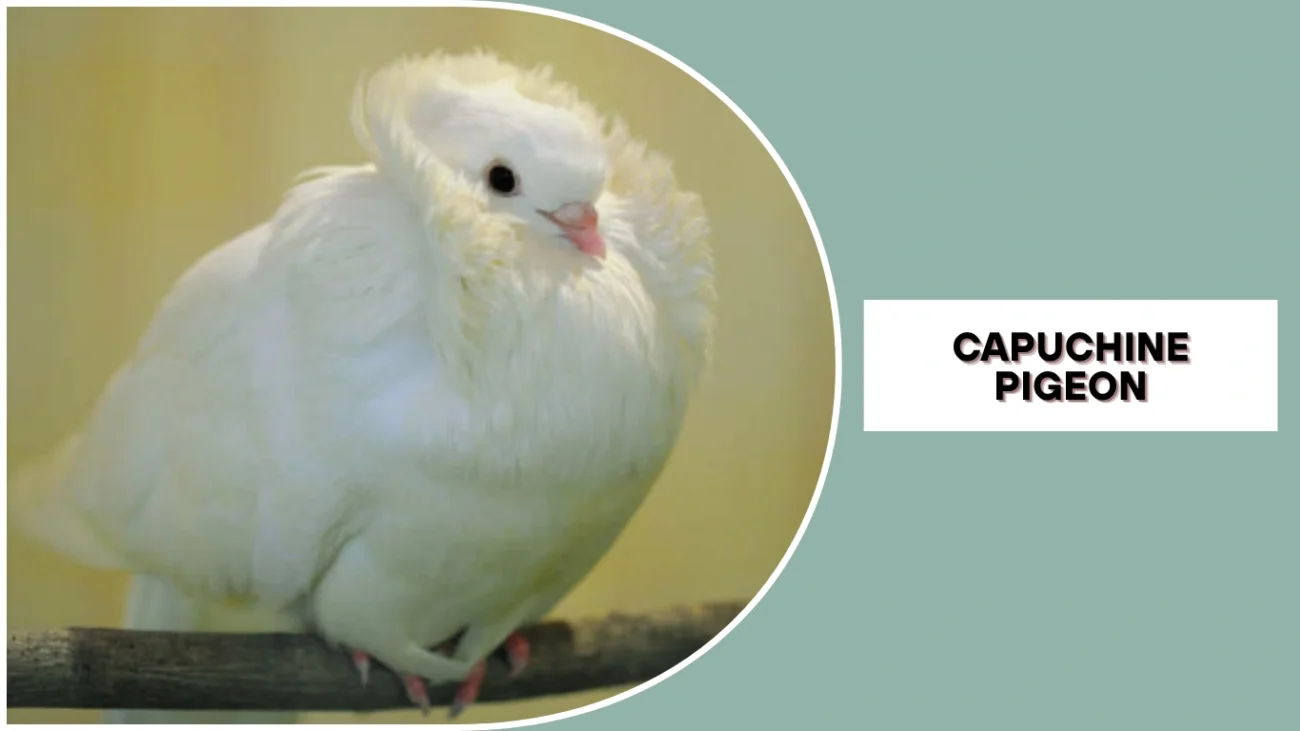
The Capuchine Pigeon is an elegant and ornamental breed, best known for its distinct feathered hood or “mane” that frames the head. Originating in Asia and later developed in Europe, it’s a popular show bird due to its regal appearance.
Identification
- Medium-sized, upright body
- Large feathered hood forming a circular crest around the head and neck
- Short beak and round head
- Smooth, compact feathers and neat posture
- Size: about 11–12 inches long
Habitat
Capuchines are kept in clean, spacious lofts or indoor aviaries to preserve their feather structure. Their hooded feathering requires careful maintenance and protection from rough surfaces.
Behavior
These pigeons are calm, gentle, and social. While not strong fliers, they interact well in mixed aviaries and pair easily for breeding. Their distinctive appearance makes them a favorite in competitive pigeon shows.
Color Pattern
Capuchines come in many colors including black, white, red, yellow, and pied varieties. The smooth contrast between the hood and body is important in show judging, and uniform feather quality is highly prized.
18. Helmet Pigeon

The Helmet Pigeon is a small, neat fancy breed recognized by its bold head markings and upright posture. It’s appreciated for its simplicity, clean color patterns, and suitability for beginner breeders.
Identification
- Small to medium-sized body
- White body with a contrasting cap of color on the head
- Short beak and rounded head
- May have clean or muffed feet depending on variety
- Size: about 10–11 inches long
Habitat
Helmet Pigeons are well-suited for aviaries or lofts and are easy to manage. They’re bred primarily for their crisp, clean appearance and are commonly seen in shows and collections.
Behavior
These birds are friendly, active, and easy to care for. They breed well and are known for their calm temperament, making them ideal for hobbyists and beginner pigeon fanciers.
Color Pattern
Helmet Pigeons have a solid white body with a bold, sharply defined colored cap on the head—hence the name “Helmet.” Color options include black, red, yellow, and blue, and precise pattern clarity is critical in show competition.
19. Nun Pigeon

The Nun Pigeon is a historic and attractive fancy breed known for its crisp markings and elegant head crest. It has been bred for centuries and is admired in pigeon shows for its neat, uniform appearance and calm demeanor.
Identification
- Small to medium-sized body
- Upright stance with a prominent shell crest on the back of the head
- White body with colored head, tail, and wing tips
- Short beak and round head
- Size: about 10–11 inches long
Habitat
Nun Pigeons are typically housed in lofts or exhibition aviaries. They do best in dry, clean environments to preserve the condition of their feathers and markings.
Behavior
These pigeons are gentle, easy to handle, and excellent breeders. While they are not strong fliers, their peaceful temperament makes them ideal for ornamental flocks and novice keepers.
Color Pattern
The classic color scheme features a white body with a colored “hood” (head), tail, and flight feathers. Common colors include black, red, yellow, and blue. The contrast between the white and colored areas must be sharp and well-defined for show purposes.
20. Saxon Monk
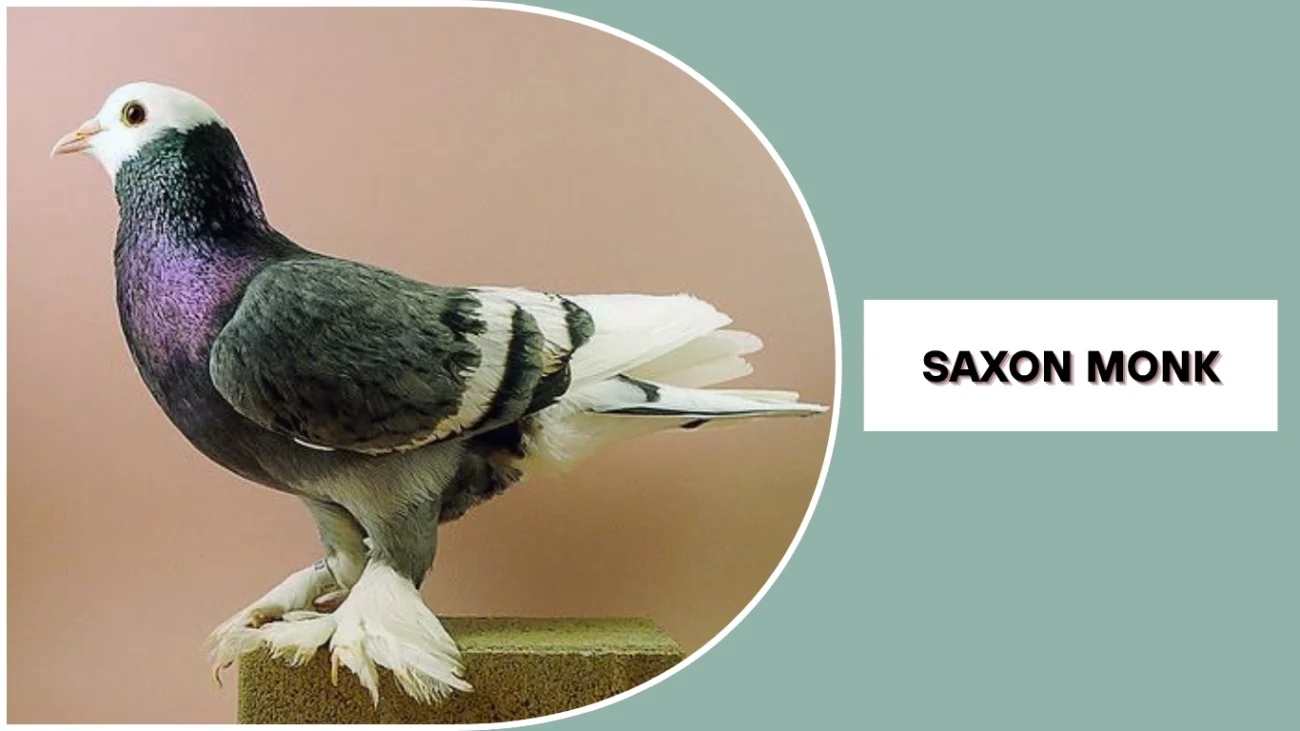
The Saxon Monk is a beautifully marked fancy pigeon known for its barred wings, peaked crest, and feathered legs. It originates from Germany and is part of a group of Saxon fancy pigeon breeds developed for ornamental purposes.
Identification
- Medium-sized body with strong build
- Peaked crest on the head
- Feathered legs (muffs)
- White head and body with distinct barred wings
- Size: about 11–12 inches long
Habitat
Saxon Monks are kept in aviaries or lofts by breeders who specialize in exhibition breeds. Due to their elaborate plumage and leg feathers, they require regular grooming and protection from damp conditions.
Behavior
These pigeons are calm, social, and easy to maintain. They are not long-distance fliers but enjoy short fluttering flights within aviaries. Their ornamental features make them popular in pigeon shows and breeding programs.
Color Pattern
They have a white base with colored wing bars in shades like black, blue, red, or yellow. The combination of the bold wing markings, feathered feet, and pointed crest gives the Saxon Monk a highly refined and decorative appearance.
21. Ice Pigeon

The Ice Pigeon is a visually stunning breed developed in Germany and Switzerland, named for its soft, frosty-blue plumage that resembles ice. It is primarily bred for show, admired for its subtle coloring and elegant, refined posture.
Identification
- Medium-sized body with upright, balanced stance
- Small, rounded head with short beak
- Clean legs or lightly feathered, depending on the strain
- Compact and symmetrical form
- Size: about 11–12 inches long
Habitat
Ice Pigeons are best suited for clean, dry lofts or exhibition aviaries. Their light-colored plumage requires good care and maintenance to prevent staining or feather wear.
Behavior
These pigeons are quiet, gentle, and docile—making them ideal for ornamental keeping. They are relatively easy to handle and pair well for breeding. Their calm nature allows them to live peacefully with other fancy breeds.
Color Pattern
Their defining trait is the pale silvery-blue or “ice-gray” color across the entire body, often with soft lacing or bar patterns on the wings. Some varieties may have darker tail bands or lightly marked heads, but all retain the frosted, icy appearance that makes this breed unique.
22. Scandaroon Pigeon

The Scandaroon Pigeon, also known as the Indian Carrier, is a dramatic and imposing breed known for its arched neck, long beak, and strongly developed wattle. It is one of the oldest pigeon breeds and was once used for message carrying in ancient regions.
Identification
- Large, elongated body
- Distinctive arched neck and prominent chest
- Long beak with heavily developed beak and eye wattles
- Strong legs with large feet
- Size: about 14–16 inches long
Habitat
Scandaroons are kept in lofts or large enclosures due to their size and ornamental value. They are not athletic fliers but are bred for their unique physical traits and ancient lineage.
Behavior
These pigeons are confident, bold, and somewhat territorial. Though not aggressive, their size and presence demand more space. They are attentive breeders and do well in controlled, spacious environments.
Color Pattern
Scandaroons come in various colors including black, white, red, yellow, and blue. Their long, arched posture combined with large wattles gives them a regal and almost prehistoric look, making them stand out among fancy pigeon breeds.
23. Polish Lynx

The Polish Lynx is a robust utility and exhibition pigeon developed in Eastern Europe. Known for its attractive barred patterns and large, strong frame, this breed is appreciated by both show breeders and hobbyists for its beauty and practicality.
Identification
- Large, muscular body with broad chest
- Rounded head and stout neck
- Smooth feathers with bold wing bars
- Short to medium-length tail
- Size: about 13–14 inches long
Habitat
Polish Lynx pigeons are typically kept in outdoor lofts or show pens. They are hardy birds that adapt well to varying climates and are easy to care for with basic loft management.
Behavior
Polish Lynx pigeons are calm, alert, and strong flyers if allowed to free-range. They are good breeders, often used in dual-purpose lofts for both utility (meat or squab production) and fancy pigeon shows.
Color Pattern
They are most recognized for their clear white body paired with sharply defined wing bars in colors such as black, blue, red, and dun. The barred wings and clean markings are important traits in show standards.
24. Old German Owl
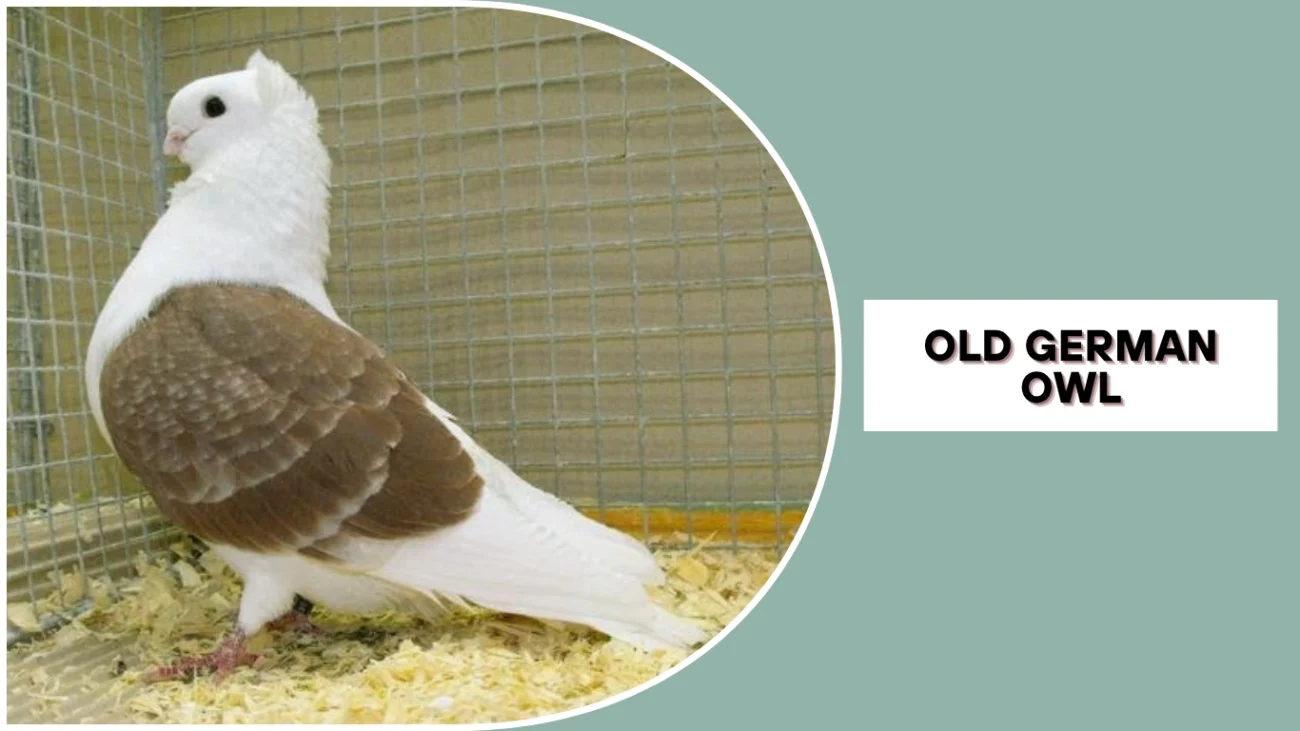
The Old German Owl is a compact, fancy pigeon known for its charming facial expression and frilled chest feathers. Originating in Germany, it is prized in exhibitions for its unique combination of grace and personality.
Identification
- Small, round body with short neck
- Heart-shaped head with a short, stubby beak
- Frilled feathers on the upper chest (breast frill)
- Clean-legged with smooth, close feathering
- Size: about 10–11 inches long
Habitat
Kept in clean, enclosed lofts or show aviaries, Old German Owls are easy to manage and don’t require much space. They are kept almost exclusively as ornamental pets or show birds.
Behavior
They are tame, affectionate, and enjoy human interaction. Their docile nature and adorable expression make them popular among beginner fanciers and exhibition breeders alike.
Color Pattern
Old German Owls come in a wide array of color patterns, including blue, black, silver, red, and pied. Their head and body colors are often paired with distinct white markings. The breast frill and rounded face give them their unique “owl-like” appearance.
25. American Giant Runt

The American Giant Runt is one of the largest pigeon breeds in the world. Initially bred for meat production, it is now also a show breed known for its bulk, strength, and powerful stance.
Identification
- Extra-large body with broad chest and strong neck
- Large head with a thick, slightly curved beak
- Strong legs and sturdy feet
- Overall compact and muscular build despite size
- Size: about 20–22 inches long
Habitat
These pigeons require large, spacious lofts or pens to accommodate their size. Due to their weight and build, they are not strong fliers and prefer walking or short bursts of wing-flapping.
Behavior
Giant Runts are calm and slow-moving. They’re often kept in pairs and are good breeders with strong parental instincts. Their quiet nature makes them manageable despite their size.
Color Pattern
They come in various solid and patterned colors such as blue, white, black, red, and silver. Show standards emphasize symmetry, posture, and overall mass, making grooming and conditioning essential for exhibition.