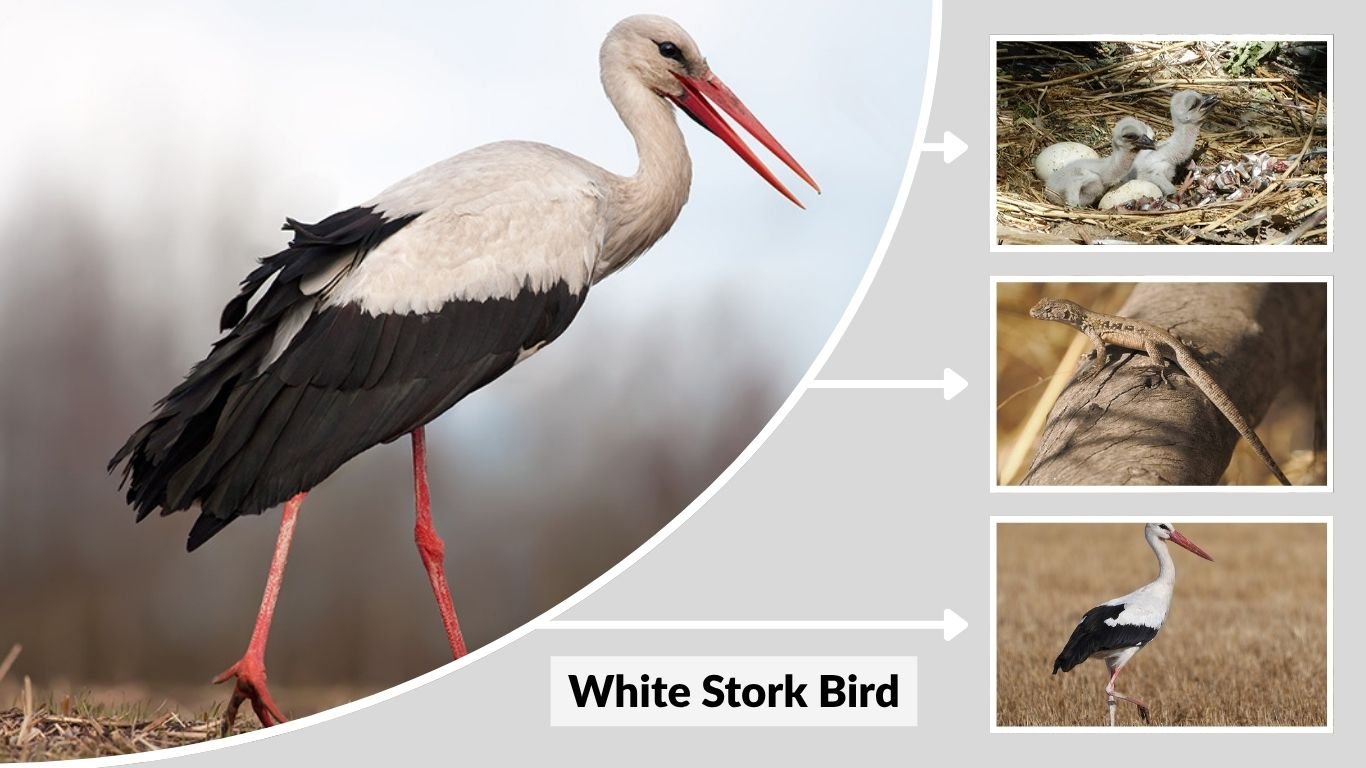
White storks, with their long legs, elegant stature, and graceful flight, are among the most recognizable birds in Europe, Asia, and parts of Africa. Often associated with peace and good fortune—especially the popular myth of delivering babies—these birds are more than just folklore icons. But despite their majestic appearance and positive reputation, some people wonder: Are white stork birds dangerous?
Let’s explore the nature of white storks, how they behave around humans and animals, and whether they pose any real threat.
General Behavior of White Storks
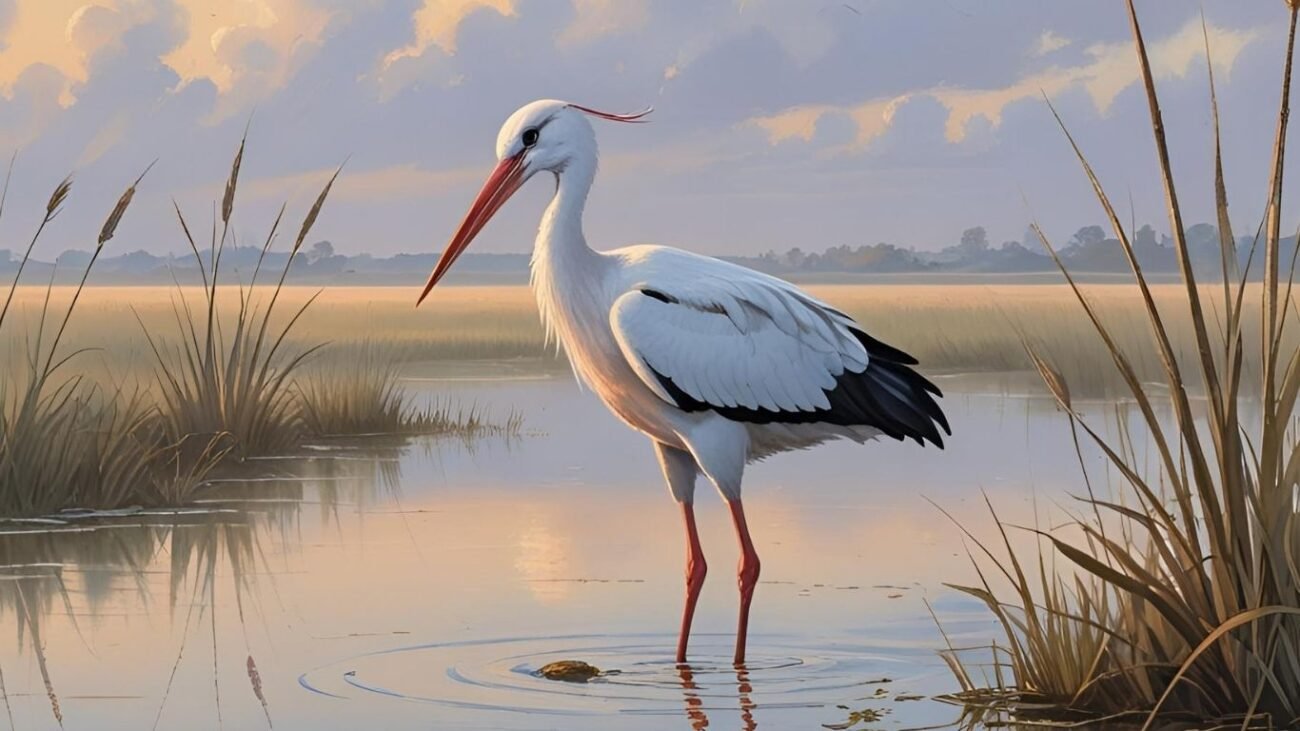
White storks (Ciconia ciconia) are large, wading birds known for their white plumage with contrasting black wing feathers and long, red beaks and legs. These birds are mostly migratory, traveling thousands of kilometers between Europe and Africa during seasonal shifts.
Are White Storks Aggressive?
White storks are not inherently aggressive. They are generally calm, non-confrontational, and shy around humans. Their behavior becomes more active and defensive only during specific periods, especially when protecting their nests or young. Even then, they are far less likely to engage in physical aggression compared to some other large birds like swans or geese.
In most cases, if a white stork feels threatened, it will fly away rather than confront the source of its discomfort.
How Do White Storks React to Humans?
Storks usually avoid direct contact with humans. In urban or semi-urban environments where people frequently interact with wildlife, storks may become more accustomed to human presence. However, they rarely approach people unless habituated by food offerings or nesting opportunities near buildings.
In rural settings, they tend to remain cautious and keep their distance. Their flight response is typically triggered by any sudden or close approach.
Situations When White Storks May Become Defensive

Nest Protection Behavior
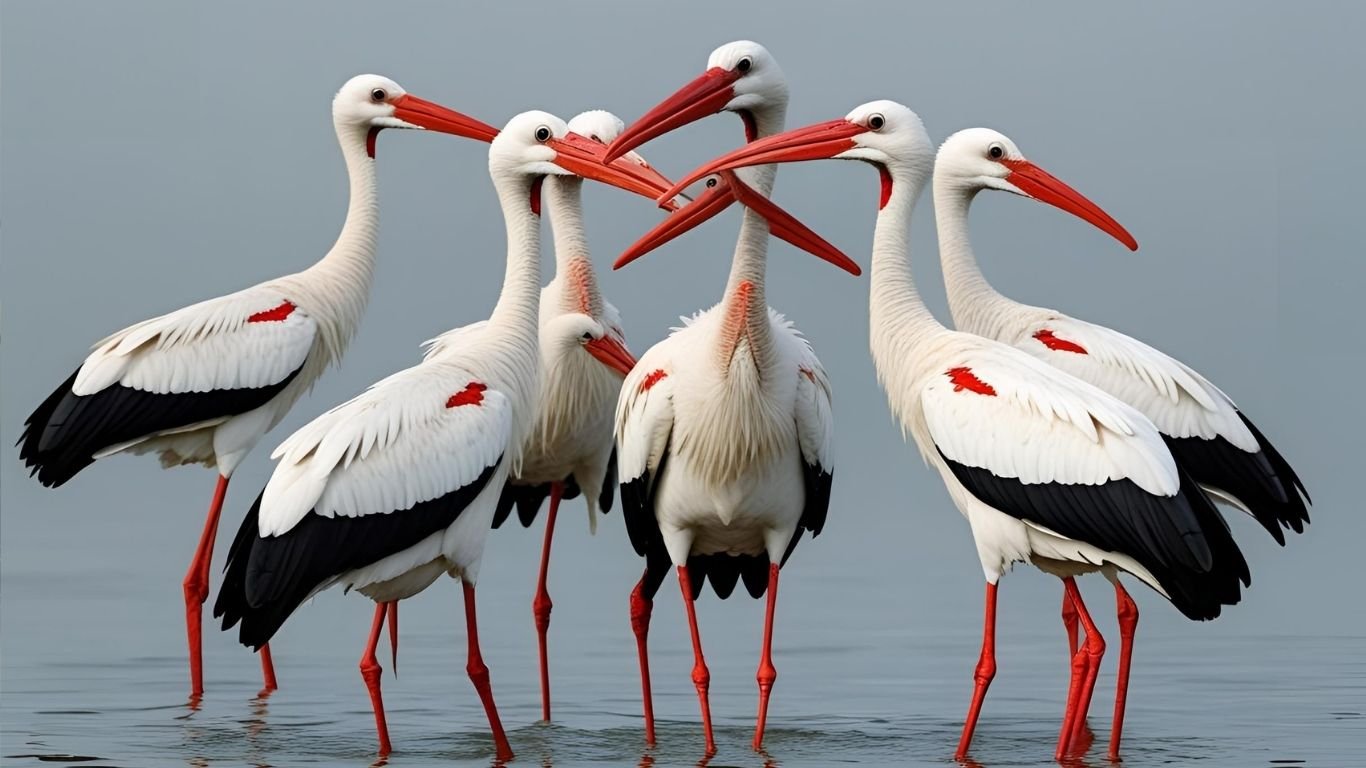
White storks are fiercely protective of their nests during breeding season, especially between March and July. If a human or another animal gets too close, the stork may display warning signs such as bill-clattering, loud hissing, or wing spreading to appear larger.
Though these behaviors may seem intimidating, they are intended to ward off intruders, not to provoke physical confrontation. A stork might lunge or peck if it feels trapped or cornered near its nest, but such instances are extremely rare.
Are They Territorial?
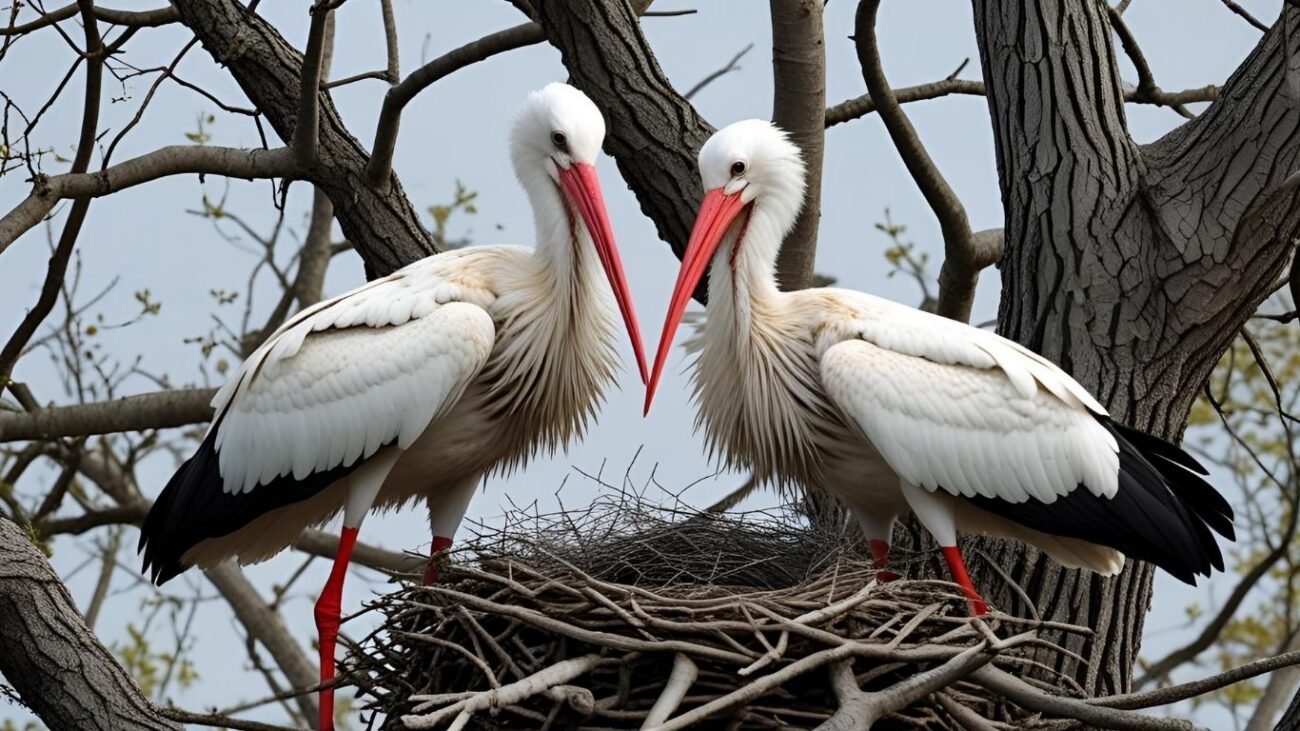
Storks can be territorial when it comes to nesting spots. They often return to the same nest year after year and will defend it against other birds. However, their territorial instincts are directed toward competitors like other storks, crows, or herons, not humans or domestic animals.
Are White Storks Dangerous to Humans or Pets?
White storks have strong beaks, but they are not adapted for fighting or predation. They use their beaks for foraging, catching insects, frogs, and small reptiles. In defense, a stork might strike with its beak, but this is usually a last resort. A human would need to be very close to a nest or attempt to handle the bird to provoke such a response.
For small pets like kittens or puppies, there is no real danger unless a very young animal wanders too close to a stork nest. Even then, storks are more likely to retreat than to attack.
Do They Carry Diseases?
Like most wild birds, white storks can carry parasites such as lice, mites, or intestinal worms. In rare cases, they may be hosts to avian diseases such as salmonella or avian influenza. However, the risk of disease transmission to humans from casual proximity is extremely low. Basic hygiene and not feeding or handling wild birds are enough to prevent any issues.
Common Misconceptions About White Storks
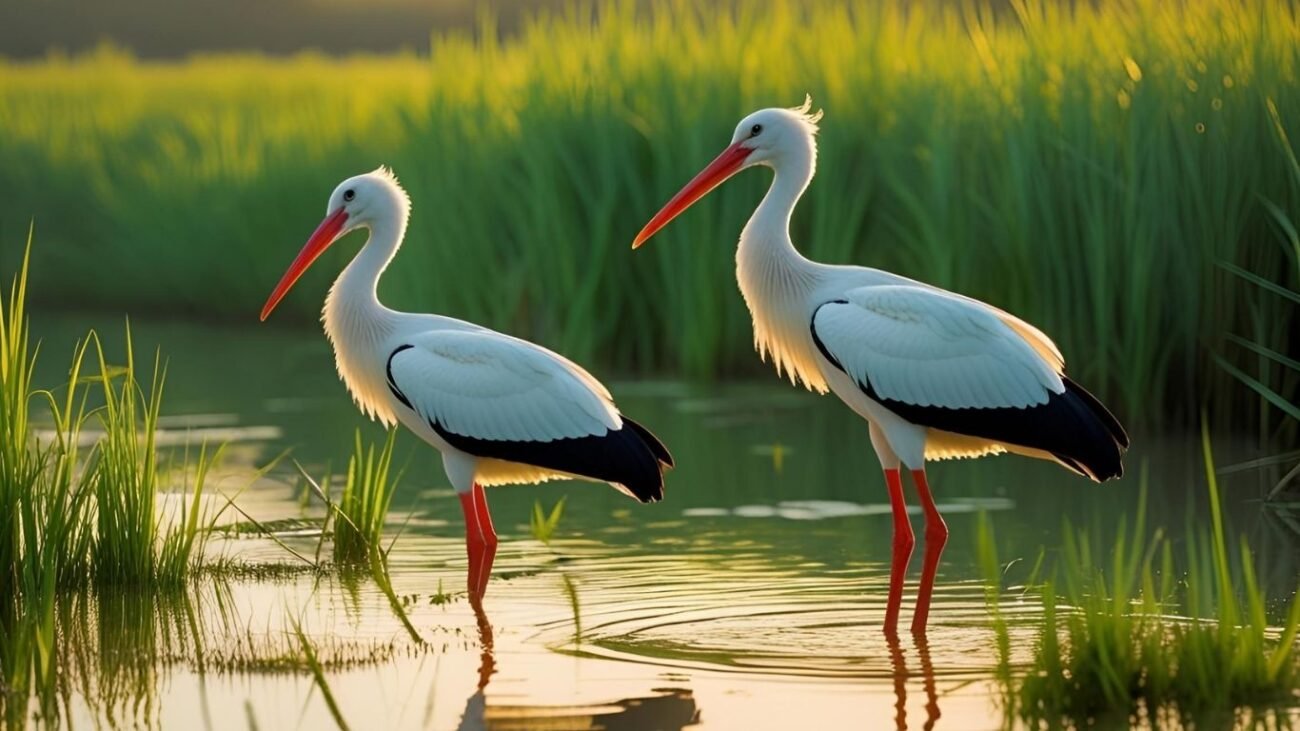
Cultural myths have made storks symbols of fertility, family, and luck. The famous story of storks delivering babies comes from Northern European folklore and has been passed down for generations. While charming, these myths can create an overly friendly or even unrealistic perception of these birds.
Conversely, some people fear large birds due to their size, suspecting they might be aggressive. This fear is largely unfounded in the case of white storks.
Confusion with Other Large Birds
People sometimes confuse white storks with other large wading birds like herons, cranes, or ibises. While similar in build, these species can differ significantly in behavior. For example, herons can be more aggressive when defending nests or hunting. Cranes may be louder and more social in flocks, whereas storks are quieter and more solitary.
Understanding these differences can prevent unnecessary fear and help us better appreciate the white stork’s peaceful nature.
How to Respectfully Observe White Storks
Best Practices for Birdwatchers
If you enjoy birdwatching or photography, storks are a rewarding subject. To observe them safely and without causing distress, follow these tips:
- Keep a safe distance from nests, especially during breeding season
- Use binoculars or zoom lenses to avoid approaching directly
- Never feed wild storks – this disrupts their natural diet and behavior
- Avoid loud noises or sudden movements
Respectful observation ensures you get to enjoy their beauty without putting the birds—or yourself—at risk.
Conservation Status and Legal Protection
The white stork is listed as a species of “Least Concern” by the IUCN, meaning it’s not currently at risk of extinction. However, habitat loss, pollution, and climate change remain concerns. In many countries, storks are protected by national and international conservation laws, which make it illegal to harm, remove, or disturb them or their nests.
Always check local wildlife laws before interacting with or photographing nesting storks.
Conclusion
So, are white stork birds dangerous? In short—no, they are not. White storks are gentle, non-aggressive birds that pose little to no threat to humans or pets. They may show defensive behavior if their nests are threatened, but they generally prefer to avoid confrontation.
More FAQs
1. Can a white stork attack a human?
White storks are not naturally aggressive toward humans and rarely show signs of attack. However, if a person gets too close to their nesting area—especially during breeding season—they may become defensive. In such situations, the stork may spread its wings, clatter its beak, or lunge as a warning. Physical contact is extremely rare and usually avoidable. These birds prefer to fly away rather than engage in confrontation. To stay safe, always observe storks from a respectful distance, particularly around nests and young chicks.
2. Are white storks dangerous to small pets?
No, white storks are not a threat to small pets like cats or small dogs. Their diet consists primarily of insects, small amphibians, fish, reptiles, and occasionally rodents—typically animals found in fields, wetlands, or shallow water, not in domestic spaces. Storks are more likely to avoid populated areas and keep away from pets. Still, to prevent any stress or rare defensive behavior, it’s best to keep pets away from nesting areas during the breeding season.
3. Is it safe to have a stork nest near my house?
Yes, it is generally safe—and in many cultures, even considered lucky—to have a stork nest nearby. In parts of Europe, people install nesting platforms on rooftops or poles to encourage stork nesting, and these birds often return to the same spot each year. The presence of a nest can bring opportunities for wildlife observation. However, nests can be large and heavy, so it’s important to ensure that any supporting structure is secure. Avoid climbing near or touching the nest to prevent stress to the birds and to comply with wildlife protection laws.
4. What should I do if a stork seems aggressive?
If a stork exhibits signs of aggression—such as wing spreading, loud bill-clattering, or charging—it’s likely defending its nest or feels cornered. Do not panic. Simply stop moving toward the bird, back away slowly, and avoid eye-level contact. Do not make loud noises or sudden gestures. Never try to touch or handle the bird. Respecting their space, especially during nesting time, is the best way to avoid triggering defensive behavior.
5. Are white storks protected by law?
Yes, in many countries, white storks are legally protected under national and international wildlife laws. For example:
- In the European Union, they are protected under the EU Birds Directive, which prohibits harming, capturing, or disturbing the birds, especially during nesting.
- In other countries, local conservation laws may protect stork nests year-round, including when not actively used.
- Violations—such as removing nests, disturbing chicks, or injuring the birds—can lead to fines, legal action, or environmental penalties.
Always check local regulations before interacting with wildlife or making structural changes near active nests. Conservation efforts have helped white stork populations rebound in many regions—your respect and cooperation support their continued success.