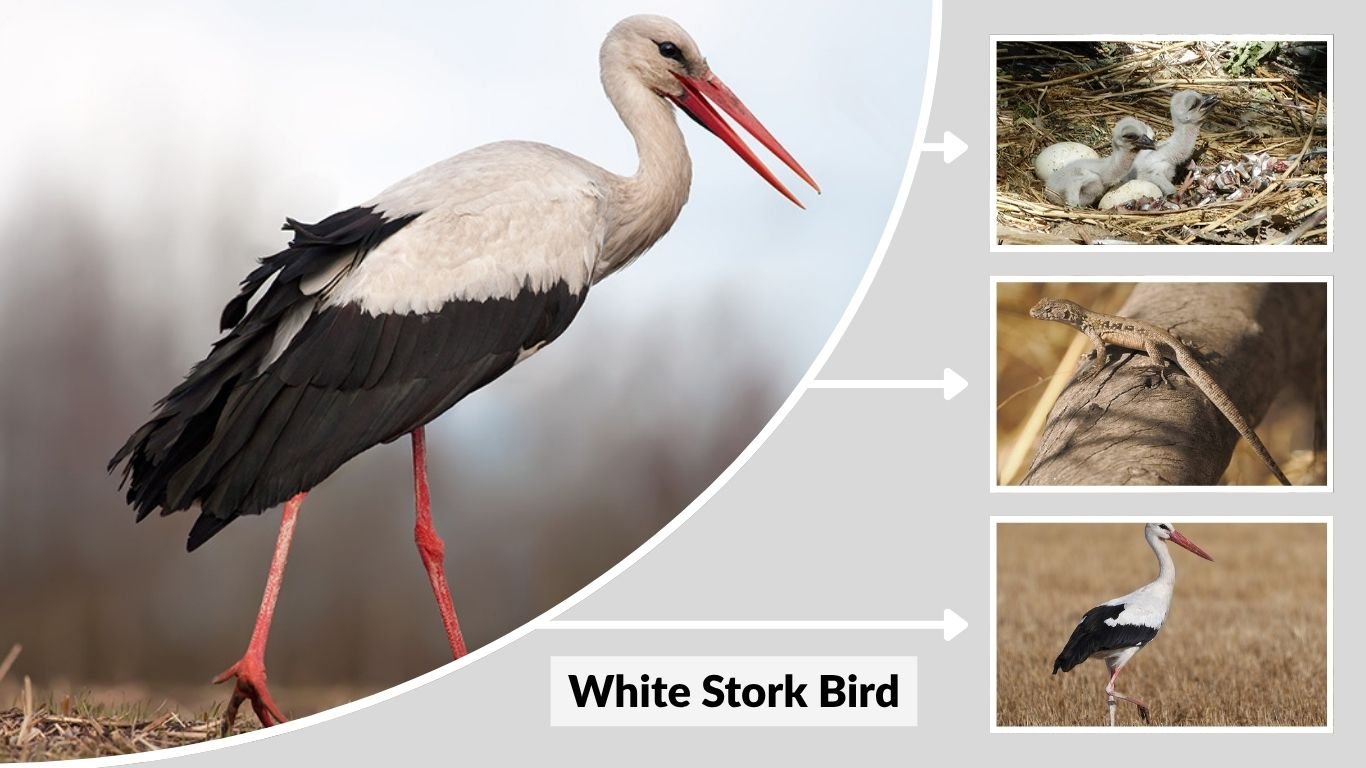
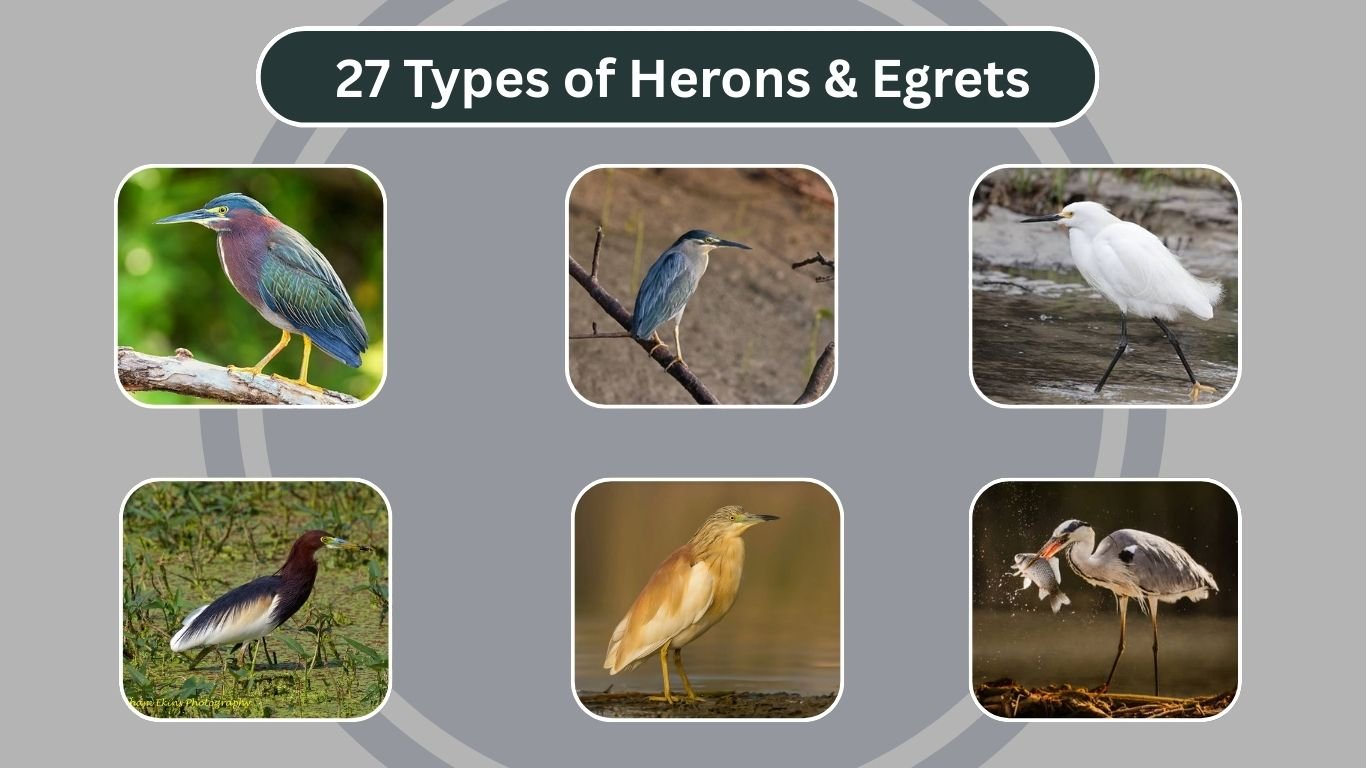
Grey stork birds are majestic wading birds recognized for their long legs, elongated necks, and graceful flight. They are often found near lakes, rivers, and wetlands, where they feed on fish, frogs, and small aquatic creatures. Their grey plumage and stately posture make them easily noticeable, yet they are frequently mistaken for herons, cranes, or ibises due to similar body structures and feeding habits.
Identification
Physical Appearance
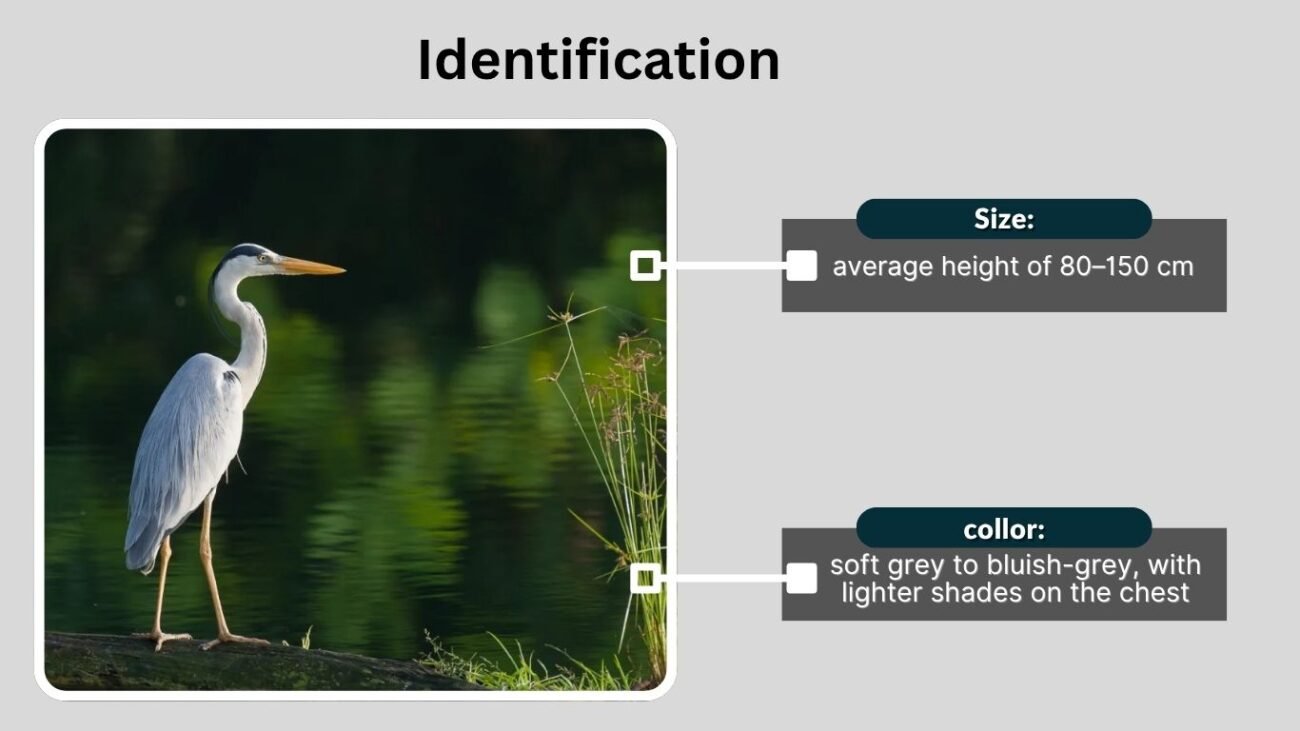
Grey stork birds typically have tall, slender bodies with an average height of 80–150 cm, depending on the species. Their plumage ranges from soft grey to bluish-grey, with lighter shades on the chest and underbelly. They have long, sturdy legs adapted for wading through shallow water and broad wings that help them soar smoothly over wetlands.
Their flight pattern is distinctive — they glide with necks outstretched and slow, deliberate wingbeats. This sets them apart from herons, which usually fly with necks retracted. Their posture, especially when standing still, exudes elegance and calm.
Head and Beak Features
One of the most striking features of grey storks is their elongated, pointed beak. Depending on the species, it can appear yellowish, reddish, or orange, aiding in catching slippery prey. Some species, like the Sarus Crane, exhibit a reddish head or bald patch that enhances their unique appearance.
Unlike brightly colored tropical birds, storks rely on subtle contrasts — the reddish tones on the head or legs often stand out against the soft grey feathers. Males and females look remarkably similar, though males may have slightly longer bills or legs.
Similar Species
Grey storks are commonly mistaken for other large wading birds. The Grey Heron, for instance, shares similar coloring and body structure but has a thinner neck and a more curved bill. Cranes, on the other hand, have longer necks and tend to move with more rhythmic motions during courtship displays. Ibises have downward-curved bills, setting them apart from storks’ straight ones.
Observing flight posture and bill shape helps in distinguishing these species in the wild.
Habitat and Range
Global Distribution
Grey stork birds thrive in tropical and subtropical regions, especially across Asia, Africa, and Australia. They prefer environments rich in wetlands, floodplains, and paddy fields where food sources are abundant. During the breeding season, many species migrate to temperate zones, returning to warmer climates in winter.
The Asian Openbill Stork, for example, is a familiar sight in India, Sri Lanka, and Southeast Asia, often seen in rice fields and river deltas. These birds are highly adaptive, settling near human settlements if food sources like snails or fish are plentiful.
Australian Presence
In Australia, grey stork-like birds often refer to the Black-necked Stork, commonly known as the Jabiru. Despite its name, the Jabiru is not related to the South American stork of the same name. It is characterized by a gleaming black neck, red legs, and greyish wings.
The Jabiru inhabits northern regions of Queensland, Northern Territory, and New South Wales, favoring tropical wetlands, billabongs, and floodplains. It’s an apex wader in these regions, feeding on fish, crustaceans, and even small reptiles. Sightings are most common during the dry season when water levels recede and prey becomes concentrated in shallow pools.
Behavior and Diet
Feeding Habits
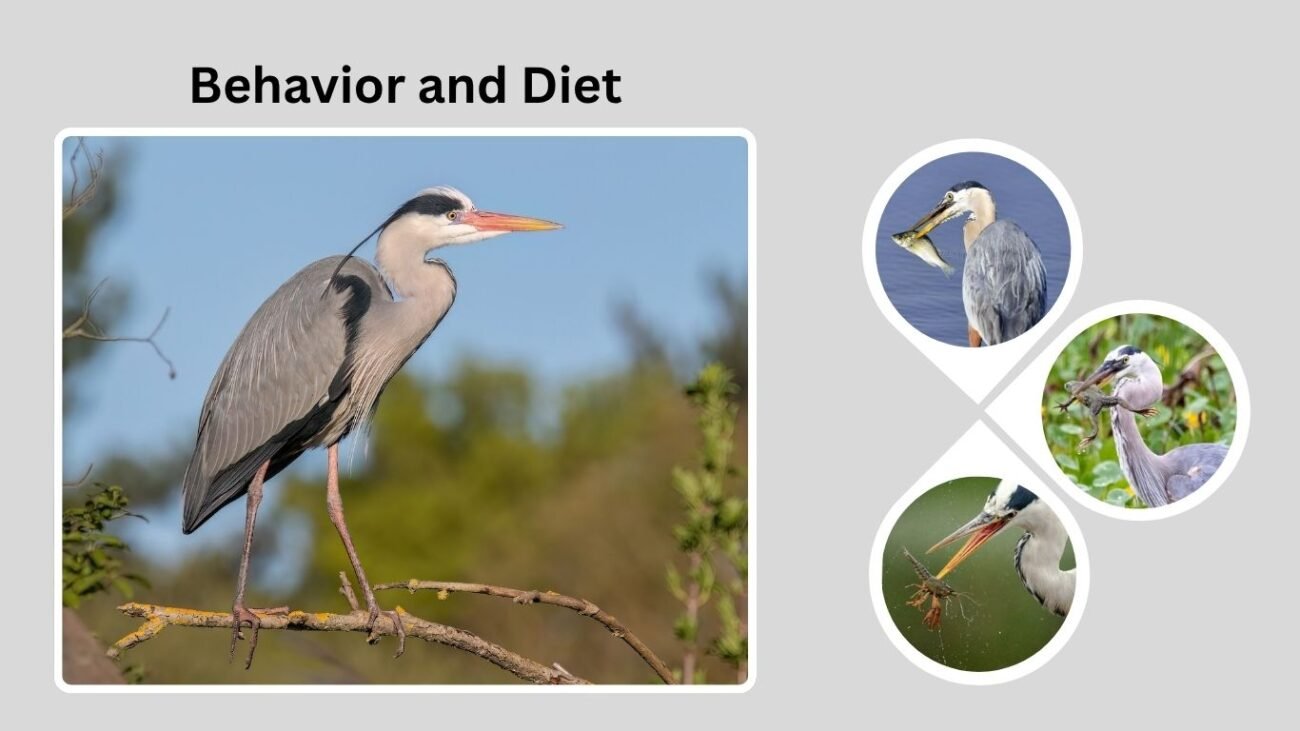
Grey stork birds are patient hunters. They wade slowly through shallow water, watching for movement beneath the surface. Once prey is spotted, they strike swiftly with their long, sharp beaks. Their diet primarily includes fish, frogs, insects, crustaceans, and small reptiles. In agricultural areas, they may also consume snails and invertebrates found in rice fields.
Their foraging technique depends on touch and sight — some species rely on standing motionless, waiting for prey to approach, while others actively probe the water. They often feed alone or in pairs but may gather in flocks during migration or in areas with abundant food.
Nesting and Reproduction
Grey storks build large nests using sticks and reeds, usually placed on tall trees, cliffs, or man-made structures. These nests are reused and expanded each year. Breeding occurs during the wet season when food is plentiful.
Both parents participate in incubation and chick rearing. Females lay two to five eggs, which hatch after about a month. The young storks grow rapidly and leave the nest within two to three months. Storks exhibit strong family bonds, often returning to the same nesting sites annually.
Grey Stork Look-Alike Birds
| Bird | Key Features | Region |
| Black-necked Stork (Jabiru) | Greyish wings, red legs, metallic black neck | Australia |
| Grey Heron | Light grey plumage, white head, yellow bill | Europe, Asia |
| Sarus Crane | Grey body, red head and upper neck | South Asia |
| Wood Stork | White feathers, bald grey head, dark wings | North & South America |
| Great Blue Heron | Greyish-blue feathers, long yellow beak | North America |
Many people report seeing “grey stork-like birds” in their regions without realizing they’re observing one of these similar species. Each has its own distinct characteristics, especially in beak shape, leg color, and neck pattern.
Sightings by Region
South Texas
In South Texas, large grey or white birds resembling storks are usually Wood Storks or Sandhill Cranes. Wood Storks are easily identified by their bald grey heads and white plumage with black wingtips. They inhabit marshlands and coastal estuaries, often seen foraging in groups.
Michigan
In Michigan, sightings of grey, stork-like birds often turn out to be Great Blue Herons. These birds have long legs, greyish-blue feathers, and yellow bills. They frequent ponds, lakes, and slow-moving rivers during warmer months, migrating south as temperatures drop.
Australia
Australia’s “grey stork bird” references typically point to the Black-necked Stork (Jabiru). Its greyish wings, glossy black head, and bright red legs make it one of the most striking waterbirds in the country. Found mostly in northern wetlands, it’s revered as a symbol of balance in Aboriginal culture.
Conservation Status
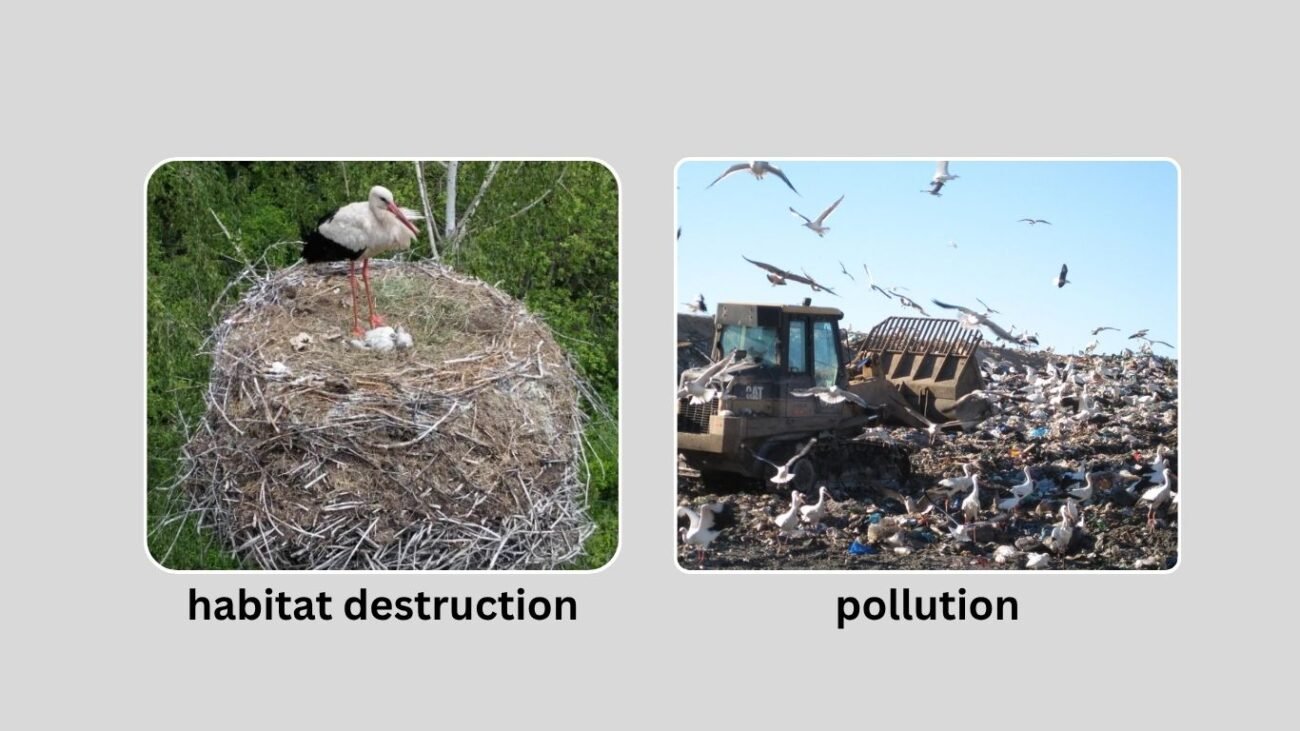
Storks, cranes, and herons face increasing threats from habitat destruction, pollution, and wetland drainage. Rapid urbanization and agricultural expansion reduce breeding areas, forcing these birds to migrate farther in search of food.
Conservation programs in Asia and Australia focus on protecting wetlands and breeding sites. Organizations promote community awareness and habitat restoration. The Black-necked Stork, for instance, is listed as Near Threatened in parts of Australia, emphasizing the need for preservation.
FAQs
What bird looks like a grey stork in Australia?
The Black-necked Stork (Jabiru) is often mistaken for a grey stork. It has greyish wings, red legs, and a metallic black neck, found mainly in northern wetlands such as Kakadu National Park and Queensland floodplains.
Which bird resembles a grey stork in South Texas?
The Wood Stork fits this description. It’s a tall wading bird with white and grey plumage, a bald head, and long dark legs. Frequently seen near swamps and marshes, it’s native to the southeastern United States and occasionally migrates into South Texas.
What grey bird with a reddish head looks like a stork?
The Sarus Crane has a grey body and a bright red head and upper neck. Found across India and Southeast Asia, it is known for its height and elegant courtship dances. Its red head and long legs often lead people to confuse it with storks.
Are there grey stork-like birds in Michigan?
Yes, the Great Blue Heron closely resembles a grey stork. With grey-blue plumage, a yellow bill, and tall legs, it’s commonly seen wading in lakes and rivers throughout Michigan. Despite its stork-like appearance, it belongs to the heron family.
How can I tell a heron from a stork?
Herons have longer, more flexible necks and fly with them curved back, while storks keep their necks extended during flight. Storks generally have heavier bills and larger bodies, while herons are more slender and graceful in motion.