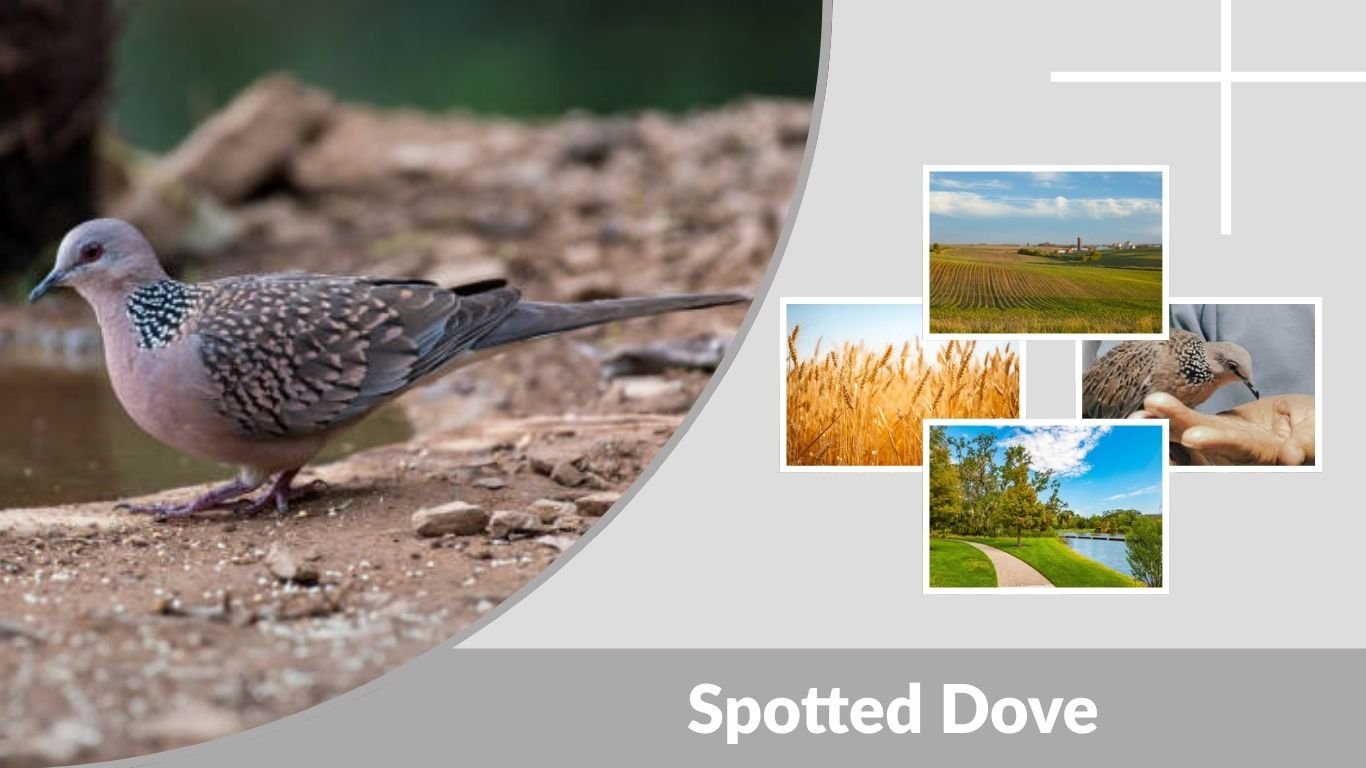






Mourning doves are some of the most graceful and peaceful birds found throughout North America. You’ve probably heard their soft cooing or seen them perched quietly on fences, rooftops, or telephone wires. But there’s much more to these birds than their gentle appearance. From their unique parenting style to impressive flying speed, these 21 facts offer a deep look into their world.
1. Named for Their Soft, Sad-Sounding Call
The name “mourning” dove comes from their distinct vocalization—a soft, mournful cooing that many people interpret as sorrowful or grieving. This sound is especially common at dawn and dusk and is often mistaken for an owl or another species.
2. Mourning Doves Are Extremely Common
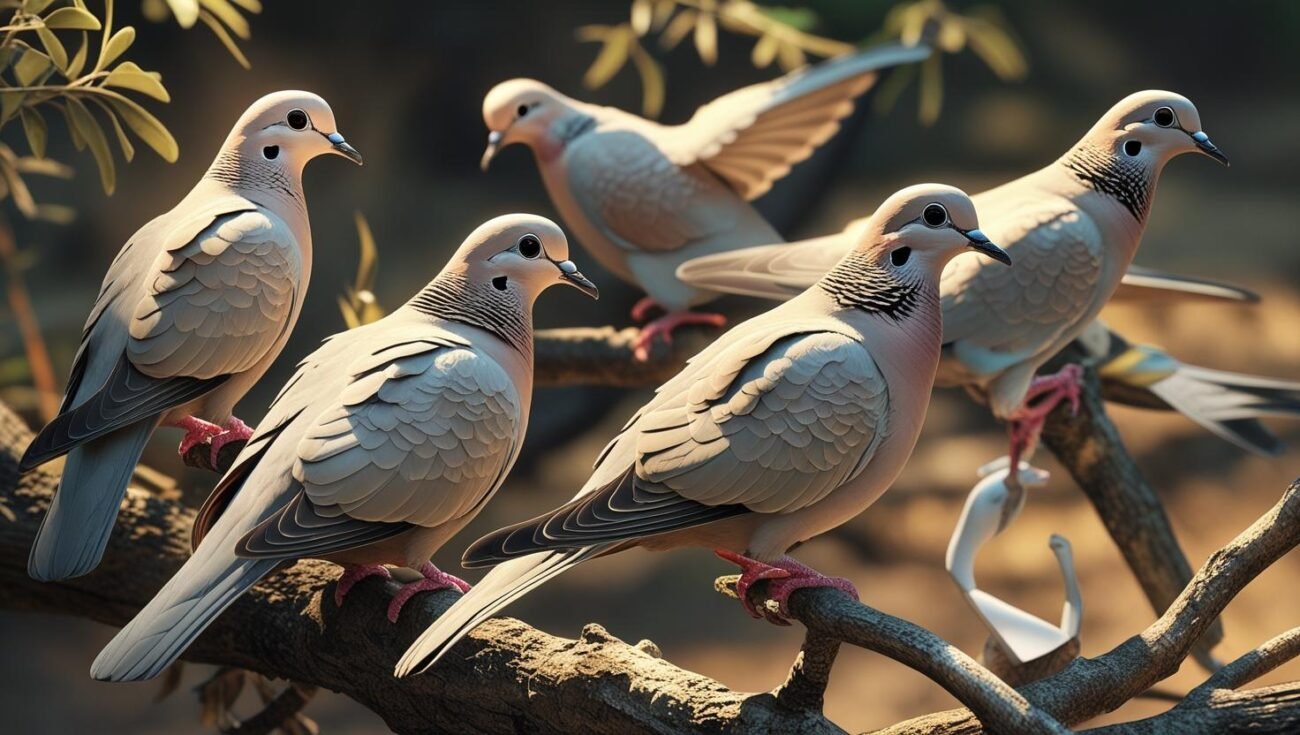
With over 300 million individuals across the continent, mourning doves are one of the most abundant bird species in North America. They adapt well to both wild and urban environments, which helps them maintain a stable population.
3. They Are Strong Fliers
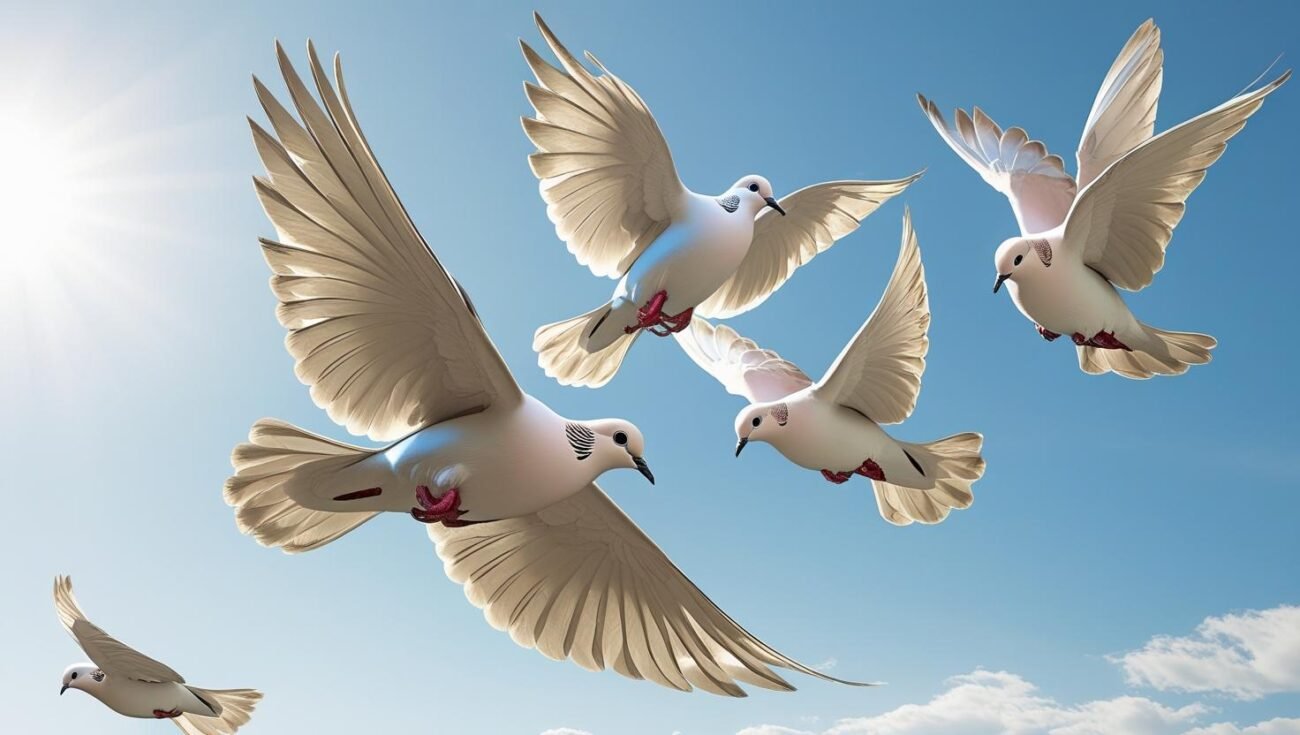
Don’t be fooled by their calm behavior—mourning doves are agile and fast flyers. They can reach speeds of up to 55 miles per hour, making them one of the fastest birds in their size group when startled or fleeing predators.
4. They Mate for Life

Once a pair forms, they typically stay together throughout the breeding season and often across multiple years. Their strong pair bond includes co-nesting, incubating eggs, and feeding their young together.
5. Their Nest Is Surprisingly Flimsy

Unlike many birds that build thick, sturdy nests, mourning doves construct very basic, loosely woven platforms of twigs and grasses. These nests may appear unstable, but they’re often sufficient for their lightweight eggs and chicks.
6. They Reuse Nests
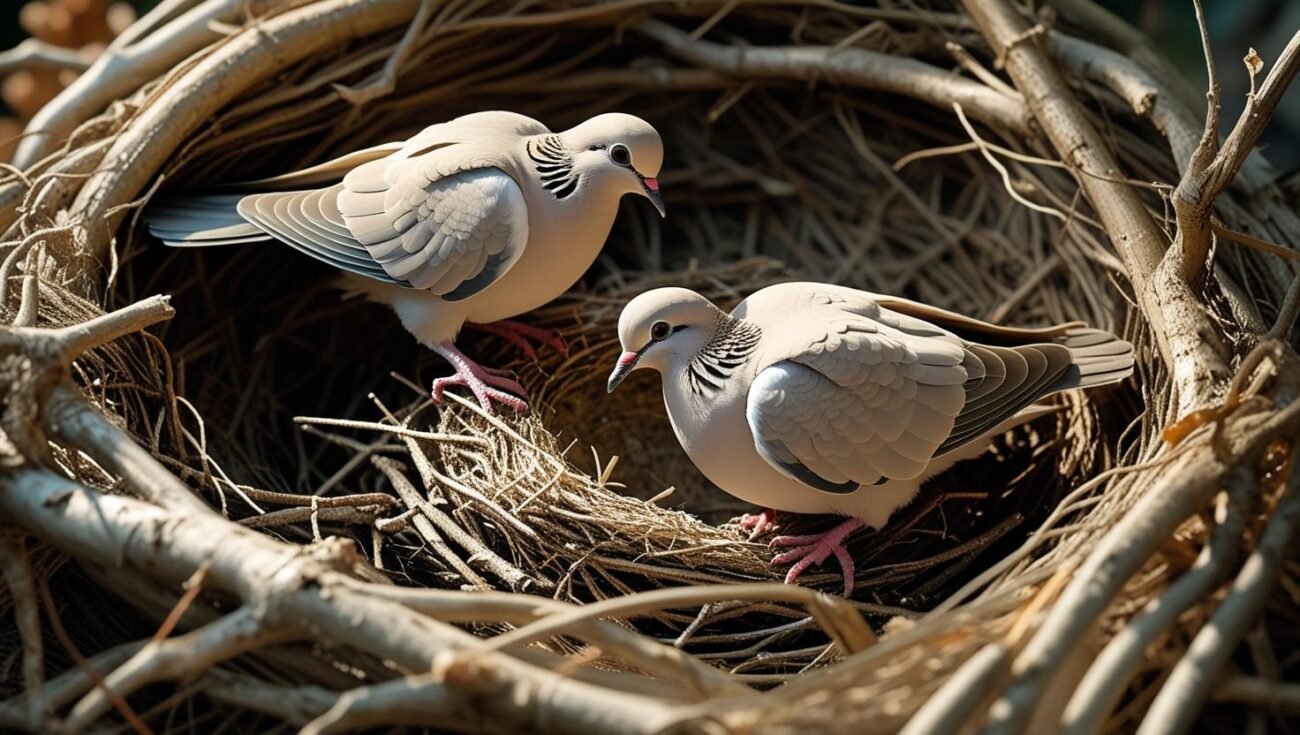
Rather than building new nests each time, mourning doves often reuse the same nest for multiple broods, layering new materials over the old one. This habit saves energy and helps them raise more chicks in a single season.
7. Doves Lay Only Two Eggs Per Clutch
Each nesting cycle usually results in just two eggs. This small number allows the parents to invest more care in each chick, increasing the likelihood of survival, especially when raising multiple broods each year.
8. Both Parents Incubate the Eggs

Unlike some birds where only the female incubates, both male and female mourning doves share the task. The male sits on the eggs during the day, and the female takes over at night, ensuring constant warmth and protection.
9. They Produce Crop Milk
Mourning doves don’t feed their chicks worms or insects. Instead, they produce a substance called “crop milk,” a high-fat, protein-rich secretion from their crop (a digestive pouch). Both parents can produce this milk, making them exceptional caregivers.
10. Baby Doves Are Called Squabs

Mourning dove chicks are known as squabs. When they hatch, they are blind, featherless, and entirely dependent on their parents. Thanks to crop milk, squabs grow rapidly and are ready to fledge within two weeks.
11. Squabs Fledge Quickly

Compared to many other birds, mourning dove squabs leave the nest quite early—usually around 12 to 15 days old. By that time, they are fully feathered and capable of short flights, though they may still be fed by their parents for a few more days.
12. Doves Can Raise Multiple Broods a Year

Mourning doves are prolific breeders. In warmer climates, a single pair may raise up to six broods in one season. Their fast growth cycle and short nesting period make this possible without exhausting the parents.
13. They Feed Primarily on Seeds
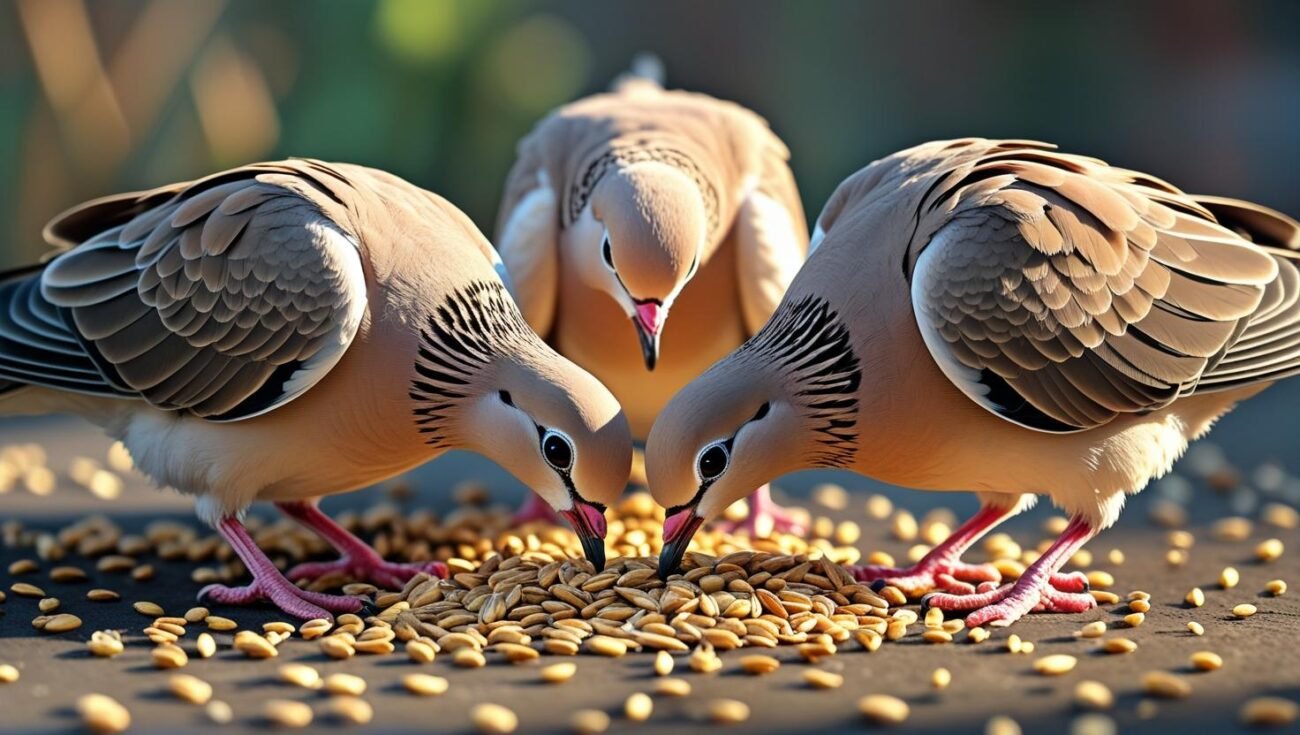
Their diet consists almost entirely of seeds—more than 99%, in fact. They prefer small seeds like millet, sunflower, and cracked corn. Unlike many birds, they rarely eat fruits or insects unless protein is needed during breeding.
14. They Prefer Ground Feeding
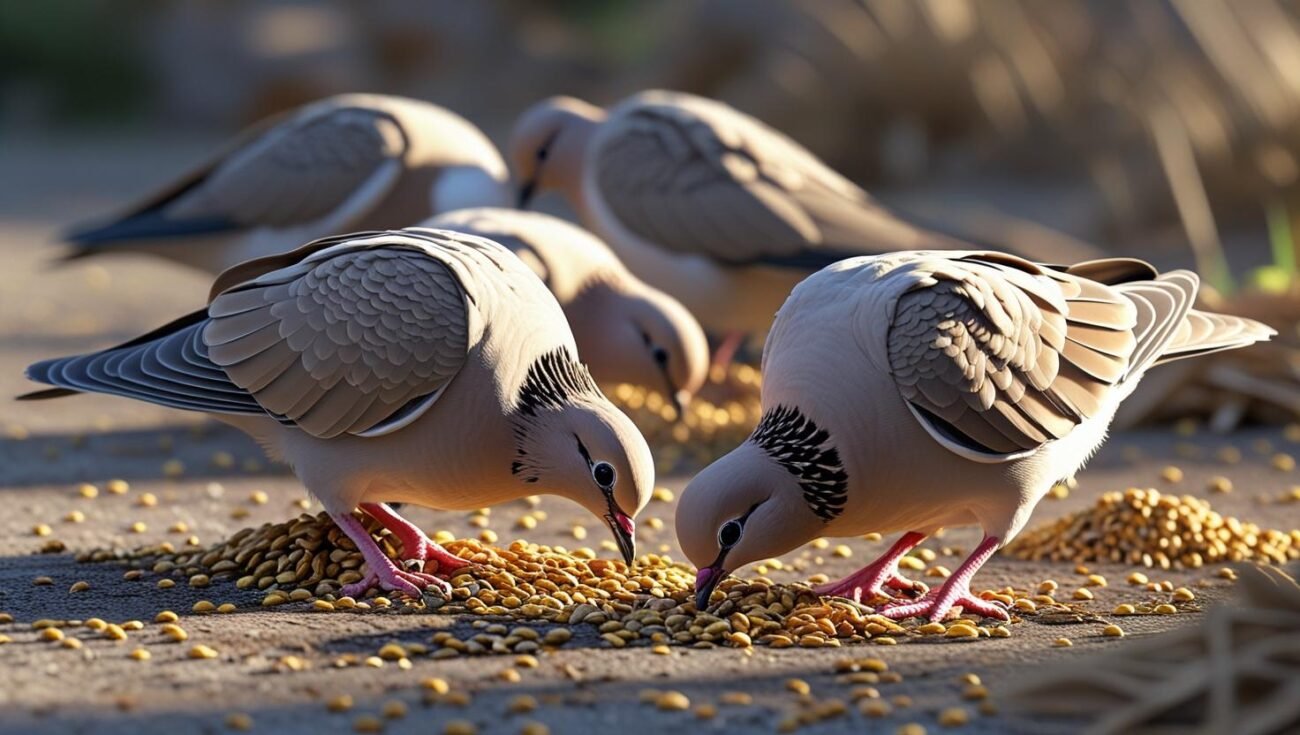
Mourning doves aren’t interested in fancy bird feeders. They feed on the ground, usually beneath feeders or in open areas where seeds are scattered. They use their strong beaks to quickly collect and swallow seeds whole.
15. They Swallow Grit for Digestion
Because they eat seeds whole, doves need help grinding them in their stomach. That’s why they swallow small stones and grit, which remain in their gizzard and help break down food during digestion.
16. Their Plumage Provides Camouflage
Their tan-gray feathers with black wing spots help mourning doves blend perfectly with the ground, dry grass, and trees. This camouflage is crucial for avoiding predators while nesting or feeding.
17. Their Wings Make a Whistling Sound

When startled into flight, mourning doves create a high-pitched whistling noise with their wings. This sound may serve as an alarm to other doves nearby and as a distraction for predators.
18. They Are Monogamous but Not Always Loyal
While doves form strong pair bonds, genetic studies show that some individuals do engage in mating outside the pair bond. Still, both parents continue caring for the chicks regardless of paternity.
19. Mourning Doves Are Migratory Birds
In colder northern areas, mourning doves migrate south during winter to find food and warmer temperatures. In milder climates like the southern U.S. or Central America, many doves stay year-round.
20. They Are a Game Bird in Many States
Despite their gentle nature, mourning doves are legally hunted during regulated seasons in many U.S. states. They’re the most hunted migratory game bird in North America. However, their population remains stable due to their high reproduction rate.
21. Symbol of Peace and Hope
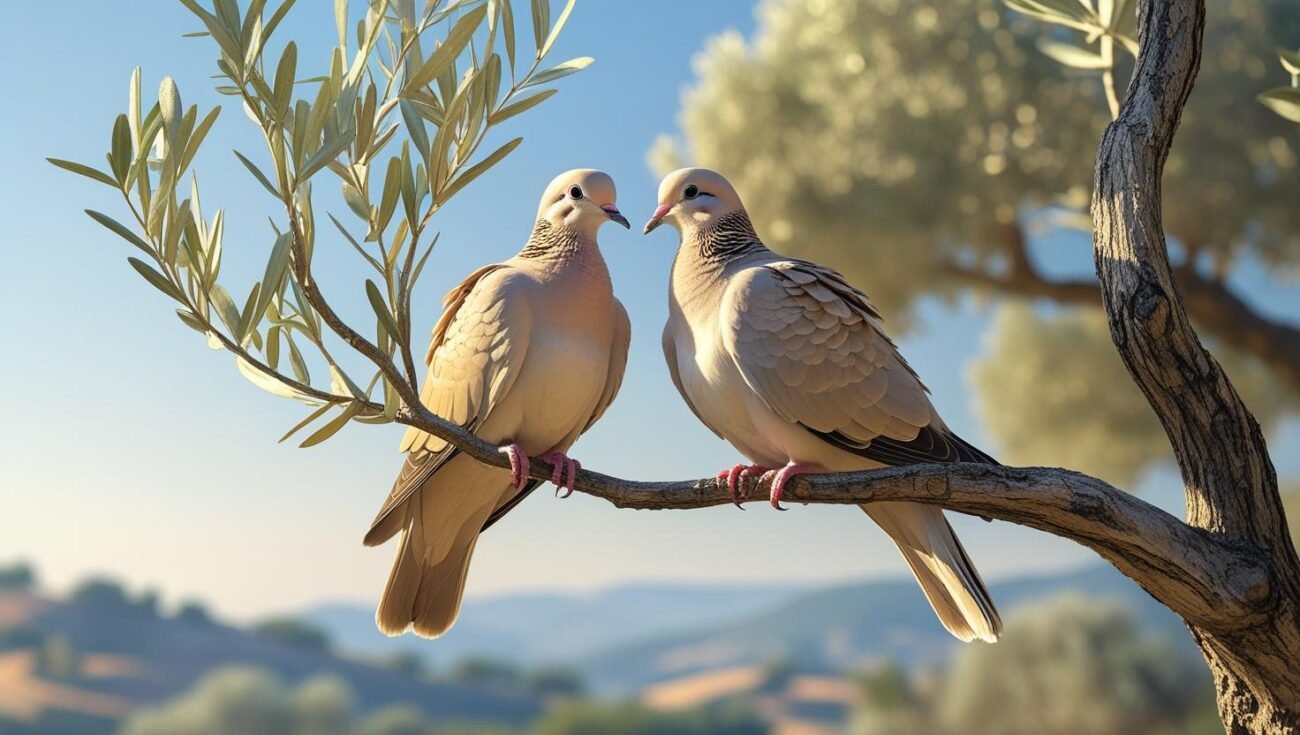
Across cultures, doves have long symbolized peace, hope, and love. Mourning doves especially are seen as symbols of healing and remembrance, often featured in ceremonies, poems, and memorials.
Final Thoughts
Mourning doves are more than just backyard birds. They’re strong, smart, adaptable, and devoted parents. These 21 facts show just how remarkable they are—from their loyal relationships to their fast-growing chicks and impressive survival instincts. If you ever see a pair nesting near your home or cooing on a wire, take a moment to appreciate the quiet beauty and complexity of these elegant birds.