Ducks are some of the most adaptable birds on Earth. From quiet garden ponds to bustling coastal marshes, they thrive in a wide range of environments. Whether you’re a nature enthusiast, a birdwatcher, or simply curious, understanding where ducks live can help you better appreciate their behavior and survival strategies. In this article, we’ll explore the natural habitats of ducks, their global distribution, and how their lifestyles change with the seasons.
Main Types of Duck Habitats
Freshwater Wetlands
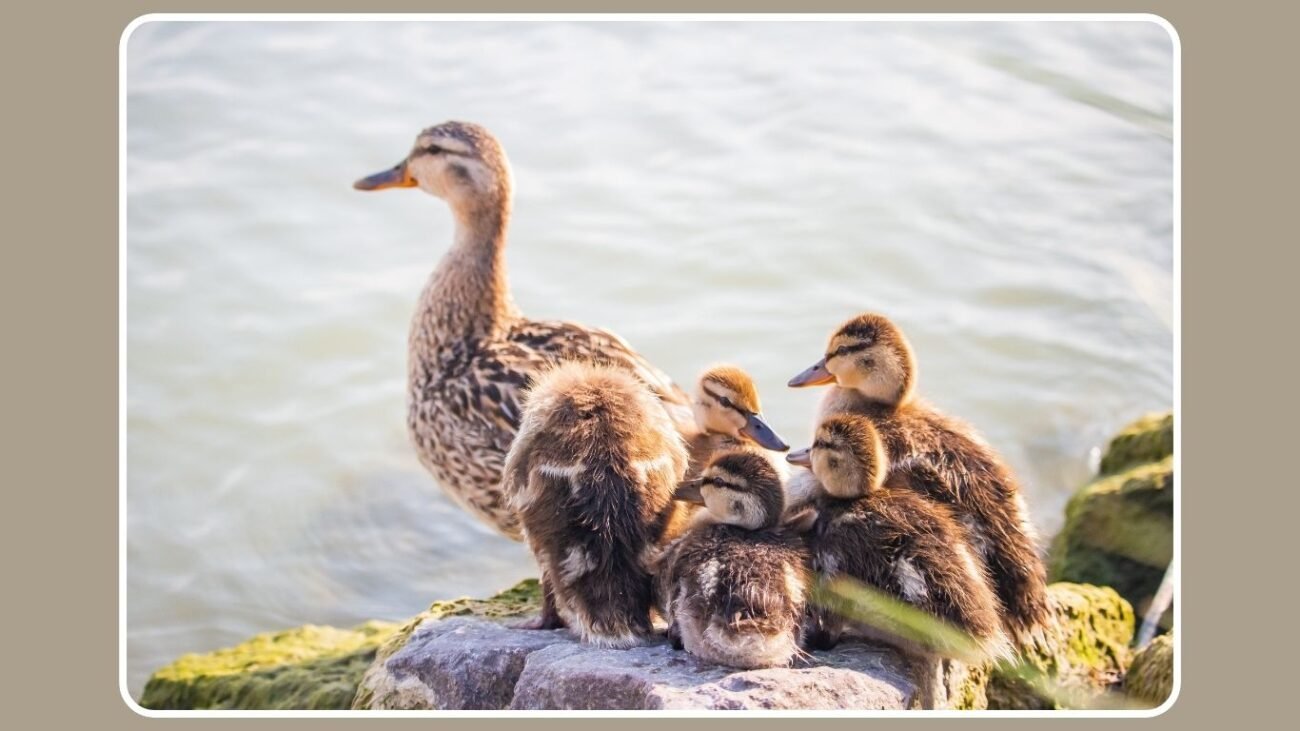
Freshwater wetlands—including ponds, lakes, and marshes—are among the most important habitats for ducks. These areas provide abundant food sources such as aquatic plants, insects, and small invertebrates. Many species, like mallards and wood ducks, choose these habitats for nesting and rearing their young. Dense vegetation near water offers safety from predators and harsh weather conditions.
Rivers and Streams
Some ducks prefer flowing water. Species like the merganser are often seen along rivers and streams, especially in forested regions. These habitats are rich in fish, crustaceans, and insect larvae, making them perfect for diving ducks. During migration or winter, calmer stretches of rivers also serve as resting areas.
Coastal and Saltwater Habitats
Sea ducks and other waterfowl thrive in coastal environments, including estuaries, salt marshes, and bays. These habitats are especially important during winter or migration periods. Species like eiders and scoters are well-adapted to saltwater life, feeding on shellfish and diving deep beneath the waves to forage.
Grasslands and Prairie Potholes
In North America, especially in the U.S. and Canadian prairies, seasonal wetlands called “potholes” form in spring and summer. These shallow depressions collect rain and snowmelt, providing ideal nesting spots. Blue-winged teals and northern pintails commonly breed here. The mix of open space and water makes this region a duck paradise during the breeding season.
Urban and Agricultural Areas
Ducks are remarkably adaptable. In urban areas, they can often be found in parks, man-made ponds, golf courses, and reservoirs. They may also use agricultural lands, especially rice fields and flooded crop areas. Though not natural, these areas can mimic wetland conditions and support large duck populations, especially in winter when natural wetlands dry up.
Global Distribution of Ducks

Ducks in North America
North America hosts millions of ducks year-round. The U.S., Canada, and Mexico fall within major migratory flyways like the Mississippi and Pacific Flyways. Northern regions provide breeding habitats in summer, while southern wetlands and coastal regions support overwintering populations. Common species include mallards, gadwalls, canvasbacks, and green-winged teals.
Ducks in Europe and Asia
In Europe and Asia, ducks are widely spread across river valleys, lakes, and marshes. Countries like Russia, China, and Scandinavia support massive populations during spring and summer breeding seasons. As temperatures drop, many migrate to southern Europe, the Indian subcontinent, and Southeast Asia. Species such as the tufted duck, Eurasian wigeon, and northern shoveler are regularly seen across these regions.
Ducks in Africa, Australia & South America
Ducks are also widely distributed across the southern continents. In Africa, they inhabit lakes, rivers, and marshes—especially around the Rift Valley and the Nile. Species like the white-faced whistling duck and Egyptian goose are commonly found throughout sub-Saharan wetlands.
Australia is home to a variety of native ducks such as the Pacific black duck and Australian wood duck, which prefer freshwater swamps, creeks, and billabongs. Seasonal rainfall patterns in the Outback create temporary wetlands that attract large numbers of waterfowl.
In South America, ducks can be found in the Amazon Basin, Andes Mountains, and Patagonian lakes. Notable species include the Brazilian teal, torrent duck, and rosy-billed pochard, each adapted to specific altitudes and climates.
Seasonal Migration Patterns
Why Ducks Migrate
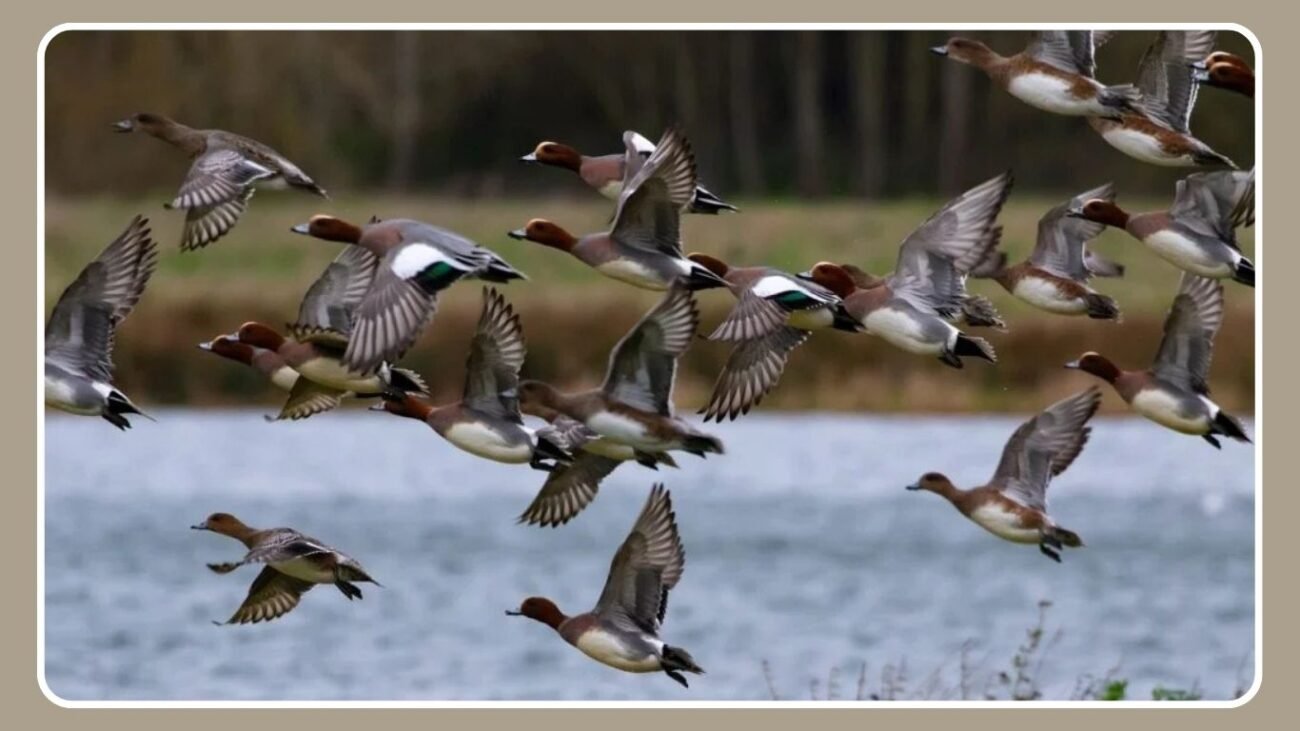
Migration is essential for many duck species to survive. Most ducks breed in temperate or Arctic zones during spring and summer when food is plentiful. As temperatures drop and water bodies freeze, they fly south to find open water and reliable food sources for winter.
Major Migratory Routes (Flyways)
Ducks follow consistent migratory paths called flyways, which include:
- Pacific Flyway – West coast of North America
- Central Flyway – Great Plains region
- Mississippi Flyway – Midwestern U.S. down to the Gulf Coast
- Atlantic Flyway – Eastern Canada and U.S. coastlines
In Europe and Asia, birds follow paths from Siberia and Scandinavia to Africa, India, and Southeast Asia. These flyways help ducks access suitable breeding and feeding grounds year-round.
Stopover Sites and Resting Habits
During migration, ducks stop at critical wetland habitats to rest and refuel. These stopover sites—like the Prairie Pothole Region in North America or Lake Chad in Africa—are vital for survival. Without these safe resting zones, ducks risk starvation, exhaustion, or predation during their long journeys.
Human Impact on Duck Habitats
Habitat Destruction and Urbanization
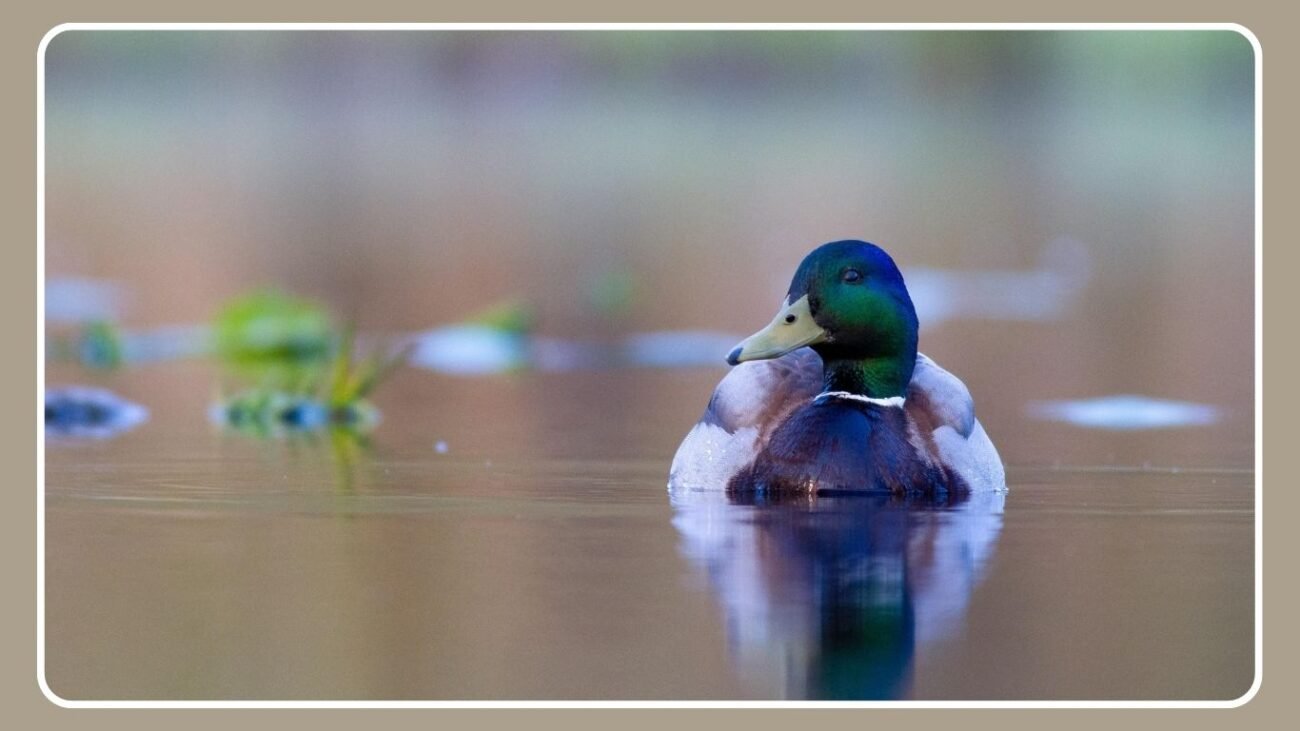
One of the biggest threats ducks face today is wetland loss due to agriculture, development, and pollution. Draining marshes or converting them into farmland removes vital breeding and feeding areas. Additionally, pesticides and water contamination reduce the availability of safe food sources.
Conservation Efforts and Protected Areas
Fortunately, many countries now protect key duck habitats through wildlife refuges, national parks, and Ramsar sites (wetlands of international importance). Conservation organizations like Ducks Unlimited and BirdLife International also work to restore and manage wetlands, promote sustainable hunting, and monitor duck populations through tracking programs.
Fun Facts About Duck Homes
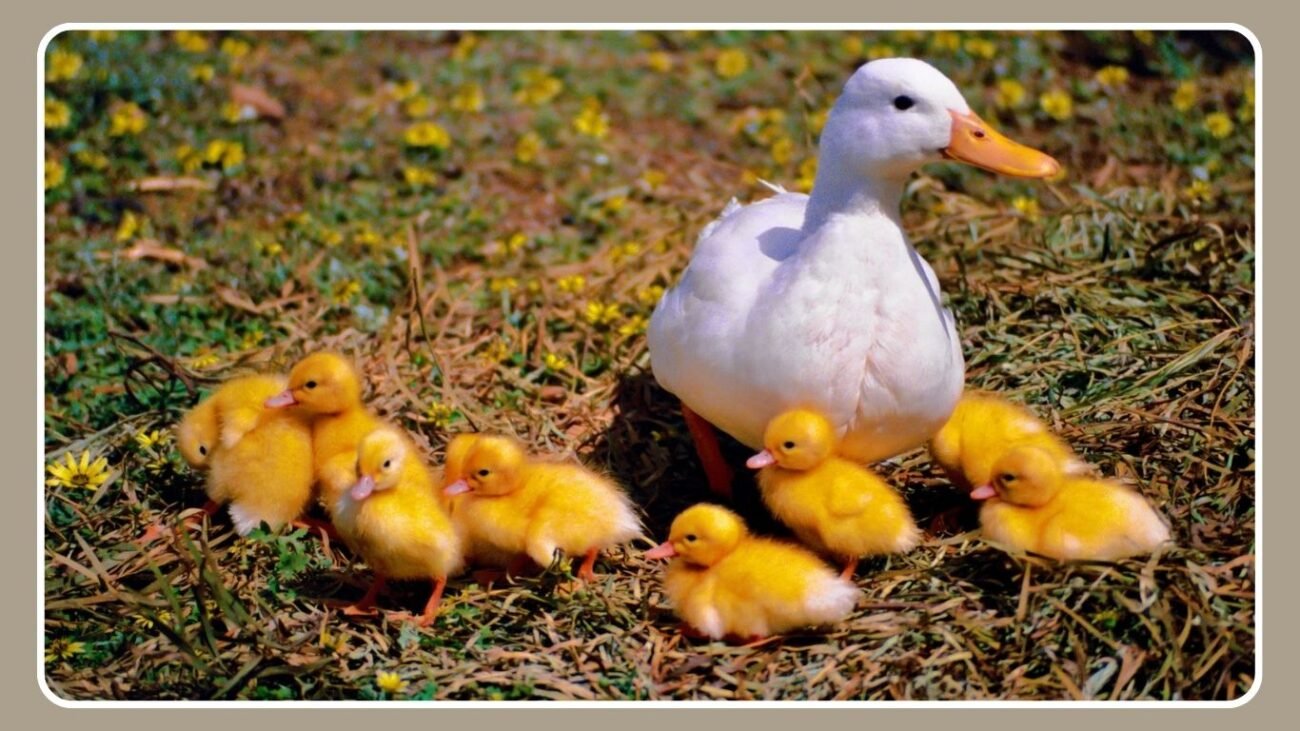
- Ducks don’t always nest in water. Many build nests in grass, hollow logs, or even high tree cavities (like wood ducks).
- City ducks are smart. Urban ducks learn to navigate traffic, feed on leftover food, and even time their appearances in public parks.
- Some ducks travel thousands of miles. The northern pintail can migrate from Canada to Central America in one season.
- They prefer calm over chaos. Ducks choose nesting spots with low human activity and thick cover, even in busy areas.
Conclusion
Ducks are incredibly versatile birds, living on every continent except Antarctica. From serene freshwater ponds to bustling coastal marshes, ducks adapt to a variety of environments across the globe. While their habitats may differ, their reliance on clean, undisturbed water remains the same. Understanding where ducks live helps us better protect these remarkable birds, especially as climate change and development reshape the world around them.
FAQs
1. What is the most common habitat for ducks?
Freshwater wetlands like ponds, marshes, and lakes are the most common habitats. These areas provide food, shelter, and nesting spots ideal for most duck species.
2. Can ducks live without water?
Ducks need water for feeding, mating, bathing, and keeping their feathers clean. While they can spend time on land, they cannot survive long-term without access to water.
3. Do all ducks migrate?
Not all ducks migrate. Some, like mallards in mild climates, remain year-round. However, many species do migrate seasonally to find food and suitable breeding grounds.
4. Where do ducks sleep at night?
Ducks sleep on water or in safe spots near it. Floating on lakes or roosting in tall grass helps them stay safe from predators.
5. What country has the most ducks?
The United States, China, and Russia have large populations of wild and domestic ducks, thanks to their vast wetlands, lakes, and rivers.