




The mourning dove is a familiar and gentle visitor in many backyards across North America. With their soft “coo-oo-oo” call and sleek appearance, they’re easy to love—but hard to tell apart. Male and female doves look almost identical. Still, if you watch closely, their size, behavior, and sounds reveal subtle differences. This guide will help you spot those clues and tell them apart with ease.
Physical Differences Between Male and Female Mourning Doves
Size and Shape
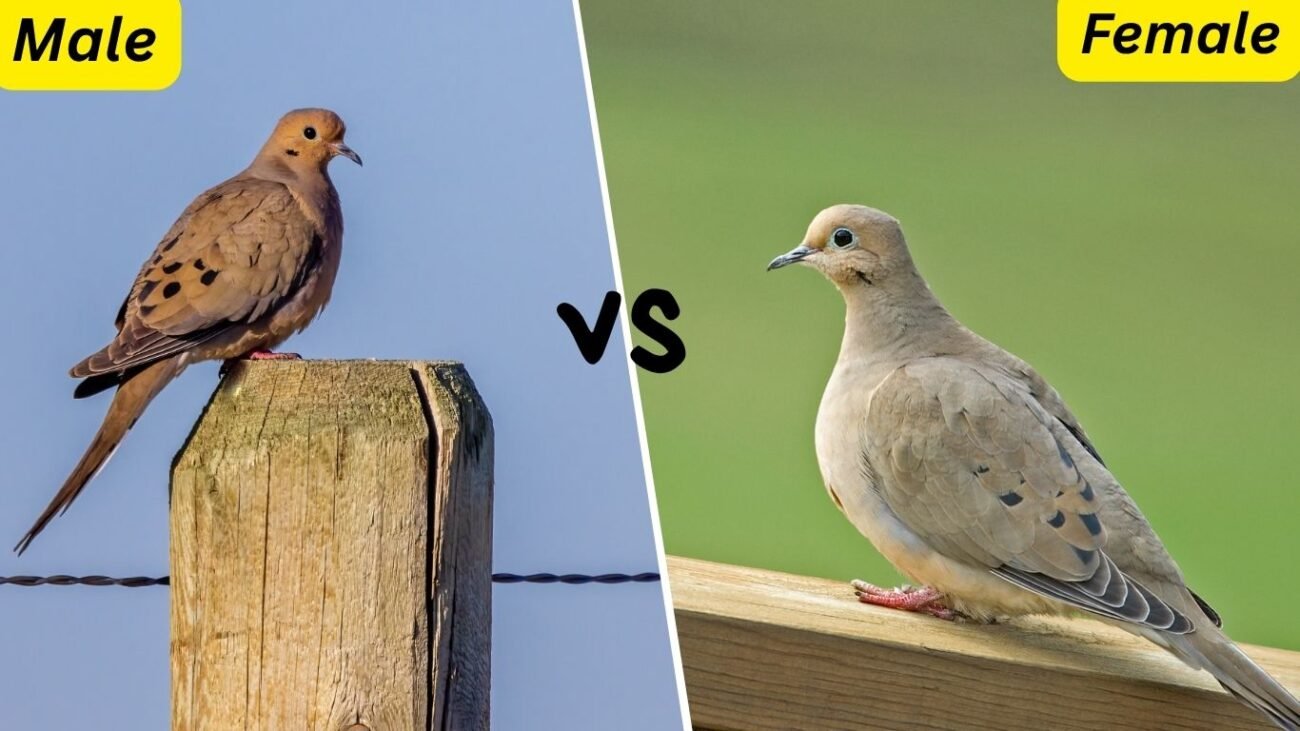
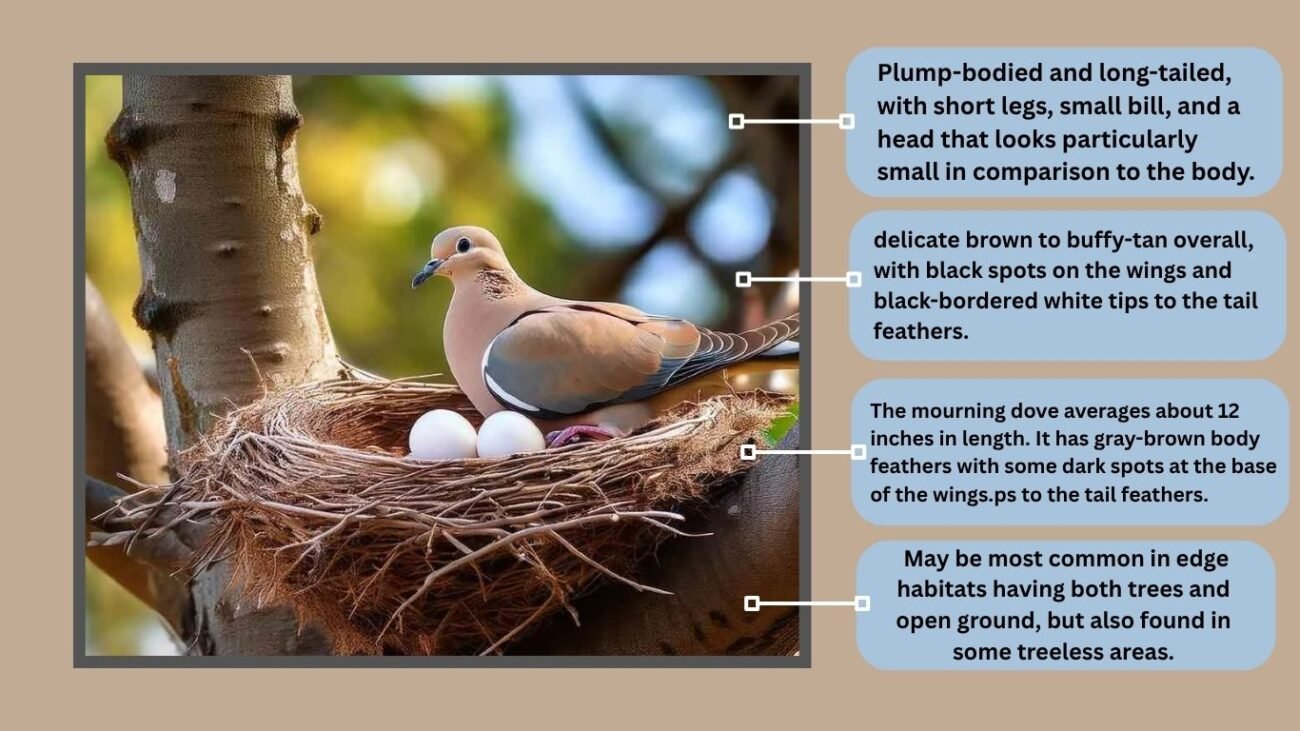
At a glance, both sexes look nearly identical. They share the same sleek bodies, small heads, and long pointed tails. However, male mourning doves tend to be slightly larger. While the size difference is usually subtle—just a few grams in weight or a few millimeters in length—it may be noticeable if a pair is standing side by side.
Males often have a more robust, puffed-out chest and slightly broader shoulders, especially when displaying during mating season. Females usually appear a bit slimmer or more streamlined.
Plumage and Color Tones
The most noticeable visual difference lies in the coloring of their feathers. Males typically have:
- A faint bluish-gray crown on their head
- A rosy-pink hue on the chest
- Slight iridescent patches on the neck
Females, on the other hand, tend to have:
- More brownish or buff-colored feathers
- Less noticeable iridescence
- A more uniformly soft tone overall
In bright sunlight, these differences become easier to spot. If you see one dove shimmering with a metallic neck or a slight blush on its breast, it’s likely a male.
Behavioral Differences
Courtship and Mating Displays
Mourning doves are monogamous and bond strongly during the breeding season. Much of what helps distinguish males from females comes down to their behavior during this time.
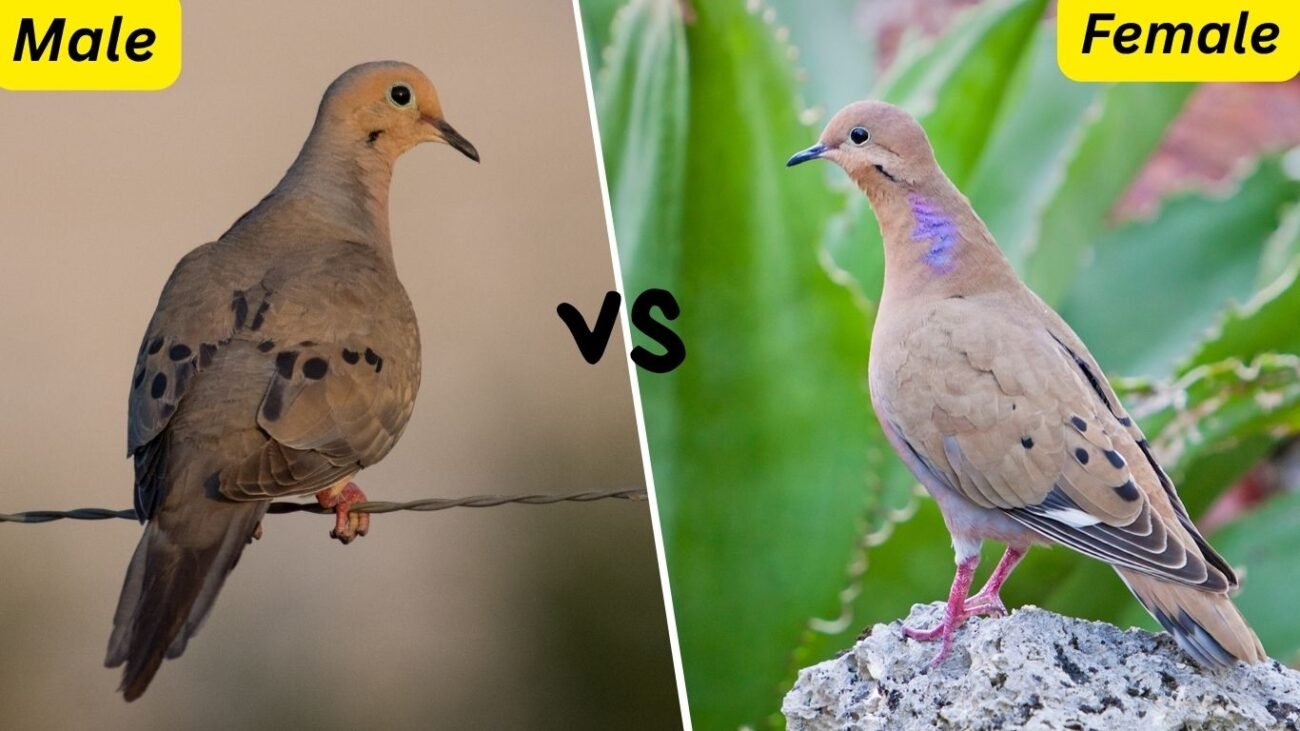
The male is far more active and dramatic in courting:
- He performs a loud, repetitive “coo” call to attract a mate
- He may puff out his chest and bow toward the female
- He performs aerial displays, flying steeply upward and gliding down with wings spread wide in a graceful arc
Females are more passive during this stage. If you see a pair, the one doing all the strutting and vocalizing is likely the male.
Nesting Behavior
Males also take the lead in finding a nesting site and bringing materials. Once the location is chosen, the male collects twigs, grasses, and pine needles and passes them to the female, who arranges them into a shallow platform nest.
This tag-team approach continues through the nesting phase and provides more clues about who’s who.
Vocalizations and Sounds
Who Cooed It?
Perhaps the easiest way to tell a male from a female mourning dove is by listening.
Only male mourning doves produce the long, echoing cooing sound commonly associated with the species. These “coo-OO-oo” sounds are territorial or used to attract mates. Females may make very soft or short vocalizations, but they do not produce the loud coo heard in spring and summer.
If you hear a dove cooing repeatedly from a wire or rooftop, that’s a male.
During Nesting and Parenting
Incubation Roles
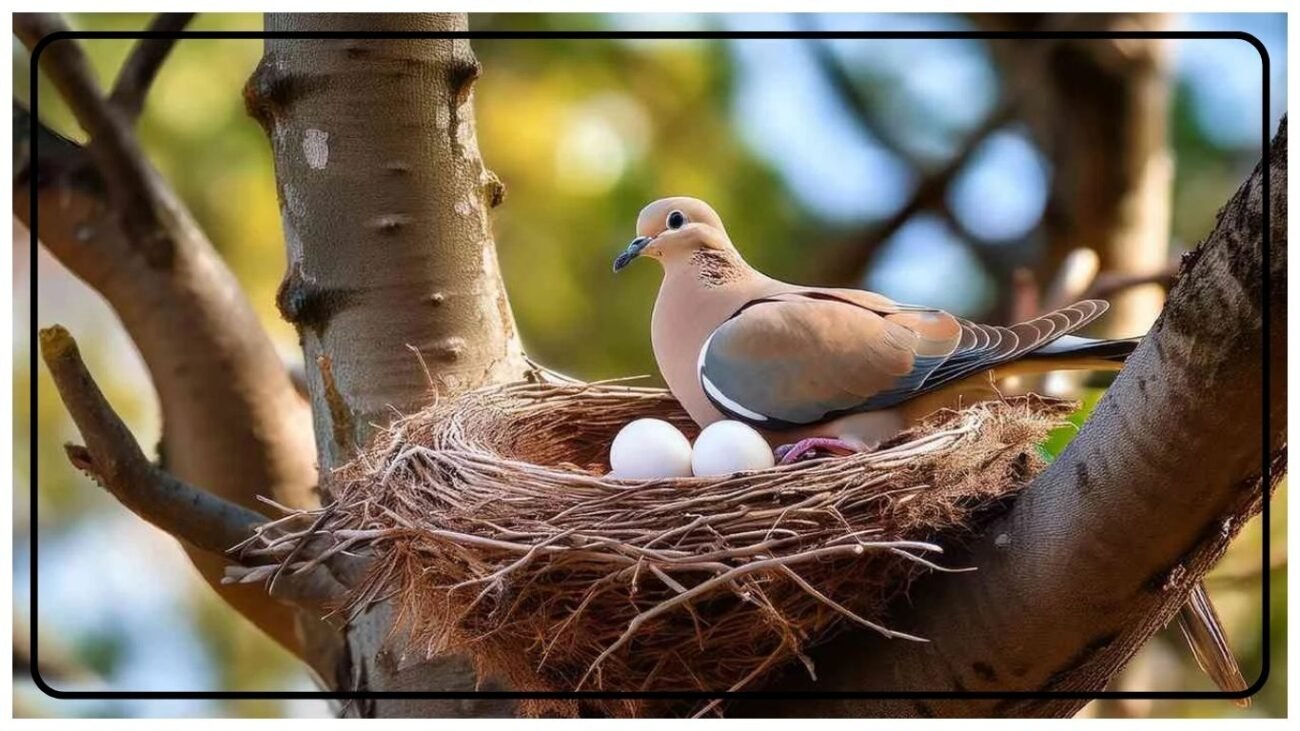
Once eggs are laid—usually two at a time—both parents share incubation duties, but on a scheduled shift.
- Males typically sit on the eggs during the day, especially from mid-morning to afternoon.
- Females take over in the evening and overnight hours.
So if you notice a dove sitting on a nest during early morning or dusk, it’s likely the female.
Feeding the Chicks
Both parents also produce a special secretion known as crop milk, a nutrient-rich fluid used to feed the hatchlings. For the first few days after hatching, crop milk is the sole food for the chicks.
Both male and female mourning doves participate in feeding and caring for the young, alternating shifts and offering equal support to their growing family.
How to Identify in the Field
Tips for Backyard Birdwatchers
If you enjoy birdwatching or are trying to identify mourning doves in your yard, here are a few practical tips:
- Watch for cooing behavior – the one cooing is the male.
- Check for neck iridescence – males often display a shimmering green or purple patch on the side of the neck.
- Observe pair behavior – if one bird is more active or chasing the other during spring, the aggressor is probably male.
- Nest activity – note the time of day you see one on the nest. That can help clue you in to its sex.
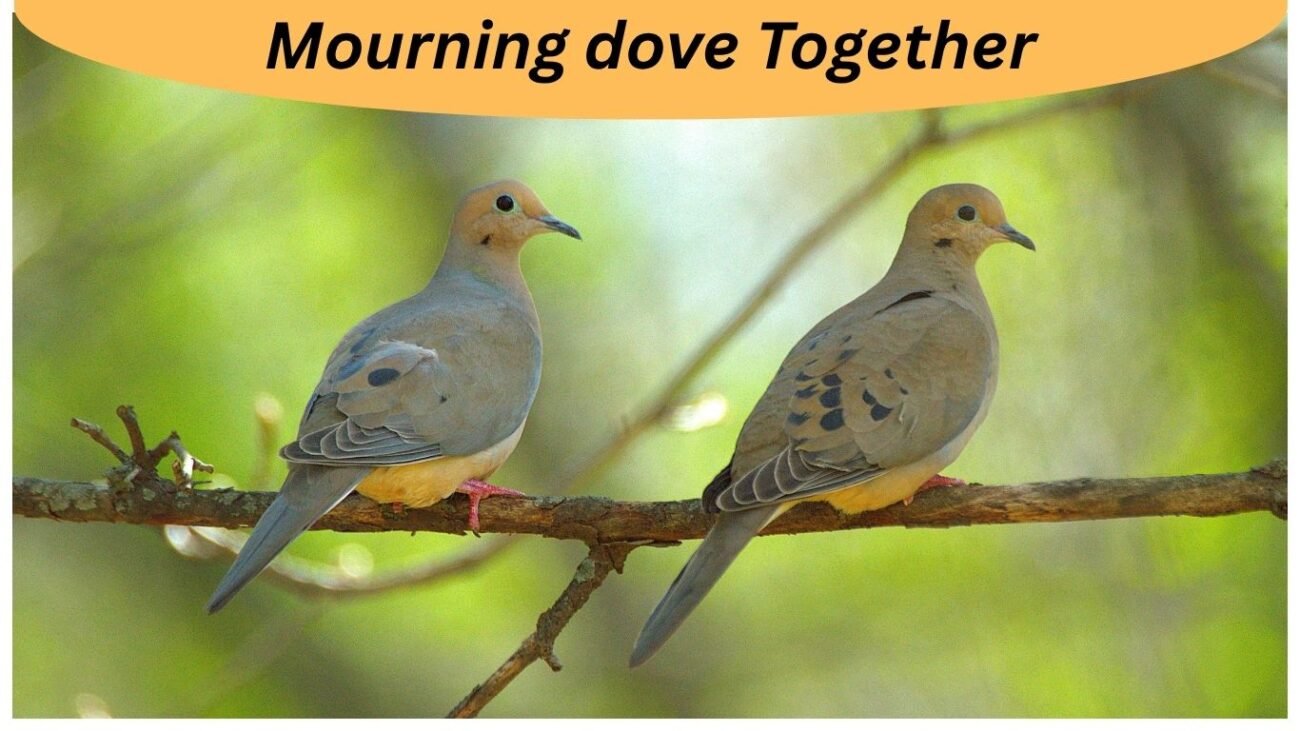
- Color comparison – if you see two doves together, look closely at feather brightness. The slightly flashier one is often the male.
Mourning Dove Male vs Female
| Feature | Male Mourning Dove | Female Mourning Dove |
| Size | Slightly larger | Slightly smaller |
| Coloration | Rosy chest, bluish crown | Softer brown tones |
| Neck Feathers | Iridescent green/purple | Duller, less reflective |
| Vocalization | Loud cooing sounds | Very quiet or silent |
| Nesting Role | Daytime incubation, material gathering | Nighttime incubation, nest builder |
| Behavior | Active displays and chasing | More passive |
Why It’s So Hard to Tell Them Apart
Despite these differences, mourning doves remain one of the trickier bird species to sex based on appearance alone. Evolution has given them nearly identical plumage to help both sexes blend into their surroundings and avoid predators—especially during nesting.
The camouflage advantage is vital, especially for ground-nesting birds like mourning doves that often raise chicks in exposed or low-lying areas.
So don’t feel discouraged if you can’t always tell them apart. Even expert birders sometimes need to rely on behavior and timing rather than looks.
FAQs
1. Can you tell male and female mourning doves by color alone?
Not always. Color differences are subtle. Males tend to have a slight blush or neck iridescence, but it’s best to combine visual clues with behavior for accurate ID.
2. Do both male and female doves take care of the young?
Yes. Both parents share feeding and incubation duties. They alternate roles and care for the babies equally.
3. Why do males coo more often?
The cooing sound is part of courtship and territorial display. It helps attract mates and warn off rivals, so only males produce these louder calls.
4. How do doves choose mates?
Males perform vocal and visual displays to attract females. If a female is receptive, she’ll allow him to approach, and they’ll bond for the season.
5. Do male and female mourning doves look different in all seasons?
There’s no major seasonal difference in plumage. However, males may appear slightly brighter during the breeding season due to hormonal changes that affect feather condition.