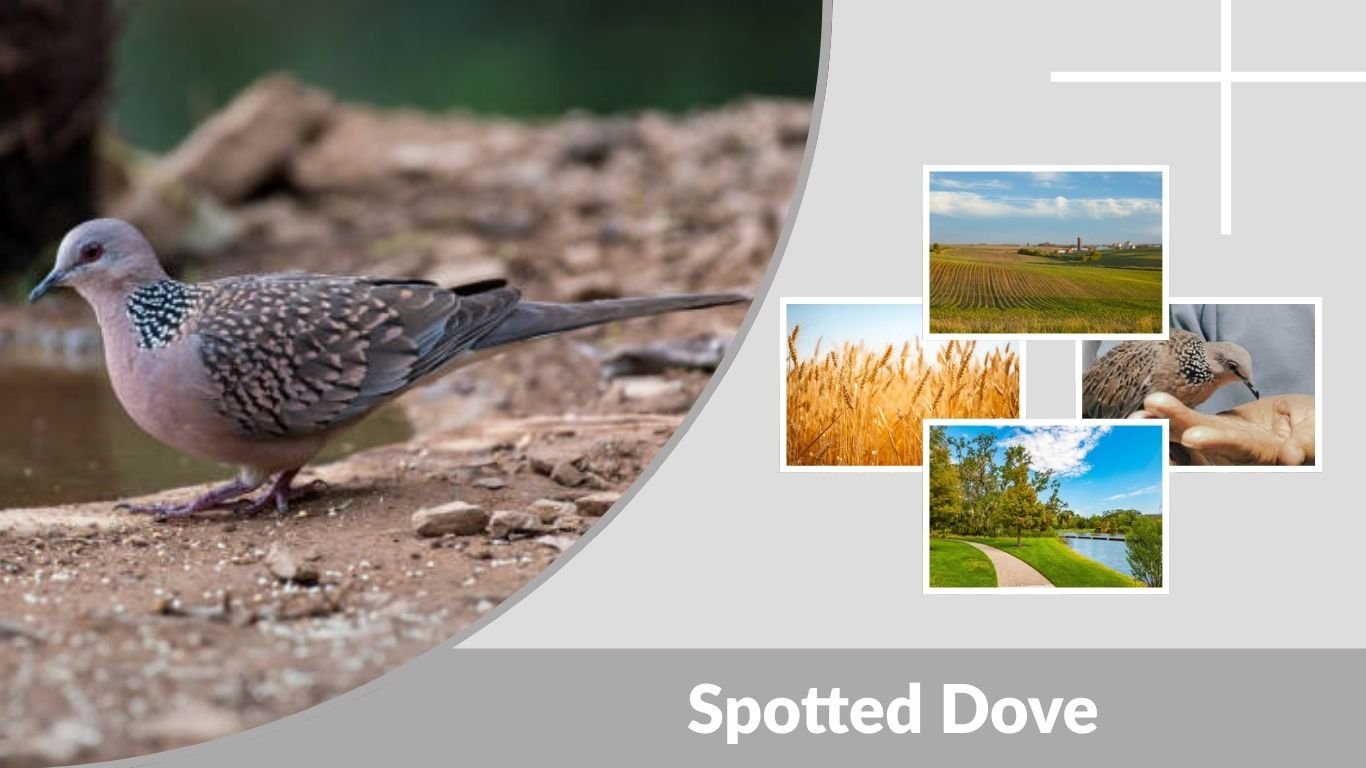
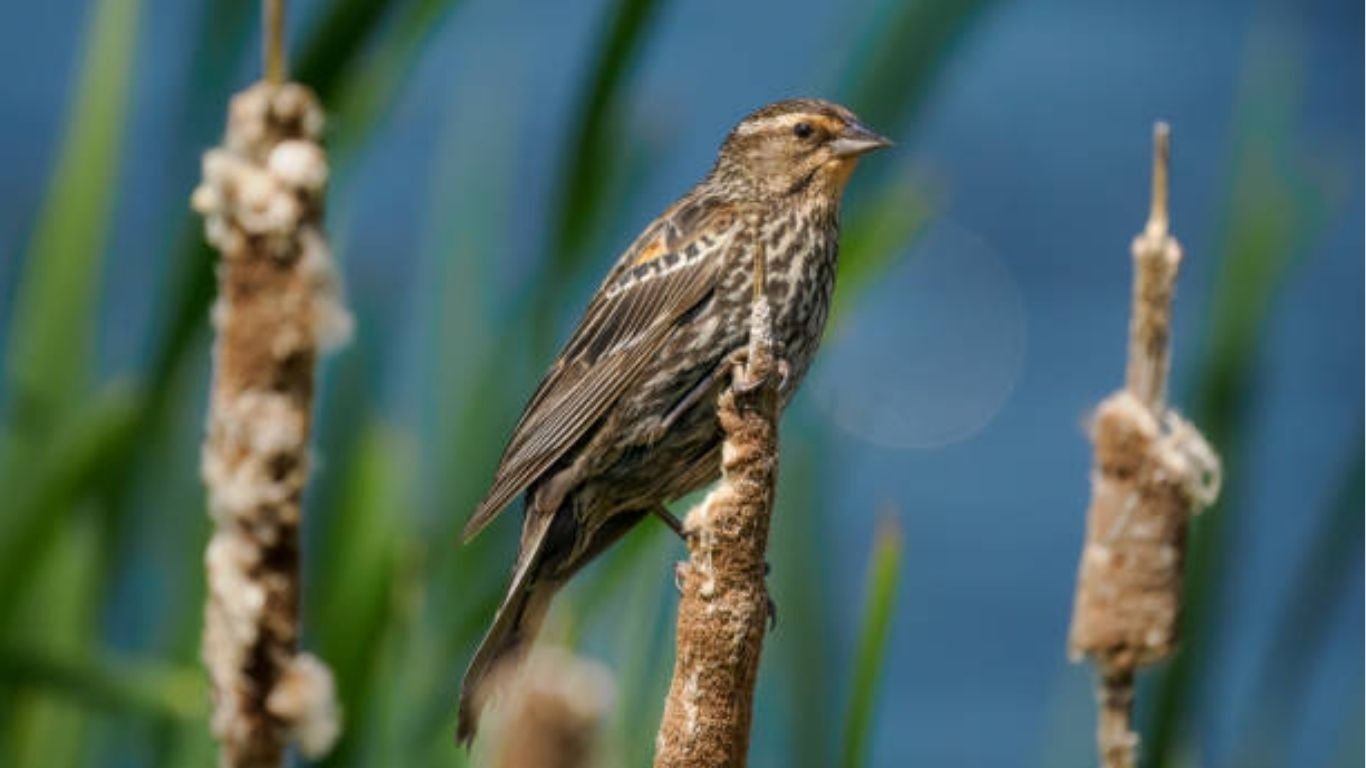
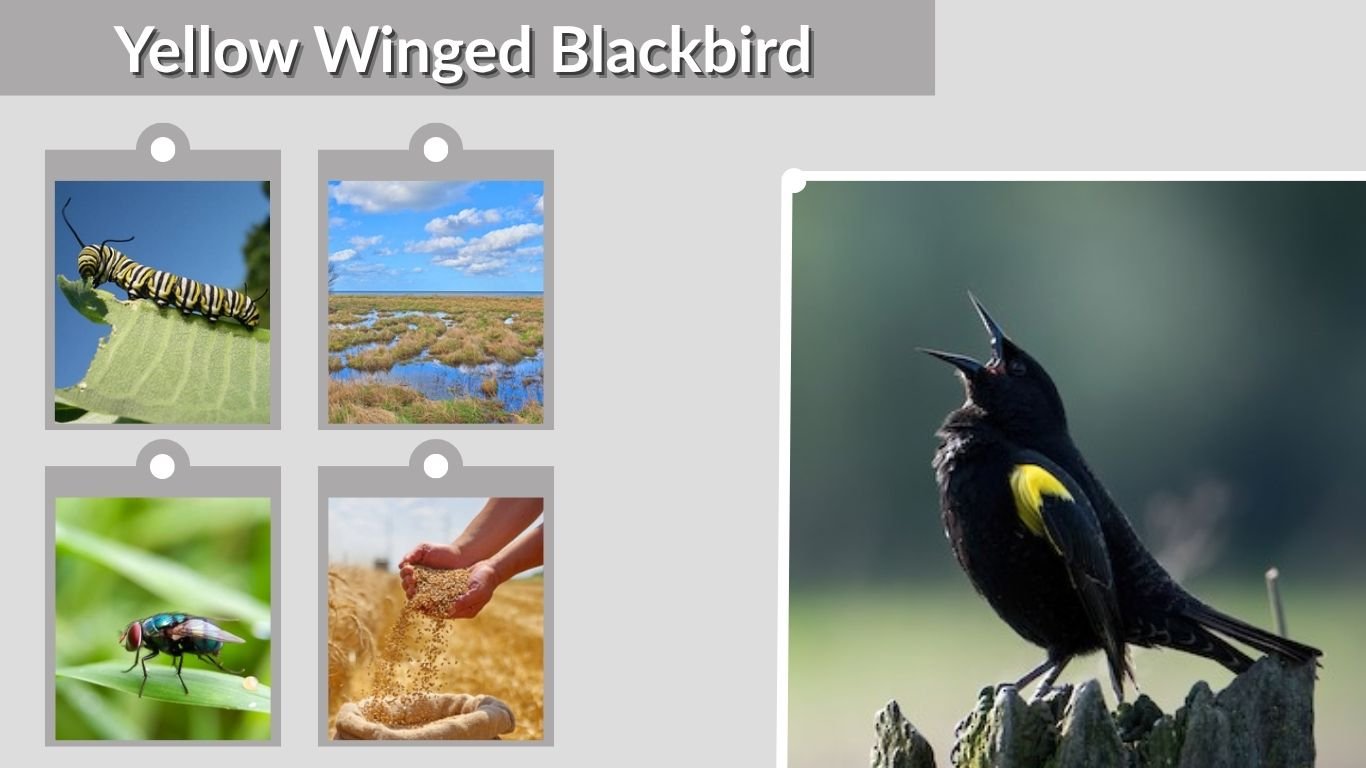
The Eurasian Collared Dove is a slender, graceful bird recognized by its pale plumage and distinctive black “collar” on the back of its neck. Originally native to parts of Europe and Asia, this dove has rapidly expanded its range across North America and other continents. In recent decades, it has caught the attention of birdwatchers, scientists, and hunters alike due to its unique behavior, adaptability, and classification as an invasive species in some regions. This detailed guide explores everything you need to know—from its identification and call to its nesting habits, hunting status, and impact on native bird populations.
Identification and Scientific Name
The Eurasian Collared Dove (Streptopelia decaocto) is a medium-sized bird easily recognized by its pale grayish-tan feathers and a narrow black collar edged with white on the nape of its neck. It has a long, squared tail with white edges, dark eyes, and reddish legs. This species is slightly larger than the mourning dove, with a more robust body and distinct posture.
Its scientific name, Streptopelia decaocto, comes from Greek roots meaning “collared dove.” The species name “decaocto” is linked to a myth about a servant girl, but in the birding world, it simply represents one of the most successful invasive species introductions of the 20th century.
Appearance and Color Variations

While the standard Eurasian Collared Dove sports soft gray-buff plumage with minimal markings, several variations exist:
- Male vs Female: Males and females look almost identical, although males may appear slightly larger and more vocal during the breeding season. Behavior is usually the only clue to sex.
- Juvenile Eurasian Collared Doves: Young doves lack the iconic black collar for the first few weeks. Their feathers are slightly browner and more loosely arranged compared to adults.
- Leucistic and White Variants: Occasionally, leucistic doves (partially white due to reduced pigmentation) or fully white Eurasian collared doves are observed. These rare individuals often stand out in the wild and are more vulnerable to predators, but are highly prized by birdwatchers and photographers.
These subtle differences are useful for identification, especially during nesting season or while observing family groups.
Nesting and Reproduction

Eurasian Collared Doves are known for their frequent and efficient breeding habits. They can nest year-round in warm climates, producing multiple broods annually.
- Nesting Habits: These doves build simple, flimsy nests made from twigs, roots, and grasses. Nests are usually found in trees, shrubs, rooftops, or even man-made structures like balconies and power poles.
- Eggs and Incubation: Females typically lay two small, white eggs per clutch. Both parents share incubation duties for about 14 to 16 days. After hatching, the chicks remain in the nest for about two to three weeks.
- Chicks and Parental Care: Baby doves (squabs) are altricial—born blind and helpless. They’re fed “crop milk,” a nutrient-rich secretion from the parents’ crops, during the first few days of life. Fledglings are usually ready to leave the nest within 18–21 days but may stay nearby for continued feeding.
Their ability to breed so frequently contributes to their rapid population growth and spread across regions.
Call and Sounds
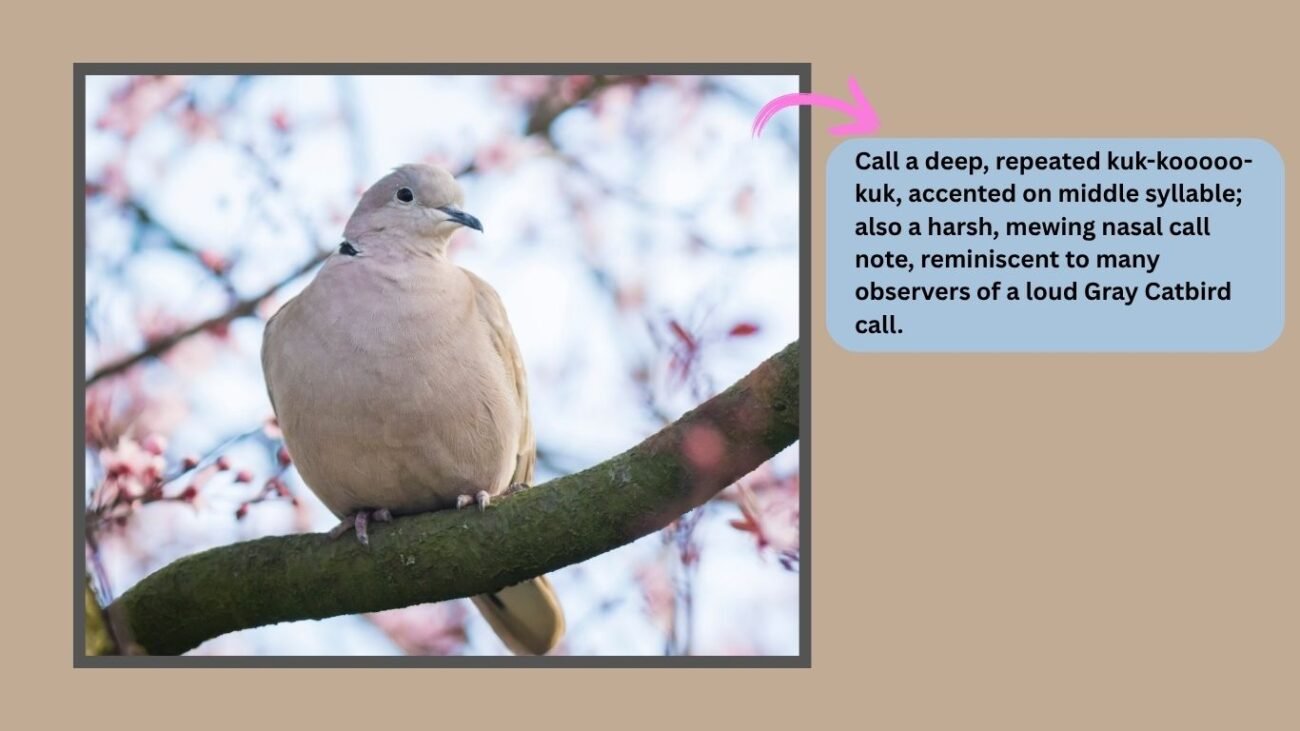
The Eurasian Collared Dove has a very distinctive vocal pattern, making it easy to identify even when hidden in trees.
- Typical Call: Their main call is a three-part cooing sound, often described as “coo-COO-coo,” repeated steadily. It sounds calm and rhythmic, different from the haunting tone of the mourning dove.
- Cooing and Display Sounds: Males use these calls during courtship and to mark territory. They may also perform a display flight, flapping upwards and gliding down with a soft wing whistle.
- Other Sounds: During nesting or distress, they may produce low growls or quick “bow-coo” sounds—sometimes referred to as the “bow coo scream” when sudden or defensive.
Their call is a reliable way to locate and identify them in both urban and rural areas.
Habitat and Range
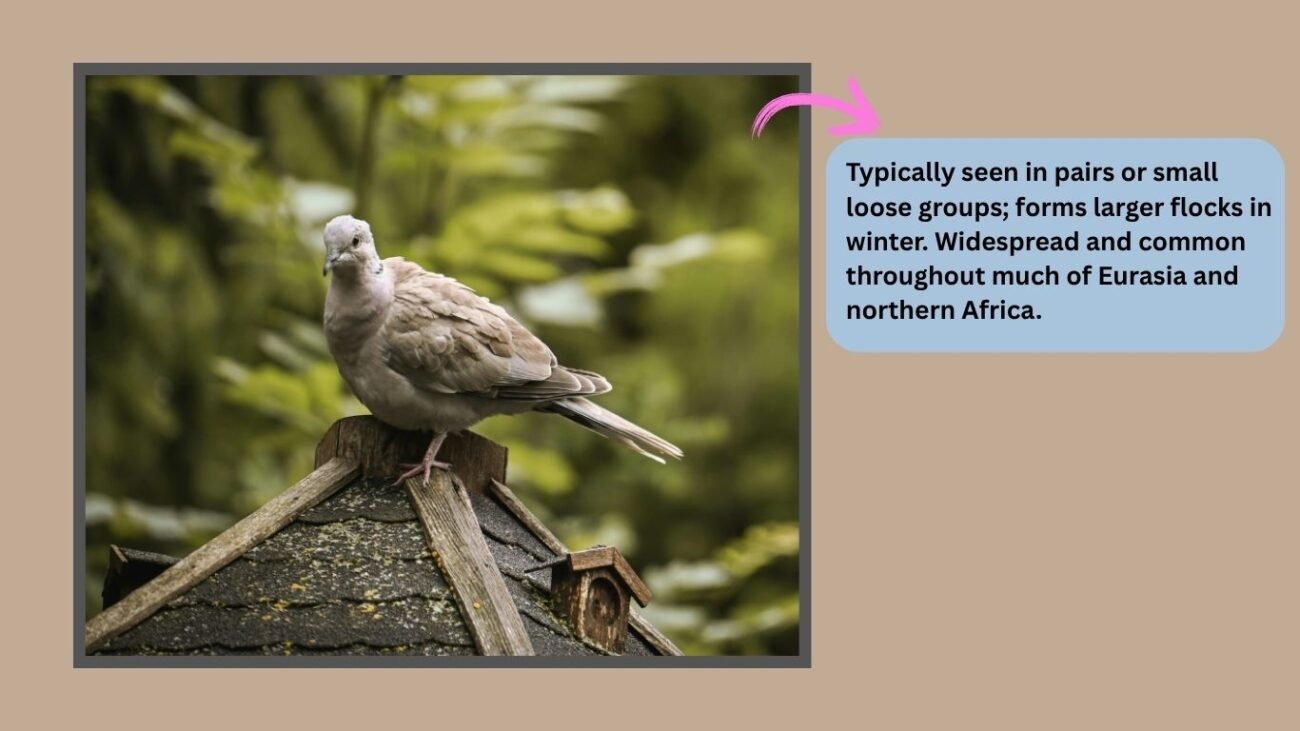
Eurasian Collared Doves are highly adaptable and thrive in a variety of habitats, especially those altered by humans.
Preferred Habitats: They are commonly found in suburban neighborhoods, farmlands, open woodlands, parks, and even urban city centers. They avoid dense forests but are comfortable nesting near human activity.
Range Expansion: Originally native to parts of Europe and Asia, they began spreading westward in the 20th century. After arriving in the Bahamas in the 1970s, they quickly colonized Florida and then spread across the United States, Canada, Mexico, and parts of the Caribbean.
Regional Sightings: Today, they are widespread in states like Florida, California, and Washington, and are regularly spotted in both rural and city environments. Their range map shows continuous expansion, especially in areas with mild winters and accessible food sources.
Their success in so many different environments makes them one of the most widely distributed doves in North America.
Migration and Invasive Spread
Unlike many migratory birds, Eurasian Collared Doves are mostly non-migratory. Their movements are driven more by food availability and habitat expansion than seasonal change.
- Do They Migrate? In general, no. These doves stay in the same area year-round, especially in temperate or warm climates. However, they may shift slightly within regions during harsh weather or food shortages.
- Invasive Behavior: Their explosive spread across North America is considered invasive. They outcompete native dove species like the mourning dove for food, nesting space, and resources.
- Why They’re Invasive: Their ability to breed year-round, adapt to human environments, and tolerate diverse climates gives them an advantage. This unchecked growth poses ecological risks to native species and has triggered management efforts in some areas.
Despite being beautiful and gentle-looking, their spread is a textbook example of how a non-native species can reshape bird populations in a new region.
Comparison with Other Doves
Eurasian Collared Doves are often confused with other dove species, especially the mourning dove, ringneck dove, and ringed turtle dove. Here’s how they differ:
- Mourning Dove vs Eurasian Collared Dove: Mourning doves are slightly smaller, with a slender body, pointed tail, and a soft grayish-brown color. They have a more melancholic call and fly with a fast, darting motion. Eurasian collared doves, on the other hand, have a squared-off tail with white tips, a lighter beige or sandy body, and a distinct black collar.
- Ringed Turtle Dove vs Eurasian Collared Dove: These species look quite similar, but ringed turtle doves are usually lighter in color and are not wild birds in North America. Most seen in captivity or escapees, they are less robust than Eurasian collared doves and don’t have the same widespread presence.
- Ringneck Dove vs Eurasian Collared Dove: Often confused due to the similar name, the ringneck dove is typically a domesticated species, smaller, and more vocal. Eurasian collared doves are wild, larger, and often quieter when not calling.
Recognizing these differences helps with accurate identification and understanding of native vs. invasive dove populations.
Flight and Behavior
Eurasian Collared Doves are agile flyers and display several interesting behaviors in both courtship and defense.
- Flight Style: They fly in smooth, direct paths with strong wingbeats. When startled, they often take off with a sharp burst of energy and a noticeable whistling sound from their wings—used to warn nearby birds.
- Courtship Behavior: Males perform a ritual display that includes loud cooing, puffing up the chest, and fluttering up into the air before gliding down in front of the female. This is usually paired with feeding or grooming the potential mate.
- Territorial and Nesting Habits: Males can be surprisingly territorial, defending their nesting site from other birds, including their own species. These doves also show strong site fidelity, meaning they return to the same locations to nest season after season.
Their flight precision and bonding rituals reveal a surprisingly complex behavioral pattern beneath their quiet nature.
Diet and Feeding Habits
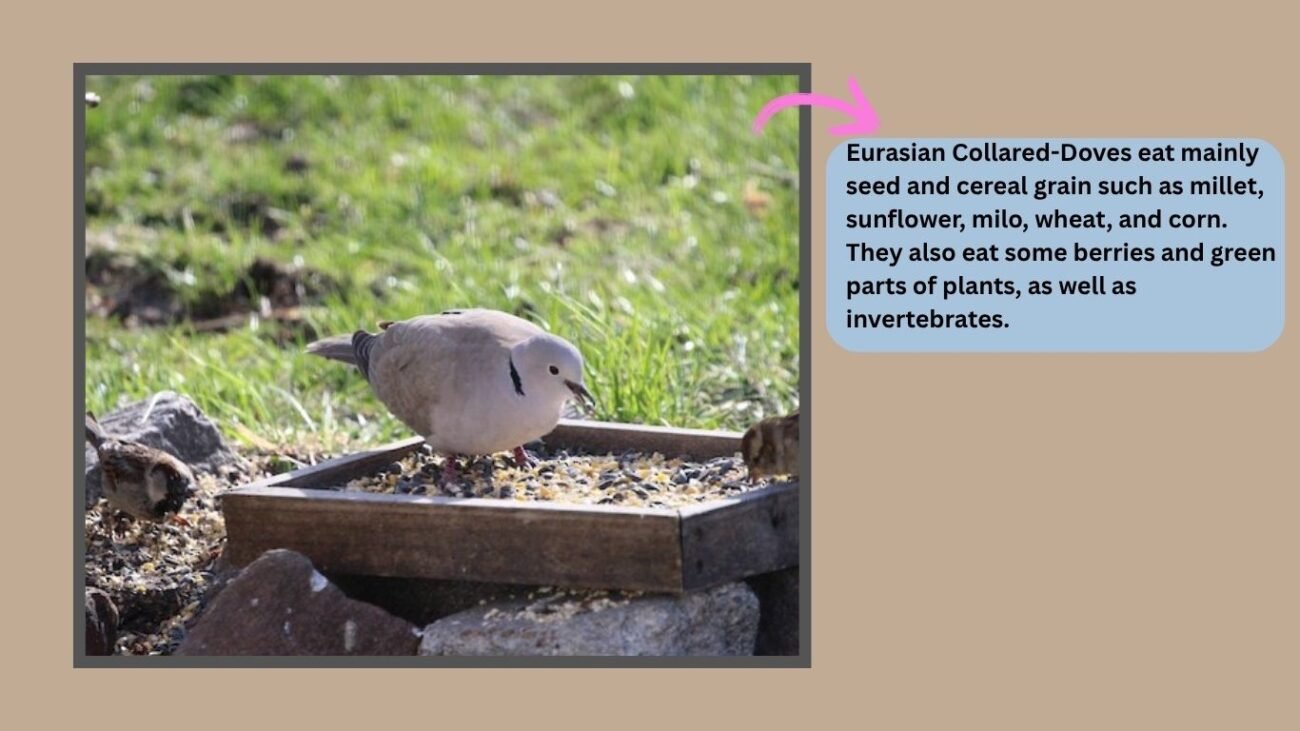
Eurasian Collared Doves primarily feed on seeds and grains, making them common visitors to bird feeders and agricultural fields.
- Wild Diet: In natural environments, they forage for grass seeds, cereal grains, and occasionally small insects. Their preference for open ground and agricultural areas brings them into close contact with humans.
- Feeder-Friendly Birds: These doves are ground feeders, often collecting seeds that have fallen from hanging feeders. They particularly enjoy cracked corn, millet, sunflower seeds, and wheat.
- Foraging Behavior: They often feed in pairs or small groups and can become quite tame in suburban settings. Their calm demeanor makes them easy to observe while feeding.
Their diet and willingness to feed near humans have helped them thrive across many habitats.
Lifespan and Weight
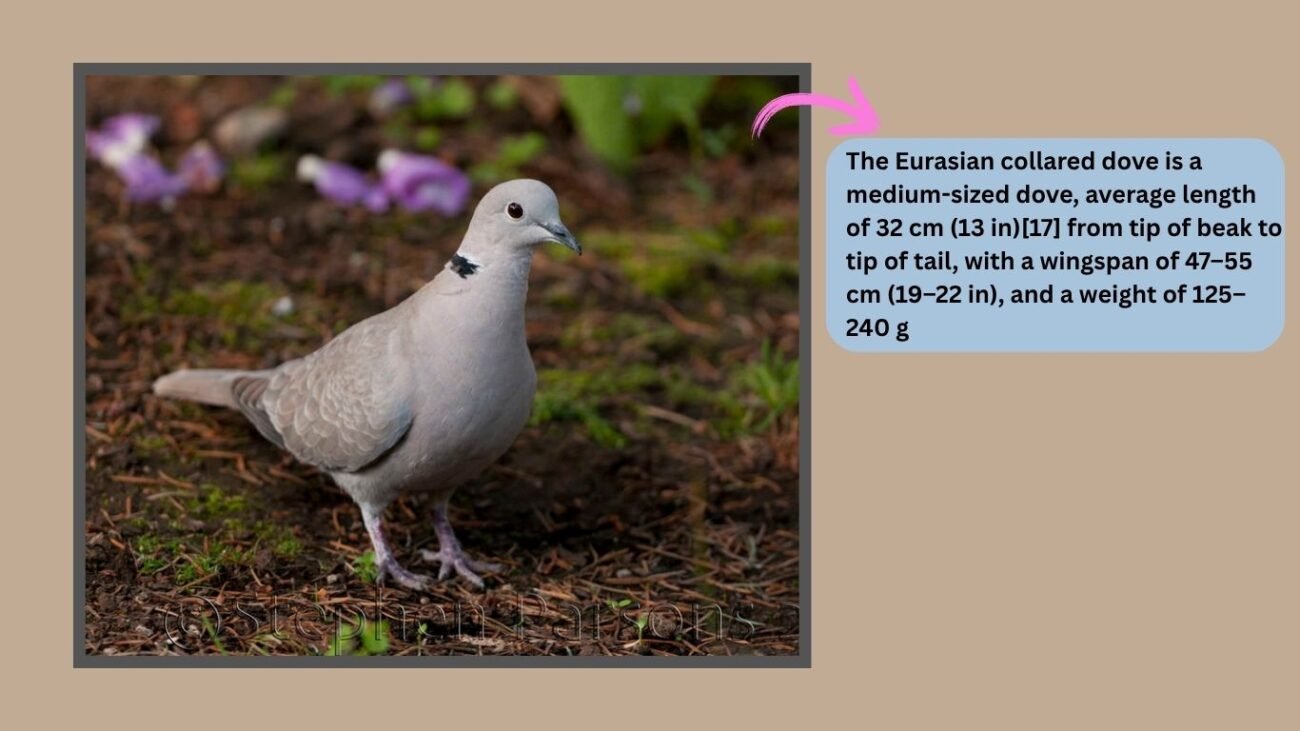
The Eurasian Collared Dove is a relatively hardy bird with a decent lifespan for its size.
Lifespan in the Wild: On average, they live around 3 to 5 years in the wild, although some individuals have been recorded living up to 10 years. Predation, disease, and harsh winters can shorten their lifespan in some areas.
Weight and Size: An adult Eurasian collared dove typically weighs between 5 to 7 ounces (140–200 grams) and measures about 12 inches in length. They are slightly larger and heavier than mourning doves, with more robust bodies and broader wings.
Their relatively long lifespan and size advantage help them maintain strong populations in diverse climates.
Hunting and Game Status
In the United States, Eurasian Collared Doves are classified as invasive and are legal to hunt in many states.
Why They’re Hunted: Due to their non-native status and rapid spread, hunting is encouraged in several regions to help reduce population pressure on native birds like the mourning dove.
Hunting States: Popular states for Eurasian dove hunting include Colorado, California, and South Dakota. They are often hunted alongside mourning doves during overlapping seasons but may also be hunted year-round in some states without bag limits.
Legal Status: Hunters are generally not required to stop hunting Eurasian collared doves during regular dove season. However, it’s essential to identify the species correctly to avoid taking protected native birds by mistake.
Their inclusion in regulated hunting seasons reflects their ecological impact and population resilience.
Use of Calls and Decoys
Hunters and birders sometimes use calls and decoys to attract Eurasian Collared Doves for observation or harvest.
- Hand Calls and Recordings: Because of their distinctive cooing, hunters often use audio recordings or mimicry to attract these doves to a specific location. These calls can simulate territory claims or mating behavior.
- Decoys: Lightweight plastic or foam decoys are also used to lure in flocks during hunting. Since these birds often travel in small groups, placing several decoys together mimics a feeding or roosting spot.
Using calls and decoys effectively requires understanding the dove’s behavior patterns, especially in the early morning when they are most active.
Cultural, Spiritual, and Culinary Value
Eurasian Collared Doves carry both symbolic and practical value in different regions.
Spiritual and Symbolic Meaning: In many cultures, doves symbolize peace, fidelity, and love. While the mourning dove carries much of this symbolism in North America, Eurasian collared doves are also seen as omens of calm or change in other parts of the world.
Culinary Uses: In areas where they are hunted, these doves are considered edible and can be prepared in various ways. Recipes often include roasting, grilling, or stewing, similar to how other game birds are prepared.
Taste and Texture: The meat is dark and lean, with a mild, gamey flavor. It’s often described as richer than chicken but milder than duck, making it a delicacy for many hunters.
Their presence in hunting culture and folklore shows that this species is not only biologically interesting but also culturally significant.
Final Thoughts
The Eurasian Collared Dove is more than just an invasive bird—it’s a resilient species that has adapted to human environments, outcompeted some natives, and become part of the landscape across North America. From their distinctive cooing call and simple nesting habits to their expanding range and culinary uses, these doves are a remarkable example of how wildlife can shift and evolve in response to global change.