Owls are powerful nighttime hunters, silently gliding through forests, fields, and even cities in search of their next meal. But what exactly do owls eat? Their diet is surprisingly varied and depends on species, habitat, and hunting technique. From tiny insects to small mammals and even snakes or fish, owls adapt to what’s available in their environment.
In this article, we’ll explore how owls hunt and reveal their 12 favorite foods—each explained in detail to help you understand what keeps these incredible predators thriving.
How Do Owls Hunt?
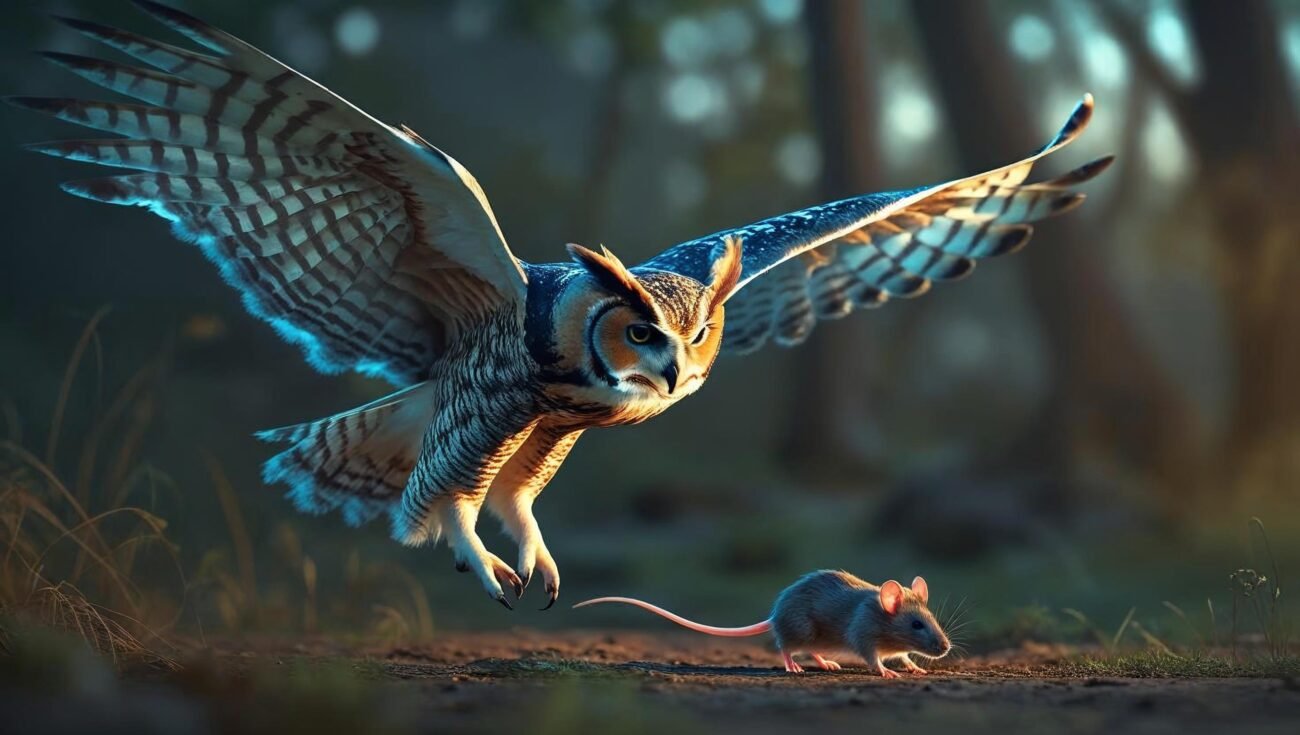
Owls are specially adapted to be silent, precise, and effective hunters. Their unique hunting style sets them apart from most birds of prey.
Silent Flight
Owls can fly almost silently thanks to serrated wing feathers that reduce air turbulence. This lets them swoop down on prey without being detected—an essential advantage during nighttime hunts.
Night Vision & Exceptional Hearing
- Their large eyes are designed to capture as much light as possible, making it easy to see in near-total darkness.
- Their ears are often asymmetrically placed, allowing them to locate the direction and distance of a sound with pinpoint accuracy—even under snow or leaves.
Stealth and Power
Once they detect prey, owls dive in with strong talons, grabbing their target with deadly precision. Most owls either swallow prey whole or tear it into chunks using their sharp beaks.
Mice
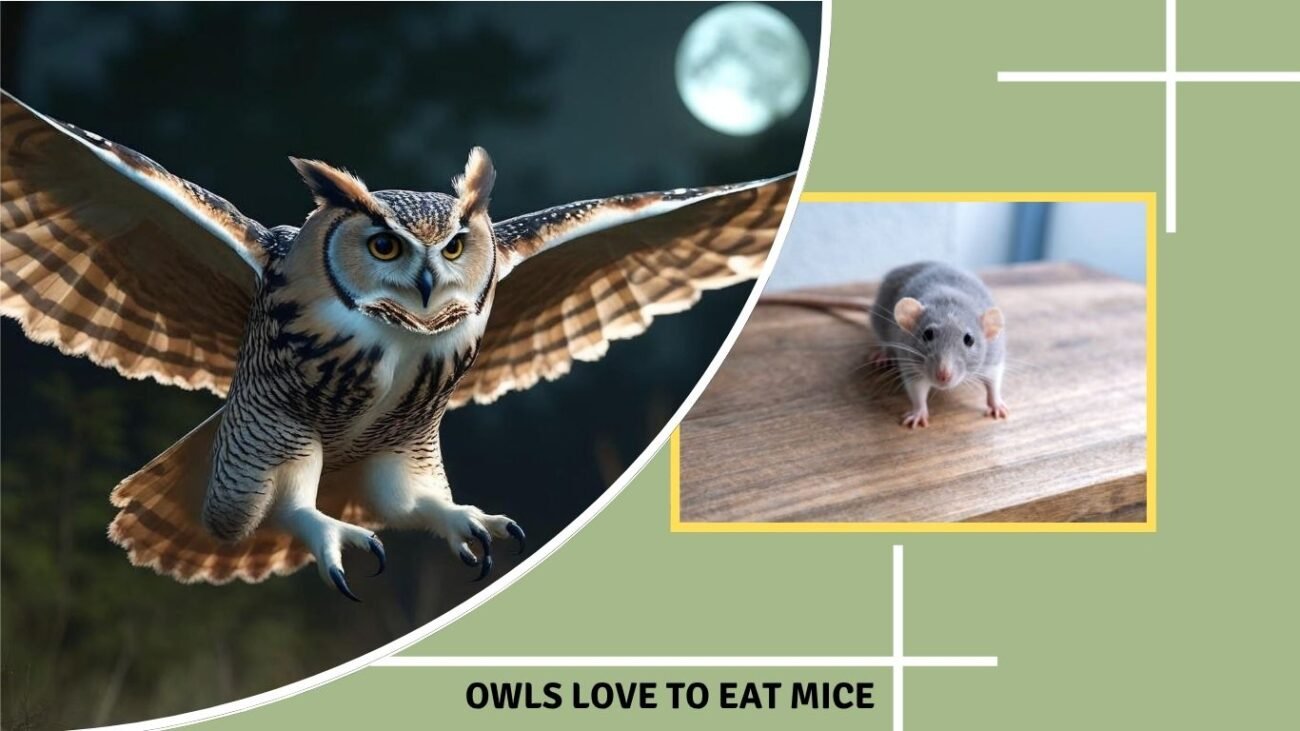
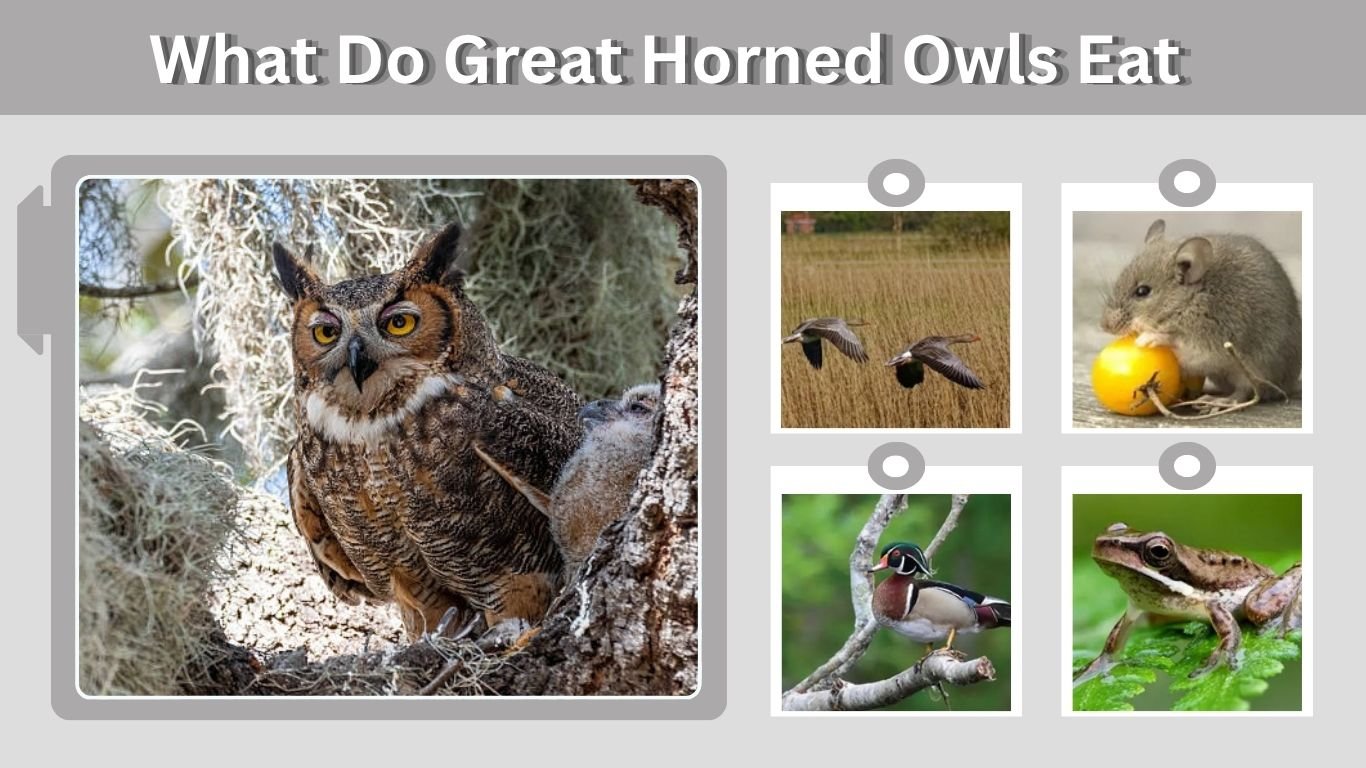
Mice are the number one food source for many owl species across the world, especially the Barn Owl and Eastern Screech Owl.
Why Owls Love Mice
- They are small, abundant, and active at night—perfect targets for nocturnal hunters.
- Mice provide a high-protein meal and are easy to catch in fields, barns, or near human settlements.
Hunting Technique
Owls perch quietly, often on fences or low branches, and wait. Using their hearing and night vision, they detect even the faintest rustle before swooping down silently to grab the mouse.
Rats
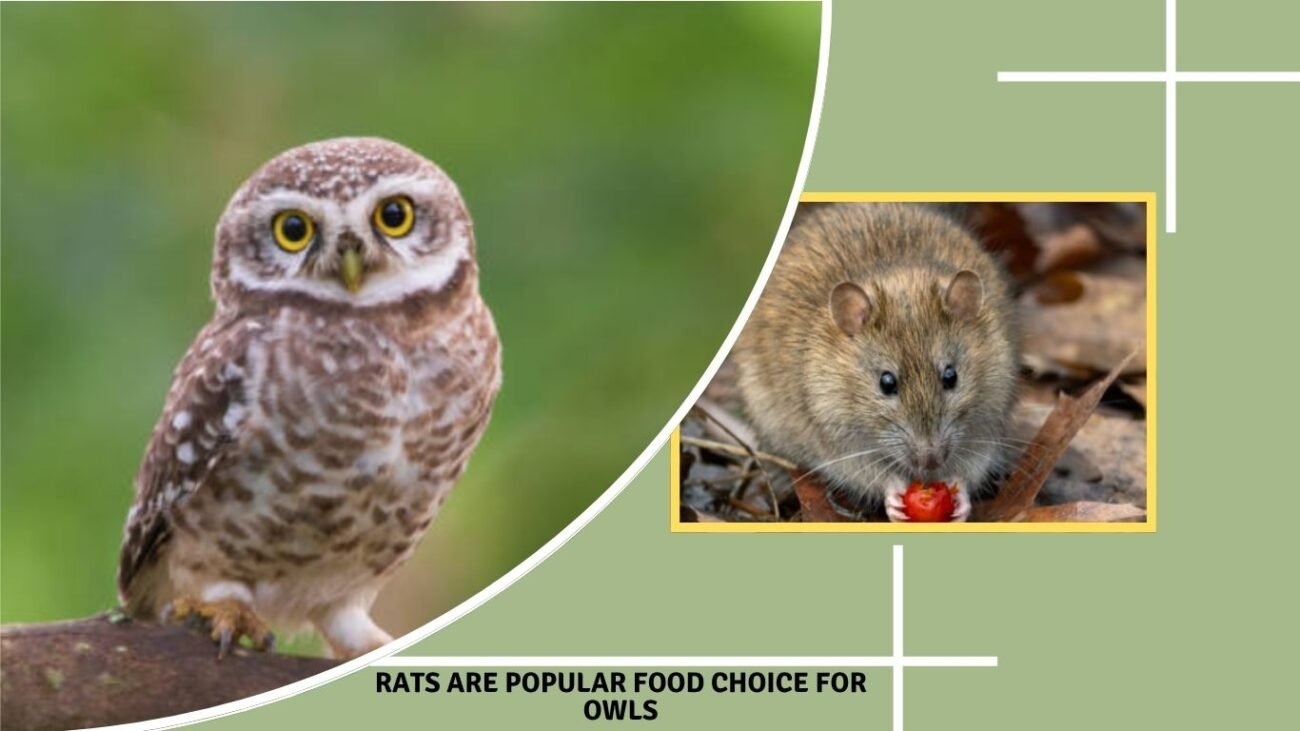
Rats are a popular food choice for larger owls, such as the Great Horned Owl and Eurasian Eagle-Owl.
Ideal Urban and Rural Prey
- Rats are plentiful in both cities and countryside
- They’re larger than mice and offer more nutritional value, making them ideal for bigger owl species
How Owls Catch Them
Owls patrol rooftops, farmyards, and alleyways after dark. When a rat is spotted, the owl makes a low, powerful swoop and grabs the rat with its razor-sharp talons, either killing it instantly or carrying it to a perch for feeding.
Voles
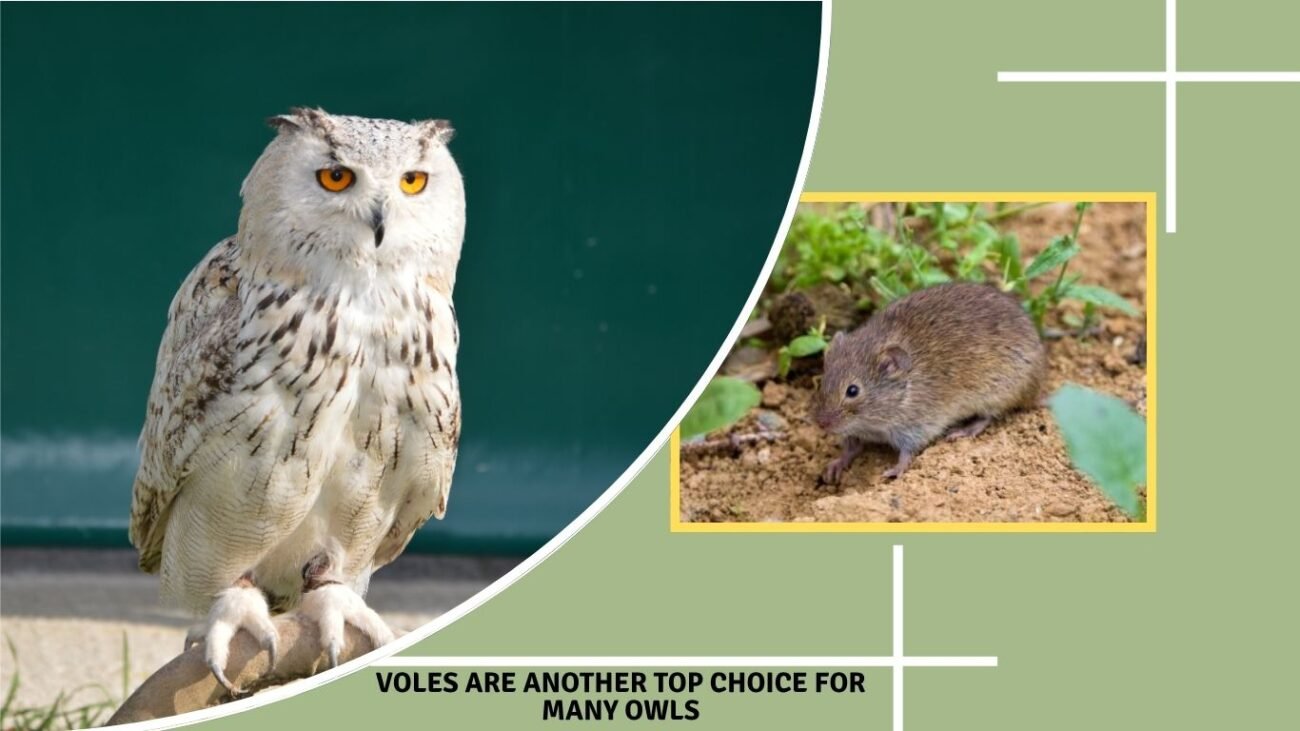
Voles are another top choice for many owls, especially those that prefer open landscapes like the Short-eared Owl and Tawny Owl.
Common Field Prey
- Voles are small, burrowing rodents found in meadows, grasslands, and farmlands
- Their high population density makes them a reliable food source during breeding season
Hunting Strategy
Owls glide low over fields at dawn or dusk. Using sound to detect movement beneath vegetation, they drop suddenly to snatch a vole—often swallowing it whole in one gulp.
Rabbits
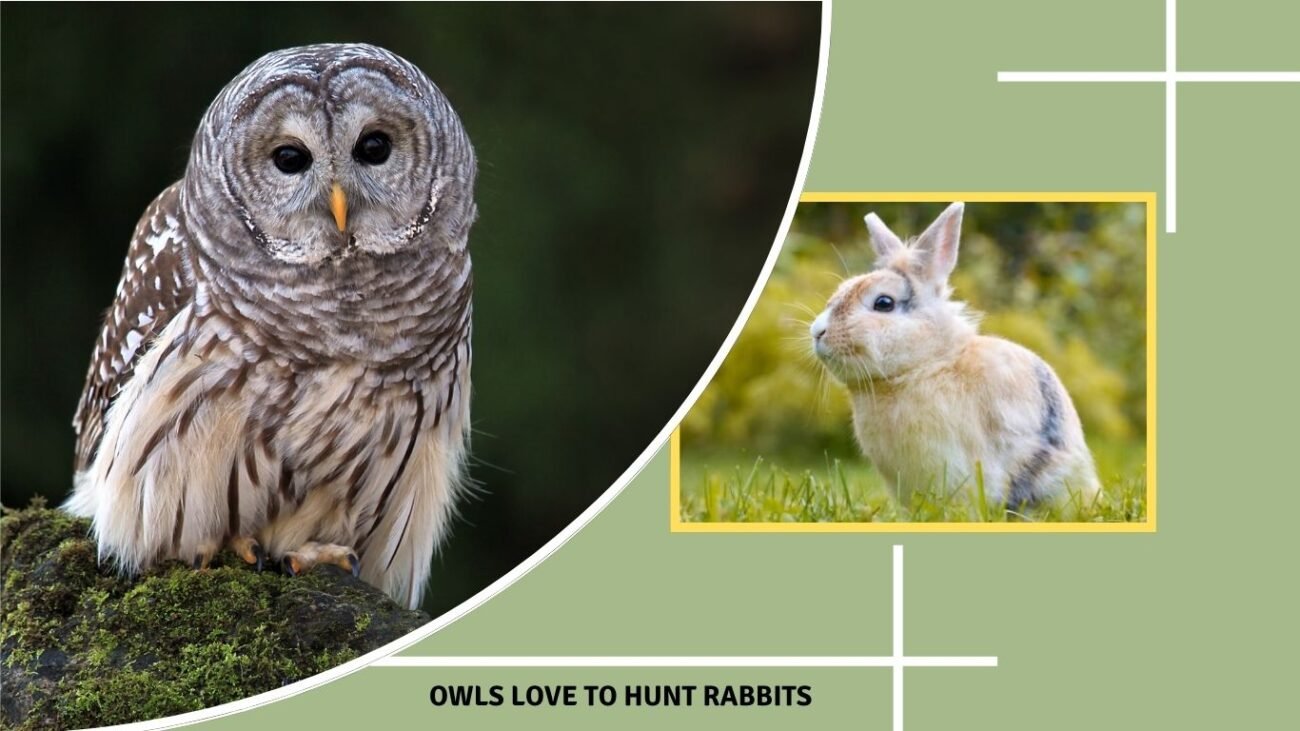
Rabbits are considered large prey for owls and are usually targeted by powerful species such as the Eurasian Eagle-Owl and Snowy Owl.
A Big Meal for Big Owls
- Rabbits are rich in nutrients and can feed an owl for hours
- They are mostly hunted at night when they emerge to graze
Attack Method
Owls either wait on high perches or glide quietly across open ground. With strong talons and an ambush approach, they strike fast—sometimes dragging the rabbit off or feeding on it at the kill site.
Squirrels
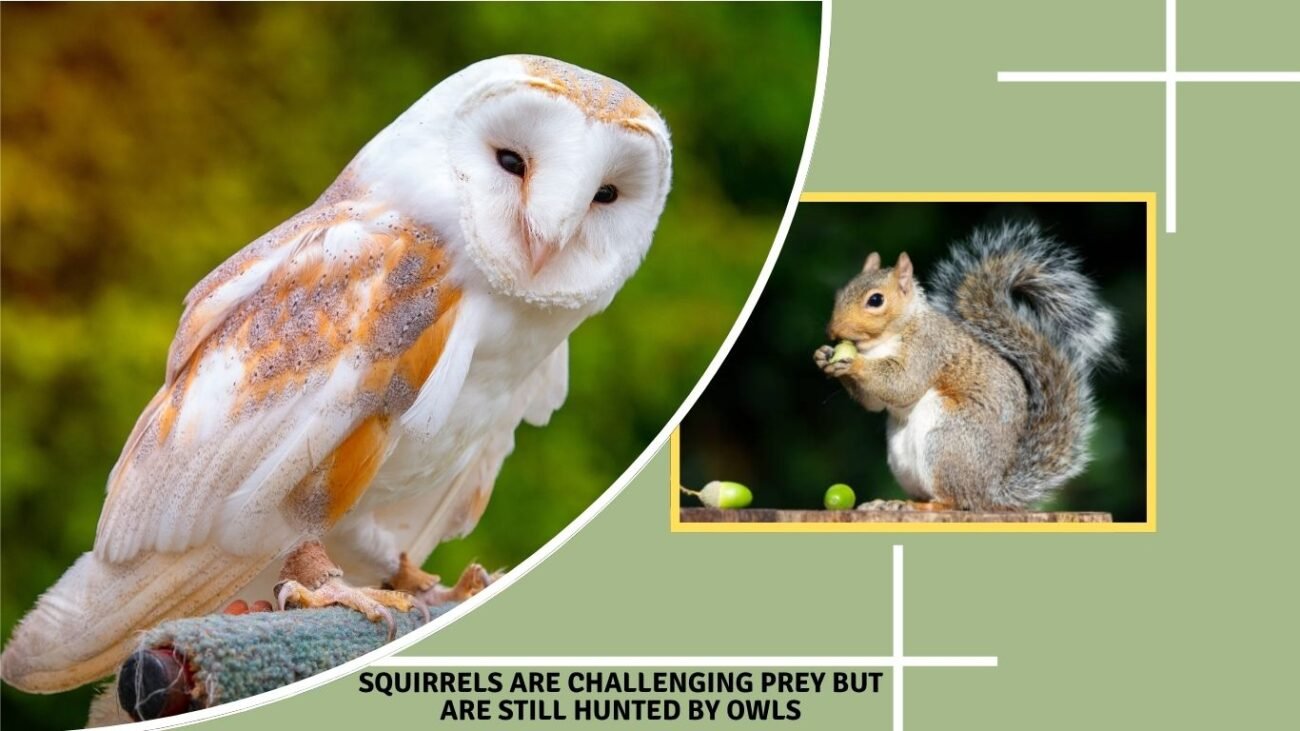
Tree-dwelling squirrels are challenging prey but are still hunted by species like the Barred Owl and Northern Hawk Owl.
Arboreal Hunting
- Owls hunt tree squirrels and ground squirrels, depending on region
- Most activity occurs at dawn or dusk when squirrels are more exposed
Hunting Behavior
Owls use tree cover to their advantage, launching sudden attacks from nearby branches. Their swift, silent flight through tight spaces allows them to catch squirrels off-guard.
Birds
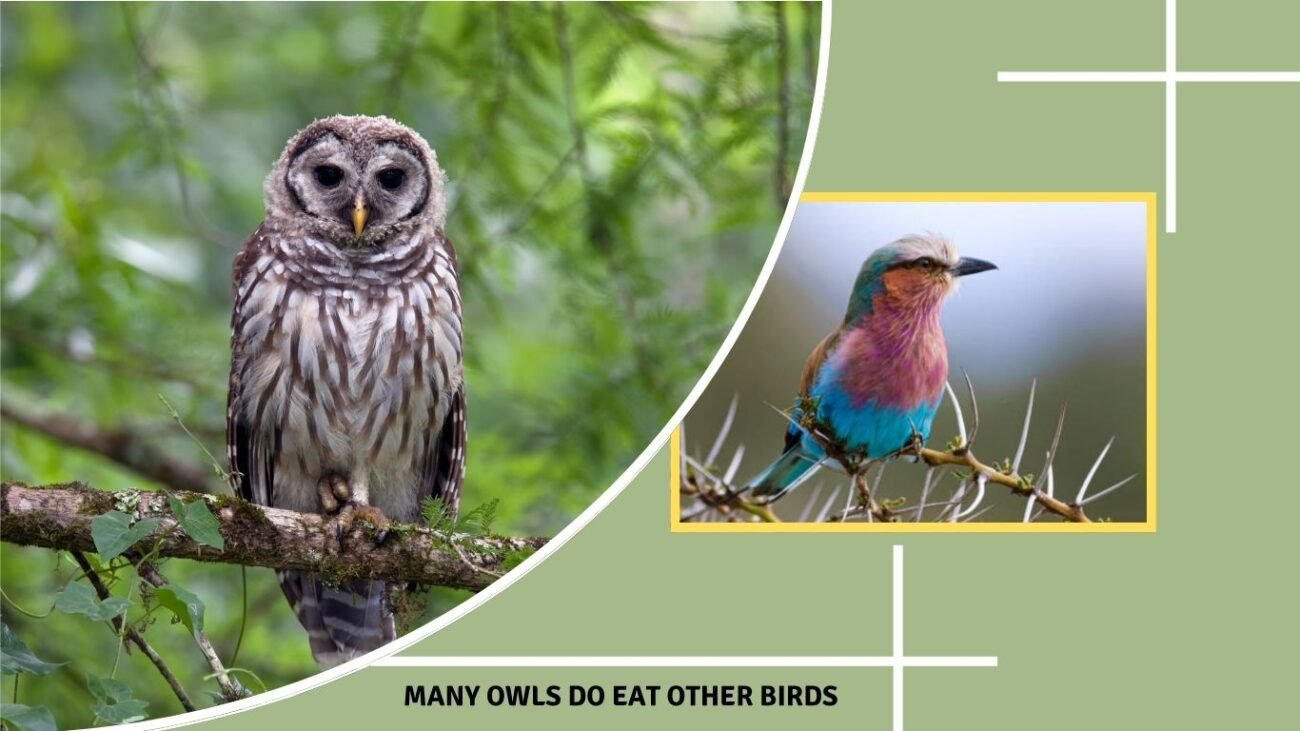
While it may seem surprising, many owls do eat other birds—sometimes even other smaller owls.
Aerial and Roosting Attacks
- Prey includes songbirds, pigeons, ducks, and occasionally smaller raptors
- Most attacks occur when birds are roosting or in flight at dawn
Notable Owl Predators
- The Great Horned Owl is known for targeting birds as large as hawks
- Northern Hawk Owls specialize in pursuing birds even in daylight
Bats
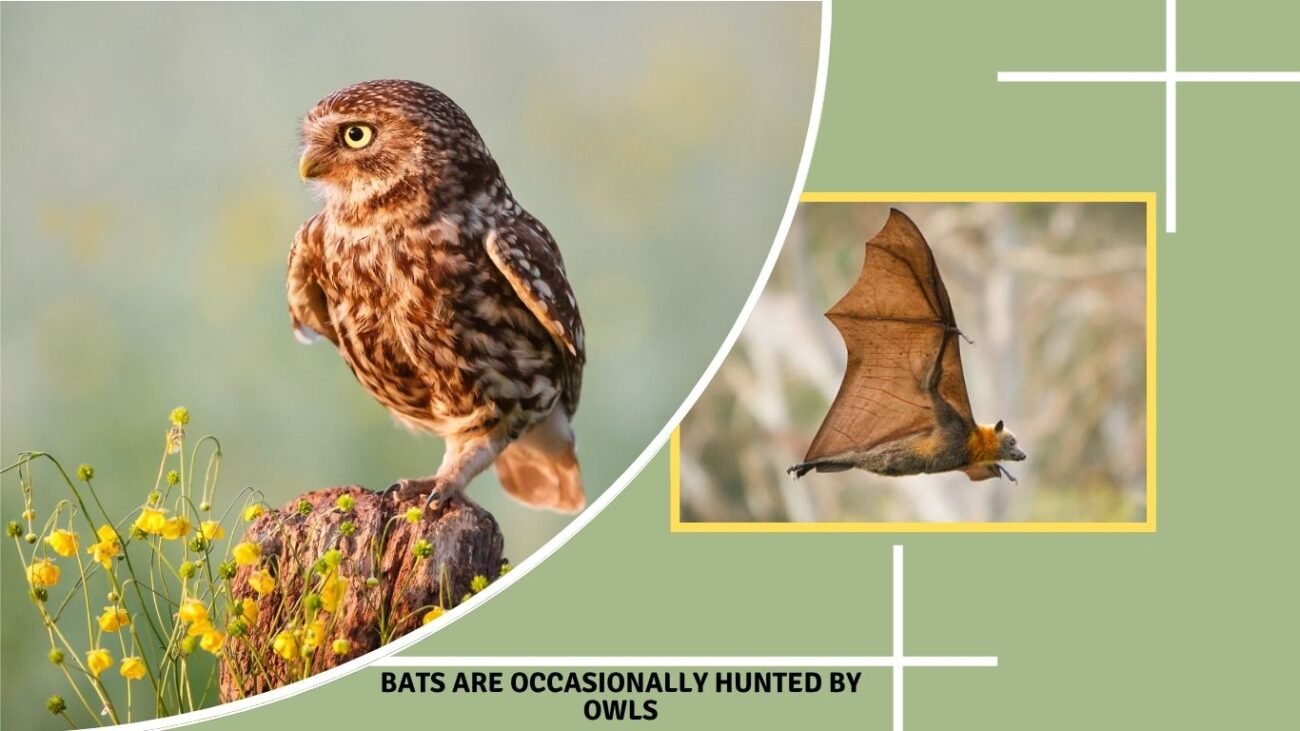
Though not a common item in every owl’s diet, bats are occasionally hunted by species like the Tawny Owl and Barn Owl, especially near caves or forest edges.
Aerial Predation at Dusk
- Bats become active during twilight—overlapping hunting hours with many owls
- Owls catch them in mid-air using precise timing and quick turns
Special Consideration
Owls must approach bats from behind or below, using their silent wings to gain the advantage. It’s a risky move that shows just how agile and adaptable owls can be.
Insects
Insects form a significant part of the diet for smaller owl species like the Elf Owl, Burrowing Owl, and Scops Owl, especially in warmer regions.
A Lightweight Meal
- Includes beetles, grasshoppers, crickets, moths, and flying bugs
- Insects are often abundant in summer months, making them easy to find
Hunting Technique
Some owls catch insects on the wing, while others pounce on them from low perches or even dig them up. In tropical or arid areas, insects can make up more than half of an owl’s diet.
Frogs

Frogs are a seasonal favorite for owls that hunt near water, especially wetlands, ponds, and marshy forests.
Amphibians in the Owl Menu
- Frogs are rich in protein and easily caught during breeding season
- Their croaking gives away their position, especially at night
How Owls Catch Frogs
Owls silently observe from overhanging branches or perches near water, then swoop down to snatch frogs with precision. Larger owls like the Barred Owl are especially fond of them.
Snakes
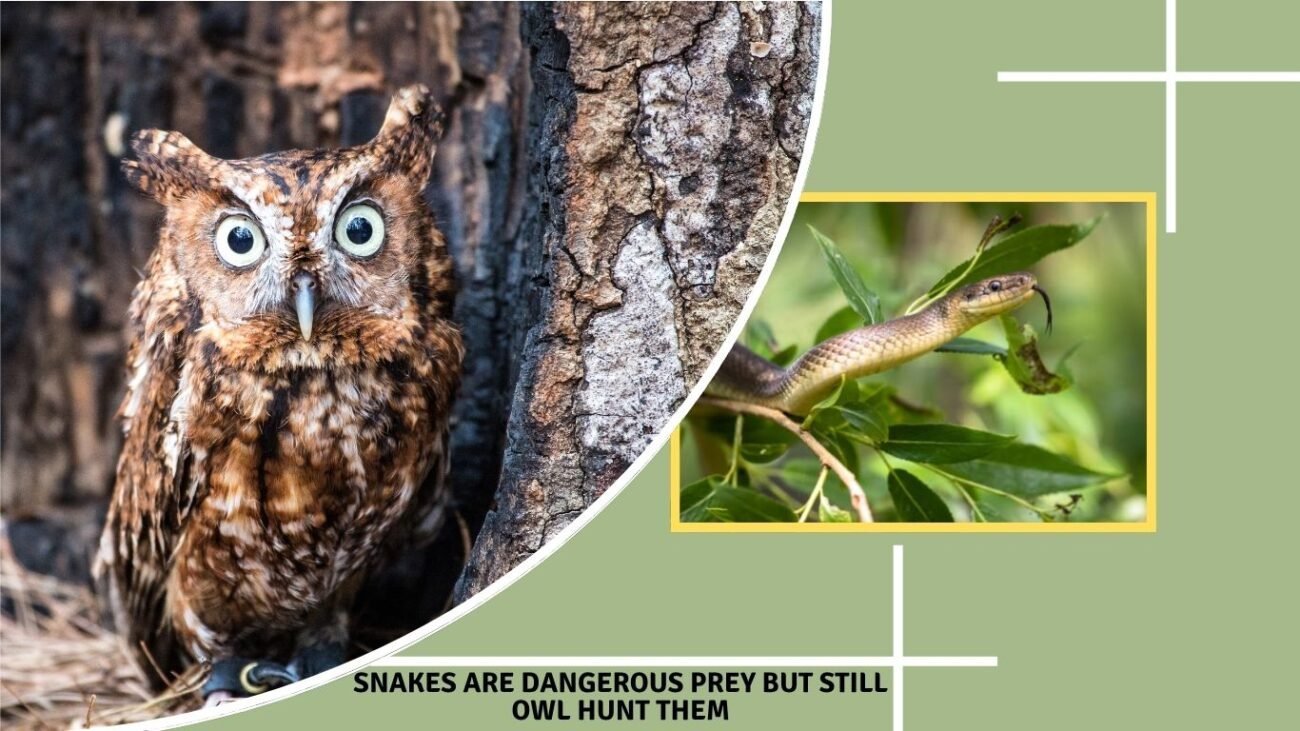
Snakes are dangerous prey but are still consumed by larger, fearless owl species, including the Great Horned Owl and Eurasian Eagle-Owl.
Risk and Reward
- Owls typically go for non-venomous, small snakes
- A successful hunt provides a high-energy meal
Hunting Style
Owls rely on surprise, grabbing the snake by its head or neck to avoid being bitten. Smaller snakes are swallowed whole, while larger ones are torn into parts.
FAQs About Owl Diets
1. Do all owl species eat the same food?
No, owl diets vary by species, size, and habitat. While most owls eat small mammals like mice and voles, others specialize in insects, fish, or even amphibians. For example, the Elf Owl prefers insects, while the Eurasian Eagle-Owl can tackle rabbits and snakes.
2. Do owls eat their prey whole?
Yes, many owls swallow small prey whole, including mice, voles, and insects. Larger prey is often torn into pieces. Later, they regurgitate pellets containing indigestible parts like bones, fur, or feathers.
3. Can owls eat animals bigger than themselves?
While rare, large owls such as the Great Horned Owl or Blakiston’s Fish Owl can tackle prey nearly their own size, like large rabbits or fish. However, most owls hunt prey they can easily carry and swallow.
4. Do owls eat during the day?
Most owls are nocturnal hunters, but some—like the Short-eared Owl and Northern Hawk Owl—are crepuscular or diurnal, hunting during twilight or daytime hours when prey is more active or visible.
5. Do owls drink water?
Owls rarely drink water directly. They get most of their hydration from the bodily fluids of their prey. However, in hot climates or dry seasons, some owls have been observed drinking from shallow water sources.