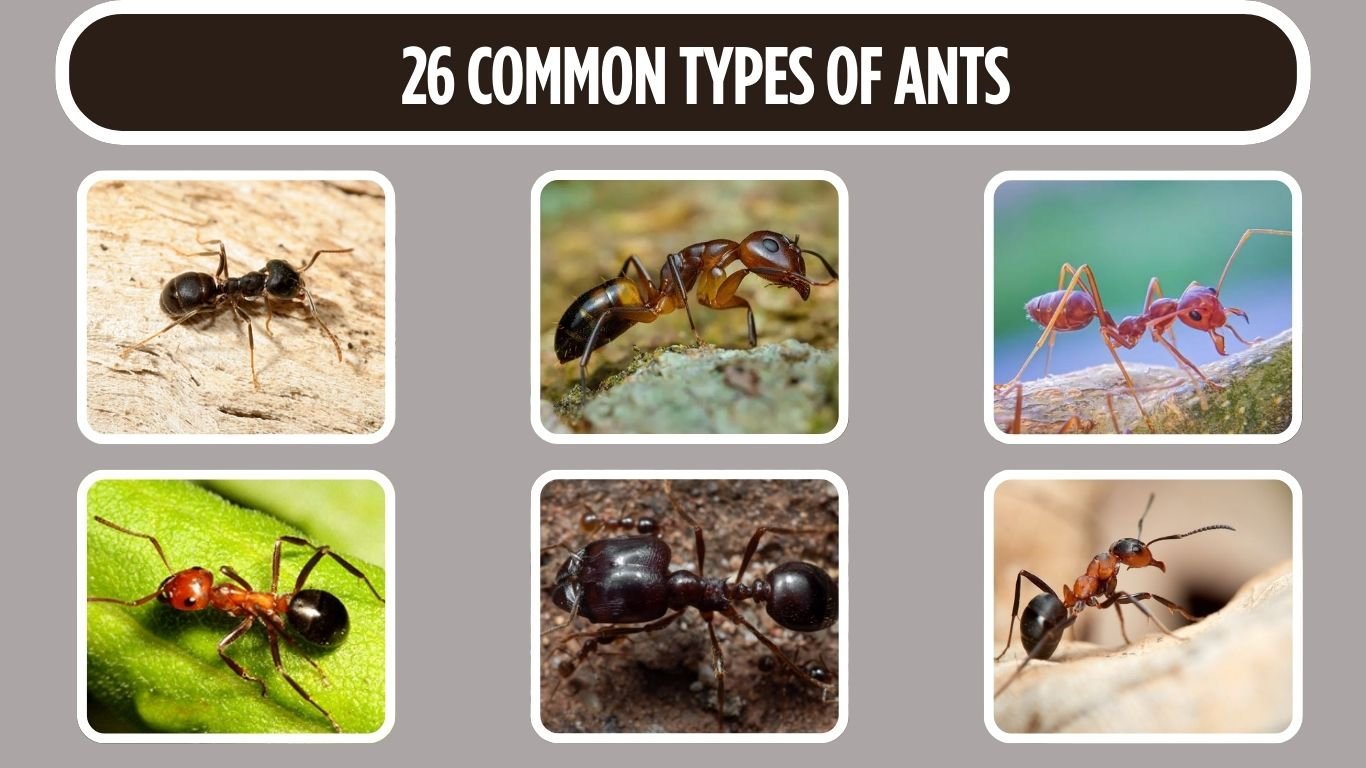
Ants are one of the most widespread and diverse insects found around the world. With thousands of species, they vary greatly in size, color, and behavior. This guide explores 26 common types of ants you might encounter, whether in your home, garden, or outdoors. Learn how to identify each species, understand their nesting habits, and discover how their colonies grow and reproduce.
1. Carpenter Ant
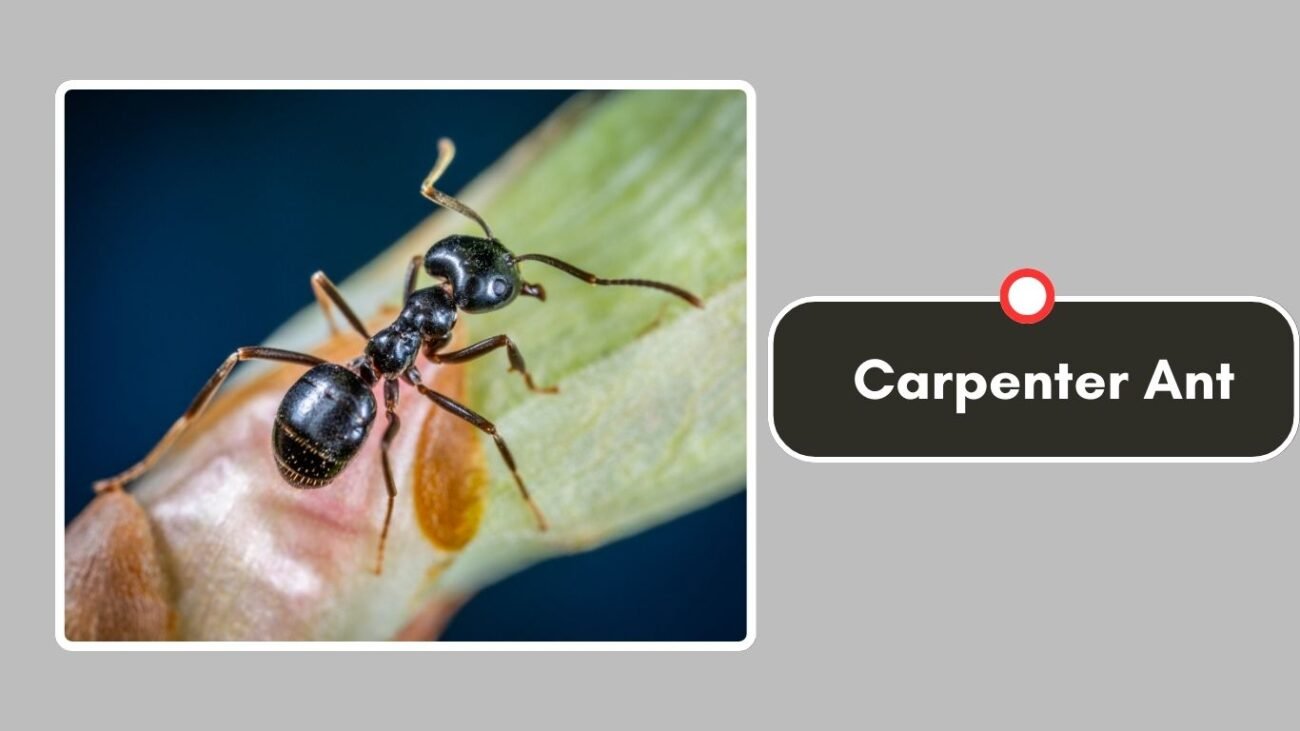
Carpenter ants are one of the most common and recognizable ant species in North America. Unlike termites, they don’t eat wood but carve it out to build their nests, often causing structural damage in homes.
Identification
- Size: Large (6 to 13 mm long)
- Color: Usually black, but some species are red or reddish-black
- Shape: Elbowed antennae, heart-shaped head, and a single node between thorax and abdomen
- Wings (if present): Swarmers have large front wings and smaller hind wings
Nesting and Behavior
Carpenter ants prefer moist, decaying wood and often nest inside wall voids, attics, or hollow doors. Outdoors, they build nests in tree stumps, logs, or woodpiles. They are most active at night, foraging for sweets and proteins.
Reproduction
Queen carpenter ants lay eggs that develop into workers, soldiers, or reproductive swarmers. Colonies can grow very large, sometimes with satellite nests extending throughout a structure.
Bite/Sting Danger
Carpenter ants do not sting, but they can bite using their strong jaws. While the bite isn’t dangerous, it may feel sharp and can sometimes be accompanied by a small spray of formic acid, causing minor skin irritation.
2. Fire Ant
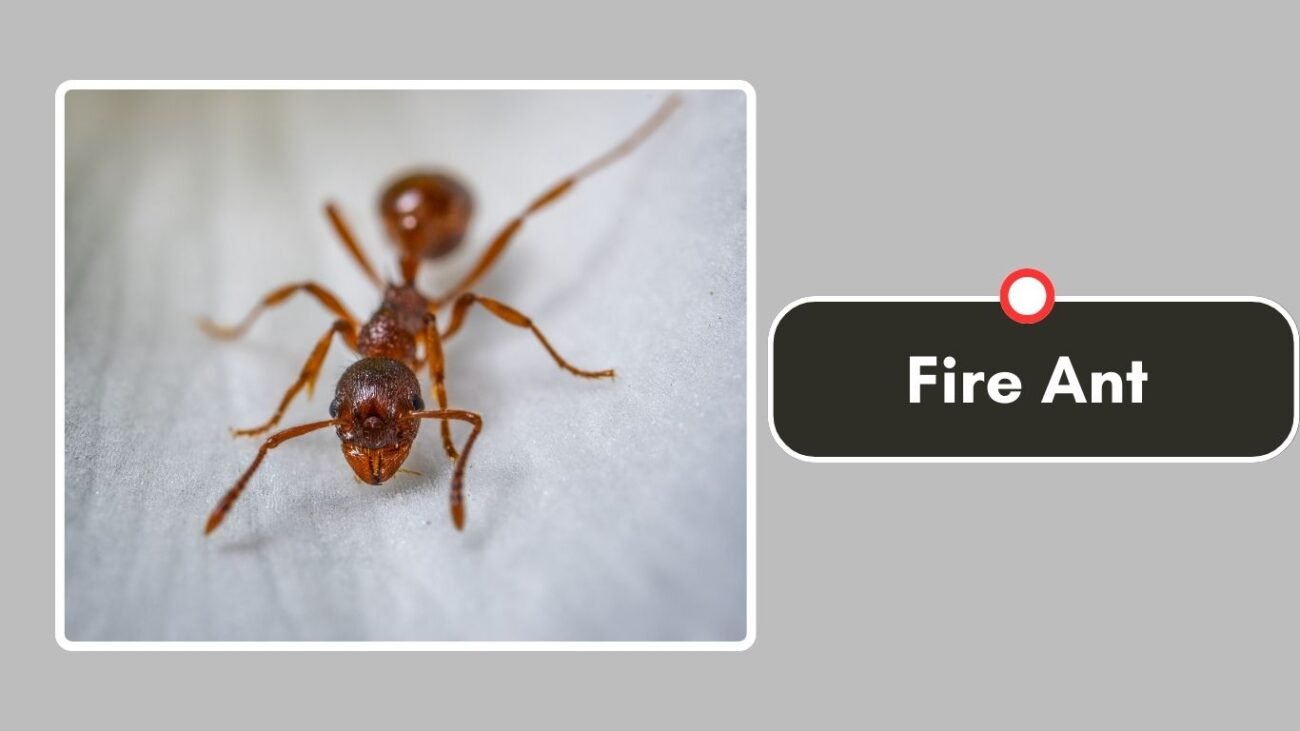
Fire ants are aggressive, reddish-brown ants known for their painful stings and ability to form massive colonies. They are most common in the southern United States but have spread to other warm climates globally.
Identification
- Size: 2 to 6 mm
- Color: Reddish-brown body with a darker abdomen
- Shape: Two-segmented waist with a noticeable stinger
- Other Features: Workers vary in size; antennae have 10 segments with a two-segmented club
Nesting and Behavior
Fire ants build large mounds in open, sunny areas like lawns, fields, and parks. Their nests can reach up to 18 inches in height. They’re extremely territorial and respond aggressively to disturbances.
Reproduction
Colonies are founded by a queen who lays thousands of eggs. Fire ant colonies may be monogyne (one queen) or polygyne (multiple queens), influencing how fast they spread.
3. Pharaoh Ant
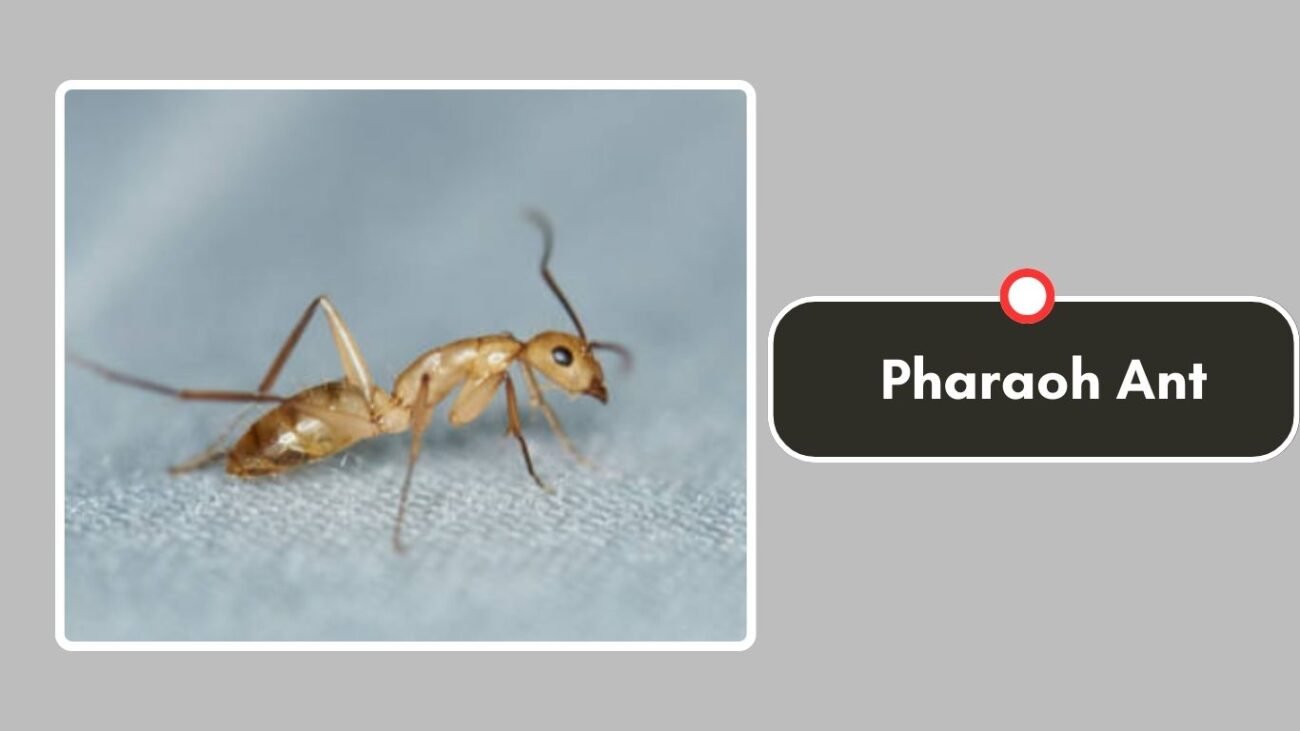
Pharaoh ants are tiny but incredibly invasive and difficult to control. They’re often found in hospitals, food service areas, and apartment buildings, where they exploit even the smallest food crumbs.
Identification
- Size: 1.5 to 2 mm
- Color: Yellow to light brown with a darker abdomen
- Shape: Two nodes between thorax and abdomen; no spine on the thorax
- Other Features: Almost translucent appearance
Nesting and Behavior
They prefer warm, humid, indoor environments and build nests inside wall voids, under baseboards, or behind appliances. Pharaoh ants form multiple colonies with interconnected nests.
Reproduction
Pharaoh ants reproduce rapidly. Budding is their main method of colony expansion—when disturbed, a group of ants with a queen will break off to form a new colony, making them particularly hard to eliminate.
4. Argentine Ant
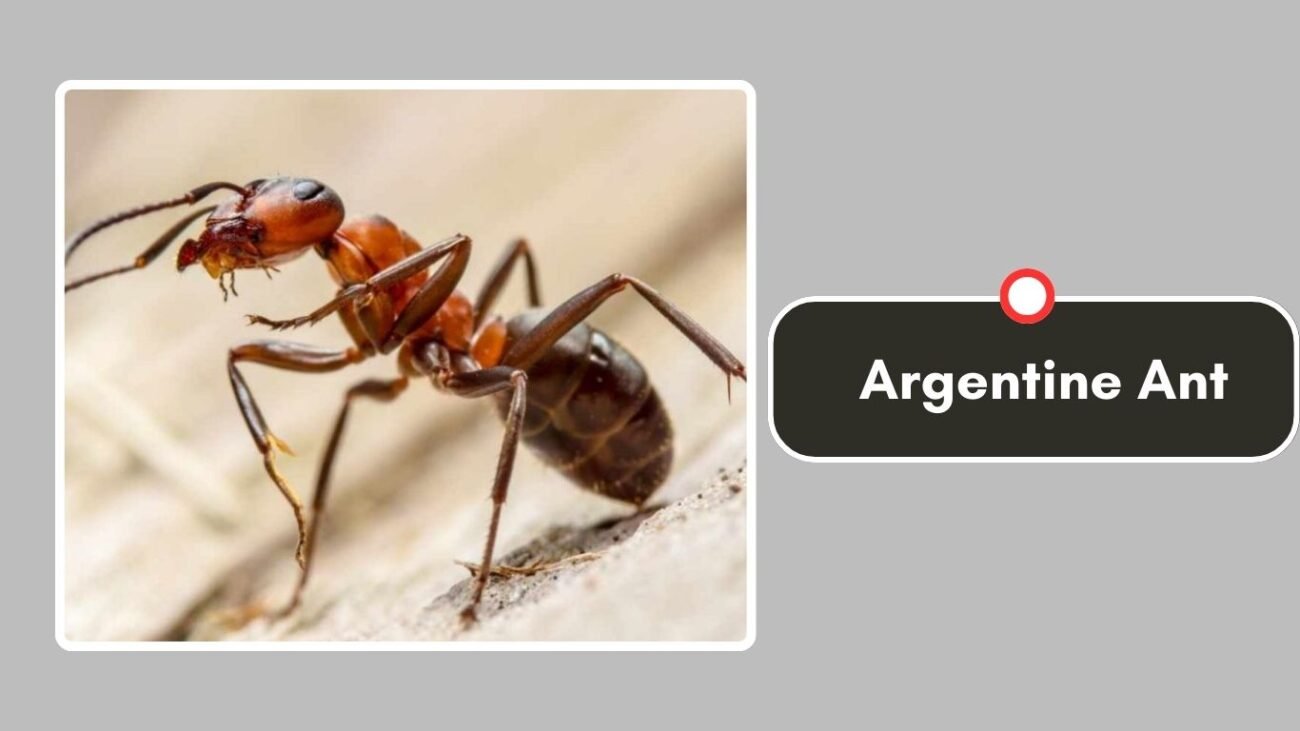
Argentine ants are small, dark ants known for forming massive supercolonies that can displace native ant species. They’re highly adaptive and often invade homes in search of food.
Identification
- Size: 2.2 to 2.8 mm
- Color: Light to dark brown
- Shape: One node on the petiole; no spines on thorax
- Other Features: Workers are uniform in size and emit a musty odor when crushed
Nesting and Behavior
Argentine ants prefer moist environments and nest in soil, under logs, mulch, or within wall voids. Indoors, they trail in large numbers toward food sources, especially sweets.
Reproduction
Colonies contain multiple queens and can rapidly expand. Their cooperative behavior allows multiple nests to function as one, making infestations harder to control.
5. Pavement Ant
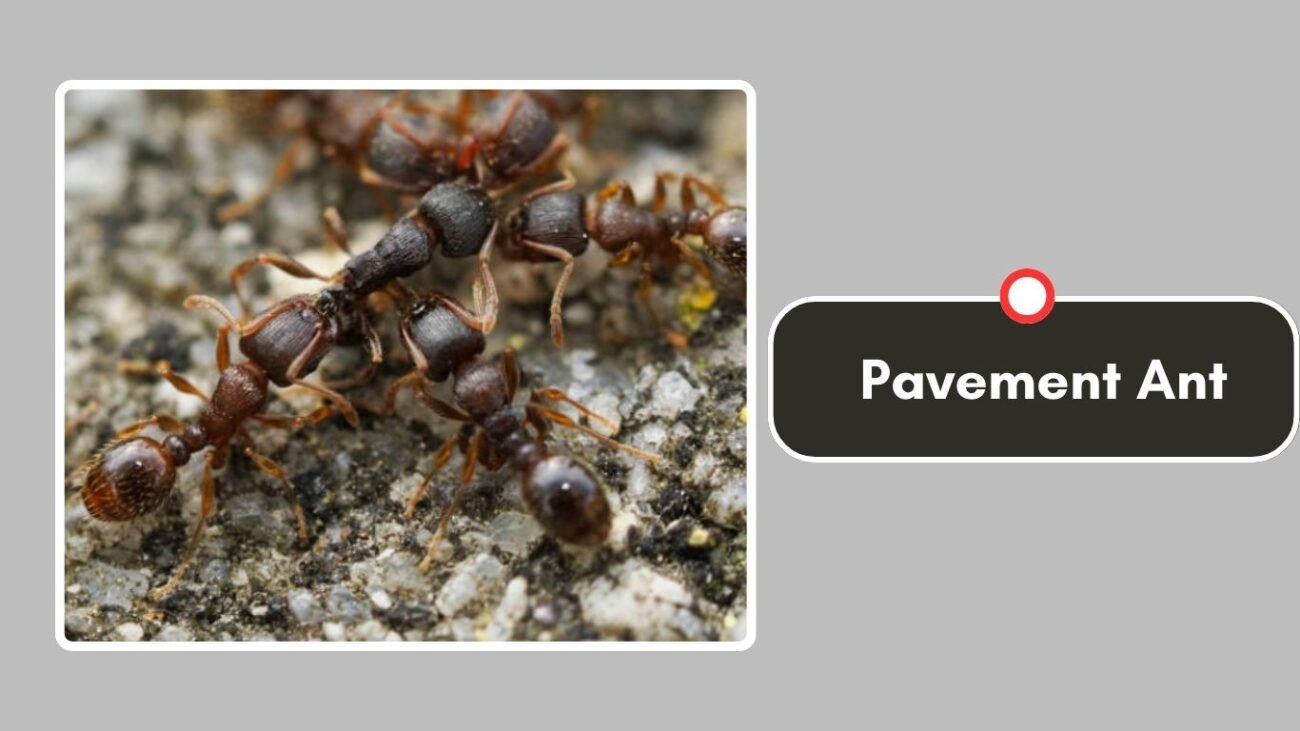
Pavement ants are commonly found in urban settings, especially around sidewalks, driveways, and building foundations. They often enter buildings through cracks to find food.
Identification
- Size: 2.5 to 4 mm
- Color: Dark brown to black
- Shape: Two nodes; parallel grooves on head and thorax
- Other Features: Antennae with 12 segments and a three-segmented club
Nesting and Behavior
They build nests in pavement cracks, under stones, and along building edges. Indoors, they forage for greasy, sweet, or protein-rich foods.
Reproduction
Pavement ants swarm in spring or early summer. Colonies can grow large, and workers will battle rival colonies to defend territory.
6. Odorous House Ant
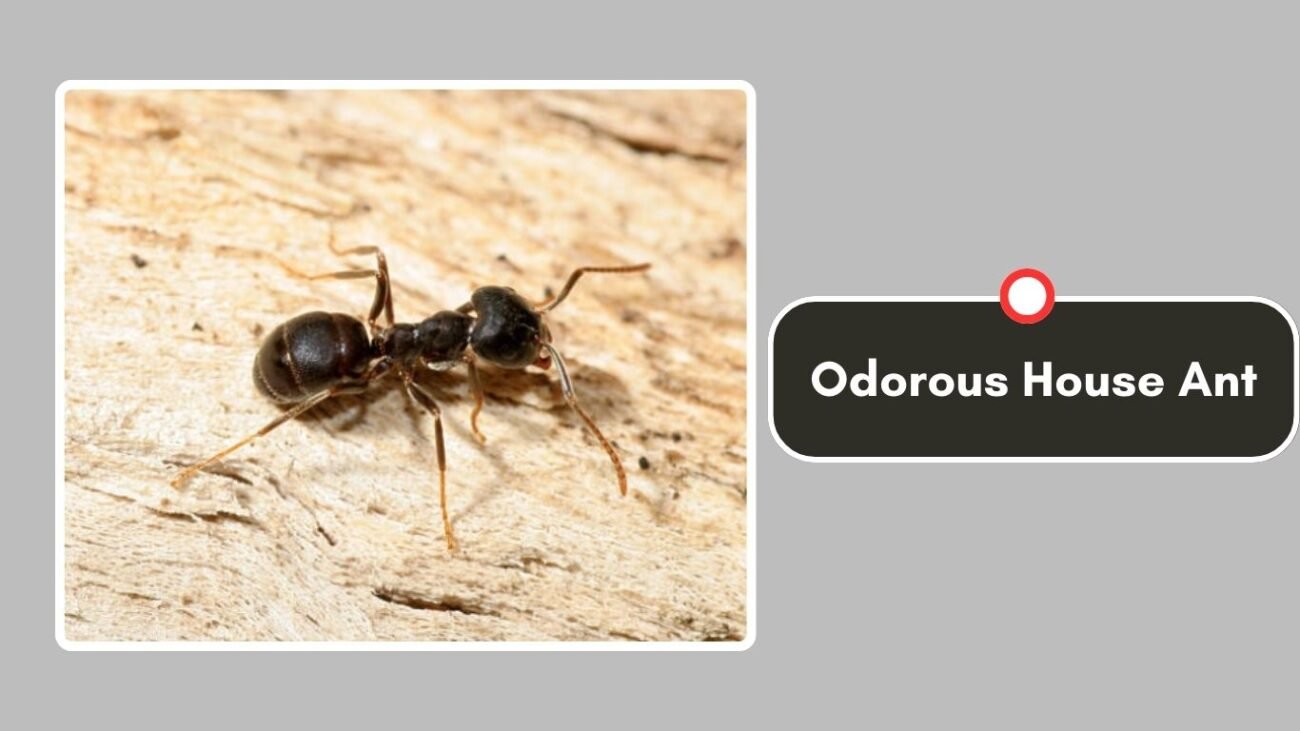
Odorous house ants are named for the unpleasant, rotten coconut-like smell they emit when crushed. They are resilient indoor invaders that quickly establish trails to food.
Identification
- Size: 2.4 to 3.3 mm
- Color: Brown to black
- Shape: Unevenly shaped thorax when viewed from the side; one hidden node
- Other Features: Emit strong odor when crushed
Nesting and Behavior
They nest in a variety of locations—under floors, in wall voids, or beneath leaky fixtures. Outdoors, they nest in mulch, soil, or under stones. They trail along baseboards and counters toward sugary foods.
Reproduction
Colonies may contain multiple queens. If disturbed, they relocate quickly and can form new nests within days. Reproduction occurs throughout the year indoors.
7. Bullet Ant
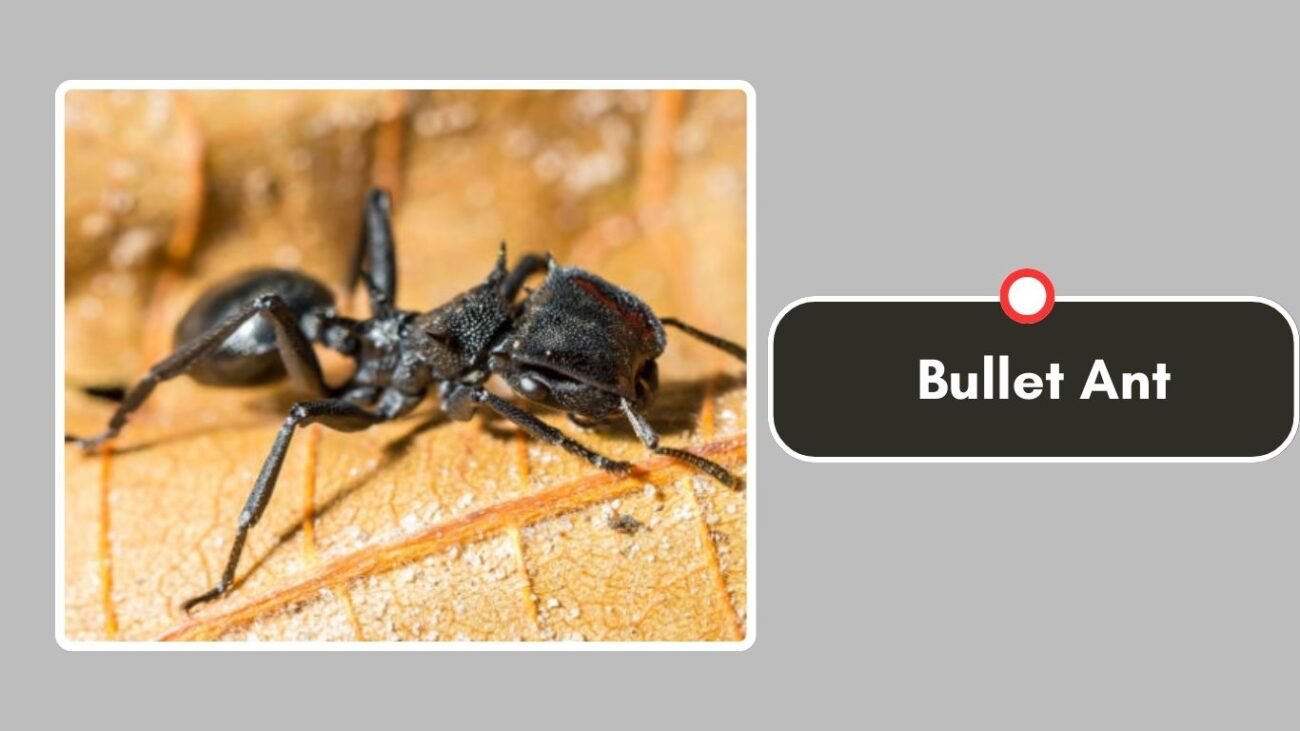
The bullet ant is known for having one of the most painful stings of any insect, though it’s not aggressive unless provoked. Native to Central and South America, it’s often found in rainforests.
Identification
- Size: 18 to 30 mm (very large)
- Color: Reddish-black to dark brown
- Shape: Long body with large mandibles and prominent eyes
- Other Features: Powerful jaws and a stinger capable of delivering intense pain
Nesting and Behavior
They nest at the base of trees or in the soil of tropical rainforests. Bullet ants are solitary foragers and hunt other insects and small animals. They’re mostly active during the day.
Reproduction
Colonies are small compared to other ant species, and queens lay eggs that hatch into worker ants. Nests are guarded aggressively despite the small colony size.
8. Black Garden Ant
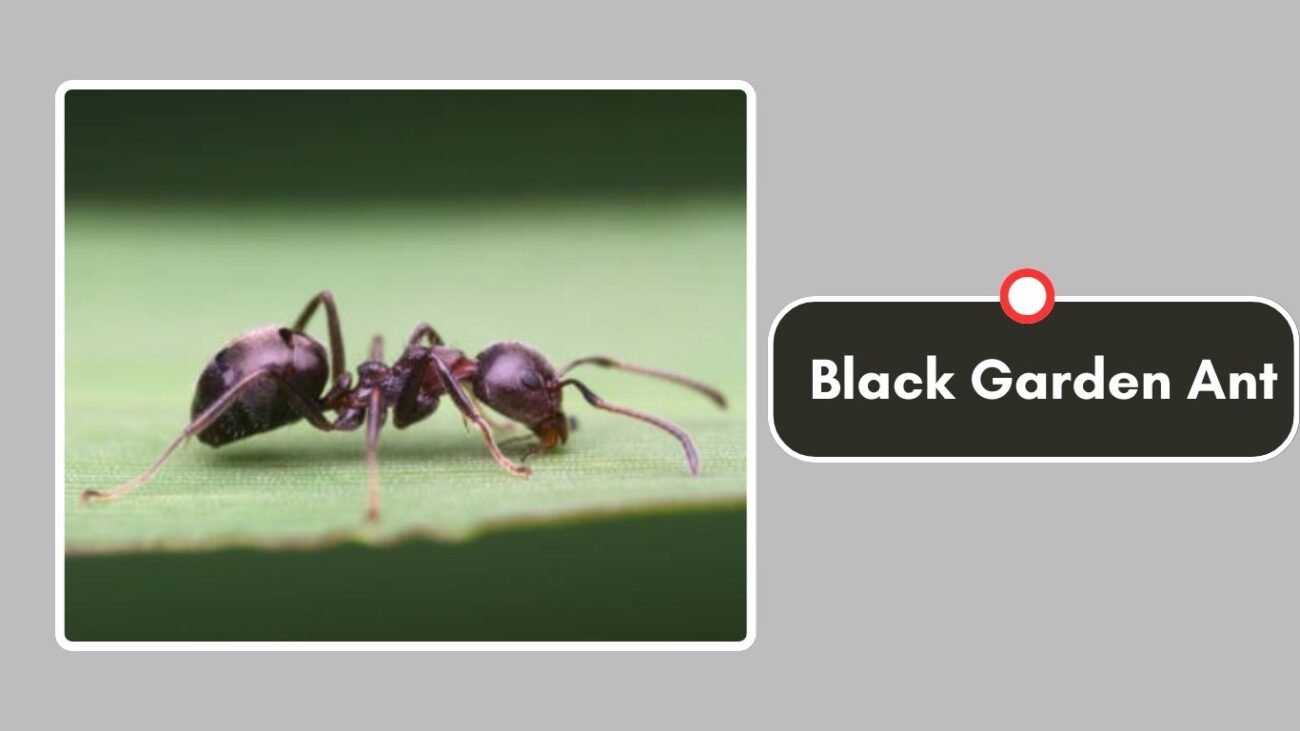
Common across Europe and parts of North America, the black garden ant is often seen in gardens and patios. It’s one of the most familiar ants due to its outdoor activity and trail formations.
Identification
- Size: 3 to 5 mm
- Color: Jet black
- Shape: Smooth body with a narrow waist and one petiole node
- Other Features: Glossy appearance; all workers are the same size
Nesting and Behavior
They build nests under paving stones, in soil, or in lawn edges. Black garden ants trail long distances to find sugary food, often entering kitchens and pantries.
Reproduction
Queens can live for over 10 years and lay thousands of eggs. Colonies typically swarm in midsummer, when winged males and females emerge to mate and start new colonies.
9. Ghost Ant
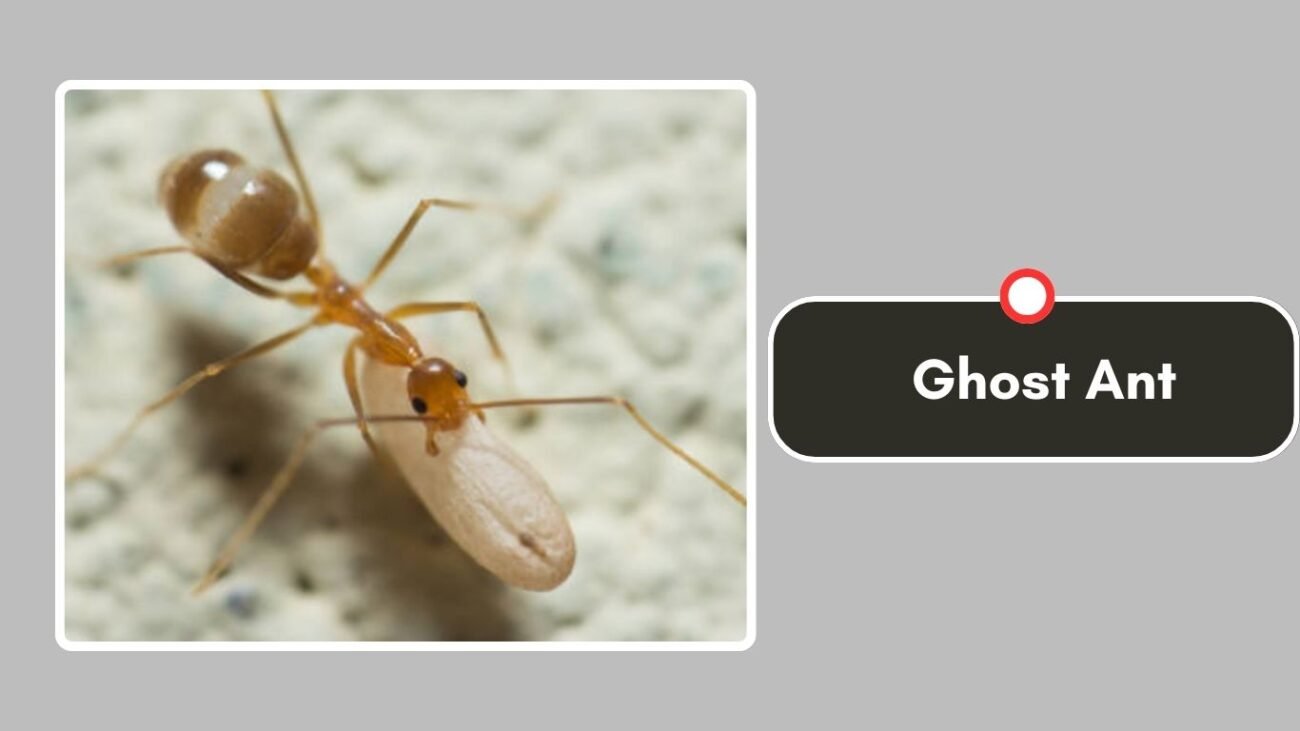
Ghost ants are tiny, fast-moving ants named for their pale legs and abdomen, which make them look almost transparent. They are commonly found in tropical and subtropical climates, especially indoors.
Identification
- Size: 1.3 to 1.5 mm
- Color: Dark head and thorax with a pale, almost translucent abdomen and legs
- Shape: One petiole node; workers are monomorphic (uniform in size)
- Other Features: Difficult to see due to their light coloring
Nesting and Behavior
Ghost ants prefer warm, moist environments and often nest inside walls, under sinks, or behind baseboards. Outdoors, they can be found under logs, in plant pots, or in soil. They follow strong trails and are primarily attracted to sweets.
Reproduction
Colonies are polygynous (multiple queens) and expand by budding. New nests are quickly established, especially in favorable indoor environments.
10. Sugar Ant
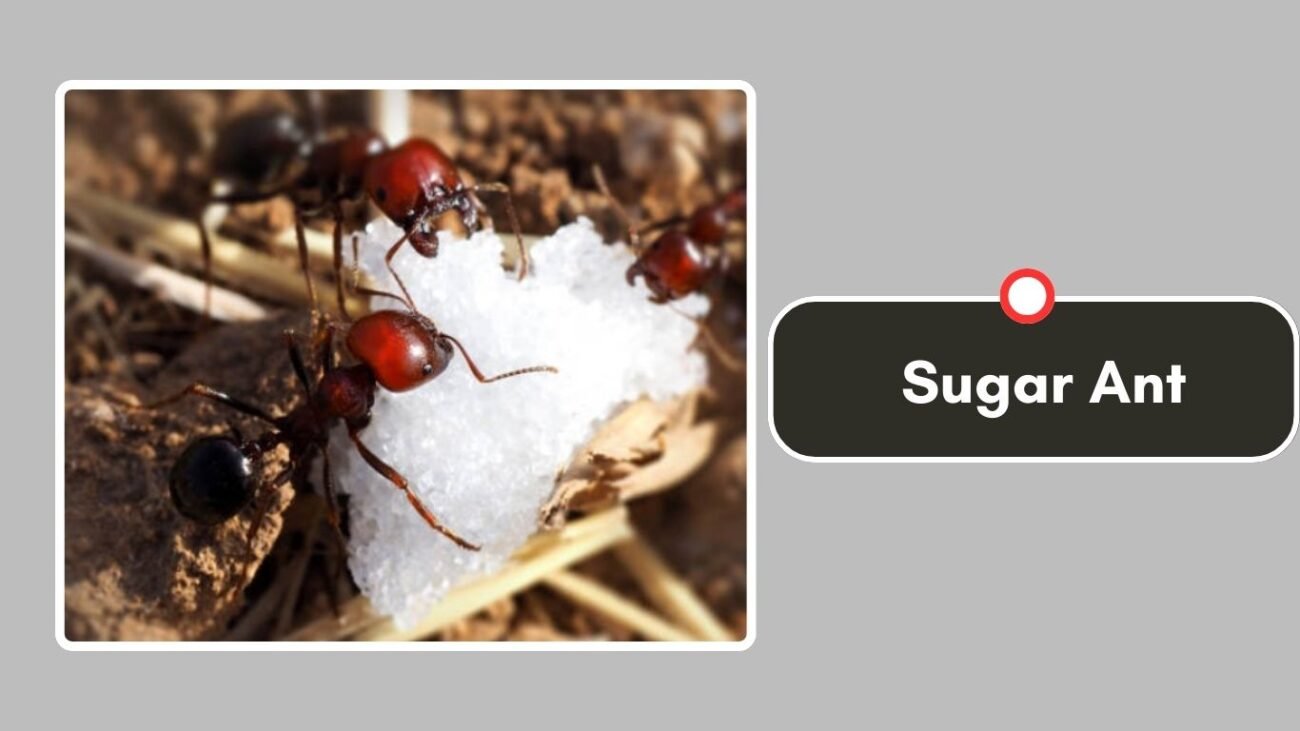
Often confused with several other small ant species, sugar ants are known for their attraction to sugary substances. The term “sugar ant” is often used informally, but it most accurately refers to Camponotus consobrinus, native to Australia.
Identification
- Size: 2.5 to 18 mm depending on caste
- Color: Orange-brown head and thorax with a black abdomen
- Shape: One node; body covered with fine hairs
- Other Features: Worker ants are smaller than queens and soldiers
Nesting and Behavior
Sugar ants nest in soil, wood, or beneath stones and logs. They forage for sweet foods, especially nectar and household treats, and are mostly nocturnal.
Reproduction
The colony starts from a single queen, and over time, develops into a large structure with defined roles among worker ants. Winged males and females swarm in spring or early summer for mating flights.
11. Acrobat Ant
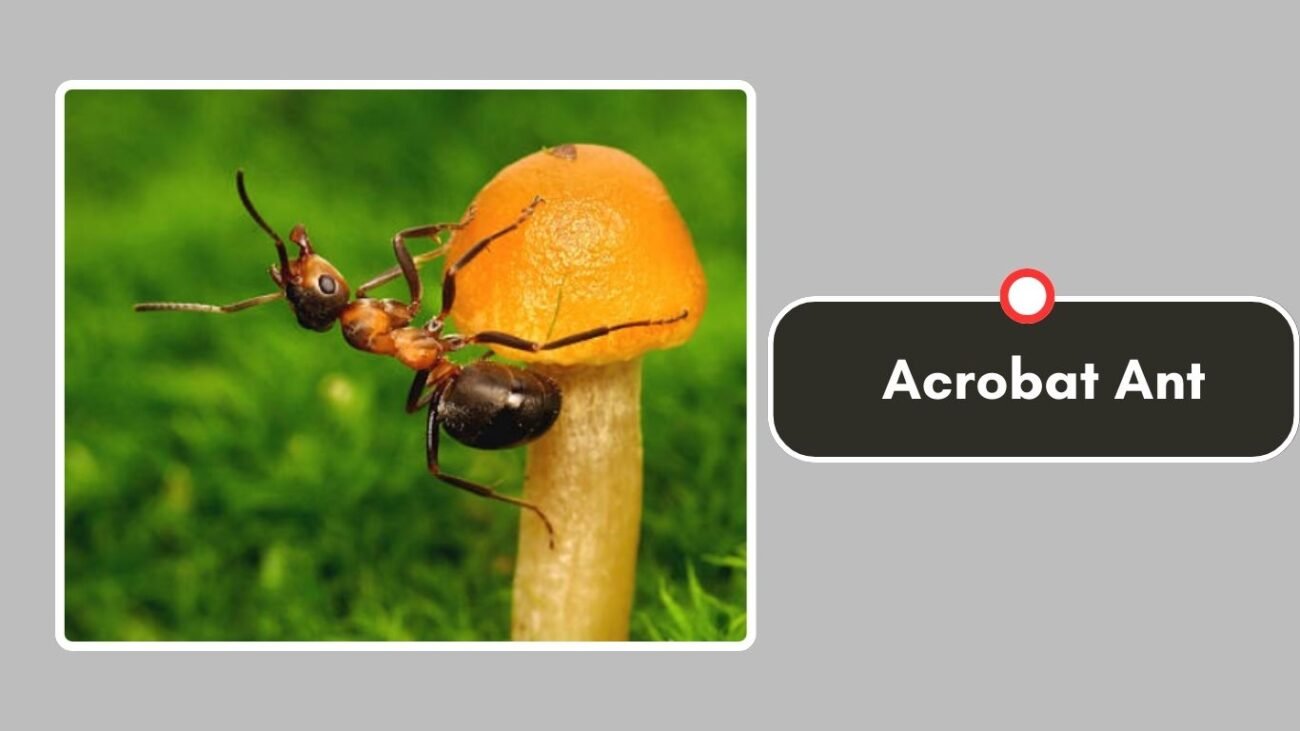
Acrobat ants get their name from the way they raise their heart-shaped abdomen over their thorax when disturbed. They are found both indoors and outdoors and can sometimes be mistaken for carpenter ants.
Identification
- Size: 2.5 to 4 mm
- Color: Light brown to black
- Shape: Heart-shaped gaster (abdomen) that arches above the body
- Other Features: Two petiole nodes and spines on the thorax
Nesting and Behavior
These ants nest in decaying wood, under stones, or in insulation and wall voids in buildings. They are opportunistic foragers and often feed on sweets and proteins.
Reproduction
Colonies are relatively small and contain a single queen. They can grow steadily, especially when inside wall voids or damaged wood structures.
12. Crazy Ant
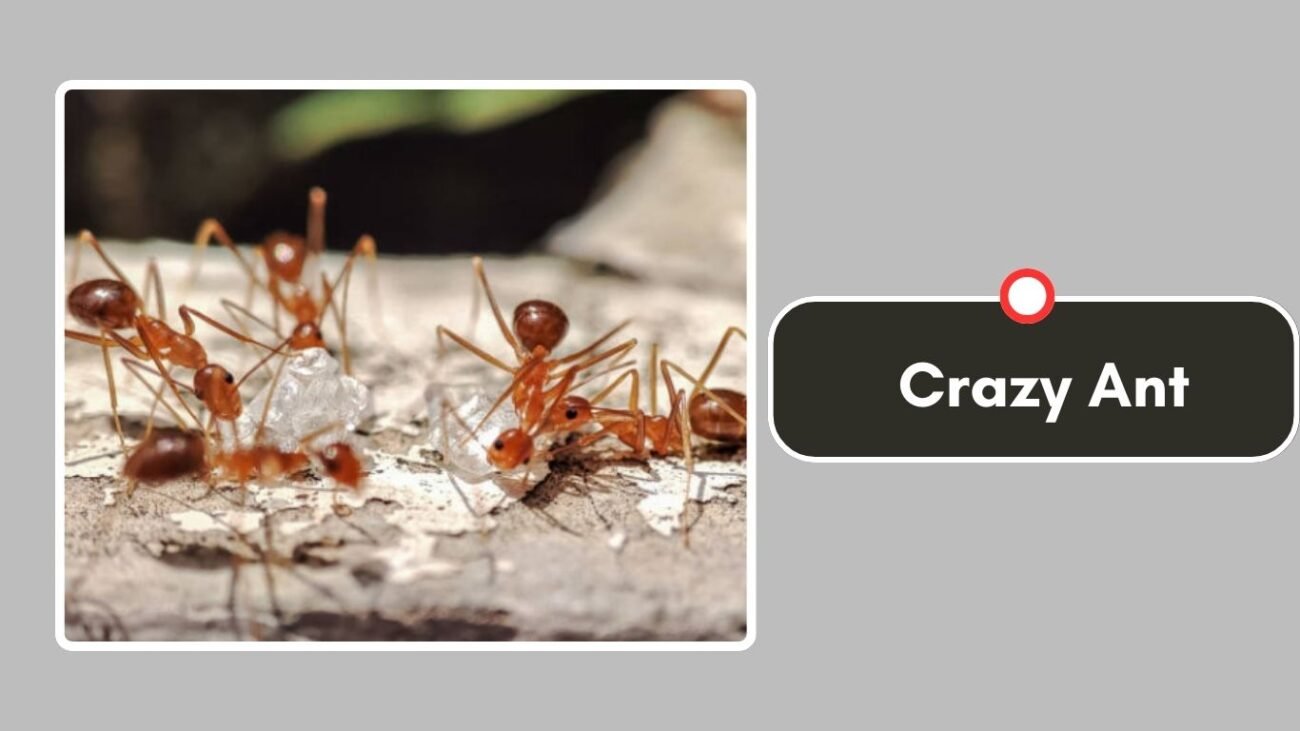
Crazy ants are known for their erratic, fast movement—hence the name “crazy.” They’re highly adaptable and difficult to control once established indoors.
Identification
- Size: 2.2 to 3 mm
- Color: Dark brown to black with a slight bluish sheen
- Shape: Long legs and antennae; one petiole node
- Other Features: Do not have a stinger but spray formic acid
Nesting and Behavior
They nest in moist or dry areas—under floors, in wall voids, or outside in mulch and soil. Crazy ants don’t form strong trails and move unpredictably in search of food.
Reproduction
Colonies often have multiple queens and can grow rapidly. They spread through budding, where part of the colony breaks off to form a new nest nearby.
13. Leafcutter Ant
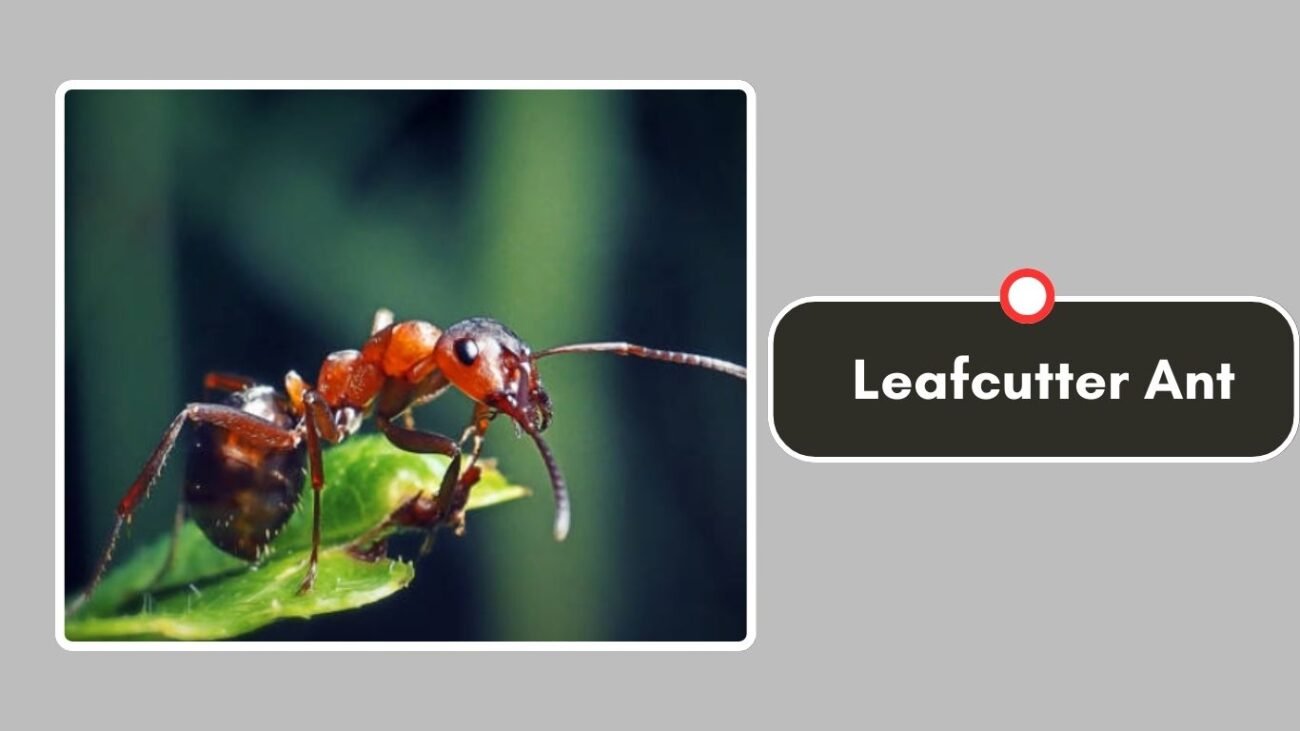
Leafcutter ants are famous for carrying bits of leaves back to their colonies—not to eat, but to use as a substrate for growing fungus, which is their true food source. These ants play a major ecological role in tropical forests.
Identification
- Size: 3 to 30 mm (depending on caste)
- Color: Reddish-brown to dark brown
- Shape: Powerful mandibles; spiny thorax; large head in soldier caste
- Other Features: Strong jaws for cutting vegetation
Nesting and Behavior
They build extensive underground nests that can house millions of ants. Their trails can stretch for hundreds of feet from the nest to nearby vegetation. They forage for fresh leaves and flowers.
Reproduction
Colonies begin with a single queen and grow into millions of individuals with a caste system: workers, soldiers, and queen. Mating swarms occur during the rainy season.
14. Army Ant
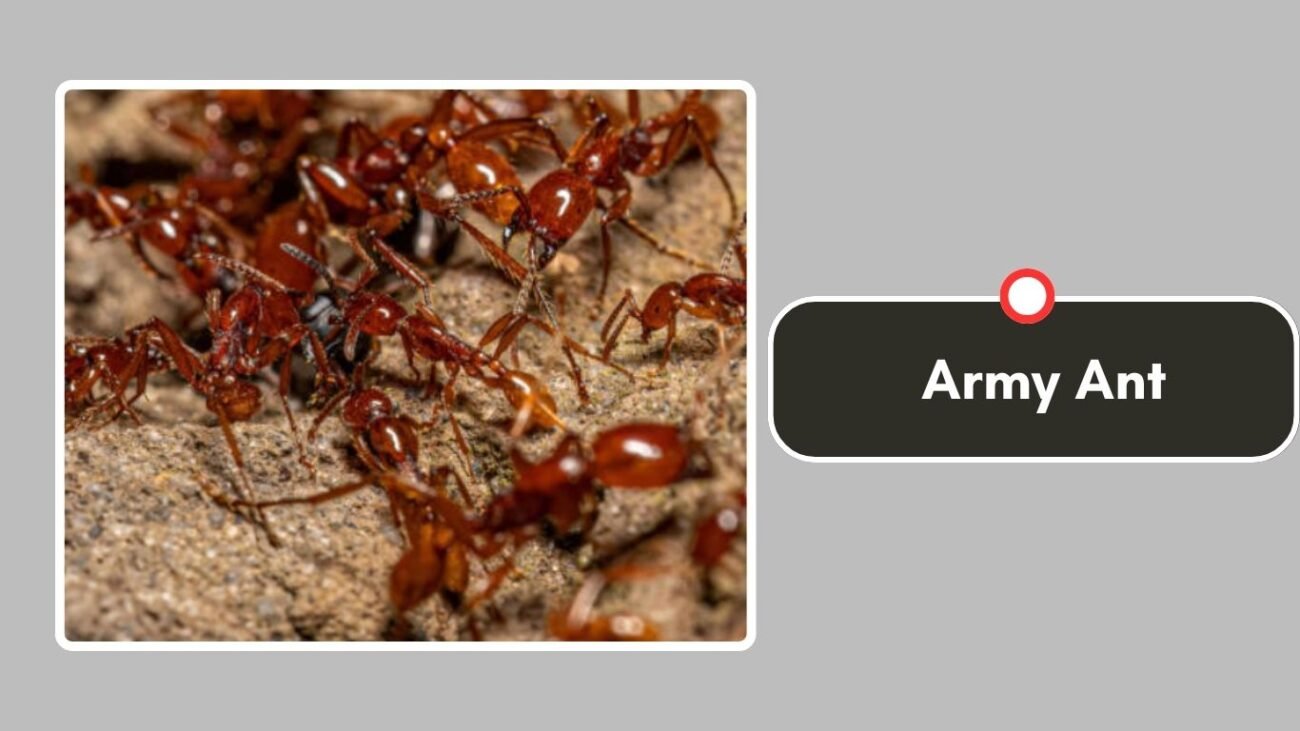
Army ants are nomadic and aggressive, known for forming large raiding columns that overwhelm prey through sheer numbers. They don’t build permanent nests and are constantly on the move.
Identification
- Size: 3 to 15 mm
- Color: Varies from dark brown to reddish
- Shape: Large mandibles; cylindrical body
- Other Features: Soldiers have oversized jaws; workers are smaller
Nesting and Behavior
Army ants don’t create fixed nests. Instead, they form temporary living nests called bivouacs made from their own bodies. They are blind and navigate using pheromone trails.
Reproduction
A single queen lays thousands of eggs daily. Colonies divide when a new queen is produced, and part of the colony branches off to start a new one. Their raids are coordinated and systematic, targeting insects and even small animals.
15. Bigheaded Ant
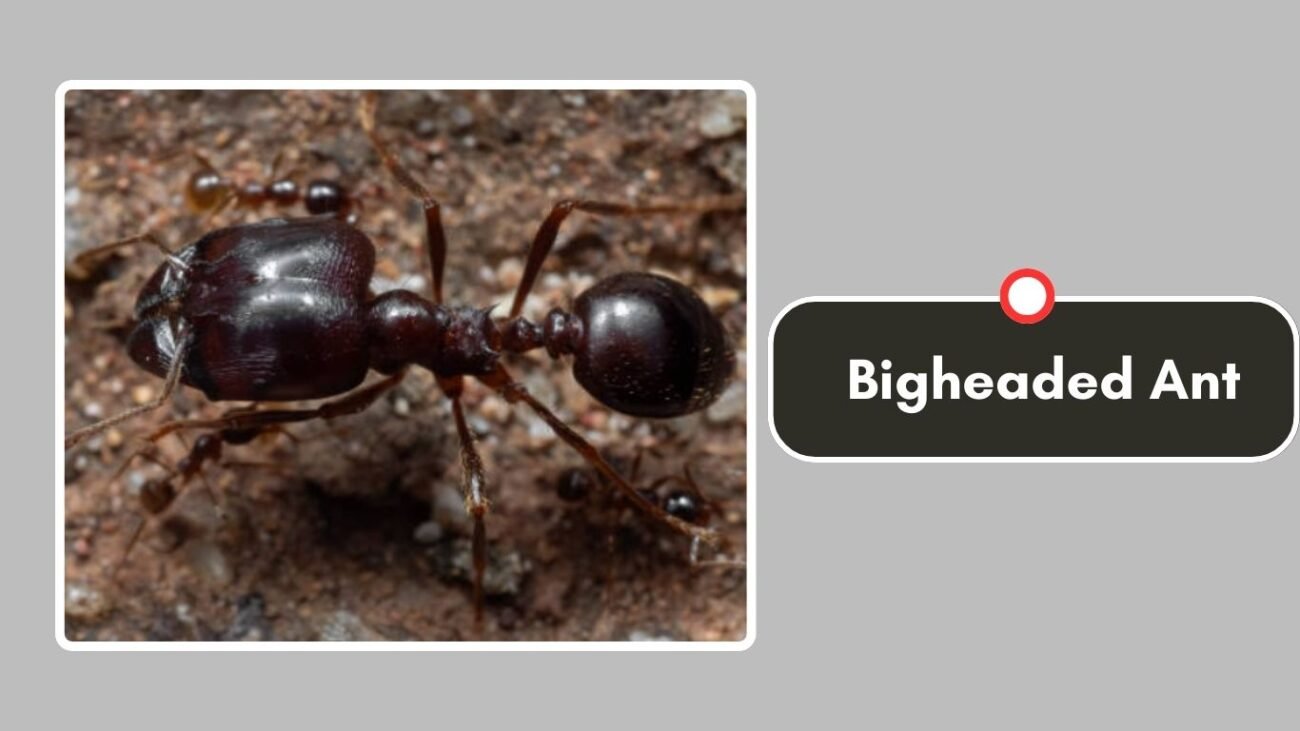
Bigheaded ants are easily identified by their soldier caste, which has a disproportionately large head compared to its body. They are often invasive and compete with native species in tropical and subtropical areas.
Identification
- Size: 2 to 4 mm (workers); soldiers can be up to 6 mm
- Color: Light brown to reddish-brown
- Shape: Massive head in soldiers; two nodes on petiole
- Other Features: Soldiers use large jaws to crush seeds or defend the colony
Nesting and Behavior
They nest in soil, under debris, and sometimes inside buildings. Colonies form large networks with multiple satellite nests. Foraging trails are often visible, especially near sidewalks or garden edges.
Reproduction
Bigheaded ants reproduce through budding. Colonies may have multiple queens, which allows for rapid expansion and makes them difficult to eradicate completely.
16. Red Imported Fire Ant
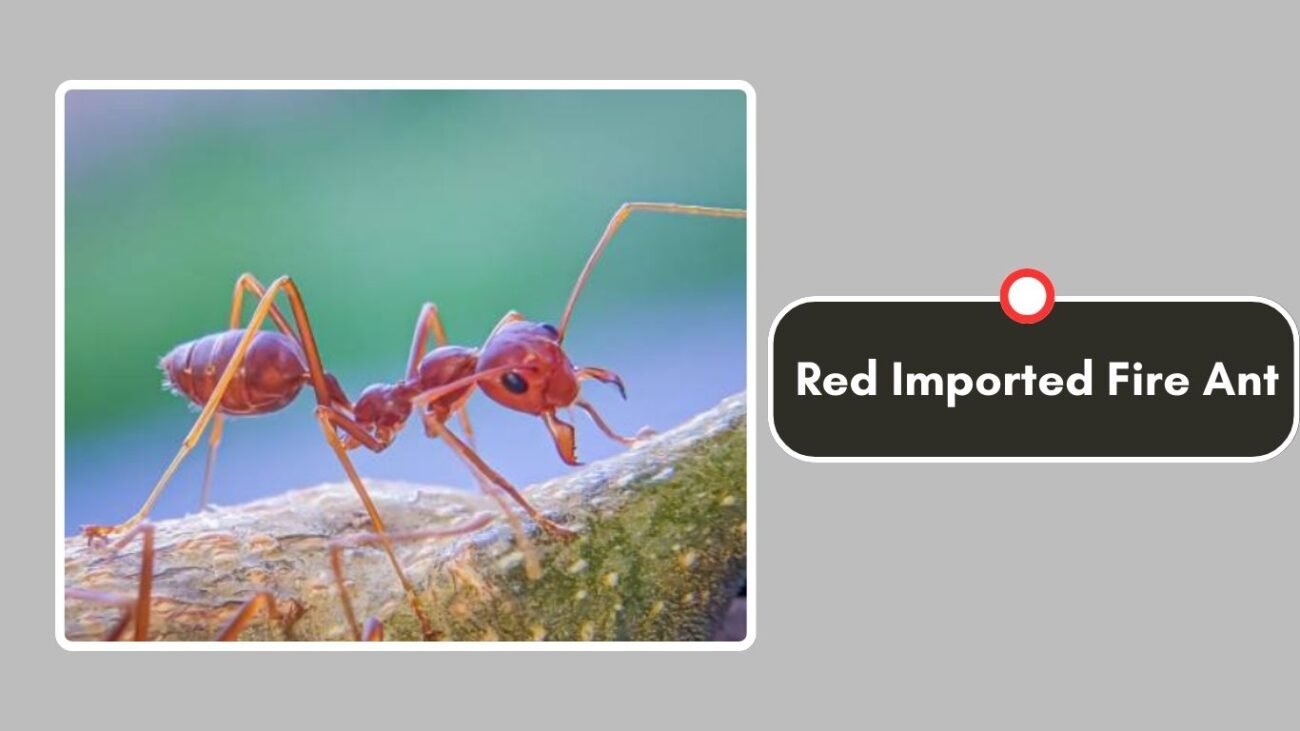
Red imported fire ants are aggressive and notorious for painful stings. Originally from South America, they’ve become a major pest across the southern United States and beyond.
Identification
- Size: 2.5 to 6 mm
- Color: Reddish-brown body with a darker abdomen
- Shape: Two-segmented waist; elbowed antennae
- Other Features: Workers vary in size; sting is painful and leaves pustules
Nesting and Behavior
They build dome-shaped mounds in open, sunny areas like lawns, fields, and pastures. These ants are highly aggressive when disturbed and will swarm quickly.
Reproduction
Colonies may contain one or multiple queens. Winged males and females swarm to mate, after which new queens establish separate colonies. Their populations grow rapidly under favorable conditions.
17. Thief Ant
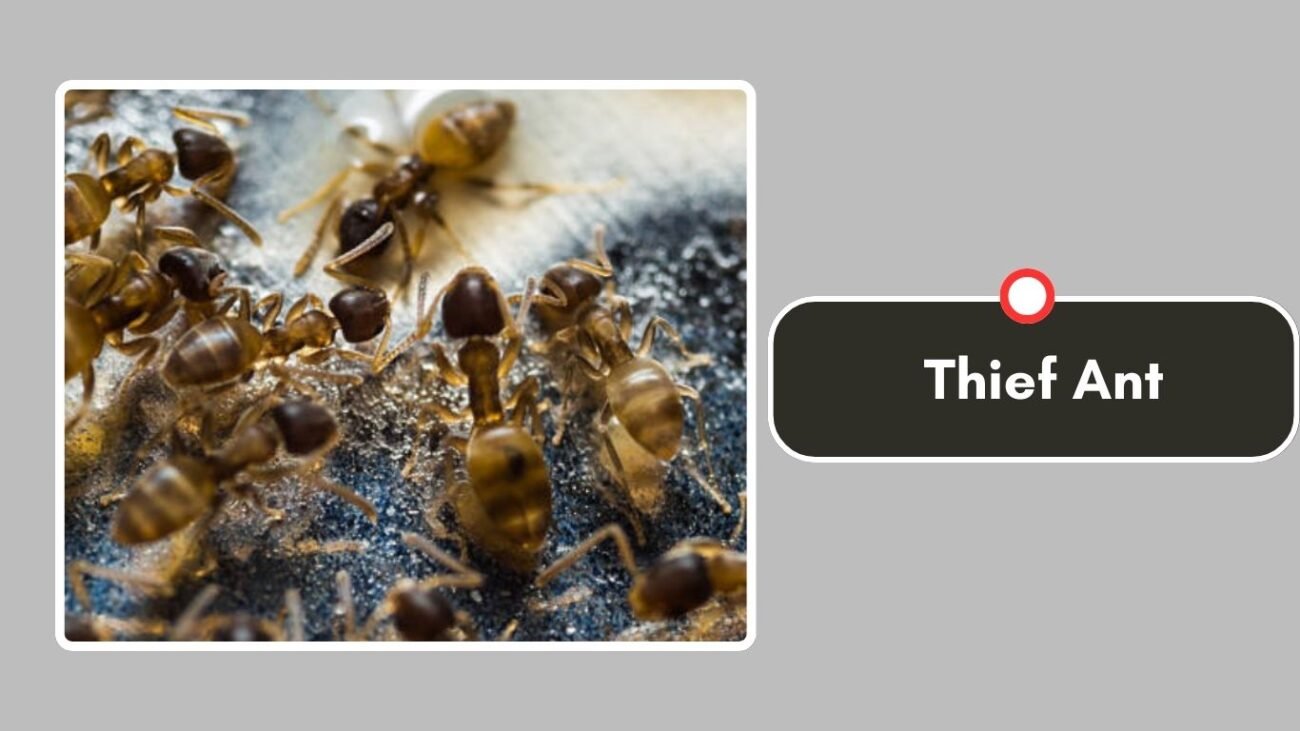
Thief ants get their name from their tendency to build nests close to other ant colonies and steal food or brood. Their tiny size allows them to sneak into homes and contaminate stored food.
Identification
- Size: 1.5 to 2.2 mm
- Color: Yellow to light brown
- Shape: Very small, with a two-segmented waist
- Other Features: Antennae with 10 segments and a two-segmented club
Nesting and Behavior
They nest in wall voids, behind baseboards, under counters, and even inside cabinets. Outside, they can be found under rocks or logs. Their small size allows access to tightly sealed food containers.
Reproduction
Thief ants reproduce quickly, often forming multiple colonies through budding. Their small queens can lay hundreds of eggs, leading to rapid infestations indoors.
18. Yellow Crazy Ant
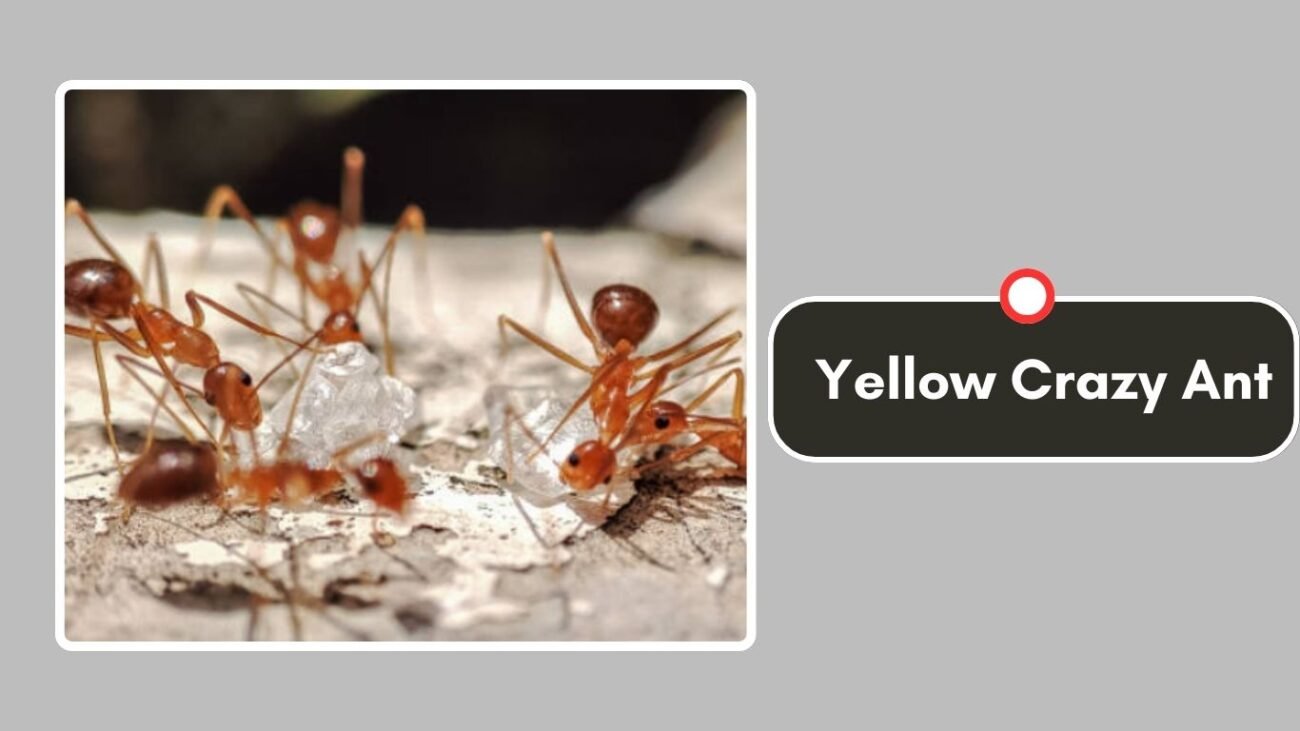
Yellow crazy ants are named for both their yellowish color and their erratic, fast movement. These ants are invasive and have caused ecological disruption on many islands and tropical environments.
Identification
- Size: 4 to 5 mm
- Color: Yellow to yellowish-brown
- Shape: Long legs and antennae; one petiole node
- Other Features: No stinger; sprays formic acid when threatened
Nesting and Behavior
They nest in soil, under logs, and in leaf litter. Indoors, they seek out moist, warm areas. They do not follow defined trails and scatter quickly when disturbed, making them difficult to track.
Reproduction
Colonies have multiple queens, allowing for large and rapidly expanding populations. They reproduce by budding and can overwhelm native insect populations.
19. Field Ant
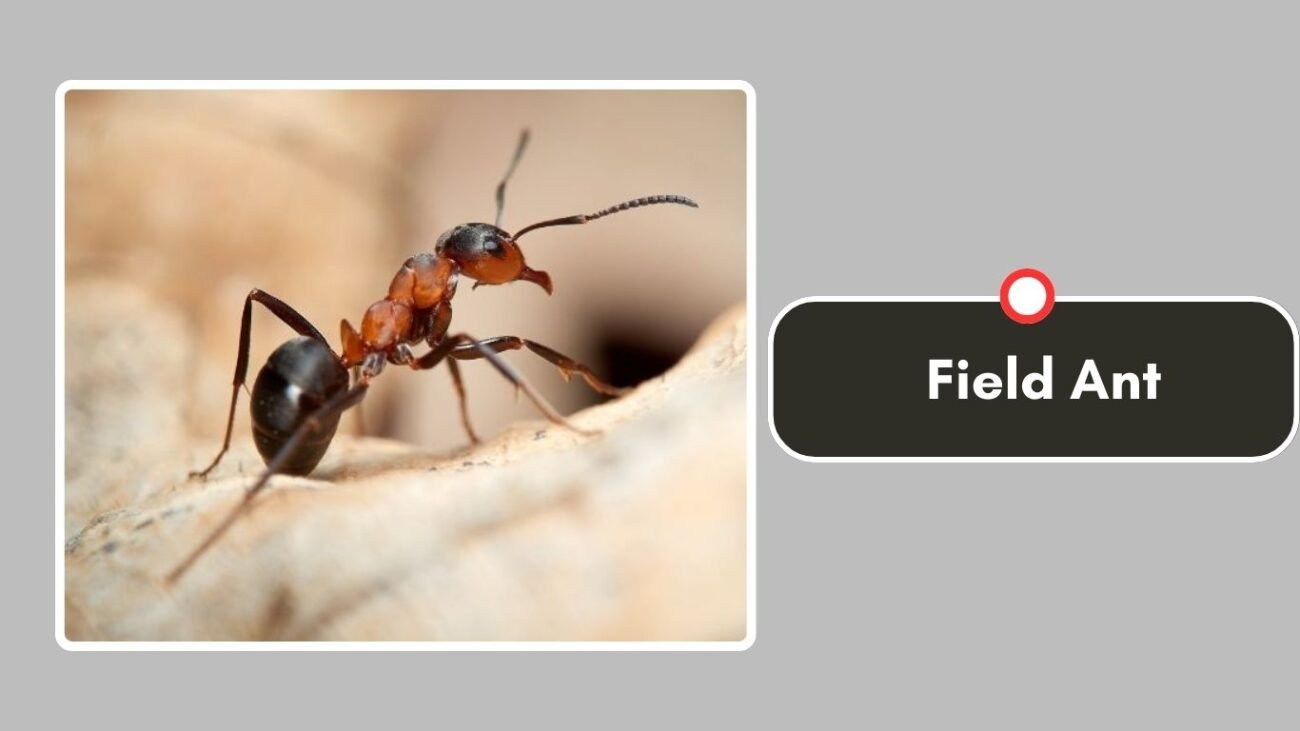
Field ants are common in open, grassy areas and can be mistaken for carpenter ants due to their similar size and appearance. They don’t invade homes as often but may nest near foundations.
Identification
- Size: 4 to 8 mm
- Color: Black, reddish, or a combination of red and black
- Shape: One petiole node; thorax is uneven in profile
- Other Features: Workers are polymorphic; no stinger but can spray formic acid
Nesting and Behavior
Field ants build large mounds in soil, lawns, or fields, often with visible dome-shaped entrances. They forage on honeydew, insects, and sugary liquids.
Reproduction
Colonies contain a single queen or multiple queens. Swarming usually occurs in late summer. They expand gradually, forming large outdoor colonies over time.
20. Allegheny Mound Ant
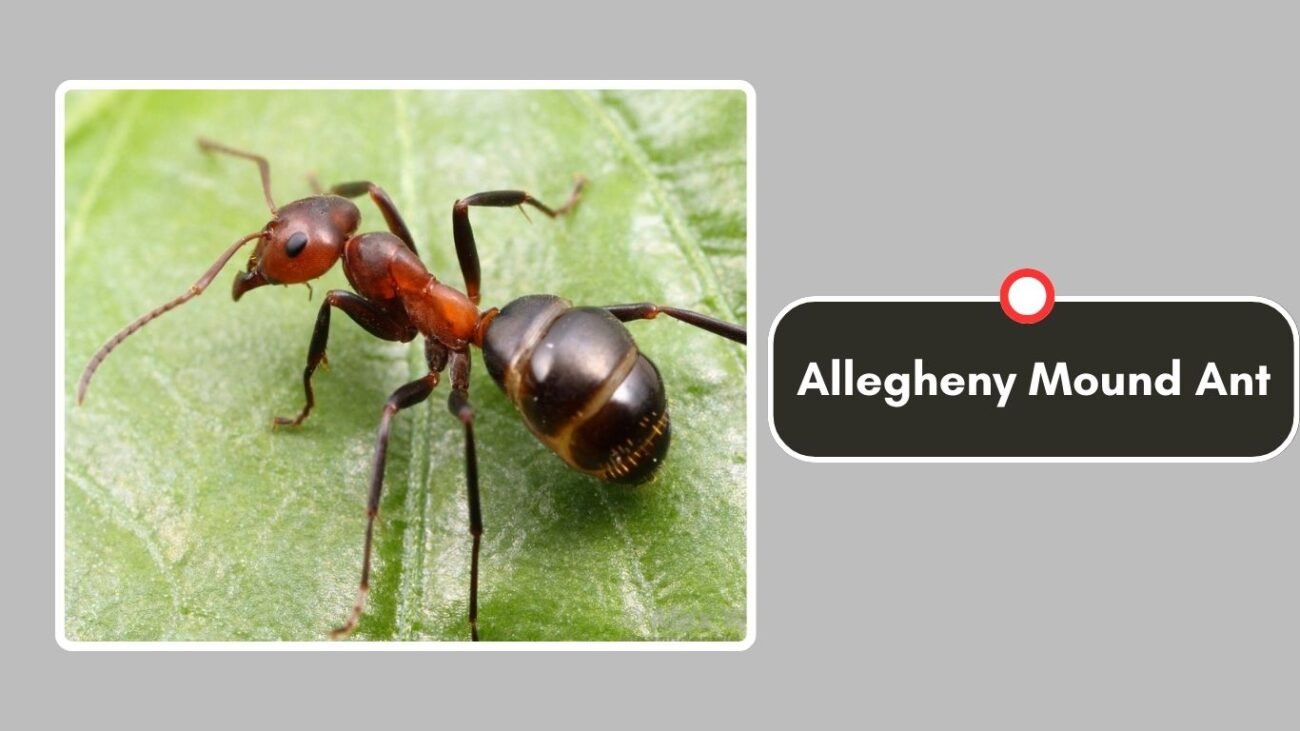
Known for constructing large, conspicuous mounds, the Allegheny mound ant is an aggressive outdoor species found mainly in the eastern United States.
Identification
- Size: 4 to 6 mm
- Color: Red head and thorax with a black abdomen
- Shape: One node on the petiole
- Other Features: Covered with fine hairs; aggressive when nest is disturbed
Nesting and Behavior
These ants build large mounds up to 3 feet wide and 2 feet tall, usually in sunny, open areas. They inject formic acid into nearby vegetation, killing it to maintain a clear area around their mound.
Reproduction
Each mound may have multiple queens, and colonies can grow to contain hundreds of thousands of ants. Reproduction takes place in late summer, followed by dispersal of new queens and males.
21. Argentine Ant
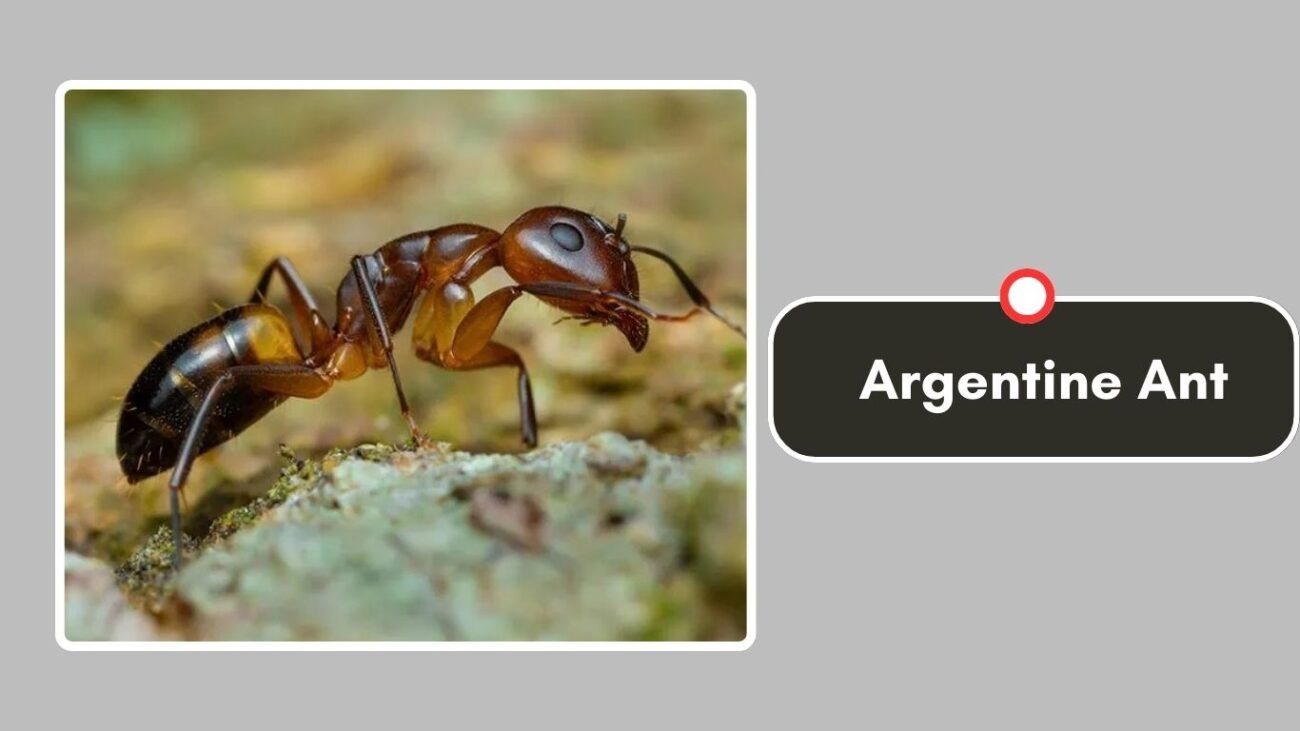
Argentine ants are small, invasive ants that form massive supercolonies, often displacing native species. They are a major household pest due to their persistence and ability to spread rapidly.
Identification
- Size: 2.2 to 2.8 mm
- Color: Light to dark brown
- Shape: One petiole node; slender body
- Other Features: Emit musty odor when crushed; all workers look alike
Nesting and Behavior
They nest in shallow soil, under mulch, in wall voids, and near moisture sources. Indoors, they seek out sweets and moisture. Argentine ants follow strong pheromone trails and work cooperatively in large numbers.
Reproduction
Colonies contain multiple queens and reproduce through budding. Because of their supercolony structure, they avoid fighting between neighboring nests and expand aggressively.
22. Odorous House Ant
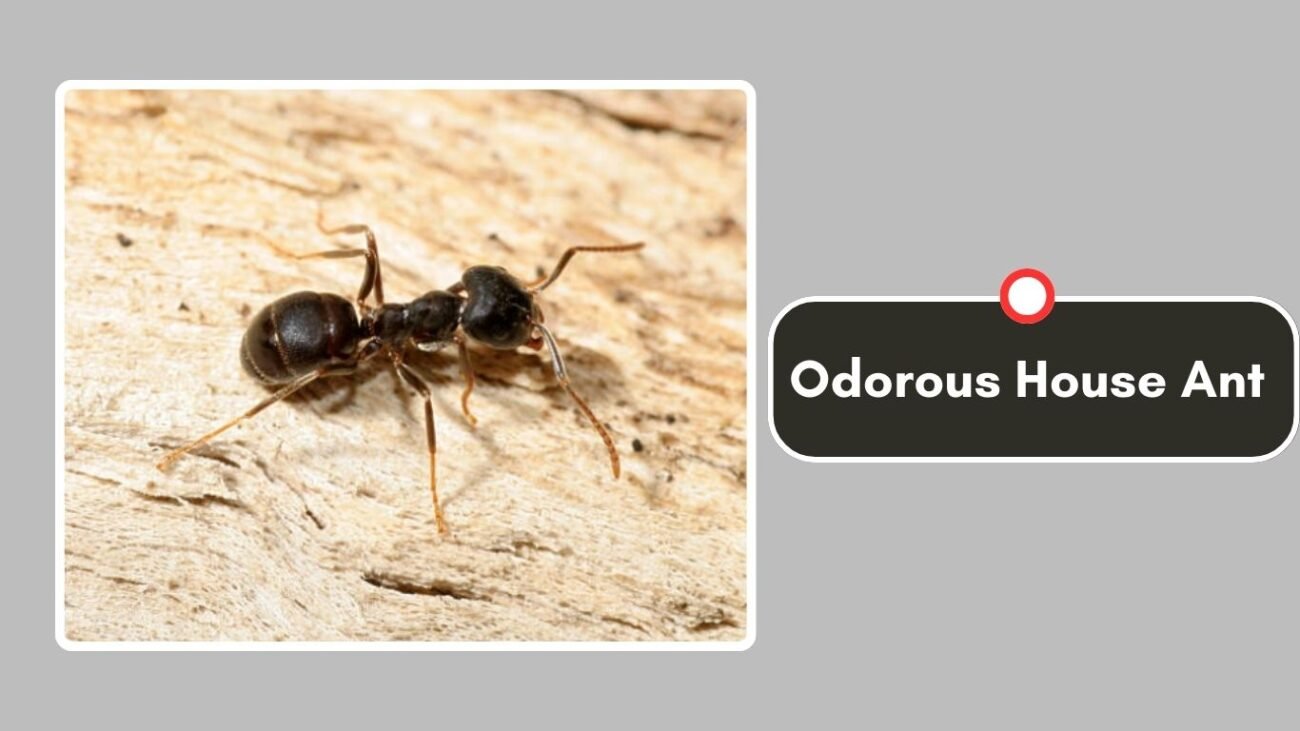
Named for the rotten coconut smell they emit when crushed, odorous house ants are one of the most common indoor nuisance ants in North America.
Identification
- Size: 2.4 to 3.3 mm
- Color: Brown to black
- Shape: One hidden node (difficult to see); thorax uneven when viewed from the side
- Other Features: Produces a strong odor when crushed
Nesting and Behavior
They nest in wall voids, under floors, near heaters, and outdoors under rocks or logs. These ants trail long distances and often invade kitchens in search of sweets and moisture.
Reproduction
Colonies are polygynous and expand via budding. Their flexible nesting behavior and rapid reproduction make them hard to eliminate once they’ve invaded a structure.
23. Pharaoh Ant
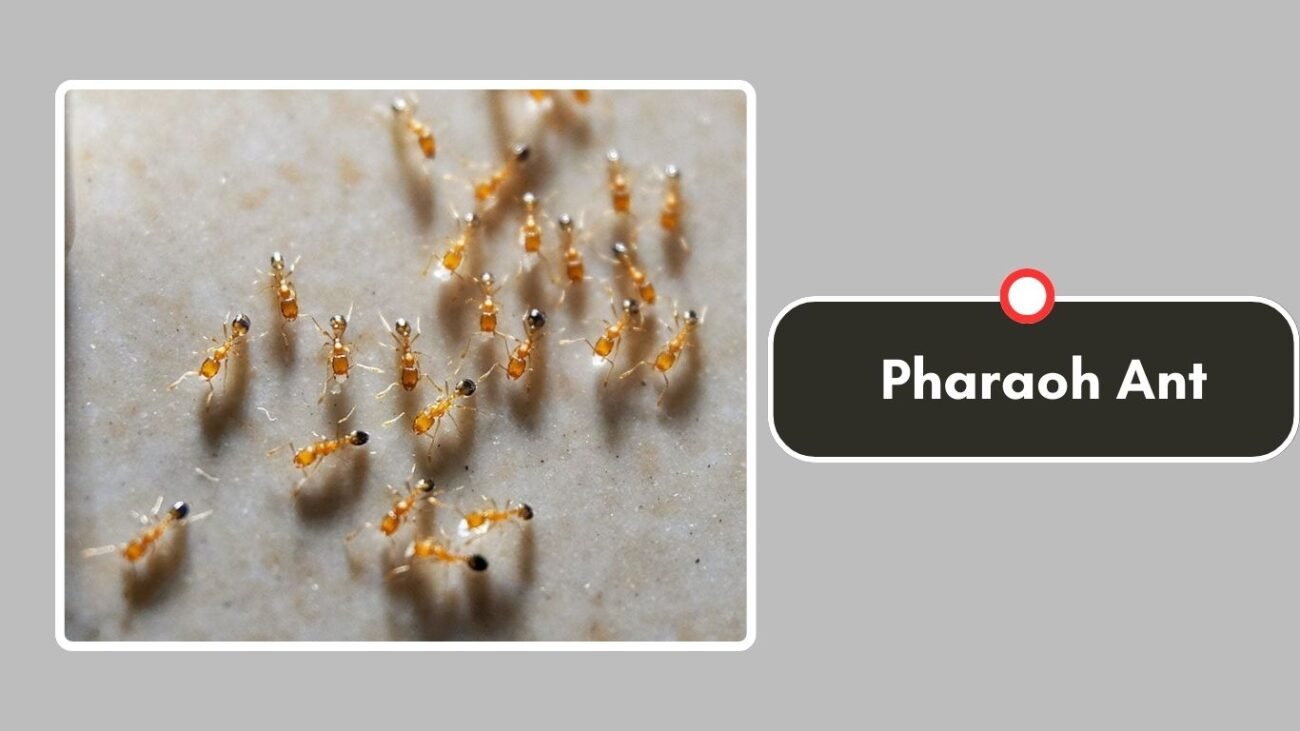
Pharaoh ants are tiny and difficult to control due to their nesting habits and resistance to many common ant treatments. They are a serious indoor pest, especially in hospitals and apartment buildings.
Identification
- Size: 1.5 to 2 mm
- Color: Pale yellow to reddish with a darker abdomen
- Shape: Two petiole nodes; monomorphic workers
- Other Features: Small eyes and antennae with 12 segments ending in a 3-segmented club
Nesting and Behavior
They nest in hidden, warm, and humid areas such as behind baseboards, inside wall voids, and under appliances. Pharaoh ants are highly adaptable and forage for sweets, proteins, and grease.
Reproduction
Colonies have multiple queens and reproduce by budding, allowing them to quickly infest large buildings. Disturbing a colony often results in it splitting into multiple new colonies, making control challenging.
24. Pavement Ant
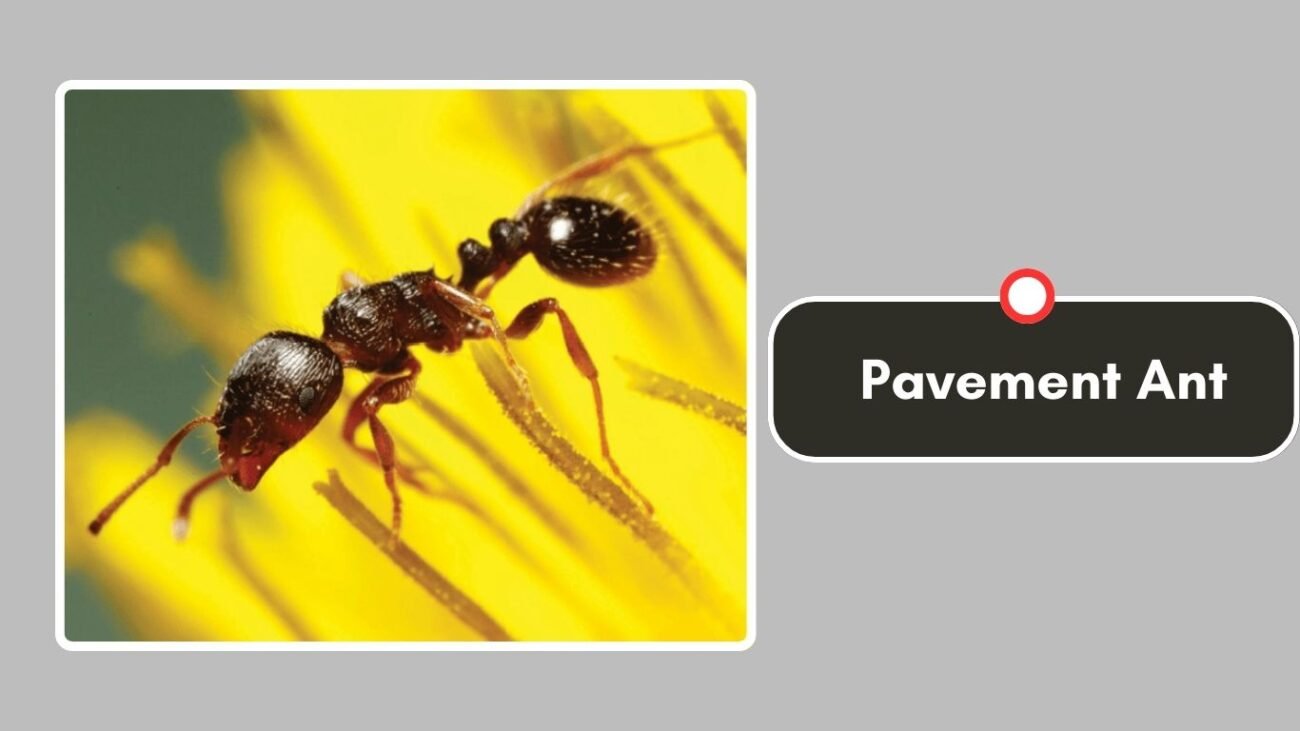
Pavement ants are named for their tendency to nest in or under cracks in pavement, sidewalks, and building foundations. They are common invaders in homes and commercial spaces.
Identification
- Size: 2.5 to 3 mm
- Color: Dark brown to blackish
- Shape: Two petiole nodes; grooved head and thorax
- Other Features: Fine hairs on body and legs; visible segmentation
Nesting and Behavior
They create nests in pavement cracks, building slabs, and wall voids. Indoors, they are attracted to greasy and sugary foods. Trails are often seen along baseboards and countertops.
Reproduction
Pavement ants swarm in spring and early summer. Colonies are moderate in size and can have multiple queens. They reproduce steadily and establish new colonies through mating flights.