Fireflies, also known as lightning bugs, are fascinating bioluminescent beetles that light up warm nights with their glowing displays. Found in a variety of habitats worldwide—from grassy meadows to coastal mangroves—each species has unique flash patterns, behaviors, and environmental preferences. This guide explores 21 different types of fireflies, detailing their identification traits, habitats, and behaviors, so you can better appreciate these magical insects and the vital role they play in ecosystems.
1. Big Dipper Firefly

The Big Dipper firefly is one of the most familiar and widespread fireflies in North America. It gets its name from the male’s unique flight pattern during courtship—he flies in a gentle J-shaped arc, flashing his light at the peak of the curve, which resembles the “dipping” motion of the Big Dipper constellation. These bright flashes on warm summer nights make them a favorite sight for many nature lovers.
Identification
- Scientific Name: Photinus pyralis
- Body Size: 1–1.5 cm long
- Color: Black elytra (wing covers) with a yellow-orange pronotum featuring a central dark spot
- Light Color: Bright yellow-green
- Flight Pattern: Males produce a distinct J-shaped flashing flight path
Habitat and Distribution
Big Dipper fireflies are found throughout most of North America, from Canada to Mexico. They thrive in open fields, meadows, gardens, and along forest edges, especially in areas with tall grass that offers cover during the day.
Behavior and Diet
Males use their iconic J-shaped flashing pattern to attract females, who respond with timed flashes from their resting spots. Adult Big Dippers do not feed heavily, but larvae are voracious predators, feeding on snails, slugs, and other small invertebrates in moist soil and leaf litter.
2. Pennsylvania Firefly

The Pennsylvania firefly is another well-known species in North America, recognized for its bright flashes and active summer displays. This species is especially famous because females of certain Photuris species, including this one, are known as “femme fatales” — they mimic the flash patterns of other firefly species to lure in unsuspecting males, which they then prey upon.
Identification
- Scientific Name: Photuris pennsylvanica
- Body Size: 1–1.4 cm long
- Color: Dark brown to black elytra with a yellow-green pronotum and a distinctive dark central mark
- Light Color: Greenish-yellow
- Flash Pattern: Short, single flashes with pauses in between
Habitat and Distribution
Found across much of the eastern and central United States, the Pennsylvania firefly thrives in meadows, gardens, woodland edges, and wetlands. They are most active during warm, humid nights of late spring and summer.
Behavior and Diet
Males fly in search of females, producing quick flashes, while females perch in vegetation and respond with timed signals. Uniquely, some females mimic other firefly species’ flash patterns to attract males of those species for predation. Adult Photuris fireflies primarily feed on other insects, while larvae are predatory on soft-bodied invertebrates.
3. Black Firefly
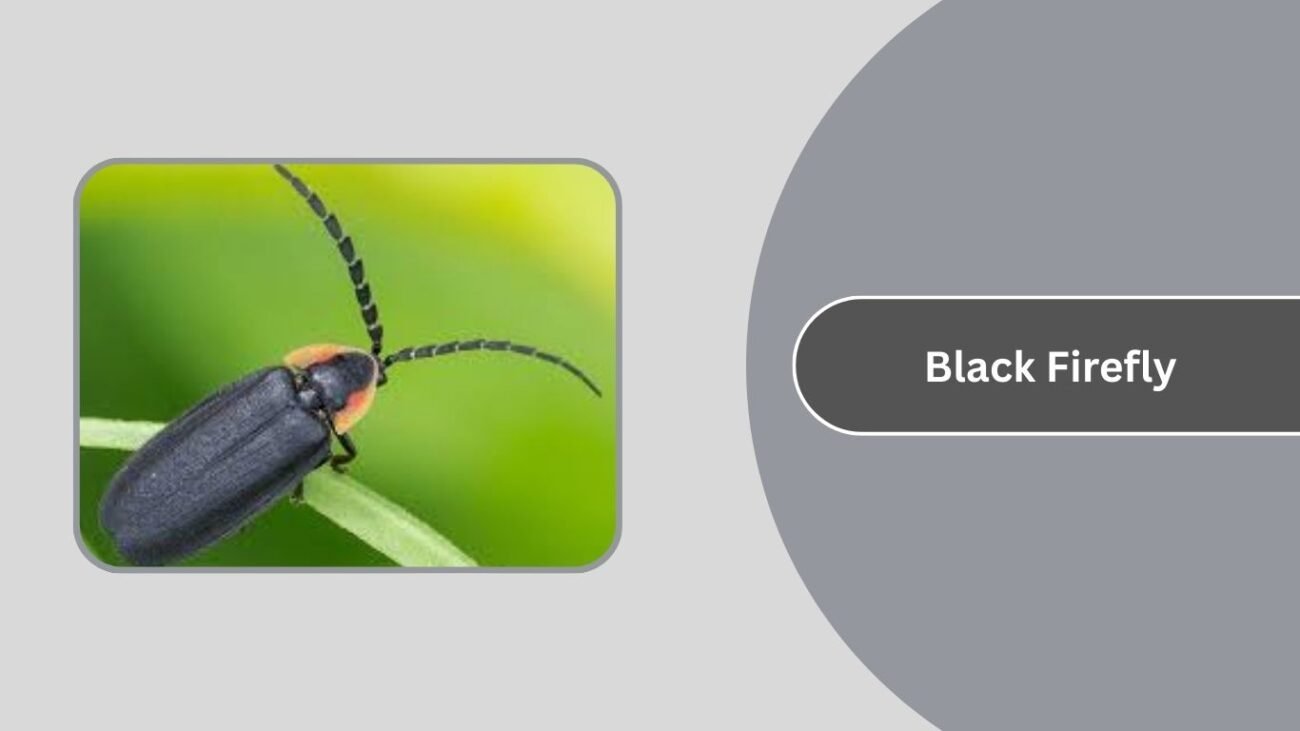
The black firefly is a distinctive species known for its dark body and relatively dim flashes compared to some of its more flamboyant relatives. Unlike many fireflies, this species is active both during the day and at night, although their light signals are most noticeable after dusk.
Identification
- Scientific Name: Lucidota atra
- Body Size: 0.8–1.2 cm long
- Color: Matte black elytra with a yellow to orange pronotum featuring a central dark spot
- Light Color: Pale yellow-green
- Flash Pattern: Short, faint pulses rather than bright, extended flashes
Habitat and Distribution
Black fireflies are found across much of eastern and central North America. They inhabit open woodlands, meadows, and gardens, often preferring moist areas near streams or ponds where vegetation is abundant.
Behavior and Diet
Unlike many other fireflies, males of the black firefly often spend more time perched than flying, using shorter flashes to locate females. Adults feed minimally, while larvae are active predators of snails, slugs, and other soft-bodied invertebrates, using their specialized digestive fluids to subdue prey.
4. Winter Firefly

The winter firefly is a unique species notable for being active during cooler months when most other fireflies are dormant. Unlike summer fireflies, this species does not produce conspicuous flashing displays for mating. Instead, adults are often seen crawling on tree trunks during mild winter days, earning them their seasonal name.
Identification
- Scientific Name: Ellychnia corrusca
- Body Size: 0.8–1.2 cm long
- Color: Dark brown to black elytra with a reddish-orange pronotum featuring a central dark patch
- Light Color: Adults do not emit courtship flashes
- Flight Pattern: Rarely engages in nighttime aerial displays
Habitat and Distribution
Winter fireflies are found across North America, especially in wooded areas. They often overwinter as adults under loose bark and emerge on warm days during late winter and early spring.
Behavior and Diet
Unlike most fireflies, winter fireflies rely on pheromones rather than light signals for mating. Adults feed on tree sap and other plant exudates, while larvae live in soil and leaf litter, preying on small invertebrates. Their unusual seasonal activity sets them apart from nearly all other firefly species.
5. Spring Firefly

The spring firefly is an early-season species that appears in late spring, signaling the start of the firefly display season. Unlike some of its summer relatives, it is more active during cooler evenings, often emerging before the height of summer heat. Its flashes are bright and easily noticed in low-light conditions, making it a welcome sight for firefly enthusiasts.
Identification
- Scientific Name: Pyractomena borealis
- Body Size: 0.9–1.3 cm long
- Color: Dark brown to black elytra with a yellow-orange pronotum and central dark spot
- Light Color: Bright amber to yellow-green
- Flash Pattern: Short, bright flashes with consistent intervals
Habitat and Distribution
Spring fireflies are found across much of North America, particularly in moist habitats such as meadows, forest edges, and near wetlands. They are often seen at dusk, flying low over grasses and shrubs.
Behavior and Diet
These fireflies are active earlier in the evening compared to many other species. Males use quick, regular flashes to locate females, who respond from low vegetation. Adults feed little or not at all, while larvae are predatory, consuming snails, worms, and other small soft-bodied invertebrates in moist soil and leaf litter.
6. Texas Firefly

The Texas firefly is a bright, fast-flashing species native to the southern United States, especially abundant in Texas during warm summer nights. Known for its quick bursts of light and rapid flight, this species often puts on spectacular displays in open fields and along forest edges after sunset.
Identification
- Scientific Name: Photinus texanus
- Body Size: 1–1.4 cm long
- Color: Dark brown to black elytra with a pale yellow pronotum featuring a central dark spot
- Light Color: Vibrant yellow-green
- Flash Pattern: Rapid, short flashes at intervals of 2–3 seconds
Habitat and Distribution
Texas fireflies are found mainly in Texas and surrounding states, favoring grasslands, meadows, and lightly wooded areas. They thrive in humid summer conditions and are most visible shortly after dusk when males begin their flashing flights.
Behavior and Diet
Males patrol low over vegetation, flashing quickly to signal females waiting below. Females respond with timed flashes from stationary perches. Adults may sip nectar or consume small amounts of plant fluids, while larvae are predatory, hunting snails, worms, and other soft-bodied invertebrates in moist soil.
7. Western Firefly

The western firefly is a less commonly seen species in the United States, with its range mainly in the western and southwestern regions. Unlike many of its eastern relatives, this species is more localized and its flashing displays are not as widespread, making sightings a special treat for enthusiasts.
Identification
- Scientific Name: Microphotus angustus
- Body Size: 0.8–1.2 cm long
- Color: Dark brown to black elytra with a pale yellow to orange pronotum
- Light Color: Soft yellow-green
- Flash Pattern: Short, faint flashes that may occur singly or in brief sequences
Habitat and Distribution
Western fireflies are found in select parts of the western United States, particularly in riparian zones, irrigated fields, and moist meadows. They tend to appear in areas with high soil moisture, even in otherwise arid regions.
Behavior and Diet
Adults emerge in late spring to early summer, with males producing subtle flashes while flying low over vegetation. Females typically respond from perches close to the ground. Adult western fireflies feed little, while larvae are predatory, hunting soft-bodied invertebrates in moist soils and leaf litter.
8. Blue Ghost Firefly

The blue ghost firefly is one of the most enchanting firefly species, famed for its steady, glowing light rather than the typical blinking flashes. Males emit a continuous bluish-green glow as they hover low over the forest floor, creating a magical, ethereal effect on warm summer nights. This species’ mysterious display draws nature lovers and photographers alike to its habitat each year.
Identification
- Scientific Name: Phausis reticulata
- Body Size: 0.5–1 cm long
- Color: Dark brown to black body with pale margins on the pronotum
- Light Color: Soft bluish-green glow
- Flash Pattern: Continuous glow instead of intermittent flashes
Habitat and Distribution
Blue ghost fireflies are primarily found in the Appalachian Mountains of the southeastern United States, especially in moist deciduous forests. They prefer areas with rich leaf litter and minimal light pollution, often near streams or damp woodland floors.
Behavior and Diet
Males fly close to the ground, glowing steadily for several seconds to attract wingless females, who wait among the leaf litter. Adults feed very little, while larvae are predatory, hunting snails, slugs, and other small soft-bodied invertebrates in the soil and forest debris.
9. Snappy Sync Firefly

The snappy sync firefly is a fascinating species known for its remarkable ability to synchronize its flashes with those of nearby males. Instead of random blinking, groups of males create perfectly timed bursts of light that ripple through the night, forming a coordinated visual display. This behavior is both mesmerizing and effective in attracting females.
Identification
- Scientific Name: Photuris frontalis
- Body Size: 0.8–1.2 cm long
- Color: Dark brown to black body with a pale yellow pronotum featuring a central dark spot
- Light Color: Bright yellow-green
- Flash Pattern: Brief, snappy flashes synchronized in waves among multiple males
Habitat and Distribution
Snappy sync fireflies are found mainly in the southeastern United States, especially in moist floodplains, swamps, and riverbanks. They prefer habitats with high humidity and open areas where their synchronized displays are most visible.
Behavior and Diet
Males gather in large groups during peak mating season, synchronizing their flashes to improve their chances of attracting females. Females respond from perches on vegetation with brief return flashes. Adults feed little, while larvae are active predators of snails, slugs, and soft-bodied insects found in damp soil and leaf litter.
10. Synchronous Firefly

The synchronous firefly is one of the most spectacular light-producing insects in the world, famous for large groups of males flashing in perfect unison. This coordinated display creates an unforgettable wave-like effect, attracting tourists and nature enthusiasts to their limited habitats during peak season.
Identification
- Scientific Name: Photinus carolinus
- Body Size: 0.9–1.3 cm long
- Color: Dark brown to black body with a pale yellow pronotum and central dark spot
- Light Color: Bright yellow-green
- Flash Pattern: Groups of males flash in synchronized bursts followed by periods of darkness
Habitat and Distribution
Synchronous fireflies are found in limited areas of the eastern United States, particularly in the Great Smoky Mountains and parts of the Appalachian region. They thrive in moist forested habitats near rivers, streams, and wetlands.
Behavior and Diet
During the mating season, thousands of males gather at dusk, perching or flying low over vegetation and flashing in perfect harmony. After several seconds of flashing, the group pauses, then resumes in unison. Females respond from perches with timed flashes. Adults feed little, while larvae are predatory, consuming snails, worms, and other soft-bodied invertebrates in damp soil.
11. Little Gray Firefly

The little gray firefly is a modest-looking species with a more subdued appearance compared to the bright greens and yellows of many of its relatives. Despite its smaller size and less vivid body coloration, it produces distinct flashes that help it stand out on warm summer nights.
Identification
- Scientific Name: Photinus obscurellus
- Body Size: 0.7–1 cm long
- Color: Grayish-brown elytra with a pale yellow pronotum and central dark spot
- Light Color: Yellow-green
- Flash Pattern: Quick, single flashes spaced at regular intervals
Habitat and Distribution
The little gray firefly is found in the eastern and southeastern United States, particularly in open grassy areas, meadows, and the edges of woodlands. It thrives in warm, humid climates during the peak of summer.
Behavior and Diet
Males fly low over grass, flashing rhythmically to attract females waiting in vegetation. Females respond with brief return flashes timed to the male’s signal. Adults feed very little, while larvae are active predators, feeding on snails, slugs, and other soft-bodied invertebrates in moist soil and under leaf litter.
12. Eastern Firefly

The eastern firefly is one of the most common and easily recognized fireflies in the eastern United States, lighting up summer evenings with its bright, distinctive flashes. It’s often the species people first think of when imagining fireflies, thanks to its widespread distribution and frequent appearance in backyards and open fields.
Identification
- Scientific Name: Photinus marginellus
- Body Size: 0.9–1.2 cm long
- Color: Dark brown to black elytra with a pale yellow pronotum and a central dark spot
- Light Color: Bright yellow-green
- Flash Pattern: Short, single flashes at regular intervals
Habitat and Distribution
The eastern firefly is found across much of the eastern and central United States, in habitats ranging from gardens and meadows to forest edges and wetlands. It thrives in warm, humid summer conditions and is active from late spring through mid-summer.
Behavior and Diet
Males fly low over grass, flashing rhythmically to attract females perched on vegetation. Females respond with timed flashes that match the male’s rhythm. Adults feed very little, while larvae are efficient predators, consuming snails, slugs, and soft-bodied insects hidden in soil and leaf litter.
13. Delicate Firefly

The delicate firefly is a smaller, more slender species known for its graceful flight and subtle, warm-colored flashes. Its gentle glow and elegant appearance set it apart from some of the more robust and intensely flashing fireflies seen in midsummer.
Identification
- Scientific Name: Pyractomena lucifera
- Body Size: 0.7–1.1 cm long
- Color: Dark brown to black elytra with a pale yellow-orange pronotum and a faint central dark mark
- Light Color: Soft amber to yellow-green
- Flash Pattern: Slow, glowing flashes with longer intervals between bursts
Habitat and Distribution
Delicate fireflies are found in moist habitats across parts of North America, especially near marshes, slow-moving streams, and damp meadows. They prefer areas with abundant vegetation for shelter and courtship.
Behavior and Diet
Males fly slowly over vegetation, producing longer, glowing flashes to attract females perched in low plants. Adults rarely feed, while larvae are predatory, hunting snails, worms, and other small invertebrates in moist soils and under decaying plant material.
14. Florida Intertidal Firefly

The Florida intertidal firefly is a rare and specialized species adapted to life along coastal salt marshes and mangrove habitats. It is one of the few fireflies capable of surviving in brackish environments, making it a unique member of the firefly family. Its restricted range and habitat preferences make sightings uncommon and of special interest to conservationists.
Identification
- Scientific Name: Micronaspis floridana
- Body Size: 0.6–0.9 cm long
- Color: Dark brown to black elytra with a yellowish pronotum and central dark marking
- Light Color: Greenish-yellow
- Flash Pattern: Short, rapid flashes adapted for low-light coastal conditions
Habitat and Distribution
This species is found exclusively in parts of coastal Florida, inhabiting tidal flats, salt marsh edges, and mangrove swamps. It is highly adapted to saline and brackish environments where few other fireflies can survive.
Behavior and Diet
Males perform short, low flights over tidal vegetation, emitting quick flashes to attract females. Adults feed very little, if at all, while larvae are predatory, consuming small invertebrates such as snails and worms that inhabit the muddy coastal substrate. This firefly’s survival is closely tied to healthy coastal ecosystems.
15. Calvert’s Firefly
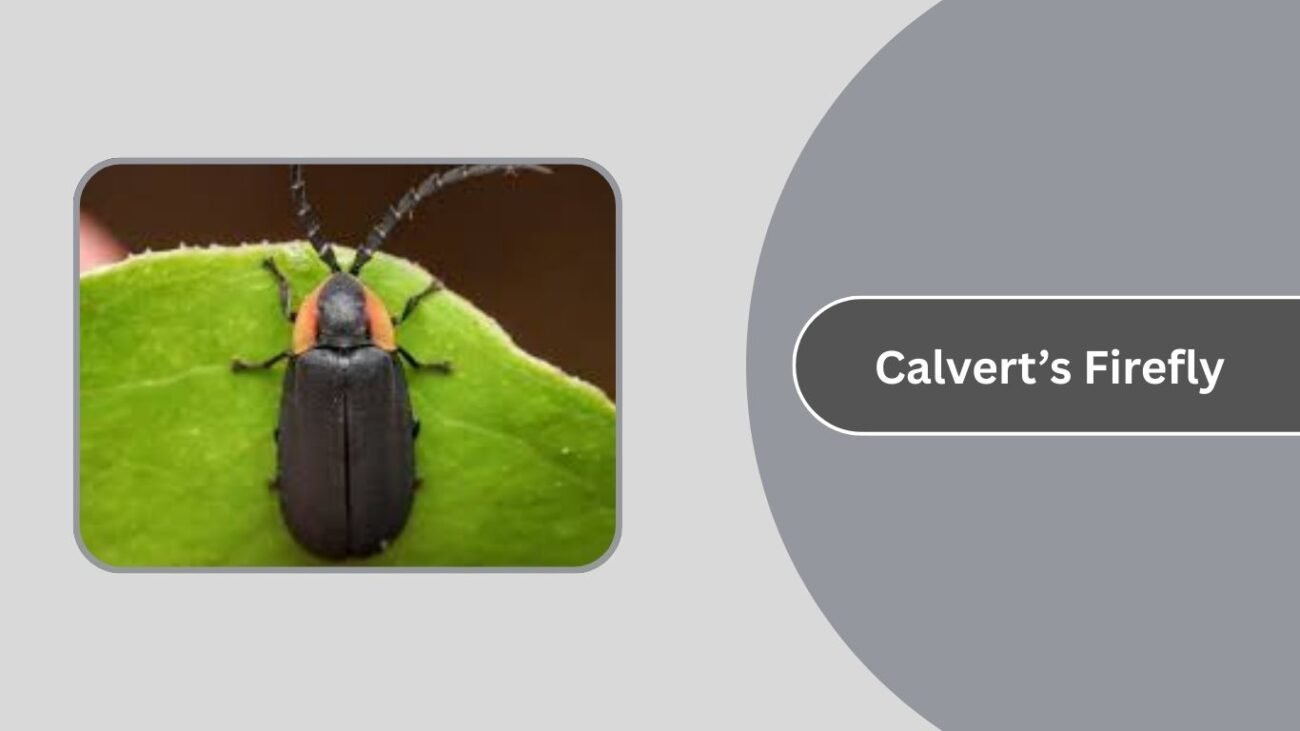
Calvert’s firefly is a visually striking member of the Photuris genus, known for its relatively large size and bright flashes. Like other Photuris species, females are capable of predatory mimicry—imitating the flash patterns of other firefly species to lure in unsuspecting males, which they then consume. This cunning hunting behavior has earned them a reputation among researchers as one of the more deceptive fireflies.
Identification
- Scientific Name: Photuris calverti
- Body Size: 1–1.5 cm long
- Color: Dark brown to black elytra with a pale yellow pronotum featuring a distinct dark central spot
- Light Color: Yellow-green
- Flash Pattern: Medium-length flashes at regular intervals; females may mimic other species’ patterns
Habitat and Distribution
Calvert’s firefly is found in parts of the eastern United States, particularly in wet meadows, marshes, and forest edges. They favor habitats with high humidity and dense vegetation for both hunting and courtship.
Behavior and Diet
Males patrol the air at dusk, producing rhythmic flashes to attract females. Females sometimes respond to their own species’ males but may also mimic the flash patterns of other firefly species to lure in prey. Adults feed mainly on other insects, while larvae are predatory, hunting snails, slugs, and soft-bodied invertebrates in damp environments.
16. Gulf Coast Firefly

The Gulf Coast firefly is a warm-climate species commonly seen in the coastal regions of the southeastern United States. Known for its bright, quick flashes, this firefly is most active on humid summer nights, often lighting up salt marshes, dunes, and grassy coastal plains.
Identification
- Scientific Name: Photinus scintillans
- Body Size: 0.9–1.3 cm long
- Color: Dark brown to black elytra with a pale yellow pronotum and a central dark spot
- Light Color: Bright yellow-green
- Flash Pattern: Short, quick flashes at regular intervals
Habitat and Distribution
This species is found along the Gulf Coast from Texas to Florida, thriving in sandy grasslands, marshes, and other coastal habitats. It prefers areas with high humidity and minimal light pollution, making it common in less-developed shorelines.
Behavior and Diet
Males fly low over vegetation, producing rapid flashes to signal females hidden among the plants. Females respond with shorter flashes timed to match the male’s pattern. Adults feed minimally, while larvae are predatory, feeding on snails, slugs, and other soft-bodied invertebrates in moist sandy soils.
17. Shadow Ghost Firefly

The shadow ghost firefly is a rare and elusive species named for its dim, ghostly glow and secretive habits. Unlike the bright, flashing displays of many fireflies, this species produces a softer light, often close to the ground, which makes it easy to overlook in the wild.
Identification
- Scientific Name: Phosphaenus hemipterus
- Body Size: 0.7–1.1 cm long
- Color: Dark brown to black body with a pale yellow to tan pronotum
- Light Color: Soft yellow-green, often faint
- Flash Pattern: Weak, continuous or slow-pulsing glow rather than distinct flashes
Habitat and Distribution
Shadow ghost fireflies are native to parts of Europe but have been introduced to a few regions in North America. They inhabit moist grasslands, gardens, and meadow edges, often in cooler, damp environments with thick vegetation.
Behavior and Diet
Males and females rely more on chemical cues than on light signals for mating, especially in areas with higher light pollution. Their larvae are predatory, feeding on earthworms, slugs, and snails in moist soil. Adults feed very little, and their dim glow may serve more as a deterrent to predators than as a courtship signal.
18. Western Banded Glowworm
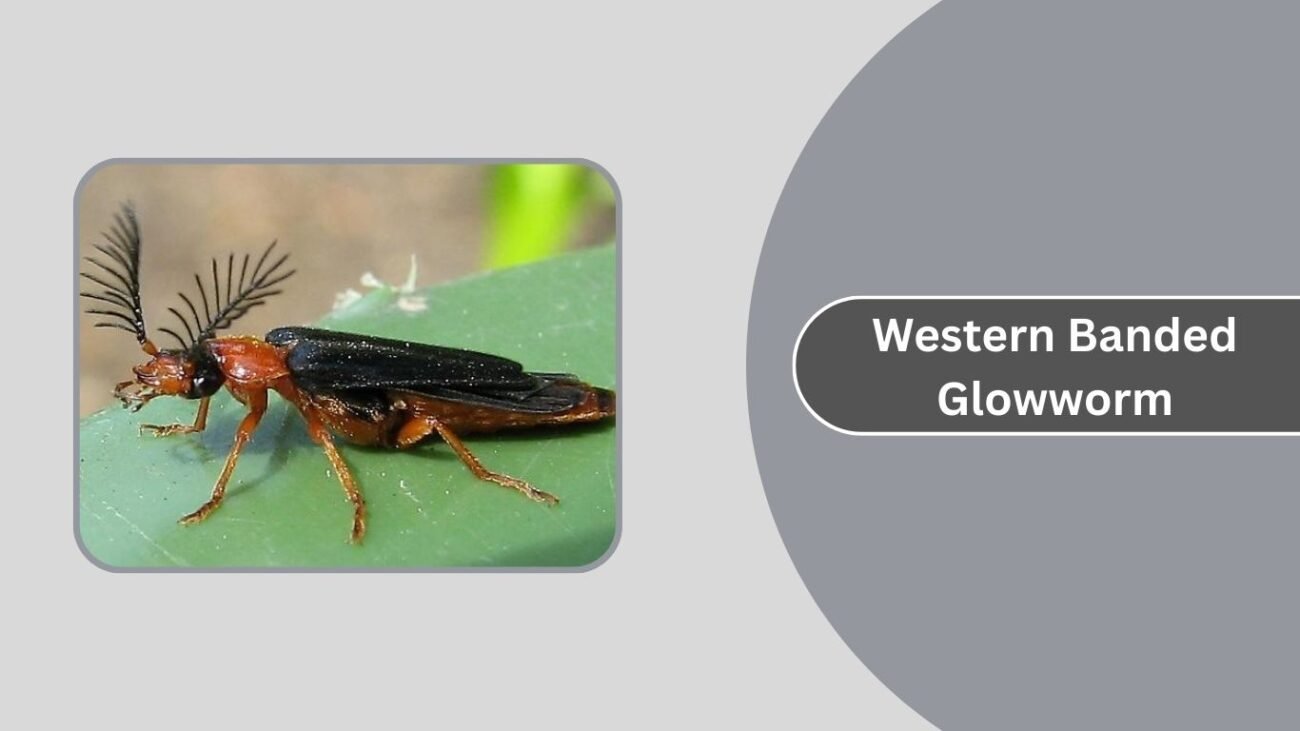
The western banded glowworm is a distinctive beetle species related to fireflies, recognized for the bright glowing segments of its body. Unlike many flashing fireflies, its light is produced by the larval or larviform female stages, which emit a steady glow to deter predators and communicate. This species is more often seen crawling than flying, adding to its unique charm.
Identification
- Scientific Name: Zarhipis integripennis
- Body Size: 1–1.5 cm long (females wingless, larvae similar in form)
- Color: Dark brown to black body with pale, banded markings on the abdomen
- Light Color: Yellow-green
- Flash Pattern: Continuous glow from larval and female stages; males rarely glow
Habitat and Distribution
The western banded glowworm is found primarily in the western United States, especially in California and neighboring states. It inhabits dry, open woodlands, deserts, and scrublands, often hiding under rocks, logs, or leaf litter during the day.
Behavior and Diet
Females and larvae emit steady light at night while remaining mostly stationary, awaiting mates or deterring predators. Unlike many fireflies, adults may not feed, but larvae are active predators, feeding on small insects, snails, and other invertebrates. Their unusual life cycle and glowing stages make them a rare but fascinating find for insect enthusiasts.
19. Pacific Firefly
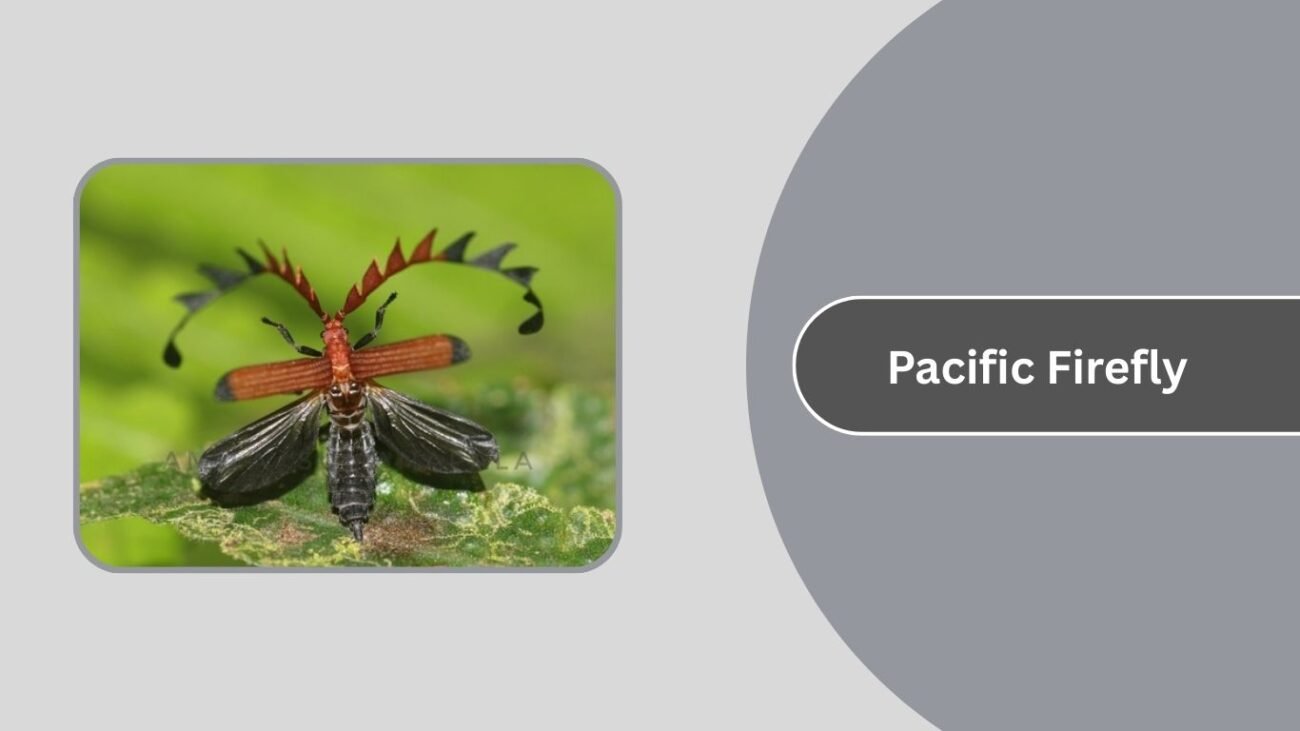
The Pacific firefly is a rare and localized species found along certain coastal areas, making it a sought-after sighting for insect enthusiasts. Its glowing signals are often subtle compared to some inland species, but their presence is a good indicator of healthy, undisturbed habitats.
Identification
- Scientific Name: Pteroptyx tener
- Body Size: 0.7–1.1 cm long
- Color: Dark brown to black elytra with a pale yellow pronotum and central dark spot
- Light Color: Yellow-green
- Flash Pattern: Steady or gently pulsing glow, sometimes in loose synchrony within groups
Habitat and Distribution
The Pacific firefly is found in limited areas along coastal Southeast Asia and parts of mangrove-rich shorelines, and similar Pteroptyx species occur in select coastal zones worldwide. They prefer mangroves, estuaries, and tidal wetlands, often close to brackish water.
Behavior and Diet
Males gather in groups on mangrove trees or coastal shrubs, producing rhythmic glows that can be partially synchronized. Females watch from nearby foliage and respond with faint glows. Adults feed sparingly, while larvae are predatory, hunting snails and other soft-bodied invertebrates in moist soil and sediment-rich tidal zones.
20. Asian Synchronous Firefly
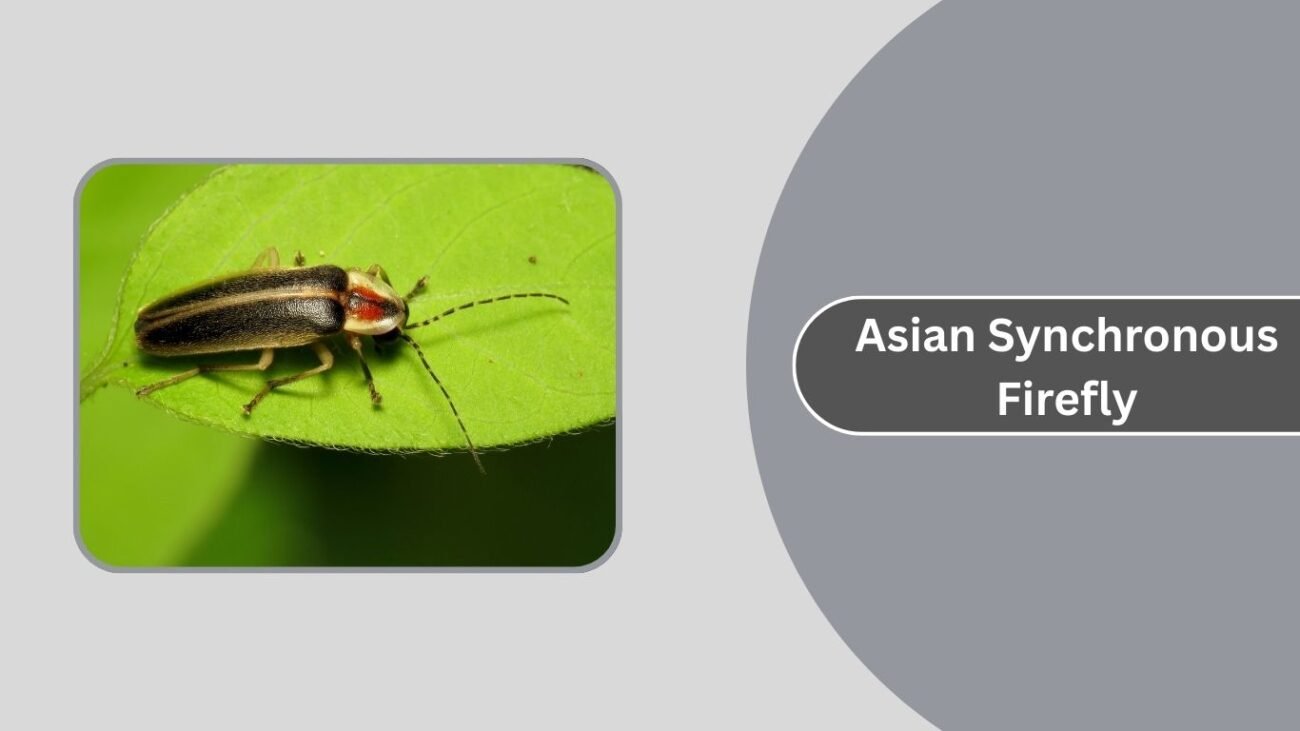
The Asian synchronous firefly is world-famous for its breathtaking, perfectly timed light displays. Large groups of males gather in mangrove trees or riverside vegetation and flash in absolute unison, creating a spectacular natural light show that attracts tourists from around the globe. These synchronized displays are one of nature’s most remarkable mating rituals.
Identification
- Scientific Name: Pteroptyx malaccae
- Body Size: 0.7–1.1 cm long
- Color: Dark brown to black elytra with a pale yellow pronotum and small central dark spot
- Light Color: Yellow-green
- Flash Pattern: Precise, synchronized flashes in large groups, often at regular one- or two-second intervals
Habitat and Distribution
This species is primarily found in Southeast Asia, especially in mangrove ecosystems of Malaysia, Thailand, and Indonesia. They thrive in tidal riverbanks and estuarine zones with abundant vegetation for gathering and courtship.
Behavior and Diet
Males congregate on specific trees or shrubs and flash in perfect harmony, creating rhythmic waves of light that can last for hours. Females remain stationary nearby and respond with subtle flashes. Adults feed little, while larvae are predatory, hunting snails and other soft-bodied invertebrates in moist, muddy habitats.
21. Common European Glow-worm
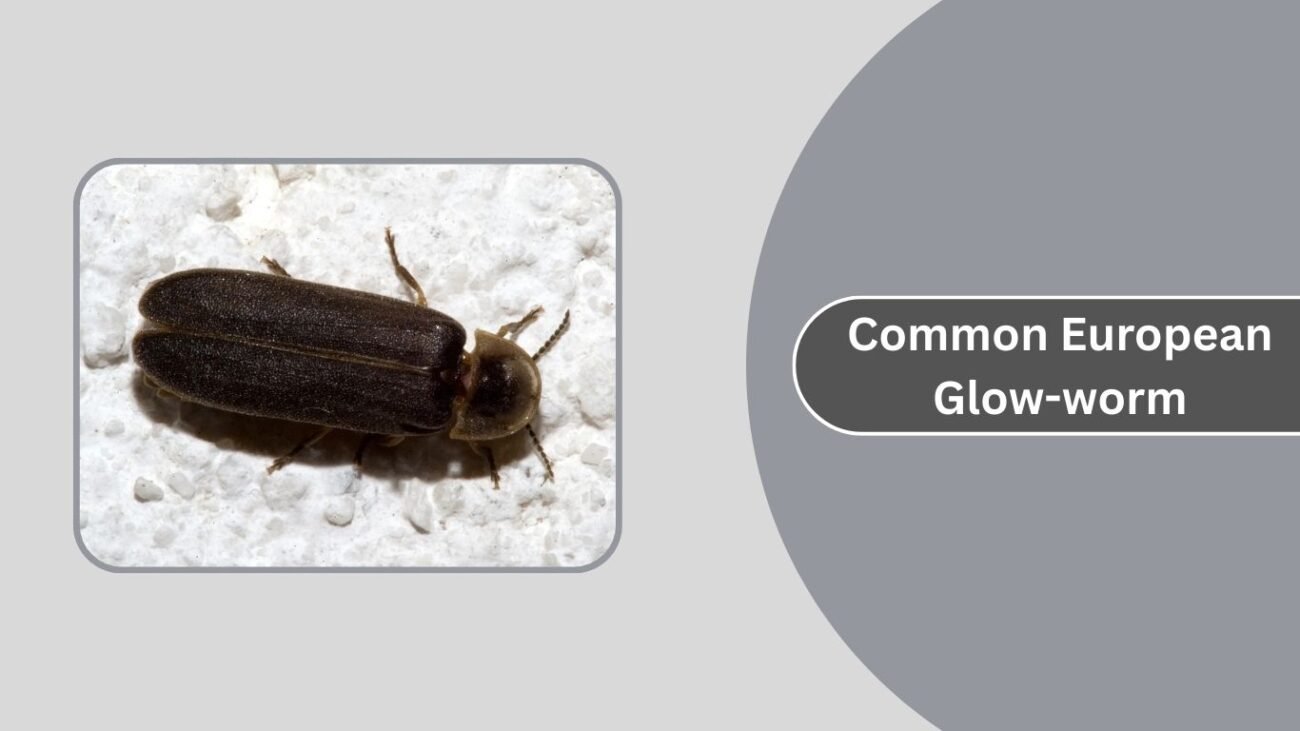
The common European glow-worm is a well-known bioluminescent beetle species, famous for the females’ steady green glow on summer nights. Unlike many flashing fireflies, this species emits a continuous light, which serves to attract males from a distance. Males have wings and can fly, while females are wingless and larviform, remaining on the ground or low vegetation.
Identification
- Scientific Name: Lampyris noctiluca
- Body Size: Females 1–2 cm long, males slightly smaller
- Color: Females brownish and larviform; males dark brown with pale edges on the pronotum
- Light Color: Bright green
- Flash Pattern: Steady glow from females; males produce little or no light
Habitat and Distribution
This species is widespread across Europe and parts of Asia, inhabiting grasslands, meadows, forest edges, and gardens. They prefer open habitats with low vegetation where glowing females are easily visible to passing males.
Behavior and Diet
Females emit their glow from the ground or low plants during summer evenings, signaling to flying males. After mating, females stop glowing. Larvae and adults are predatory, feeding mainly on snails and slugs, using digestive fluids to subdue their prey. The bright glow is thought to deter predators as well as attract mates.