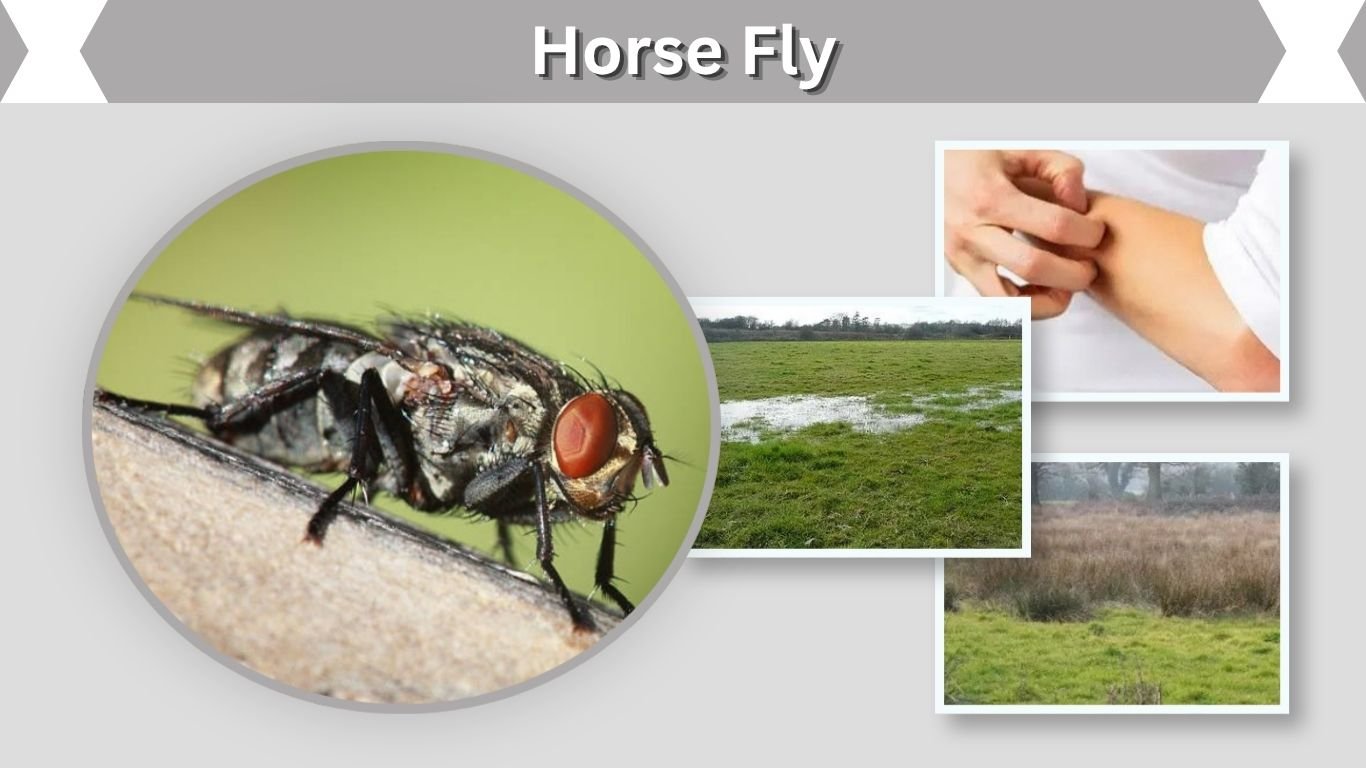
Horse flies are large, strong-flying insects best known for the painful bites delivered by adult females. They belong to the Tabanidae family, which also includes deer flies and yellow flies. Horse flies are commonly encountered around wetlands, ponds, streams, pastures, farms, and wooded trails during warm weather. Although their bites can be alarming, most can be treated at home with basic first aid. Understanding how horse flies look, where they breed, and what attracts them can make outdoor encounters easier to manage.
Horse Fly Facts at a Glance
Horse flies are true flies in the order Diptera, meaning adults have one functional pair of wings. Most species commonly called horse flies belong to genera such as Tabanus and Hybomitra.
| Feature | Description |
| Family | Tabanidae |
| Order | Diptera |
| Adult size | Approximately 10–25 mm |
| Color | Black, brown, gray, or patterned |
| Activity | Mainly during daylight |
| Biting sex | Females |
| Male diet | Nectar and plant sugars |
| Larval habitat | Wet soil, mud, marshes, and pond edges |
| Life cycle | Egg, larva, pupa, and adult |
| Main hosts | Horses, cattle, deer, dogs, and humans |
Horse flies occur across much of the world and are especially numerous where warm weather combines with wetlands or moist soil suitable for larval development. Adults are powerful fliers and may travel several miles from where they emerged.
What Does a Horse Fly Look Like?
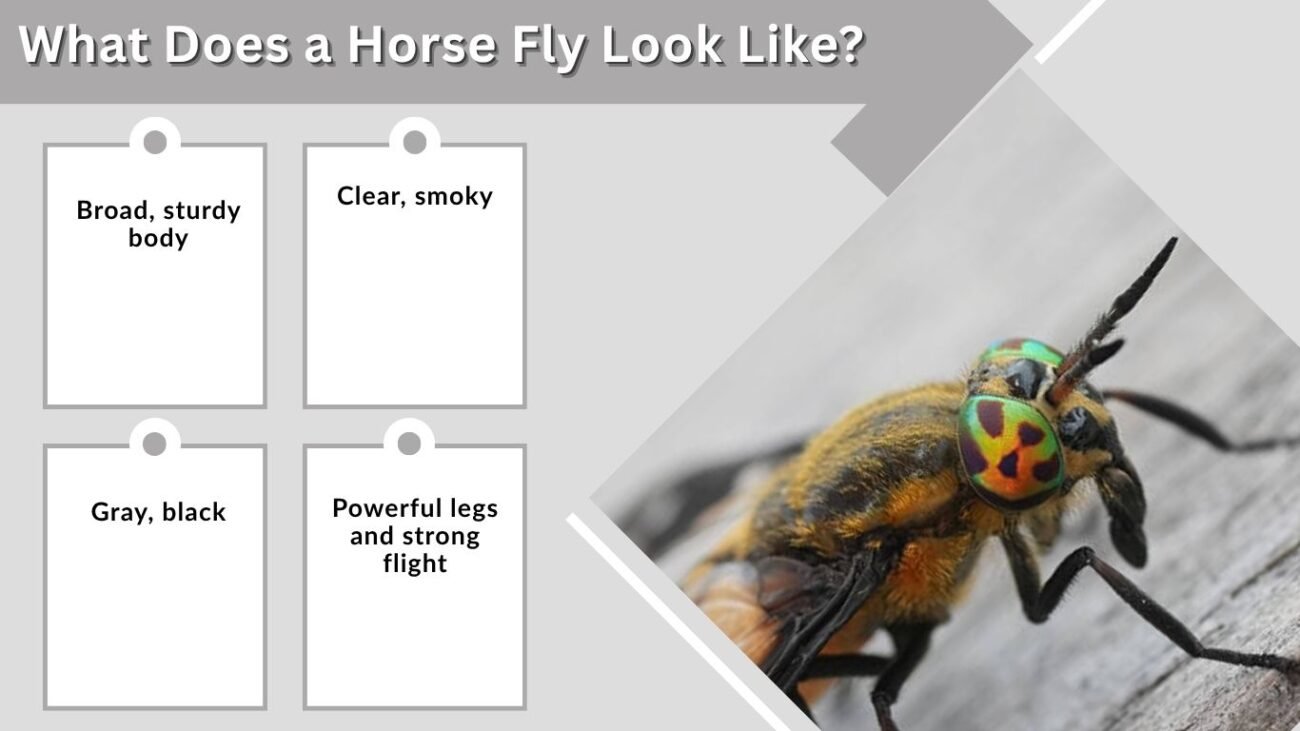
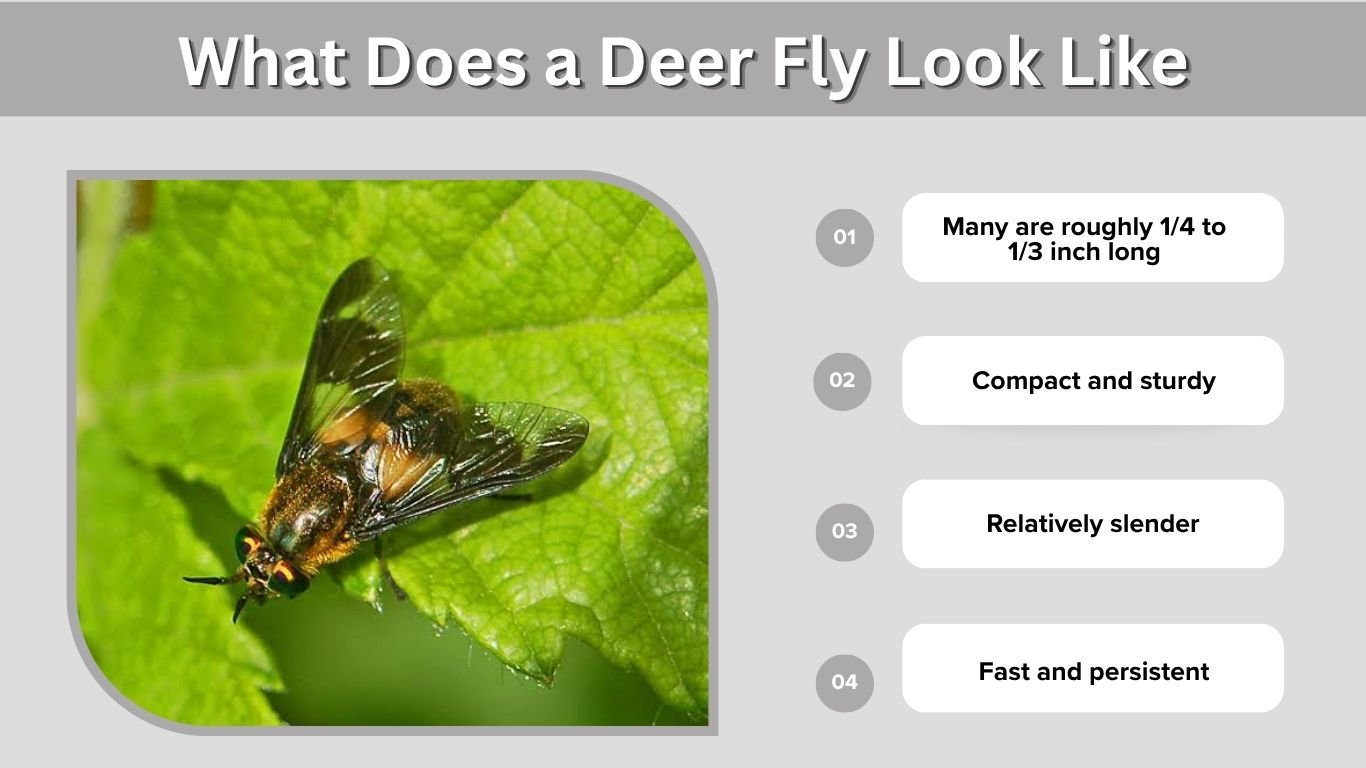
Horse flies have broad, robust bodies that make them appear heavier than ordinary house flies. Their most noticeable features are their exceptionally large compound eyes, which may look green, copper, purple, black, or striped depending on the species and lighting.
Horse Fly Identification
- Broad, sturdy body
- Large and often colorful compound eyes
- Short, three-segmented antennae
- Clear, smoky, or darkened wings
- Gray, black, brown, or yellowish coloration
- Fine hairs covering the thorax and abdomen
- Powerful legs and strong flight
- Body generally larger than a house fly
Male and female horse flies can sometimes be separated by their eyes. A male’s eyes usually meet or nearly meet on top of the head, while a female’s eyes are visibly separated. This distinction is important because females take blood meals, whereas males feed mainly on nectar and other plant sugars.
How Big Is a Horse Fly?
Adult horse flies generally measure around 10–25 mm long, although exact size depends on the species. Some giant horse flies may approach or slightly exceed one inch in length.
Their broad bodies and loud flight can make them seem even larger. Deer flies are typically smaller, measuring around 7–10 mm, while common house flies are usually about 6–7 mm long.
Do Horse Flies Bite?
Female horse flies bite humans and other warm-blooded animals because they need nutrients from blood to produce eggs. Males do not bite and survive primarily on flower nectar, pollen, and plant sugars.
A horse fly does not sting. Instead, the female uses cutting mouthparts to open the skin. Her scissor-like mandibles and maxillae create a shallow wound, after which she feeds on the pooling blood. This cutting action explains why the bite is often more immediately painful than a mosquito bite.
Why Do Horse Flies Bite?
A blood meal provides the female with proteins and other nutrients needed for egg development. Horses, cattle, deer, dogs, and other large mammals are common hosts, but horse flies may bite people when they are available.
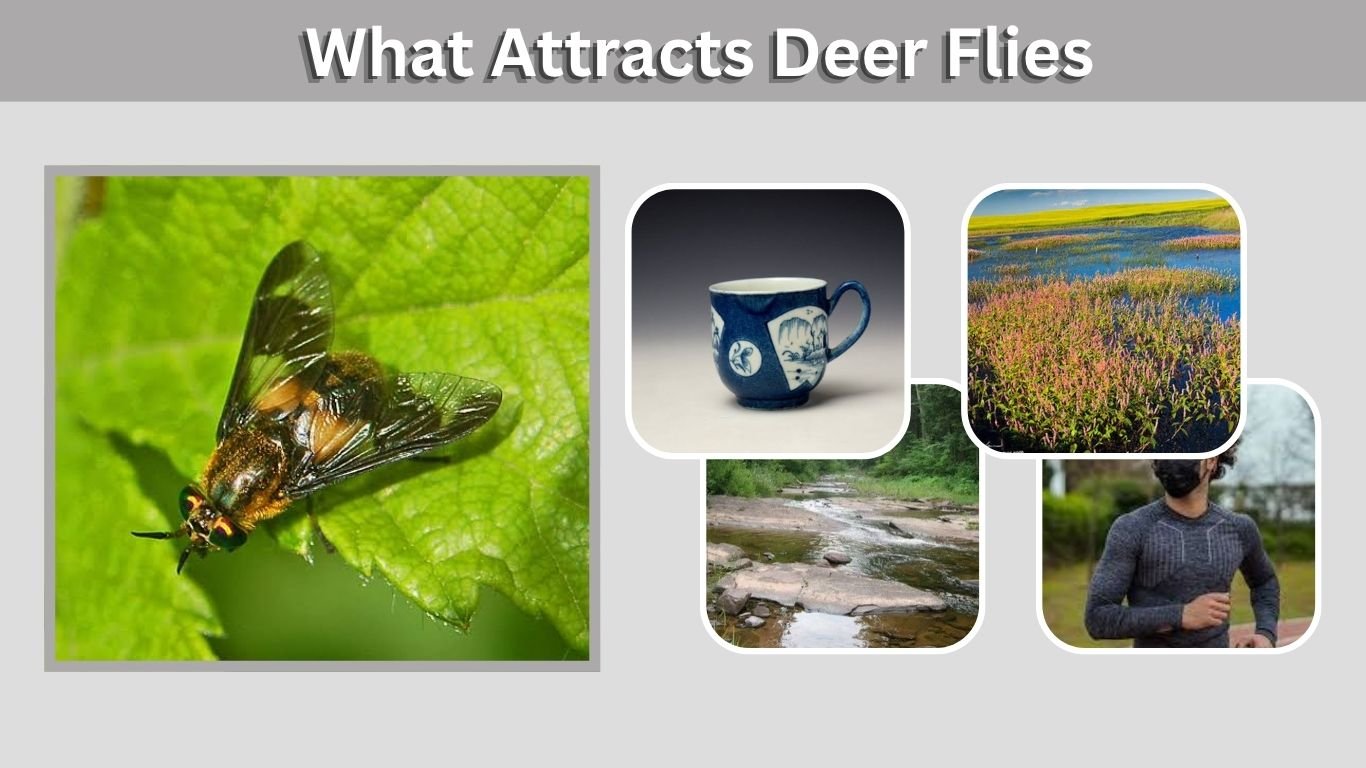
The flies rely heavily on vision while searching for hosts. Movement, large shapes, dark colors, body heat, carbon dioxide, and animal odors may help attract them. Their strong flight enables them to follow people, livestock, and moving vehicles for short distances.
What Does a Horse Fly Bite Look Like?
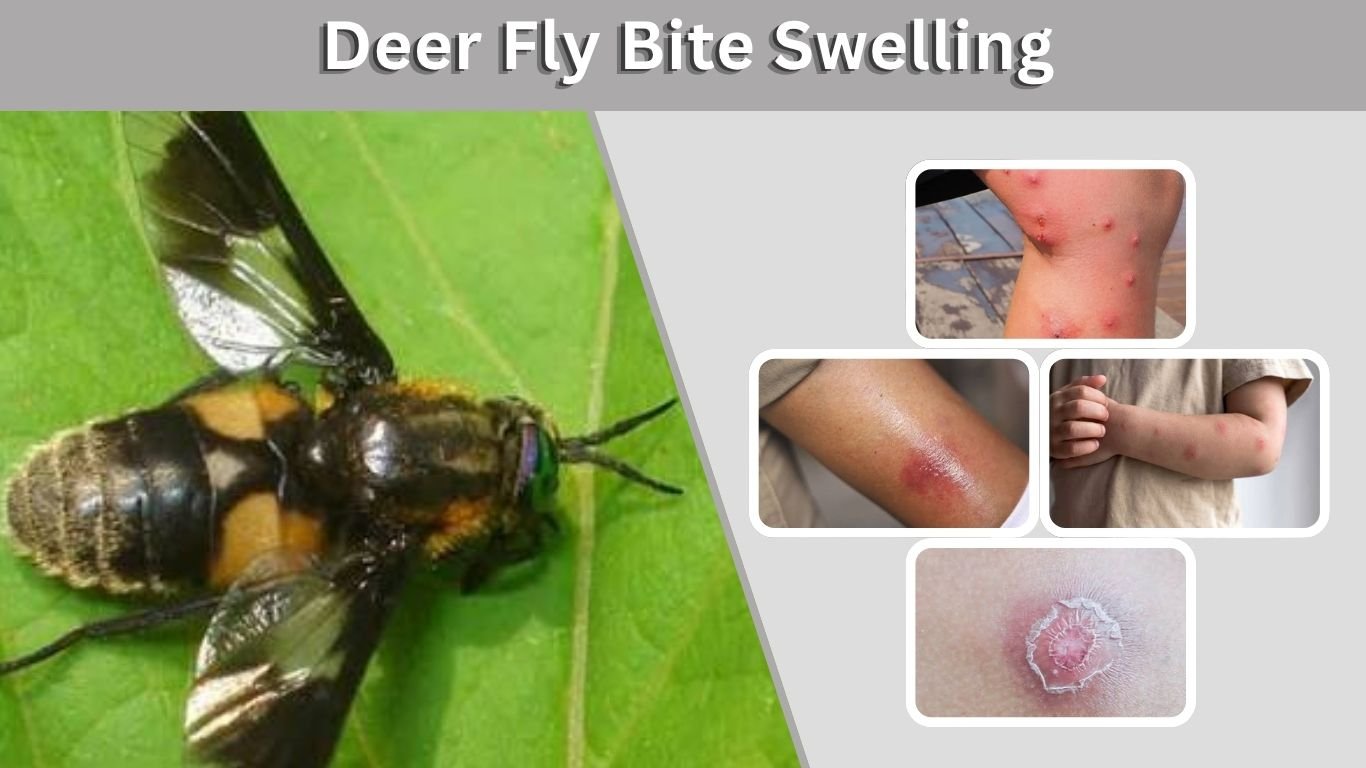
A horse fly bite commonly produces a painful red bump or raised patch. The area may bleed briefly because the skin has been cut rather than pierced with a narrow needle-like mouthpart.
Common symptoms include:
- Immediate sharp or burning pain
- Redness around the wound
- Local swelling
- Itching or tenderness
- A visible central cut or puncture
- Bruising in some cases
- A raised, firm lump
The swelling may become more noticeable during the first several hours. Scratching can damage the skin further and increase the chance of a secondary bacterial infection.
Stages of a Horse Fly Bite
Immediately after the bite, the area may feel sharply painful and show a small amount of blood. Redness, itching, and swelling can develop during the following hours.
Over the next few days, an uncomplicated bite should gradually become less painful and swollen. A bite that becomes increasingly hot, red, painful, or filled with pus may have developed an infection and should be evaluated by a healthcare professional.
How to Treat a Horse Fly Bite
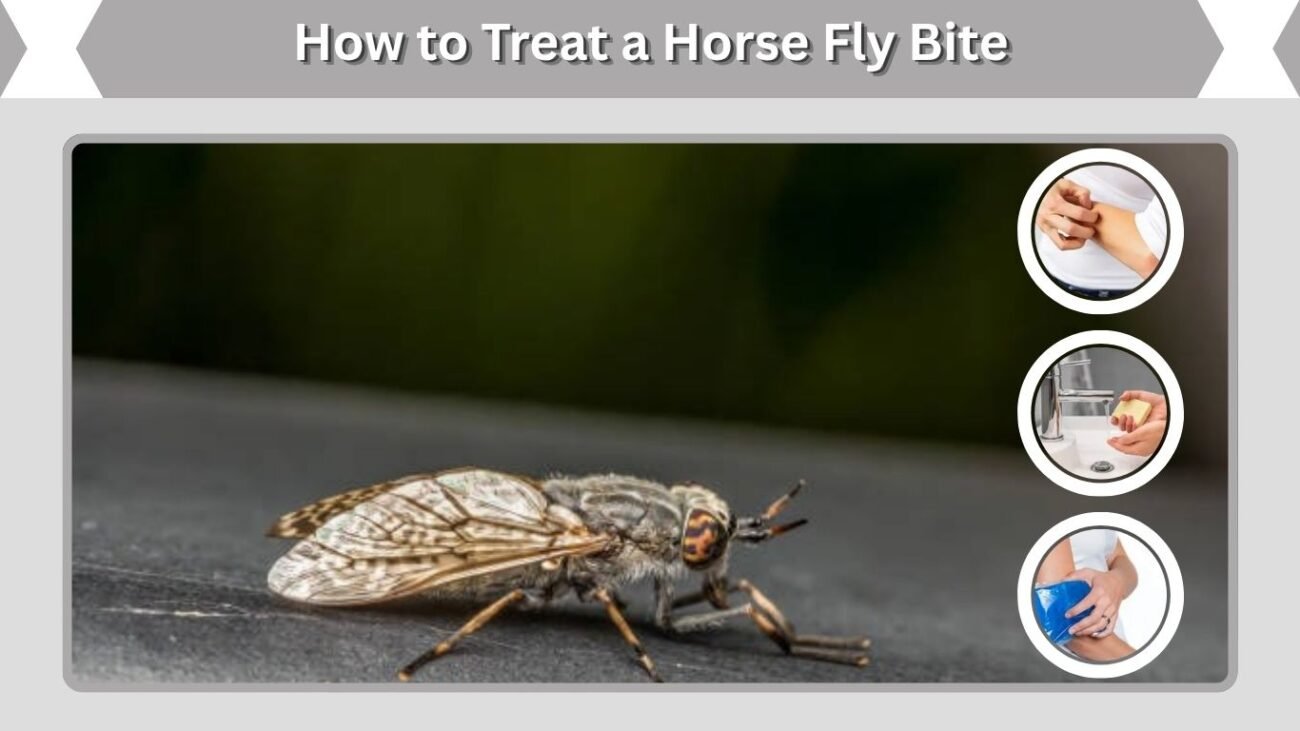
Most horse fly bites can be managed with basic home care. Start by moving away from the area to prevent additional bites.
Immediate Treatment
- Wash the bite gently with soap and water.
- Apply a cold pack wrapped in cloth for about 10–20 minutes.
- Keep the area clean and avoid scratching it.
- Elevate the affected limb if swelling is significant.
- Ask a pharmacist about suitable antihistamines, pain relievers, or anti-itch treatments.
Do not place ice directly against the skin. Avoid cutting, squeezing, or repeatedly pressing the wound, as these actions may increase irritation and introduce bacteria.
When to Seek Medical Help
Contact a medical professional when redness or swelling continues to expand, pain becomes worse, the wound leaks fluid or pus, or you develop fever, swollen glands, dizziness, or other unusual symptoms.
Emergency help is needed for signs of a serious allergic reaction, including difficulty breathing, swelling of the face or throat, faintness, confusion, or a widespread raised rash.
Horse Fly Habitat
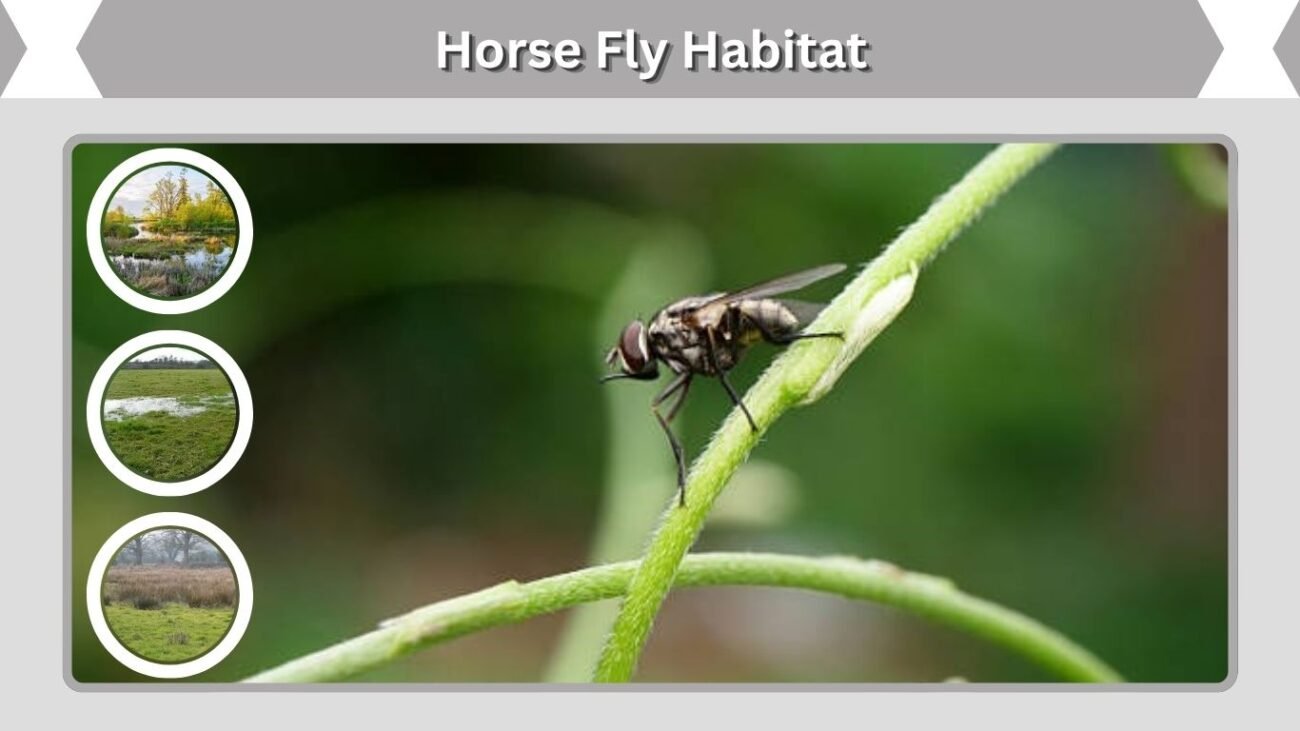
Horse flies are strongly associated with wet or damp environments. Adults may be seen far from water, but immature stages usually develop in moist soil, mud, marsh edges, wetlands, streams, ponds, or other semi-aquatic habitats.
Where Are Horse Flies Found?
Common locations include:
- Pond and lake edges
- Marshes and swamps
- Riverbanks and floodplains
- Wet pastures
- Woodland edges
- Coastal wetlands
- Farms and livestock areas
- Hiking and riding trails
Adults are most active during warm daylight hours. Their abundance often increases in summer and early fall, although local seasons depend on climate and species.
Horse Fly Life Cycle
Horse flies undergo complete metamorphosis with four distinct stages: egg, larva, pupa, and adult.
Eggs
Females commonly deposit masses of 100–1,000 eggs on leaves, stems, rocks, sticks, or other surfaces above wet ground or water. The newly hatched larvae fall or crawl into the moist habitat below.
Horse Fly Larvae
Horse fly larvae are elongated, legless, and somewhat maggot-like. They live in mud, damp soil, marshes, pond margins, and similar environments. Many are predators that feed on insect larvae, worms, crustaceans, and other small animals. Some may also consume organic material or other horse fly larvae.
The larval period can last several months to more than a year. Larger species may require two or three years to complete development.
Pupae and Adults
A mature larva moves toward a drier area near the soil surface and becomes a pupa. The pupal stage usually lasts several weeks before the winged adult emerges.
Many species produce one generation annually, although life-cycle length varies with species, habitat, and temperature. Adults often survive for several weeks, with one University of Florida account reporting approximately 30–60 days.
Horse Fly vs Deer Fly
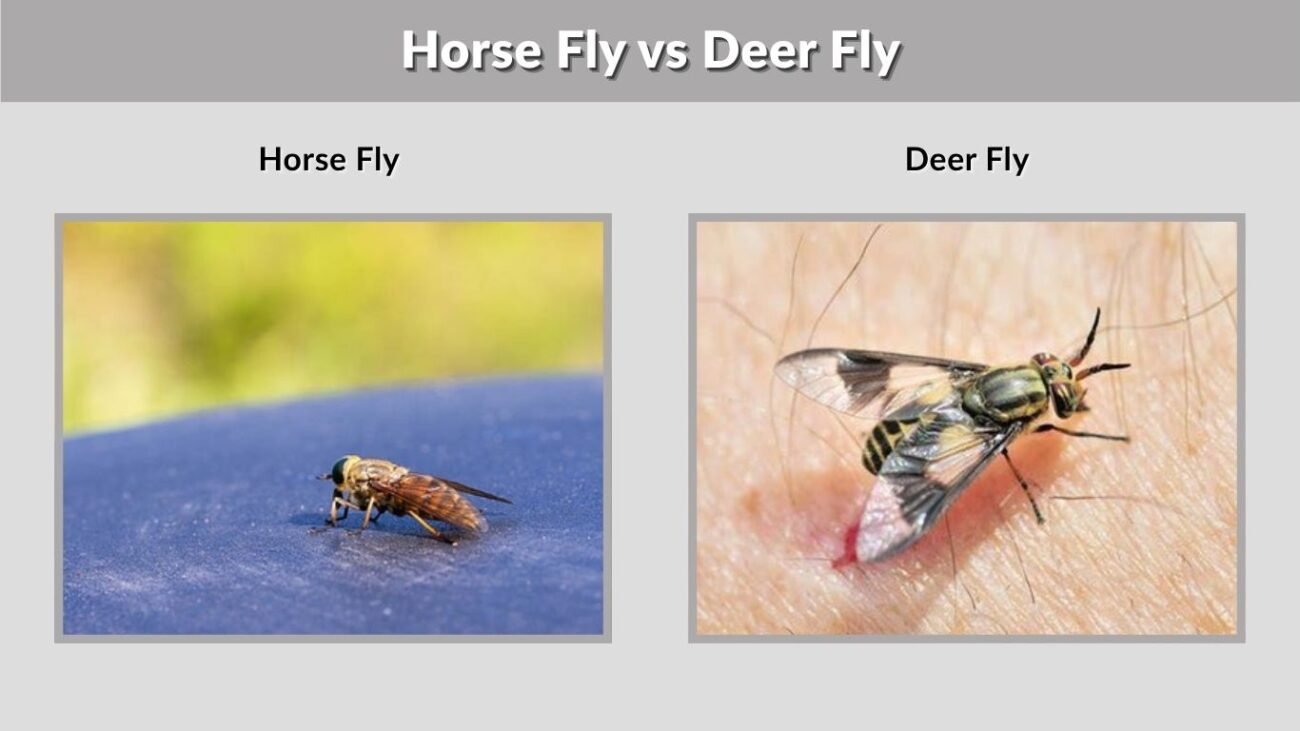
Horse flies and deer flies belong to the same family, but they are not identical.
| Feature | Horse Fly | Deer Fly |
| Typical size | 10–25 mm | 7–10 mm |
| Body | Broad and robust | Smaller and slimmer |
| Wings | Often clear or evenly dark | Commonly patterned or banded |
| Color | Black, gray, or dark brown | Yellow, brown, or black |
| Biting area | Often legs and body | Often head and neck |
| Flight | Strong and direct | Fast, persistent, and circling |
Both female horse flies and deer flies cut the skin and feed on blood. Deer flies are generally smaller and more likely to have obvious dark patterns across their wings.
Horse Fly vs House Fly
A house fly is much smaller and has dull gray coloring with dark stripes on its thorax. It has sponging mouthparts and cannot cut human skin to obtain blood.
A horse fly is larger, more robust, and has much bigger eyes. Female horse flies have cutting mouthparts and can deliver a painful bite, while house flies do not bite people.
How to Keep Horse Flies Away
Completely eliminating horse flies from a property is difficult because larvae develop across large wet areas and adults can fly considerable distances. Prevention usually works better than relying on a single spray.
Personal Protection
Wear long sleeves, long pants, closed shoes, and a hat when entering areas with heavy horse fly activity. Lighter-colored clothing may be less visually attractive than dark clothing. Apply an insect repellent according to its label and reapply only as directed.
Horse flies are most active during daylight, so changing the location or timing of outdoor activities may reduce exposure. Screened shelters, enclosed vehicles, and indoor areas provide the most reliable protection.
Protecting Horses and Livestock
Fly masks, sheets, rugs, and leg coverings create physical barriers over vulnerable areas. Horse-safe repellents may provide temporary relief, but effects can be short-lived and products must be used according to their labels.
Traps can reduce activity in a limited area, especially near barns or paddocks, but they rarely eliminate flies from an entire farm. Managing manure is important for many fly species, although horse fly larvae usually develop in wetlands and mud rather than manure piles.
FAQs
Are horse fly bites dangerous?
Most cause temporary pain, redness, itching, and swelling. The primary concerns are allergic reactions and secondary infection. Seek medical advice when symptoms become severe, continue worsening, or include breathing difficulty, fever, spreading redness, or pus.
Can horse flies bite through clothing?
A horse fly may reach exposed skin or bite through very thin or tightly stretched material. Long, loose-fitting clothing made from a reasonably dense fabric provides better protection than thin clothing.
Why do horse flies chase people?
Horse flies respond to movement, contrast, carbon dioxide, heat, and other host-related signals. Once a female identifies a potential blood source, she may follow persistently until she lands, is driven away, or loses the target.
What attracts horse flies?
Dark moving objects, large animals, body warmth, carbon dioxide, and odors can attract them. Wetlands and muddy breeding habitats also increase the likelihood of horse flies being present in the surrounding area.
Do horse fly traps work?
Traps can capture significant numbers when correctly positioned, but results vary. Because horse flies are strong fliers and may arrive from distant breeding areas, traps generally reduce local activity rather than completely removing the population.