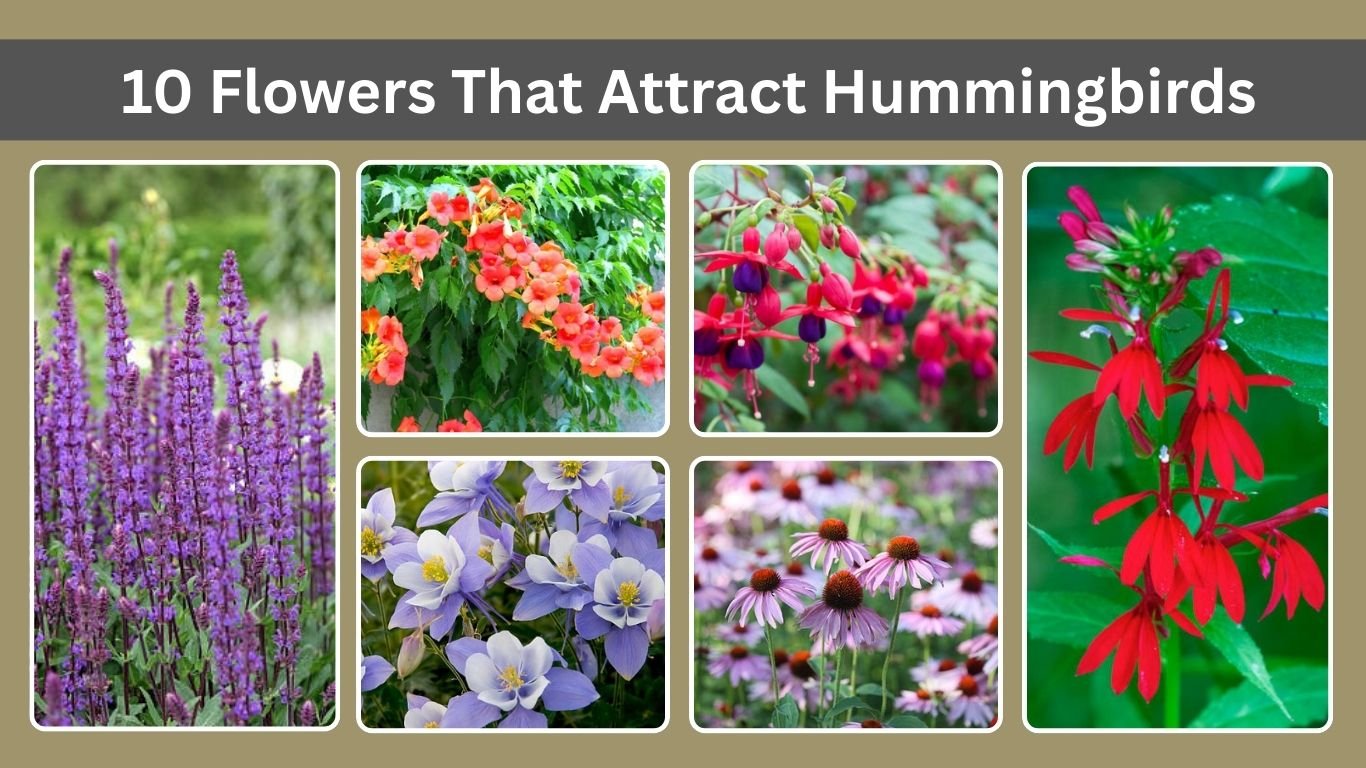
Hummingbirds are naturally drawn to bright, nectar-rich blooms, making certain flowers irresistible to these tiny, energetic birds. By planting a variety of tubular and colorful blossoms, you can create a vibrant garden that keeps hummingbirds visiting all season long. Below, we’ll explore 10 of the best flowers that not only beautify your garden but also serve as natural feeding stations for hummingbirds.
1. Trumpet Vine
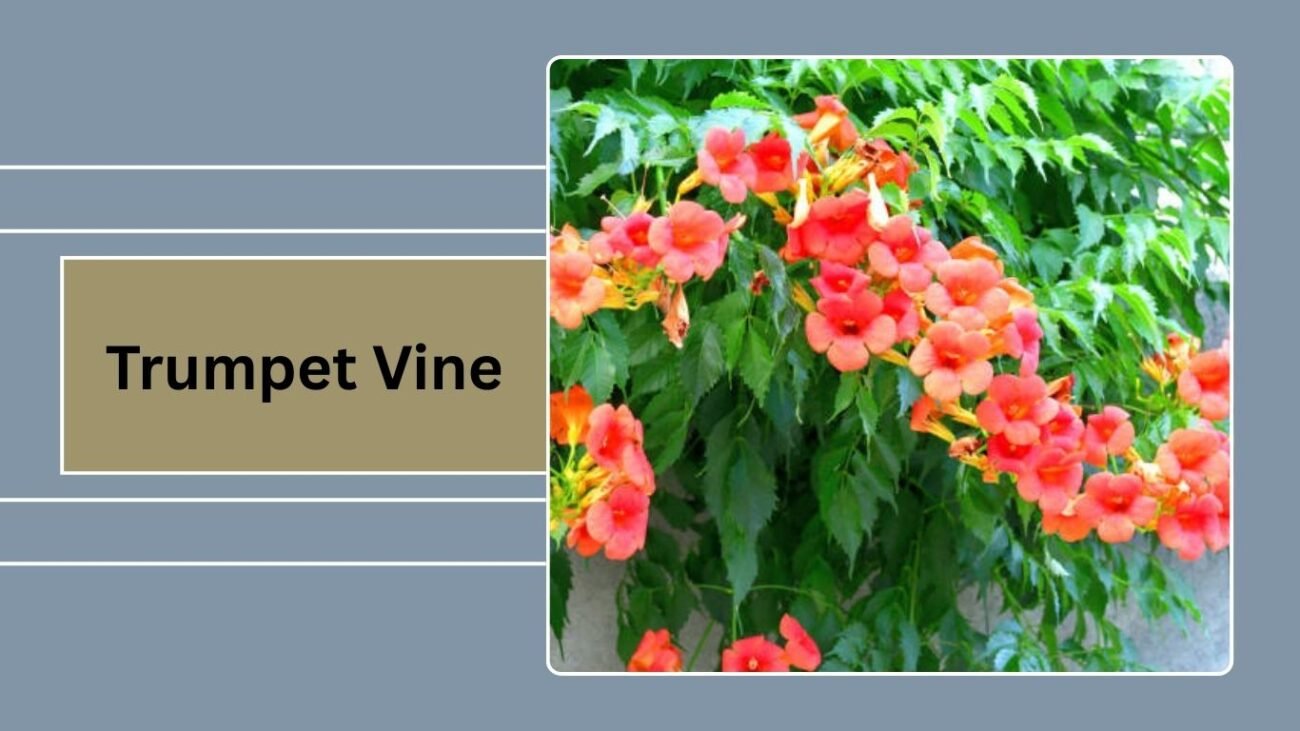
The trumpet vine (Campsis radicans), often called trumpet creeper, is a vigorous flowering plant that has earned a reputation as one of the top attractors of hummingbirds. Its long, trumpet-shaped blossoms are designed almost perfectly for these tiny birds, providing both an abundant nectar source and easy access. The flowers range in colors from fiery orange to deep red, shades that hummingbirds find especially irresistible. Because of its shape and vivid hues, trumpet vine blooms act like natural beacons, drawing hummingbirds from afar.
Identification
- Tubular, trumpet-shaped flowers in orange, red, or yellow
- Compound, dark-green leaves with serrated edges
- A fast-growing woody vine, capable of reaching 30–40 feet in height
- Produces seed pods that resemble long beans
Habitat
Trumpet vine thrives in sunny, open areas where it can climb and spread freely. It is often planted on fences, trellises, pergolas, or the sides of buildings. The plant prefers well-drained soil but is highly adaptable, tolerating a range of conditions. Once established, it can endure drought and heat, making it suitable for many climates.
Behaviors and Attraction
Hummingbirds rely on nectar-rich blooms for energy, and trumpet vine is among their favorites. Its tubular flowers are perfectly shaped for their long beaks and tongues, allowing them to feed efficiently. Bees, butterflies, and other pollinators also frequent these blooms, making trumpet vine a hub of activity in any garden.
Care
While stunning and beneficial, trumpet vine requires attentive management. It is a fast grower that can become invasive if left unchecked. Regular pruning is essential to keep its growth controlled and encourage new blooms. Providing strong support, such as a sturdy trellis, ensures the vine climbs safely without overwhelming nearby plants. With minimal maintenance beyond pruning, trumpet vine becomes a long-lasting, hummingbird-friendly addition to the garden.
2. Bee Balm
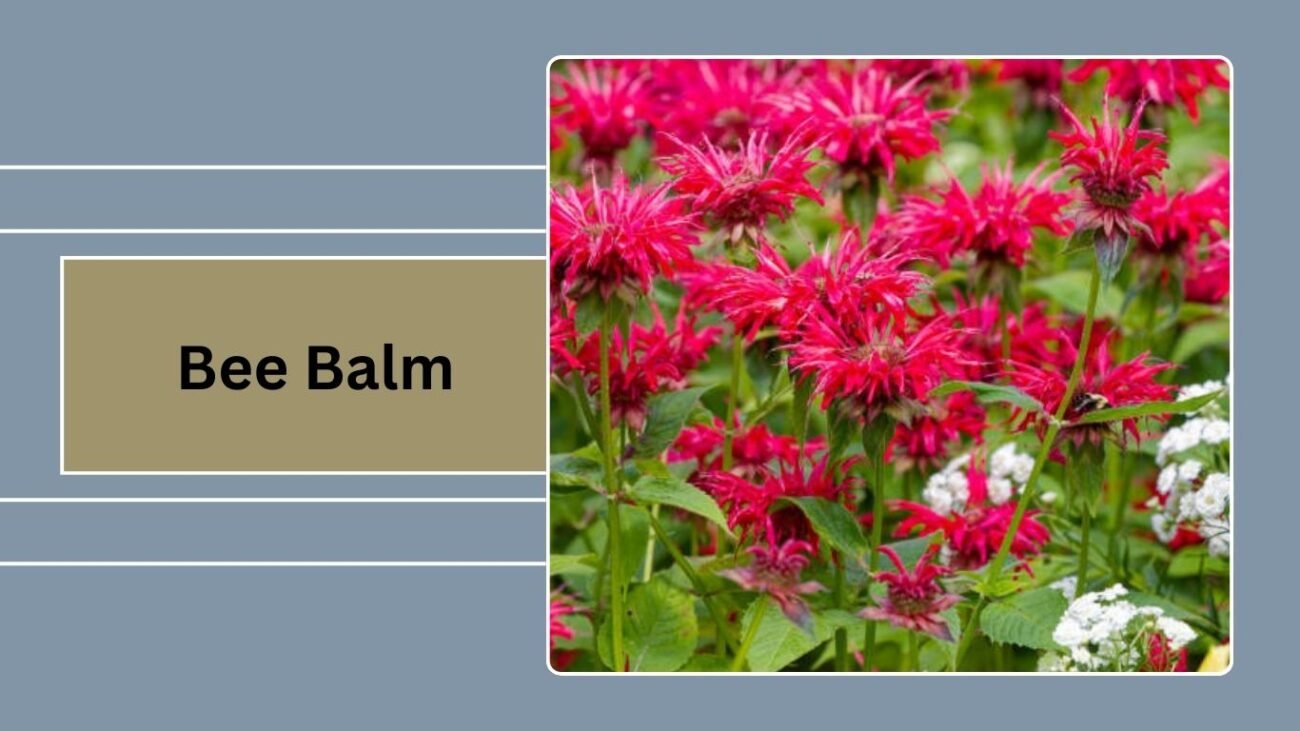
Bee balm (Monarda didyma) is a showy perennial native to North America that has long been cherished by gardeners and hummingbird enthusiasts. Known for its brilliant clusters of tubular blooms, it is one of the most reliable plants to draw hummingbirds. Its unique shape and nectar-rich flowers provide both food and visual attraction, making it a centerpiece in many pollinator gardens.
Identification
- Bright red, pink, purple, or white tubular flowers arranged in rounded clusters
- Square stems and aromatic, mint-scented leaves
- Typically grows 2–4 feet tall, spreading in clumps
- Blooms mid-to-late summer, lasting several weeks
Why Hummingbirds Love It
The tubular flowers of bee balm are an excellent match for hummingbirds’ long beaks and tongues, allowing efficient nectar feeding. Red varieties are particularly favored, but all colors attract hummingbirds. Bee balm’s extended blooming period ensures a steady nectar supply when hummingbirds are most active.
Best Growing Conditions
Bee balm thrives in full sun but can tolerate partial shade. It prefers rich, moist, well-drained soil and benefits from mulching to retain moisture. Adequate spacing improves airflow, which helps prevent mildew. When planted in sunny borders, cottage gardens, or hummingbird gardens, it flourishes beautifully.
Care and Maintenance
Bee balm requires consistent watering, especially during dry spells, to prevent stress and maintain flower production. Deadheading faded blooms extends its flowering season, while dividing clumps every 2–3 years prevents overcrowding and disease buildup. Selecting modern, mildew-resistant cultivars ensures healthier, long-lasting plants.
Role in the Garden
Bee balm is a magnet for hummingbirds, bees, and butterflies, creating a pollinator-friendly ecosystem. It also adds fragrance and vibrant splashes of color to summer gardens. As a native plant, it supports local wildlife while being easy to grow, making it an essential addition for anyone aiming to attract hummingbirds naturally.
3. Salvia
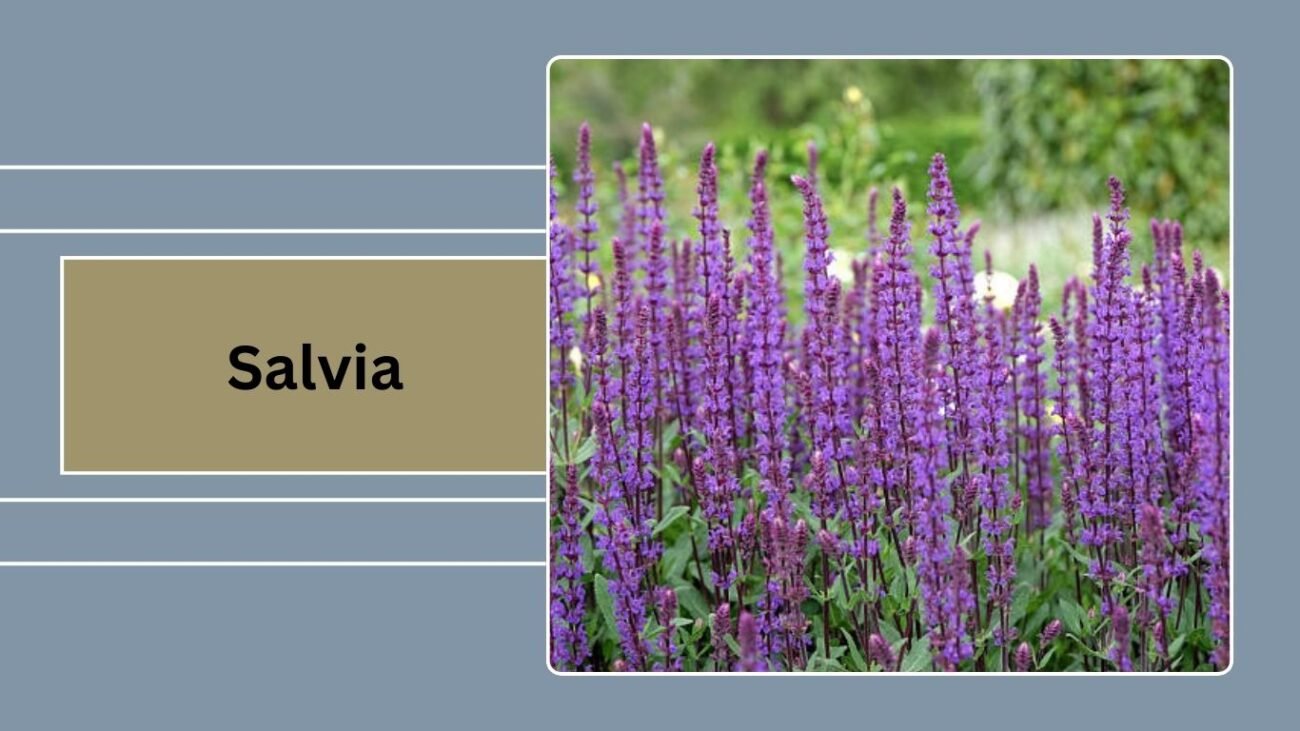
Salvia, commonly referred to as sage, includes a vast group of plants, many of which are highly attractive to hummingbirds. With their tall spikes of tubular flowers in bold colors, salvias bloom continuously from spring to fall, offering a reliable nectar source. These hardy perennials and annuals are versatile, resilient, and well-loved by gardeners for their beauty and function.
Identification
- Spikes of tubular flowers in red, blue, purple, pink, or white
- Aromatic foliage, often gray-green or deep green
- Square stems typical of the mint family
- Growth habit varies: compact varieties (1–2 feet) or taller species (up to 5 feet)
Why Hummingbirds Love It
Salvia flowers are tailor-made for hummingbirds. Their tubular form allows birds to easily reach nectar while transferring pollen, ensuring repeat visits. Red salvia is especially famous for drawing hummingbirds, but many species, including blue and purple varieties, are equally attractive. Long bloom times make salvia a consistent food source.
Best Growing Conditions
Salvia grows best in full sun with well-drained soil. Once established, many types are drought-tolerant, which makes them excellent for low-water gardens. They adapt well to borders, raised beds, or large containers. Salvias also perform well in warm climates where hummingbirds are active throughout the year.
Care and Maintenance
These plants are relatively low-maintenance. Deadheading encourages fresh blooms, while cutting back plants after flowering can trigger a second flush. In colder zones, perennials may need mulching for winter protection. Regular watering during establishment helps roots spread, but mature plants usually tolerate dry spells.
Role in the Garden
Salvia adds height, texture, and vibrant color to landscapes, making them perfect for mixed borders or hummingbird-focused gardens. In addition to feeding hummingbirds, salvias also attract bees, butterflies, and beneficial insects. Their resilience, beauty, and long flowering season ensure that gardens remain lively and colorful for months.
4. Cardinal Flower
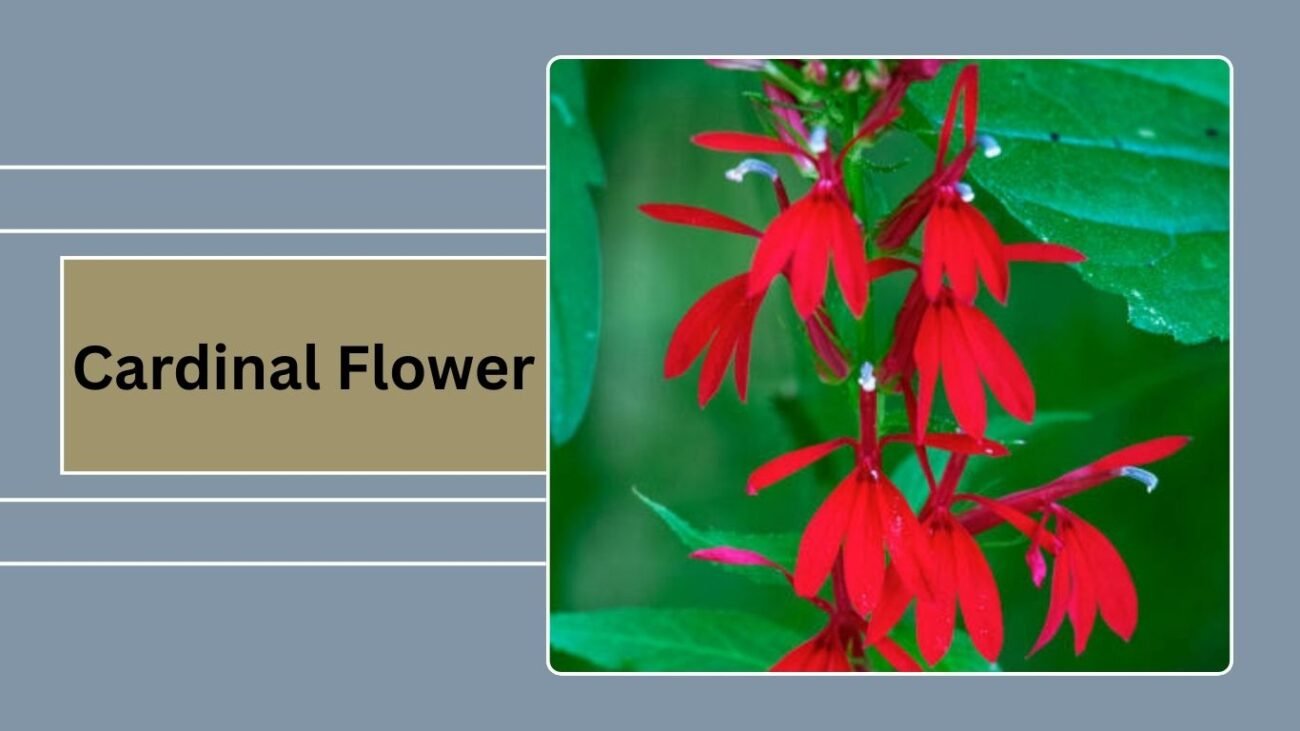
The cardinal flower (Lobelia cardinalis) is one of the most striking native plants for attracting hummingbirds. With its brilliant scarlet-red blooms, it serves as a natural magnet for these tiny birds. The tall flower spikes create a dramatic display in late summer, perfectly timed to provide energy as hummingbirds prepare for migration.
Identification
- Tall spikes of bright red tubular flowers
- Lance-shaped green leaves forming a basal rosette
- Grows 2–4 feet tall in moist soils
- Blooms from midsummer to early fall
Why Hummingbirds Love It
The vivid red color is highly visible to hummingbirds, and the tubular flowers are perfectly designed for their feeding. Cardinal flower produces abundant nectar at a time when many other blooms are fading, ensuring continued food supply.
Best Growing Conditions
This plant thrives in wet or consistently moist soils, often found along stream banks, pond edges, or rain gardens. It prefers full sun to partial shade and benefits from rich soil with good organic matter.
Care and Maintenance
Cardinal flowers are short-lived perennials but often reseed themselves. To ensure longevity, keep soil moist, mulch regularly, and allow some seed heads to remain. Dividing plants every few years can maintain vigor.
Role in the Garden
Besides attracting hummingbirds, cardinal flowers add bold color and vertical interest. They pair beautifully with other moisture-loving plants and create a naturalistic look in water or woodland gardens.
5. Columbine
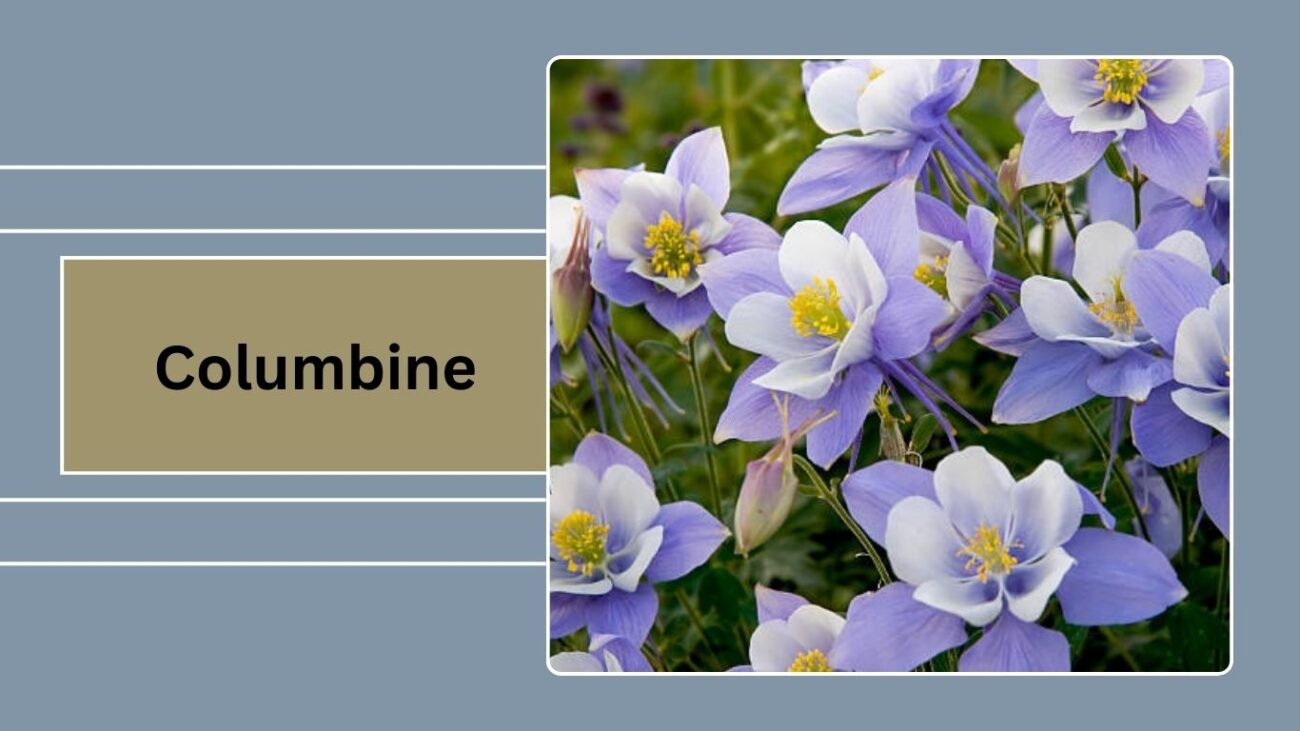
Columbine (Aquilegia) is a delicate, graceful perennial known for its unique, spurred flowers that appeal strongly to hummingbirds. Its intricate blossoms come in a range of colors, from red and yellow to blue and purple, and often bloom in spring when food sources are still limited.
Identification
- Nodding, spurred flowers in varied colors
- Fern-like, lobed foliage that remains attractive after flowering
- Typically grows 1–3 feet tall
- Blooms in late spring to early summer
Why Hummingbirds Love It
The long nectar spurs of columbine flowers match hummingbirds’ beaks, allowing them easy access to nectar. Early blooms provide essential energy when hummingbirds return from migration and seek fresh sources of food.
Best Growing Conditions
Columbine thrives in partial shade to full sun and prefers well-drained soil. It adapts to both woodland gardens and sunny borders, making it versatile for different landscapes.
Care and Maintenance
This plant self-seeds freely, often naturalizing in gardens over time. Deadheading encourages longer blooming, but allowing some seed pods to ripen ensures future plants. Columbine is generally low-maintenance but benefits from occasional watering during dry spells.
Role in the Garden
With its elegant flowers and airy foliage, columbine brings charm to mixed borders and naturalized areas. By blooming in spring, it provides an early nectar source that supports hummingbirds before other summer flowers are in season.
6. Petunia
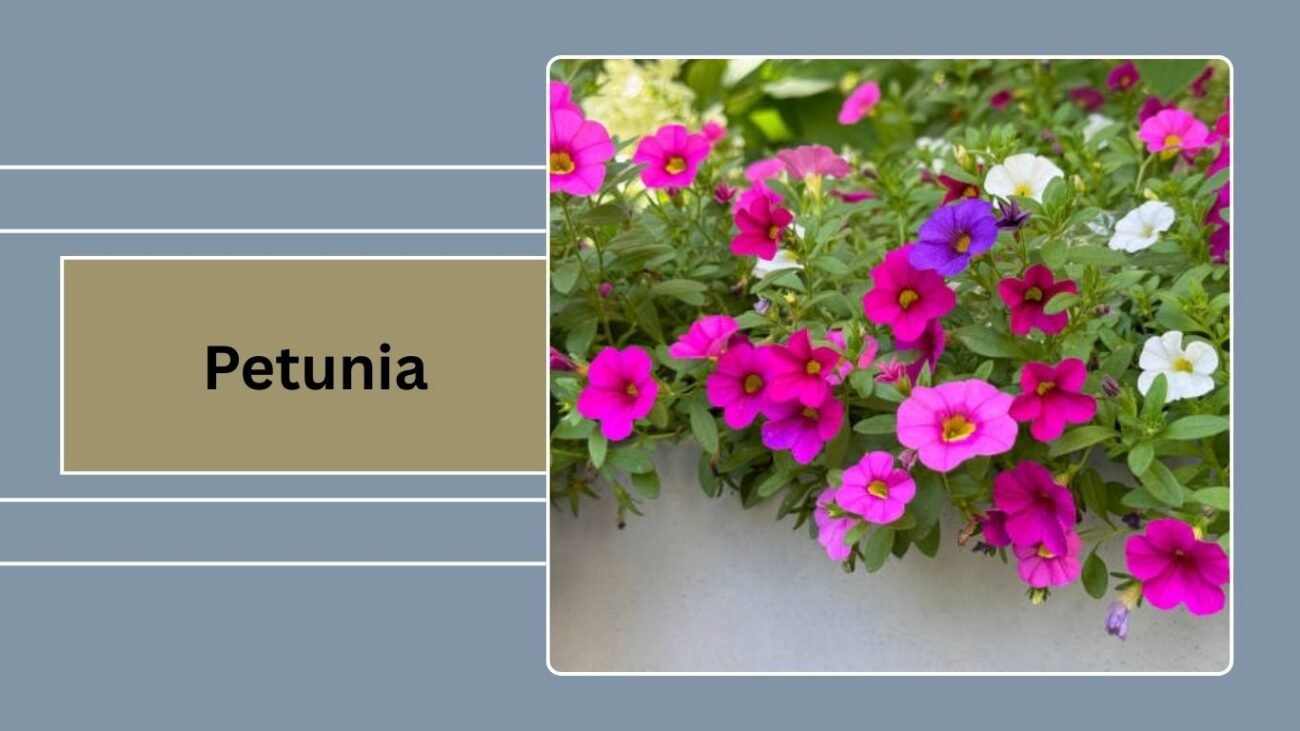
Petunias (Petunia hybrida) are popular annuals that bring vivid color and sweet fragrance to gardens and patios. Their trumpet-shaped flowers are rich in nectar, making them a reliable choice for attracting hummingbirds throughout the growing season.
Identification
- Funnel-shaped flowers in red, pink, purple, yellow, or white
- Spreading or mounding habit, 6–18 inches tall
- Soft, slightly sticky foliage
- Blooms continuously from spring to frost
Why Hummingbirds Love It
The tubular flowers provide easy access to nectar, and their bright colors act as signals for hummingbirds. Continuous blooming ensures food availability for months.
Best Growing Conditions
Petunias thrive in full sun with well-drained soil. They grow well in garden beds, hanging baskets, and containers, offering flexibility for small or large spaces.
Care and Maintenance
Regular deadheading or trimming keeps plants tidy and blooming. Fertilizing every two weeks supports abundant flowers. Water consistently but avoid waterlogging.
Role in the Garden
Petunias add nonstop color and attract hummingbirds to patios, balconies, and yards, making them ideal for both decorative and wildlife purposes.
7. Fuchsia
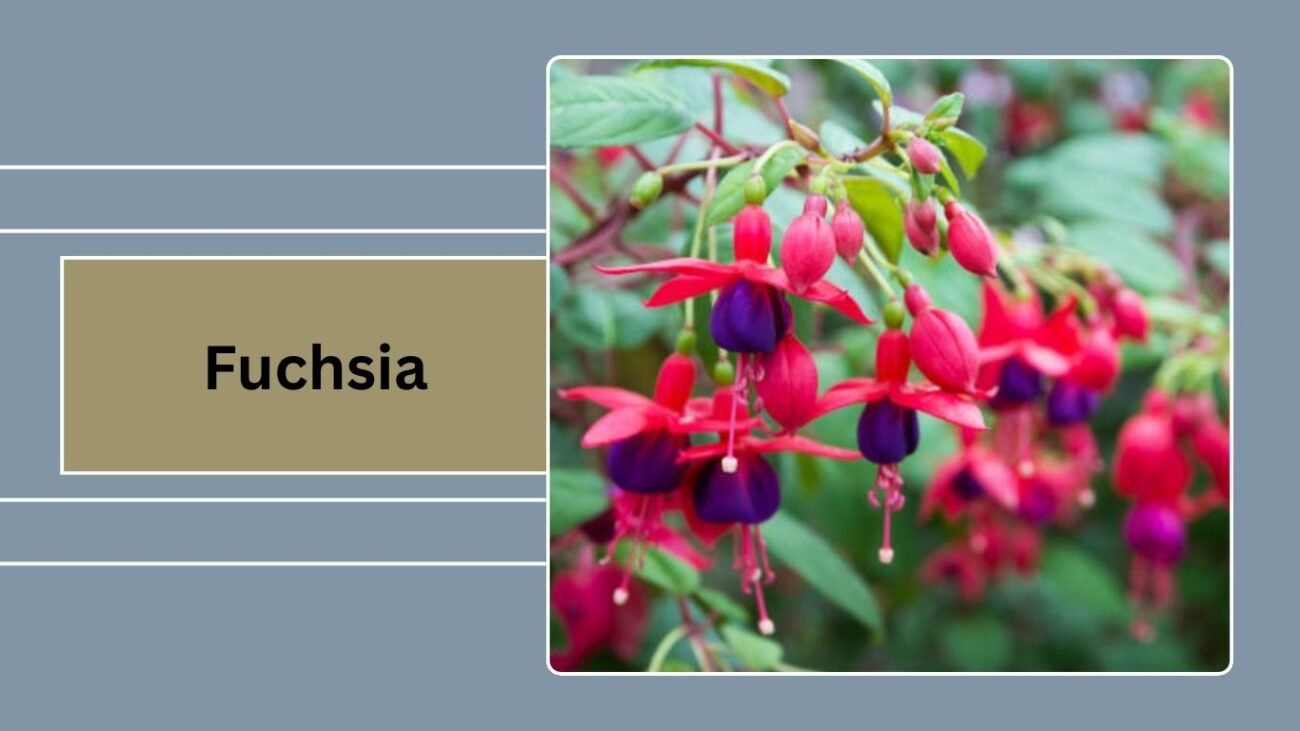
Fuchsia (Fuchsia spp.) is admired for its pendulous, lantern-like blooms that dangle elegantly from hanging baskets and containers. These vibrant flowers are packed with nectar and are a hummingbird favorite.
Identification
- Drooping, tubular flowers with contrasting sepals and petals
- Commonly pink, purple, red, or bi-colored
- Grows 1–3 feet tall, often in hanging baskets
- Blooms from late spring to fall
Why Hummingbirds Love It
Fuchsia blossoms are perfectly designed for hummingbirds’ hovering style of feeding. The nectar is abundant, and the bold flower colors are highly attractive.
Best Growing Conditions
Fuchsias prefer partial shade and cool, moist conditions. They thrive in hanging baskets, containers, and sheltered garden beds. Well-drained, rich soil ensures steady growth.
Care and Maintenance
Regular watering is essential to prevent wilting. Pinching back stems encourages bushier growth and more blooms. Protect from extreme heat to prolong flowering.
Role in the Garden
Fuchsias are perfect for adding vertical beauty and feeding stations for hummingbirds. Their cascading blooms bring elegance to porches, patios, and shaded garden corners.
8. Hummingbird Mint (Agastache)
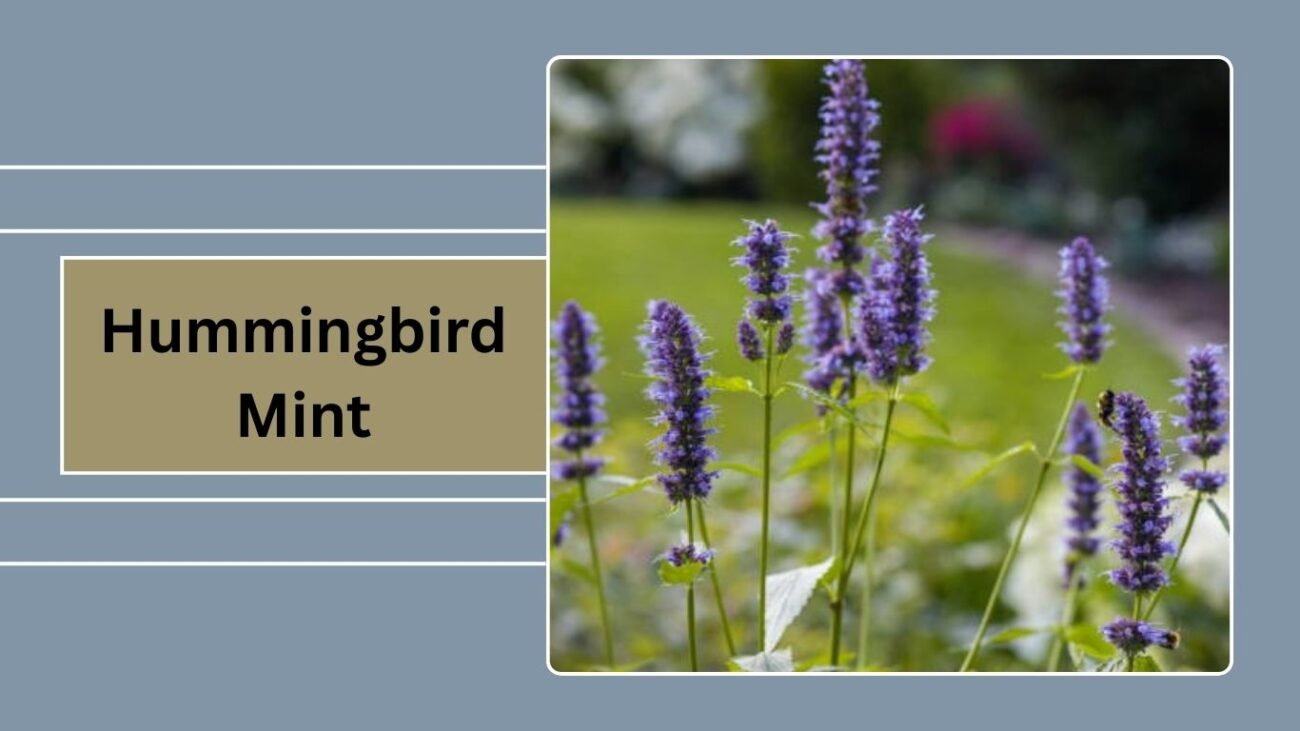
Hummingbird mint (Agastache spp.) is a fragrant perennial herb that produces tall spikes of tubular flowers. Its sweet scent and nectar-rich blossoms make it one of the most reliable plants for attracting hummingbirds all summer long.
Identification
- Spikes of tubular flowers in pink, orange, purple, or coral shades
- Aromatic, mint-scented foliage
- Upright growth habit, 2–4 feet tall
- Blooms from midsummer into fall
Why Hummingbirds Love It
The long spikes are loaded with nectar-filled flowers, offering hummingbirds abundant feeding opportunities. Its extended bloom time ensures a steady food source.
Best Growing Conditions
Agastache thrives in full sun and well-drained, sandy or rocky soil. It is drought-tolerant once established, making it ideal for low-water gardens and pollinator landscapes.
Care and Maintenance
Minimal care is needed. Occasional watering during droughts and deadheading spent flowers encourage more blooms. Protect roots with mulch in colder climates.
Role in the Garden
Hummingbird mint adds height, fragrance, and continuous color. Besides hummingbirds, it attracts butterflies and bees, enhancing pollinator activity in gardens.
9. Honeysuckle
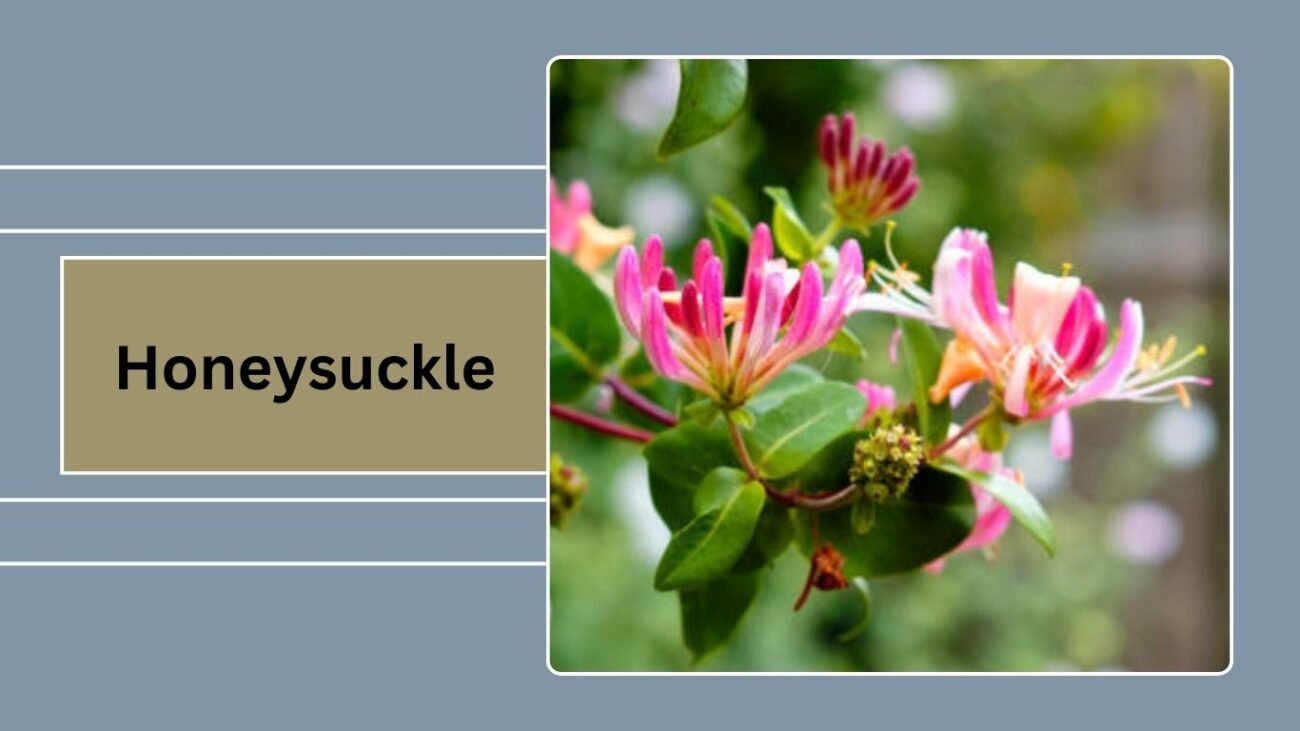
Honeysuckle (Lonicera spp.) is a fast-growing vine or shrub known for its sweetly scented tubular flowers. With vibrant blooms and abundant nectar, it has long been a favorite of hummingbirds.
Identification
- Clusters of tubular flowers in red, orange, yellow, or pink
- Twining vine or shrubby form depending on species
- Glossy green leaves and decorative berries after flowering
- Blooms late spring through summer, sometimes into fall
Why Hummingbirds Love It
Honeysuckle’s tubular flowers are packed with nectar and produce a strong fragrance that signals food to hummingbirds. Red and orange varieties are especially appealing.
Best Growing Conditions
Honeysuckle thrives in full sun to partial shade and prefers moist, well-drained soil. Climbing varieties need sturdy support such as trellises, fences, or pergolas.
Care and Maintenance
Pruning helps control its vigorous growth and keeps it blooming. Some invasive species should be avoided in favor of native or non-invasive varieties like coral honeysuckle (Lonicera sempervirens).
Role in the Garden
Honeysuckle is ideal for covering walls, fences, or pergolas while feeding hummingbirds. Its fragrance, beauty, and wildlife value make it a versatile garden addition.
10. Zinnia
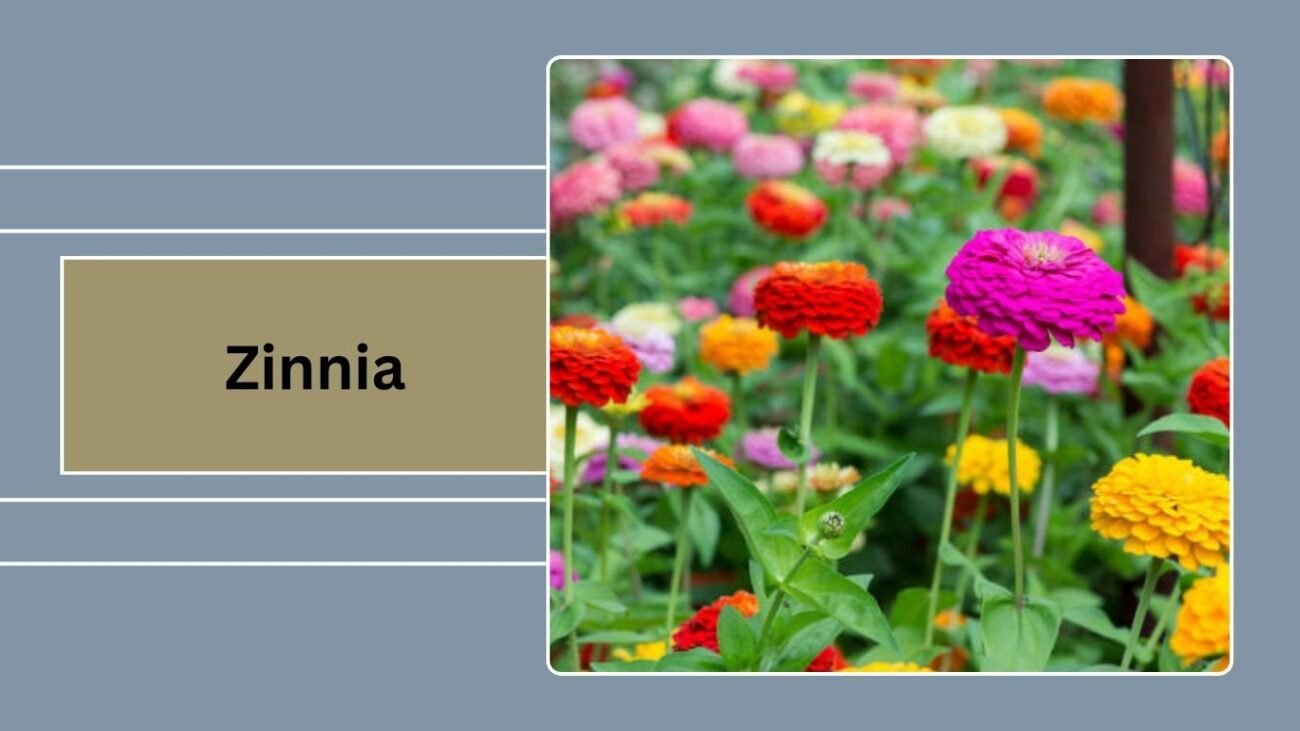
Zinnias (Zinnia elegans) are vibrant annual flowers that bring bold color to gardens and are excellent at attracting hummingbirds. With their wide variety of shapes, sizes, and bright shades, zinnias provide both beauty and nectar, making them a staple in hummingbird-friendly landscapes.
Identification
- Daisy-like flowers in red, pink, orange, yellow, or purple
- Upright stems ranging from 1–4 feet tall
- Simple, lance-shaped leaves
- Blooms from early summer until frost
Why Hummingbirds Love It
Zinnias produce brightly colored blooms rich in nectar, attracting hummingbirds throughout the warm months. Their open flower form also makes it easy for hummingbirds to feed quickly while hovering.
Best Growing Conditions
Zinnias thrive in full sun and well-drained soil. They are heat-tolerant and prefer regular watering but dislike soggy conditions. Excellent for garden beds, borders, and cut flower gardens.
Care and Maintenance
Deadheading spent blooms encourages continuous flowering until frost. Planting in succession ensures a steady supply of fresh blooms. Zinnias are generally low-maintenance and grow quickly from seed.
Role in the Garden
Beyond hummingbirds, zinnias attract butterflies and bees, supporting overall pollinator health. Their vivid colors add brightness to any garden, while their long bloom season ensures reliable food for hummingbirds.