Butterflies bring gardens to life with their color and movement, but to welcome them, you need the right plants. Certain flowers are especially rich in nectar, offering both beauty and sustenance for these winged visitors. Below are 13 stunning flowering plants that not only brighten your garden but also attract butterflies in abundance.
1. Butterfly Bush (Buddleia)
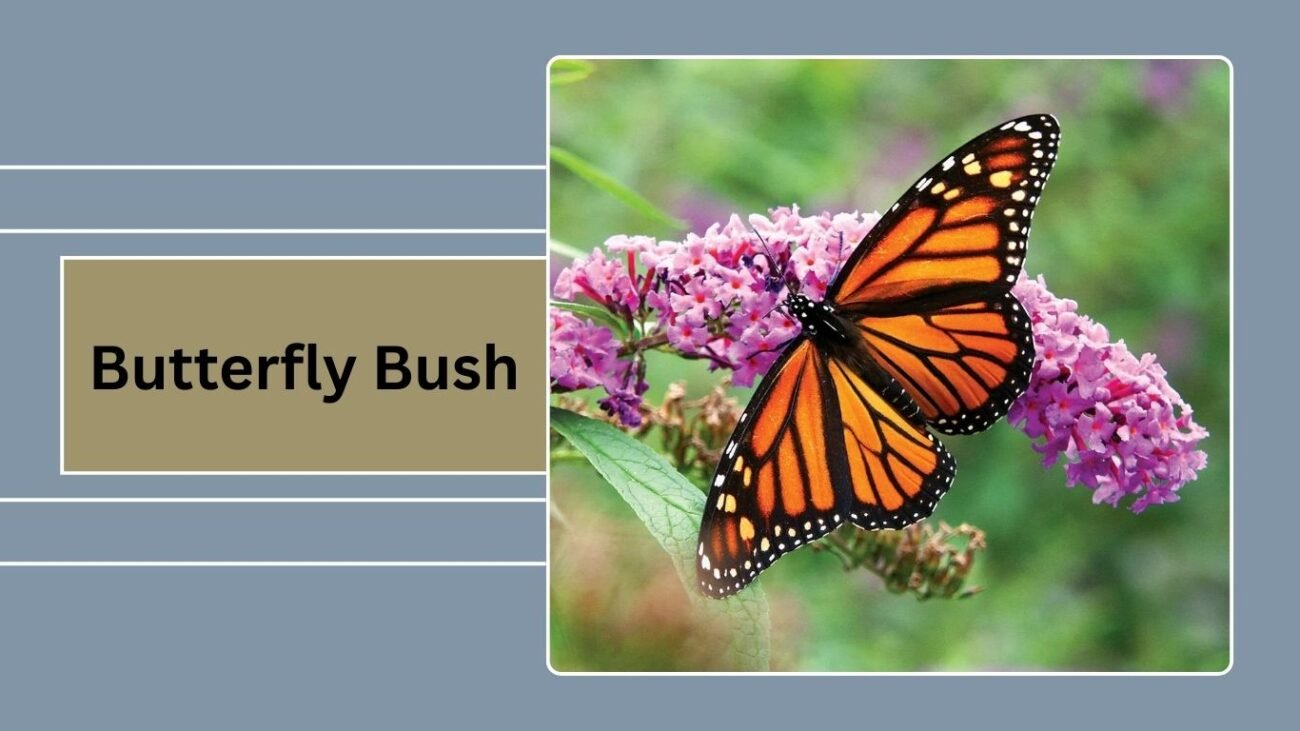
The butterfly bush is one of the most popular plants for attracting butterflies. Its long, fragrant flower clusters bloom in summer, providing abundant nectar that draws many butterfly species.
Identification
- Shrub reaching 6–12 ft tall
- Long cone-shaped flower spikes
- Colors: purple, pink, white, or yellow
- Leaves narrow, green to gray-green
Recognized for its cascading blossoms.
Habitat
Thrives in sunny gardens, borders, and open spaces with well-drained soil. It grows easily in temperate regions and is often planted near patios or walkways.
Behavior & Attraction
Butterflies are highly drawn to its nectar-rich flowers, especially monarchs, swallowtails, and painted ladies. The continuous summer blooms ensure a steady stream of pollinator activity.
Care & Growth Tips
Plant in full sun with moderate watering. Prune in late winter or early spring to encourage new growth and vibrant flowers. Avoid overwatering for healthy roots.
2. Lantana
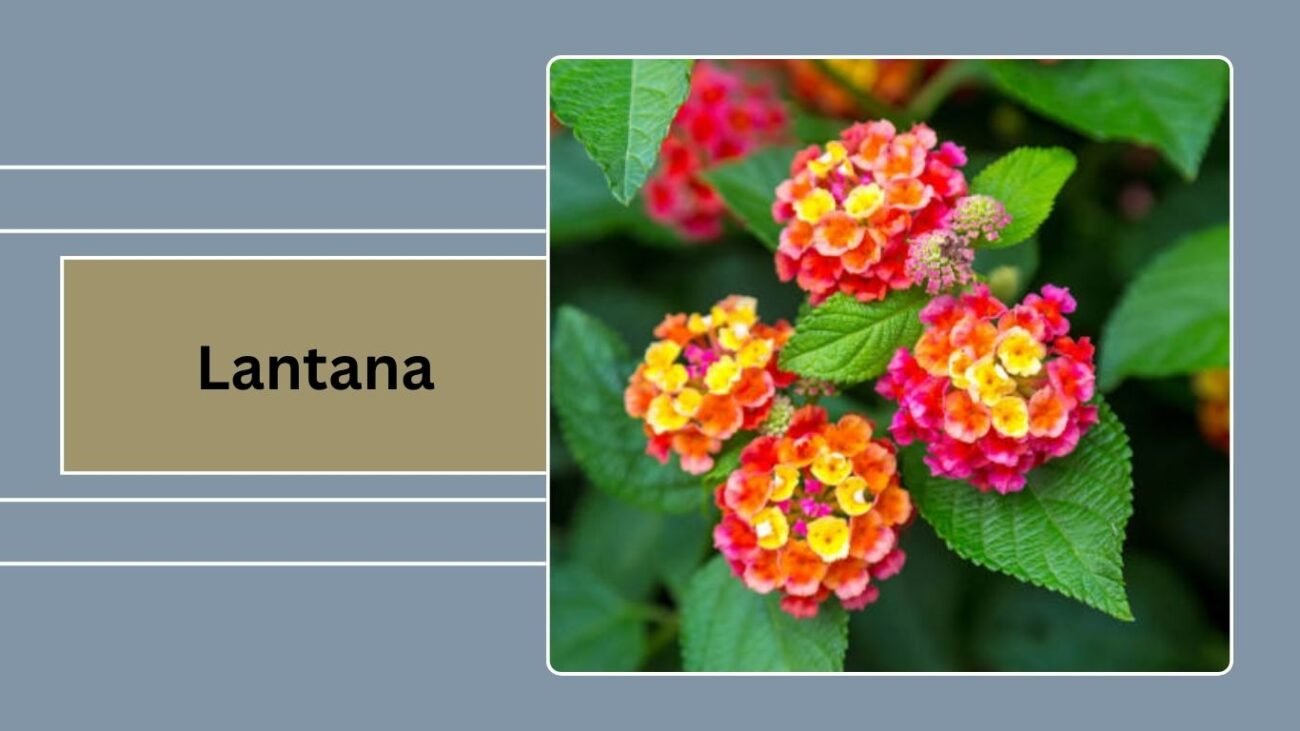
Lantana is a colorful, hardy plant that produces clusters of small flowers in multiple shades. Its sweet nectar is irresistible to butterflies throughout the blooming season.
Identification
- Small shrub, 2–6 ft tall
- Clusters of tiny, multicolored flowers
- Colors: red, orange, yellow, pink, purple, white
- Rough, green leaves
Distinctive for its rainbow-like flower heads.
Habitat
Grows best in sunny gardens, borders, and pots. Tolerates heat and drought well, thriving in tropical and subtropical climates.
Behavior & Attraction
Attracts monarchs, swallowtails, and fritillaries. Constant blooming provides a continuous nectar source, keeping butterflies around from spring to fall.
Care & Growth Tips
Plant in full sun with well-drained soil. Minimal care required; prune lightly to shape and encourage bushy growth.
3. Zinnia
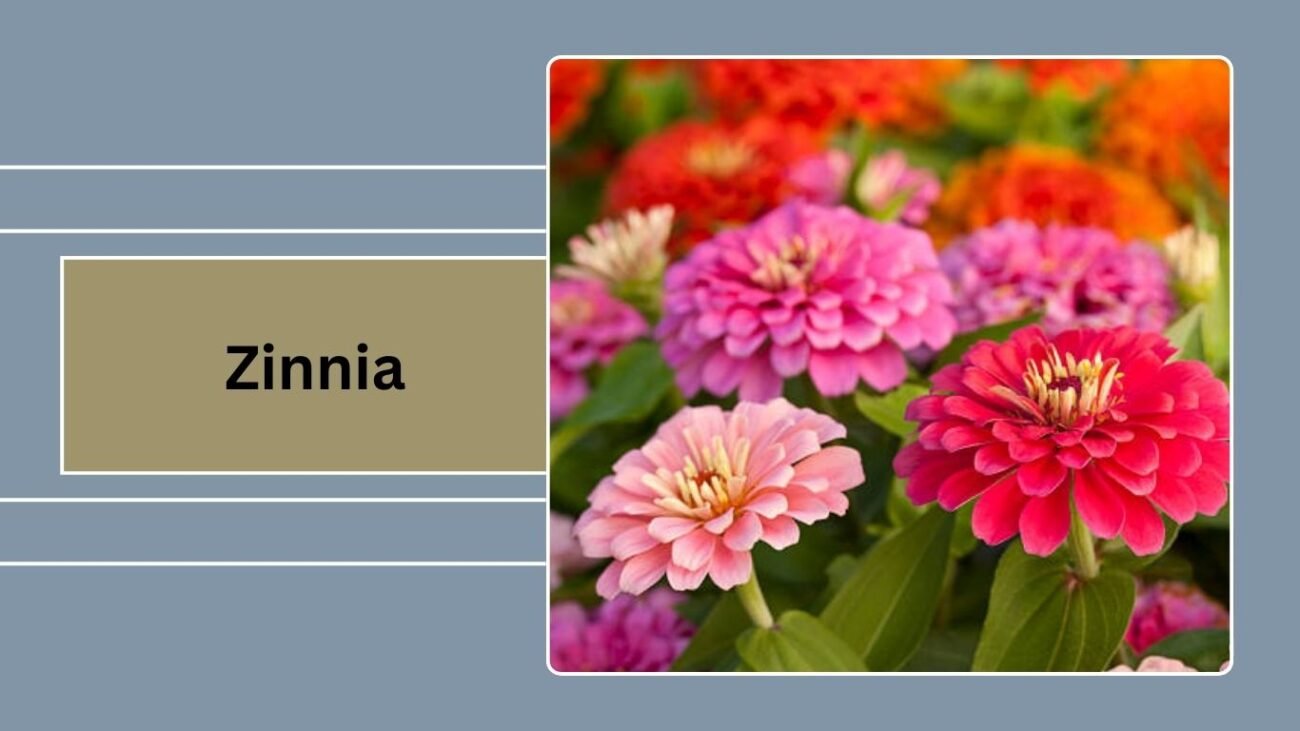
Zinnias are bright, cheerful flowers that make excellent butterfly magnets. Their wide, open blooms provide easy nectar access for many butterfly species.
Identification
- Annual plant, 1–4 ft tall
- Large, daisy-like flowers
- Wide color range: red, yellow, pink, orange, white, purple
- Long-lasting blooms
Known for bold, vibrant colors.
Habitat
Ideal for sunny gardens, borders, and cut-flower beds. Grows well in both containers and open ground with rich, well-drained soil.
Behavior & Attraction
Draws painted ladies, swallowtails, and monarchs. Their broad landing surface makes them perfect for nectar feeding.
Care & Growth Tips
Easy to grow from seed. Plant in full sun, water moderately, and remove faded blooms to encourage continuous flowering.
4. Coneflower (Echinacea)
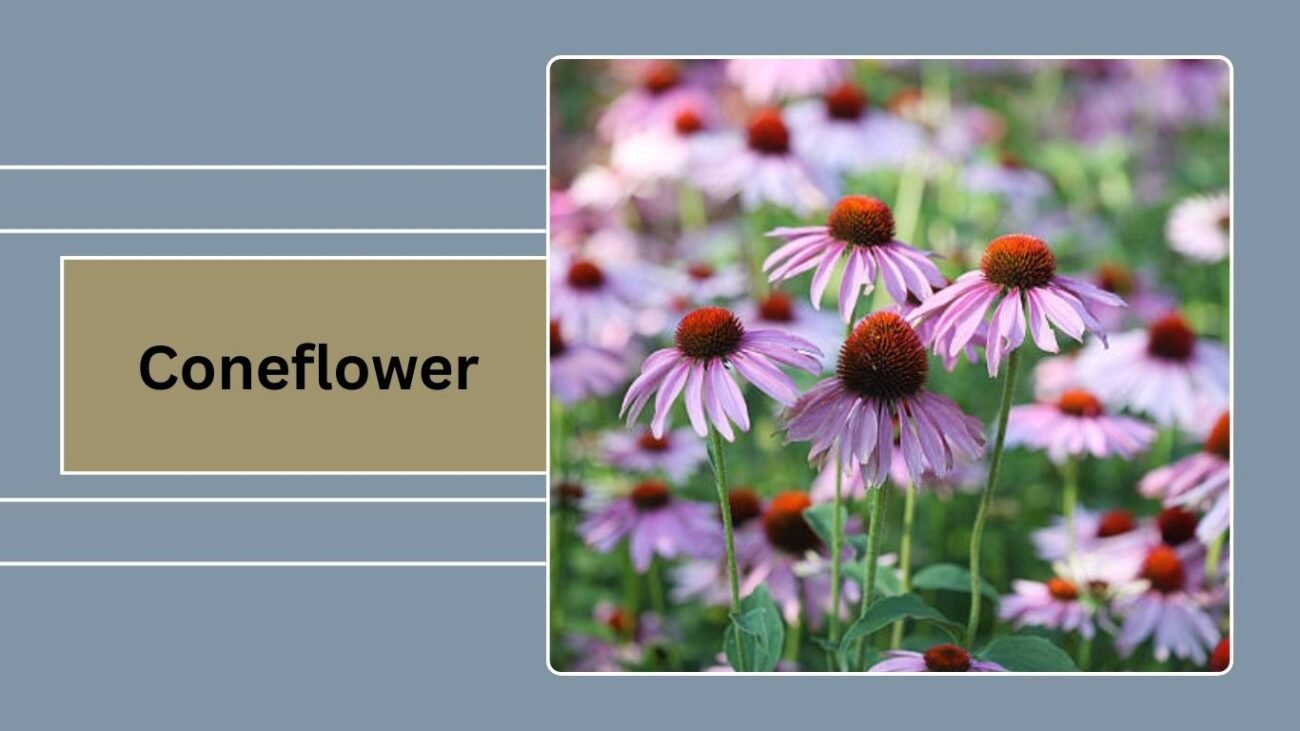
Coneflowers are hardy perennials with large, daisy-like blooms and spiky centers. Their long flowering season makes them a reliable nectar source for butterflies.
Identification
- Grows 2–4 ft tall
- Purple, pink, white, or yellow petals
- Prominent raised central cone
- Coarse green leaves
Recognized for its bold, spiky center.
Habitat
Thrives in sunny gardens, meadows, and borders. Tolerates poor soil and drought, making it easy to grow in many conditions.
Behavior & Attraction
Attracts monarchs, swallowtails, and fritillaries. Flowers provide both nectar and a broad landing platform for feeding butterflies.
Care & Growth Tips
Plant in full sun with well-drained soil. Deadhead flowers to extend blooming and divide clumps every few years to maintain vigor.
5. Milkweed (Asclepias)
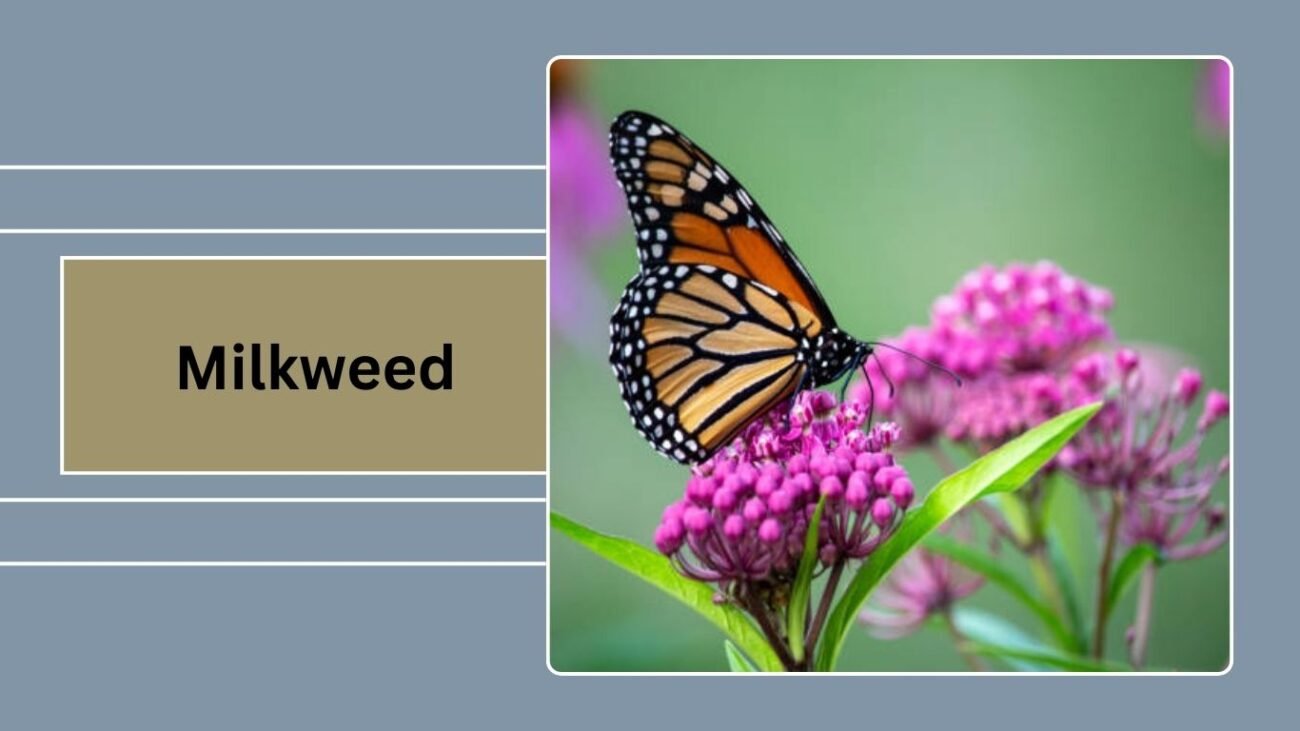
Milkweed is essential for monarch butterflies, serving as both a nectar plant and the only host plant for monarch caterpillars.
Identification
- Grows 2–5 ft tall
- Clusters of pink, orange, or white flowers
- Milky sap in stems and leaves
- Long, narrow green leaves
Easy to identify by sap and clustered blooms.
Habitat
Found in meadows, gardens, and roadsides. Prefers sunny areas with moderately moist soil but can adapt to drier conditions.
Behavior & Attraction
Monarchs rely on milkweed for egg-laying and feeding caterpillars. Other butterflies also visit its nectar-rich flowers in summer.
Care & Growth Tips
Plant in sunny spots and allow space for spreading. Avoid pesticides to protect monarch eggs and caterpillars.
6. Verbena
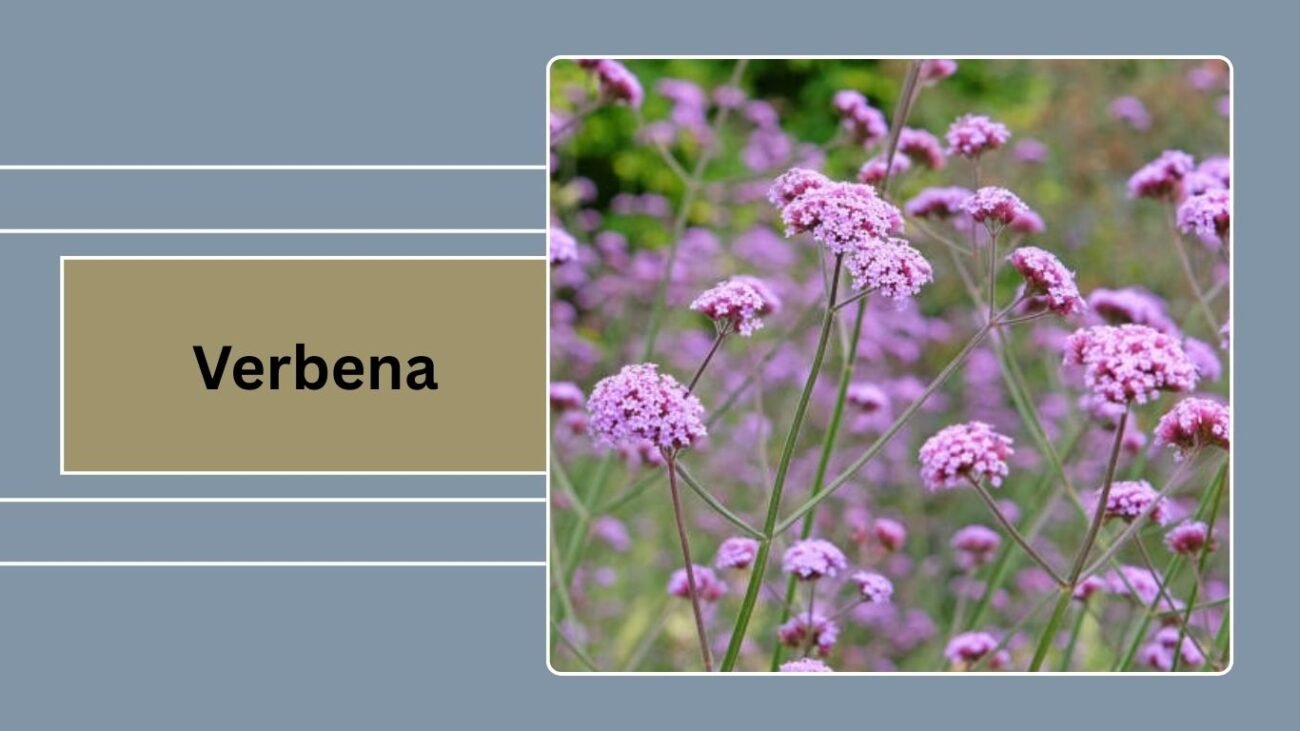
Verbena is a long-blooming plant that produces clusters of small, nectar-rich flowers. Its vibrant colors and extended flowering season make it a butterfly favorite.
Identification
- Height 1–3 ft
- Clusters of tiny, five-petaled flowers
- Colors: purple, pink, red, white
- Slender stems and narrow leaves
Noted for its abundant clustered blooms.
Habitat
Grows well in sunny gardens, borders, and containers. Thrives in well-drained soil and tolerates hot, dry conditions once established.
Behavior & Attraction
Attracts painted ladies, swallowtails, and skippers. Butterflies frequently return because of its nonstop summer-to-fall nectar supply.
Care & Growth Tips
Plant in full sun with light, well-drained soil. Water moderately and remove faded blooms to encourage continuous flowering.
7. Marigold
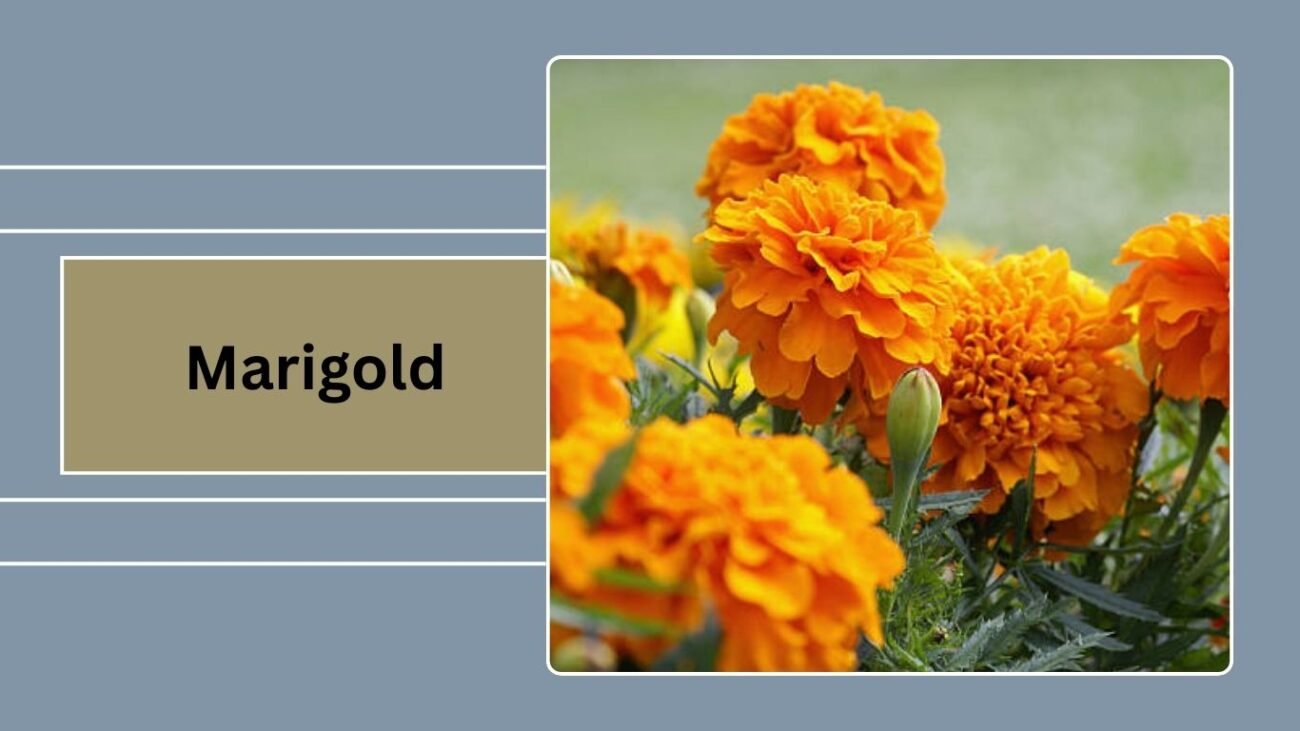
Marigolds are cheerful, hardy flowers that bring bright colors to gardens while also acting as butterfly magnets. Their strong fragrance further attracts pollinators.
Identification
- Height 1–2.5 ft
- Round, layered blooms
- Colors: orange, yellow, red, or bi-color
- Aromatic green foliage
Recognized for their bold, sunny blossoms.
Habitat
Flourish in garden beds, borders, and pots. They prefer sunny areas with moderately fertile, well-drained soil.
Behavior & Attraction
Marigolds attract many butterflies, including sulphurs and skippers. Their vibrant blooms provide nectar and also deter some insect pests from nearby plants.
Care & Growth Tips
Easy to grow from seed. Plant in full sun, water regularly but avoid soggy soil, and deadhead for more blooms.
8. Pentas
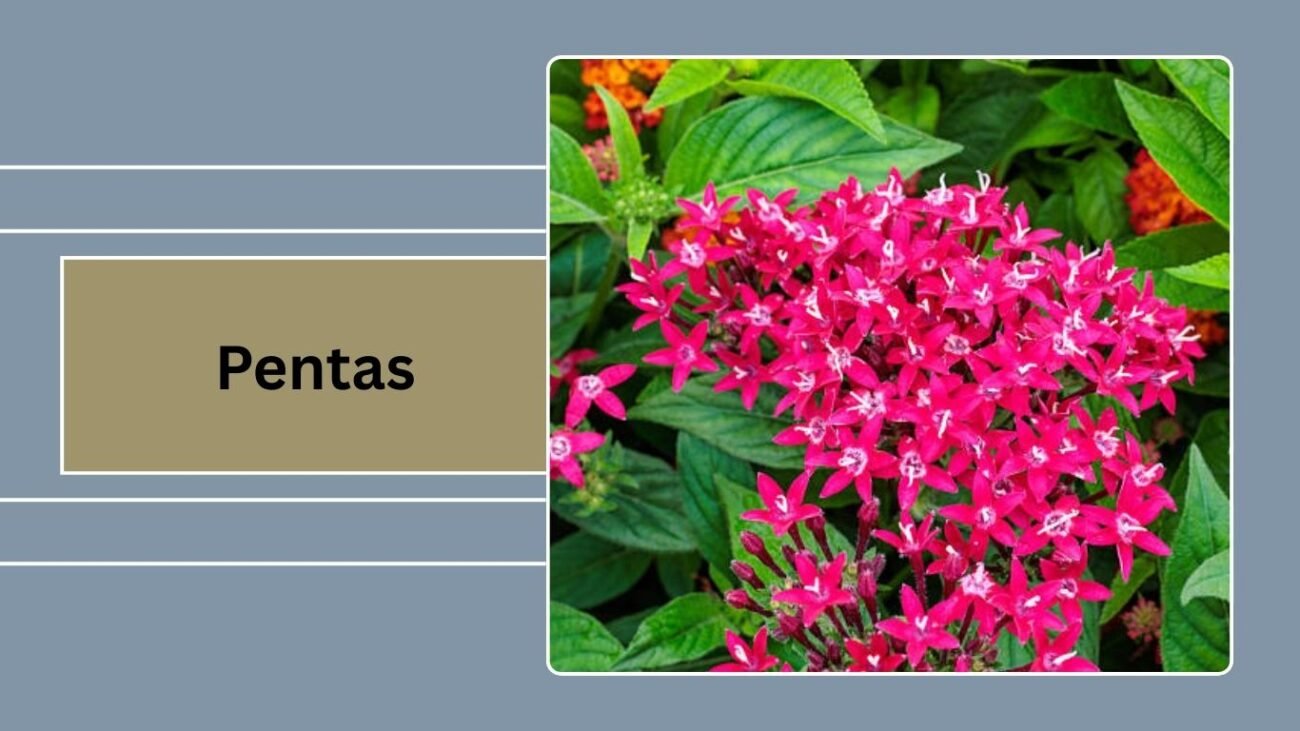
Pentas are tropical plants known for their star-shaped flower clusters. Their nectar-filled blossoms bloom continuously, making them highly attractive to butterflies.
Identification
- Height 2–3 ft
- Clusters of star-shaped flowers
- Colors: pink, red, purple, or white
- Dark green, hairy leaves
Recognized for vibrant, dense flower clusters.
Habitat
Best in warm, sunny gardens, borders, and containers. Common in tropical and subtropical regions but also grown as annuals in cooler climates.
Behavior & Attraction
Pentas draw monarchs, swallowtails, and fritillaries. The abundance of blooms ensures constant butterfly visits throughout the growing season.
Care & Growth Tips
Plant in full sun with fertile, well-drained soil. Water regularly and trim lightly to maintain bushy growth and continuous flowers.
9. Lavender
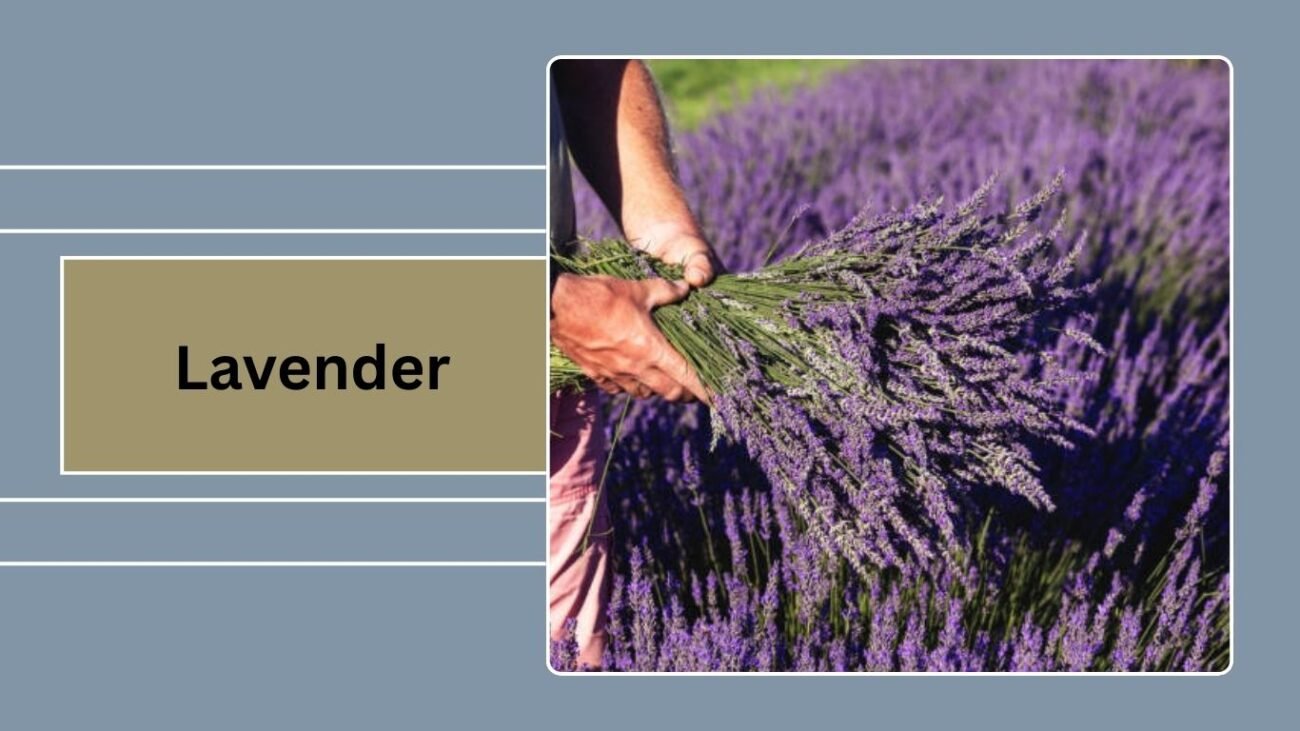
Lavender is a fragrant perennial herb that not only attracts butterflies but also bees and hummingbirds. Its calming scent makes it a garden favorite.
Identification
- Height 1–3 ft
- Spikes of small purple-blue flowers
- Narrow, gray-green aromatic leaves
- Woody base with upright stems
Well known for its soothing fragrance.
Habitat
Thrives in sunny, dry gardens, borders, and rockeries. Performs best in Mediterranean-like climates with sandy or gravelly soil.
Behavior & Attraction
Attracts painted ladies, sulphurs, and skippers. Butterflies are drawn to its nectar-rich spikes during peak bloom in summer.
Care & Growth Tips
Plant in full sun with well-drained soil. Avoid overwatering. Prune lightly after flowering to encourage bushy growth and more blooms.
10. Sunflower
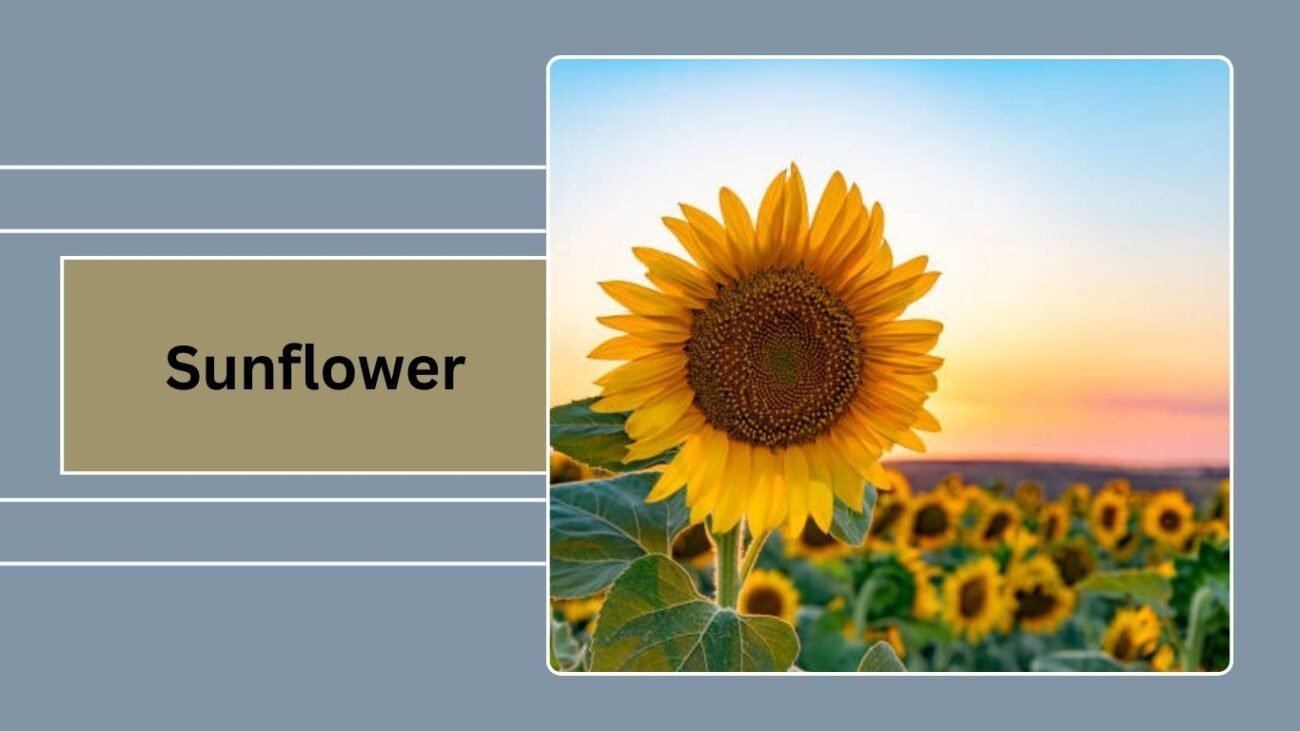
Sunflowers are tall, radiant plants that brighten gardens while providing abundant nectar and pollen, making them a natural magnet for butterflies and other pollinators.
Identification
- Height 3–10 ft or more
- Large, round flower heads
- Bright yellow petals with dark centers
- Rough, broad green leaves
Recognized for towering, cheerful blooms.
Habitat
Grow in sunny fields, gardens, and along fences. They thrive in rich, well-drained soil with full sunlight and space to spread.
Behavior & Attraction
Attracts painted ladies, monarchs, and sulphurs. Butterflies land easily on their broad centers, which provide plentiful nectar during the summer blooming season.
Care & Growth Tips
Plant in full sun with fertile soil. Water regularly during growth, stake tall varieties, and allow seeds to mature for wildlife food.
11. Aster
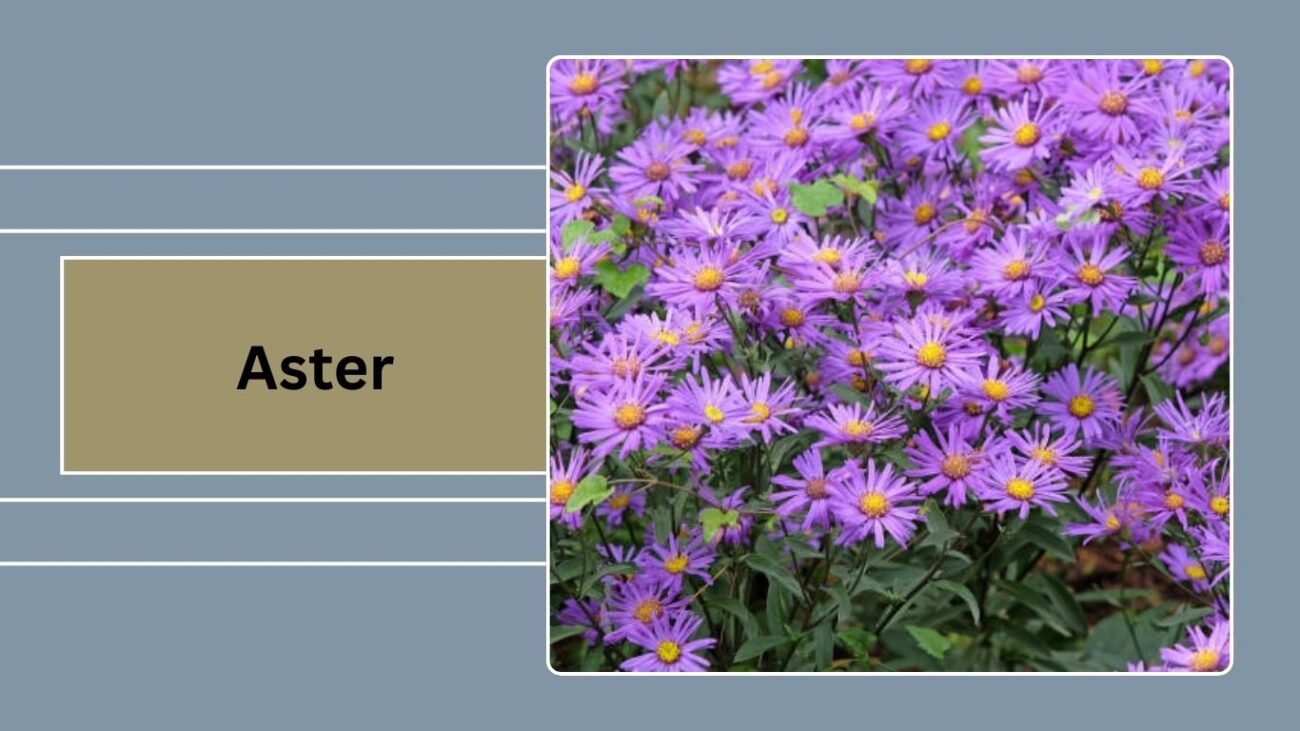
Asters are late-blooming perennials that extend nectar supplies into fall, helping butterflies fuel up before migration. Their daisy-like flowers come in many vibrant shades.
Identification
- Height 1–4 ft
- Daisy-like blooms with yellow centers
- Colors: purple, pink, blue, white
- Narrow, green leaves
Easily spotted in autumn gardens.
Habitat
Common in borders, meadows, and cottage gardens. They prefer full sun and moist, well-drained soil but tolerate partial shade.
Behavior & Attraction
Attracts monarchs, painted ladies, and sulphurs late in the season. Their timing is critical for butterflies preparing for migration.
Care & Growth Tips
Plant in sunny spots with good soil. Water regularly, divide clumps every few years, and deadhead faded blooms for extended flowering.
12. Phlox
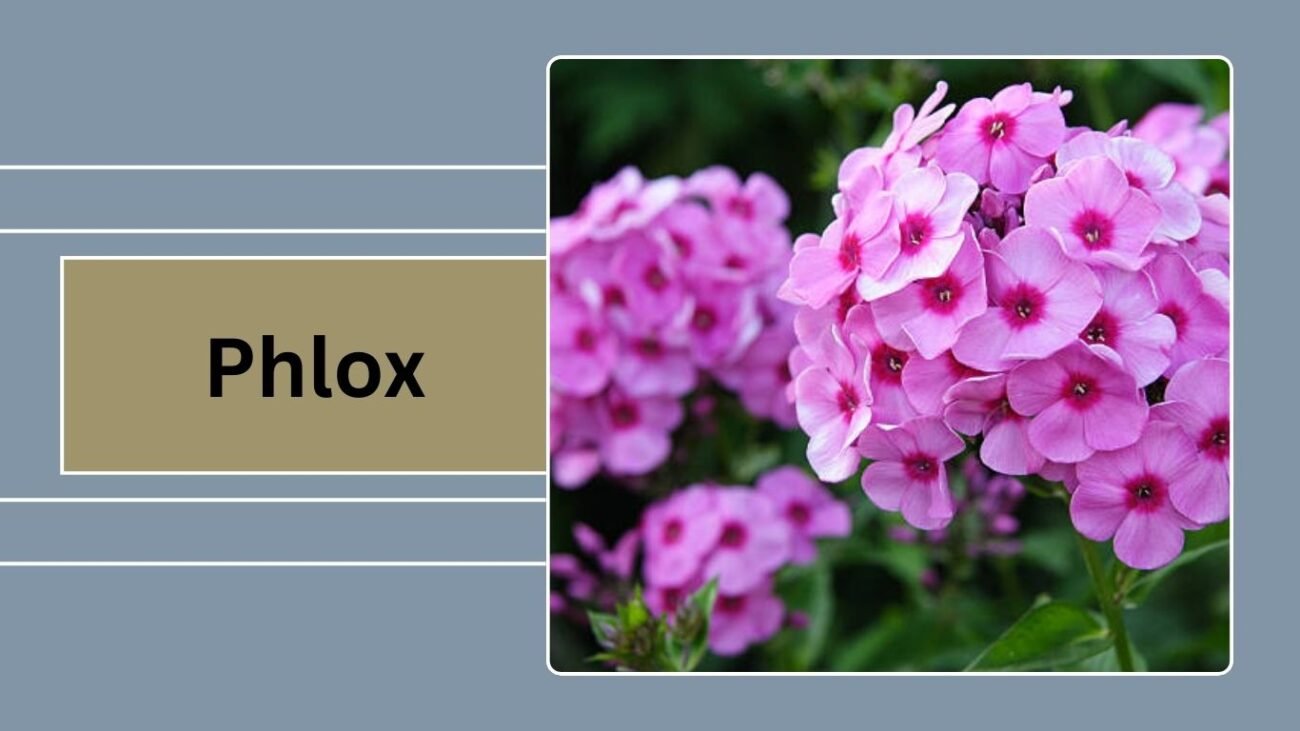
Phlox is a garden favorite with clusters of fragrant blooms that butterflies can’t resist. Its long flowering season ensures steady nectar for many pollinators.
Identification
- Height 1–5 ft depending on variety
- Clusters of small, five-petaled flowers
- Colors: pink, purple, white, red
- Lance-shaped green leaves
Recognized for its sweet fragrance.
Habitat
Grows in sunny borders, meadows, and cottage gardens. Prefers rich, well-drained soil with moderate moisture for best growth and blooms.
Behavior & Attraction
Attracts swallowtails, painted ladies, and skippers. Butterflies are drawn to both the fragrance and the abundant nectar-filled blossoms.
Care & Growth Tips
Plant in sunny or partly shaded areas. Water regularly, mulch to keep roots cool, and deadhead to encourage extended flowering.
13. Cosmos
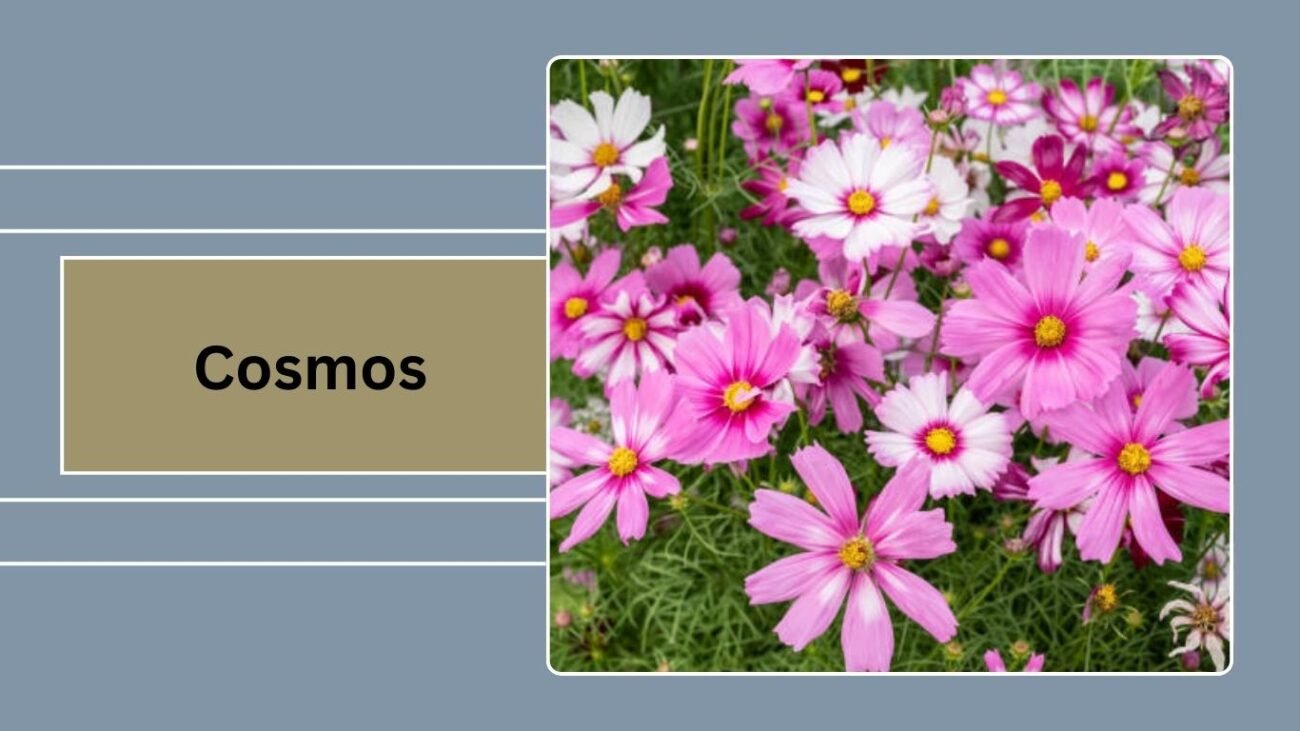
Cosmos are delicate, airy flowers that bloom freely and attract butterflies with their wide, open petals and bright colors.
Identification
- Height 2–5 ft
- Daisy-like blooms with yellow centers
- Colors: pink, red, white, purple, orange
- Fine, feathery foliage
Known for their graceful, open appearance.
Habitat
Flourish in sunny borders, wildflower gardens, and open fields. They grow best in well-drained soil and tolerate drought well.
Behavior & Attraction
Attracts monarchs, sulphurs, and painted ladies. Their open flower heads offer easy landing and nectar access for butterflies.
Care & Growth Tips
Sow in full sun with average soil. Require little care beyond occasional watering. Deadhead blooms for longer flowering throughout the season.