Butterflies bring beauty, movement, and life to any garden, and with the right plants, you can enjoy their visits even in small spaces. Hanging baskets are perfect for creating colorful displays that double as feeding stations for pollinators. By choosing nectar-rich, trailing, and vibrant flowers, you can turn patios, balconies, and porches into butterfly-friendly havens. Here are 10 of the best hanging basket flowers that will keep butterflies fluttering around all season long.
1. Petunia
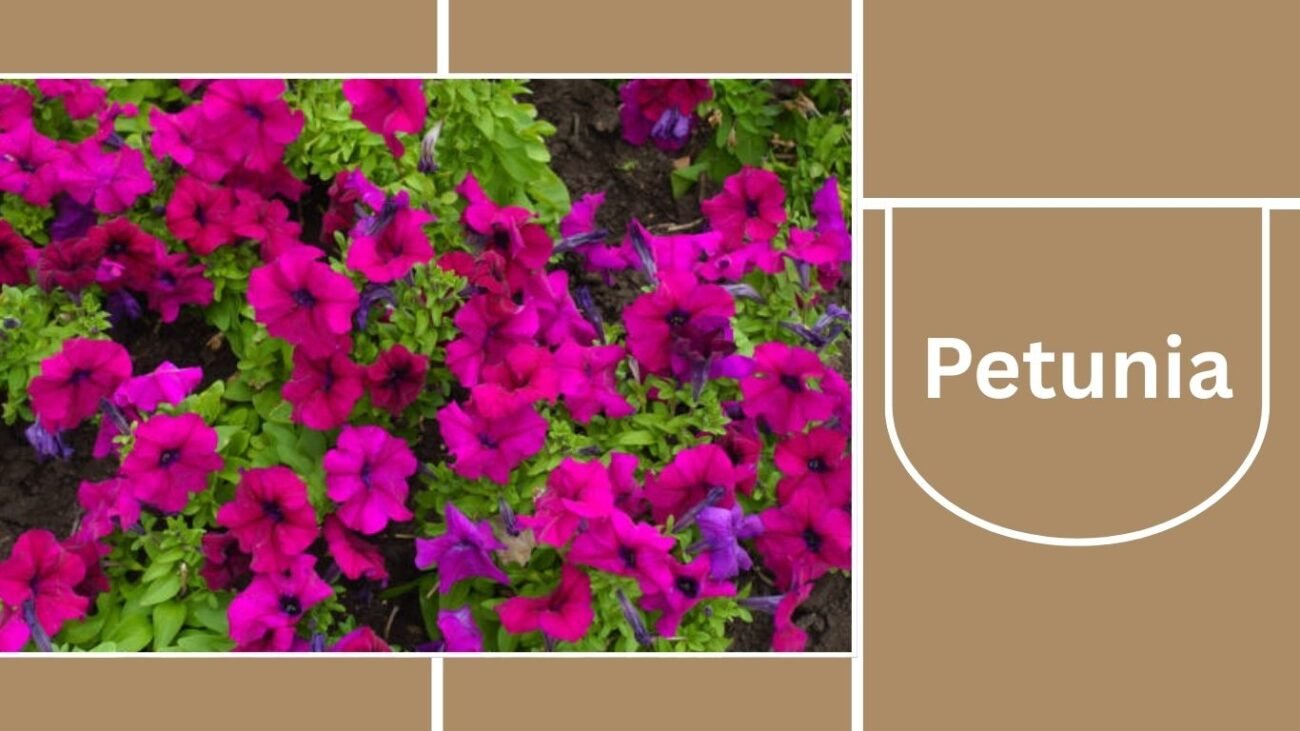
Petunias (Petunia hybrida) are among the most popular hanging basket flowers, prized for their nonstop blooms and wide range of vibrant colors. Their trumpet-shaped flowers produce nectar that attracts butterflies, making them both decorative and functional in a butterfly-friendly garden.
Identification
- Funnel-shaped flowers in red, pink, purple, yellow, or white
- Grows 6–18 inches tall with a spreading or trailing habit
- Soft, slightly sticky foliage
- Blooms continuously from spring to frost
Why Butterflies Love It
The bright colors and open, trumpet-shaped blooms provide easy access to nectar. Butterflies are especially drawn to red, purple, and pink varieties.
Best Growing Conditions
Petunias thrive in full sun with well-drained soil. They are ideal for hanging baskets, window boxes, and containers where they can spill gracefully over the edges.
Care and Maintenance
Regular watering, light feeding, and deadheading keep petunias blooming all season. Trimming leggy stems encourages fuller, healthier growth.
Role in the Garden
Petunias provide long-lasting color while serving as a nectar source for butterflies. Their cascading blooms brighten patios and balconies, creating a lively, pollinator-friendly display.
2. Fuchsia
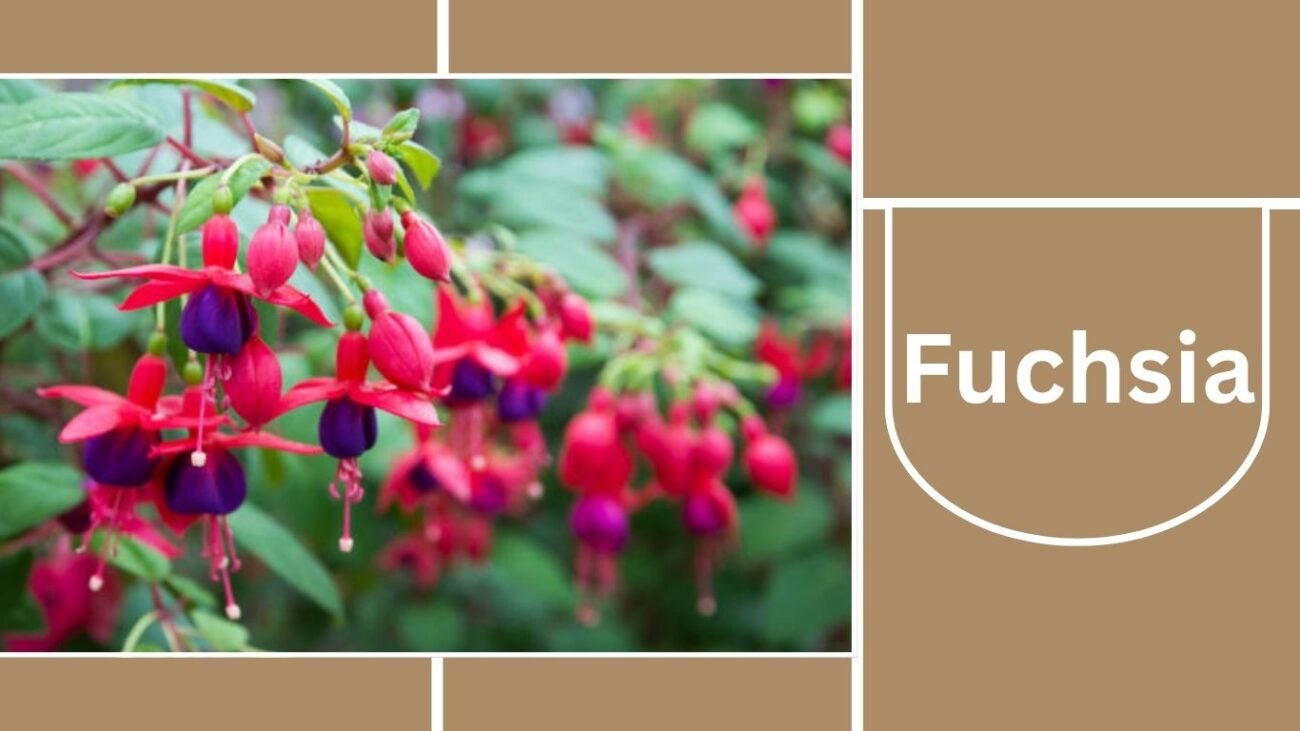
Fuchsias (Fuchsia spp.) are elegant flowers with drooping, lantern-like blooms that add charm to hanging baskets. Their nectar-filled blossoms are a magnet for butterflies, especially in shaded patios and balconies.
Identification
- Pendulous, tubular flowers in pink, purple, red, or bi-colored shades
- Glossy green foliage on trailing stems
- Grows 1–3 feet tall, perfect for containers and baskets
- Blooms from late spring to fall
Why Butterflies Love It
The dangling, nectar-rich flowers are easily accessible, making them ideal feeding stations for butterflies. Bright colors also act as natural attractants.
Best Growing Conditions
Fuchsias prefer partial shade and cooler conditions. They thrive in rich, well-drained soil with consistent moisture.
Care and Maintenance
Frequent watering and pinching back stems promote bushy growth and continuous flowers. Protect plants from extreme summer heat.
Role in the Garden
Fuchsias add elegance to hanging baskets while offering butterflies a steady nectar supply in shaded areas.
3. Lantana
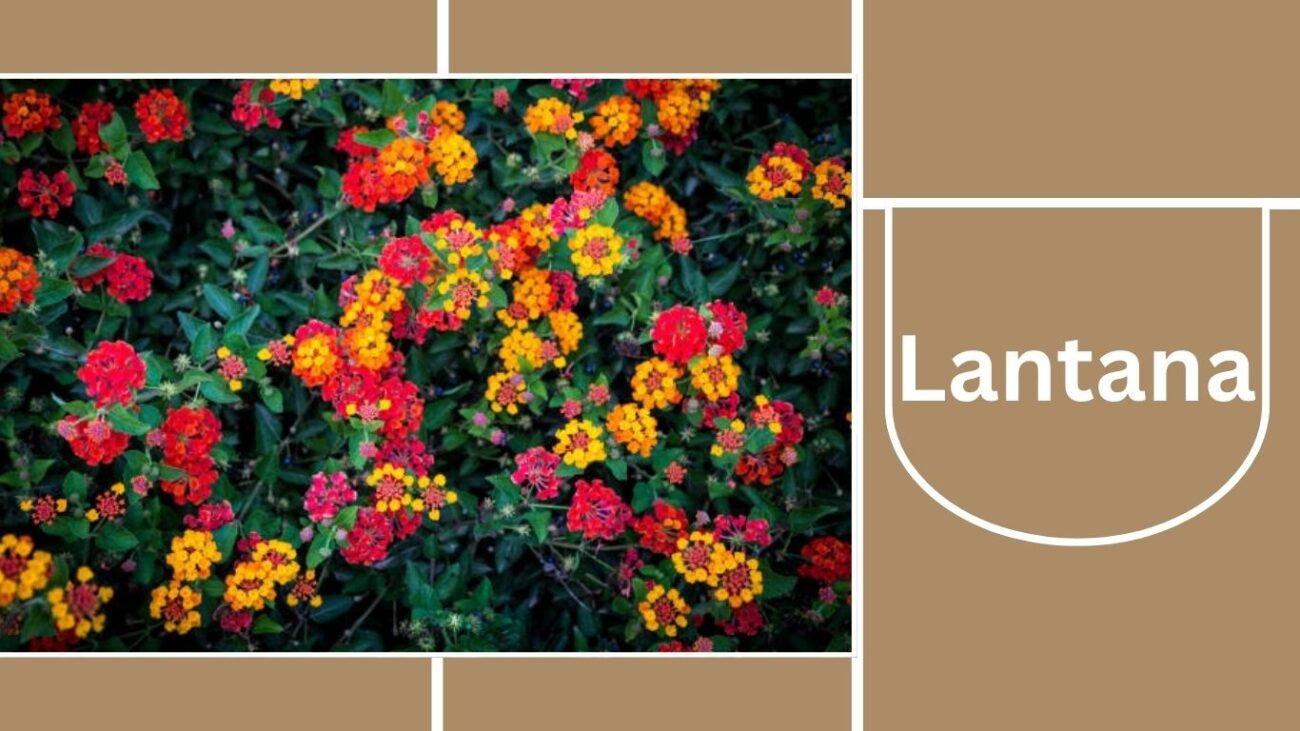
Lantana (Lantana camara) is a sun-loving plant known for its clusters of brightly colored flowers. Its trailing growth habit makes it excellent for hanging baskets, and it is one of the best butterfly attractors.
Identification
- Clusters of small flowers in yellow, orange, pink, red, or mixed shades
- Rough, aromatic foliage on trailing stems
- Height 1–2 feet, spreading gracefully in baskets
- Blooms continuously from summer into fall
Why Butterflies Love It
The flower clusters provide abundant nectar, drawing butterflies throughout the day. The constant blooming ensures a reliable food source.
Best Growing Conditions
Lantana thrives in full sun and well-drained soil. It tolerates heat and drought, making it low-maintenance.
Care and Maintenance
Minimal care is needed beyond watering during dry periods. Occasional trimming keeps the plant compact and encourages more blooms.
Role in the Garden
Lantana adds vibrant cascades of color to baskets while attracting butterflies, bees, and other pollinators.
4. Verbena
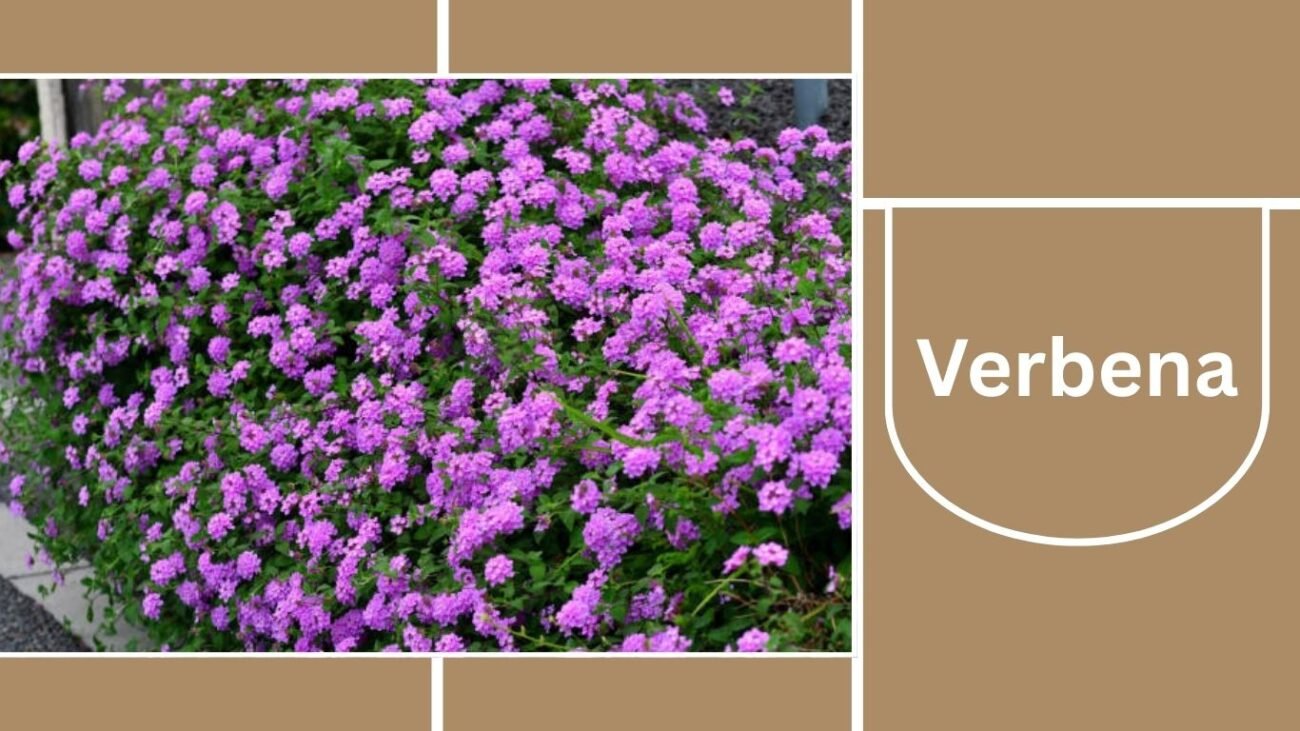
Verbena (Verbena spp.) is a colorful trailing plant that produces clusters of small, nectar-rich flowers, making it perfect for hanging baskets. Its continuous blooms create a bright and butterfly-friendly display.
Identification
- Clusters of tiny flowers in purple, pink, red, or white
- Spreading or trailing habit, 6–12 inches tall
- Narrow, toothed leaves
- Blooms from late spring through fall
Why Butterflies Love It
Verbena’s small, nectar-filled flowers are easy for butterflies to access. The bright clusters draw them in, ensuring regular visits.
Best Growing Conditions
Thrives in full sun and well-drained soil. Verbena tolerates heat and drought, making it ideal for summer baskets.
Care and Maintenance
Deadheading faded blooms and light trimming encourage new flowers. Regular watering helps sustain continuous growth.
Role in the Garden
Verbena brightens baskets with cascading flowers while creating a reliable nectar source for butterflies and other pollinators.
5. Calibrachoa (Million Bells)
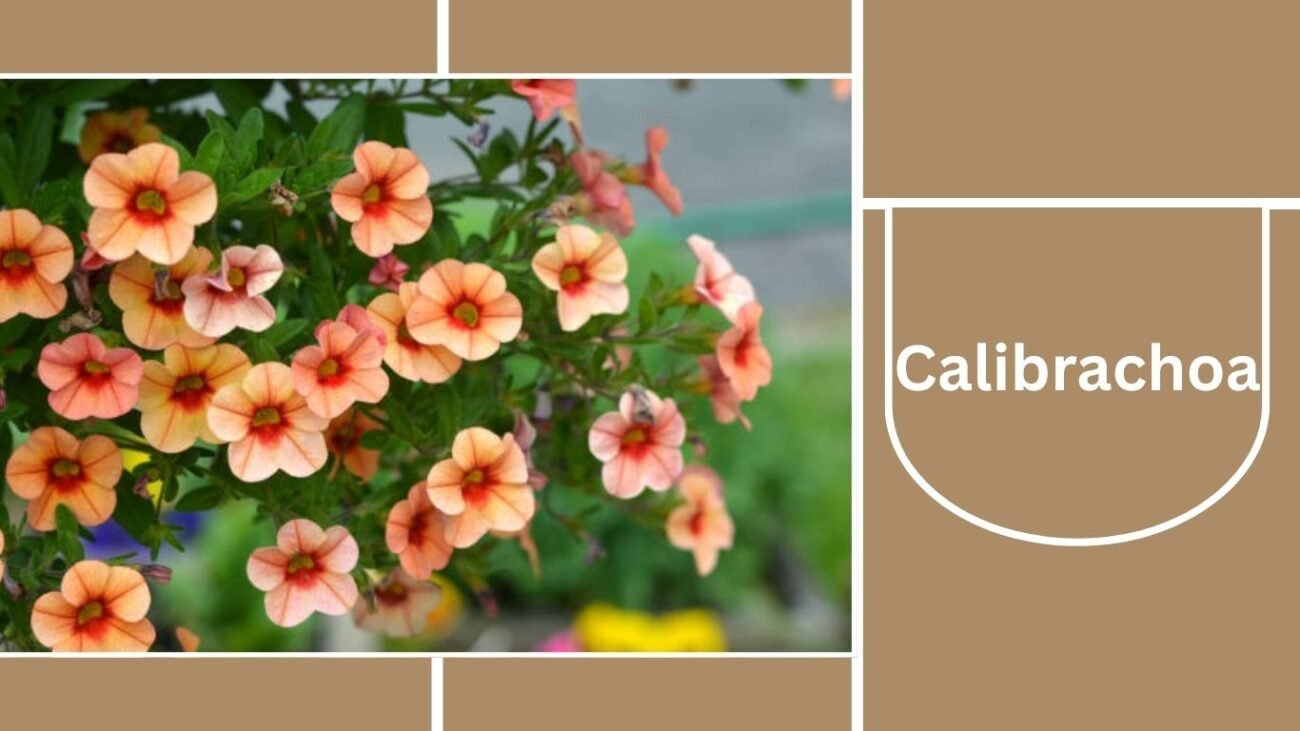
Calibrachoa (Calibrachoa spp.), also known as Million Bells, is a trailing plant that produces an abundance of tiny, petunia-like flowers. Its long flowering season makes it highly attractive to butterflies.
Identification
- Small, bell-shaped flowers in red, pink, yellow, purple, or mixed shades
- Trailing stems, ideal for cascading baskets
- Compact growth, usually 6–12 inches tall
- Blooms profusely from spring until frost
Why Butterflies Love It
The plentiful blooms provide continuous nectar, and the variety of colors naturally draws butterflies.
Best Growing Conditions
Prefers full sun to partial shade and well-drained soil. Performs best in hanging baskets with regular feeding.
Care and Maintenance
Requires consistent watering and monthly fertilization. Removing faded blooms keeps plants tidy and blooming.
Role in the Garden
Calibrachoa adds dense cascades of color to baskets while serving as a long-lasting nectar source for butterflies.
6. Geranium (Pelargonium)
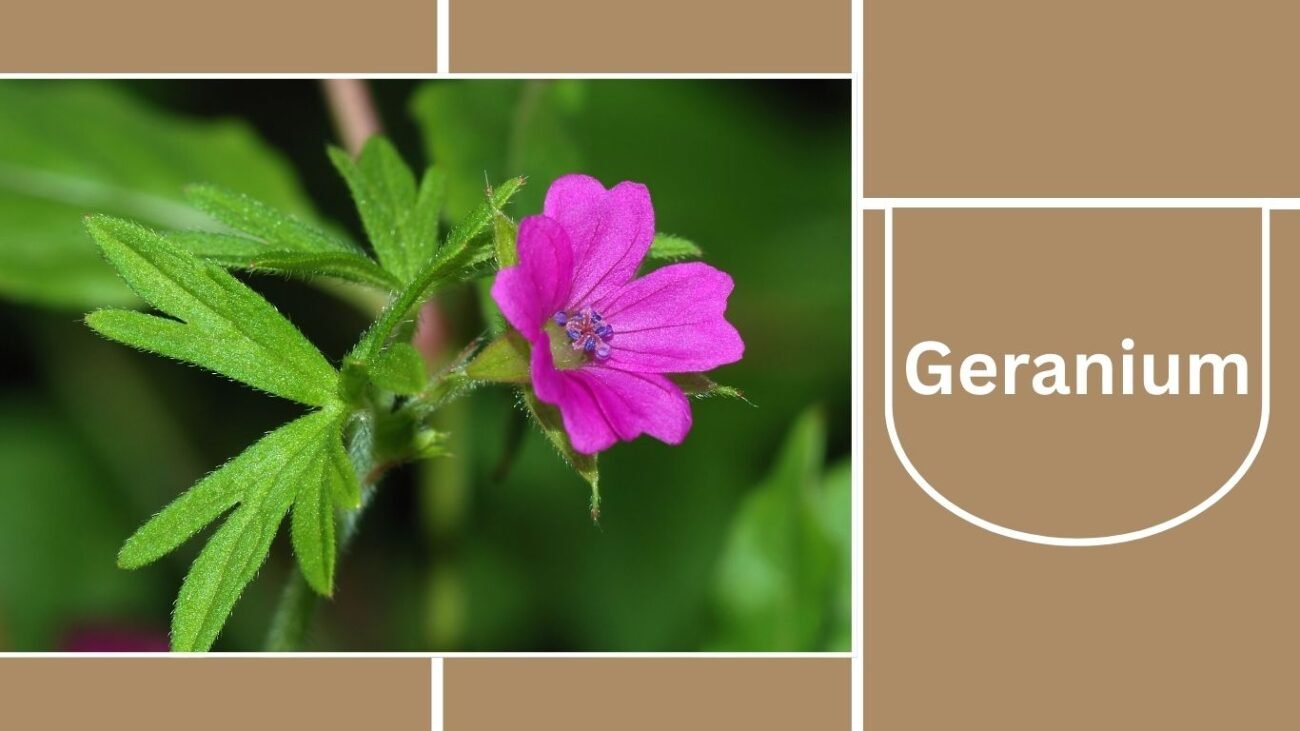
Geraniums (Pelargonium spp.) are classic hanging basket plants, loved for their bold blooms and attractive foliage. Their clusters of brightly colored flowers make them excellent for drawing butterflies.
Identification
- Rounded flower clusters in red, pink, purple, or white
- Distinctive round or lobed leaves, often with patterns
- Upright to trailing growth, 1–2 feet tall
- Blooms from late spring to frost
Why Butterflies Love It
The colorful, nectar-filled blossoms provide a reliable food source. Butterflies are especially attracted to red and pink geraniums.
Best Growing Conditions
Geraniums prefer full sun and well-drained soil. They thrive in baskets, window boxes, and containers where they receive good airflow.
Care and Maintenance
Deadheading spent blooms encourages continuous flowering. Regular watering and balanced fertilizer keep plants healthy and blooming strong.
Role in the Garden
Geraniums bring vivid color to baskets while supporting butterflies. Their resilience and beauty make them a garden favorite.
7. Nasturtium
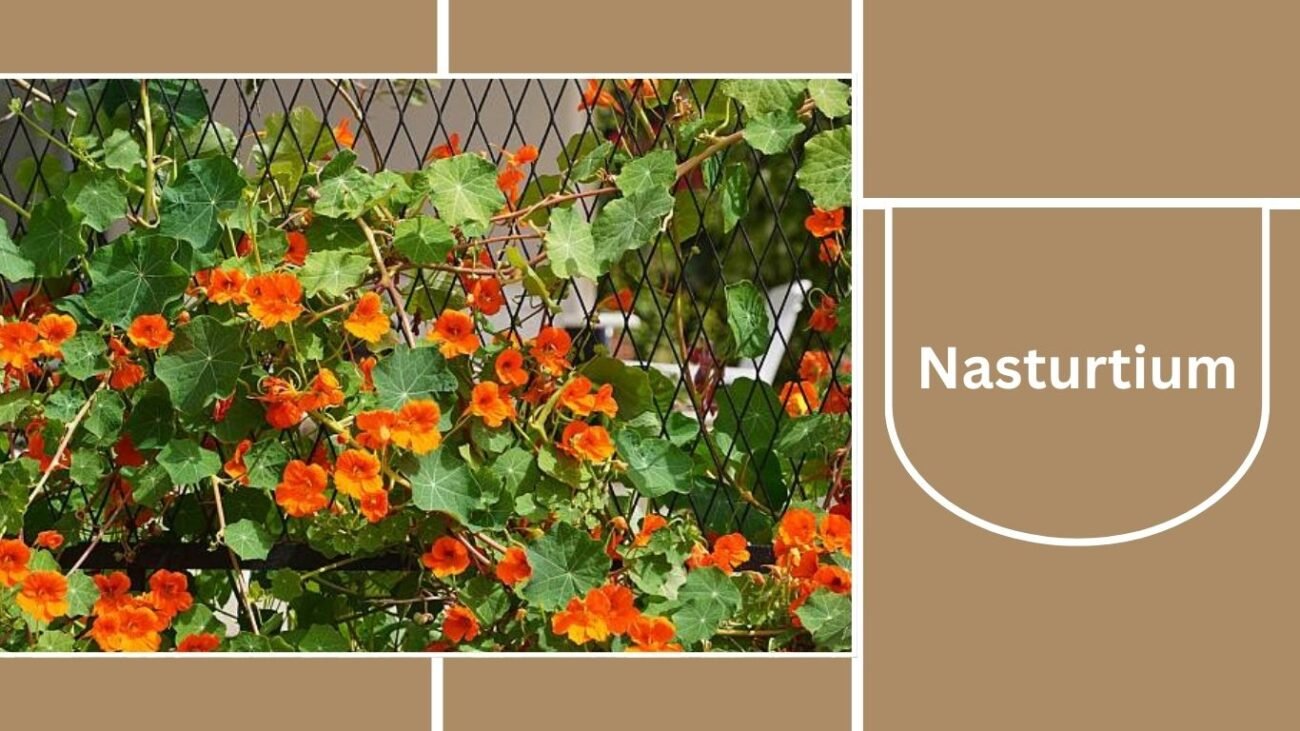
Nasturtiums (Tropaeolum majus) are cheerful, easy-to-grow plants with trailing vines and edible flowers. Their vibrant blooms and peppery scent make them irresistible to butterflies.
Identification
- Funnel-shaped flowers in red, orange, and yellow
- Round, shield-like green leaves
- Trailing or climbing habit, 1–3 feet long
- Blooms from early summer to fall
Why Butterflies Love It
The nectar-rich blossoms provide excellent food, while the bold flower colors help attract butterflies from a distance.
Best Growing Conditions
Nasturtiums thrive in full sun and poorer soils, which encourage better flowering. They do well in baskets, spilling over edges gracefully.
Care and Maintenance
Minimal care is required. Water moderately and avoid heavy fertilization, which promotes leaves instead of flowers.
Role in the Garden
Nasturtiums add cascades of bright color and double as edible plants. They attract butterflies and beneficial insects while enhancing baskets with charm.
8. Sweet Alyssum
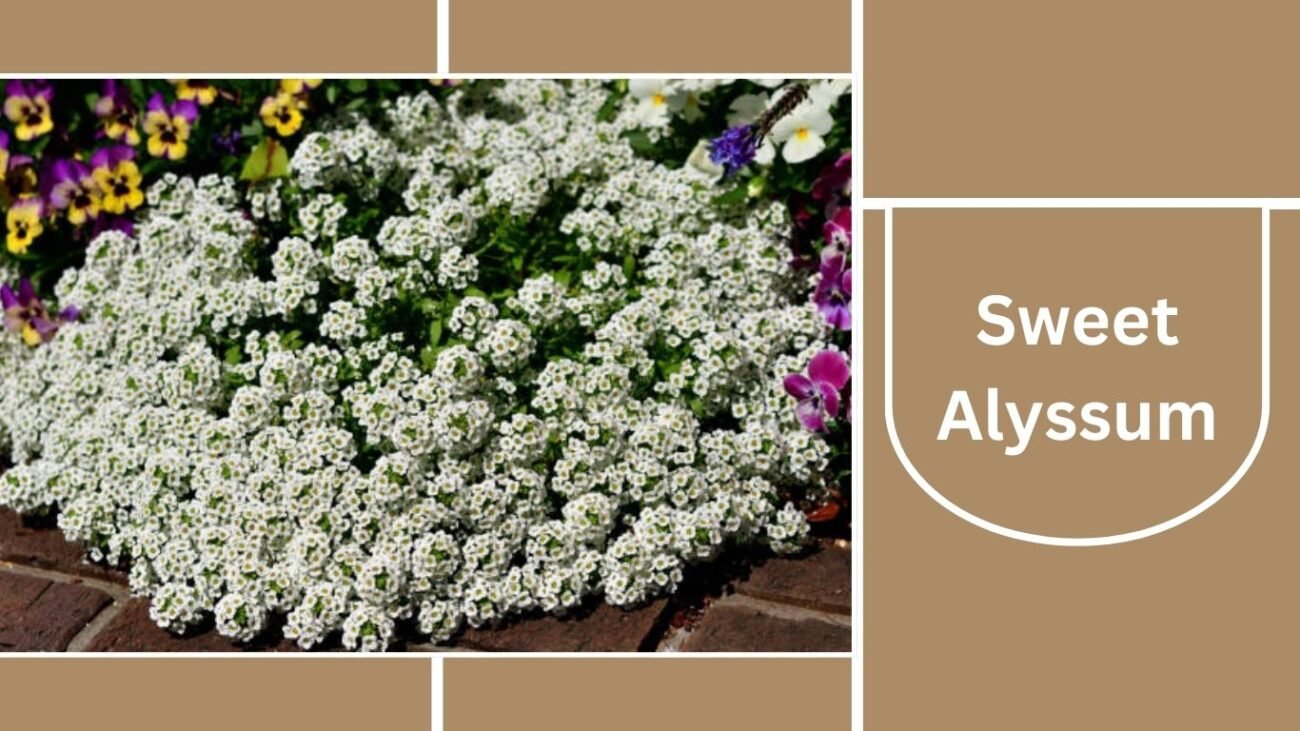
Sweet Alyssum (Lobularia maritima) is a delicate, fragrant plant that produces masses of tiny clustered flowers. Its sweet honey-like scent and abundant nectar make it a magnet for butterflies.
Identification
- Small clusters of white, purple, or pink flowers
- Low-growing, trailing habit, 4–8 inches tall
- Fine, narrow green foliage
- Blooms from spring until frost
Why Butterflies Love It
The dense clusters of nectar-filled blooms are easy for butterflies to land on and feed from. The fragrance also helps attract pollinators.
Best Growing Conditions
Prefers full sun to partial shade and well-drained soil. Perfect for basket edges, where it can trail gracefully.
Care and Maintenance
Requires regular watering and occasional trimming to keep flowers blooming. Tolerates cooler weather well.
Role in the Garden
Sweet Alyssum creates a soft, fragrant edge to baskets while serving as a nectar source for butterflies and bees.
9. Begonia
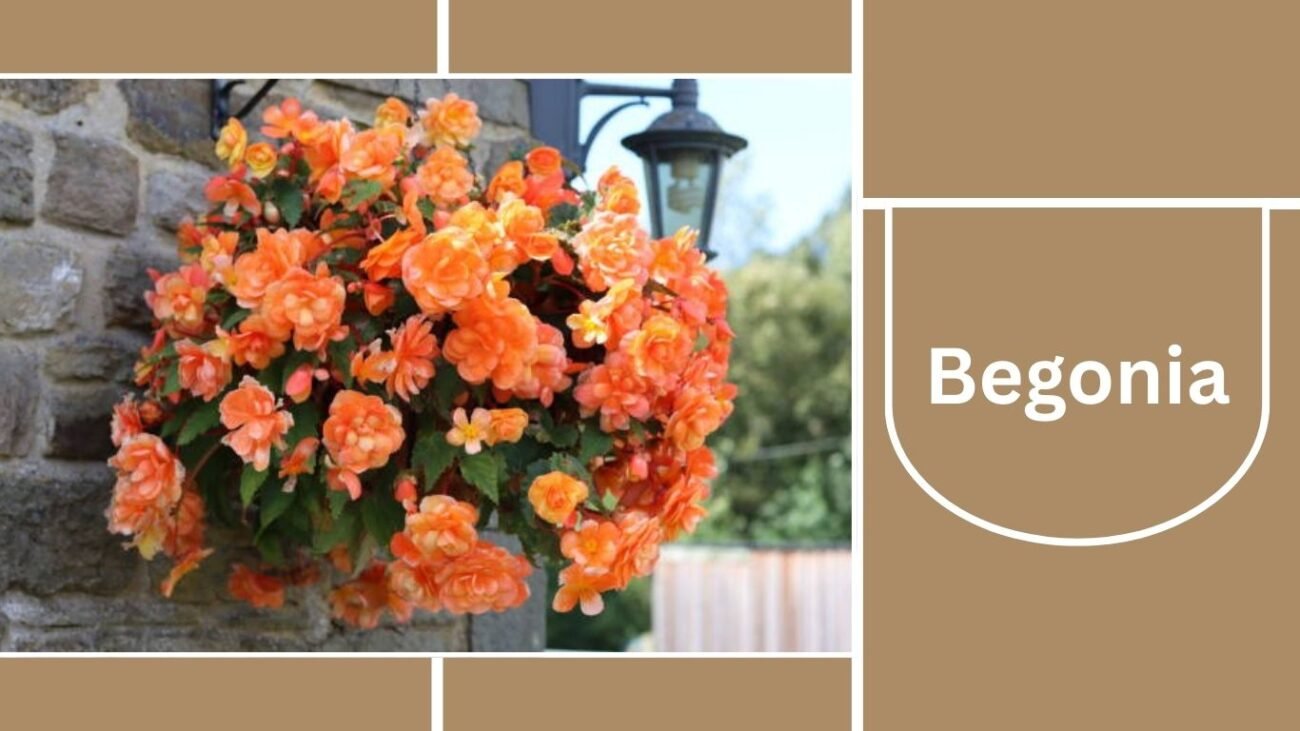
Begonias (Begonia spp.) are versatile plants with lush foliage and colorful blooms, making them a standout in shaded hanging baskets. Their flowers provide nectar that attracts butterflies in both sun and shade.
Identification
- Single or double flowers in red, pink, yellow, or white
- Decorative green or bronze foliage
- Compact to trailing habit, 8–18 inches tall
- Blooms from spring through fall
Why Butterflies Love It
Begonia flowers are easy for butterflies to access, and the wide range of colors ensures strong visual attraction.
Best Growing Conditions
Thrive in partial shade to filtered sun. Prefer moist, well-drained soil and regular feeding for steady blooms.
Care and Maintenance
Water consistently but avoid soggy soil. Pinching back helps maintain shape, while deadheading prolongs flowering.
Role in the Garden
Begonias add elegance and constant color to baskets, offering butterflies a reliable nectar source in shadier spots.
10. Impatiens
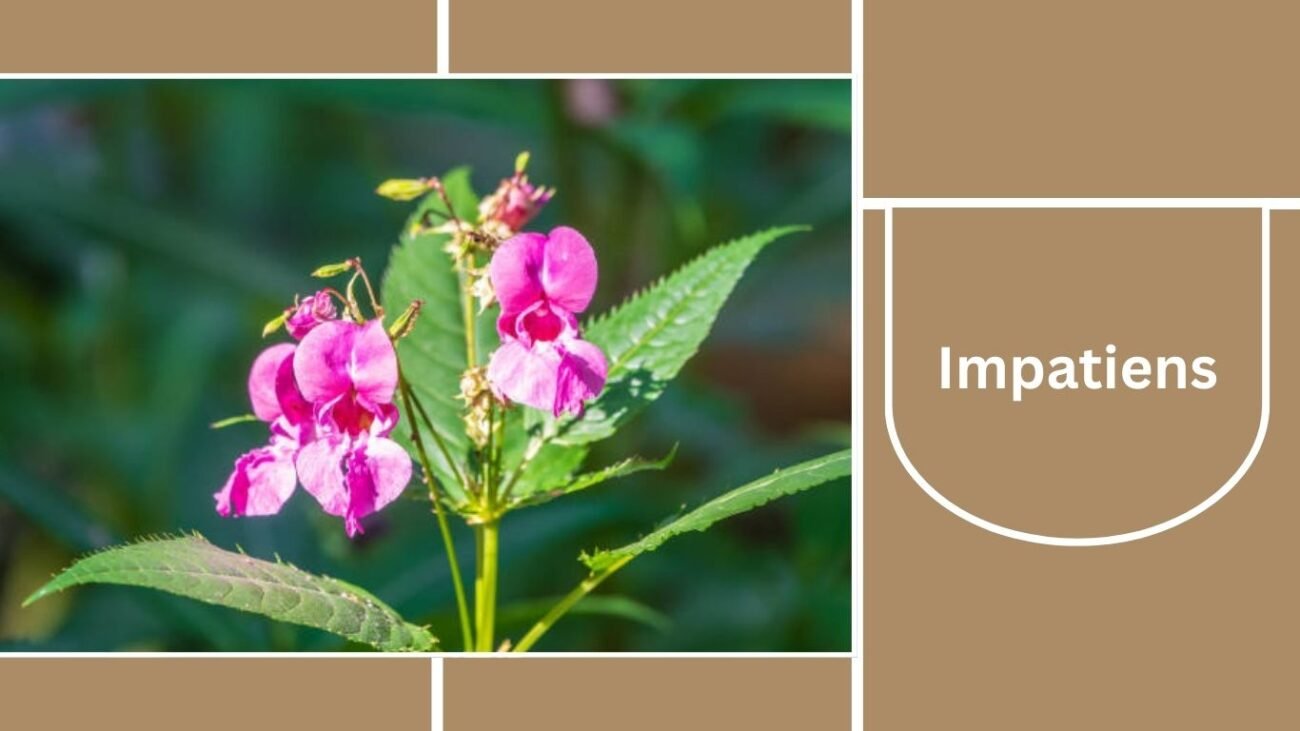
Impatiens (Impatiens walleriana) are shade-loving flowers that thrive in hanging baskets, producing vibrant colors that brighten even the darkest corners. They’re a reliable nectar source for butterflies.
Identification
- Flat-faced flowers in red, pink, orange, white, or purple
- Succulent green stems with soft leaves
- Mounding or trailing habit, 8–24 inches tall
- Blooms continuously from spring to frost
Why Butterflies Love It
Impatiens produce abundant nectar and bloom non-stop, ensuring butterflies always find food in shaded spaces.
Best Growing Conditions
Perform best in partial to full shade with moist, well-drained soil. Ideal for hanging baskets on porches and patios.
Care and Maintenance
Require consistent watering and occasional feeding to stay healthy. Removing faded flowers helps encourage more blooms.
Role in the Garden
Impatiens brighten shaded areas while providing a steady nectar supply for butterflies, making them perfect for decorative hanging baskets.