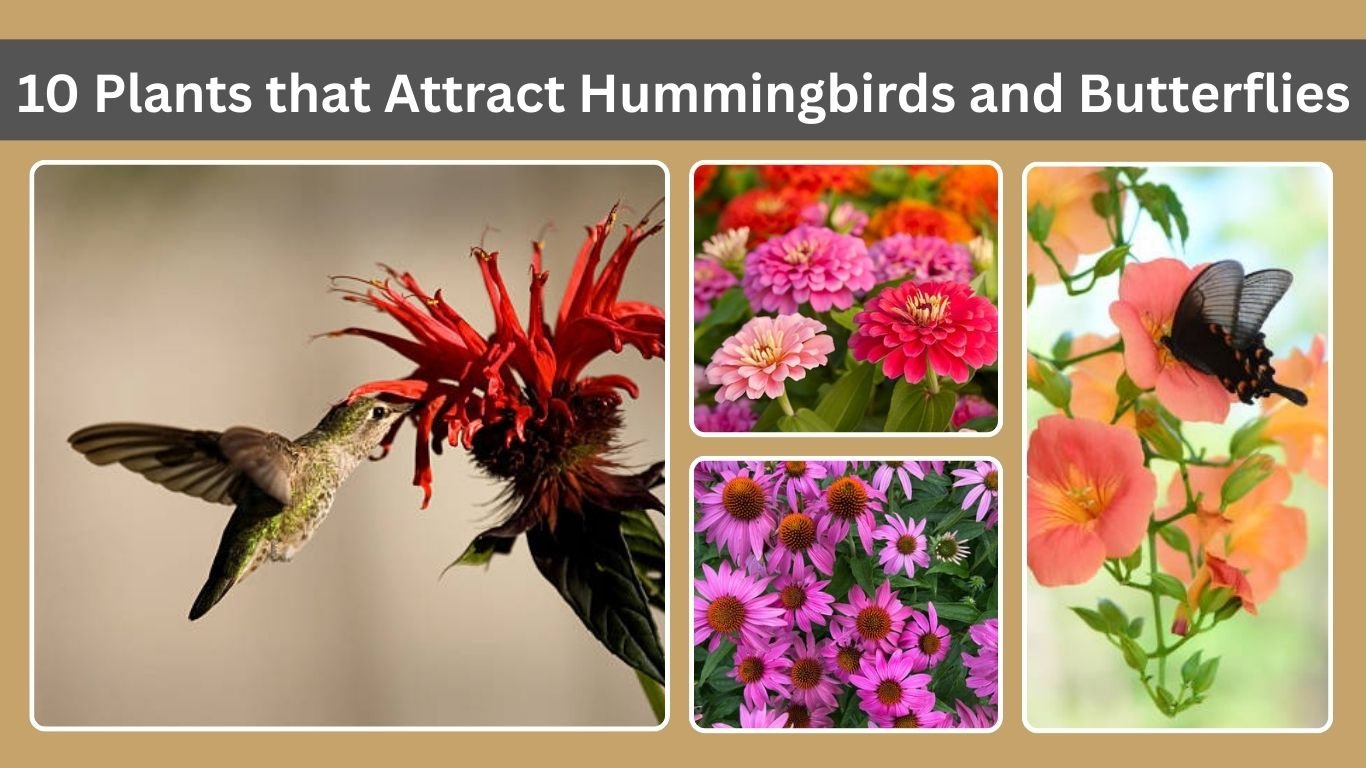
Bringing hummingbirds and butterflies into your garden not only adds beauty but also helps pollinate flowers and sustain a healthy ecosystem. These winged visitors are drawn to brightly colored, nectar-rich plants that thrive in a variety of environments. By choosing the right flowers and shrubs, you can create a lively outdoor space filled with vibrant colors, constant movement, and natural charm throughout the growing season.
1. Bee Balm
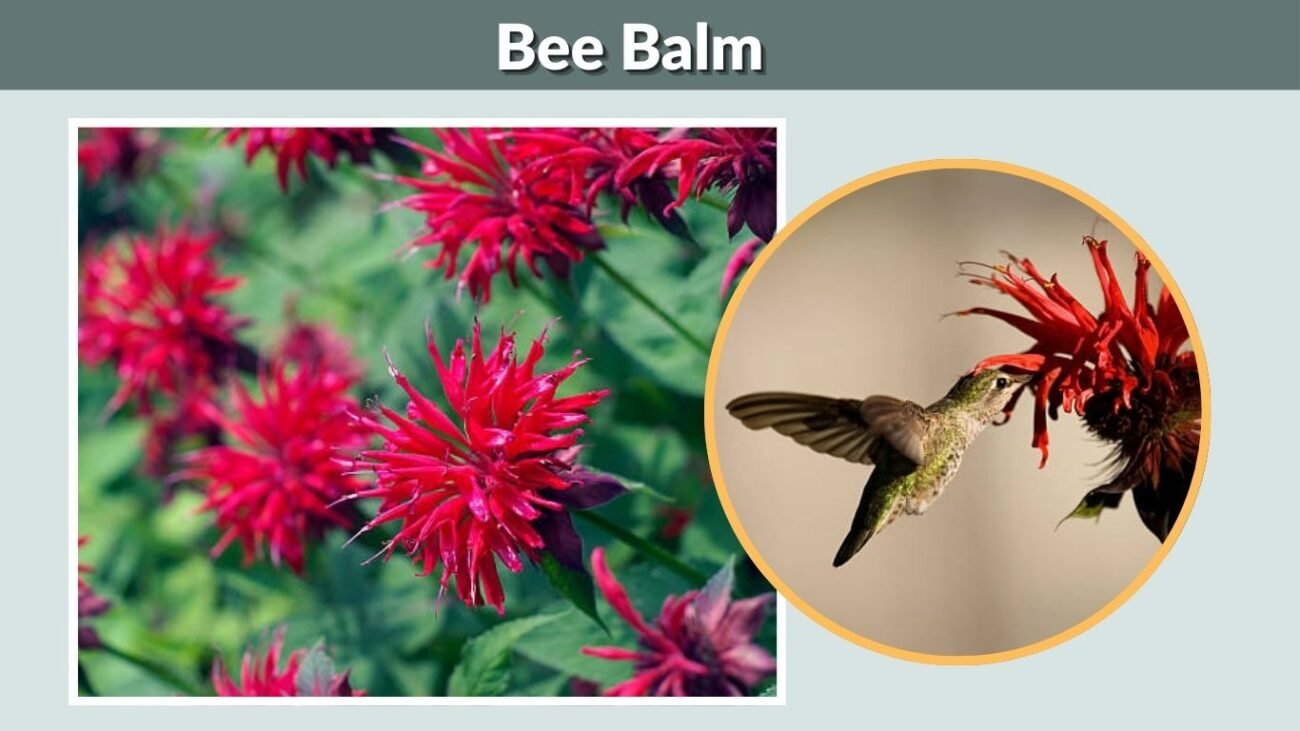
Bee Balm (Monarda) is a vibrant flowering plant known for its bright, tubular blooms that are irresistible to both hummingbirds and butterflies. With its striking colors and aromatic leaves, it adds charm to any garden while supporting pollinators.
Identification
- Bright tubular flowers in red, pink, purple, or white
- Square stems with opposite leaves
- Leaves emit a minty fragrance when crushed
Habitat
Bee Balm thrives in sunny garden beds, meadows, and borders. It prefers moist, well-drained soil and grows well in USDA zones 3–9.
Behavior and Attraction
Its nectar-rich blooms are magnets for hummingbirds, butterflies, and bees during the summer months, providing essential food sources.
Care
Regular watering, deadheading, and spacing for air circulation help maintain healthy plants and reduce mildew issues.
2. Butterfly Bush
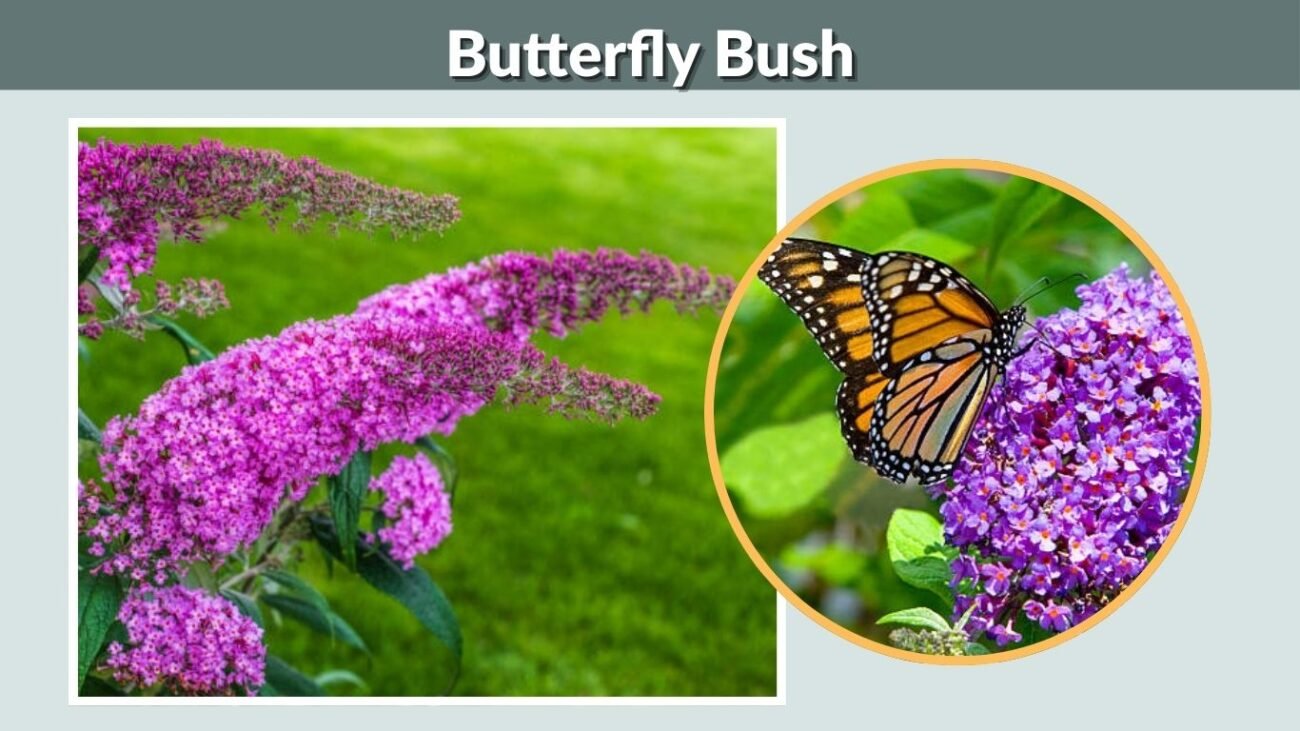
Butterfly Bush (Buddleja) is a fast-growing shrub famous for its long, cone-shaped flower clusters that bloom all summer. Its colorful blossoms are highly attractive to both butterflies and hummingbirds, making it a garden favorite.
Identification
- Long flower spikes in purple, pink, white, or yellow
- Lance-shaped leaves with a gray-green underside
- Woody stems forming a shrub-like structure
Habitat
It thrives in sunny spots with well-drained soil and grows in USDA zones 5–9, often planted in borders or as hedges.
Behavior and Attraction
The sweetly fragrant flowers provide abundant nectar, drawing butterflies, hummingbirds, and other pollinators throughout the season.
Care
Pruning in early spring, regular watering, and removing spent blooms encourage fresh growth and longer flowering periods.
3. Salvia
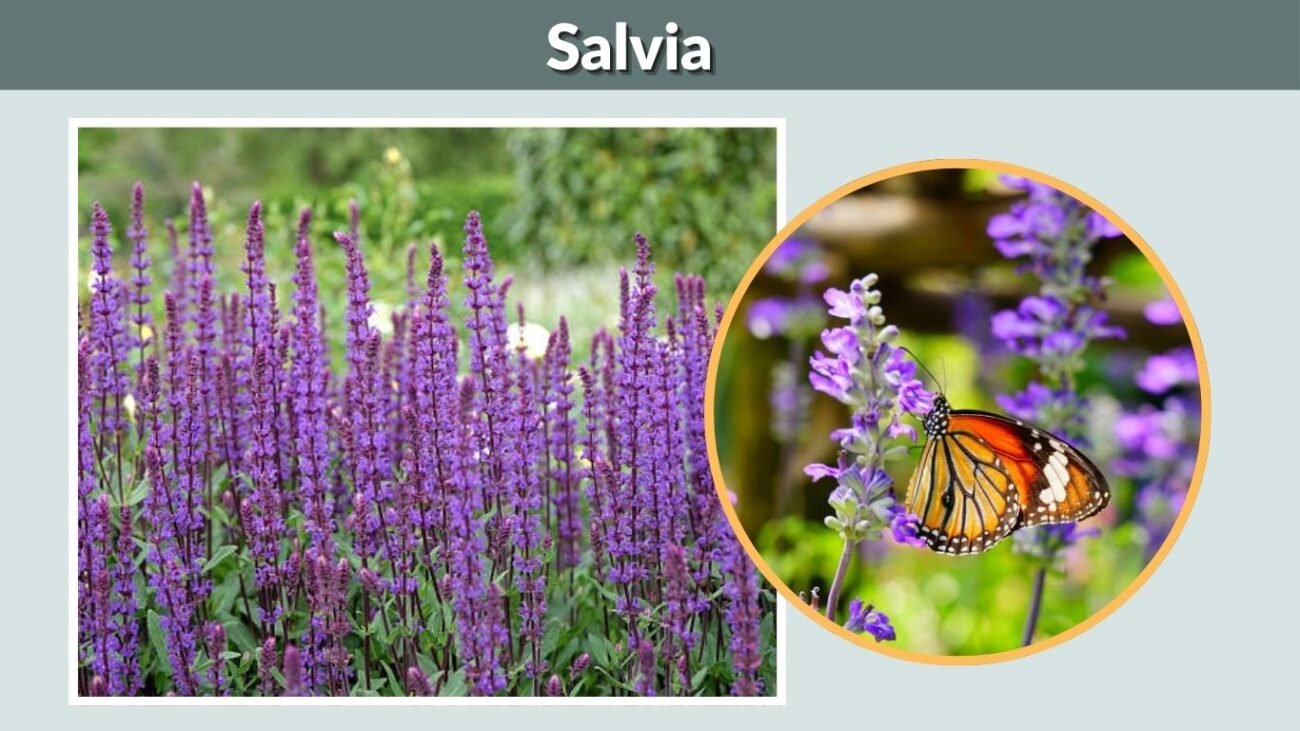
Salvia, also known as sage, is a diverse group of flowering plants that produce spiky blooms in vibrant colors. Its tubular flowers are especially designed to attract hummingbirds and butterflies, offering them an easy nectar source.
Identification
- Tall flower spikes in red, blue, purple, or pink
- Square stems with aromatic leaves
- Grows as both annual and perennial varieties
Habitat
Salvia thrives in sunny, well-drained locations and adapts to a variety of soils. It grows well in USDA zones 4–10 depending on the type.
Behavior and Attraction
The tubular flowers provide rich nectar, drawing hummingbirds, butterflies, and bees throughout the growing season.
Care
Minimal care is needed—occasional watering, deadheading, and pruning encourage more blooms and prolong the flowering period.
4. Lantana
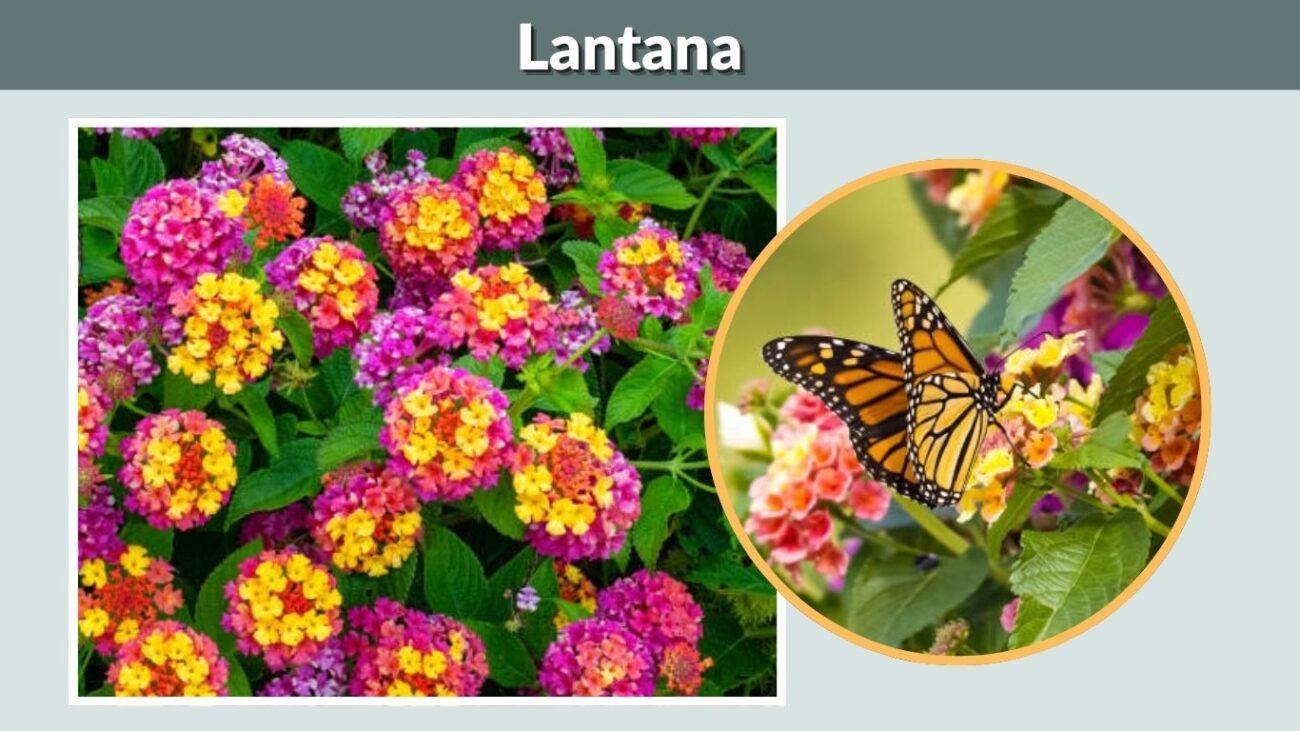
Lantana is a colorful, sun-loving plant that produces clusters of small, tubular flowers. Known for its long blooming season, it’s a magnet for hummingbirds and butterflies due to its abundant nectar.
Identification
- Clusters of tiny flowers in shades of red, orange, yellow, pink, and purple
- Rough, textured leaves with a distinct aroma
- Grows as a low shrub or spreading ground cover
Habitat
Lantana thrives in full sun and tolerates poor, dry soils, making it ideal for hot climates. It grows well in USDA zones 8–11.
Behavior and Attraction
The flowers provide nectar continuously through the season, ensuring regular visits from hummingbirds and butterflies.
Care
Lantana requires little maintenance—occasional watering, pruning, and removing faded blooms help keep the plant vibrant and healthy.
5. Coneflower
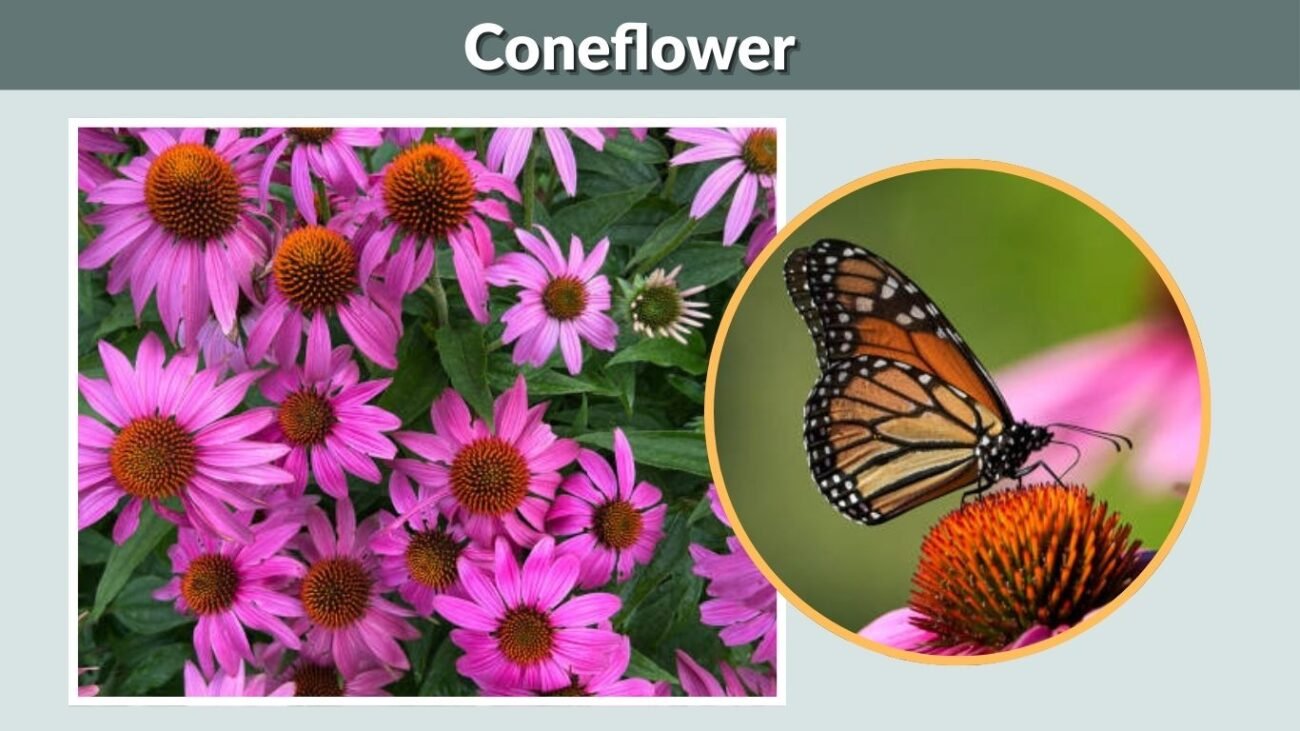
Coneflower (Echinacea) is a hardy perennial with daisy-like blooms and raised cone-shaped centers. Its bright colors and long flowering season make it highly appealing to hummingbirds, butterflies, and other pollinators.
Identification
- Large, daisy-like flowers with pink, purple, or white petals
- Prominent spiny central cone in orange or brown
- Sturdy, upright stems with lance-shaped leaves
Habitat
Coneflowers thrive in full sun and well-drained soil. They are commonly grown in prairies, meadows, and garden borders across USDA zones 3–9.
Behavior and Attraction
The long-lasting blooms supply nectar through summer, attracting hummingbirds, butterflies, and bees. In fall, seed heads feed birds.
Care
Coneflowers require little attention—occasional watering, deadheading, and dividing every few years help maintain strong growth.
6. Zinnia
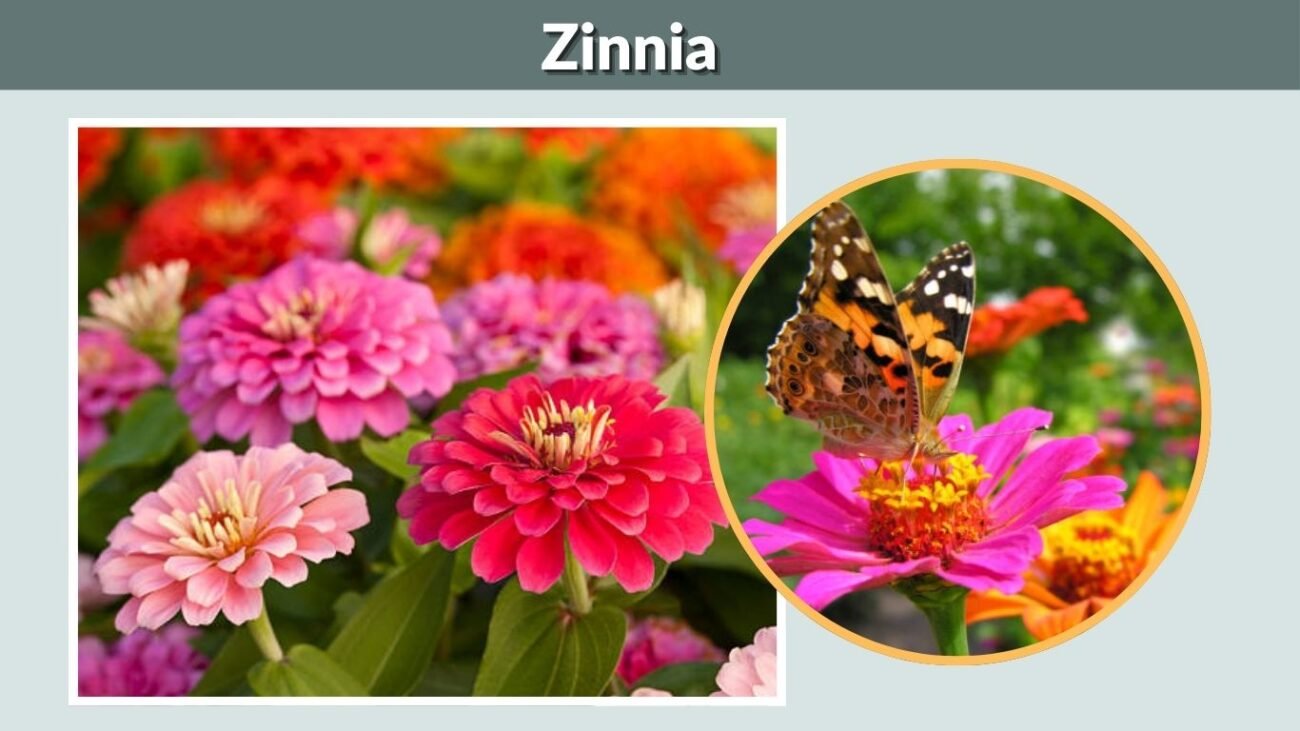
Zinnias are bright, cheerful annuals that bloom in a wide range of colors. Their easy growth and abundant flowers make them a favorite among gardeners and a reliable food source for hummingbirds and butterflies.
Identification
- Single or double blooms in red, orange, pink, yellow, purple, or white
- Sturdy, upright stems with lance-shaped leaves
- Wide variety of flower sizes and shapes
Habitat
Zinnias prefer full sun and well-drained soil, thriving in warm weather. They are commonly planted in garden beds, borders, and containers across USDA zones 2–11 as annuals.
Behavior and Attraction
Their nectar-filled blooms draw hummingbirds and butterflies all summer long, supporting pollinators until the first frost.
Care
Zinnias are low-maintenance—regular watering, deadheading, and spacing for airflow keep them blooming and free from disease.
7. Trumpet Vine
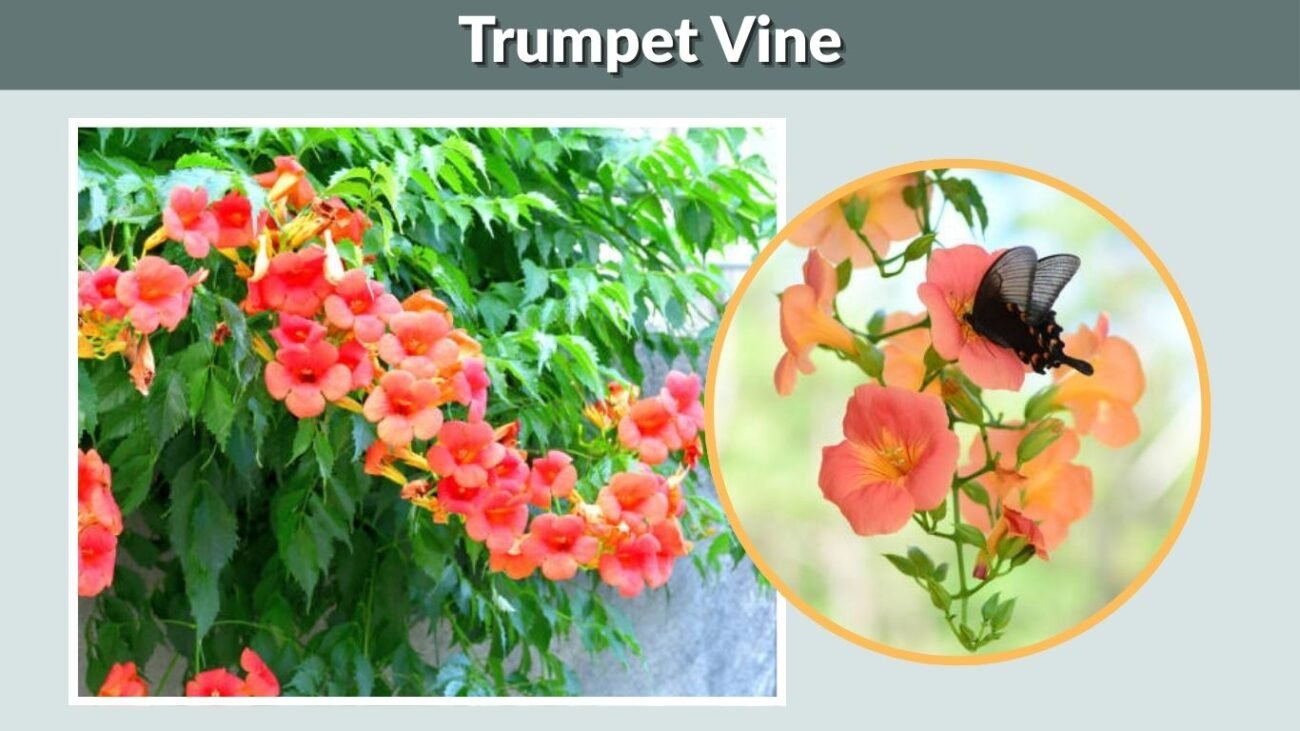
Trumpet Vine (Campsis radicans) is a vigorous climbing plant known for its large, trumpet-shaped flowers. Its bold blooms are especially appealing to hummingbirds, while butterflies also flock to its nectar.
Identification
- Large, trumpet-shaped flowers in orange, red, or yellow
- Dark green, pinnate leaves with serrated edges
- Woody climbing vine with aerial rootlets
Habitat
It thrives in full sun but tolerates partial shade and grows well in USDA zones 4–9. Often found on fences, trellises, and walls due to its climbing nature.
Behavior and Attraction
The bright tubular flowers provide abundant nectar that hummingbirds can easily access, while butterflies visit regularly.
Care
Trumpet Vine requires strong support, regular pruning to control its spread, and occasional watering for healthy growth.
8. Cardinal Flower
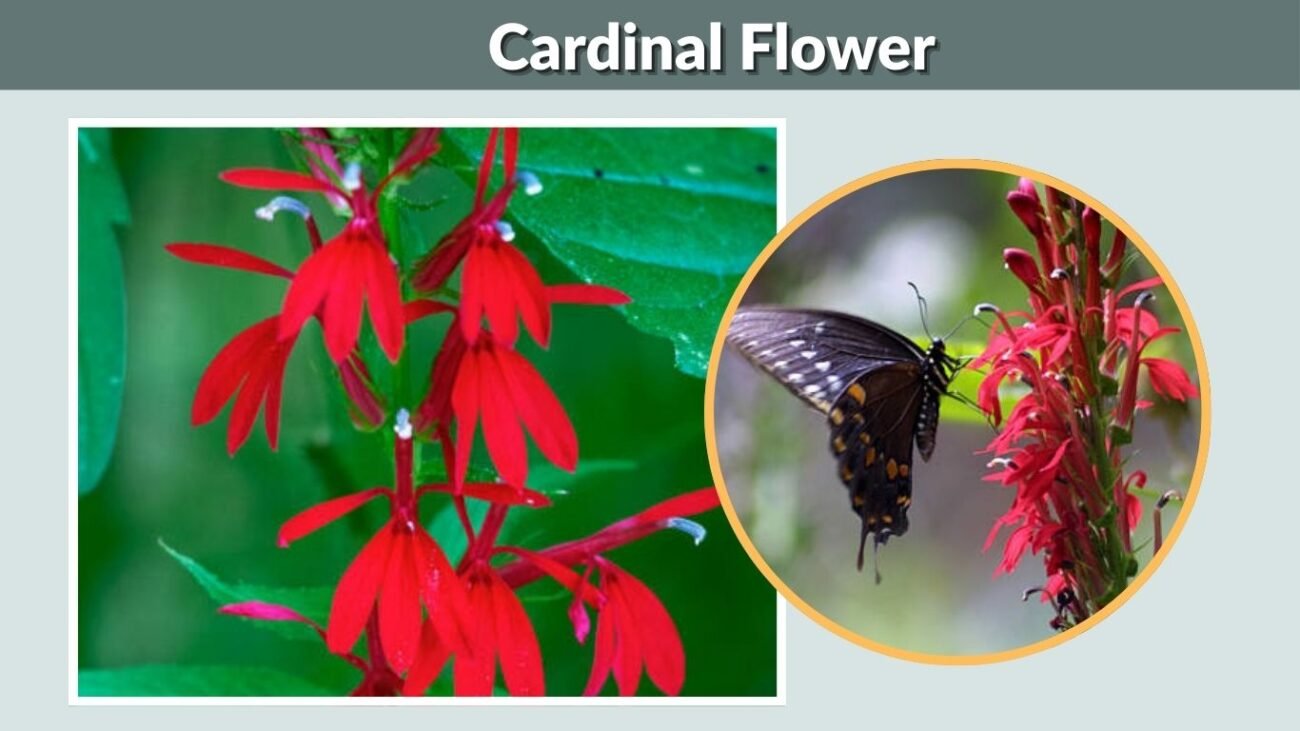
Cardinal Flower (Lobelia cardinalis) is a striking perennial admired for its tall spikes of vivid red blooms. Its tubular flowers are perfectly shaped for hummingbirds, while butterflies also enjoy its nectar.
Identification
- Tall spikes of bright red, tubular flowers
- Lance-shaped, dark green leaves
- Grows upright, reaching 2–4 feet in height
Habitat
This plant thrives in moist, rich soil and partial shade, often found along streams, wetlands, and garden edges. It grows well in USDA zones 3–9.
Behavior and Attraction
Cardinal Flower provides a late-summer nectar source, attracting hummingbirds as well as butterflies during its bloom period.
Care
Consistent moisture, mulching, and occasional deadheading ensure healthy growth, though plants may need replanting every few years.
9. Phlox
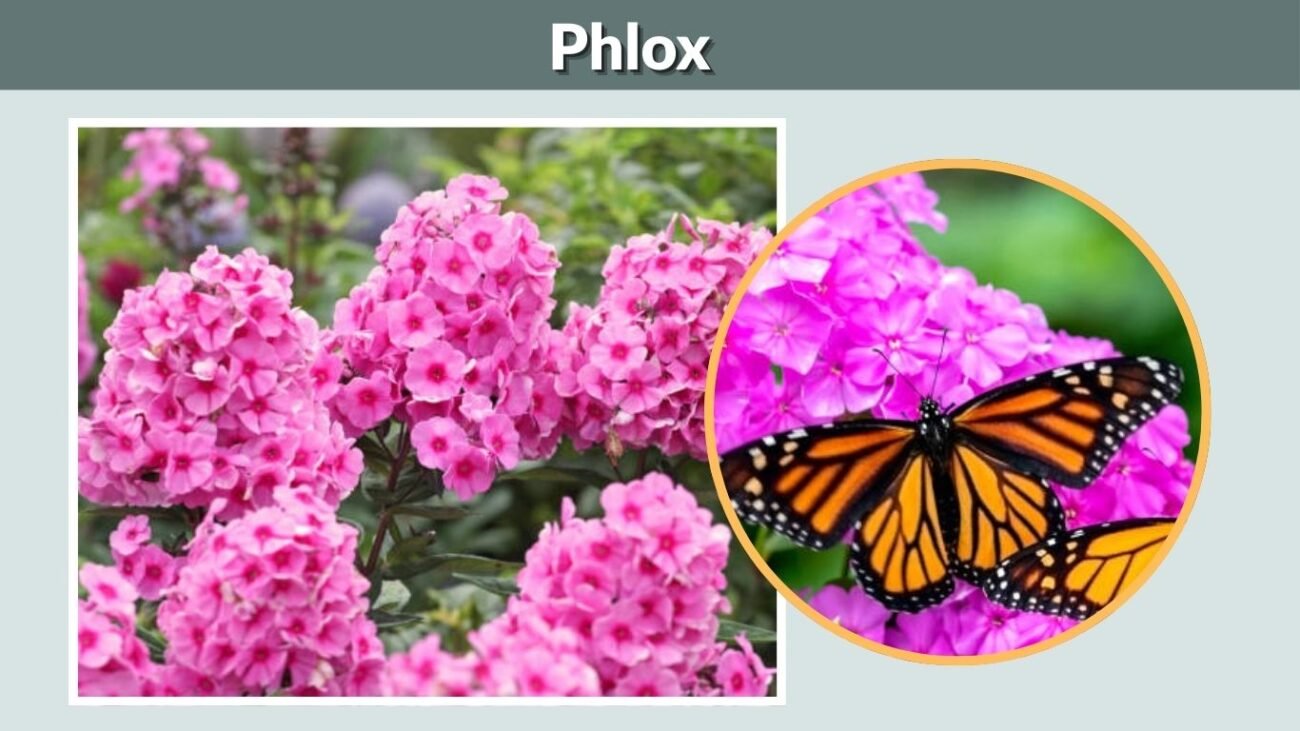
Phlox is a versatile flowering plant that comes in both garden and wild varieties, offering clusters of fragrant, colorful blooms. Its nectar-rich flowers are loved by hummingbirds, butterflies, and bees alike.
Identification
- Dense clusters of star-shaped flowers in pink, purple, red, or white
- Narrow, lance-shaped leaves along upright stems
- Grows as both annuals and perennials depending on the species
Habitat
Phlox thrives in sunny garden beds, meadows, and woodland edges. It grows in USDA zones 3–9, with species adapted to different environments.
Behavior and Attraction
Its fragrant flowers provide nectar throughout the season, consistently attracting hummingbirds and butterflies.
Care
Phlox benefits from regular watering, good air circulation, and deadheading to extend its blooming season and reduce mildew.
10. Milkweed
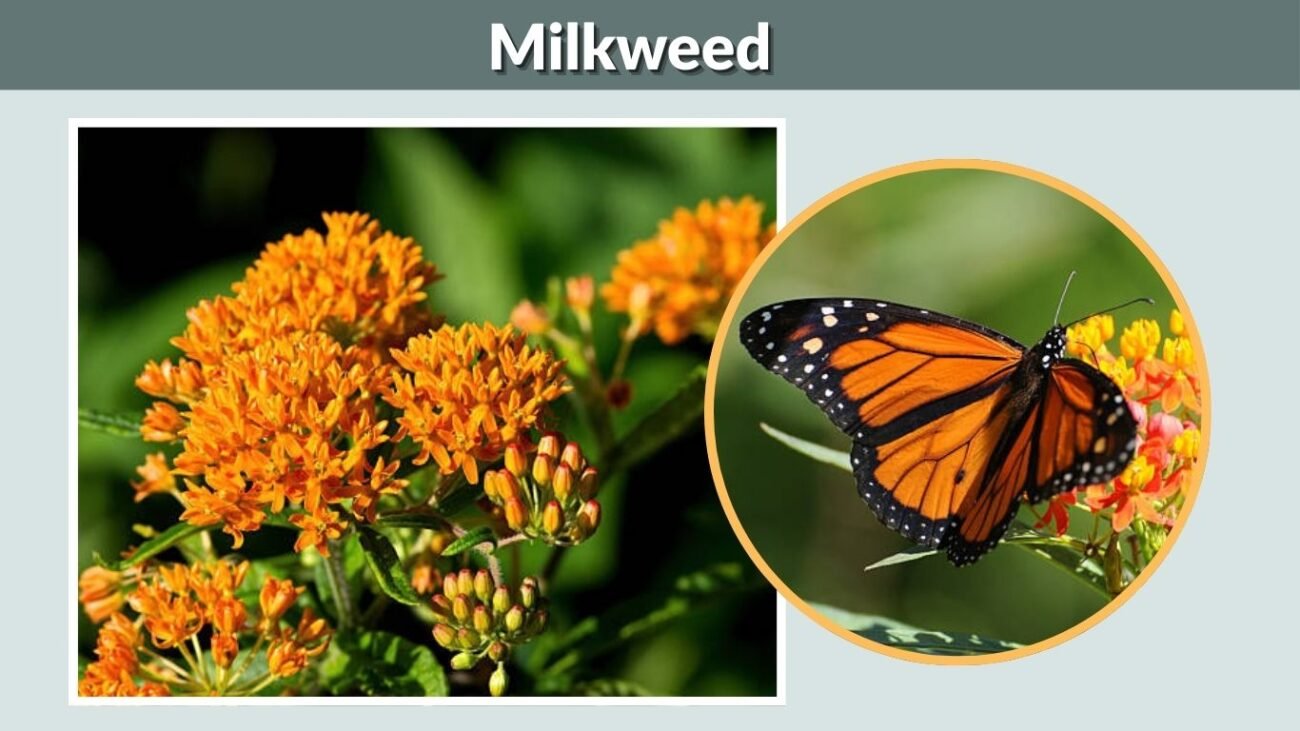
Milkweed (Asclepias) is a vital flowering plant best known for supporting monarch butterflies, but its nectar-rich blooms also attract hummingbirds and other pollinators. It is a hardy perennial that adds ecological value to gardens.
Identification
- Clusters of star-shaped flowers in pink, orange, or white
- Long, narrow leaves with a milky sap when broken
- Upright stems that can grow 2–5 feet tall
Habitat
Milkweed grows in sunny fields, meadows, and garden beds with well-drained soil. It thrives in USDA zones 3–9 and adapts easily to wild or cultivated settings.
Behavior and Attraction
Its blooms offer nectar to hummingbirds and butterflies, while monarchs rely on its leaves as a host plant for their caterpillars.
Care
Milkweed is low-maintenance—minimal watering, full sun, and occasional thinning keep it healthy and spreading naturally.