Spring is the season when gardens come alive with vibrant colors and sweet nectar, creating a paradise for hummingbirds. These tiny, energetic birds are drawn to tubular, nectar-rich blossoms that provide them with essential food during migration and nesting. Planting the right flowers not only enhances garden beauty but also ensures regular visits from hummingbirds. Here are 10 spring flowers that will keep them fluttering around your yard.
1. Columbine
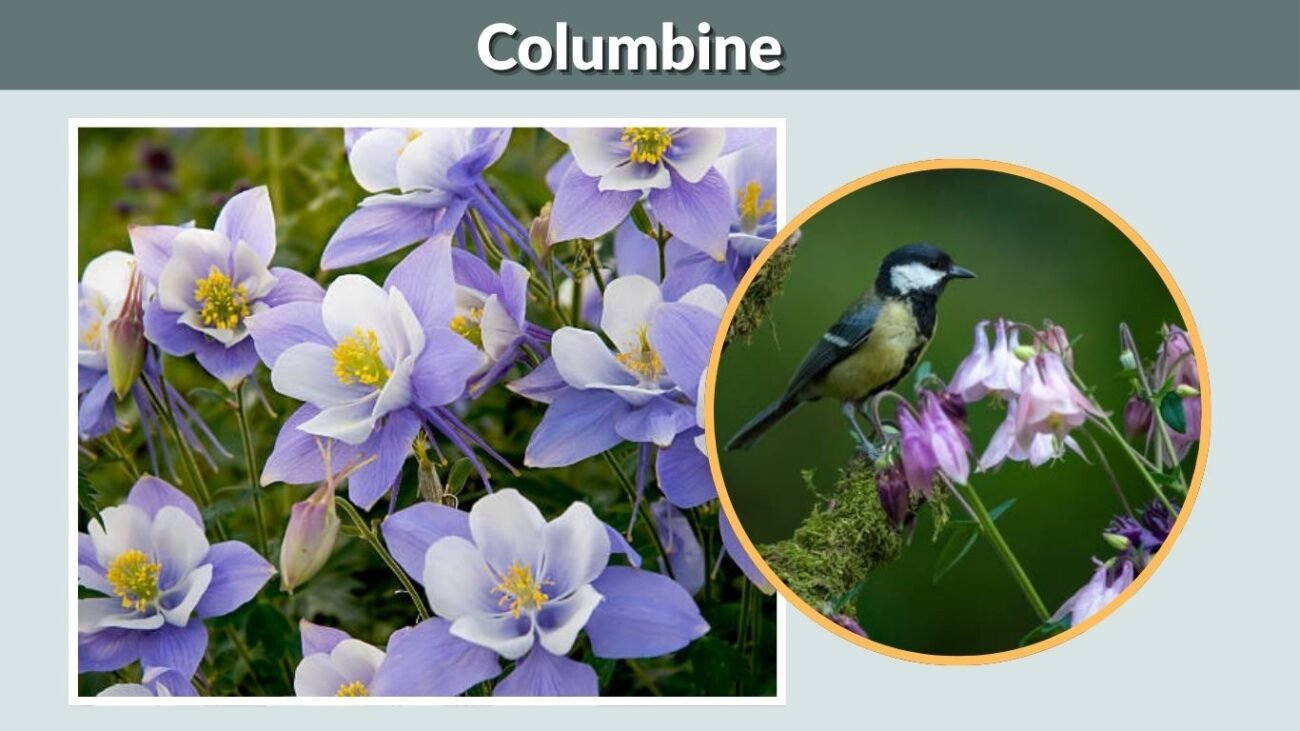
Columbine is one of the earliest spring flowers that brightens up gardens and attracts hummingbirds with its vibrant, nectar-rich blooms. Its unique spurred petals make it both decorative and functional for feeding hummingbirds.
Identification
- Bell-shaped flowers with spurred petals
- Available in red, yellow, purple, blue, and white
- Grows 1–3 feet tall with delicate foliage
Habitat
Columbine thrives in well-drained soil and partial shade, often found in woodland gardens or meadows.
Blooming Season
It blooms in mid to late spring, providing early nectar for migrating hummingbirds.
Role in Attracting Hummingbirds
The tubular structure of Columbine flowers makes it easy for hummingbirds to sip nectar, ensuring repeat visits throughout the season.
2. Bleeding Heart
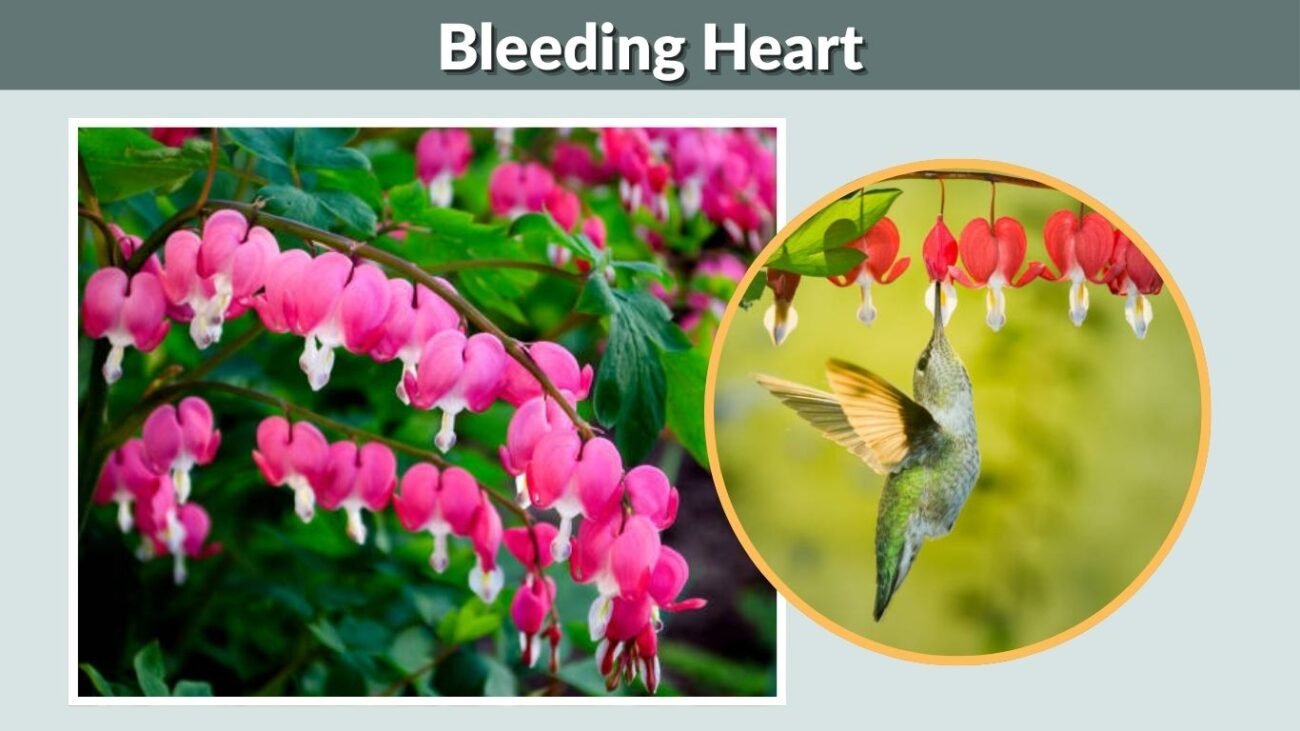
Bleeding Heart is a charming spring perennial that produces heart-shaped blossoms dangling gracefully from arching stems. Its unique shape and bright colors make it a magnet for hummingbirds searching for nectar early in the season.
Identification
- Distinct heart-shaped pink or white flowers
- Arching stems with fern-like green foliage
- Grows 1–3 feet tall and spreads in clumps
Habitat
Bleeding Heart prefers cool, shaded areas with moist, rich soil. It thrives under trees, along shaded borders, and in woodland gardens.
Blooming Season
This flower blooms from early to mid-spring and often continues into early summer, depending on the climate.
Role in Attracting Hummingbirds
Its pendulous, nectar-filled blossoms provide hummingbirds with a reliable source of food while adding elegance to shaded garden spaces.
3. Azalea
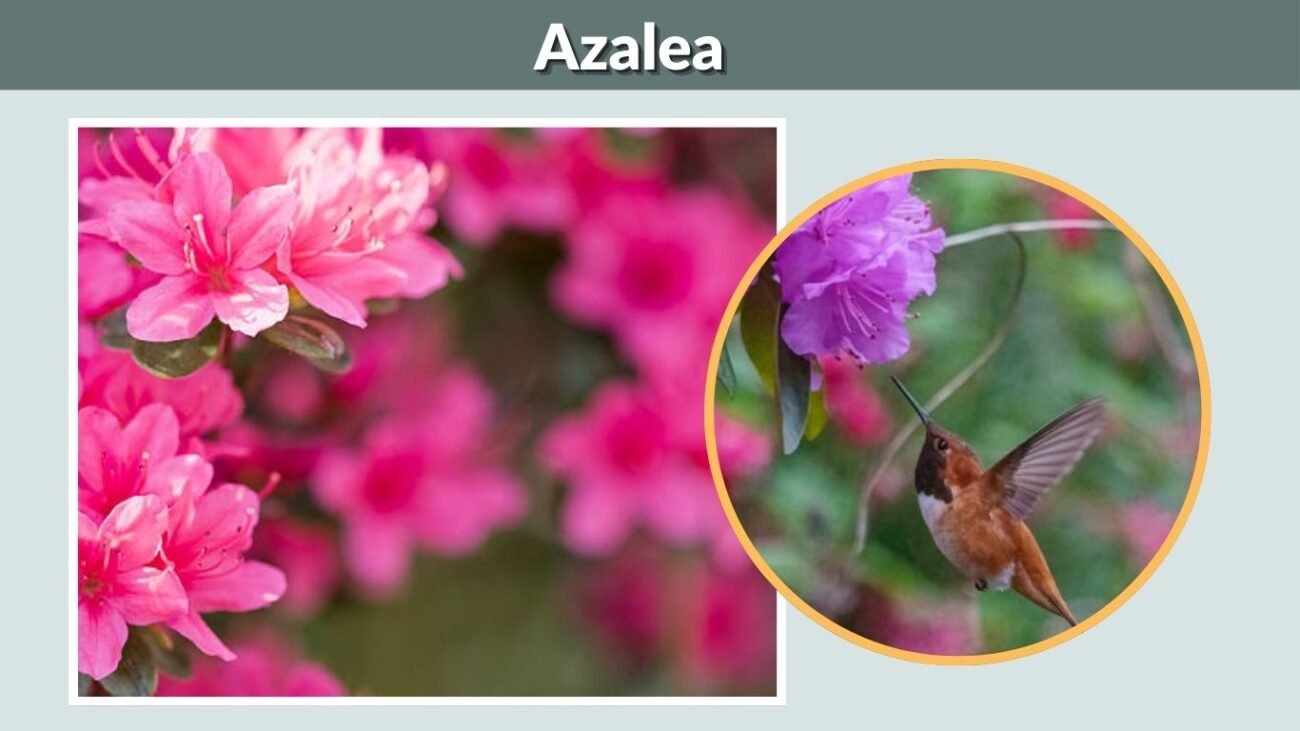
Azalea is a vibrant spring bloomer known for its clusters of colorful flowers. With shades ranging from red and pink to purple and white, azaleas offer both beauty and nourishment for hummingbirds.
Identification
- Clusters of trumpet-shaped flowers in bright shades
- Evergreen or deciduous shrubs, 2–6 feet tall
- Glossy green foliage that lasts most of the year
Habitat
Azaleas thrive in acidic, well-drained soil with partial shade, often found in woodland edges and landscaped gardens.
Blooming Season
They bloom heavily in mid to late spring, covering shrubs with masses of flowers for several weeks.
Role in Attracting Hummingbirds
The trumpet-like flowers are perfectly suited for hummingbirds’ long beaks, offering abundant nectar during peak migration season.
4. Rhododendron
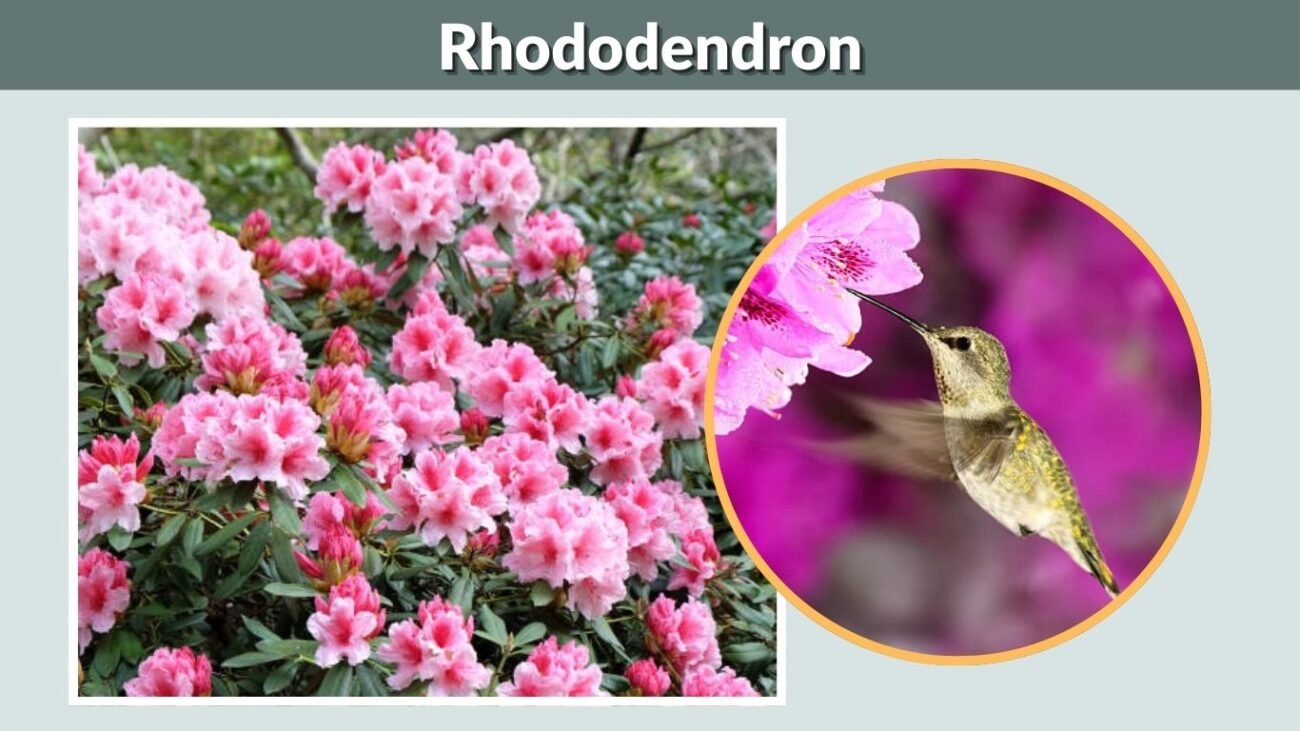
Rhododendron is a spectacular spring shrub closely related to azaleas, producing large clusters of showy flowers that easily catch the attention of hummingbirds. With its vivid colors and rich nectar, it becomes a seasonal feast for these tiny birds.
Identification
- Large, bell-shaped flowers in clusters
- Evergreen or deciduous shrubs, ranging from 3–20 feet tall
- Broad, leathery leaves with a glossy texture
Habitat
Rhododendrons grow best in cool, moist, and acidic soil with partial shade. They are often planted in woodland gardens, along slopes, or as foundation shrubs.
Blooming Season
They typically bloom in mid to late spring, with flowers lasting several weeks and providing reliable nectar.
Role in Attracting Hummingbirds
Their abundant clusters of tubular flowers make rhododendrons a hummingbird favorite, providing both food and a colorful display in the garden.
5. Coral Bells
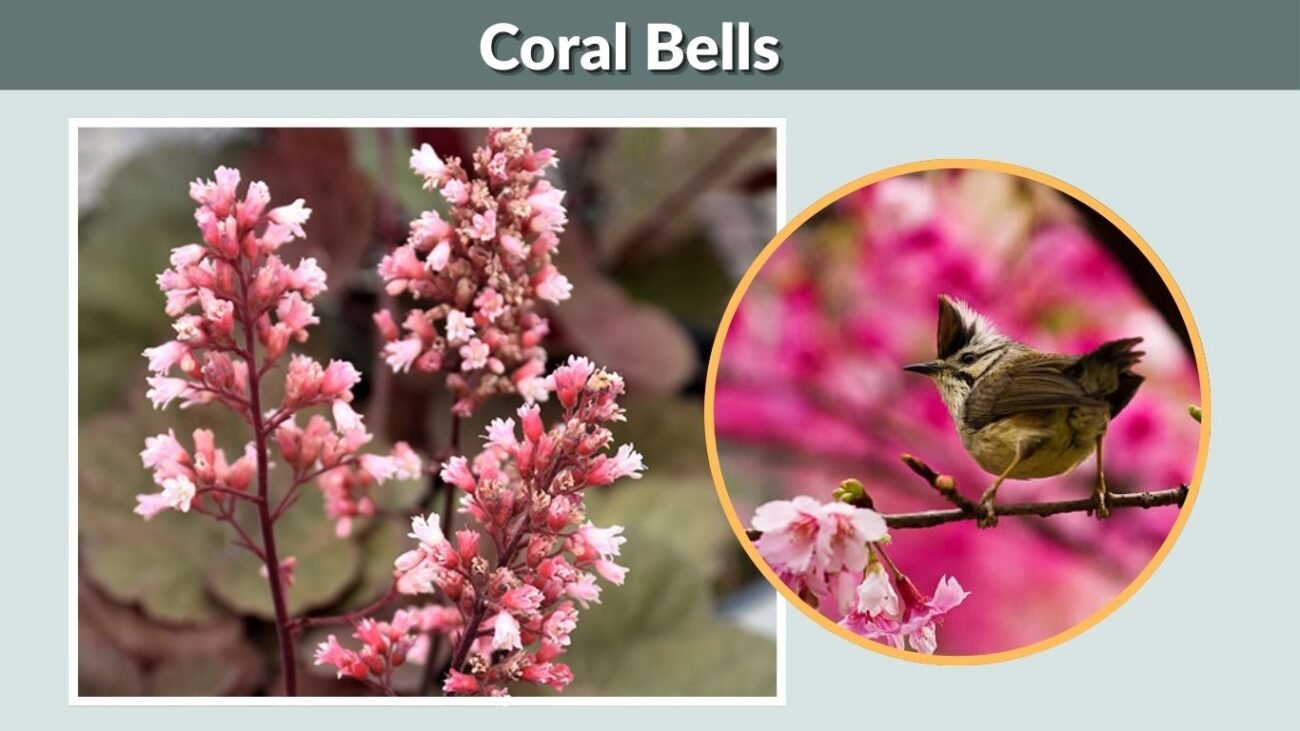
Coral Bells are popular perennials that not only add colorful foliage to gardens but also send up tall stalks covered with tiny, bell-shaped flowers loved by hummingbirds. Their long-lasting blooms provide steady nectar throughout spring.
Identification
- Small, bell-shaped flowers in red, pink, or white
- Grows in clumps with colorful foliage (green, purple, bronze)
- Flower stalks rise 1–3 feet above the leaves
Habitat
They thrive in well-drained soil and partial shade, making them suitable for borders, rock gardens, and shaded beds.
Blooming Season
Coral Bells bloom from late spring into early summer, ensuring a continuous nectar supply during the hummingbird season.
Role in Attracting Hummingbirds
The tall flower spikes allow easy access for hummingbirds, while the bright blooms naturally draw them in for repeated visits.
6. Trumpet Honeysuckle
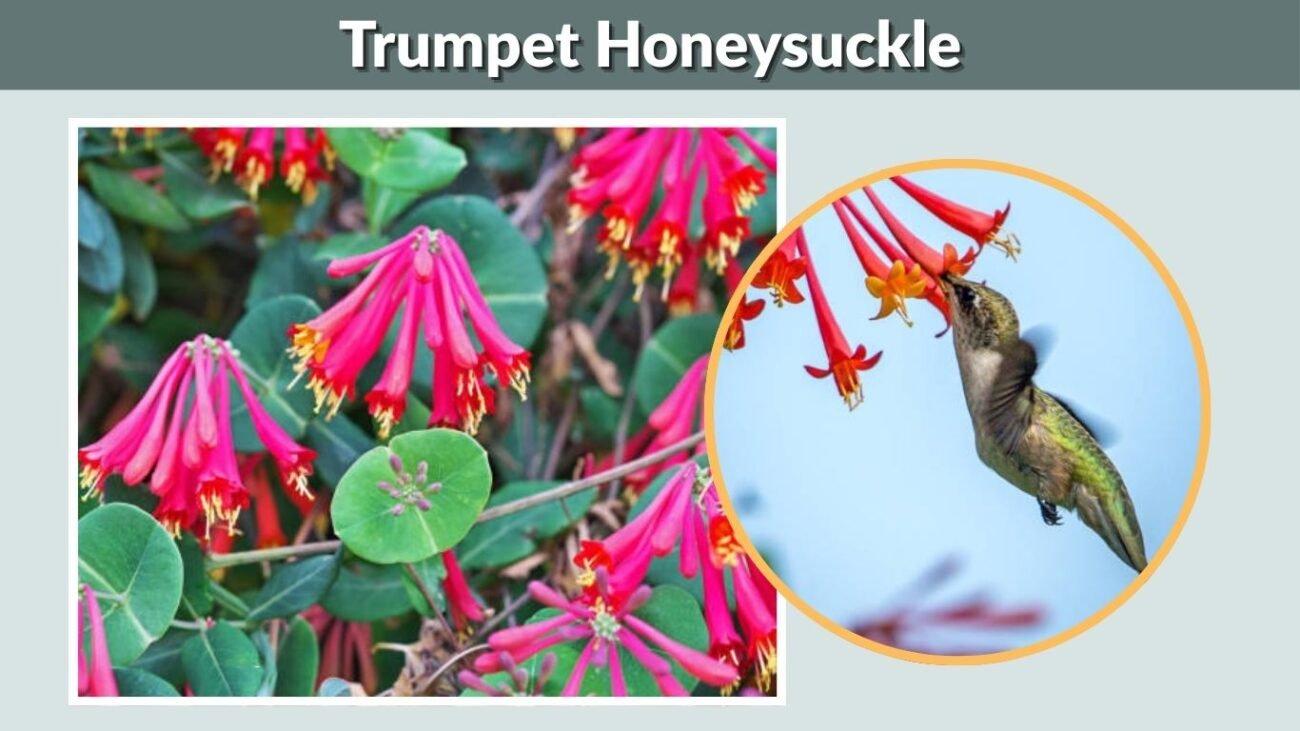
Trumpet Honeysuckle is a vigorous climbing vine known for its clusters of tubular, trumpet-shaped flowers. Its bright red and orange blooms are irresistible to hummingbirds, making it a classic choice for attracting them in spring.
Identification
- Clusters of long, tubular red or orange flowers
- Twining vine that can grow 10–20 feet long
- Semi-evergreen leaves that stay lush in many climates
Habitat
It thrives in well-drained soil and full sun but can tolerate partial shade. Often grown on trellises, fences, or arbors to provide vertical color and nectar.
Blooming Season
This vine blooms from late spring through summer, with flowers continuing into fall in warmer regions.
Role in Attracting Hummingbirds
Its tubular blossoms are perfectly shaped for hummingbird feeding, offering abundant nectar while providing cover and perching spots on its vine structure.
7. Lupine
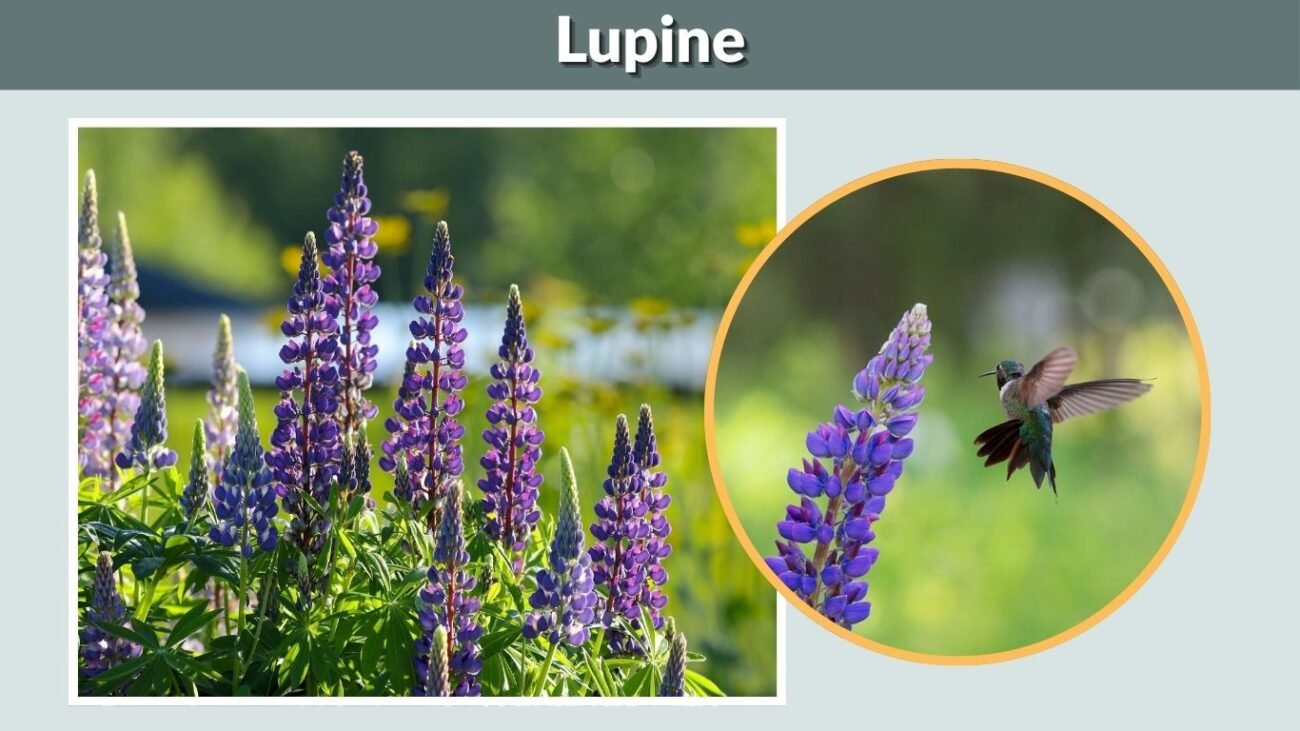
Lupine is a striking spring perennial that produces tall, spiky clusters of pea-like flowers in vivid shades. Its vertical blooms and rich nectar make it an excellent addition to gardens aiming to attract hummingbirds.
Identification
- Tall flower spikes with pea-like blossoms
- Colors range from blue, purple, pink, yellow, and white
- Grows 1–4 feet tall with divided, palmate leaves
Habitat
Lupines prefer well-drained, sandy or gravelly soil in sunny locations. They often thrive in meadows, borders, and cottage-style gardens.
Blooming Season
Blooming from late spring to early summer, lupines provide nectar right when hummingbirds are most active in gardens.
Role in Attracting Hummingbirds
The tall spikes of nectar-rich blossoms give hummingbirds multiple feeding spots in one place, encouraging frequent visits.
8. Foxglove
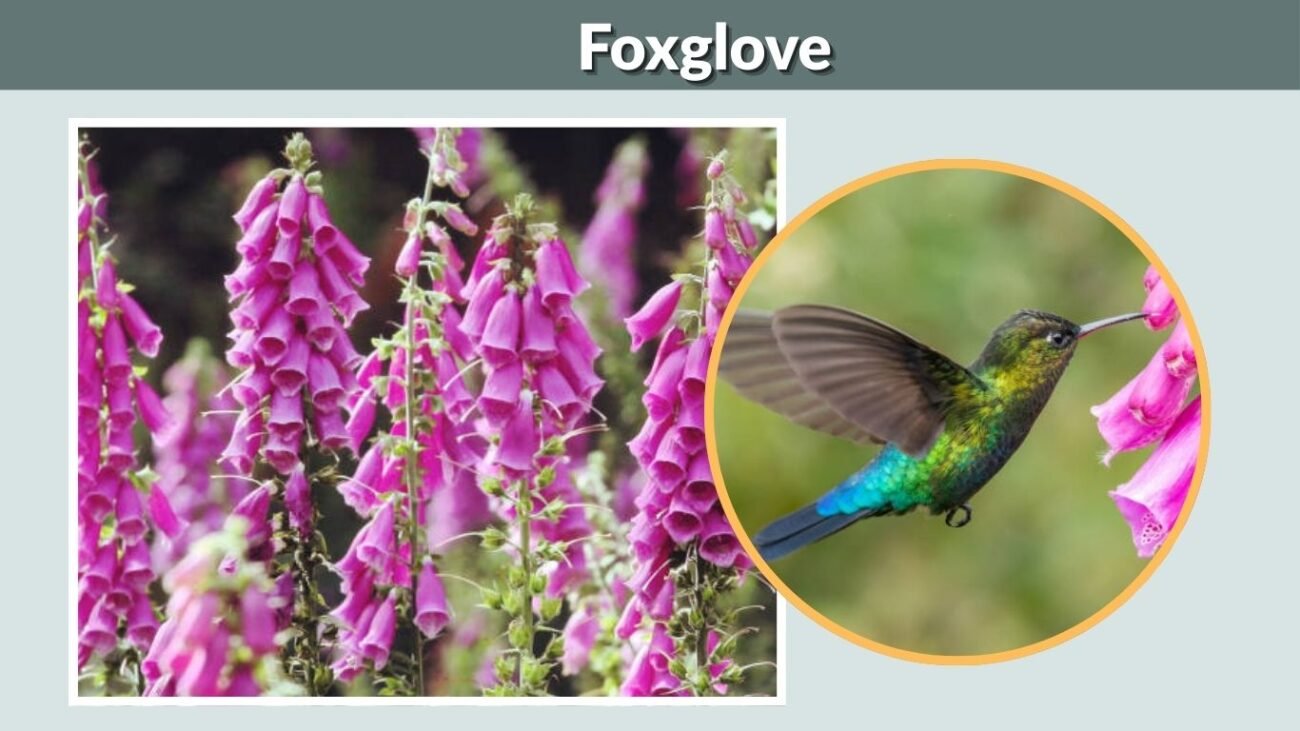
Foxglove is a tall, elegant biennial or perennial known for its tubular, bell-shaped flowers that cascade down spires. Its blooms are perfectly suited to hummingbirds, who can easily access the nectar deep inside each flower.
Identification
- Tall spikes lined with tubular flowers
- Colors include purple, pink, white, and yellow
- Grows 2–5 feet tall with large, textured leaves
Habitat
Foxgloves thrive in moist, well-drained soil and partial shade. They are often planted along borders, woodland gardens, and cottage gardens.
Blooming Season
They bloom in late spring through early summer, creating a vertical display that lasts for several weeks.
Role in Attracting Hummingbirds
Their tall, tubular blossoms offer an abundant nectar supply, making foxgloves a favorite stop for hummingbirds during their spring visits.
9. Petunia
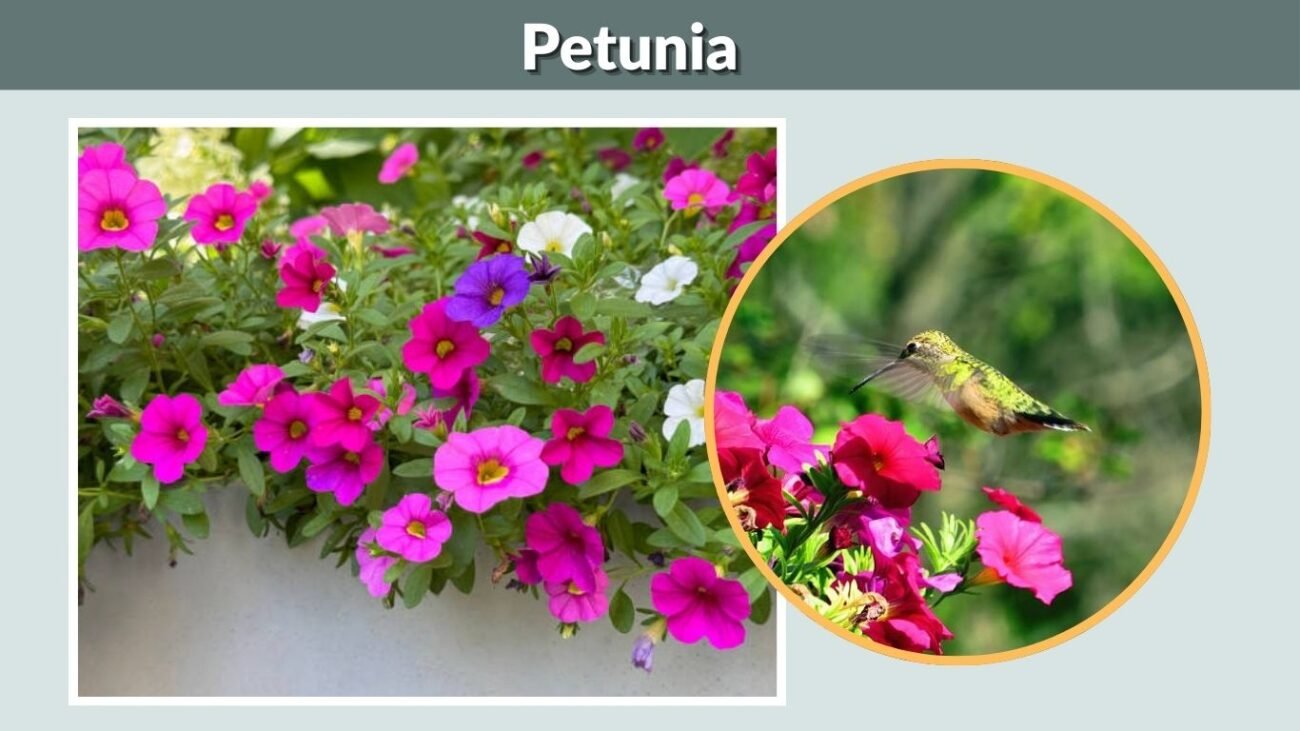
Petunias are colorful, versatile annuals that bloom profusely in spring and summer. Their trumpet-shaped flowers are highly attractive to hummingbirds, especially when planted in clusters or hanging baskets.
Identification
- Funnel-shaped flowers with wide openings
- Available in a wide range of colors: red, pink, purple, white, and yellow
- Compact plants that spread 6–18 inches wide and grow 6–12 inches tall
Habitat
Petunias thrive in full sun with well-drained soil. They are ideal for borders, containers, and hanging baskets where their bright blooms cascade beautifully.
Blooming Season
They bloom from spring through fall, offering continuous nectar for hummingbirds throughout the warm months.
Role in Attracting Hummingbirds
The trumpet-like shape of petunias makes them perfect for hummingbird feeding, while their vibrant colors help draw the birds into gardens and patios.
10. Salvia
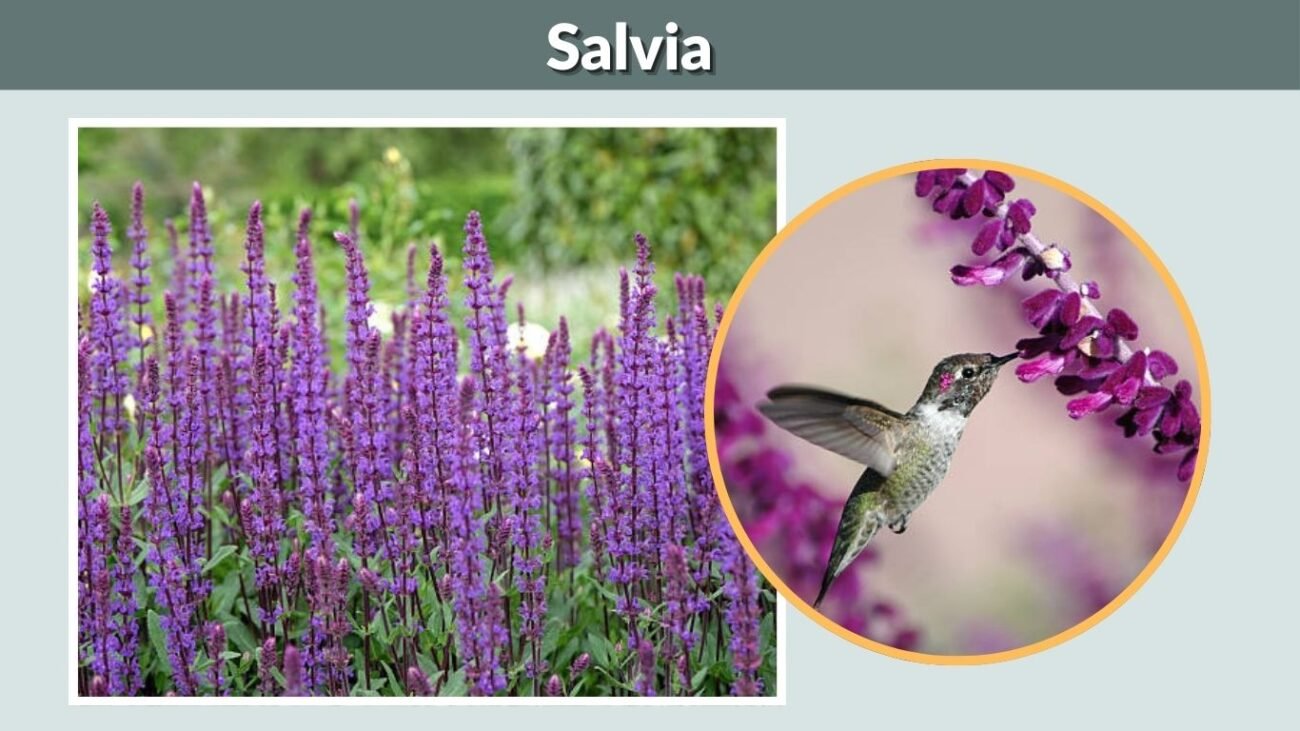
Salvia, also known as sage, is a nectar-rich plant that produces vibrant tubular flowers, making it one of the top choices for attracting hummingbirds in spring. With its long blooming season, it keeps these birds returning all year in many regions.
Identification
- Tubular flowers in shades of red, purple, blue, and pink
- Square stems with aromatic, lance-shaped leaves
- Heights range from 1–4 feet depending on the variety
Habitat
Salvia thrives in full sun and well-drained soil. It is drought-tolerant and perfect for borders, pollinator gardens, and containers.
Blooming Season
It blooms from late spring to fall, offering a long-lasting nectar source.
Role in Attracting Hummingbirds
Its brightly colored tubular flowers are ideal for hummingbirds, who rely on the plant for energy throughout the season.