Colorado is home to a fascinating variety of black and white birds, from tiny chickadees to bold shrikes. These striking birds not only brighten up backyards and forests but also play vital roles in the ecosystem. Whether you’re an avid birdwatcher or simply curious about the feathered visitors in your area, this list highlights ten remarkable black and white birds commonly found across Colorado’s diverse landscapes.
1. Black-capped Chickadee
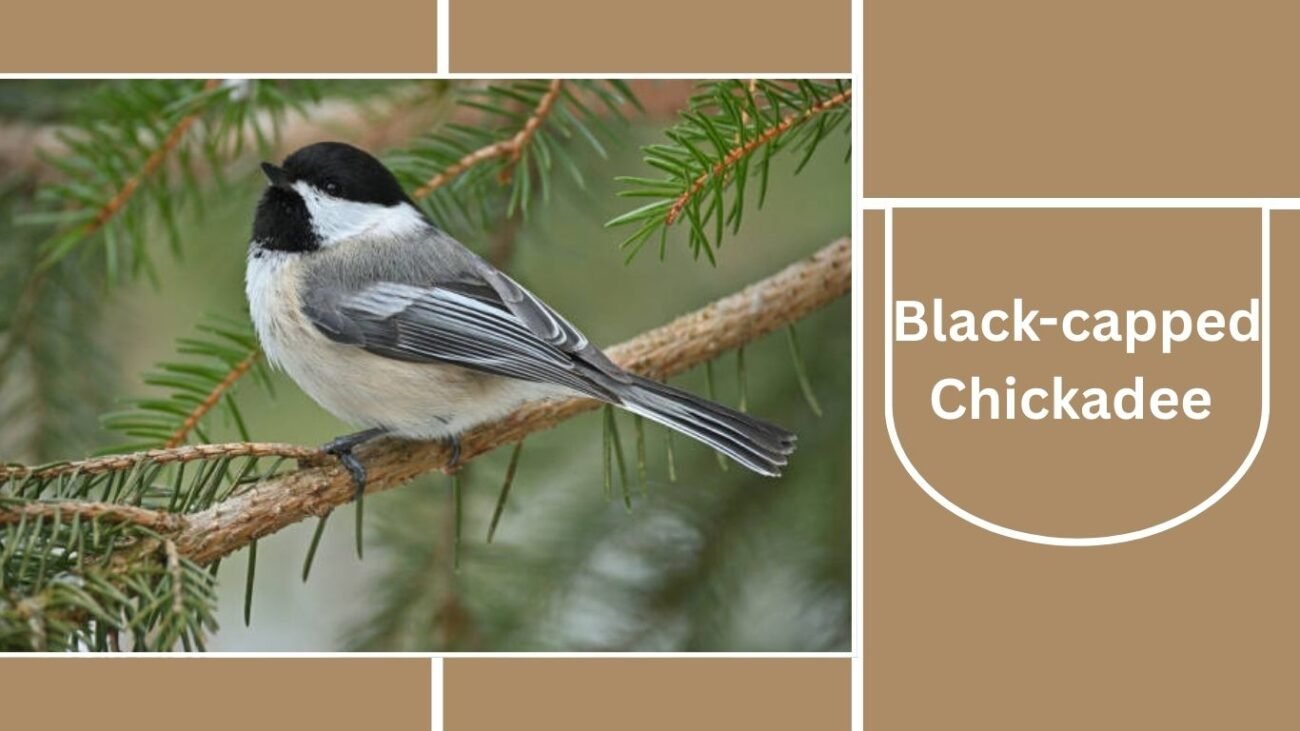
The Black-capped Chickadee is one of the most recognizable small birds in Colorado, admired for its bold personality and cheerful call. It often visits feeders and is a year-round resident, making it a familiar sight across woodlands, parks, and backyards.
Identification
- Size: 4.7–5.9 inches in length
- Color: Black cap and bib, white cheeks, gray back, and buff underparts
- Wings: Gray with white edging
- Tail: Narrow with white outer feathers
Habitat
In Colorado, these chickadees are commonly found in deciduous and mixed forests, along rivers, and in suburban neighborhoods.
Behavior
They are curious and active, often hanging upside down while foraging. They also cache seeds and insects in tree crevices for winter survival.
Diet
Their food includes insects, spiders, seeds, and berries. At backyard feeders, they favor sunflower seeds and suet.
2. Black-billed Magpie
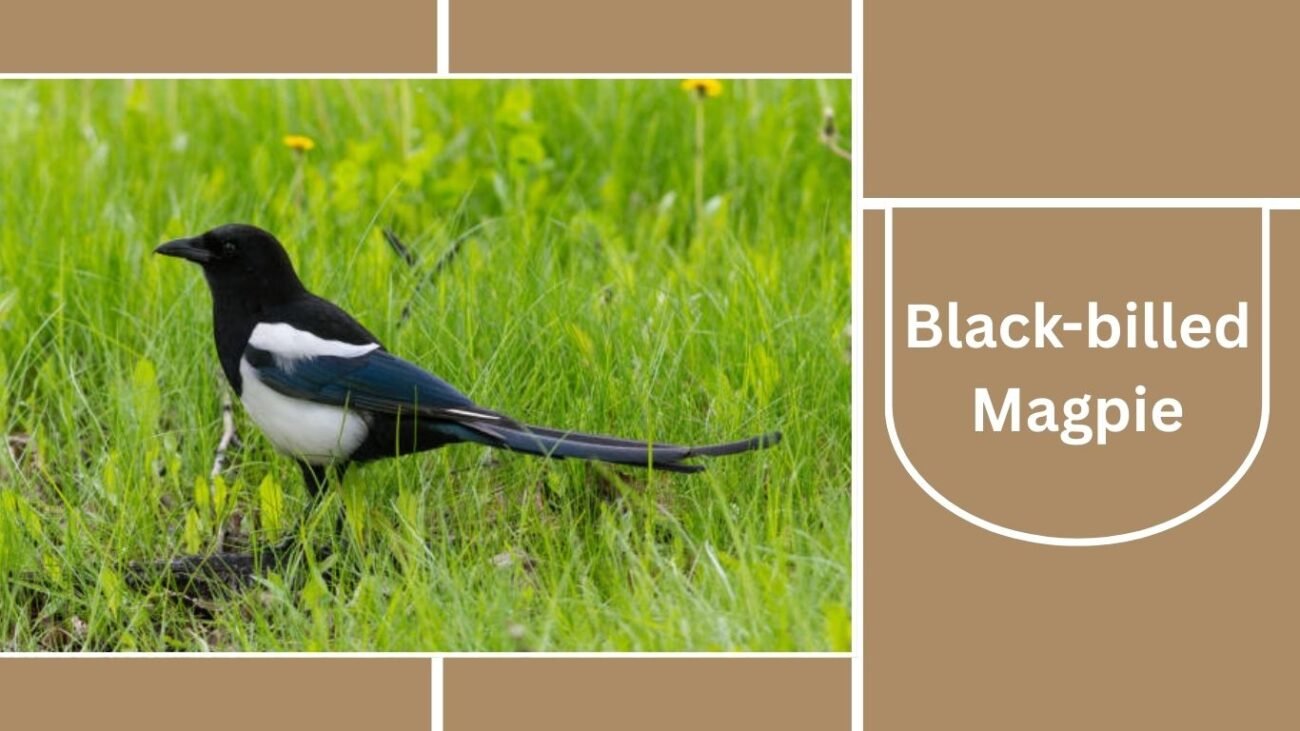
The Black-billed Magpie is a striking black and white bird with bold behavior and a long, elegant tail. In Colorado, it is a common sight in open fields, grasslands, and suburban areas, often recognized by its chattering calls and social nature.
Identification
- Size: 17–24 inches long
- Color: Glossy black head, chest, and back with white shoulders and belly
- Wings: Black with iridescent blue-green highlights
- Tail: Very long, iridescent greenish-black
Habitat
Black-billed Magpies live in open landscapes, farmlands, and residential areas, often nesting in tall trees or shrubs.
Behavior
They are highly intelligent and social birds, known to forage in groups and interact with other species. Their vocalizations are loud and varied.
Diet
Magpies are omnivores, eating insects, small mammals, carrion, seeds, and even food scraps from humans.
3. Downy Woodpecker
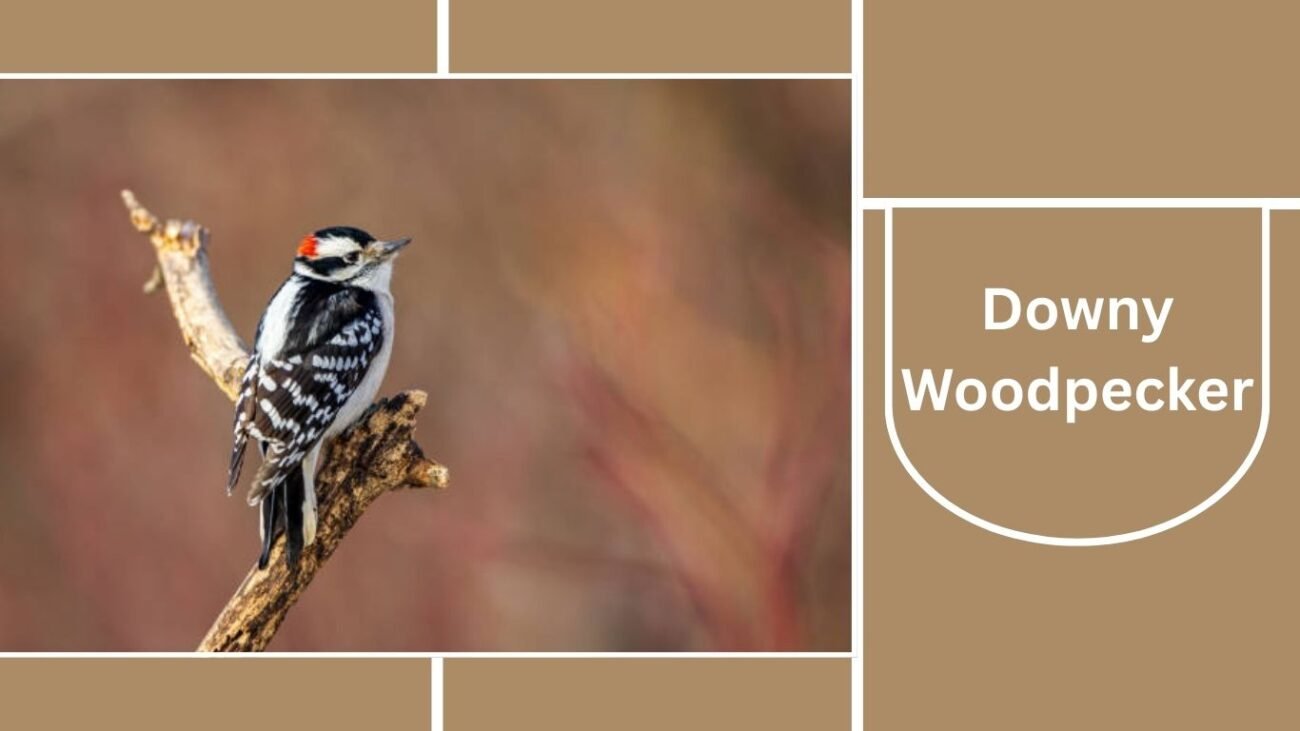
The Downy Woodpecker is the smallest woodpecker in North America and a frequent visitor to Colorado backyards. Its sharp tapping on trees and high-pitched calls make it easy to notice, while its black-and-white plumage gives it a classic woodpecker look.
Identification
- Size: 5.5–6.7 inches long
- Color: Black wings with white spots, white underparts, and a white back
- Head: Black-and-white striped pattern; males have a small red patch on the back of the head
- Bill: Short and chisel-like
- Tail: Black with white outer feathers
Habitat
They are found in forests, orchards, parks, and suburban yards across Colorado, often clinging to tree trunks and branches.
Behavior
Downy Woodpeckers drum on trees to communicate and search for insects. They are also frequent feeder visitors, especially in winter.
Diet
Their diet includes insects, larvae, seeds, and berries. At feeders, they enjoy suet, peanuts, and sunflower seeds.
4. Hairy Woodpecker
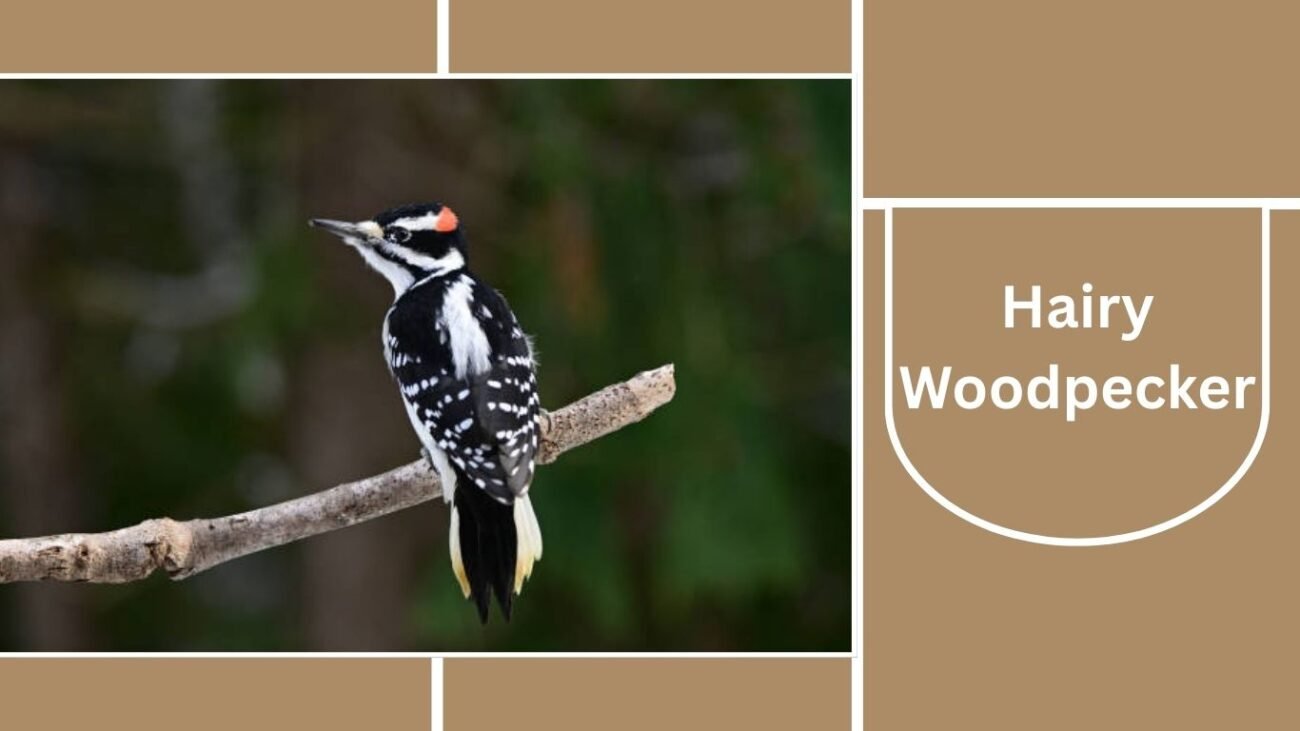
The Hairy Woodpecker is a larger look-alike of the Downy Woodpecker and is also widespread in Colorado. With its striking black-and-white plumage and strong drumming behavior, it is a noticeable presence in forests and even residential areas.
Identification
- Size: 7.1–10.2 inches long
- Color: Black wings with white spots, white underparts, and a solid white back
- Head: Black-and-white striped with males showing a red patch on the back of the head
- Bill: Longer and more robust than the Downy Woodpecker’s
- Tail: Black with white outer feathers
Habitat
They live in mature forests, wooded streamsides, parks, and backyards, especially where older trees are present.
Behavior
Hairy Woodpeckers are strong, deliberate drummers and are often seen climbing tree trunks in search of insects. They are less frequent at feeders than Downy Woodpeckers but will visit for suet.
Diet
Their diet consists mainly of insects, especially beetle larvae, along with seeds, nuts, and berries.
5. White-breasted Nuthatch
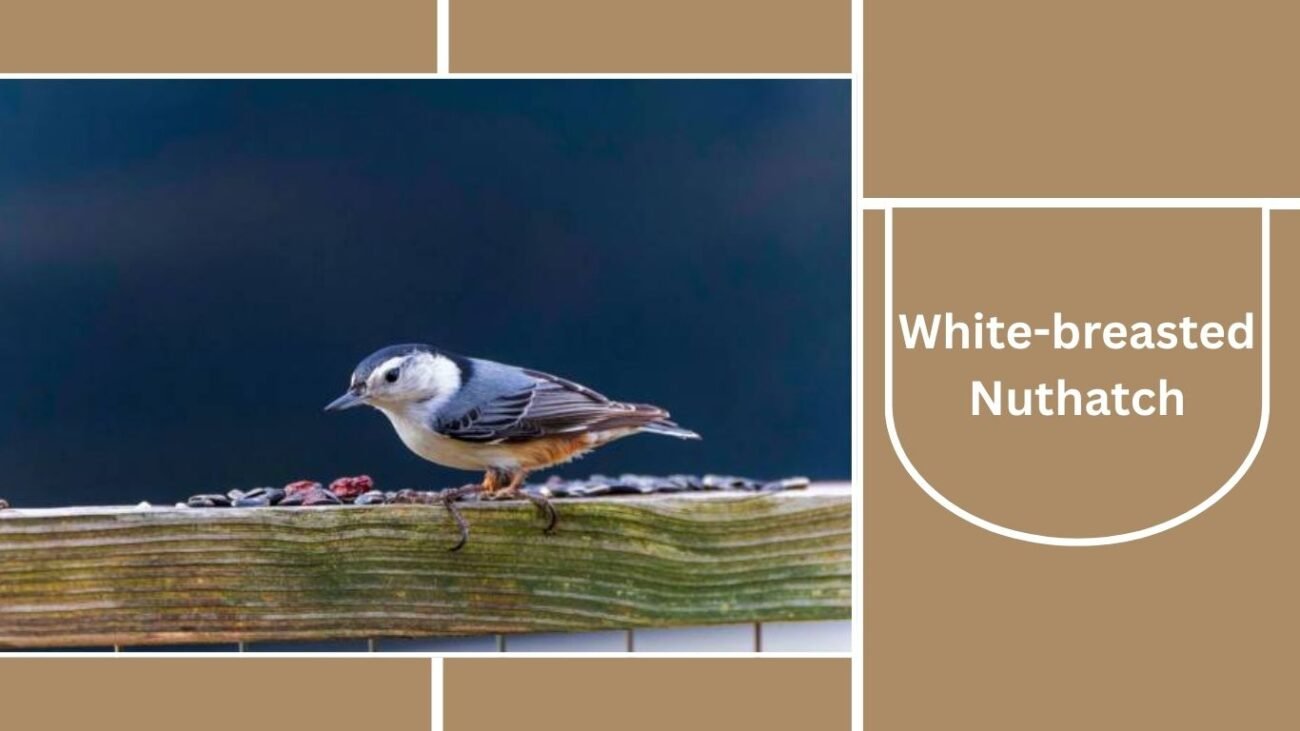
The White-breasted Nuthatch is a compact black, white, and gray bird that is common throughout Colorado. Known for its ability to climb down tree trunks headfirst, this bird is both agile and bold, often spotted at backyard feeders.
Identification
- Size: 5.1–5.5 inches long
- Color: White face and underparts, gray-blue back, and black cap
- Wings: Gray with black edging
- Tail: Short with black and white pattern
- Bill: Long, slender, slightly upturned
Habitat
They are usually found in mature deciduous forests, woodlots, and suburban areas with large trees, often nesting in natural cavities or old woodpecker holes.
Behavior
White-breasted Nuthatches are acrobatic climbers, moving in all directions on tree trunks and branches. They are territorial and often vocal, producing loud nasal “yank-yank” calls.
Diet
Their diet includes insects, beetles, caterpillars, nuts, and seeds. At feeders, they prefer sunflower seeds, peanuts, and suet.
6. Dark-eyed Junco (Slate-colored Form)
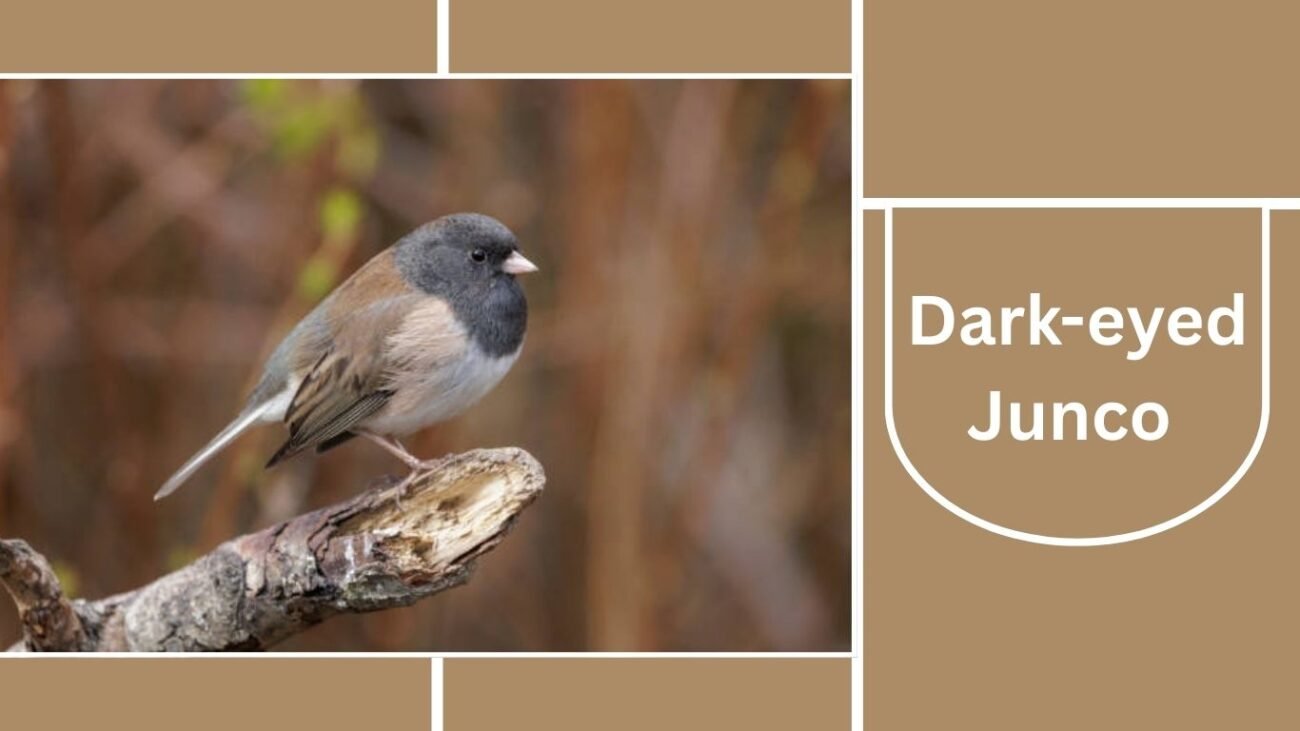
The Dark-eyed Junco is a small sparrow-like bird that appears in large flocks during winter in Colorado. The slate-colored form is the most widespread, recognized for its simple yet elegant black, white, and gray plumage.
Identification
- Size: 5.5–6.3 inches long
- Color: Slate-gray head, back, and chest with a clean white belly
- Wings: Gray with subtle shading
- Tail: Long with distinctive white outer feathers that flash in flight
- Bill: Small, pale pinkish
Habitat
These juncos prefer open woodlands, forest edges, parks, and backyards. They are especially common at feeders during colder months.
Behavior
They forage mostly on the ground, hopping around in search of seeds. In winter, they form flocks and are often seen scratching the ground beneath feeders.
Diet
Their diet consists mainly of seeds, grains, and small insects. At feeders, they favor millet, cracked corn, and sunflower seeds.
7. Black-and-white Warbler
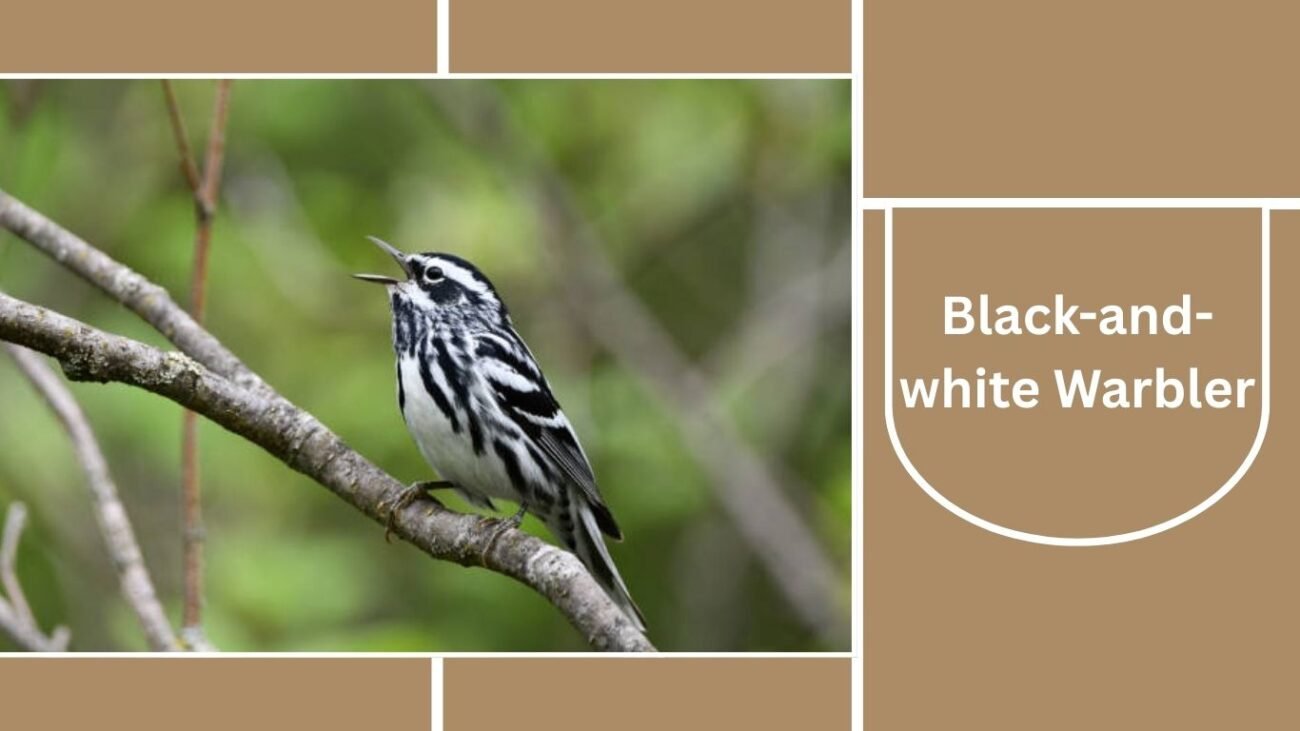
The Black-and-white Warbler is a striking little bird with bold stripes that make it stand out among Colorado’s spring and summer visitors. Unlike most warblers, it behaves more like a nuthatch, creeping along tree trunks and branches while searching for insects.
Identification
- Size: 4.3–5.1 inches long
- Color: Black-and-white striped head, back, and underparts
- Wings: Black with white barring
- Tail: Black with white edges
- Bill: Slightly curved, adapted for probing bark
Habitat
During migration and summer, they can be found in deciduous and mixed forests, especially near streams and wooded edges.
Behavior
Black-and-white Warblers forage by creeping up, down, and around tree trunks, often moving quickly and methodically. Their high-pitched, squeaky song is a key way to detect them.
Diet
Their diet mainly consists of insects and spiders, which they glean from tree bark and foliage.
8. Loggerhead Shrike
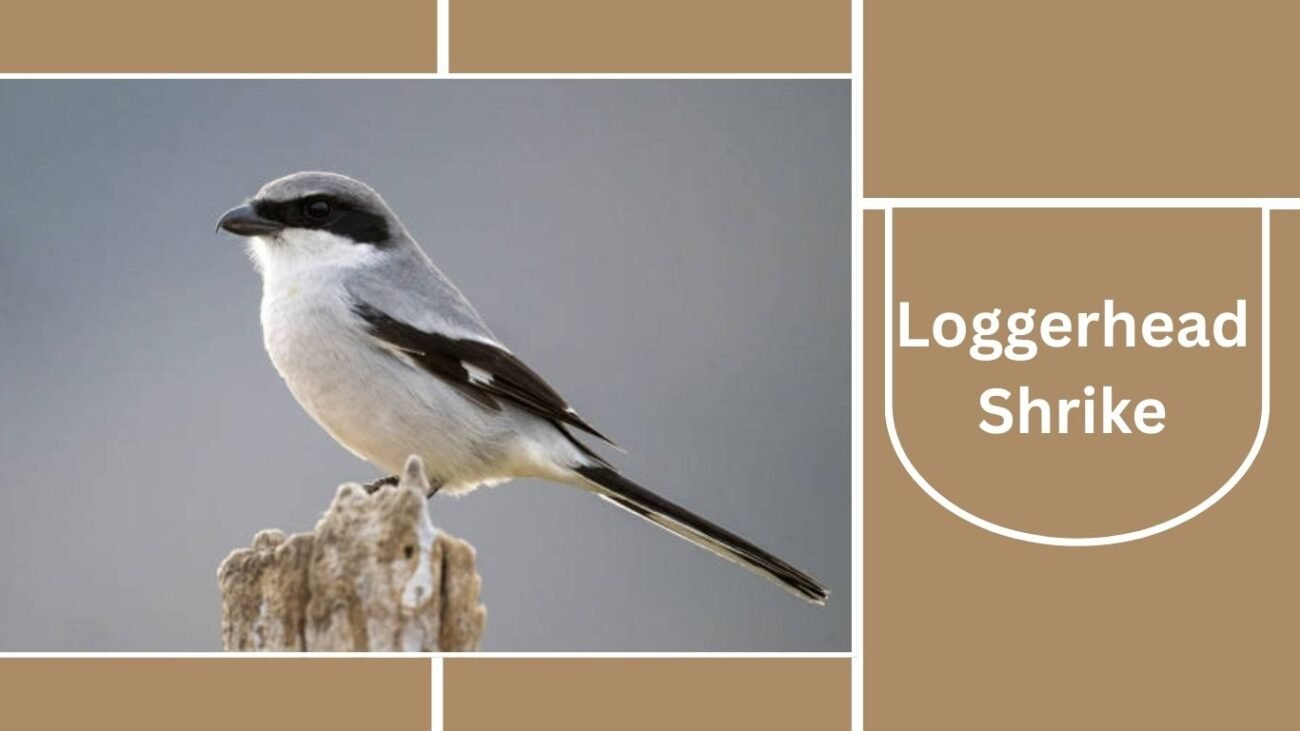
The Loggerhead Shrike is a unique black, white, and gray bird found in open areas of Colorado. Nicknamed the “butcherbird,” it is known for its unusual hunting behavior of impaling prey on thorns or barbed wire. Despite its small size, it is a fierce predator.
Identification
- Size: 8.3–9.1 inches long
- Color: Gray back, black wings, and white underparts
- Head: Large with a bold black mask across the eyes
- Tail: Black with white edges
- Bill: Short, hooked, and raptor-like
Habitat
They thrive in grasslands, open shrublands, and agricultural fields with scattered perches for hunting.
Behavior
Loggerhead Shrikes hunt insects, small mammals, and even birds. They often perch in visible spots before swooping down on prey. Their habit of storing food on thorns is distinctive.
Diet
They feed on insects, small reptiles, rodents, and occasionally small birds, showcasing their carnivorous nature.
9. Mountain Chickadee
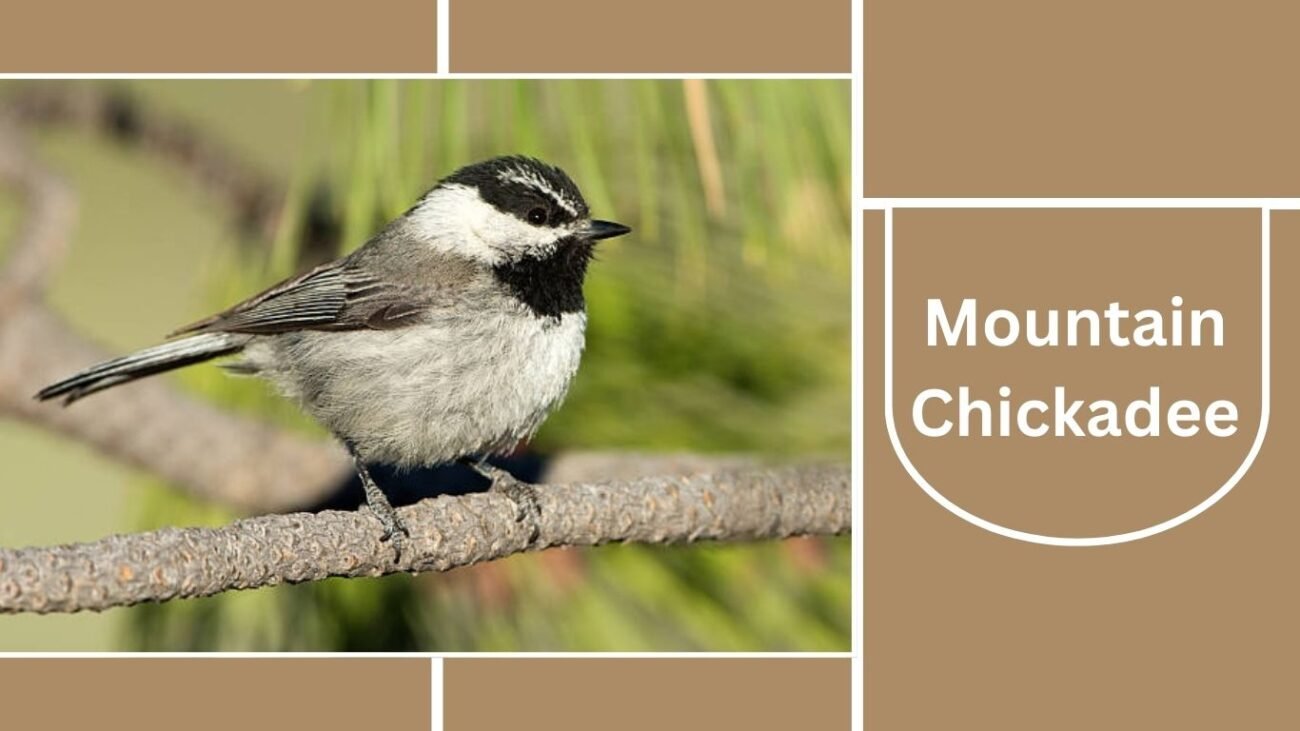
The Mountain Chickadee is a lively black, white, and gray songbird commonly seen in Colorado’s higher elevations. Known for its quick movements and distinctive “chicka-dee-dee” calls, it is easily recognized by the bold white stripe above its eye.
Identification
- Size: 4.3–5.5 inches long
- Color: Gray body with white underparts
- Head: Black cap and bib with a striking white eyebrow line
- Wings: Gray with pale edging
- Tail: Long, narrow, and gray with white outer feathers
Habitat
They are abundant in coniferous forests, mountain valleys, and woodlands, often found at feeders in mountainous residential areas.
Behavior
Mountain Chickadees are curious, agile, and often forage in small flocks. Like other chickadees, they store food in bark crevices for later use.
Diet
Their diet includes insects, spiders, seeds, and nuts. They frequently visit feeders for sunflower seeds and suet.
10. Northern Shrike
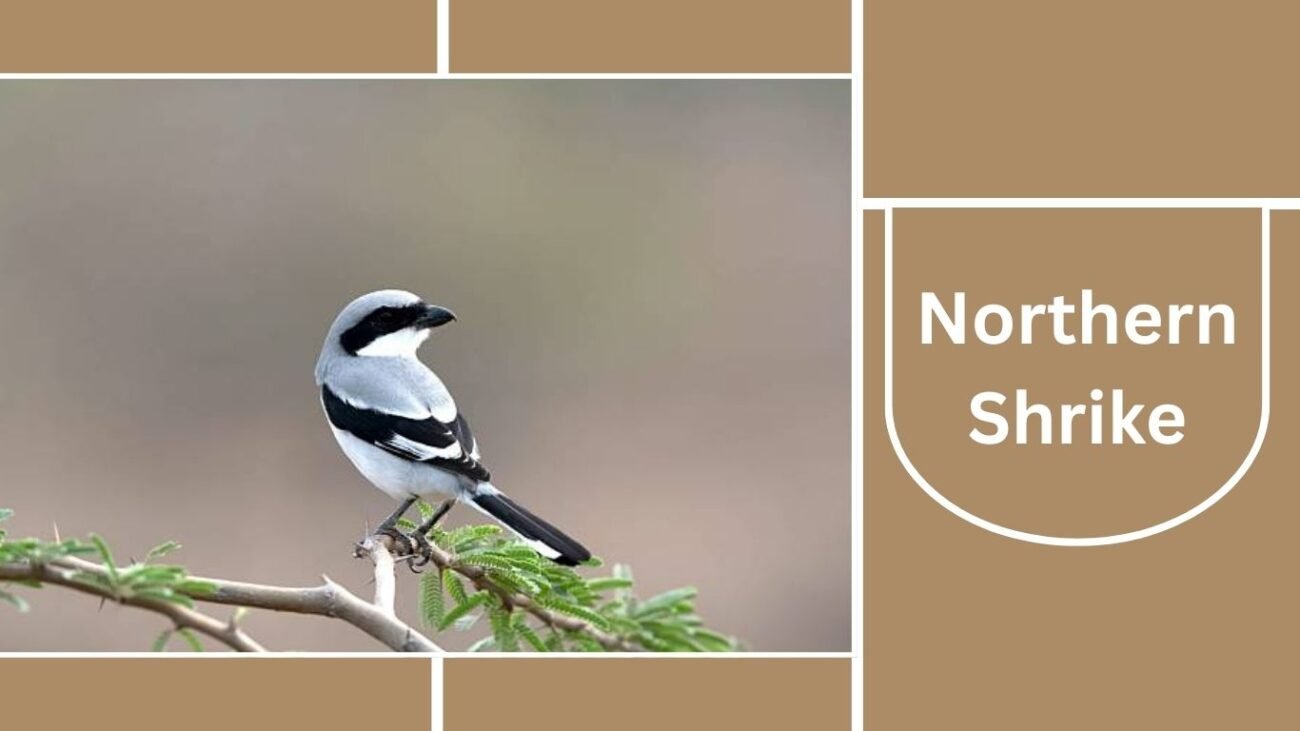
The Northern Shrike is a black, white, and gray predatory songbird that occasionally winters in Colorado. Similar to the Loggerhead Shrike, it is known for its bold hunting style and habit of storing prey on thorns or barbed wire.
Identification
- Size: 9.1–9.4 inches long
- Color: Gray back, black wings with white patches, and pale underparts
- Head: Black mask across the eyes with a slightly hooked bill
- Tail: Long and black with white edges
- Bill: Strong, hooked at the tip
Habitat
They favor open habitats such as shrublands, prairies, farmlands, and forest edges, often choosing perches with wide visibility for hunting.
Behavior
Northern Shrikes are solitary hunters, perching conspicuously before swooping on prey. They use their hooked bill to capture small animals and often impale prey for storage.
Diet
Their diet includes insects, small mammals, birds, and reptiles, making them one of the few songbirds with a predatory lifestyle.