Black birds with white bellies are among the most eye-catching species found across the world. Their sharp contrast of dark upperparts and bright underparts makes them easy to identify and a favorite among birdwatchers. From the lively Willie Wagtail of Australia to the elegant Dark-eyed Junco of North America, these birds thrive in diverse habitats, each with unique behaviors, calls, and feeding habits that make them fascinating to observe.
1. Black Phoebe
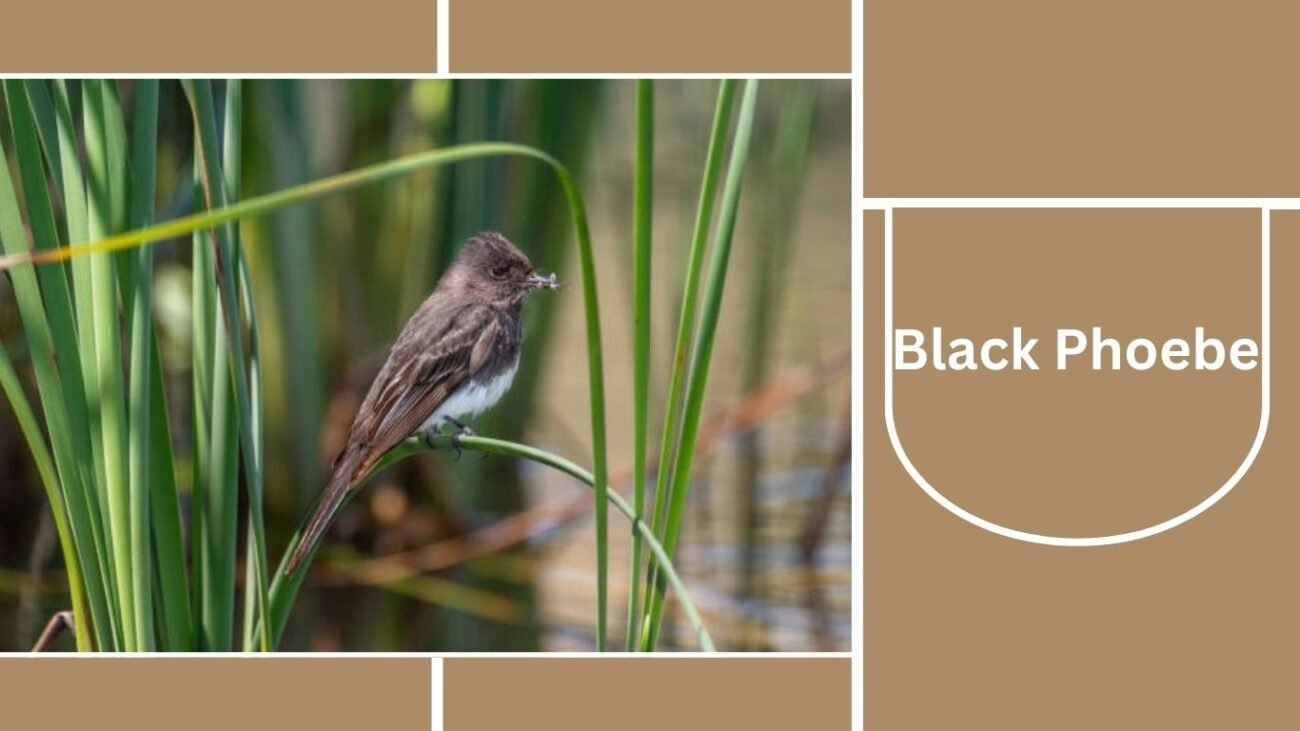
The Black Phoebe is a small, flycatcher bird commonly found near water sources across the western United States, Central America, and parts of South America. Recognizable by its striking black plumage contrasted with a clean white belly, it is often seen perching on low branches, fences, or rocks while waiting to dart out and catch flying insects.
Identification
- Size: 6–7 inches long
- Color: Black head, throat, back, and wings with a sharp white belly and undertail
- Bill: Thin and dark, suited for catching insects
- Tail: Medium-length and often wagged up and down
Habitat
Black Phoebes prefer open areas near water, such as rivers, ponds, and lakes. They also adapt well to human presence, often nesting on buildings, bridges, and other structures.
Behavior
These birds are skilled aerial hunters, darting quickly from perches to snatch insects mid-air. They are territorial and often return to the same feeding and nesting spots year after year.
Diet
Primarily insectivorous, Black Phoebes feed on flies, beetles, grasshoppers, and other flying insects. Occasionally, they may also eat small berries.
2. Eastern Kingbird
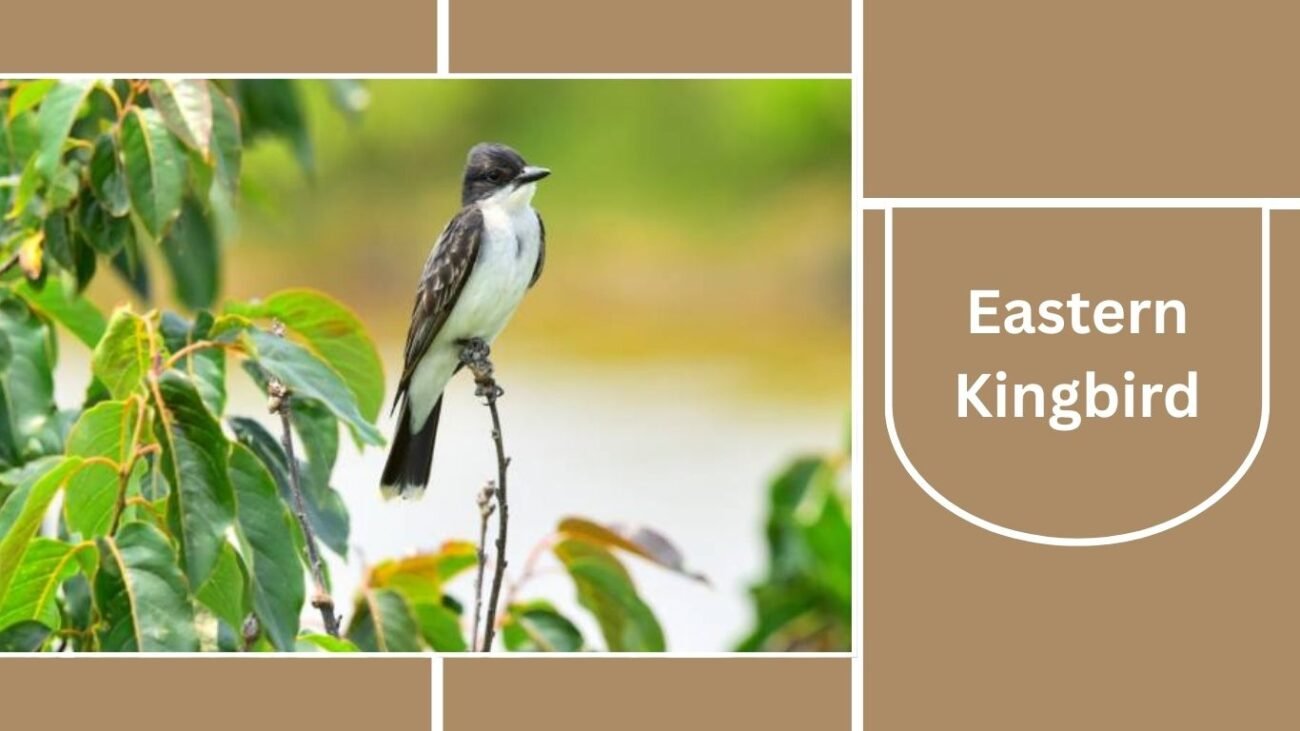
The Eastern Kingbird is a bold and striking songbird, easily recognized by its sharp black-and-white coloration and assertive behavior. It is widespread across North America during summer and is often seen perched conspicuously on wires or treetops, scanning for flying insects to catch.
Identification
- Size: 7.5–9 inches long
- Color: Black head, back, and wings with a bright white belly and chest
- Tail: Black with a distinct white terminal band
- Bill: Short and dark, perfect for snapping insects mid-flight
Habitat
Eastern Kingbirds inhabit open fields, forest edges, orchards, and areas near water. They prefer spots with tall perches to launch their hunting flights.
Behavior
Known for their aggressive defense of territory, these birds often chase away much larger species, including hawks. They perch upright and fly out swiftly to catch insects, returning to the same perch.
Diet
They primarily eat flying insects such as beetles, wasps, bees, and dragonflies. In late summer, berries and fruits also become an important food source.
3. Magpie-lark
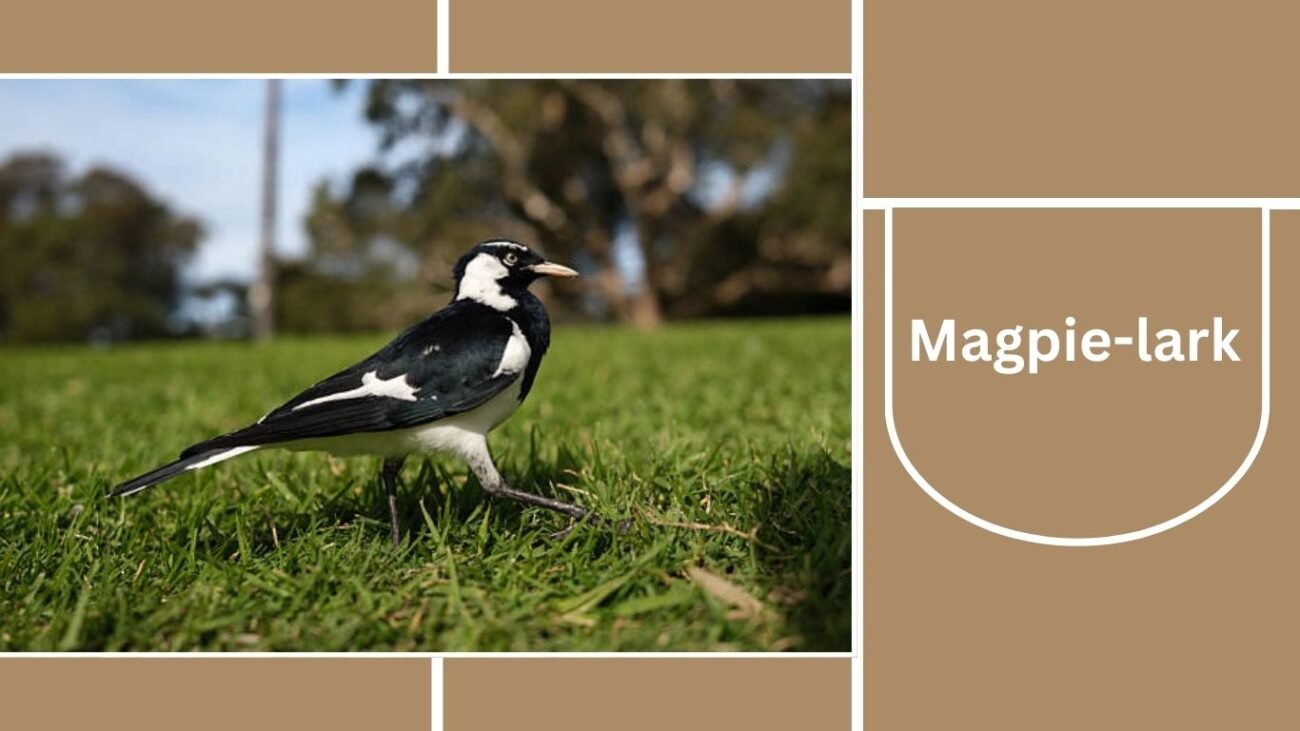
The Magpie-lark, also known as the Peewee or Mudlark, is a striking black-and-white bird native to Australia and southern New Guinea. Despite its name, it is not closely related to true magpies or larks but stands out with its bold plumage and loud calls.
Identification
- Size: 9.8–12 inches long
- Color: Glossy black upperparts with a bright white belly and face markings
- Male: Black throat and face
- Female: White throat with a black eye-stripe
- Bill: Pale gray, slender, and pointed
Habitat
Magpie-larks are commonly found in open woodlands, farmlands, urban parks, and backyards. They are highly adaptable and often nest near human settlements.
Behavior
They are territorial birds, often seen singing loud duets with partners. Known for building mud nests, they frequently engage in swooping displays to protect their nesting sites.
Diet
Their diet consists mainly of insects, spiders, worms, and other small invertebrates, which they forage from the ground.
4. White-breasted Nuthatch
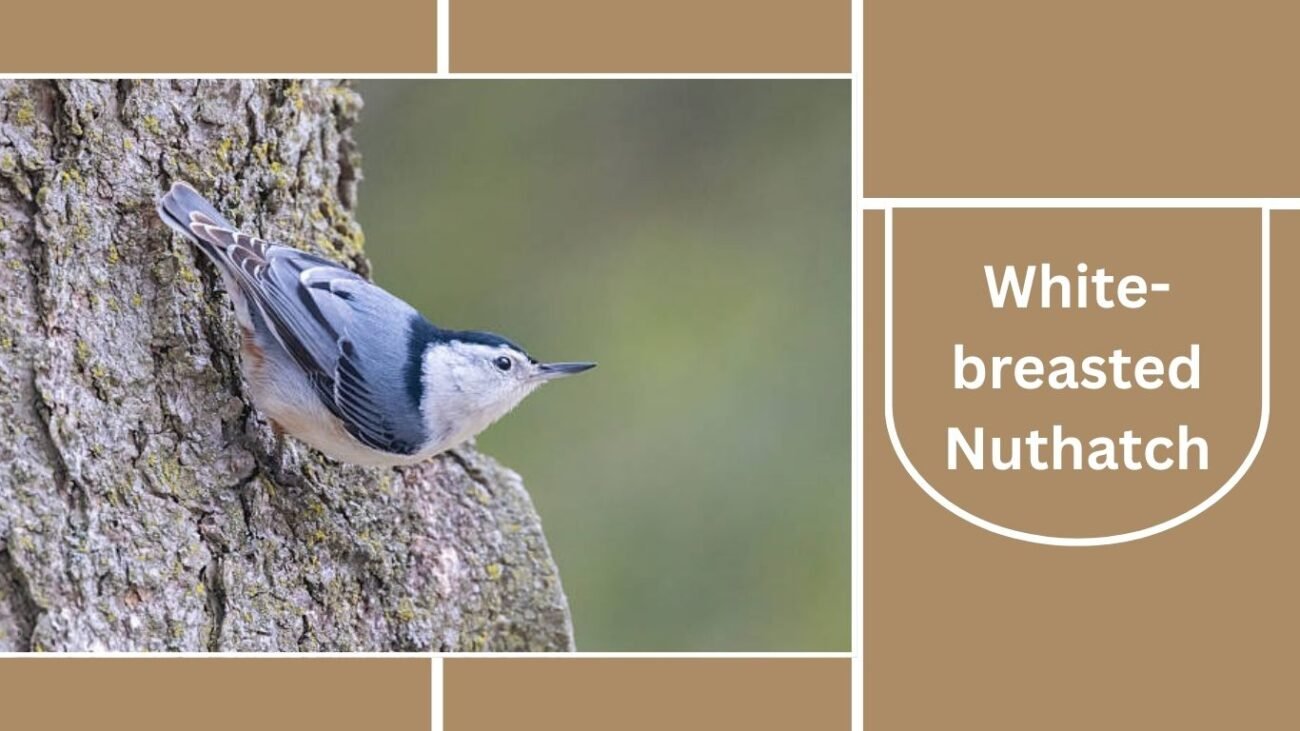
The White-breasted Nuthatch is a compact, energetic bird often seen creeping headfirst down tree trunks. It is one of the most common nuthatch species in North America and is easily identified by its black cap, gray back, and white underparts.
Identification
- Size: 5–6 inches long
- Color: Black cap and nape, bluish-gray back, and pure white face and belly
- Wings: Gray with black markings
- Bill: Long, thin, and slightly upturned
- Tail: Short with black and white patterning
Habitat
White-breasted Nuthatches inhabit deciduous forests, woodlots, and suburban areas with mature trees. They are frequent visitors to backyard feeders, especially in winter.
Behavior
They are agile climbers, often moving headfirst down tree trunks in search of food. These birds are territorial, especially during the breeding season, and often pair for life.
Diet
Their diet includes insects, beetles, caterpillars, and spiders in warmer months. During winter, they rely heavily on seeds and nuts, frequently caching food for later.
5. Willie Wagtail
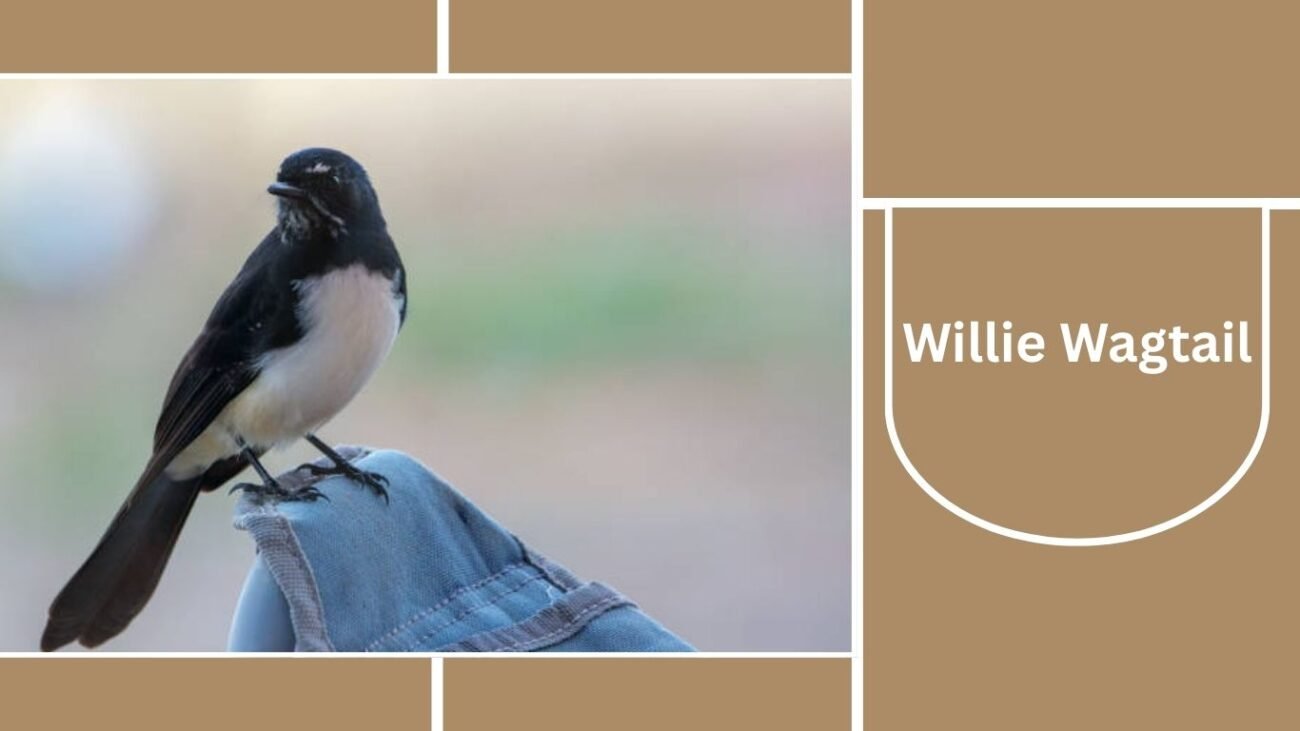
The Willie Wagtail is a lively black-and-white bird native to Australia, New Guinea, and nearby islands. It is named for its constant tail-wagging behavior and is well-loved for its cheerful presence and adaptability to human environments.
Identification
- Size: 7.5–8.3 inches long
- Color: Black head, throat, back, and wings with a bright white belly and eyebrows
- Tail: Long, black, and often fanned or wagged from side to side
- Bill: Short, dark, and pointed
Habitat
Willie Wagtails are highly adaptable and found in open habitats such as grasslands, parks, gardens, and farmlands. They avoid dense forests but thrive in areas where insects are abundant.
Behavior
These birds are active and bold, often darting after insects in mid-air. They wag their tails constantly, a signature behavior thought to flush out prey. Willie Wagtails are also territorial and will chase away much larger birds.
Diet
Their diet consists mainly of insects such as flies, beetles, grasshoppers, and moths. They also feed on small invertebrates found on the ground.
6. Black-and-white Warbler
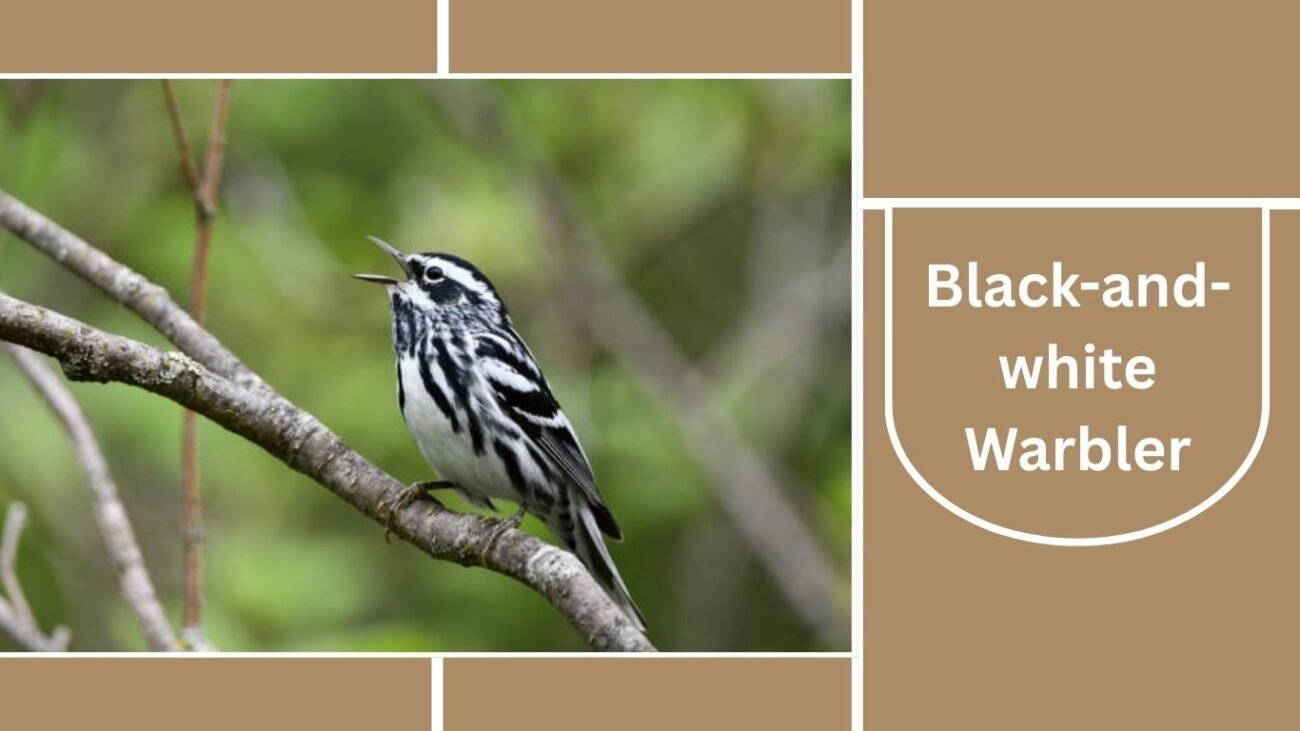
The Black-and-white Warbler is a small songbird native to North America, easily recognized by its bold black-and-white streaked plumage. Unlike most warblers, it behaves more like a nuthatch, creeping along tree trunks and branches in search of food.
Identification
- Size: 4.3–5.1 inches long
- Color: Black-and-white striped head, back, wings, and belly
- Bill: Thin, slightly curved, ideal for probing bark
- Legs: Strong, adapted for climbing
- Sexual Dimorphism: Males usually have darker, more defined streaks than females
Habitat
They breed in deciduous and mixed forests, especially where mature trees are abundant. During migration and winter, they can be found in a wide variety of wooded habitats.
Behavior
Black-and-white Warblers forage by creeping along tree trunks and branches, similar to woodpeckers and nuthatches. They are active, restless, and often solitary outside of the breeding season.
Diet
Their diet is mostly insects, including beetles, caterpillars, ants, and spiders, which they glean from bark and foliage.
7. Pied Wagtail
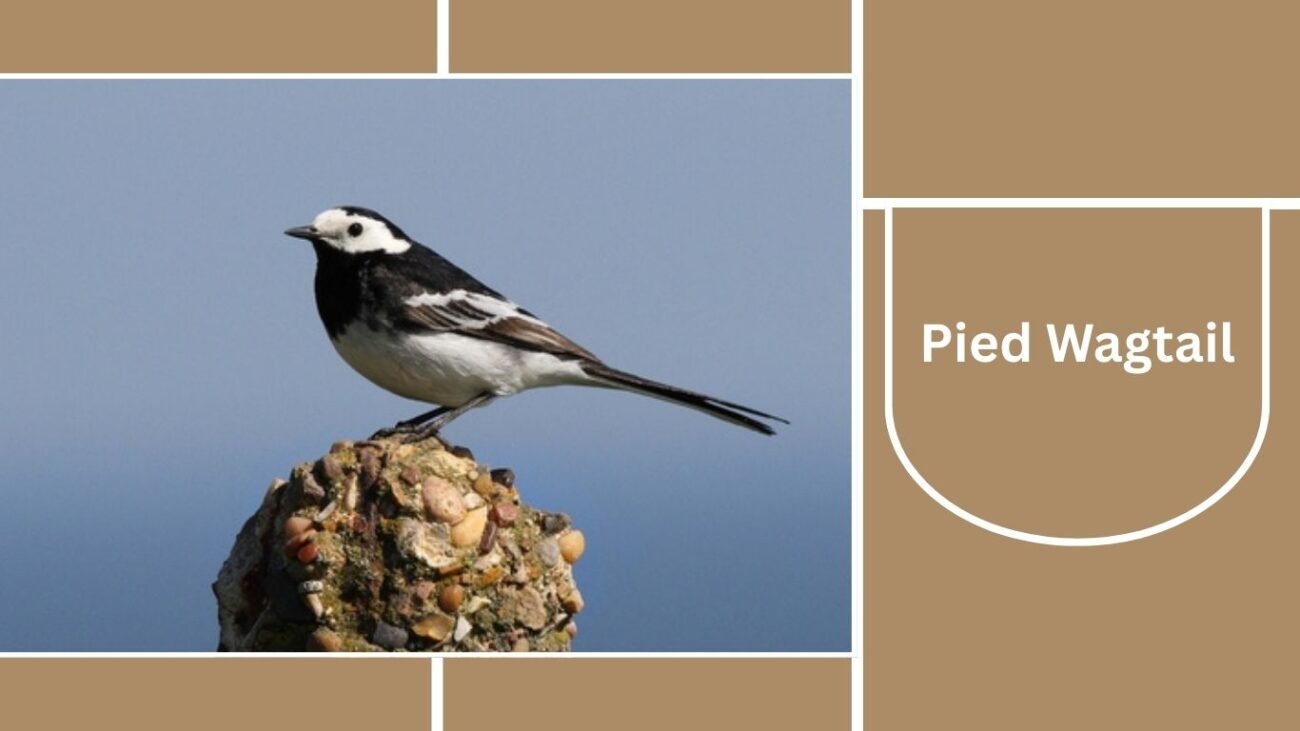
The Pied Wagtail is a graceful, slender bird widely distributed across Europe and Asia. Known for its constant tail-wagging motion, it is often seen running along the ground in open areas while searching for insects. Its striking black-and-white plumage makes it easy to identify.
Identification
- Size: 6.7–7.5 inches long
- Color: Black head, throat, and back with a clean white belly and face markings
- Wings: Black with white wing bars
- Tail: Long, black, constantly wagged up and down
- Seasonal Variation: In winter, plumage may appear grayer on the back
Habitat
Pied Wagtails prefer open country with access to water, including riverbanks, fields, and urban areas. They are often spotted in towns, farms, and even near car parks where insects are plentiful.
Behavior
They are active and restless, spending much of their time on the ground. Known for their tail-wagging, they frequently dart after insects in quick bursts of flight.
Diet
Their diet consists mainly of small insects such as flies, beetles, and caterpillars. They occasionally eat seeds, especially during colder months.
8. Black-billed Magpie
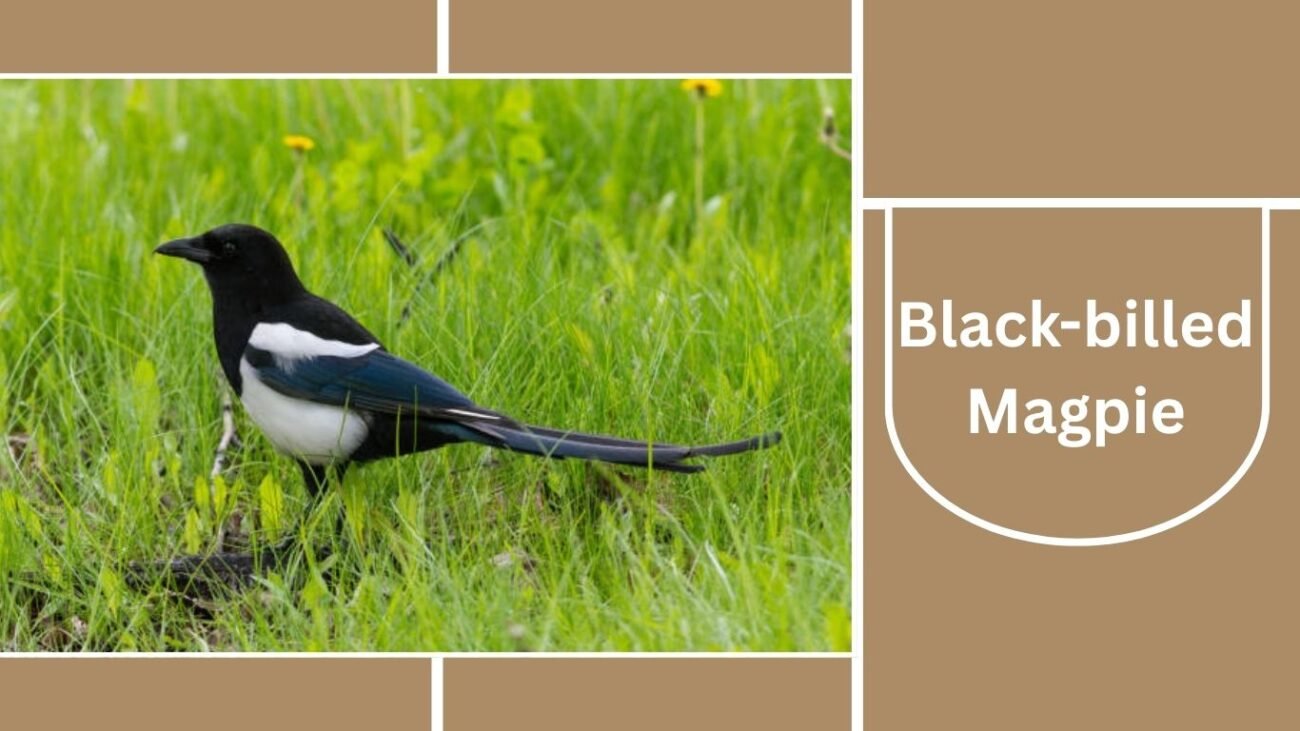
The Black-billed Magpie is a large, striking bird found in western North America. With its glossy black-and-white plumage and long tail, it is one of the most recognizable birds in its range. Known for its intelligence and loud calls, this bird often lives close to humans.
Identification
- Size: 17–24 inches long, including the long tail
- Color: Glossy black head, chest, back, and tail with a bright white belly and shoulders
- Wings: Black with iridescent blue-green highlights
- Bill: Strong, black, and slightly curved
- Tail: Very long and wedge-shaped
Habitat
Black-billed Magpies thrive in open country, farmlands, grasslands, and suburban areas. They are often seen perched on fences, trees, or even livestock.
Behavior
Highly social and intelligent, they often gather in noisy groups. They are opportunistic, known to steal food and cache items for later use. Their vocal calls and bold nature make them very noticeable.
Diet
Their diet is varied, including insects, carrion, fruits, seeds, and small animals. They also scavenge near human settlements.
9. Oriental Magpie Robin
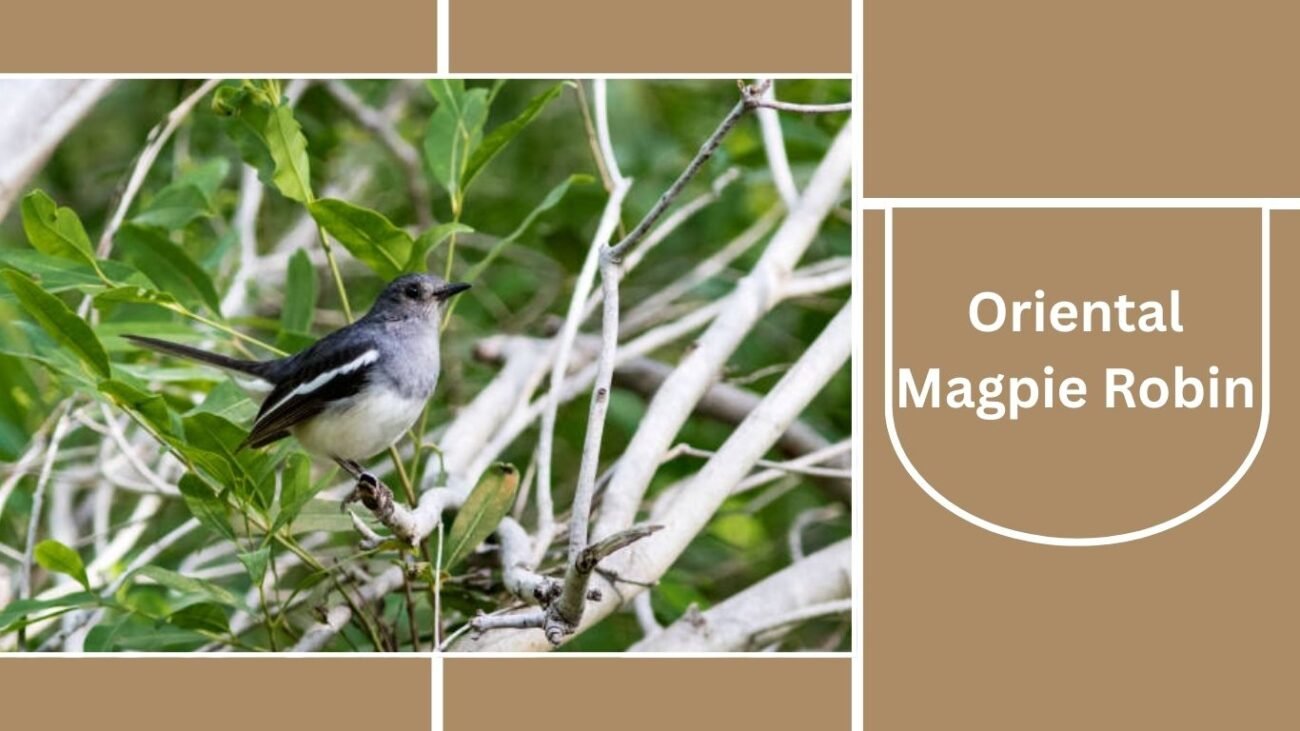
The Oriental Magpie Robin is a small yet striking songbird widely distributed across South and Southeast Asia. It is admired for its melodious singing and contrasting black-and-white plumage, often making it a favorite garden bird.
Identification
- Size: 7.5–9 inches long
- Color: Glossy black head, back, and throat with a bright white belly and wing patches
- Female: Grayer above with duller black tones
- Tail: Long, black, often held upright
- Bill: Slim, black, and slightly curved
Habitat
Oriental Magpie Robins thrive in gardens, forests, farmland, and urban areas. They are often seen perching on fences, rooftops, or low branches.
Behavior
They are active and territorial, frequently perching in prominent spots to sing loudly. Males are especially vocal during the breeding season and use song to attract mates and defend their territory.
Diet
Their diet includes insects, worms, and other small invertebrates. They also occasionally feed on fruits and berries.
10. Dark-eyed Junco (Slate-colored Form)
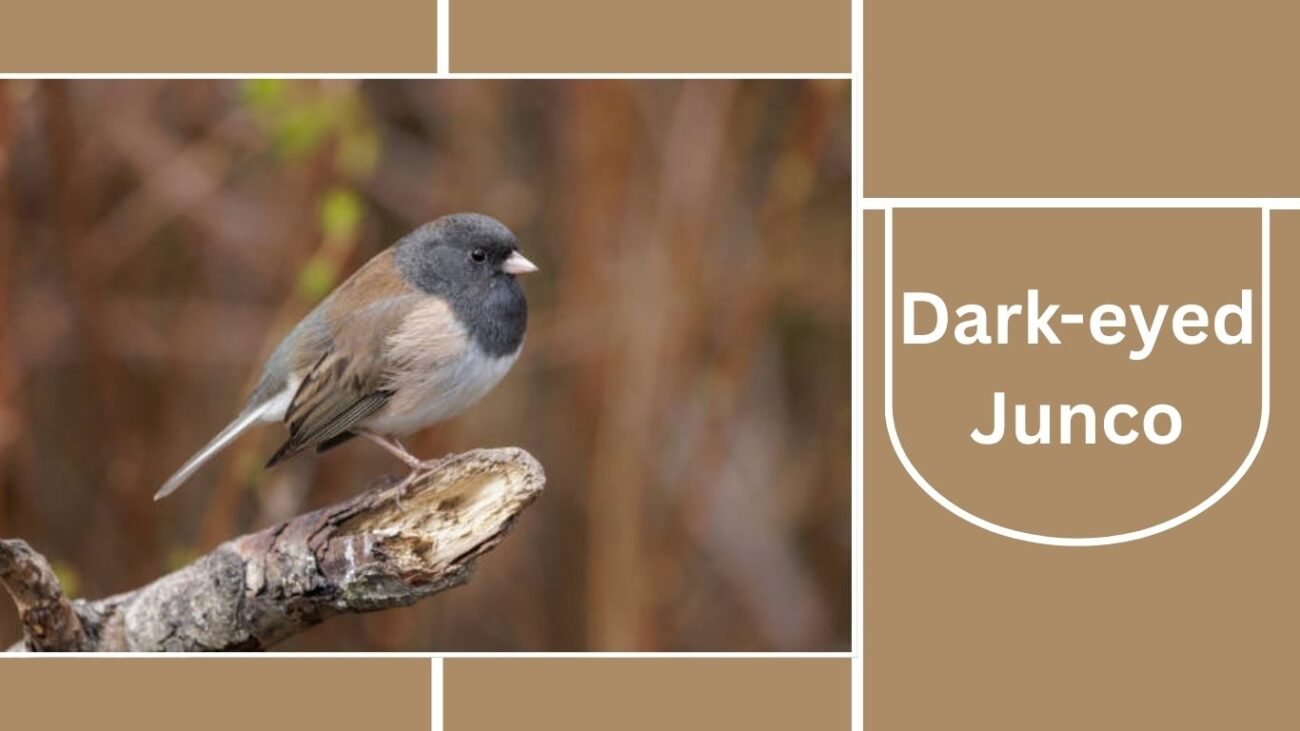
The Dark-eyed Junco is a familiar small sparrow-like bird found across much of North America. The slate-colored form, in particular, is well known for its dark upperparts contrasted with a clean white belly, giving it a striking appearance in winter flocks.
Identification
- Size: 5.1–6.9 inches long
- Color: Slate-gray head, back, and chest with a bright white belly
- Bill: Small, pale pink and conical
- Tail: Dark with prominent white outer feathers, noticeable in flight
- Sexual Dimorphism: Males appear darker, females may look browner
Habitat
Dark-eyed Juncos prefer coniferous and mixed forests but are also common in parks, gardens, and backyards during winter. They migrate southward in colder months, often appearing in large flocks.
Behavior
They are ground-feeding birds, often seen hopping around under feeders or scratching through leaf litter. They are active, social, and frequently form mixed-species flocks in winter.
Diet
Their diet includes seeds, weeds, and grasses, along with insects such as beetles and caterpillars during breeding season.