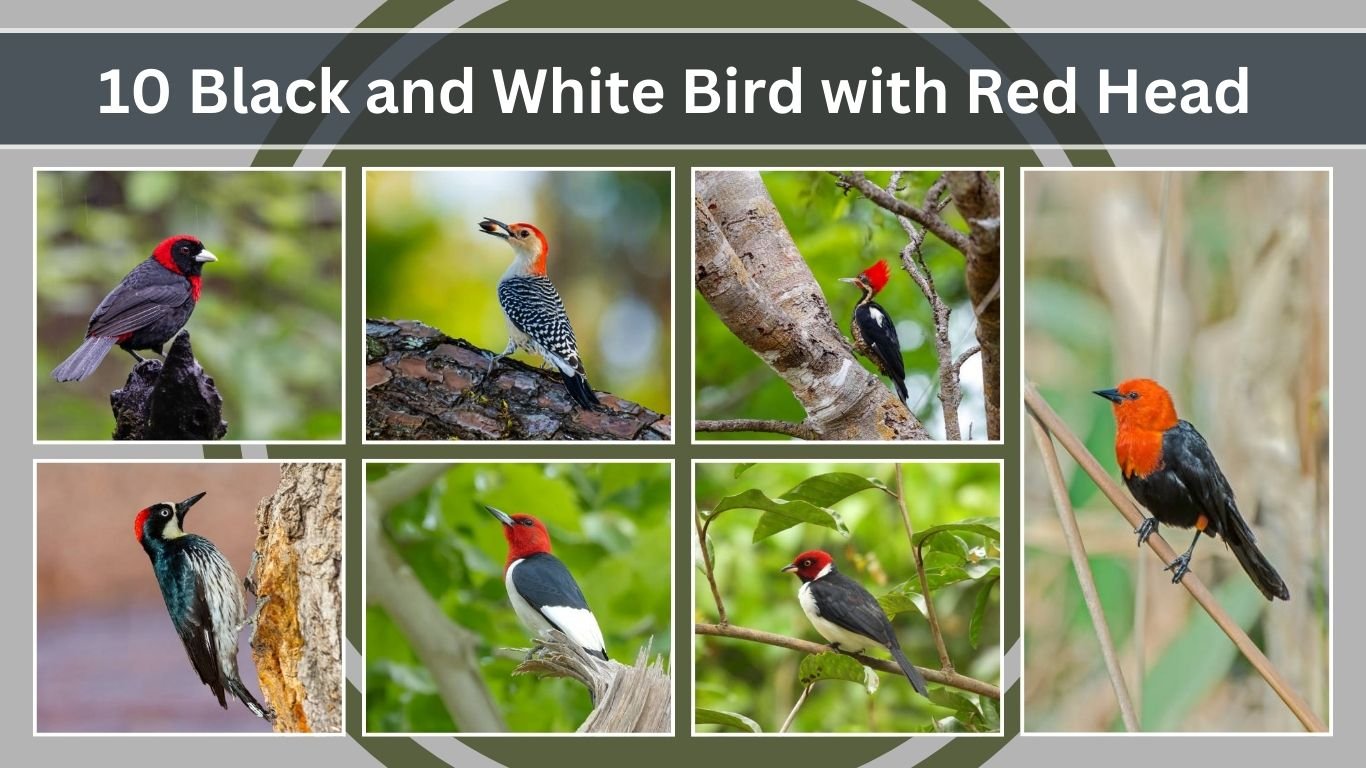
Birds with bold color contrasts always capture attention, and those combining black, white, and red are especially stunning. From woodpeckers to tanagers, these species display striking red heads paired with elegant black-and-white plumage. They are found in forests, wetlands, and gardens, each with unique habits and beauty. In this guide, we’ll explore ten remarkable black and white birds with red heads that bird lovers often admire.
1. Red-headed Woodpecker
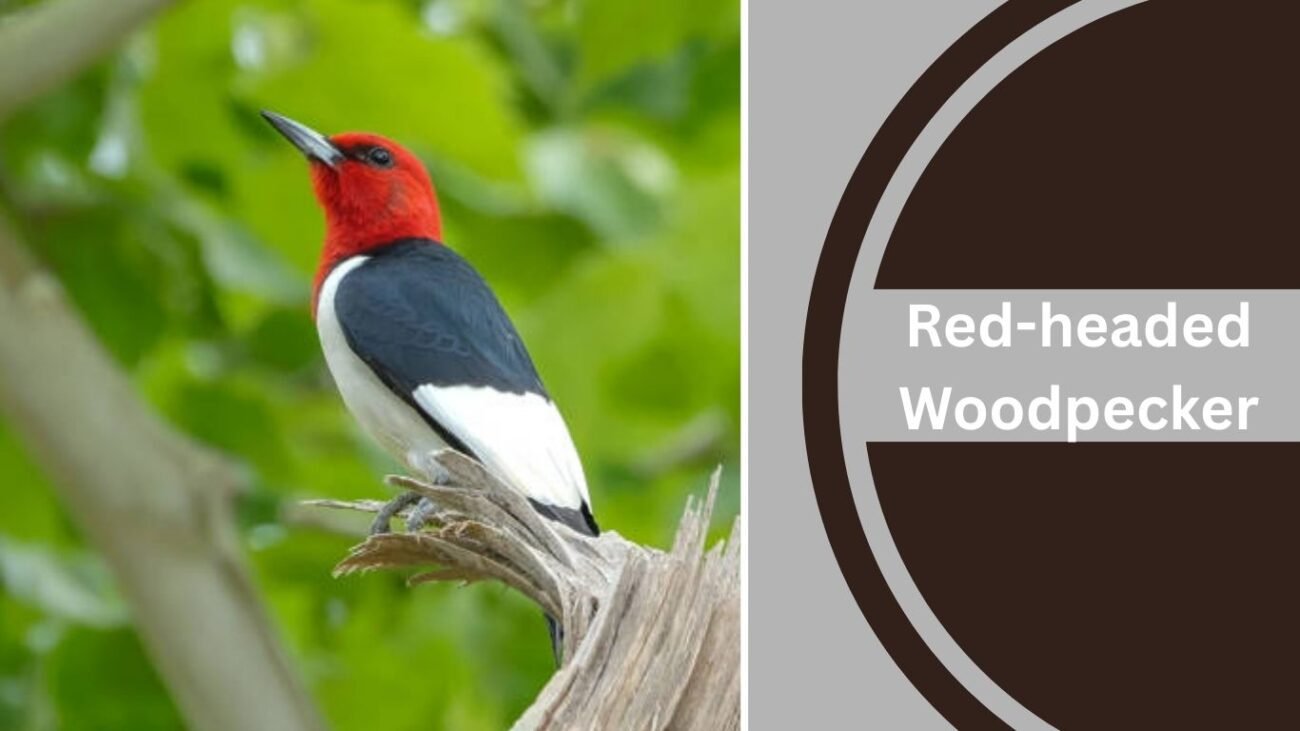
The Red-headed Woodpecker is a striking bird easily recognized by its bold colors. With a vivid red head, contrasting black back, and pure white underparts, it stands out among woodland birds. Known for its loud calls and energetic drumming, this woodpecker is often seen perching on tree trunks or flying with a flashing pattern of black and white wings.
Identification
- Size: Around 7.5–9.1 inches long
- Head: Bright, solid red
- Body: White underparts and rump
- Wings: Black with large white patches
- Bill: Strong, chisel-like for drilling wood
Habitat
This bird is found in open woodlands, orchards, and groves, particularly where dead trees are available for nesting.
Behavior
Red-headed Woodpeckers are territorial and often aggressive, defending their feeding and nesting sites. They are skilled at catching insects mid-air and also store food in tree crevices.
Diet
Their diet is varied, including insects, nuts, seeds, and fruits. They are one of the few woodpeckers known for caching food for later use.
2. Acorn Woodpecker
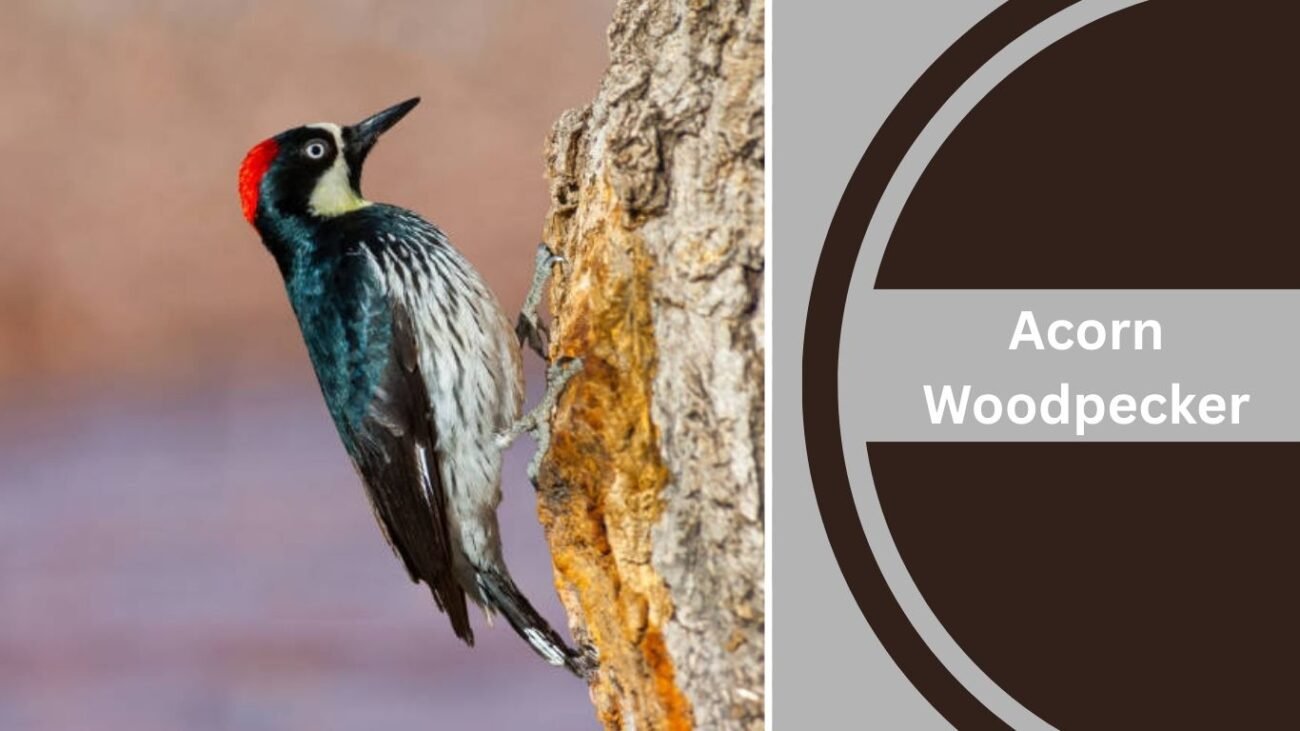
The Acorn Woodpecker is a lively and social bird recognized for its clown-like appearance. With a striking red crown, black-and-white patterned face, and glossy black body, it is one of the most unique woodpeckers in North America. These birds are famous for their habit of storing thousands of acorns in tree holes, fences, or even utility poles, creating what are called “granaries.”
Identification
- Size: About 7.5–9.1 inches long
- Head: Bright red crown with white forehead and black mask
- Body: Glossy black back and wings, white belly
- Face: Distinct black-and-white pattern
- Eyes: Bright white, giving them a distinctive look
Habitat
They inhabit oak woodlands, pine-oak forests, and suburban areas with large trees. They prefer regions where acorn-bearing trees are abundant.
Behavior
Highly social, Acorn Woodpeckers live in cooperative groups that share nesting and food storage duties. They often communicate with loud, laughing calls.
Diet
Their diet mainly consists of acorns, insects, and occasionally fruit. They rely heavily on their stored acorns during winter when other food is scarce.
3. Pileated Woodpecker
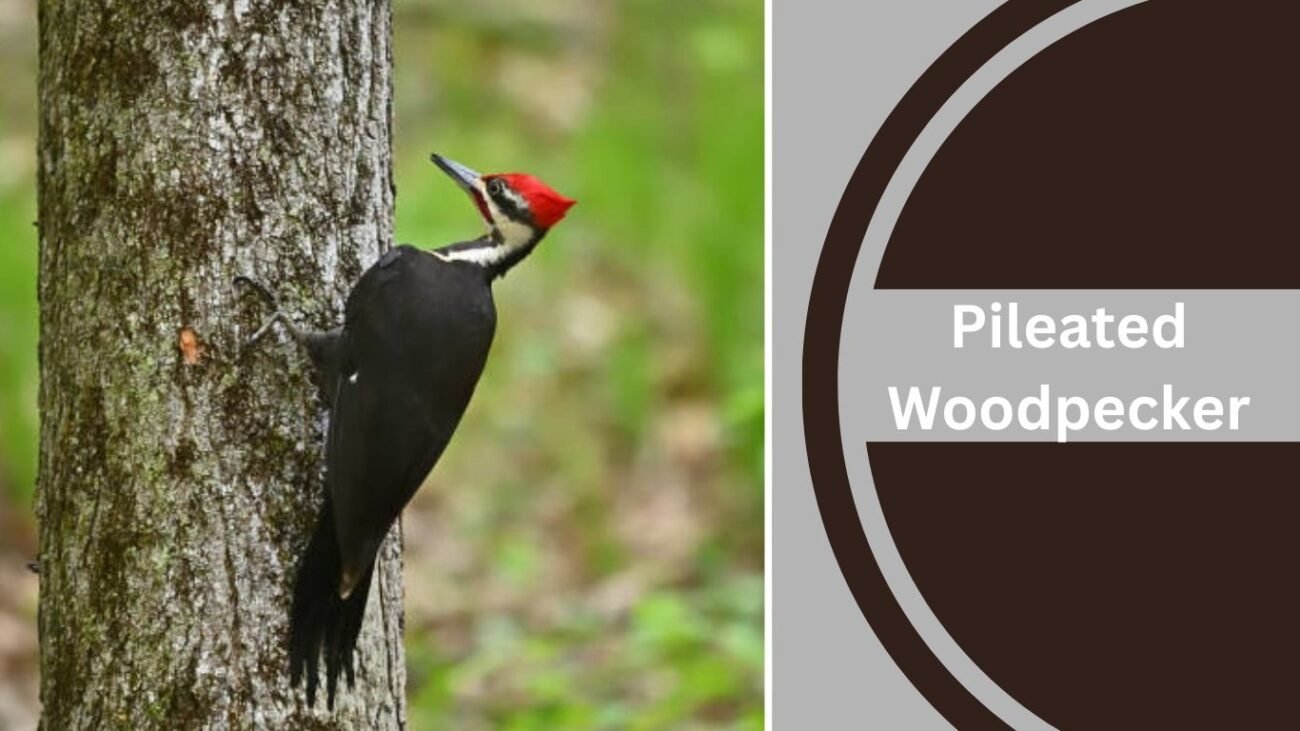
The Pileated Woodpecker is one of the largest woodpeckers in North America, instantly recognizable by its flaming red crest and bold black-and-white markings. Its loud, echoing calls and powerful drumming can be heard deep in the forest. This bird is often compared to the famous cartoon character Woody Woodpecker, which was inspired by its striking appearance.
Identification
- Size: About 16–19 inches long
- Head: Bright red crest with black-and-white stripes on the face
- Body: Mostly black with white underwings
- Wings: Large and broad, showing white flashes during flight
- Bill: Long and powerful, ideal for drilling large holes
Habitat
They prefer mature forests, wooded swamps, and large tracts of woodland with plenty of decaying trees for foraging and nesting.
Behavior
Pileated Woodpeckers are strong excavators, often leaving rectangular holes in trees while searching for carpenter ants and beetle larvae. They are usually seen alone or in pairs.
Diet
Their diet mainly includes carpenter ants, wood-boring beetles, fruits, and nuts. They also feed on berries and occasionally visit backyard suet feeders.
4. Red-bellied Woodpecker
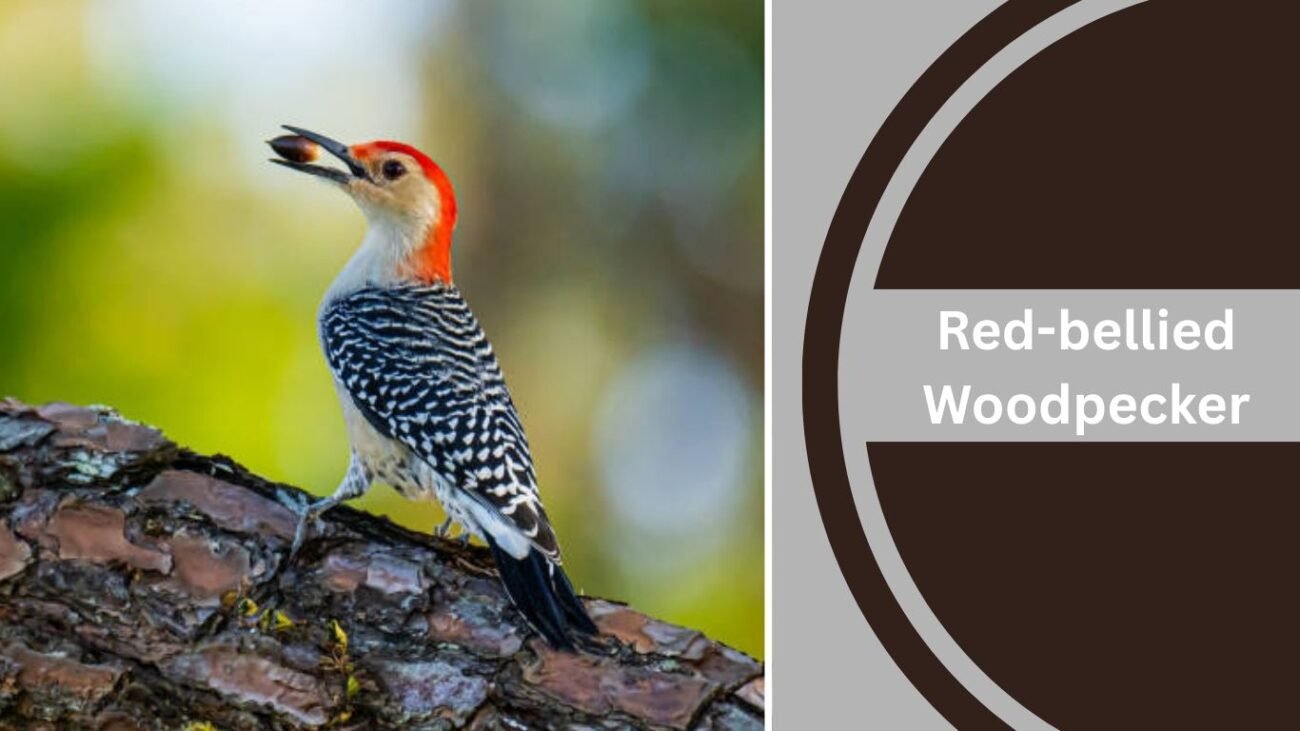
The Red-bellied Woodpecker is a medium-sized bird that often causes confusion due to its name. Despite being called “red-bellied,” the faint red patch on its lower belly is hard to see. What stands out most is its vibrant red crown and nape, combined with a striking black-and-white barred back. These birds are common visitors to feeders and are known for their rolling calls and climbing skills.
Identification
- Size: Around 9–10.5 inches long
- Head: Bright red crown and nape (more extensive in males)
- Back: Black and white horizontal barring
- Underparts: Pale with a faint reddish wash on the belly
- Bill: Strong and slightly curved
Habitat
They thrive in deciduous forests, woodlands, and suburban areas with plenty of mature trees. They are especially abundant in the eastern United States.
Behavior
Red-bellied Woodpeckers are agile climbers, often moving up tree trunks and branches in search of food. They are territorial and have a loud, rolling “churr” call that echoes through the woods.
Diet
Their diet is diverse, including insects, nuts, seeds, and fruits. At feeders, they particularly enjoy suet, sunflower seeds, and peanuts.
5. Crimson-collared Tanager
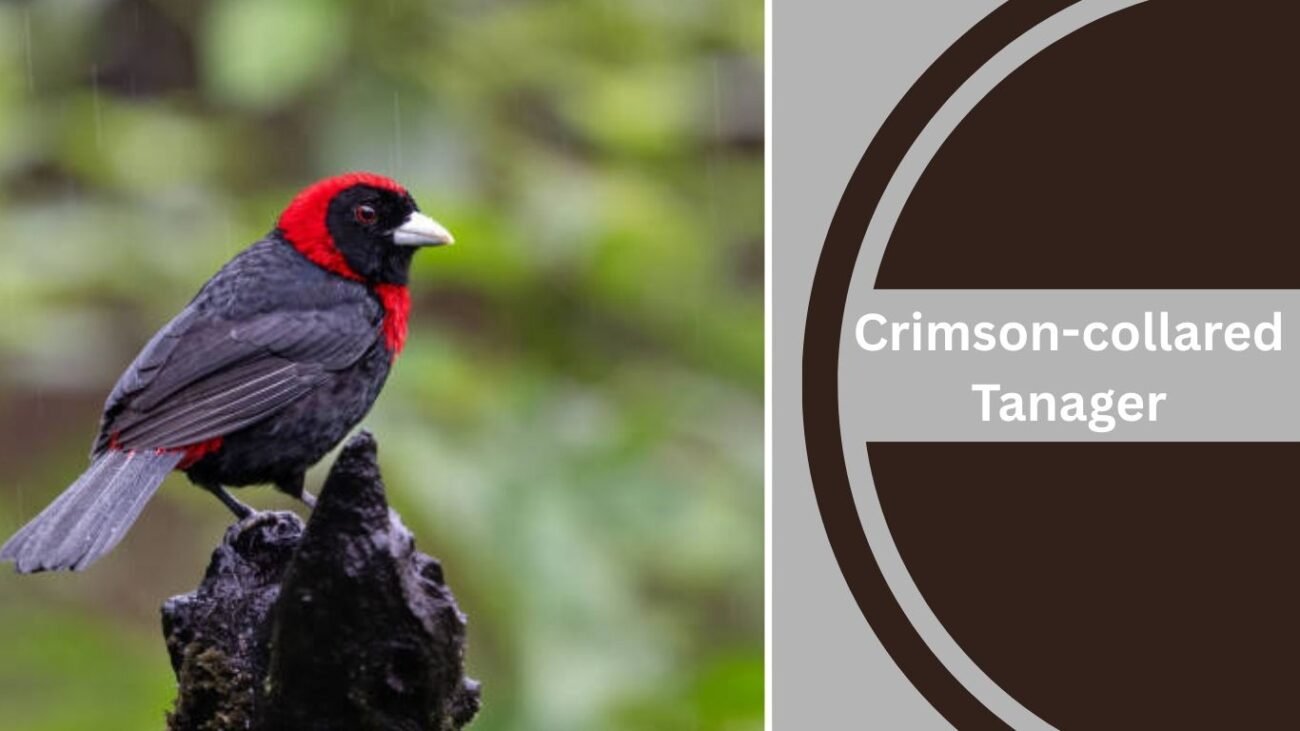
The Crimson-collared Tanager is a brilliantly colored bird found in Central America. Its vivid red head, neck, and chest contrast beautifully with its jet-black body, making it one of the most striking tanagers. Often seen in pairs or small groups, these birds are active foragers that bring a splash of color to the tropical forests they inhabit.
Identification
- Size: About 7–7.5 inches long
- Head & Chest: Bright crimson red
- Body: Deep black, including wings and tail
- Eyes: Dark with a sharp expression
- Bill: Thick, pale bluish-white
Habitat
They inhabit humid lowland forests, forest edges, and secondary growth areas, often staying in the mid-level to canopy zones.
Behavior
Crimson-collared Tanagers are active and often forage in pairs, moving quickly among branches. They are less shy than many other tanager species and are frequently seen near fruiting trees.
Diet
Their diet mainly consists of fruits and insects. They often pick berries and small fruits while also catching insects for added protein.
6. Rose-breasted Grosbeak
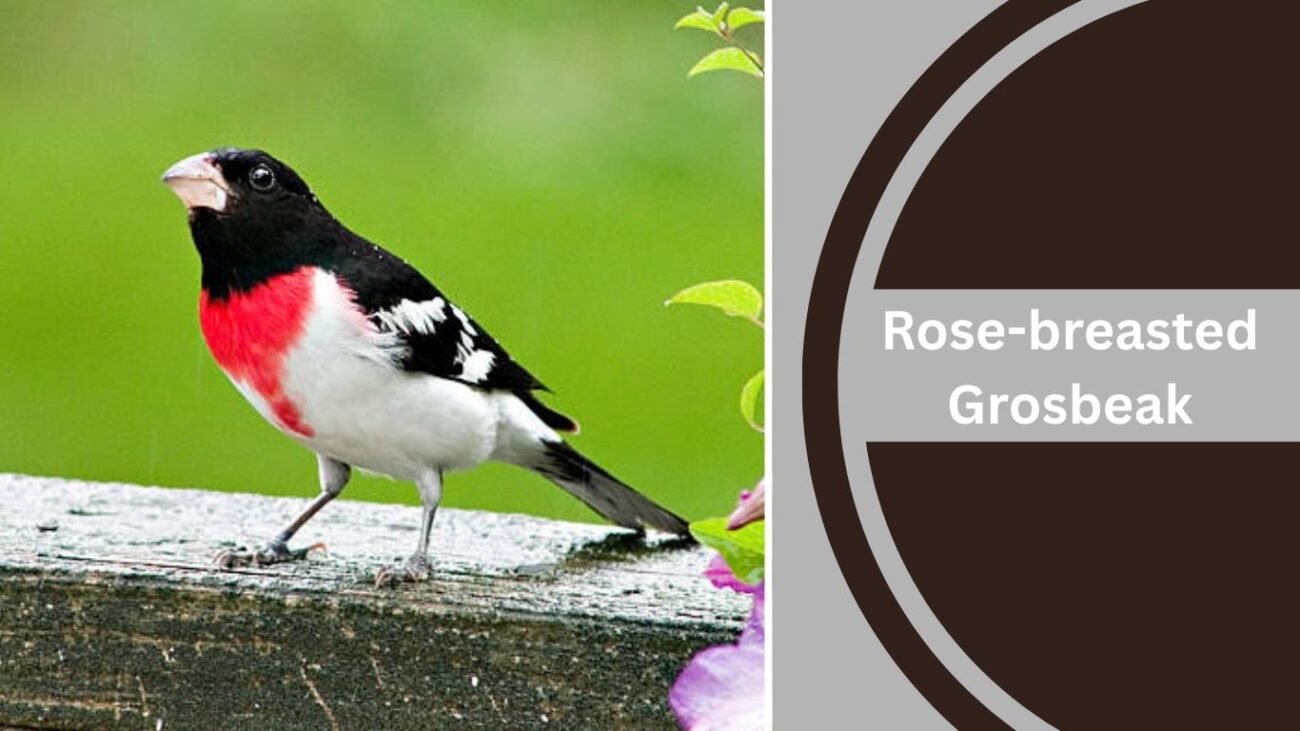
The Rose-breasted Grosbeak is a striking songbird, admired for its bold colors and melodic voice. The male is especially eye-catching with a bright red patch on its chest, black-and-white wings, and a contrasting red head and throat. These birds are often heard before they’re seen, singing sweet, robin-like songs in woodlands and gardens.
Identification
- Size: About 7–8 inches long
- Head: Black with red extending on the throat and chest (male)
- Body: White underparts with bold red breast patch
- Wings: Black with distinct white spots and patches
- Bill: Large, conical, and pale-colored
Habitat
They are commonly found in deciduous and mixed woodlands, forest edges, orchards, and gardens during the breeding season.
Behavior
Rose-breasted Grosbeaks are territorial during breeding but otherwise social, sometimes joining mixed flocks. They sing rich, melodious songs that resemble robins but are more fluid and musical.
Diet
Their diet includes insects, seeds, and fruits. At backyard feeders, they are particularly attracted to sunflower seeds and berries.
7. Scarlet-headed Blackbird
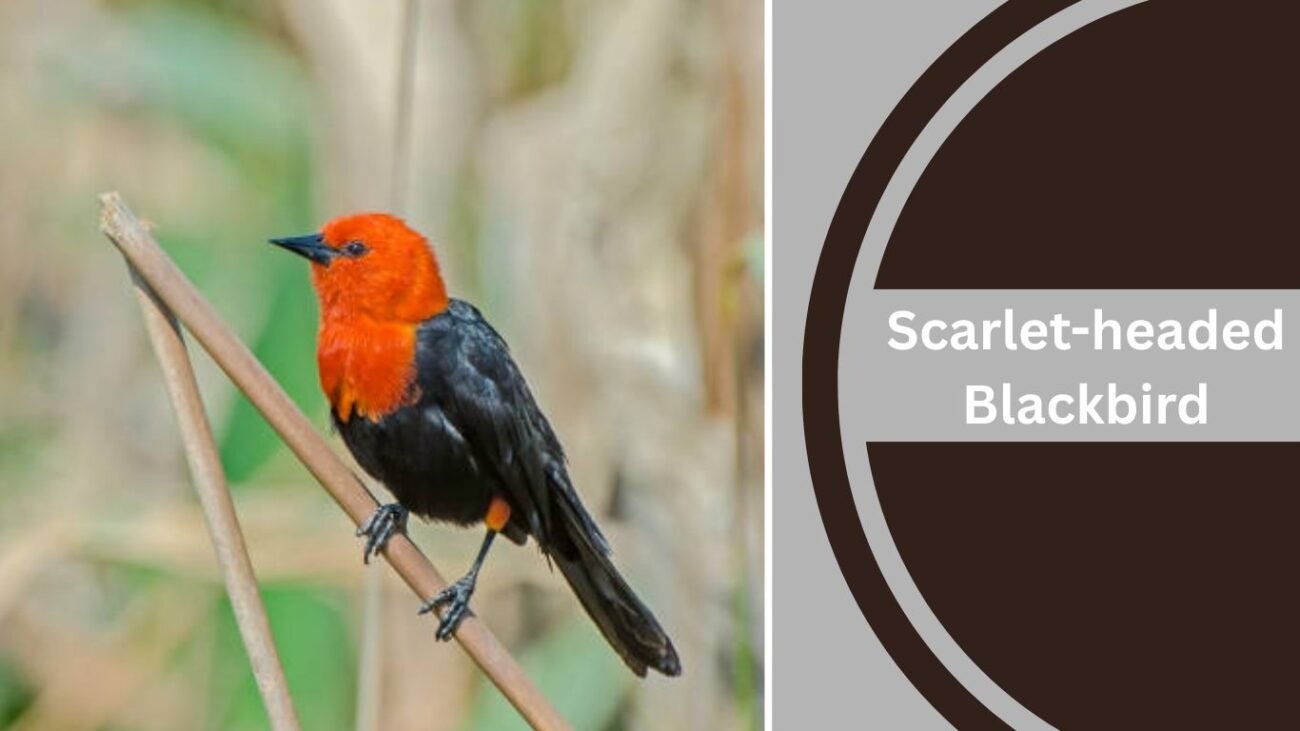
The Scarlet-headed Blackbird is a striking bird native to South America, instantly recognized by its brilliant red head and contrasting black body. Often seen perched on reeds or tall grasses in wetlands, this bird’s vibrant coloring and loud calls make it stand out in its habitat.
Identification
- Size: About 7.5–8.5 inches long
- Head & Throat: Bright scarlet red
- Body: Glossy black, including wings and tail
- Bill: Sharp and pointed, adapted for foraging
- Eyes: Dark with strong contrast to the red head
Habitat
They prefer marshes, wetlands, and reed-filled lakeshores, usually staying near water-rich areas with tall vegetation.
Behavior
Scarlet-headed Blackbirds are bold and vocal, often calling loudly while perched high on reeds. Males are territorial, especially during breeding, and they display their bright red plumage to attract females.
Diet
Their diet mainly includes seeds, insects, and small invertebrates. They often forage by probing among reeds and grasses for food.
8. Red-capped Cardinal
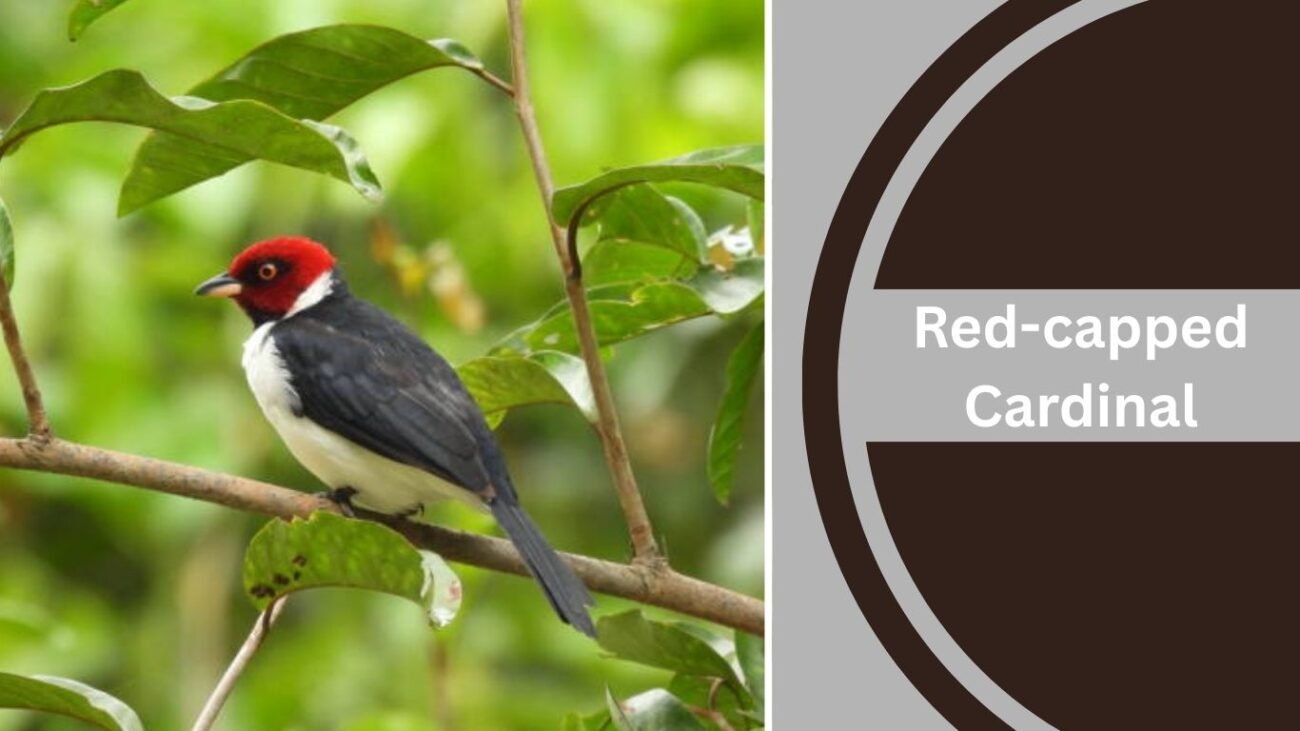
The Red-capped Cardinal is a colorful bird of South America, easily recognized by its vivid red head and contrasting black-and-white body. Found near rivers and wetlands, it adds brightness to its surroundings and is often spotted in pairs or small groups. Its striking plumage and active nature make it a favorite among bird enthusiasts.
Identification
- Size: Around 6–7 inches long
- Head: Brilliant red cap, face, and throat
- Body: Black upperparts and wings with white underparts
- Bill: Stout and pale-colored
- Eyes: Dark, standing out against the red head
Habitat
They are typically found near rivers, marshes, and lakeshores, often in tropical lowland forests and savannas.
Behavior
Red-capped Cardinals are active foragers, often seen hopping between branches or shrubs in search of food. They are social birds, frequently found in small flocks.
Diet
Their diet includes insects, seeds, and fruits. They are opportunistic feeders and often search for food along water edges.
9. Western Tanager
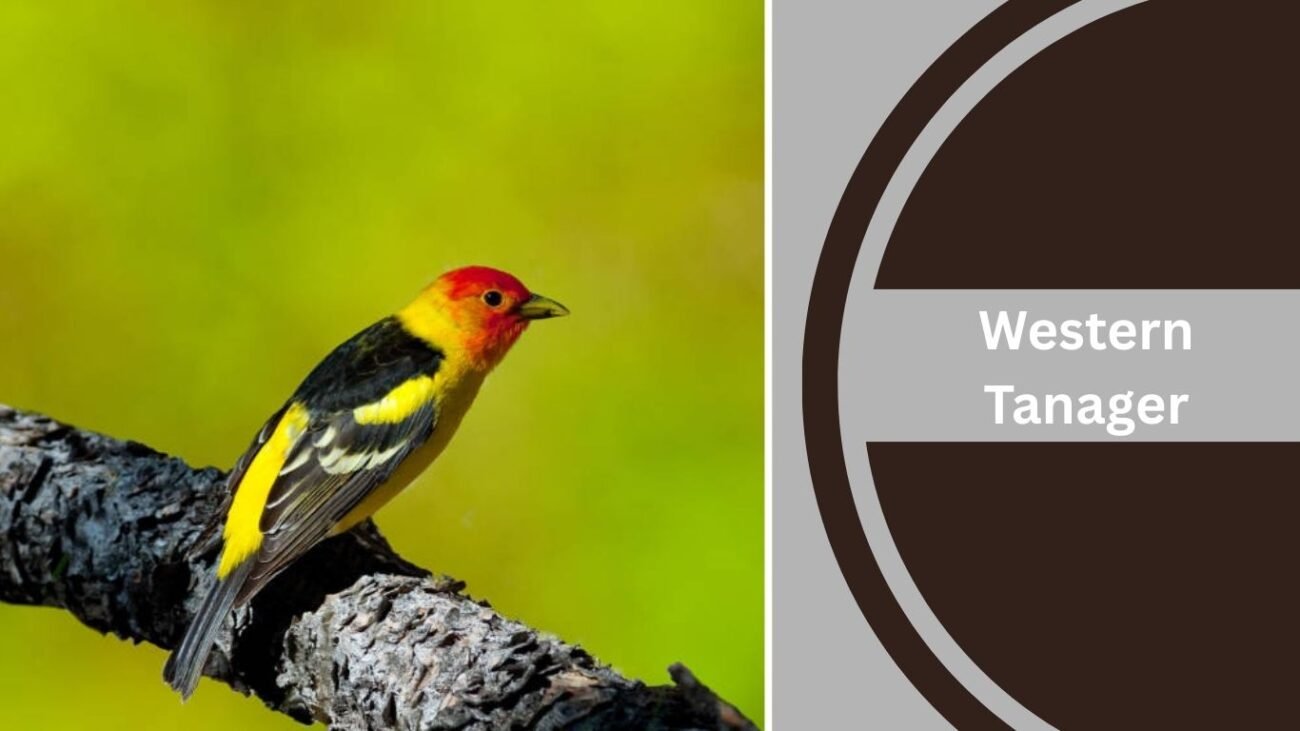
The Western Tanager is a colorful songbird of North America, admired for its fiery red head and striking black-and-white wings. Males display the brightest plumage during breeding season, making them stand out among the treetops. Their beauty, paired with their sweet, robin-like song, makes them a delight for bird watchers.
Identification
- Size: About 6.5–7.5 inches long
- Head: Bright red in breeding males
- Body: Yellow underparts with black upperparts
- Wings: Black with bold white wing bars
- Bill: Short, thick, and pointed
Habitat
They inhabit coniferous and mixed forests, especially during the breeding season. During migration, they can also be seen in open woodlands, orchards, and gardens.
Behavior
Western Tanagers are shy but active, foraging high in the canopy for insects and fruits. Males sing melodious, robin-like songs during the breeding season to attract females and defend territories.
Diet
Their diet consists of insects, fruits, and berries. They are adept at catching flying insects and also feed on caterpillars and beetles.
10. Crimson-crested Woodpecker
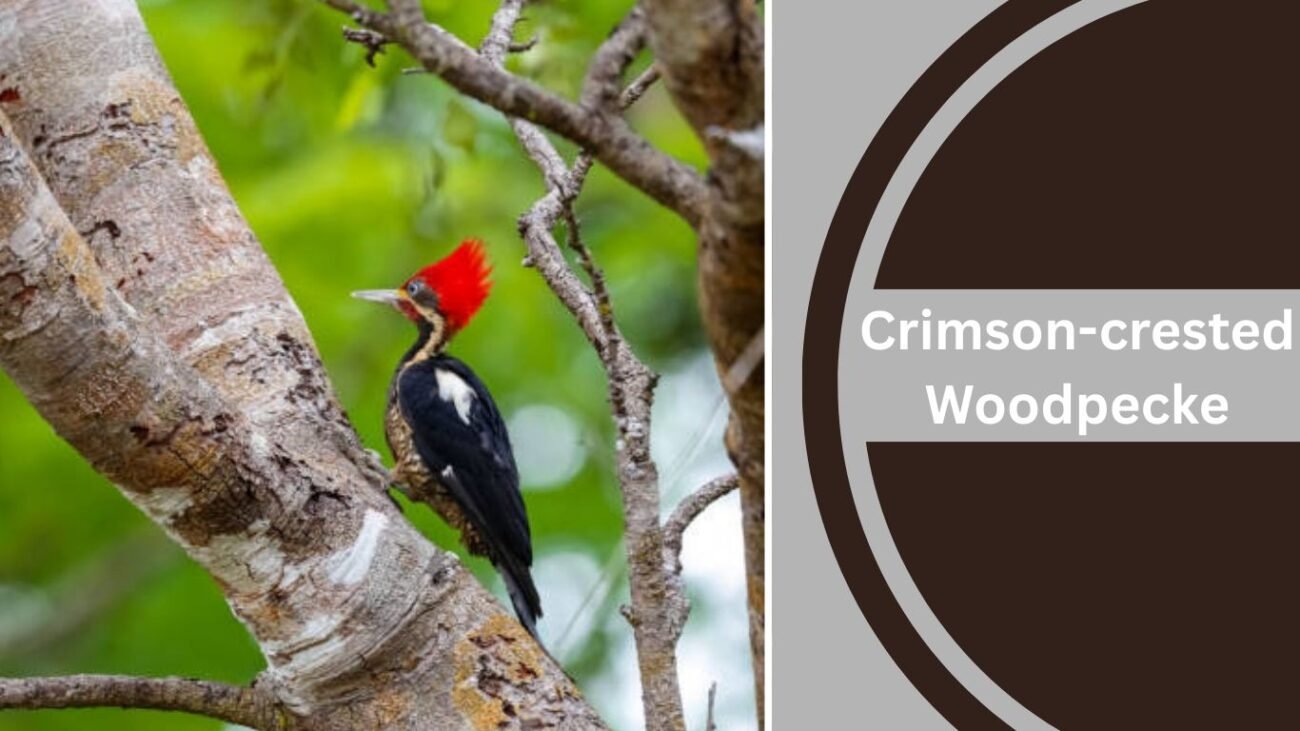
The Crimson-crested Woodpecker is a large, vibrant bird native to Central and South America. It is one of the most striking woodpeckers, recognized by its vivid red head and impressive size. Its loud calls and powerful drumming echo through tropical forests, making it an unforgettable presence in its habitat.
Identification
- Size: Around 13–15 inches long
- Head: Bright crimson red, including crest
- Body: Black upperparts with white markings on wings and back
- Underparts: White to pale with contrasting black
- Bill: Long, strong, and pale-colored
Habitat
They thrive in tropical lowland forests, rainforests, and woodland edges, often favoring areas with tall, mature trees.
Behavior
Crimson-crested Woodpeckers are energetic foragers, hammering into wood to extract insects and larvae. They are usually seen in pairs or small family groups, moving actively through the forest canopy.
Diet
Their diet includes ants, beetle larvae, termites, and other insects, along with some fruits and nuts. They are skilled excavators, leaving noticeable large holes in trees.
Do you want me to now create a title and intro for the full list (like we did with the butterflies and flowers)?