Black birds with white spots are some of the most striking species found in forests, wetlands, and even backyards. Their contrasting patterns make them easy to recognize and fascinating to observe. From the dazzling European Starling to the rainforest-dwelling Spotted Catbird, each bird has its own unique habits, calls, and habitats. In this guide, we’ll explore ten remarkable black-and-white spotted birds and learn how to identify them in the wild.
1. European Starling
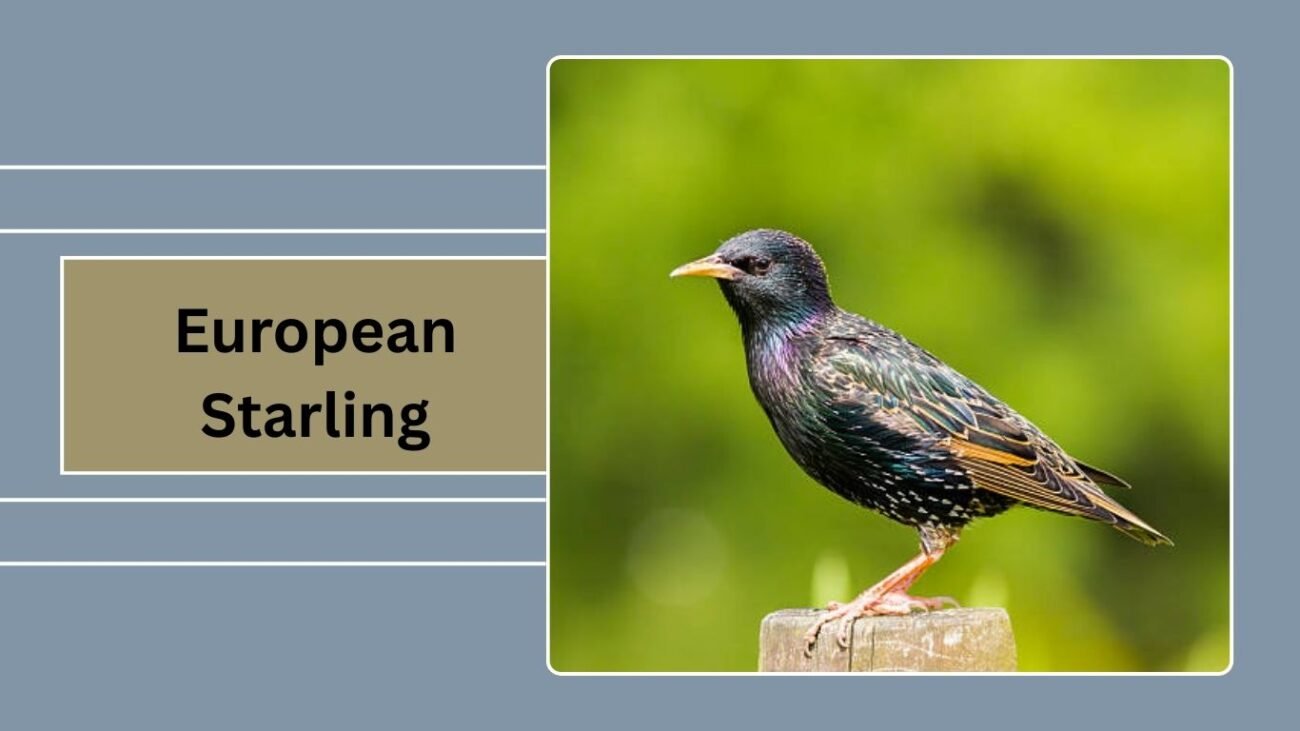
The European Starling is a medium-sized bird widely recognized for its glossy black feathers covered with white spots, especially noticeable during the winter months. Known for its adaptability and remarkable ability to mimic sounds, this bird is often seen in large flocks that create stunning aerial displays.
Identification
- Size: Around 8–9 inches long
- Color: Shiny black plumage with white spots in non-breeding season
- Beak: Yellow in summer, darker in winter
- Wings: Short and pointed with a triangular shape in flight
- Tail: Short and squared-off
Habitat
European Starlings thrive in open countryside, farmlands, grasslands, and urban areas. They are highly adaptable and often nest in buildings, trees, or nest boxes.
Behavior
They are social and often form large flocks, especially during migration. Their murmurations—synchronized flying patterns—are a breathtaking sight.
Diet
Their diet mainly consists of insects, fruits, seeds, and grains. In urban areas, they also scavenge for human food scraps.
2. Spotted Towhee
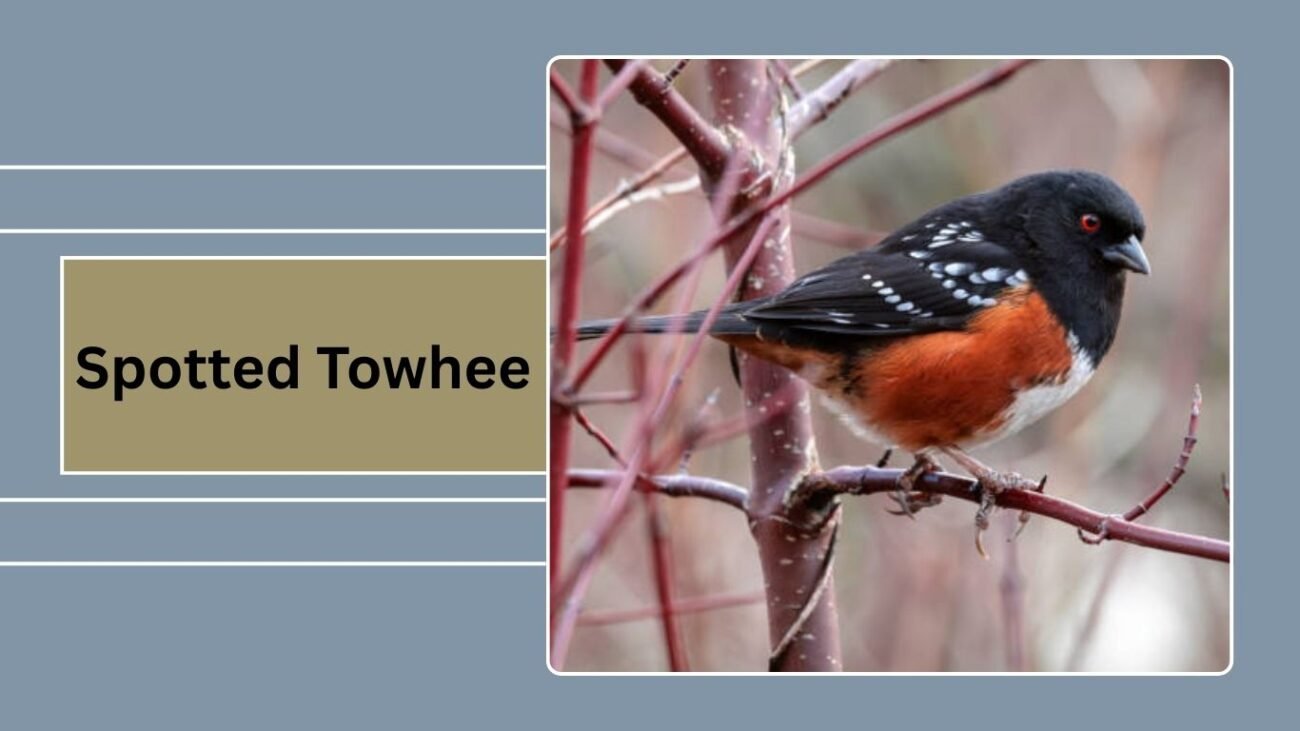
The Spotted Towhee is a striking songbird that stands out with its bold black plumage accented by bright white spots on its wings and back. It is well known for its distinctive scratching behavior on the ground and its clear, sharp call. This bird is often found in shrubby habitats where it forages close to the ground.
Identification
- Size: About 6.7–8.3 inches long
- Color: Black head, back, and wings with white spots and patches
- Underparts: Bright white belly with rufous sides
- Eyes: Deep red (in adults)
- Tail: Long, dark, with white corners visible in flight
Habitat
Spotted Towhees prefer dry, shrubby areas, forest edges, thickets, and overgrown fields. They are also common in backyards with dense vegetation.
Behavior
They forage by hopping and scratching the ground with both feet, searching for insects and seeds. Males sing from elevated perches during the breeding season to defend their territory.
Diet
Their diet consists mainly of insects, spiders, seeds, berries, and acorns. They readily visit bird feeders with seeds scattered on the ground.
3. Black-and-white Warbler
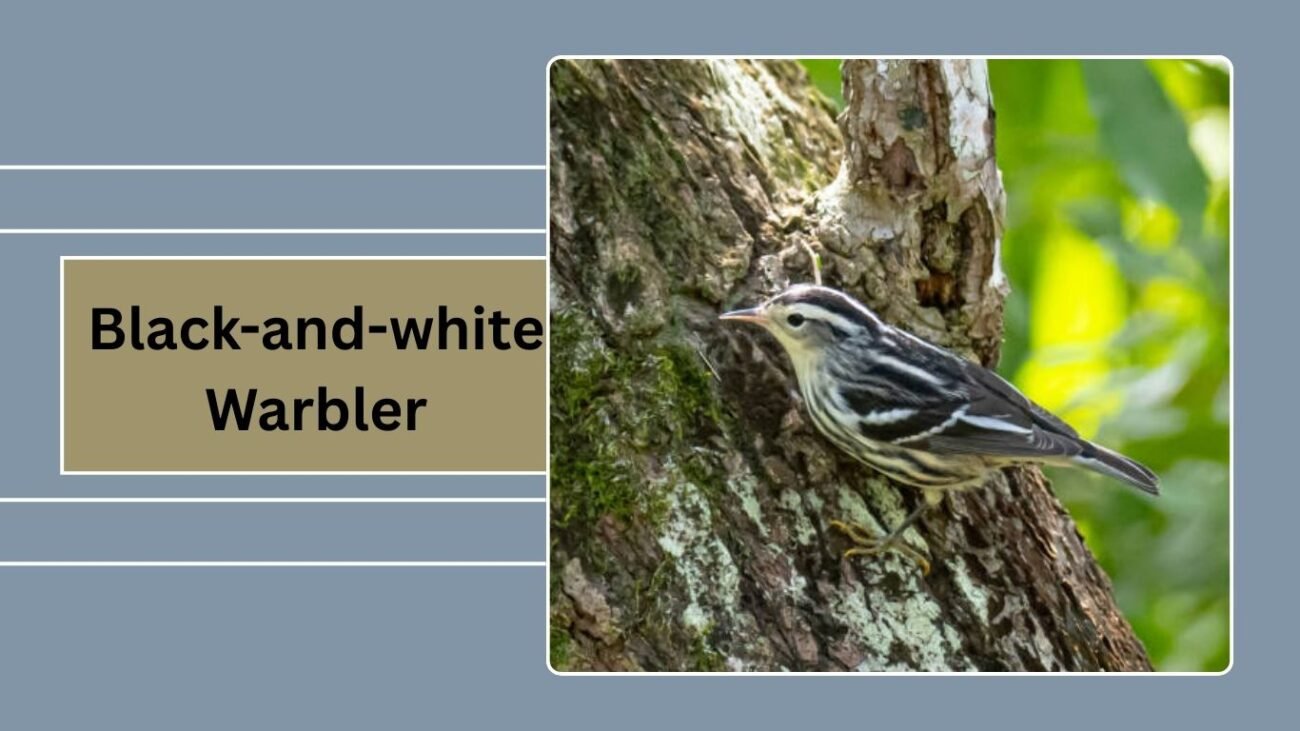
The Black-and-white Warbler is a small songbird easily recognized by its zebra-like stripes and white spots. Unlike most warblers, it creeps along tree trunks and branches like a nuthatch, making it unique in its foraging style. Its striking pattern and energetic behavior make it a favorite among birdwatchers.
Identification
- Size: Around 4.3–5.1 inches long
- Color: Bold black-and-white stripes across the body
- Wings: Black with white streaks and spots
- Underparts: White with streaky black markings
- Bill: Thin and slightly curved, suited for probing bark
Habitat
This bird prefers mature forests, especially deciduous and mixed woodlands. During migration, it can also be seen in parks and gardens with plenty of trees.
Behavior
Black-and-white Warblers forage by creeping up and down trunks and large branches, probing for insects hidden in bark crevices. They are active, restless, and often solitary outside the breeding season.
Diet
Their diet mainly consists of insects, spiders, and caterpillars, which they find under tree bark. During migration, they may also feed on small berries.
4. Common Loon
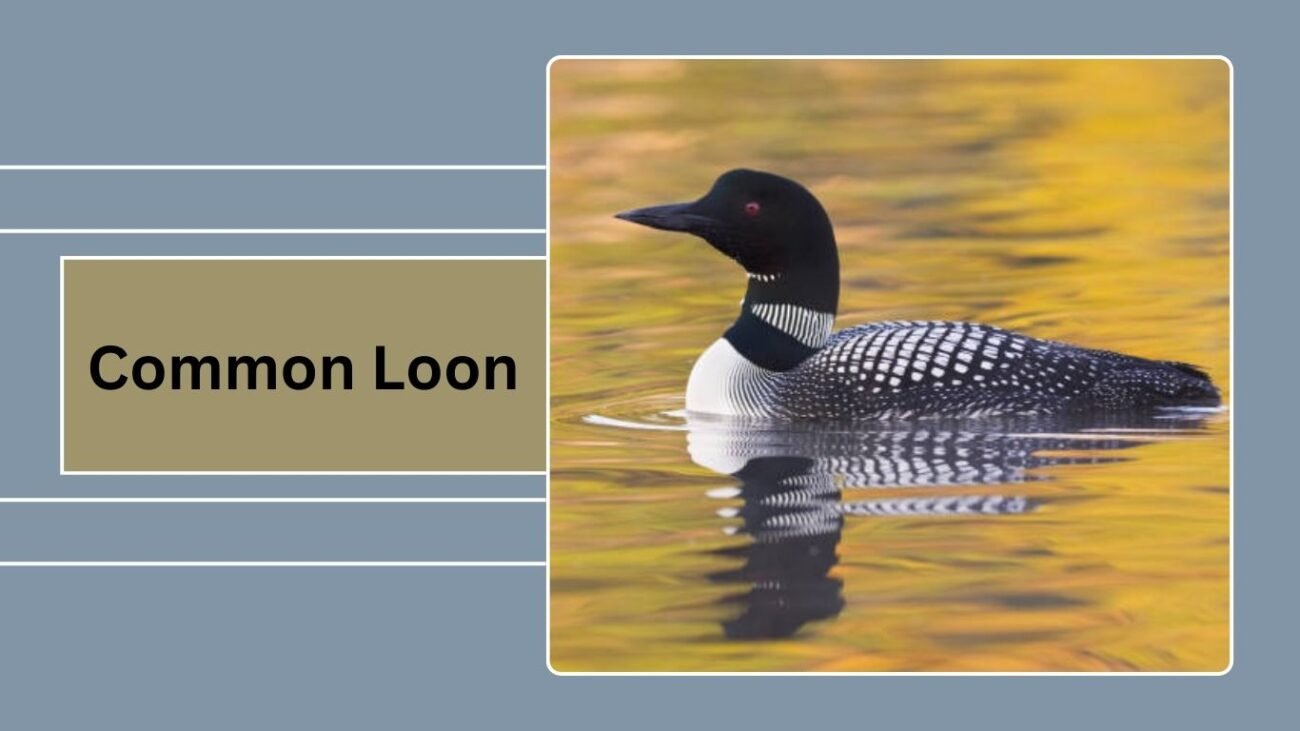
The Common Loon is a large water bird famous for its haunting calls and striking black plumage patterned with bold white spots. Found on lakes and ponds, it is an excellent diver and swimmer, spending much of its life in water. Its spotted summer plumage makes it one of the most recognizable black-and-white birds in North America.
Identification
- Size: About 26–36 inches long with a wingspan of 50–56 inches
- Color: Black head and neck with a greenish sheen in summer
- Back: Black with distinctive white spots and checkered pattern
- Underparts: Pure white belly and chest
- Bill: Straight, sharp, and black
Habitat
Common Loons breed on freshwater lakes in northern North America and migrate to coastal waters during winter. They require large bodies of water for takeoff and landing.
Behavior
They are expert divers, capable of swimming underwater to catch fish. Loons are known for their eerie, wailing calls that echo across lakes, especially at night.
Diet
Their diet mainly consists of fish such as perch, trout, and minnows. They also eat crustaceans, mollusks, and aquatic insects.
5. Spotted Nutcracker
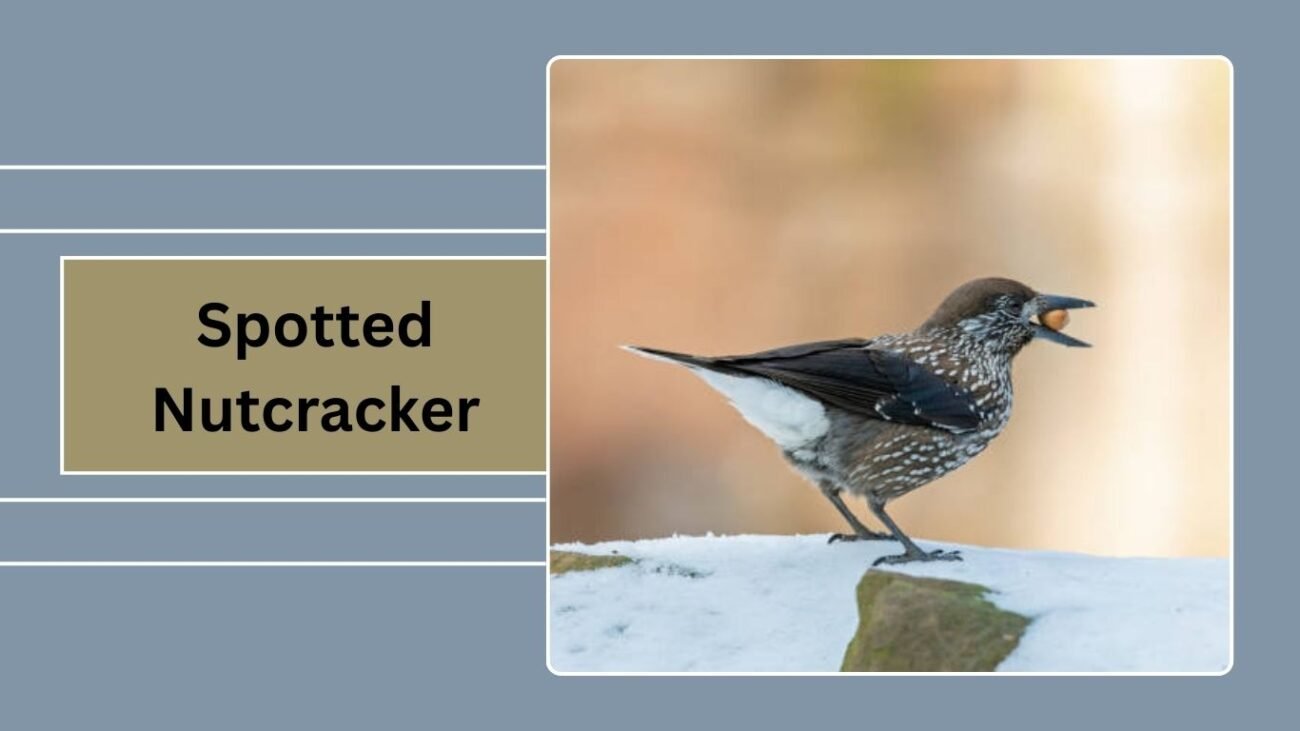
The Spotted Nutcracker is a medium-sized bird known for its dark brown to black plumage covered with small white spots. A member of the crow family, it is intelligent and resourceful, often associated with coniferous forests where it feeds on seeds. Its striking appearance and loud, raspy calls make it easy to identify.
Identification
- Size: About 12–13 inches long
- Color: Dark brown to black body with white spots across the head, back, and wings
- Wings: Broad with some white spotting visible in flight
- Bill: Strong, pointed, and black, perfect for cracking seeds
- Tail: Medium length with white tips
Habitat
Spotted Nutcrackers are typically found in mountain and boreal forests, especially those dominated by pine and spruce trees. They are distributed across Europe and Asia.
Behavior
They are known for their habit of storing seeds in the ground for winter, a behavior that helps in the regeneration of forests. These birds are also quite vocal and often travel in small groups.
Diet
Their primary diet is pine and spruce seeds, but they also eat nuts, berries, insects, and occasionally small vertebrates.
6. Rose-breasted Grosbeak (Juvenile)
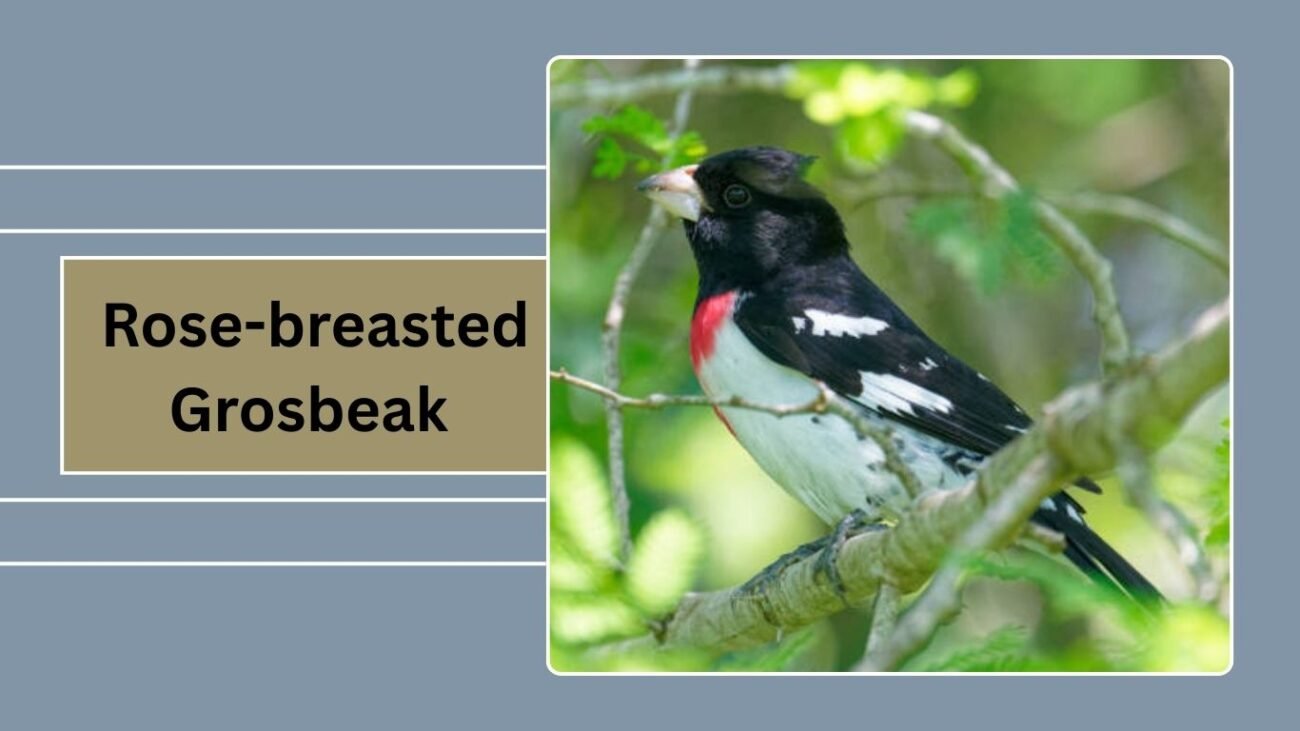
Juvenile Rose-breasted Grosbeaks are less colorful than adults, but they display a distinct pattern of black plumage with white spots and streaks. These young birds are often seen alongside their parents during the summer months. Their spotted appearance sets them apart before they molt into adult plumage.
Identification
- Size: About 7–8 inches long
- Color: Brownish-black to black with white streaks and spots on wings and back
- Underparts: White with streaking on the breast and sides
- Bill: Thick, pale, and conical, ideal for cracking seeds
- Wings: Show white patches and spots when perched or in flight
Habitat
They inhabit deciduous and mixed forests, forest edges, gardens, and shrubby fields. During migration, they may appear in backyards with feeders.
Behavior
Juveniles often stay close to their parents while learning to forage. They are less aggressive and more reserved compared to adults but can still be spotted at feeders.
Diet
Their diet includes seeds, fruits, and insects. At feeders, they prefer sunflower seeds and berries.
7. Black-throated Blue Warbler (Female)
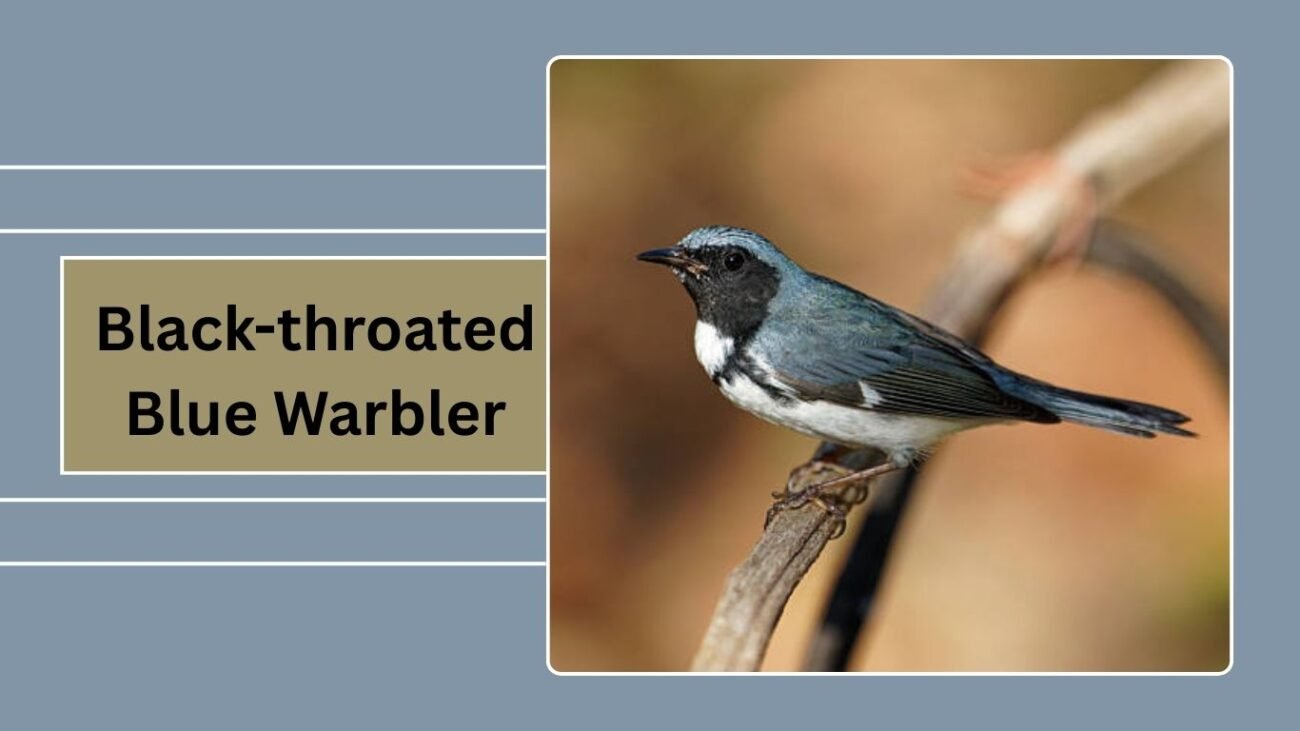
The female Black-throated Blue Warbler looks very different from the striking blue-and-black male, showing a more subtle brownish-olive plumage with black and white spots and markings. Though less colorful, females are still easily recognized by their distinct white spots and behavior.
Identification
- Size: Around 4.3–5.1 inches long
- Color: Olive-brown upperparts with white underparts
- Distinct Mark: White spot on the wing, often called the “pocket handkerchief”
- Bill: Small, thin, and pointed, suited for insect hunting
- Tail: Dark with some white flashes seen in flight
Habitat
They prefer dense shrubs and understory in deciduous or mixed forests. During migration, they can also be found in gardens, parks, and secondary growth areas.
Behavior
Females are shy and secretive, often foraging low in shrubs. They flit quickly between branches, searching for insects, and are more likely to be heard than seen.
Diet
Their diet consists mainly of insects such as caterpillars, beetles, and spiders. They also eat berries during migration and in wintering grounds.
8. Spotted Sandpiper
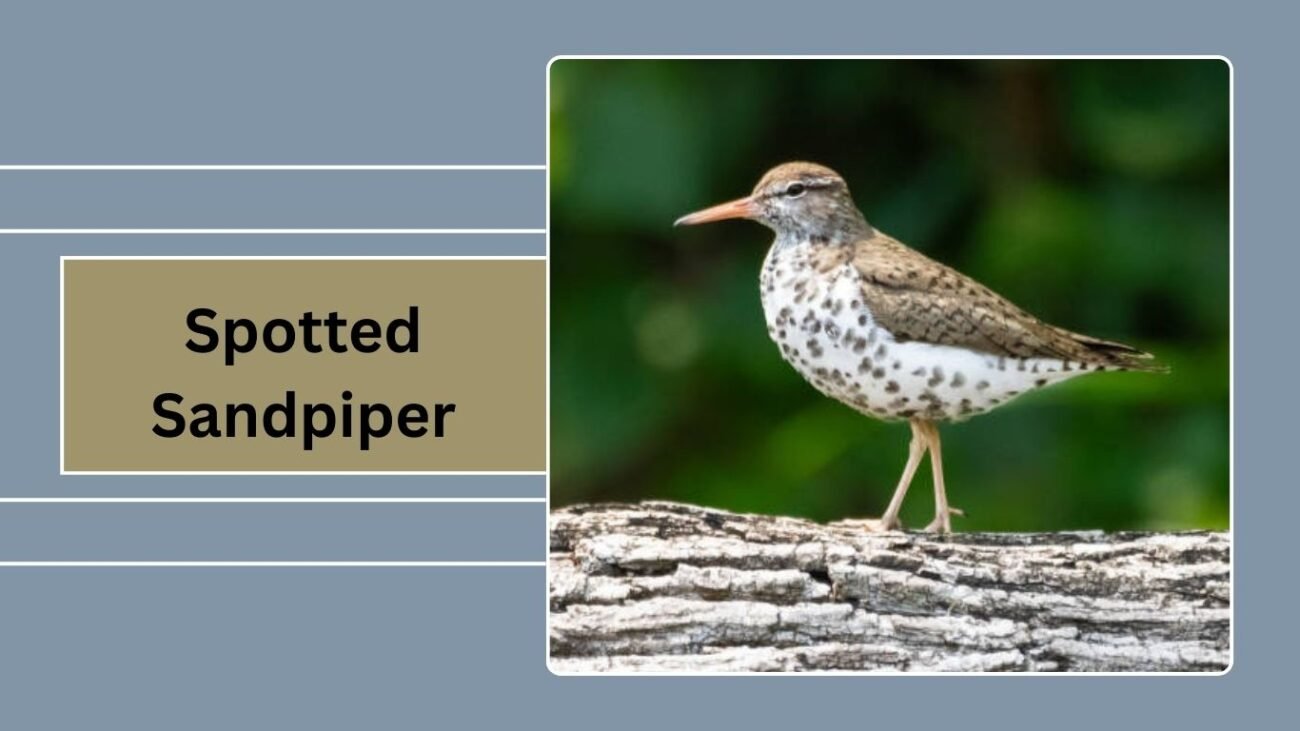
The Spotted Sandpiper is a small shorebird best known for its distinctive black spots that appear on its white breast during the breeding season. With its constant teetering motion and sharp call, it is a familiar sight along rivers, lakeshores, and wetlands across North America.
Identification
- Size: About 7–8 inches long
- Color: Brownish-black upperparts with white underparts
- Distinct Mark: Bold black spots on the breast and belly during breeding season
- Wings: Rounded with a white stripe visible in flight
- Bill: Straight, slender, and orange with a dark tip
Habitat
They are found along streams, ponds, lakes, rivers, and coastal areas. During migration, they are widespread and can appear in almost any wetland habitat.
Behavior
Spotted Sandpipers are known for their constant “teetering” as they bob their tails while walking. They are solitary foragers and often nest near water.
Diet
Their diet includes insects, crustaceans, worms, and small fish, which they pick from mud, sand, or shallow water.
9. Asian Koel (Female)
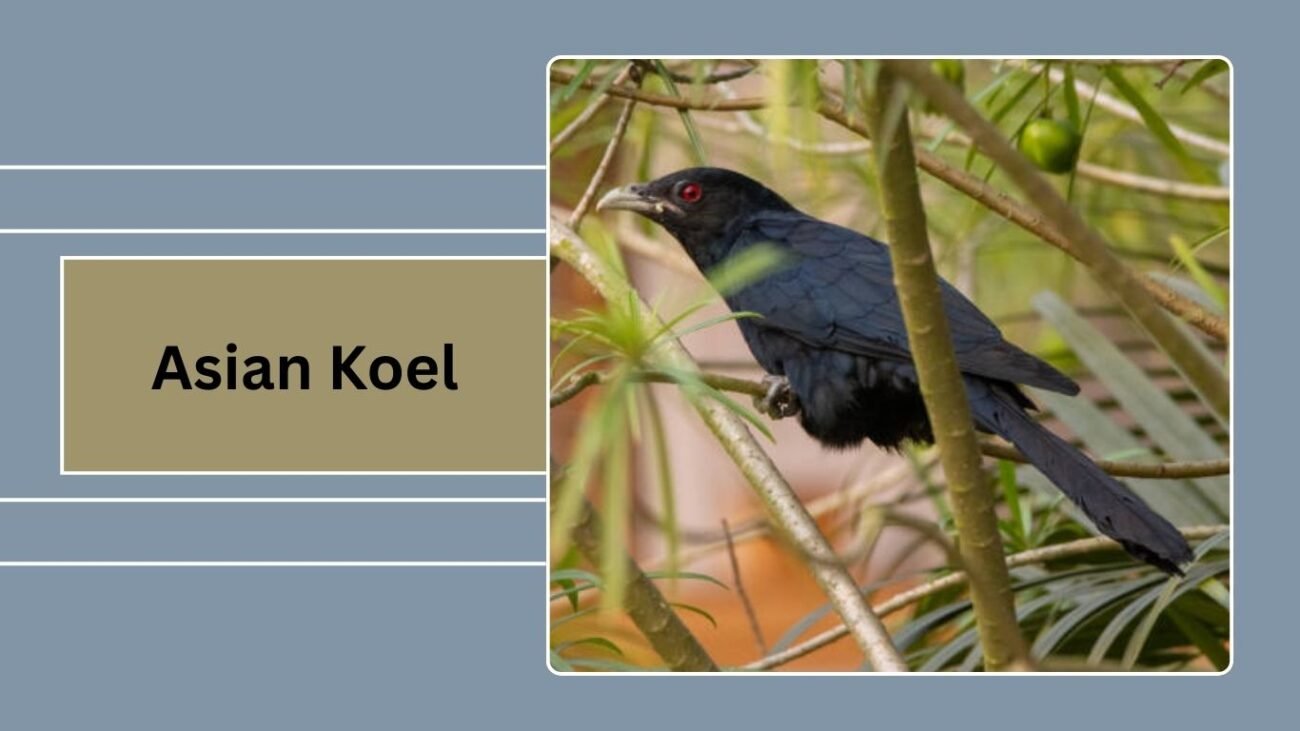
The female Asian Koel is distinct from the glossy black male, featuring a dark brown to black body speckled with bold white spots. This cuckoo species is known for its loud, repetitive calls and is often found in gardens, woodlands, and near human settlements across Asia.
Identification
- Size: Around 15–17 inches long
- Color: Dark brown to black overall, heavily spotted and streaked with white
- Eyes: Bright red, noticeable against the dark head
- Bill: Pale and slightly curved
- Tail: Long with white markings, often fanned when perched
Habitat
Females are commonly found in forests, groves, farmlands, and urban gardens. They prefer areas with dense tree cover, often close to fruiting trees.
Behavior
Asian Koels are brood parasites, laying their eggs in the nests of crows and other birds. The female is stealthy and secretive, moving quietly through foliage while the male calls loudly nearby.
Diet
Their diet is primarily fruit, especially figs, but they also eat insects, caterpillars, and small vertebrates when available.
10. Spotted Catbird
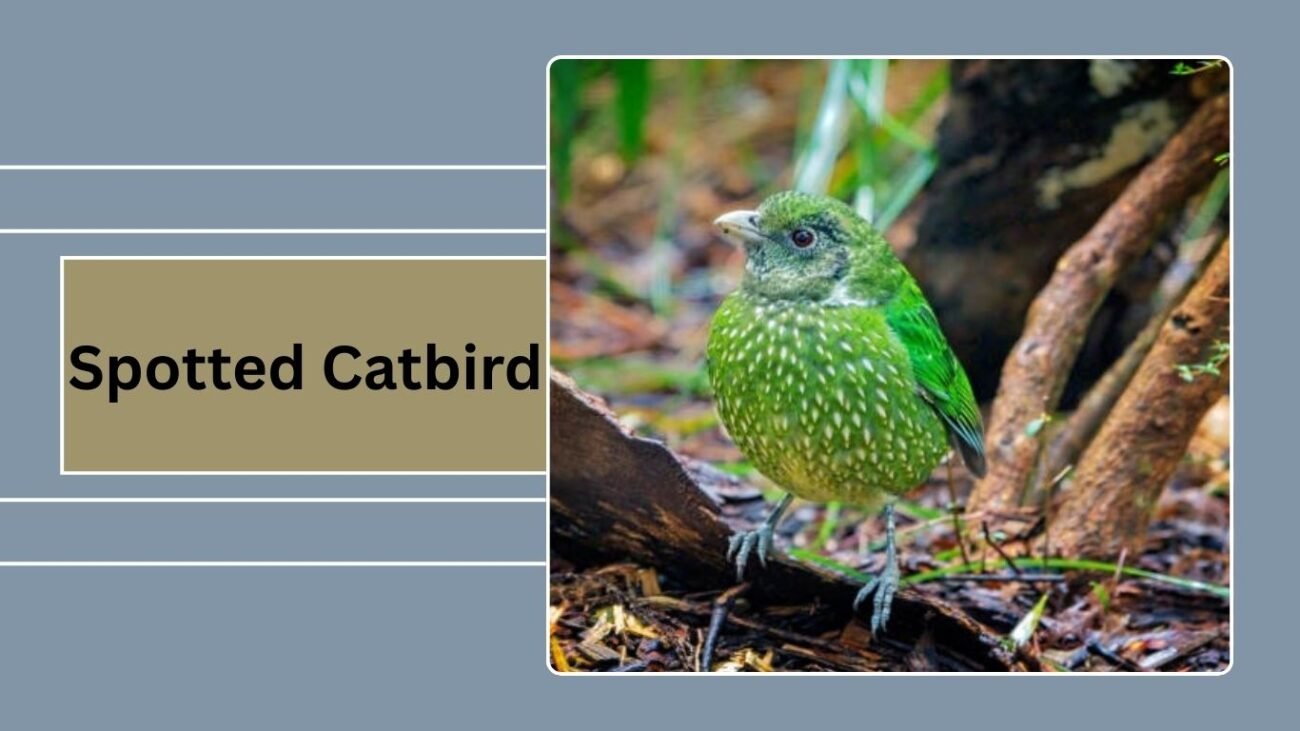
The Spotted Catbird is a unique bird from the bowerbird family, named for its cat-like wailing call. Its blackish-green plumage is beautifully decorated with bold white spots, giving it a speckled appearance. This species is native to rainforests and is often heard before it is seen due to its distinctive voice.
Identification
- Size: About 10–13 inches long
- Color: Dark green to blackish with heavy white spotting across the body
- Eyes: Striking red
- Bill: Stout and dark, suited for fruit eating
- Tail: Medium length with faint spotting
Habitat
Spotted Catbirds inhabit dense rainforests and tropical forests in northeastern Australia and New Guinea. They are canopy dwellers, often staying high among the trees.
Behavior
They are shy and secretive but very vocal, producing loud, cat-like mewing calls. Unlike other bowerbirds, Spotted Catbirds do not build bowers; instead, they form monogamous pairs.
Diet
Their diet mainly consists of fruits, especially figs, along with leaves, flowers, and occasional insects.