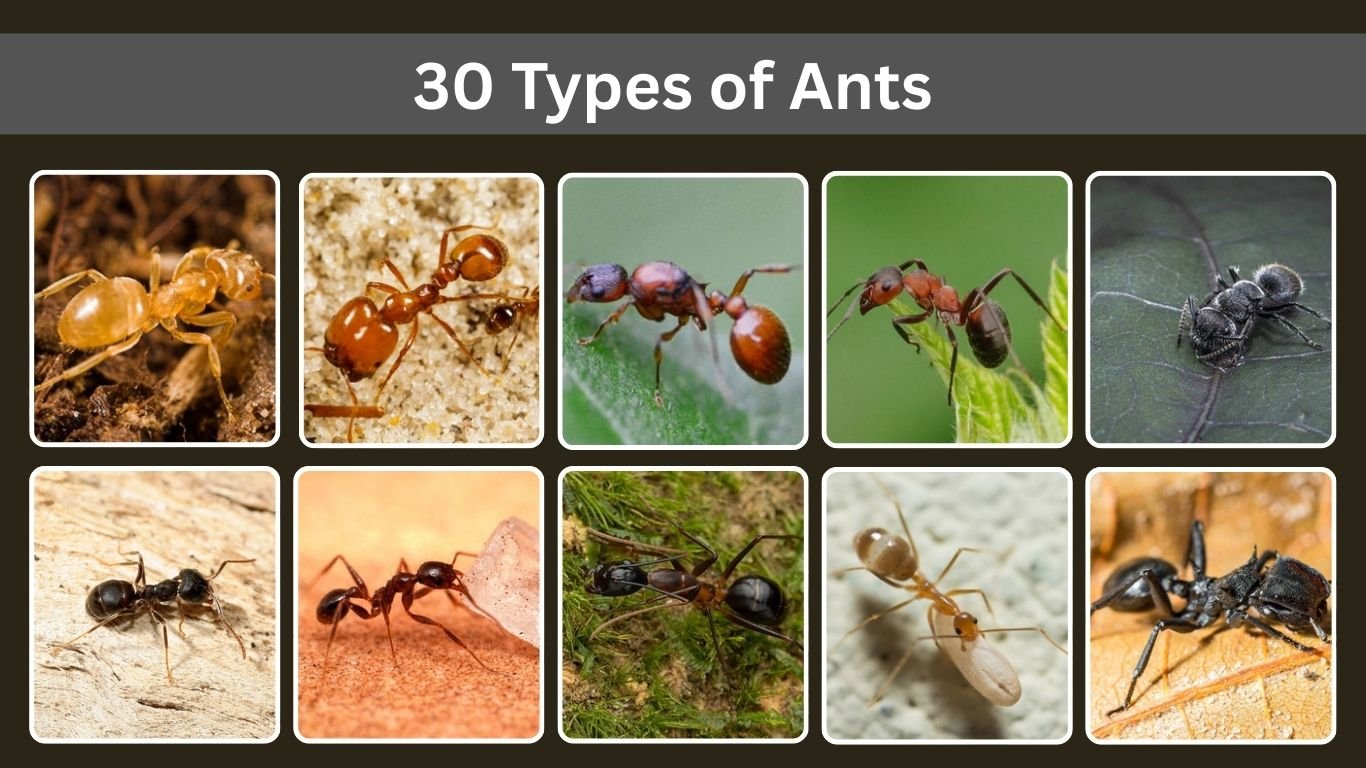
Ants are among the most fascinating and diverse insects on Earth, with over 12,000 known species worldwide. Each type of ant has unique characteristics, from their nesting habits to their feeding behavior and survival strategies. Some are helpful in ecosystems as farmers and pest controllers, while others become invasive household or agricultural pests. In this guide, we’ll explore 30 different types of ants, highlighting their identification, habitat, behaviors, and lifecycle to better understand their roles in nature and human environments.
1. Fire Ant
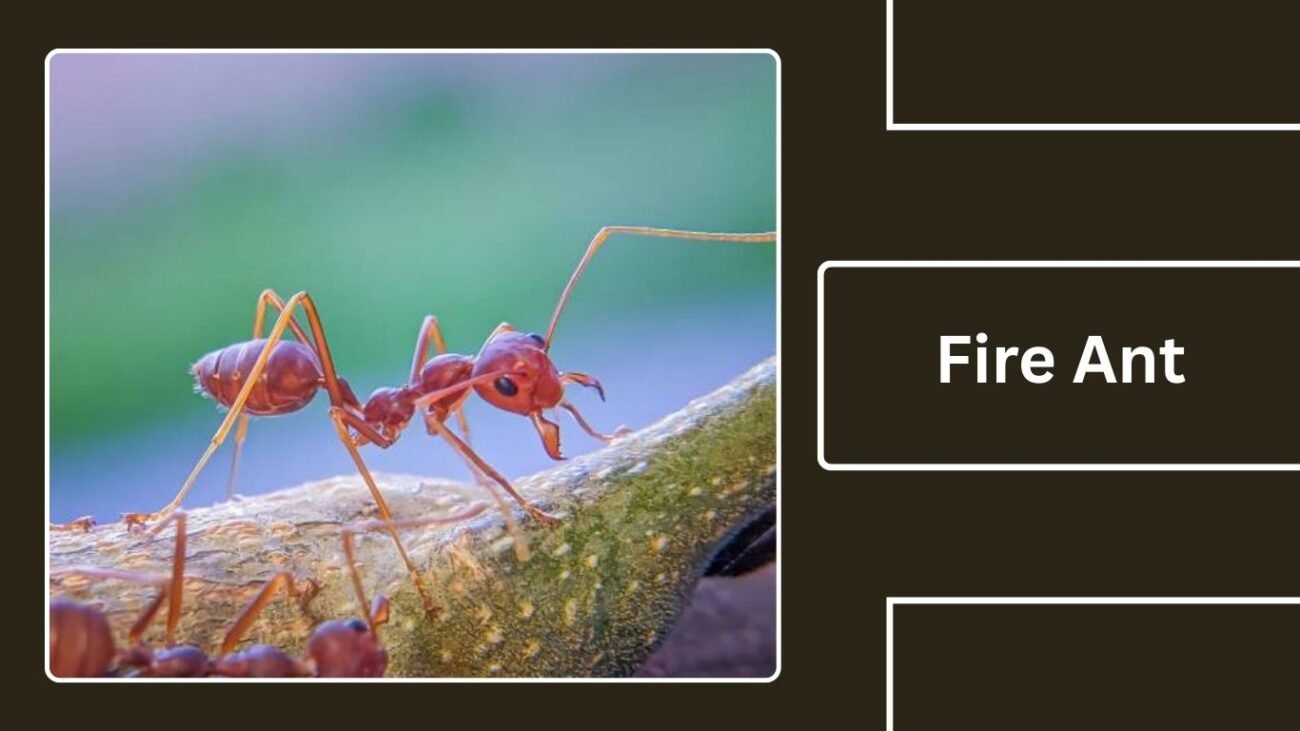
Fire ants are aggressive, stinging insects known for their painful bites and highly organized colonies. They are considered invasive in many regions, especially in the United States, where they disrupt ecosystems, damage crops, and pose threats to humans and animals. With their reddish-brown appearance and notorious swarming behavior, fire ants are one of the most recognized and feared ant species.
Identification
- Color: Reddish-brown with darker abdomen.
- Size: Workers range from 2 to 6 mm; queens can be up to 15 mm.
- Body Shape: Segmented body with a stinger on the end.
- Distinctive Trait: Aggressive swarming when disturbed, delivering painful stings.
Habitat
Fire ants thrive in warm climates, building their colonies in open areas like fields, lawns, and pastures. Their nests appear as large, dome-shaped mounds that can reach up to 18 inches in height. These ants prefer moist soil near rivers, ponds, or irrigated land. In urban settings, they often settle in parks, gardens, and road edges, making them common around human activity.
Behaviors
Fire ants are extremely territorial and will attack in groups if their nest is threatened. They feed on a wide variety of food, including plants, seeds, small insects, and even dead animals. Their colonies contain multiple queens, which allows them to spread quickly and dominate new areas. They are also known to damage electrical equipment by nesting in wires and circuits.
Lifecycle
- Egg Stage: Fertilized eggs hatch within 7–10 days.
- Larvae Stage: White, legless larvae develop, fed by worker ants.
- Pupa Stage: Transformation into adult form occurs inside pupal case.
- Adult Stage: Ants emerge as workers, queens, or males, sustaining colony growth.
2. Army Ant
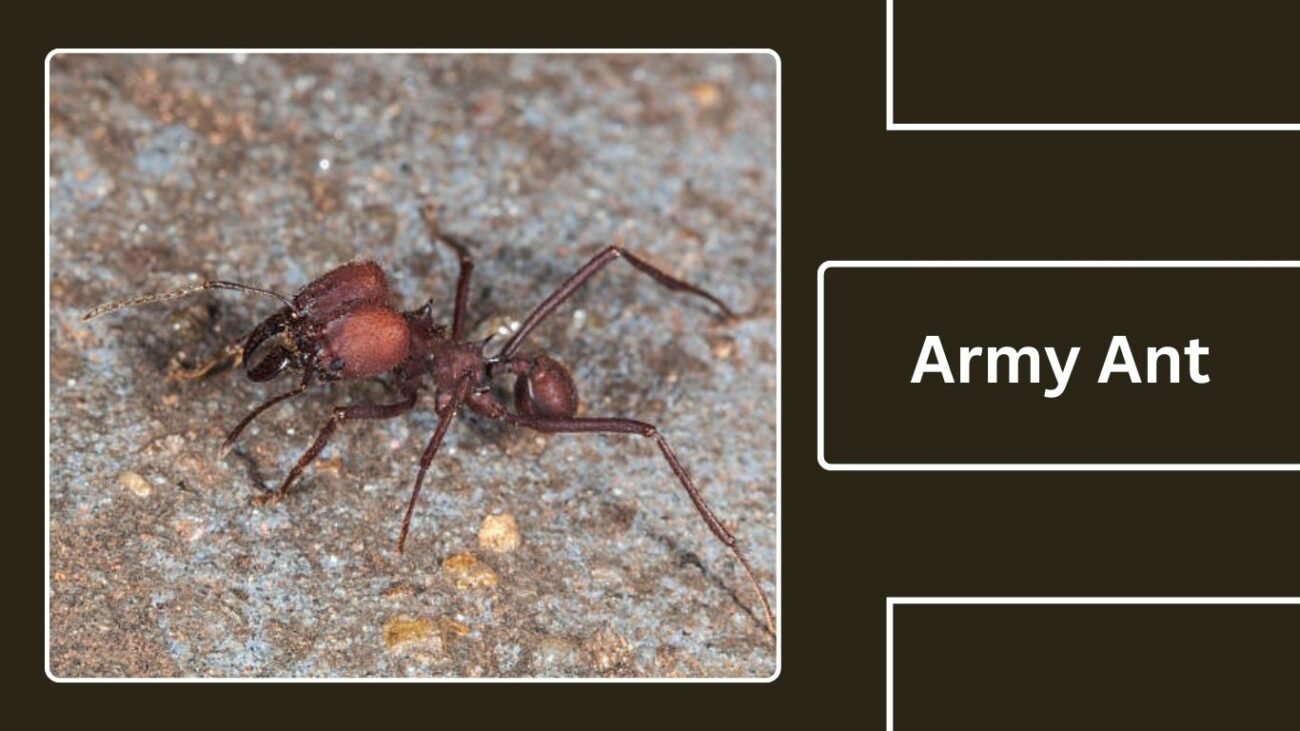
Army ants are nomadic predators famous for their coordinated group attacks, where thousands of ants swarm and overwhelm prey. They do not build permanent nests, instead forming temporary bivouacs using their own bodies. Known for their relentless hunting behavior, army ants play a vital role in controlling insect populations in tropical ecosystems.
Identification
- Color: Ranges from dark brown to black.
- Size: Workers vary widely from 3 to 12 mm.
- Body Shape: Strong mandibles and segmented body.
- Distinctive Trait: Nomadic lifestyle with temporary bivouac nests.
Habitat
Army ants are most common in tropical forests of Africa, South America, and Asia. They move constantly, abandoning temporary nests every few weeks. Their bivouacs are often found in soil, tree trunks, or leaf litter during resting phases.
Behaviors
Army ants are highly aggressive hunters, forming massive foraging swarms that can contain up to 200,000 individuals. They attack and consume insects, spiders, small reptiles, and even bird chicks. Their coordinated raiding strategy makes them apex insect predators in their habitats.
Lifecycle
- Egg Stage: Laid in clusters during resting phase.
- Larvae Stage: Fed intensively during hunting swarms.
- Pupa Stage: Development occurs during nomadic breaks.
- Adult Stage: Emerge to join colony raids or reproduction cycles.
3. Weaver Ant
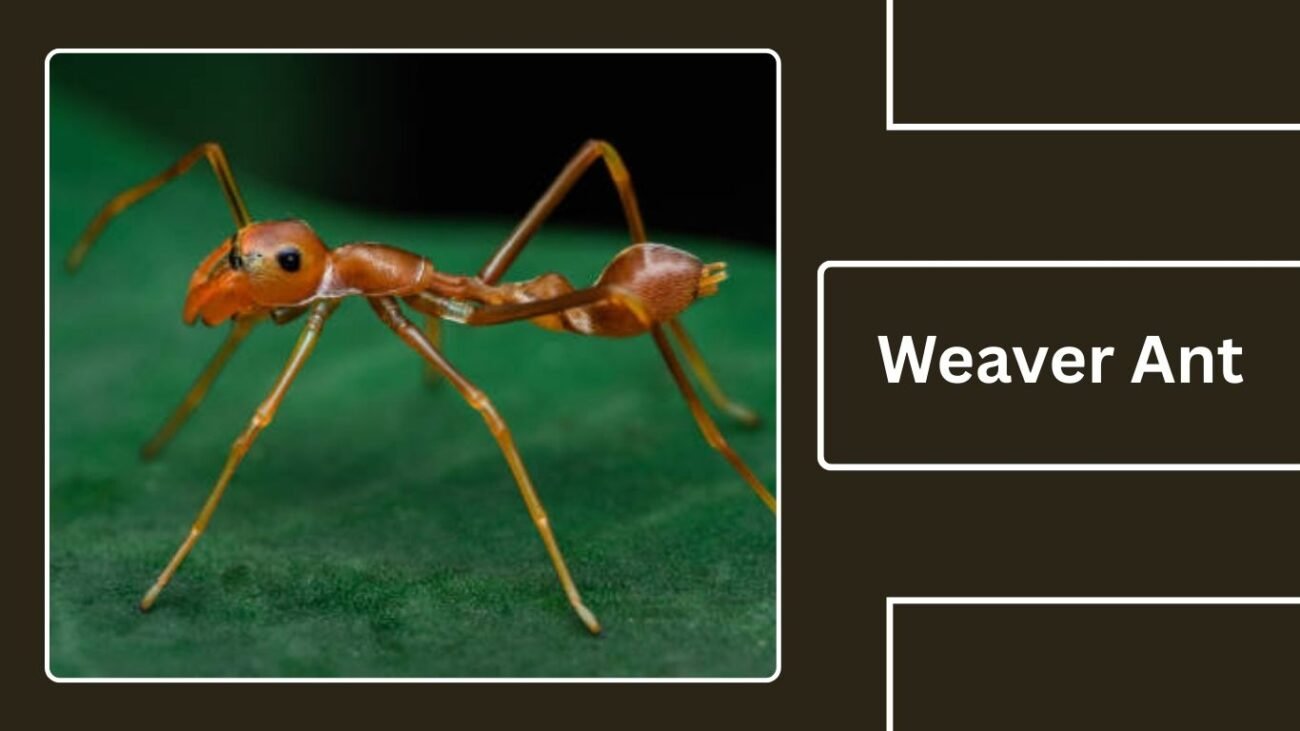
Weaver ants are tree-dwelling ants known for their remarkable nest-building skills, weaving leaves together using silk produced by their larvae. They live in large colonies and are highly territorial, often dominating trees in tropical regions. These ants are also valued for natural pest control in agriculture.
Identification
- Color: Bright green or reddish-brown.
- Size: Workers range from 5 to 10 mm; queens are larger.
- Body Shape: Long legs and strong mandibles.
- Distinctive Trait: Leaf nests bound with larval silk.
Habitat
Weaver ants are mostly found in tropical Asia, Africa, and Australia. They prefer living in treetops, building multiple interconnected nests within a single tree or across several trees. Their colonies can extend to hundreds of thousands of individuals.
Behaviors
Weaver ants are territorial and fiercely defend their nests. They hunt small insects and supplement their diet with honeydew from aphids. Their cooperative nest-weaving behavior is one of the most advanced examples of insect teamwork.
Lifecycle
- Egg Stage: Eggs hatch into larvae within a few days.
- Larvae Stage: Larvae provide silk for nest construction.
- Pupa Stage: Transformation into adults occurs inside cocoons.
- Adult Stage: Workers, queens, and males emerge to sustain colony structure.
4. Leafcutter Ant
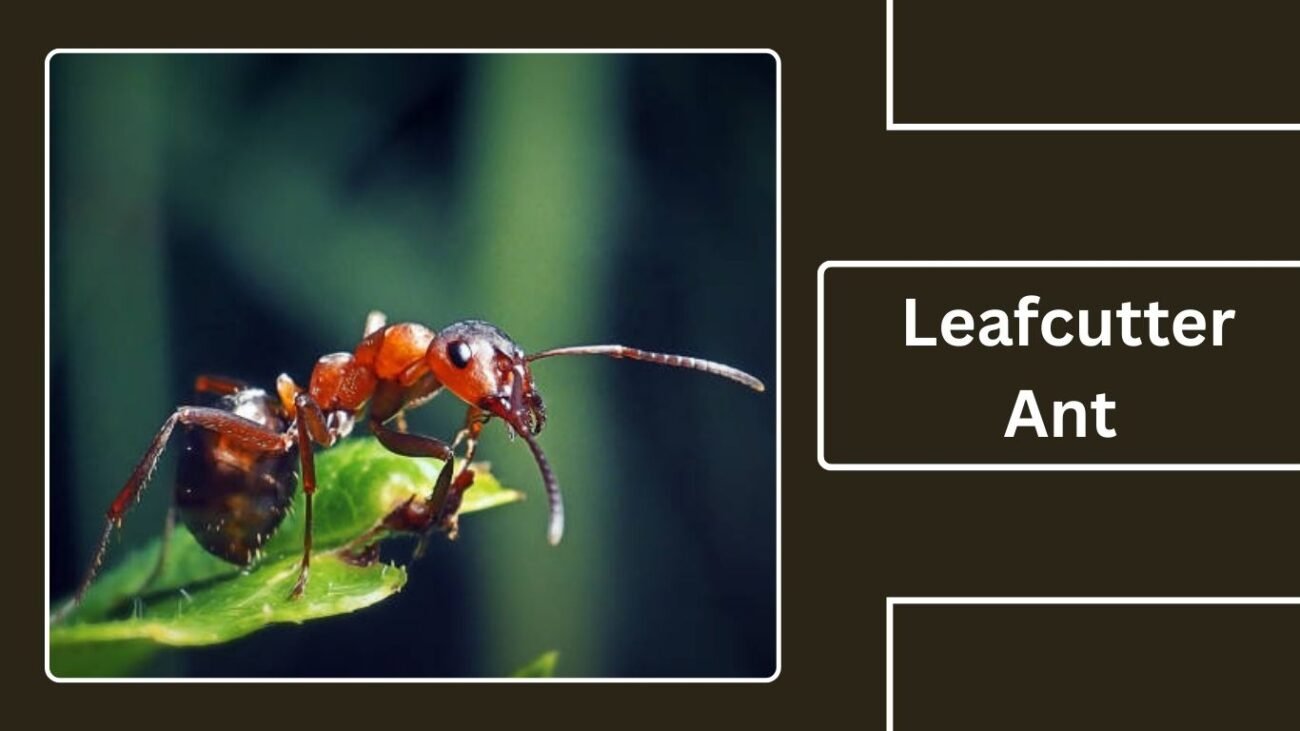
Leafcutter ants are farming insects renowned for cutting and carrying leaf fragments back to their nests. Unlike most ants, they don’t eat the leaves directly; instead, they use them to cultivate fungus, which serves as their primary food source. Their agricultural system is considered one of the most advanced in the insect world.
Identification
- Color: Dark reddish-brown.
- Size: Workers range from 2 to 20 mm, depending on caste.
- Body Shape: Large, sharp mandibles for cutting leaves.
- Distinctive Trait: Leaf-carrying behavior in long foraging lines.
Habitat
Leafcutter ants inhabit Central and South America, especially in rainforests and grasslands. Their underground nests can be massive, stretching across several square meters and housing millions of individuals.
Behaviors
These ants are expert farmers, cultivating a special type of fungus that depends entirely on their leaf supply. Foraging trails can stretch for hundreds of meters, and their teamwork allows them to strip vegetation rapidly. Despite their ecological role, they can become serious agricultural pests.
Lifecycle
- Egg Stage: Laid in large numbers by queens.
- Larvae Stage: Fed fungus by workers.
- Pupa Stage: Transform inside pupal cases underground.
- Adult Stage: Different castes (workers, soldiers, queens, males) emerge to sustain colony farming.
5. Bullet Ant
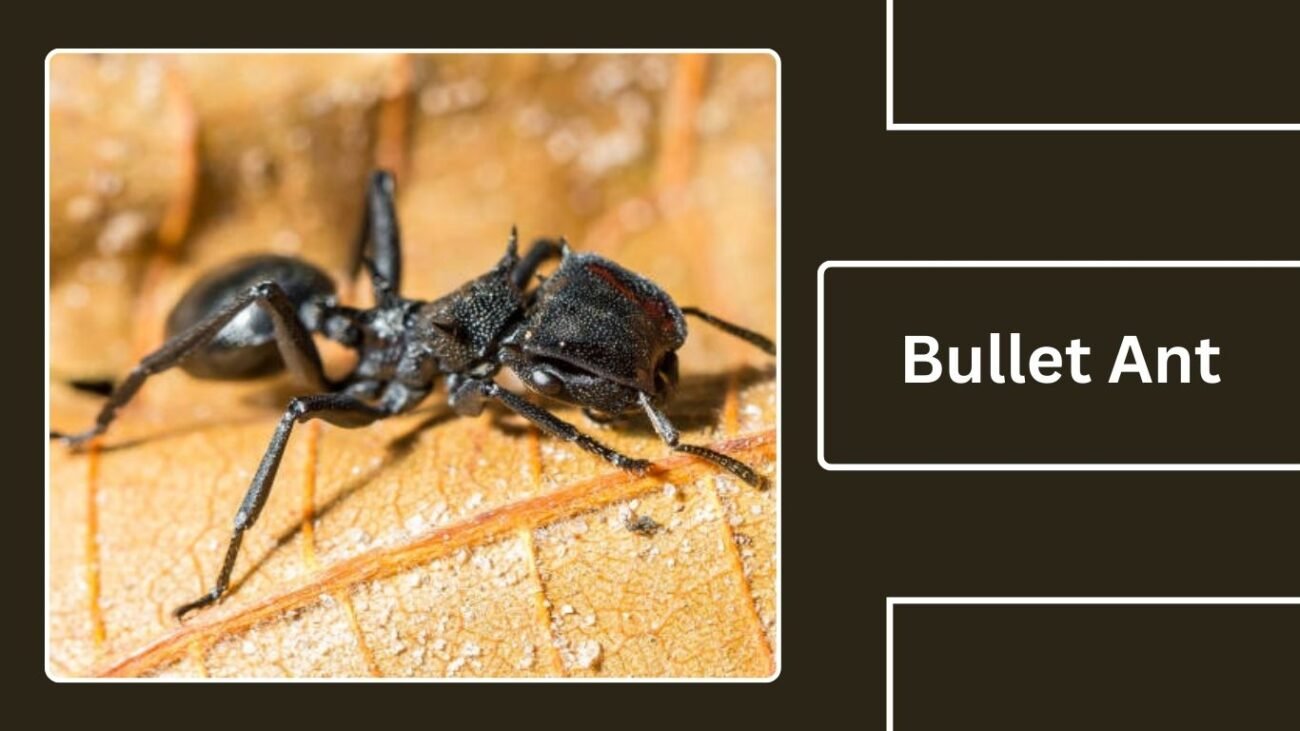
Bullet ants are infamous for having one of the most painful stings in the insect kingdom. Found in rainforests of Central and South America, their sting is often compared to being shot, hence the name. Despite their fierce reputation, bullet ants are not aggressive unless provoked.
Identification
- Color: Black or very dark brown.
- Size: Among the largest ants, reaching up to 30 mm.
- Body Shape: Robust body with large mandibles and prominent stinger.
- Distinctive Trait: Painful sting rated at the top of the Schmidt pain index.
Habitat
Bullet ants prefer humid, tropical rainforests, nesting at the bases of trees. They live in relatively small colonies compared to other ants, often numbering only a few hundred individuals.
Behaviors
They are solitary foragers, hunting small insects and arthropods. While they defend their nests fiercely, they do not swarm like fire ants. Indigenous tribes use bullet ants in initiation rituals, where young men endure repeated stings as a test of strength and endurance.
Lifecycle
- Egg Stage: Fertilized eggs laid in small clusters.
- Larvae Stage: Larvae develop with the care of workers.
- Pupa Stage: Ants metamorphose inside pupal cases.
- Adult Stage: Workers forage, while queens reproduce to sustain the colony.
6. Carpenter Ant
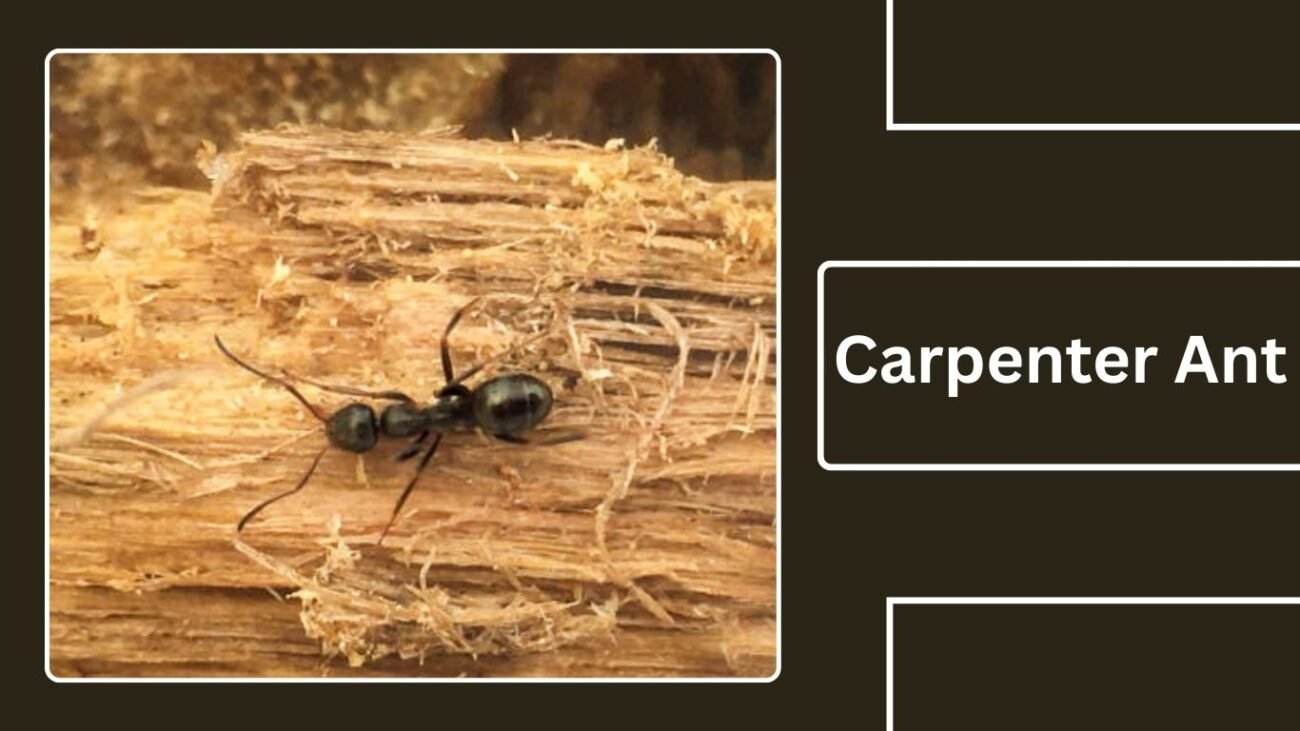
Carpenter ants are known for nesting inside wood, where they hollow out tunnels to build their colonies. Unlike termites, they do not eat the wood but can cause significant structural damage to buildings. They are among the largest ants found in temperate regions.
Identification
- Color: Black, dark brown, or reddish.
- Size: Workers range from 6 to 12 mm; queens up to 20 mm.
- Body Shape: Smooth thorax and strong mandibles.
- Distinctive Trait: Wood-boring habit without consuming it.
Habitat
Carpenter ants prefer moist or decaying wood and are often found in forests, fallen logs, tree stumps, or wooden structures in urban areas. Indoors, they are commonly seen near damp or water-damaged wood.
Behaviors
These ants are nocturnal foragers, feeding on insects, plant juices, and sweet substances. While they help decompose wood in nature, they are considered pests when they infest homes. Their colonies are large, with both primary and satellite nests.
Lifecycle
- Egg Stage: Small white eggs hatch in 1–2 weeks.
- Larvae Stage: Fed by workers until pupation.
- Pupa Stage: Develop inside silky cocoons.
- Adult Stage: Emerge as workers, males, or queens.
7. Black Garden Ant
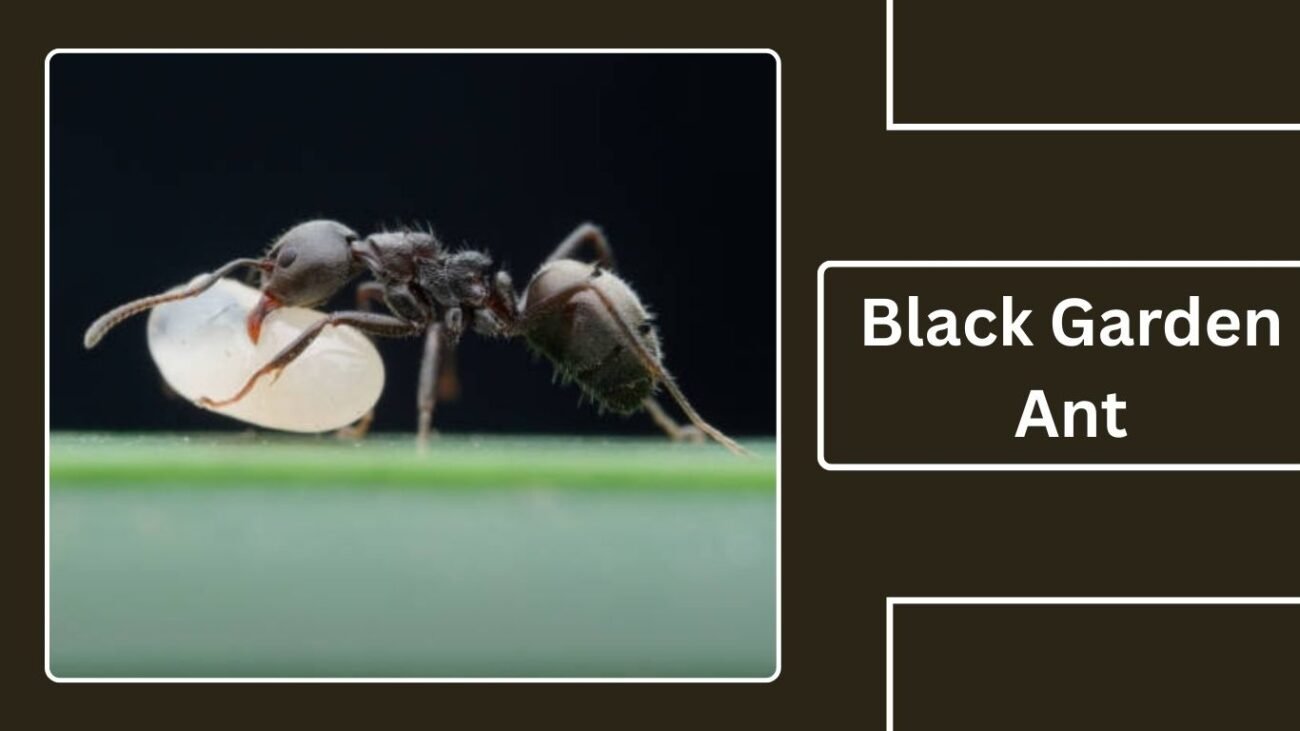
The black garden ant is one of the most common ants in Europe and is frequently encountered in gardens and urban areas. Known for forming large colonies, they are harmless but can become a nuisance indoors when searching for food.
Identification
- Color: Shiny black.
- Size: Workers are 3–5 mm; queens can reach up to 9 mm.
- Body Shape: Slender body with well-defined segments.
- Distinctive Trait: Polymorphic workers with noticeable trail activity.
Habitat
These ants are widespread across Europe, Asia, and parts of North America. They usually nest in soil, under paving stones, or in lawns, often near human settlements.
Behaviors
Black garden ants are highly social and forage in trails, primarily feeding on sugary substances like honeydew from aphids. They farm aphids by protecting them in exchange for this food source. Indoors, they invade kitchens seeking sweet foods.
Lifecycle
- Egg Stage: Eggs hatch within 2–3 weeks.
- Larvae Stage: Cared for by worker ants until pupation.
- Pupa Stage: Develop into adults inside cocoons.
- Adult Stage: Workers forage, while queens reproduce and expand colonies.
8. Pharaoh Ant
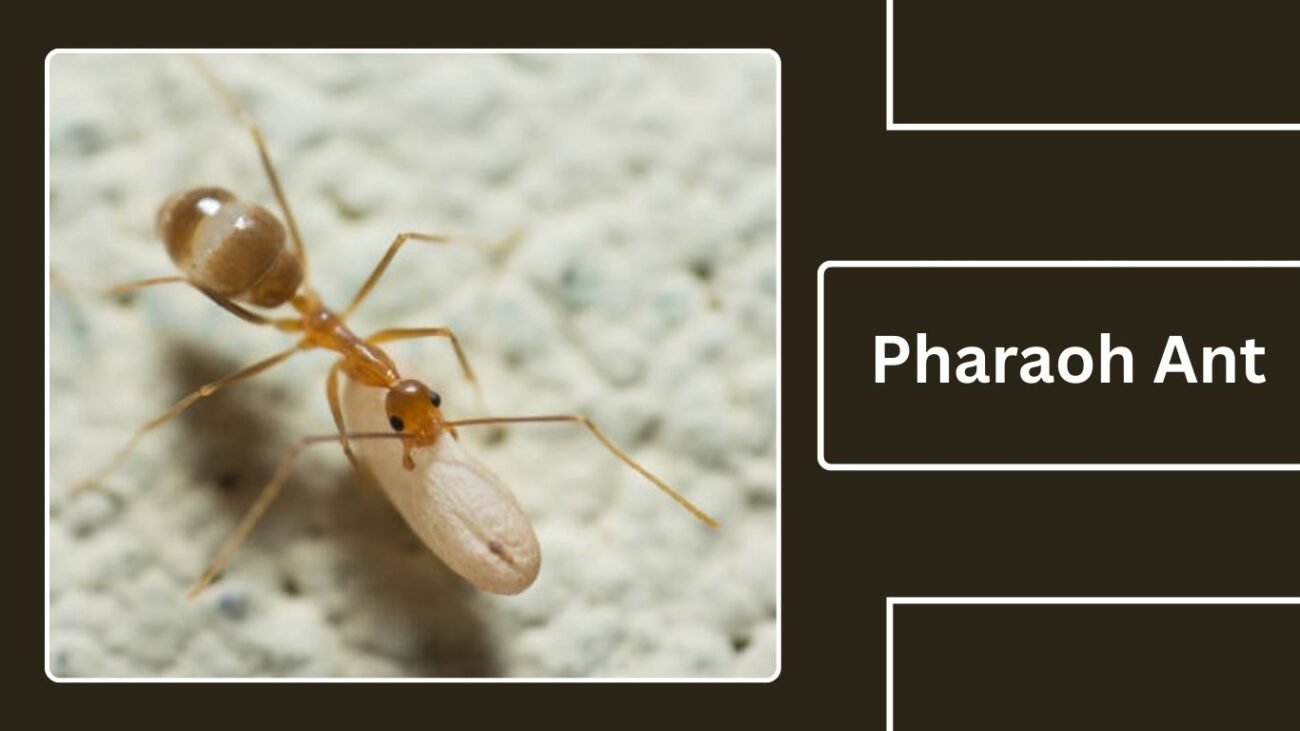
Pharaoh ants are tiny but highly persistent household pests. They are notorious for infesting hospitals, restaurants, and homes, where they spread quickly and contaminate food and sterile equipment. Their small size makes them difficult to control, as colonies can split into several subgroups when disturbed.
Identification
- Color: Pale yellow to light brown, almost transparent.
- Size: Workers measure about 2 mm; queens up to 4 mm.
- Body Shape: Slender with two-segmented waist and darker abdomen.
- Distinctive Trait: Extremely small size with multiple queens in colonies.
Habitat
Pharaoh ants prefer warm, humid indoor environments. They thrive in buildings, wall voids, kitchens, bathrooms, and hospitals, where consistent heat and moisture are available. Outdoors, they rarely survive in colder climates.
Behaviors
These ants feed on sweets, proteins, and greasy foods. They are known for “budding,” a process where parts of the colony separate and establish new nests. This ability makes them resilient against standard pest control. In hospitals, they are considered dangerous because they can spread pathogens.
Lifecycle
- Egg Stage: Eggs hatch in 5–7 days.
- Larvae Stage: Fed by workers for about two weeks.
- Pupa Stage: Pupae develop into adults within 9 days.
- Adult Stage: Queens, workers, and males sustain colony growth.
9. Ghost Ant
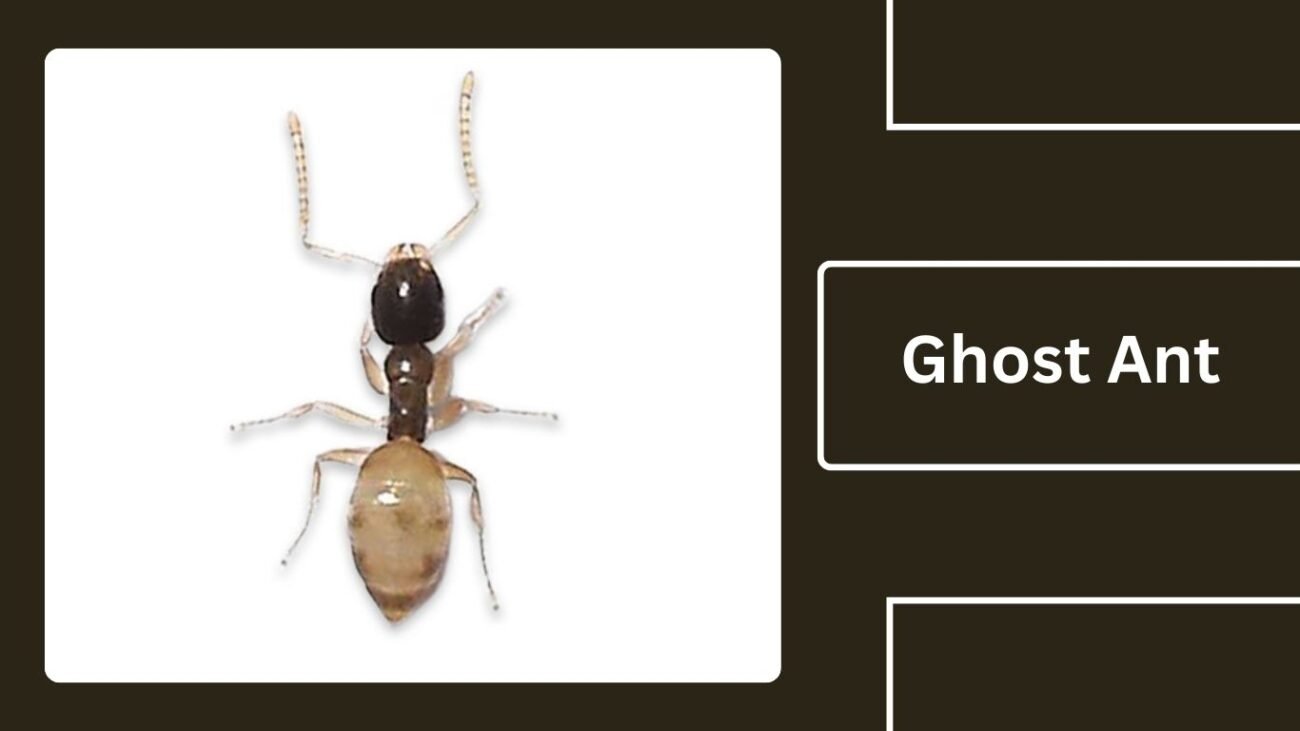
Ghost ants are named for their translucent legs and abdomen, which make them difficult to spot. They are common household invaders, particularly in tropical and subtropical climates, and are attracted to sugary substances.
Identification
- Color: Dark brown head and thorax; pale, almost transparent legs and abdomen.
- Size: Workers are very small, around 1.5 mm.
- Body Shape: Tiny with a two-segmented waist and delicate appearance.
- Distinctive Trait: Semi-transparent body parts.
Habitat
Ghost ants nest in soil, under stones, inside wall voids, and even in potted plants. They thrive in warm, moist environments and are common in Florida, Hawaii, and other tropical regions.
Behaviors
They forage in well-organized trails and primarily feed on sweets like honeydew and sugary foods indoors. Colonies have multiple queens, making them difficult to eradicate. They rarely bite but are persistent indoor pests.
Lifecycle
- Egg Stage: Eggs hatch within 7–10 days.
- Larvae Stage: Cared for by workers until pupation.
- Pupa Stage: Develop quickly into adult ants.
- Adult Stage: Workers forage; queens maintain colony reproduction.
10. Argentine Ant
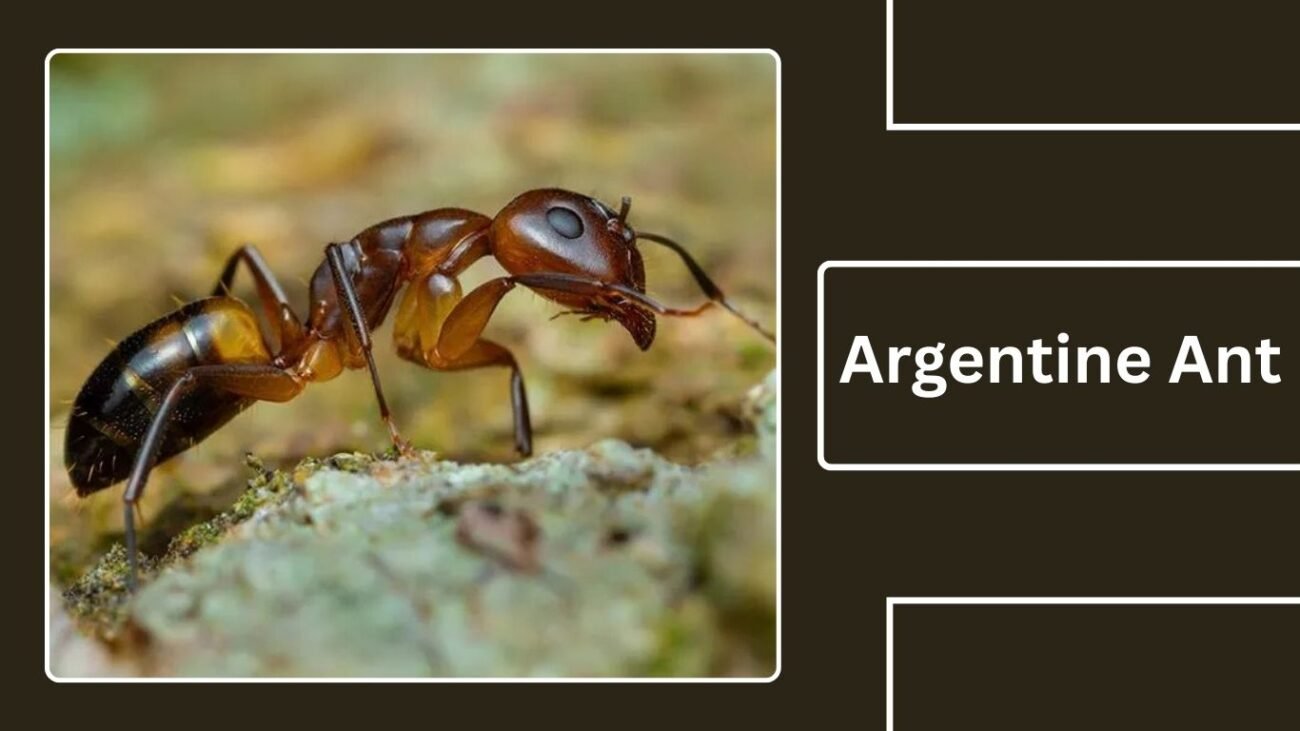
Argentine ants are invasive species known for forming massive “supercolonies” that can stretch over vast areas. Their cooperative behavior across multiple nests allows them to outcompete native ants and dominate ecosystems. They are considered one of the world’s worst invasive pests.
Identification
- Color: Light to dark brown.
- Size: Workers about 2–3 mm long.
- Body Shape: Slender with uneven thorax and no sting.
- Distinctive Trait: Strong scent trails and supercolony formation.
Habitat
They thrive in warm, moist environments and are found worldwide, particularly in the Americas, Europe, and Australia. Colonies are built in soil, under logs, or inside buildings, often near food and water sources.
Behaviors
Argentine ants are opportunistic feeders, consuming sweets, plant secretions, and small insects. They aggressively displace native ants and can disrupt ecological balances. Indoors, they are drawn to sugary foods and water, making them persistent household pests.
Lifecycle
- Egg Stage: Eggs hatch within 2–3 weeks.
- Larvae Stage: Fed by workers for rapid growth.
- Pupa Stage: Development lasts about 10–12 days.
- Adult Stage: Workers forage; multiple queens sustain large colonies.
11. Yellow Crazy Ant
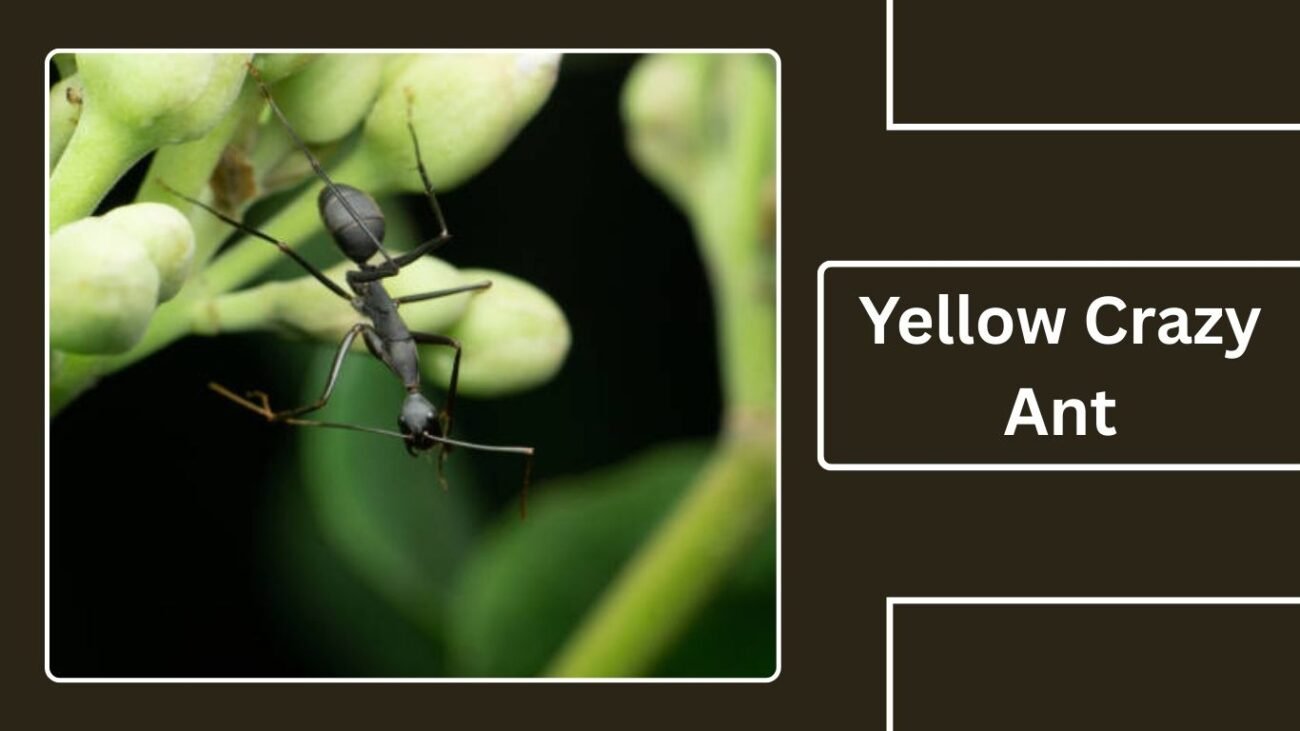
Yellow crazy ants get their name from their rapid, erratic movements. They are among the most destructive invasive ants, forming supercolonies that threaten wildlife and agriculture. They are particularly infamous for devastating ecosystems on islands.
Identification
- Color: Yellowish-brown.
- Size: Workers around 4–5 mm.
- Body Shape: Slender with long legs and antennae.
- Distinctive Trait: Fast, erratic movement patterns.
Habitat
They prefer tropical and subtropical climates, nesting in soil, leaf litter, under rocks, and inside buildings. They are often transported accidentally through human trade.
Behaviors
Yellow crazy ants are aggressive foragers that feed on honeydew, insects, and plant matter. They can spray formic acid to defend themselves, making them dangerous to native wildlife. Their supercolonies can number in millions, overwhelming entire habitats.
Lifecycle
- Egg Stage: Eggs hatch in about 2 weeks.
- Larvae Stage: Fed by workers until pupation.
- Pupa Stage: Pupae transform into adults in 2–3 weeks.
- Adult Stage: Colonies expand through multiple queens and rapid reproduction.
12. Big-headed Ant
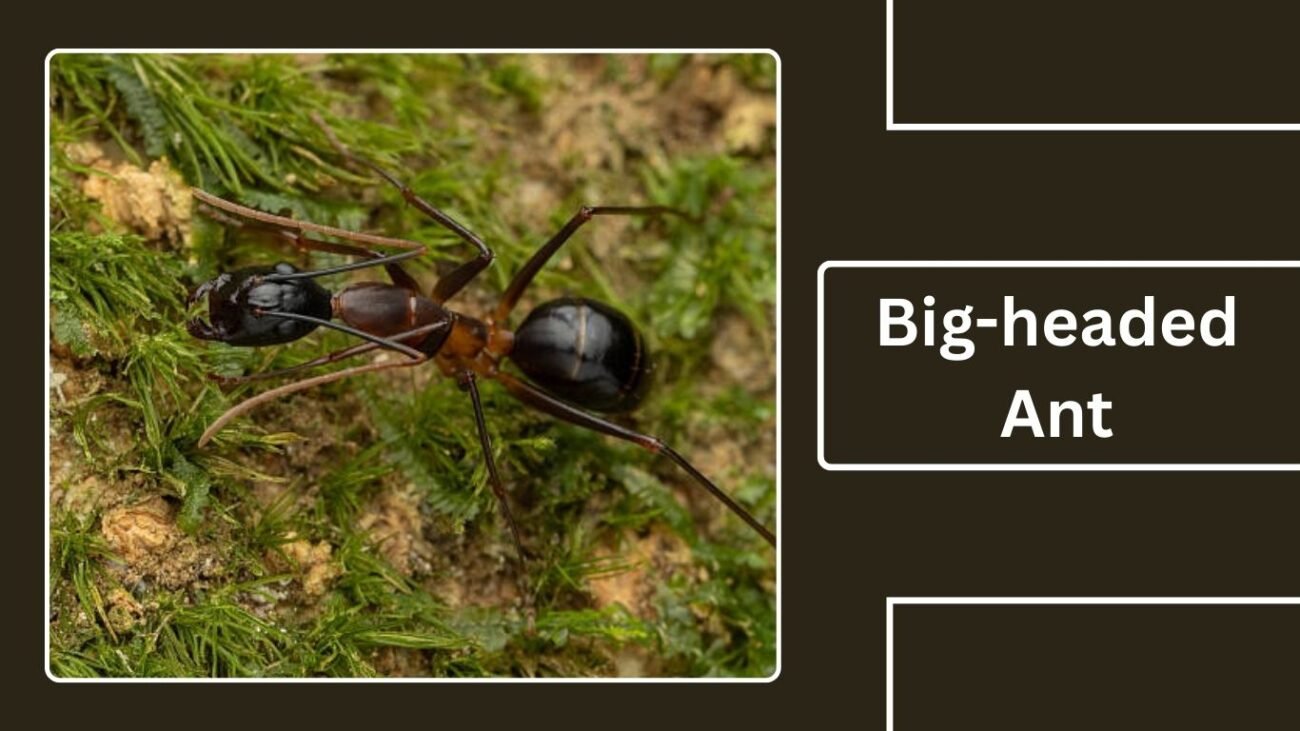
Big-headed ants are easily recognized by their disproportionately large heads in certain worker castes. They are invasive species in many regions and are notorious for displacing native ants. Their aggressive foraging and nesting habits make them a common household and garden pest.
Identification
- Color: Light brown to dark brown.
- Size: Workers range from 1.5 to 4 mm.
- Body Shape: Major workers have oversized heads with strong mandibles.
- Distinctive Trait: Dimorphic workers (small and large-headed).
Habitat
These ants prefer warm climates and nest in soil, under stones, pavement cracks, and occasionally inside homes. They thrive in disturbed areas, such as lawns, gardens, and agricultural land.
Behaviors
Big-headed ants are aggressive and form large colonies with multiple queens. They feed on sweets, proteins, and oily foods, often farming aphids for honeydew. They compete strongly with native ants, making them ecologically disruptive.
Lifecycle
- Egg Stage: Eggs hatch in 1–2 weeks.
- Larvae Stage: Nurtured by workers with protein-based food.
- Pupa Stage: Development into adults occurs in soil chambers.
- Adult Stage: Workers forage, soldiers defend, queens reproduce.
13. Acrobat Ant
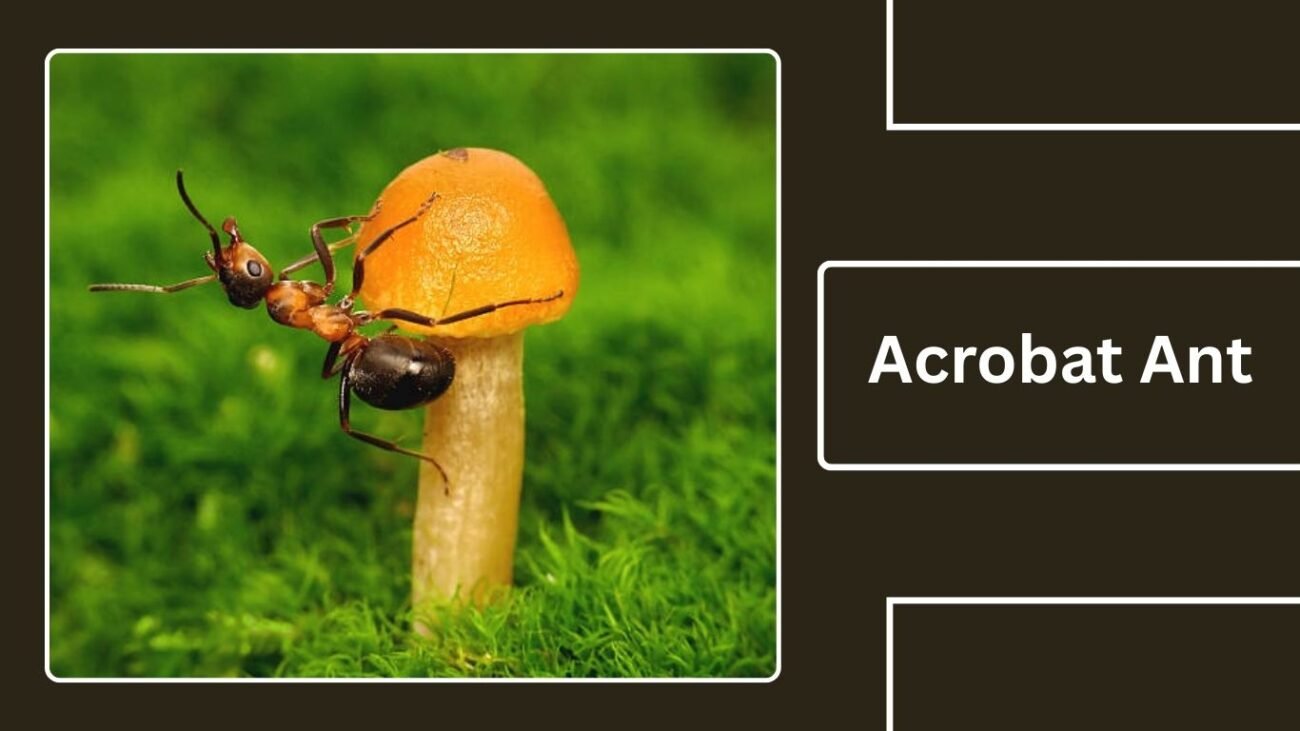
Acrobat ants are named for their unusual behavior of raising their heart-shaped abdomens over their thorax and head, especially when threatened. They are often found in wooded areas and can invade homes, nesting in moist wood or insulation.
Identification
- Color: Light brown to black, sometimes with reddish tones.
- Size: Workers measure 2.5–4 mm.
- Body Shape: Distinctive heart-shaped abdomen on a narrow waist.
- Distinctive Trait: Abdomen raised like an “acrobat” when disturbed.
Habitat
Acrobat ants live in decaying wood, under rocks, and in tree cavities. In urban settings, they inhabit damaged wood, wall voids, and insulation, often following moisture sources.
Behaviors
They are opportunistic feeders, consuming sweets, proteins, and honeydew. Acrobat ants can bite and release a foul odor when threatened. Though not highly destructive, their presence indoors can be a nuisance.
Lifecycle
- Egg Stage: Eggs hatch within 1–2 weeks.
- Larvae Stage: Fed by workers until pupation.
- Pupa Stage: Transform into adults within protective cocoons.
- Adult Stage: Workers forage, defend colony, and queens reproduce.
14. Sugar Ant
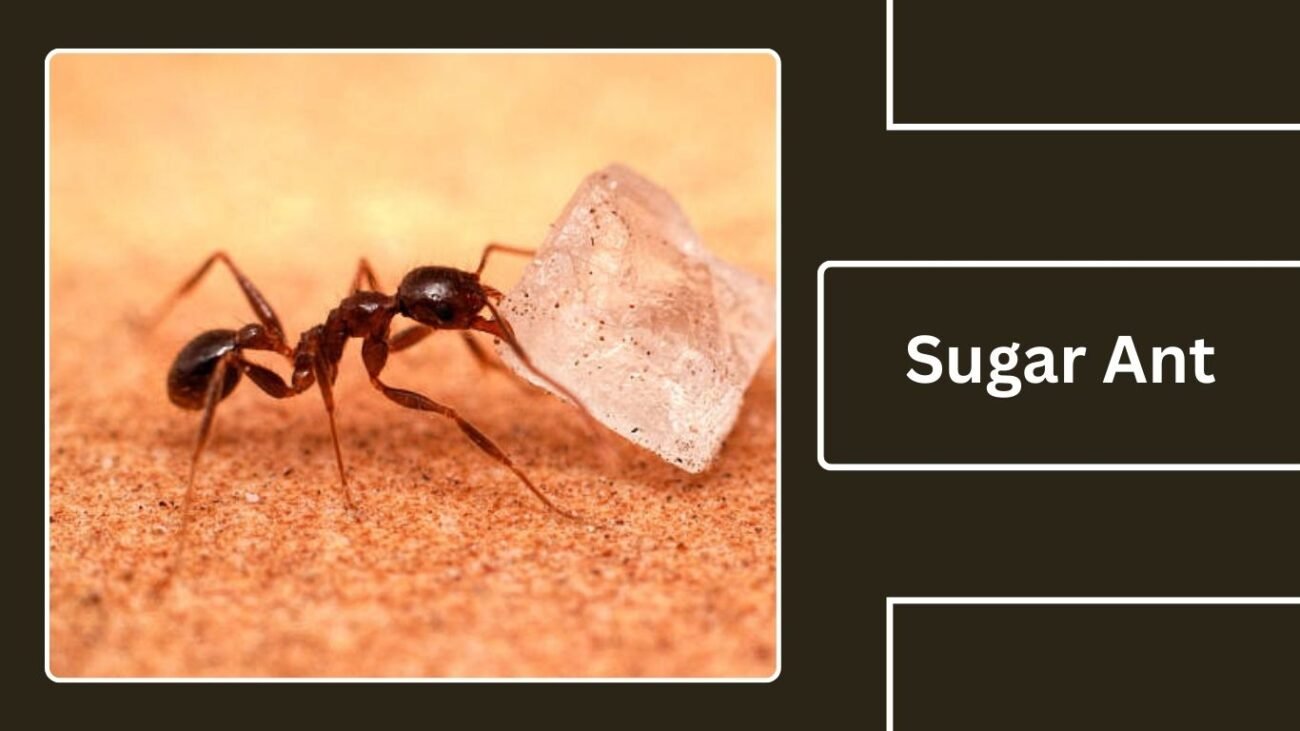
Sugar ants are a general name often used for ants that prefer sweet foods, but in entomology, it refers to the Australian species Camponotus consobrinus. These ants are nocturnal foragers, commonly seen raiding kitchens or gardens for sugary substances.
Identification
- Color: Brown to black with lighter orange-brown bands.
- Size: Workers range from 2.5 to 15 mm.
- Body Shape: Slender body with large mandibles.
- Distinctive Trait: Strong attraction to sugary foods.
Habitat
Sugar ants are native to Australia but are also widespread in other regions under the same name. They nest in soil, under rocks, in wood, and around urban areas, especially near food sources.
Behaviors
They are non-aggressive but persistent foragers, often forming long trails toward sweet substances like nectar, fruit, and kitchen leftovers. Colonies may have multiple queens, ensuring rapid population growth.
Lifecycle
- Egg Stage: Eggs hatch within 1–2 weeks.
- Larvae Stage: Fed honeydew and sweet substances.
- Pupa Stage: Development occurs inside protective cocoons.
- Adult Stage: Workers forage at night; queens sustain reproduction.
15. Odorous House Ant
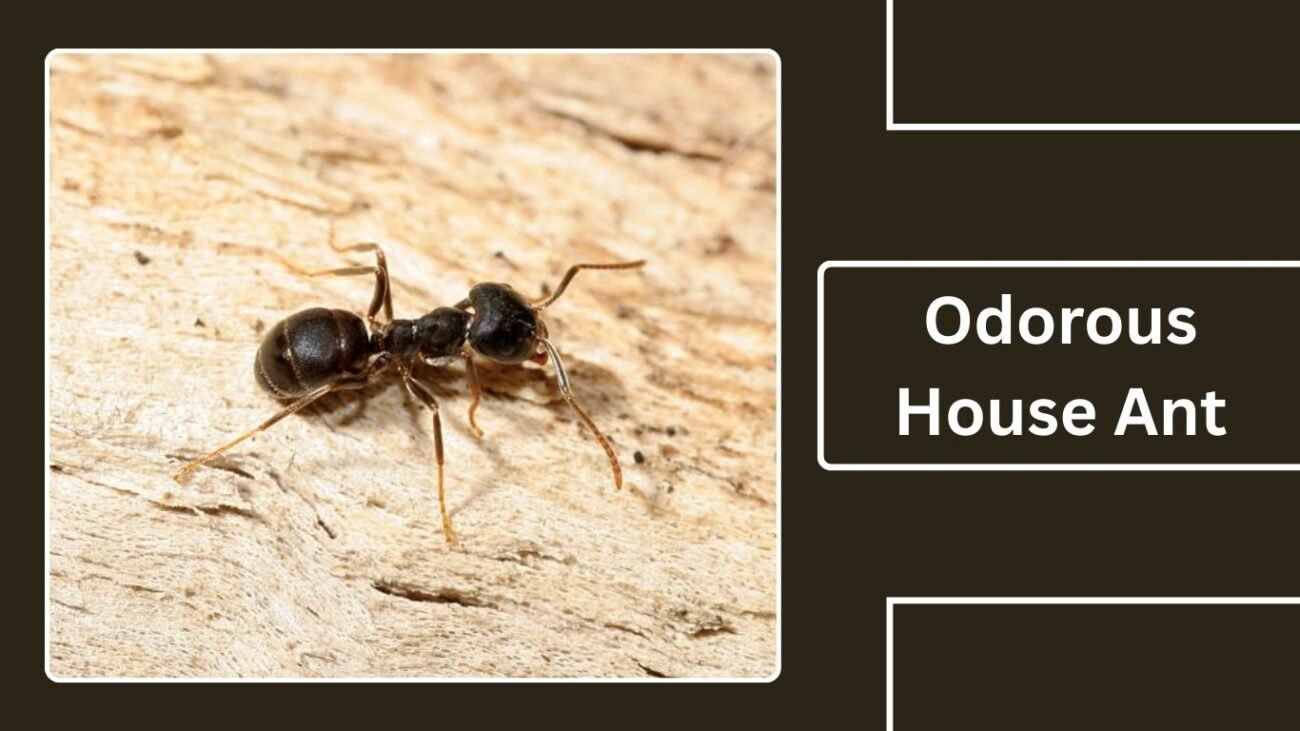
Odorous house ants are small but widespread household pests, named for the foul, rotten-coconut-like odor they release when crushed. They are resilient and form colonies with multiple queens, making them hard to eliminate once established indoors.
Identification
- Color: Brown to black.
- Size: Workers measure 2.5–3.5 mm.
- Body Shape: Uneven thorax without spines.
- Distinctive Trait: Strong, unpleasant odor when squashed.
Habitat
They are common across North America, nesting in soil, logs, mulch, wall voids, and under floors. Indoors, they settle in moist areas near kitchens, bathrooms, and water pipes.
Behaviors
Odorous house ants are attracted to sweets like honeydew and sugar but will also eat proteins. They travel in trails and relocate frequently when disturbed. Their colonies can contain thousands of workers and numerous queens.
Lifecycle
- Egg Stage: Eggs hatch in about 2 weeks.
- Larvae Stage: Fed by workers until pupation.
- Pupa Stage: Development into adults takes around 8–10 days.
- Adult Stage: Workers forage continuously; queens ensure rapid colony expansion.
16. Thief Ant
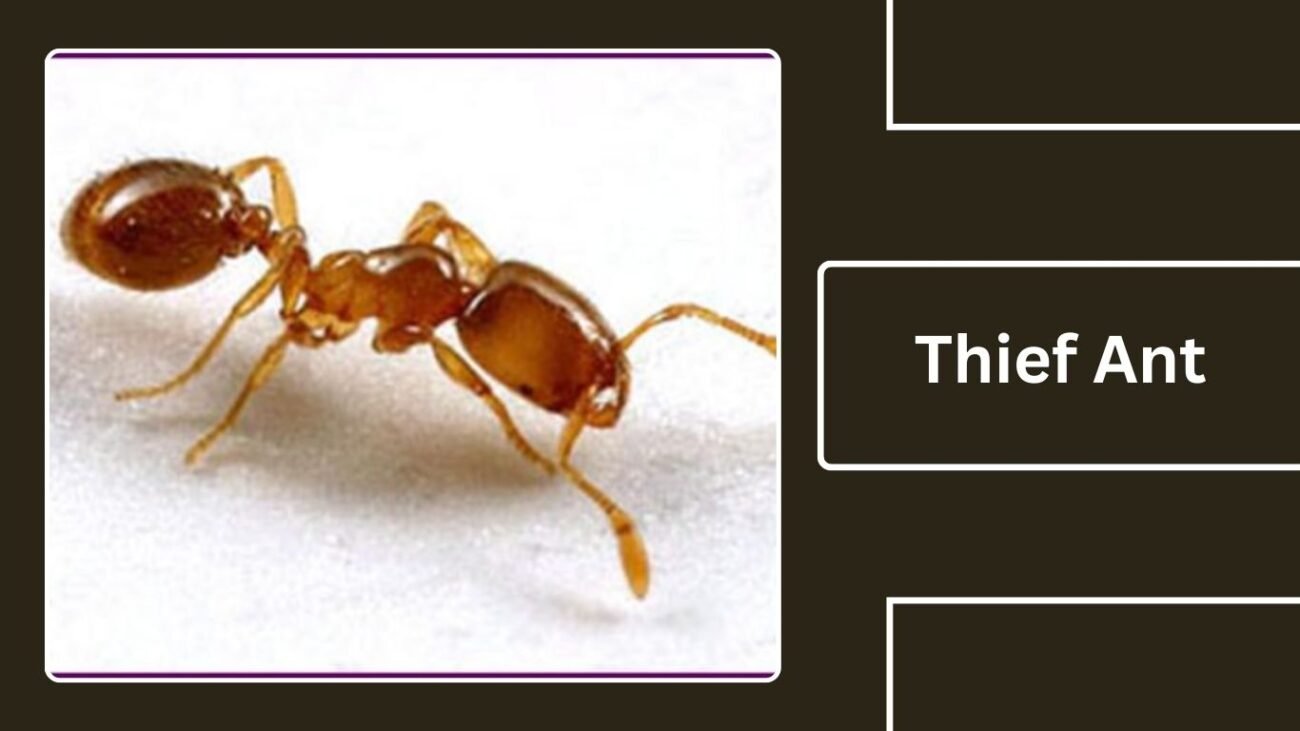
Thief ants are among the smallest household ants, known for nesting close to other ant colonies and stealing their food and larvae. Because of their size, they can infiltrate tightly sealed containers, contaminating stored food.
Identification
- Color: Yellow to light brown.
- Size: Workers are tiny, only 1.5–2.2 mm.
- Body Shape: Very small with two-segmented waist.
- Distinctive Trait: Tiny size and food-stealing behavior.
Habitat
Thief ants prefer warm areas, nesting in soil, under rocks, inside wood, and even in wall voids. They often build nests close to other ant colonies to exploit them. Indoors, they are found in kitchens and pantries.
Behaviors
They are omnivores, feeding on proteins, greasy foods, sweets, and other ants’ brood. Their small size allows them to infiltrate food packaging, making them difficult pests to control. Colonies have multiple queens, which aids in survival.
Lifecycle
- Egg Stage: Hatch in 16–28 days.
- Larvae Stage: Fed by workers until pupation.
- Pupa Stage: Transformation occurs in about 2 weeks.
- Adult Stage: Workers forage; queens reproduce to expand colonies.
17. Pavement Ant
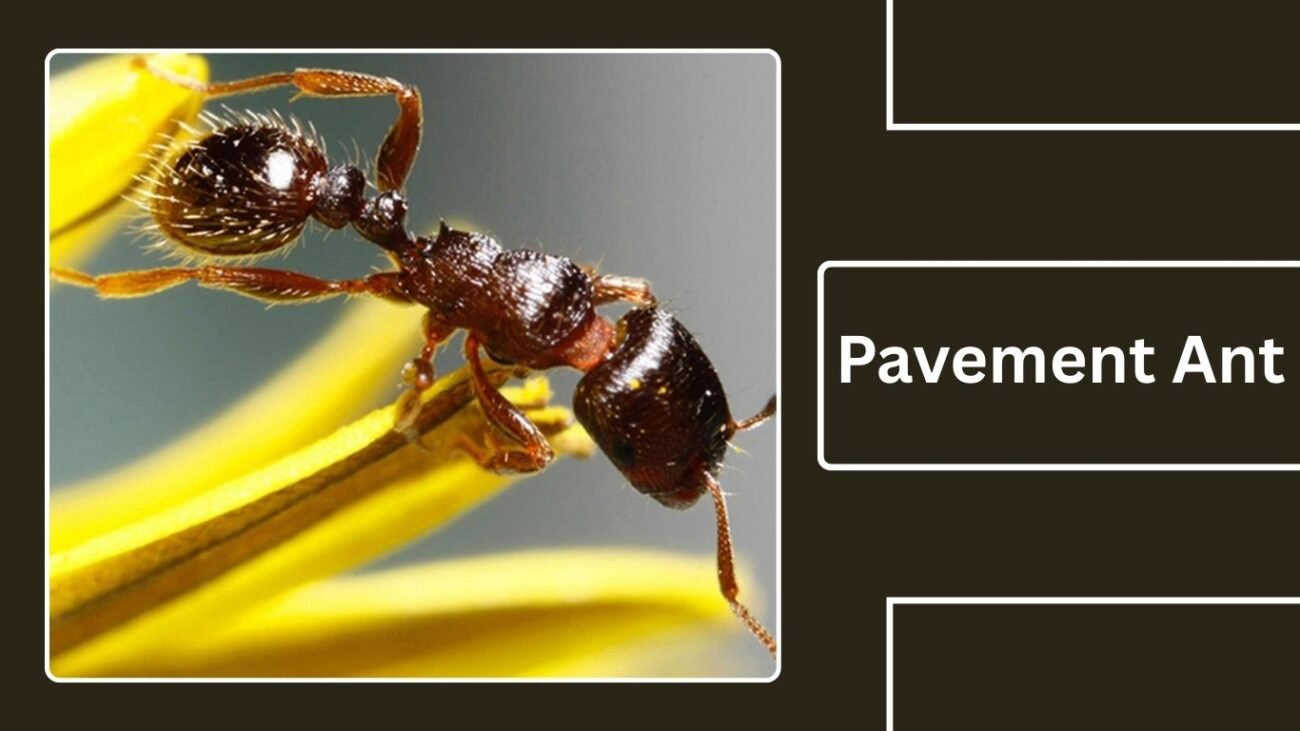
Pavement ants are common urban pests, named for their habit of nesting in cracks of pavement, sidewalks, and building foundations. They are highly adaptable and often invade homes in search of food.
Identification
- Color: Dark brown to black.
- Size: Workers measure 2.5–4 mm.
- Body Shape: Grooved head and thorax with two-segmented waist.
- Distinctive Trait: Nests in pavement cracks and soil mounds.
Habitat
They are widespread in North America and Europe, preferring urban environments. Nests are typically found under sidewalks, driveways, building foundations, and stones.
Behaviors
Pavement ants are omnivorous, feeding on sweets, proteins, seeds, and grease. They forage in long trails and are known to engage in large “ant wars” with rival colonies during summer. Indoors, they become nuisance pests in kitchens.
Lifecycle
- Egg Stage: Eggs hatch within 1–2 weeks.
- Larvae Stage: Cared for by workers for several days.
- Pupa Stage: Develop into adults in about 2 weeks.
- Adult Stage: Workers forage, soldiers defend, queens reproduce.
18. Red Wood Ant
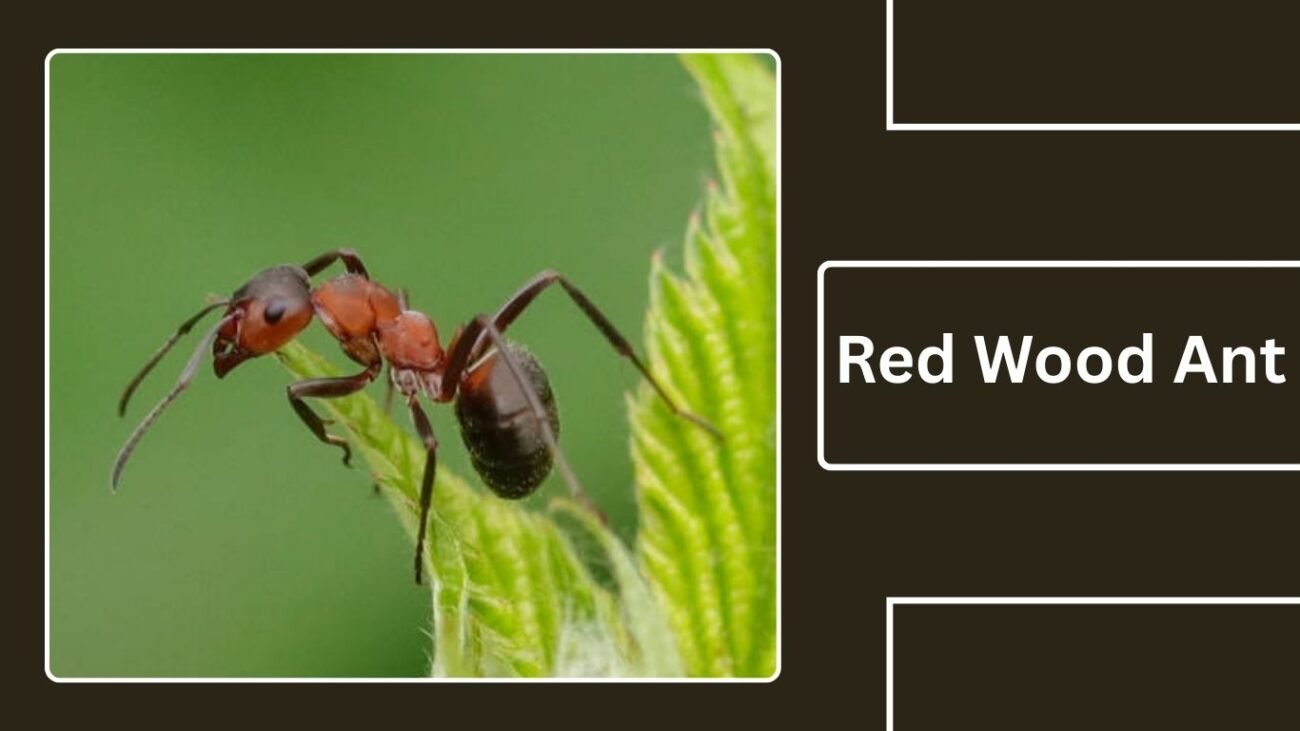
Red wood ants are large, mound-building ants found in European forests. They are ecologically important, controlling pest populations and recycling organic matter. Their nests are highly visible, constructed from twigs, leaves, and soil.
Identification
- Color: Reddish head and thorax with dark brown or black abdomen.
- Size: Workers range from 4–9 mm; queens up to 12 mm.
- Body Shape: Robust body with strong mandibles.
- Distinctive Trait: Large dome-shaped mound nests.
Habitat
They inhabit coniferous and mixed woodlands across Europe and parts of Asia. Their nests are typically located in sunny forest clearings, along paths, or at woodland edges.
Behaviors
Red wood ants are highly territorial and aggressive defenders of their nests. They prey on insects and feed on honeydew from aphids. Colonies may contain multiple queens and survive for many years, sometimes decades.
Lifecycle
- Egg Stage: Eggs hatch within 2–4 weeks.
- Larvae Stage: Fed protein-rich diets by workers.
- Pupa Stage: Pupae develop inside silk cocoons.
- Adult Stage: Workers forage, queens reproduce, soldiers defend.
19. Driver Ant
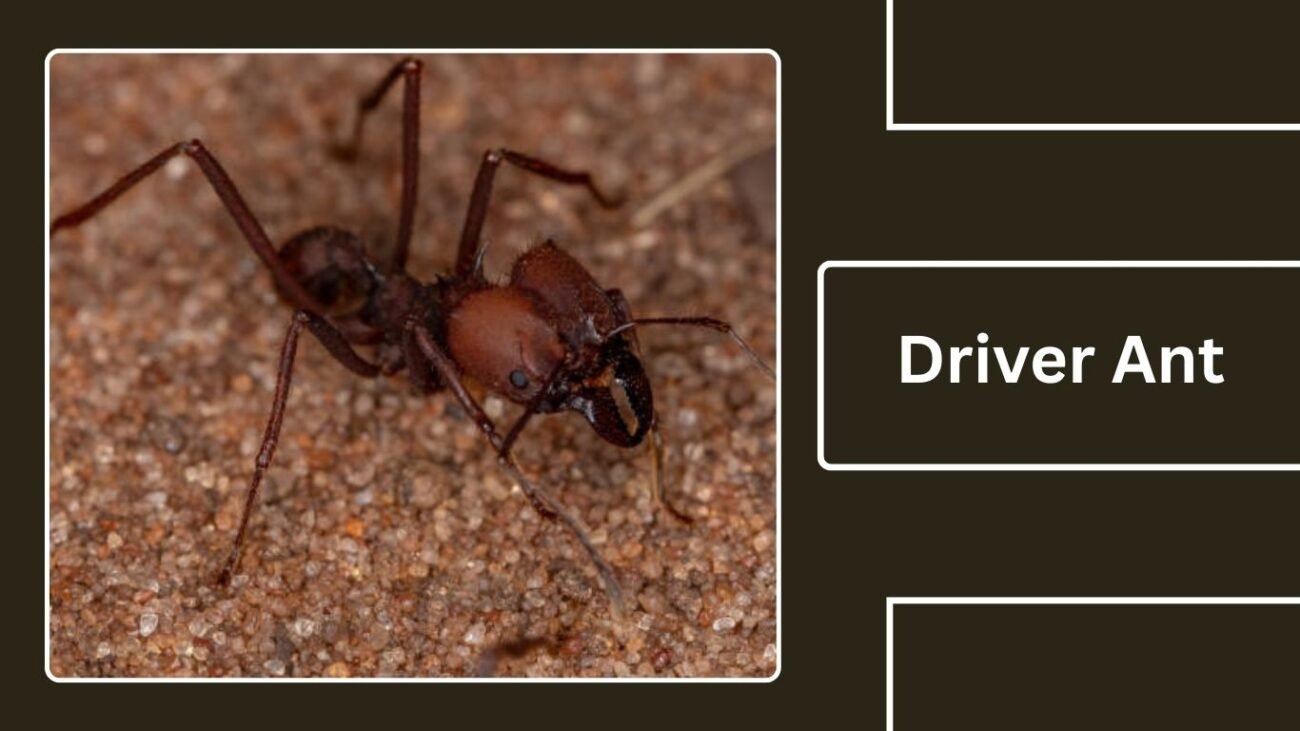
Driver ants, also called safari ants, are among the most aggressive species in Africa. They are nomadic hunters, traveling in massive swarms that overwhelm and consume nearly everything in their path.
Identification
- Color: Dark brown to black.
- Size: Workers range from 2–12 mm; queens may exceed 50 mm.
- Body Shape: Strong mandibles, with queens exceptionally large.
- Distinctive Trait: Enormous swarms of millions of ants.
Habitat
They are native to central and eastern Africa, dwelling in forests, grasslands, and savannas. Unlike other ants, they do not build permanent nests, instead moving frequently in search of food.
Behaviors
Driver ants are voracious predators, hunting insects, small mammals, birds, and reptiles. Their raids are highly coordinated, with soldier ants forming protective perimeters. They are feared for their sheer numbers and powerful bites.
Lifecycle
- Egg Stage: Large numbers of eggs hatch quickly.
- Larvae Stage: Fed intensively during hunting raids.
- Pupa Stage: Development occurs during resting phases.
- Adult Stage: Workers forage, soldiers defend, queens reproduce massively.
20. Green Tree Ant
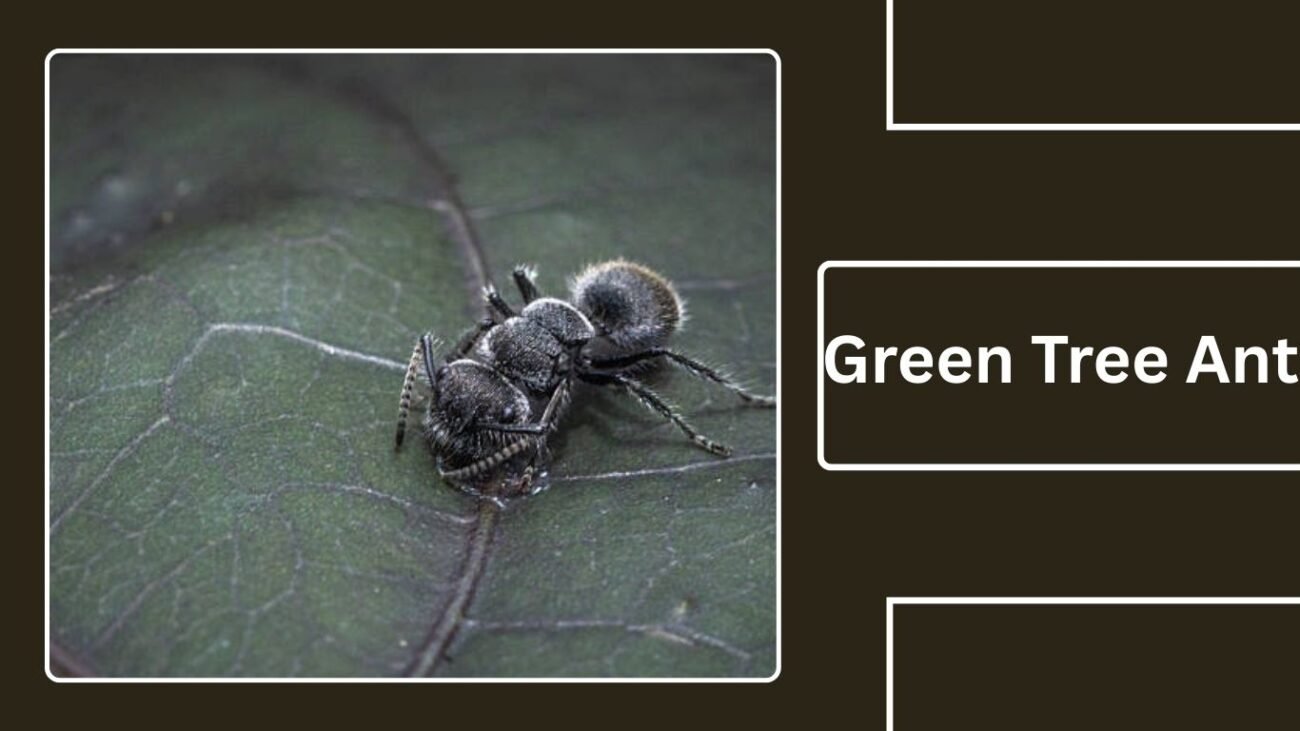
Green tree ants, also known as weaver ants in Australia (Oecophylla smaragdina), are arboreal ants famous for their vibrant green abdomens and leaf-nest weaving skills. They are often used in biological pest control due to their predatory nature.
Identification
- Color: Bright green abdomen with reddish-brown head and thorax.
- Size: Workers measure 5–10 mm; queens can be larger.
- Body Shape: Slender body with long legs and strong mandibles.
- Distinctive Trait: Shiny green abdomen and leaf nest construction.
Habitat
They are native to Southeast Asia, northern Australia, and the Pacific Islands. Colonies live in trees, constructing multiple nests from leaves bound together with larval silk.
Behaviors
Green tree ants are aggressive defenders of their colonies. They prey on insects and protect plants from pests in exchange for honeydew from sap-feeding insects. They communicate using chemical trails and cooperative teamwork in nest building.
Lifecycle
- Egg Stage: Hatch in 1–2 weeks.
- Larvae Stage: Provide silk for nest weaving.
- Pupa Stage: Transformation into adults occurs in silk cases.
- Adult Stage: Workers forage and defend; queens ensure colony growth.
21. Honeypot Ant
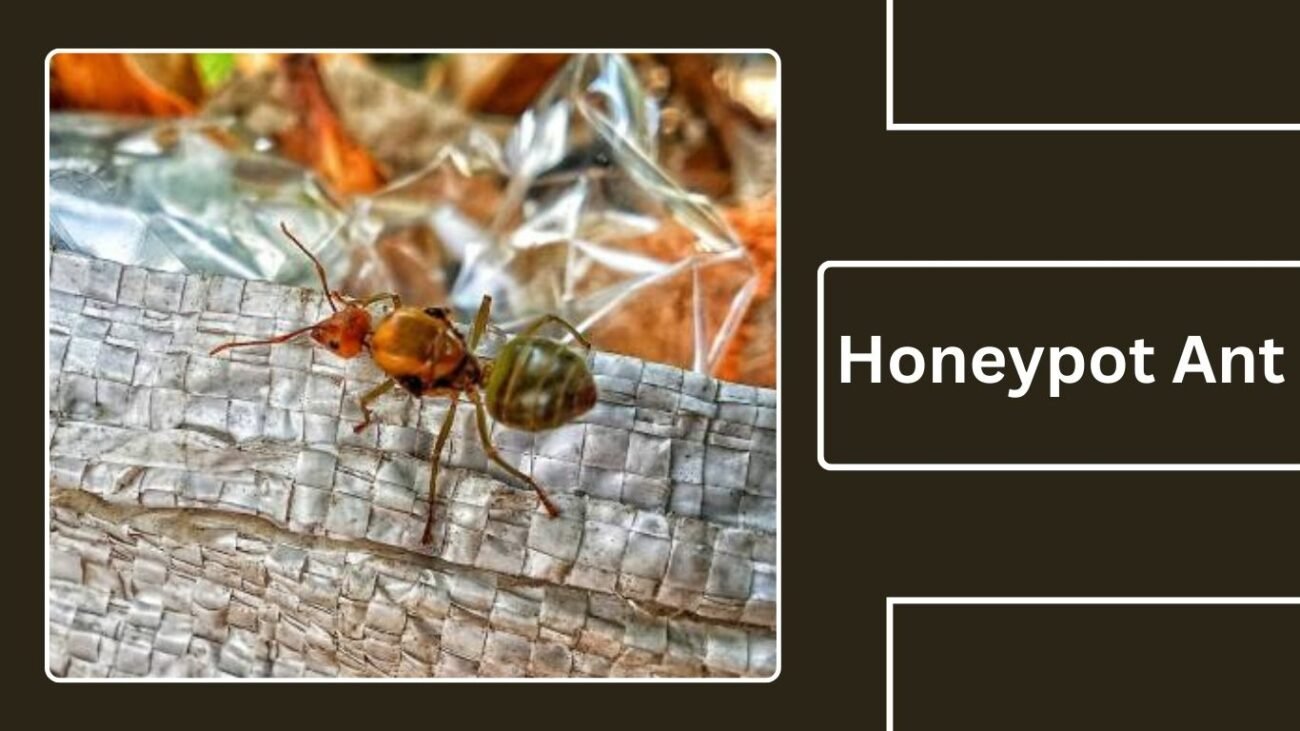
Honeypot ants are unique for their specialized workers, called “repletes,” which store nectar in their swollen abdomens to feed the colony during scarcity. They are considered living food reservoirs.
Identification
- Color: Varies from reddish-brown to black.
- Size: Workers range from 3–10 mm; repletes can grow up to 20 mm.
- Body Shape: Normal workers slender; repletes have huge, swollen abdomens.
- Distinctive Trait: Repletes act as living “honey jars.”
Habitat
They are found in arid and semi-arid regions, particularly in North America, Australia, and Africa. Nests are usually underground with chambers for replete storage.
Behaviors
Honeypot ants forage for nectar, honeydew, and insects. Repletes hang from ceilings of nest chambers, storing excess food to regurgitate when needed. They are valued in some indigenous cultures as a food source.
Lifecycle
- Egg Stage: Hatch in about 2 weeks.
- Larvae Stage: Cared for by workers with nectar and proteins.
- Pupa Stage: Develop into adults in silk cases.
- Adult Stage: Workers forage, repletes store food, queens reproduce.
22. Harvester Ant
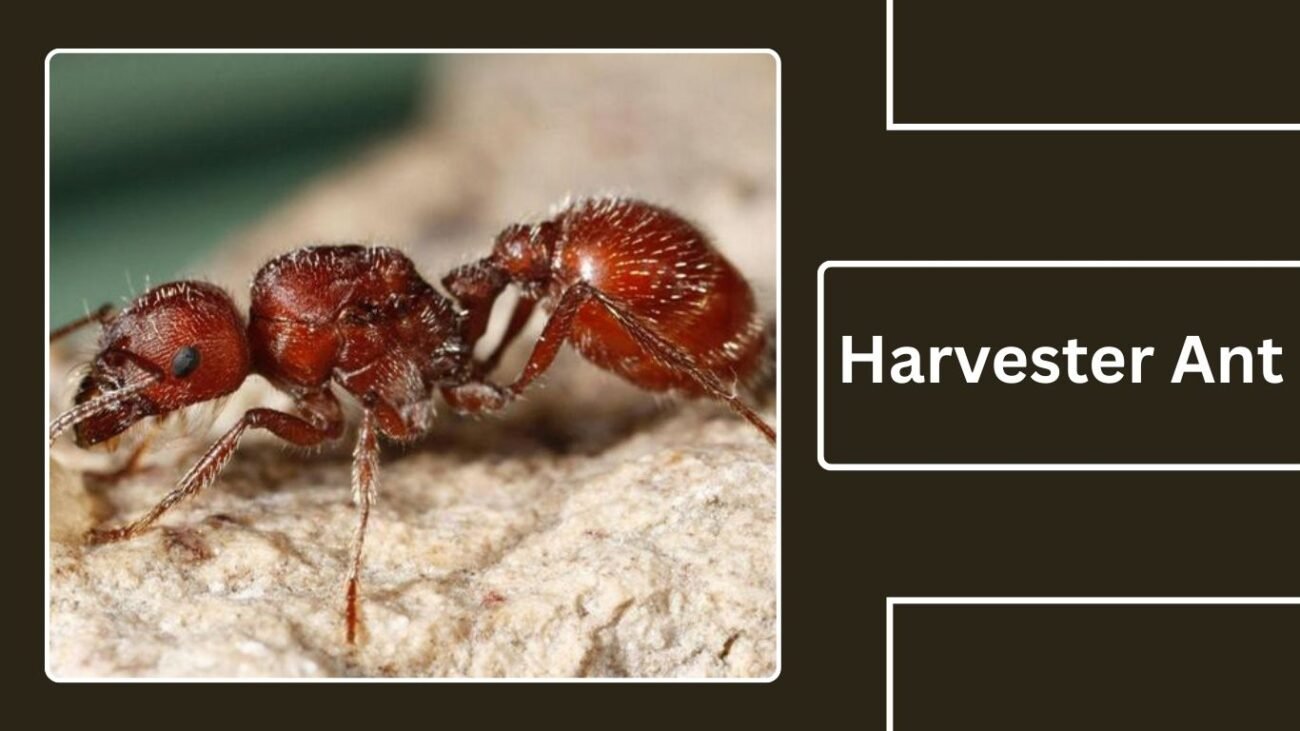
Harvester ants are seed-collecting ants that play a major role in dispersing plant species. While beneficial to ecosystems, some species have painful stings and can be agricultural pests when they strip fields of seeds.
Identification
- Color: Reddish-brown to black.
- Size: Workers range from 4–7 mm; queens up to 12 mm.
- Body Shape: Robust with large heads and strong mandibles.
- Distinctive Trait: Seed-harvesting behavior and large, visible mounds.
Habitat
They are common in arid and semi-arid regions of North America, South America, and parts of Europe. Nests are typically built in open, sandy, or gravelly soils, often forming large cleared areas around the entrances.
Behaviors
Harvester ants collect and store seeds in underground chambers, creating food reserves for the colony. They also feed on insects and vegetation. Some species have venomous stings, which they use for defense. Their foraging often creates bare circles around nests.
Lifecycle
- Egg Stage: Hatch in about 2 weeks.
- Larvae Stage: Fed crushed seeds and insect parts.
- Pupa Stage: Transform into adults inside chambers.
- Adult Stage: Workers forage and defend; queens reproduce.
23. Trap-jaw Ant
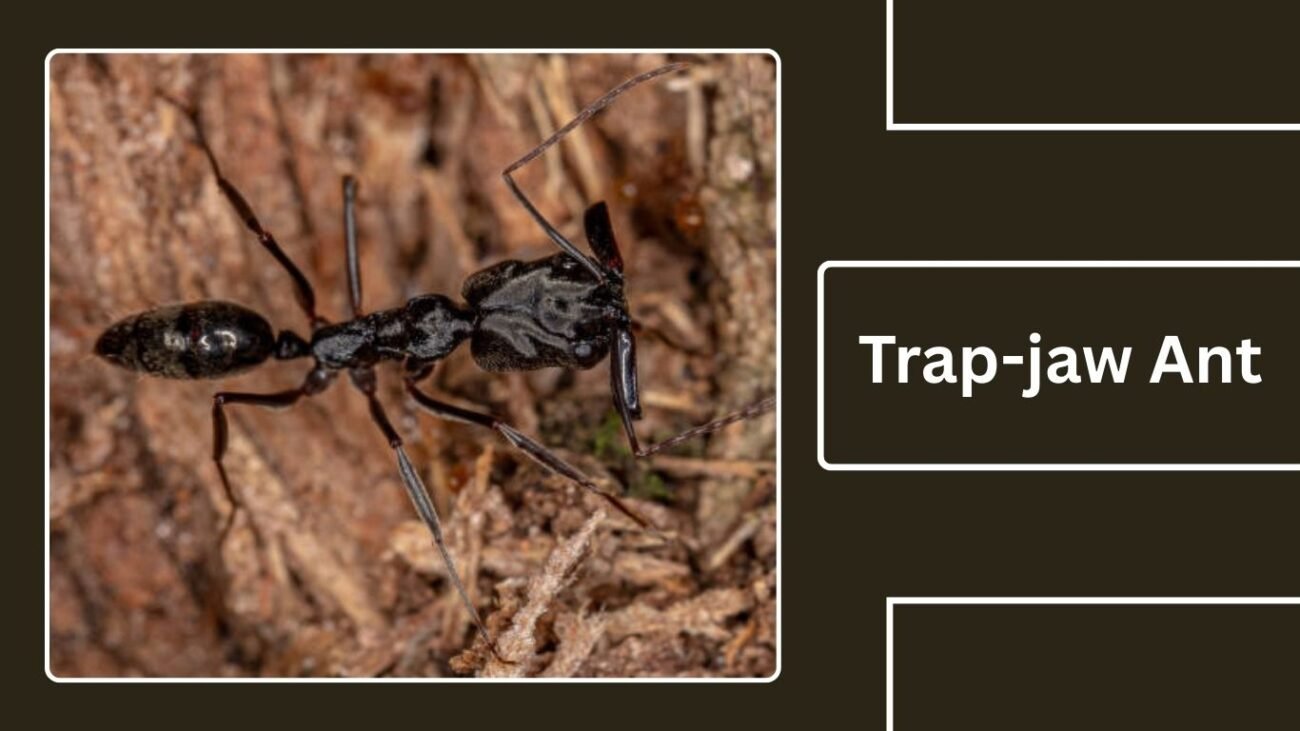
Trap-jaw ants are famous for their lightning-fast mandibles, which snap shut on prey or threats with incredible force. They can also use their jaws to launch themselves backward as an escape mechanism.
Identification
- Color: Dark brown to black, sometimes metallic.
- Size: Workers measure 10–12 mm.
- Body Shape: Long mandibles capable of snapping shut at high speed.
- Distinctive Trait: Mandibles close at speeds up to 60 m/s.
Habitat
Trap-jaw ants are found in tropical and subtropical regions worldwide, especially in Central and South America, Asia, and Africa. They nest in soil, rotting wood, and leaf litter.
Behaviors
They are active hunters, preying on small insects and arthropods. Their jaws can immobilize prey instantly. When threatened, they use their mandibles as a spring to catapult away from danger. Colonies are small compared to other ant species.
Lifecycle
- Egg Stage: Hatch in 2–3 weeks.
- Larvae Stage: Fed proteins and insects.
- Pupa Stage: Develop into adults inside pupal cases.
- Adult Stage: Workers forage and defend; queens maintain reproduction.
24. Singapore Ant
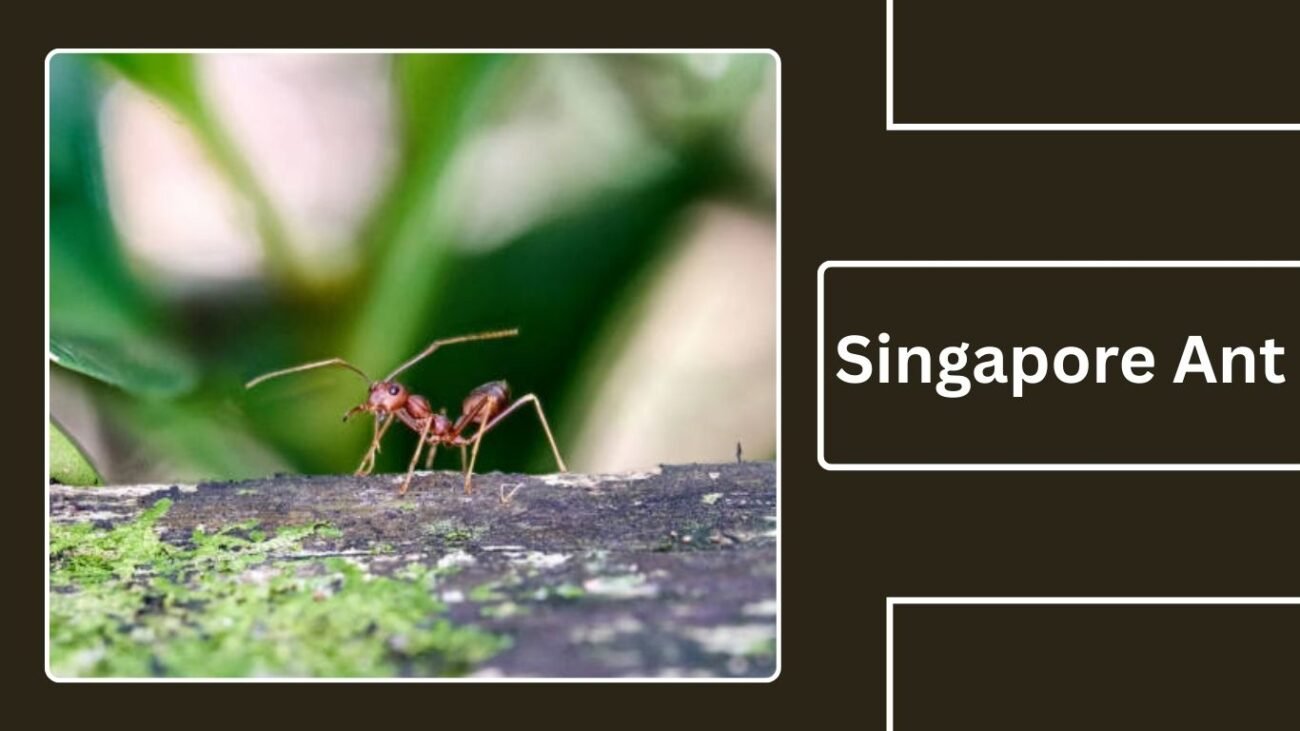
Singapore ants are invasive pests known for their destructive tendencies and ability to spread disease. They infest homes, warehouses, and agricultural areas, where they damage stored goods and electrical wiring.
Identification
- Color: Yellow-brown.
- Size: Workers are small, about 1.5–2 mm.
- Body Shape: Slender with two-segmented waist.
- Distinctive Trait: Small size and invasive behavior.
Habitat
They are widespread across Southeast Asia but have also spread to other tropical and subtropical regions through trade. They prefer nesting in soil, wall voids, electrical outlets, and other sheltered locations.
Behaviors
Singapore ants feed on sweets, proteins, and oily substances. They are highly adaptable and quickly infest human dwellings. Colonies often contain multiple queens, making control efforts difficult. They are also known for damaging electrical insulation, causing short circuits.
Lifecycle
- Egg Stage: Hatch in about 1–2 weeks.
- Larvae Stage: Fed by workers until pupation.
- Pupa Stage: Transformation occurs within 1–2 weeks.
- Adult Stage: Workers forage, while queens expand colonies.
25. Red Imported Fire Ant
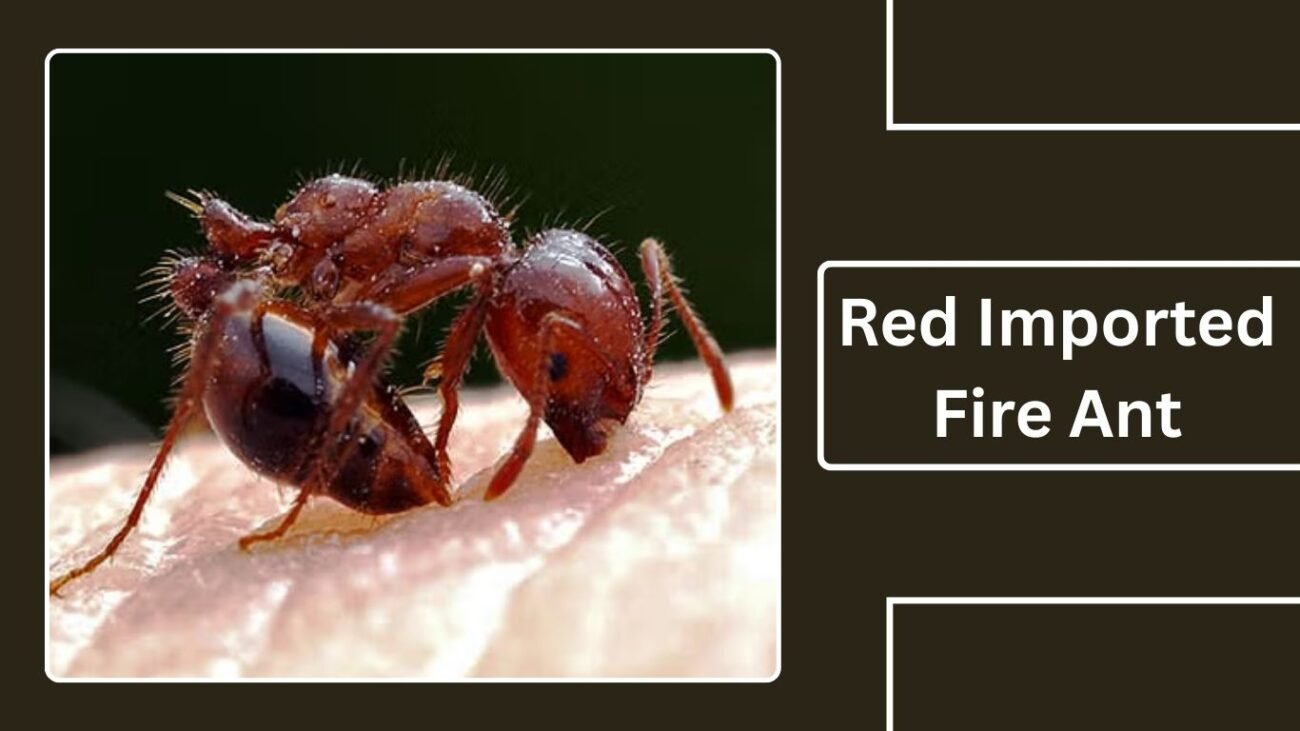
The red imported fire ant (Solenopsis invicta) is one of the most notorious invasive species worldwide. Their painful sting, aggressive swarming, and environmental impact make them a major pest in agriculture and urban areas.
Identification
- Color: Reddish-brown with darker abdomen.
- Size: Workers vary between 2–6 mm; queens up to 15 mm.
- Body Shape: Segmented body with stinger at the rear.
- Distinctive Trait: Aggressive swarming and painful stings.
Habitat
Native to South America, they have spread across the United States, Australia, China, and other regions. They build dome-shaped soil mounds in open fields, lawns, and along roadsides.
Behaviors
They are omnivorous, feeding on plants, seeds, insects, and small animals. Colonies contain multiple queens and millions of workers, allowing rapid expansion. They also damage crops, electrical equipment, and native wildlife populations.
Lifecycle
- Egg Stage: Hatch in 7–10 days.
- Larvae Stage: Fed proteins and sugary foods.
- Pupa Stage: Develop into adults in about 2 weeks.
- Adult Stage: Workers forage and defend; queens sustain colony growth.
26. Indian Jumping Ant
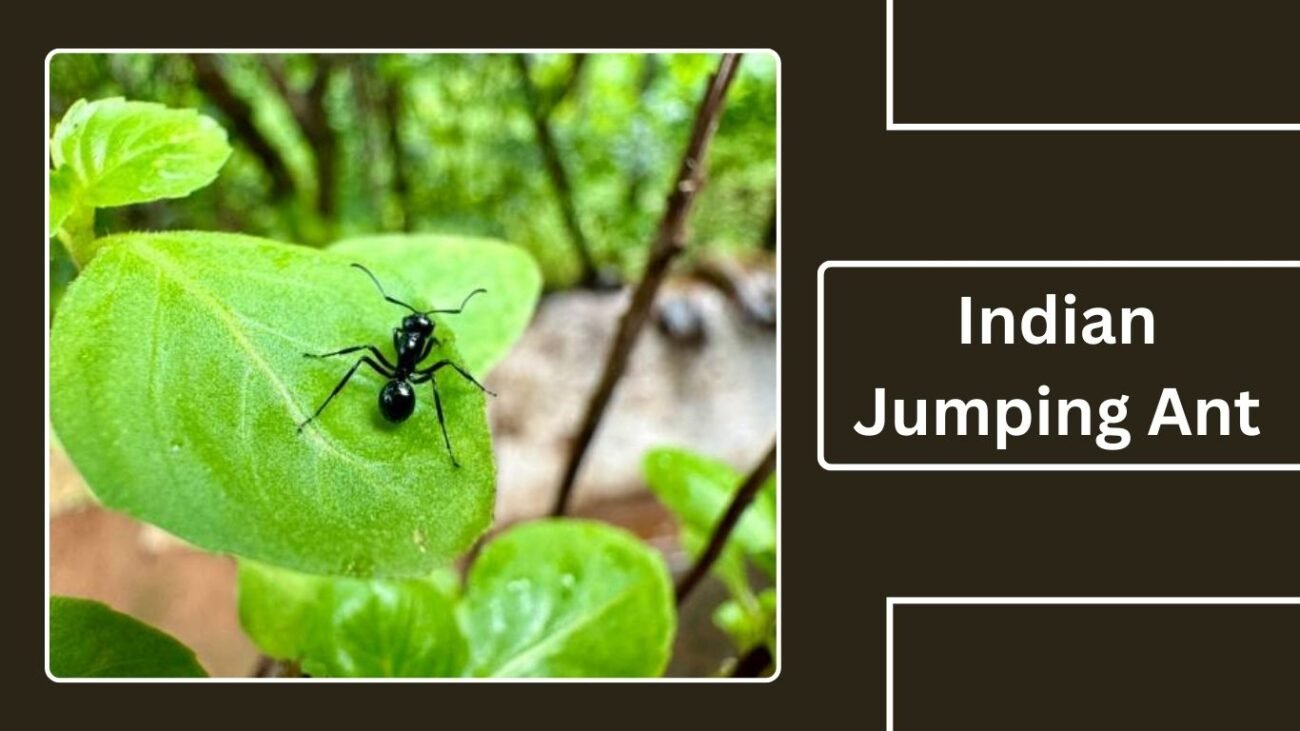
The Indian jumping ant (Harpegnathos saltator) is remarkable for its large eyes, powerful jaws, and ability to leap long distances. They are also unique because certain workers can become reproductive “gamergates,” taking over the role of queens.
Identification
- Color: Dark reddish-brown to black.
- Size: Workers measure 12–18 mm.
- Body Shape: Slender with large eyes and long mandibles.
- Distinctive Trait: Ability to jump several centimeters.
Habitat
They are native to India and surrounding South Asian regions. Nests are found in soil, under leaf litter, and at the bases of trees.
Behaviors
Indian jumping ants are skilled hunters, using their sharp eyesight to locate prey such as insects and small arthropods. Their ability to leap helps them capture prey and evade predators. Colonies are unusual in allowing workers to reproduce, maintaining colony survival without queens.
Lifecycle
- Egg Stage: Hatch in 2–3 weeks.
- Larvae Stage: Fed insects and proteins.
- Pupa Stage: Transform into adults in soil chambers.
- Adult Stage: Workers forage and hunt; gamergates reproduce.
27. European Fire Ant
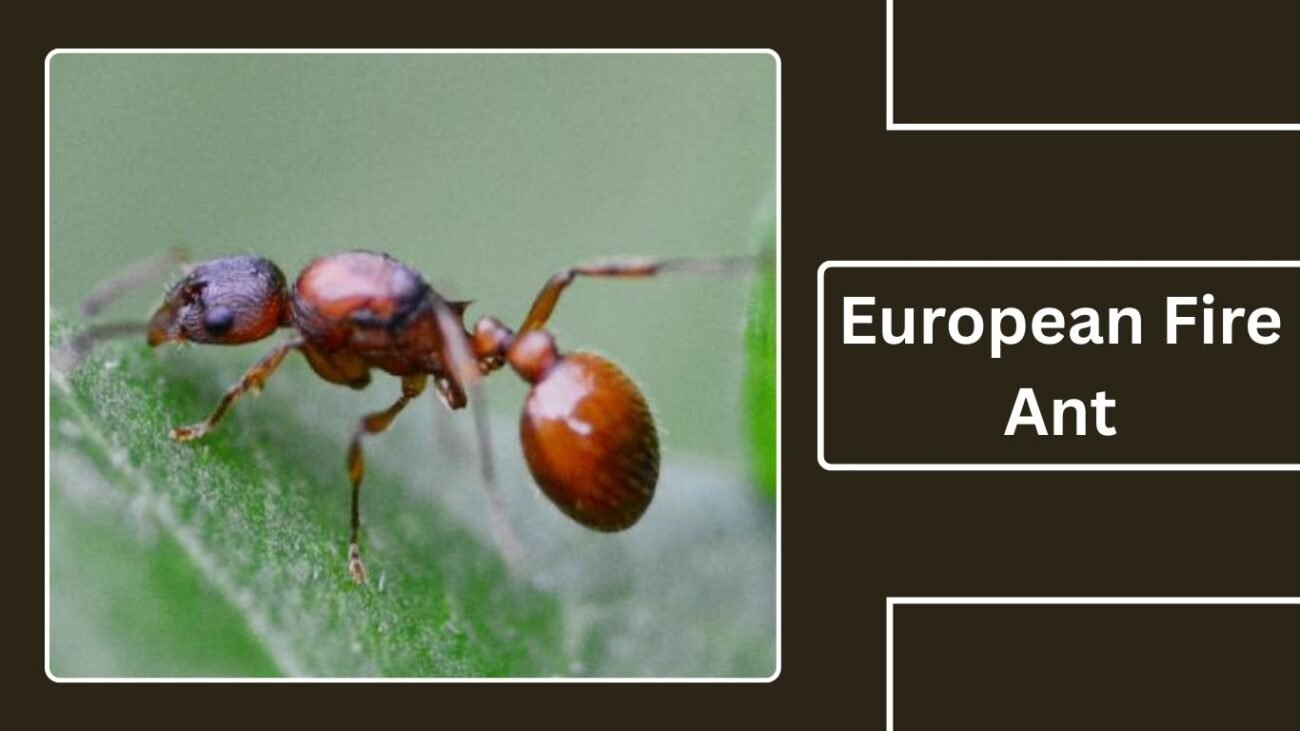
The European fire ant (Myrmica rubra) is an aggressive species that delivers painful stings. They form dense colonies in urban gardens and natural habitats, where they disrupt ecosystems and displace native ants.
Identification
- Color: Reddish-brown.
- Size: Workers are 4–5 mm; queens about 6 mm.
- Body Shape: Slender body with two-segmented waist and stinger.
- Distinctive Trait: Painful sting and dense colonies.
Habitat
They are native to Europe and parts of Asia but have invaded North America, especially the northeastern United States and Canada. They nest in soil, lawns, and under logs or rocks.
Behaviors
European fire ants are highly territorial and swarm aggressively when disturbed. They feed on honeydew, insects, and plant matter. Their colonies often have multiple queens, leading to rapid population growth.
Lifecycle
- Egg Stage: Hatch in 1–2 weeks.
- Larvae Stage: Fed honeydew and insects by workers.
- Pupa Stage: Develop into adults inside cocoons.
- Adult Stage: Workers forage and sting; queens reproduce.
28. Florida Carpenter Ant
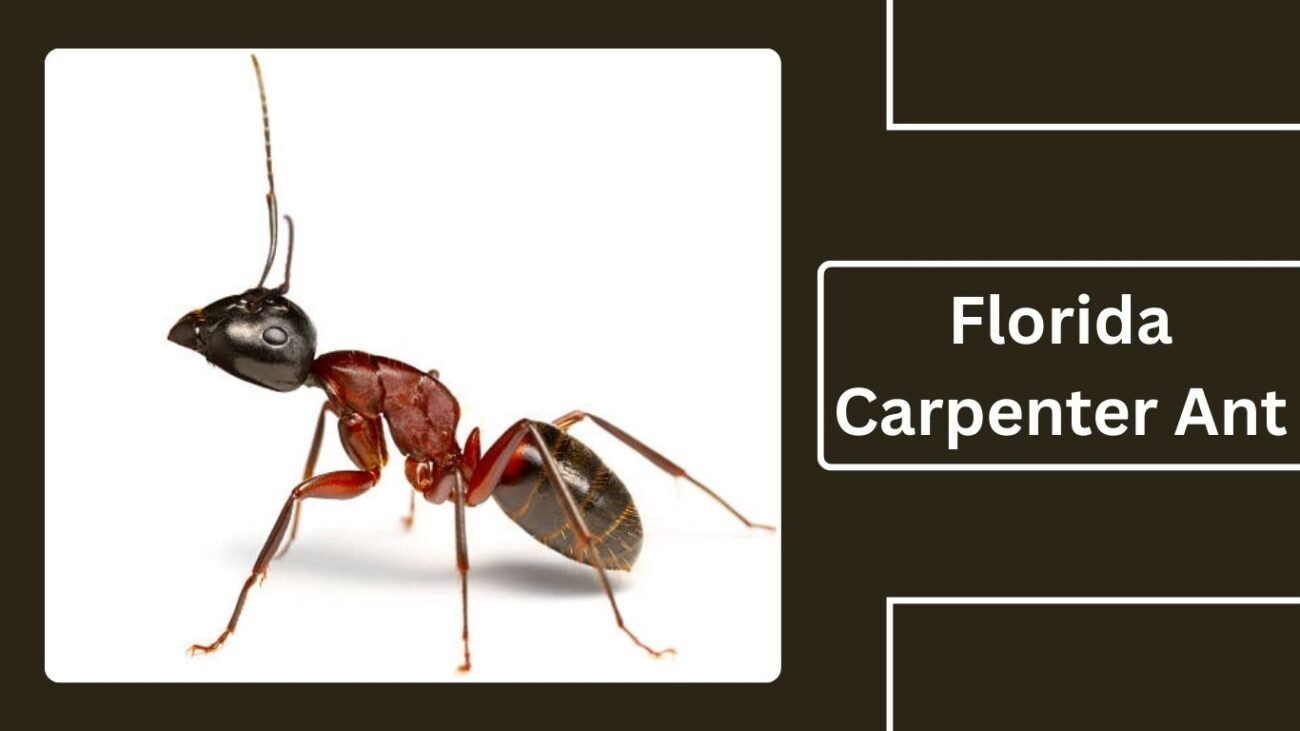
The Florida carpenter ant (Camponotus floridanus) is a large ant species commonly found in the southeastern United States. Although they do not eat wood, they excavate it to build nests, sometimes becoming household pests.
Identification
- Color: Reddish-brown head and thorax with a black abdomen.
- Size: Workers range from 6–11 mm; queens up to 20 mm.
- Body Shape: Smooth thorax with strong mandibles.
- Distinctive Trait: Large size and two-toned coloration.
Habitat
They inhabit forests, gardens, and urban areas, preferring moist or decaying wood. Indoors, they nest in attics, wall voids, and window frames, especially in damp or water-damaged areas.
Behaviors
Florida carpenter ants are nocturnal foragers that feed on nectar, honeydew, and household sweets. They are not aggressive but can bite if threatened. While beneficial outdoors, they become a nuisance when they infest homes.
Lifecycle
- Egg Stage: Hatch in about 1–2 weeks.
- Larvae Stage: Fed by workers with sweet and protein foods.
- Pupa Stage: Develop inside cocoons into adults.
- Adult Stage: Workers forage, queens reproduce, soldiers defend.
29. Yellow Meadow Ant
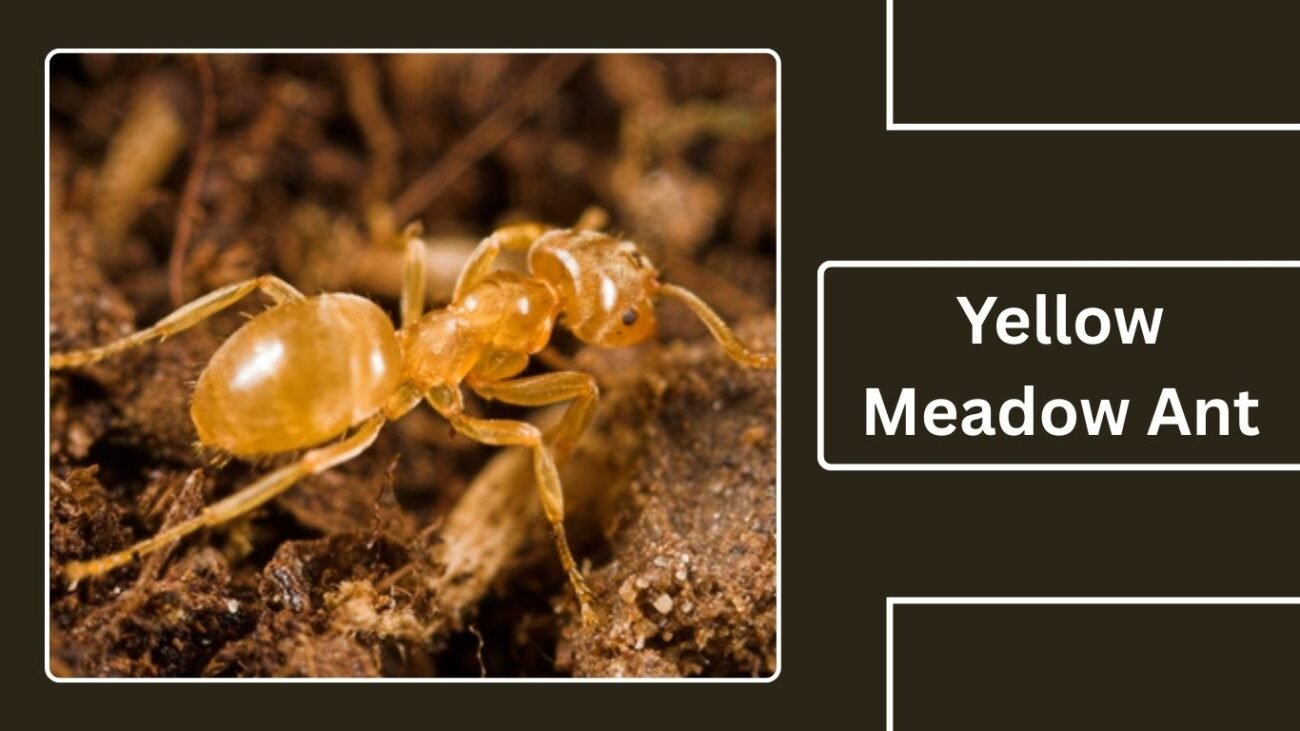
The yellow meadow ant (Lasius flavus) is a soil-dwelling species commonly found in grasslands and meadows across Europe and parts of Asia. Unlike many ants, they rarely forage above ground, making them less visible.
Identification
- Color: Yellow to yellow-brown.
- Size: Workers measure 2–4 mm; queens up to 9 mm.
- Body Shape: Small with fine hairs covering the body.
- Distinctive Trait: Subterranean lifestyle with little surface activity.
Habitat
They build underground nests, often visible as small soil mounds in meadows, pastures, and lawns. Colonies thrive in open grassy habitats with soft soil.
Behaviors
Yellow meadow ants primarily farm root aphids underground, feeding on their honeydew. Since they rarely come above ground, they are not considered household pests. Colonies can last for decades, with a single queen living many years.
Lifecycle
- Egg Stage: Hatch within 2–3 weeks.
- Larvae Stage: Fed honeydew and plant fluids.
- Pupa Stage: Develop underground into adults.
- Adult Stage: Workers remain mostly subterranean; queens sustain long-lived colonies.
30. Tropical Fire Ant
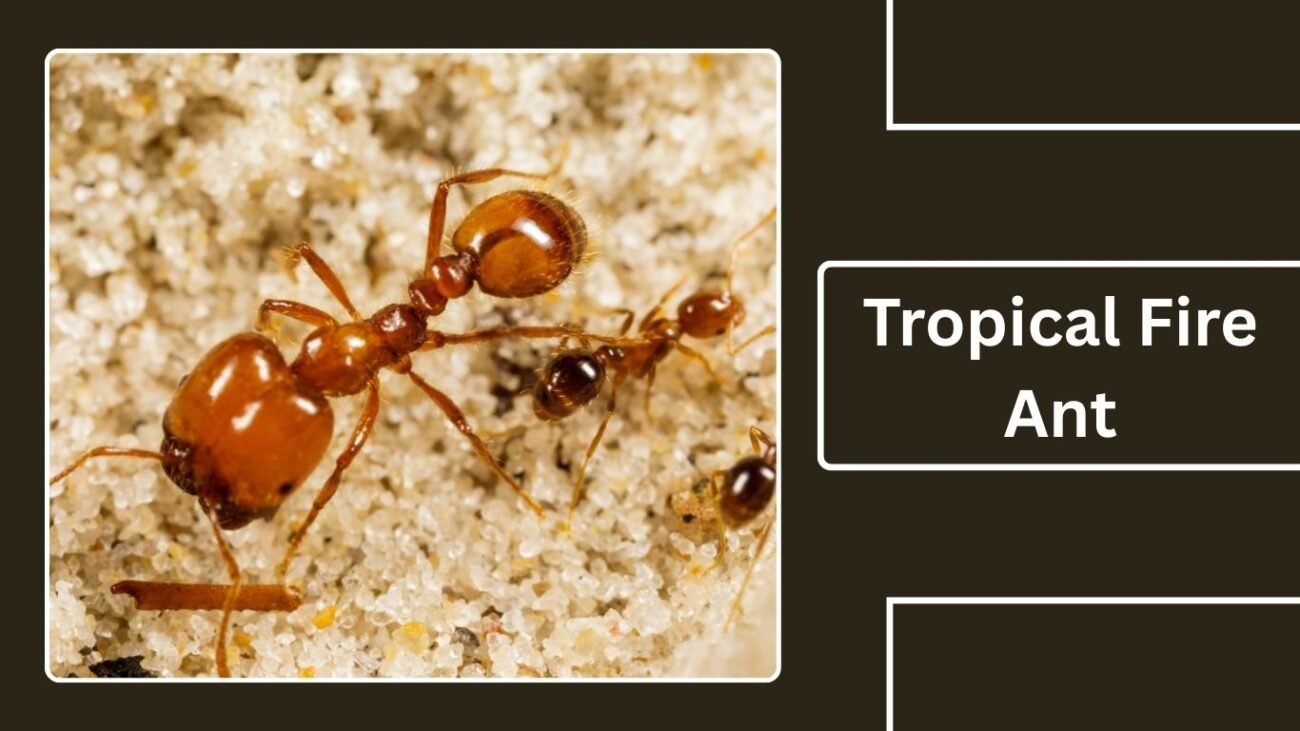
The tropical fire ant (Solenopsis geminata) is an aggressive stinging species closely related to the red imported fire ant. It is widespread in tropical and subtropical regions, where it is both an ecological threat and a serious agricultural pest.
Identification
- Color: Reddish-brown with darker abdomen.
- Size: Workers range from 2–6 mm; queens up to 15 mm.
- Body Shape: Segmented body with stinger at the tip.
- Distinctive Trait: Painful sting and highly aggressive swarming.
Habitat
Tropical fire ants thrive in warm climates, building soil mounds in open areas such as fields, pastures, and lawns. They are also common along roadsides and disturbed habitats. Their colonies often occur near human settlements.
Behaviors
These ants are aggressive foragers, feeding on seeds, insects, small animals, and human food scraps. When disturbed, they swarm rapidly, delivering painful stings. Their colonies can have multiple queens, which helps them expand quickly and dominate ecosystems.
Lifecycle
- Egg Stage: Hatch within 7–10 days.
- Larvae Stage: Fed proteins and sweet foods by workers.
- Pupa Stage: Develop into adults in about 2 weeks.
- Adult Stage: Workers forage and defend aggressively; queens reproduce to sustain colonies.