Many bird species stand out for their striking plumage, and those with black-and-white striped heads are among the most eye-catching. From sparrows to larks, these birds not only captivate birdwatchers but also play vital roles in their ecosystems. Found in grasslands, deserts, wetlands, and woodlands, each bird has unique habits and calls that make them fascinating to observe. Let’s explore ten remarkable species with these bold head patterns.
1. White-crowned Sparrow
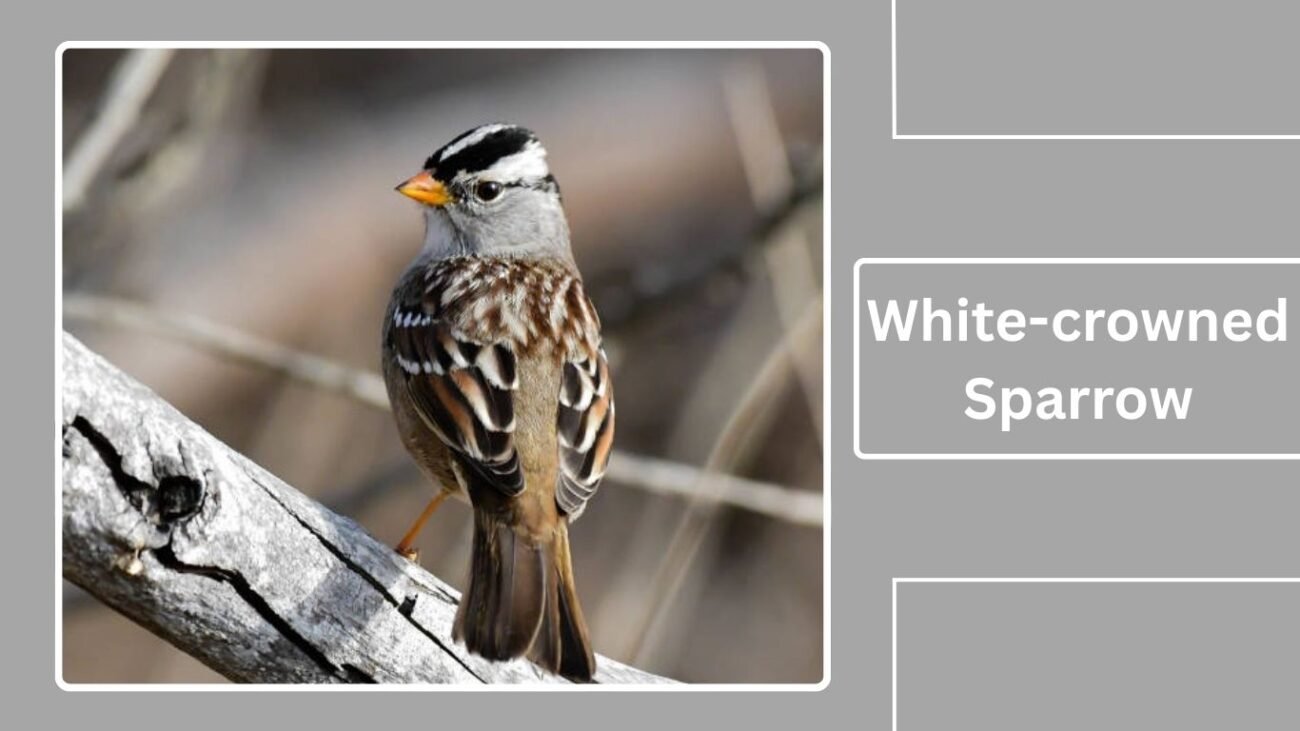
The White-crowned Sparrow is a striking songbird recognized by its bold black-and-white striped head. Found across North America, it is especially noticeable during migration seasons. Its clear, whistled song is often heard in gardens, grasslands, and brushy areas.
Identification
- Size: About 6–7 inches long
- Head: Distinct black-and-white crown stripes
- Bill: Small, pink or yellowish
- Body: Gray face and underparts with brown streaked wings and back
- Tail: Long, narrow, and brownish
Habitat
This bird prefers open areas with shrubs, fields, and forest edges. During winter, it often visits backyards and parks.
Behavior
White-crowned Sparrows are ground foragers, hopping around to find seeds and insects. They migrate long distances and are often seen in flocks outside the breeding season.
Diet
Their diet mainly consists of seeds, grains, and insects. In winter, they rely heavily on seeds, while in summer, insects provide extra protein for breeding.
2. White-throated Sparrow
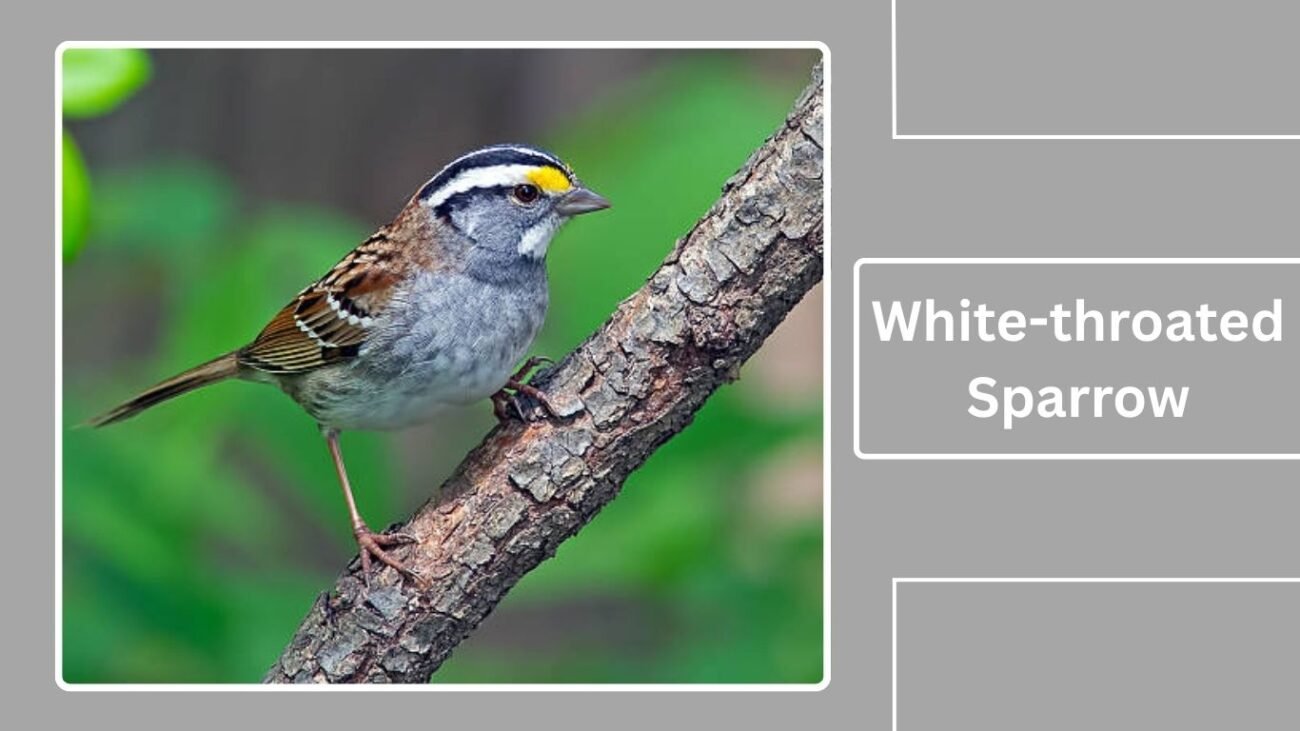
The White-throated Sparrow is a familiar backyard visitor, admired for its distinctive black-and-white striped head and bright white throat patch. Its melodic whistled song, often described as “Old Sam Peabody,” makes it easy to recognize in the wild.
Identification
- Size: About 6–7 inches long
- Head: Bold black-and-white crown stripes with a yellow spot between eye and bill
- Throat: Bright white, contrasting with gray breast
- Body: Brown streaked back with gray underparts
- Bill: Short and conical, perfect for seed eating
Habitat
These sparrows prefer woodland edges, brushy fields, and gardens. They are common visitors to feeders during migration and winter.
Behavior
White-throated Sparrows forage on the ground, scratching through leaves for seeds and insects. They are often seen in small flocks, especially in winter.
Diet
Their diet includes seeds, berries, and insects. They are frequent visitors to feeders, especially for cracked corn and sunflower seeds.
3. Black-crowned Sparrow-Lark
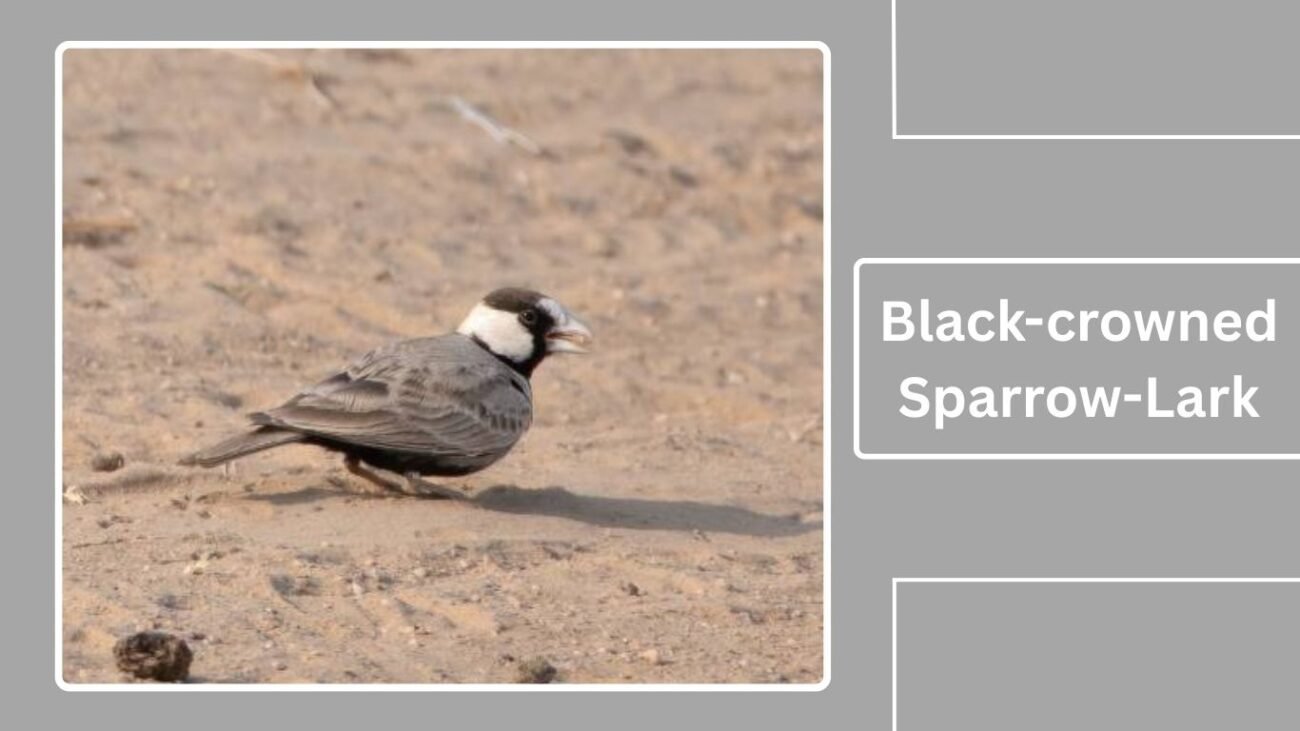
The Black-crowned Sparrow-Lark is a small desert bird known for its distinctive black-and-white striped head, especially prominent in males. It is well-adapted to arid environments and is often seen in pairs or small groups across dry open lands.
Identification
- Size: Around 4.7–5.1 inches long
- Head: Black crown and face with contrasting white stripes
- Body: Sandy brown upperparts with pale underparts
- Wings: Brown with subtle streaking
- Bill: Short, stout, and conical
Habitat
This bird thrives in dry plains, semi-deserts, and scrubby grasslands. It prefers open spaces where it can forage on the ground.
Behavior
Black-crowned Sparrow-Larks are mostly ground-dwellers, flying only short distances. They are active early in the morning and late in the afternoon to avoid heat.
Diet
Their diet mainly consists of grass seeds and small insects, which provide them with necessary energy and hydration in harsh environments.
4. Lark Sparrow

The Lark Sparrow is a handsome bird with a bold facial pattern featuring black-and-white stripes and a chestnut cheek patch. Known for its melodious song and ground-foraging habits, it is often spotted in open habitats across North America.
Identification
- Size: About 6–7 inches long
- Head: Black-and-white striped crown with chestnut cheeks
- Body: Streaked brown back with a clear white belly
- Wings: Brown with a small white patch
- Tail: Long with white corners, noticeable in flight
Habitat
Lark Sparrows prefer grasslands, prairies, farmlands, and open areas with scattered shrubs or trees. They are also found along roadsides and pastures.
Behavior
These sparrows forage on the ground for seeds and insects. During breeding, males perform a unique courtship display, hopping and fluttering with spread wings.
Diet
Their diet includes a mix of seeds, grains, and insects. Insects are especially important during the breeding season to feed their young.
5. White-crowned Pigeon
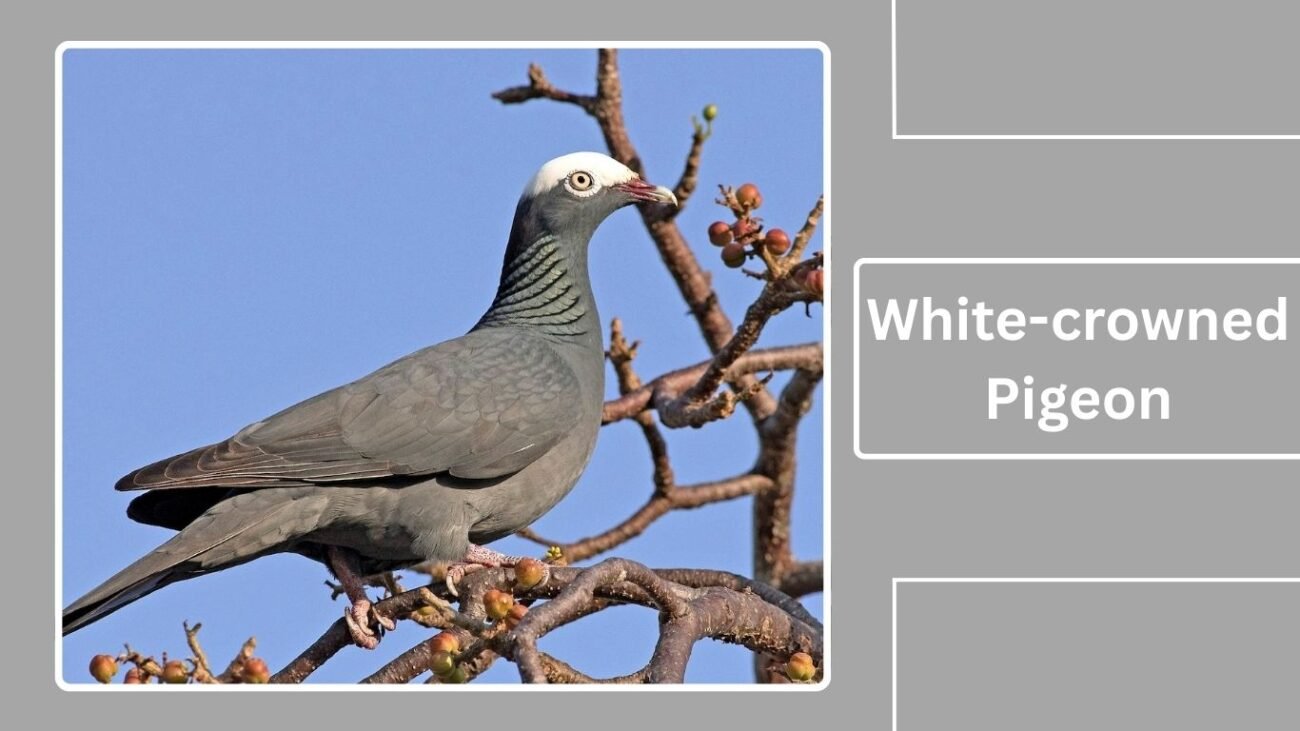
The White-crowned Pigeon is a medium-sized bird distinguished by its glossy dark body and striking white crown. Found mainly in the Caribbean and southern Florida, it plays an important role in dispersing seeds of tropical fruiting trees.
Identification
- Size: About 11–14 inches long
- Head: Bright white crown contrasting with dark plumage
- Body: Dark grayish to black overall with a purplish sheen
- Eyes: Red, standing out against the dark feathers
- Bill: Pale with a darker tip
Habitat
This pigeon inhabits coastal woodlands, mangroves, and tropical forests. It prefers areas with abundant fruiting trees and is often spotted near islands or coastal regions.
Behavior
White-crowned Pigeons are strong fliers and often travel long distances in search of food. They are shy, spending much of their time perched in dense foliage.
Diet
Their diet consists mostly of fruits and berries, particularly from tropical hardwood trees. They are key seed dispersers in their ecosystems.
6. Black-throated Sparrow
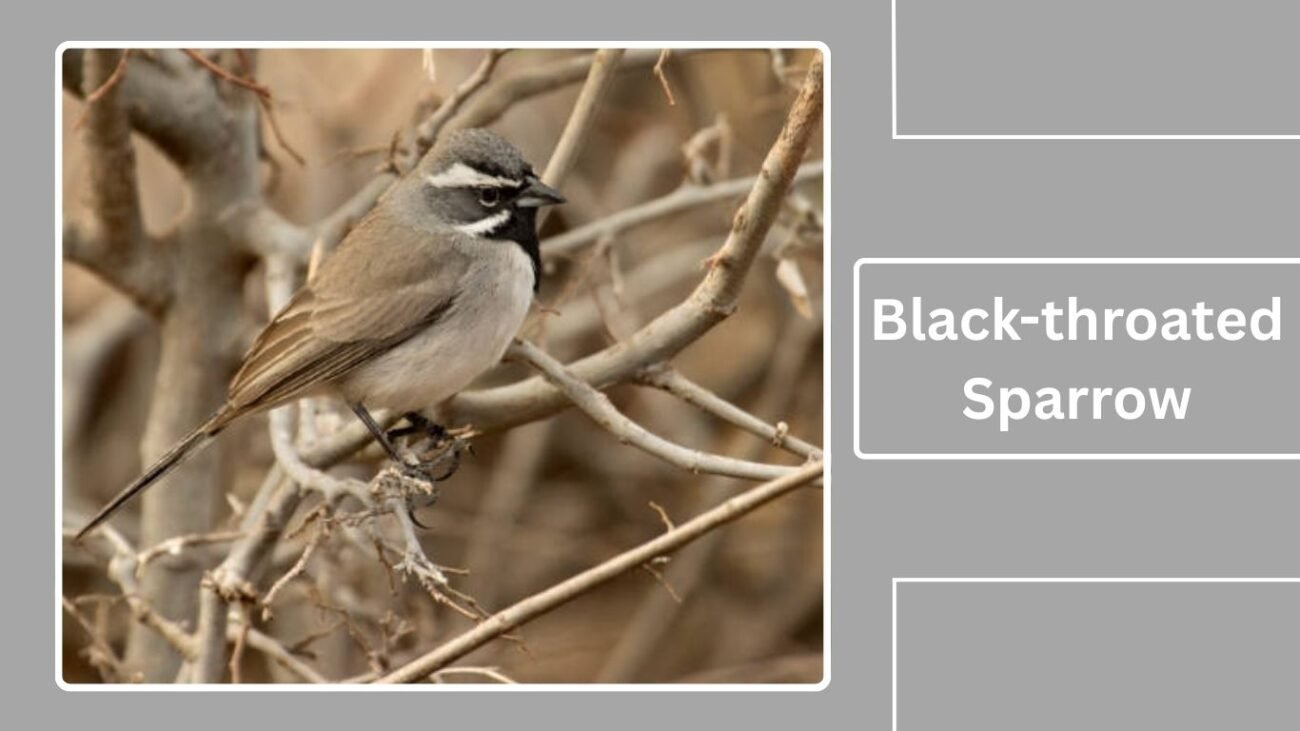
The Black-throated Sparrow is a striking desert bird, admired for its crisp black-and-white striped head and bold black throat patch. Often called the “desert sparrow,” it is well-suited to arid landscapes in the southwestern United States and Mexico.
Identification
- Size: About 5–6 inches long
- Head: Black-and-white striped crown with a distinctive white eyebrow line
- Throat: Solid black patch
- Body: Gray upperparts with pale underparts
- Tail: Long with white outer edges
Habitat
This sparrow favors deserts, scrublands, and dry open terrain. It is often seen perched on shrubs or hopping along the ground in search of food.
Behavior
Black-throated Sparrows are known for their cheerful, clear whistling songs. They are ground foragers and often seen alone or in small groups.
Diet
Their diet includes seeds, grains, and small insects. During summer, insects provide essential protein for raising their young.
7. White-crowned Wheatear
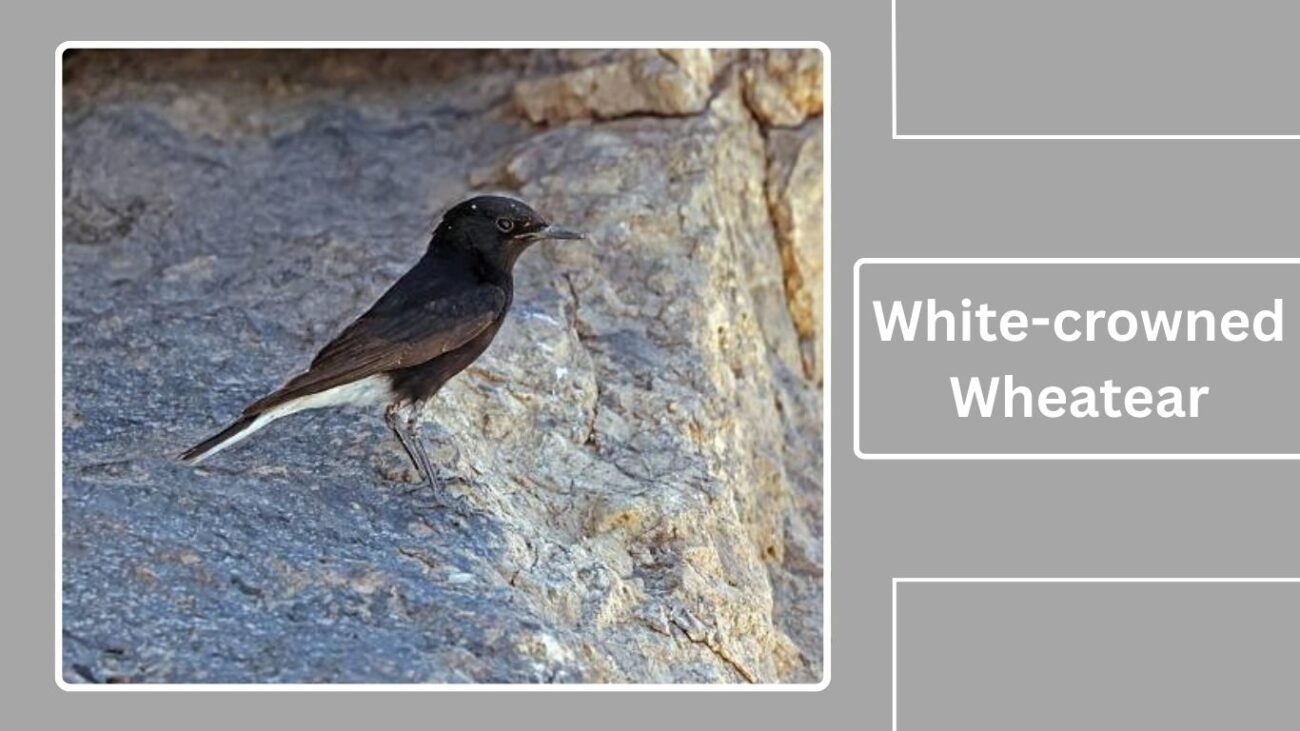
The White-crowned Wheatear is a striking songbird of arid regions, easily recognized by its glossy black plumage contrasted with a bold white crown and rump. It is often seen perched on rocks or buildings, singing its varied and melodious song.
Identification
- Size: About 6–7 inches long
- Head: Distinctive white crown
- Body: Mostly glossy black plumage
- Rump & Tail: White rump and base of tail with black tip
- Bill: Thin and pointed, suited for catching insects
Habitat
This bird inhabits deserts, rocky hillsides, and dry valleys. It is common in North Africa and parts of the Middle East.
Behavior
White-crowned Wheatears are territorial and often perch in visible spots to sing. They are agile fliers and sometimes mimic the calls of other birds.
Diet
Their diet is mainly insect-based, including beetles, flies, and other small invertebrates. Occasionally, they consume berries and seeds.
8. Reed Bunting
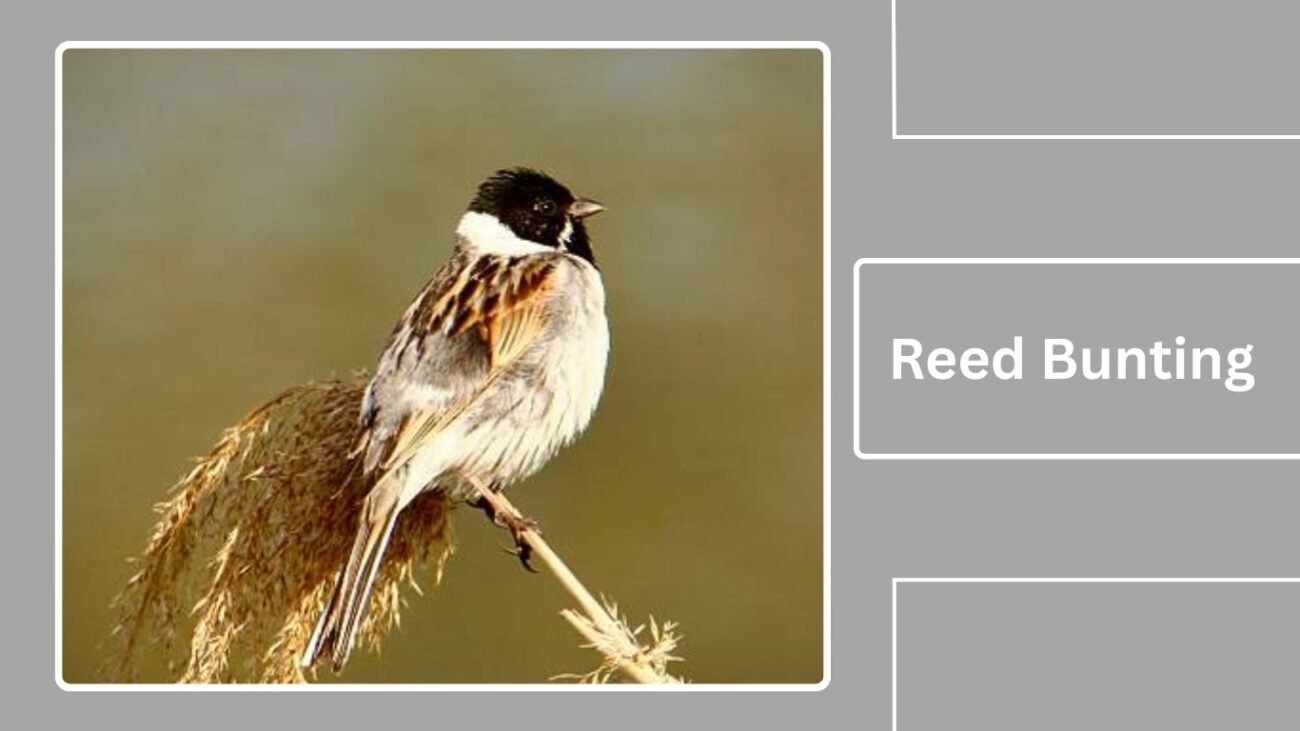
The Reed Bunting is a small songbird often found in wetlands and reed beds, instantly recognizable by the male’s bold black head and white-striped face. Females are more streaked and brown, offering excellent camouflage in their marshy habitats.
Identification
- Size: About 5.5–6.3 inches long
- Head (Male): Black with bold white stripes on the side
- Head (Female): Streaked brown with pale markings
- Body: Streaked brown upperparts and whitish underparts
- Tail: Medium length with white outer feathers
Habitat
This bird thrives in wetlands, reed beds, and marshes but can also be found in farmland and hedgerows outside the breeding season.
Behavior
Reed Buntings are often seen perched on reeds, singing or foraging near water. In winter, they gather in flocks, sometimes mixing with other seed-eating birds.
Diet
Their diet mainly consists of seeds and grains during autumn and winter, while in summer, they rely on insects to feed themselves and their young.
9. Horned Lark
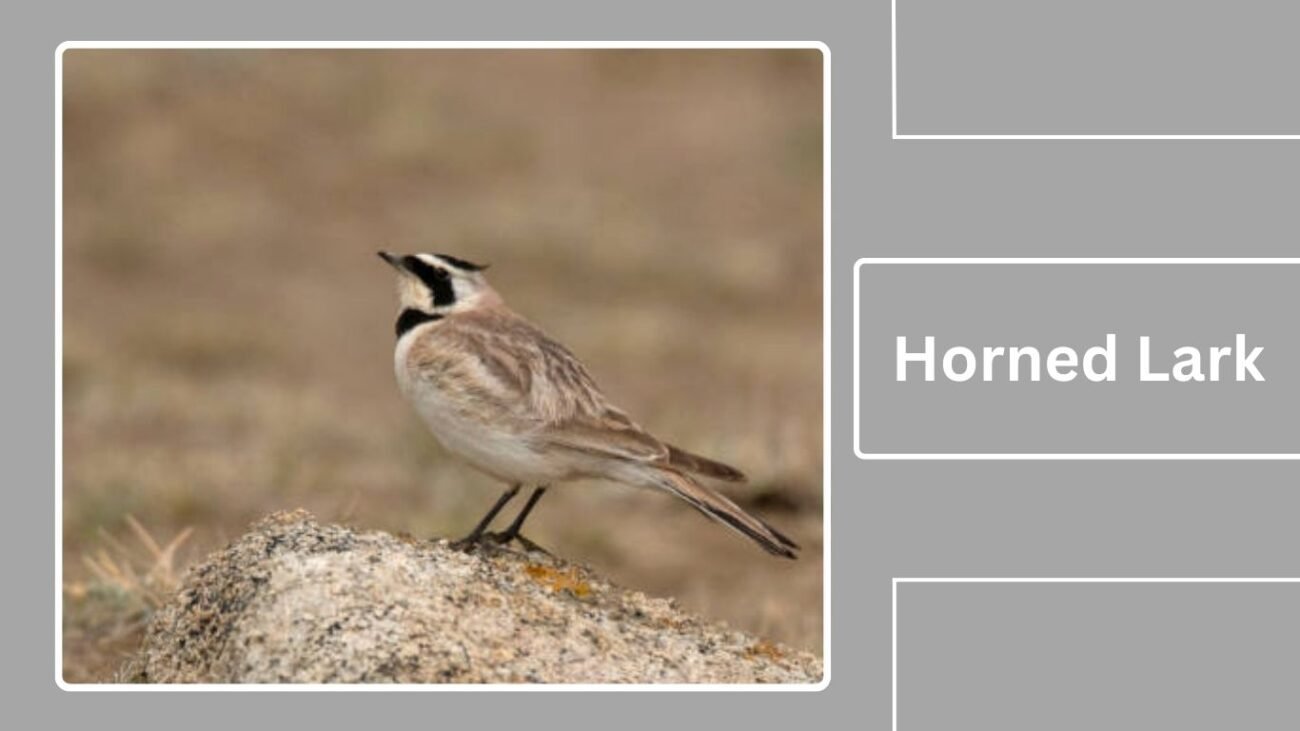
The Horned Lark is a ground-dwelling bird known for its subtle beauty and tiny black “horns” of feathers on its head. Its black-and-white striped face and melodic song make it a distinctive species across open landscapes.
Identification
- Size: About 6–8 inches long
- Head: Black-and-white striped face with small feather “horns”
- Body: Pale brown upperparts with lighter underparts
- Wings: Long and pointed for agile flight
- Tail: Dark with white edges, noticeable in flight
Habitat
Horned Larks inhabit open areas such as fields, grasslands, tundra, and deserts. They are one of the few songbirds adapted to such wide, treeless environments.
Behavior
They forage on the ground, often seen walking or running in search of food. During breeding season, males perform sky-high singing flights to attract mates.
Diet
Their diet includes seeds, grasses, and insects. Insects are especially important during summer months to nourish their chicks.
10. Savannah Sparrow
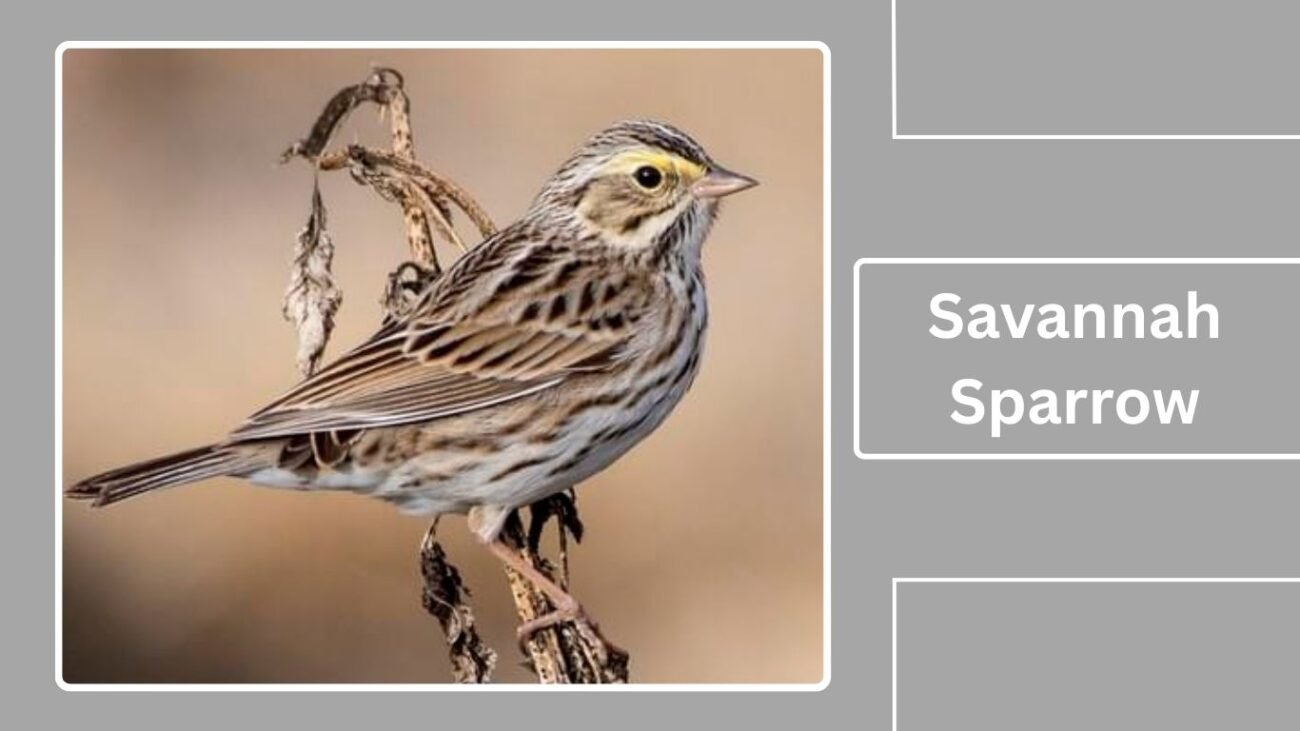
The Savannah Sparrow is a small, streaked songbird recognized by its subtle black-and-white striped head and a hint of yellow near the eye. It is one of the most widespread sparrows across North America, thriving in open fields and grasslands.
Identification
- Size: About 5–6 inches long
- Head: Black-and-white striped crown with yellowish spot near the lores
- Body: Brown, streaked back with whitish underparts
- Wings: Brown with faint streaking
- Tail: Short and notched
Habitat
Savannah Sparrows prefer grasslands, pastures, and coastal marshes. They are often seen perched on fence posts or hopping through fields.
Behavior
These sparrows are ground foragers, searching for seeds and insects. Males sing from low perches to defend their territory and attract mates.
Diet
Their diet consists of seeds, grasses, and small insects. During the breeding season, insects form an essential part of their diet to feed nestlings.