Wasps are incredibly diverse insects that play vital roles in ecosystems as predators, pollinators, and sometimes parasites. While some are feared for their painful stings, many species are beneficial in controlling pest populations and supporting plant life. From social builders like hornets and yellowjackets to solitary hunters such as mud daubers and cicada killers, each type of wasp has unique traits. In this guide, we’ll explore 25 different types of wasps, covering their identification, habitat, nesting, diet, and behaviors to better understand their importance in nature and human environments.
1. Paper Wasp
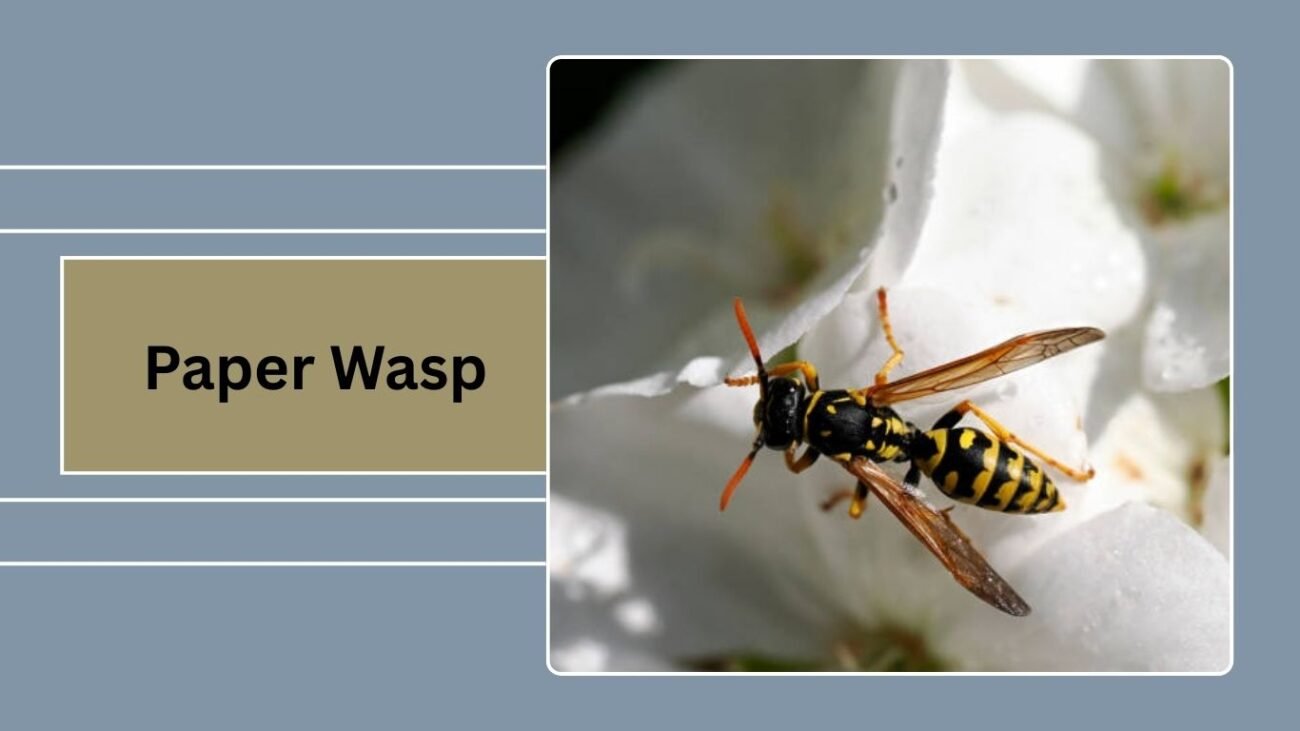
Paper wasps are social insects recognized for their papery, umbrella-shaped nests. They are generally less aggressive than hornets or yellowjackets but will sting if their colony is threatened. Their role in controlling garden pests makes them ecologically beneficial.
Identification
- Color: Brown to black with yellow or reddish markings.
- Size: Adults measure 16–20 mm in length.
- Body Shape: Slender body, narrow waist, and long legs.
- Distinctive Trait: Open, umbrella-like paper nests with visible cells.
Habitat
Paper wasps are found worldwide, especially in warm regions. They build nests in sheltered areas such as tree branches, eaves of houses, sheds, and attics. Their nests are made from chewed wood fibers mixed with saliva, giving them a papery texture.
Behaviors
These wasps feed on nectar but are also predatory, capturing caterpillars and other soft-bodied insects to feed their larvae. Colonies are relatively small, typically with fewer than 200 individuals. While not overly aggressive, they defend their nests vigorously when disturbed.
Lifecycle
- Egg Stage: Eggs are laid in individual cells of the nest.
- Larvae Stage: Fed chewed-up insects by workers.
- Pupa Stage: Develop in capped cells until adulthood.
- Adult Stage: Emerge to become workers, males, or queens, sustaining the colony cycle.
2. Yellowjacket Wasp
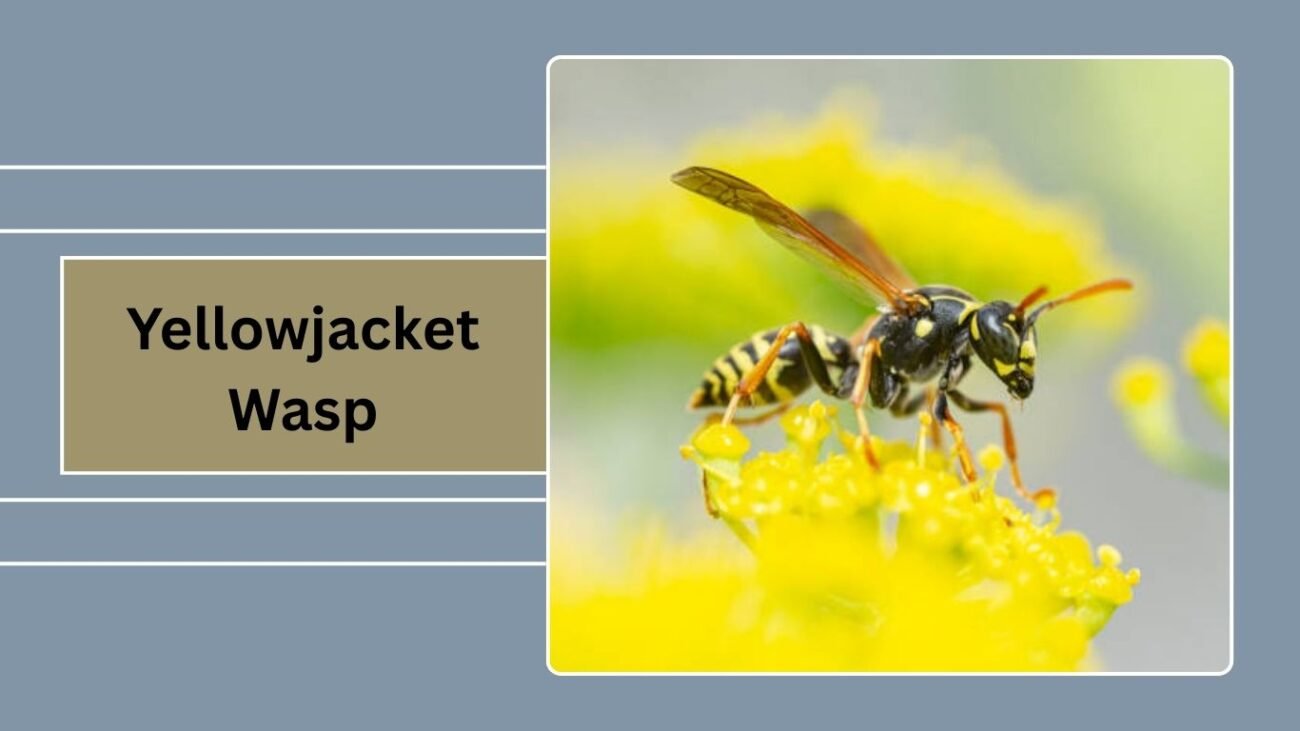
Yellowjackets are aggressive social wasps known for their painful stings and scavenging behavior. They are often mistaken for bees due to their black-and-yellow markings but are slimmer and faster flyers.
Identification
- Color: Bright yellow with black bands.
- Size: Workers measure 10–16 mm; queens up to 19 mm.
- Body Shape: Slender body, narrow waist, and smooth stinger.
- Distinctive Trait: Rapid, aggressive fliers that sting repeatedly.
Habitat
Yellowjackets thrive in temperate regions worldwide. They nest in soil cavities, tree hollows, wall voids, and even abandoned rodent burrows.
Nesting
Their nests are made from chewed wood pulp, forming paper-like structures. Underground nests can host thousands of individuals and are well-hidden, making encounters dangerous.
Diet
Yellowjackets feed on nectar, fruits, and other sugary substances. They are also scavengers, consuming meat, fish, and garbage, which often brings them into conflict with humans.
Behaviors
Highly aggressive when disturbed, they sting repeatedly and in groups. They also help control insect populations by preying on flies, caterpillars, and other pests.
3. Hornet
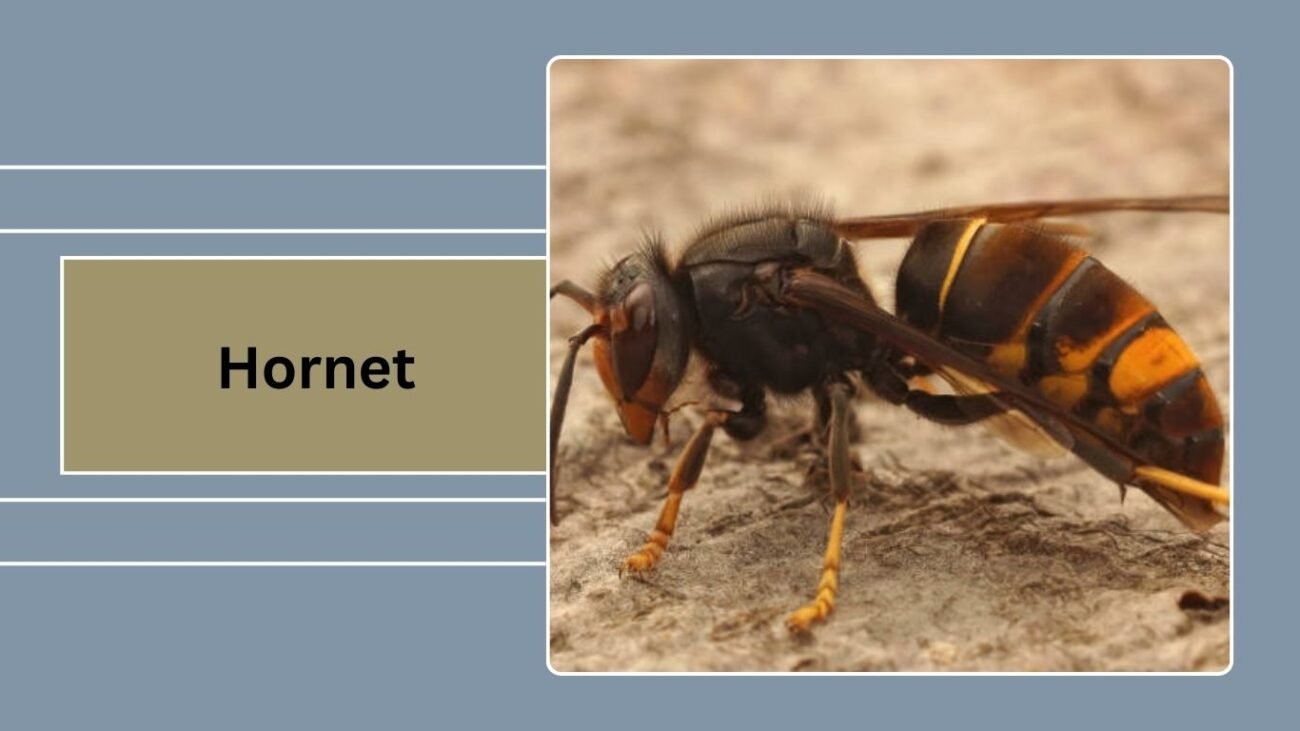
Hornets are the largest social wasps, feared for their powerful sting and defensive behavior. Despite their reputation, they are valuable predators that help regulate insect populations.
Identification
- Color: Black with white, orange, or yellow markings depending on species.
- Size: Workers range from 18–25 mm; queens can exceed 35 mm.
- Body Shape: Robust with large heads and strong mandibles.
- Distinctive Trait: Larger than other wasps with loud buzzing flight.
Habitat
Hornets are mostly found in Europe, Asia, and North America. They prefer wooded areas, orchards, and gardens.
Nesting
Hornet nests are large, grayish paper structures, often built in trees, shrubs, or under eaves. Some species construct aerial nests, while others prefer cavities. Colonies can contain hundreds to thousands of wasps.
Diet
Hornets feed on nectar, tree sap, and fruit juices but are also skilled hunters. They capture flies, bees, grasshoppers, and other insects to feed their larvae.
Behaviors
Hornets are highly protective of their nests and will attack in swarms when threatened. They are, however, less aggressive than yellowjackets when away from the nest.
4. Tarantula Hawk Wasp
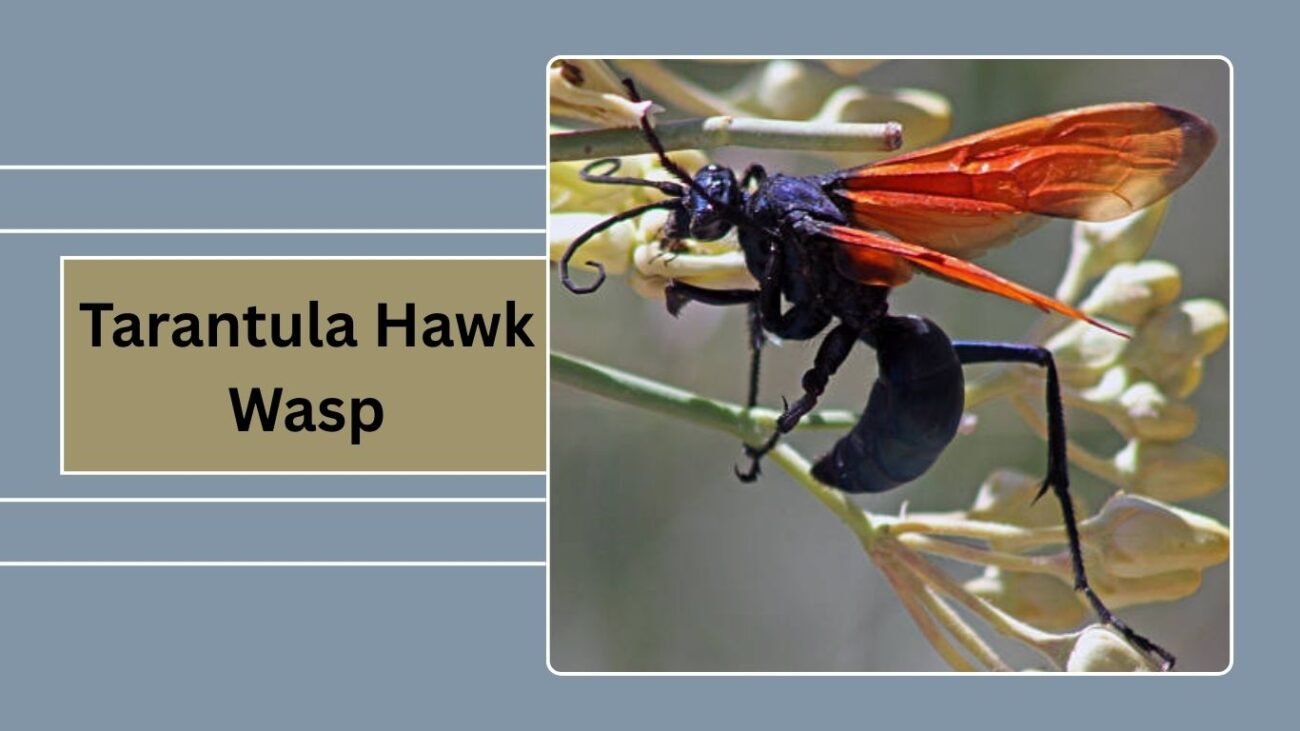
Tarantula hawk wasps are among the largest wasps in the world, famous for their dramatic hunts of tarantulas. Their sting is considered one of the most painful of all insects, though it is not usually life-threatening.
Identification
- Color: Metallic blue-black body with bright orange wings.
- Size: Adults range from 40–50 mm, making them exceptionally large.
- Body Shape: Long legs with hooked claws and a robust stinger.
- Distinctive Trait: Vibrant coloration and massive size.
Habitat
They are found in deserts, grasslands, and tropical regions, especially in the Americas, Africa, and Asia.
Nesting
Unlike social wasps, tarantula hawks are solitary. Females drag paralyzed tarantulas into burrows, where they lay a single egg on the spider.
Diet
Adults feed mainly on nectar from flowers. Larvae consume the living tarantula provided by their mother.
Behaviors
Females hunt tarantulas with precision, stinging and paralyzing them before using them as hosts. Males, meanwhile, spend much of their time feeding on flowers.
5. Cicada Killer Wasp
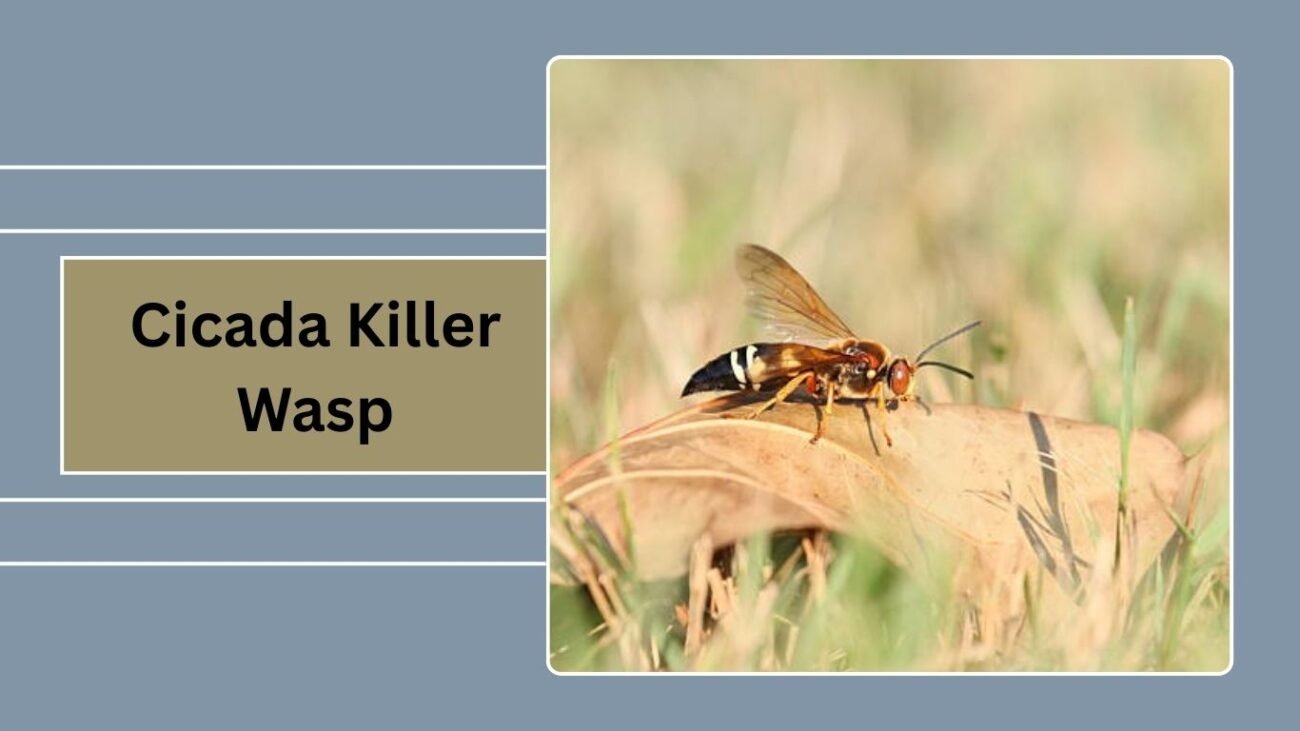
Cicada killer wasps are solitary digger wasps known for hunting cicadas. Despite their intimidating size, they are generally non-aggressive toward humans.
Identification
- Color: Black with yellow bands on the abdomen; reddish wings.
- Size: Large, measuring 25–40 mm.
- Body Shape: Robust, with strong digging legs.
- Distinctive Trait: Impressive size and cicada-hunting behavior.
Habitat
They are common in North America, preferring sandy or loose soil in sunny areas such as lawns, fields, and gardens.
Nesting
Females dig burrows in soil with multiple chambers. Each chamber is stocked with paralyzed cicadas, serving as food for developing larvae.
Diet
Adults feed on nectar and plant sap, while larvae consume cicadas provided by the female.
Behaviors
They are solitary and rarely sting humans unless provoked. Their focus is on hunting cicadas, which they paralyze and transport to their underground nests.
6. Mud Dauber Wasp
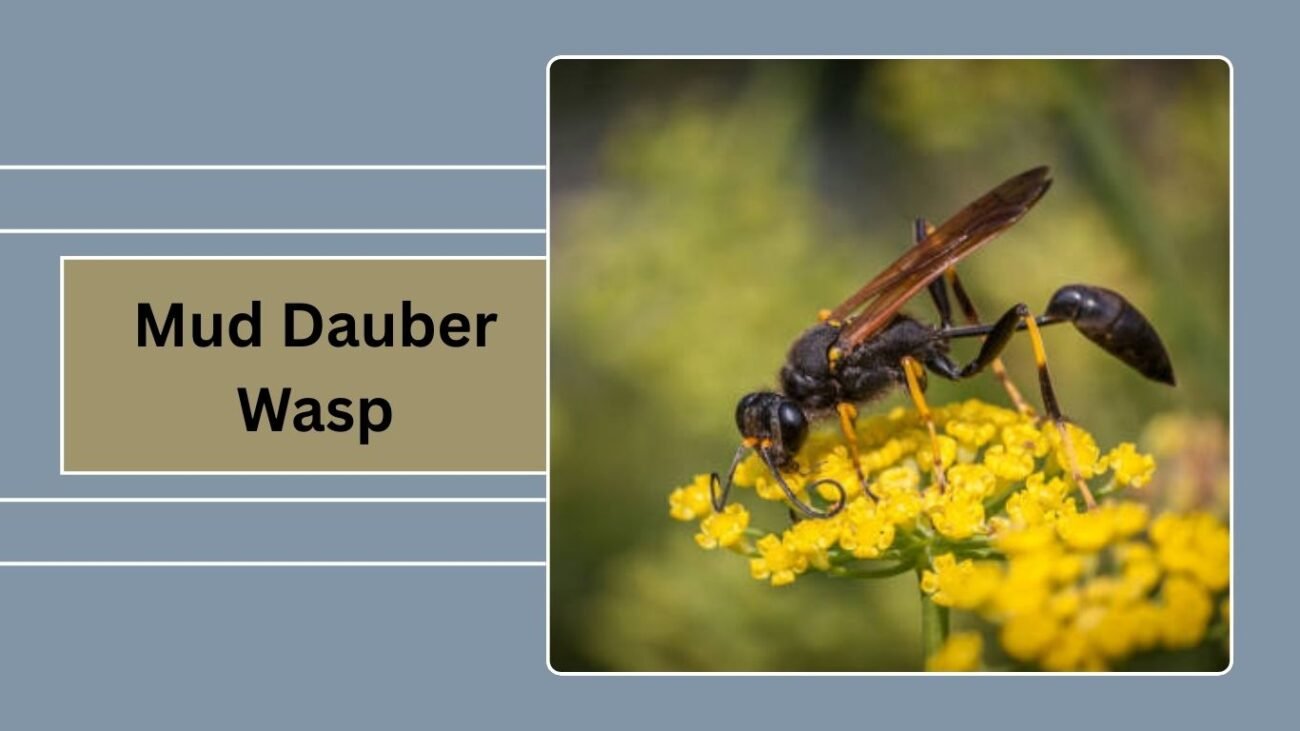
Mud daubers are solitary wasps recognized for their unique mud nests. They are generally non-aggressive and beneficial, as they prey on spiders to provision their young.
Identification
- Color: Black or metallic blue, often with yellow markings.
- Size: Adults measure 18–25 mm.
- Body Shape: Very slender with a narrow, thread-like waist.
- Distinctive Trait: Tube-like mud nests attached to walls or ceilings.
Habitat
They are found worldwide, especially in warm, temperate, and tropical regions.
Nesting
Mud daubers build nests from mud, usually attached to sheltered surfaces such as walls, attics, barns, and under bridges. Each nest contains multiple chambers.
Diet
Adults feed on nectar and honeydew, while larvae feed on paralyzed spiders stored by the female.
Behaviors
They are solitary and not aggressive, often tolerated around homes due to their spider-hunting benefits.
7. Potter Wasp
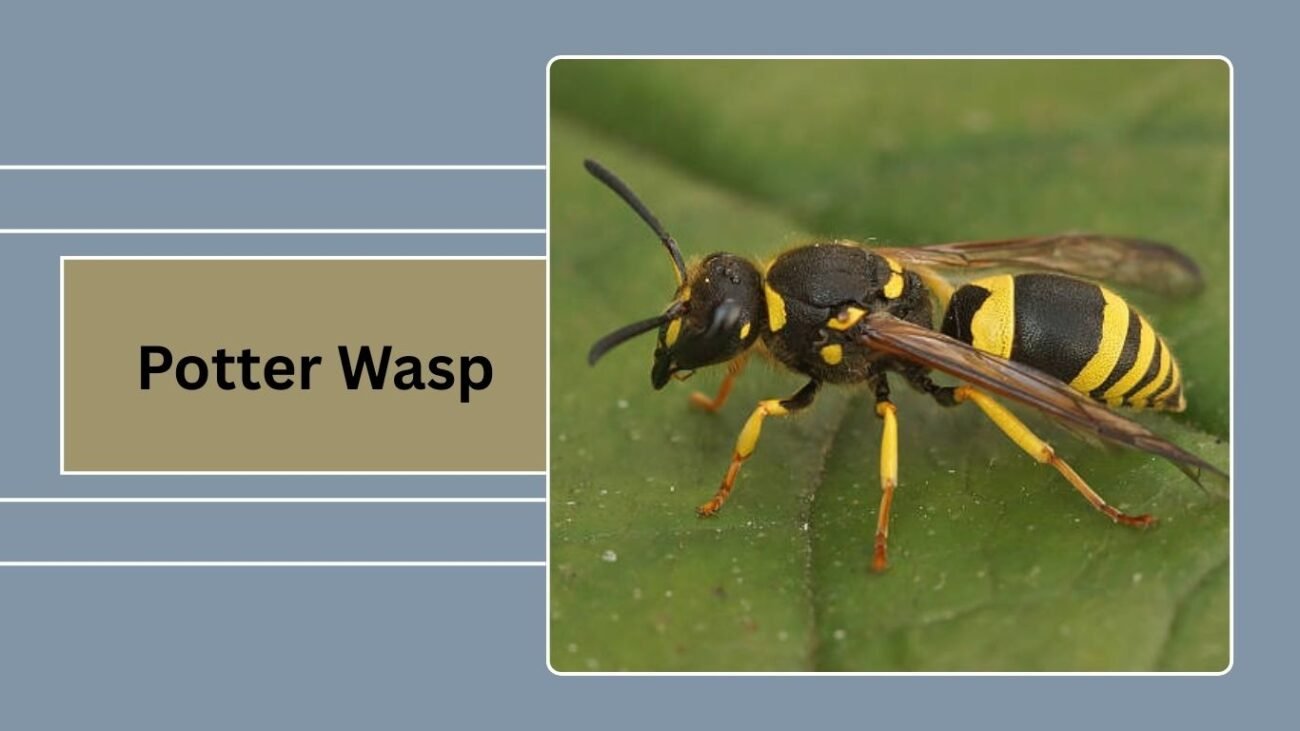
Potter wasps are named for their delicate, vase-shaped clay nests, which resemble miniature pots. They are solitary and harmless to humans, playing a role in controlling caterpillar populations.
Identification
- Color: Black with white, yellow, or reddish markings.
- Size: Adults measure 10–20 mm.
- Body Shape: Slender with a narrow waist and pointed abdomen.
- Distinctive Trait: Tiny pot-like clay nests.
Habitat
They are found worldwide, with high diversity in tropical and subtropical regions.
Nesting
Potter wasps craft small, pottery-like nests from mud. Each pot contains a single egg and stored caterpillars for the larva to eat.
Diet
Adults drink nectar, while their larvae consume the paralyzed caterpillars provided in the nest.
Behaviors
They are solitary and non-aggressive, often seen hovering near flowers or mud sources for nest building.
8. Cuckoo Wasp
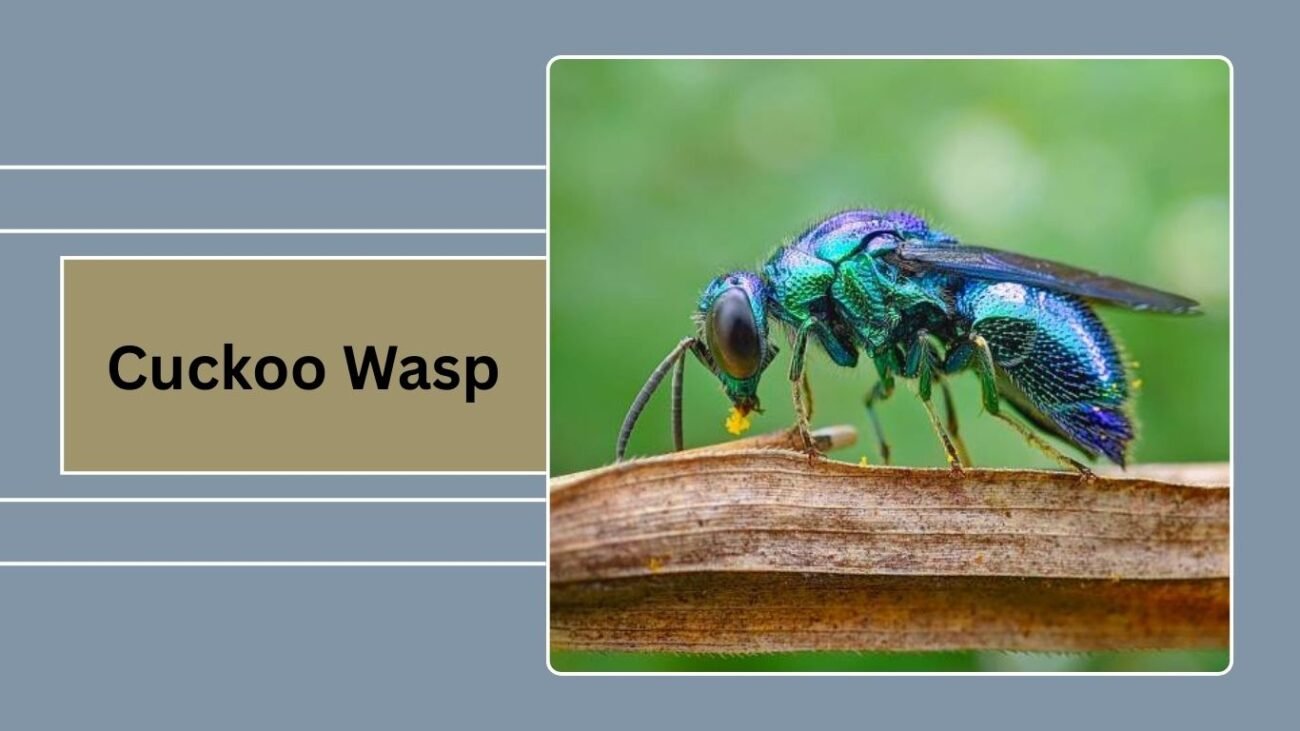
Cuckoo wasps are brilliantly colored parasitic wasps, often metallic blue or green. They earn their name from their parasitic lifestyle, laying eggs in the nests of other wasps or bees.
Identification
- Color: Iridescent metallic blue, green, or purple.
- Size: Small, usually 6–12 mm.
- Body Shape: Compact with sculptured exoskeleton.
- Distinctive Trait: Ability to curl into a ball when threatened.
Habitat
They are found globally, especially in warm and temperate regions.
Nesting
Cuckoo wasps do not build their own nests. Instead, females infiltrate the nests of other wasps or bees, leaving their eggs to develop inside.
Diet
Adults feed on nectar, while larvae consume the host’s food stores or even the host larvae.
Behaviors
They are kleptoparasites, relying on stealth to enter nests. Their hard exoskeleton protects them when attacked by host species.
9. Braconid Wasp
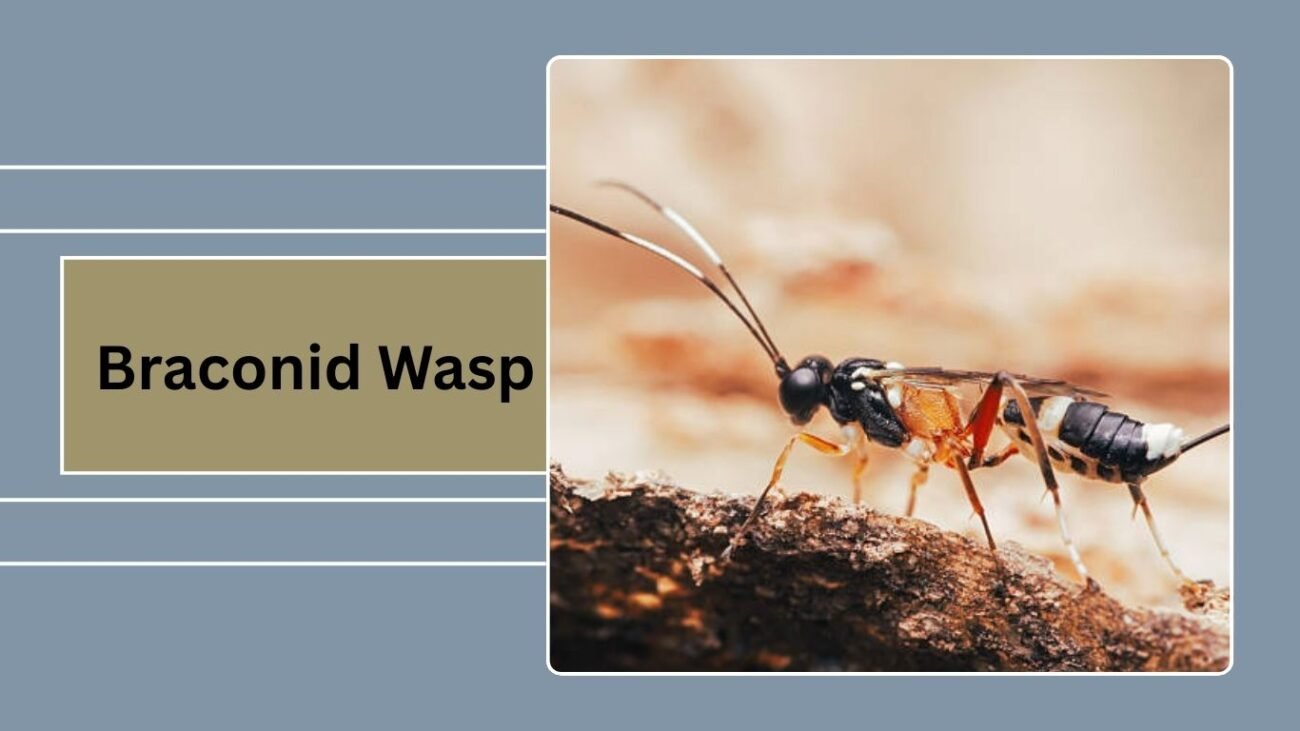
Braconid wasps are small parasitic wasps important for natural pest control. They target many agricultural pests, making them valuable in farming and horticulture.
Identification
- Color: Typically black or brown with some orange or yellow markings.
- Size: Very small, often 2–5 mm.
- Body Shape: Slender with long antennae.
- Distinctive Trait: Extremely small size and parasitic nature.
Habitat
They occur worldwide, with the greatest diversity in tropical regions.
Nesting
Braconid wasps lay eggs directly inside or on caterpillars, beetle larvae, and aphids. The host becomes food for the developing larvae.
Diet
Adults feed on nectar, while larvae consume the internal tissues of their hosts.
Behaviors
They are parasitoids, meaning their young eventually kill the host. Braconid wasps are heavily used in biological control programs against crop pests.
10. Ichneumon Wasp
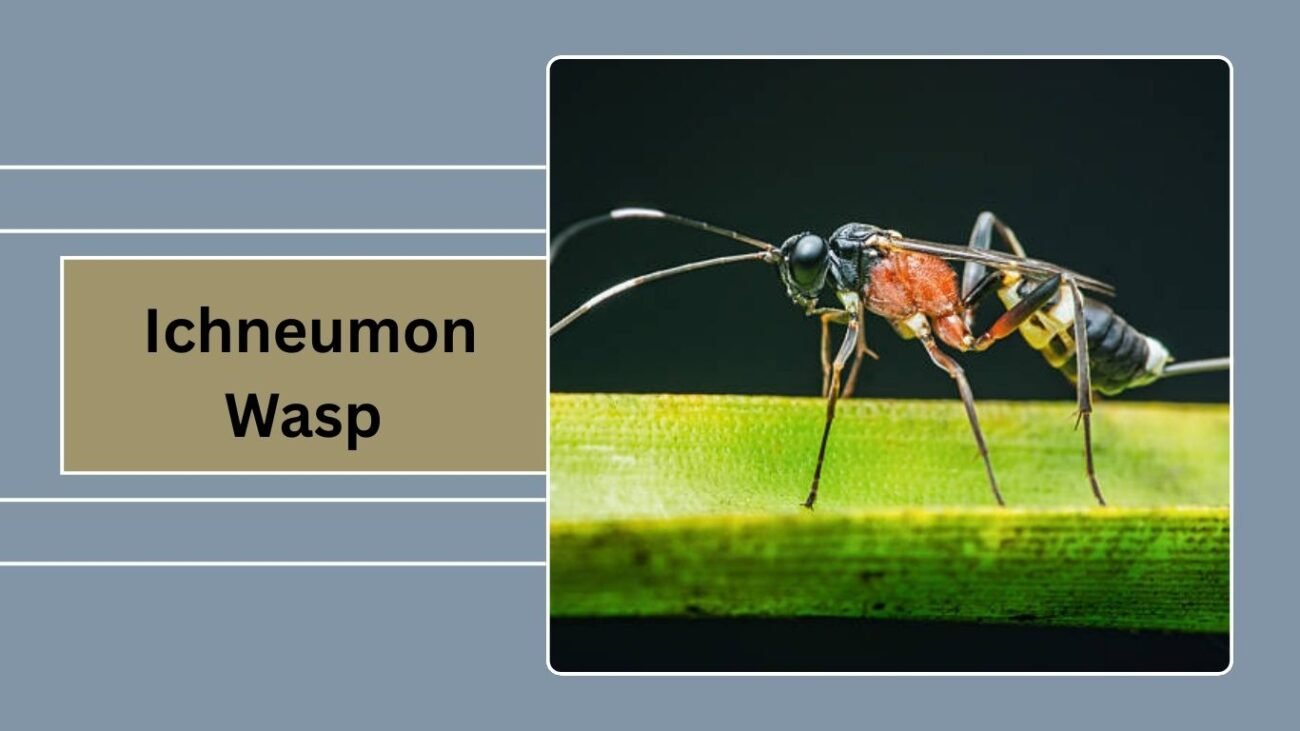
Ichneumon wasps are slender parasitoid wasps, recognized for their long ovipositors used to lay eggs inside host insects. They are harmless to humans but crucial for controlling insect populations.
Identification
- Color: Usually black or brown with orange, yellow, or white markings.
- Size: Varies greatly, from 5 mm to over 40 mm.
- Body Shape: Long, thin body with a narrow waist and extended ovipositor.
- Distinctive Trait: Extremely long ovipositor in many species.
Habitat
They are found worldwide, with high diversity in temperate and tropical forests.
Nesting
Ichneumon wasps do not build nests. Females lay eggs in caterpillars, beetle grubs, and other insect larvae.
Diet
Adults feed on nectar and plant juices. Larvae feed on the living tissues of host insects.
Behaviors
They are solitary and non-aggressive. Females actively seek out host insects, often drilling into wood or soil to reach them.
11. Gall Wasp
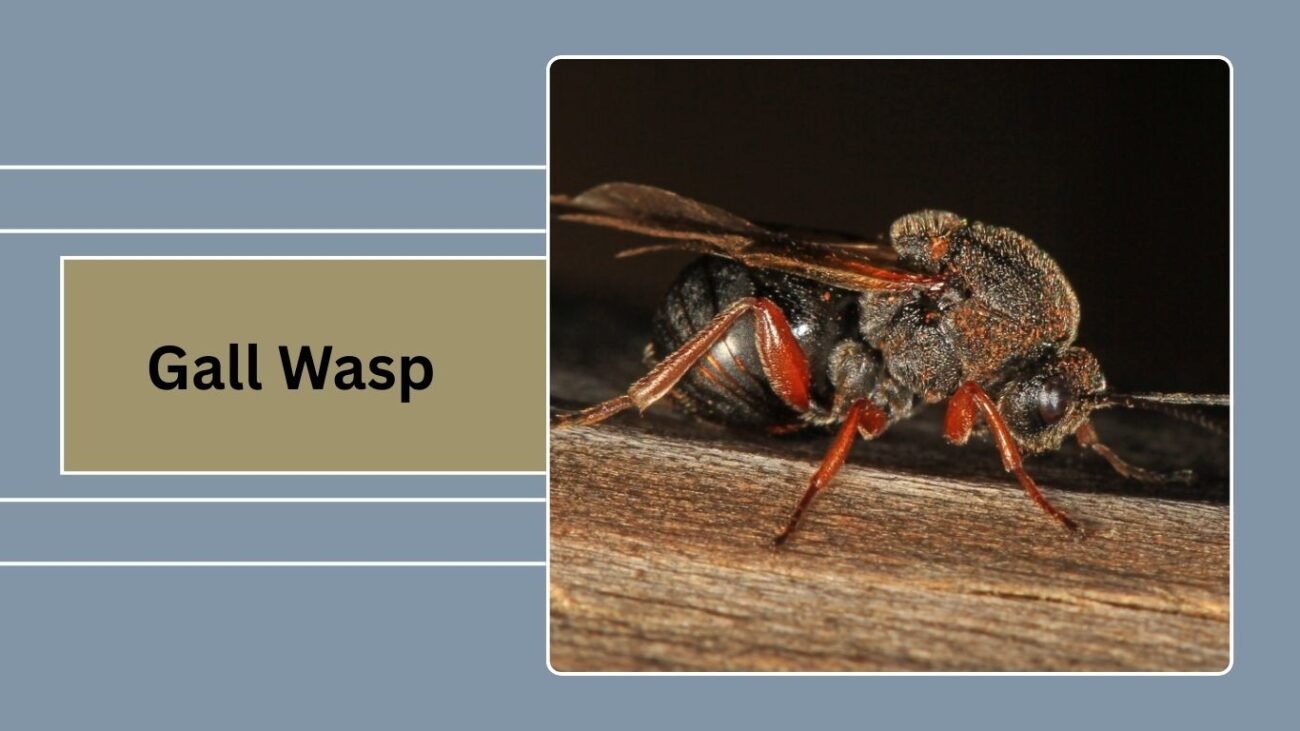
Gall wasps are small insects known for inducing abnormal plant growths, called galls, which provide shelter and food for their larvae. Oaks are particularly common hosts.
Identification
- Color: Brown, black, or reddish.
- Size: Tiny, usually 1–8 mm.
- Body Shape: Compact with short antennae.
- Distinctive Trait: Ability to create plant galls.
Habitat
They are most abundant in temperate regions, especially in oak woodlands.
Nesting
Females lay eggs in plant tissues, triggering gall formation. Each gall houses and protects the developing larvae.
Diet
Adults may sip plant fluids, while larvae feed exclusively on nutrients from the gall tissues.
Behaviors
They are non-aggressive and rarely noticed except for the distinctive galls on plants. Some species have complex lifecycles alternating between sexual and asexual generations.
12. Scoliid Wasp
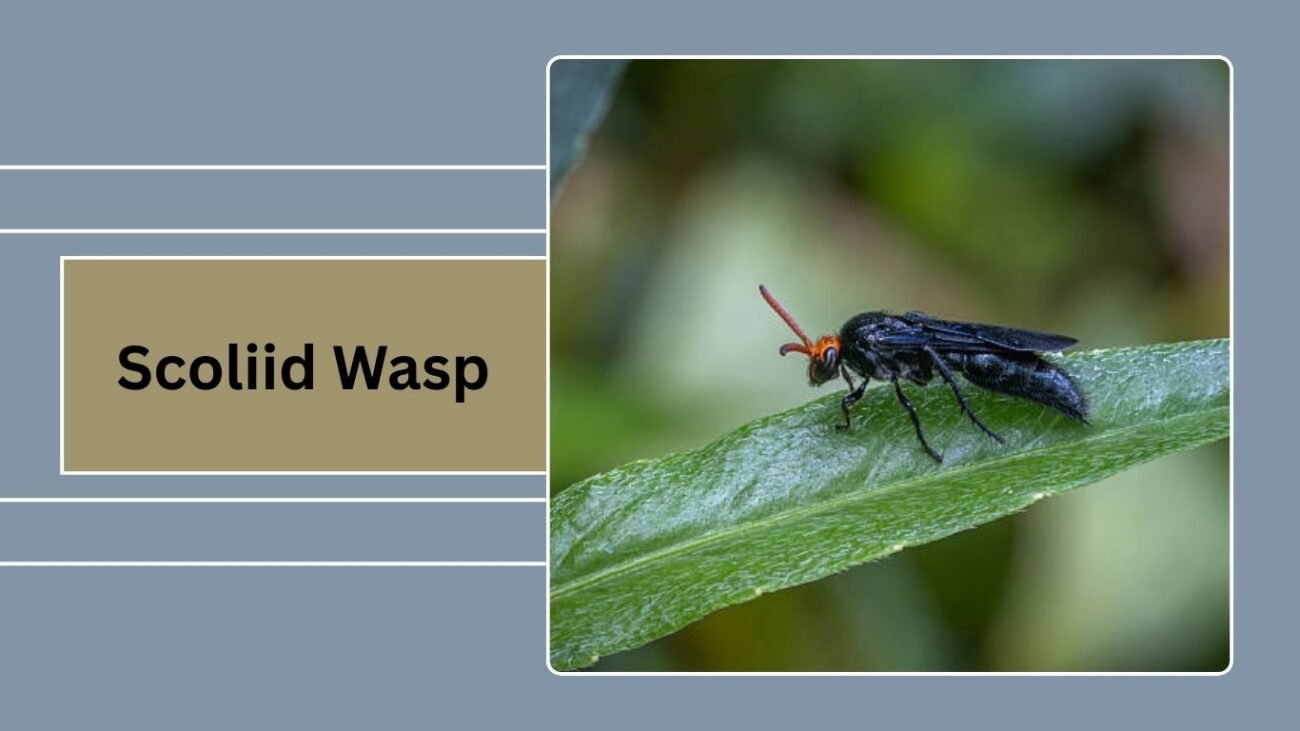
Scoliid wasps are large, hairy parasitoid wasps that play an important role in controlling beetle populations. They are often seen hovering low over the ground in search of hosts.
Identification
- Color: Black with bright yellow or orange markings.
- Size: Adults range from 15–30 mm.
- Body Shape: Robust and hairy with broad wings.
- Distinctive Trait: Strong flight and vivid coloration.
Habitat
They are found in tropical and temperate regions worldwide, often in open fields and gardens.
Nesting
Scoliid wasps do not build nests. Females burrow into soil to locate scarab beetle larvae, where they lay their eggs.
Diet
Adults feed on nectar from flowers, while larvae consume the beetle grubs provided by their mother.
Behaviors
They are solitary, beneficial insects, harmless to humans, and often act as natural biocontrol agents in agriculture.
13. Spider Wasp
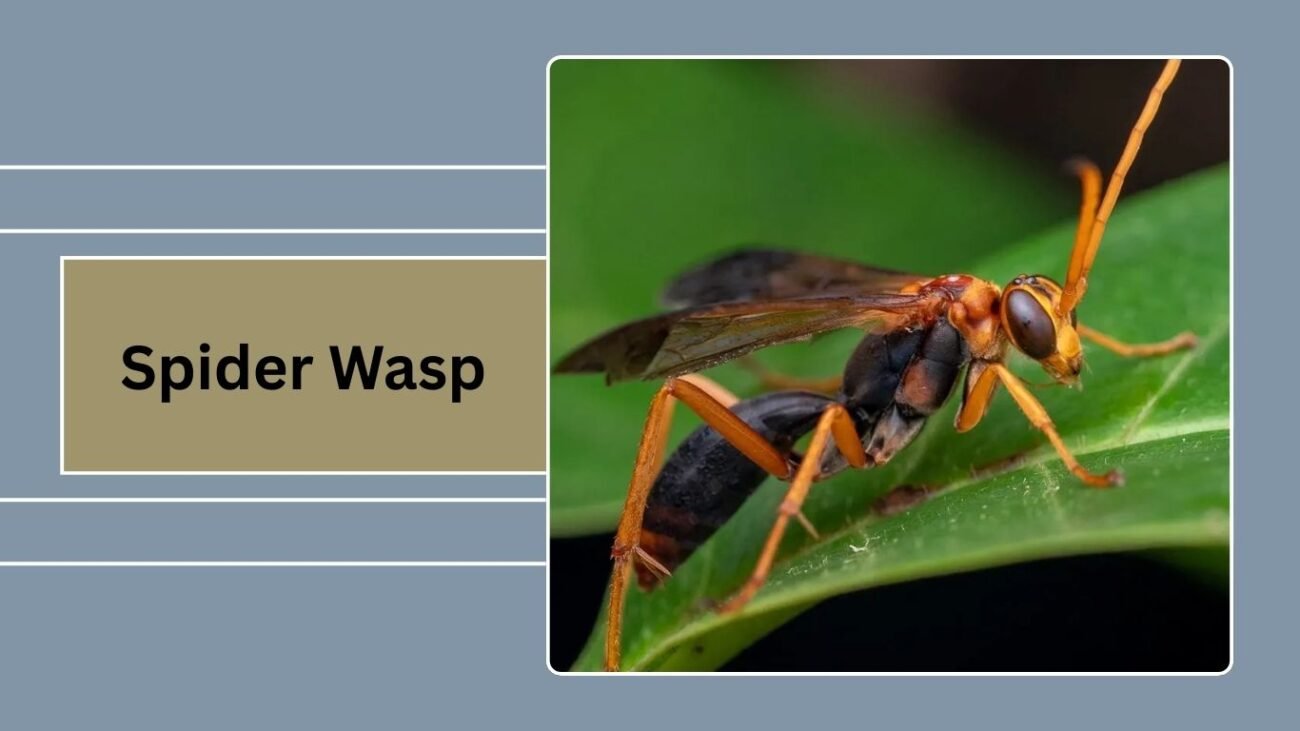
Spider wasps are solitary hunters, known for their dramatic capture and paralysis of spiders, which they provide as food for their larvae.
Identification
- Color: Usually black or dark blue with orange wings.
- Size: Ranges from 10–35 mm depending on species.
- Body Shape: Slender with long legs and curled antennae.
- Distinctive Trait: Specialization in hunting spiders.
Habitat
They occur worldwide, especially in warm and dry regions, nesting in soil, crevices, or rotting wood.
Nesting
Females dig burrows or use natural cavities, where they place a paralyzed spider and an egg.
Diet
Adults feed on nectar, while larvae consume the immobilized spider stored in the nest.
Behaviors
Spider wasps are strong fliers and aggressive hunters. They are generally not aggressive toward humans unless provoked.
14. Sand Wasp
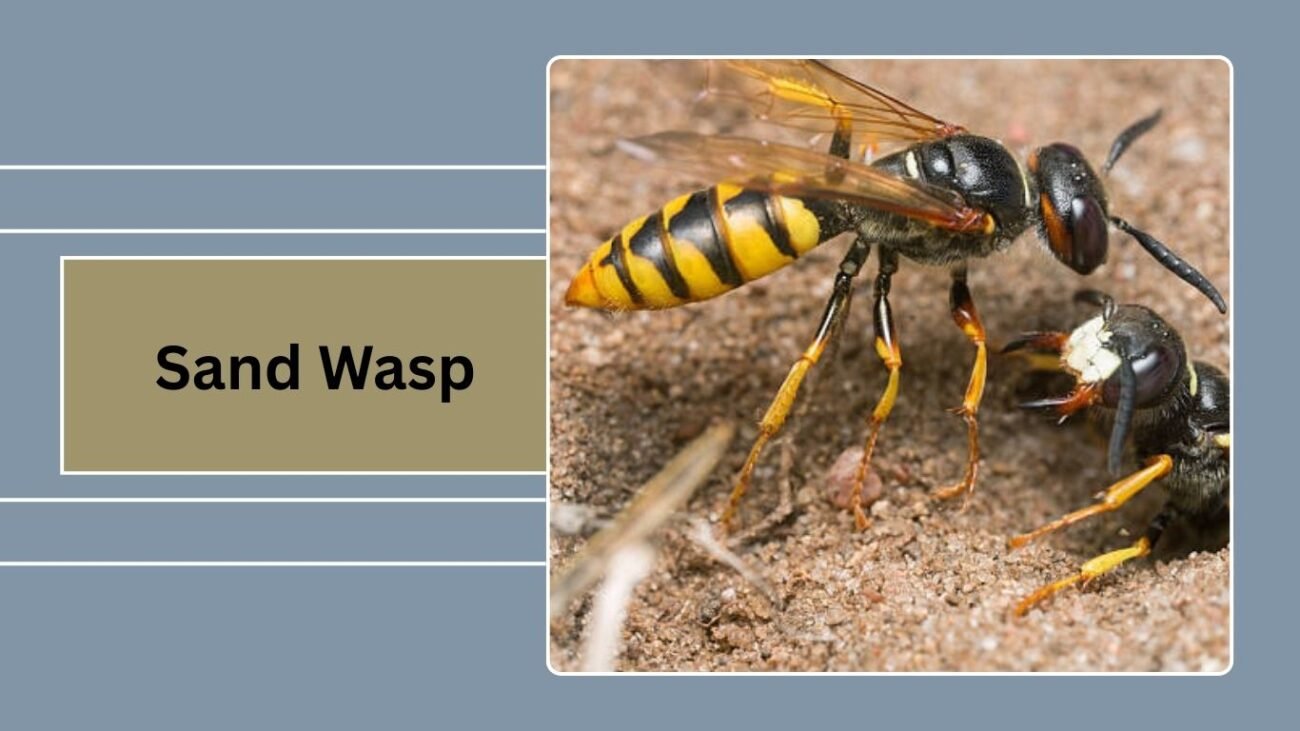
Sand wasps are solitary digger wasps that nest in sandy soils. They are agile hunters, capturing flies and other insects to feed their young.
Identification
- Color: Black with yellow or white markings.
- Size: Adults measure 10–20 mm.
- Body Shape: Slender with elongated abdomen and long legs.
- Distinctive Trait: Fast flyers, often seen hovering near sandy patches.
Habitat
They prefer sandy areas such as beaches, dunes, riverbanks, and dry fields.
Nesting
Females dig burrows in sand, creating tunnels with side chambers for their eggs. Each chamber is stocked with paralyzed flies.
Diet
Adults feed on nectar and pollen, while larvae consume flies provided by the female.
Behaviors
They are solitary and non-aggressive, often seen patrolling sandy habitats in search of prey.
15. Velvet Ant (Wasp)
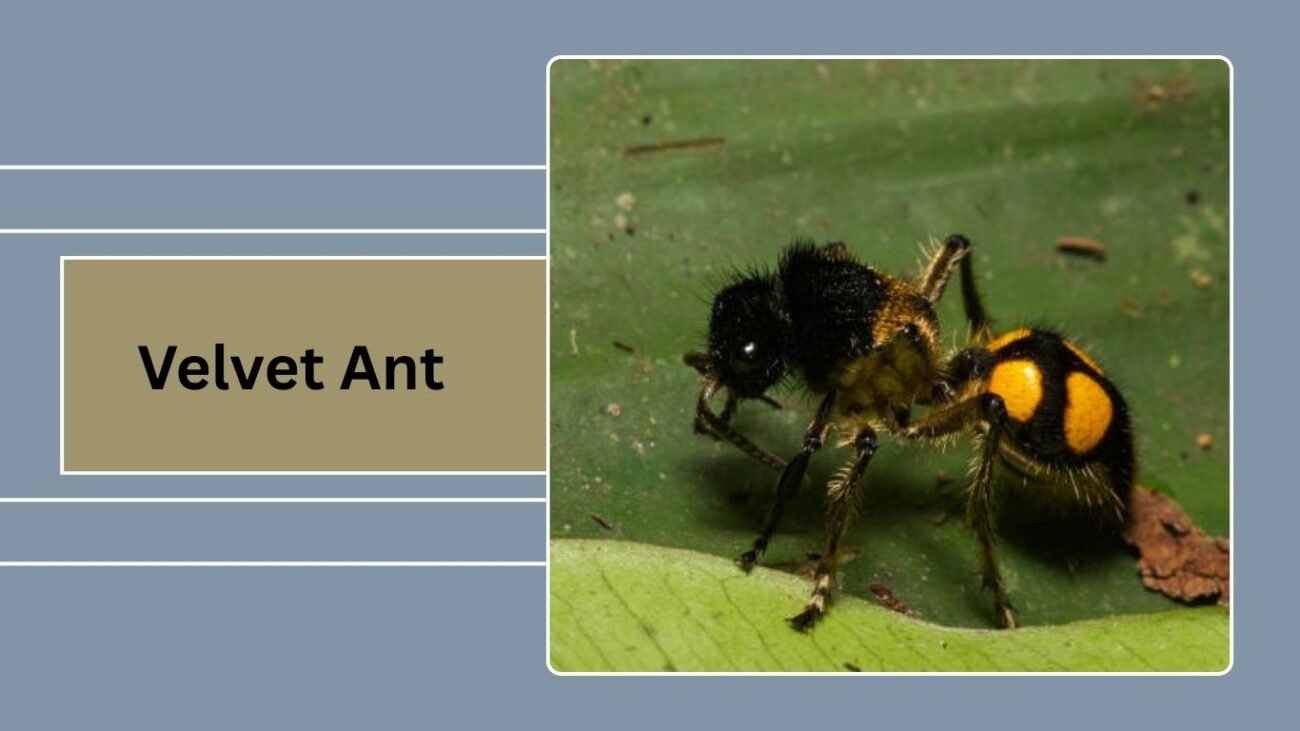
Velvet ants, despite their name, are actually wasps. The females are wingless and covered in dense, brightly colored hair, earning them the nickname “cow killers” due to their painful sting.
Identification
- Color: Bright red, orange, or yellow hairs on a black body.
- Size: Adults range from 6–20 mm.
- Body Shape: Wingless females with a robust, hairy body; males are winged.
- Distinctive Trait: Bold coloration and extremely painful sting.
Habitat
They are found in dry, sandy areas across North and South America.
Nesting
Velvet ants do not build their own nests. Females invade the nests of ground-nesting bees or wasps, laying eggs inside.
Diet
Adults feed on nectar. Larvae act as parasites, consuming the host’s larvae and resources.
Behaviors
They are solitary, tough, and highly defensive. Their bright coloration warns predators of their powerful sting.
16. Blue Mud Wasp
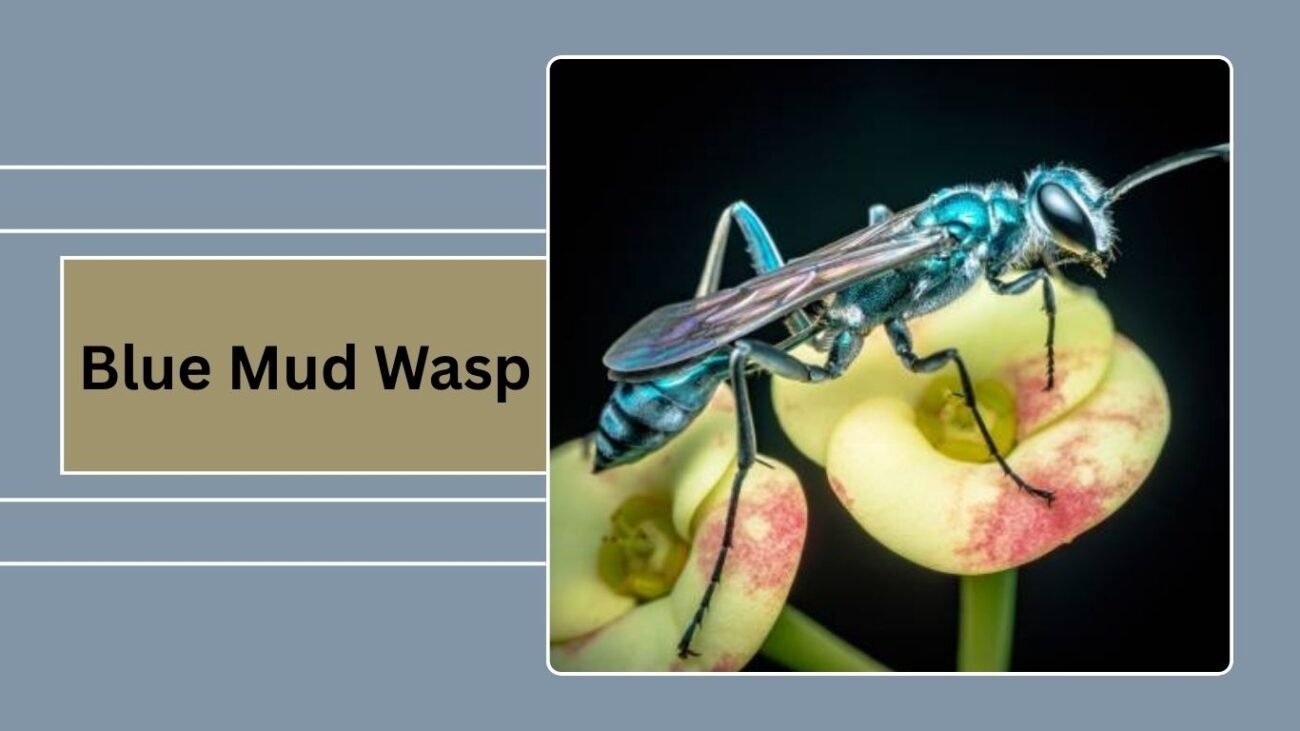
Blue mud wasps are solitary wasps known for their striking metallic blue bodies. They are beneficial insects, preying on spiders, especially black widows.
Identification
- Color: Shiny metallic blue or blue-black.
- Size: Adults measure 20–25 mm.
- Body Shape: Slender with narrow waist and long legs.
- Distinctive Trait: Iridescent blue coloration.
Habitat
They are found in North America, especially in gardens, meadows, and forest edges.
Nesting
Blue mud wasps typically reuse abandoned nests of other mud daubers, sealing them with mud after stocking them with spiders.
Diet
Adults feed on nectar, while larvae consume paralyzed spiders provided by the mother.
Behaviors
They are solitary and non-aggressive, often seen around flowers or carrying mud.
17. Ensign Wasp
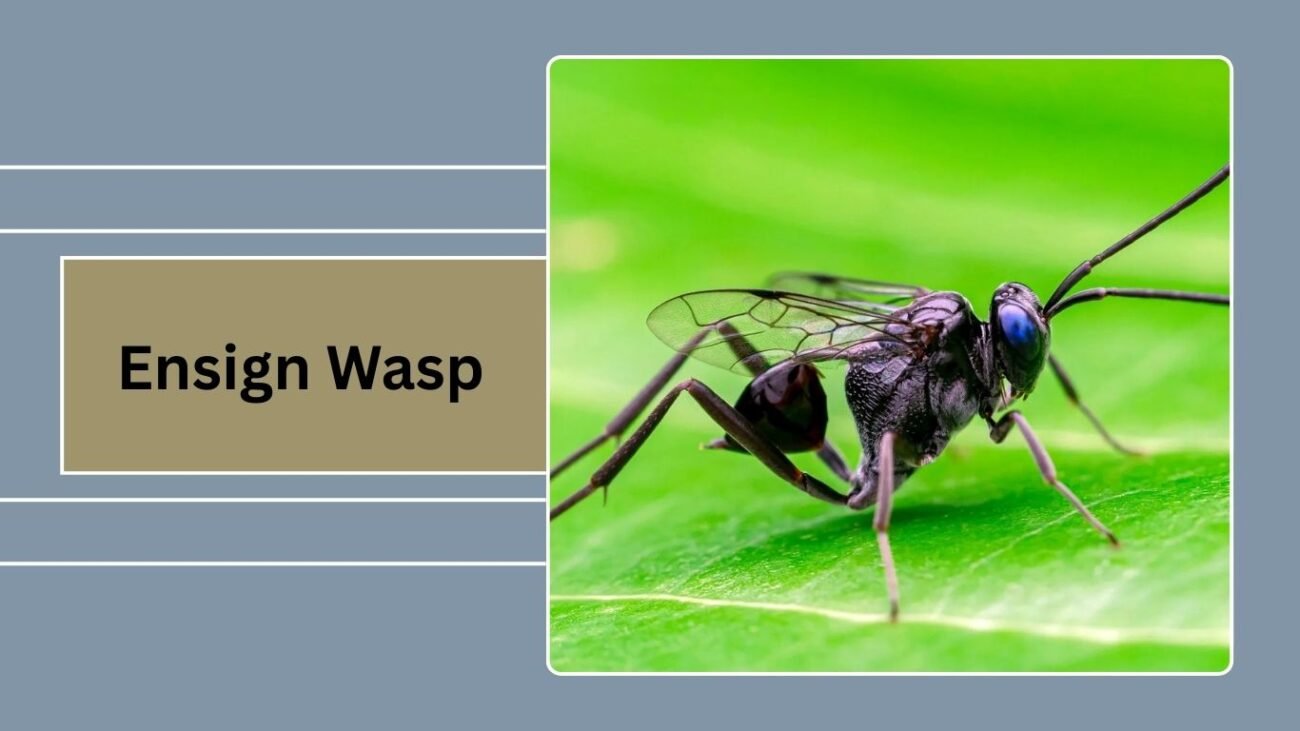
Ensign wasps are small, parasitic wasps easily recognized by their raised, flag-like abdomens. They are valued in pest control for attacking cockroach egg cases.
Identification
- Color: Black with a shiny body.
- Size: Tiny, about 5–7 mm.
- Body Shape: Slender with abdomen held upright like a flag.
- Distinctive Trait: Constantly twitching abdomen.
Habitat
They are distributed worldwide, often in urban areas where cockroaches are common.
Nesting
Ensign wasps do not build nests. Females lay eggs inside cockroach oothecae (egg cases), where larvae develop.
Diet
Adults sip nectar, while larvae consume cockroach eggs.
Behaviors
They are solitary, non-aggressive, and play a major role as natural cockroach control agents.
18. Four-toothed Mason Wasp
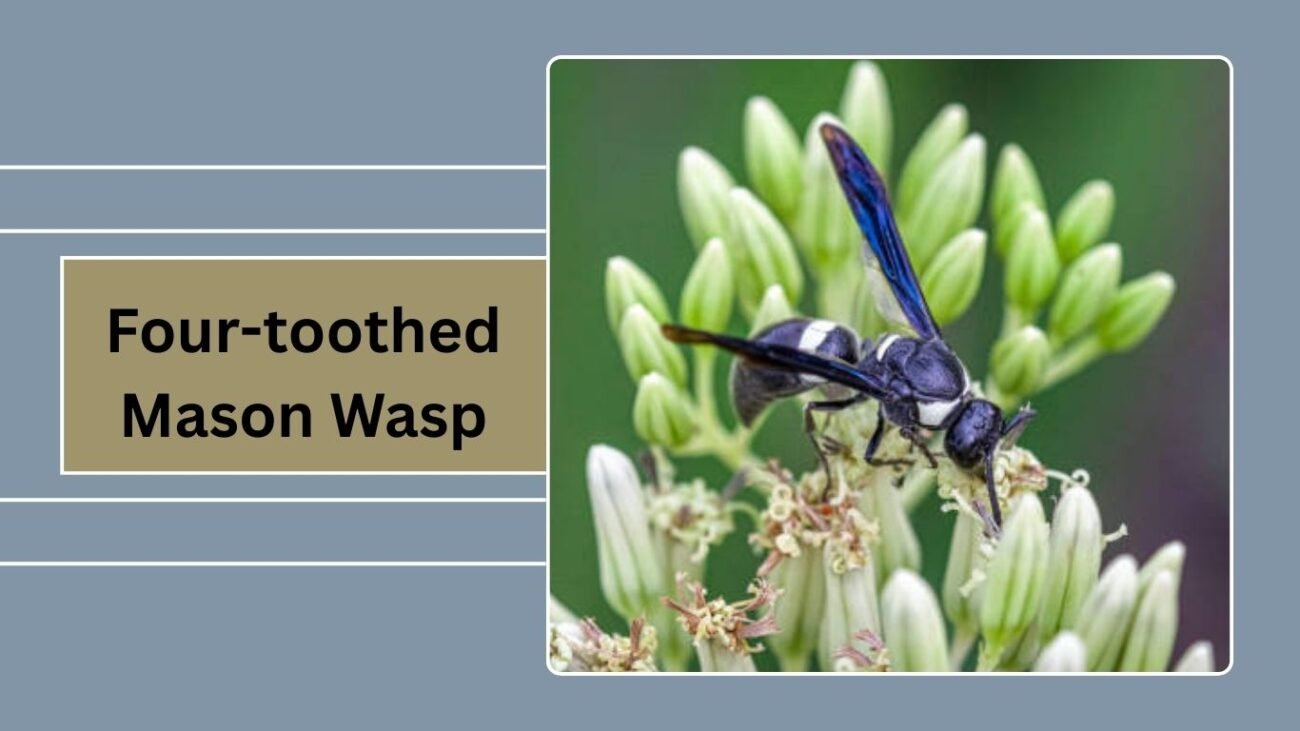
The four-toothed mason wasp is a solitary species recognized for its striking black-and-white pattern. It is an important predator of caterpillars, making it a natural ally for gardeners.
Identification
- Color: Black with bold white bands across the abdomen.
- Size: Adults measure 15–20 mm.
- Body Shape: Robust body with strong mandibles.
- Distinctive Trait: Contrasting black-and-white markings.
Habitat
They are native to North America, often found in gardens, meadows, and open woodlands.
Nesting
These wasps use pre-existing cavities, such as hollow stems, old beetle burrows, or man-made holes. They partition nests with mud to create separate brood chambers.
Diet
Adults feed on nectar, while larvae are provisioned with paralyzed caterpillars stored in the nest.
Behaviors
They are solitary and non-aggressive, often seen visiting flowers or searching for caterpillar prey.
19. Red Paper Wasp
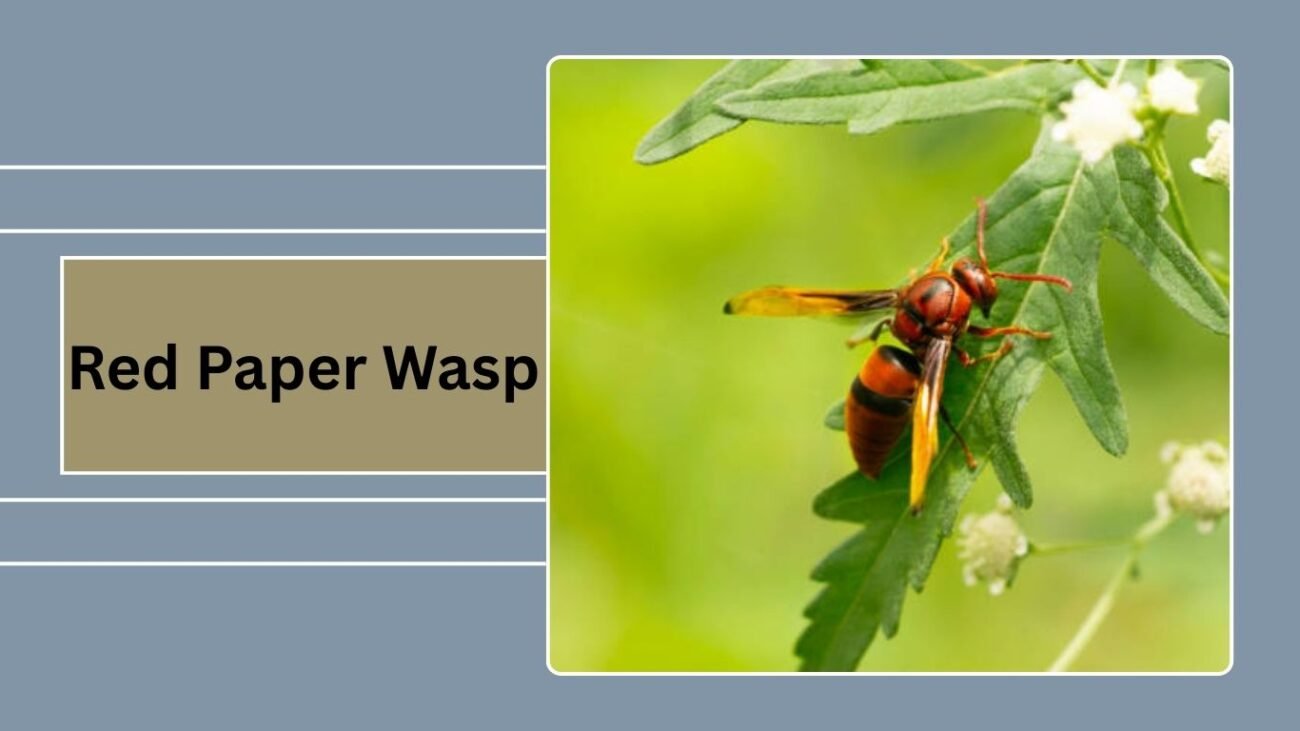
The red paper wasp is a social wasp distinguished by its reddish coloration and umbrella-shaped nests. It is common in the southern United States and plays a role in controlling caterpillar populations.
Identification
- Color: Reddish-brown overall, sometimes with black markings.
- Size: Adults range from 16–20 mm.
- Body Shape: Slender with long legs that dangle in flight.
- Distinctive Trait: Reddish coloration and papery open nests.
Habitat
They are abundant in warm regions, nesting around homes, barns, and shrubs.
Nesting
Nests are made of chewed plant fibers, forming umbrella-like structures attached to sheltered spots such as eaves, branches, or fence posts.
Diet
Adults feed on nectar, while larvae are fed chewed-up caterpillars and insects.
Behaviors
They are moderately aggressive when nests are disturbed, defending colonies with painful stings.
20. Great Black Wasp
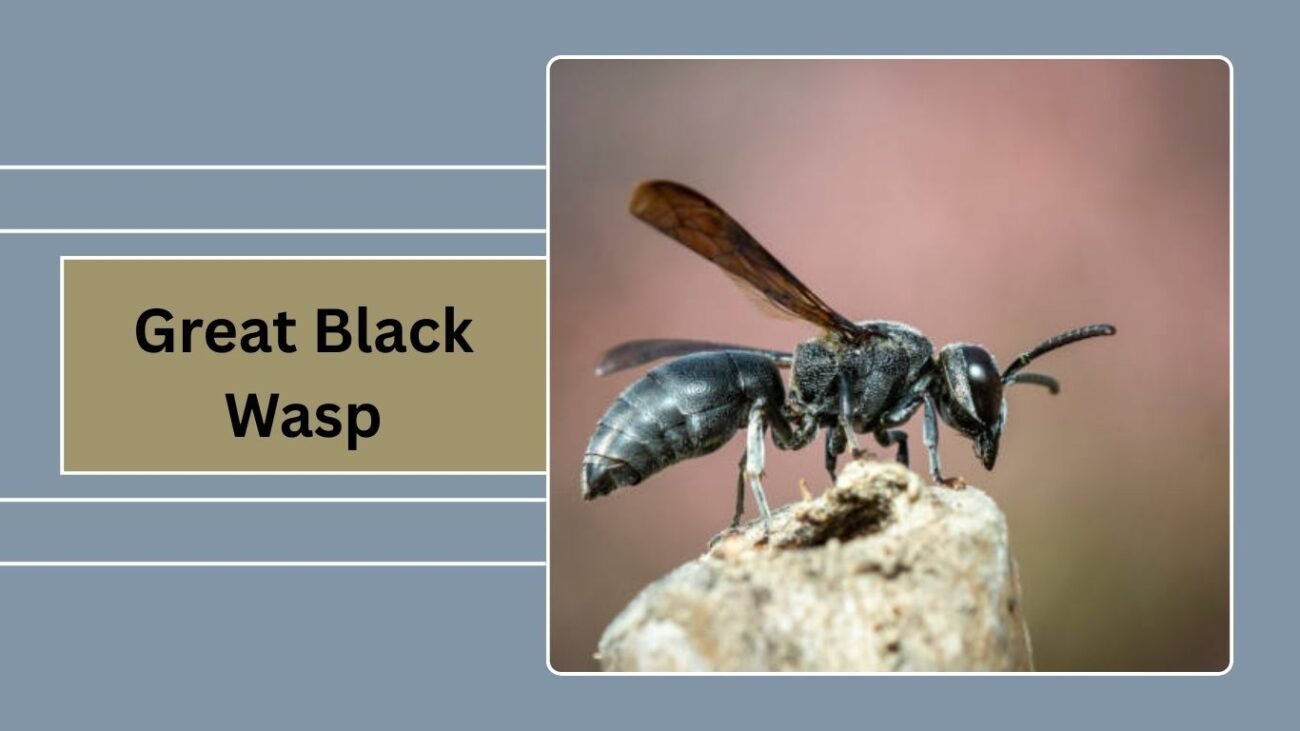
The great black wasp is a large, solitary wasp admired for its striking appearance and usefulness as a natural predator of grasshoppers and katydids. Despite its intimidating size, it is non-aggressive toward humans.
Identification
- Color: Glossy, solid black with iridescent wings.
- Size: Adults measure 25–30 mm.
- Body Shape: Slender but robust with long wings and legs.
- Distinctive Trait: Jet-black coloration and large size.
Habitat
They are common in North America, especially in meadows, gardens, and open fields with plenty of flowers.
Nesting
Great black wasps are ground-nesters. Females dig burrows in sandy or loose soil, creating chambers for their eggs.
Diet
Adults feed on flower nectar, particularly milkweed, goldenrod, and mountain mint. Larvae consume paralyzed grasshoppers or katydids supplied by the mother.
Behaviors
They are solitary and non-aggressive, often seen hovering near flowers or carrying large prey to their burrows.
21. European Hornet
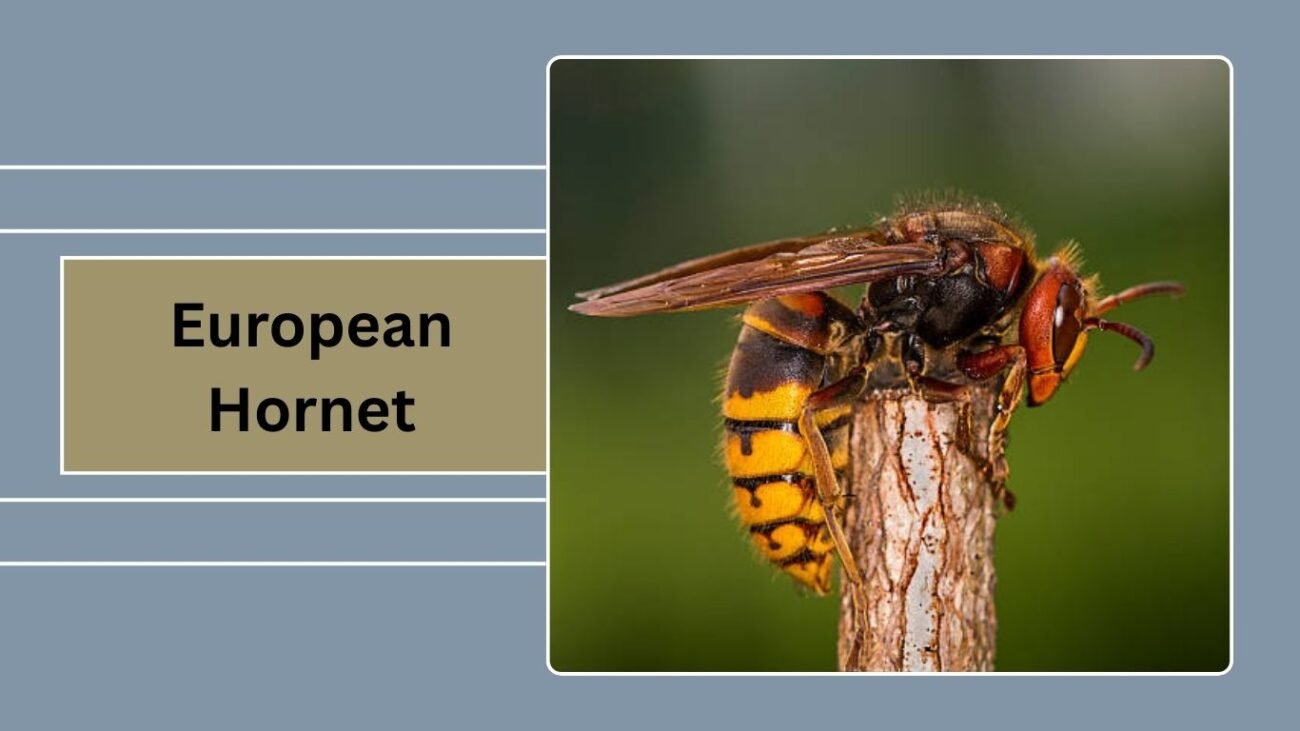
The European hornet is the only true hornet native to Europe and also established in North America. Known for its large size and powerful sting, it plays a vital role as a predator of insects.
Identification
- Color: Brown with yellow abdominal stripes and reddish head.
- Size: Workers measure 25 mm; queens up to 35 mm.
- Body Shape: Robust with broad head and strong mandibles.
- Distinctive Trait: Larger and less aggressive than many wasps when away from the nest.
Habitat
They prefer woodlands, orchards, and suburban areas.
Nesting
European hornets build large paper nests, often in hollow trees, wall voids, or attics. Colonies can house several hundred individuals.
Diet
Adults feed on tree sap, nectar, and fruit juices, while larvae are given chewed-up insects such as flies, moths, and grasshoppers.
Behaviors
They are defensive near their nests but less aggressive in open areas, often active during both day and night.
22. Asian Giant Hornet
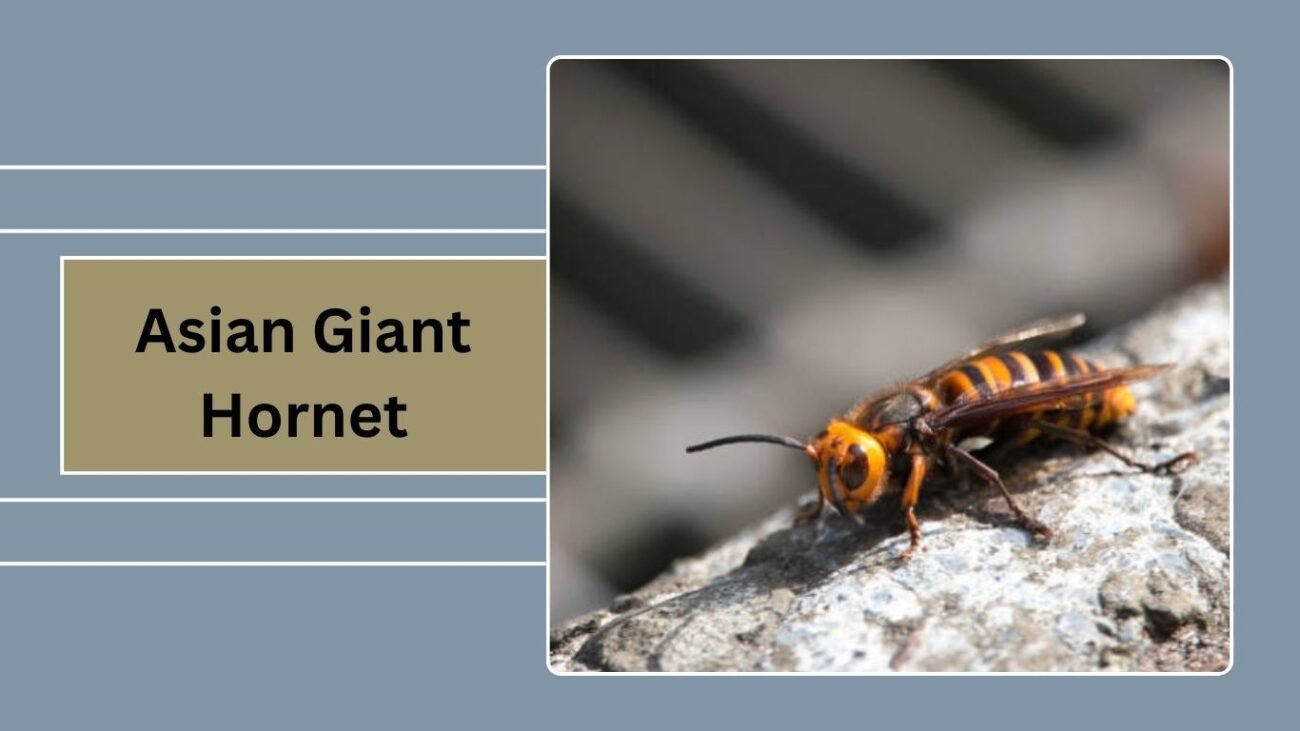
The Asian giant hornet (Vespa mandarinia), often called the “murder hornet,” is the world’s largest hornet. Feared for its powerful sting and aggressive behavior, it can wipe out entire honeybee colonies in a single attack. Despite its reputation, it also plays an ecological role as a top insect predator.
Identification
- Color: Orange head with prominent black eyes; dark brown or black thorax; striped yellow-and-brown abdomen.
- Size: Workers measure 35–40 mm; queens can reach up to 50 mm with a 75 mm wingspan.
- Body Shape: Extremely robust with massive mandibles and a strong stinger.
- Distinctive Trait: Gigantic size and ability to decimate bee hives.
Habitat
Native to East Asia, particularly Japan, China, and Korea, they inhabit forests and low mountain regions. Recently, they have been spotted in North America, raising ecological concerns.
Nesting
Asian giant hornets nest underground, often using abandoned rodent burrows or soft, rotting tree roots. Colonies can contain several hundred hornets but are seasonal, dying off in winter except for queens.
Diet
Adults feed on tree sap, honey, and fruit juices. They are formidable hunters, preying on bees, wasps, and large insects. Workers chew prey into a protein paste to feed larvae.
Behaviors
They are highly territorial and aggressive when defending nests. Their “slaughter phase” against honeybees is especially destructive, where a few dozen hornets can kill thousands of bees within hours.
23. Bald-faced Hornet
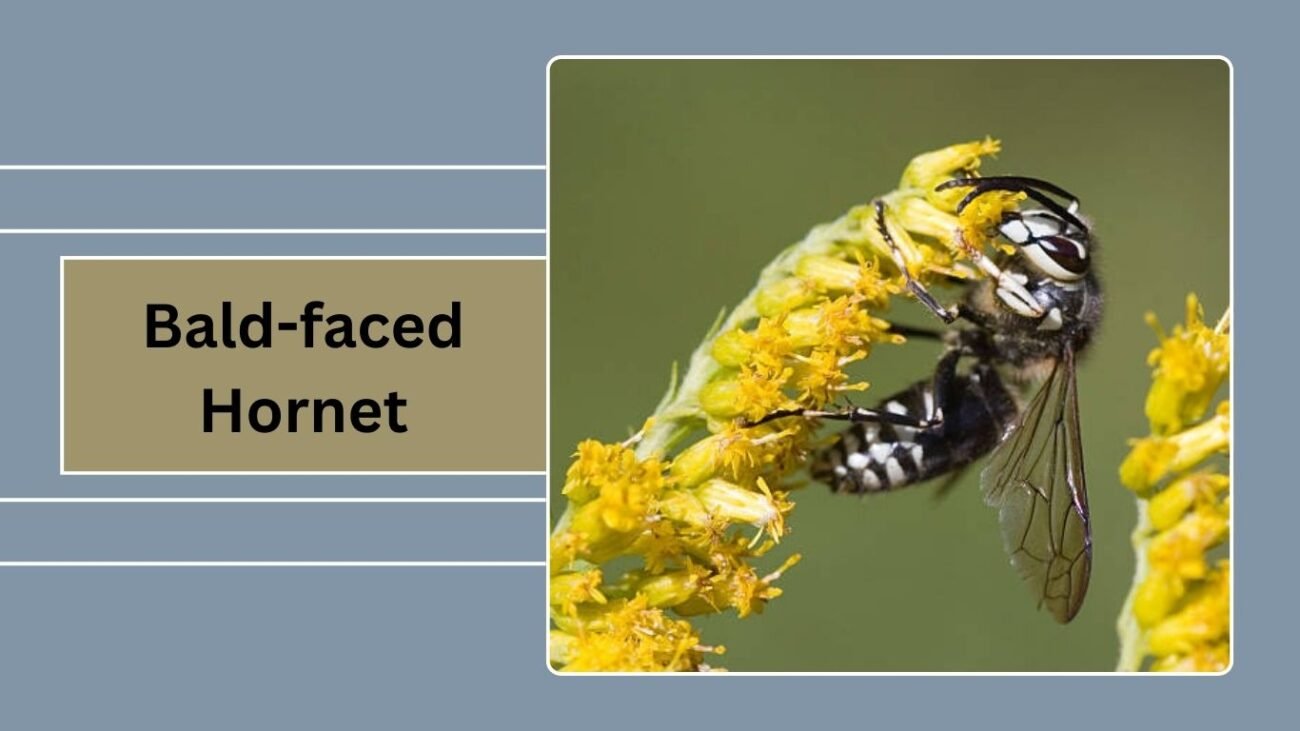
Despite its name, the bald-faced hornet (Dolichovespula maculata) is actually a type of yellowjacket wasp. It is known for its distinctive black-and-white coloring and large aerial nests. These hornets are aggressive defenders of their colonies, delivering repeated painful stings.
Identification
- Color: Black with striking white markings on the face, thorax, and tip of abdomen.
- Size: Workers measure 12–15 mm; queens up to 20 mm.
- Body Shape: Robust with smooth body and long legs.
- Distinctive Trait: White facial markings and large hanging nests.
Habitat
They are native to North America and thrive in wooded areas, meadows, and suburban environments.
Nesting
Bald-faced hornets construct large, gray, paper-like nests that can grow to the size of a basketball. Nests are usually suspended from trees, shrubs, or buildings and can house hundreds of wasps.
Diet
Adults feed on nectar, fruit juices, and tree sap. They are also skilled hunters, capturing flies, caterpillars, and other insects to feed their larvae.
Behaviors
They are extremely aggressive in defense of their nests, capable of stinging multiple times and releasing alarm pheromones to recruit other colony members. However, away from the nest, they are less likely to attack and act as beneficial predators.
24. Common Wasp (Vespula vulgaris)
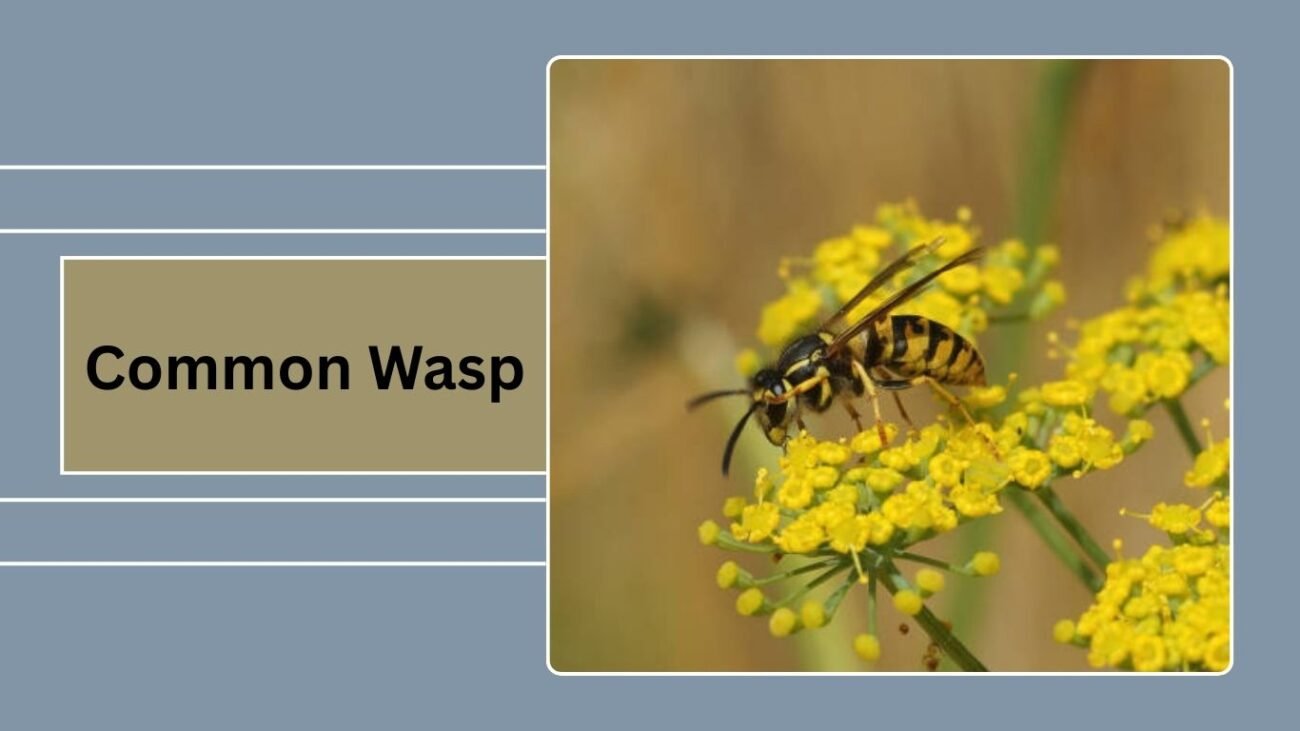
The common wasp is one of the most widespread social wasps in Europe and parts of Asia. Known for its bold black-and-yellow stripes, it is often encountered in gardens, picnics, and urban areas. Though beneficial as insect predators, they are infamous for stinging when threatened.
Identification
- Color: Bright yellow with black bands.
- Size: Workers measure 10–14 mm; queens up to 20 mm.
- Body Shape: Slender with smooth body and pointed stinger.
- Distinctive Trait: Classic “wasp” look with bright yellow-and-black contrast.
Habitat
They thrive in temperate regions, particularly across Europe, Asia, and introduced populations in New Zealand and Australia.
Nesting
Common wasps build papery nests from chewed wood fibers, often underground in burrows, tree hollows, wall cavities, or attics. Colonies can number in the thousands during peak season.
Diet
Adults feed on sugary liquids such as nectar, fruit, and even soda. Larvae are fed chewed-up insects like flies, caterpillars, and beetles.
Behaviors
They are aggressive defenders of their nests and responsible for many stings in late summer, when workers become more food-driven and bold.
25. Warrior Wasp (Synoeca septentrionalis)
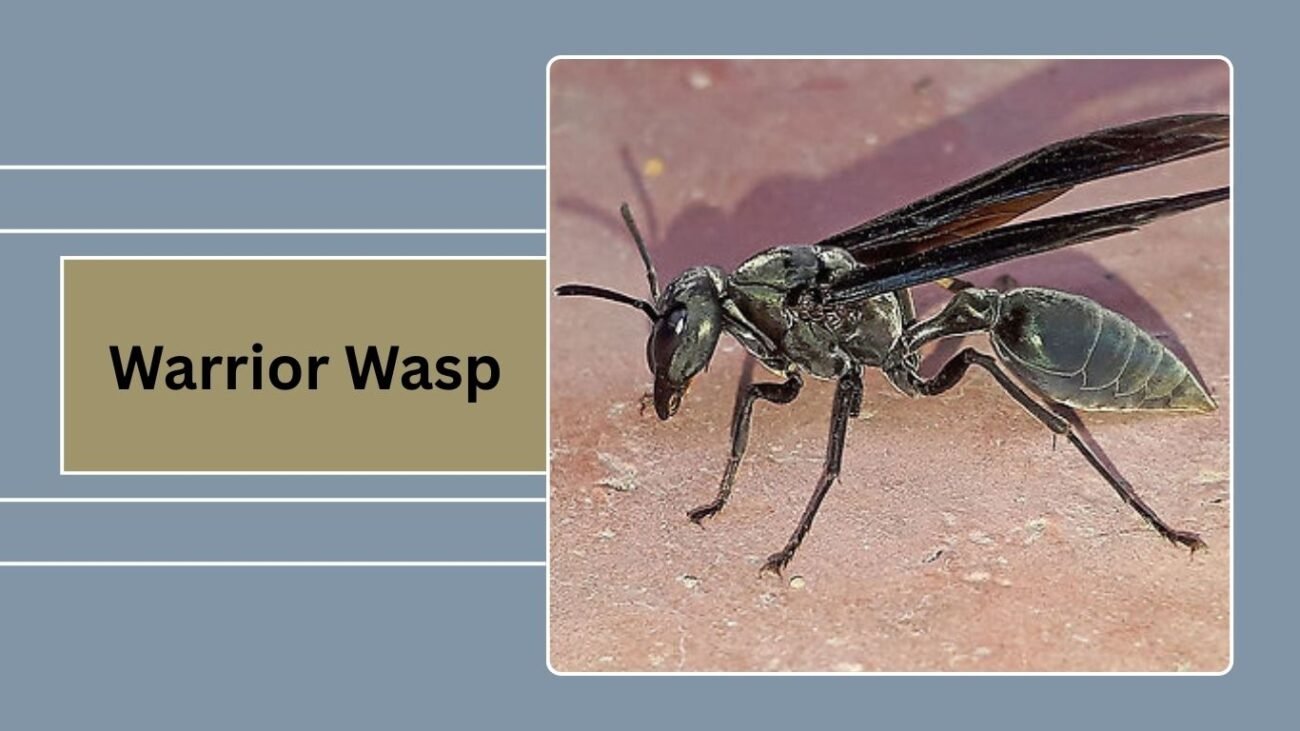
The warrior wasp, native to Central and South America, is considered one of the most dangerous wasps due to its highly aggressive colony defense and powerful sting. Their synchronized wing-beating “drumming” is a chilling warning to intruders.
Identification
- Color: Dark metallic blue to black with slight purple sheen.
- Size: Adults measure 20–30 mm.
- Body Shape: Robust body with long wings and strong mandibles.
- Distinctive Trait: Loud, collective wing-beating as a threat display.
Habitat
They inhabit tropical forests of Central and South America, often nesting high in trees or on large branches.
Nesting
Warrior wasps construct large, paper-like nests attached to trees. Colonies can grow to thousands of individuals and are fiercely protected.
Diet
Adults consume nectar and fruit juices. Larvae are provisioned with chewed-up insects captured by workers.
Behaviors
Extremely aggressive, warrior wasps respond to threats with mass attacks. Their sting is rated among the most painful in the insect world, making them both feared and respected in their native habitats.