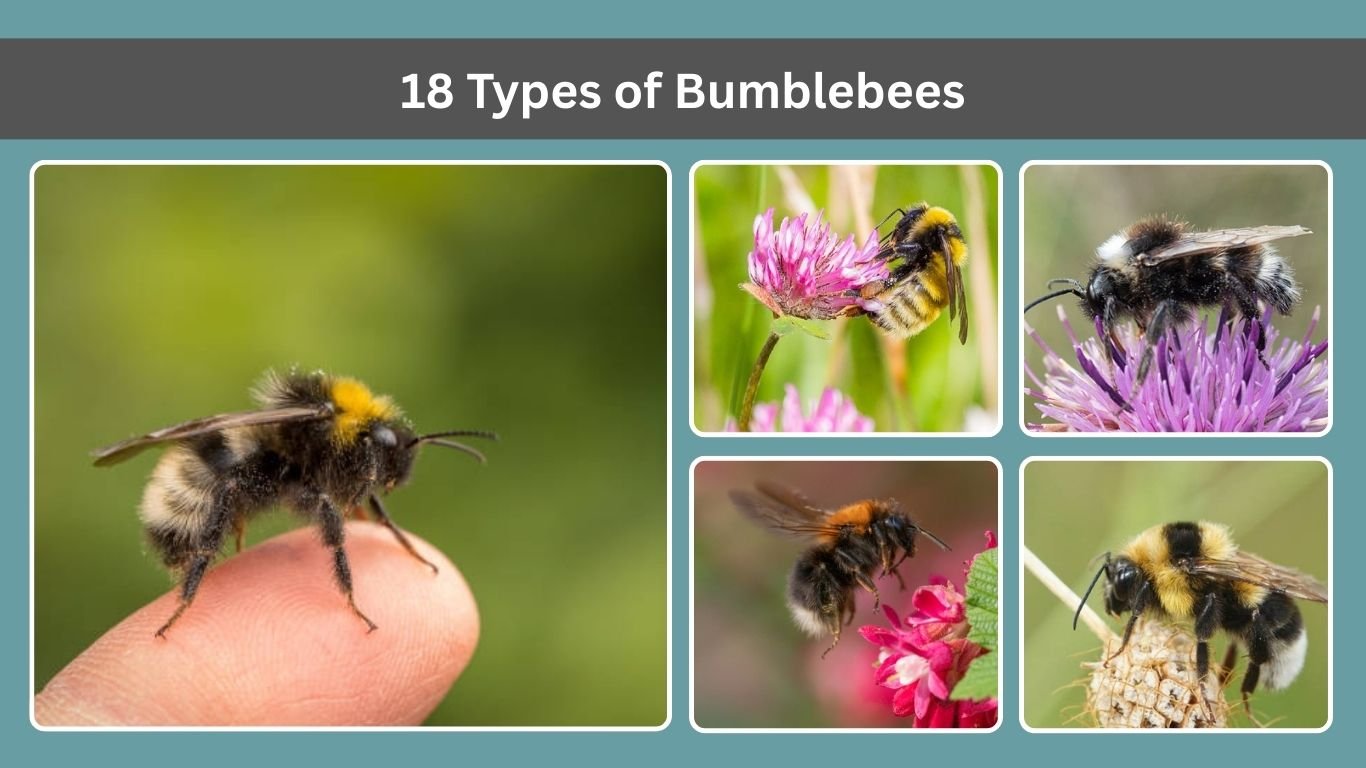
Bumblebees are essential pollinators that support ecosystems and agriculture by fertilizing wildflowers, fruits, and crops. With their fuzzy bodies and distinctive buzzing, they are easily recognized, yet each species has unique features and habits. From common garden visitors to rare and parasitic types, bumblebees display fascinating diversity. In this guide, we’ll explore 18 different species, highlighting their identification, habitat, behaviors, and lifecycle to better understand their ecological roles and importance.
1. Buff-tailed Bumblebee (Bombus terrestris)
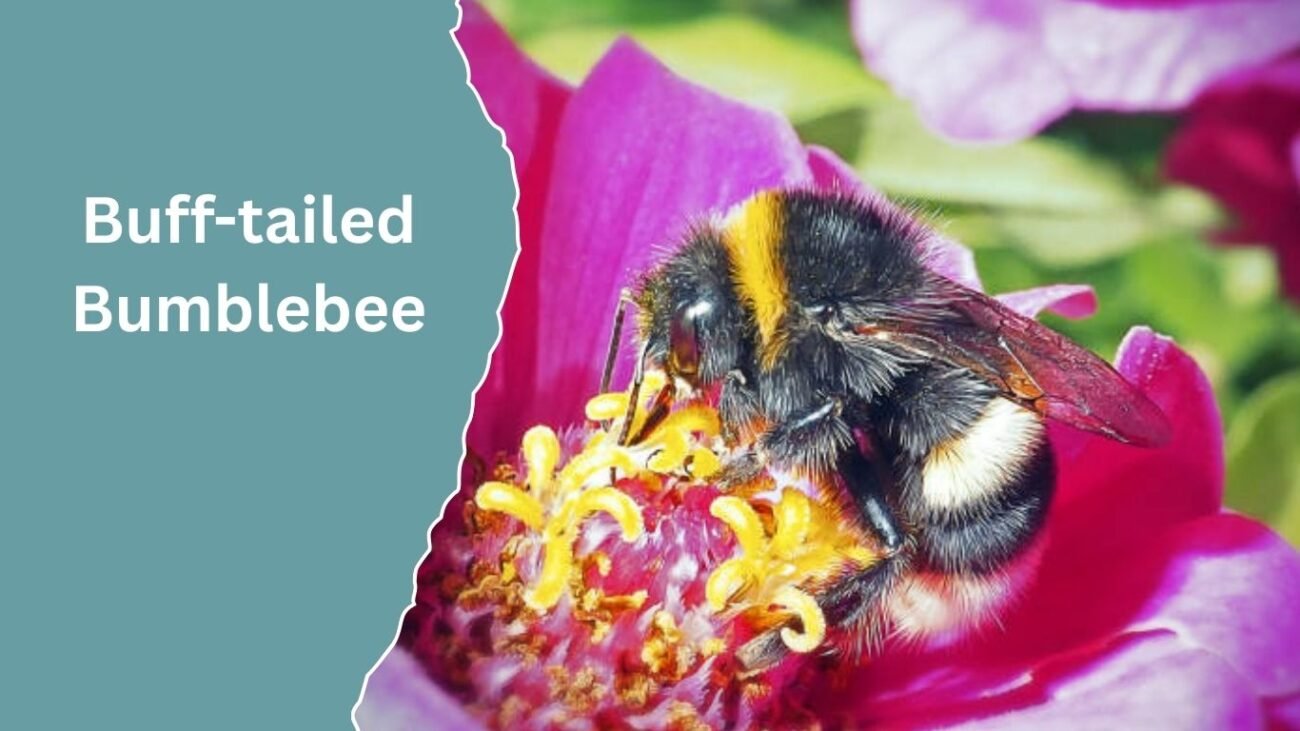
The buff-tailed bumblebee is one of the most widespread and recognizable bumblebee species in Europe. Known for its large size and strong buzzing sound, it is a vital pollinator of crops and wildflowers. Its adaptability allows it to thrive in both urban and rural environments, making it one of the most studied bumblebee species.
Identification
- Color: Black body with two yellow bands; buff-colored tail.
- Size: Queens up to 22 mm; workers 11–17 mm; males 14–16 mm.
- Distinctive Trait: Pale buff-colored tail that often appears whitish in workers.
- Wings: Smoky, translucent wings with rapid wingbeat.
Habitat
Buff-tailed bumblebees are common across Europe, parts of Asia, and New Zealand (where they were introduced). They prefer gardens, meadows, farmland, and woodland edges. Nests are usually underground in abandoned rodent burrows, though they also adapt to above-ground cavities.
Behaviors
They are social insects forming large colonies, sometimes exceeding 400 workers. Buff-tailed bumblebees are generalist foragers, feeding on clover, lavender, sunflowers, and many other flowering plants. Their long flight season and strong pollination ability make them especially important in agriculture.
Lifecycle
- Egg Stage: Queens lay fertilized eggs in spring.
- Larvae Stage: Fed with pollen and nectar by workers.
- Pupa Stage: Transform inside wax cells into adult bees.
- Adult Stage: Workers forage, males seek mates, queens establish colonies.
2. White-tailed Bumblebee (Bombus lucorum)
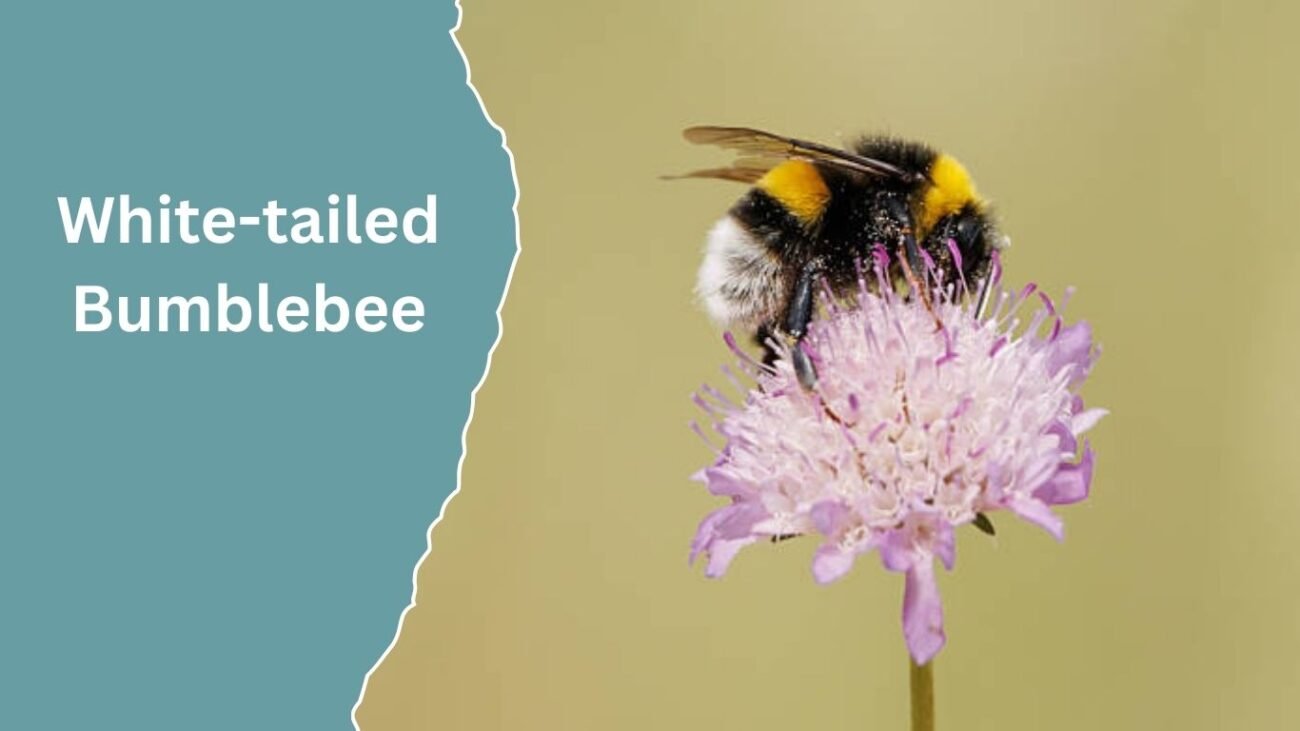
The white-tailed bumblebee is a common species across Europe and Asia, often confused with other bumblebees due to its similar markings. It is a crucial pollinator, particularly for early spring flowers, and plays an important role in maintaining garden and wild plant diversity.
Identification
- Color: Black body with two bright yellow bands; pure white tail.
- Size: Queens up to 20 mm; workers 11–16 mm; males 14–15 mm.
- Distinctive Trait: Clear white tail, contrasting with yellow bands.
- Wings: Transparent with a faint smoky tint.
Habitat
Found widely across Europe and Asia, this species nests underground in abandoned rodent holes, compost heaps, or tussocky grass. They adapt well to farmland, gardens, and woodland edges.
Behaviors
White-tailed bumblebees are highly active foragers and prefer flowers such as clover, lavender, thistles, and dandelions. Colonies usually contain 200–300 workers. Their long tongue length allows access to deep flowers.
Lifecycle
- Egg Stage: Laid by queens after emerging in spring.
- Larvae Stage: Fed pollen and nectar by workers.
- Pupa Stage: Develop into adults inside wax cells.
- Adult Stage: Workers forage, drones mate, queens overwinter.
3. Red-tailed Bumblebee (Bombus lapidarius)
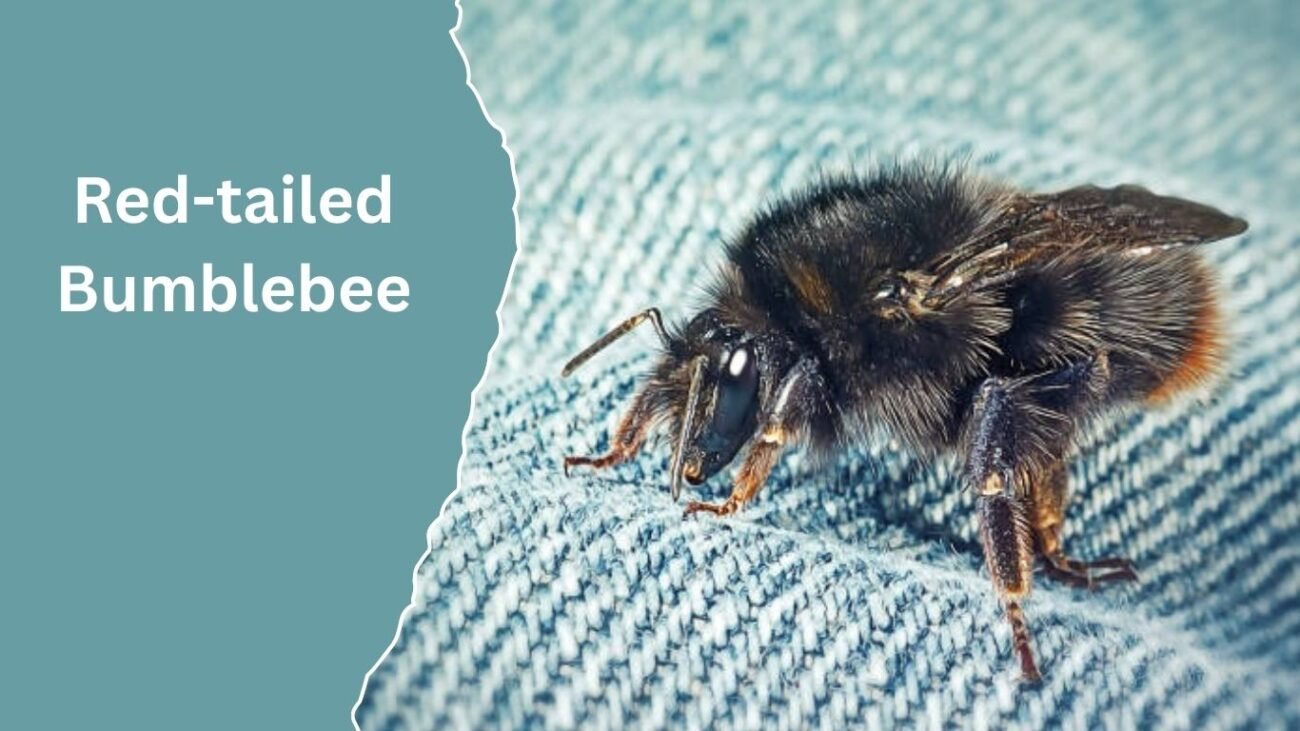
The red-tailed bumblebee is striking and easy to recognize, with its jet-black body and vivid red tail. It is one of the most common species in Europe and is often seen in gardens, meadows, and urban areas.
Identification
- Color: Entirely black body with a bright red tail.
- Size: Queens 20–22 mm; workers 11–16 mm; males 14–15 mm.
- Distinctive Trait: No yellow markings; red tail contrasts with black body.
- Wings: Dark, translucent.
Habitat
This species is widespread throughout Europe and parts of Asia. They prefer open grasslands, gardens, and woodland edges. Nests are typically underground, often in old rodent burrows or cavities.
Behaviors
Red-tailed bumblebees are efficient pollinators, feeding on plants such as thistles, knapweed, lavender, and fruit blossoms. Colonies are moderate in size, usually up to 300 workers. They are active throughout summer and are easy to spot because of their distinct coloring.
Lifecycle
- Egg Stage: Eggs hatch within a few days of being laid in spring.
- Larvae Stage: Fed on pollen and nectar stores by workers.
- Pupa Stage: Metamorphosis into adults inside protective wax cells.
- Adult Stage: Workers forage, males mate, queens establish new colonies.
4. Garden Bumblebee (Bombus hortorum)
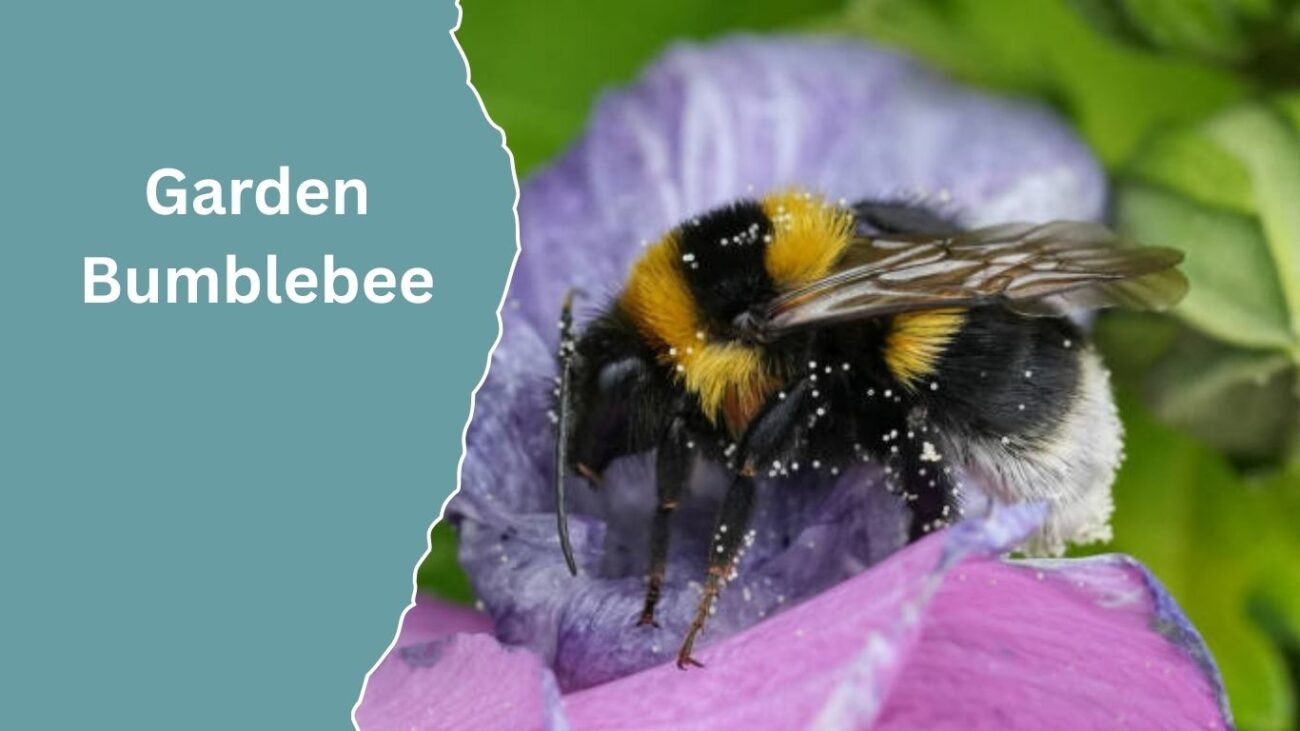
The garden bumblebee is known for its very long tongue, which allows it to feed on deep, tubular flowers that many other bumblebees cannot access. It is a widespread species across Europe and is frequently seen in gardens and meadows.
Identification
- Color: Black body with three yellow bands and a white tail.
- Size: Queens up to 18–20 mm; workers 10–16 mm; males 13–15 mm.
- Distinctive Trait: Exceptionally long tongue (up to 20 mm).
- Wings: Clear with a faint smoky tint.
Habitat
This species thrives in gardens, farmland, grasslands, and woodland edges. Nests are usually underground but can also be found in grassy tussocks.
Behaviors
Garden bumblebees are specialist foragers, favoring flowers such as foxgloves, clovers, honeysuckles, and beans. Colonies are relatively small, often around 100–150 workers. They are important pollinators for many wildflowers and crops.
Lifecycle
- Egg Stage: Eggs hatch in spring after queens emerge.
- Larvae Stage: Fed nectar and pollen by workers.
- Pupa Stage: Develop into adults in wax cells.
- Adult Stage: Workers forage, males mate, queens hibernate.
5. Early Bumblebee (Bombus pratorum)
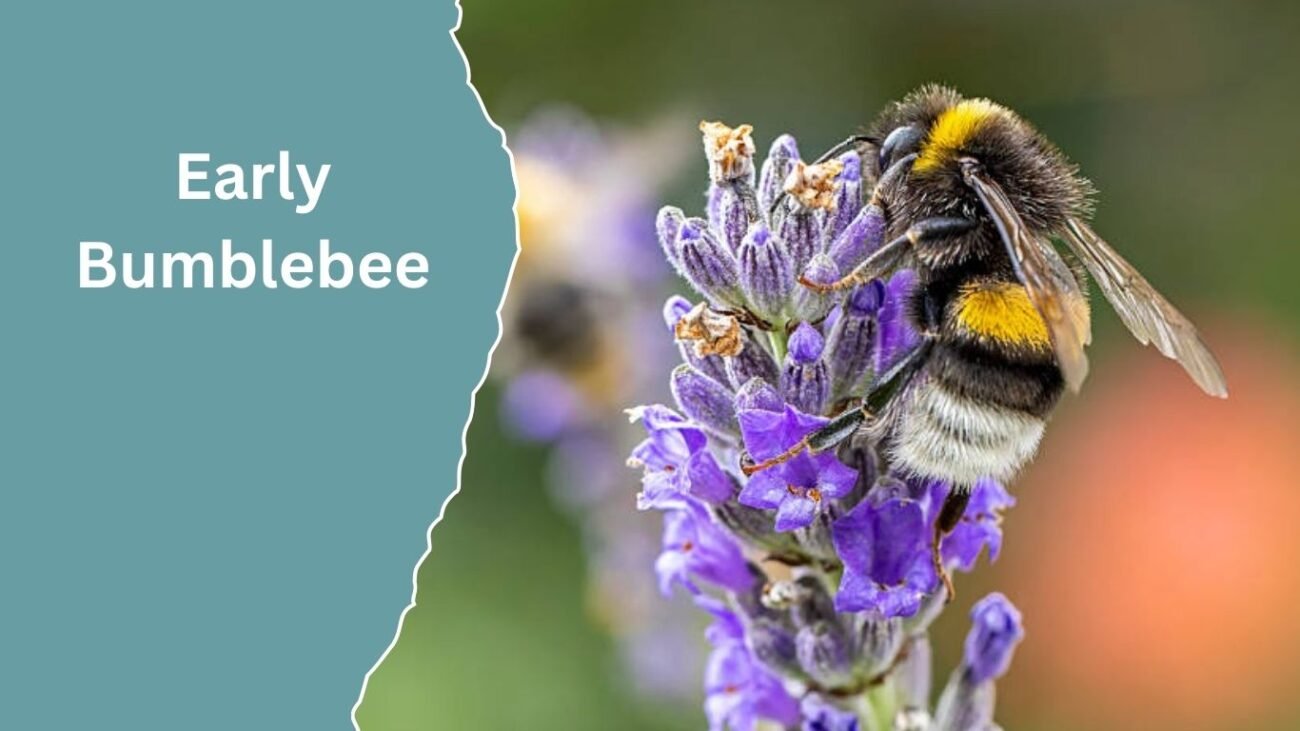
The early bumblebee, as its name suggests, is among the first to appear in spring. It is a small species, common across Europe, and plays an important role in pollinating early-flowering plants.
Identification
- Color: Black body with two yellow bands and a reddish-orange tail.
- Size: Queens 15–17 mm; workers 10–14 mm; males 12–14 mm.
- Distinctive Trait: Small size with short, reddish tail.
- Wings: Transparent with slight smoky shading.
Habitat
Early bumblebees are found in gardens, hedgerows, parks, and woodlands. They prefer small cavities for nesting, such as bird boxes, compost heaps, or grass tussocks.
Behaviors
They forage on a wide variety of flowers, including willows, dandelions, and fruit trees. Colonies are small, often only 50–120 workers, and have a shorter lifecycle than other species, typically ending by midsummer.
Lifecycle
- Egg Stage: Queens lay eggs soon after emerging in spring.
- Larvae Stage: Fed pollen and nectar by workers.
- Pupa Stage: Undergo metamorphosis into adults.
- Adult Stage: Workers forage, drones mate, queens hibernate by midsummer.
6. Tree Bumblebee (Bombus hypnorum)
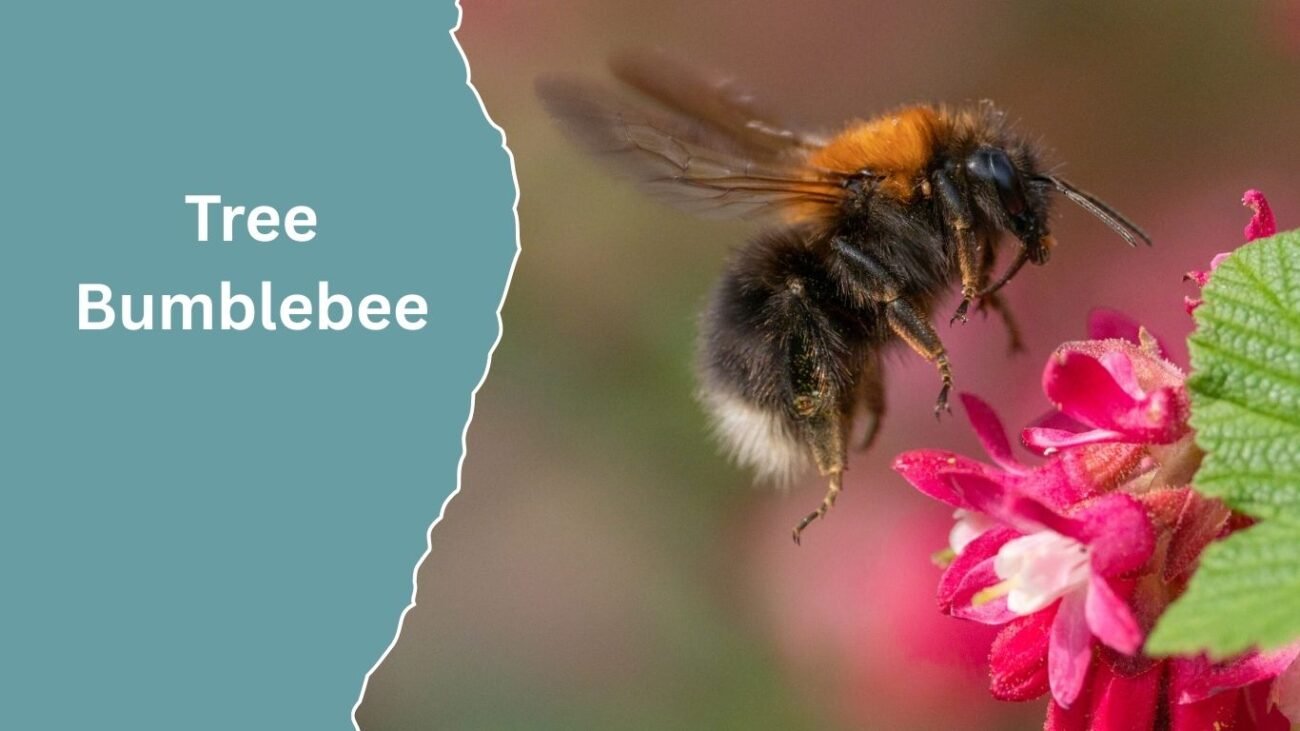
The tree bumblebee is a relatively new arrival in parts of Europe, having spread rapidly over the past century. It is easily recognized by its unique color pattern and is often found nesting in unusual sites, including bird boxes.
Identification
- Color: Ginger-brown thorax, black abdomen, and a distinctive white tail.
- Size: Queens 16–22 mm; workers 10–16 mm; males 14–16 mm.
- Distinctive Trait: Tricolor pattern with no yellow bands.
- Wings: Dark, translucent wings.
Habitat
Tree bumblebees prefer woodland edges, gardens, and urban areas. They often nest above ground, in tree cavities, lofts, and bird boxes, unlike most bumblebees that choose underground nests.
Behaviors
These bees are strong foragers, feeding on fruit blossoms, brambles, and garden flowers. Colonies usually reach 150–200 workers. They are also known for “drone swarms,” where males gather in groups to seek out emerging queens.
Lifecycle
- Egg Stage: Eggs hatch in 1–2 weeks.
- Larvae Stage: Fed on nectar and pollen stores.
- Pupa Stage: Pupae develop into adults in wax cells.
- Adult Stage: Workers forage, males mate, queens establish nests.
7. Heath Bumblebee (Bombus jonellus)

The heath bumblebee is a small species, typically associated with heathlands and moorlands. It is well-adapted to cooler climates and is often seen in northern parts of Europe.
Identification
- Color: Black body with yellow bands and a white tail.
- Size: Queens 15–17 mm; workers 10–13 mm; males 12–14 mm.
- Distinctive Trait: Short face and compact body size.
- Wings: Clear, with slight smoky shading.
Habitat
This species thrives in heathlands, moorlands, coastal grasslands, and gardens. Nests are typically underground, often in abandoned rodent burrows or tussocky grass.
Behaviors
Heath bumblebees forage on flowers such as clovers, heathers, and bilberries. Colonies are relatively small, often under 100 workers. Their shorter face length restricts them to more open flowers, unlike long-tongued species.
Lifecycle
- Egg Stage: Eggs hatch in about 1–2 weeks.
- Larvae Stage: Fed nectar and pollen by workers.
- Pupa Stage: Develop into adults in small wax cells.
- Adult Stage: Workers forage, males mate, queens overwinter.
8. Moss Carder Bumblebee (Bombus muscorum)
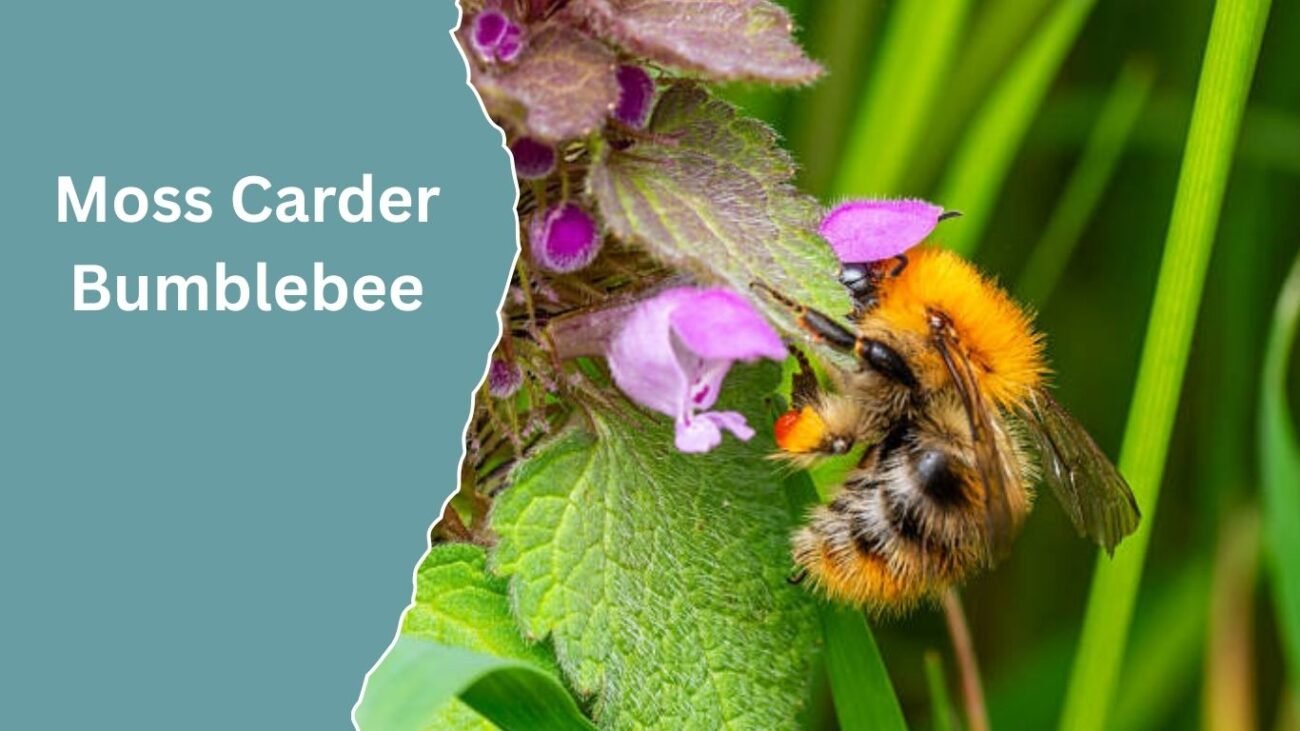
The moss carder bumblebee is a gentle, long-tongued species often associated with open meadows and coastal grasslands. It is named for its habit of using moss and grass to insulate its nest.
Identification
- Color: Ginger or yellowish-brown, with no black banding.
- Size: Queens 15–17 mm; workers 10–14 mm; males 12–15 mm.
- Distinctive Trait: Uniform warm ginger coloration.
- Wings: Light and translucent.
Habitat
They prefer meadows, dunes, and coastal grasslands, especially where clovers and vetches are abundant. Nests are above ground, concealed in grass tussocks or moss.
Behaviors
Moss carder bumblebees are strong pollinators of legumes and wildflowers. Colonies are small, generally around 50–100 workers. They are non-aggressive and less likely to sting compared to other species.
Lifecycle
- Egg Stage: Hatch in 1–2 weeks.
- Larvae Stage: Fed with pollen and nectar.
- Pupa Stage: Develop into adults in wax cells.
- Adult Stage: Workers forage, males mate, queens overwinter.
9. Common Carder Bumblebee (Bombus pascuorum)
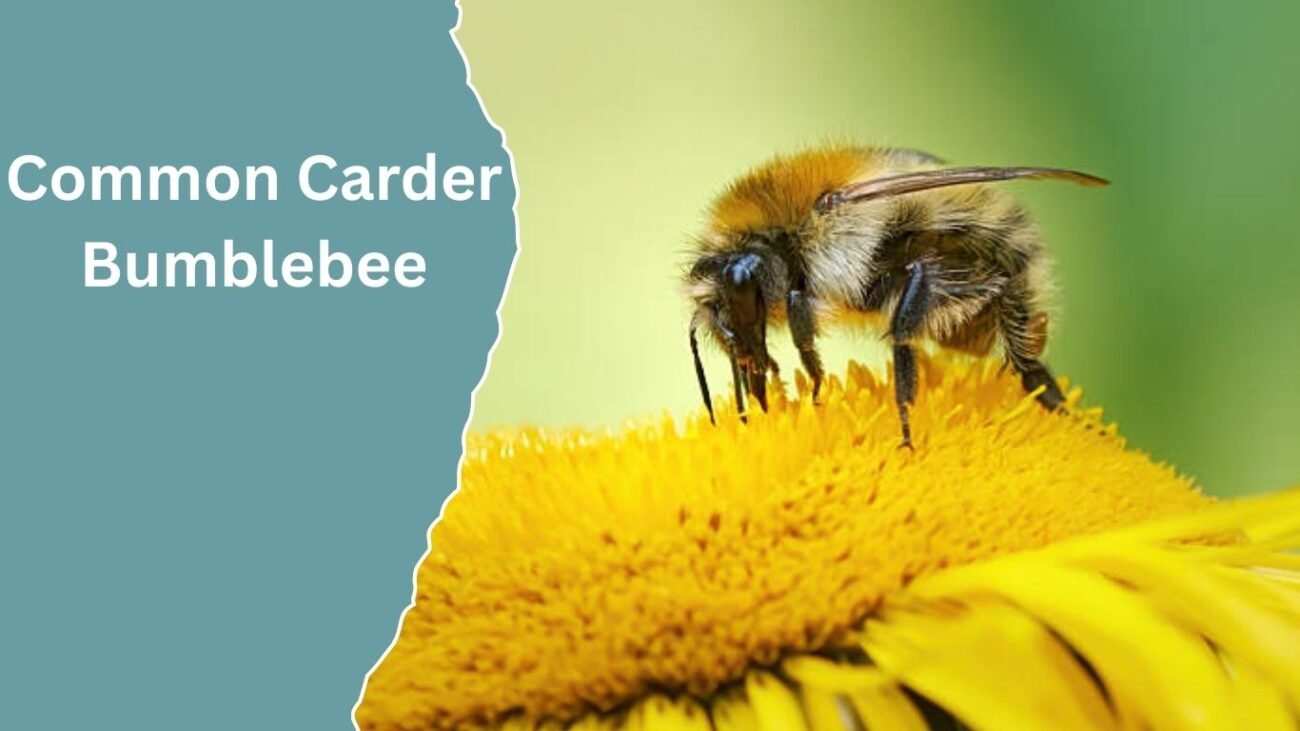
The common carder bumblebee is one of the most widespread and easily observed bumblebees in Europe. Its adaptability allows it to thrive in gardens, parks, and wildflower meadows.
Identification
- Color: Ginger thorax with black and yellow hairs on the abdomen.
- Size: Queens 15–18 mm; workers 10–15 mm; males 13–15 mm.
- Distinctive Trait: Fluffy ginger appearance, less uniform than moss carder.
- Wings: Clear, smoky-tinted wings.
Habitat
They are highly adaptable, found in farmland, gardens, parks, and grasslands. Nests are usually above ground in dense vegetation, grass tussocks, or compost heaps.
Behaviors
Common carder bumblebees forage on clovers, lavender, beans, and wildflowers. Colonies are medium-sized, often 100–200 workers. They are known for their long flight season, sometimes active well into autumn.
Lifecycle
- Egg Stage: Eggs hatch in about 1–2 weeks.
- Larvae Stage: Fed on nectar and pollen stores.
- Pupa Stage: Pupae develop into adults in protective wax cells.
- Adult Stage: Workers forage, drones mate, queens hibernate.
10. Brown-banded Carder Bumblebee (Bombus humilis)
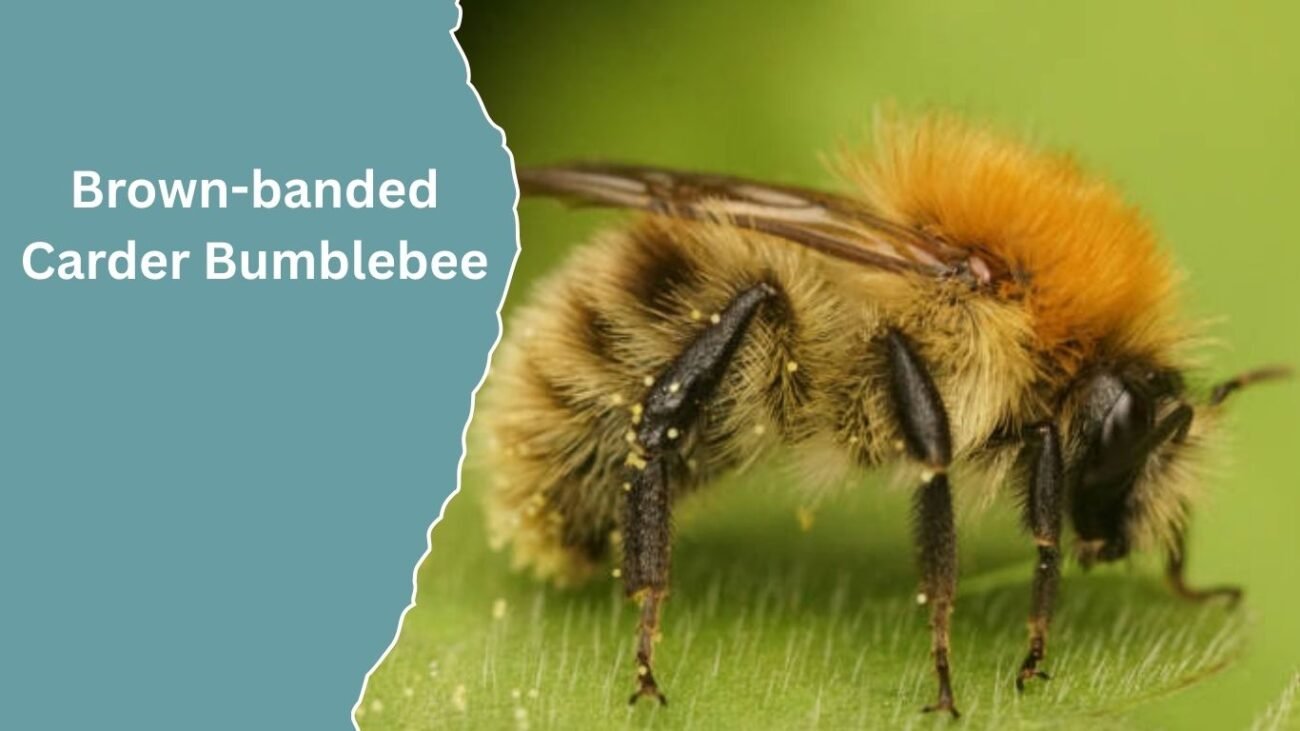
The brown-banded carder bumblebee is a rare species in many regions, often associated with flower-rich grasslands and coastal areas. It has declined significantly in parts of Europe due to habitat loss, making conservation efforts important.
Identification
- Color: Ginger with a thin darker brown band across the thorax.
- Size: Queens 16–18 mm; workers 10–14 mm; males 13–15 mm.
- Distinctive Trait: Narrow brown band on the thorax distinguishes it from other carder bees.
- Wings: Light, translucent.
Habitat
This species prefers open, sunny grasslands, heaths, and coastal dunes with abundant legumes like clovers and vetches. Nests are usually above ground in moss or grass tussocks.
Behaviors
They are long-tongued foragers, specializing in deep flowers such as clovers, knapweeds, and vetches. Colonies are small, usually fewer than 100 workers. They are considered gentle and rarely sting.
Lifecycle
- Egg Stage: Hatch in 1–2 weeks.
- Larvae Stage: Fed nectar and pollen by workers.
- Pupa Stage: Transform into adults inside wax cells.
- Adult Stage: Workers forage, males seek mates, queens overwinter.
11. Short-haired Bumblebee (Bombus subterraneus)
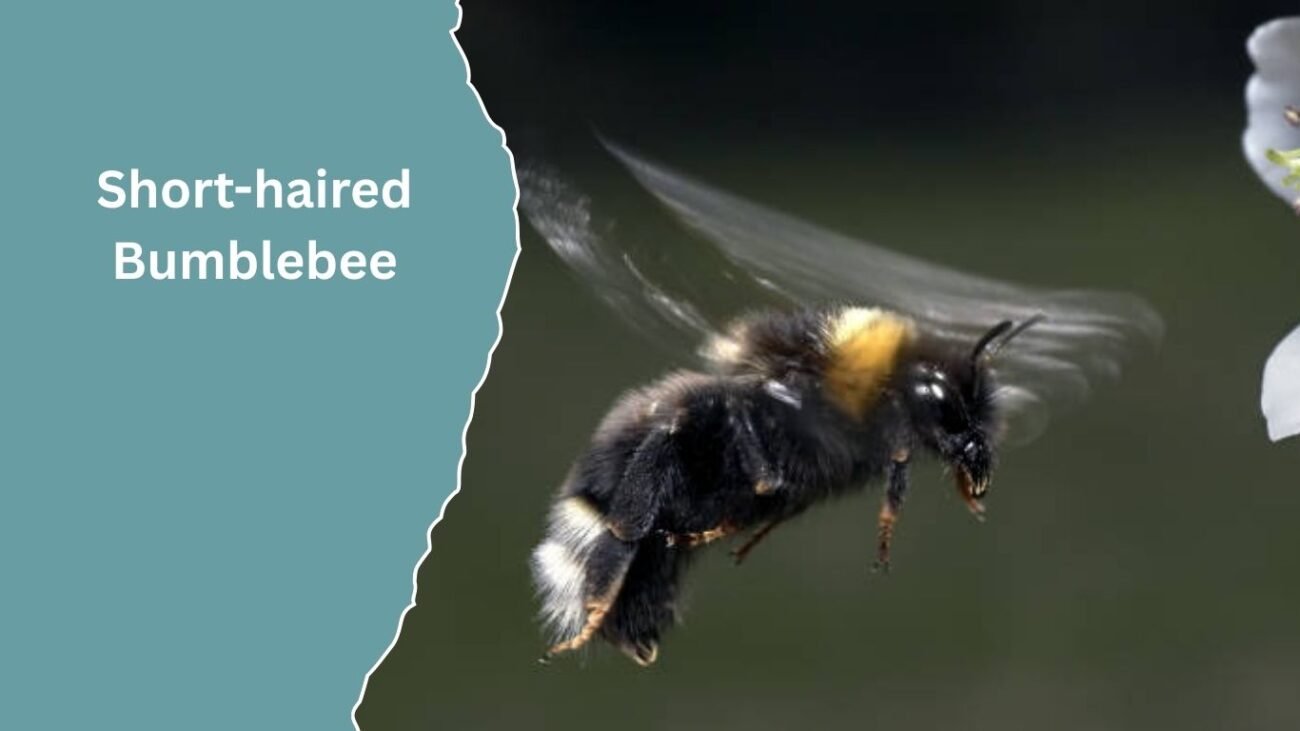
The short-haired bumblebee is a rare species once thought extinct in the UK but reintroduced through conservation programs. It prefers flower-rich grasslands and is important for pollination diversity.
Identification
- Color: Black with narrow yellow bands on the thorax and abdomen; white tail.
- Size: Queens 16–18 mm; workers 10–14 mm; males 13–15 mm.
- Distinctive Trait: Short, even coat of hairs compared to fluffier species.
- Wings: Smoky, translucent wings.
Habitat
They thrive in open meadows, farmland, and coastal grasslands rich in clover and vetch. Nests are underground, often in old rodent burrows.
Behaviors
Short-haired bumblebees are long-tongued foragers, specializing in legumes and deep flowers. Colonies are modest in size, usually around 100 workers. Due to habitat loss, they have become a focus of conservation projects in Europe.
Lifecycle
- Egg Stage: Hatch within 1–2 weeks.
- Larvae Stage: Fed on pollen and nectar stores.
- Pupa Stage: Pupae transform into adults in soil chambers.
- Adult Stage: Workers forage, males mate, queens hibernate.
12. Great Yellow Bumblebee (Bombus distinguendus)
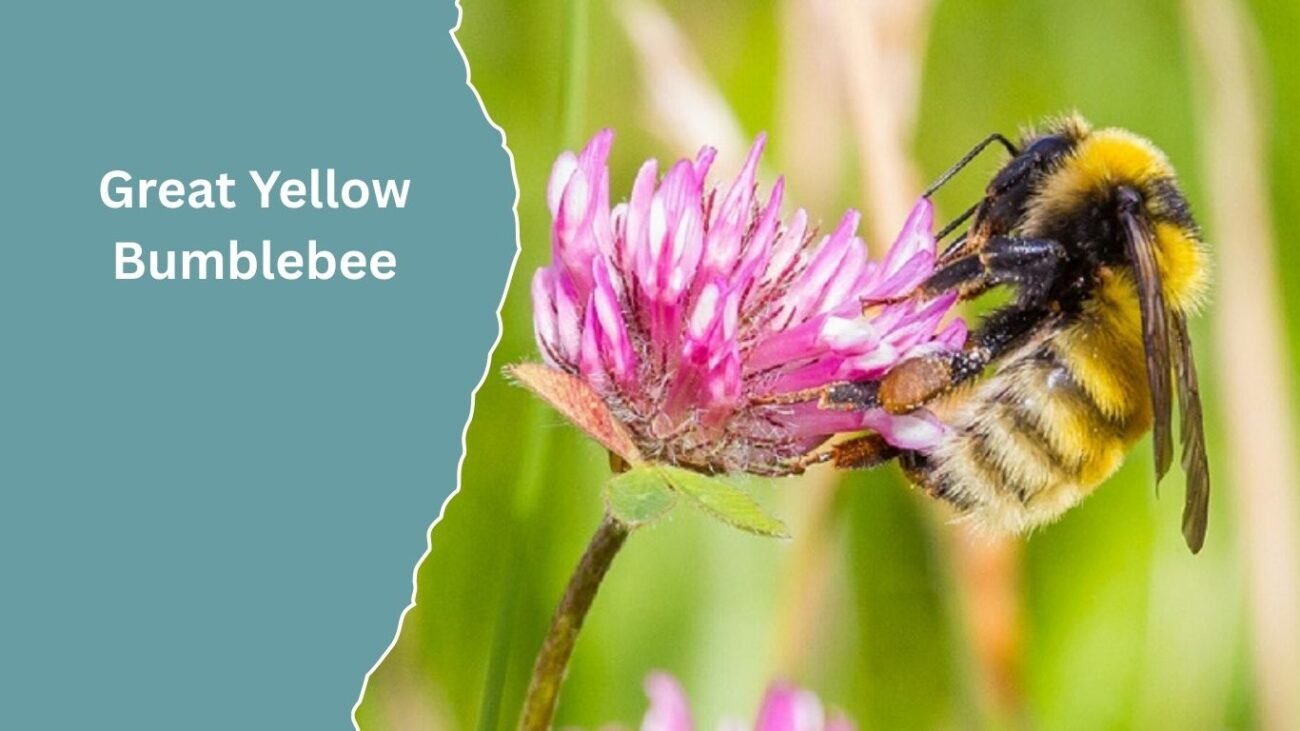
The great yellow bumblebee is one of the rarest species in Europe, now confined mainly to northern Scotland and some offshore islands. It is highly dependent on flower-rich meadows, making it vulnerable to habitat loss.
Identification
- Color: Pale yellow with a single black band across the thorax.
- Size: Queens 17–19 mm; workers 10–15 mm; males 13–15 mm.
- Distinctive Trait: Almost entirely yellow body with minimal black markings.
- Wings: Light, translucent wings.
Habitat
They prefer traditional hay meadows, machair grasslands, and moorlands where red clover, knapweed, and vetch grow in abundance. Nests are built close to the ground, often in grass tussocks.
Behaviors
Great yellow bumblebees are long-tongued foragers that rely on deep flowers. Colonies are very small, usually fewer than 50 workers. Their limited distribution makes them a priority species for conservation.
Lifecycle
- Egg Stage: Hatch in about 1–2 weeks.
- Larvae Stage: Fed pollen and nectar by workers.
- Pupa Stage: Metamorphose into adults inside wax cells.
- Adult Stage: Workers forage, males mate, queens hibernate.
13. Shrill Carder Bumblebee (Bombus sylvarum)
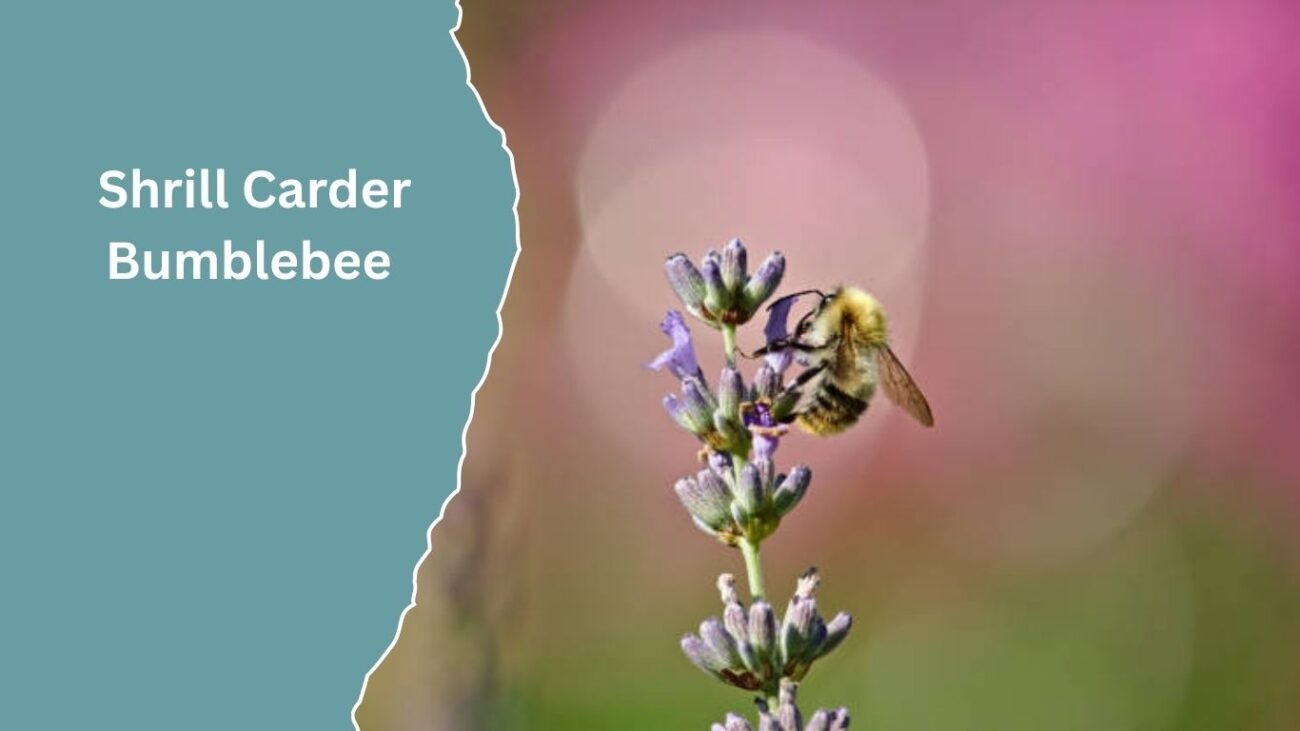
The shrill carder bumblebee is a rare and declining species in Europe, recognizable by its high-pitched buzz. It survives only in a few flower-rich areas of southern Britain and parts of continental Europe.
Identification
- Color: Greyish-yellow with three black bands and a reddish tip to the tail.
- Size: Queens 16–18 mm; workers 10–15 mm; males 12–15 mm.
- Distinctive Trait: Slim body and a shrill, high-pitched buzz.
- Wings: Clear, faintly smoky wings.
Habitat
They prefer open meadows, heaths, and coastal grasslands rich in wildflowers such as clovers, red bartsia, and knapweeds. Nests are usually above ground, hidden in grass tussocks.
Behaviors
Shrill carder bumblebees are long-tongued and specialize in deep flowers. Colonies are small, often with fewer than 70 workers. Their reliance on flower-rich habitats makes them highly vulnerable to agricultural changes.
Lifecycle
- Egg Stage: Hatch within 1–2 weeks.
- Larvae Stage: Fed on pollen and nectar stores.
- Pupa Stage: Transform into adults in protective wax cells.
- Adult Stage: Workers forage, drones mate, queens hibernate.
14. Broken-belted Bumblebee (Bombus soroeensis)
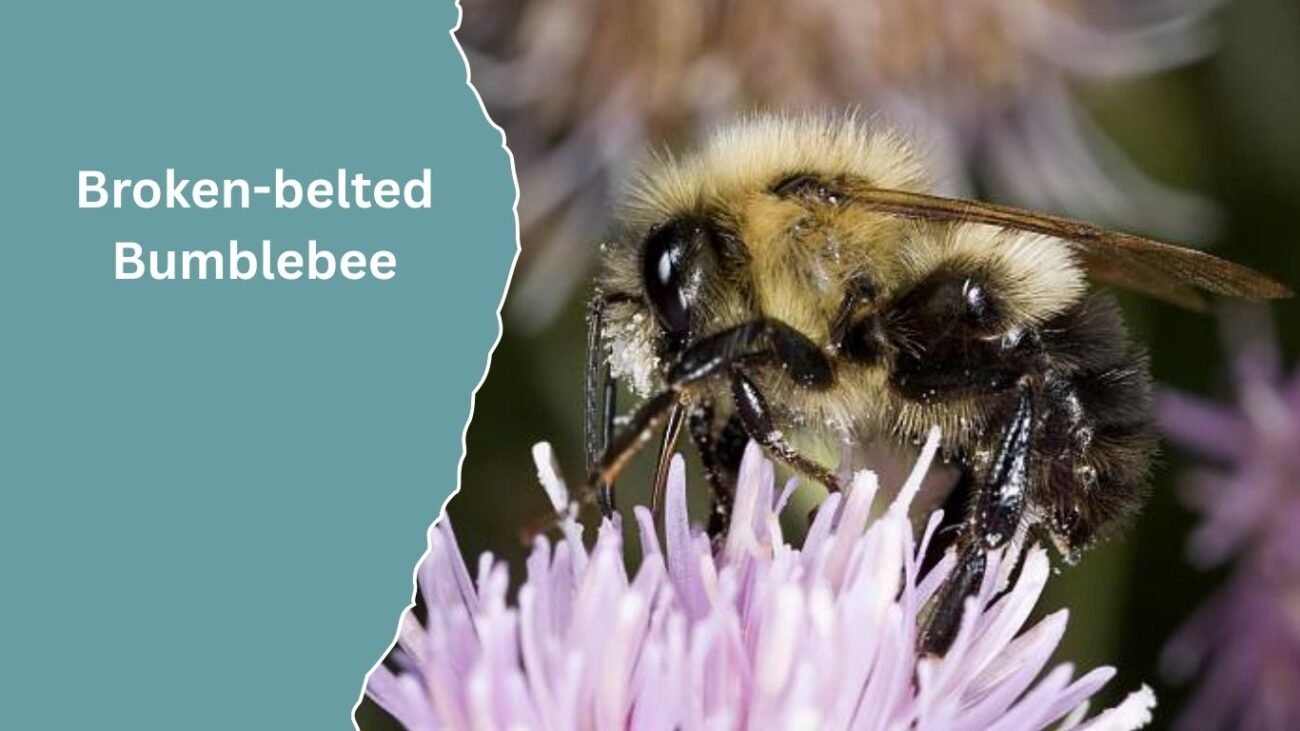
The broken-belted bumblebee is a small and less common species found in northern and western Europe. It is named for the thin, often incomplete yellow band on its abdomen, which sets it apart from similar species.
Identification
- Color: Black body with yellow bands and a narrow, broken yellow band on the abdomen; white tail.
- Size: Queens 15–17 mm; workers 10–13 mm; males 12–14 mm.
- Distinctive Trait: Thin or incomplete yellow abdominal band.
- Wings: Transparent, faintly smoky.
Habitat
This species inhabits meadows, moorlands, heaths, and coastal grasslands, often in cooler, upland areas. Nests are typically underground, sometimes in old rodent burrows.
Behaviors
They forage on clovers, knapweed, thistles, and other wildflowers. Colonies are generally small, with around 50–100 workers. Though not aggressive, they play an important role in upland pollination.
Lifecycle
- Egg Stage: Hatch in about 1–2 weeks.
- Larvae Stage: Fed with pollen and nectar.
- Pupa Stage: Develop into adults in wax cells.
- Adult Stage: Workers forage, males mate, queens hibernate.
15. Gypsy Cuckoo Bumblebee (Bombus bohemicus)

The gypsy cuckoo bumblebee is a parasitic species that does not build its own nest. Instead, it invades the nests of host species, particularly the white-tailed bumblebee group, and relies on them to raise its young.
Identification
- Color: Black body with white tail and faint yellow markings.
- Size: Queens 18–20 mm; males 14–16 mm.
- Distinctive Trait: Lack of worker caste; parasitic behavior.
- Wings: Dark, translucent.
Habitat
They are widespread across Europe, Asia, and North America, wherever host species such as Bombus lucorum are found. They take over established nests instead of creating their own.
Behaviors
As cuckoo bumblebees, they kill or dominate the host queen and force host workers to rear their offspring. They feed on similar flowers to their hosts, including clovers, knapweed, and fruit blossoms.
Lifecycle
- Egg Stage: Laid in host nests after takeover.
- Larvae Stage: Fed by host workers.
- Pupa Stage: Develop into adults within the host colony.
- Adult Stage: Only males and new queens emerge; no worker caste exists.
16. Forest Cuckoo Bumblebee (Bombus sylvestris)

The forest cuckoo bumblebee is another parasitic species that invades the nests of other bumblebees. It is commonly associated with woodland habitats and relies on species such as the early bumblebee (Bombus pratorum) as its hosts.
Identification
- Color: Black body with pale yellow bands and a white tail; males often have more yellow.
- Size: Queens 15–18 mm; males 13–15 mm.
- Distinctive Trait: No worker caste, dependent on host colonies.
- Wings: Dark, smoky appearance.
Habitat
This species is widespread across Europe and parts of Asia, typically found in woodlands, forest edges, gardens, and meadows where host species are present.
Behaviors
Forest cuckoo bumblebees infiltrate host colonies by overpowering or killing the resident queen. They then lay eggs, which are reared by the host workers. They forage on the same flowers as their hosts, such as willow, bramble, and clover.
Lifecycle
- Egg Stage: Laid inside host nests after takeover.
- Larvae Stage: Fed and nurtured by host workers.
- Pupa Stage: Develop into adults within the host colony.
- Adult Stage: Only males and new queens produced; no worker caste.
17. Barbut’s Cuckoo Bumblebee (Bombus barbutellus)
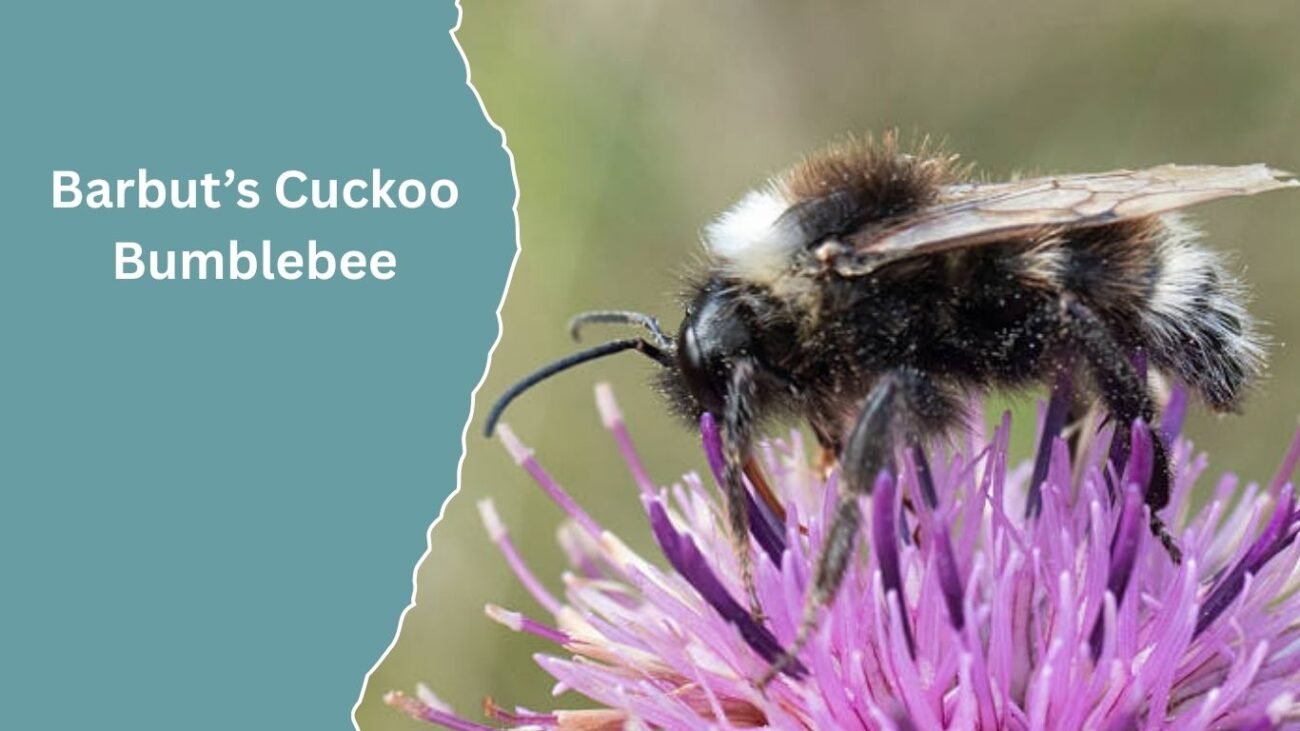
Barbut’s cuckoo bumblebee is a rare parasitic species mainly found in parts of Europe. It targets long-tongued bumblebees, particularly the garden bumblebee (Bombus hortorum), as its hosts.
Identification
- Color: Black body with yellow thoracic bands, some pale abdominal hairs, and a white tail.
- Size: Queens 16–18 mm; males 13–15 mm.
- Distinctive Trait: Resembles host species but lacks workers of its own.
- Wings: Dark, smoky wings.
Habitat
This cuckoo species inhabits meadows, grasslands, and gardens with abundant long-tubed flowers. Its presence is closely tied to the distribution of its host species.
Behaviors
Barbut’s cuckoo bumblebees infiltrate host nests and take control by eliminating the host queen. Their eggs are then cared for by host workers. They forage on tubular flowers like foxglove, honeysuckle, and clover, but rely heavily on host colonies for reproduction.
Lifecycle
- Egg Stage: Deposited in host nests after takeover.
- Larvae Stage: Fed by host workers until pupation.
- Pupa Stage: Develop into adult bees within wax cells.
- Adult Stage: Only males and queens emerge; workers absent.
18. Vestal Cuckoo Bumblebee (Bombus vestalis)
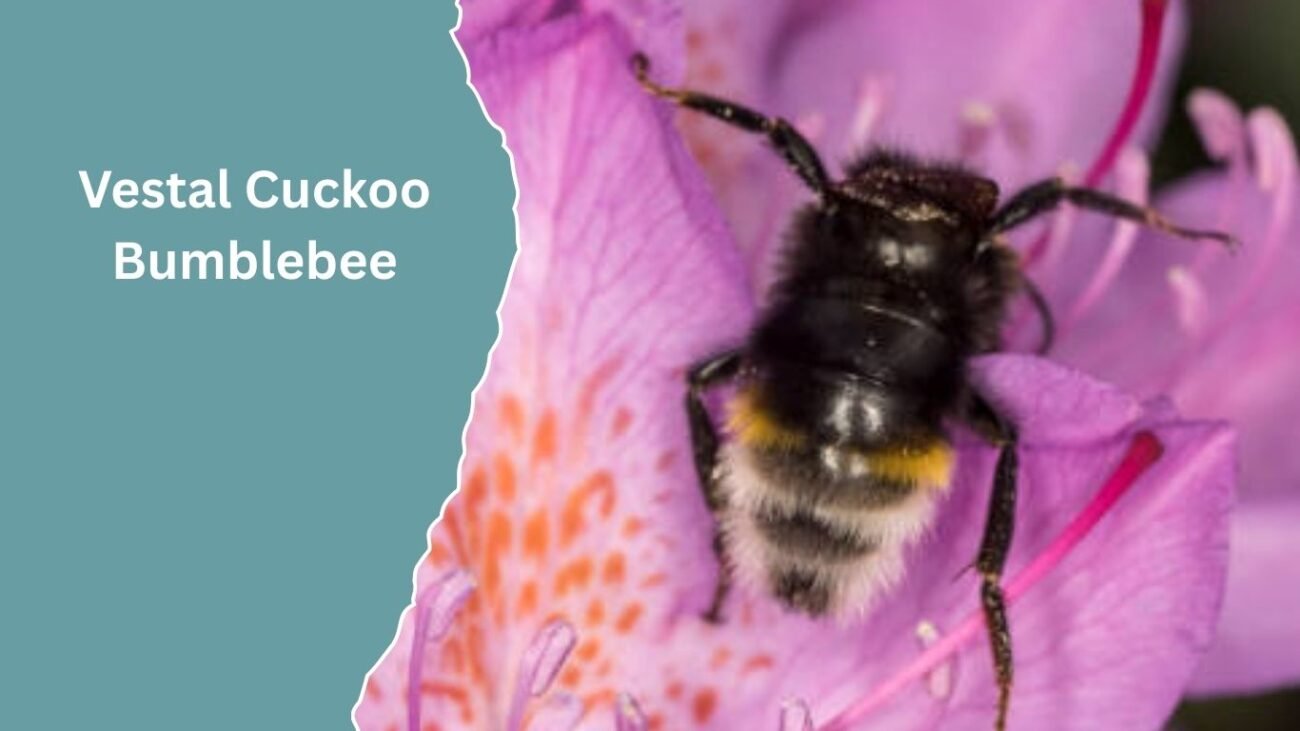
The vestal cuckoo bumblebee is one of the most widespread cuckoo bumblebee species in Europe. It is a specialist parasite of the buff-tailed bumblebee (Bombus terrestris) and relies entirely on its host colonies for survival.
Identification
- Color: Black body with two narrow yellow bands on the thorax and a white tail often with yellow hairs at the base.
- Size: Queens 18–22 mm; males 14–16 mm.
- Distinctive Trait: Resembles buff-tailed bumblebee but lacks a worker caste.
- Wings: Dark, translucent wings.
Habitat
They are found across Europe, Asia, and parts of North Africa. Preferred habitats include gardens, farmland, grasslands, and woodland edges, wherever host species (B. terrestris) are abundant.
Behaviors
The vestal cuckoo bumblebee infiltrates buff-tailed bumblebee nests, kills or subdues the host queen, and lays its own eggs. Host workers then raise the parasitic young. They forage on many flowers, including clovers, thistles, and fruit blossoms, but depend entirely on host colonies for reproduction.
Lifecycle
- Egg Stage: Eggs laid inside host nests.
- Larvae Stage: Cared for by host workers with pollen and nectar.
- Pupa Stage: Pupae develop into adults within the host colony.
- Adult Stage: Only males and queens emerge; workers absent.