Hornets are fascinating yet often misunderstood insects, known for their impressive size, powerful stings, and complex social behavior. Found across Asia, Europe, and North America, different species display unique patterns, habitats, and hunting strategies. Understanding the identification, behaviors, and lifecycle of these 16 hornet species can help enthusiasts, gardeners, and beekeepers recognize them, appreciate their ecological role, and safely coexist with these important predators in nature.
1. Asian Giant Hornet (Vespa mandarinia)

The Asian Giant Hornet is the world’s largest hornet, native to East and Southeast Asia. Known for its powerful sting and aggressive defense of nests, it has gained global attention for its impact on honeybee populations and its nickname “murder hornet.”
Identification
- Size: Queens can reach up to 2 inches (5 cm), workers about 1.5 inches (3.5–4 cm).
- Color: Orange-yellow head with prominent eyes, dark brown thorax, and banded orange-black abdomen.
- Wings: Transparent brownish wings.
- Distinctive Feature: Large size and strong mandibles used for hunting prey.
Habitat
Asian Giant Hornets prefer low mountain forests and rural areas. They build subterranean nests, often in abandoned rodent burrows, tree roots, or hidden soil cavities. They avoid high altitudes and densely populated urban zones.
Behaviors
These hornets are highly social and live in colonies with a strict hierarchy. They are aggressive when defending their nests and are notorious for coordinated attacks on honeybee hives, decapitating bees and carrying their thoraxes back to feed larvae.
Lifecycle
The colony begins in spring when the queen emerges from hibernation to establish a new nest. Workers hatch in summer and expand the colony, while males appear in late summer to mate with new queens. By autumn, most of the colony dies, leaving only mated queens to overwinter and start the cycle again the following year.
2. European Hornet (Vespa crabro)

The European Hornet is the only true hornet native to Europe and has also spread to parts of Asia and North America. Despite their intimidating size, they are generally less aggressive than other hornet species unless threatened.
Identification
- Size: Queens measure up to 1.4 inches (3.5 cm), workers about 1 inch (2.5 cm).
- Color: Reddish-brown head and thorax with a yellow-striped abdomen.
- Wings: Light brown and translucent.
- Distinctive Feature: Larger than most wasps, with a loud buzzing flight.
Habitat
European Hornets commonly nest in hollow trees, wall cavities, attics, and barns. They prefer temperate climates and are often found near woodlands and rural areas.
Behaviors
Unlike many hornets, European Hornets are active both day and night. They feed on insects, tree sap, and fruit, but are less destructive to honeybees compared to Asian Giant Hornets. They can become defensive if their nest is disturbed and deliver painful stings when threatened.
Lifecycle
Queens emerge from hibernation in spring and begin building paper nests. Workers hatch in early summer to support the colony, while reproductive males and new queens develop in late summer. By winter, the workers and males die, and only fertilized queens survive to restart the cycle the next year.
3. Asian Hornet (Vespa velutina)
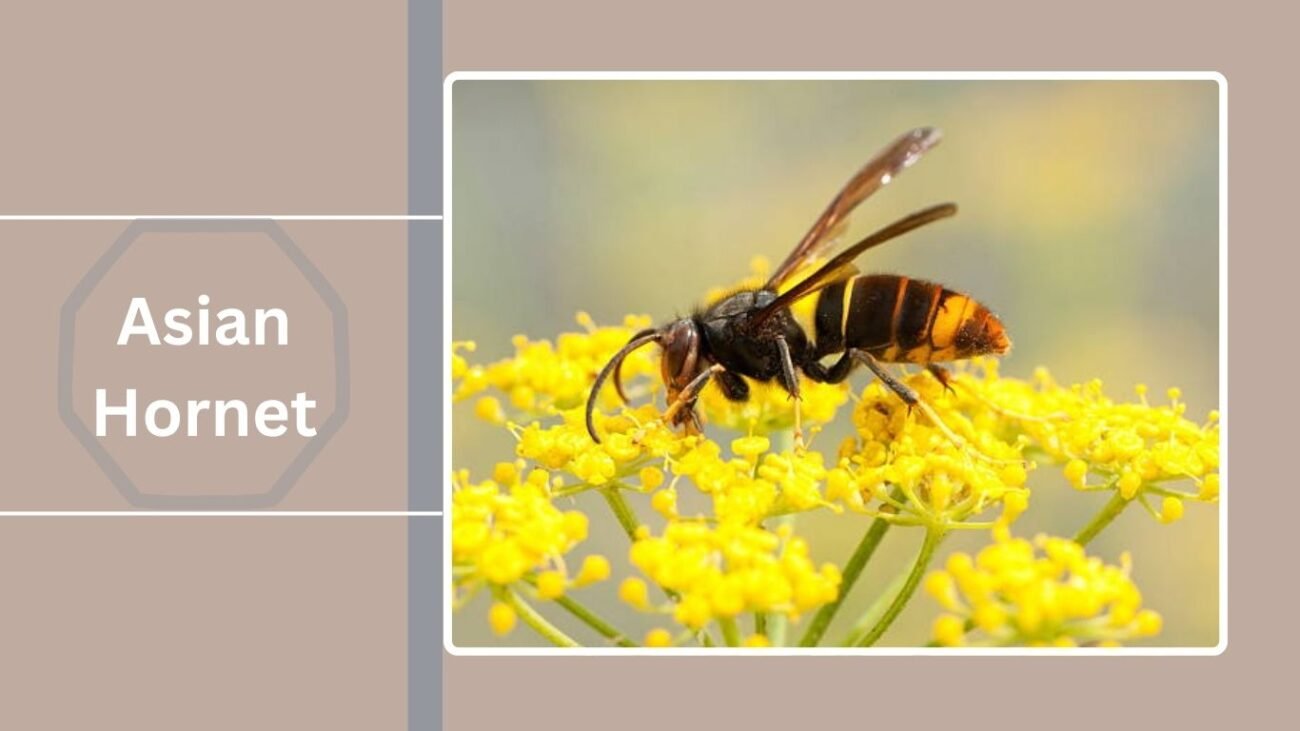
The Asian Hornet is a medium-sized hornet species native to Southeast Asia but has become an invasive species in Europe. It is a serious threat to honeybees and biodiversity due to its predatory behavior.
Identification
- Size: Queens up to 1.2 inches (3 cm), workers around 1 inch (2.5 cm).
- Color: Dark brown to black body with a distinctive yellow-orange band on the fourth abdominal segment.
- Head: Black with an orange-yellow face.
- Wings: Dark-tinted and semi-transparent.
- Distinctive Feature: Smaller than the European Hornet but easily recognized by its dark body and orange band.
Habitat
Asian Hornets prefer warm, humid environments and are often found in urban gardens, orchards, and forest edges. They typically build large paper nests high in trees, though smaller secondary nests may be found in sheds, walls, or under roofs.
Behaviors
These hornets are highly predatory, especially targeting honeybees by hovering near hives and ambushing foraging bees. They are aggressive when defending nests but usually avoid humans unless provoked. Their coordinated attacks on bee colonies can devastate local pollinator populations.
Lifecycle
In spring, the queen starts building a small nest and laying eggs. Workers emerge in early summer and expand the colony rapidly. By late summer, the nest can contain thousands of hornets. New queens and males develop in autumn, after which the original colony dies, leaving only fertilized queens to hibernate and restart the cycle in spring.
4. Yellow Hornet (Vespa simillima)

The Yellow Hornet is a widespread hornet species found across East Asia, including Japan, Korea, China, and parts of Russia. Known for its distinct yellow coloring and aggressive behavior, it often comes into conflict with humans.
Identification
- Size: Queens grow up to 1.2 inches (3 cm), while workers average around 0.8–1 inch (2–2.5 cm).
- Color: Bright yellow head, thorax, and abdomen with black markings.
- Wings: Transparent to light brown.
- Distinctive Feature: Overall yellow appearance compared to other darker hornets.
Habitat
Yellow Hornets prefer temperate forests, rural villages, and agricultural areas. They usually build large, oval-shaped paper nests in trees, bushes, or under the eaves of buildings.
Behaviors
These hornets are highly aggressive when their nests are disturbed, making them a frequent source of stings in their native range. They prey on insects such as caterpillars and flies, helping to regulate pest populations, but they can also threaten honeybees.
Lifecycle
The colony begins in spring when the queen emerges from hibernation and starts building a nest. By summer, workers hatch and take over nest expansion and foraging duties. In autumn, reproductive males and new queens are produced. As winter approaches, the colony dies, with only fertilized queens surviving to restart the cycle.
5. Black-bellied Hornet (Vespa basalis)
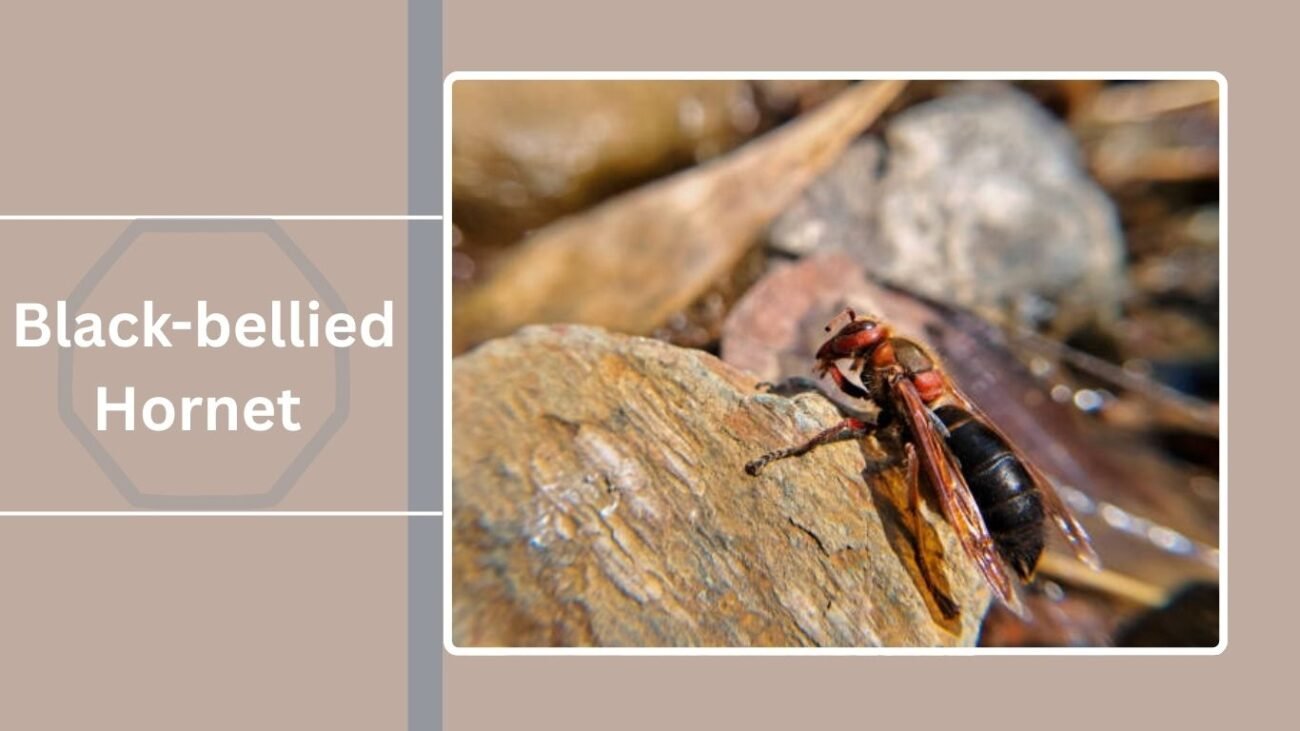
The Black-bellied Hornet is a large and powerful species native to Southeast Asia. It stands out with its dark-colored abdomen and its reputation for aggressive nest defense. While it plays a vital ecological role as both predator and pollinator, its painful sting and bold behavior often bring it into conflict with humans.
Identification
- Size: Queens up to 1.4 inches (3.5 cm), workers around 1 inch (2.5 cm).
- Color: Black abdomen with reddish-brown thorax and orange-tinted head.
- Wings: Dark brown, semi-transparent.
- Distinctive Feature: Its solid black abdomen, which contrasts sharply with the reddish thorax.
Habitat
This species is found in Taiwan, southern China, Vietnam, Thailand, and surrounding regions. Black-bellied Hornets build large papery nests in trees, shrubs, or occasionally on man-made structures. They prefer warm, humid environments with access to both forests and agricultural lands.
Behaviors
The Black-bellied Hornet is highly defensive of its nest and will attack aggressively if disturbed. It is a strong daytime hunter, preying on flies, grasshoppers, and honeybees, which it dismembers with its mandibles before feeding larvae. Colonies are structured with a strict social hierarchy of queen, workers, and males, ensuring survival and growth. When threatened, they release pheromones that trigger coordinated mass attacks, making them particularly dangerous near human settlements.
Lifecycle
The cycle begins in spring when a fertilized queen emerges from hibernation and establishes a new nest by herself. As summer progresses, workers take over foraging and nest-building, allowing the queen to focus solely on reproduction. Colonies can grow to several thousand individuals by late summer. In autumn, new queens and males are produced, and mating occurs before winter. By the cold season, the workers and males die, leaving only the fertilized queens to overwinter in sheltered spots, ready to restart the cycle in spring.
6. Greater Banded Hornet (Vespa tropica)
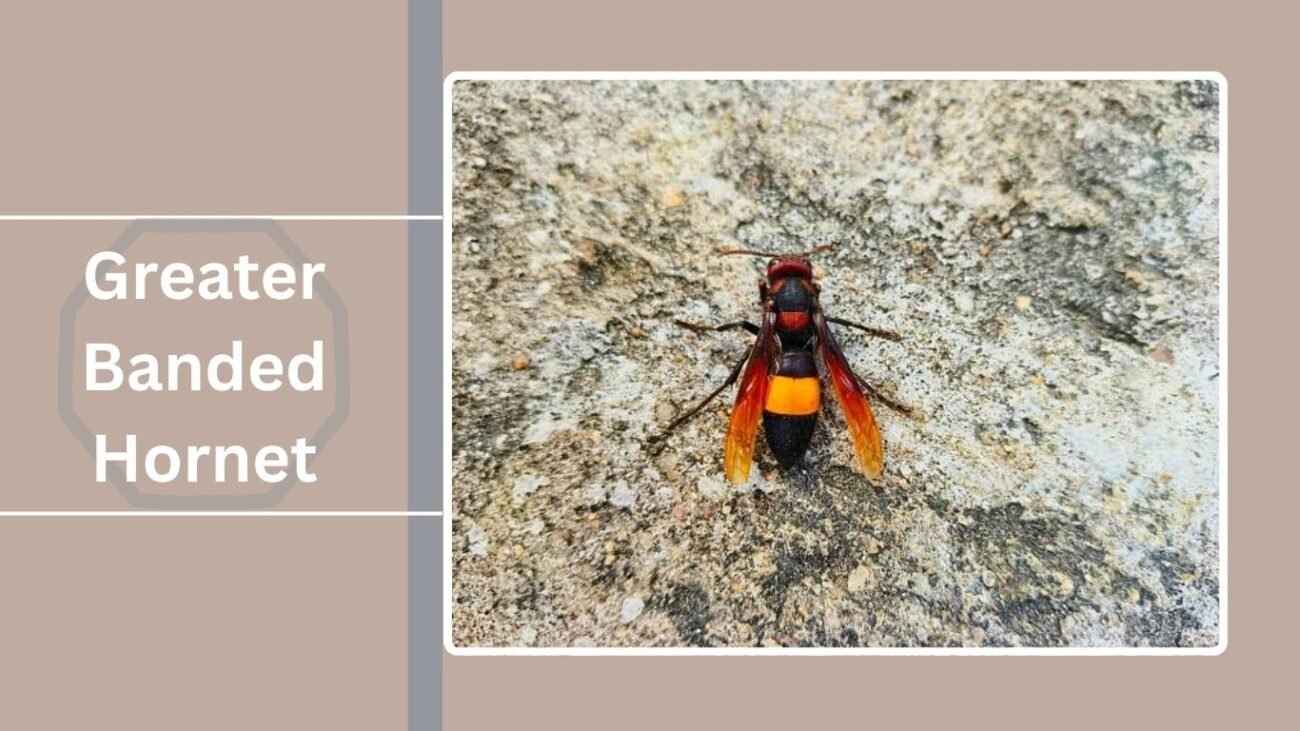
The Greater Banded Hornet is a large, visually striking hornet found across South and Southeast Asia. Known for its bold black-and-yellow striped abdomen, it is a powerful predator of insects and plays a significant role in controlling pest populations. Despite its size and formidable sting, it generally avoids human contact unless its nest is threatened.
Identification
- Size: Queens can reach up to 1.6 inches (4 cm), workers around 1.2 inches (3 cm).
- Color: Bright yellow and black striped abdomen with reddish-brown thorax.
- Wings: Transparent brown wings.
- Distinctive Feature: Bold black-and-yellow banding on the abdomen distinguishes it from other hornets in the region.
Habitat
The Greater Banded Hornet is commonly found in tropical forests, forest edges, and rural agricultural areas. Nests are large, papery, and often constructed high in trees, sometimes in dense shrubs. They require access to open areas for hunting and tend to avoid heavily urbanized environments.
Behaviors
This species is a daytime predator, preying on insects such as flies, grasshoppers, and occasionally honeybees. They are highly territorial around their nests and will defend them aggressively. Colonies operate with a clear caste system, including the queen, workers, and males, all cooperating to maintain the nest and feed larvae. When disturbed, they can launch coordinated attacks using alarm pheromones to alert other workers.
Lifecycle
The lifecycle begins in spring when a fertilized queen emerges from hibernation and constructs a new nest. Workers emerge in early summer and take over foraging, nest expansion, and care of larvae, while the queen focuses on reproduction. The colony reaches its peak size in late summer. In autumn, new queens and males are produced, mate, and the original colony dies. Fertilized queens then hibernate during winter, ready to establish new colonies in the next spring.
7. Lesser Banded Hornet (Vespa affinis)
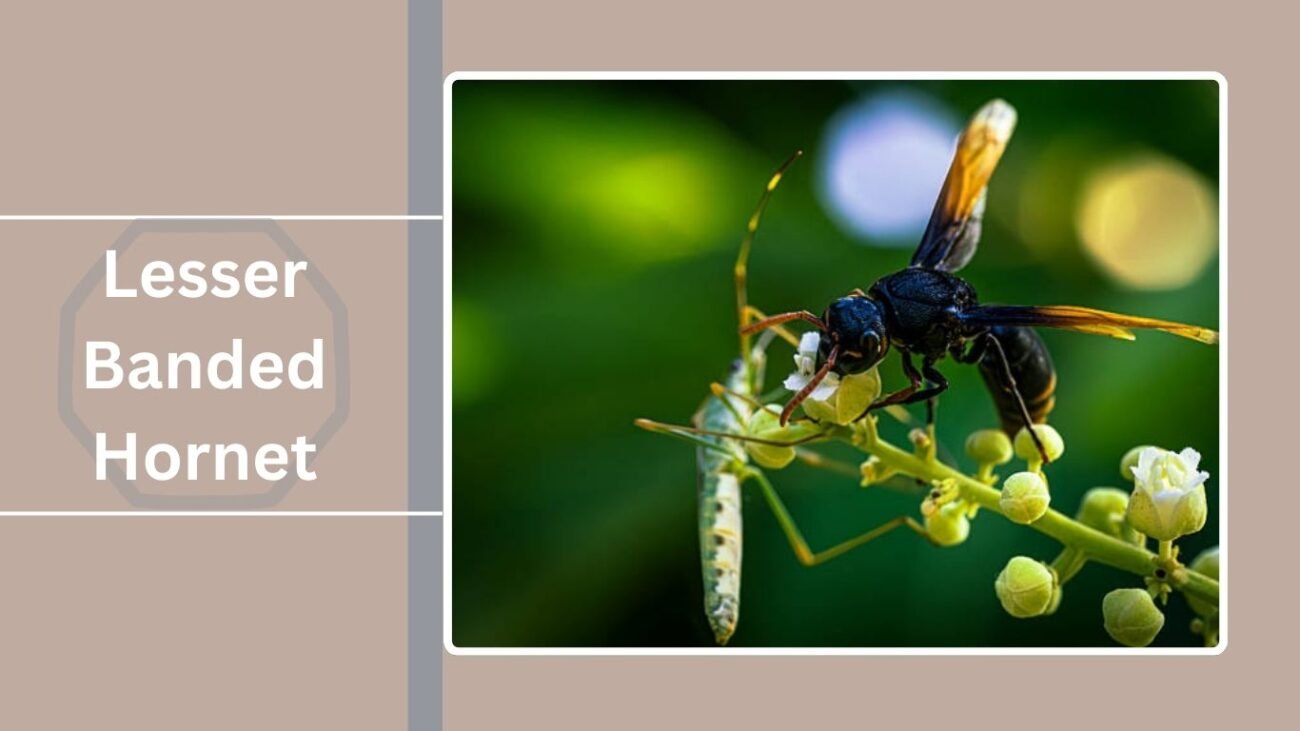
The Lesser Banded Hornet is a medium-sized hornet widespread across South and Southeast Asia. Though smaller than the Greater Banded Hornet, it is highly agile and an efficient predator of insects. It is recognized for its distinctive banding and is often encountered in both rural and semi-urban environments.
Identification
- Size: Queens up to 1.2 inches (3 cm), workers around 0.9–1 inch (2.3–2.5 cm).
- Color: Black body with yellow-orange bands across the abdomen and a reddish-brown thorax.
- Wings: Transparent with a slightly amber tint.
- Distinctive Feature: Narrow yellow-orange bands on the dark abdomen distinguish it from other hornets in the same region.
Habitat
The Lesser Banded Hornet thrives in tropical and subtropical forests, gardens, and agricultural areas. Nests are usually built in trees, shrubs, or occasionally in wall cavities. They prefer environments that provide both shelter and abundant insect prey.
Behaviors
This hornet is highly territorial around its nest and will attack if threatened, though it is less aggressive than larger species like the Asian Giant Hornet. It primarily hunts other insects to feed its larvae and contributes to natural pest control. Colonies maintain a structured hierarchy, with the queen directing reproduction and workers handling foraging and nest maintenance.
Lifecycle
The fertilized queen emerges in spring to establish a new nest and lay the first batch of eggs. Workers emerge in early summer and expand the nest while collecting food. During late summer and early autumn, new queens and males are produced. Once mating occurs, the old colony dies off in winter, leaving only the fertilized queens to hibernate and restart the colony cycle the following spring.
8. Black Shield Hornet (Vespa bicolor)
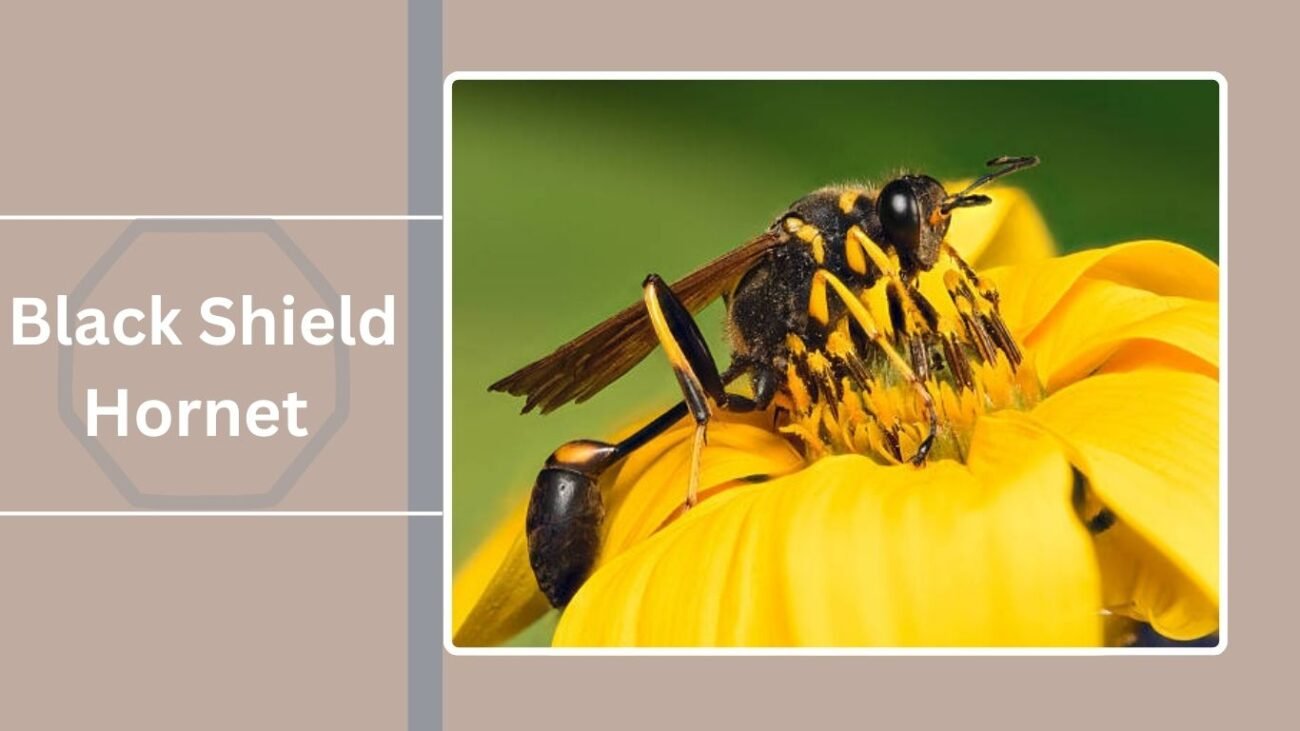
The Black Shield Hornet is a visually striking hornet found across South and Southeast Asia. It is recognized for its contrasting dark and light coloration, which gives it a “shielded” appearance. Though less aggressive than some larger hornets, it can still deliver a painful sting when provoked.
Identification
- Size: Queens can reach 1.4 inches (3.5 cm), workers around 1 inch (2.5 cm).
- Color: Black thorax and head with yellow or pale bands on the abdomen.
- Wings: Dark brown, semi-transparent.
- Distinctive Feature: The contrasting dark thorax and lighter abdomen give it a unique shield-like pattern.
Habitat
Black Shield Hornets typically inhabit forests, forest edges, and rural landscapes. Nests are usually constructed in trees, tall shrubs, or occasionally under eaves of buildings. They favor warm, humid climates with abundant insect prey.
Behaviors
These hornets are predatory and feed mainly on insects, which they capture and chew to feed their larvae. While generally avoiding humans, they become highly defensive when their nest is disturbed. Colonies are social, with a clear caste system where the queen lays eggs and workers care for the nest and larvae.
Lifecycle
The lifecycle starts in spring when a fertilized queen emerges from hibernation and begins building a new nest. Workers hatch in early summer and take over foraging and nest maintenance. By late summer, the colony reaches peak size, producing new queens and males. The old colony dies in autumn and winter, leaving only the fertilized queens to overwinter and restart the cycle in the following spring.
9. Annam Hornet (Vespa analis)
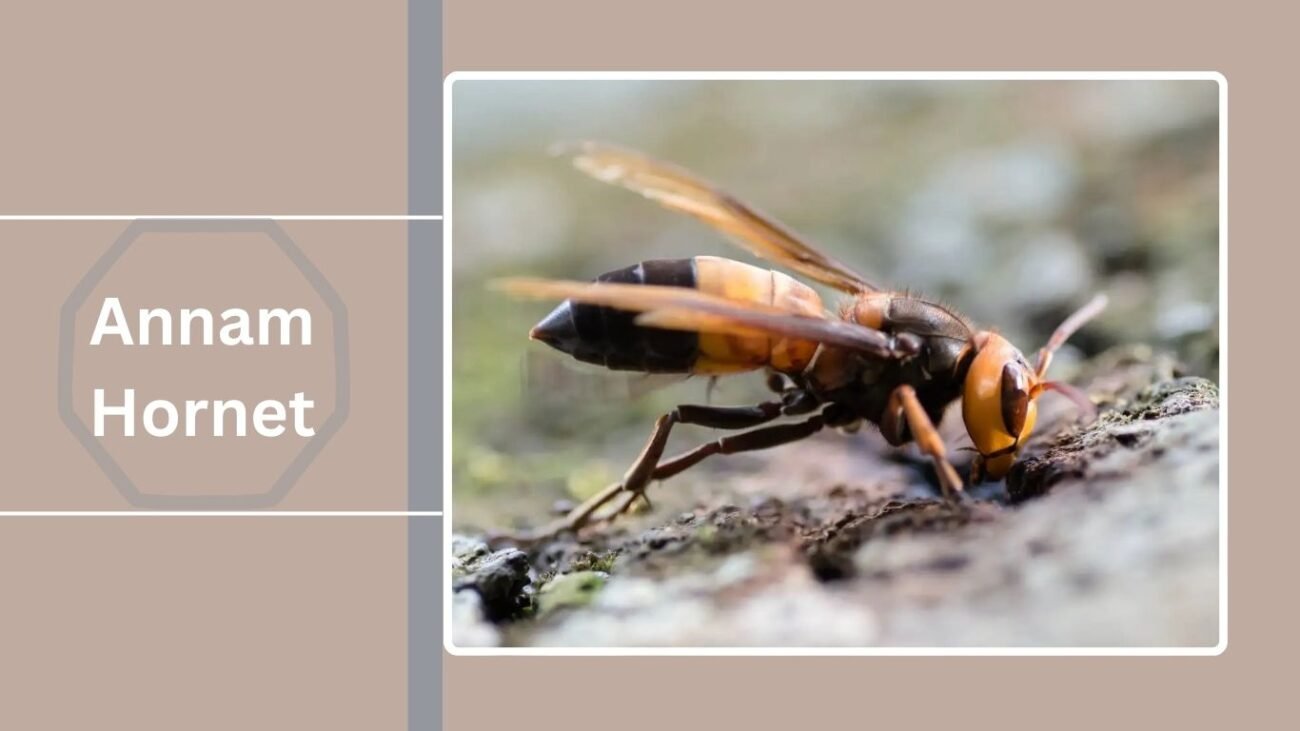
The Annam Hornet is a medium-sized hornet native to Southeast Asia, particularly Vietnam, Laos, and southern China. It is known for its slender body and agile flight, making it an efficient predator of other insects. Though not as aggressive as larger hornets, it can defend its nest fiercely when threatened.
Identification
- Size: Queens up to 1.3 inches (3.3 cm), workers around 1 inch (2.5 cm).
- Color: Reddish-brown head and thorax with a yellow and black banded abdomen.
- Wings: Transparent with a slight amber tint.
- Distinctive Feature: The combination of a reddish thorax and banded abdomen gives it a slender, elongated appearance.
Habitat
Annam Hornets prefer tropical and subtropical forests, forest edges, and rural gardens. Nests are typically built high in trees or shrubs, often hidden among foliage. They thrive in areas with abundant insect prey and moderate human disturbance.
Behaviors
These hornets are diurnal predators, feeding on flies, caterpillars, and other small insects. They are cautious but will aggressively defend their nests if disturbed. Colonies are social, with a hierarchical structure where the queen lays eggs and workers forage and care for larvae.
Lifecycle
The fertilized queen emerges in spring and starts a new nest, laying the first batch of eggs. Workers emerge in early summer and take over nest expansion, foraging, and care of the brood. By late summer, new queens and males are produced, mate, and the original colony declines. Only fertilized queens survive the winter to establish new colonies in the following spring.
10. Philippine Hornet (Vespa philippinensis)
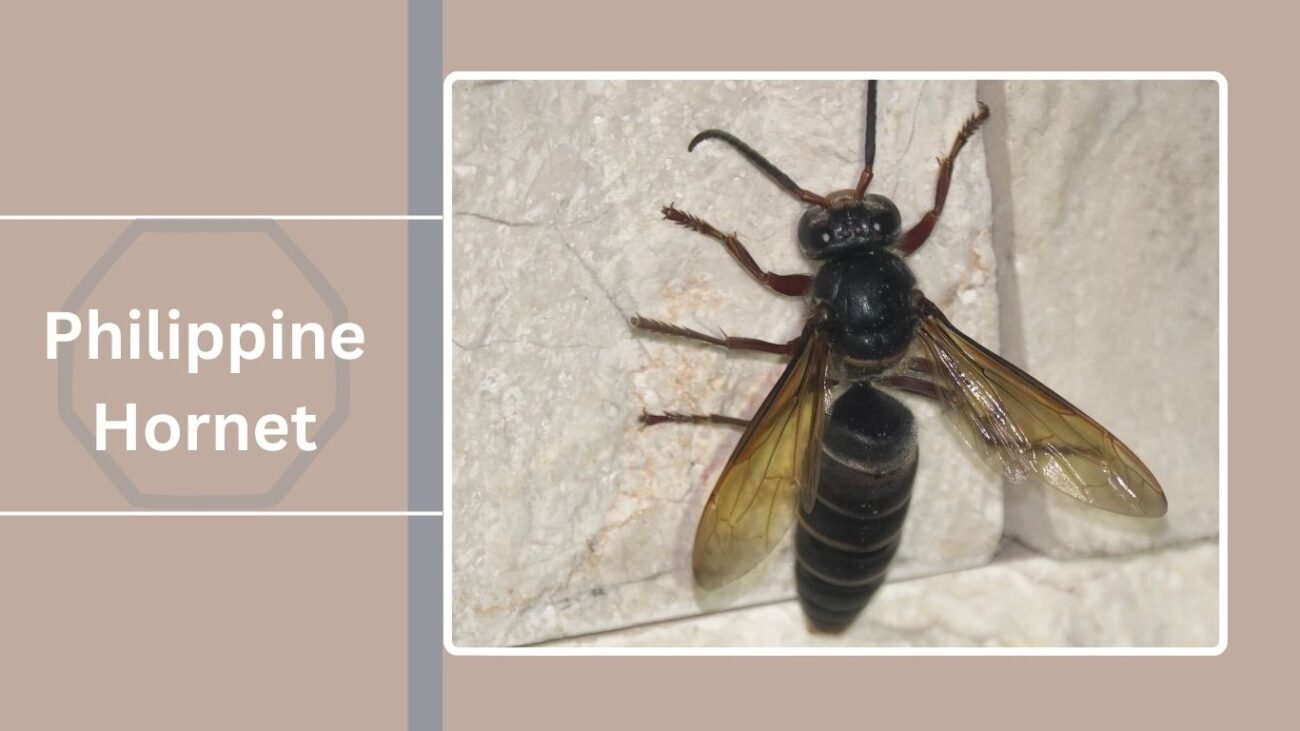
The Philippine Hornet is a medium to large hornet native to the Philippine archipelago. It is known for its agility in flight and predatory efficiency. While not as aggressive as some Asian hornets, it can defend its nest effectively and delivers a painful sting when provoked.
Identification
- Size: Queens up to 1.4 inches (3.5 cm), workers around 1 inch (2.5 cm).
- Color: Reddish-brown head and thorax with black and yellow banded abdomen.
- Wings: Transparent brownish wings.
- Distinctive Feature: Its unique combination of reddish-brown thorax and strongly banded abdomen helps distinguish it from other regional hornets.
Habitat
Philippine Hornets are commonly found in tropical forests, forest edges, and rural agricultural areas. Nests are often built in trees or shrubs, and occasionally under eaves or in roof cavities. They prefer areas that provide both shelter and a reliable supply of insect prey.
Behaviors
These hornets are active hunters during the day, preying on flies, caterpillars, and other small insects to feed their larvae. While generally avoiding humans, they will aggressively defend their nest if disturbed. Colonies operate with a clear social hierarchy where the queen focuses on egg-laying, and workers maintain the nest and forage for food.
Lifecycle
The lifecycle begins in spring with the emergence of a fertilized queen, who builds a small nest and lays the first batch of eggs. Workers hatch in early summer and assume responsibilities for foraging and nest maintenance. By late summer and autumn, new queens and males are produced, mate, and the original colony dies. Fertilized queens then hibernate through the winter to restart the colony cycle the following spring.
11. Indian Hornet (Vespa orientalis)
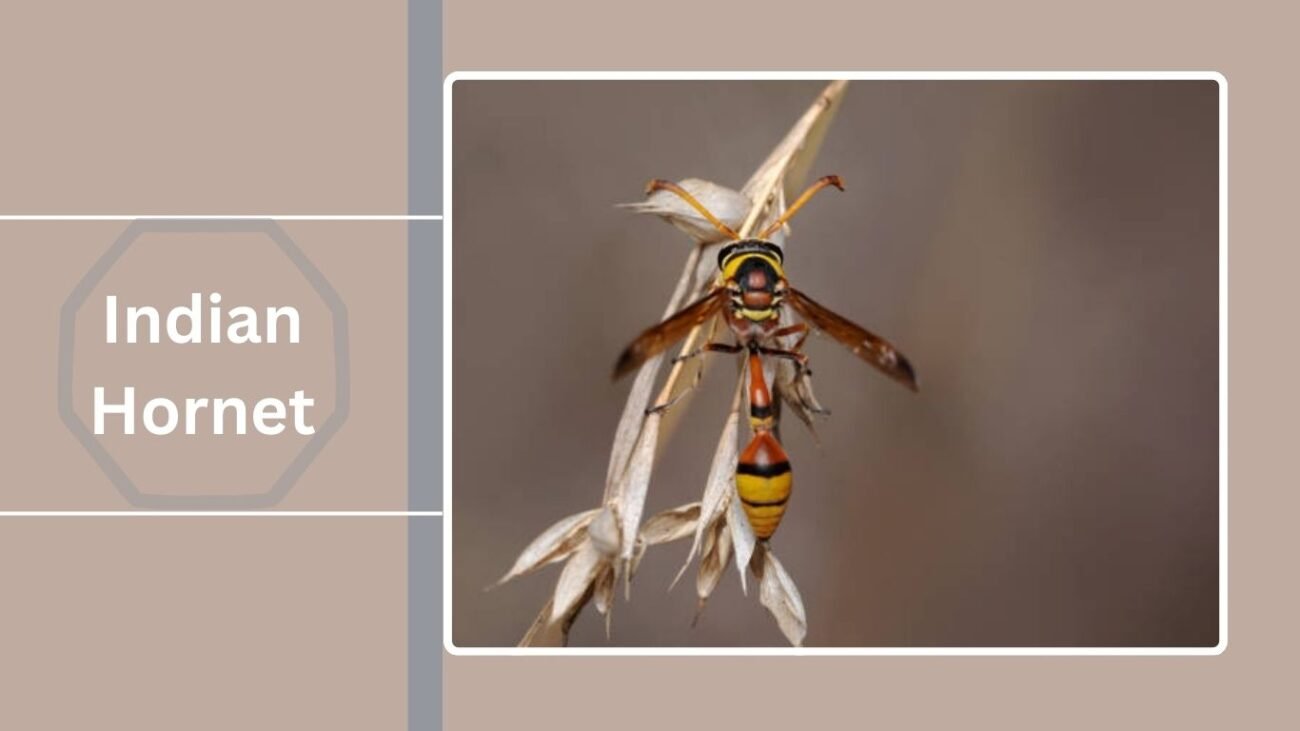
The Indian Hornet, also called the Oriental Hornet, is a medium-sized hornet native to the Middle East, South Asia, and parts of North Africa. It is notable for its striking yellow-orange coloration and its ability to thrive in hot, arid environments. This species is both a predator of insects and an opportunistic scavenger.
Identification
- Size: Queens up to 1.4 inches (3.5 cm), workers around 1 inch (2.5 cm).
- Color: Dark brown to black body with vivid yellow-orange bands on the thorax and abdomen.
- Wings: Transparent to amber-tinted wings.
- Distinctive Feature: Bright yellow-orange bands and reddish-brown head make it easily recognizable.
Habitat
Indian Hornets inhabit arid and semi-arid regions, including deserts, agricultural fields, and urban areas. Nests are often constructed underground, in tree cavities, or within wall crevices. They are highly adaptable and can survive in areas with limited water sources.
Behaviors
The Indian Hornet is a daytime hunter, preying on other insects such as flies, beetles, and caterpillars. It is generally cautious but will fiercely defend its nest if disturbed. Colonies have a strict caste system, with the queen overseeing reproduction and workers managing foraging and nest care. These hornets are also known to feed on sugary substances, including nectar and fruit, making them occasional scavengers.
Lifecycle
A fertilized queen emerges in spring and begins building a new nest, laying the first eggs. Workers hatch during early summer and take over foraging, nest construction, and brood care. By late summer, new queens and males are produced and mate, while the original colony dies off in autumn. Fertilized queens then hibernate through the winter to restart the lifecycle in the following spring.
12. Japanese Hornet (Vespa ducalis)
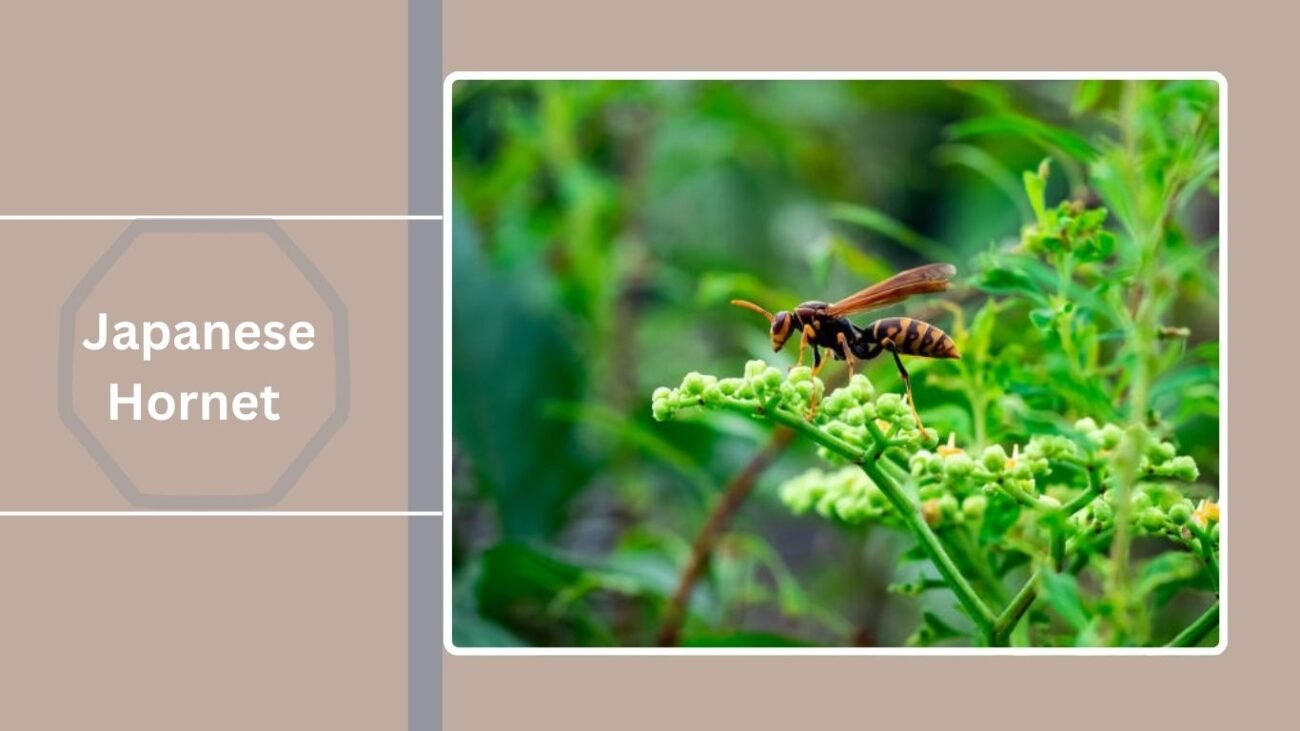
The Japanese Hornet is a medium-sized hornet native to Japan and parts of East Asia. It is known for its stealthy predatory behavior, often targeting other hornets and wasps. Though not as aggressive toward humans as larger hornets, it is capable of delivering a painful sting when threatened.
Identification
- Size: Queens up to 1.3 inches (3.3 cm), workers around 1 inch (2.5 cm).
- Color: Dark brown to black body with subtle yellow bands on the abdomen.
- Wings: Dark-tinted, semi-transparent wings.
- Distinctive Feature: Relatively slender body with muted yellow markings, distinguishing it from the more vividly colored hornets in the region.
Habitat
Japanese Hornets are typically found in forests, wooded areas, and gardens. They prefer nesting in tree hollows or sheltered spots in shrubs. The species thrives in temperate climates with abundant insect prey.
Behaviors
This hornet is a skilled predator of other insects, including smaller hornets and wasps, which it hunts to feed its larvae. While generally avoiding humans, it becomes defensive if its nest is disturbed. Colonies are organized hierarchically, with a queen responsible for egg-laying and workers managing foraging and nest upkeep.
Lifecycle
In spring, a fertilized queen emerges and constructs a new nest, laying the initial eggs. Early summer sees the emergence of workers, who take over foraging and nest maintenance while the queen continues reproducing. By late summer and autumn, the colony produces new queens and males, after which the original colony dies. Only the fertilized queens survive the winter, ready to establish new colonies in the following spring.
13. Yellow-vented Hornet (Vespa vivax)

The Yellow-vented Hornet is a medium-sized hornet found across South and Southeast Asia. It is recognized for the bright yellow markings near the tip of its abdomen, which make it easily distinguishable from other regional hornets. This species is an efficient predator and contributes to controlling insect populations in its habitat.
Identification
- Size: Queens up to 1.3 inches (3.3 cm), workers around 1 inch (2.5 cm).
- Color: Dark brown or black body with bright yellow markings on the abdomen and reddish-brown thorax.
- Wings: Transparent with a subtle amber tint.
- Distinctive Feature: Yellow vent near the abdomen tip gives the species its common name.
Habitat
Yellow-vented Hornets are commonly found in forests, forest edges, gardens, and agricultural areas. Nests are built in trees, shrubs, or occasionally in roof cavities. They prefer areas with abundant prey and moderate shelter from extreme weather.
Behaviors
This hornet actively hunts insects, such as flies, grasshoppers, and caterpillars, to feed its larvae. While generally non-aggressive toward humans, it will defend its nest vigorously if disturbed. Colonies are social and hierarchical, with a queen laying eggs and workers foraging, caring for larvae, and maintaining the nest.
Lifecycle
The lifecycle begins in spring when a fertilized queen emerges from hibernation and establishes a nest. Workers hatch in early summer and assume responsibilities for nest expansion and foraging. By late summer, the colony produces new queens and males, which mate before the original colony dies. Fertilized queens then hibernate through winter to start new colonies in the following spring.
14. Red Hornet (Vespa fervida)

The Red Hornet is a medium-sized hornet native to parts of Southeast Asia. It is named for its striking reddish coloration and is known for its agility and efficient predatory behavior. While it generally avoids humans, it can defend its nest aggressively if provoked.
Identification
- Size: Queens up to 1.3 inches (3.3 cm), workers around 1 inch (2.5 cm).
- Color: Bright red head and thorax with black and orange bands on the abdomen.
- Wings: Transparent with a reddish-brown tint.
- Distinctive Feature: The vibrant red coloration of the head and thorax makes it easily recognizable among other hornets.
Habitat
Red Hornets inhabit tropical and subtropical forests, forest edges, gardens, and rural farmlands. Nests are typically built in trees or shrubs, often hidden among foliage, and occasionally in man-made structures. They prefer areas with abundant insect prey.
Behaviors
The Red Hornet is an active predator, feeding on a variety of insects such as flies, caterpillars, and grasshoppers. While not overly aggressive toward humans, it will fiercely defend its nest when disturbed. Colonies are social, with a hierarchical structure in which the queen lays eggs and workers maintain the nest, forage, and care for the brood.
Lifecycle
In spring, a fertilized queen emerges from hibernation to start a new nest and lay the first eggs. Workers hatch in early summer and take over foraging, nest building, and brood care. By late summer and autumn, new queens and males are produced and mate, while the original colony declines and dies. Fertilized queens hibernate through winter, ready to establish new colonies in the following spring.
15. White-faced Hornet (Dolichovespula maculata)
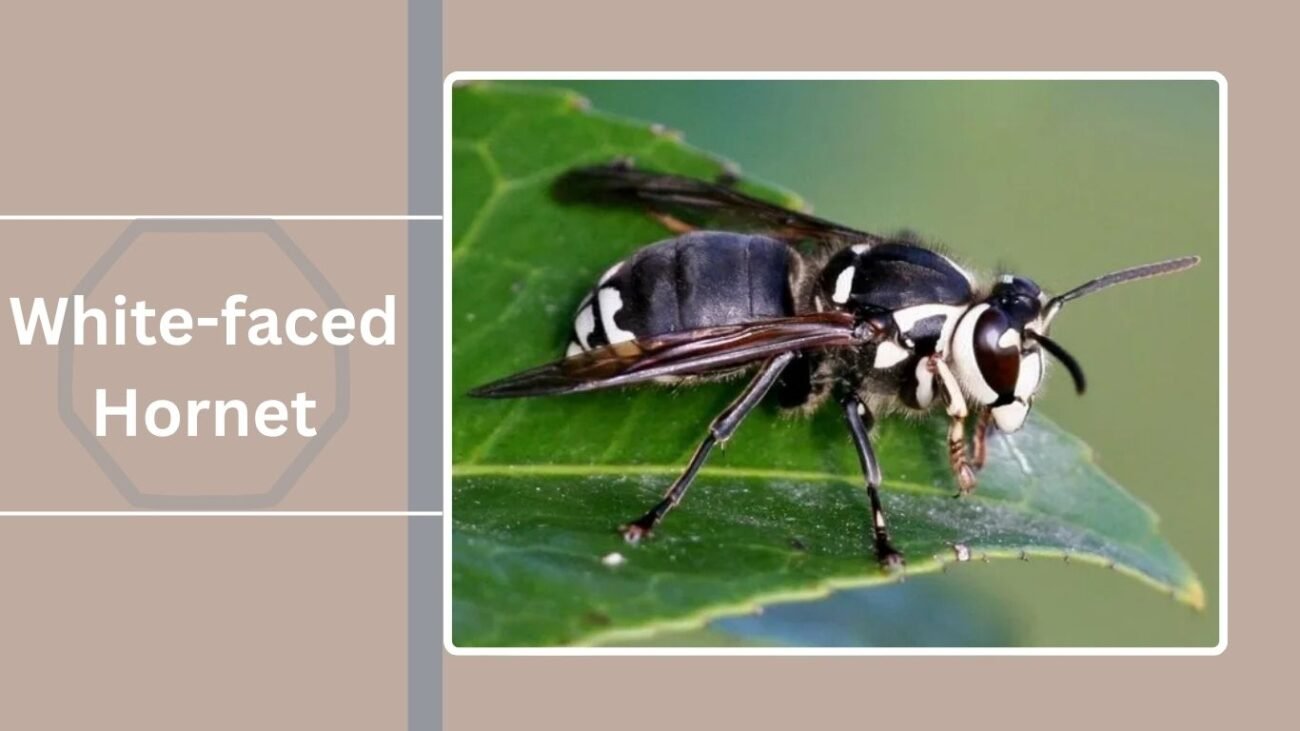
The White-faced Hornet, also known as the Bald-faced Hornet, is a large hornet species native to North America. Despite its name, it is not a true hornet in the Vespa genus but shares many similar traits. It is recognized for its distinctive black body with white facial markings and is known for aggressive nest defense.
Identification
- Size: Queens up to 1.25 inches (3.2 cm), workers around 0.9–1 inch (2.3–2.5 cm).
- Color: Black body with bold white markings on the face and along the edges of the thorax and abdomen.
- Wings: Semi-transparent, slightly brownish.
- Distinctive Feature: White facial markings and black-and-white contrasting body distinguish it from other hornets and wasps.
Habitat
White-faced Hornets prefer forests, woodlands, and suburban areas with trees and shrubs. They construct large, enclosed paper nests that often hang from tree branches, shrubs, or eaves of buildings. These nests are typically football-shaped and can house hundreds of workers.
Behaviors
This hornet is a social predator, feeding primarily on insects such as flies and caterpillars, which it captures to feed its larvae. While generally avoiding humans, it aggressively defends its nest and can sting multiple times. Colonies operate with a strict social hierarchy, with the queen focusing on egg-laying and workers handling foraging, nest maintenance, and brood care.
Lifecycle
The lifecycle begins in spring when fertilized queens emerge from hibernation to build new nests and lay the first eggs. Workers hatch in early summer and expand the nest while foraging for food. By late summer, the colony produces new queens and males, which mate before the colony dies in autumn. Fertilized queens then hibernate during winter to restart the cycle in the following spring.
16. Greater Hornet (Vespa magnifica)
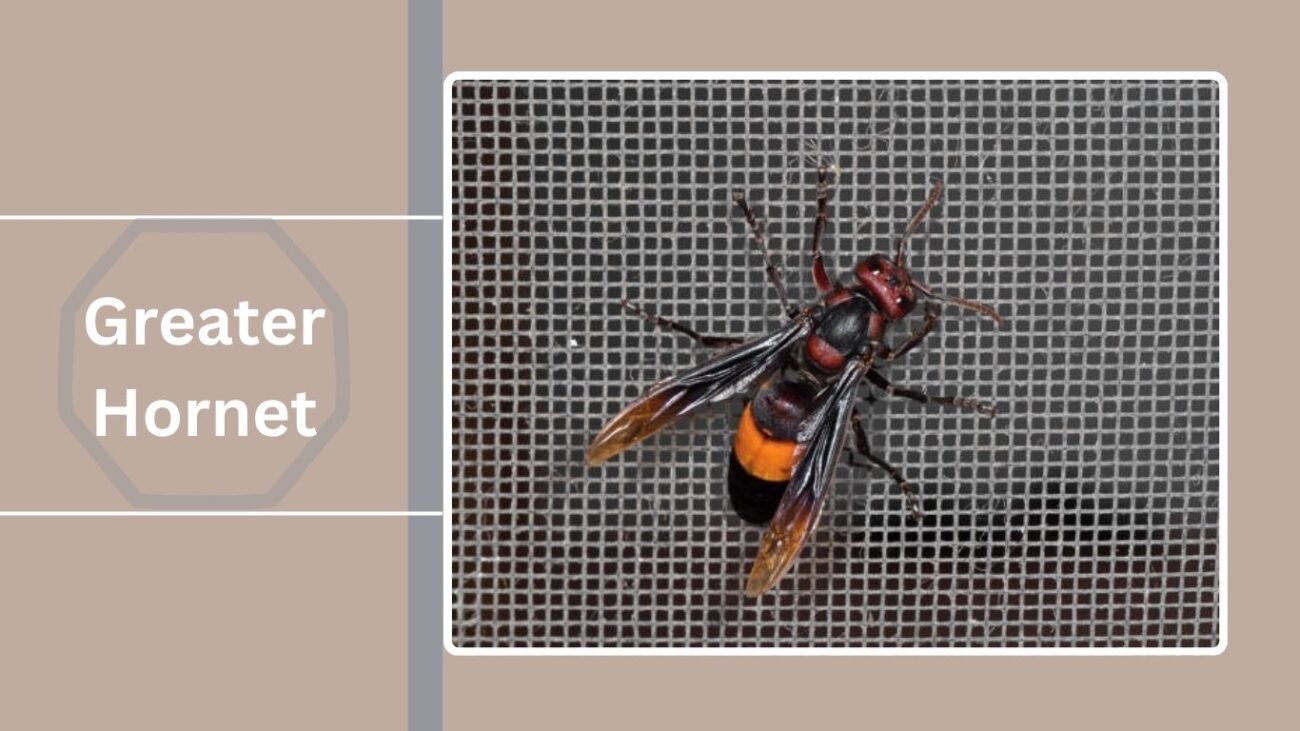
The Greater Hornet is one of the largest hornet species found in parts of Southeast Asia. Known for its impressive size and powerful sting, it is a highly effective predator of insects. Despite its intimidating appearance, it generally avoids human contact unless its nest is threatened.
Identification
- Size: Queens up to 1.8 inches (4.5 cm), workers around 1.4 inches (3.5 cm).
- Color: Dark brown or black thorax with yellow and orange bands on the abdomen.
- Wings: Large, semi-transparent brown wings.
- Distinctive Feature: Its massive size and vividly banded abdomen make it easily distinguishable from other hornet species.
Habitat
Greater Hornets prefer tropical and subtropical forests, forest edges, and rural agricultural areas. Nests are usually built high in trees or dense shrubs, occasionally in man-made structures. They require areas with plentiful insect prey and some degree of shelter.
Behaviors
These hornets are active daytime hunters, preying on a variety of insects including flies, grasshoppers, and caterpillars. While generally non-aggressive toward humans, they fiercely defend their nest when disturbed. Colonies have a clear social hierarchy, with the queen laying eggs and workers managing foraging, nest maintenance, and care of the brood.
Lifecycle
The lifecycle begins in spring when a fertilized queen emerges from hibernation to establish a new nest. Early summer brings the emergence of workers, who expand the nest and forage for food while caring for the brood. By late summer and autumn, the colony produces new queens and males, after which the original colony dies. Fertilized queens then hibernate through winter, ready to start new colonies the following spring.